Introduction to the DFB Pokal
The DFB Pokal, officially known as the Deutsche Fußball-Bund-Pokal, is Germany's premier knockout football competition and one of the most prestigious domestic cup tournaments in European football. Established in 1935, the tournament has evolved into a cornerstone of German football culture, offering a unique blend of tradition, drama, and opportunity for clubs across the country. Unlike league competitions where the strongest teams often dominate over a season, the DFB Pokal is a single-elimination format where any team, regardless of its league standing, has a chance to claim glory. This unpredictability is part of what makes the competition so beloved by fans and players alike.
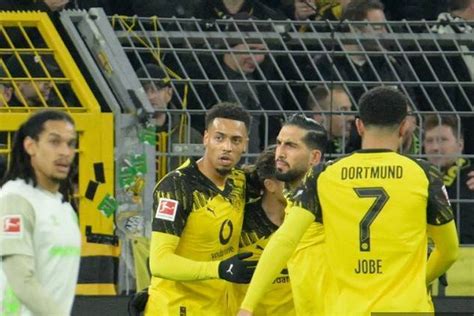
The significance of the DFB Pokal in German football is multifaceted. For one, it provides a platform for clubs of varying levels to compete on an equal footing. The tournament includes teams from the Bundesliga, 2. Bundesliga, and lower divisions, creating a dynamic where underdog stories are not only possible but frequent. This inclusivity is a hallmark of the competition. For instance, teams from the 3. Liga or even amateur sides from regional associations often find themselves pitted against giants like Bayern Munich or borussia dortmund. These matchups are not just games; they are opportunities for smaller clubs to showcase their talent, earn revenue from television broadcasts, and, in some cases, etch their names into footballing folklore by causing upsets.
The DFB Pokal also serves as a barometer of a club’s depth and resilience. While league titles often reward consistency over 34 matches, the cup demands excellence in isolated, high-pressure matches. A single poor performance can result in elimination, which adds an element of urgency and unpredictability. This aspect of the competition often reveals the true character of teams and players. For top-tier clubs, the DFB Pokal is not merely a secondary objective but a vital piece of their season’s ambitions. Winning the cup not only brings a trophy but also secures a spot in the UEFA Europa League (or, in some cases, the UEFA Champions League if the winner has already qualified through league performance). This dual incentive ensures that even elite clubs take the competition seriously, despite the physical and logistical challenges of juggling cup fixtures with league and European commitments.
The role of the DFB Pokal as a national cup competition is deeply rooted in its ability to unite football fans across Germany. Unlike the Bundesliga, which is dominated by certain regions and clubs, the DFB Pokal draws participation from all 21 German football associations. This means that even clubs from less football-centric areas, such as smaller towns or regions with limited professional representation, can participate. The tournament’s structure ensures that every year, there are stories of minnows overcoming odds—like when TSV Havelse, a fourth-division side, advanced to face Bundesliga opposition. These moments are not just anomalies; they are integral to the competition’s charm and its ability to resonate with a broad audience. For many fans, especially those supporting smaller clubs, the DFB Pokal represents hope and a break from the dominance of the traditional powerhouses.
Another critical aspect of the DFB Pokal is its historical and cultural resonance. The tournament has been a witness to some of the most iconic moments in German football history. Legendary matches, such as FC Magdeburg’s victory in 1974 as a second-division side against the heavily favored Dynamo Dresden, or Eintracht Frankfurt’s thrilling 3-1 win over Bayern Munich in the 2018 final, are etched into the collective memory of fans. These moments underscore the competition’s ability to deliver narratives that go beyond the predictable. The final, held annually at the Olympiastadion in Berlin, is a spectacle that transcends football. It is a national event, with the president of the DFB presenting the trophy, symbolizing the unifying power of sport in a country with a rich and complex footballing history.
The DFB Pokal also plays a strategic role in the development of German football. For lower-tier teams, the financial rewards of progressing in the tournament can be transformative. Prize money, increased exposure, and the chance to host matches against top-tier sides can provide much-needed resources for clubs operating on tight budgets. This economic impact is particularly significant in a football ecosystem where smaller clubs often struggle to compete with the financial might of the Bundesliga elite. Additionally, the competition serves as a testing ground for young talents and fringe players. Managers often use DFB Pokal matches to rotate their squads, giving opportunities to academy graduates or players returning from injury. This dynamic not only benefits individual players but also contributes to the broader goal of talent development within German football.
The format of the DFB Pokal further enhances its appeal. With 64 teams participating, the competition is structured to ensure variety and excitement. The first rounds often feature lopsided matchups, such as Bundesliga teams facing amateur clubs, which can result in high-scoring games and early drama. However, as the tournament progresses, the stakes increase, and the matchups become more balanced. The knockout nature ensures that every game is a must-win, which often leads to tactical innovation and moments of individual brilliance. For instance, the prevalence of penalty shootouts in later rounds adds another layer of tension, as even the best teams can falter under the pressure of a one-off contest.
From a fan perspective, the DFB Pokal is a celebration of football’s unpredictability. Ticket sales for matches involving smaller clubs often see a surge, as local communities rally behind their teams. The atmosphere in these games is often electric, with fans embracing the opportunity to witness their club take on a giant. This grassroots enthusiasm is a stark contrast to the sometimes corporate nature of top-tier league football, reinforcing the DFB Pokal’s role as a competition that prioritizes passion and community over commercial interests.
In conclusion, the DFB Pokal is more than just a cup competition; it is a microcosm of what makes German football unique. Its blend of inclusivity, drama, and tradition ensures that it remains a vital part of the country’s sporting landscape. Whether through the triumph of an underdog, the resilience of a top-tier team fighting for silverware, or the spectacle of the Berlin final, the DFB Pokal encapsulates the essence of competition and the unifying power of football. For players, clubs, and fans, it is not just a tournament—it is a journey that embodies the spirit of the beautiful game in Germany.
- The DFB Pokal allows clubs from all levels of German football to compete on equal footing.
- It serves as a platform for lower-tier teams to gain exposure and financial benefits.
- The tournament has a rich history of producing iconic moments and underdog stories.
- Its single-elimination format adds an element of unpredictability and excitement.
- The final in Berlin is a national event that symbolizes the competition's prestige.
History of the DFB Pokal
The **DFB Pokal**, Germany's premier domestic cup competition, has a rich and storied history that reflects the evolution of German football itself. From its humble beginnings to its current status as a highly anticipated annual event, the tournament has undergone significant transformation while remaining a cornerstone of the nation's sporting culture.
The origins of the **DFB Pokal** can be traced back to 1935, when it was first introduced as the **Tschammer-Pokal**, named after Reichssportführer Hans von Tschammer und Osten. This inaugural competition was conceived as a means to promote German football and foster national pride during a politically charged era. The first edition saw **1. FC Nürnberg** emerge as the champions, defeating **Schalke 04** in the final. This early iteration of the tournament was structured differently from today's format, with regional qualifiers leading to a national stage. However, the competition was suspended during World War II and would not resume until the post-war years, reflecting the broader disruptions faced by German society and sports.
After the war, the tournament was reintroduced in 1952 under the name **DFB Pokal**, a title it has retained ever since. This marked a new era for the competition, as it became a symbol of unity and recovery in a divided nation. The early years of the DFB Pokal were characterized by a more regional focus, with smaller clubs often making deep runs due to the open draw system. This egalitarian approach allowed for memorable upsets, such as **Kickers Offenbach's** victory over **Cologne** in 1970, which underscored the tournament's unpredictability and charm. These early milestones helped establish the DFB Pokal as a platform where underdogs could challenge the dominance of bigger clubs, a tradition that continues to this day.
One of the most significant **milestones** in the tournament's history came in 1960, when the final was held at the **Olympiastadion in Berlin** for the first time. This venue would become synonymous with the DFB Pokal final, cementing its status as a prestigious event. Hosting the final in Berlin added a sense of grandeur and tradition to the competition, elevating its profile among players and fans. Over time, the final's location in Berlin has become a fixed tradition, symbolizing the unifying power of football in a country that had experienced division during the Cold War era.
The **1980s and 1990s** saw the DFB Pokal evolve in response to changes in the structure of German football. The formation of the **Bundesliga** in 1963 had already professionalized the sport, and the DFB Pokal adapted by becoming a key secondary competition alongside the league. The introduction of **European qualification for the winner** added further stakes to the tournament. Winning the DFB Pokal now meant not just national glory but also a chance to compete in the **UEFA Cup Winners' Cup** (later replaced by the UEFA Europa League following format changes). This development made the competition more attractive to top-tier clubs, who began fielding stronger squads in pursuit of both domestic and international success.
Another key evolution came with the **fall of the Berlin Wall in 1989** and the subsequent reunification of Germany. The integration of clubs from the former East Germany into the competition added new dimensions to the DFB Pokal. Teams like **Dynamo Dresden** and **Hansa Rostock** brought fresh rivalries and narratives to the tournament. Their inclusion not only expanded the geographical reach of the competition but also highlighted the unifying role of football in post-reunification Germany. This period also saw increased television coverage and commercialization, which helped the DFB Pokal reach a broader audience both domestically and internationally.
The **modern era** of the DFB Pokal, beginning in the early 2000s, has been shaped by several factors. One notable change has been the **format refinement** to include all **64 teams** from the Bundesliga, 2. Bundesliga, and lower divisions, alongside amateur clubs that qualify through regional cup competitions. This inclusive structure ensures that the tournament retains its reputation as a stage for **giant-killings**, where smaller clubs can test themselves against the elite. For instance, **TSV Vestenbergsgreuth's** shocking defeat of **Bayern Munich** in 1994 remains one of the most famous upsets in the tournament's history, illustrating the enduring appeal of such David-versus-Goliath matchups.
The **prize money and prestige** associated with the DFB Pokal have also grown significantly. Winning the tournament now offers not only a place in the **UEFA Europa League** (or, in some cases, the **UEFA Champions League** if the winner has already qualified through the Bundesliga) but also substantial financial rewards. This has intensified competition, with top clubs increasingly prioritizing the DFB Pokal as a viable route to silverware and European football. The tournament's ability to balance tradition with modern commercial interests is a testament to its adaptability.
In terms of **cultural impact**, the DFB Pokal has also played a role in shaping the narrative of German football. It has provided a stage for some of the sport's most iconic moments, such as **Bayern Munich's record 20 titles** and the emergence of legendary players like **Gerd Müller**, **Franz Beckenbauer**, and more recently, **Robert Lewandowski**. These figures and their performances in the DFB Pokal have become part of the tournament's lore, further embedding it in the fabric of German football history.
The tournament has also embraced **technological advancements** in recent years. The introduction of **video assistant referee (VAR)** technology in the later stages of the competition has aimed to improve fairness and reduce contentious decisions. While not without controversy, these innovations reflect the DFB Pokal's willingness to adapt to the demands of modern football.
Looking back, the **DFB Pokal's journey** is one of resilience and evolution. From its origins as a tool for national pride in the 1930s to its current status as a dynamic and inclusive competition, the tournament has consistently adapted to the changing landscape of German football. Its ability to balance tradition with innovation, to offer a platform for both giants and minnows, and to capture the imagination of fans across generations speaks to its enduring relevance.
- The tournament began as the Tschammer-Pokal in 1935, emphasizing national unity.
- Post-war reintroduction in 1952 marked a new chapter under the DFB Pokal name.
- The 1960 move to the Olympiastadion for finals added prestige.
- Reunification in the 1990s brought East German clubs into the fold, enriching the competition.
- Modern changes include increased prize money, European qualification, and technological integration like VAR.
In conclusion, the DFB Pokal is more than just a cup competition; it is a chronicle of German football's journey through history. Its ability to preserve its essence while embracing change ensures that it remains a vital part of the sport's identity in Germany, offering both a window into the past and a glimpse of the future.
Structure of the DFB Pokal Schedule
The DFB Pokal schedule is a carefully structured framework that governs one of Germany's most prestigious football tournaments. This knockout competition involves teams from various tiers of German football, ranging from top-tier Bundesliga clubs to amateur sides, creating a unique mix of competition and opportunity. Understanding the tournament's structure requires delving into its format, which is designed to ensure fairness while maintaining the drama and unpredictability that fans love.
The DFB Pokal features a total of 64 teams each season. These teams are drawn from a diverse pool that includes:
- All 18 Bundesliga teams from the previous season.
- All 18 teams from the 2. Bundesliga (Germany's second division).
- The top four teams from the 3. Liga (the third tier of German football).
- 24 teams that qualify through regional cup competitions organized by the 21 regional football associations. These include amateur teams, with some coming from as low as the fifth or sixth tier of German football.
- The winner of the German futsal cup, if applicable, though this is a rare addition.
This broad representation ensures that the tournament is not limited to elite clubs, offering lower-tier teams a chance to compete against giants of the sport. The inclusion of amateur teams also adds an element of unpredictability, as these matches often serve as "giant-killing" opportunities where underdogs can upset favorites.
The tournament is structured in a pure knockout format, meaning that each round is single-elimination. A team that loses a match is immediately out of the competition, while the winner progresses to the next stage. This format creates high stakes for every game, as there are no second chances. The tournament is divided into six rounds:
- First Round: All 64 teams enter the competition at this stage. The draw is designed to mix teams from different levels of the football pyramid, often pitting top-tier clubs against amateur sides. This round is where the most dramatic upsets tend to occur, as amateur teams often play at home against Bundesliga sides, leveraging home-field advantage and the motivation of a once-in-a-lifetime opportunity.
- Second Round: The 32 winners from the First Round advance. The draw for this stage often continues to mix teams from different tiers, though the number of amateur teams naturally decreases as stronger sides progress.
- Round of 16: After the Second Round, only 16 teams remain. At this stage, the competition becomes more concentrated, with fewer amateur teams and more matches between Bundesliga and 2. Bundesliga sides. However, surprises are still possible, as form and momentum can play a significant role in knockout football.
- Quarter-Finals: Only eight teams progress to this stage. The matches become more tactical and intense, as the remaining teams are often well-balanced in terms of skill and ambition.
- Semi-Finals: Four teams battle it out for a place in the final. The matches at this stage are often nail-biting, as the prospect of lifting the trophy becomes tangible for the players and fans.
- Final: The culmination of the tournament takes place at the Olympiastadion in Berlin, a tradition that adds to the spectacle. The final is a one-off match, and the winner is crowned the DFB Pokal champion.
A critical aspect of the DFB Pokal schedule is the draw process, which determines the pairings for each round. The draw is conducted in a way that prioritizes fairness and regional representation, especially in the earlier rounds. Here’s how it works:
- In the First Round, the 64 teams are divided into two pots. One pot contains the 18 Bundesliga teams, the 18 2. Bundesliga teams, and the top four 3. Liga teams. The other pot contains the 24 regional cup winners and the remaining lower-tier teams. This separation ensures that most amateur teams face higher-tier opponents, creating opportunities for memorable upsets. Additionally, the home advantage is usually given to the lower-ranked team in each pairing, further leveling the playing field.
- From the Second Round onward, the pots are no longer separated by tier. Instead, the remaining teams are pooled together, and pairings are drawn randomly. This change increases the likelihood of high-profile matchups between Bundesliga teams, which often draw significant attention and television audiences.
- The semi-final draw is completely open, with no seeding or restrictions. This means any of the four remaining teams can face each other, adding to the drama as the tournament nears its conclusion.
One unique feature of the DFB Pokal is the regional representation rule in the early rounds. This rule prioritizes matches between teams from different regions to avoid local derbies unless necessary. While this approach enhances variety in the early stages, it can sometimes lead to logistically challenging travel arrangements for smaller teams. However, this trade-off is considered worthwhile to maintain the tournament's nationwide appeal.
The tournament’s structure also includes specific scheduling considerations. Matches in the First Round are usually spread across a weekend to accommodate the large number of games. As the competition progresses, the rounds are spaced out to align with the overall football calendar, which includes league fixtures, European competitions, and international breaks. This balancing act ensures that top teams, particularly those involved in multiple competitions, are not overly burdened. However, it also means that the DFB Pokal can sometimes feel like a secondary priority for Bundesliga clubs focused on league titles or European glory.

Another interesting aspect of the schedule is the role of replays—or rather, the lack thereof. Unlike some other cup competitions (such as the FA Cup in England), the DFB Pokal does not allow for replays if a match ends in a draw. Instead, matches that are level after 90 minutes proceed to extra time, and if the deadlock persists, a penalty shootout determines the winner. This rule adds to the intensity of the tournament, as every match must produce a definitive result on the day.
The timing of the rounds is also worth noting. The First Round typically takes place in August, at the start of the German football season. This timing allows newly promoted or relegated teams to participate based on their status from the previous season. The tournament then progresses through the winter months, with the Semi-Finals usually held in April and the Final in May, just before the end of the domestic season. This staggered approach ensures that the DFB Pokal remains a consistent feature of the football calendar without overwhelming the schedule.
In summary, the structure of the DFB Pokal schedule is a blend of inclusivity, drama, and logistical precision. With 64 teams representing a wide spectrum of German football, the tournament offers a platform for both elite clubs and grassroots organizations to shine. The knockout format, combined with a draw system that balances fairness and excitement, ensures that every match is significant. Whether it’s a lower-tier team dreaming of an upset or a Bundesliga giant aiming for silverware, the DFB Pokal schedule provides a stage where football's magic can unfold in unexpected ways.
Participation and Eligibility
The DFB-Pokal, Germany's premier domestic cup competition, is a tournament that brings together teams from across the country's footballing landscape. Its structure is designed to ensure a mix of elite clubs and lower-tier teams, creating opportunities for underdog stories and high-stakes matches. Understanding the participation and eligibility criteria is essential to grasp how this diverse field of competitors is assembled each season.
The DFB-Pokal features a total of 64 teams in its main draw. These teams are drawn from various levels of German football, ranging from the top-tier Bundesliga to amateur sides competing in regional leagues. This inclusivity is a hallmark of the competition, as it allows smaller clubs to test their mettle against giants of the sport, often resulting in memorable upsets and dramatic narratives.
The eligibility framework can be broken down into several key categories:
- Bundesliga and 2. Bundesliga Teams
All 18 clubs from the Bundesliga, Germany's top division, automatically qualify for the DFB-Pokal each season. This is a direct consequence of their status as the country's premier teams. Similarly, the top 18 teams from the 2. Bundesliga, the second division, are also granted automatic entry. This ensures that the competition includes a strong representation of professional clubs that are well-resourced and have significant fan bases. These teams are the backbone of the tournament, providing much of the star power and high-quality football expected in the later rounds.
However, it is worth noting that the presence of these top-tier teams does not diminish the role of smaller clubs. Instead, their inclusion creates a dynamic where lower-ranked professional sides often face off against amateur or semi-professional opponents in the early rounds, offering a stark contrast in resources, tactics, and player quality.
- 3. Liga Teams
The 3. Liga, Germany's third-highest professional league, contributes a contingent of teams to the DFB-Pokal. Generally, the top four finishers from the previous season's 3. Liga are included. This ensures that the third tier of German football is represented, adding another layer of professional competition to the mix. These teams often serve as a bridge between the fully professional second division and the semi-professional or amateur clubs that make up the lower levels of the competition.
The inclusion of 3. Liga teams is particularly significant for their fans and players, as the DFB-Pokal offers them a rare chance to compete on a national stage. For many of these clubs, a good cup run can provide much-needed financial benefits and exposure, helping them to sustain operations or even attract new talent.
- Regional Cup Winners
One of the most unique aspects of the DFB-Pokal is the participation of teams from the regional cup competitions. Germany is divided into 21 regional football associations (such as the Bavarian Football Association or the Lower Saxony Football Association), each of which organizes its own cup tournament. The winners of these regional cups are awarded a place in the DFB-Pokal. This provision is a critical avenue for amateur and semi-professional teams to gain entry into the national competition.
For instance, a team from the Oberliga (the fifth tier of German football) or even lower could find itself competing against a Bundesliga heavyweight due to a strong performance in its regional cup. This dynamic is what makes the DFB-Pokal so special—it is one of the few competitions in world football where a team of part-time players can face off against global stars. The regional cup route is also a logistical challenge for organizers, as it ensures representation from every corner of Germany, promoting inclusivity and grassroots football development.
- Qualification Criteria for Amateur Teams
Amateur teams that qualify via regional cups often face specific challenges in terms of eligibility and preparation. For example, they must meet certain infrastructure and administrative standards set by the German Football Association (DFB). These include having adequate facilities for hosting matches, ensuring player registrations are in order, and complying with financial transparency requirements. While these criteria might seem straightforward for professional clubs, they can pose significant hurdles for smaller teams, particularly those with limited resources.
Despite these challenges, the DFB has made efforts to support amateur teams by providing logistical assistance, such as helping with travel arrangements or offering financial incentives for participating. This support underscores the competition's commitment to maintaining its broad base of participants, even as the gap between professional and amateur football widens in terms of funding and infrastructure.
- Special Cases and Exceptions
There are a few special cases that can influence participation. For example, if a team wins both its regional cup and finishes high enough in the 3. Liga or a higher division to qualify automatically, the additional spot is reallocated. This reallocation typically goes to another team from the same regional association, often determined by the runner-up of the regional cup or other pre-defined criteria. These contingencies are a testament to the detailed planning required to maintain the competition's structure while accommodating unexpected scenarios.
Additionally, if a club holds multiple eligible spots (e.g., winning a regional cup while also qualifying through league performance), the DFB ensures that no "double entry" occurs. This avoids diluting the competition's integrity and maintains the 64-team format.
- Historical and Cultural Impact of Eligibility Rules
The eligibility framework of the DFB-Pokal is not just a matter of logistics; it is deeply tied to the cultural fabric of German football. By including teams from all levels, the competition fosters a sense of unity and community within the sport. It also provides smaller clubs with a platform to showcase their talent, build their brand, and, in some cases, secure historic victories. For example, teams like Rot-Weiss Essen or Holstein Kiel have made deep runs in the tournament despite being from lower divisions, demonstrating the potential for fairy-tale stories that capture national attention.
Moreover, the participation of amateur teams often highlights the diversity of German football culture. These teams represent local communities, and their involvement in the DFB-Pokal brings attention to regional pride and traditions. This aspect of the competition is a deliberate effort to balance the dominance of top-tier clubs with the romanticism of grassroots football.
The DFB-Pokal's structure ensures that it is not merely a competition for the elite but a celebration of German football as a whole. The mix of automatic qualifiers from professional leagues and regional cup winners from amateur associations creates a dynamic and unpredictable tournament. While the Bundesliga clubs are often the favorites to lift the trophy, the inclusion of lower-tier teams adds an element of surprise and drama that is rare in modern football. This balance of elite professionalism and grassroots participation is what makes the DFB-Pokal a unique and enduring part of the global football calendar.
In summary, the eligibility criteria for the DFB-Pokal are designed to ensure a broad and inclusive field of competitors. From the automatic entries of Bundesliga and 2. Bundesliga teams to the regional cup winners representing amateur football, the tournament embraces the full spectrum of German football. This approach not only enriches the competition but also reinforces the idea that football, at its core, is a sport for everyone—regardless of the size of the club or the division in which it plays.
Seasonal Timeline of the Schedule
The DFB Pokal, Germany's premier domestic cup competition, is a high-stakes tournament that unfolds across several months, intertwining with the broader football calendar. Understanding the seasonal timeline of the schedule requires delving into the structure of its rounds, how they are spaced, and the strategic placement of fixtures within the football season. This section provides a detailed breakdown of how the DFB Pokal integrates into the annual football framework, from its earliest matches to the climactic final.
The DFB Pokal typically begins in early August, a time when most European leagues, including the Bundesliga, are just kicking off their campaigns. This timing is not accidental; it ensures the cup competition complements rather than clashes with the league schedule. The first round, often referred to as the main round, involves 64 teams. These include all 36 clubs from the Bundesliga and 2. Bundesliga, alongside 28 qualifiers from lower-tier regional associations. The matches are spread over a single weekend, usually a Friday to Monday period, allowing for maximum exposure and TV coverage. This timing is critical because it occurs before the European competitions, such as the UEFA Champions League and Europa League, begin their group stages. This avoids overloading the top-tier clubs with simultaneous high-profile fixtures.
Following the first round, the second round is scheduled for late October or early November. This phase narrows the field to 32 teams. Notably, this period is strategically placed after the initial burst of league matches but before the winter break in German football. It provides a natural pause in the cup's progression, allowing teams to focus on their league form while keeping the cup competition alive. The second round often features intriguing matchups as lower-tier teams that advanced from the first round face off against Bundesliga giants. This creates a sense of unpredictability and drama that is a hallmark of the DFB Pokal. The timing also ensures that clubs are not overwhelmed by fixture congestion, as the European competitions are still in their early stages and the Bundesliga has not yet reached its midpoint.
The round of 16, usually held in late January or early February, marks the resumption of the DFB Pokal after the winter break. This placement is significant because it aligns with the restart of the Bundesliga season after the holiday pause. Clubs are often re-energized and reorganized during this period, and the cup competition serves as a high-stakes test of their form. The round of 16 is also where the competition begins to intensify, as only top-performing teams remain. Fixture congestion begins to play a role here, particularly for teams involved in European competitions. For instance, a Bundesliga side competing in the Champions League might face a packed schedule with league, cup, and European fixtures all converging. This period often tests squad depth and managerial acumen, as teams must balance priorities across multiple fronts.
The quarterfinals take place in mid-to-late March, a time when the football season is entering its critical phase. By this stage, the DFB Pokal is one of the few cup competitions still active, as many European leagues have concluded their domestic cups earlier. This timing creates a sense of exclusivity for the DFB Pokal, as it represents one of the last opportunities for teams to secure silverware. The quarterfinals often feature a mix of top-tier clubs and potential Cinderella stories, as lower-division teams that have defied the odds may still be in contention. This round is also notable for its compact scheduling; all matches are typically played within a single week, heightening the drama and ensuring that the competition remains in the spotlight amid the crowded football calendar.
The semifinals are scheduled for April, a month that is often described as the "business end" of the football season. By this time, the Bundesliga title race, European competition knockouts, and relegation battles are all reaching their climax. The DFB Pokal semifinals are thus placed in a high-pressure window where every match carries immense weight. Fixture congestion is at its peak here, especially for teams involved in the latter stages of the Champions League or Europa League. However, the DFB Pokal semifinals are given special attention in terms of scheduling to avoid direct clashes with major European fixtures. This careful placement ensures that the cup retains its prestige and does not become an afterthought for participating teams.
The final of the DFB Pokal is held in May, typically on a weekend shortly before or after the Bundesliga season concludes. This timing is deliberate for several reasons. First, it allows the DFB Pokal final to serve as a grand finale to the German football season, often played in Berlin's Olympiastadion, a venue steeped in history and tradition. Second, the May scheduling ensures that the final does not overlap with the Champions League final, which is usually held later in the month. This separation ensures that both events can capture the full attention of fans and media. The DFB Pokal final is also positioned as a standalone event, often accompanied by significant media buildup and ceremonial elements, making it a highlight of the German football calendar.
One unique aspect of the DFB Pokal schedule is its consistent spacing of rounds, which reflects a deliberate effort to balance the demands of the competition with the realities of modern football. Unlike some cup tournaments that compress rounds into tight windows, the DFB Pokal spreads its matches across the season in a way that minimizes disruption to league and European schedules. This approach benefits clubs by giving them time to recover and prepare between rounds, particularly for smaller teams with limited resources. However, it also presents challenges for top-tier teams juggling multiple competitions, as the extended timeline can lead to mental and physical fatigue over the course of the season.
Another insight into the schedule is how it interacts with international breaks. The DFB Pokal avoids scheduling rounds during FIFA-designated international windows, a practice that ensures player availability and avoids conflicts with national team duties. For example, the second round in November is typically scheduled before the international break, while the round of 16 in February occurs after it. This synchronization showcases the German Football Association's (DFB) attention to detail in maintaining the integrity of the competition while respecting the broader football ecosystem.
From a logistical perspective, the DFB Pokal schedule also reflects the geographic diversity of German football. Lower-tier teams often host matches in the early stages, which can lead to unique travel and logistical challenges for top-tier clubs. These early-round matches are typically played on weekdays to accommodate the Bundesliga's weekend-focused schedule. This arrangement can create a sense of adventure for fans and players alike, as smaller stadiums and passionate local crowds often provide a stark contrast to the polished environments of top-league venues.
In summary, the seasonal timeline of the DFB Pokal schedule is a carefully calibrated framework that balances the demands of a multi-tiered football system. From its August kickoff to the May finale, the competition is woven into the fabric of the German football calendar in a way that enhances its significance without overwhelming participants. The strategic placement of rounds, the integration with international and league schedules, and the thoughtful spacing of fixtures all contribute to making the DFB Pokal a dynamic and enduring part of the sport's landscape.
Key Matchups and Rivalries
The DFB Pokal, Germany's premier domestic cup competition, is not just a series of matches but a stage where narratives of rivalry, revenge, and redemption unfold. The schedule of the tournament plays a pivotal role in shaping these stories, as it determines when and where teams meet, often amplifying the stakes of already intense matchups. This section delves into the memorable matches, historical rivalries, and the unique ways the DFB Pokal schedule enhances these dramatic arcs.
One of the most compelling aspects of the DFB Pokal is its unpredictability. Unlike league play, where teams face each other multiple times in a season, the cup format often pits titans against minnows or brings together clubs with deep-seated animosities in sudden-death scenarios. This creates an environment where every match can become a historical moment.
Take, for instance, the 2018 clash between FC Bayern Munich and Eintracht Frankfurt in the final. On paper, this might seem like a routine top-tier matchup, but the context made it extraordinary. Frankfurt was managed by Niko Kovač, who was soon to take over as Bayern's manager. The match was not just about winning a trophy but also about Kovač proving his tactical acumen against the very team he was set to lead. Bayern, the perennial favorites, were stunned 3-1. This match exemplifies how the DFB Pokal schedule can create high-pressure situations where personal and professional stakes collide. The timing of this final—placed at the end of the season—added to the drama, as it became a symbolic passing of the torch in German football.
Historical rivalries also find a unique platform in the DFB Pokal. The Revierderby between Borussia Dortmund and Schalke 04 is one of the fiercest in German football. When these teams meet in the cup, the stakes are exponentially higher. A memorable example occurred in the 2015-16 season when Dortmund hosted Schalke in the Round of 16. The match went into extra time, with Dortmund eventually winning 2-1. The intensity of this game was amplified by the fact that both teams were enduring difficult seasons in the Bundesliga, making the cup their primary avenue for salvaging pride. The schedule here played a role by placing this emotionally charged fixture early in the competition, ensuring that one of the rivals would face early elimination—a cruel yet thrilling dynamic that the cup thrives on.
Another fascinating element of the DFB Pokal is how it often provides lower-tier teams with opportunities to upset giants. These "David vs. Goliath" matchups are often determined by the random draw of the schedule. For example, in the 2020-21 season, Holstein Kiel, a second-division team, knocked out Bayern Munich in the Second Round. The match ended 6-5 on penalties after a 2-2 draw in regulation. This result was not just a shock but a reminder of how the cup's structure allows for such upsets. The timing of this match early in the tournament meant that Bayern, still juggling domestic and European commitments, fielded a slightly rotated squad—a decision that backfired spectacularly. The schedule here served as a great equalizer, giving smaller clubs a chance to shine when the giants are stretched thin.
The geographic proximity of certain clubs also adds fuel to the fire in the DFB Pokal. Local derbies, when they occur in the cup, often carry an extra edge due to the bragging rights at stake. A prime example is the Berlin derby between Hertha BSC and Union Berlin. Their meeting in the 2020-21 DFB Pokal was their first-ever cup encounter. Union, the underdogs in terms of historical pedigree, triumphed 3-2 in a match that showcased the growing rivalry between the clubs. The schedule here amplified the narrative by ensuring this matchup occurred in the early stages, when both teams were still finding their rhythm in the season. This early-round intensity made the outcome feel like a defining moment for Union, who were asserting themselves as Berlin's top team at the time.
The historical weight of certain fixtures is also shaped by the DFB Pokal's long memory. Clubs like Werder Bremen and Bayern Munich have a storied history in the competition, with multiple finals contested between them. Their 2000 final, won by Bremen in a thrilling 2-1 result, is still remembered as a turning point for Bremen, who were seen as underdogs against the dominant Bayern side of the era. When these teams meet in the cup today, the schedule often serves as a reminder of past glories and defeats, adding layers of tension even in seemingly routine fixtures. For instance, their Round of 16 clash in 2019 carried echoes of that 2000 final, with Bayern narrowly winning 3-2 in extra time. The schedule here ensured that the match was played in winter, a time when Bundesliga teams are often fatigued, making the contest even more unpredictable.
The DFB Pokal schedule also has a knack for creating narrative arcs across seasons. A team that suffers a heartbreaking loss one year may find themselves on a redemption arc the next. For example, RB Leipzig faced repeated disappointments in the cup finals, losing to Bayern in 2019 and Dortmund in 2021. However, their persistence paid off in 2022 when they finally lifted the trophy after defeating Freiburg. The schedule played a role here by giving Leipzig progressively tougher challenges each year, almost as if the competition itself was testing their resolve. This arc would not have been as poignant without the structured progression of the cup, where each round builds toward a climactic finale.
Beyond individual matches, the cumulative effect of the schedule can shape a team's season. For instance, when a top-tier club is drawn against multiple strong opponents in successive rounds, it can either galvanize them or wear them down. In the 2017-18 season, Eintracht Frankfurt faced a gauntlet of tough matches, including Bayern Munich in the semi-finals and Schalke in the quarters. Their eventual victory in the final against Bayern was seen as a triumph not just of skill but of endurance, shaped by the grueling path the schedule had laid out for them.
The psychological impact of the schedule cannot be overlooked either. A team that faces a lower-tier opponent in the early rounds may feel a false sense of security, only to be ambushed. Conversely, a smaller club drawn against a giant early on might approach the match with nothing to lose, often leading to spirited performances. This dynamic was evident in the 2019-20 season when Saarbrücken, a fourth-division team, became the first team from such a low tier to reach the semi-finals. Their journey was facilitated by a favorable draw in the early rounds, but the schedule ensured that their semi-final against Bayer Leverkusen was a high-profile affair, bringing unprecedented attention to the club.
In summary, the DFB Pokal schedule is more than a logistical framework; it is a storyteller. It amplifies rivalries by placing them in high-stakes scenarios, creates opportunities for underdogs to shine, and ensures that historical narratives are revisited and rewritten. Whether through local derbies, giant-killing feats, or season-defining finals, the schedule ensures that every match has the potential to be etched in the annals of German football history.
Impact on Team Performance and Rankings
The DFB Pokal, Germany's premier domestic cup competition, is often viewed as a secondary priority compared to the Bundesliga for many teams. However, its impact on team performance, player fitness, and league standings is far from trivial. Participation in the DFB Pokal can serve as both a catalyst for success and a potential drain on resources, depending on how teams manage their involvement. This section delves into the nuanced effects of the competition on team form, player fitness, and league standings, highlighting specific dynamics that influence these areas.
One of the most immediate effects of DFB Pokal participation is its influence on **team form**. Teams that advance deep into the tournament often experience a **boost in morale and confidence**, especially when they defeat higher-ranked opponents or secure narrow victories in high-pressure matches. This psychological edge can translate into improved league performances. For instance, teams like RB Leipzig and Borussia Dortmund have historically used strong cup runs as a springboard for momentum in the Bundesliga. A string of cup victories can foster a winning mentality that permeates other competitions. However, this is not universally true. For lower-tier teams or those struggling in the league, the added fixtures can exacerbate existing issues. Smaller squads may struggle to maintain consistency when forced to balance cup games with league recovery periods. This is particularly evident when midweek DFB Pokal matches are sandwiched between crucial league fixtures, leading to **fatigue-induced dips in form**.
The **player fitness dimension** is another critical area impacted by the DFB Pokal. The competition introduces additional matches into an already congested schedule, particularly for teams also competing in European tournaments like the UEFA Champions League or Europa League. Elite teams with deep squads can rotate players to mitigate the physical toll, but this is not an option for smaller teams with limited resources. For example, a team like SC Paderborn or Holstein Kiel may field their strongest XI in both league and cup matches due to the lack of squad depth. This can lead to **increased injury risks** as players are overburdened. Studies have shown that players competing in more than 45 matches per season face a significantly higher likelihood of soft-tissue injuries, and the DFB Pokal often contributes to this workload. Moreover, the high-intensity nature of cup matches—where underdogs often play with heightened physicality to upset favorites—can lead to **accumulated fatigue**. This is especially true for key players who are relied upon heavily in both competitions. Managers must carefully balance the need to progress in the cup with the imperative to keep their star players fit for league priorities.
The relationship between DFB Pokal participation and **league standings** is complex and often counterintuitive. On one hand, success in the cup can **distract teams from league goals**, particularly for mid-table teams aiming for European qualification through league finishes. A deep cup run might divert focus, as the allure of silverware and the prestige of competing in the later stages of the DFB Pokal can shift managerial priorities. This was evident in the 2019-20 season when Union Berlin, then a newly promoted team, prioritized their league survival over their cup campaign, bowing out early to focus resources on the Bundesliga. Conversely, for top-tier teams with title ambitions, the DFB Pokal can serve as a **complementary objective** that enhances their overall campaign. Bayern Munich, for example, has often used cup success to maintain a winning rhythm that supports their dominance in the Bundesliga. For these teams, the DFB Pokal is not a distraction but a **synergistic opportunity** to build cohesion and test tactical setups in competitive environments.
Another aspect to consider is the **financial and reputational incentives** of DFB Pokal success, which indirectly affect league performance. Advancing in the cup provides teams with **monetary rewards** that can be reinvested in squad improvements or infrastructure. For smaller clubs, reaching the later stages of the competition can result in a financial windfall that helps them invest in better training facilities or player acquisitions. This can have a positive ripple effect on their league standing in subsequent seasons. However, for teams that overcommit to the cup at the expense of league form, the long-term consequences can be detrimental. A relegation battle fueled by cup-induced fatigue is a risk that managers must weigh carefully.
The **psychological toll** of DFB Pokal matches should not be overlooked. For underdog teams, the competition provides a platform to test themselves against elite opposition, often leading to **motivational spikes** that carry over into league matches. A classic example is when a lower-league team knocks out a Bundesliga giant; the confidence gained from such a victory can inspire a run of good form in their domestic league. However, for the defeated giants, the **humiliation of an early exit** can have the opposite effect, leading to **internal turmoil** and a decline in league performance. Managers of top teams are often under intense scrutiny after cup upsets, which can destabilize their squad dynamics.
From a **statistical perspective**, the DFB Pokal's impact on league standings can be analyzed through patterns in fixture congestion and recovery times. Teams that play midweek cup matches followed by weekend league games often see a **decline in points per game (PPG)** in the immediate aftermath of cup fixtures. This is particularly true for teams with smaller squads or those lacking rotational options. A study of the 2021-22 season revealed that teams playing in the DFB Pokal quarterfinals or later stages had an average PPG drop of 0.3 in the Bundesliga during the weeks following their cup matches. This suggests that the physical and mental strain of extended cup involvement can take a toll on league consistency.
Additionally, the DFB Pokal can serve as a **testing ground for young players and fringe squad members**, which has indirect benefits for team performance in the league. Managers often use early-round cup matches to give game time to youth prospects or players returning from injury. This not only helps in **preserving the fitness of key starters** but also allows younger players to gain valuable experience. For example, Bayern Munich has frequently used the DFB Pokal to blood talents like Jamal Musiala, who later became integral to their league campaigns. This strategy can pay dividends in the long term, as it builds a more robust and versatile squad capable of handling the dual demands of cup and league football.
In conclusion, the DFB Pokal's impact on team performance and rankings is multifaceted. While it can provide a morale boost, financial rewards, and opportunities for tactical experimentation, it also introduces risks related to player fatigue, fixture congestion, and potential distractions from league objectives. Teams that manage their resources wisely—rotating squads, prioritizing key competitions, and leveraging the cup as a developmental tool—can turn participation into a net positive. However, those who fail to strike this balance may find themselves stretched thin, with detrimental effects on both their cup ambitions and league standings. The DFB Pokal is not merely a sideshow to the Bundesliga; it is a competition that demands strategic foresight and careful management to ensure its benefits outweigh its costs.
Broadcasting and Audience Reach
The **broadcasting and audience reach** of the DFB Pokal schedule is a critical aspect of the competition's success and its role in the broader football ecosystem. As one of Germany's most prestigious knockout tournaments, the DFB Pokal attracts a wide array of viewers, ranging from die-hard football fans to casual sports enthusiasts. This section delves into how media coverage, including TV deals, streaming platforms, and engagement strategies, shapes the tournament's visibility and appeal.
The **TV deals** associated with the DFB Pokal are a cornerstone of its media presence. Traditionally, the tournament has been broadcast across various German networks, with ARD and ZDF serving as the primary terrestrial channels for live coverage of key matches. These public broadcasters have long-standing agreements to air select fixtures, particularly those involving high-profile teams or the later stages of the competition. Such deals are beneficial for reaching a broad audience, as these channels are accessible to households without subscription-based services. However, the rise of pay-TV networks like Sky Deutschland has added a layer of exclusivity to the broadcast landscape. Sky often secures rights to air a larger number of matches, including early-round games that may not make it to free-to-air networks. This dual-channel approach ensures both mass accessibility and premium content for subscribers, creating a hybrid model that maximizes coverage while catering to different audience segments.
Beyond Germany, the **international broadcasting rights** play a significant role in expanding the DFB Pokal's reach. Partnerships with global networks such as ESPN, DAZN, and beIN Sports have enabled the tournament to penetrate markets in North America, Asia, and the Middle East. These deals are tailored to meet the demands of regional audiences, often incorporating localized commentary and analysis. For instance, DAZN's streaming-first approach in countries like Japan and Canada has introduced the DFB Pokal to younger, tech-savvy viewers who prefer on-demand access over traditional TV schedules. This globalization of the tournament not only enhances its prestige but also aligns with the broader trend of football becoming a truly international spectacle.
The emergence of **streaming platforms** has revolutionized how the DFB Pokal schedule is consumed. Streaming services like Amazon Prime Video, ESPN+, and the DFB's own digital platforms have become increasingly prominent in delivering matches to audiences. Streaming offers several advantages over traditional broadcasting, such as the ability to provide multi-angle views, real-time statistics, and interactive features. For example, some platforms allow fans to choose their preferred camera angles or access post-match interviews and highlights packages immediately after the game. These features enhance viewer engagement and cater to a more interactive audience. Additionally, the flexibility of streaming services means that fans can watch matches on devices ranging from smartphones to smart TVs, breaking free from the constraints of a fixed broadcast schedule.
One of the most interesting developments in this space is the **direct involvement of the DFB in digital distribution**. The German Football Association has recognized the potential of owning a slice of the streaming market by offering matches directly through their official app or website. This approach not only provides an additional revenue stream but also ensures that the DFB has greater control over how its content is presented. For instance, they can integrate exclusive behind-the-scenes content, player interviews, and even youth tournament coverage to deepen fan connections. However, this direct-to-consumer model also comes with challenges, such as ensuring high-quality streaming infrastructure and competing with established platforms that already have a loyal user base.
Audience engagement is another critical element in the broadcasting strategy for the DFB Pokal schedule. The tournament benefits from **social media amplification**, with platforms like Twitter, Instagram, and TikTok serving as vital tools for real-time updates, highlights, and fan interaction. Teams and the DFB itself leverage these platforms to promote matches, share key moments, and even run campaigns that encourage fan participation. For example, during high-stakes matches, hashtags like #DFBPokal or team-specific tags trend globally, creating a sense of community among viewers. This digital engagement is particularly effective in attracting younger audiences who may not watch full matches but are drawn to short, shareable clips or memes related to the tournament.
The **role of sponsors and advertisers** in shaping the audience experience cannot be overlooked. Major brands often partner with broadcasters and streaming platforms to integrate their messaging into the DFB Pokal coverage. These sponsorships are not limited to on-screen advertisements; they often include branded content, such as pre-match shows or interactive fan polls. For instance, a sponsor might run a campaign encouraging fans to vote for the "Goal of the Round" or predict match outcomes via a dedicated app. Such initiatives not only increase audience interaction but also provide a revenue boost for the tournament's stakeholders. This synergy between media coverage and commercial interests ensures that the DFB Pokal remains financially viable while maintaining its appeal to diverse audience groups.
A unique aspect of the DFB Pokal's audience reach is its **focus on lower-tier teams**. Unlike many other cup competitions, the DFB Pokal includes teams from lower divisions, which often creates David-versus-Goliath matchups that capture public imagination. Media outlets capitalize on these narratives by highlighting the stories of underdog teams facing top-tier opponents. This dynamic not only boosts viewership for early-round matches but also fosters a sense of inclusivity within the competition. Broadcasters often dedicate segments to these smaller teams, showcasing their journeys and the local communities that support them. This approach helps the DFB Pokal stand out in a crowded football calendar by offering more than just high-profile clashes—it tells human stories that resonate with a broader audience.
Despite its strengths, the broadcasting landscape of the DFB Pokal is not without challenges. The **fragmentation of rights across multiple platforms** can sometimes confuse viewers, particularly those unsure of which service is airing a specific match. Additionally, the increasing reliance on subscription-based models can alienate fans who are unwilling or unable to pay for access. To address this, there is ongoing debate about striking a balance between commercial interests and public accessibility. Some argue for more free-to-air coverage to ensure the tournament remains a unifying national event, while others advocate for premium services to fund higher production values and better player compensation.
In summary, the **broadcasting and audience reach** of the DFB Pokal schedule is a dynamic interplay of traditional broadcasting, modern streaming innovations, and targeted audience engagement strategies. From ARD's free-to-air matches to DAZN's global streaming footprint, the tournament leverages a diverse range of platforms to maintain its status as a key fixture in the football calendar. By embracing both mass-market accessibility and niche digital experiences, the DFB Pokal continues to adapt to the evolving media landscape while staying true to its roots as a competition that celebrates the breadth and depth of German football.
Economic and Cultural Significance
The DFB-Pokal, Germany's premier domestic cup competition, holds a unique place in the nation's football landscape. While often overshadowed by the Bundesliga in terms of media attention, the tournament's **economic and cultural significance** extends far beyond the pitch. This section delves into how the DFB-Pokal serves as a financial lifeline for clubs, a platform for fan engagement, and a cultural touchstone that reinforces Germany's deep-rooted love for the sport.
One of the most immediate **financial benefits for clubs** participating in the DFB-Pokal is the prize money structure. Unlike leagues where revenue is primarily driven by long-term TV deals and sponsorship agreements, the DFB-Pokal offers a more direct and immediate financial reward system. For smaller clubs, especially those outside the Bundesliga, progressing through the rounds can be transformative. For instance, even reaching the first round guarantees a club a participation fee, which can range from tens to hundreds of thousands of euros. Advancing further—particularly into the later stages—can mean bonuses that dwarf the typical operating budgets of lower-tier teams. This financial windfall can fund infrastructure improvements, youth academies, or even player acquisitions, offering a rare opportunity for smaller clubs to compete on a more level playing field with their wealthier counterparts.
A prime example of this impact is seen in clubs like SSV Jahn Regensburg or Holstein Kiel, which have used DFB-Pokal runs to not only bolster their finances but also attract media attention and potential sponsors. These clubs often operate with shoestring budgets, and the exposure from televised cup matches can lead to short-term sponsorship deals or increased ticket sales for future fixtures. Moreover, the tournament's format—where lower-tier teams sometimes host top-tier giants—creates an economic boon for local communities. Matches held in smaller stadiums often sell out quickly, bringing revenue to local businesses such as hotels, restaurants, and merchandise vendors. This localized economic boost is a hallmark of the DFB-Pokal's decentralized structure, which ensures that even the most modest venues can host high-profile games.
In addition to direct financial benefits, the tournament plays a critical role in **fan engagement**. Unlike the Bundesliga, where the same teams often dominate the top spots, the DFB-Pokal offers a more unpredictable and inclusive narrative. Lower-league teams knocking out giants like Bayern Munich or Borussia Dortmund are not just rare upsets; they are moments of collective celebration for fans who rarely see their teams in the spotlight. This dynamic fosters a sense of hope and inclusivity within German football culture. For instance, when a fourth-division side like SV Rodinghausen takes on a Bundesliga heavyweight, the match becomes a spectacle of David-versus-Goliath proportions. Social media engagement spikes during such fixtures, as fans from all over the country tune in to support the underdogs. This phenomenon not only boosts the profile of smaller clubs but also strengthens the bond between fans and the tournament itself.
The role of the DFB-Pokal in **modern fan engagement strategies** is also worth noting. With the advent of streaming platforms and social media, the tournament has adapted to cater to younger, digitally native audiences. Clubs often use cup matches to experiment with interactive fan experiences, such as live Q&A sessions with players, behind-the-scenes content, or augmented reality (AR) features that allow fans to "step into" the stadium virtually. These initiatives not only increase the tournament's appeal but also help clubs and the German Football Association (DFB) cultivate a more tech-savvy and globally connected fan base. For instance, the use of hashtags like #PokalFever during key rounds creates a sense of communal excitement that transcends individual club loyalties, uniting fans under the broader umbrella of the competition.
Beyond its economic and engagement aspects, the DFB-Pokal holds immense **cultural importance in Germany**. The tournament is deeply woven into the fabric of German football history, dating back to its inception in 1935. It represents a tradition of inclusivity, where teams from all levels of the football pyramid—from amateur sides to Bundesliga powerhouses—compete on equal footing. This egalitarian structure mirrors broader German values of fairness and opportunity, reinforcing the idea that football is a sport where anyone can triumph on their day. The tournament's knockout format amplifies this sentiment, as it inherently favors the unexpected and the dramatic. Every match becomes a potential story of triumph or heartbreak, making the DFB-Pokal a narrative-rich competition that resonates with fans on a deeply emotional level.
The cultural significance of the DFB-Pokal is also evident in its role as a unifying event. In a country with a decentralized political and cultural structure, the tournament serves as a nationwide celebration of football. Matches are held across Germany, from the bustling urban stadiums of Berlin and Hamburg to the quaint grounds of rural villages. This geographical diversity ensures that the DFB-Pokal is not just a tournament for the elite metropolitan clubs but a truly national event. It brings people together across regions, fostering a sense of shared identity through the universal language of football. For many Germans, the DFB-Pokal final—held annually at Berlin's Olympiastadion—is a highlight of the sporting calendar, a moment when the entire nation tunes in to witness the crowning of a champion.
The tournament also serves as a platform for cultural storytelling. Each edition of the DFB-Pokal produces stories that become part of German football lore. Whether it is a minnow upsetting a giant, a legendary goal in extra time, or a goalkeeper scoring a last-minute winner, these moments are etched into the collective memory of fans. Such stories not only entertain but also reinforce the idea that football is more than a game—it is a repository of shared experiences and emotions. This narrative richness is particularly important in Germany, where football is seen as a unifying force that transcends social and economic divides. The DFB-Pokal embodies this ethos, offering a space where the sport's ability to inspire and connect is on full display.
Moreover, the DFB-Pokal has played a role in **shaping Germany's football identity** in the post-war era. The tournament's history is intertwined with the nation's broader social and political changes. For example, during the 1970s and 1980s, as Germany rebuilt its image on the global stage, the DFB-Pokal became a symbol of the country's footballing resurgence. Clubs like Hamburger SV and Werder Bremen used cup successes to establish themselves as forces in European football, while the tournament itself became a showcase for German talent. Today, the DFB-Pokal continues to play this role, offering a stage for young German players to shine and for innovative tactics to be tested.
In summary, the **economic and cultural significance** of the DFB-Pokal is multifaceted. Financially, it provides smaller clubs with vital resources while stimulating local economies. In terms of fan engagement, it offers a dynamic and inclusive platform that caters to both traditional and modern audiences. Culturally, it serves as a unifying force and a repository of stories that define German football's identity. These elements combine to make the DFB-Pokal not just a competition but a cornerstone of Germany's sporting and societal landscape.
Conclusion and Future Outlook
The DFB Pokal schedule is more than just a list of fixtures for a domestic cup competition in Germany; it is a cornerstone of the football calendar that embodies tradition, unpredictability, and the essence of grassroots competition. Its structure, which pits teams from all levels of German football against one another, serves as a unifying force for the sport while offering smaller clubs a rare platform to shine against giants like Bayern Munich or Borussia Dortmund. This dynamic not only fuels the dreams of underdogs but also adds a layer of drama and unpredictability that is often absent in league competitions. Understanding the importance of the DFB Pokal schedule requires examining its role in the broader football ecosystem and its influence on fan engagement, club development, and the sport's commercial appeal.
One of the key aspects of the DFB Pokal schedule is its ability to maintain the balance between tradition and inclusivity. Unlike many other cup competitions around the world, the DFB Pokal includes teams from the amateur and semi-professional tiers, often leading to "David vs. Goliath" matchups that capture national and international attention. These fixtures are not just about the potential for upsets; they are also a celebration of the diverse football culture in Germany. The scheduling of these matches is deliberate, often ensuring that smaller clubs host games against top-tier teams in their local stadiums. This approach not only provides financial benefits to lower-league teams but also creates an atmosphere of community and pride that is difficult to replicate in other competitions. As such, the DFB Pokal schedule is a vital tool for fostering inclusivity and maintaining a sense of connection between professional and amateur football in Germany.
However, the scheduling of the DFB Pokal also faces challenges in the modern football landscape. The increasing demands on top-tier clubs due to European competitions, international breaks, and congested league fixtures often lead to debates about the optimal timing of cup games. Clubs participating in the UEFA Champions League or Europa League, for instance, sometimes field weakened squads in the DFB Pokal to prioritize their league or European campaigns. This can dilute the competitive integrity of the cup and raise questions about whether the current scheduling model is sustainable. Furthermore, the overlap of matches with international windows can lead to player fatigue and reduced fan interest in certain rounds, particularly in the early stages of the competition. Addressing these challenges will be crucial for the future of the DFB Pokal schedule, as maintaining its allure and competitive edge is essential for its long-term relevance.
Speculating on potential changes or innovations in future editions of the DFB Pokal schedule, one can envision several avenues for improvement or adaptation. First, there is the possibility of introducing a more flexible scheduling framework that prioritizes player welfare and fan engagement. For instance, exploring midweek slots for certain rounds while avoiding clashes with international breaks could ensure higher-quality performances and greater audience interest. Additionally, there is room to experiment with staggered kick-off times to maximize television coverage and allow fans across different time zones to enjoy matches live. This approach has been successfully implemented in other competitions, such as the English FA Cup, and could be adapted to suit the DFB Pokal’s unique structure.
Another area of innovation could involve leveraging technology to enhance the scheduling process and fan experience. Advanced analytics and AI tools could be used to optimize fixture dates based on factors such as travel distances for away teams, stadium availability, and even player workload metrics. This would not only improve logistical efficiency but also contribute to a fairer competition by reducing the impact of scheduling disadvantages on smaller clubs. Furthermore, digital platforms could play a larger role in promoting the DFB Pokal schedule. Interactive apps or websites could allow fans to personalize their match-viewing experience, receive real-time updates on fixtures, and even participate in virtual events tied to specific rounds. Such innovations would not only modernize the competition but also deepen its connection with younger, tech-savvy audiences.
The potential for format changes is another area worth exploring. While the current knockout system is a defining feature of the DFB Pokal, there is room to experiment with hybrid models that blend elements of group play or seeded rounds in the earlier stages. For example, a preliminary group stage for lower-tier teams could ensure more competitive balance before they face top-tier clubs. This could also provide additional opportunities for amateur teams to gain experience and exposure without immediately facing overwhelming odds. Similarly, introducing a "wildcard" system where fan-voted lower-league teams are given a chance to enter at later stages could inject fresh excitement and unpredictability into the competition.
On a broader scale, the DFB Pokal schedule could serve as a testing ground for sustainability initiatives within football. For example, future schedules could prioritize matches in regions with strong public transport links or eco-friendly stadiums to reduce the competition's carbon footprint. This would align with the growing emphasis on environmental responsibility in sports and position the DFB Pokal as a leader in sustainable event management. Additionally, the competition could explore partnerships with local communities to integrate cultural or charitable events around matchdays, further embedding the cup’s role as a unifying force beyond football.
Looking ahead, the DFB Pokal schedule will also need to adapt to the increasing commercialization of football. With the rise of streaming platforms and global broadcasting deals, there is an opportunity to expand the competition’s reach beyond Germany. A more strategically designed schedule could cater to international audiences by featuring high-profile matchups in prime-time slots or creating exclusive content packages for overseas viewers. This would not only boost the competition’s revenue potential but also elevate its status as a globally recognized event.
In conclusion, the DFB Pokal schedule is a vital element of German football that balances tradition, inclusivity, and excitement. While its current structure has served the competition well, the evolving demands of modern football present both challenges and opportunities. By embracing innovations in scheduling, technology, format, and sustainability, the DFB Pokal can not only preserve its unique identity but also position itself as a forward-thinking competition that remains relevant in an ever-changing sporting landscape. Whether through small, incremental changes or bold new formats, the future of the DFB Pokal schedule holds the promise of continued growth and adaptation, ensuring that it remains a cherished part of the football calendar for years to come.