Introduction
Cristiano Ronaldo's name is synonymous with excellence in football, particularly in the realm of the UEFA Champions League (UCL), where his impact has been nothing short of legendary. Over the course of his illustrious career, Ronaldo has not only redefined what it means to be a forward in modern football but has also left an indelible mark on the UCL, a competition that serves as the pinnacle of European club football. His dominance in this tournament is a testament to his unparalleled skill, mental fortitude, and consistent ability to perform under the most intense pressure.
Ronaldo's journey in the UCL began in the early 2000s when he was a promising young talent at Manchester United. While his initial contributions were modest compared to the heights he would later reach, his time at United laid the foundation for his future success. Under the guidance of Sir Alex Ferguson, Ronaldo transitioned from a raw, skillful winger into a goal-scoring machine. His first UCL title came in the 2007-08 season, where he played a pivotal role in Manchester United's triumph. Ronaldo scored 8 goals in that campaign, including one in the final against Chelsea, showcasing his ability to rise to the occasion in critical moments. This victory was not just a milestone for United but also the beginning of Ronaldo's personal quest to dominate the competition.
After moving to Real Madrid in 2009 for a then-world-record transfer fee, Ronaldo's UCL legacy took on a new dimension. At Real Madrid, he became the face of a team that sought to reclaim its status as the kings of Europe. Ronaldo's time at Madrid coincided with the club's most successful period in the modern era of the UCL, as they won the trophy an astonishing four times in five seasons (2013-14, 2015-16, 2016-17, and 2017-18). Ronaldo was not just a participant in these victories; he was the driving force. His goal-scoring feats in these campaigns are staggering—he was the competition's top scorer in each of these winning seasons, often setting new records along the way. For instance, in the 2013-14 season, he scored a record 17 goals in a single UCL campaign, a benchmark that underscores his ability to dominate at an individual level while contributing to team success.
What sets Ronaldo apart in the UCL is not just the volume of his goals but the timing of them. He has a penchant for scoring in knockout stages and finals, where the stakes are highest. His headers, long-range strikes, and penalty-taking prowess have all been on display in critical moments. A particularly memorable example is his bicycle kick goal against Juventus in the 2017-18 quarter-finals, a moment of such audacious brilliance that it drew a standing ovation from the opposing fans. Such instances highlight not just his technical ability but also his psychological edge—he thrives when the world is watching.
Ronaldo's impact in the UCL extends beyond goal-scoring. His leadership and influence on teammates are often understated. At both Manchester United and Real Madrid, he was a figure who inspired those around him to elevate their performances. His work ethic, evident in his training routines and dedication to fitness, set a standard for professionalism that resonated throughout the squads he played in. This intangible quality—his ability to galvanize a team—has been a key factor in his UCL success. For instance, in the 2015-16 season, when Real Madrid faced a grueling path to the final, Ronaldo's calmness and experience were instrumental in guiding the team through high-pressure matches, culminating in a victory in the final against Atlético Madrid.
The transition to Juventus in 2018 brought new challenges for Ronaldo in the UCL. While he was unable to replicate the same level of collective success with Juventus as he had with Real Madrid, his individual brilliance remained undiminished. In the 2018-19 season, he almost single-handedly overturned a 2-0 deficit against Atlético Madrid in the round of 16, scoring a hat-trick in the second leg to secure Juventus's progression. This performance was a microcosm of Ronaldo's career in the UCL—a relentless pursuit of victory, even when the odds seemed stacked against him. Although Juventus did not secure a UCL title during his tenure, Ronaldo's presence ensured they remained competitive in a tournament where they had previously struggled to make deep runs.
Ronaldo's dominance in the UCL is also reflected in the record books. He holds the record for the most goals in the competition's history, a milestone that underscores his consistency and longevity. He has scored in multiple UCL finals, a feat achieved by only a handful of players. Moreover, his ability to adapt his playing style as he aged—transitioning from a high-energy winger to a clinical penalty-box striker—demonstrates his footballing intelligence and adaptability. This evolution is particularly evident when comparing his UCL performances in his early years at Manchester United to his later years at Juventus, where his role shifted to one of a more central, goal-oriented player.
The narrative of Ronaldo's UCL career is also one of rivalry, particularly with Lionel Messi. Their duels for the title of the competition's top scorer and their contrasting styles of play added a layer of intrigue to the tournament. While Messi's artistry and close control often drew praise, Ronaldo's physicality, aerial dominance, and clutch performances offered a different yet equally compelling narrative. This rivalry elevated the UCL into a stage for individual brilliance, with both players pushing each other to new heights.
It is also worth noting the broader context of Ronaldo's UCL success. The competition has evolved significantly during his career, becoming more physically demanding and tactically complex. The emergence of super-teams like Barcelona, Bayern Munich, and Liverpool has made winning the UCL an even greater challenge. Yet, Ronaldo has thrived in this environment, adapting to different tactical setups and team dynamics while maintaining his personal excellence. His five UCL titles across three different clubs (2007-08 with Manchester United, 2013-14, 2015-16, 2016-17, 2017-18 with Real Madrid) are a testament to his ability to excel in diverse footballing cultures and systems.
In summary, Cristiano Ronaldo's career in the UEFA Champions League is a masterclass in sustained excellence. From his early days at Manchester United to his record-breaking spells at Real Madrid and his later contributions at Juventus, he has consistently been a central figure in the tournament's history. His combination of skill, mental strength, and adaptability has made him not just a participant in the UCL's narrative but one of its chief architects. Ronaldo's UCL journey is not merely about the titles he has won but about the manner in which he won them—with a blend of artistry, grit, and an unrelenting desire to be the best.
- He has scored in multiple UCL finals, showcasing his ability to deliver under pressure.
- His record-breaking goal tally highlights his consistency over the years.
- Ronaldo's adaptability across different teams and systems underscores his footballing intelligence.
This deep dive into Ronaldo's UCL dominance reveals a player who not only excelled individually but also elevated the teams he played for, leaving a legacy that future generations of footballers will aspire to emulate.
Historical Context of the UCL
The UEFA Champions League (UCL) stands as the pinnacle of European club football, a tournament that encapsulates the drama, skill, and prestige of the sport at its highest level. To understand the significance of Cristiano Ronaldo's UCL titles and the years in which he won them, one must first explore the historical context of the competition and how it evolved during his career. The UCL is not merely a tournament; it is a stage where legends are made, narratives are written, and the global football hierarchy is reaffirmed year after year.
The UCL, originally known as the European Cup, was established in 1955 as a competition for the champions of domestic leagues across Europe. In its early years, it was a straightforward knockout tournament, dominated by a handful of elite clubs such as Real Madrid, who won the first five editions. This dominance set the tone for what the competition would represent—a battleground for Europe's most illustrious teams. However, the transformation of the European Cup into the modern Champions League in 1992 marked a seismic shift. The revamped format allowed multiple teams from top-ranked leagues to participate, increasing the competition's scale and commercial appeal. This evolution coincided with the globalization of football, where television rights, sponsorships, and worldwide audiences amplified the tournament's stature.
By the time Cristiano Ronaldo began his professional career in the early 2000s, the UCL had already become a behemoth. The tournament was no longer just about crowning the best team in Europe; it had morphed into a platform for individual brilliance and club legacies. Ronaldo's debut in the competition came in 2003 with Manchester United, a club steeped in European history. His early experiences in the UCL were formative, as he played under Sir Alex Ferguson, a manager who understood the competition's gravity. Ronaldo's first UCL title in 2008 with Manchester United was a watershed moment—not just for him but for the competition itself. It was a reminder that even in an era of increasing parity, individual talent could still tip the scales. His header in the final against Chelsea and subsequent penalty in the shootout showcased his growing influence in high-stakes matches.
The years following Ronaldo's first UCL triumph were marked by the rise of a new era in European football. The mid-to-late 2000s saw the emergence of clubs like Barcelona and Bayern Munich as perennial contenders, while the financial muscle of clubs such as Chelsea and Manchester City began to reshape the landscape. The UCL was no longer just about tradition; it was about adaptability and investment. Ronaldo's move to Real Madrid in 2009 was emblematic of this shift. Real Madrid, a club synonymous with the European Cup, had not won the title since 2002. Ronaldo's arrival was part of their strategy to reassert dominance in a competition that had become more competitive and unpredictable.
During Ronaldo's time at Real Madrid (2009-2018), the UCL underwent further evolution. The group stage became a financial lifeline for many clubs, while the knockout rounds turned into a showcase of tactical innovation and star power. Ronaldo's UCL titles in 2014, 2016, 2017, and 2018 with Real Madrid were not just personal achievements but a reflection of how the competition had become a battleground for superclubs driven by financial and sporting ambition. His performances in these years were nothing short of extraordinary—scoring crucial goals, breaking records for most goals in a single season (17 in 2013-14), and delivering in finals. The 2016 final against Atlético Madrid, where he scored the winning penalty in a shootout, exemplified his ability to rise to the occasion when it mattered most.
What makes Ronaldo's UCL journey unique is how his career trajectory mirrored the tournament's own transformation. The UCL of the 2010s was defined by the dominance of a few elite teams, a phenomenon often criticized as the "superclub era." Ronaldo's Real Madrid was at the heart of this, winning an unprecedented three consecutive titles from 2016 to 2018. This feat had not been achieved since Bayern Munich in the 1970s, underscoring how the competition had become both more globalized and stratified. The financial disparities between clubs had grown, and the UCL was increasingly seen as a stage where only a select few could genuinely compete for the trophy. Ronaldo's role in this era was not just as a scorer but as a symbol of the superclub model's success.
The evolution of the UCL during Ronaldo's career also highlights the changing nature of player legacies. In the early years of the competition, winning one or two titles was enough to etch a player's name in history. However, Ronaldo's five UCL titles (one with Manchester United and four with Real Madrid) in an era of heightened competition elevated the standard for greatness. His consistency in the tournament—scoring in multiple finals, setting records for goals, and being a talisman for his teams—has redefined what it means to be a UCL great. This is particularly significant when compared to players of earlier generations, who often had fewer opportunities to compete in the tournament due to its more exclusive format.
The UCL's commercial growth during Ronaldo's career cannot be overlooked. Broadcasting deals, sponsorship agreements, and digital engagement have turned the competition into a global spectacle. Ronaldo, as one of the most marketable athletes in the world, played a dual role—excelling on the pitch while also driving the tournament's commercial appeal. His goals, celebrations, and moments of brilliance became synonymous with the UCL's identity in the 21st century. This synergy between player and competition is a hallmark of modern football, where individual stars and the competitions they grace are inextricably linked.
Another critical aspect of the UCL's evolution during Ronaldo's career is the increased focus on tactical diversity. Teams like Pep Guardiola's Barcelona and Jürgen Klopp's Liverpool brought new dimensions to the competition, challenging the traditional powerhouses. Ronaldo's adaptability—whether as a winger under Ferguson, a goal-poacher under Carlo Ancelotti, or a leader under Zinedine Zidane—reflects how the UCL demands not just skill but also versatility. His ability to thrive in different systems and against varied opponents underscores the tournament's demand for complete players.
In summary, the UCL's significance as Europe's premier club competition has grown in tandem with its commercial and sporting evolution. Ronaldo's UCL titles, spanning 2008, 2014, 2016, 2017, and 2018, are not just a testament to his individual brilliance but also a reflection of how the tournament has become a microcosm of modern football's complexities. From its roots as a competition for domestic champions to its current status as a global juggernaut, the UCL has provided the perfect backdrop for Ronaldo's legacy. His journey through the competition is a lens through which we can understand not just his greatness, but also the broader shifts in European football during his era.
Ronaldo's First UCL Title
Cristiano Ronaldo's first UEFA Champions League (UCL) title came in the 2007-08 season, a campaign that would mark the beginning of his storied legacy in European football. This victory was achieved with Manchester United, a club that had been building toward European dominance under the guidance of Sir Alex Ferguson. Ronaldo's role in this triumph was pivotal, not just as a goal-scorer but as a player who embodied the team's attacking philosophy and contributed significantly to their journey to the pinnacle of European club football.
Manchester United entered the 2007-08 season as one of the favorites to win the UCL. They had narrowly missed out on European glory in previous campaigns, including a heartbreaking loss to AC Milan in the 2006-07 semifinals. However, this season was different. The team was brimming with talent, and Ronaldo was at the forefront of their ambitions. Having joined United in 2003 as a raw but immensely talented teenager, Ronaldo had undergone a transformation under Ferguson's mentorship. By 2007, he was no longer just a promising winger; he was a world-class forward capable of changing the course of games single-handedly.
Ronaldo's contributions to United's UCL campaign that year were nothing short of extraordinary. He finished the tournament as its top scorer with 8 goals, a tally that underscored his growing influence in the competition. His ability to score in crucial moments was evident throughout the season. One of his most memorable goals came in the group stage against Roma, where he displayed his trademark blend of speed, technique, and aerial prowess to head the ball into the net. This goal was a microcosm of his evolution—a player once criticized for his lack of end product was now delivering when it mattered most.
The knockout stages of the tournament showcased Ronaldo's growth as a big-game player. In the quarterfinals against AS Roma, he scored in both legs, helping United secure a 3-0 aggregate victory. His performances in these matches were not just about goals; they were about his ability to influence the game in multiple ways. Ronaldo's dribbling, his willingness to track back, and his set-piece expertise made him a multifaceted threat. This versatility was particularly evident in the semifinals against Barcelona, a tie that pitted two of Europe's most attacking teams against each other. United managed to keep Barcelona at bay over two legs, with Ronaldo playing a key role in both defensive and offensive transitions. His work rate and ability to press high up the pitch were as important as his goal threat in those games.
The final, played on May 21, 2008, at the Luzhniki Stadium in Moscow, was a dramatic affair against Chelsea. Ronaldo opened the scoring for United in the 26th minute with a header from a Wes Brown cross. The goal was a testament to his aerial ability, a facet of his game that had improved significantly under Ferguson's tutelage. Ronaldo's movement off the ball to lose his marker and his timing of the jump were impeccable. However, the match was far from over. Chelsea equalized through Frank Lampard, and the game went into extra time and eventually a penalty shootout.

The shootout was a tense moment for Ronaldo. Known for his confidence, he stepped up to take United's third penalty but saw his effort saved by Chelsea goalkeeper Petr Čech. This miss could have been a defining moment of disappointment for Ronaldo, but his team rallied around him. United went on to win the shootout 6-5, with Ronaldo's teammate and goalkeeper Edwin van der Sar making the decisive save. Despite the missed penalty, Ronaldo's overall impact in the final and the tournament as a whole could not be understated. His goal in the final was a critical contribution, and his performances throughout the campaign had been integral to United's success.
Ronaldo's role in the 2007-08 UCL victory was not just about his on-field exploits; it was also about his growth as a leader within the team. Although he was not yet the captain, his influence was evident in the way he motivated his teammates and took responsibility in high-pressure situations. This season marked a turning point in his career—he was no longer seen as a player with potential but as a player who had arrived on the grand stage. His performances earned him the UEFA Club Footballer of the Year award and laid the foundation for his future dominance in the competition.
It is also worth noting the tactical setup of Manchester United that year, which played to Ronaldo's strengths. Ferguson deployed a system that allowed Ronaldo the freedom to roam across the attacking third. Operating primarily from the left wing but often drifting centrally, he was given license to express himself. This freedom was complemented by the support of players like Wayne Rooney, Carlos Tevez, and Paul Scholes, who provided the perfect balance of creativity and grit. Ronaldo's partnership with these players was instrumental in United's ability to break down defenses and maintain a high level of attacking intensity.
The 2007-08 season also highlighted Ronaldo's mental fortitude. He had faced criticism earlier in his career for his perceived lack of consistency in big games. This UCL campaign silenced those critics. His ability to perform under the brightest lights, combined with his relentless work ethic, made him a symbol of United's success. Ronaldo's first UCL title was not just a milestone for him but also a statement of intent—he was determined to etch his name in the annals of football history.
Reflecting on this victory, it is clear that Ronaldo's first UCL title was a culmination of years of development at Manchester United. From a young winger with raw talent to a match-winner in Europe's most prestigious club competition, his journey was a testament to his dedication and the environment fostered by Sir Alex Ferguson. This win was not just about the trophy but about setting the stage for what would become one of the most decorated careers in UCL history. Ronaldo's first title was a harbinger of the dominance he would exert in the competition in the years to come, with this victory serving as the first chapter in a legacy that would see him lift the trophy multiple times with different clubs.
- Ronaldo finished as the top scorer in the 2007-08 UCL with 8 goals.
- He scored in key matches, including the final against Chelsea.
- His aerial ability and versatility were on full display throughout the campaign.
- The victory marked his transition from a promising talent to a world-class player.
In conclusion, Ronaldo's first UCL title was a defining moment in his career. It was a season where he showcased not only his technical and physical abilities but also his mental resilience and capacity to perform in high-stakes situations. This win with Manchester United was the beginning of a journey that would see him become one of the most decorated players in the history of the Champions League.
Breakdown of UCL Titles by Year
Cristiano Ronaldo is one of the most decorated players in the history of the UEFA Champions League (UCL), having won the prestigious trophy five times in his illustrious career. His journey in the competition is marked by remarkable consistency, clutch performances, and an unrelenting desire to succeed on the biggest stage in club football. This section provides a detailed breakdown of each year Ronaldo secured the UCL title, highlighting the teams he played for, the context of the seasons, and key moments that defined those campaigns.
Ronaldo’s first UCL triumph came in 2008 with Manchester United. This was a season of maturation for Ronaldo, who had already established himself as one of the Premier League’s most electrifying talents. Under the guidance of Sir Alex Ferguson, United was a well-oiled machine, blending youthful energy with tactical discipline. Ronaldo contributed 8 goals in the tournament, including a crucial header in the final against Chelsea in Moscow. The match itself was a tense affair, ending 1-1 after extra time, with United eventually prevailing 6-5 on penalties. Ronaldo’s missed penalty in the shootout could have been a defining moment of despair, but his overall impact throughout the season—winning the competition’s top scorer award—demonstrated his growing influence in high-stakes games. This victory was not just a team achievement but also a personal milestone that cemented Ronaldo’s status as a world-class player.
After a six-year gap, Ronaldo’s next UCL title came in 2014 with Real Madrid, the club where he would solidify his legacy as a Champions League titan. This season was particularly significant because it ended Real Madrid’s 12-year drought in the competition, a period of frustration for a club that prided itself on European dominance. Ronaldo played a pivotal role, scoring a record 17 goals in a single UCL campaign, a feat that underscored his lethal finishing and ability to perform under pressure. One of the most memorable moments of this season was his audacious backheel goal against Valencia in the league, which showcased his creativity even amid the grind of a title chase. In the final against city rivals Atletico Madrid, the match went to extra time after a 1-1 draw. Ronaldo scored the final goal in a 4-1 victory from the penalty spot, a moment of personal redemption and collective glory. This win was the first of four UCL titles in five years for Real Madrid, marking the beginning of their European dominance in the mid-2010s.
The following year, in 2016, Ronaldo added another UCL title to his collection. This season was defined by Real Madrid’s resilience and ability to grind out results. Ronaldo scored 16 goals, again leading the competition in scoring. A key moment came in the semi-finals against Manchester City, where a 1-0 aggregate victory showcased Madrid’s ability to win without overwhelming dominance. The final against Atletico Madrid was a rematch of 2014, and it was even more dramatic. The match ended 1-1 after extra time, and the game was decided by penalties. Ronaldo stepped up to take the decisive fifth penalty and calmly slotted it home to secure a 5-3 shootout win. This season also highlighted Ronaldo’s growing role as a leader within the team, as he often rallied his teammates during challenging moments. His ability to deliver in clutch situations was becoming a hallmark of his UCL performances.
In 2017, Ronaldo and Real Madrid achieved something no team had done in the modern era: they successfully defended their UCL title. This was a season where Ronaldo’s adaptability came to the fore. While he scored “only” 12 goals in the tournament, his efficiency in the latter stages of the competition was unparalleled. He netted back-to-back hattricks in the quarter-finals against Bayern Munich and the semi-finals against Atletico Madrid, demonstrating his ability to rise to the occasion when it mattered most. The final against Juventus was a masterclass by Real Madrid, with Ronaldo scoring twice in a 4-1 victory. His first goal, a perfectly timed finish from a Dani Carvajal cross, exemplified his predatory instincts. This season also marked a shift in Ronaldo’s playing style; as he approached his 30s, he began to focus more on being a penalty-box poacher rather than an all-out winger, a tactical evolution that prolonged his effectiveness in the competition.
Ronaldo’s final UCL title to date came in 2018, again with Real Madrid. This season was perhaps the most dramatic of his Champions League campaigns. Real Madrid faced numerous challenges, including a grueling tie against Paris Saint-Germain in the round of 16 and a contentious semi-final against Bayern Munich. Ronaldo was once again the team’s talisman, scoring 15 goals, including a stunning bicycle kick against Juventus in the quarter-finals—a goal widely regarded as one of the best in UCL history. The final against Liverpool was marked by two key moments: a bizarre error by Liverpool goalkeeper Loris Karius and Gareth Bale’s spectacular overhead kick. However, Ronaldo’s contributions throughout the tournament, particularly in the knockout stages, were instrumental in Madrid’s march to their third consecutive title. This victory also marked the end of an era for Ronaldo at Real Madrid, as he would move to Juventus shortly after.
It is worth reflecting on the consistency and impact of Ronaldo’s UCL performances across these seasons. His ability to deliver in high-pressure situations, combined with his physical and mental resilience, set him apart from his peers. For instance, his record of scoring in multiple UCL finals and his knack for decisive goals in knockout matches showcase a player who thrives when the stakes are highest. Moreover, his evolution as a player—transitioning from a dynamic winger to a clinical forward—allowed him to remain a dominant force even as the competition grew fiercer.
Another unique insight is the role of team dynamics in Ronaldo’s UCL success. At Manchester United, he was part of a balanced squad where his flair complemented the grit of players like Rio Ferdinand and Paul Scholes. At Real Madrid, he was the centerpiece of a star-studded team, often relied upon to deliver in critical moments. His partnerships with players like Sergio Ramos, Luka Modric, and Karim Benzema were instrumental in creating a winning culture. Ronaldo’s ability to blend individual brilliance with team cohesion is a testament to his understanding of the game’s nuances.
In summary, Ronaldo’s UCL titles in 2008, 2014, 2016, 2017, and 2018 represent more than just trophies; they are a chronicle of his growth as a player and his enduring impact on the competition. Each season brought its own challenges and defining moments, from penalty shootout drama to record-breaking goal tallies. These achievements are not just a reflection of Ronaldo’s talent but also of his relentless pursuit of excellence, making him one of the most iconic figures in Champions League history.
Statistical Highlights of Ronaldo in UCL
Cristiano Ronaldo's UEFA Champions League (UCL) journey is a testament to his unparalleled impact on the competition. His record-breaking performances and trophy-laden campaigns have cemented his legacy as one of the greatest players in UCL history. This section delves into the statistical highlights of Ronaldo during his UCL-winning campaigns, focusing on goals, assists, and records that underscore his dominance in the tournament.
Ronaldo has won the UCL five times in his career—once with Manchester United in 2008 and four times with Real Madrid in 2014, 2016, 2017, and 2018. Each of these campaigns showcased his ability to rise to the occasion in high-pressure scenarios, combining individual brilliance with team success. A detailed look at his stats during these years provides a nuanced understanding of his contributions.
In the 2007-08 season, Ronaldo’s Manchester United clinched the UCL title after defeating Chelsea in a dramatic penalty shootout in Moscow. Ronaldo finished the tournament as the top scorer with 8 goals, a tally that included a crucial header in the final. His performances were not just about goals; he also provided 1 assist during the campaign. This season marked a turning point for Ronaldo as he transitioned from a promising winger to a clinical forward. His ability to score in key moments, such as his semi-final goal against Barcelona, highlighted his growing influence in knockout stages. Notably, he was awarded the UEFA Club Forward of the Year for his exploits.
After moving to Real Madrid, Ronaldo’s impact on the UCL reached new heights. His first UCL title with Los Blancos came in the 2013-14 season, where Real Madrid ended their 12-year drought by defeating Atletico Madrid in Lisbon. Ronaldo contributed 17 goals during this campaign, setting a new record for the most goals in a single UCL season at the time. This included a penalty in extra time of the final, sealing Real Madrid’s 4-1 victory. His goal tally accounted for over 36% of Real Madrid’s total goals in the competition that season, underscoring his critical role. He also provided 4 assists, demonstrating his ability to create opportunities for teammates amidst his goal-scoring exploits.
The 2015-16 season saw Ronaldo win his second UCL title with Real Madrid, this time under manager Zinedine Zidane. Ronaldo scored 16 goals in this campaign, including a hat-trick in the semi-final second leg against Wolfsburg to overturn a 2-0 first-leg deficit. His ability to deliver when his team was on the brink of elimination was a recurring theme. In the final against Atletico Madrid, although he did not score during regular play, he converted the winning penalty in the shootout. Ronaldo’s knack for being involved in decisive moments was evident here, as he finished the tournament with 4 assists, further cementing his dual threat as a scorer and playmaker.
The 2016-17 season was arguably Ronaldo’s most dominant UCL campaign. He scored 12 goals, including two in the final against Juventus, helping Real Madrid secure a 4-1 victory. This season marked a shift in his playing style, as he adapted to a more central role, focusing on efficiency rather than volume. Ronaldo’s goal distribution was remarkable—he scored in every knockout round, showcasing his consistency under pressure. His 6 assists during this campaign were a career-high in the UCL, reflecting his growing emphasis on team play. Ronaldo also became the first player to score more than 100 goals in the competition during this season, a milestone that underscored his historic impact.
In the 2017-18 season, Ronaldo secured his fifth UCL title and his fourth in five years. He scored 15 goals, including a stunning overhead kick against Juventus in the quarter-finals, widely regarded as one of the greatest goals in UCL history. This goal not only showcased his athleticism but also his ability to produce moments of magic in high-stakes matches. Ronaldo’s performances in the knockout stages were pivotal—he scored in both legs of the semi-final against Bayern Munich and provided 3 assists throughout the tournament. His ability to maintain peak performance in the latter stages of the competition was a hallmark of this season.
Across his UCL-winning campaigns, Ronaldo set numerous records that highlight his unparalleled consistency. He is the all-time top scorer in the UCL with over 140 goals, a record he has held for years. During his UCL-winning years, he was the tournament’s top scorer in each of those seasons, a feat unmatched by any other player. Additionally, he holds the record for the most goals in UCL knockout stages, showcasing his ability to perform when it matters most. Ronaldo also became the first player to score in three UCL finals (2008, 2014, 2017), a testament to his ability to deliver on the biggest stage.
Another unique insight into Ronaldo’s UCL dominance is his goal distribution across rounds. While many players excel in group stages, Ronaldo’s numbers in the knockout phases are extraordinary. For instance, during his Real Madrid years, he scored 67 goals in the knockout stages alone, more than most players manage in their entire UCL careers. This statistic highlights his mental fortitude and ability to perform under the brightest lights.
Ronaldo’s assist numbers during his UCL-winning campaigns are often overshadowed by his goal-scoring feats but are equally impressive. In total, he provided 18 assists across his five UCL-winning seasons, proving that he was not just a finisher but also a creator. This balance of goals and assists emphasizes his versatility and his understanding of the game beyond individual brilliance.

It is also worth noting Ronaldo’s consistency in appearances. He played in 70 out of 72 possible knockout matches during his UCL-winning campaigns, showcasing his durability and commitment to the competition. His physical conditioning and mental resilience allowed him to maintain a high level of performance year after year.
Beyond individual stats, Ronaldo’s impact can be measured by his influence on team success. During his UCL-winning campaigns, Real Madrid and Manchester United scored a combined 179 goals in the tournament, with Ronaldo directly contributing to over 35% of those goals through goals and assists. This metric highlights how central he was to his teams’ successes in Europe’s premier club competition.
In conclusion, Ronaldo’s statistical highlights in his UCL-winning campaigns reveal a player who not only scored prolifically but also contributed meaningfully in assists, key moments, and record-breaking performances. His ability to dominate in multiple facets of the game—scoring, assisting, and setting records—demonstrates why he is often regarded as the face of the modern UCL era. Each of his UCL titles came with unique challenges and milestones, yet Ronaldo’s ability to rise above them all remains a defining feature of his career.
Comparison with Other Legends
When discussing the UEFA Champions League (UCL) successes of Cristiano Ronaldo, it is impossible to avoid comparisons with other football legends who have left their mark on the competition. Ronaldo’s record in the UCL is a testament to his unparalleled consistency, drive, and ability to perform on the biggest stage. However, to truly understand the magnitude of his achievements, we must place them in context by comparing them with other greats such as Lionel Messi, Raul Gonzalez, and Paolo Maldini. Each of these players has a unique legacy in the UCL, and exploring their titles and impact provides a richer understanding of where Ronaldo stands in the pantheon of the competition’s history.
Starting with Lionel Messi, Ronaldo’s perennial rival, the Argentine has won the UCL four times (2006, 2009, 2011, and 2015), all with Barcelona. While Messi’s tally is fewer than Ronaldo’s five titles, it is worth noting that Messi’s influence in those victories was often central. For instance, in 2009 and 2011, Messi was at the peak of his powers, scoring in finals and dominating games with his playmaking and goal-scoring. However, Ronaldo’s edge lies in his ability to win the UCL with multiple clubs—something Messi has not achieved. Ronaldo won his first UCL title with Manchester United in 2008 and added four more with Real Madrid (2014, 2016, 2017, 2018). This versatility in adapting to different systems and teams underscores Ronaldo’s broader impact compared to Messi, who has been more tied to Barcelona’s unique style of play.
Another key point of comparison is Raul Gonzalez, the former Real Madrid striker who was long considered the benchmark for UCL success before Ronaldo and Messi rewrote the record books. Raul won the UCL three times (1998, 2000, and 2002) and was a symbol of Real Madrid’s "Galacticos" era. While Raul’s goal-scoring record in the competition was exceptional (71 goals in 142 appearances), Ronaldo surpassed him in both goals (140 in 183 appearances) and titles. What sets Ronaldo apart from Raul is not just the raw numbers but the era in which he competed. The modern UCL is far more competitive, with greater parity among top clubs and a grueling schedule that demands peak physical and mental conditioning. Raul’s successes came in an era where Real Madrid’s dominance was more pronounced, whereas Ronaldo had to navigate tougher opposition, including Messi’s Barcelona and robust teams like Bayern Munich and Liverpool.
Moving on to Paolo Maldini, the legendary AC Milan defender won the UCL five times (1989, 1990, 1994, 2003, and 2007), matching Ronaldo’s title count. Maldini’s achievements are particularly impressive because he was a defender, and his impact was felt not through goals but through leadership, defensive solidity, and consistency over two decades. However, the nature of Maldini’s UCL success differs significantly from Ronaldo’s. Maldini was part of a dominant Milan side that often relied on a cohesive team structure and tactical brilliance under managers like Arrigo Sacchi and Carlo Ancelotti. Ronaldo, by contrast, has often been the focal point of his teams’ UCL campaigns, particularly during his time at Real Madrid, where his goals in knockout stages were frequently the difference between progression and elimination. For instance, his hat-tricks against Wolfsburg in 2016 and Atletico Madrid in 2017 showcased his ability to single-handedly turn ties in his team’s favor. This level of individual impact is less common in defenders like Maldini, whose contributions were more about collective success than personal heroics.
One aspect where Ronaldo stands out is his consistency in the latter stages of the tournament. While Messi has had moments of brilliance in finals and semifinals, Ronaldo’s record in knockout games is staggering. He has scored 67 goals in the knockout stages alone, a record that dwarfs Messi’s 49. This ability to deliver when the pressure is highest is a defining characteristic of Ronaldo’s UCL career. For example, in the 2018 UCL campaign, Ronaldo scored in every single knockout match leading up to the final, including a stunning overhead kick against Juventus in the quarterfinals. Such moments not only highlight his physical prowess but also his mental fortitude, a trait that sets him apart from many other legends.
Another layer to this comparison is the longevity of success. Ronaldo’s UCL titles span 10 years (2008 to 2018), demonstrating his ability to remain at the top of the game across different stages of his career. Messi’s four titles, while impressive, are more concentrated within a shorter period (2006 to 2015). Raul’s three titles were also clustered in a five-year period, and Maldini’s five titles were spread across a longer career but with gaps between victories. Ronaldo’s ability to win the UCL in different decades, with different teams, and under varying circumstances speaks to his adaptability and relentless pursuit of success. This is a trait that few players in any position can match.
Another unique insight is the role of team dynamics in each player’s UCL success. Ronaldo’s victories with Real Madrid were part of a team built around his goal-scoring prowess, particularly during the "BBC" era (Bale, Benzema, and Cristiano). However, his 2008 title with Manchester United was in a more balanced team where he was one of several key contributors, including Wayne Rooney and Paul Scholes. This contrasts with Messi, whose UCL successes were heavily intertwined with Barcelona’s tiki-taka system, and Maldini, whose victories were products of Milan’s defensive mastery. Raul’s UCL wins, meanwhile, came in a Real Madrid side that was transitioning between eras, making his role less singularly impactful than Ronaldo’s in later years.
It is also worth considering the psychological impact of Ronaldo’s UCL success on his legacy. His relentless pursuit of records, such as becoming the competition’s all-time top scorer, has cemented his status as a UCL icon. While Maldini and Raul are remembered for their elegance and consistency, and Messi for his artistry, Ronaldo is often associated with the sheer will to win. This is evident in his performances for Juventus in the UCL, even though he did not add to his title tally there. His mere presence elevated the team’s ambitions, even if the ultimate success eluded him in Turin.
In conclusion, while Ronaldo’s five UCL titles place him in an elite group, his impact goes beyond mere numbers. His ability to win with different teams, his unmatched record in knockout stages, and his longevity set him apart from Messi, Raul, and Maldini. Each of these players has left an indelible mark on the UCL, but Ronaldo’s combination of individual brilliance, adaptability, and sheer determination makes his legacy in the competition uniquely profound. This deep dive into his success relative to other legends underscores why he is often regarded as the ultimate Champions League competitor.
Tactical Evolution of Ronaldo in UCL
Cristiano Ronaldo's journey in the UEFA Champions League (UCL) is a masterclass in adaptability and evolution. Across his UCL-winning seasons, Ronaldo transformed from a dynamic winger to a central goal-scoring machine, redefining his role and influence within the teams he represented. This evolution is not merely a testament to his physical abilities but also his tactical intelligence and willingness to reshape his game to meet the demands of different systems and eras.
During his first UCL triumph with Manchester United in 2007-08, Ronaldo was primarily deployed as a winger in Sir Alex Ferguson's 4-4-2 or 4-3-3 systems. His playing style was characterized by explosive pace, intricate dribbling, and the ability to cut inside from the left onto his stronger right foot. Ronaldo's role was multifaceted—he was expected to create chances, stretch defenses with his width, and contribute goals. However, this season marked a shift in his output. Scoring 8 goals in the competition, including one in the final against Chelsea, Ronaldo began to emerge as a more direct goal threat rather than just a provider of assists. His aerial prowess started to become a key weapon, as Ferguson utilized his physical attributes in set-piece situations and counterattacks. This was a period where Ronaldo's dribbling and flair were still central to his identity, but his growing efficiency in front of goal hinted at a more lethal version of the player yet to come.
The transition to Real Madrid in 2013-14, his second UCL-winning season, saw Ronaldo operating in a more central and goal-oriented role. Under Carlo Ancelotti, Real Madrid employed a 4-3-3 system that allowed Ronaldo to play as a left-winger with license to drift inside. This was the era of the "BBC" (Bale, Benzema, and Cristiano) frontline, where Ronaldo was given the freedom to focus almost exclusively on scoring. His playing style evolved to prioritize efficiency over flair. The explosive step-overs and mazy runs of his earlier years were replaced by more direct movements—quick one-twos, well-timed runs into the box, and a lethal ability to finish with either foot or his head. Ronaldo scored 17 goals that season, a then-record for a single UCL campaign. This was also the season where his off-the-ball movement became a critical part of his game. Ancelotti's system relied on quick transitions, and Ronaldo's ability to exploit space behind defenses was integral. Unlike his United days, where he often initiated attacks, he now thrived as the finisher of meticulously crafted moves, exemplified by his decisive goals in the knockout stages.
By the time Ronaldo secured his third and fourth UCL titles with Real Madrid in 2015-16 and 2016-17, his role had evolved further under Zinedine Zidane. The team adopted a more pragmatic approach, often focusing on control and defensive solidity before unleashing rapid counterattacks. Ronaldo, now in his early 30s, adapted by becoming more selective about his runs and conserving energy for key moments. His heatmaps from these seasons show a player spending more time in central areas, particularly inside the box, rather than hugging the touchline. This was a deliberate shift to maximize his goal-scoring opportunities while minimizing the physical toll of tracking back. Ronaldo's aerial dominance and ability to score from crosses became even more pronounced, as Real Madrid's system often funneled the ball into wide areas for overlaps by Marcelo or Carvajal. His 16 and 12 goals in these respective seasons were not just a reflection of his individual brilliance but also of his growing understanding of how to position himself in high-leverage situations. Notably, his hat-trick against Atlético Madrid in the 2016-17 semi-finals showcased his ability to rise to the occasion when his team needed him most.
The final phase of Ronaldo's UCL evolution came during his time at Juventus in 2018-19, where he won his fifth title. At this stage, Ronaldo was no longer the explosive winger of his youth but a seasoned striker with an unparalleled understanding of space and timing. Juventus, under Massimiliano Allegri, played a more structured 4-3-3 or 4-4-2 system, and Ronaldo was often deployed as a central forward or a second striker. His role now included dropping deeper to link play, holding up the ball to bring teammates into the attack, and using his experience to manage games. While his raw pace had diminished, his positioning and anticipation were at their peak. Ronaldo scored 6 goals in that campaign, including a memorable hat-trick against Atlético Madrid in the round of 16, where his ability to perform under pressure was on full display. This season also highlighted his leadership qualities—his presence alone elevated the performances of those around him, as he became a focal point for both tactical setups and team morale.
Across these UCL-winning seasons, one can observe a clear tactical arc in Ronaldo's evolution. From the energetic winger at Manchester United to the clinical finisher at Real Madrid and the experienced leader at Juventus, his adaptability allowed him to remain a dominant force in the competition. Each iteration of his playing style was shaped by the team's system, the stage of his career, and the specific challenges posed by opponents. For instance, while his early success at United relied on his physical explosiveness and technical skill, his later years at Real Madrid and Juventus emphasized positional intelligence and efficiency. This evolution was not accidental but a product of his relentless work ethic and ability to analyze and adapt to the changing demands of modern football.
Another layer to this evolution is Ronaldo's psychological impact on his teams. In his UCL-winning campaigns, he often served as the emotional and tactical anchor. Whether it was his last-minute penalties, match-winning headers, or ability to galvanize teammates during high-stakes moments, Ronaldo's presence transcended his individual contributions. This intangible quality became especially evident in knockout ties, where his performances often tipped the balance in favor of his team.
- At Manchester United, his flair and unpredictability unsettled defenses, creating space for teammates like Wayne Rooney and Carlos Tevez.
- At Real Madrid, his goal-scoring consistency allowed the team to build strategies around his lethal finishing.
- At Juventus, his experience and composure provided a stabilizing influence in critical moments, particularly in tightly contested matches.
In conclusion, Ronaldo's tactical evolution in the UCL is a study in how a player can reinvent themselves to stay relevant at the highest level. Each of his UCL-winning seasons reflects a different facet of his game—creativity and dynamism in his early years, clinical efficiency in his prime, and leadership and positioning in his later career. This adaptability not only underscores his greatness but also provides a blueprint for how modern players can extend their influence across different stages of their careers.
Impact on Team Dynamics
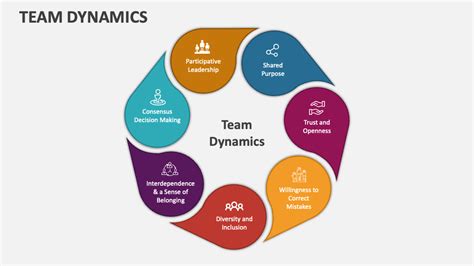
Cristiano Ronaldo's impact on team dynamics during UEFA Champions League (UCL) campaigns is a subject that extends far beyond his prolific goal-scoring record. While his individual brilliance is undeniable, Ronaldo's presence within a team often acted as a catalyst for both tactical evolution and psychological transformation. This section delves into how his influence shaped team strategies and morale during UCL campaigns, emphasizing the nuanced ways his aura and abilities affected his teams.
One of the most striking aspects of Ronaldo's influence on team dynamics was his ability to redefine attacking strategies. Teams that featured Ronaldo in their UCL campaigns—most notably Manchester United, Real Madrid, and Juventus—often tailored their attacking play to maximize his unique skill set. At Real Madrid, for instance, Ronaldo's presence led to a system where the team heavily relied on swift counterattacks and wide play to feed him in goal-scoring positions. His speed, aerial dominance, and lethal finishing made him the perfect target for diagonal balls and through passes. This tactical shift not only optimized Ronaldo's output but also forced his teammates to adapt their positioning and movement. For example, full-backs like Marcelo and Dani Carvajal were encouraged to provide overlapping runs and deliver crosses, knowing Ronaldo's aerial prowess would make such plays fruitful. This adaptation not only enhanced the team's attacking efficiency but also instilled a sense of purpose and clarity in their strategy. Players understood that their primary role was to support Ronaldo, which streamlined decision-making in high-pressure UCL matches.
However, this focus on Ronaldo sometimes created strategic imbalances within teams. At Juventus, for example, there were instances where the team's over-reliance on Ronaldo in knockout stages led to a lack of diversity in their attacking play. Opponents could sometimes neutralize Juventus by marking Ronaldo tightly, knowing that the team's Plan B was underdeveloped. This dynamic underscored a double-edged sword of having a superstar like Ronaldo: while he elevated the team's ceiling, he also exposed their over-dependence in critical moments. This challenge required managers like Massimiliano Allegri and Andrea Pirlo to find ways to balance the team's reliance on Ronaldo with the need to involve other players, such as Paulo Dybala or Álvaro Morata, in the build-up play. Ronaldo's presence thus demanded not just tactical adjustments but also a recalibration of how teams approached collective play in the UCL.
Beyond tactics, Ronaldo's influence on team morale and confidence was profound. His track record of UCL success—winning the trophy five times—made him a symbol of belief for his teammates. In high-stakes matches, particularly knockout games, Ronaldo's demeanor often set the tone for the squad. His calmness under pressure, combined with his unwavering self-belief, acted as a psychological anchor for teams. For instance, during Real Madrid's run of three consecutive UCL titles (2016–2018), Ronaldo was often seen rallying his teammates in huddles, exuding a sense of determination that resonated throughout the group. His ability to deliver in clutch moments—such as his iconic overhead kick against Juventus in 2018 or his hat-trick against Atlético Madrid in 2019—reinforced the belief that no deficit was insurmountable when Ronaldo was on the pitch. This psychological edge was particularly evident in penalty shootouts or late-game situations, where his mere presence seemed to unnerve opponents and embolden his own team.
Ronaldo's leadership style also played a role in shaping team cohesion during UCL campaigns. While he was not always a vocal captain in the traditional sense, his work ethic and professionalism set a standard for those around him. Teammates often spoke of his dedication to training, his meticulous preparation, and his refusal to accept anything less than excellence. This rubbed off on younger or less experienced players, who viewed Ronaldo as a role model. For instance, at Manchester United during their 2008 UCL triumph, a young Ronaldo was surrounded by seasoned leaders like Rio Ferdinand and Ryan Giggs, but his rapid ascent to stardom demonstrated to his peers what was possible with hard work and focus. By the time he rejoined United in later years, he was the one providing that example to a new generation of players.
Another dimension of Ronaldo's impact was his ability to galvanize the dressing room during moments of adversity. UCL campaigns are grueling, with physical and mental tolls that can strain even the most cohesive teams. Ronaldo's presence often served as a unifying factor. When Juventus trailed Atlético Madrid 2-0 after the first leg of their 2019 Round of 16 tie, Ronaldo's hat-trick in the second leg not only secured progression but also galvanized the team's belief in their ability to overcome challenges. Such moments highlighted how Ronaldo's individual brilliance could act as a rallying point, helping teams regroup and refocus when the odds were stacked against them. This ability to inspire in the face of adversity was a recurring theme in his UCL campaigns, particularly in teams where the collective morale needed a boost.
However, it is also worth noting that Ronaldo's influence was not without its challenges to team harmony. His superstar status and demanding nature sometimes created friction within squads. Reports of tension with teammates, particularly those who felt overshadowed or underutilized in service of Ronaldo's goals, occasionally surfaced. At Real Madrid, for example, there were whispers of discontent from players like Gareth Bale or Karim Benzema, who at times felt that the team's system was too heavily skewed toward Ronaldo. This dynamic required managers to carefully navigate the egos and expectations of a squad where one player often occupied a disproportionately large share of the spotlight. Ronaldo's ability to coexist with other strong personalities and still deliver results speaks to his professionalism, but it also highlights the delicate balance teams had to maintain to keep morale intact.
In terms of long-term team development, Ronaldo's presence often had mixed effects. While he contributed immensely to immediate UCL success, his departure sometimes left a void that was difficult to fill. Real Madrid's struggles in the UCL following Ronaldo's move to Juventus in 2018 are a case in point. The team not only lost a goal-scorer but also a figure who embodied their winning mentality. This transition period revealed how deeply Ronaldo had embedded himself into the team's identity and strategy. For managers and clubs, this serves as a lesson in how to prepare for life after a talismanic figure like Ronaldo, emphasizing the need to build a system that is not overly dependent on one individual.
In conclusion, Cristiano Ronaldo's impact on team dynamics during UCL campaigns was multifaceted. He influenced tactical frameworks by demanding systems that played to his strengths, while also acting as a psychological beacon for his teammates. His presence brought both opportunities and challenges, forcing teams to strike a balance between leveraging his talents and maintaining collective harmony. Ultimately, Ronaldo's legacy in the UCL is not just measured by the titles he won but by the ways he shaped the teams he played for, leaving an indelible mark on their strategies, morale, and identity.
Legacy of Ronaldo's UCL Triumphs
Cristiano Ronaldo's UEFA Champions League (UCL) triumphs are not merely a collection of trophies; they are a testament to his unrelenting pursuit of excellence and his ability to thrive under the brightest lights of European football. With five UCL titles to his name—won in 2008 with Manchester United and in 2014, 2016, 2017, and 2018 with Real Madrid—Ronaldo has etched his name into the annals of football history in ways few players can rival. This section delves into how these triumphs have contributed to his legacy as one of the sport's all-time greats, examining the context, impact, and unique attributes of his UCL success.
The first layer of Ronaldo's UCL legacy lies in the consistency of his excellence. While many players experience peaks and valleys in their careers, Ronaldo's dominance in the Champions League has been a near-constant. He is the competition's all-time leading scorer with over 140 goals, a record that speaks to his ability to deliver not just in isolated moments but across seasons. For instance, during Real Madrid's run of three consecutive UCL titles from 2016 to 2018, Ronaldo was the top scorer in each campaign. This streak underscores not just his scoring prowess but also his ability to sustain high-level performance in a tournament known for its physical and mental demands. Such sustained success separates him from contemporaries and predecessors alike, as few have managed to impose themselves so thoroughly on Europe's premier club competition year after year.
Another dimension of Ronaldo's UCL triumphs is the variety of roles he has played within winning teams. In 2008, during his Manchester United days, he was a dynamic winger, a player whose blistering pace and trickery on the flanks made him a nightmare for defenders. His header in the final against Chelsea was a pivotal moment, showcasing not just technical skill but also a burgeoning sense of responsibility in high-stakes matches. By the time he lifted the trophy with Real Madrid in 2014, Ronaldo had transformed into a goal-scoring machine operating as a central forward. His ability to adapt his style of play to meet the needs of his team and the evolving demands of modern football is a hallmark of his greatness. This adaptability is particularly evident in the way he shifted from being a dribbler and creator in his early years to a clinical finisher and penalty-box predator in his later career. This evolution is rare among elite players, many of whom struggle to reinvent themselves as their physical attributes decline.
Ronaldo's UCL successes also highlight his ability to perform in clutch moments. The Champions League is a tournament defined by its dramatic knockout stages, where a single mistake or moment of brilliance can decide a team's fate. Ronaldo has repeatedly proven himself to be the man for such moments. His last-minute penalty against Juventus in the 2017 quarter-final, his hat-trick against Atlético Madrid in the 2019 round of 16, and his decisive goals in multiple finals are emblematic of a player who thrives under pressure. These instances are not just about skill; they are about mentality. Ronaldo's mental fortitude, often described as an insatiable hunger for success, is a critical factor in why his UCL triumphs resonate so deeply. He has scored in multiple UCL finals, a feat achieved by only a handful of players, further cementing his reputation as a "big-game player."
The team-centric nature of Ronaldo's UCL victories also deserves attention. While his individual brilliance often steals the spotlight, it is important to recognize how his presence elevated the teams he played for. At Manchester United, he was part of a cohesive unit managed by Sir Alex Ferguson, where his goals complemented the team's structured play. At Real Madrid, he was the focal point of a squad built to maximize his talents, particularly during the "BBC" era alongside Gareth Bale and Karim Benzema. Ronaldo's goals often served as the catalyst for team success, but he also contributed defensively and in build-up play when required. This willingness to play within a system, even as the star player, speaks to his understanding of what it takes to win at the highest level. It is this blend of individual excellence and team contribution that distinguishes Ronaldo's UCL legacy from those of more self-centered superstars.
Furthermore, Ronaldo's UCL titles are significant because they came during an era of heightened competition. The modern Champions League is arguably more challenging than in previous decades due to the increased financial power of top clubs and the globalization of talent. Ronaldo's triumphs came against some of the best teams in history, including Barcelona during their peak years, Bayern Munich's dominant sides, and Liverpool's resurgence under Jürgen Klopp. His ability to shine in this competitive landscape adds weight to his achievements. For instance, Real Madrid's 2016 and 2017 victories came against Atlético Madrid and Juventus, respectively—teams renowned for their defensive solidity. Ronaldo's goals in key matches broke down these walls, showcasing his ability to find solutions where others falter.
Another unique aspect of Ronaldo's UCL legacy is the way his success has shaped the competition's narrative. The Champions League has become synonymous with his name in the 21st century. His celebrations, such as the iconic "Siii!" pose, have become cultural touchpoints. His goals and performances have not only entertained fans but also redefined what is possible in the tournament. For example, his back-to-back hat-tricks in the 2017 quarter-finals and semi-finals demonstrated a level of individual dominance rarely seen in the modern game. This narrative-shaping ability is part of what makes his UCL triumphs more than just trophies—they are moments that have defined eras of the competition itself.
Finally, Ronaldo's UCL success is a key pillar in the comparative debates about football greatness. When discussing the all-time greats, the Champions League is often used as a yardstick due to its status as the pinnacle of club football. Ronaldo's five titles place him in an elite group, and his role as a central figure in each of those victories gives him an edge in these debates. While other players like Lionel Messi have also left indelible marks on the competition, Ronaldo's ability to win the trophy with multiple teams (Manchester United and Real Madrid) adds a layer of versatility to his legacy. This adaptability across different teams and systems solidifies his case as not just a great player but a transformative figure in the sport.
- His record-breaking goal tally reflects unparalleled scoring consistency.
- His evolution from winger to forward demonstrates adaptability.
- His clutch performances in knockout stages underline his mental strength.
- His contributions within team systems highlight a balanced approach to success.
- His triumphs against top-tier opposition emphasize the difficulty of his achievements.
In conclusion, Ronaldo's UCL titles are not just a measure of his skill but a reflection of his impact on football history. They tell the story of a player who combined raw talent, relentless work ethic, and an unshakable belief in his abilities to conquer Europe's most prestigious stage time and again. These triumphs are not merely milestones in his career; they are cornerstones of a legacy that will be discussed and admired for generations to come. In the context of football history, Ronaldo's UCL successes are not just part of his story—they are central to the very idea of what it means to be a football legend.
Conclusion
The enduring significance of Cristiano Ronaldo's UEFA Champions League (UCL) titles lies not merely in the sheer number of trophies he has lifted but in how these triumphs have become the cornerstone of his career narrative. Ronaldo's UCL journey is a testament to his unparalleled ambition, adaptability, and relentless pursuit of excellence. Across his career, he has won the tournament five times—once with Manchester United in 2008 and four times with Real Madrid between 2014 and 2018. These victories have not only solidified his status as one of the greatest players in football history but have also redefined what it means to be a modern-day champion in the sport's most prestigious club competition.
Ronaldo's first UCL title in 2008 marked a pivotal moment in his career. At just 23 years old, he was already a standout performer for Manchester United, scoring 42 goals in all competitions that season. His header in the final against Chelsea and subsequent penalty in the shootout showcased his ability to deliver under pressure. This title was not just a team achievement but a personal validation of his transition from a promising young talent to a world-class player. It also set the stage for his ambition to dominate European football, an ambition that would only grow stronger as his career progressed.
The move to Real Madrid in 2009 was fueled, in part, by his desire to etch his name into UCL history on an even grander scale. At Real Madrid, Ronaldo became synonymous with the tournament. His four UCL titles with the club between 2014 and 2018 represent not just individual brilliance but a symbiotic relationship between a player and a team built to conquer Europe. Ronaldo's goalscoring feats during this period are staggering—he is the all-time leading scorer in the competition with over 140 goals. However, what sets him apart is not just the quantity of goals but their timing and impact. His hat-tricks in knockout stages, last-minute winners, and consistent performances in high-stakes matches underscore a player who thrives when the stakes are highest.
One of the most compelling aspects of Ronaldo's UCL success is how it has shaped his career narrative. Unlike players who are celebrated for their artistry or tactical genius, Ronaldo’s legacy is built on an almost obsessive focus on results. His UCL titles are a reflection of this mindset. Each title represents a different chapter in his evolution. The 2008 win was about potential realized; the 2014 victory, his first with Real Madrid, symbolized persistence and the breaking of a 12-year drought for the club. The back-to-back titles in 2016 and 2017 demonstrated his ability to lead a team through sustained excellence, while the 2018 triumph, achieved amidst speculation about his future at the club, was a statement of resilience and enduring class.
Ronaldo's UCL success also redefined the role of the modern forward in the tournament. Traditionally, the competition had been dominated by teams with collective brilliance, such as Barcelona under Pep Guardiola or the Milan sides of the late 20th century. Ronaldo, however, brought an individualistic dimension to the UCL. He became the player around whom campaigns were built, a figure whose mere presence on the pitch altered the dynamics of matches. This shift is evident in how his teams adapted to maximize his strengths—whether it was Sir Alex Ferguson’s tactical tweaks at Manchester United or Real Madrid’s counter-attacking system under Zinedine Zidane. Ronaldo's ability to shoulder the burden of expectation and deliver results has influenced how clubs approach squad-building in the UCL era.
Furthermore, Ronaldo's UCL titles have had a ripple effect on the broader footballing landscape. They have elevated the tournament's global appeal, particularly in markets where his brand resonates strongly. His performances have not only drawn record viewership but have also inspired a generation of young players who see the UCL as the ultimate stage for individual and team glory. This influence extends beyond the pitch—Ronaldo’s success in the competition has been a key driver of his commercial appeal, turning him into a global icon whose name is synonymous with winning at the highest level.
It is also worth considering how Ronaldo's UCL achievements compare to those of his contemporaries and predecessors. While players like Lionel Messi and Paolo Maldini have also left indelible marks on the competition, Ronaldo’s consistency across different teams and eras is unique. His ability to win the tournament with two clubs, in two distinct leagues, and under varying circumstances speaks to a versatility that few players can claim. This adaptability is a key reason why his UCL titles are not just personal milestones but markers of his ability to evolve with the game.
Another layer of significance lies in how Ronaldo’s UCL success has fueled his rivalry with Messi. Their duel for supremacy in the competition has added a layer of drama and intrigue to the tournament. While Messi has also won the UCL four times, Ronaldo’s additional title and his record-breaking performances in the knockout stages have given him a slight edge in this specific narrative. This rivalry has not only captivated fans but has also elevated the UCL to a stage where individual legacies are forged and contested.
From a historical perspective, Ronaldo’s UCL titles are a bridge between eras. They connect the dominance of traditional powerhouses like Manchester United and Real Madrid to the modern, globalized era of football where individual brands and narratives often transcend team achievements. Ronaldo’s ability to remain relevant and dominant across different stages of his career—whether as a dynamic winger in his early years or a clinical striker in his later ones—highlights a player who has not only adapted to the changing demands of the game but has also shaped them.
In conclusion, Cristiano Ronaldo’s UCL titles are more than just trophies; they are a narrative device that encapsulates his journey from a talented youngster to a global football icon. They represent his unwavering commitment to excellence, his ability to thrive under pressure, and his impact on the sport's most prestigious stage. Each title tells a story of ambition, evolution, and legacy. As the years pass, these triumphs will continue to be a central part of how Ronaldo is remembered—not just as a prolific goalscorer or a relentless competitor, but as a player who redefined what it means to leave an indelible mark on the UEFA Champions League.
- His first title in 2008 marked his emergence as a world-class talent.
- His Real Madrid years showcased his ability to dominate on the biggest stage consistently.
- His adaptability across teams and eras underscores his unique place in UCL history.
- His rivalry with Messi added drama and global appeal to the competition.
Ronaldo’s UCL legacy is not just about the numbers or the trophies—it is about how he used the competition to craft a narrative of greatness that will endure long after his playing days are over.