Introduction to Defending the Title
Defending the UEFA Champions League title is a feat that carries immense prestige and presents a set of unique challenges that go beyond the typical pressures of elite football competition. While winning the Champions League is a monumental achievement in itself, successfully retaining the title elevates a team to an even more exclusive echelon of footballing greatness. This section delves into the layers of prestige associated with defending the title and examines the specific hurdles that make this endeavor so difficult.
The Champions League is widely regarded as the most prestigious club competition in world football. It gathers the best teams from across Europe, each representing their domestic leagues and vying for continental supremacy. To win it once is to etch a team’s name into the annals of history, but to defend the title is to assert dominance over an ever-evolving and highly competitive landscape. Only a handful of teams have managed this rare accomplishment—Real Madrid being the most notable with their back-to-back triumphs in the modern era. This rarity underscores the prestige of defending the title. It signals not just skill but also adaptability, resilience, and the ability to withstand the psychological and physical toll of being the team everyone wants to beat.
One of the key elements of the prestige lies in the symbolism of the title defense. A defending champion is no longer an underdog or a dark horse; they are the standard-bearers of excellence. Every opponent views matches against them as opportunities to make a statement. This dynamic shifts the psychological terrain. While the defending champions may enter the tournament with confidence born of prior success, they also carry the weight of expectation. Every misstep is magnified, and every loss is seen as a potential sign of vulnerability. This creates a paradox: the same success that grants them respect also makes their path more treacherous.
The unique challenges of defending the Champions League title begin with the competitive landscape. Unlike domestic leagues, where a team might dominate due to consistent performance over 30+ matches, the Champions League is a knockout-heavy format in its later stages. A single bad day can undo months of effort. For the defending champions, this format magnifies the stakes. They are not only playing to win but also to protect their legacy. This creates an added layer of pressure, as even early-round group stage matches are scrutinized more intensely when a team is the reigning champion. The psychological burden of being "the team to beat" often leads to tighter games, as opponents are highly motivated and tactically prepared to exploit any weakness.
Another challenge is the inevitable turnover in squad dynamics. Football is a sport where player transfers, injuries, and managerial changes can significantly impact a team’s performance from one season to the next. A team that wins the Champions League often faces greater scrutiny in the transfer market. Rivals may poach key players, hoping to weaken the champions while strengthening their own squads. For instance, after Liverpool won the Champions League in 2019, they faced increased pressure to maintain their form while also dealing with injuries to key players like Virgil van Dijk the following season. This dynamic is not unique to Liverpool; it is a recurring theme for defending champions. Teams must often integrate new signings or promote youth players to fill gaps, which can disrupt the cohesion and chemistry that were critical to their initial success.
The tactical dimension presents another layer of complexity. Opponents study the defending champions meticulously, dissecting their strategies and patterns of play. This means that the element of surprise, which may have been a factor in their initial triumph, is often diminished. For example, after Chelsea won the Champions League in 2021 with a disciplined, counter-attacking approach under Thomas Tuchel, opponents in the following season were better prepared to neutralize their strengths. This forces the defending champions to innovate and adapt their tactics, often mid-season, to stay ahead of their rivals. Such innovation is not always easy, particularly when the team is also juggling domestic league and cup commitments.
The physical toll of defending the title is also worth noting. The Champions League is not played in isolation; it is part of a grueling schedule that includes domestic league fixtures, domestic cups, and sometimes international tournaments like the FIFA World Cup or UEFA European Championship. Defending champions often find themselves stretched thin as they compete on multiple fronts. The added matches and travel can lead to fatigue, increasing the risk of injuries and diminishing performance levels. This is especially true for teams that lack the squad depth of perennial contenders like Bayern Munich or Manchester City. A smaller squad may struggle to maintain peak performance across all competitions, making the challenge of defending the title even more daunting.
There is also the intangible factor of complacency. While top-tier teams are composed of highly motivated professionals, the human tendency to relax after achieving a major goal can creep in. This is not to suggest that defending champions intentionally underperform, but the emotional high of winning the Champions League can sometimes lead to a dip in intensity during the early stages of the following campaign. Managers play a crucial role here, as they must find ways to reignite the hunger and focus of their players. This is why managers like Zinedine Zidane, who led Real Madrid to their three consecutive titles from 2016 to 2018, are so highly regarded—they were able to sustain motivation and discipline across multiple seasons.
Another unique challenge is the "champion’s curse," a phenomenon observed in sports where the reigning champion often struggles to replicate their success. This is partly psychological and partly structural. Psychologically, the euphoria of winning can create a false sense of security, while structurally, the footballing ecosystem is designed to prevent prolonged dominance. Financial fair play regulations, improved scouting networks, and the globalized transfer market ensure that other teams can close the gap quickly. This means that defending champions must not only maintain their own high standards but also contend with improved opposition.
Finally, there is the matter of legacy. Defending the Champions League title is not just about the present; it is about cementing a place in football history. Teams that achieve this feat are often remembered differently than one-time winners. They are seen as dynasties rather than flashes in the pan. This adds a long-term dimension to the challenge. Players and managers are not just competing for immediate glory but also for how their tenure will be remembered decades later. This historical weight can be both a motivator and a burden, depending on how the team handles it.
In summary, defending the Champions League title is a multifaceted challenge that combines the weight of expectation, the pressures of an unforgiving format, the realities of squad dynamics, and the need for continual tactical evolution. It is a test of not just skill but also character, adaptability, and leadership. While the prestige of being a defending champion is undeniable, the path to retaining the title is fraught with obstacles that demand the very best from players, coaches, and the organization as a whole.
Historical Analysis of Repeat Champions
The Champions League, Europe's premier club football competition, has seen only a select few teams achieve the remarkable feat of defending their title. This rarity underscores the immense challenge of maintaining peak performance across multiple seasons in a tournament designed to test the best against the best. In this section, we delve into the historical analysis of repeat champions, identifying key patterns and strategies that enabled these teams to etch their names in the annals of football history.
To date, only seven teams have successfully defended their Champions League (or its predecessor, the European Cup) title. These teams are Real Madrid (multiple times), Benfica, Inter Milan, Ajax, Bayern Munich, Liverpool, and AC Milan. This exclusive list highlights the extraordinary difficulty of sustaining dominance in a competition that pits clubs against varying styles, tactical innovations, and the ever-present pressure of high expectations.
One of the most striking patterns among these repeat champions is the presence of exceptional leadership, both on and off the field. Teams like Real Madrid in the late 1950s and early 1960s, who won the first five European Cups, were anchored by the visionary management of Santiago Bernabéu and the on-field brilliance of Alfredo Di Stéfano and Ferenc Puskás. Similarly, AC Milan’s back-to-back triumphs in 1989 and 1990 were shaped by the tactical genius of manager Arrigo Sacchi and the leadership of players like Franco Baresi and Marco van Basten. This combination of visionary management and player leadership creates a cohesive unit capable of weathering the inevitable challenges of repeated high-stakes matches.
Another critical factor is the retention of a core group of players across seasons. Ajax in the early 1970s, led by Johan Cruyff, exemplifies this principle. Their "Total Football" philosophy was not just a playing style but a system ingrained in a squad that remained largely intact over their three consecutive European Cup wins (1971–1973). This continuity allowed them to refine their approach and develop a near-telepathic understanding among players. Similarly, Real Madrid’s dominance in the modern era, particularly their three-peat from 2016 to 2018, was underpinned by a stable spine of players such as Sergio Ramos, Luka Modrić, and Cristiano Ronaldo. Retention of key personnel reduces the learning curve and fosters trust, which is crucial in high-pressure scenarios.
The role of managerial continuity is also evident. Teams that defend their title often benefit from a manager who has had time to embed their philosophy and adapt it to the evolving landscape of European football. Pep Guardiola’s Barcelona, for instance, won the Champions League in 2009 and 2011 with a distinct tiki-taka style that was both innovative and ruthlessly effective. Guardiola’s ability to refine this system while introducing subtle variations kept opponents guessing. In contrast, teams that experience managerial upheaval often struggle to replicate success due to the disruption caused by new systems and ideas.
A deeper look at the tactical evolution of defending champions reveals another pattern: the ability to adapt to opponents' counter-strategies. After a team wins the Champions League, rivals study their gameplay intensely, seeking to exploit weaknesses. Real Madrid’s 2016–2018 run showcased their ability to pivot tactically. Under Zinedine Zidane, they shifted from a possession-based approach to a more pragmatic style that leveraged their physicality and set-piece prowess. This adaptability allowed them to overcome teams like Juventus and Liverpool, who had prepared specifically to counter their earlier strengths.
Financial stability and squad depth are often overlooked but critical components of repeat success. Bayern Munich’s back-to-back wins in 1975 and 1976 were supported by a deep squad that could rotate players without a significant drop in quality. This depth allowed them to manage the physical toll of competing in multiple competitions. In the modern era, financial power has amplified this advantage. Teams like Barcelona and Real Madrid have leveraged their resources to maintain squads capable of competing on all fronts, even when injuries or fatigue threaten to derail their campaigns.
However, it is not just about resources; mental resilience plays a pivotal role. Defending a title means every opponent views you as the team to beat. This creates a psychological burden that can destabilize lesser teams. Liverpool’s triumphs in 1977 and 1978, for example, were marked by a gritty determination to prove their initial success was no fluke. Their "never-say-die" attitude, epitomized by players like Kenny Dalglish and Graeme Souness, allowed them to grind out results even when not at their fluid best.
An interesting observation is the impact of external factors such as favorable draws or injuries to key players on rival teams. While luck is not a strategy, it often plays a subtle role in the journeys of repeat champions. For instance, Real Madrid’s path in their 2017 campaign included facing teams like Atlético Madrid and Juventus, whom they had recent experience playing against, giving them a psychological edge. Conversely, teams like Barcelona in 2009–2011 benefited from the absence of certain key rivals in critical stages of the tournament due to early eliminations.
Finally, we must consider the evolution of the competition itself. The modern Champions League, with its expanded format and increased commercial stakes, is a far cry from the European Cup of the mid-20th century. This evolution has made repeat success even harder, as the number of competitive teams has grown, and the margin for error has shrunk. Teams like Manchester City, who won their maiden title in 2023, face an uphill battle to defend their crown in an era where the competition is more globalized and unpredictable than ever before.
In summary, the historical analysis of repeat Champions League champions reveals a blend of leadership, squad cohesion, tactical adaptability, managerial stability, and mental fortitude. While no single factor guarantees success, the interplay of these elements has been a consistent thread among the elite few who have managed to retain Europe's most coveted trophy. As the competition continues to evolve, the challenge of defending the title will only grow, making the achievements of past champions all the more extraordinary.
The Psychological Pressure of Being Champions
The title of "defending champions" carries a weight that extends far beyond the physical demands of competition. For players and teams in the Champions League, this status is a double-edged sword. While it symbolizes excellence and achievement, it also brings with it a set of unique psychological pressures that can profoundly impact performance, cohesion, and even long-term career trajectories. To understand this dynamic, we must delve into the nuanced ways in which the mental and emotional toll manifests itself for those tasked with upholding their legacy.
One of the most immediate challenges for defending champions is the burden of expectation. When a team wins the Champions League, they are no longer seen as just participants in the tournament—they are viewed as the standard-bearers of success. This shift in perception creates an environment where every match is scrutinized not just for the result but for how it compares to their title-winning campaign. Fans, media, and even internal stakeholders within the club often expect a repeat of the same dominant displays. This can lead to a phenomenon psychologists call performance anxiety, where players are acutely aware that any misstep will be magnified. For instance, a draw or loss in the group stages might be framed as a "fall from grace," even if it is statistically unremarkable in the broader context of the competition.
This heightened scrutiny often forces players into a hyper-vigilant state, where they are constantly second-guessing their decisions on the pitch. A midfielder who would normally take creative risks might opt for safer passes to avoid criticism. A striker who thrives on instinctive play might overthink their positioning, leading to missed opportunities. This is particularly evident in teams that rely on fluid, high-risk strategies, such as Liverpool under Jürgen Klopp or Manchester City under Pep Guardiola. These teams thrive on confidence and spontaneity, but when the psychological pressure to "prove themselves again" creeps in, their gameplay can become rigid and overly calculated.
Another significant factor is the erosion of team identity. Winning the Champions League often involves a perfect storm of individual brilliance, collective harmony, and tactical innovation. However, the following season can see changes that disrupt this delicate balance. Key players might leave for lucrative transfers, new signings may struggle to integrate, or injuries can sideline pivotal members of the squad. These changes force the team to recalibrate their approach, often under the harsh spotlight of being champions. For example, Real Madrid's 2018-19 season after their historic three-peat saw them grappling with the departures of Cristiano Ronaldo and Zinedine Zidane. The psychological toll of trying to "replace" such figures while defending their title was evident in their inconsistent performances and eventual early exit from the competition.
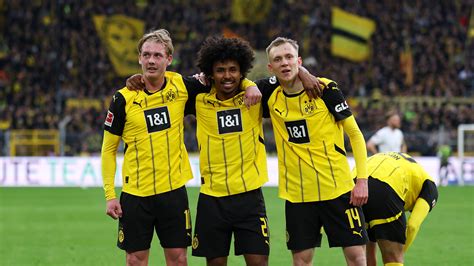
There is also the psychological impact of being a target. Every opponent views matches against the defending champions as an opportunity to make a statement. This means that even mid-tier teams often raise their game, treating these fixtures as cup finals. The increased physical intensity of these matches can wear down players over time, but the mental aspect is equally taxing. Defending champions are not just playing against the team in front of them—they are battling the collective desire of every opponent to dethrone them. This dynamic can create a sense of paranoia, where players feel as though they are constantly under siege, both on and off the field. The media narrative often amplifies this, with pundits and commentators framing every stumble as evidence of a "champion's decline."
The isolation of success is another underappreciated challenge. While the euphoria of winning the Champions League is shared by the entire team, the subsequent season can feel lonelier for individual players. Veterans who played a key role in the triumph may feel an added responsibility to replicate their form, even if they are dealing with fatigue or personal issues. Younger players who were part of the winning squad might struggle with the pressure of living up to their own breakout performances. This isolation can lead to a sense of disconnection within the team, as individuals grapple with their own insecurities rather than leaning on collective strength. A notable example is Bayern Munich's 2020-21 campaign after their dominant 2020 victory. Several key players, including Robert Lewandowski and Thomas Müller, spoke about the difficulty of maintaining the same level of motivation and focus after achieving what many considered the pinnacle of their careers.
It is also worth exploring the role of fan and media narratives in exacerbating the psychological pressure. Social media has amplified the immediacy of criticism, with every poor performance dissected in real time by millions of fans. For defending champions, this can create a feedback loop where players are not only dealing with their own internal doubts but also the external noise of fans questioning their commitment or ability. Teams like Barcelona in the post-Messi era faced this acutely. After their 2015 triumph, the weight of being champions was compounded by the constant comparisons to their "golden generation," which only served to heighten the emotional strain on players like Luis Suárez and Ivan Rakitić.
Interestingly, there is also a psychological trap of complacency that can ensnare defending champions. After reaching the summit, some teams subconsciously believe that their status alone will carry them through. This can lead to a drop in work rate, reduced attention to detail in training, or an overreliance on past glory. While this is less common in elite teams with strong leadership, it is a risk nonetheless. The 2009-10 Barcelona side, fresh off their 2009 sextuple, occasionally showed signs of this complacency in their Champions League campaign, which ended in a semi-final defeat to Inter Milan.
Finally, there is the emotional toll of legacy management. For players, particularly those in the later stages of their careers, the pressure to defend the title is not just about the present—it is about how their legacy will be remembered. A poor defense of the title can tarnish what was otherwise a glorious achievement. This is especially true for players who are considered legends of the game, such as Cristiano Ronaldo or Lionel Messi. Their individual performances in post-championship seasons are often viewed through the lens of whether they are "still capable" of leading a team to the top. This added layer of pressure can lead to overcompensation, where players try too hard to assert their dominance, often at the expense of team dynamics.
In conclusion, the psychological pressure of being defending champions is multifaceted and deeply impactful. It is not merely about the physical challenge of competing at the highest level again but about navigating a complex web of expectations, scrutiny, and self-doubt. Teams that successfully defend their title often do so by fostering a culture of resilience and adaptability, where players are encouraged to view the new season as a fresh opportunity rather than a burden. Understanding these dynamics is crucial not only for players and coaches but also for fans and analysts who seek to appreciate the true complexity of what it means to be a champion in the modern era of football.
Squad Dynamics and Player Retention
In the high-stakes world of the Champions League, where the margin between victory and defeat can hinge on the smallest of details, squad dynamics and player retention play a pivotal role in a team's ability to defend its title. Maintaining a strong core squad is not merely about keeping talented players on the roster; it is about fostering an environment where collective understanding, trust, and chemistry are prioritized over short-term gains from the transfer market. This section delves into the nuanced interplay between squad stability and competitive success, focusing on why disruptive transfers can derail even the most talented teams.
The concept of a core squad refers to a group of players who form the backbone of a team, both in terms of performance and leadership. These players often include a blend of experienced veterans and rising stars who share a deep understanding of the team's tactical system, ethos, and culture. For instance, when Real Madrid won three consecutive Champions League titles from 2016 to 2018, their success was underpinned by a core group of players like Sergio Ramos, Luka Modric, and Karim Benzema. This trio not only delivered consistent performances but also acted as on-field orchestrators, ensuring that newer or less experienced players could seamlessly integrate into the team's rhythm. A strong core squad provides stability in high-pressure situations, as players are accustomed to each other's playing styles, decision-making patterns, and emotional responses during critical moments of a match.
However, the modern football landscape is characterized by frequent and often disruptive transfers, driven by the financial allure of mega-deals and the constant pressure to "refresh" squads. While some transfers can inject new energy and tactical flexibility into a team, too many changes—especially to the core group—can disrupt the delicate balance that underpins success. When a key player is sold or replaced, it is not just their individual skill set that is lost; it is also their intangible contributions, such as their ability to mentor younger players, provide leadership in the dressing room, or act as a stabilizing presence during moments of adversity. For example, Liverpool's title defense in the 2020-2021 season was hampered not only by injuries but also by the absence of key figures like Virgil van Dijk for extended periods. While injuries are a separate issue, they highlight how even temporary disruptions to a core group can expose vulnerabilities in squad depth and cohesion.
One of the most overlooked aspects of player retention is the psychological impact of transfers on the remaining squad. When a prominent player leaves, it can create a sense of instability among the team. Questions arise: Is the club prioritizing profits over success? Are we still competitive without this player? Such uncertainty can lead to a dip in morale, particularly if the outgoing player was a fan favorite or a locker-room leader. A prime example of this was Barcelona's post-Neymar era after his record-breaking transfer to Paris Saint-Germain in 2017. While the club received a windfall, the sudden departure of a star player left a vacuum not just in attack but also in team spirit. The subsequent season saw Barcelona struggle to maintain their dominance in Europe, as the team grappled with reshuffling its attack and managing the emotional fallout of Neymar's exit.
Another critical factor is the time required to rebuild chemistry after a major transfer. Football is a sport where success often depends on split-second decisions and seamless coordination. When new players are introduced, especially in key positions, the team must invest time in training sessions, friendly matches, and competitive games to rebuild the understanding that existed with the previous lineup. This process can take months or even an entire season, which is a luxury defending champions rarely have. Bayern Munich's relatively smooth transition after the departure of players like Philipp Lahm and Xabi Alonso in 2017 was an exception rather than the norm. Their ability to integrate new signings like Leon Goretzka and maintain their domestic and European competitiveness was a testament to their robust youth system and strategic transfer policy, but such cases are rare.
The financial implications of frequent transfers must also be considered. While selling a star player might bring immediate financial gain, the cost of replacing them—both in terms of transfer fees and wages—can be exorbitant. Moreover, new signings often come with a "settling-in" period, during which their performance may not justify the investment. This is particularly risky for defending champions who need to hit the ground running in the Champions League group stages. A team like Chelsea in 2021, after winning the Champions League, spent heavily in the transfer market to bring in players like Romelu Lukaku. However, the lack of immediate cohesion in their attack highlighted how even big-name signings can struggle to adapt quickly enough to maintain momentum in elite competitions.
To counteract these challenges, retention strategies must go beyond offering competitive salaries. Clubs need to invest in long-term player development, create a supportive environment that aligns with players' personal and professional goals, and emphasize the value of collective success over individual accolades. For instance, Manchester City's ability to retain players like Kevin De Bruyne and Bernardo Silva while integrating new talents has allowed them to sustain a high level of performance across multiple seasons. Their focus on a stable core, complemented by strategic signings, serves as a model for how to balance evolution with continuity.
Furthermore, leadership continuity within the squad is often underappreciated. A team that retains its captain or other influential figures is better equipped to navigate the pressures of defending a title. These players serve as a bridge between the coaching staff and the squad, ensuring that the manager's vision is effectively communicated and embraced by all players. When Juventus lost Gianluigi Buffon and Andrea Pirlo in quick succession, their Champions League campaigns faltered not just because of their absence on the field but also due to the leadership vacuum they left behind. This underscores the importance of identifying and nurturing future leaders within the squad to ensure a seamless transition when inevitable changes occur.
Finally, it is worth considering the role of the manager in maintaining squad dynamics. A manager who prioritizes stability and fosters a sense of belonging can mitigate the risks of disruptive transfers. Pep Guardiola's tenure at Manchester City exemplifies this approach. Despite the club's financial resources, Guardiola has often emphasized the importance of a cohesive unit over flashy signings. This philosophy has allowed City to remain competitive in the Champions League without overhauling their squad each season.
In conclusion, while the temptation to make high-profile transfers is ever-present in modern football, defending a Champions League title requires a delicate balance between evolution and stability. Retaining a strong core squad ensures that the team's tactical identity, morale, and chemistry remain intact. Disruptive transfers, while sometimes necessary, must be approached with caution, as their ripple effects can extend far beyond the immediate loss of a player. For defending champions, the mantra should be clear: protect the core, nurture the collective, and resist the siren call of short-term gains at the expense of long-term success.
- A strong core squad provides tactical stability and emotional resilience.
- Disruptive transfers can erode team morale and disrupt established dynamics.
- Leadership continuity is crucial for navigating title defenses.
- Managers play a key role in balancing squad evolution and stability.
Tactical Evolution After Winning
When a team wins the Champions League, they are immediately thrust into the global spotlight, not just as champions but as a benchmark for excellence. This newfound status comes with a unique challenge: every opponent they face in the subsequent season will have studied their play style in excruciating detail. Tactical evolution after winning the Champions League is not merely a luxury; it is a necessity for survival and continued success. Teams that fail to adapt often find themselves struggling to maintain their dominance, as rivals devise strategies specifically designed to exploit their strengths and nullify their game plan.
One of the first tactical adjustments defending champions must consider is the **variation of their build-up play**. Teams that have achieved success often have a signature style—be it possession-heavy like Pep Guardiola’s Manchester City or counter-attacking like Diego Simeone’s Atlético Madrid. However, once this style is well-documented, opponents can prepare meticulously to disrupt it. For instance, a possession-based team may face high-pressing systems designed to force errors in their defensive third. To counter this, champions must introduce **flexibility in their build-up structures**. This could mean alternating between a back three and a back four during games, or using midfielders in deeper roles to act as auxiliary playmakers when the primary conductor is marked out of the game. Such adaptations require players with high tactical intelligence and coaches willing to experiment during pre-season and mid-season training camps.
Another critical area of focus is **set-piece strategies**. Winning teams often have a knack for scoring from dead-ball situations, whether through a prolific header of the ball or a specialist set-piece taker. Opponents, aware of this, will often deploy zonal marking or man-marking hybrids to stifle these opportunities. Defending champions must therefore innovate in their set-piece delivery. This could involve **rotating corner-kick takers** to keep opponents guessing or introducing **false routines**—where players feign movement to one area of the box only to exploit space elsewhere. Additionally, teams can work on **short set-piece plays** that bypass the crowded penalty area altogether, using quick passes to create shooting opportunities from unexpected angles. These adjustments not only diversify the attacking arsenal but also force opponents to expend energy anticipating multiple scenarios.
The third major area of tactical evolution is in **defensive organization**. Champions League-winning teams are often associated with a robust defense, but this can become a double-edged sword. Opponents may attempt to lure them into a false sense of security by sitting deep and inviting pressure, only to exploit gaps left by overcommitted defenders. To address this, champions must develop **counter-pressing systems** that allow them to win the ball back immediately after losing it, reducing the risk of being exposed during transitions. Furthermore, a shift towards **asymmetric defensive setups** can be beneficial. For example, one fullback might be encouraged to push higher up the pitch while the other remains more conservative, creating an unpredictable defensive shape that is harder for opponents to read.
A fourth dimension of adaptation lies in **exploiting squad depth**. Winning the Champions League often involves a core group of players who are heavily relied upon throughout the campaign. However, over-reliance on key players can lead to burnout or predictability in the subsequent season. Tactical evolution in this context means **rotating formations and player roles** to keep the squad fresh and opponents uncertain. For instance, a team that predominantly used a 4-3-3 formation in their victorious campaign might experiment with a 3-4-3 or a 4-2-3-1 in certain matches. This not only provides rest to key players but also introduces new movement patterns that can destabilize opponents accustomed to a specific setup. Squad rotation also allows younger or less-utilized players to step up, potentially unearthing new tactical options such as a dynamic winger who can play as an inverted forward or a defensive midfielder capable of driving forward as a box-to-box player.
Another often-overlooked aspect is **game management in high-pressure situations**. Champions League-winning teams are often subjected to an intense psychological battle in their title defense. Opponents are more likely to employ time-wasting tactics, aggressive man-marking, or even unsporting behavior to disrupt their rhythm. To counter this, teams must develop a **"game state awareness"** system where players are trained to adapt their tempo and decision-making based on the scoreline and time remaining. For example, if leading by a single goal in the 80th minute, the team might shift to a more conservative 4-4-2 shape, with one of the wingers dropping deeper to provide additional cover. Conversely, if chasing a goal, they might switch to a high-risk 3-2-5 in the final 15 minutes, overloading the opposition box with runners.
The role of **data analytics** in tactical evolution cannot be understated. Modern teams have access to vast amounts of performance data, and defending champions can use this to identify patterns in how opponents are likely to approach them. For example, if analytics reveal that opponents are targeting their left-back with overloads, the team can preemptively adjust by stationing a midfield shield in that area or instructing the left-back to play more narrowly. Similarly, analytics can help identify which players are being targeted for fouls or isolated in one-on-one situations, allowing coaches to implement specific training drills to address these vulnerabilities. This data-driven approach ensures that tactical changes are not mere guesswork but informed decisions rooted in evidence.
Finally, **psychological adaptation** plays a significant role in maintaining tactical superiority. Winning the Champions League often instills a sense of invincibility in players, but this can lead to complacency. Tactical evolution must include **drills that simulate scenarios of being underdogs**, even when the team is favorites. For example, training sessions can involve exercises where the team starts with a one-goal deficit and must find ways to break down a stubborn defense. This not only keeps players mentally sharp but also reinforces the idea that every game is a new challenge requiring fresh solutions.
- Champions must vary their build-up play to counter predictable patterns.
- Innovations in set-piece delivery can keep opponents guessing.
- Asymmetric defensive setups add unpredictability to their shape.
- Squad rotation and role flexibility prevent burnout and add tactical options.
- Game state awareness ensures smarter decision-making under pressure.
- Data analytics can guide preemptive adjustments to vulnerabilities.
- Psychological training reinforces adaptability and resilience.
In conclusion, the tactical evolution required after winning the Champions League is a multifaceted process that involves not just technical adjustments but also strategic foresight and psychological resilience. The best teams understand that success is fleeting unless they can outthink their opponents as much as outplay them. By embracing flexibility, innovation, and a willingness to experiment, defending champions can not only sustain their dominance but also set new standards for tactical excellence in the world’s most prestigious club competition.

Managing Increased Competition
The challenge of defending a Champions League title is one of the most daunting tasks in modern football. While the reigning champions possess the prestige of their previous triumph, the target on their back grows exponentially larger. Every team they face is motivated not just to win but to dethrone the kings of Europe. This section delves into how other teams raise their game to challenge the reigning champions, focusing on strategic, psychological, and tactical adaptations that create a more competitive environment.
One of the most evident ways rival teams elevate their performance is through **heightened preparation and analysis**. When facing the reigning champions, teams often invest more time and resources into studying their opponent's gameplay. This includes dissecting match footage, identifying patterns in their build-up play, and pinpointing weaknesses in their defensive structure. For instance, after Liverpool won the Champions League in 2019, subsequent opponents like Napoli and Atlético Madrid tailored their defensive setups to counter Liverpool's high press. Atlético's success in the 2020 round of 16 was largely attributed to their ability to exploit Liverpool's over-commitment in attack by sitting deep and launching counterattacks. This demonstrates how detailed scouting reports and game-specific strategies are employed to nullify the champions' strengths.
Another critical factor is the **psychological edge** that underdog teams gain when playing against the titleholders. There is a unique motivation that comes from being the "giant-killers." Teams that might not usually be considered top-tier contenders often see these matches as opportunities to make a statement. This mindset can lead to players performing at levels beyond their usual output. A prime example is Ajax in the 2018-19 season. While they were not the reigning champions, their fearless approach against Juventus and Real Madrid—both recent winners—showcased how smaller teams can thrive under the belief that the champions are beatable. The psychological shift is often driven by coaches who instill a "nothing to lose" mentality, encouraging players to take risks and express themselves without the burden of expectation.
From a **tactical perspective**, teams often adapt their formations and strategies specifically to counter the reigning champions. This is particularly true when the champions have a signature style of play. For example, Manchester City under Pep Guardiola is known for their possession-based, high-pressing football. When they won the Champions League in 2023, teams like Bayern Munich and Real Madrid adjusted by employing a low block and prioritizing quick transitions. Real Madrid’s use of a 4-4-2 formation in their matches against City that year was a deliberate move to congest the midfield and deny space for City's creative players like Kevin De Bruyne. This tactical shift not only neutralized City’s usual dominance in possession but also exposed their vulnerability to rapid counterattacks. Such adaptations highlight how teams study and exploit the predictable elements of a champion’s playstyle.
The **transfer market activity** of rival teams also plays a significant role in raising the competitive bar. Clubs that aspire to challenge the reigning champions often invest heavily in the offseason to close the gap. This can involve signing players who are specifically suited to counter the champions' key players or style of play. For instance, after Paris Saint-Germain (PSG) reached the final in 2020, many of their opponents in the following season bolstered their squads with players capable of handling PSG's attacking trio. Teams invested in defensive midfielders and center-backs who could match the physicality and pace of Neymar, Mbappé, and Di María. This arms race ensures that the competition remains fierce, as the champions must continually adapt to newer, more formidable opposition.
Additionally, the **role of home advantage and crowd dynamics** cannot be overlooked. When playing against the reigning champions, the home crowd often becomes an even more vocal and passionate presence. The psychological impact of a roaring stadium can push players to perform at higher levels. This was evident in matches like Chelsea’s visit to the Santiago Bernabéu after winning the Champions League in 2021. Real Madrid’s fans created an atmosphere so intense that it visibly rattled some of Chelsea’s players, particularly in the early stages of the game. While home advantage is a general feature of football, its intensity is often amplified when the home team is facing the titleholders, as fans view these matches as opportunities to reclaim pride for their club and league.
Another layer of increased competition comes from **internal pressure within rival teams**. Coaches and players at other clubs are often judged against their performances against the reigning champions. A poor showing can lead to criticism, while a strong performance—even in defeat—can enhance reputations. This creates a scenario where players are not just competing for points but also for personal and professional validation. For example, when borussia dortmund faced Bayern Munich in the Champions League after the latter’s 2020 triumph, Dortmund’s young stars like Erling Haaland and Jude Bellingham were eager to prove themselves on the biggest stage. Their individual brilliance in those matches not only raised Dortmund’s competitive level but also signaled their readiness to challenge for European glory in future campaigns.
The **influence of modern analytics and technology** has further intensified the competition. Teams now have access to advanced data analytics tools that can provide granular insights into the champions' gameplay. From tracking player movement patterns to analyzing set-piece effectiveness, these tools allow coaches to craft highly specific game plans. For example, after Liverpool’s success in 2019, data revealed their susceptibility to long balls over the top of their high defensive line. Teams like Napoli and Atlético Madrid exploited this by instructing their forwards to make runs behind Liverpool’s defense, forcing their center-backs into uncomfortable positions. Such targeted strategies are a direct result of the sophistication of modern football analytics.
Lastly, the **narrative of proving a point** often drives rival teams to raise their game. The Champions League is as much about prestige as it is about competition. Teams that have been historically dominant but are not the current champions—like Barcelona, Juventus, or Bayern Munich—often see matches against the reigning titleholders as opportunities to reassert their dominance. This creates a scenario where even non-title contenders approach these games with the intensity of a final. The desire to prove that they are still elite-level clubs often results in performances that are more aggressive and ambitious than usual.
- Teams invest in detailed scouting and analysis to counter the champions' strengths.
- Underdogs gain psychological motivation to perform as "giant-killers."
- Tactical adaptations, such as low blocks and counterattacks, are employed to neutralize signature styles.
- Transfer market activity ensures rival teams close the competitive gap.
- Home crowds amplify the intensity of matches against reigning champions.
- Players use these games to prove their individual worth and enhance their reputations.
- Advanced analytics provide precise strategies to exploit vulnerabilities.
- Historic clubs use these matches to reassert their elite status.
In conclusion, the task of defending a Champions League title is made exponentially harder by the collective effort of rival teams to raise their game. Whether through tactical ingenuity, psychological motivation, or strategic investments, the competition becomes a multi-faceted challenge. The reigning champions must not only maintain their own high standards but also adapt to an environment where every opponent is determined to dethrone them. This dynamic ensures that the Champions League remains one of the most unpredictable and fiercely contested tournaments in world football.
Role of Leadership and Coaching Staff
The role of leadership and coaching staff in defending a Champions League title is often underestimated, yet it is one of the most critical elements in sustaining a team's competitive edge. While players are the ones on the field executing strategies, it is the managers and coaching staff who lay the foundation for mental resilience, tactical adaptability, and long-term motivation. In high-stakes tournaments like the Champions League, where the margin for error is razor-thin, the ability of leadership to maintain focus and drive is what separates perennial contenders from one-time winners.
One of the most significant contributions of a manager is their ability to instill a sense of purpose and vision within the team. Champions League campaigns are grueling, spanning several months and requiring teams to balance domestic league commitments alongside European fixtures. This dual pressure can lead to physical and mental fatigue, which is where a strong leader steps in. For instance, managers like Pep Guardiola and Carlo Ancelotti are renowned not just for their tactical acumen but for their ability to craft a narrative around their team's journey. They emphasize that defending a title is not about living in the past but about creating a legacy. This narrative helps players see each match not as a standalone event but as a step in a larger, collective mission. By doing so, they make the abstract concept of "defending a title" feel tangible and worthwhile, even when the physical toll is high.
Another critical aspect of leadership is strategic adaptability. Teams that win the Champions League often face a unique challenge in their title defense: opponents now approach them with greater caution and preparation. The element of surprise is gone, and rival coaches study every detail of the champion team's gameplay. This is where the coaching staff must excel in evolving their strategies. A great example of this was Zinedine Zidane's Real Madrid during their three consecutive Champions League wins from 2016 to 2018. While the core of the team remained consistent, Zidane frequently tweaked formations and player roles to counter specific threats. This adaptability kept opponents guessing and prevented the team from becoming predictable. A leader who can identify weaknesses in their own system—often through self-reflection and data analysis—and implement necessary changes demonstrates a forward-thinking approach that sustains team confidence.
Motivation is another area where the coaching staff plays an indispensable role. It is easy for players to feel complacent after winning Europe's most prestigious club competition. The euphoria of lifting the trophy can sometimes create a psychological "hangover" where the hunger for success wanes. Here, leaders must act as both motivators and realists. They need to remind players that greatness is not a one-time achievement but a continuous process. This is often achieved through individualized motivation techniques. For example, managers like Jürgen Klopp are known for their personal connection with players. Klopp’s ability to make each player feel valued and integral to the team’s success fosters a sense of belonging and responsibility. This personal touch ensures that even bench players remain motivated, knowing their contributions are recognized and could be pivotal in key moments.
Furthermore, managing egos and team dynamics is a nuanced but essential task for leaders. A Champions League-winning squad often comprises star players, each with their own ambitions and personalities. Maintaining harmony within such a group requires a leader who can balance authority with empathy. Leaders must ensure that no individual's ego overshadows the collective goal. This was evident in Sir Alex Ferguson's management of Manchester United during their dominant years. He had a knack for rotating players without causing resentment, making each individual feel they had a role to play in the team's success. In the context of a title defense, such harmony is even more critical because any internal discord can be exploited by opponents.
The coaching staff's role also extends to mental conditioning and focus maintenance. In the high-pressure environment of the Champions League, where every match is scrutinized by fans, media, and analysts, players are often subjected to immense psychological stress. A leader’s ability to shield the team from external noise while keeping them grounded is vital. Modern coaching staff often employ sports psychologists and data analysts to monitor players' mental states and performance metrics. For instance, during Liverpool's 2019 Champions League campaign, Klopp worked closely with the club's sports psychologists to ensure players were not overwhelmed by the weight of expectations after their near-miss in 2018. This proactive approach to mental health underscores how leadership extends beyond technical and tactical expertise into the realm of emotional intelligence.
Additionally, the preparation for knockout stages requires a unique form of leadership. Unlike league formats, where consistent performance over a season can compensate for occasional lapses, the Champions League's knockout rounds demand peak performance in isolated matches. Leaders must instill a sense of match-specific urgency without overwhelming players with pressure. This is where pre-match preparation, team talks, and even non-verbal cues from the manager can make a difference. A calm and composed manager can transmit confidence to the players, while an erratic one might inadvertently sow doubt. For example, during Chelsea's 2021 Champions League win under Thomas Tuchel, his measured demeanor and clear communication in high-stakes matches like the semi-final against Real Madrid played a significant role in keeping the team focused.
It is also worth noting the importance of post-match analysis and learning from mistakes. Even the best teams suffer setbacks in a Champions League campaign. What distinguishes great leaders is their ability to turn losses into learning opportunities rather than sources of demoralization. After a defeat, effective coaching staff will dissect the game to identify areas of improvement while reinforcing the team’s strengths. This balanced approach prevents a downward spiral of confidence. For instance, after losing to Paris Saint-Germain in the group stage of the 2020-21 season, Bayern Munich’s coaching staff focused on tactical refinements rather than dwelling on the loss, which helped them regain momentum in subsequent matches.
Lastly, creating a culture of accountability is a hallmark of great leadership. In a title defense, players must understand that their individual performances directly impact the team’s collective goals. Managers who foster a culture where players hold themselves and each other accountable are more likely to sustain high levels of performance. This can be seen in how managers like Diego Simeone at Atlético Madrid emphasize discipline and work ethic, ensuring that even in the face of adversity, the team remains united and focused on their objectives.
- Leaders craft a compelling vision to keep the team motivated.
- Adaptability in tactics prevents predictability and sustains competitive edge.
- Individualized motivation techniques address complacency and maintain player hunger.
- Managing egos ensures team harmony and collective focus.
- Mental conditioning helps players handle the psychological pressures of high-stakes matches.
- Post-match analysis turns setbacks into opportunities for growth.
- A culture of accountability ensures consistent performance across the squad.
In conclusion, the role of leadership and coaching staff in defending a Champions League title is multifaceted and deeply impactful. While the players are the face of the team, it is the managers and their staff who provide the invisible scaffolding that supports sustained excellence. Through vision-setting, adaptability, motivation, and emotional intelligence, they create an environment where players can thrive under pressure. Without such leadership, even the most talented squads can falter in the face of the unique challenges posed by a Champions League title defense.
Impact of External Factors (Injuries, Fixtures)
The defense of a Champions League title is a complex endeavor that often hinges on more than just the quality of the squad or the tactical acumen of the manager. External factors, particularly injuries and congested fixtures, play a significant role in determining the trajectory of a defending champion's campaign. These variables introduce unpredictability and strain resources, requiring teams to demonstrate adaptability and resilience to maintain their competitive edge.
One of the most impactful external factors is injuries, particularly to key players. In a tournament as physically and mentally demanding as the Champions League, the absence of even a single star player can disrupt the balance of the team. For instance, consider the 2020-21 season when Liverpool, the defending champions at the time, suffered a spate of injuries to their central defenders, including Virgil van Dijk and Joe Gomez. The loss of these players exposed vulnerabilities in the backline, forcing midfielders to be repurposed as makeshift defenders. This not only weakened their defensive structure but also compromised the fluidity of their build-up play, which had been a cornerstone of their previous title-winning campaign. Injuries of this magnitude force teams to rely on squad depth, which, while theoretically robust in elite clubs, often lacks the same level of cohesion and experience as the first-choice starting XI.
Injuries also have a cascading effect on team morale and tactical flexibility. When a key player is sidelined, the team must adjust not just in terms of personnel but also in strategy. A manager might shift from an aggressive high-press system to a more conservative approach to compensate for the loss of a dynamic midfielder or forward. This adjustment can diminish the team's identity, particularly if they are known for a specific style of play, such as the high-intensity pressing of Liverpool or the possession-heavy approach of Manchester City. Over time, these tactical compromises can erode the psychological advantage a defending champion might hold over opponents.
Another critical factor is the congested fixture schedule, which has become increasingly challenging due to the expansion of domestic and international competitions. Defending Champions League teams often find themselves juggling multiple high-stakes competitions simultaneously, including domestic leagues, domestic cups, and sometimes even international tournaments like the FIFA Club World Cup. This congestion creates physical and mental fatigue, particularly in the latter stages of the season when the Champions League knockout rounds coincide with critical league fixtures. For example, during the 2019-20 season, Bayern Munich navigated a packed schedule that included their Bundesliga title chase, DFB-Pokal commitments, and the Champions League. While they ultimately triumphed in all three, the physical toll was evident in their players' performances in the subsequent season, where they struggled to replicate their form.
The impact of fixture congestion is not merely physical but also logistical. Teams must travel extensively for away matches in the Champions League, often with little recovery time between games. This can lead to suboptimal preparation, as players have less time for training, recovery, and tactical analysis of opponents. For instance, a midweek away fixture in a distant location like Kazan or Istanbul followed by a high-stakes weekend league match can stretch even the most well-resourced teams. Managers are often forced to rotate their squads, which can disrupt team chemistry and lead to inconsistent performances. A clear example of this was seen in Real Madrid's 2018-19 campaign, where a congested schedule and frequent rotation contributed to their early exit in the round of 16, a stark contrast to their dominance in the previous three seasons.

Beyond injuries and fixture congestion, other external factors such as travel fatigue and psychological pressure also play a role. Traveling long distances for away games, especially in the group stages where teams might face opponents from geographically dispersed regions, can lead to jet lag and reduced physical readiness. While this might seem like a minor concern, the cumulative effect of such travel over the course of a season can be significant. Moreover, the psychological pressure of being a defending champion introduces a unique challenge. Opponents are often more motivated to defeat the reigning titleholder, viewing such victories as a badge of honor. This can result in matches becoming more intense and physically demanding, as underdog teams raise their performance levels when facing the champions.
Additionally, the media narrative surrounding a defending champion can add to the external pressures. The expectation to repeat success creates a heightened sense of scrutiny, where every loss or draw is analyzed as a potential sign of decline. This can lead to a self-fulfilling prophecy, where players and managers feel compelled to overcompensate, sometimes at the expense of their natural rhythm. For instance, during Chelsea's defense of their 2012 title, the team appeared weighed down by the burden of expectation, leading to a disjointed campaign that saw them fail to progress beyond the group stage.
Another often-overlooked aspect is the impact of new signings and departures in the offseason. While bringing in new talent can rejuvenate a squad, it also requires time for integration. Defending champions often experience changes in their roster, whether due to financial imperatives, player ambitions, or strategic decisions by the club. These changes can disrupt the established dynamics of the team. For example, when Real Madrid lost Cristiano Ronaldo after their 2018 title win, the team struggled to find a consistent goalscoring outlet, which contributed to their underwhelming performance in the following season.
It is also worth considering how regulatory changes or pandemic-related disruptions can affect a defending champion's campaign. The COVID-19 pandemic, for instance, introduced unforeseen challenges such as matches being played behind closed doors, which altered the home-field advantage dynamic. Teams that thrived on the energy of their home crowds found themselves at a disadvantage in empty stadiums. Similarly, changes to VAR protocols or competition rules can introduce new variables that teams must quickly adapt to, further complicating their title defense.
In summary, while the quality of a squad and the brilliance of a manager are critical to a Champions League title defense, the role of external factors such as injuries, congested fixtures, travel fatigue, and psychological pressure cannot be understated. These elements test the depth, adaptability, and resilience of a team. Successful title defenses often require not just tactical brilliance but also meticulous planning to mitigate the impact of these external challenges. Teams that can navigate these hurdles with minimal disruption to their core strengths are the ones most likely to sustain their dominance in Europe's most prestigious club competition.
Case Studies of Recent Defending Champions
The Champions League is one of the most prestigious tournaments in club football, and defending the title is a challenge that has eluded many of the sport's greatest teams. This section delves into case studies of recent defending champions to understand the dynamics of their campaigns, the factors contributing to their success or failure, and the broader lessons that can be drawn from their experiences.
One of the most compelling examples of a team successfully defending the Champions League is Real Madrid in the 2016-17 season. After winning the trophy in 2015-16, Real Madrid entered the subsequent campaign with a blend of experience and tactical flexibility under manager Zinedine Zidane. The team's core, led by Cristiano Ronaldo, Sergio Ramos, and Luka Modrić, was augmented by a squad rotation policy that allowed them to remain fresh throughout the grueling season. Real Madrid's success was rooted in their ability to adapt to different opponents. For instance, in the round of 16 against Napoli, they showcased offensive prowess with a 6-2 aggregate win. In the semi-finals against Atlético Madrid, they demonstrated resilience, overcoming a 2-1 second-leg deficit to advance on aggregate. The final against Juventus saw a masterclass in both attacking and defensive balance, with a 4-1 victory. What set Real Madrid apart was their squad depth—players like Isco and Marco Asensio stepped up when stars like Gareth Bale were unavailable. This case study underscores the importance of a well-rounded squad and a manager who can instill confidence and adaptability in the team.
In stark contrast, Chelsea's attempt to defend their title in the 2012-13 season serves as a cautionary tale. Having won the Champions League for the first time in 2012, Chelsea's campaign the following year was marred by inconsistency and managerial instability. The team was eliminated in the group stage, becoming the first defending champions to suffer this fate. Several factors contributed to this downfall. First, the departure of key players like Didier Drogba weakened their attacking options. Second, the team's tactical approach under manager Roberto Di Matteo was criticized for being too rigid, particularly in games against Juventus and Shakhtar Donetsk. After Di Matteo was sacked midway through the campaign, interim manager Rafael Benítez struggled to instill cohesion. This example highlights how off-field instability—such as frequent managerial changes and lack of squad investment—can derail even the most accomplished teams. It also shows that the psychological burden of defending a title can weigh heavily on players, especially when expectations are sky-high.
Another intriguing case is Liverpool in the 2019-20 season, following their 2018-19 triumph. While Liverpool did not successfully defend their title, their campaign offers valuable insights into the challenges of balancing domestic and European commitments. The team started strongly, winning their group with ease. However, injuries to key players like Virgil van Dijk, Joe Gomez, and later Jordan Henderson exposed vulnerabilities in their squad depth. Their round-of-16 exit to Atlético Madrid was a study in how small margins can decide matches at this level. Atlético's defensive organization and Liverpool's uncharacteristic lapses in concentration contributed to a 4-2 aggregate loss. What this example reveals is that injuries to pivotal players can be a decisive factor in a team's ability to sustain success. Additionally, it shows how the physical and mental toll of a long domestic season—Liverpool were also competing for the Premier League title—can spill over into European performances.
A more recent example is Bayern Munich in the 2020-21 season, after their dominant 2019-20 campaign. Bayern entered the tournament as favorites but were eliminated in the quarter-finals by Paris Saint-Germain (PSG) on away goals. This result was surprising given Bayern's form and the fact that they had beaten PSG in the previous year's final. However, the dynamics of this failure were multifaceted. Bayern's high-intensity pressing style, while effective, demanded peak physical condition from their players. The absence of Robert Lewandowski due to injury in the quarter-finals was a critical blow, as he was their primary goal-scoring outlet. Additionally, PSG's tactical adjustments, including nullifying Bayern's wide play and exploiting their high defensive line, exposed areas of vulnerability. This case study emphasizes the role of individual player availability and the need for teams to evolve their strategies to counter opponents who have studied their strengths in detail.
One of the less-discussed aspects of defending the Champions League is the psychological dimension. Barcelona in the 2015-16 season provides an example of how mental fatigue can impact performance. Having won the treble in 2015, Barcelona started the Champions League strongly, reaching the quarter-finals. However, they were eliminated by Atlético Madrid in a tightly contested tie (2-2 on aggregate, with Atlético advancing on away goals). Analysts pointed to signs of complacency and a drop in the team's usual intensity, particularly in the second leg. This case study suggests that mental fatigue and a sense of entitlement can creep into defending champions, especially when they have recently achieved historic success. Managers must work to maintain hunger and focus within the squad, a task that is easier said than done in the modern game.
Lastly, it is worth examining Manchester City's ongoing quest to defend their first Champions League title in the 2023-24 season (as of this writing). After their 2022-23 victory, Pep Guardiola's side has shown both the advantages and challenges of being a defending champion. Their group stage performances were dominant, but the knockout stages will test their ability to handle the "target on their back" phenomenon. Rivals are often more motivated to defeat a reigning champion, and this can lead to tighter, more tactical matches. Manchester City's case is a live example of how expectations and pressure can shape a team's approach, especially when they are considered the team to beat.
Across these case studies, several themes emerge. Squad depth and the ability to rotate players without a drop in quality are critical for managing the physical demands of multiple competitions. Managerial stability is another recurring factor—teams that experience upheaval mid-season often struggle to maintain their European form. Additionally, psychological factors, such as complacency or the pressure of heightened expectations, play a significant role in determining success. Finally, opponent adaptation is a key challenge; teams that face a defending champion often come prepared with tailored strategies to exploit weaknesses.
These examples illustrate that defending the Champions League is not merely about maintaining form but about navigating a complex web of tactical, physical, and psychological challenges. While some teams, like Real Madrid, have thrived under these conditions, others have faltered due to a combination of internal and external factors. This deeper understanding of recent case studies provides valuable insights for teams aiming to etch their names in Champions League history.
Conclusion: Keys to Sustained Success
Defending a Champions League title is one of the most challenging feats in modern football. Only a handful of teams have managed to achieve this, and their success offers a roadmap for others aspiring to replicate it. While each winning campaign is unique, there are common threads and actionable insights that can guide teams in their quest for sustained success in Europe's elite competition.
The first and perhaps most critical insight is the importance of maintaining squad continuity while evolving strategically. Teams that defend the Champions League often have a core group of players who understand the rigors of the competition and have already forged strong on-field relationships. However, complacency can set in if the squad is not refreshed with new talent or if the tactical approach is not adapted to counter emerging threats. For instance, Real Madrid's 2016–2018 dominance was not just about retaining star players like Cristiano Ronaldo and Sergio Ramos but also about integrating younger players like Marco Asensio and refining their counter-attacking system to exploit spaces left by aggressive opponents.
This evolution requires a delicate balance. Teams must avoid overhauling a winning formula while also ensuring they do not become predictable. Tactical flexibility is key. A side that relies solely on one system—be it possession-heavy play or a deep-block counterattack—can be neutralized by well-prepared opponents. Successful defending champions often introduce subtle variations in their approach. For example, Liverpool under Jürgen Klopp shifted from a high-pressing, direct style in their 2019 triumph to incorporating more controlled build-up play in subsequent campaigns. This shift allowed them to adapt to teams that had studied their earlier approach and sought to disrupt it.
Another crucial element is mental resilience and the ability to handle increased pressure. Defending champions are marked teams; every opponent views them as the benchmark. This can lead to psychological challenges, including overconfidence or, conversely, fear of failure. Teams must cultivate a culture of mental toughness. This often starts with leadership—both on and off the pitch. Managers like Pep Guardiola and Zinedine Zidane have emphasized the need for a "no excuses" mentality, where players are expected to perform under the weight of expectations. Additionally, fostering a sense of collective purpose can help. Bayern Munich's 2020 triumph was underpinned not just by individual brilliance but by a squad-wide belief in their identity as a relentless, high-energy team. This identity served as a psychological anchor when faced with the pressures of defending their crown.
Injury management and squad depth are often underappreciated factors in sustained success. The Champions League is a grueling competition that places immense physical demands on players, particularly during the knockout stages when matches come thick and fast alongside domestic league and cup fixtures. Teams aiming to defend their title must invest in robust sports science and medical support systems. This includes not just reactive treatment of injuries but proactive measures like tailored training regimens, recovery protocols, and rotation policies to keep key players fresh. Manchester City's recent success in Europe can partly be attributed to their ability to rotate players without a significant drop in quality, thanks to a deep squad that includes versatile players capable of filling multiple roles.
Furthermore, the role of data and analytics cannot be overstated in modern football. Defending champions must use advanced analytics to identify weaknesses in their own game and anticipate how opponents might try to exploit them. For example, detailed opposition scouting can reveal patterns in how teams attempt to press high or sit deep against the title holders. Analytics can also help in optimizing set-piece strategies, a critical area where small margins often decide matches at the highest level. Teams like Liverpool have leveraged data to refine their set-piece routines, turning them into a reliable source of goals in tight games.
Another often-neglected aspect is the importance of effective leadership transitions. Champions League-winning teams are often built around a core of experienced leaders, but these players may age or move on. Successful teams plan for this by grooming the next generation of leaders within the squad. This is not just about appointing a new captain but about creating an environment where younger players are empowered to take responsibility. For instance, when Iker Casillas left Real Madrid, the mantle of leadership was gradually passed to Sergio Ramos, who not only led by example but also mentored younger defenders like Raphaël Varane.
Financial planning also plays a role in sustained success. The modern Champions League is as much about economic power as it is about footballing prowess. Teams that defend their title often have the resources to reinvest in their squad, whether by signing top-tier talent or securing long-term contracts for existing stars. However, this must be done wisely. Overpaying for players or neglecting youth development can create long-term imbalances. A good example is Barcelona's period of success under Pep Guardiola, where they blended expensive signings like Zlatan Ibrahimović with academy graduates like Pedro and Sergio Busquets. This mix of investment and internal development ensured they remained competitive without overextending financially.
Finally, the ability to navigate the unique dynamics of the Champions League format is a differentiator. Unlike domestic leagues, the Champions League is a knockout competition in its latter stages, where a single mistake can be fatal. Defending champions must approach each tie with the mindset of a challenger rather than a favorite. This means preparing for each opponent as if they are facing them for the first time, studying their specific strengths and weaknesses rather than relying on general assumptions. It also means being adaptable in two-legged ties, where the ability to manage away goals, control tempo, and exploit home advantage can be decisive.
To summarize, defending a Champions League title requires a multifaceted approach: maintaining squad continuity while evolving tactically, cultivating mental resilience, managing injuries effectively, leveraging data, planning for leadership transitions, making smart financial decisions, and mastering the knockout format. These insights are not just theoretical but are grounded in the experiences of teams that have succeeded in this endeavor. For any team aiming to etch their name in history as repeat champions, these keys to sustained success must be internalized and acted upon with precision and determination.
- Maintain squad continuity while introducing tactical variations to avoid predictability.
- Build mental resilience to handle the pressure of being the team to beat.
- Invest in injury management and squad depth to cope with the competition's physical demands.
- Use data and analytics to refine strategies and counter opponents effectively.
- Plan for leadership transitions to ensure a steady flow of on-field guidance.
- Balance financial reinvestment with sustainable squad development.
- Adapt to the unique challenges of the Champions League knockout format.
By focusing on these areas, teams can position themselves not just as one-time winners but as dynasties capable of leaving a lasting legacy in the annals of European football.


