Introduction to El Clasico
El Clasico is not merely a football match; it is an event that transcends the boundaries of sport, embedding itself deeply within the cultural, historical, and social fabric of Spain and the world. The term "El Clasico" refers to the fiercely contested matches between two of the most iconic football clubs in history—**FC Barcelona** and **Real Madrid**. These matches are more than athletic competitions; they are a spectacle that encapsulates regional pride, political undertones, and a rivalry that has evolved over decades into one of the most watched and celebrated fixtures in global sports.
The historical significance of El Clasico can be traced back to the early 20th century when the clubs first met on the pitch in 1902. However, the rivalry truly intensified during the 1930s and 1940s, a period marked by the Spanish Civil War and its aftermath. Real Madrid, often associated with the centralist and monarchist ideologies of Spain, and FC Barcelona, seen as a symbol of Catalan identity and resistance, found themselves on opposing sides of a broader socio-political divide. This dynamic was not merely about football; it was about identity, autonomy, and the struggle for cultural representation in a fragmented nation. For instance, during the Franco regime, Real Madrid was perceived as the favored club of the government, while Barcelona became a beacon of resistance for Catalonia, a region that sought to preserve its distinct language, culture, and political aspirations. These associations, though nuanced and sometimes exaggerated, have left an indelible mark on how the matches are perceived even today.
The cultural impact of El Clasico extends far beyond Spain. In the modern era, the rivalry has become a global phenomenon, drawing hundreds of millions of viewers for every encounter. This is not just because of the quality of football on display—though the presence of legendary players like **Lionel Messi**, **Cristiano Ronaldo**, **Alfredo Di Stefano**, and **Johan Cruyff** has undoubtedly elevated the matches—but because of the narratives that surround the fixture. Each El Clasico is a story of contrasts: the cosmopolitan glamour of Madrid against the rebellious spirit of Barcelona, the royal whites of Real against the Blaugrana stripes of Barca. These contrasts are amplified by the media, which frames each match as a battle for supremacy not just in La Liga but in the global football hierarchy. The stakes are always high, whether it is a league title on the line, a Copa del Rey showdown, or a high-pressure Champions League clash. The global audience tunes in not just for the game but for the drama, the passion, and the sheer unpredictability of what might unfold.
One of the unique aspects of El Clasico's cultural impact is how it serves as a microcosm of Spain's broader societal dynamics. For instance, the matches often reflect the tensions between centralization and regionalism in Spain. When Barcelona hosts the match at Camp Nou, the atmosphere is electric with chants of "Independencia" and displays of Catalan flags, including the **estelada**, a symbol of Catalan independence. Conversely, at the Santiago Bernabeu in Madrid, the crowd often embodies a sense of national unity, with Spanish flags and chants that emphasize the country's cohesion. These displays are not incidental; they are deliberate expressions of the clubs' roles as proxies for larger ideological struggles. This is why El Clasico is often described as "more than a game"—it is a stage where sport and politics collide in ways that few other events can replicate.
Another layer of El Clasico's significance lies in its role as a driver of footballing innovation and excellence. Both clubs have historically been at the forefront of tactical evolution in the sport. Real Madrid, with its **Galacticos** policy of signing the world's best players, has often epitomized a style of football centered on individual brilliance and attacking flair. Barcelona, on the other hand, has been synonymous with a philosophy of possession-based, intricate football, often referred to as **tiki-taka**, which was perfected under coaches like **Pep Guardiola**. These contrasting styles have not only defined the clubs but have also influenced global football trends. The rivalry has pushed both teams to constantly reinvent themselves, leading to some of the most memorable matches in football history. For example, the 5-0 victory by Barcelona in 2010 under Guardiola is often cited as a masterclass in tactical superiority, while Real Madrid's 2-6 defeat at the Camp Nou in 2009 is remembered as a humbling moment that underscored Barcelona's dominance during that era.
The global reach of El Clasico has also transformed it into a commercial juggernaut. Sponsors, broadcasters, and advertisers clamor to associate themselves with the fixture, knowing that it guarantees unprecedented exposure. The economic implications of El Clasico are staggering—ticket sales, merchandise, and broadcasting rights generate millions of euros for both clubs and the league. This commercialization, however, has sparked debates about whether the essence of the rivalry has been diluted by its transformation into a global brand. Purists argue that the intense focus on profit margins risks overshadowing the raw, emotional core of what makes El Clasico special. Yet, for many fans, the commercial aspects are secondary to the visceral thrill of watching two titans clash on the pitch.
El Clasico's influence also extends to the players themselves. For many footballers, participating in this fixture is a career-defining moment. The pressure to perform in front of a global audience, coupled with the weight of club legacies, often leads to moments of extraordinary brilliance or heartbreaking failure. Players like **Ronaldinho**, who received a standing ovation at the Bernabeu after a stunning performance in 2005, or **Sergio Ramos**, whose last-minute goals have swung the outcome of crucial matches, exemplify how El Clasico can elevate players to legendary status. At the same time, the rivalry has also been a stage for controversies, from heated on-field altercations to off-pitch scandals, further fueling its mystique.
In summary, El Clasico is a phenomenon that is deeply rooted in history, shaped by cultural and political forces, and amplified by the globalized world of modern football. It is a match that goes beyond the 90 minutes of play, offering a window into the soul of two clubs, two regions, and two ideologies. As we look toward **El Clasico 2026**, the anticipation is not just about which team will emerge victorious but about how this latest chapter will add to the rich tapestry of a rivalry that has come to define football itself.
- El Clasico reflects Spain's socio-political history, particularly the tensions between Catalonia and central Spain.
- The matches are a showcase of footballing excellence, shaped by legendary players and innovative tactics.
- The global fanbase and commercial appeal of El Clasico have turned it into a cultural and economic powerhouse.
This is not just a game; it is a legacy, a narrative, and a spectacle that continues to captivate the world.
2026 Context: The Teams and Their Current Form
The year 2026 marks another chapter in the storied rivalry of El Clásico, a fixture that transcends football to become a cultural and sporting spectacle. As Real Madrid and Barcelona prepare to face off, their current states offer a fascinating study of evolution, resilience, and the pursuit of dominance in a rapidly changing football landscape. This section delves into the key aspects of both teams, from their rosters and performances to the tactical frameworks that define their playstyles.
Starting with Real Madrid, the club has undergone a period of transformation in recent years. Following the departures of long-standing figures like Sergio Ramos and Raphael Varane, the team has leaned heavily into a blend of experience and youth. At the heart of their resurgence is a core of players who embody Madrid's philosophy of winning at all costs. Vinícius Júnior, now in his mid-20s, has matured into one of the most explosive wingers in the world. His ability to stretch defenses with blistering pace and unpredictability has become a cornerstone of Madrid's attacking setup. Alongside him, Jude Bellingham, the young English midfielder, has been a revelation since his arrival. Bellingham’s box-to-box energy, coupled with his knack for arriving late in the box to score crucial goals, has added a dynamic edge to Madrid's midfield, traditionally anchored by more methodical players like Luka Modrić and Toni Kroos. While Modrić and Kroos remain influential, their minutes are increasingly managed, reflecting a shift toward a more dynamic, high-pressing system under coach Carlo Ancelotti.
Defensively, Real Madrid has addressed vulnerabilities that were exposed in the 2024-25 season. The signing of Aurélien Tchouaméni has provided a robust shield in front of the backline, while the emergence of Éder Militão as a dependable center-back has stabilized their defense. However, questions linger about goalkeeper Thibaut Courtois, whose form has fluctuated amid whispers of lingering injury concerns. Madrid's recent performances suggest a team that is still finding its rhythm in high-intensity matches. While they have excelled in La Liga against mid-table teams, their record in European competitions has been patchy, with narrow victories against lesser-ranked sides and struggles against high-pressing opponents. This suggests that while Madrid has the individual brilliance to win games, their collective cohesion under pressure is still a work in progress.
On the other side of the pitch, Barcelona is navigating its own transitional phase. The club’s financial constraints have forced a rethink of their transfer strategy, emphasizing the development of academy talents and shrewd, cost-effective signings. One of the standout performers for Barcelona in the 2025-26 season has been Pedri, whose technical brilliance and ability to dictate the tempo of games have drawn comparisons to Barcelona legends like Xavi and Iniesta. Alongside him, Gavi continues to impress with his tenacity and willingness to press opponents relentlessly. However, Barcelona’s forward line has been a point of contention. The departure of Robert Lewandowski has left a gap in clinical finishing, and while Ansu Fati has shown flashes of brilliance, his inconsistency and injury history make him a less reliable option. The addition of Raphinha as a wide threat has provided some dynamism, but the team often struggles to convert possession into clear-cut chances.
Tactically, Barcelona under Xavi has doubled down on the principles of positional play, or "juego de posición," but with a modern twist. The team prioritizes maintaining possession while integrating more vertical passes to break lines quickly. This approach has yielded mixed results. While Barcelona dominates possession statistics in most games, their inability to convert this dominance into goals against well-organized defenses has been a recurring issue. The midfield trio of Frenkie de Jong, Pedri, and Gavi is technically gifted but sometimes lacks the physical presence needed to dominate games against aggressive midfields like Madrid’s. This has led to criticism of Xavi’s reluctance to rotate or experiment with formations that could add more balance, such as a 4-2-3-1 that would provide additional support to the forward line.
In terms of recent performance, both teams have had contrasting trajectories. Real Madrid has been slightly more consistent in La Liga, sitting at the top of the table with a blend of high-scoring wins and gritty, low-margin victories. Their 3-1 win over Atlético Madrid in November 2025 showcased their ability to absorb pressure and strike on the counter, a tactic Ancelotti has perfected. Barcelona, by contrast, has been more erratic. A string of draws against lower-ranked teams in the early part of the season highlighted their struggles to break down compact defenses. However, a 2-0 victory over Sevilla in December 2025 demonstrated that they are capable of rising to the occasion when their midfield clicks.
The tactical setups of both teams will be crucial in El Clásico 2026. Real Madrid is likely to deploy a 4-3-3 formation, with Bellingham operating as a hybrid midfielder who can support the attack while tracking back to disrupt Barcelona’s buildup play. Vinícius Júnior’s role on the left wing will be pivotal; his direct running could exploit the space behind Barcelona’s adventurous fullbacks. Ancelotti’s emphasis on quick transitions and exploiting wide areas could be a key strategy, especially given Barcelona’s occasional vulnerability in defensive transitions.
Barcelona, meanwhile, is expected to line up in a 4-3-3 as well, but their approach will likely prioritize ball retention and gradual progression up the field. Xavi may instruct his fullbacks—likely Alejandro Baldé and João Cancelo—to stay deeper to counteract Madrid’s counterattacking threat. The battle in midfield will be critical; if Barcelona can dominate possession and prevent Madrid from launching their trademark counters, they could control the game. However, this requires Pedri and de Jong to be at their creative best while also providing defensive support against Bellingham’s runs.
A deeper look at the psychological aspect of the matchup reveals interesting dynamics. Real Madrid, with their Champions League pedigree and a squad accustomed to high-pressure games, often enters El Clásico with a sense of calm confidence. Barcelona, on the other hand, seems to carry the weight of expectation more heavily, particularly given their financial struggles and the pressure to prove their project is sustainable. This could manifest in how both teams approach the game—Madrid may play with a higher risk threshold, while Barcelona might adopt a more cautious, methodical style.
In summary, El Clásico 2026 is not just a clash of two footballing giants but a reflection of their current trajectories. Real Madrid appears to be in a slightly stronger position, with a more balanced squad and a coach who thrives in big games. Barcelona, while brimming with potential, is still grappling with the challenges of rebuilding and finding consistency. Both teams will need to address their weaknesses—Madrid’s occasional defensive lapses and Barcelona’s lack of cutting edge in the final third—if they are to secure bragging rights in this edition of football’s greatest rivalry.
Historical Rivalry Recap
The rivalry between FC Barcelona and Real Madrid, known as El Clasico, is one of the most storied and intense competitions in the world of football. As we look ahead to El Clasico 2026, it is essential to revisit the historical moments and statistical highlights that have shaped this rivalry and set the stage for what promises to be another chapter in this epic narrative. The weight of history looms large over every match, and understanding the key moments from the past provides a lens through which to anticipate the future.
One of the earliest defining moments of El Clasico was the 1943 Copa del Generalísimo semi-final, a match that is often remembered not for the football itself but for the political undertones of the era. Real Madrid won the second leg 11-1, a result that has been shrouded in controversy due to allegations of intimidation and external pressures on Barcelona. While this match is not a direct predictor of modern El Clasico dynamics, it underscores how the rivalry has always extended beyond the pitch, reflecting broader societal and political tensions. This historical backdrop serves as a reminder that El Clasico is more than a game—it is a microcosm of the cultural and regional identities of Catalonia and Castile.
Fast forward to the 1950s and 1960s, a period dominated by the legendary figures of Alfredo Di Stefano for Real Madrid and László Kubala for Barcelona. These players embodied the spirit of their teams and became central to the early mythology of El Clasico. Di Stefano, in particular, was instrumental in Real Madrid's dominance during this era, helping the club secure five consecutive European Cups. His performances in El Clasico matches were often decisive, with his ability to orchestrate attacks and score critical goals setting a precedent for the importance of star players in this fixture. Statistics from this period show that Real Madrid held a clear edge, but Barcelona's occasional victories, such as their 4-3 win in 1960, highlighted the unpredictability that would come to define the rivalry.
The 1980s and 1990s introduced a new layer to El Clasico with the emergence of two of the greatest players of their generation: Diego Maradona for Barcelona and Emilio Butragueño for Real Madrid. While Maradona's time at Barcelona was relatively short, his impact was undeniable. A notable moment came in 1983 when he scored a stunning goal in a 2-1 victory over Real Madrid, showcasing the flair and audacity that would become synonymous with his legacy. However, the balance of power shifted in the 1990s with the rise of the "Dream Team" under Barcelona manager Johan Cruyff. This era saw Barcelona secure a 5-0 victory in 1994, a match remembered for the masterful display of attacking football led by Romário. This result not only underscored Barcelona's tactical superiority at the time but also planted the seeds of a more possession-oriented style of play that would influence future El Clasico matches.
The turn of the millennium brought with it the "Galácticos" era of Real Madrid, characterized by the acquisition of global superstars such as Zinedine Zidane, Luís Figo, and Ronaldo. Figo's transfer from Barcelona to Real Madrid in 2000 added a new dimension of animosity to the rivalry, as he was greeted with a hostile reception on his return to the Camp Nou, including objects thrown onto the pitch. This period also saw some of the highest-scoring El Clasico matches, such as Real Madrid's 4-2 victory in 2005, where Ronaldo Nazário's hat-trick demonstrated the individual brilliance that often decides these high-stakes encounters. The statistical trend of higher-scoring games began to emerge during this time, reflecting changes in both teams' tactical approaches and the increasing emphasis on attacking football.
The 2010s were defined by the duopoly of Lionel Messi and Cristiano Ronaldo, two players who elevated El Clasico to unprecedented global attention. Their individual rivalry became a central narrative, with each player consistently delivering extraordinary performances. Messi's last-minute winner in a 3-2 victory in 2017 exemplifies the drama that El Clasico continually provides. During this period, the statistics tell a compelling story: between 2009 and 2018, Messi scored 26 goals in El Clasico, making him the all-time top scorer in the fixture, while Ronaldo contributed 18 goals. These numbers not only highlight their personal brilliance but also the sheer competitiveness of the matches, with both teams often trading blows in tightly contested battles. The tactical evolution of this era also saw Barcelona's tiki-taka style pitted against Real Madrid's counter-attacking prowess, creating a fascinating dynamic that often swung the outcome of matches.
In more recent years, the rivalry has adapted to the post-Messi and post-Ronaldo landscape. While the absence of these two titans has left a void, it has also allowed new stars to emerge. Players like Vinícius Júnior for Real Madrid and Pedri for Barcelona have taken on greater prominence, signaling a generational shift. The 2021-2022 season saw Real Madrid secure a 3-1 victory in a match that was marked by Vinícius's growing influence and Karim Benzema's clinical finishing. This result indicated a resurgence of Real Madrid's ability to dominate in key moments, even as Barcelona underwent a period of transition under new management and financial constraints. The underlying statistics from this period show a slight edge for Real Madrid in head-to-head results, but the margins remain razor-thin, reinforcing the notion that El Clasico is a fixture where form and history often play second fiddle to the intensity of the day.
Looking at broader trends, El Clasico has consistently been a showcase for tactical innovation. From the high-pressing systems of Pep Guardiola's Barcelona to the pragmatic counter-attacks of José Mourinho's Real Madrid, each manager has left their imprint on the fixture. The use of data analytics and advanced scouting has also become a critical component in preparing for these matches, with both teams seeking every possible advantage. For example, Real Madrid's recent focus on exploiting set-pieces and Barcelona's emphasis on youth development reflect how the rivalry has adapted to modern football's demands.
As we approach El Clasico 2026, the historical context provides a rich tapestry of moments that inform expectations. The rivalry has seen periods of dominance by both sides, but the unpredictability of individual matches remains a constant. From the political undertones of the 1940s to the star-driven narratives of the 2000s and beyond, El Clasico has evolved while retaining its essence as a clash of identities, philosophies, and ambitions. The statistical trends—such as Barcelona's penchant for possession-based control and Real Madrid's knack for rising to the occasion in high-pressure scenarios—offer a glimpse into what might unfold in 2026. However, as history has shown, El Clasico is a fixture where anything can happen, and the weight of the past only adds to the spectacle of the present.
- The 1943 semi-final remains a cautionary tale of how external factors can influence the rivalry.
- The 1994 5-0 victory by Barcelona exemplifies how tactical innovation can swing the pendulum.
- The Messi-Ronaldo era redefined the global appeal of El Clasico, making it a must-watch event for fans worldwide.
- Recent transitions suggest that new stars and strategies will shape the 2026 edition.
In summary, the historical rivalry recap of El Clasico reveals a fixture steeped in drama, innovation, and the relentless pursuit of supremacy. As 2026 approaches, the lessons of the past remind us that while statistics and star players matter, the unpredictable nature of this clash ensures that it will continue to captivate audiences and write new chapters in football history.
Player Spotlights: Stars to Watch
The 2026 edition of El Clásico promises to be a spectacle of skill, strategy, and rivalry as FC Barcelona and Real Madrid once again lock horns in one of football's most storied clashes. While the teams' legacies are built on collective brilliance, individual players often emerge as game-changers, leaving indelible marks on the match. This section delves into the standout players from both sides who are expected to shape the narrative of El Clásico 2026, exploring their career trajectories, recent form, and projected influence on the outcome.
For FC Barcelona, one name that resonates deeply is Pedri González. At just 23 years old in 2026, Pedri is already a linchpin of Barcelona's midfield, embodying the club's philosophy of possession-based, creative football. Since his debut in 2020, Pedri has been compared to legends like Andrés Iniesta for his vision, close control, and ability to dictate the tempo of a game. His career highlights include being named the Golden Boy in 2021 and playing a pivotal role in Spain's run to the UEFA Nations League final in 2023. In El Clásico, Pedri's influence is often understated but critical; his knack for finding pockets of space and threading precise through balls can unlock even the most disciplined defenses. In 2026, with Barcelona potentially emphasizing a younger, high-pressing system under their new coach, Pedri's role as a deep-lying playmaker will be amplified. Expect him to be the link between defense and attack, orchestrating counters and neutralizing Real Madrid's midfield pressure.
Another key figure for Barcelona is Ansu Fati, whose journey has been one of resilience. After battling a series of injuries early in his career, Fati has reemerged as a dynamic forward with blistering pace and clinical finishing. By 2026, he is projected to be in his prime, capable of both stretching Real Madrid's backline with his runs in behind and cutting inside to combine with midfielders like Pedri. Fati's career highlight—scoring in his first El Clásico as a teenager in 2020—demonstrates his mental fortitude under pressure. In 2026, his projected impact lies in exploiting the spaces left by Real Madrid's marauding fullbacks, particularly if they deploy an attacking system that leaves their defense exposed. His ability to switch from a wide position to a central role could unsettle Real Madrid's defensive shape, particularly in transition moments.
On the other side of the divide, Real Madrid boasts a roster brimming with talent, but one player stands out as their talisman: Jude Bellingham. Having joined Madrid in 2023, Bellingham has quickly established himself as one of the best box-to-box midfielders in the world. At 23 in 2026, he combines physicality, technical skill, and an uncanny ability to arrive in the box at the perfect moment. His career highlight—winning the UEFA Champions League with Dortmund in 2024 before his Madrid move—underscores his big-game mentality. In El Clásico, Bellingham's projected impact is twofold: he will be tasked with breaking Barcelona's midfield press while also providing a goal threat with his late runs into the box. His duel with Pedri in midfield could very well decide which team controls the game's rhythm. Moreover, Bellingham's leadership qualities, evident in his captaincy for England during the 2024 Euros, make him a vocal presence on the pitch, rallying his teammates in high-stakes moments.
Alongside Bellingham, Vinícius Júnior is another player whose influence on El Clásico 2026 cannot be overlooked. The Brazilian winger, now 26, has matured into a more consistent and lethal attacker since his early days at Madrid. Known for his explosive dribbling and ability to beat defenders one-on-one, Vinícius has often been Barcelona's nightmare in previous Clásicos. His career highlight—scoring the winning goal in the 2022 Champions League final—showcases his ability to perform on the biggest stages. In 2026, his projected impact will revolve around exploiting Barcelona's right flank, particularly if they field a less experienced fullback. With his improved decision-making and composure in front of goal, Vinícius is expected to be Madrid's primary outlet for quick transitions, especially if Barcelona adopts a high defensive line. His partnership with Bellingham in attack could create a dynamic duo capable of slicing through Barcelona's midfield and defense.
Beyond these marquee names, it is worth considering the emerging talents who might make their mark in this edition of El Clásico. For Barcelona, Lamine Yamal, a prodigious winger who debuted as a 16-year-old in 2023, could be a wildcard. Yamal's fearless dribbling and unpredictability have drawn comparisons to a young Lionel Messi. While still raw, his projected impact in 2026 could come as a super-sub, injecting energy and unpredictability into the latter stages of the match. For Real Madrid, Endrick, the Brazilian prodigy signed in 2022, could play a similar role. At 20 years old in 2026, Endrick's physicality and instinctive finishing make him a potential game-changer off the bench, particularly if the match is tightly contested and Madrid needs a moment of individual brilliance to break the deadlock.
It is also important to consider how these players' psychological preparedness will factor into their performances. El Clásico is as much a mental battle as a physical one, and players like Pedri and Bellingham—both known for their calm under pressure—are likely to thrive in such an environment. However, younger talents like Yamal and Endrick may face the challenge of managing nerves in such a high-profile fixture. Their ability to rise to the occasion could define their legacies early in their careers.
From a tactical perspective, the interplay between these players will be fascinating. Barcelona's reliance on possession and positional play could see Pedri and Fati combining to stretch Madrid's midfield and defense, while Madrid's counterattacking prowess might hinge on the speed and directness of Vinícius and Bellingham. The projected impact of these players extends beyond individual brilliance; their ability to synergize with teammates and adapt to the ebb and flow of the match will be critical.
In summary, El Clásico 2026 is likely to feature a cast of players who are not just skilled but also emblematic of their teams' identities. Pedri and Fati represent Barcelona's commitment to youth and creativity, while Bellingham and Vinícius embody Madrid's blend of physicality and flair. Emerging talents like Yamal and Endrick add an element of unpredictability, ensuring that this edition of El Clásico will be as much about the stars of tomorrow as it is about the present. As fans eagerly await the clash, these player spotlights underscore the depth of talent and the stakes involved in one of football's greatest rivalries.
Tactical Breakdown: Strategies and Formations
The 2026 edition of El Clásico promises to be a spectacle of tactical ingenuity, as both FC Barcelona and Real Madrid continue to evolve under managers who bring distinct philosophies to the pitch. Understanding the likely strategies and formations requires a deep dive into the managerial styles, player rosters, and recent trends that shape each team's approach to this historic rivalry.
**Barcelona's Tactical Framework**
Under manager Xavi Hernández, Barcelona has reverted to a style rooted in their traditional **tiki-taka** philosophy but adapted to modern football's physical and transitional demands. Xavi’s preferred formation in recent matches has been a fluid **4-3-3**, which emphasizes possession, high pressing, and positional play. However, for El Clásico 2026, we might see a slight variation depending on personnel and the context of the game.
The **4-3-3** formation allows Barcelona to dominate midfield, with players like Pedri and Gavi operating as interior midfielders who can link defense to attack. This setup also relies on fullbacks—likely Alejandro Balde on the left and a more attacking option like João Cancelo on the right—to provide width. The key feature of this system is the use of a **false nine**, a role often filled by players such as Ferran Torres or even Ansu Fati. The false nine drops deep to draw out Real Madrid's center-backs, creating space for wide forwards and late-arriving midfielders to exploit.
However, Xavi has shown a willingness to adapt. If faced with a counterattacking threat from Real Madrid, Barcelona could shift to a **3-4-3** in possession, using a back three to build play while pushing wingbacks higher up the pitch. This formation also provides better coverage against quick transitions, which have been a weakness for Barcelona in past encounters. The presence of a player like Frenkie de Jong, who excels in both ball progression and recovery runs, is critical in such a system.
Another trend under Xavi is the emphasis on **set-piece optimization**. Barcelona has invested in improving their delivery and aerial presence, particularly with the addition of players like Iñigo Martínez. Given Real Madrid's occasional vulnerability in zonal marking, set pieces could become a focal point of Barcelona's strategy.
**Real Madrid's Counterattacking Prowess**
Real Madrid, under Carlo Ancelotti (or potentially a successor, depending on managerial changes), has leaned into a more pragmatic yet lethal approach in recent seasons. Their **4-4-2** or **4-3-3** formations are designed to absorb pressure and exploit space on the break. This strategy capitalizes on the speed and directness of players like Vinícius Júnior and Rodrygo, who thrive in transition.
Ancelotti’s system often prioritizes a **double pivot** in midfield, with players like Aurélien Tchouaméni and Eduardo Camavinga providing defensive stability while enabling Luka Modrić or Federico Valverde to push forward. This balance allows Real Madrid to maintain a solid defensive shape while still posing a significant threat going forward. The use of a **4-4-2** in defensive phases is particularly effective against Barcelona's possession-heavy style, as it congests the central areas and forces Barcelona wide, where their attacking options can be more easily contained.
The forward duo of Real Madrid is another critical element. If Karim Benzema has moved on by 2026, we might see a younger striker like Endrick or a versatile forward paired with Vinícius Júnior. This pairing would enable Real Madrid to stretch Barcelona’s backline vertically, with one striker occupying the center-backs while the other looks to exploit the channels. Ancelotti’s teams are also adept at using **wide overloads**, where the wingers and overlapping fullbacks—such as Dani Carvajal or a future signing—create 2v1 situations against Barcelona’s fullbacks.
A notable trend in Real Madrid’s play is their **aggressive counter-pressing** in midfield. This tactic disrupts Barcelona's rhythm and forces turnovers in dangerous areas. With players like Valverde and Camavinga capable of covering ground quickly, Real Madrid can turn defense into attack within seconds, a strategy that has proven effective in past Clásicos.
**Head-to-Head Tactical Battles**
The clash of these strategies will likely hinge on several key duels. Barcelona’s high press against Real Madrid’s build-up play is one such battleground. If Barcelona deploys a high line, Real Madrid’s forwards can exploit the space behind with through balls or direct runs. Conversely, if Ancelotti opts for a low block to frustrate Barcelona, the Catalan side’s ability to break down compact defenses will be tested. Xavi has experimented with **inverted wingers** and **overlapping center-backs** to create numerical superiority in these scenarios, but this requires precise execution to avoid being caught out on the break.
Another critical area is the midfield battle. Barcelona’s reliance on short passing sequences could be countered by Real Madrid’s use of a **high press** to force errors. However, if Barcelona can bypass this press through diagonal long balls—a tactic Xavi has occasionally employed—they could isolate Real Madrid’s fullbacks and create goal-scoring opportunities. This approach would require players like Raphinha or a more physical presence like Lewandowski (if still with the team) to make well-timed runs.
**Innovation and Adaptability**
Both teams are likely to introduce **game-specific tweaks** based on recent performances and scouting reports. For instance, if Barcelona identifies Real Madrid’s left flank as a weakness, they might overload that side with combinations between Balde, Gavi, and a left-sided forward. Similarly, Real Madrid could deploy a **diamond midfield** to dominate central areas, especially if Barcelona fields a narrow formation. This would allow them to control the tempo and deny Barcelona the space they need to build attacks.
In terms of **in-game adjustments**, both managers have shown a willingness to make bold substitutions. Xavi might introduce a dynamic winger like Lamine Yamal to inject energy late in the game, while Ancelotti could bring on a defensive midfielder to shore up the center if Real Madrid is protecting a lead. These substitutions often signal a shift in formation, such as Barcelona moving to a **5-3-2** to protect a lead or Real Madrid switching to a **4-2-4** to chase a goal.

**Conclusion**
El Clásico 2026 is likely to showcase a fascinating contrast in styles. Barcelona’s focus on control and positional play will clash with Real Madrid’s emphasis on verticality and counterattacking speed. While formations provide a foundation, the adaptability of both managers—and their ability to read the game in real time—will be the true determinant of success. Both teams are equipped with world-class talent and tactical acumen, ensuring that this edition of El Clásico will be a masterclass in strategy and execution.
- Barcelona's likely formations: 4-3-3 (dominant), 3-4-3 (adaptive).
- Real Madrid's likely formations: 4-4-2 (defensive), 4-3-3 (attacking).
- Key focus areas: midfield control, set-piece efficiency, transitional play.
This tactical breakdown underscores how both teams are not just playing for bragging rights but also testing the limits of their philosophies against their fiercest rival.
Economic and Media Impact of El Clasico
El Clasico, the iconic clash between FC Barcelona and Real Madrid, is more than just a football match; it is a global spectacle that captures the attention of millions. By 2026, El Clasico will likely continue to be one of the most-watched sporting events worldwide, and its economic and media impact will extend far beyond the boundaries of Spain. This section delves into the specific ways in which El Clasico 2026 will shape global viewership trends, drive sponsorship deals, and influence the broader football economy.
The first area of focus is **global viewership**. El Clasico has consistently drawn viewership figures that rival or exceed those of major international events like the Super Bowl. In 2026, with the proliferation of streaming platforms and the increasing accessibility of high-speed internet in emerging markets, the potential audience for this match is expected to grow even further. For instance, platforms such as Amazon Prime Video, ESPN+, and DAZN have already shown a keen interest in broadcasting top-tier football matches. El Clasico provides a unique opportunity for these platforms to attract subscribers globally. Unlike domestic league matches, El Clasico has an almost universal appeal due to the star power of players, the historical rivalry, and the high stakes involved. Streaming services could leverage this event to penetrate markets like Southeast Asia, Africa, and Latin America, where football fandom is deeply rooted but access to premium content has historically been limited.
Moreover, **time zone optimization** plays a critical role in maximizing viewership. El Clasico’s scheduling is often tailored to cater to European and American audiences, but by 2026, there could be a deliberate effort to accommodate viewers in Asia-Pacific regions. A 2024 report by Nielsen Sports indicated that matches broadcast during prime time in Asia saw a 17% increase in viewership compared to those aired at less favorable times. This trend suggests that El Clasico 2026 could experiment with adjusted kick-off times to tap into the massive Asian market, potentially adding tens of millions of new viewers. Such a move would not only boost immediate viewership but also create long-term engagement with football in countries like India, China, and Indonesia, where the sport is growing rapidly.
The second area of impact is **sponsorship deals**. El Clasico is a magnet for global brands seeking to associate themselves with high-profile, emotionally charged events. Sponsors are not just buying ad space; they are investing in the narrative and cultural significance of the rivalry. For example, brands like Nike, Adidas, and Qatar Airways have historically leveraged El Clasico to launch global campaigns. By 2026, we can expect even more innovative sponsorship strategies. With the rise of **digital-first sponsorships**, brands may focus on activations that extend beyond traditional stadium signage or TV commercials. Augmented reality (AR) experiences, interactive social media campaigns, and exclusive NFT drops tied to El Clasico could become the norm. For instance, a sponsor might offer fans the chance to "virtually attend" the match through AR glasses or provide limited-edition merchandise unlocked through in-app challenges during the game. These strategies not only enhance fan engagement but also create new revenue streams for both clubs and broadcasters.
Another dimension of sponsorship evolution is the **regional customization of deals**. Global brands are increasingly tailoring their messaging to specific markets. For example, a sponsor like Coca-Cola might run a campaign in Latin America emphasizing the connection between El Clasico and the region’s footballing heritage, while simultaneously promoting a different angle in Europe focused on the rivalry’s intensity. This level of market segmentation allows sponsors to maximize their ROI while also deepening their connection with diverse fan bases.
The third and perhaps most transformative area is **the broader football economy**. El Clasico’s ripple effects extend to player valuations, transfer market dynamics, and even the financial health of smaller clubs. The visibility of El Clasico often serves as a showcase for players, particularly younger talents who may not yet be household names. A standout performance in this match can significantly increase a player’s market value. For instance, when Vinicius Junior scored in El Clasico in 2022, his stock rose dramatically, leading to increased interest from sponsors and higher transfer speculation. By 2026, this effect will likely be amplified as clubs and agents recognize the match as a prime opportunity to present players to a global audience. This dynamic could lead to higher transfer fees across the football ecosystem, as clubs aim to secure players who can perform under the intense spotlight of such high-profile matches.
Additionally, the **economic impact on host cities and infrastructure** cannot be overlooked. While El Clasico is typically hosted in Barcelona or Madrid, the surrounding businesses—hotels, restaurants, and local vendors—experience a windfall during match weeks. In 2026, with the potential for expanded fan zones, virtual reality experiences, and even satellite events in other cities, the economic spillover could be even greater. For instance, if El Clasico 2026 incorporates pre-match fan festivals in major cities worldwide (similar to how the UEFA Champions League has done in the past), this could drive foot traffic and spending in unexpected locations. These initiatives not only bolster the local economies of host cities but also create a sense of global participation in the event.
From a **media perspective**, El Clasico 2026 will likely see a shift in how the event is covered. Traditional broadcasters will compete with tech giants like Google and Meta for exclusive rights to deliver match-related content. Social media platforms could play a more central role in live-streaming key moments or offering behind-the-scenes access. For example, Instagram or TikTok might host real-time "watch parties" with influencers or former players providing commentary. This approach would appeal particularly to younger audiences who consume sports content in bite-sized, shareable formats.
Furthermore, the **data economy** surrounding El Clasico will grow in importance. Advanced analytics and real-time data visualization tools will enhance the viewer experience. Imagine a scenario where viewers can access live heatmaps of player movements, predictive analytics about goal probabilities, or even AI-generated summaries of key plays—all integrated into the broadcast. Such innovations not only enrich the viewing experience but also open doors for partnerships between football organizations and tech companies specializing in data analytics.
Lastly, El Clasico’s **impact on the broader football economy** ties into its role as a benchmark for the sport’s global appeal. The revenues generated from this single match—through ticket sales, broadcasting rights, and merchandise—serve as a barometer for the financial health of football as a whole. If El Clasico 2026 achieves record-breaking revenues, it could signal a robust football economy, encouraging further investment in infrastructure, youth academies, and grassroots programs. Conversely, any decline in engagement or revenue might prompt stakeholders to reevaluate the sport’s commercial strategies.
In conclusion, El Clasico 2026 is poised to be a watershed moment not just for FC Barcelona and Real Madrid but for the global football landscape. Its influence on **viewership trends**, **sponsorship innovation**, and the **wider football economy** underscores its importance as a cultural and economic phenomenon. As the event continues to evolve, its ability to adapt to new technologies, market demands, and audience expectations will determine its lasting legacy in the world of sports and media.
Fan Engagement and Social Media Buzz
The phenomenon of El Clasico transcends the boundaries of a mere football match; it is a cultural spectacle that ignites passion across the globe. For El Clasico 2026, the role of **fan engagement and social media buzz** is poised to reach unprecedented levels, driven by the evolving dynamics of digital interaction and the strengthening of fan communities. This section delves into how these elements shape the experience of the event, amplify its rivalry, and create a global conversation that extends far beyond the 90 minutes on the pitch.
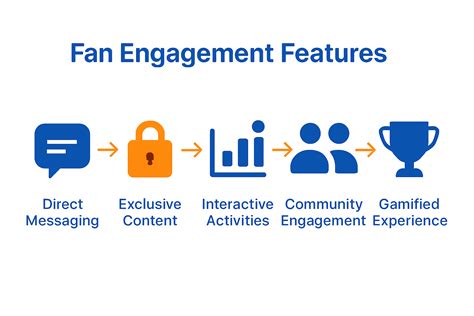
One of the most striking aspects of El Clasico in the digital age is the **globalization of fandom**. While the match traditionally pits Barcelona against Real Madrid, its appeal now extends far beyond Spain. Social media platforms like Twitter, Instagram, and TikTok allow fans from diverse geographies—whether in Jakarta, Lagos, or New York—to participate in the build-up, live commentary, and post-match analysis. This global reach is amplified by clubs' official accounts, which have become **content powerhouses**, producing everything from player interviews and match highlights to behind-the-scenes footage. For instance, Real Madrid and Barcelona's social media teams often create countdown posts, nostalgic throwbacks to iconic moments from past El Clasicos, and polls that directly engage fans in predicting outcomes or choosing their favorite players. These efforts are not just promotional but are designed to **deepen emotional investment** in the rivalry, creating a sense of belonging for fans thousands of miles away from the Camp Nou or Santiago Bernabeu.
The proliferation of **user-generated content (UGC)** further fuels the social media firestorm around El Clasico. Fans no longer passively consume the event; they actively contribute to its narrative. On platforms like TikTok, short-form videos showcasing fan rituals, humorous takes on player performances, or even elaborate matchday setups in living rooms gain millions of views. This trend is particularly impactful among younger audiences, who are more likely to engage with snappy, visually engaging content rather than long-form match reports. For El Clasico 2026, we can expect platforms to be flooded with creative content such as fan-made hype videos, memes comparing star players like Vinicius Jr. and Pedri, or even parodies of managers' tactical decisions. The virality of such content not only entertains but also serves as a **barometer of public sentiment**, shaping how the rivalry is perceived globally.
Another critical aspect is the role of **influencers and content creators** in magnifying the buzz. Football-focused influencers, ranging from former players-turned-analysts to die-hard supporters with large followings, often frame the narrative leading up to the match. These individuals use their platforms to discuss tactical setups, analyze key player matchups, and even stoke the flames of rivalry with provocative takes. For example, an ex-player tweeting about how "this El Clasico will define the season" can trigger thousands of retweets and comments, creating a **cascade effect** that draws more casual fans into the conversation. Brands, too, are keen to leverage this dynamic by partnering with influencers to sponsor El Clasico-themed campaigns. Whether it’s a jersey giveaway contest or a live watch party hosted by a popular streamer, these collaborations blend commercial interests with genuine fan excitement, ensuring that the event remains at the forefront of social media chatter.
The concept of **rivalry gamification** is also emerging as a unique driver of engagement. Social platforms and third-party apps now allow fans to participate in prediction games, fantasy leagues, and interactive quizzes centered around El Clasico. For instance, a fan might join a "Choose Your XI" challenge on a club app, selecting their preferred lineup for the match and comparing it with friends or even the official team selection. These features not only enhance engagement but also create a **sense of agency**, as fans feel they are part of the event’s buildup rather than passive spectators. Additionally, platforms like Discord and WhatsApp host vibrant fan communities where discussions range from tactical debates to lighthearted banter. These spaces act as **digital stadiums**, where fans who might never meet in person can share their passion and build camaraderie around the event.
A particularly intriguing development for El Clasico 2026 is the integration of **augmented reality (AR) and virtual reality (VR)** into fan engagement strategies. Imagine a scenario where fans can use AR filters on Instagram to "wear" their team’s jersey or simulate being in the stands of Camp Nou. Similarly, VR experiences could allow global fans to take virtual tours of the stadiums or even "attend" a pre-match press conference. While these technologies are still in their infancy for sports events, their potential to create immersive experiences is enormous. Such innovations not only cater to the tech-savvy younger generation but also help bridge the gap for fans who cannot physically attend the match, making them feel included in the spectacle.
The impact of **real-time social media metrics** on the event’s perception cannot be overlooked. During El Clasico, platforms like Twitter often display trending hashtags such as #ElClasico or #HalaMadrid, accompanied by live engagement stats like tweet volume, sentiment analysis, and geographic heatmaps of fan activity. These metrics are not just interesting for fans but also for clubs, sponsors, and broadcasters, who use them to gauge audience interest and tailor their strategies. For example, if a particular player’s performance sparks a surge in mentions or memes, clubs might double down on promoting that player in post-match content. This real-time feedback loop between fans and organizers ensures that the event remains **dynamic and responsive** to audience preferences.
However, it is important to consider the **potential downsides** of this heightened engagement. The intense rivalry can sometimes spill over into toxic behavior online, with fans engaging in trolling, harassment, or spreading misinformation. Clubs and platforms have a responsibility to **moderate content** and promote healthy interaction. Initiatives such as hashtag campaigns encouraging respect or collaboration between fan accounts of both teams can help mitigate this issue. For El Clasico 2026, there is an opportunity to set a precedent by actively encouraging **positive engagement**, perhaps through joint initiatives by Barcelona and Real Madrid that emphasize the unifying power of football despite the rivalry.
Finally, the role of **data-driven storytelling** in fan engagement deserves mention. Platforms like YouTube and podcasts now offer in-depth analyses of El Clasico, breaking down everything from expected goals (xG) to historical head-to-head records. These analytical deep dives appeal to a growing segment of fans who crave more than just the surface-level excitement of the match. By combining statistical insights with emotional storytelling—such as revisiting the legacy of past El Clasico heroes like Messi or Ronaldo—content creators can provide a richer, more nuanced experience for fans.
In summary, the fan engagement and social media buzz surrounding El Clasico 2026 will be characterized by a blend of **global participation, creative content, gamification, and technological innovation**. While the core of the rivalry remains rooted in the on-field battle between two football giants, its amplification through digital platforms ensures that the event is not confined to the pitch. Instead, it becomes a **shared global experience**, where millions of fans—regardless of location or allegiance—can feel connected to the drama, the passion, and the history of one of football’s greatest spectacles.
Predictions and Expert Opinions
The anticipation surrounding 'El Clasico 2026' is palpable, as fans and analysts alike speculate on how this iconic fixture between FC Barcelona and Real Madrid will unfold. With both teams undergoing significant transformations in recent years—ranging from player acquisitions to tactical overhauls—there is much to dissect when making predictions about the match outcome. This analysis delves into expert opinions, tactical setups, and potential key moments that could define the result of this high-stakes encounter.
One of the primary factors shaping predictions for 'El Clasico 2026' is the current form and squad dynamics of both teams. Real Madrid, under their new manager, has embraced a more possession-oriented style compared to their counter-attacking roots. This shift has been facilitated by the integration of young talents like Brazilian midfielder Lucas Silva and the seasoned presence of Eden Hazard, who has rediscovered his form after a series of injury-plagued seasons. Experts suggest that this evolution could see Real Madrid controlling the tempo in the midfield, especially if they deploy a 4-3-3 formation with Federico Valverde as the box-to-box engine.
On the other hand, FC Barcelona has undergone a youth-centric renaissance, led by their academy graduates such as Ansu Fati and Pedri. Their tactical approach, spearheaded by manager Xavi Hernandez, emphasizes high pressing and quick transitions. Analysts predict that Barcelona's ability to exploit spaces behind Real Madrid's full-backs—particularly if Dani Carvajal or a less mobile option is fielded—could be a decisive factor. A potential 3-4-3 formation for Barcelona, with wing-backs like Jules Kounde providing width, could stretch Real Madrid’s defensive structure and create opportunities for their forwards.
In terms of scoreline predictions, experts are divided. A common viewpoint is that the match could end in a 2-2 draw, given the attacking firepower on both sides and the defensive vulnerabilities that often surface in high-pressure games. For instance, Karim Benzema, even in the twilight of his career, remains a talisman for Real Madrid, and his partnership with Vinicius Jr. could trouble Barcelona’s backline. Conversely, Barcelona’s Robert Lewandowski, supplemented by the creative prowess of Frenkie de Jong, is expected to find the back of the net at least once. Some pundits, however, lean toward a 3-1 victory for Barcelona, citing their home-field advantage at Camp Nou and the psychological edge of a younger, hungrier squad.
Key moments in the match are likely to revolve around set pieces and individual duels. Real Madrid’s Eder Militao has been a rock in defense, but his occasional lapses in concentration, particularly when marking agile forwards like Ansu Fati, could be exploited. Barcelona’s set-piece strategy, refined under Xavi, might target Real Madrid’s zonal marking system, which has shown cracks against teams with aerial threats. Jude Bellingham, Real Madrid’s midfield dynamo, is another player to watch. His ability to arrive late in the box and score from second balls could swing the game in Real Madrid’s favor, especially in tightly contested moments.
Another critical aspect highlighted by experts is the psychological impact of recent results. If either team enters 'El Clasico 2026' on the back of a poor run of form, the match could become a make-or-break moment for their season. For instance, if Real Madrid has struggled in the UEFA Champions League group stage, their focus might be divided, potentially giving Barcelona the upper hand. On the flip side, Barcelona’s financial constraints and the pressure to deliver trophies could weigh heavily on their younger players, particularly if the game is tied late in the second half. Analysts suggest that the team with better mental resilience—often a hallmark of Real Madrid in El Clasico history—might edge out the victory.
Tactical innovations could also play a role. Real Madrid’s use of a false nine, should Benzema be unavailable or rested, might see Rodrygo deployed in a central role. This could disrupt Barcelona’s defensive organization, as their high line might struggle to adapt to a fluid attacking setup. Barcelona, meanwhile, might experiment with a double pivot in midfield to neutralize Real Madrid’s central dominance, particularly if Toni Kroos and Luka Modric are still influential in orchestrating play. The battle between Barcelona’s pressing system and Real Madrid’s ability to bypass it with diagonal long balls could produce some of the match’s most defining sequences.
Experts also point to the impact of substitutions as a potential game-changer. Both managers are expected to have a deep bench, with players like Raphinha for Barcelona and Joselu for Real Madrid capable of altering the game’s dynamics in the final 30 minutes. A common prediction is that the introduction of fresh legs could lead to a late surge of goals, particularly if the match is tied or closely contested heading into the final quarter. The physical toll of a long season might see one team’s defense falter under pressure, and substitutes who can exploit tired legs will be invaluable.
From a historical perspective, El Clasico has often been shaped by moments of individual brilliance. Whether it’s a stunning free-kick from David Alaba, reprising his heroics from previous encounters, or a mazy run from Ansu Fati that leaves defenders in his wake, such moments are hard to predict but inevitable in a fixture of this magnitude. Experts agree that the team which better manages the emotional intensity of the occasion—avoiding rash challenges or overcommitting in attack—will likely prevail.
In summary, the predictions for 'El Clasico 2026' are as varied as the dynamics of the teams themselves. While some experts favor Barcelona’s youthful exuberance and home advantage, others point to Real Madrid’s experience and tactical flexibility as key advantages. Potential scorelines range from a high-scoring draw to narrow victories for either side, with key moments likely to stem from set pieces, individual brilliance, and the effectiveness of substitutions. As the football world awaits this clash of titans, one thing is certain: 'El Clasico 2026' will be a spectacle defined by strategy, skill, and the sheer unpredictability that makes this rivalry the most watched in the world.
Broader Implications for Spanish Football
The outcome of El Clasico 2026 could ripple far beyond the immediate spectacle of a single match, with profound implications for the trajectory of the La Liga season and the global perception of Spanish football. This iconic fixture, contested between FC Barcelona and Real Madrid, is not merely a game; it is a cultural and sporting event that serves as a barometer for the health and competitiveness of Spanish football. The stakes are particularly high in 2026, as both clubs are undergoing significant transitions in terms of squad composition, financial strategies, and leadership.
One of the most immediate impacts of the El Clasico result will be felt in the La Liga title race. Historically, the outcome of this match has often acted as a psychological catalyst for the victor, propelling them toward sustained momentum in the league. For instance, a decisive win for Barcelona could embolden their younger squad—a mix of academy graduates and recent signings—to approach the remainder of the season with heightened confidence. Conversely, a Real Madrid triumph might reaffirm their status as a team capable of overcoming adversity, particularly if the win comes in a high-pressure away fixture at Camp Nou. This psychological edge can be instrumental in tight title races, where the margin for error is often minimal. A loss for either side, especially if accompanied by a demoralizing performance, might expose vulnerabilities that rival teams in La Liga could exploit in subsequent matches.
Beyond the direct competition for the title, El Clasico 2026 could also influence the narrative of La Liga’s broader competitiveness. Spanish football has faced criticism in recent years for being perceived as a two-team league, with Barcelona and Real Madrid dominating both domestically and in European competitions. A closely fought Clasico, particularly one that showcases tactical innovation or the emergence of new star players, could challenge this narrative. For example, if Barcelona fields a lineup heavily reliant on La Masia products and manages to outplay Real Madrid, it could signal a resurgence of their famed youth development system, reigniting debates about the sustainability of homegrown talent versus big-money transfers. On the other hand, a resounding win for Real Madrid might reinforce the idea that their blend of experienced veterans and high-profile signings remains the gold standard for success in Spanish football.
The global standing of Spanish football is also inextricably linked to the commercial and broadcast appeal of El Clasico. This match consistently ranks among the most-watched sporting events worldwide, drawing audiences from every continent. A thrilling, high-scoring Clasico with moments of individual brilliance—be it a wonder goal from Vinicius Jr. or a masterclass in playmaking from Pedri—can enhance La Liga’s brand as a league that delivers high-quality entertainment. However, a dour or overly contentious match marred by refereeing controversies or lackluster play could tarnish this reputation. In an era where leagues like the Premier League and Bundesliga are aggressively marketing themselves as dynamic and competitive, the onus is on La Liga to ensure that El Clasico 2026 reinforces its position as a must-watch event. A subpar showing could prompt international viewers to question whether Spanish football is losing its luster compared to its European counterparts.
Another critical dimension is the impact on Spanish football’s youth development and recruitment strategies. The performances of young players in El Clasico often serve as a showcase for the next generation of talent. A breakout performance by a teenager in this match—whether it is a daring dribble, a crucial goal, or a composed defensive display—can elevate their profile not just within Spain but on the global stage. This can have a domino effect on how La Liga clubs approach youth recruitment and development. Clubs may feel incentivized to invest more heavily in their academies if a young player steals the spotlight, or they might double down on scouting efforts to find the next prodigy who can shine in such high-pressure environments. A poor showing by younger players, however, could lead to skepticism about the readiness of Spanish football’s youth systems to produce world-class talent consistently.
The outcome of El Clasico 2026 could also have ramifications for Spanish football’s presence in European competitions. Both Barcelona and Real Madrid are perennial contenders in the UEFA Champions League, and their form in domestic competitions often serves as a predictor of their European success. A dominant performance by either team in El Clasico might indicate that they are peaking at the right time, giving them a psychological and tactical edge as they advance in the Champions League. For instance, if Real Madrid secures a convincing win, it could signal that their seasoned squad is well-prepared for the rigors of knockout football. Conversely, a resurgent Barcelona victory might suggest that their blend of youth and experience is gelling at a critical juncture, potentially setting the stage for a deep European run. This dynamic is particularly important as La Liga seeks to maintain its reputation as a producer of Champions League-caliber teams amid growing competition from the Premier League and Serie A.
Additionally, the financial implications for La Liga cannot be overlooked. El Clasico is not just a sporting event but a commercial juggernaut, generating millions in revenue through ticket sales, merchandise, and broadcasting rights. A high-profile, competitive match can drive up viewership numbers and attract new sponsorship deals for both clubs and the league as a whole. This financial influx can trickle down to smaller clubs in La Liga, as increased league-wide revenues allow for better distribution of funds, enabling mid-tier teams to invest in infrastructure and talent. However, a lopsided or uninspiring Clasico might fail to capture the same level of commercial interest, potentially stalling La Liga’s growth in an increasingly competitive global football market.
Finally, the match could influence the broader geopolitical soft power of Spanish football. El Clasico is a global ambassador for Spain, often viewed as a microcosm of the country’s culture, passion, and ingenuity. A match that highlights the best of Spanish football—its tactical diversity, technical brilliance, and emotional intensity—can reinforce Spain’s position as a leader in the global football landscape. However, if the match is overshadowed by off-field controversies, such as disputes over refereeing or financial scandals involving either club, it risks undermining this image. In an era where sports are increasingly politicized and scrutinized, the conduct and quality of El Clasico 2026 will be closely watched not just by fans but by stakeholders in the global sports industry.
In summary, the implications of El Clasico 2026 extend far beyond the 90 minutes of play. Its outcome will shape the narrative of the La Liga season, influence the development pathways for young talent, and impact Spanish football’s ability to maintain its global prestige. Whether it serves as a springboard for renewed dominance by Barcelona or Real Madrid, or as a turning point for the league’s broader competitiveness, this match will be a critical chapter in the ongoing story of Spanish football’s evolution.
Conclusion and Future of the Rivalry
The rivalry between FC Barcelona and Real Madrid, known as El Clasico, is not merely a clash of two football teams but a collision of cultures, histories, and ideologies. This enduring legacy is rooted in the socio-political backdrop of Spain, where the teams have come to symbolize more than just sporting excellence. Barcelona represents Catalan pride and autonomy, while Real Madrid is often seen as a symbol of centralist Spanish identity. These deep-seated narratives have fueled the rivalry for over a century, making it one of the most watched and discussed spectacles in sports. As we look toward El Clasico 2026 and beyond, it is essential to consider how this legacy will endure and how the rivalry might adapt to the changing dynamics of football and global culture.
One of the most striking aspects of El Clasico's legacy is its ability to transcend football itself. The matches between Barcelona and Real Madrid are not just about the 90 minutes on the pitch; they are cultural events that draw attention from fans worldwide. This phenomenon is partly due to the global reach of La Liga and the star power of players who have graced the fixture—figures like Lionel Messi, Cristiano Ronaldo, Alfredo Di Stefano, and Johan Cruyff. These players elevated the rivalry into a global phenomenon, embedding it in the collective memory of football fans. However, as the sport evolves, the challenge for El Clasico will be to maintain this allure in an era where player mobility and the commercialization of football are reshaping team identities.
The departure of generational talents like Messi and Ronaldo has already tested the rivalry's ability to sustain its intensity. While the matches remain fiercely competitive, there is a sense that the personal duels that once defined El Clasico are no longer as prominent. This shift underscores a broader trend in football: the increasing focus on team dynamics over individual brilliance. In the coming years, El Clasico may rely more on the tactical ingenuity of managers and the collective strength of squads rather than the magnetism of superstar players. This evolution is not necessarily negative; it could enrich the rivalry by showcasing a more holistic approach to football, where systems and strategies take center stage.
Another factor that could shape the future of El Clasico is the growing influence of technology and media. Streaming platforms, social media, and augmented reality are changing how fans engage with sports. El Clasico 2026 might see innovations such as interactive fan experiences, real-time data overlays during broadcasts, or even virtual reality options for viewers. These advancements could deepen the global audience's connection to the rivalry, but they also risk diluting the raw, unfiltered emotion that has traditionally fueled the fixture. Striking a balance between technological enhancement and preserving the authenticity of the experience will be a key challenge for organizers and broadcasters.
The socio-political dimension of El Clasico is unlikely to fade, but it may evolve in response to Spain's shifting political landscape. Catalonia's push for independence has historically added a layer of tension to the matches, particularly when played in Barcelona. However, as political movements ebb and flow, the rivalry might see periods of heightened or subdued intensity depending on the broader context. For instance, if Catalonia were to achieve greater autonomy or independence, the symbolic weight of El Clasico might shift. Alternatively, a more unified Spain could lead to a reimagining of the rivalry as a celebration of shared sporting heritage rather than a battleground of regional identities. These possibilities suggest that El Clasico will remain a mirror of Spain's internal dynamics, reflecting the country's ongoing journey toward reconciling its diverse cultural fabric.
On the field, the rivalry is also likely to be influenced by the changing competitive landscape of European football. The emergence of super leagues, financial fair play regulations, and the growing dominance of state-funded clubs like Paris Saint-Germain and Manchester City could alter the dynamics of domestic competitions. Real Madrid and Barcelona, as two of the wealthiest clubs in the world, are well-positioned to navigate these changes, but they may also face new challengers within La Liga or even from other leagues. This could add fresh dimensions to El Clasico, as the teams might find themselves not only competing for domestic supremacy but also for relevance in an increasingly globalized and stratified football ecosystem.
The youth academies of both clubs—La Masia for Barcelona and La Fabrica for Real Madrid—will play a critical role in shaping the future of the rivalry. Both institutions have a storied history of producing world-class talent, but they face stiff competition from other clubs and even external leagues that poach young prospects. If these academies can continue to churn out players who embody the ethos of their respective clubs, El Clasico will retain its unique identity as a showcase of homegrown talent. However, if either club becomes overly reliant on external signings, the rivalry risks losing some of its distinctiveness. This is not merely a question of player development but of maintaining the philosophical underpinnings of the clubs—Barcelona's focus on possession-based, aesthetically pleasing football and Real Madrid's emphasis on attacking flair and European dominance.
Looking ahead, El Clasico might also become a test case for how traditional football powers adapt to sustainability and inclusivity imperatives. Football is under increasing pressure to address issues like carbon neutrality, gender equality, and community engagement. Both Barcelona and Real Madrid have made strides in these areas, but the rivalry could serve as a platform to showcase leadership in these domains. For example, El Clasico 2026 could feature initiatives like carbon-neutral matchdays, inclusive fan zones, or partnerships with global organizations to promote social causes. Such efforts would not only enhance the legacy of the rivalry but also position it as a beacon of progress in the football world.
Finally, the evolution of fan culture will play a significant role in the future of El Clasico. The rise of "digital-first" fans, particularly among younger generations, means that the rivalry must cater to audiences who experience football primarily through screens rather than in stadiums. This shift presents an opportunity to reimagine how the rivalry is marketed and consumed. Interactive fan polls, esports tie-ins, and even fan-driven content creation could become integral to the El Clasico experience. At the same time, there is a risk of alienating traditional fans who value the physicality and communal nature of live matches. Balancing these competing demands will be essential to ensuring that El Clasico remains relevant to all demographics.
In conclusion, the enduring legacy of El Clasico lies in its ability to adapt while staying true to its roots. The rivalry has survived wars, regime changes, and the comings and goings of generations of players and fans. As we look to 2026 and beyond, the challenge will be to preserve the emotional intensity and cultural significance of the fixture while embracing the opportunities and challenges of a rapidly changing world. Whether through technological innovation, tactical evolution, or a renewed focus on sustainability, El Clasico has the potential to remain not just a football rivalry but a symbol of how sport can bridge divides, inspire passion, and reflect the complexities of human identity.