Introduction to Empoli FC
Empoli FC, a club with a rich yet understated history in Italian football, represents a unique blend of resilience, community spirit, and tactical innovation. While not as globally renowned as giants like Juventus, AC Milan, or Inter Milan, Empoli FC occupies a significant niche in the landscape of Italian football, particularly as a symbol of how smaller clubs can carve out a space for themselves amidst the country's footballing elite. This section delves into the club's origins, its geographical roots, and its broader significance within the context of Serie A and Italian football culture.
Founded in 1920, Empoli FC is one of Italy's older football institutions. The club's inception occurred in the town of Empoli, located in the Tuscany region, approximately 20 kilometers southwest of Florence. This location is significant because Empoli is a relatively small town compared to the urban centers that host Italy's major football clubs. With a population of just over 50,000, Empoli is an example of how football can serve as a unifying force for communities that might otherwise lack a high national or international profile. This small-town identity has shaped the club's ethos, emphasizing grit, resourcefulness, and an underdog mentality that resonates deeply with its supporters.
The club's early years were marked by the challenges typical of smaller teams in a highly competitive environment. Empoli FC participated in regional leagues during its formative decades, gradually climbing the football hierarchy. It was not until the mid-20th century that Empoli began to establish itself as a more consistent presence in national competitions. This slow but steady progress is emblematic of the club's character—it has rarely been a team of instant success, but rather one that builds incrementally, often punching above its weight. This approach has endeared Empoli to fans who value persistence and humility over flashy, short-term triumphs.
Empoli FC's significance in Italian football can be understood through several lenses. First, the club serves as a proving ground for talent. Over the years, Empoli has gained a reputation for nurturing young players and providing them with opportunities to shine in Serie A. This focus on youth development is partly out of necessity—smaller clubs often lack the financial clout to compete for established stars—but it has also become a core part of Empoli's identity. The club's youth academy has produced players who have gone on to achieve success both domestically and internationally. Notable examples include Antonio Di Natale, who began his professional career at Empoli before becoming one of Serie A's most prolific goal scorers, and Daniele Rugani, who later moved to Juventus. This emphasis on youth development highlights Empoli's role as a critical component of Italy's footballing ecosystem, acting as a bridge between grassroots football and the upper echelons of the sport.
Another dimension of Empoli's significance lies in its tactical innovation. The club has often been associated with managers who prioritize a structured, disciplined style of play. This is particularly evident in Empoli's approach to defending and midfield organization. In recent years, the club has been lauded for its ability to compete effectively despite limited resources, often employing systems that maximize the strengths of its players while minimizing vulnerabilities. For instance, under coaches like Aurelio Andreazzoli, Empoli has demonstrated a capacity for playing possession-based football with an emphasis on quick transitions—a style that belies the club's modest budget. This tactical acumen has made Empoli a team that is both challenging to face and intriguing to analyze for football enthusiasts and pundits alike.
The club's home stadium, the Carlo Castellani Stadium, further underscores its community-focused identity. With a capacity of around 16,000, the stadium is modest by Serie A standards but serves as a fortress for Empoli's supporters. The intimate atmosphere of the venue often amplifies the passion of the fans, creating a challenging environment for visiting teams. This connection between the club and its local supporters is a reminder of how football in Italy often operates as a deeply rooted cultural phenomenon, where the relationship between a team and its town is as important as the results on the pitch.
Empoli FC's journey through Italian football has been punctuated by moments of triumph and struggle. The club has experienced multiple promotions and relegations, reflecting the volatile nature of competition in Serie A and Serie B. However, these fluctuations are not merely a sign of inconsistency but rather a testament to Empoli's ability to adapt and rebound. Each relegation has been followed by a determined effort to regain top-flight status, often against the odds. This cyclical nature of Empoli's presence in Serie A reflects the broader dynamics of Italian football, where smaller clubs must constantly navigate financial and competitive pressures to maintain their position.
In the broader context of Italian football, Empoli FC represents a counterpoint to the dominance of wealthier clubs. While teams like Juventus, Inter, and AC Milan often dominate headlines and silverware, Empoli serves as a reminder of the diversity within Serie A. The club exemplifies how football can thrive in smaller towns, offering an alternative narrative to the megacity-centric focus of many European leagues. This dynamic is particularly important in Italy, where regional pride and local identity often play a significant role in football fandom. Empoli's ability to compete, even sporadically, at the highest level adds a layer of unpredictability and charm to Serie A, enriching the league's narrative.
The club's blue and white colors are more than just a visual identity—they symbolize the pride and perseverance of a team that has repeatedly defied expectations. Empoli's supporters, though not as numerous as those of larger clubs, are fiercely loyal and proud of their team's ability to maintain a presence in Italian football's top tier. This loyalty is often tested by the club's financial constraints and the challenges of competing against better-funded rivals, yet it remains undimmed.
Empoli FC also holds a unique place in the annals of Italian football history due to its philosophical approach to sustainability. Unlike some clubs that rely heavily on external investment or speculative spending, Empoli has often operated within its means, focusing on long-term stability rather than short-term glory. This approach may not yield consistent trophies, but it ensures the club's survival and relevance in an era where many smaller teams face financial collapse. This sustainability model is increasingly relevant in modern football, where economic disparities between clubs are growing.
In summary, Empoli FC is more than just a football club—it is a testament to the enduring power of community, tactical ingenuity, and youth development in Italian football. From its humble beginnings in 1920 to its current role as a mainstay of Serie A (albeit with occasional stints in Serie B), Empoli has consistently demonstrated that size and resources are not the sole determinants of a club's impact. Whether through its production of talented players, its distinctive style of play, or its embodiment of small-town resilience, Empoli FC stands as a microcosm of what makes Italian football so compelling: a blend of tradition, passion, and the relentless pursuit of excellence against the odds.
- Empoli FC was founded in 1920 in the Tuscan town of Empoli.
- The club is known for its focus on youth development, producing players like Antonio Di Natale and Daniele Rugani.
- Empoli's Carlo Castellani Stadium creates an intimate and passionate atmosphere for home matches.
- The club represents a sustainable, community-driven model in contrast to the financial excesses of larger teams.
By understanding Empoli FC's history and ethos, one gains a deeper appreciation for the diversity and depth of Italian football, where even smaller clubs can leave an indelible mark on the sport's rich tapestry.
Historical Milestones
Empoli FC, a club with a rich but often understated history in Italian football, has experienced a series of historical milestones that showcase its resilience and ability to punch above its weight in a highly competitive league system. Founded in 1920 in the Tuscan town of Empoli, the club has navigated through periods of triumph and adversity, carving out a niche in the annals of Italian football despite not being one of the traditional powerhouses.
One of the earliest key events in Empoli FC's history was its steady climb through the lower tiers of Italian football in the mid-20th century. The club spent much of its early existence in regional leagues, but a significant breakthrough came in the 1940s and 1950s when Empoli began to establish itself as a competitive force in Serie C. This era laid the groundwork for future ambitions, even as the club faced financial and infrastructural challenges typical of smaller teams at the time. The post-war period was particularly difficult for many Italian clubs, but Empoli's perseverance during this era is a testament to its community-driven ethos and the dedication of its early administrators.
The 1980s marked a turning point for Empoli. In the 1982-83 season, the club achieved its first-ever promotion to Serie B, Italy's second-highest division. This was no small feat for a team that had largely operated in the shadows of more illustrious Tuscan sides like Fiorentina. The promotion was the result of a well-organized team that blended young talent with experienced players, a strategy Empoli has often employed throughout its history. This milestone not only elevated the club's profile but also signaled its potential to compete at higher levels. However, the early years in Serie B were marked by a yo-yo effect, with Empoli oscillating between promotions and relegations—a challenge that underscored the difficulty of maintaining stability in Italian football's middle tier.
The 1990s brought one of Empoli's most iconic achievements: its first promotion to Serie A in the 1996-97 season. This was a watershed moment for the club, as it entered the top flight of Italian football for the first time in its history. Under the guidance of coach Luca Bucci and a squad that included promising talents like Antonio Di Natale (who would later become a star in Serie A), Empoli defied expectations. While the club's maiden season in Serie A ended in relegation, the experience was invaluable. It showcased Empoli's ability to compete against established giants, even if only for a brief period. This era also highlighted the club's knack for developing young players, a tradition that would become a cornerstone of its identity.
The early 2000s saw Empoli FC establish itself as a consistent presence in Serie A, despite operating on a limited budget compared to many of its rivals. A particularly memorable season was 2005-06, when the club finished in 10th place—its highest-ever position in Serie A at the time. This achievement was remarkable given the financial constraints and the departure of key players in previous seasons. The team's success was built on a solid defensive structure and an emphasis on collective effort rather than individual brilliance. This period also saw Empoli develop a reputation as a "feeder club" for larger teams, with players like Daniele Rugani and Lorenzo Tonelli honing their skills at the club before moving on to bigger stages. While this dynamic posed challenges in terms of squad continuity, it also reinforced Empoli's role as a nurturing ground for talent.
However, Empoli's journey has not been without its challenges. Relegation battles have been a recurring theme, particularly in the mid-2000s and 2010s. The 2007-08 season saw the club finish 18th in Serie A and drop back to Serie B, a blow that tested the resilience of its fanbase and management. Yet, Empoli's ability to bounce back is perhaps its most defining trait. In the 2013-14 season, the club secured another promotion to Serie A under coach Maurizio Sarri, who would later gain fame for his tactical innovations at Napoli and Chelsea. Sarri's time at Empoli is often cited as a period of stylistic transformation for the club, as he implemented a possession-based, attacking style of play that was both effective and aesthetically pleasing. This era symbolized Empoli's willingness to adapt and evolve, even within the constraints of its modest resources.
One of the most memorable victories in Empoli's history came during the 2015-16 Serie A season. The club, once again newly promoted, managed to secure a stunning 1-0 away win against AC Milan at the San Siro. This result was emblematic of Empoli's ability to rise to the occasion against more storied opponents. Such moments are rare for smaller clubs, but they serve as reminders of the unpredictability and romance of football. The win was not just a statistical anomaly but a symbolic victory for Empoli's ethos of hard work and tactical discipline.
The late 2010s and early 2020s brought further promotions and relegations, reflecting the cyclical nature of Empoli's existence in Italian football. A notable promotion in the 2017-18 season was followed by relegation in 2018-19, only for the club to bounce back to Serie A in 2020-21. These fluctuations illustrate the fine margins that separate success and struggle for teams of Empoli's stature. Each promotion has been a cause for celebration, not just for the club but for its fiercely loyal supporters, who view these moments as vindications of their unwavering support.
Another layer of Empoli's history is its off-field challenges. Like many smaller clubs, Empoli has faced financial difficulties that have occasionally threatened its existence. The club has often operated on shoestring budgets, relying on shrewd management, youth development, and occasional player sales to remain competitive. This approach, while pragmatic, has also limited Empoli's ability to build long-term dynasties or challenge for major honors. However, it is precisely this underdog status that endears the club to neutral fans and underscores the romantic appeal of its achievements.
In recent years, Empoli has continued to face the dual challenge of competing in Serie A while maintaining financial stability. The club's focus on youth development remains a critical strategy, with its academy producing players who attract interest from larger teams. This approach ensures that Empoli remains relevant in Italian football, even if its primary role is often seen as a stepping stone for players and coaches. The club's ability to adapt to modern football's demands, such as implementing data analytics and focusing on sustainable growth, demonstrates its forward-thinking mindset.
In summary, Empoli FC's historical milestones are a blend of hard-fought victories, strategic promotions, and persistent challenges. From its humble beginnings in regional leagues to its intermittent stints in Serie A, the club has consistently defied expectations. Its story is not one of dominance but of perseverance, innovation, and an unyielding connection to its community. Empoli's history serves as a microcosm of the broader struggles and triumphs of smaller clubs in Italian football, offering a unique perspective on what it means to compete in a landscape dominated by giants.
Club Structure and Management
Empoli FC, a club with a storied history in Italian football, operates within a well-defined organizational structure that reflects its identity as a modest yet strategically managed entity. Unlike larger clubs with sprawling hierarchies and vast resources, Empoli FC's structure is streamlined, emphasizing efficiency and adaptability in the face of the competitive pressures of Serie A.
The ownership of Empoli FC is anchored by a group of local stakeholders who have maintained a close connection to the club's roots in the town of Empoli, Tuscany. The club is primarily owned by Empoli Football Club S.p.A., a publicly traded company that has seen a blend of local investors and external partners over the years. This ownership model is unique in that it avoids the high-profile billionaire-owner paradigm seen in many top-tier clubs. Instead, the club benefits from a community-driven ethos where decisions are made with an eye toward long-term sustainability rather than short-term financial windfalls. This approach has allowed Empoli to maintain a steady presence in Italian football despite its relatively small budget compared to clubs like Juventus, Inter Milan, or AC Milan.
At the top of the organizational hierarchy is the President, a role that often combines symbolic leadership with operational oversight. The current president, Fabrizio Corsi, has been a central figure in the club’s management for decades. Corsi is widely credited with steering Empoli through financial and competitive challenges while ensuring the club remains competitive in Serie A. His tenure exemplifies a hands-on approach where the president is not merely a figurehead but an active participant in strategic decisions, including player recruitment, coaching appointments, and youth academy development. This level of involvement is atypical in modern football, where many presidents delegate heavily to directors or executives.
Beneath the president is the Board of Directors, which includes a mix of local business leaders and football experts. This board plays a critical role in shaping the club's financial policies, sponsorship deals, and long-term vision. Unlike larger clubs where boards might be dominated by global corporate interests, Empoli's board retains a distinctly local flavor, with members often drawn from the Tuscan business community. This localized approach ensures that decisions are made with a deep understanding of the club's cultural and economic context. For instance, sponsorship agreements are often tailored to regional businesses rather than global brands, reinforcing the club's identity as a representative of its community.
The Sporting Director occupies a pivotal position in Empoli's hierarchy. This role is responsible for translating the club's overarching strategy into actionable plans for player acquisition, squad building, and talent development. Empoli has gained a reputation for its shrewd transfer market operations, often identifying undervalued players or young talents who can be developed and later sold at a profit. This approach is part of a broader managerial philosophy centered on player development and resource optimization. The club has a well-regarded youth academy, which serves as a pipeline for homegrown talent. Players like Lorenzo Tonelli and Riccardo Saponara are examples of academy graduates who have made significant contributions at Empoli before moving on to larger clubs. This focus on youth development is not merely a cost-saving measure but a deliberate strategy to remain competitive in a league dominated by wealthier clubs.
The managerial philosophy of Empoli FC is rooted in pragmatism and adaptability. The club has a history of appointing managers who align with its ethos of developing players while maintaining a competitive edge on the field. Managers at Empoli are often tasked with achieving results while working within tight financial constraints. This has led to a preference for tactically flexible coaches who can implement systems that maximize the potential of available players. For example, the club has often employed managers who favor a possession-based style of play or a counter-attacking approach, depending on the squad's composition. This adaptability extends to the club's scouting network, which is finely tuned to identify players who fit the system rather than chasing expensive marquee signings.

Another distinctive feature of Empoli's management is its emphasis on stability. While many clubs in Serie A experience frequent managerial turnover, Empoli has often shown a willingness to give managers time to implement their vision. This stability fosters a sense of continuity that benefits both players and staff. For instance, managers like Aurelio Andreazzoli have had multiple stints at the club, underscoring the trust placed in individuals who understand Empoli's unique challenges and opportunities.
The day-to-day operations of the club are managed by a team of executives and support staff who handle everything from marketing and ticketing to facilities management. While these roles are less visible than those of the president or sporting director, they are no less critical to the club's success. For example, Empoli's ability to maintain its stadium, the Carlo Castellani Stadium, as a functional and welcoming venue reflects the efficiency of its operational team. This attention to detail extends to community engagement initiatives, where the club actively works to foster a sense of belonging among local fans.
Empoli's approach to ownership and management also reflects a broader trend in Italian football, where smaller clubs must innovate to compete with financial powerhouses. The club's reliance on a data-driven recruitment strategy is a case in point. By leveraging analytics and scouting networks, Empoli has been able to punch above its weight in the transfer market. This approach has enabled the club to identify players like Samuele Ricci, who was developed at Empoli and later sold to Torino for a significant fee, exemplifying the club's ability to balance sporting and financial objectives.
The club's managerial philosophy also extends to its treatment of players. Empoli is known for fostering a supportive environment where young players are given opportunities to grow without the overwhelming pressure seen at larger clubs. This nurturing approach has made Empoli a desirable destination for promising talents looking to establish themselves in professional football. The club’s ability to blend youth with experienced players creates a balanced squad dynamic, which is often cited as a key factor in its ability to compete in Serie A.
- The club's community-oriented ownership ensures decisions are aligned with local interests and long-term goals.
- The Sporting Director focuses on smart transfers and youth development to maintain competitiveness.
- Empoli's managerial philosophy prioritizes adaptability, stability, and player development over short-term glory.
- The club's data-driven recruitment strategy allows it to identify undervalued talents and maximize returns.
In summary, Empoli FC’s organizational structure and management philosophy are a testament to the power of strategic minimalism in football. By prioritizing efficiency, community ties, and player development, the club has carved out a niche in Serie A that defies its modest resources. This model not only sustains Empoli’s presence in the top flight but also serves as a case study for how smaller clubs can thrive in an increasingly commercialized sport.
Player Development and Academy
Empoli FC, a club based in the Tuscan region of Italy, has long been recognized for its emphasis on player development and its well-structured youth academy. Despite being a relatively small club in the context of Italian football, Empoli has carved out a niche for itself as a breeding ground for young talent. This focus on youth development is not merely a byproduct of limited resources compared to Serie A giants like Juventus or Inter Milan; it is a deliberate and strategic choice that has paid dividends both for the club and for Italian football as a whole.
The youth system at Empoli is rooted in a philosophy that prioritizes technical proficiency, tactical awareness, and a strong work ethic. The club’s academy, known as the "Settore Giovanile," operates with the goal of not only producing players who can compete at the professional level but also instilling values that prepare them for the broader challenges of a football career. This approach is evident in the structured training programs that emphasize ball control, positional play, and game intelligence from a young age. Unlike larger clubs that may rely on recruiting established talents, Empoli has consistently invested in scouting and nurturing local talent, often identifying players from the surrounding regions of Tuscany and beyond.
One of the key features of Empoli’s academy is its focus on integration with the first team. The club has a reputation for giving young players opportunities to train and play with the senior squad, even when they are still in their late teens. This practice not only accelerates their development but also creates a pathway for academy graduates to transition seamlessly into professional football. For instance, Empoli’s willingness to field younger players in Serie B and Serie A matches has often been cited as a reason for their ability to remain competitive despite financial constraints. This integration is supported by a coaching staff that maintains close communication between the academy and the first-team setup, ensuring that young players are exposed to the tactical systems and expectations of the senior team early in their development.
The impact of Empoli’s youth system can be seen in the notable academy graduates who have gone on to make significant contributions to Italian football. Perhaps the most prominent example is Daniele Rugani, a center-back who came through Empoli’s ranks and made his professional debut for the club in 2013. Rugani’s composure on the ball, positional awareness, and ability to read the game were honed during his time at Empoli. His performances caught the attention of Juventus, who signed him in 2015. While Rugani’s career has had its ups and downs, his emergence as a reliable defender in Serie A can be directly traced back to the technical foundation provided by Empoli’s academy.
Another standout graduate is Riccardo Saponara, an attacking midfielder known for his creativity and flair. Saponara’s time at Empoli showcased his ability to dictate play and provide key assists, which earned him a move to AC Milan in 2013. Although his stint at Milan was not as successful as hoped, his return to Empoli and subsequent performances in Serie A demonstrated the enduring value of the skills he developed in the academy. Saponara’s journey underscores how Empoli not only develops players for immediate impact but also equips them with the adaptability to navigate the challenges of different club environments.
A more recent example of Empoli’s academy success is Samuele Ricci, a central midfielder who made his first-team debut in 2019 at just 18 years old. Ricci’s technical ability, combined with his maturity in midfield roles, led to a move to Torino in 2022. His rise through Empoli’s system highlights the club’s continued commitment to producing players who can contribute meaningfully to top-tier Italian football. Ricci’s development also reflects Empoli’s emphasis on tailored player pathways—recognizing that not all players will follow the same trajectory but ensuring that each is given the tools to succeed based on their unique strengths.
The influence of Empoli’s academy extends beyond individual success stories. The club has played a pivotal role in shaping the landscape of Italian football by contributing players who embody the technical and tactical qualities that are highly valued in Serie A. This is particularly important in a league where the transition from youth football to professional play can be challenging due to the physicality and tactical sophistication required. Empoli’s academy graduates often stand out for their ability to adapt to high-pressure situations, a testament to the club’s training methods.
Moreover, Empoli’s approach has had a ripple effect on Italian football’s broader ecosystem. By consistently producing players who are ready for first-team football, the club indirectly supports the competitiveness of the league. Smaller clubs like Empoli serve as a counterbalance to the dominance of wealthier teams by ensuring that talent pipelines remain diverse and accessible. This dynamic is particularly important in maintaining the long-term health of Italian football, where the over-reliance on a few big clubs for talent can stifle innovation and competition.
It is also worth noting the economic impact of Empoli’s youth system. By developing players in-house and selling them to larger clubs, Empoli has been able to sustain its operations despite limited revenue streams. This model is not unique to Empoli but is executed with particular efficiency at the club. The transfer fees received for players like Rugani, Saponara, and Ricci have allowed Empoli to reinvest in their facilities, coaching staff, and scouting networks, creating a self-sustaining cycle of development. This approach contrasts with clubs that rely heavily on external investment or speculative signings, which can lead to financial instability.
In addition to individual players, Empoli’s academy has also influenced the tactical identity of the club. The first team often mirrors the academy’s focus on possession-based football, quick transitions, and disciplined defensive organization. This alignment ensures that young players are not only technically skilled but also familiar with the club’s overarching style of play. As a result, when academy graduates are promoted to the senior team, they can integrate more easily and contribute meaningfully without a steep learning curve.
A closer look at Empoli’s youth system also reveals the role of partnerships and collaborations. The club has often worked with other teams in Italy and abroad to loan out academy players for experience, ensuring they gain exposure to different playing styles and levels of competition. This strategy has helped Empoli maintain a steady stream of talent while also building relationships that can lead to mutually beneficial transfers and collaborations in the future.
- Empoli’s focus on local talent ensures a strong connection to the community, which fosters loyalty among players and fans alike.
- The club’s willingness to give young players first-team opportunities sets it apart from many peers in Serie A.
- Graduates like Rugani, Saponara, and Ricci demonstrate the academy’s ability to produce players who can thrive in diverse roles and systems.
In conclusion, Empoli FC’s youth system is a model of how smaller clubs can punch above their weight by prioritizing player development. Through a combination of strategic scouting, robust training programs, and a clear pathway to the first team, the club has not only sustained its own competitive edge but also enriched Italian football as a whole. The success of its academy graduates serves as a reminder that even in an era dominated by financial powerhouses, thoughtful investment in youth can yield enduring rewards.
Performance Analysis in Serie A
Empoli FC, a club with a modest yet intriguing history in Italian football, has been a part of Serie A for several seasons, often oscillating between the top flight and Serie B. To understand their performance in Italy's top league, it is essential to delve into both their recent and historical data, identifying patterns and trends that shed light on their competitive positioning and potential for growth.
Historically, Empoli FC has been a team characterized by resilience rather than dominance. Founded in 1920, the club has spent much of its existence in the lower divisions of Italian football. However, their first significant stint in Serie A came in the 1986-87 season. Since then, Empoli has made intermittent appearances in Serie A, often punching above their weight given their relatively small budget and fanbase compared to the league's giants like Juventus, Inter Milan, and AC Milan. A key feature of their historical performance is their ability to survive relegation battles, often achieving safety by narrow margins. For instance, during the 2005-06 season, Empoli finished 10th, one of their best placements, showcasing moments of overachievement despite limited resources.
In recent years, Empoli’s presence in Serie A has been more consistent, albeit with mixed results. Since their promotion back to Serie A in the 2021-22 season, the club has managed to maintain its top-flight status, but the journey has been fraught with challenges. A closer look at their recent performance statistics reveals some intriguing insights. Over the last three seasons, Empoli has averaged around 40 points per season, a figure that typically places them just above the relegation zone. This points to a team that prioritizes survival over ambitious mid-table finishes. Their goal difference during this period has been negative, often ranging between -15 and -20, which underscores defensive vulnerabilities and limited attacking output.
One of the most striking trends in Empoli’s Serie A campaigns is their reliance on a compact, counterattacking style of play. Under coaches like Aurelio Andreazzoli and Paolo Zanetti, the team has often deployed a 4-3-1-2 or 4-3-2-1 formation, focusing on defensive solidity and quick transitions. This approach has yielded mixed results. For example, in the 2022-23 season, Empoli conceded 54 goals but scored only 37, indicating a clear imbalance. Their home form has been slightly better than their away performances, with the Carlo Castellani Stadium often serving as a difficult venue for visiting teams due to its compact atmosphere. However, their away record has been a persistent weak point, with fewer than 15 points typically earned on the road in recent seasons.
Another critical aspect of Empoli’s performance is their player development and transfer strategy. The club has a reputation for being a "selling team," often nurturing young talents who are later sold to bigger clubs. Notable examples include the likes of
Analyzing their head-to-head performance against top-tier teams provides further context. Empoli has struggled against the traditional "big three" (Juventus, Inter, and AC Milan), often losing by multiple-goal margins. However, they have occasionally pulled off surprise results, such as their 1-0 victory over Napoli in the 2022-23 season. These sporadic victories highlight a team capable of tactical discipline on their day but lacking the consistency to challenge higher up the table. Against mid-table and lower-ranked teams, Empoli has been more competitive, often grinding out draws or narrow wins, which has been crucial for their survival.
A deeper dive into underlying metrics such as expected goals (xG) and expected goals against (xGA) offers a nuanced perspective. Empoli’s xG figures are often lower than their actual goals scored, suggesting that they have occasionally overperformed in attack through moments of individual brilliance or set-piece efficiency. Conversely, their xGA has often aligned closely with their actual goals conceded, pointing to a defense that is not as robust as it needs to be for mid-table ambitions. This suggests that while Empoli has shown flashes of tactical ingenuity, their overall performance is constrained by systemic limitations in both attack and defense.
The club’s financial constraints play a significant role in shaping their performance. With one of the smallest budgets in Serie A, Empoli cannot compete in the transfer market with wealthier clubs. This has led to a reliance on loan signings, free transfers, and academy graduates. While this approach has its merits—such as fostering a sense of identity and loyalty within the squad—it also limits their ability to build a squad with the depth required for sustained top-flight success. For example, in the 2023-24 season, Empoli’s squad depth was tested during injury crises, leading to a dip in form during the winter months when the fixture list was most congested.
From a historical trend perspective, Empoli’s Serie A campaigns can be categorized into two distinct phases: survival-focused seasons and occasional mid-table flirtations. Between 2002 and 2008, the club enjoyed a relatively stable period in Serie A, even finishing 7th in the 2006-07 season, which earned them a spot in the UEFA Cup qualifiers. However, since then, their stints in Serie A have been more about avoiding relegation than competing for European places. This historical volatility points to a club that thrives on adaptability but struggles to establish long-term stability at the highest level.
In terms of trends that could shape their future, Empoli’s focus on youth development and tactical flexibility could serve as a foundation for incremental improvement. However, to move beyond mere survival, the club would need to address key areas such as defensive solidity, squad depth, and attacking efficiency. Recent seasons have seen them hover around the 14th to 16th positions in the league table, which is indicative of a team that is not yet equipped to challenge higher but is resilient enough to avoid the drop. Their performance against similarly ranked teams, such as Spezia, Salernitana, and Verona, often determines their fate, making these "six-pointer" matches crucial in their seasonal narrative.
In conclusion, Empoli FC’s performance in Serie A is a study in contrasts. On one hand, they exemplify the grit and determination of a smaller club striving to compete in a league dominated by financial powerhouses. On the other hand, their historical and recent data reveal a team that is often constrained by limited resources and a high turnover of players. While their counterattacking style and youth-focused approach have kept them afloat, the lack of consistent investment and strategic depth suggests that their primary goal will remain survival rather than ambition. For Empoli, the challenge lies in transforming occasional flashes of brilliance into sustained competitiveness, a task that requires not just tactical evolution but also a rethinking of their financial and operational strategies.

Tactical Approach and Playing Style
Empoli FC, a club with a rich history in Italian football, is often recognized for its distinctive tactical approach and playing style. While not a giant in terms of resources or star power, the club has carved out a niche by emphasizing a thoughtful, adaptable, and often progressive style of play. This section delves into the specifics of their tactical framework, the formations they favor, and how they adjust their strategies to counter opponents effectively.
One of the hallmarks of Empoli's approach is their preference for a possession-based system rooted in quick, short passing and fluid movement. This is particularly evident when the team plays at home in the Stadio Carlo Castellani, where the compact pitch and vocal crowd often encourage a more proactive style. Their typical formation is a 4-3-1-2 or 4-3-2-1, which allows for a compact midfield and the ability to transition quickly between defense and attack. This setup provides a numerical advantage in central areas, enabling Empoli to control the tempo of the game while also offering defensive solidity through a well-structured midfield trio.
The use of a regista—a deep-lying playmaker—is central to Empoli's tactical identity. This role is often occupied by a technically gifted midfielder tasked with orchestrating play from deeper positions. The regista not only distributes the ball but also serves as the pivot for transitions. Players in this role are expected to have excellent vision, precise passing, and the ability to break opposition lines with incisive through balls. This tactical choice reflects Empoli's commitment to maintaining control of the game by dominating possession and dictating play rather than relying on direct, long-ball strategies that are more common among smaller clubs.
However, Empoli’s approach is not rigid. The club often adapts its formation and style based on the strengths and weaknesses of their opponents. For instance, when facing teams with a high press or aggressive attacking setups, Empoli may shift to a 5-3-2 or 3-5-2 formation. This variation introduces wing-backs who can provide width in attack while also offering additional cover in defense. The wing-backs are crucial in these situations, as they are tasked with stretching the opposition's defensive shape and creating space for central midfielders and forwards to exploit. This adaptability demonstrates Empoli's pragmatic yet intelligent approach to game management, where they are willing to sacrifice some of their possession-based ideals to nullify specific threats.
Another notable feature of Empoli's playing style is their focus on verticality in possession. While they aim to control the ball, their attacking sequences are not characterized by endless sideways passing. Instead, they prioritize quick, forward-thinking movements. This is often achieved through the use of inside forwards or attacking midfielders who operate in the half-spaces. These players are encouraged to make runs behind the opposition's defensive line, creating opportunities for through balls or one-on-one situations with the goalkeeper. This vertical approach is particularly effective against teams that sit deep, as it disrupts their defensive organization and forces them to defend in transition.
Empoli also places significant emphasis on set-piece efficiency, which is a critical component of their game plan given their relatively modest attacking resources. The team invests time in training to perfect routines for corners and free kicks, often using decoy runners and clever positioning to create scoring opportunities. This focus on set pieces is not merely a fallback option but a deliberate strategy to maximize their goal-scoring potential in tight games. For example, Empoli has been known to target specific defensive weaknesses in opponents, such as a lack of height or poor marking discipline, to exploit these situations effectively.
When analyzing how Empoli adapts to high-caliber opponents, their flexibility becomes even more apparent. Against teams like Juventus, Inter Milan, or Napoli, who dominate possession and press aggressively, Empoli often adopts a more defensive posture. This might involve a low block with a compact midfield and defense, designed to deny space in central areas and force the opposition wide. In these scenarios, Empoli prioritizes disciplined defending and quick counterattacks. Their forwards are instructed to press selectively, targeting the opposition's weaker passers or moments of disorganization, rather than engaging in a full-pitch press that could leave them exposed.
This defensive resilience is complemented by Empoli's ability to exploit transitions. When they win the ball in their own half, the team is trained to launch rapid counterattacks, often involving their faster players making diagonal runs into space. This tactic relies on the synchronization of midfielders and forwards, who are drilled to make immediate decisions under pressure. For instance, a midfielder might play a first-time pass to a forward making a run into the channel, bypassing the opposition's defensive line before they can reset.
It is also worth noting how Empoli’s youth development philosophy influences their tactical approach. The club has a strong tradition of nurturing young talents, and this is reflected in their on-field strategies. Younger players are encouraged to take risks, express themselves, and experiment with creative solutions during matches. This fosters a dynamic and unpredictable element in their play, as these players often bring energy and inventiveness that can unsettle more structured opponents. However, this reliance on youth can also lead to inconsistencies, as younger players may lack the experience to maintain high-level performance across an entire season.
In terms of opponent-specific adjustments, Empoli’s coaching staff is known for their meticulous preparation. They often tailor their game plan to exploit the unique vulnerabilities of the opposition. For example, if facing a team with a slow defensive line, Empoli might deploy a forward with pace to stretch the backline and create gaps for supporting attackers. Conversely, when playing against physically dominant teams, they might focus on maintaining a high defensive line to compress the space and deny the opposition the opportunity to play long balls into their target men.
Empoli’s tactical approach is also influenced by their managerial philosophy, which has historically leaned toward coaches who favor progressive, attacking football. This preference is evident in their commitment to high-pressing moments, even if they are not a high-pressing team by default. When the opportunity arises—such as when the opposition's goalkeeper or defenders are under pressure—Empoli will aggressively press to force turnovers in dangerous areas. This selective pressing is a calculated risk that can yield high rewards when executed well.
In summary, Empoli FC’s tactical approach and playing style are characterized by a blend of possession-oriented football, adaptability, and pragmatic game management. Their use of formations like the 4-3-1-2 and 3-5-2, coupled with a focus on verticality, set-piece efficiency, and transitional play, showcases a club that punches above its weight by outthinking rather than outspending opponents. This nuanced and layered approach to tactics not only reflects Empoli's identity as a club but also underscores their ability to remain competitive in a league dominated by teams with far greater resources.
Fanbase and Community Impact
Empoli FC, a club rooted in the Tuscan town of Empoli, has long been characterized by its intimate connection with the local community. Unlike larger clubs with global fanbases and sprawling commercial operations, Empoli FC thrives on a more localized, grassroots level of support. This section delves into the unique dynamics of the relationship between the club and its supporters, as well as the community initiatives that underscore the symbiotic nature of this bond.
The fanbase of Empoli FC is a reflection of the town itself—small but fiercely loyal. With a population of just over 50,000, Empoli is not a city that can boast of filling massive stadiums week in and week out. However, what it lacks in sheer numbers, it makes up for in passion and dedication. The supporters of Empoli FC are often described as "the 12th man" on the field, a phrase that encapsulates their role in bolstering the team's morale during matches. This loyalty is not merely transactional; it is ingrained in the identity of the town. For many residents, supporting Empoli FC is a family tradition passed down through generations. The Stadio Carlo Castellani, the club's home ground, is not just a venue but a communal space where neighbors, friends, and families come together to celebrate their shared heritage.
One of the most striking aspects of the relationship between Empoli FC and its supporters is the club's accessibility. Unlike larger clubs where players and staff are often shielded by layers of management and security, Empoli FC maintains a more approachable demeanor. Players are frequently seen interacting with fans in local cafes, schools, and community events. This proximity fosters a sense of belonging and mutual respect. For instance, it is not uncommon for young fans to spot their favorite players shopping in the town square or attending local festivals. Such interactions humanize the players and reinforce the idea that the club is an integral part of the community rather than a detached entity.
Community initiatives spearheaded by Empoli FC further solidify this bond. The club has a long-standing tradition of engaging in projects that benefit the town and its residents. One notable example is the **"Empoli per la Scuola"** (Empoli for Schools) program, which partners with local schools to promote sports education and healthy living. Through this initiative, players and coaches visit schools to conduct workshops on teamwork, discipline, and the importance of physical activity. These sessions are not just about football skills but also about instilling values that resonate beyond the pitch. The program has been particularly impactful in encouraging children to view sports as a vehicle for personal growth and community cohesion.
Another area where Empoli FC has made a tangible impact is in supporting local businesses. The club often collaborates with small enterprises in Empoli for sponsorships, merchandise production, and event catering. This practice not only provides exposure for local businesses but also ensures that the economic benefits of the club's operations remain within the community. For example, during match days, the club encourages fans to patronize nearby restaurants and shops, creating a ripple effect of financial support for the town's economy. Such actions highlight how the club views itself as a steward of the town's well-being rather than a standalone entity focused solely on sporting success.
The club’s commitment to social causes is also evident in its partnerships with charitable organizations. Empoli FC has been involved in campaigns to support underprivileged families, raise awareness about mental health, and promote inclusivity in sports. For instance, the club has hosted charity matches and fundraising events to support local hospitals and non-profits. These efforts are often driven by the players themselves, who take active roles in championing causes close to their hearts. This level of involvement from the players not only enhances the club's image but also deepens the emotional connection fans feel toward the team.
A unique facet of Empoli FC's community impact is its role in bridging generational divides. The club has initiated programs like **"Nonni Azzurri"** (Blue Grandparents), which encourages older supporters to mentor younger fans. This intergenerational exchange fosters a sense of continuity and shared purpose. Older fans recount stories of historic matches and legendary players, while younger supporters bring fresh energy and new perspectives. Such programs not only strengthen the fanbase but also ensure that the club's legacy is preserved and celebrated across age groups.
Empoli FC also stands out for its emphasis on sustainability and environmental responsibility. In recent years, the club has implemented measures to reduce its carbon footprint, such as installing solar panels at the stadium and promoting waste recycling during matches. These initiatives are often communicated to fans through campaigns that encourage them to adopt similar practices in their daily lives. By aligning its values with those of the wider community, Empoli FC reinforces the idea that the club and its supporters are part of a larger ecosystem that must work together for the greater good.
The relationship between Empoli FC and its supporters is not without challenges. As a smaller club, it faces financial constraints and the ever-present risk of relegation from Serie A, which can dampen fan enthusiasm. However, what sets Empoli apart is its ability to weather these challenges through a sense of collective resilience. During difficult seasons, the club has leaned on its community ties to rally support. For example, during a particularly tough relegation battle in the early 2000s, local businesses and fans organized fundraisers to help the club stabilize its finances. This collective effort underscored the deep-rooted belief that Empoli FC is more than a football team—it is a symbol of the town's identity and pride.
In conclusion, the relationship between Empoli FC and its supporters is a testament to the power of community-driven football. The club’s initiatives, from educational programs to sustainability efforts, reflect a deep understanding of its role as a custodian of local culture and values. This dynamic is not merely about football; it is about fostering a sense of unity, purpose, and shared achievement. For Empoli FC, the fans are not just spectators—they are active participants in the club's journey, contributing to its success both on and off the field. This mutual investment in each other’s well-being is what makes the Empoli FC community impact not just significant but also deeply personal.
Financial Overview and Sponsorships
Empoli FC, a club with a rich history in Italian football, operates within a competitive financial landscape that demands strategic management of revenue streams, financial stability, and sponsorship partnerships. Despite not being one of the financial powerhouses of Serie A, the club has managed to carve out a sustainable model that allows it to compete effectively within its means. This section delves into the club's financial overview, exploring its key revenue sources, financial stability measures, and the role of major sponsors in its operations.
One of the primary revenue streams for Empoli FC is broadcasting rights. As a member of Serie A, the club benefits from the league's centralized broadcasting deals, which distribute revenues among clubs based on performance, historical stature, and viewership metrics. While Empoli does not command the same share as giants like Juventus or Inter Milan, its consistent presence in the top flight over recent years has ensured a steady inflow of funds from this source. For smaller clubs like Empoli, these revenues are critical, often accounting for 40-50% of their total income. The club’s ability to maintain Serie A status has thus been a cornerstone of its financial planning, as relegation to Serie B would significantly diminish this revenue stream.
Another significant source of revenue is matchday income. However, Empoli's Stadio Carlo Castellani, with a capacity of just over 16,000, limits the scale of this revenue compared to larger stadiums. The club mitigates this by focusing on cost-efficient operations and maximizing local fan engagement. Season ticket sales, merchandise, and F&B (food and beverage) sales during home games are optimized to extract the most value from a smaller but loyal fanbase. Additionally, Empoli has explored initiatives such as digital ticketing and targeted promotions to attract younger audiences and families, ensuring that matchday revenues remain a meaningful, albeit modest, contributor to the club's finances.
The third pillar of Empoli's revenue model is commercial activities, which include sponsorships, merchandising, and partnerships. Unlike clubs with global appeal, Empoli focuses heavily on regional and national partnerships to drive this revenue stream. This localized approach is both a necessity and a strength, as it allows the club to secure sponsors who see value in associating with a well-regarded Tuscan team. For instance, Empoli has leveraged its proximity to Florence and its status as a symbol of regional pride to attract businesses looking to target Tuscany's affluent demographic.
Sponsorships are a critical aspect of Empoli’s financial health, and the club has cultivated relationships with a range of partners. Major sponsors over the years have included companies like Computer Gross, a leading Italian IT distributor that has been a long-standing shirt sponsor. This partnership exemplifies Empoli’s strategy of aligning with businesses that value regional representation and community engagement. Computer Gross’s association with Empoli not only provides financial support but also reinforces the club's image as a community-driven entity. Other sponsors, such as Sammontana, a Tuscan ice cream manufacturer, further highlight the club's ability to secure deals with brands that resonate with its local identity.
In addition to shirt sponsors, Empoli FC has diversified its sponsorship portfolio by partnering with companies in sectors like logistics, technology, and retail. These partnerships often include branding opportunities on training kits, stadium signage, and digital platforms. The club has also embraced digital sponsorship opportunities, such as social media promotions and in-game advertising, which cater to a growing online audience. This approach not only boosts sponsorship revenue but also enhances Empoli’s visibility in a highly competitive media landscape.

Financial stability at Empoli FC is closely tied to its prudent management practices. The club has historically operated with a conservative budget, avoiding the high-risk spending sprees that have plagued other mid-tier Serie A teams. This approach is evident in its transfer strategy, which often involves identifying undervalued talent, developing players through its renowned youth academy, and selling them at a profit. Notable examples include the sales of players like Lorenzo Tonelli and Riccardo Saponara, who were developed at Empoli and later moved to bigger clubs for significant fees. This model of player trading not only provides a financial buffer but also aligns with UEFA’s Financial Fair Play (FFP) regulations, ensuring the club remains compliant while competing in a financially demanding league.
Empoli’s financial stability is also supported by its focus on youth development. The club’s academy, which has a strong reputation in Italy, serves as both a cost-saving mechanism and a revenue generator. By producing players who can either strengthen the first team or be sold for profit, Empoli reduces its reliance on expensive transfers. This strategy is particularly important given the club's limited commercial appeal compared to larger teams. The success of this model is evident in the club’s ability to remain competitive despite operating on a fraction of the budget of top-tier Serie A sides.
Another aspect of Empoli's financial strategy is its cost management. The club maintains a lean operational structure, focusing on efficiency rather than extravagance. For instance, Empoli has resisted the temptation to overspend on high-profile managers or players who might destabilize its financial equilibrium. Instead, it invests in coaches and staff who can work within its financial framework while delivering results on the pitch. This disciplined approach has helped the club weather economic challenges, including the impact of the COVID-19 pandemic, which severely affected matchday revenues and sponsorship deals across Italian football.
Despite its prudent approach, Empoli FC faces challenges in competing with wealthier clubs for commercial opportunities. For example, the club’s merchandising revenue is limited by its smaller fanbase and lower global profile. To address this, Empoli has begun exploring partnerships with e-commerce platforms and digital marketing campaigns to expand its reach beyond Tuscany. These efforts are still in their infancy but represent a forward-looking approach to diversifying revenue streams.
In terms of long-term financial planning, Empoli has expressed interest in infrastructure upgrades, particularly the modernization of Stadio Carlo Castellani. While such projects require significant investment, they could unlock new revenue opportunities, such as increased matchday attendance, premium seating options, and enhanced sponsorship visibility. However, the club must balance these ambitions with its financial constraints, ensuring that any infrastructure projects are financially sustainable and do not overextend its resources.
In summary, Empoli FC’s financial overview reflects a club that operates with a clear understanding of its limitations and opportunities. Its revenue streams—broadcasting rights, matchday income, and sponsorships—are managed with a focus on sustainability rather than extravagance. Major sponsors like Computer Gross and Sammontana play a pivotal role in supporting the club’s operations, while its youth academy and transfer strategy provide a steady financial underpinning. By maintaining a disciplined approach to spending and seeking innovative ways to grow its commercial appeal, Empoli FC demonstrates how smaller clubs can thrive in a financially challenging environment.
- Broadcasting rights form a critical revenue stream, though Empoli’s share is modest compared to larger clubs.
- Matchday revenues are optimized through local fan engagement and digital innovations.
- Sponsorships focus on regional and national partnerships, such as Computer Gross and Sammontana.
- The club’s youth academy serves as both a cost-saving and revenue-generating mechanism.
- Prudent cost management and FFP compliance ensure long-term financial stability.
This financial strategy positions Empoli FC as a model of resilience and adaptability within the competitive world of Italian football, emphasizing how smaller clubs can maintain relevance and competitiveness through smart financial management and strategic sponsorships.
Comparative Analysis with Peer Clubs
Empoli FC, a club with a modest budget and limited global recognition compared to the giants of Serie A, has carved out a unique niche in Italian football. To understand how the club compares with its peer clubs of similar stature, it is essential to examine its strategic approach, resource management, and on-field achievements in the context of Serie A's competitive landscape. This comparative analysis focuses on clubs such as Hellas Verona, Spezia Calcio, and Udinese Calcio, which operate within a similar financial and infrastructural framework.
One of the key differentiators for Empoli FC is its focus on youth development and talent scouting. Unlike some of its peers, Empoli has consistently prioritized its youth academy, which has produced players who either bolster the first team or are sold for significant profit. For instance, Empoli's academy has been a launchpad for talents like Nicolò Zaniolo and Ryder Matos, who have gone on to achieve success at higher-profile clubs. This approach contrasts with Spezia Calcio, which often relies on loan signings and short-term deals to maintain squad depth. While Spezia's strategy can yield immediate results, it lacks the long-term sustainability that Empoli’s academy model provides. Verona, on the other hand, has a similar focus on scouting undervalued players, but their emphasis is more on experienced professionals rather than homegrown talent, which can be riskier in terms of resale value.
Financially, Empoli operates on one of the lowest budgets in Serie A, yet the club has managed to achieve consistent results that belie its economic limitations. Over the past decade, Empoli has experienced multiple promotions and relegations, but its ability to bounce back into the top flight is a testament to its resilience. Compare this to Udinese, another club with a small budget, which has adopted a strategy of long-term squad retention coupled with occasional high-profile sales (e.g., Alexis Sánchez, Juan Cuadrado). While Udinese’s model has allowed them to remain in Serie A for extended periods, their lack of ambition in challenging for European spots highlights a key difference. Empoli, despite its financial constraints, has occasionally flirted with mid-table finishes, showcasing a willingness to punch above its weight. This is evident in their tactical flexibility under managers like Aurelio Andreazzoli, who have employed systems that maximize the squad's limited resources.
Tactically, Empoli has often been characterized by a pragmatic yet adaptable style of play. Under Andreazzoli and other recent managers, the club has shown a preference for a compact defensive structure combined with quick counterattacks. This approach is particularly effective against top-tier opponents where Empoli can exploit spaces left by aggressive, possession-heavy teams. In contrast, Spezia has often employed a more open, high-pressing style, which, while entertaining, has left them vulnerable defensively. Verona’s tactical identity has been more fluid, often adapting to the preferences of their managers, but this inconsistency has sometimes hindered their ability to build a coherent identity over multiple seasons. Empoli’s pragmatic approach, while less flashy, has proven to be more effective in securing points in critical matches, particularly against direct rivals in the relegation battle.
Another area of comparison is stadium utilization and fan engagement. Empoli’s home ground, the Carlo Castellani Stadium, has a capacity of just over 16,000, which is modest even by Serie B standards. However, the club has worked to maximize its limited resources by fostering a strong local fan base and engaging in community-driven initiatives. This contrasts with Udinese, which plays in the Dacia Arena, a more modern facility with a capacity of over 25,000. Despite the superior infrastructure, Udinese has struggled to fill its stadium consistently, partly due to a perceived lack of ambition in their on-field goals. Spezia, similarly, plays in a small stadium (Alberto Picco), but their fan engagement efforts are less pronounced compared to Empoli’s, which benefits from a more tightly-knit local community.
When it comes to transfer market strategies, Empoli has shown a knack for identifying undervalued players from lower leagues or less glamorous markets. For example, their acquisition of players like Francesco Caputo and Lorenzo Tonelli in earlier seasons demonstrated an ability to spot talent that could perform at Serie A level without requiring exorbitant fees. This approach is in stark contrast to Verona, which has occasionally splurged on players who failed to deliver consistent value (e.g., their mixed success with signings like Kevin Lasagna). Spezia, meanwhile, often operates as a "feeder club" for larger teams, with their squad frequently composed of loanees from top-tier clubs. While this strategy helps them compete in the short term, it leaves them vulnerable to sudden squad upheavals if loan agreements are not renewed.
In terms of on-field achievements, Empoli’s ability to remain competitive in Serie A despite its small budget is commendable. Over the last five seasons, the club has managed to secure promotion twice and avoid immediate relegation in challenging circumstances. This contrasts with Spezia, which has struggled to establish a foothold in Serie A and faces constant relegation threats. Verona, while slightly more stable, has oscillated between mid-table finishes and relegation battles, often lacking the consistency that Empoli has shown in navigating the pressures of top-flight football. Empoli’s recent mid-table finish in the 2022-23 season, for instance, was a significant achievement given their limited resources and the strength of the league.
The role of managerial stability is another area where Empoli stands out among its peers. While clubs like Spezia and Verona have frequently cycled through managers in search of solutions to their challenges, Empoli has shown a tendency to stick with managers who align with their long-term vision. Managers like Andreazzoli have been brought back for second stints, reflecting the club’s trust in continuity over short-term fixes. This stability has allowed Empoli to build a coherent playing style and maintain a sense of identity, even during turbulent periods.
Finally, Empoli’s focus on financial prudence is worth noting. The club has avoided over-leveraging itself in the transfer market, a trap that has occasionally ensnared clubs like Verona. By prioritizing sustainable spending and focusing on player sales as a revenue stream, Empoli has managed to maintain a balanced budget while still competing at the highest level. This contrasts with Udinese, which, despite its stable financial model, has occasionally been criticized for being overly conservative in reinvesting transfer income into the squad.
- Empoli’s youth academy provides a sustainable pathway for talent and financial returns.
- The club’s pragmatic tactical approach often outperforms more ambitious but riskier styles adopted by peers.
- Stadium and community engagement efforts are optimized despite infrastructural limitations.
- Transfer market strategies focus on undervalued talent rather than speculative high-cost signings.
- Managerial stability has been a cornerstone of Empoli’s ability to compete in Serie A.
In conclusion, Empoli FC’s comparative analysis with peer clubs like Hellas Verona, Spezia Calcio, and Udinese Calcio reveals a club that punches above its weight through a combination of strategic youth development, pragmatic tactics, and financial discipline. While its peers may have certain advantages in specific areas (e.g., Udinese’s infrastructure or Verona’s occasional high-profile signings), Empoli’s holistic approach to sustainability and competitiveness makes it a standout example of how smaller clubs can thrive in the challenging environment of Serie A.
Future Prospects and Recommendations
Empoli FC, a club with a storied history in Italian football, has often operated in the shadow of larger, more resource-rich clubs like Juventus, Inter Milan, and AC Milan. However, its consistent presence in Serie A and its ability to punch above its weight, especially given its relatively modest budget, offer a promising foundation for future growth. To sustain and enhance its position in Italian football, Empoli must adopt a multi-faceted approach that combines strategic planning, investment in key areas, and a focus on innovation. This section delves into the club's future prospects and provides actionable recommendations for long-term success.
One of the most significant opportunities for Empoli lies in **leveraging its development pipeline**. The club has a well-regarded youth academy that has produced several talented players who have gone on to achieve success both domestically and internationally. For instance, players like Matteo Brighi and Lorenzo Tonelli are products of Empoli's system. However, while the academy is a strength, there is room to expand its scope and effectiveness. Empoli should consider **investing in advanced training technologies**, such as data-driven performance analytics and AI-assisted coaching tools. These tools can help identify and refine the potential of young players more efficiently. Additionally, forming **partnerships with local schools and grassroots programs** can widen the talent pool and ensure that Empoli remains a preferred destination for young talent in Tuscany and beyond. A more robust academy not only improves the club's first-team prospects but also creates a revenue stream through the sale of promising players to bigger clubs—a model successfully employed by clubs like Ajax and Benfica.
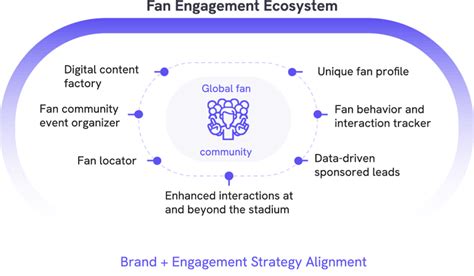
Another critical area of focus is **strengthening the club's commercial operations**. Empoli's revenue streams are limited compared to top-tier clubs, and this disparity can hinder its ability to compete in the transfer market or retain top talent. To address this, the club should prioritize **expanding its brand visibility** through **targeted marketing campaigns** and **international partnerships**. For example, Empoli could explore collaborations with Italian diaspora communities in countries like the United States, Canada, and Australia, where there is a growing interest in Serie A. Hosting friendly matches or youth tournaments in these regions can help build a global fan base. Furthermore, Empoli should consider **enhancing its digital presence** by creating exclusive content for fans, such as behind-the-scenes documentaries, player interviews, and interactive fan experiences. A stronger digital strategy can not only boost fan engagement but also attract sponsorship deals from companies eager to tap into Empoli's growing audience.
In terms of **on-field performance**, Empoli must adopt a **sustainable approach to squad building**. The club has often relied on a mix of experienced players and promising youngsters, which is a sensible strategy given its budget constraints. However, to move beyond mere survival in Serie A, Empoli should focus on **strategic scouting**. This involves identifying undervalued players in lesser-known leagues or those on the fringes of top-tier teams who can be developed into key contributors. For instance, clubs like Atalanta have excelled by scouting players from South America and Eastern Europe, providing them with a platform to shine in Serie A. Empoli could adopt a similar model, particularly by focusing on players who fit its system of organized defense and quick counterattacks. Investing in a **dedicated scouting department with regional specialists** can help the club stay ahead of the curve in talent identification.
The club should also consider **innovations in match-day experiences** to increase attendance and fan loyalty. While Empoli's Stadio Carlo Castellani has a modest capacity, there are opportunities to enhance the fan experience through **technology-driven initiatives**. For example, implementing **augmented reality (AR) features** in the stadium, such as interactive match statistics or player profiles accessible via smartphones, can make match days more engaging. Additionally, **dynamic pricing models** for tickets, based on demand and opponent quality, can help maximize revenue without alienating loyal supporters. These innovations not only improve the fan experience but also position Empoli as a forward-thinking club, which can be a selling point for sponsors and investors.
A long-term strategy for Empoli must also address **financial sustainability**. The club operates in a league where financial Fair Play (FFP) regulations are becoming increasingly stringent. To avoid the pitfalls faced by clubs like Parma or Palermo, Empoli should focus on **diversifying its revenue streams**. This could include **establishing an e-sports team** to tap into the growing gaming market or **launching a branded merchandise line** that appeals to both local and international fans. Moreover, Empoli could explore **revenue-sharing agreements with larger clubs** for player loans or co-ownership deals. These arrangements can provide short-term financial relief while also giving Empoli access to high-quality players who might not otherwise be within their budget.
Another area of opportunity lies in **community engagement and social responsibility**. Clubs that actively contribute to their local communities often enjoy stronger fan loyalty and better public perception. Empoli can take a leaf out of clubs like borussia dortmund's book by running **community programs** such as free football clinics for underprivileged youth or initiatives aimed at promoting health and wellness. These efforts not only enhance the club's reputation but also create a sense of belonging among fans, making them more likely to support the team through thick and thin. Additionally, Empoli could position itself as a leader in **sustainability initiatives** within Italian football, such as adopting eco-friendly practices in stadium operations or partnering with local environmental organizations.
From a **strategic perspective**, Empoli must also **build a clear identity** as a club. While its underdog status can be a source of pride, the lack of a strong, recognizable playing style or philosophy can limit its appeal to fans and players. Clubs like Sassuolo have succeeded by developing a distinct identity centered around possession-based football. Empoli could similarly define itself—perhaps as a club known for its defensive solidity and tactical discipline. This identity should extend beyond the pitch to encompass the club's branding, messaging, and even its approach to player recruitment. A clear identity can help Empoli stand out in a crowded football landscape and attract like-minded players, coaches, and fans.
Finally, **leadership and governance** are pivotal to Empoli's future. The club should ensure that its management team is equipped with the skills and vision necessary to navigate the complexities of modern football. This includes hiring **data analysts**, **sports psychologists**, and **commercial strategists** to complement the traditional roles of coaches and scouts. A strong leadership team can also help Empoli navigate potential challenges, such as relegation or financial constraints, with resilience and adaptability. Moreover, the club should consider **succession planning** for key roles to avoid disruptions in its progress.
- Invest in advanced training technologies and grassroots partnerships to expand the academy's impact.
- Enhance commercial operations through international partnerships, digital engagement, and diversified revenue streams.
- Adopt a sustainable squad-building model focused on strategic scouting and player development.
- Improve match-day experiences with AR features and dynamic pricing models.
- Strengthen community ties through social responsibility initiatives and eco-friendly practices.
- Define a clear club identity to attract fans, players, and sponsors.
In conclusion, Empoli FC has the potential to grow into a more competitive and sustainable entity in Italian football. By focusing on youth development, commercial innovation, strategic scouting, and community engagement, the club can carve out a niche for itself in Serie A. These steps, while requiring upfront investment and effort, will position Empoli for long-term success in an increasingly competitive and globalized football environment.