Introduction to Tactical Efficiency
Tactical efficiency is a cornerstone of effective operations across industries, particularly in fields where precision, adaptability, and resource optimization are paramount. At its core, **tactical efficiency** refers to the ability of an organization, team, or system to execute specific, short-term actions or strategies with maximum effectiveness and minimal waste of time, energy, or resources. This concept is not limited to military or law enforcement contexts but extends to business operations, supply chain management, emergency response, and even software development. In essence, it is the art and science of doing the right things at the right time in the most streamlined manner possible.
The importance of tactical efficiency in modern operations cannot be overstated. In an era characterized by rapid technological advancements, global interconnectedness, and increasingly complex challenges, organizations must operate with a high degree of agility and precision. For instance, in **supply chain management**, tactical efficiency ensures that inventory is replenished just in time to meet demand without overstocking, reducing carrying costs while avoiding stockouts. Similarly, in **emergency response scenarios**, tactical efficiency can mean the difference between saving lives and catastrophic delays. A fire department that optimizes its deployment routes based on real-time traffic data exemplifies tactical efficiency by reaching incident sites faster and more effectively.
One of the defining features of tactical efficiency is its focus on **short-term, actionable goals** rather than overarching strategic visions. While strategy provides the "why" and the broader framework, tactics deal with the "how" of implementation. Tactical efficiency ensures that these short-term actions are not only aligned with strategic objectives but are also executed in a manner that minimizes friction, bottlenecks, and inefficiencies. This is particularly critical in **dynamic environments** where conditions change rapidly—such as in military combat, where a unit must adjust its approach based on enemy movements, or in business, where market trends can shift overnight. Tactical inefficiencies in these contexts can lead to missed opportunities, resource wastage, or even mission failure.
Modern operations are also marked by an increasing reliance on **data-driven decision-making**, which amplifies the need for tactical efficiency. Organizations now have access to vast amounts of real-time data, from IoT sensors in factories to customer behavior analytics in e-commerce. However, the mere presence of data is not enough; it must be translated into actionable insights quickly and accurately. Tactical efficiency ensures that this translation happens efficiently, enabling teams to act on information before opportunities fade or threats escalate. For example, a retail chain using predictive analytics to adjust its inventory based on weather forecasts must ensure that its logistics team can rapidly implement these adjustments without delays caused by miscommunication or process bottlenecks.
The **scope of this white paper** is to explore the multifaceted nature of tactical efficiency, focusing on its application across diverse domains. While the concept is universal, its implementation varies significantly depending on the context. This paper aims to dissect how tactical efficiency is achieved in different operational settings, examining tools, methodologies, and best practices that organizations can adopt. Specifically, it will address:
- The role of technology in enhancing tactical decision-making, such as the use of AI-driven analytics, automation, and real-time communication platforms.
- Human factors that influence tactical efficiency, including team coordination, training, and the psychological aspects of decision-making under pressure.
- Process optimization techniques, such as Lean principles, Six Sigma, and agile methodologies, which are often employed to streamline workflows and eliminate inefficiencies.
- Case studies from various industries to illustrate how tactical efficiency has been successfully implemented and the measurable outcomes it has delivered.
A unique aspect of tactical efficiency is its interplay with **uncertainty and risk**. Unlike strategic planning, which often assumes a stable or predictable environment, tactical actions are frequently carried out in volatile conditions. Consider a scenario in project management where a team must respond to unexpected delays in a critical deliverable. Tactical efficiency here involves not only identifying alternative solutions but also mobilizing resources, reallocating tasks, and communicating changes to stakeholders in a manner that minimizes disruption. This requires a blend of foresight, adaptability, and clear communication—qualities that are often underappreciated but are essential for success.
Another important dimension is the **interdependence of tactical and strategic goals**. While tactical efficiency focuses on immediate actions, its effectiveness is deeply tied to how well those actions support long-term objectives. For instance, a company that optimizes its customer service response time (a tactical goal) must ensure that this improvement aligns with its broader strategy of enhancing customer satisfaction and loyalty. Misaligned tactics, no matter how efficient, can undermine strategic success. This white paper will explore how organizations can strike this balance by embedding tactical efficiency within a cohesive operational framework.
It is also worth noting that **tactical efficiency is not solely about speed**. While speed is often a critical component—getting things done quickly can be advantageous—it must be balanced with **accuracy and quality**. A call center that resolves customer queries in record time but provides incorrect solutions is not operating efficiently. True tactical efficiency requires a holistic approach that considers not just the outcome but also the process by which it is achieved. This includes evaluating metrics like cost-effectiveness, stakeholder satisfaction, and long-term sustainability.
In the context of **global challenges**, such as climate change, geopolitical instability, and public health crises, the need for tactical efficiency is more pressing than ever. Organizations and governments must navigate these challenges with limited resources and high stakes. Tactical efficiency enables them to prioritize actions that yield the greatest impact while conserving resources for future needs. For example, during the COVID-19 pandemic, healthcare systems that efficiently allocated PPE, deployed mobile testing units, and streamlined vaccination campaigns demonstrated the power of tactical efficiency in crisis management.
This section has laid the groundwork for understanding tactical efficiency by defining its core concept, emphasizing its critical role in modern operations, and outlining the breadth of topics this white paper will cover. Tactical efficiency is not merely an operational buzzword but a **fundamental enabler of success** in a world that demands responsiveness, precision, and adaptability. By delving into its nuances and exploring its practical applications, this paper seeks to provide actionable insights that can empower organizations to operate with greater effectiveness and resilience.
Key Components of Tactical Efficiency
Tactical efficiency is a critical aspect of organizational success, particularly in high-stakes environments where resources are limited, and outcomes are heavily dependent on the precision of execution. To achieve this efficiency, organizations must focus on a range of core elements that underpin their operational strategies. These elements—resource allocation, time management, and process optimization—form the bedrock of tactical efficiency and require a nuanced understanding to implement effectively.
The first core element, resource allocation, involves the strategic distribution of available assets to maximize their impact on tactical goals. Resources can encompass human capital, financial budgets, physical infrastructure, and technological tools. However, the challenge lies not merely in having resources but in prioritizing their use. For instance, a military unit deploying troops to multiple fronts must assess which front offers the greatest strategic advantage rather than spreading forces thinly across all. In business, this translates to allocating marketing budgets to campaigns with the highest ROI or reallocating underutilized team members to projects that are resource-starved.
A unique insight here is the role of dynamic resource reallocation. Static resource plans often fail in dynamic environments where priorities shift rapidly. Tactical efficiency requires organizations to adopt a flexible approach, using real-time data and predictive analytics to adjust resource deployment. For example, modern supply chain systems leverage AI to reroute shipments when disruptions occur, ensuring that resources are not wasted on redundant or obsolete paths. This adaptability is a hallmark of tactical efficiency and distinguishes high-performing organizations from those that stagnate under rigid frameworks.
The second element, time management, is often underestimated in its complexity. While it is easy to view time as a linear resource, tactical efficiency demands a more granular approach. Time must be segmented into critical paths—sequences of tasks that directly impact the success of a mission or project. The concept of timeboxing, borrowed from agile methodologies, is particularly useful here. By assigning strict time limits to specific tasks or phases, teams can avoid the inefficiencies of over-deliberation and focus on delivering results within a defined window. For instance, a software development team might allocate two weeks to debugging a critical feature before moving on to the next sprint, ensuring that time is not wasted on endless refinement.
However, effective time management also requires an understanding of opportunity cost. Every minute spent on one task is a minute not spent on another. Tactical teams must evaluate which activities have the highest impact on their objectives. This is particularly evident in emergency response scenarios, where prioritizing the evacuation of vulnerable populations over non-critical infrastructure repairs can save lives. Organizations that excel in time management often employ tools like Gantt charts or critical path methods to visualize dependencies and bottlenecks, enabling them to make informed decisions about how to sequence their efforts.
Additionally, temporal foresight is a less-discussed but vital aspect of time management. This involves not just managing the present but anticipating future time-related challenges. For example, a project manager might preemptively schedule buffer periods to account for unexpected delays, ensuring that the overall timeline remains intact. Such foresight is particularly valuable in environments where external factors, such as weather or market volatility, can disrupt operations.
The third element, process optimization, is perhaps the most technical and often the most transformative. At its core, process optimization involves streamlining workflows to eliminate inefficiencies and reduce waste. This requires a deep dive into the how of operations rather than just the what. For example, a factory might identify that a particular machine is causing a bottleneck in production. Instead of increasing the machine's workload—which could lead to breakdowns—the organization might invest in parallel processing or automation to smooth out the workflow.
One unique approach to process optimization is the application of lean principles, which focus on reducing non-value-adding activities. In a tactical context, this could mean eliminating redundant approval layers in decision-making or automating repetitive data entry tasks. For instance, a logistics company might use IoT sensors to track inventory in real-time, reducing the need for manual stock counts and enabling faster replenishment cycles. These optimizations not only save time but also free up human resources for higher-value tasks, such as strategic planning or customer engagement.
Moreover, process optimization is not a one-time effort but a continuous improvement cycle. Organizations must embrace methodologies like Kaizen (continuous improvement) or Six Sigma to regularly evaluate and refine their processes. Tactical efficiency is not achieved by perfection at a single point in time but by the ongoing pursuit of better ways to operate. This is particularly relevant in industries like healthcare, where even small inefficiencies in patient flow can have significant downstream effects on care delivery.
It is also worth noting the interplay between these three elements. Resource allocation, time management, and process optimization are interdependent. For instance, optimizing a process might free up resources that can then be reallocated to more pressing needs, while better time management can create opportunities to refine resource deployment strategies. A retail chain improving its inventory restocking process (process optimization) might reduce the time spent on manual stock checks (time management), allowing staff to focus on customer service or marketing efforts (resource allocation). This interconnectedness underscores the need for a holistic approach to tactical efficiency rather than treating these elements in isolation.
Another layer of complexity arises from the need for cross-functional collaboration. Tactical efficiency is rarely the domain of a single department or team. Instead, it requires alignment across various functions—finance, operations, IT, and human resources—to ensure that efforts are cohesive. This is where tools like integrated project management software or shared dashboards can play a pivotal role, providing a unified view of resource usage, timelines, and process bottlenecks across teams.
Finally, it is important to recognize that tactical efficiency is not solely about efficiency for efficiency's sake. The ultimate goal is to enhance the organization's ability to respond to challenges and seize opportunities. A highly efficient team that is misaligned with strategic objectives is no better than an inefficient one. Therefore, the improvement of tactical efficiency must always be anchored in a clear understanding of the organization's broader goals and how these core elements—resource allocation, time management, and process optimization—support those objectives.
In summary, the improvement of tactical efficiency hinges on a trifecta of resource allocation, time management, and process optimization. Each of these elements requires thoughtful implementation, continuous refinement, and a systems-thinking approach to ensure that they work in harmony. By focusing on these components with precision and adaptability, organizations can not only improve their immediate operational outcomes but also build a foundation for long-term success in dynamic and competitive environments.
Challenges in Tactical Operations
Tactical operations are the backbone of many organizations, particularly in fields like military, emergency response, logistics, and even business strategy. However, achieving high **tactical efficiency** is not without its challenges. Identifying the common bottlenecks, inefficiencies, and external factors that impact tactical execution is essential to improving performance and ensuring mission success. These challenges often stem from a combination of internal weaknesses, external pressures, and the dynamic nature of tactical environments.
One of the most pervasive **bottlenecks in tactical operations** is the lack of **real-time communication and coordination**. Tactical teams often operate in high-stress, fast-paced environments where decisions must be made quickly and with limited information. However, communication breakdowns can occur due to outdated systems, limited bandwidth, or even human error. For instance, in military operations, a delay in relaying critical intelligence from a reconnaissance unit to the command center can result in missed opportunities or, worse, catastrophic failures. Similarly, in emergency response scenarios, first responders may struggle to coordinate their actions if radio systems are incompatible or if there is no centralized communication platform. This issue is exacerbated in multinational or multi-agency operations where different teams may use distinct protocols or technologies, creating silos of information that hinder unified action.
Another significant inefficiency is the **misalignment of resources and objectives**. Tactical teams are often constrained by limited resources—be it personnel, equipment, or time—which must be carefully allocated to achieve specific goals. However, resource mismanagement frequently occurs when there is a disconnect between strategic planning and on-the-ground execution. For example, a military unit might be tasked with securing a region but provided with insufficient supplies or manpower to do so effectively. This misalignment can lead to overburdened teams, increased fatigue, and a higher likelihood of operational failure. In business contexts, tactical inefficiency might manifest as a sales team being provided with a poorly defined target market or inadequate tools to track customer engagement, leading to wasted effort and suboptimal results.
A related challenge is the **rigid adherence to pre-defined plans** in highly dynamic environments. Tactical operations often require adaptability, yet many organizations or teams fall into the trap of over-planning without leaving room for improvisation. This is particularly problematic when external factors—such as weather conditions, enemy movements, or unexpected system failures—disrupt the anticipated flow of operations. For instance, a supply chain disruption caused by a natural disaster can throw off the tactical execution of a logistics company if their contingency plans are too rigid or nonexistent. This rigidity not only impedes the ability to respond effectively but also demoralizes teams who feel trapped by inflexible directives.
External factors also play a critical role in complicating tactical execution. One such factor is the **influence of unpredictable human behavior**. Whether in a combat zone, a disaster-stricken area, or even a corporate negotiation, human actions are often unpredictable and can introduce variables that are difficult to account for in planning. For example, in counter-terrorism operations, the behavior of civilians in a conflict zone can either aid or obstruct tactical objectives. Civilians might inadvertently provide cover for hostile actors or create additional logistical challenges by requiring evacuation. Similarly, in business, consumer behavior can shift unexpectedly due to market trends, social media influences, or competitor actions, forcing tactical teams to pivot their strategies on short notice.
Another external challenge is the **interplay of geopolitical and environmental conditions**. Tactical operations in fields like defense or disaster management are highly sensitive to these external dynamics. Political instability in a region can disrupt supply chains, limit access to critical infrastructure, or even lead to direct interference in operations. Environmental factors such as extreme weather events, terrain difficulties, or pandemics further compound these issues. Consider a tactical response to a wildfire: teams must contend not only with the fire itself but also with shifting wind patterns, limited visibility, and the need to protect both personnel and civilians. These external variables require tactical teams to constantly reassess their strategies and adapt to conditions that are beyond their control, which can strain resources and test the limits of team resilience.
Inefficiencies also arise from **insufficient training and preparation** among tactical teams. While this might seem like an internal issue, it is deeply tied to the external demands of modern tactical environments. Tactical teams often operate at the intersection of advanced technology and human decision-making. However, if team members are not adequately trained to use new tools—such as AI-driven analytics platforms, unmanned aerial vehicles (UAVs), or advanced communication systems—their effectiveness is compromised. For example, in a military context, a poorly trained drone operator might fail to identify key targets or misinterpret sensor data, leading to flawed decision-making. Similarly, in business, a marketing team unfamiliar with the latest digital advertising tools might struggle to execute a campaign effectively, wasting both time and budget.
Additionally, **data overload and analysis paralysis** are increasingly common inefficiencies in modern tactical operations. The proliferation of data-gathering tools has provided tactical teams with an abundance of information, but this can be a double-edged sword. Teams may struggle to sift through vast amounts of data to identify actionable insights, especially under time constraints. For instance, in a cybersecurity operation, an analyst might be inundated with alerts from intrusion detection systems, making it difficult to prioritize which threats require immediate attention. This challenge is not limited to technology-heavy fields; even in simpler scenarios, such as a retail store’s inventory management, an overabundance of sales data without clear visualization tools can lead to poor stock replenishment decisions.
Another often-overlooked inefficiency is the **lack of clear accountability and role definition** within tactical teams. When responsibilities are ambiguous, team members may hesitate to take decisive action or inadvertently duplicate efforts. This is particularly evident in multi-agency operations, where overlapping jurisdictions can lead to confusion about who is responsible for specific tasks. For instance, during a large-scale disaster response, ambiguity about whether local authorities or federal agencies are in charge of resource distribution can delay aid delivery. In business, this might manifest as a marketing and sales team operating without clear alignment on lead qualification criteria, resulting in wasted effort and missed opportunities.
Finally, **external economic and resource constraints** can severely impact tactical efficiency. Budget limitations, supply chain disruptions, and resource scarcity can all force tactical teams to operate under suboptimal conditions. For example, a military unit operating in a resource-constrained environment might be forced to prioritize certain missions over others, leaving some objectives unmet. In the private sector, startups or small businesses often face similar challenges when trying to execute growth strategies with limited funding, forcing them to prioritize short-term survival over long-term tactical goals.
In summary, the challenges in improving tactical efficiency are multifaceted and deeply rooted in both internal and external factors. From communication breakdowns and resource mismanagement to the unpredictability of human behavior and external economic pressures, these bottlenecks demand a nuanced approach to problem-solving. Addressing these issues requires not only better tools and training but also a cultural shift toward flexibility, accountability, and proactive planning. By understanding and mitigating these challenges, organizations can enhance their ability to execute tactics effectively, even in the face of adversity.
Role of Technology in Enhancing Efficiency
The role of technology in enhancing tactical efficiency is transformative, offering organizations the ability to not only streamline operations but also anticipate and address challenges in real time. By integrating AI, automation, and data analytics into tactical processes, businesses can achieve a level of precision, adaptability, and scalability that was previously unattainable. This section delves into how these technologies act as enablers of efficiency, offering concrete examples and exploring their impact across industries.
One of the most significant contributions of AI to tactical efficiency lies in its predictive capabilities. Traditional tactical planning often relies on historical data and human intuition, which can be prone to biases or incomplete analysis. AI, particularly through machine learning models, can process vast datasets to identify patterns and forecast outcomes with remarkable accuracy. For instance, in supply chain management, AI-driven demand forecasting tools can predict inventory needs weeks in advance, reducing the risk of overstocking or stockouts. This not only optimizes resource allocation but also minimizes waste, a critical factor in industries like retail or manufacturing. Moreover, AI can enhance decision-making by providing real-time recommendations during tactical operations. For example, in military or emergency response scenarios, AI systems can analyze terrain, weather, and logistical constraints to suggest optimal routes or deployment strategies, saving both time and resources.
Automation complements AI by executing repetitive or rule-based tasks with speed and consistency. Tactical processes often involve a series of routine actions—such as data entry, report generation, or equipment calibration—that can consume significant human effort if performed manually. By automating these tasks, organizations free up personnel to focus on higher-value activities that require creativity or critical thinking. Consider the example of customer support in e-commerce. Chatbots powered by natural language processing (NLP) can handle a majority of customer queries, from order tracking to returns, without human intervention. This not only reduces response times but also allows human agents to address complex issues that require empathy or nuanced understanding. Similarly, in industrial settings, automated quality control systems use computer vision to inspect products for defects at a pace far exceeding human capability, ensuring higher standards of output while reducing manual inspection costs.
The integration of data analytics further enhances tactical efficiency by enabling organizations to derive actionable insights from their operations. Tactical decisions are often made under time constraints, and having access to real-time analytics can be a game-changer. For instance, in the realm of urban traffic management, analytics platforms can process data from IoT-enabled sensors, cameras, and GPS devices to monitor traffic flow and suggest dynamic routing adjustments. This approach reduces congestion and improves the efficiency of public transport systems. In a business context, data analytics can optimize marketing campaigns by analyzing customer behavior in real time. For example, during a product launch, an analytics tool might identify that a specific demographic is responding more positively to certain promotional content. Tactical teams can then reallocate resources to target this group more aggressively, maximizing return on investment.
Another area where these technologies shine is in cross-functional collaboration. Tactical processes often require coordination across multiple teams or departments, which can be a bottleneck if communication is not streamlined. AI-powered collaboration tools, such as project management platforms with predictive analytics, can anticipate potential delays or resource conflicts and suggest proactive solutions. For instance, if a project is lagging due to resource constraints, an AI system might recommend reallocating team members from less critical tasks or even suggest outsourcing specific components. This not only ensures that projects stay on track but also fosters a culture of agility within the organization.
However, the adoption of these technologies is not without challenges. One of the key concerns is the quality and integrity of data used by AI and analytics systems. Tactical efficiency depends heavily on the accuracy of inputs; garbage in, garbage out remains a valid axiom. Organizations must invest in robust data governance frameworks to ensure that the data feeding into AI and analytics systems is clean, complete, and up-to-date. Additionally, there is the issue of algorithmic bias. AI models are only as good as the data they are trained on, and if this data contains inherent biases, the recommendations they produce could inadvertently perpetuate inefficiencies or even harm. For example, an AI system used in hiring might favor candidates from certain backgrounds if its training data reflects past hiring patterns skewed by human bias. Addressing these challenges requires a combination of technical safeguards, such as bias detection algorithms, and organizational oversight to ensure ethical use of technology.
Another aspect to consider is the human element in tactical efficiency. While AI and automation can handle many tasks, they cannot replace the need for human oversight and intuition. Tactical decision-making often involves ethical considerations, stakeholder management, and unforeseen variables that machines cannot fully grasp. Therefore, the most effective implementations of technology involve a hybrid approach, where humans and machines work in tandem. For instance, in healthcare, AI can analyze patient data to suggest potential diagnoses, but the final decision rests with the physician, who considers not just the data but also the patient’s unique circumstances and preferences.
Moreover, the adoption of these technologies necessitates a shift in organizational culture. Employees must be trained to work alongside AI and automation tools, understanding their capabilities and limitations. Resistance to change can be a significant barrier to improving tactical efficiency. Organizations must invest in change management strategies, emphasizing the benefits of technology not as a replacement for human roles but as a tool to augment their effectiveness. Regular training programs, clear communication about the purpose of new systems, and incentives for adopting new workflows can help smooth the transition.
Finally, it is worth noting that the scalability of these technologies allows organizations to adapt their tactical processes to changing environments. For example, during the COVID-19 pandemic, many businesses leveraged AI and automation to pivot their operations rapidly, such as shifting to online sales models or reconfiguring supply chains to meet new demand patterns. This adaptability underscores how technology can not only improve efficiency in stable conditions but also provide resilience in times of disruption.
In conclusion, the integration of AI, automation, and data analytics into tactical processes represents a profound shift in how organizations approach efficiency. These technologies enable faster, more informed decision-making, reduce the burden of repetitive tasks, and provide the agility needed to respond to dynamic challenges. However, their successful implementation requires a balanced approach that combines technological sophistication with human insight and organizational readiness. By doing so, businesses can not only enhance their tactical efficiency but also position themselves for long-term competitiveness in an increasingly complex world.
Human Factors in Tactical Success
The success of tactical operations often hinges on factors that extend beyond equipment, strategy, and logistical planning. At the core of operational effectiveness lies the human element—how individuals and teams interact, adapt, and perform under pressure. This section explores the critical role of **team dynamics**, **training**, and **leadership** in shaping operational outcomes, emphasizing how these human factors can either elevate or undermine tactical success.
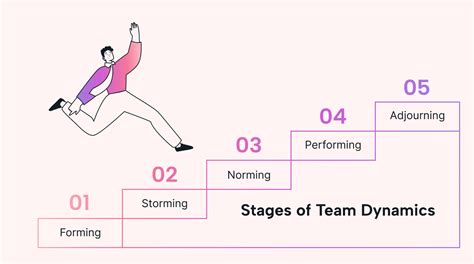
**Team Dynamics and Cohesion** are foundational to tactical success. A team that functions cohesively is more likely to anticipate challenges, adapt to changing circumstances, and maintain morale under stress. Cohesion is not merely about camaraderie; it is about trust, shared purpose, and the ability to communicate effectively in high-stakes environments. Research in military and emergency response contexts has shown that teams with high levels of trust are more likely to distribute workloads efficiently and make collective decisions quickly. For instance, a study of special operations teams found that units with strong interpersonal bonds were better able to navigate ambiguous scenarios, even when faced with incomplete information. This underscores the importance of fostering a sense of mutual reliance within teams. However, cohesion can also have a downside if it leads to groupthink or the suppression of dissenting opinions. Leaders must strike a balance, encouraging open communication while maintaining focus on the mission objective.
Another key aspect of team dynamics is the concept of **role clarity**. Tactical teams often operate in environments where roles and responsibilities must be clearly defined to avoid confusion. In chaotic situations, such as combat or disaster response, ambiguity in roles can lead to delays, missteps, or even catastrophic failures. A well-structured team ensures that each member understands not only their specific duties but also how their role contributes to the broader mission. For example, in a SWAT team operation, the sniper, negotiator, and entry team must all have a clear understanding of their tasks and the interdependence of their actions. This clarity reduces the cognitive load on individuals, allowing them to focus on execution rather than questioning their place in the operation. Teams that invest time in role-playing exercises and scenario-based training often develop a stronger sense of role clarity and interdependence, which directly improves their tactical efficiency.
**Training** is the crucible in which human potential is shaped for tactical success. However, not all training is created equal. Traditional training methods often focus on rote memorization of procedures or physical endurance, which are necessary but insufficient for modern tactical challenges. **Experiential learning**—training that simulates real-world scenarios with a high degree of fidelity—has proven to be far more effective in preparing teams for operational success. For example, flight simulators for pilots and immersive virtual reality (VR) environments for soldiers allow individuals to practice decision-making under realistic conditions without the risk of real-world consequences. These tools not only improve technical proficiency but also enhance **situational awareness** and the ability to think critically under pressure. A unique insight here is the role of **stress inoculation training**, where teams are gradually exposed to increasing levels of stress in training scenarios. This approach helps individuals build resilience and maintain cognitive function in high-pressure situations, a critical factor in tactical operations.
Moreover, training must address the **human limitations** that can impact performance. Cognitive biases, such as confirmation bias or overconfidence, can lead to flawed decision-making in the field. Training programs that incorporate elements of **metacognition**—teaching individuals to recognize and mitigate their own biases—can significantly improve decision quality. For instance, a debriefing session after a simulated mission might include a focus on identifying moments where biases influenced choices, helping teams become more self-aware and adaptive. This kind of reflective practice is often overlooked in traditional training models but is essential for sustained tactical improvement.
**Leadership** is perhaps the most influential human factor in tactical success. A strong leader can inspire confidence, foster trust, and provide the clarity needed to navigate complex and dynamic situations. However, effective leadership in tactical contexts goes beyond charisma or authority; it requires **situational awareness**, **emotional intelligence**, and the ability to adapt strategies in real time. Leaders must be adept at reading the psychological state of their team, recognizing when fatigue, fear, or overconfidence might compromise performance. For example, during extended operations, leaders who can identify signs of decision fatigue in their team members and rotate responsibilities or provide short rest periods are more likely to sustain operational effectiveness over time.
One often-underappreciated aspect of leadership is the ability to **empower subordinates**. Tactical success often depends on the ability of team members to make autonomous decisions when the leader is unavailable or overwhelmed. This requires leaders to delegate authority wisely and cultivate a culture of initiative within their teams. A compelling example comes from the business world but is highly relevant to tactical environments: companies like Google have shown that teams with a high degree of psychological safety—where individuals feel comfortable taking calculated risks without fear of retribution—tend to outperform those with rigid hierarchies. In tactical settings, this translates to leaders who encourage team members to voice concerns, suggest alternatives, or take initiative when they spot an opportunity or threat. Such an approach not only enhances operational agility but also builds a more resilient and adaptive team.
Leadership also plays a critical role in **managing team stress**. Prolonged exposure to high-stress environments can erode morale and lead to burnout, which directly impacts tactical performance. Leaders who are trained in **stress management techniques**—such as mindfulness practices or structured debriefings—can help their teams recover more quickly from the psychological toll of operations. For example, post-mission debriefs that focus not only on what went wrong but also on what went well can reinforce positive behaviors and build team confidence. This practice has been shown to reduce the stigma around discussing mistakes and fosters a learning-oriented culture within the team.
Finally, it is worth considering the interplay between **individual motivation** and team performance. Tactical teams are often composed of individuals with diverse backgrounds, skill sets, and personal motivations. A leader who can tap into these individual drivers—whether it is a sense of duty, personal pride, or a desire for professional growth—can align personal goals with the team’s mission. This alignment creates a synergy where individuals are not only working for the success of the operation but also feel personally invested in its outcome. For instance, a leader who takes the time to understand a team member’s long-term career aspirations and provides opportunities for growth during operations can foster a deeper commitment to the team’s success.
- Strong team dynamics rely on trust, role clarity, and open communication to enhance adaptability and decision-making.
- Training must go beyond technical skills to include stress management, situational awareness, and metacognitive strategies.
- Leadership must balance authority with empowerment, stress management, and the cultivation of psychological safety within the team.
In conclusion, the human factors of **team dynamics**, **training**, and **leadership** are inextricably linked to tactical success. While technology and strategy are critical enablers, the human element remains the linchpin of operational effectiveness. Organizations that prioritize these areas—through targeted training, reflective practices, and adaptive leadership—are better positioned to achieve consistent and sustainable success in their tactical endeavors.
Case Studies of Tactical Improvement
Improving tactical efficiency is a critical goal for organizations aiming to optimize their operations, reduce costs, and achieve better outcomes. Tactical efficiency refers to the ability of a team or organization to execute strategies effectively at the operational level, ensuring that day-to-day activities align with broader objectives. This section explores **real-world examples** of organizations or teams that have successfully improved their tactical efficiency, offering unique insights into the methods and principles they employed.
One of the most striking examples of tactical improvement comes from **Toyota's production system**, which revolutionized manufacturing efficiency. Toyota faced significant challenges in the mid-20th century, including limited resources and intense competition. To address these issues, the company developed the **Just-in-Time (JIT) manufacturing system**, a core component of what is now known as Lean Manufacturing. The JIT system focuses on producing only what is needed, when it is needed, and in the quantity required. This approach minimized waste, such as overproduction, excess inventory, and unnecessary movement of materials. A key aspect of Toyota’s success was its emphasis on **kaizen**, or continuous improvement. Employees at all levels were empowered to identify inefficiencies and suggest improvements. For instance, line workers were trained to stop the production line if they noticed a defect, rather than allowing it to propagate downstream. This created a culture of accountability and problem-solving. Over time, Toyota reduced production lead times by up to 50% and improved product quality, setting a benchmark for operational efficiency in the automotive industry. The lesson here is that tactical efficiency can be achieved by fostering a culture of **continuous feedback and incremental improvement** rather than relying solely on top-down directives.
Another compelling case study comes from the **healthcare sector**, specifically the efforts of **Cleveland Clinic** to improve patient flow and reduce wait times. Hospitals often struggle with bottlenecks in emergency departments, leading to long wait times and patient dissatisfaction. Cleveland Clinic implemented a **command center model**, inspired by air traffic control systems, to monitor and manage patient flow in real time. The command center used advanced analytics and predictive algorithms to forecast patient volumes and allocate resources dynamically. For example, if the system predicted a surge in ER visits due to flu season, the hospital could pre-schedule additional staff or open overflow units. This approach allowed the Cleveland Clinic to reduce average ER wait times by 15% and improve bed turnover rates in inpatient wards. A unique insight from this example is the importance of **data-driven decision-making** in tactical operations. By leveraging real-time data and predictive analytics, organizations can anticipate challenges and adjust their tactics proactively, rather than reacting to problems after they occur.
In the realm of **software development**, **Spotify** offers an interesting example of improving tactical efficiency through team structure and workflow innovation. Traditionally, software teams operated in rigid hierarchies with defined roles and long development cycles. However, Spotify introduced the concept of **"squads, tribes, chapters, and guilds"** to enable greater autonomy and collaboration. A squad is a small, cross-functional team responsible for a specific feature or product area, operating like a mini-startup within the larger organization. Tribes are collections of squads working in related areas, while chapters and guilds provide opportunities for skill development and knowledge sharing across teams. This structure allowed Spotify to reduce communication overhead and decision-making bottlenecks. For instance, a squad working on a new playlist feature could experiment, iterate, and launch updates without waiting for approval from higher-level management. The result was faster time-to-market for new features and greater employee satisfaction due to increased autonomy. The takeaway from Spotify’s approach is that **decentralized decision-making and flexible team structures** can significantly enhance tactical efficiency in dynamic environments where innovation is a priority.
Another sector that has seen remarkable improvements in tactical efficiency is **logistics and supply chain management**, exemplified by **Amazon's fulfillment centers**. Amazon’s ability to deliver millions of packages daily with high accuracy is a testament to its focus on operational optimization. One of the key innovations was the introduction of **robotic automation** in its warehouses. Amazon deployed thousands of autonomous robots to transport shelves of products to human pickers, reducing the time and effort required to locate and retrieve items. Additionally, the company implemented **machine learning algorithms** to optimize inventory placement, ensuring that frequently ordered items were stored closer to packing stations. These changes not only improved order accuracy but also reduced the time taken to fulfill an order from hours to minutes. A critical insight from Amazon’s example is the role of **technology integration** in enhancing tactical processes. While automation and AI are often seen as strategic tools, their tactical application—such as improving the speed and accuracy of individual tasks—can have a profound impact on overall efficiency.
Shifting focus to the **nonprofit sector**, the **World Food Programme (WFP)** provides an example of improving tactical efficiency in humanitarian operations. The WFP faced challenges in delivering food aid to remote and conflict-affected areas. To address this, the organization adopted **blockchain technology** to track and manage the distribution of food vouchers. This system allowed the WFP to ensure transparency and reduce fraud by recording every transaction on an immutable ledger. Beneficiaries could use their vouchers at local shops, and the WFP could monitor the flow of aid in real time. This innovation not only improved the efficiency of aid delivery but also built trust with donors by providing clear accountability. The WFP’s use of blockchain demonstrates how **emerging technologies** can be applied tactically to solve specific operational challenges, even in resource-constrained environments.
Finally, consider the example of **Netflix** in the entertainment industry. As a streaming service, Netflix faced the challenge of delivering high-quality video content to a global audience with diverse network conditions. To improve its tactical efficiency in content delivery, Netflix developed the **Open Connect Appliance**, a custom-built content delivery network (CDN) system. Instead of relying solely on third-party CDNs, Netflix placed its own servers in strategic locations close to end users. This reduced latency and ensured smoother streaming experiences, even during peak usage times. Additionally, Netflix employed **adaptive bitrate streaming**, which dynamically adjusted video quality based on the user’s internet speed. These tactical improvements allowed Netflix to scale its operations globally while maintaining high service quality. The lesson here is that **proximity to the end user and adaptability of systems** are crucial for organizations operating in distributed or network-dependent environments.
These case studies illustrate that improving tactical efficiency is not a one-size-fits-all endeavor. Organizations across industries have employed diverse strategies—ranging from **cultural shifts (Toyota)** to **technological innovations (Amazon, Netflix)** and **data-driven systems (Cleveland Clinic)**—to address their unique challenges. A common thread among these examples is the focus on **empowering teams, leveraging data, and adopting flexible systems** that can adapt to changing conditions. Tactical efficiency is not merely about cutting costs or speeding up processes; it is about creating systems and cultures that enable organizations to respond effectively to both anticipated and unexpected challenges.
- Toyota’s kaizen culture emphasizes employee involvement in continuous improvement.
- Cleveland Clinic uses predictive analytics to anticipate and manage patient flow.
- Spotify’s squad structure enhances agility and innovation in software development.
- Amazon integrates robotics and machine learning to optimize warehouse operations.
- WFP leverages blockchain for transparent and efficient aid distribution.
- Netflix’s custom CDN and adaptive streaming improve user experience globally.
By studying these examples, organizations can identify patterns and tailor their own approaches to improving tactical efficiency, ensuring that their operational tactics are not only effective but also aligned with their strategic goals.
Frameworks for Measuring Efficiency
Tactical efficiency is a critical component of organizational success, particularly in environments where resources are limited, and operational goals must be met under dynamic conditions. To improve tactical efficiency, it is essential to have robust frameworks for measuring and monitoring performance. These frameworks provide the structure needed to identify inefficiencies, assess progress, and implement data-driven improvements. Below, we explore several methodologies and metrics that can be used to assess and monitor tactical performance comprehensively.
One of the most widely used methodologies for measuring tactical efficiency is **Key Performance Indicators (KPIs)**. KPIs are quantifiable metrics that reflect how well an organization or team is performing relative to its strategic objectives. For tactical efficiency, KPIs must be tailored to specific operational goals. For instance, in a logistics operation, a KPI might measure the average time taken to fulfill an order, while in a military context, it could assess the time-to-target for a deployed unit. The strength of KPIs lies in their ability to provide clear, actionable data. However, the challenge is to ensure that KPIs are not overly broad or generic. Tactical KPIs must focus on **granular, role-specific outcomes** rather than high-level organizational targets. For example, instead of simply tracking "operational success," a KPI might measure "percentage of tasks completed within the allocated time frame for a given squad or unit." This level of specificity ensures that tactical-level performance is directly linked to actionable insights.
Another critical methodology is the use of **process mapping and workflow analysis**. This involves breaking down tactical operations into discrete steps or processes and analyzing each for inefficiencies. By visualizing workflows—often through tools like flowcharts or swimlane diagrams—teams can identify bottlenecks, redundant steps, or areas where resources are underutilized. For example, in a field operation, a process map might reveal that communication handoffs between units take longer than necessary due to inconsistent protocols. Addressing this inefficiency might involve standardizing communication tools or training personnel on streamlined procedures. Process mapping not only highlights inefficiencies but also serves as a baseline for future improvements, enabling organizations to track how changes impact overall efficiency over time. This methodology is particularly effective when paired with real-time data collection tools, such as IoT sensors or digital logs, which provide a continuous stream of performance data for analysis.
In addition to KPIs and process mapping, **efficiency scoring models** can offer a nuanced approach to tactical assessment. These models use weighted metrics to evaluate performance across multiple dimensions. For instance, an efficiency score might consider factors like resource utilization, task completion rate, and error rate. Each of these factors is assigned a weight based on its relative importance to the mission. A well-designed scoring model can account for trade-offs—for example, a unit might achieve a high task completion rate but at the cost of higher resource expenditure. By quantifying these trade-offs, efficiency scoring models provide a more holistic view of performance. However, the success of this approach depends on the quality of the underlying data and the clarity of the weighting system. Organizations must invest in robust data collection systems and engage stakeholders to define meaningful weights for each metric.
Metrics such as **cycle time analysis** and **resource utilization rates** are also invaluable for assessing tactical efficiency. **Cycle time analysis** measures the time taken to complete a specific task or set of tasks within a tactical operation. For example, in a field deployment scenario, cycle time might track how long it takes a team to move from a staging area to an engagement zone. Reducing cycle time without compromising quality is a direct indicator of improved efficiency. Similarly, **resource utilization rates** evaluate how effectively available resources—whether personnel, equipment, or budget—are being used. A low utilization rate might indicate underperformance, while an excessively high rate could signal overburdening, which risks burnout or equipment failure. Tactical leaders can use these metrics to balance workload distribution and ensure sustainable performance over time.
Another advanced framework is the use of **simulation-based modeling** to predict and measure efficiency. Simulation tools allow organizations to model hypothetical scenarios and test the impact of different variables on tactical performance. For instance, a military unit might simulate the effect of reduced manpower on mission completion time or assess how varying terrain conditions affect mobility. These models provide a **safe environment for experimentation**, enabling leaders to test strategies before implementation. While simulation-based frameworks require significant upfront investment in software and expertise, they can yield long-term benefits by reducing the trial-and-error approach in real-world operations. Moreover, simulation data can feed back into KPI frameworks, creating a feedback loop that continuously refines tactical strategies.
In addition to these methodologies, **real-time monitoring systems** are increasingly central to measuring tactical efficiency. The advent of IoT devices, wearable technology, and AI-powered analytics has enabled organizations to gather and process performance data in real time. For example, a field unit equipped with wearable sensors might transmit data on physical exertion, environmental conditions, and task progress. This real-time data can be analyzed to detect early signs of inefficiency, such as a slowdown in task execution due to fatigue or equipment failure. Real-time monitoring also supports **dynamic reallocation of resources**, allowing leaders to adjust strategies on the fly in response to emerging challenges. However, the implementation of such systems must be accompanied by robust data security measures to protect sensitive operational information.
Finally, **after-action reviews (AARs)** provide a qualitative yet structured approach to measuring tactical efficiency. AARs involve gathering feedback from participants immediately after an operation to assess what went well and what could be improved. This method is particularly effective for capturing insights that quantitative metrics might miss, such as interpersonal dynamics or unanticipated challenges. AARs can be supplemented with **sentiment analysis tools** that evaluate team morale and engagement, which are often indirect yet critical indicators of efficiency. For example, a team that reports high satisfaction with communication protocols is likely operating more efficiently than one that struggles with unclear instructions. Combining AAR insights with quantitative metrics creates a more comprehensive picture of tactical performance.
To summarize, improving tactical efficiency requires a multi-faceted approach that combines **quantitative metrics** like KPIs and cycle time analysis with **qualitative methods** such as process mapping and AARs. Organizations must also leverage emerging technologies, such as simulation tools and real-time monitoring systems, to gain deeper insights into their operations. The key to success lies in selecting methodologies and metrics that are **aligned with the specific context and goals of the tactical environment**. By doing so, organizations can not only measure efficiency but also create a culture of continuous improvement, where tactical performance is regularly assessed, refined, and optimized in response to changing conditions.
Strategic Recommendations for Improvement
Improving tactical efficiency requires a structured approach that integrates strategic foresight, operational adaptability, and data-driven decision-making. This section provides a deep exploration of actionable steps and best practices to achieve measurable improvements in tactical processes, focusing on areas that can yield high impact with deliberate implementation.
The first step in improving tactical efficiency is to **conduct a thorough assessment of current tactical operations**. This involves mapping out existing workflows, identifying bottlenecks, and understanding how resources are allocated. Many organizations fall into the trap of assuming their processes are optimized simply because they have been in place for a long time. However, this assumption can lead to inefficiencies that compound over time. A detailed audit of tactical operations can reveal redundancies, misaligned priorities, or underutilized tools. For instance, if a logistics team is manually tracking inventory instead of using automated systems, this inefficiency can be flagged for immediate resolution.
To implement such an audit effectively, organizations should adopt a **systems thinking approach**. This means looking at the tactical layer not as isolated tasks but as interconnected components of a broader operational framework. For example, a manufacturing firm might discover that delays in one department are caused by miscommunication with another. By visualizing these dependencies through tools like process flow diagrams or value stream mapping, teams can identify the root causes of inefficiencies rather than treating symptoms. Tools like Six Sigma or Lean methodologies can provide structured frameworks for these assessments, emphasizing waste reduction and process standardization.
Once the current state is understood, the next step is to **prioritize improvements based on impact and feasibility**. Not all inefficiencies are created equal, and tactical teams often operate under resource constraints. A useful approach is to employ a **Pareto analysis**—identifying the 20% of issues that cause 80% of the inefficiencies. For instance, if a customer service team discovers that 80% of delays stem from a lack of integration between their CRM and order management systems, this should be prioritized over less impactful issues like occasional training gaps. Prioritization frameworks like RICE (Reach, Impact, Confidence, Effort) can help teams objectively rank potential improvements and allocate resources effectively.
Another critical aspect of tactical improvement is the **integration of technology and automation**. While this is often discussed in broad terms, the focus here should be on identifying specific tools that align with the organization's tactical needs. For example, in a field operations team, implementing geolocation-based task assignment software can reduce travel times and improve response rates. Similarly, artificial intelligence (AI) tools can be leveraged for predictive analytics, enabling teams to anticipate resource needs or identify patterns in customer behavior before they lead to larger operational challenges. However, it is important to avoid "technology for technology's sake." Each tool should be evaluated for its direct contribution to tactical goals, such as reducing cycle times or improving team coordination.
In parallel with technological adoption, **developing a culture of continuous feedback and learning** is essential. Tactical teams often operate in high-pressure environments where quick decisions are required. To support this, organizations must foster an environment where team members feel empowered to share insights about what is working and what is not. Regular **after-action reviews (AARs)** can be a powerful tool here. For example, after a product launch or a critical project milestone, teams can gather to discuss what went well, what didn’t, and how processes can be refined for future iterations. AARs should be structured yet open, allowing for honest feedback without fear of blame. This practice not only identifies tactical inefficiencies but also reinforces a mindset of adaptability and improvement.
Another best practice is to **embed cross-functional collaboration into tactical planning**. Tactical inefficiencies often arise from siloed thinking, where teams focus solely on their own objectives without considering the broader impact on other departments. To address this, organizations can establish **tactical coordination committees** that include representatives from different functions. For instance, a retail company might form a committee comprising members from inventory management, sales, and customer support to align on seasonal demand forecasting. This collaborative approach ensures that tactical decisions are informed by diverse perspectives and reduces the likelihood of misaligned priorities.
A less commonly discussed but highly effective strategy is the **use of scenario planning to enhance tactical preparedness**. Tactical teams often face unpredictable challenges, such as supply chain disruptions, sudden market shifts, or resource shortages. By running simulations or "what-if" analyses, organizations can test their readiness for various scenarios and identify weak points in their current tactics. For example, a logistics company might simulate a scenario where a key supplier is delayed by a natural disaster. This exercise can highlight the need for alternative sourcing strategies or contingency plans, which can then be integrated into day-to-day operations. Scenario planning not only improves tactical efficiency in the short term but also builds resilience for long-term challenges.
Additionally, organizations should focus on **data-driven decision-making at the tactical level**. While intuition and experience are valuable, they must be complemented by objective data to ensure decisions are grounded in reality. Implementing real-time dashboards that provide visibility into key performance indicators (KPIs) can help teams monitor progress and make adjustments on the fly. For example, a sales team might use a dashboard to track daily conversion rates and quickly identify which strategies are yielding results. However, it is equally important to ensure that the data being used is clean, accurate, and relevant. Investing in data governance practices, such as regular audits of data quality and training team members on data literacy, can prevent tactical decisions from being undermined by faulty inputs.
Finally, **regularly revisiting and refining tactical strategies** is crucial for sustained improvement. Tactical efficiency is not a one-time goal but an ongoing process. Organizations should establish a rhythm of review and iteration, such as quarterly tactical reviews or bi-annual strategy recalibrations. During these reviews, teams should assess whether the implemented improvements are delivering the expected results and identify new areas for optimization. This iterative approach ensures that tactical efficiency is not static but evolves in response to changing internal and external conditions.
In summary, improving tactical efficiency requires a multifaceted approach that combines rigorous assessment, prioritization, technological integration, cultural shifts, collaboration, scenario planning, data-driven practices, and ongoing refinement. Each of these elements contributes to a holistic framework that empowers organizations to not only address current inefficiencies but also position themselves for future operational excellence. By adopting these actionable steps and best practices, organizations can transform their tactical operations into a well-oiled machine capable of adapting to challenges and seizing opportunities with precision and agility.
Future Trends in Tactical Efficiency
The landscape of tactical efficiency is undergoing rapid transformation, driven by advancements in technology, evolving global threats, and the increasing complexity of operational environments. As organizations and military units strive to maintain a competitive edge, several emerging trends and technologies are poised to reshape the way tactical strategies are conceived, implemented, and evaluated. These innovations not only enhance operational effectiveness but also introduce new paradigms for decision-making, resource allocation, and real-time adaptability.
One of the most significant trends shaping the future of tactical efficiency is the integration of **artificial intelligence (AI) and machine learning (ML)** into decision-support systems. AI and ML are no longer confined to experimental phases; they are increasingly being deployed to analyze vast datasets, predict enemy movements, and optimize resource deployment. For instance, predictive analytics powered by ML can process satellite imagery, social media feeds, and sensor data to identify patterns that might indicate imminent threats. This capability allows commanders to anticipate rather than react, a shift that redefines the traditional reactive nature of tactical operations. Moreover, AI-driven simulations are enabling more realistic training scenarios, where virtual environments mimic real-world complexities, preparing personnel for high-stakes situations with greater precision.
Another transformative trend is the rise of **autonomous systems and robotics** in tactical operations. Drones, unmanned ground vehicles (UGVs), and autonomous ships are becoming integral to military and law enforcement strategies. These systems offer several advantages, including reduced risk to human personnel, enhanced surveillance capabilities, and the ability to operate in environments that are otherwise inaccessible or dangerous. For example, swarms of drones equipped with advanced sensors can conduct coordinated reconnaissance missions, providing real-time intelligence to ground units. Similarly, UGVs are being used for tasks such as bomb disposal, supply delivery, and perimeter security. The integration of these systems into broader tactical frameworks is not without challenges—issues of communication latency, cybersecurity vulnerabilities, and ethical concerns about autonomous weaponry must be addressed—but the potential for efficiency gains is undeniable.
The advent of **quantum computing** is also set to revolutionize tactical efficiency, particularly in areas requiring complex problem-solving and high-speed data analysis. Quantum computers, with their ability to process multiple possibilities simultaneously, can crack encryption codes, optimize supply chain logistics, and simulate battlefield scenarios with unprecedented accuracy. For instance, in situations where traditional computing might take days to model the outcomes of different strategic options, quantum systems could provide near-instantaneous results. This capability is particularly valuable in dynamic environments where time-sensitive decisions can mean the difference between success and failure. However, the adoption of quantum technologies will also necessitate a rethinking of cybersecurity measures, as current encryption standards may become obsolete in the face of quantum-enabled decryption.
A related development is the increasing reliance on **augmented reality (AR) and virtual reality (VR)** for tactical training and real-time operational support. AR overlays digital information onto the physical world, enabling soldiers and first responders to access critical data—such as maps, enemy positions, or equipment diagnostics—without diverting their attention from the task at hand. VR, on the other hand, provides immersive training environments where users can rehearse complex maneuvers or practice coordination in simulated combat scenarios. These technologies are not limited to training; AR systems are being integrated into helmets and HUDs (heads-up displays) to provide on-the-ground personnel with enhanced situational awareness. For example, a soldier equipped with AR could see the locations of friendly units, detect hidden threats through thermal imaging, and receive navigational guidance, all in real time. This fusion of digital and physical realities represents a leap forward in how tactical teams interact with their environments.
The concept of **network-centric warfare** is also evolving, driven by the proliferation of **Internet of Things (IoT) devices** and interconnected systems. Future tactical operations will likely rely on a "tactical internet" where sensors, drones, vehicles, and personnel are all part of a seamlessly integrated network. This network will enable real-time data sharing, collaborative decision-making, and synchronized actions across multiple domains—land, air, sea, and cyberspace. However, the success of such networks depends heavily on robust cybersecurity frameworks to protect against cyberattacks, which are becoming increasingly sophisticated. A breach in the tactical internet could not only compromise operational security but also endanger lives. Therefore, the development of resilient, self-healing networks is a critical area of focus for future tactical strategies.
Another area of innovation is the use of **biometric and wearable technologies** to enhance individual and team performance. Devices that monitor heart rate, stress levels, and fatigue can provide commanders with insights into the physical and mental states of their personnel. This information can be used to tailor mission assignments, ensure optimal performance, and prevent burnout or errors caused by stress. For example, a soldier wearing a biometric sensor might receive an alert suggesting they take a brief rest if their stress levels exceed a certain threshold. On a larger scale, the aggregation of biometric data from an entire unit could help commanders assess the overall readiness of their team and adjust strategies accordingly.
In addition to these technological trends, there is a growing emphasis on **decentralized command structures** enabled by advanced communication tools. Traditional hierarchical models of command are being supplemented—and in some cases replaced—by more flexible, distributed systems where lower-level units have greater autonomy to make decisions based on real-time information. This shift is partly a response to the increasing speed of modern conflicts, where centralized decision-making can be too slow to keep pace with rapidly changing conditions. Technologies like secure mesh networks and peer-to-peer communication platforms are making it possible for dispersed units to coordinate effectively without relying on a central command hub. This trend not only improves responsiveness but also enhances resilience, as decentralized systems are less vulnerable to targeted disruptions.
Finally, the role of **environmental and climate considerations** in tactical efficiency is gaining prominence. As climate change alters the physical landscapes where operations take place—introducing new challenges such as extreme weather events, rising sea levels, and resource scarcity—tactical strategies must adapt. For instance, future operations in Arctic regions may require specialized equipment and training to navigate ice-covered terrain. Similarly, the increased frequency of natural disasters is driving the development of tactics tailored to humanitarian assistance and disaster relief (HADR) missions. Technologies like climate modeling and environmental sensors are becoming essential tools for planning and executing operations in these contexts.
In summary, the future of tactical efficiency lies at the intersection of cutting-edge technologies, adaptive strategies, and a deeper understanding of the operational environment. From AI and quantum computing to autonomous systems and biometric monitoring, these trends are not isolated innovations but interconnected elements of a broader evolution. Organizations that embrace these advancements while addressing their associated challenges—such as ethical concerns, cybersecurity risks, and the need for comprehensive training—will be better positioned to navigate the complexities of modern and future conflicts. The trajectory of tactical efficiency is not merely about adopting new tools but about reimagining how humans and machines collaborate to achieve mission success in an ever-changing world.
Conclusion and Call to Action
The journey to improving tactical efficiency is not merely about implementing isolated changes or adopting new tools; it is about fostering a culture of adaptability, precision, and continuous improvement. Tactical efficiency is the backbone of operational success in any organization, particularly in high-stakes environments where resource optimization and timely decision-making are critical. As we conclude this exploration of strategies to enhance tactical efficiency, it is essential to synthesize the key takeaways and emphasize the imperative of action.
One of the foremost insights from this discussion is the importance of data-driven decision-making. Tactical efficiency thrives when leaders and teams have access to accurate, real-time data that informs their choices. This requires not only the deployment of advanced analytics tools but also the cultivation of a mindset that prioritizes evidence over intuition. For instance, integrating predictive analytics into operational workflows can help anticipate bottlenecks or resource shortages before they occur. This proactive approach not only mitigates risks but also ensures that teams are always one step ahead in their planning. However, the adoption of such tools must be paired with training programs that equip employees to interpret and act on data insights effectively. Without this human element, even the most sophisticated systems can fall short of their potential.
Another critical takeaway is the role of streamlined communication in enhancing tactical efficiency. Inefficient communication channels are often the silent killers of productivity. Whether it is misaligned expectations between departments, delayed updates on project statuses, or unclear delegation of responsibilities, poor communication can derail even the best-laid plans. Organizations must invest in tools and frameworks that foster clarity and collaboration. For example, adopting centralized communication platforms, such as Slack or Microsoft Teams, can reduce the friction in cross-functional interactions. Additionally, implementing regular but concise status meetings—focused on actionable updates rather than lengthy discussions—can keep teams aligned without wasting time. The goal is to ensure that every team member, regardless of their role, has a clear understanding of their objectives and how they fit into the larger strategic picture.
A third pillar of tactical efficiency is the optimization of resource allocation. Many organizations operate under the assumption that more resources equate to better outcomes. However, this is not always the case. Tactical efficiency is about doing more with less—leveraging existing resources in a way that maximizes output while minimizing waste. This requires a deep understanding of capacity planning and the willingness to challenge conventional resource distribution models. For example, organizations can use techniques like lean management to identify non-value-adding activities and eliminate them from processes. Furthermore, adopting flexible workforce models, such as cross-training employees to handle multiple roles, can ensure that resource gaps are addressed without overburdening specific teams or individuals. This approach not only enhances efficiency but also builds resilience into the organization’s operational framework.
An often-overlooked aspect of tactical efficiency is the psychological dimension of team performance. Efficiency is not solely a function of systems and processes; it is also deeply influenced by the mental and emotional states of the individuals involved. Burnout, stress, and a lack of motivation can significantly hinder even the most well-designed strategies. Organizations must prioritize the well-being of their teams by fostering an environment that supports work-life balance, recognizes achievements, and provides opportunities for professional growth. Tactical efficiency is not sustainable if it comes at the cost of employee satisfaction. Leaders must strike a balance between driving results and maintaining a supportive culture. For instance, implementing flexible work policies or providing access to mental health resources can help teams perform at their best without compromising their well-being.
The final takeaway is the need for a feedback-driven improvement cycle. Tactical efficiency is not a one-time achievement but an ongoing process. Organizations must establish mechanisms to gather feedback from both internal stakeholders and external customers. This feedback should be used to refine strategies, address inefficiencies, and identify emerging challenges. For example, post-project reviews or retrospectives can provide valuable insights into what worked and what did not. Moreover, creating a culture where employees feel empowered to share constructive criticism without fear of reprisal is essential. A feedback-rich environment fosters innovation and ensures that the organization remains agile in the face of changing circumstances.
With these takeaways in mind, the call to action is clear: organizations must commit to a holistic approach to improving tactical efficiency. This is not a task for a single department or a one-off initiative; it requires a top-down commitment to embedding efficiency into the organization’s DNA. Leaders must champion this cause by setting an example—demonstrating a willingness to embrace new tools, challenge outdated practices, and prioritize long-term sustainability over short-term gains. Tactical efficiency is not just about meeting targets; it is about building a resilient organization capable of thriving in an increasingly complex and competitive landscape.
To adopt the outlined strategies effectively, organizations should consider the following steps:
- Conduct a tactical efficiency audit to identify current inefficiencies and prioritize areas for improvement. This audit should involve input from multiple stakeholders to ensure a comprehensive understanding of pain points.
- Invest in technology and training that supports data-driven decision-making and streamlined communication. Tools should be selected based on their alignment with organizational goals and their ease of integration into existing workflows.
- Foster a culture of collaboration and accountability by setting clear expectations and providing teams with the autonomy to make decisions within their scope of work. Accountability frameworks should focus on outcomes rather than micromanaging processes.
- Monitor and measure progress using key performance indicators (KPIs) that are directly tied to tactical efficiency goals. Regularly reviewing these metrics will help organizations stay on track and adapt as needed.
The urgency of this call to action cannot be overstated. In a world where market dynamics shift rapidly and competition is fiercer than ever, organizations that fail to prioritize tactical efficiency risk falling behind. The strategies discussed here are not just theoretical—they are actionable, proven approaches that have delivered measurable results in diverse industries. By taking deliberate steps to implement these strategies, organizations can not only improve their operational performance but also position themselves as leaders in their respective fields.
In closing, the pursuit of tactical efficiency is a journey, not a destination. It requires vigilance, adaptability, and a willingness to evolve. By embracing the outlined strategies and committing to sustained improvement, organizations can unlock new levels of productivity, innovation, and success. The time to act is now—let this serve as both a roadmap and a rallying cry for those ready to take their operational performance to the next level.