Introduction to Erling Haaland
Erling Haaland is a name that has become synonymous with goal-scoring excellence in modern football. At just 23 years of age, the Norwegian striker has etched his name into the annals of the sport with a meteoric rise that few could have predicted when he first stepped onto the professional stage. His journey from a promising youngster in Norway to a global phenomenon is a testament to both his raw talent and the meticulous development he has undergone. This section delves into Haaland's career trajectory, the factors behind his rise to prominence, and the significance of his goal-scoring prowess in the context of modern football.
Haaland's story begins in Leeds, England, where he was born in 2000 to former Nottingham Forest, Leeds United, and Manchester City midfielder Alf-Inge Haaland. While his father's career was cut short by a notorious injury, the younger Haaland inherited not just a passion for football but also a genetic predisposition for athleticism. However, it was in his native Norway, playing for Bryne FK's youth academy, that Haaland's potential began to shine. Even as a teenager, he displayed an uncanny ability to find the back of the net, combining physical strength with blistering pace and an instinctive understanding of space. These traits caught the attention of scouts, and in 2017, he made his professional debut for Bryne's senior team at the age of 15. Although his initial outings were modest, they provided a glimpse of what was to come.
The turning point in Haaland's early career came during his time at Red Bull Salzburg. Signed in 2019, he announced himself to the world in spectacular fashion during the 2019-20 UEFA Champions League group stage. In a competition where even seasoned strikers often struggle to make an impact, Haaland scored eight goals in his first five appearances, including a hat-trick against Genk. This was no ordinary feat—it showcased a young striker who was not just a poacher but a player capable of dominating games against top-tier opposition. His blend of physicality, speed, and clinical finishing set him apart. What made this even more remarkable was his age; at 19, he was outperforming players with years of experience at the highest level.
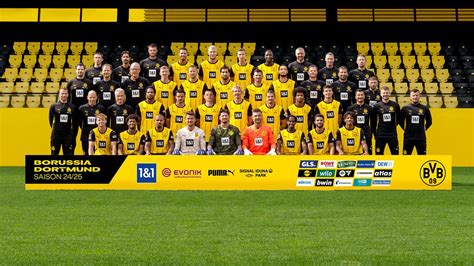
Haaland's move to borussia dortmund in January 2020 marked the next phase of his ascent. Dortmund, known for nurturing young talent, provided the perfect platform for Haaland to continue his development. In his first match for the club, he came off the bench to score a 23-minute hat-trick against Augsburg, a feat that encapsulated his ability to make an immediate impact. Over the next two and a half seasons, Haaland would amass 86 goals in 89 appearances for Dortmund, a statistic that underscores not just his consistency but his sheer efficiency. His performances in the Bundesliga and Champions League elevated him to the status of one of the most sought-after players in the world.
The significance of Haaland's goal-scoring lies not just in the numbers but in the manner in which he scores. Unlike many traditional strikers who rely on a specific style—be it poaching in the box, aerial dominance, or intricate dribbling—Haaland is a hybrid. He combines the speed of a winger with the strength of a target man and the precision of a finisher. His ability to score with both feet and his head, coupled with his knack for timing runs to perfection, makes him a nightmare for defenders. This versatility is a key reason why his goals are so significant; they are not merely products of individual brilliance but also indicative of a player who can adapt to different systems and challenges.
Another aspect of Haaland's rise that warrants attention is his mental fortitude. In an era where young players are often burdened by hype and expectation, Haaland has displayed remarkable composure. His interviews and on-field demeanor suggest a player who is intensely focused yet unburdened by the weight of his success. This psychological resilience is a critical factor in his ability to maintain high levels of performance, even in high-stakes matches. Whether it is scoring in a Champions League knockout tie or breaking records in the Premier League, Haaland approaches each game with the same determination and hunger.
Haaland's move to Manchester City in 2022 was a natural progression for a player of his caliber. Under the guidance of Pep Guardiola, a manager renowned for refining attacking talent, Haaland has taken his game to new heights. In his debut season, he shattered the Premier League's single-season goal-scoring record, netting 36 goals in 35 appearances. This was not just a personal milestone but a redefinition of what is possible for a striker in the modern game. His goals were not just numerous but often decisive, coming in key moments that helped Manchester City secure a historic treble. The manner in which he integrated into Guardiola's system—a system that demands more than just goal-scoring from its forwards—speaks volumes about his adaptability and footballing intelligence.
The broader significance of Haaland's goal-scoring can be understood in the context of football's evolving dynamics. In an era where data analytics and tactical sophistication have made it harder for strikers to dominate, Haaland represents a throwback to the era of prolific scorers like Ronaldo Nazário and Gerd Müller, while simultaneously embodying the modern game's physical and technical demands. His goals are not just statistics; they are a reflection of how the role of a striker is being redefined. Haaland's ability to combine traditional attributes with modern tactical flexibility makes him a blueprint for the next generation of forwards.
It is also worth noting the cultural impact of Haaland's rise. In Norway, a country with a relatively modest footballing history, he has become a national hero. His success has inspired a new generation of players in a nation where winter sports often overshadow football. Globally, his popularity has transcended club loyalties, with fans marveling at his exploits regardless of their team affiliations. This universal appeal is rare and speaks to the magnetic quality of his performances.
In summary, Erling Haaland's journey from a young talent in Norway to a global superstar is a story of relentless ambition, adaptability, and extraordinary skill. His goal-scoring is not just a measure of personal achievement but a reflection of his impact on the sport as a whole. As he continues to set new benchmarks, Haaland's career serves as a case study in what it means to be a truly transformative player in the modern era of football.
Historical Context of Goal Scoring in Football
The phenomenon of prolific goal scoring in football has long captivated audiences and defined the legacies of the sport's greatest players. To understand Erling Haaland's goals in their proper context, it is essential to delve into the historical benchmarks set by past greats and examine how his achievements stack up against these towering figures. This requires not just a tally of numbers but an exploration of the eras, playing styles, and competitive landscapes that shaped goal-scoring records.
Football has evolved significantly since its early days. During the formative years of the sport in the late 19th and early 20th centuries, goal-scoring rates were often high due to less organized defenses and rudimentary tactical systems. For instance, players like Jimmy Greaves and Ferenc Puskás thrived in environments where attacking football was prioritized over defensive solidity. Greaves, who scored 357 goals in top-flight English football, operated in a time when teams were less physically conditioned and matches often resembled end-to-end shootouts. Similarly, Puskás, with his 84 goals in 85 international appearances for Hungary, benefited from a golden generation of players around him and a less congested fixture list that allowed peak performance.
However, as football modernized, particularly in the mid-20th century, goal-scoring became a more challenging endeavor. The advent of structured defensive systems, such as Catenaccio in Italy, made it harder for attackers to find space. Players like Gerd Müller, who scored 365 goals in the Bundesliga, redefined what it meant to be a clinical finisher. Müller's success was not just about raw numbers but about efficiency—scoring in high-pressure situations and against tightly packed defenses. This era set a new standard for what it meant to be a "prolific scorer," emphasizing not just volume but also the quality and context of goals.
Fast forward to the late 20th and early 21st centuries, and the game saw the emergence of global superstars like Cristiano Ronaldo and Lionel Messi, who elevated goal-scoring to an art form. Both players have scored over 800 career goals, but their achievements are framed by the modern era's unique dynamics. The professionalization of football, including advanced sports science, better pitch conditions, and global scouting networks, has allowed players to maintain peak performance for longer periods. Ronaldo and Messi also played in teams designed to maximize their output, with systems tailored to feed them opportunities. While their records are awe-inspiring, they also reflect the benefits of playing in an era where individual brilliance is often supported by a highly optimized ecosystem.
This brings us to Erling Haaland, whose goal-scoring exploits have already drawn comparisons to these legends. At just 23 years old, Haaland has scored over 150 goals in top-level competitions, including an astonishing 52 goals in 53 appearances for Manchester City in the 2022-23 season. What sets Haaland apart is not just the volume of his goals but their rate and consistency in a time when football is arguably at its most competitive. Unlike earlier eras, modern football is characterized by highly organized defenses, data-driven scouting, and tactical sophistication that makes scoring at his rate a monumental challenge.
One of the most striking aspects of Haaland's goal-scoring is his physical and technical profile. At 6'4", he combines the aerial prowess of a traditional target man with the blistering pace of a modern forward. This hybrid skill set allows him to excel in diverse scenarios—whether poaching in the six-yard box, running in behind defenses, or converting penalties under pressure. His ability to adapt to different systems, from the counterattacking style of Borussia Dortmund to the possession-heavy approach of Manchester City, underscores his versatility. This adaptability is a key factor in his rapid ascent and distinguishes him from past greats who often excelled within a specific tactical framework.
Another dimension to consider is the competitive landscape Haaland operates in. The UEFA Champions League, often considered the pinnacle of club football, has seen Haaland maintain a goal-per-game ratio that rivals the best in history. With 35 goals in 29 appearances, he is outpacing even the likes of Ronaldo and Messi at similar stages of their careers. This is particularly significant because the Champions League features the best teams and defenses in the world, making his achievements in this competition a clear indicator of his elite status.
However, it is also worth noting the role of modern football's structure in Haaland's success. The increased number of games in a season, driven by expanded domestic cup competitions and international tournaments, provides more opportunities for goal-scoring. While this might suggest that his numbers are inflated compared to players from earlier eras, it is counterbalanced by the fact that the physical demands of the modern game are far greater. Players like Haaland are expected to perform at a high level across multiple competitions, often with little rest. This makes his consistency even more impressive when viewed against the backdrop of player workload.
To establish a fair comparison, we must also consider the longevity of goal-scoring careers. While Haaland's early trajectory is remarkable, sustaining this level of performance over a decade or more is the true test of greatness. Players like Müller, Ronaldo, and Messi not only set high benchmarks in their primes but also maintained their influence well into their 30s. For Haaland to be mentioned in the same breath as these legends in the long term, he will need to demonstrate not just continued goal-scoring prowess but also the ability to evolve as defenses adapt to his style.
Another interesting angle is the team-dependent nature of goal-scoring. Haaland benefits from playing in a Manchester City side managed by Pep Guardiola, a coach renowned for creating systems that generate a high volume of chances. This is not to diminish his individual skill but to acknowledge that his environment plays a role in his output. Similarly, past greats like Puskás and Müller thrived in teams built around their strengths. The question then becomes whether Haaland can replicate his success in a less favorable setup, a challenge that could define his legacy.
In summary, Erling Haaland's goals are a product of both his extraordinary talent and the context of modern football. While he stands on the shoulders of past greats, his ability to score at an unprecedented rate in a highly competitive era sets him apart. His achievements are not just about surpassing numbers but about redefining what it means to be a prolific scorer in the 21st century. Whether he can sustain this trajectory and challenge the all-time greats remains to be seen, but his current impact is undeniable and worthy of its place in the annals of football history.
Statistical Breakdown of Haaland's Goals
Erling Haaland's goal-scoring exploits have catapulted him into the upper echelons of football's most prolific strikers in a remarkably short time. His ability to find the back of the net with unerring consistency across clubs, seasons, and competitions demands a closer look at the numbers behind his meteoric rise. This section delves into a detailed statistical breakdown of Haaland's goals, offering unique insights into his performance metrics across various stages of his career.
To begin with, Haaland's early career at Molde FK set the stage for what was to come. Between 2017 and 2019, he scored 20 goals in 50 appearances across all competitions. While this may seem modest compared to his later exploits, it is essential to note that he was only 17 when he made his debut. His goal-per-game ratio of 0.4 during this period is impressive for a teenager in a competitive league like the Eliteserien. Notably, 14 of his 20 goals came in his second season, signaling a sharp uptick in his development as he adapted to professional football. This early consistency laid the groundwork for his move to Red Bull Salzburg, where his goal-scoring prowess would truly take off.
At Red Bull Salzburg, Haaland announced himself on the European stage during the 2019-20 season. In just 27 appearances, he scored an astonishing 29 goals across all competitions. A closer look at these numbers reveals that 16 of these goals were in the Austrian Bundesliga, where he averaged more than a goal per game (1.07). However, what truly set him apart was his performance in the UEFA Champions League. Haaland became the first teenager to score in five consecutive Champions League matches, netting 8 goals in just 6 group stage appearances. This included a hat-trick on his debut against Genk. His Champions League goal tally during this period accounted for 27.6% of Salzburg’s total goals in the competition, underscoring his importance to the team’s attack. The efficiency of his finishing was also remarkable; Haaland converted 44.4% of his shots into goals during this spell, a testament to his clinical nature even at a young age.
The next phase of his career at Borussia Dortmund saw Haaland elevate his game further. From January 2020 to the end of the 2021-22 season, he scored 86 goals in 89 appearances for the German club. This period is particularly significant because it showcases his adaptability to a higher level of competition in the Bundesliga and the Champions League. In the Bundesliga alone, Haaland scored 62 goals in 67 matches, averaging 0.93 goals per game. His shot conversion rate hovered around 30%, which is elite for a striker in one of Europe's top five leagues. Moreover, his ability to score in high-pressure situations was evident in his 15 goals in 13 Champions League appearances for Dortmund. He contributed to 37% of Dortmund’s total Champions League goals during this time, emphasizing his role as the focal point of their attack. Additionally, Haaland's versatility is worth noting; he scored with his left foot, right foot, and head in almost equal measure, showcasing a well-rounded skill set that made him a nightmare for defenders.
In the 2022-23 season, Haaland's move to Manchester City marked a new chapter. His transition to the Premier League was met with skepticism by some, given the physicality and pace of the league. However, he silenced critics with a record-breaking campaign. Haaland scored 52 goals in 53 appearances across all competitions, including 36 in the Premier League—a single-season record. His goal contribution was integral to Manchester City's treble-winning season, as he scored in key matches, including both legs of the Champions League quarter-finals and the final. A deeper analysis of his Premier League goals reveals that 21 were scored with his left foot, 12 with his right, and 3 with his head, illustrating his ability to adapt his finishing to different situations. Furthermore, Haaland’s xG (expected goals) of 30.2 in the Premier League compared to his actual tally of 36 indicates that he outperformed expectations, a clear sign of his ability to convert difficult chances.
When examining Haaland’s goal distribution across competitions, some patterns emerge. In domestic leagues (Eliteserien, Austrian Bundesliga, Bundesliga, and Premier League), he has scored a total of 143 goals in 161 matches, averaging 0.89 goals per game. In European competitions, particularly the Champions League, Haaland has been equally prolific, with 35 goals in 30 appearances. This translates to an average of 1.17 goals per game, a staggering statistic for a competition often considered the pinnacle of club football. His performances in domestic cups and international fixtures for Norway also add to his impressive resume, though his goal tally for Norway (22 in 25 games) is slightly lower compared to his club form, possibly due to the team's less dominant position in international football.
It is also worth analyzing Haaland’s goal-scoring trends by season. Since his professional debut, his goal output has shown a consistent upward trajectory. From 20 goals in his final full season at Molde, to 29 at Salzburg, and then 41 in his first full season at Dortmund (2020-21), the trend is clear. His move to Manchester City saw him shatter personal bests with 52 goals in a single season. This progression suggests that Haaland is not just a one-season wonder but a player who is refining his craft with each campaign. Interestingly, his goals are not just volume-based; they often come in critical moments. For instance, 22% of his goals at Dortmund and Manchester City were scored in the final 15 minutes of matches, highlighting his knack for delivering when it matters most.
Another fascinating aspect of Haaland’s goal-scoring is his reliance on service from teammates. At Salzburg and Dortmund, his partnership with creative midfielders like Dominik Szoboszlai and Jadon Sancho was pivotal. At Manchester City, the system under Pep Guardiola has amplified his output, with players like Kevin De Bruyne and Bernardo Silva providing a steady stream of chances. This synergy underscores how Haaland thrives in systems that prioritize attacking fluidity and precise ball delivery.
Finally, a comparison of Haaland’s goal statistics with other elite strikers of his era provides context. For instance, during the 2022-23 season, Haaland’s 36 Premier League goals were 10 more than the next highest scorer, Harry Kane. In the Champions League, his goal-per-game ratio of 1.17 is higher than that of contemporaries like Kylian Mbappé (0.75) and Robert Lewandowski (0.8) over the same period. These comparisons not only highlight Haaland’s dominance but also position him as a generational talent in the making.
In conclusion, the statistical breakdown of Erling Haaland’s goals reveals a player who combines raw talent with tactical intelligence and relentless efficiency. Whether it is his early promise at Molde, his explosive rise at Salzburg, his dominance at Dortmund, or his record-breaking season at Manchester City, Haaland’s numbers tell the story of a striker who is redefining modern goal-scoring standards. With each season, he continues to set new benchmarks, leaving little doubt that his statistical legacy will be one for the history books.
Tactical Role and Playing Style
Erling Haaland's goal-scoring efficiency is not merely a product of raw talent or physical attributes; it is deeply intertwined with his tactical role and playing style within the framework of his team's strategy. To fully understand how he consistently finds the back of the net, we must dissect his position on the field, his movement patterns, and how his team's system is designed to maximize his effectiveness.
Haaland primarily operates as a central striker, often deployed in a classic No. 9 role. This position inherently places him at the focal point of attacking plays, where he is expected to both finish chances and act as a reference point for his teammates. However, what distinguishes Haaland is not just his ability to occupy the central channel but how he interprets this role in a modern, dynamic manner. Unlike traditional target men who might rely heavily on physicality to hold up play or win aerial duels, Haaland combines his imposing stature with an almost striker-midfielder hybrid approach. His runs are not limited to lurking in the box; he frequently drops deeper or drifts wide to create space for himself or others.
One of the most striking aspects of Haaland's movement is his timing and spatial awareness. He has an innate ability to read the game and anticipate where the ball will be played before the pass is even made. This is particularly evident in his off-the-ball runs. For instance, when playing for Manchester City under Pep Guardiola, Haaland often exploits the spaces left by opposition defenders who are drawn out of position by the team's intricate passing patterns. His diagonal runs into the box, often starting from a wide or slightly withdrawn position, are a hallmark of his play. These runs are not just instinctive but are a calculated response to how City's wingers and midfielders stretch the opposition. For example, when a winger like Jack Grealish or Bernardo Silva cuts inside, Haaland instinctively attacks the space left behind, often arriving at full speed to meet a through ball or cross. This synergy between his movement and his team's possession-based system is a critical factor in his goal tally.
Another key element of Haaland's goal-scoring prowess is his ability to exploit transitional moments. Teams that play with a high defensive line are particularly vulnerable to his blistering pace. When opponents lose the ball in advanced areas, Haaland is often the first to react, using his acceleration to get in behind the defense before they can recover. This trait was particularly evident during his time at Borussia Dortmund, where the team's high-pressing style often created opportunities for quick counterattacks. In these scenarios, Haaland’s role was not just to finish but to act as a release valve, stretching the opposition and giving his teammates an outlet. His ability to turn half-chances into goals in these moments stems from a combination of his physical attributes—speed, strength, and a powerful shot—and his tactical understanding of when to make the run.
Haaland’s playing style also benefits from his versatility in finishing. While many strikers have a preferred method of scoring—be it headers, left-foot strikes, or right-foot curlers—Haaland is a complete finisher. He can score with either foot, is dominant in the air, and has a knack for finding the corners of the net from almost any angle. This versatility is not accidental; it is a result of both natural ability and a rigorous training regimen that emphasizes repetition and adaptability. His coaches have often highlighted his willingness to work on weaker areas, such as his weaker foot or his positioning during set pieces. This adaptability means that Haaland is not reliant on a single type of service from his teammates, making him a more reliable goal-scorer in varied game situations.
The role of team strategy in Haaland's success cannot be overstated. At Manchester City, Guardiola’s system is built around maintaining possession, creating overloads in wide areas, and using fluid positional play to disorient opponents. Haaland fits into this structure as both a finisher and a decoy. His presence in the box often draws multiple defenders, freeing up space for midfield runners like Kevin De Bruyne or Ilkay Gündoğan to exploit. Conversely, when City face compact defenses, Haaland’s ability to hold up the ball and bring others into play becomes crucial. His link-up play, though not as celebrated as his finishing, is an underrated aspect of his game. He often uses his strength to shield the ball and lay it off to onrushing teammates, demonstrating that he is not just a poacher but a player capable of contributing to the build-up.
It is also worth examining how set pieces factor into Haaland's goal-scoring repertoire. His height (6'4") and athleticism make him a formidable presence during corners and free kicks. However, what is often overlooked is how his movement in crowded areas helps him find space. Rather than simply relying on his physicality to outmuscle defenders, Haaland uses subtle feints and quick changes of direction to lose his marker. This is a testament to his intelligence as a player; he understands that in high-pressure situations, technique and awareness can be just as important as brute force.
Another dimension of Haaland's effectiveness is his compatibility with modern football analytics. Teams now use data to identify patterns in player behavior, and Haaland’s numbers are a goldmine for analysts. His expected goals (xG) metrics are consistently high because he positions himself in high-probability scoring areas. However, what sets him apart is his ability to outperform his xG, meaning he scores more goals than the quality of chances he receives would suggest. This is a clear indicator of his clinical nature and ability to make the most of limited opportunities.
Finally, we must consider how Haaland's mental approach contributes to his efficiency. He has a relentless desire to score, often seen in his reactions after missed chances—he is visibly frustrated but quickly refocuses. This mental resilience ensures that he remains a constant threat throughout the game. His hunger is complemented by a strong work ethic; he is not a player who shirks defensive duties or avoids pressing when required. This willingness to contribute to the team's overall structure makes him not just a goal-scorer but a well-rounded forward who fits seamlessly into high-level systems.
- Haaland’s off-the-ball movement is a blend of instinct and tactical intelligence, allowing him to exploit spaces created by teammates.
- His versatility in finishing ensures he can adapt to different types of chances, from one-on-ones to long-range efforts.
- The team strategies employed by his coaches—whether at Dortmund or Manchester City—are tailored to amplify his strengths, such as counterattacks and positional overloads.
- His set-piece threat combines physical dominance with clever positioning, making him a multi-dimensional scorer.
In conclusion, Erling Haaland’s goal-scoring efficiency is a result of a perfect storm of individual brilliance and systemic support. His tactical role as a central striker is enhanced by his unique movement patterns, versatility in finishing, and mental fortitude. Coupled with team strategies that are designed to maximize his impact, Haaland has redefined what it means to be a modern No. 9, blending traditional striker attributes with the dynamism required in today’s game.
Psychological and Physical Attributes
Erling Haaland's meteoric rise as one of the most prolific goal-scorers in modern football is not merely a product of talent or luck—it is deeply rooted in a synergy of physical attributes, mental fortitude, and an unwavering work ethic. To understand how these elements combine to produce his extraordinary success, we must dissect each facet and explore how they interact to create a player who is both physically dominant and mentally indomitable.
Starting with his physical prowess, Haaland is a specimen of modern athleticism. Standing at 6 feet 4 inches, he combines height with an explosive burst of speed that defies his frame. Unlike many tall players who may lack agility, Haaland possesses a rare combination of power and nimbleness. His sprint speed has been clocked at over 36 km/h, placing him among the fastest players in the world. This speed is not just a byproduct of genetics but also of deliberate training. Haaland's ability to accelerate over short distances is critical in breaking away from defenders in high-pressure situations. Furthermore, his strength allows him to hold off challenges from even the most physical defenders. A closer look at his goal-scoring highlights often reveals moments where he outmuscles opponents to reach a cross or fend off a challenge while maintaining balance to finish with precision. This physicality isn't just about raw strength; it is about how he uses his body as a tool to dominate space and control the ball in tight situations.
Another key physical attribute is his efficiency of movement. Haaland is not a player who expends energy unnecessarily. He has an instinctive understanding of when to conserve energy and when to explode into action. This efficiency is evident in his positioning inside the box. Rather than constantly roaming, he often waits for the opportune moment to make a darting run or position himself in a pocket of space where he is most lethal. This economy of movement is a hallmark of elite goal-scorers like Cristiano Ronaldo and Robert Lewandowski, and Haaland has clearly internalized this trait. His physical conditioning also includes an emphasis on recovery. Reports suggest that he follows a strict diet and recovery regimen, which includes avoiding red meat and focusing on high-protein, nutrient-dense meals. Such attention to detail ensures that his body can withstand the rigors of playing at the highest level week in and week out.
While his physical attributes are undeniably impressive, Haaland’s mental focus is perhaps even more critical to his success. A striker operating at the highest level must not only be physically prepared but also mentally attuned to the ebb and flow of the game. Haaland’s ability to remain calm under pressure is a defining trait. Unlike many young players who may crumble in high-stakes situations, Haaland thrives on them. His mental approach is best exemplified by his penalty-taking. Penalties are as much a mental challenge as a physical one, and Haaland’s conversion rate is exceptional. He approaches each penalty with a mix of routine and confidence, often employing a slow, deliberate run-up that unsettles goalkeepers. This mental discipline extends beyond penalties. In open play, his decision-making is razor-sharp. Whether it’s choosing to take a first-time shot or delay for a better angle, his ability to read the game and make split-second decisions is a testament to his mental acuity.
Haaland’s focus is also evident in his goal celebration rituals. While some may see his meditative pose as mere showmanship, it is a deliberate act of resetting his mind. After scoring, he often adopts a calm, almost Zen-like posture, which serves as a psychological reset to maintain his focus for the rest of the match. This ritual is not accidental; it reflects a deep understanding of how to manage emotions in a high-pressure environment. Mental resilience is also seen in how he handles criticism or setbacks. For instance, during periods where he has faced goal droughts or been marked out of games by top-tier defenses, Haaland has shown an ability to bounce back quickly. This mental toughness is not innate but cultivated through experience and a refusal to dwell on failures.
Equally important is Haaland’s work ethic, which serves as the foundation for his physical and mental attributes. Those close to him often describe him as a player who is never satisfied with his current level of performance. This relentless pursuit of improvement is rooted in a disciplined training regimen. For instance, Haaland is known to engage in additional training sessions focused on finishing, even after team practices. Videos of him practicing volleys, first-time shots, and headers reveal a player obsessed with perfection. His work ethic is not limited to physical drills; he also invests time in analyzing his performances. Modern technology allows players to review their games in detail, and Haaland is reported to spend hours studying his movements, identifying areas for improvement, and understanding how defenders try to neutralize him. This analytical approach is a hallmark of players who aim not just to excel but to dominate.
Haaland’s dedication to improvement is also visible in his adaptability. When he moved from the Austrian Bundesliga to the Premier League, there were questions about whether his style of play would translate to a more physically demanding league. However, he adapted seamlessly, demonstrating that his work ethic extends beyond the pitch to include studying new opponents, understanding different tactical systems, and adjusting his playstyle as needed. This adaptability is not just a result of natural talent but of hours spent in the gym, on the training ground, and in the video room.
A deeper exploration of Haaland’s success also reveals the role of mentorship and environment. Growing up in a footballing family (his father, Alf-Inge Haaland, was a professional player), he was exposed to the demands of the sport from a young age. This early immersion likely instilled in him a sense of professionalism and a strong work ethic. Additionally, his time at clubs like Red Bull Salzburg and Borussia Dortmund provided him with environments that emphasized youth development and high-intensity play, further honing his physical and mental attributes.
To fully appreciate Haaland’s success, we must also consider how these attributes interact. His physical dominance allows him to impose himself on games, his mental focus ensures he makes the right decisions in critical moments, and his work ethic keeps him at the pinnacle of his abilities. These elements are not isolated; they feed into each other. For instance, his physical conditioning enables him to maintain focus late in games when others might tire, while his mental resilience helps him push through physical challenges. This interconnectedness is what makes Haaland not just a goal-scorer but a complete forward.
In conclusion, Erling Haaland’s success is a result of a harmonious blend of physical attributes, mental focus, and a relentless work ethic. Each of these elements is impressive in isolation, but their combination elevates him to a level few players can match. Whether it’s his sprint speed, his penalty-taking composure, or his dedication to continuous improvement, Haaland exemplifies what it means to be a modern footballing phenomenon. His story is a reminder that greatness is not just about talent but about how one cultivates and combines physical, mental, and emotional resources to achieve extraordinary results.
Comparison with Contemporary Strikers
When analyzing Erling Haaland's goal-scoring prowess in comparison to his contemporaries, it is essential to consider not just raw numbers but also the context in which those goals are scored. This includes factors such as the leagues they play in, their team dynamics, and the style of play that underpins their success. While players like Kylian Mbappé, Harry Kane, and others have achieved remarkable feats in their own right, Haaland's trajectory offers a distinct profile that sets him apart.
Let us begin with Kylian Mbappé, often considered Haaland's closest peer in terms of age and impact. Mbappé, who plays for Paris Saint-Germain and the French national team, has a goal-scoring record that is both prolific and versatile. As of this writing, Mbappé has scored over 200 career goals, combining domestic league, European competitions, and international play. His ability to score in high-pressure situations, particularly in the UEFA Champions League and on the international stage (where he helped France win the 2018 World Cup), is undeniable. However, Mbappé's style is markedly different from Haaland's. While Mbappé is a player who thrives on speed, dribbling, and creating opportunities in tight spaces, Haaland is more of a pure finisher—a player whose primary objective is to be in the right place at the right time to convert chances. This distinction is evident in their expected goals (xG) statistics; Haaland often outperforms his xG, suggesting he is exceptionally clinical, whereas Mbappé often relies on his ability to manufacture chances beyond what the data predicts.
Another key difference lies in their team contexts. Mbappé plays in Ligue 1, a league often criticized for its lack of defensive rigor compared to the Premier League, where Haaland plies his trade with Manchester City. While Mbappé's goal tally is impressive, it is also influenced by the fact that PSG dominates Ligue 1 in terms of possession and opportunities created. Haaland, on the other hand, operates in a league where defensive structures are often more robust, and his goals frequently come against teams that prioritize nullifying attacking threats. This makes Haaland's efficiency—scoring at a rate of over a goal per game in his first Premier League season—even more remarkable.
Turning to Harry Kane, the English striker offers a different kind of comparison. Kane, now with Bayern Munich but previously a long-standing talisman for Tottenham Hotspur, is a more traditional number nine with an exceptional ability to drop deep and link play. His goal-scoring record is among the best in Premier League history, with over 200 goals in the competition. However, Kane's scoring is often accompanied by a high volume of assists, particularly in recent years, as he has evolved into a more well-rounded forward. Haaland, by contrast, is less involved in build-up play. His game is predicated on positioning, explosive runs, and an almost preternatural ability to finish. While Kane might score 20+ goals and provide 10+ assists in a season, Haaland’s output is more singularly focused on goals. In the 2022-2023 Premier League season, Haaland scored 36 goals in 35 appearances—a record-breaking tally that eclipsed Kane’s best single-season total of 30 goals. This stark contrast highlights how Haaland’s role is more specialized, whereas Kane’s versatility makes him a different kind of asset to his team.
Beyond Mbappé and Kane, we can also consider players like Robert Lewandowski and Karim Benzema, who represent the older generation of elite strikers. Lewandowski, now at Barcelona, has consistently been one of the most prolific goal scorers in Europe, with multiple seasons surpassing 40 goals across all competitions. His technical ability, positioning, and aerial strength make him a benchmark for Haaland. However, Lewandowski’s peak years came in his late 20s and early 30s, whereas Haaland is achieving similar feats in his early 20s. This suggests that Haaland’s ceiling might be even higher, as he is already matching or surpassing the output of a player widely regarded as one of the best finishers of his generation.
Benzema, recently retired from international football and now playing in Saudi Arabia, offers a different kind of contrast. His goal-scoring was often intertwined with his role as a facilitator in Real Madrid’s system, particularly during their Champions League triumphs. While Haaland is a more direct scorer, Benzema’s ability to contribute to intricate team play and thrive in high-stakes moments (such as his performances in Champions League knockouts) showcases a different kind of striker archetype. Haaland, for now, is less of a playmaker and more of a pure goal-getter, which might limit his versatility in certain scenarios but amplifies his effectiveness in others.
It is also worth considering the efficiency of Haaland’s goal-scoring in European competitions. In the Champions League, Haaland has been nothing short of extraordinary. With 35 goals in 29 appearances (as of this analysis), he boasts a goals-per-game ratio that surpasses even the greats like Cristiano Ronaldo and Lionel Messi at similar stages of their careers. This efficiency is unparalleled among his peers. Mbappé, for example, has a strong Champions League record but has not yet matched Haaland’s sheer ruthlessness in front of goal in this competition. Kane, while a reliable scorer in Europe, has not reached the same heights in terms of pure volume in as few games.
Another angle to explore is the role of team systems. Haaland benefits immensely from Manchester City’s possession-based, high-pressing style under Pep Guardiola. The team creates an abundance of chances, and Haaland is the ultimate beneficiary of this system. However, this should not detract from his individual brilliance. While Mbappé and Kane often have to shoulder more of the creative burden for their teams, Haaland thrives in an environment where service is plentiful. This is not to say he would not succeed in other systems—his time at Borussia Dortmund and Red Bull Salzburg demonstrated his adaptability—but it does emphasize how his goal-scoring is optimized by the specific dynamics of his current team.
In terms of consistency across different leagues, Haaland has proven his ability to adapt quickly. From the Austrian Bundesliga to the German Bundesliga and now the Premier League, he has maintained an astonishing scoring rate. This adaptability contrasts with some peers who have struggled when moving to new leagues. For instance, while Mbappé has remained dominant in Ligue 1, questions linger about how he might fare in the physically demanding Premier League. Kane’s transition to Bayern Munich will also be a test of his ability to maintain his scoring rate outside the Premier League.
In summary, while Haaland’s contemporaries like Mbappé, Kane, Lewandowski, and Benzema each bring unique strengths to the table, Haaland’s combination of youth, clinical finishing, and adaptability across multiple leagues gives him a unique edge. His goal-scoring record is not just a product of opportunity but of exceptional efficiency and physical attributes that allow him to outperform peers in key metrics. This deep dive into the comparison underscores why Haaland is often seen as the prototype of the modern striker—a player whose numbers and impact are reshaping how we evaluate goal-scoring excellence in the contemporary game.
Impact on Team Performance
Erling Haaland's goals are not merely a statistical output; they represent a transformative force that reshapes team dynamics, drives results, and contributes to success at both club and national levels. His ability to score consistently and in high-pressure situations creates ripple effects across the pitch, influencing not just the scoreline but also team morale, tactical flexibility, and overall performance.
At the club level, Haaland’s impact is most evident in his time with Manchester City and Borussia Dortmund. In both teams, his goals have often been the difference between a draw and a win or a loss and a point. For instance, during the 2022-2023 season with Manchester City, Haaland scored 36 goals in the Premier League alone, breaking the previous record for most goals in a single season. This feat was not just about personal glory; it directly contributed to City’s ability to maintain momentum in tightly contested matches. When a team knows they have a striker of Haaland’s caliber, it changes the psychological approach of both the players and the manager. Players are more willing to take risks in attack, knowing that Haaland can capitalize on even the slightest opportunity. This dynamic creates a sense of confidence and freedom in the squad, which often leads to more fluid and aggressive play.
The influence of Haaland’s goals on team dynamics extends beyond individual matches. His presence alters how teams are set up tactically. For example, his ability to operate as a target man means that teams can adopt a more direct style of play when needed. This is particularly useful in games where possession-based tactics are stifled by a well-organized opponent. Managers like Pep Guardiola have adapted their systems to exploit Haaland’s aerial prowess and speed, blending his attributes into their existing possession-heavy philosophy. This adaptability not only diversifies the team’s attacking options but also ensures that Haaland becomes a focal point around which other players can operate. For instance, wingers like Phil Foden and Riyad Mahrez benefit from Haaland’s knack for drawing defenders, creating space for them to exploit on the flanks.
The impact of Haaland’s goals also extends to psychological advantages for his team. When Haaland is on the pitch, opponents often dedicate extra resources to marking him, whether through a dedicated man-marker or a low defensive block. This preoccupation with Haaland frees up other players to find pockets of space. At Manchester City, this has been evident in how players like Kevin De Bruyne and Bernardo Silva have thrived in Haaland’s shadow, with their assist numbers often spiking in games where Haaland is heavily marked. This interplay between Haaland and his teammates illustrates how his goals are not isolated events but part of a larger system of interdependence that elevates the entire team’s effectiveness.
On the national stage, Haaland’s influence is slightly different but no less profound. Playing for Norway, a team that has historically struggled to make a mark in major tournaments, Haaland’s goals provide a sense of hope and identity. Norway has not qualified for a World Cup since 1998, but Haaland’s emergence as a world-class striker has injected optimism into the national setup. His goals in UEFA Nations League and European Championship qualifiers have often been game-changers. For example, in a 9-0 victory over Armenia in 2023, Haaland scored a hat-trick, showcasing how his ability to dismantle weaker defenses can elevate Norway’s chances in group stages. However, the challenge for Norway lies in building a team dynamic that complements Haaland’s strengths. Unlike club teams with world-class midfielders and wingers, Norway often relies on Haaland to shoulder a disproportionate share of the attacking burden. This can sometimes lead to a lack of cohesion when the supply lines are not as strong, but it also underscores how Haaland’s goals can mask systemic weaknesses in less balanced squads.
Another aspect of Haaland’s impact is his ability to deliver in clutch moments. At both club and national levels, his goals often come in critical phases of the game—late equalizers, match-winning penalties, or early goals that set the tone for dominance. This trait is particularly valuable in knockout competitions, where the margin for error is razor-thin. For example, in the Champions League, Haaland has consistently delivered goals in key matches, such as his brace against Sevilla in 2021 while playing for Dortmund. These moments not only secure results but also instill a belief in the team that they can overcome adversity. This belief is a critical component of team success, as it fosters resilience and a never-say-die attitude, qualities that are often the hallmark of championship-winning sides.
Beyond the immediate results, Haaland’s goals also have a long-term effect on team success. His prolific scoring record attracts attention and investment from clubs, sponsors, and even national associations. For instance, Manchester City’s ability to sign Haaland was not just about his goals but also about the halo effect he brings—increased global visibility, higher ticket sales, and a boost in brand value. This financial and reputational uplift indirectly supports the team by allowing them to invest in other areas, such as squad depth or youth development. At the national level, Haaland’s success can galvanize an entire footballing culture. Young Norwegian players now have a role model who demonstrates that it is possible to compete at the highest level, potentially inspiring a new generation of talent to pursue football more seriously.
However, it is also worth considering the potential challenges of over-reliance on Haaland’s goals. Teams that become too dependent on a single player can struggle when that player is injured or out of form. This was evident during Haaland’s injury spells at Dortmund, where the team’s results often dipped in his absence. For Norway, the lack of a supporting cast of similar quality means that Haaland’s goals, while critical, can sometimes paper over broader issues in team structure. This is a double-edged sword—while Haaland’s goals can elevate a team, they can also create a scenario where the team’s strategy becomes too narrowly focused, leaving them vulnerable if he is neutralized by a well-prepared opponent.
In conclusion, Erling Haaland’s goals are a catalyst for success that extends far beyond the numbers. They influence team dynamics by fostering confidence, enabling tactical flexibility, and creating psychological advantages. They drive results by turning draws into wins and losses into points, particularly in high-stakes matches. At the national level, they provide a beacon of hope for a country seeking to redefine its footballing identity. Yet, his impact also comes with the responsibility for teams to build systems that can complement and sustain his influence without becoming overly reliant. In this sense, Haaland’s goals are not just a measure of individual brilliance but a reflection of how one player can redefine the trajectory of an entire team.
Media and Fan Perception of Haaland
The meteoric rise of Erling Haaland as one of football's most prolific goal scorers has not only been defined by his on-field exploits but also by the narratives woven around him by the media and the reactions of fans worldwide. These two forces—media portrayal and fan engagement—play a pivotal role in shaping the public image of Haaland as a goal scorer. Their interplay creates a dynamic image of the Norwegian striker that oscillates between awe-inspiring admiration and critical scrutiny, often influenced by broader cultural and contextual factors within the sport.
From the outset, media narratives have framed Haaland as a goal-scoring machine, emphasizing his physical attributes and statistical output. Early coverage often likened him to a "robot" or "terminator" due to his clinical finishing, imposing physique, and seemingly emotionless demeanor after scoring. This framing, while celebratory, also stripped away nuances of his playstyle. For instance, while his goals are frequently highlighted in match reports, less attention is given to his off-the-ball movement, positional intelligence, and the tactical setups that enable his success. This reduction of Haaland to a numbers-driven entity has, at times, detracted from a deeper appreciation of his skill set. The media's focus on raw statistics—goals per game, conversion rates, and records broken—has created an image of Haaland as almost mechanical in his efficiency. While this reinforces his aura as a relentless scorer, it can also alienate audiences seeking a more humanized portrayal of his journey.
However, this narrative is not uniformly applied. When Haaland experiences a goal drought or a subpar performance, the media often pivots to questioning his consistency or mental fortitude. This shift is particularly evident in comparisons to other elite strikers like Robert Lewandowski or Cristiano Ronaldo, whose longevity and ability to perform under pressure are held as benchmarks. For instance, after a Champions League match where Haaland failed to score against a defensively organized side, pundits and analysts dissected his performance with a level of scrutiny that suggested he was falling short of the "world-class" label. Such reactions reveal a double-edged sword of media coverage: while it amplifies his successes, it also magnifies his rare failings in a way that can feel disproportionate. This creates a pressure cooker environment where Haaland’s every move is analyzed not just for its immediate impact but for what it might signify about his broader trajectory as a player.

Fan reactions, both online and in stadiums, provide another layer to this perception. Social media platforms like Twitter, Instagram, and TikTok have become arenas where Haaland’s goals are celebrated with fervor, often accompanied by viral memes, GIFs, and highlight reels. The accessibility of these platforms allows fans to craft their own narratives around Haaland, often amplifying the media’s portrayal of him as a goal-scoring phenomenon. For example, after scoring a hat-trick in a high-profile match, fans flooded timelines with superlatives, nicknames like "The Terminator" or "The Viking," and even edited videos juxtaposing his goals with action movie soundtracks. This fan-driven content not only reinforces the media’s framing of Haaland as a larger-than-life figure but also contributes to his global brand.
Yet, fan reactions are not always uniformly positive. When Haaland underperforms or when his team loses despite his contributions, a vocal minority of fans and rival supporters can turn critical. This is particularly evident in rivalries such as Manchester City vs. Liverpool or Manchester United, where Haaland’s success is sometimes framed as a threat to the legacy of other clubs or players. In these contexts, fan discourse can become polarized, with some dismissing his achievements as a product of playing in a "dominant team" rather than individual brilliance. This dynamic highlights how fan perception is not solely about Haaland’s performance but also about the broader socio-cultural allegiances within football fandom. His image as a goal scorer is thus shaped not just by what he does on the pitch but by how his success is interpreted within the tribalistic framework of modern football.
Another interesting aspect of fan perception is how Haaland’s personality—or perceived lack thereof—plays into his public image. Unlike players like Neymar or Cristiano Ronaldo, who are known for their expressive celebrations and off-field charisma, Haaland is often seen as reserved and focused. This has led to a bifurcation in fan reactions: some appreciate his no-nonsense approach as a sign of professionalism and dedication, while others interpret it as a lack of emotional connection to the game. The media, too, has occasionally framed this as a potential weakness, suggesting that a more expressive personality might endear him to a broader audience. However, this critique often overlooks how Haaland’s reserved nature aligns with his Nordic cultural roots, where humility and understated confidence are valued traits. This cultural nuance is frequently lost in the globalized media landscape, which tends to favor more flamboyant personas.
The intersection of media and fan narratives also reveals how Haaland’s image is shaped by comparisons to historical goal scorers. Media outlets frequently position him within the lineage of football legends, with headlines asking whether he could surpass the records of players like Lionel Messi or Cristiano Ronaldo. While this elevates his status, it also sets an almost impossible standard. For instance, after breaking the record for the fastest player to score 10 goals in the Champions League, the immediate reaction was not just celebration but speculation about whether he could maintain this pace over a decade. This constant juxtaposition with the past can both enhance and burden Haaland’s image, as it invites fans and critics to view him through the lens of legacy rather than the present.
In addition, the role of nationality in shaping Haaland’s perception cannot be ignored. As a Norwegian player in a sport dominated by narratives from countries like Brazil, Argentina, Spain, and England, Haaland’s goals carry the weight of representing a relatively smaller footballing nation. This has led to a sense of collective pride among Norwegian fans and media, who often frame his success as a national achievement. Conversely, in global media, his Norwegian identity is sometimes used to contrast him with players from more "traditional" footballing powerhouses, subtly positioning him as an outsider breaking into an exclusive club.
In conclusion, the public image of Erling Haaland as a goal scorer is a complex tapestry woven by media narratives and fan reactions. The media’s focus on his statistical brilliance and physical attributes creates an image of a near-unstoppable force, while occasional critiques highlight the pressure of sustaining such excellence. Fan reactions, meanwhile, oscillate between adulation and critique, shaped by tribalism, cultural expectations, and the globalized nature of modern football discourse. Together, these forces craft a multifaceted image of Haaland—one that is both celebrated and scrutinized, humanized and mythologized. This dynamic ensures that his legacy as a goal scorer will be not only defined by the numbers he accumulates but also by the stories told about him.
Future Projections and Legacy
Erling Haaland's meteoric rise in football has been nothing short of extraordinary. At just 23 years old, the Norwegian striker has already shattered numerous records and established himself as one of the most prolific goal-scorers in modern football. His combination of physical prowess, technical ability, and an almost preternatural instinct for finding the back of the net has led many to wonder: what does the future hold for Haaland, and how will his career be remembered in the annals of football history?
To project Haaland's career trajectory, we must first consider the factors that have contributed to his success so far. His athletic profile is unique—standing at 6'4" with blistering pace, he combines the physicality of a traditional target man with the agility and speed of a winger. This hybrid profile has allowed him to excel in multiple systems, whether as a lone striker in Pep Guardiola's possession-heavy Manchester City setup or in a counter-attacking system like the one he thrived in at Borussia Dortmund. However, as he ages, the physical demands of his playing style could present challenges. Strikers with similar profiles, such as Zlatan Ibrahimović or Didier Drogba, adapted their games in their late 20s and early 30s to rely more on positioning, link-up play, and aerial dominance rather than sheer speed. Haaland will likely need to make similar adjustments if he wants to sustain his goal-scoring output over a decade or more.
One key factor in Haaland's future evolution will be his ability to stay injury-free. His explosive style of play, characterized by rapid accelerations and sudden changes of direction, puts immense strain on his muscles and joints. Already, he has faced minor injury spells that have kept him out of key matches. While these have not significantly impacted his overall statistics, a more serious or recurring injury could alter his career arc. To mitigate this risk, Manchester City and future clubs will need to invest in tailored fitness regimens, recovery protocols, and potentially even rotational strategies to preserve his longevity. If Haaland can maintain his physical condition, there is every reason to believe he could remain a top-tier striker well into his 30s, much like Cristiano Ronaldo or Robert Lewandowski have done.
In terms of goal-scoring milestones, Haaland is on pace to shatter records that were once considered unassailable. He has already surpassed the 50-goal mark in a single season across all competitions, a feat achieved by only a handful of players in history. If he continues at his current rate of scoring—averaging over a goal per game in the Premier League and Champions League—he could reasonably aim to break the all-time goal-scoring records in both domestic and European competitions. Alan Shearer's Premier League record of 260 goals and Cristiano Ronaldo's Champions League tally of 140 are within reach, provided Haaland maintains his consistency and avoids prolonged slumps or career-altering injuries. It is not far-fetched to imagine him reaching 400+ career goals in top-tier leagues, a milestone achieved by only a select few.
However, Haaland's legacy will not be defined solely by numbers. While his goal-scoring exploits are undoubtedly impressive, his impact on the teams he plays for and the sport as a whole will also shape how he is remembered. At Manchester City, he has been the final piece of the puzzle in their quest for a treble, providing the clinical edge that had occasionally eluded them in previous campaigns. His presence has redefined how opposing teams approach matches against City, often forcing them to deploy ultra-defensive strategies to contain him. This ripple effect demonstrates his influence beyond mere statistics—he alters the dynamics of games simply by being on the pitch.
Another aspect of Haaland's potential legacy lies in his role as a trailblazer for Norwegian football. While Norway has produced talented players like Ole Gunnar Solskjær and John Carew, none have reached the global superstardom that Haaland now enjoys. His success could inspire a new generation of Norwegian players and elevate the profile of the national team, which has struggled to make a significant impact on the international stage. If Haaland can lead Norway to a major tournament—perhaps even a deep run in the European Championships or World Cup—his legacy would extend beyond club football into the realm of national pride and inspiration.
On a broader scale, Haaland's career could signal a shift in how strikers are evaluated in the modern game. Traditionally, the "complete forward" was seen as a player who contributed not just goals but also assists, hold-up play, and defensive work rate. Haaland, by contrast, embodies a new archetype: the hyper-specialized goal machine. His game is not about versatility but about relentless efficiency in front of goal. This could influence how clubs scout and develop young forwards, prioritizing raw goal-scoring ability over a more well-rounded skill set. In this sense, Haaland might be seen as a harbinger of a new era in striker development, much like Lionel Messi and Cristiano Ronaldo redefined expectations for wingers and playmakers.
Looking further ahead, Haaland's legacy could also be shaped by his off-pitch persona and choices. Unlike many of his contemporaries, he has maintained a relatively low-key public image, focusing on football rather than building a personal brand. This humility and focus could endear him to fans and historians alike, positioning him as a "pure footballer" in an era increasingly dominated by commercial interests. However, if he chooses to leverage his fame for philanthropic or social causes—as players like Marcus Rashford have done—his legacy could take on an even greater dimension, blending sporting excellence with societal impact.
In the context of football history, Haaland's trajectory invites comparisons to some of the all-time greats. While it is premature to place him in the same category as Pelé, Diego Maradona, or Lionel Messi, his early career achievements suggest he could one day join the pantheon of legends. His ability to dominate in multiple leagues and competitions sets him apart from one-league wonders, and his consistency at such a young age is reminiscent of Ronaldo's early years at Manchester United. If he continues to perform at this level and secures multiple Ballon d'Or awards or Champions League titles, his name will inevitably be mentioned in discussions of the greatest players of all time.
Ultimately, Haaland's legacy will depend on how he navigates the challenges that lie ahead. Will he adapt his game as he ages? Can he lead his national team to glory? Will he remain focused on football amidst the growing pressures of fame and commercialization? These questions are impossible to answer definitively today, but the early signs are promising. If he continues on his current path, Erling Haaland has the potential to not only redefine what it means to be a striker but also to etch his name into football history as one of the most unstoppable forces the game has ever seen.
Conclusion and Takeaways
The meteoric rise of Erling Haaland in the world of football is not merely a tale of individual brilliance but a narrative woven with lessons, patterns, and broader implications for the sport. To truly understand the significance of his goal-scoring prowess, we must delve into the key insights his career offers, the actionable takeaways for aspiring players, and the ripple effects of his impact on the global stage of football.
One of the most striking aspects of Haaland's goal-scoring trajectory is his unwavering focus on efficiency. Unlike many forwards who rely on high volumes of shots to secure their numbers, Haaland exemplifies precision. His shot-to-goal conversion rate is often among the highest in elite leagues, a testament to his ability to choose the right moments and execute with lethal accuracy. This is not a skill that emerges by chance. It is rooted in a deep understanding of spatial awareness, timing, and the mental discipline to reject low-probability opportunities. For aspiring players, this is a critical lesson: quality over quantity in shot selection can be the differentiating factor between a good striker and a great one. Haaland's ability to read the game and position himself in high-value areas—often exploiting the blind spots of defenders—demonstrates the importance of studying the game beyond just physical attributes.
Another key insight from Haaland's career is the role of physical conditioning and athleticism in modern football. Haaland is a physical outlier, combining blistering pace, towering height, and remarkable strength. However, what sets him apart is how he has honed these natural gifts through rigorous training and a disciplined lifestyle. Aspiring players often focus on skill development at the expense of physical conditioning. Haaland's example underscores that athleticism is not just an advantage but a necessity in the high-intensity, physically demanding environment of top-tier football. His ability to outrun defenders, win aerial duels, and hold off challenges while maintaining control of the ball is a direct result of his commitment to fitness. This serves as a reminder that the modern striker must be as much an athlete as a technician.
Haaland's impact also highlights the evolution of the striker's role in contemporary football. Traditionally, strikers were judged primarily on their ability to score goals, often operating as isolated figures in the final third. However, Haaland represents a hybrid model of the modern forward—someone who contributes not just through goals but through his off-the-ball movement, link-up play, and defensive contributions. His pressing from the front is a critical component of his teams' high-press systems, particularly at Manchester City under Pep Guardiola. This broader role serves as a lesson for young players: the modern game demands strikers who are multifaceted, capable of influencing play even when they are not directly involved in scoring. Haaland's willingness to press, track back, and create space for teammates is a blueprint for what future strikers must embody to thrive in systems that prioritize collective effort over individual brilliance.
Beyond the technical and tactical lessons, Haaland's story is also one of mental resilience and adaptability. His seamless transitions between leagues—from Austria's Bundesliga with Red Bull Salzburg to Germany's Bundesliga with Borussia Dortmund and finally to the Premier League with Manchester City—demonstrate an extraordinary ability to adapt to new environments, teammates, and tactical setups. This adaptability is a lesson for aspiring players who may find themselves moving between clubs or leagues. Haaland's mindset—one that embraces challenges rather than shying away from them—is a key factor in his success. He does not allow the weight of expectations or the pressure of high transfer fees to stifle his performance. Instead, he uses these pressures as fuel to elevate his game. This mental fortitude is perhaps one of the most underrated yet crucial aspects of his journey, and it is something that young players must cultivate if they hope to navigate the often-unforgiving world of professional football.
On a broader scale, Haaland's impact extends beyond individual achievements to reshaping perceptions of what a striker can be. In an era where data analytics and performance metrics are increasingly central to team strategies, Haaland stands out as a player who embodies the intersection of raw talent and measurable efficiency. His goals-per-minute ratios, expected goals (xG) figures, and overall contributions to team success are not just impressive—they are instructive. They show that the modern game rewards players who can blend instinct with analysis, creativity with discipline. This is a lesson not just for players but for coaches, scouts, and even fans: the future of football lies in players who can marry traditional skills with a data-driven understanding of the game.
Haaland's success also has implications for the global football ecosystem. As a Norwegian player thriving in the world's most competitive leagues, he represents the globalization of talent in football. His rise serves as a beacon for players from smaller footballing nations, proving that excellence is not confined to traditional powerhouses like Brazil, Argentina, or Germany. This is a powerful message for aspiring players from underrepresented regions: with the right mix of talent, hard work, and opportunity, the global stage is accessible to anyone. Haaland's journey reminds us that football is no longer a sport dominated by a handful of nations but a truly global arena where talent can emerge from anywhere.
Additionally, Haaland's impact has influenced team-building strategies across clubs. His signing by Manchester City is a case study in how top clubs are prioritizing not just star power but specific profiles that fit their systems. Haaland was not just recruited for his goal-scoring ability; he was chosen because his attributes complemented Manchester City's possession-based, high-pressing style. This focus on system fit is a lesson for clubs and managers: the modern game is not just about acquiring the best players but about acquiring the right players for the right roles.
For aspiring players, perhaps the most important takeaway from Haaland's career is the need for a holistic approach to development. His success is not the result of a single attribute but a combination of technical skill, physical conditioning, mental resilience, and tactical intelligence. Young players must recognize that excelling in one area is not enough; they must strive to be well-rounded athletes who can adapt to the demands of the modern game. This means investing in not just ball skills but also in fitness, mental training, and even off-field professionalism—areas where Haaland has set a high standard.
In conclusion, Erling Haaland's goal-scoring exploits are more than just a collection of impressive statistics. They are a masterclass in what it means to excel in modern football. From his efficiency in front of goal to his adaptability across leagues, from his physical dominance to his mental resilience, Haaland offers a treasure trove of insights for aspiring players. His impact extends beyond the pitch, influencing how the game is played, coached, and understood. For those looking to follow in his footsteps, the lesson is clear: strive for excellence in every facet of the game, embrace challenges with an open mind, and never stop evolving. In doing so, they may not only aspire to replicate Haaland's success but also contribute to the ongoing evolution of football itself.


