Introduction to Fan-Owned Clubs
Fan-owned clubs, often referred to as "socios" models in Spain, represent a unique and deeply rooted tradition in Spanish football. These clubs are structured such that their ownership and governance are directly or indirectly influenced by their supporters, rather than by private investors or corporate entities. This model is not merely a legal or financial arrangement but a cultural phenomenon that intertwines the identity of the club with the community it represents. In Spain, fan-owned clubs are particularly significant because they symbolize a resistance to the increasing commercialization and globalization of football, preserving a sense of local pride and collective ownership that is increasingly rare in the modern sporting landscape.
The concept of fan-owned clubs in Spain is most famously embodied by clubs like FC Barcelona and Real Madrid, where members, or "socios," hold the ultimate power to elect the club's president and make key decisions about the club's direction. These clubs are not "owned" in the traditional sense by a single entity or group of shareholders but are instead governed by their members, who pay annual fees to maintain their status. This system ensures that the club remains accountable to its supporters, as the leadership is directly elected by those who have a vested interest in the club's success. While this model is most prominent at the top-tier clubs, it is also present in smaller, lower-division teams across Spain, where fan ownership often serves as a lifeline for clubs struggling to compete in an increasingly unequal financial environment.
The significance of fan-owned clubs in Spanish football lies in their ability to foster a sense of democracy and inclusivity within the sport. Unlike privately owned clubs, where decisions are often driven by profit motives or the whims of wealthy owners, fan-owned clubs prioritize the collective good of their supporter base. This democratic structure can lead to a more sustainable approach to club management, as decisions are made with the long-term interests of the club and its community in mind. For instance, FC Barcelona's socios have historically played a role in vetoing potentially damaging sponsorship deals or advocating for investments in youth development rather than short-term transfers. This model forces clubs to remain rooted in their local identity, as decisions are often influenced by the cultural and historical significance of the club within its region.
However, the fan-owned model in Spain is not without its challenges. One of the key criticisms is the potential for inefficiency or mismanagement due to the lack of professionalized governance. Unlike corporate-owned clubs, where decisions are often made by experienced executives with business acumen, fan-owned clubs can sometimes struggle with the complexities of modern football economics. For example, while socios may have the final say in electing a president, they may not always have the expertise to assess the financial viability of proposed projects or the long-term implications of certain decisions. This can lead to situations where clubs are governed by populist measures rather than sound financial strategies, as seen in cases where clubs have overspent on players or facilities to appease their members, only to face financial difficulties later.
Another significant aspect of fan-owned clubs in Spain is their role in preserving regional identities. Spanish football is deeply tied to the country's regional and cultural diversity, and fan-owned clubs often serve as a vehicle for expressing this diversity. Clubs like Athletic Bilbao, which is also fan-owned, emphasize their Basque identity by fielding only players with Basque heritage. This approach would be nearly impossible in a privately owned club driven solely by profit, as such a policy could limit the pool of available talent and potentially reduce competitiveness. Fan ownership allows clubs to prioritize values and traditions over pure commercial success, reinforcing their role as cultural institutions rather than mere businesses.
The fan-owned model also provides a counterbalance to the increasing influence of global capital in football. In recent years, the rise of state-owned clubs and billionaire-backed teams has created a stark imbalance in competitiveness, particularly in Europe's top leagues. Spanish fan-owned clubs, by contrast, offer a model of resistance to this trend. They demonstrate that football can still thrive when it is governed by the people who care most about it—the fans. This is not to say that fan-owned clubs are immune to financial pressures; indeed, many smaller fan-owned clubs in Spain face existential threats due to limited resources and the growing gap between the elite and the rest. However, their existence serves as a reminder that football can still be a community-driven endeavor rather than a playground for the ultra-wealthy.
In Spain, the fan-owned model also has historical roots that are tied to the country's political and social history. During the Franco era, football became one of the few spaces where regional identities could be expressed under a repressive regime. Clubs like FC Barcelona and Athletic Bilbao became symbols of resistance and regional pride, and their fan-owned structures allowed them to maintain a degree of autonomy from central authority. This historical context adds another layer of significance to the fan-owned model in Spain, as it represents not just a way of organizing a club but a continuation of a tradition of defiance and self-determination.
The model is also notable for its potential to foster greater fan engagement. In fan-owned clubs, supporters are not passive consumers of a product but active participants in the club's governance. This can lead to higher levels of loyalty and emotional investment, as fans feel a direct connection to the club's successes and failures. For example, when FC Barcelona faces financial difficulties or on-field struggles, the socios are directly involved in debates about how to address these issues. This sense of agency can create a more resilient fan base, as supporters are less likely to abandon the club during tough times when they feel they have a stake in its future.
That said, the fan-owned model is not a panacea for all of football's ills. Smaller fan-owned clubs in Spain often struggle to compete with the financial muscle of privately owned or state-backed teams. The lack of external investment can limit their ability to attract top talent or upgrade facilities, which can perpetuate a cycle of mediocrity. However, even in these cases, the fan-owned model provides a sense of resilience and community that is often absent in more commercialized setups. Supporters of these clubs often take pride in their ability to sustain their team against the odds, even if success on the pitch is limited.
- Fan-owned clubs in Spain are deeply tied to the country's cultural and regional diversity, offering a unique alternative to the globalized, profit-driven models seen elsewhere.
- They provide a framework for democratic participation, allowing fans to have a direct say in the club's governance and long-term strategy.
- While they face challenges in competing with wealthier, privately owned clubs, their existence reinforces the idea that football can be more than a business—it can be a community-driven endeavor rooted in shared values and traditions.
In conclusion, fan-owned clubs in Spain are more than just a structural anomaly in European football; they are a testament to the enduring power of community and collective ownership in an increasingly commercialized sport. Their significance lies not only in their ability to preserve local identities and traditions but also in their potential to challenge the dominant narratives of football as a commodity. In a world where football is often seen as a product to be bought and sold, fan-owned clubs in Spain stand as a reminder that the heart of the game still belongs to those who love it most.
Historical Context of Football Ownership in Spain
The historical context of football ownership in Spain is deeply rooted in the country's social, cultural, and economic evolution. To understand the emergence of fan-driven initiatives, one must first examine the traditional models of ownership that have shaped Spanish football over the decades. Spain's football clubs were initially founded as community organizations, often by local groups of enthusiasts who sought to represent their towns or regions in the burgeoning sport. These clubs were typically owned and operated by members who contributed financially and participated in decision-making processes. This model, known as the socios system, became a hallmark of Spanish football, particularly for major clubs like FC Barcelona and Real Madrid.
Under the socios model, club members—or socios—held voting rights and could influence key decisions such as the election of club presidents and the approval of budgets. This system was inherently democratic, emphasizing the collective ownership of the club by its supporters. However, as football grew into a global industry, the socios system began to face challenges. The increasing commercialization of the sport in the late 20th century introduced new financial pressures. Clubs needed significant capital to compete at the highest levels, both domestically and in European competitions. This led to a gradual shift in ownership structures, with some clubs seeking external investment to sustain their ambitions.
The introduction of Ley del Deporte (Sports Law) in 1990 marked a pivotal moment in the history of Spanish football ownership. This law required all professional clubs, except those that were financially stable and had a certain level of member support, to convert into public limited sports companies (Sociedades Anónimas Deportivas, or SADs). The aim of this legislation was to professionalize club management and ensure financial accountability. However, it also signaled a move away from the traditional socios model. Clubs like Real Madrid, FC Barcelona, Athletic Bilbao, and Osasuna were exempt from this requirement due to their strong financial positions and member-driven structures. These clubs retained their socios-based ownership, while others transitioned into SADs, where shares could be bought and sold by investors.
The SAD model brought mixed results. On one hand, it allowed clubs to access larger pools of capital, enabling them to attract top talent and invest in infrastructure. On the other hand, it created a disconnect between clubs and their traditional supporter bases. Many fans felt alienated as clubs prioritized profit over community values. This shift also exposed clubs to the risks of mismanagement and financial instability when controlled by profit-driven owners. High-profile cases of financial mismanagement, such as the near-collapse of clubs like Deportivo La Coruña and Racing Santander, highlighted the vulnerabilities of the SAD structure.
Against this backdrop, the concept of fan-driven initiatives began to take shape in Spain. Disillusioned by the commercialization of the sport and the perceived erosion of club identity, some supporters started exploring alternative ownership models. These initiatives were often inspired by successful fan-owned clubs in other countries, such as Germany's 50+1 rule, which ensures that fans retain a majority stake in their clubs. In Spain, the rise of platforms like Socios.com and other community-focused movements demonstrated a growing desire among fans to reclaim a sense of ownership and influence over their clubs.
One of the most notable examples of this shift is the emergence of fan-owned clubs such as Union Deportiva Ibiza and FC Cartagena, where supporter groups have played a significant role in rescuing or revitalizing clubs in financial distress. These initiatives often involve crowdfunding campaigns, member subscriptions, and collaborative decision-making processes. While these clubs may not yet rival the scale of traditional powerhouses like Barcelona or Real Madrid, they represent a return to the grassroots ethos of Spanish football.
Another key driver of fan-driven ownership in Spain has been the desire to preserve local identity. Many smaller clubs, particularly in rural or less affluent regions, have faced existential threats due to financial instability. In these cases, fan-driven models have provided a lifeline. Supporters often step in to save their clubs not only for sporting reasons but also to maintain a symbol of local pride and heritage. This contrasts sharply with the SAD model, where clubs can be seen as commodities to be bought and sold by investors with little connection to the community.
The evolution of football ownership in Spain also intersects with broader sociopolitical movements. The country's history of regionalism and strong local identities has often found expression in football. Clubs like Athletic Bilbao, with its policy of fielding only Basque players, exemplify how football can serve as a vessel for cultural preservation. Fan-driven initiatives align with this tradition by emphasizing the importance of local control and community representation. For instance, clubs in Catalonia have often used football as a platform for expressing regional autonomy, a sentiment that resonates with fan-ownership models that prioritize collective decision-making.
However, the transition to fan-driven ownership is not without its challenges. Scaling such models to compete with the financial might of SAD-controlled clubs is a significant hurdle. Fan-owned clubs often operate on limited budgets, relying heavily on volunteer efforts and grassroots fundraising. Additionally, the lack of a unified legal framework for fan ownership in Spain can create logistical and administrative barriers. Unlike Germany, where the 50+1 rule provides a clear structure for fan involvement, Spanish football lacks a standardized approach to integrating fan-driven models into the professional landscape.
Despite these challenges, the resurgence of fan-driven initiatives reflects a broader trend in global sports: the pushback against the commodification of football. In Spain, this movement is not merely about economics but also about reclaiming the sport's essence as a community-driven activity. The socios system, though imperfect, laid the foundation for this resurgence by embedding the idea of collective ownership in the cultural fabric of Spanish football. Today, fan-driven clubs are not just nostalgic throwbacks but forward-looking experiments in how football can adapt to the demands of modernity while staying true to its roots.
- The socios model emphasized democratic ownership but struggled under the pressures of commercialization.
- The 1990 Sports Law introduced SADs, professionalizing management but alienating fans.
- Fan-driven initiatives are rekindling the grassroots spirit of Spanish football.
- Preserving local identity and resisting commodification are central to these movements.
In conclusion, the evolution of football ownership in Spain reveals a dynamic interplay between tradition and innovation. While the socios model and the SAD structure represent two distinct phases in this journey, the emergence of fan-driven initiatives signals a potential third phase—one that seeks to balance financial sustainability with community values. As Spanish football continues to grapple with the tensions between commercial success and cultural authenticity, the role of fans as stewards of the sport may become increasingly central to its future.
Case Studies of Prominent Fan-Owned Clubs
Fan-owned clubs in Spain represent a unique model of sports organization that blends community involvement, democratic governance, and a deep connection between supporters and their teams. This section explores prominent examples of fan-owned clubs in Spain, focusing on the socios model of FC Barcelona and the experiences of smaller fan-owned clubs that operate outside the global spotlight.
The socios model of FC Barcelona is perhaps the most well-known example of fan ownership in Spain. At its core, the socios system allows club members—known as socios—to own and govern the club collectively. FC Barcelona has over 140,000 socios who pay an annual fee to maintain their membership. These members elect the club's president and board of directors in a democratic process, ensuring that the club remains accountable to its supporters rather than private owners or corporate interests. This model has enabled FC Barcelona to preserve its identity as "more than a club" (més que un club), emphasizing its role as a cultural and social institution rather than merely a business entity.
One of the most striking features of the socios model is its influence on decision-making. For instance, when FC Barcelona decides to pursue a major initiative—such as stadium expansions, player acquisitions, or even the controversial European Super League proposal—the socios have a direct say or at least an avenue for influence through their elected representatives. This model has helped the club maintain a sense of tradition and community, even as it has grown into one of the most valuable sports franchises in the world. However, this system is not without challenges. The socios model requires a high level of engagement from members, and the sheer size of FC Barcelona's fan base can sometimes dilute the effectiveness of individual input. Moreover, the club has faced financial pressures, such as its recent struggles with debt, which some critics argue are exacerbated by the lack of a profit-driven ownership structure. Despite these challenges, the socios model remains a beacon of fan empowerment and a template for other clubs exploring fan ownership.
Beyond FC Barcelona, Spain is home to numerous smaller fan-owned clubs that operate on a more localized scale but embody similar principles of community ownership. One such example is CAP Ciudad de Murcia, a club founded in 2010 by fans after the original Ciudad de Murcia was sold and relocated. Disillusioned by the commercialization of their team, a group of supporters decided to create a new club that would be fully owned and operated by its members. CAP Ciudad de Murcia competes in the lower divisions of Spanish football, but its existence is a testament to the resilience of fan-driven initiatives. The club operates on a cooperative model, where members contribute financially and participate in key decisions, such as the selection of coaches and the club's strategic direction. This grassroots approach allows the club to prioritize community values over profit, fostering a sense of solidarity among its supporters.
Another notable example is Unionistas de Salamanca CF, a club formed in 2013 by fans of the defunct UD Salamanca. When their beloved team folded due to financial mismanagement, a group of supporters came together to create a new club that would embody the spirit of fan ownership. Unionistas operates as a non-profit entity, with members contributing to its funding and having a direct say in its governance. The club has gained recognition not only for its commitment to fan involvement but also for its emphasis on fair play and community engagement. For instance, Unionistas has implemented initiatives to support local charities and promote inclusivity within its fan base. While the club competes in the lower tiers of Spanish football, its model has attracted attention for demonstrating how fan ownership can thrive even in the absence of significant financial resources.
Smaller fan-owned clubs like CAP Ciudad de Murcia and Unionistas de Salamanca face unique challenges compared to giants like FC Barcelona. Their limited budgets often mean they must rely heavily on volunteer efforts and grassroots fundraising. However, these constraints also foster innovation. For example, many of these clubs leverage digital platforms to engage their members and raise funds, using crowdfunding campaigns or social media to build a sense of community. This approach highlights how fan ownership can adapt to the modern era while staying true to its core principles.
A common thread among these clubs is their emphasis on democratic decision-making. Unlike traditional ownership models where a small group of investors or a single billionaire dictates the club's direction, fan-owned clubs in Spain often hold regular assemblies where members can vote on key issues. This participatory approach ensures that the clubs remain rooted in their local communities and responsive to the needs of their supporters. However, it also requires a high degree of transparency and trust, as members must feel confident that their contributions—both financial and emotional—are being used responsibly.
The success of fan-owned clubs in Spain also sheds light on the broader implications of this model for the sports industry. While the socios model of FC Barcelona demonstrates how fan ownership can coexist with global commercial success, smaller clubs like Unionistas and CAP Ciudad de Murcia highlight the potential for fan ownership to serve as a counterbalance to the increasing commercialization and globalization of football. These clubs often resist the pressures of modern football economics, such as exorbitant transfer fees and inflated player salaries, opting instead for sustainable growth and community-focused initiatives.
It is worth noting that the fan-owned model in Spain is not without its critics. Some argue that the lack of private investment can limit a club's ability to compete at the highest levels, particularly in a sport as financially driven as football. However, proponents of fan ownership counter that the model offers something more valuable: a sense of belonging and purpose that transcends on-field success. For many supporters, the opportunity to have a direct stake in their club's future is more meaningful than chasing trophies or commercial revenues.
- FC Barcelona's socios model exemplifies how fan ownership can operate at the highest level of professional sports, balancing tradition with global ambitions.
- Smaller clubs like CAP Ciudad de Murcia and Unionistas de Salamanca showcase the grassroots potential of fan ownership, emphasizing community values and local impact.
- The challenges of fan ownership, such as financial limitations and the need for member engagement, are offset by the model's ability to foster a deep sense of identity and solidarity among supporters.
In conclusion, the case studies of FC Barcelona, CAP Ciudad de Murcia, and Unionistas de Salamanca illustrate the diverse ways in which fan ownership is implemented in Spain. Each example highlights different facets of the model—from the global reach of FC Barcelona to the grassroots resilience of smaller clubs. Together, these examples underscore the enduring appeal of fan-owned clubs as a means of preserving the essence of football as a sport rooted in community and shared passion.
Legal and Regulatory Framework
The concept of fan-owned football clubs in Spain is deeply rooted in the country's cultural and legal landscape, shaped by specific laws and regulatory frameworks that either support or constrain this model. Unlike many other European nations where private ownership dominates, Spain has a unique tradition of community-oriented sports organizations. This section delves into the legal and regulatory environment that governs fan ownership of football clubs, examining both enabling factors and potential restrictions.
One of the most significant pieces of legislation enabling fan ownership in Spain is the **Ley del Deporte (Sports Law) of 1990**. This law introduced a distinction between two types of sports clubs: **asociaciones deportivas (sports associations)** and **sociedades anónimas deportivas (SADs or sports corporations)**. Before this law, most football clubs in Spain operated as member-run associations. However, the 1990 law mandated that top-tier professional clubs (those in La Liga and Segunda División) convert into SADs to ensure financial accountability and transparency. This conversion effectively shifted many clubs from being member-owned to being owned by shareholders. However, the law also provided a critical exception: clubs that were financially solvent and had no debts at the time of the law’s implementation were allowed to remain as member-run associations. This exception has enabled some of Spain’s most iconic clubs, such as **FC Barcelona**, **Real Madrid**, **Athletic Bilbao**, and **Osasuna**, to retain their status as member-owned entities rather than becoming SADs.
These member-run clubs, often referred to as **socios-owned clubs**, operate under a framework where members (socios) elect the club's president and board of directors. This system inherently aligns with the idea of fan ownership, as the socios hold ultimate decision-making power over the club’s operations. For instance, at FC Barcelona, socios vote on key issues ranging from ticket prices to the selection of the club's leadership. This legal framework has thus preserved a form of fan ownership for a select group of elite clubs, setting Spain apart from countries where such models are rare or non-existent in professional football.
However, the requirement for most other clubs to become SADs has introduced significant challenges for fan ownership in the broader football ecosystem. SADs are structured as for-profit entities, and their shares can be bought and sold on the open market. This has led to a concentration of ownership in the hands of private investors or even foreign entities, as seen in cases like Valencia CF or Málaga CF, where external ownership has sometimes clashed with the interests of local fans. The SAD model inherently limits the scope for traditional fan ownership because it prioritizes financial returns over community-driven decision-making. While the law aimed to professionalize club management and reduce financial mismanagement, it inadvertently created a barrier for widespread fan ownership at lower levels of professional football.
Another layer of regulation impacting fan ownership is found in the **Royal Decree 1251/1999**, which governs the financial operations of SADs. This decree imposes strict financial oversight on SADs to prevent insolvency and ensure they meet their tax and salary obligations. While these measures are essential for the stability of professional football, they also create a high barrier to entry for fan groups wishing to take over or establish a club as an SAD. The financial requirements—such as providing significant capital upfront and adhering to rigorous auditing standards—can be prohibitive for grassroots fan movements. This has led to a situation where fan-led initiatives often struggle to compete with well-funded private investors when clubs are put up for sale or face financial distress.
Despite these challenges, there are legal avenues that support fan ownership at lower levels of Spanish football. Clubs outside the top two divisions are not required to operate as SADs and can remain as member-run associations. This has allowed smaller clubs, particularly in regional leagues, to maintain a strong connection with their local communities. For example, clubs like CD Numancia and UD Ibiza have leveraged their status as associations to foster close ties with fans and local stakeholders. These clubs often rely on crowdfunding, local sponsorship, and volunteer efforts to sustain their operations, demonstrating how the legal structure can enable fan-driven initiatives outside the SAD framework.
Additionally, the rise of **supporter trusts** and organizations like **FASFE (Federación de Accionistas y Socios del Fútbol Español)** has played a role in advocating for fan ownership rights. FASFE, inspired by similar movements in the UK such as Supporters Direct, works to promote community ownership models and provide legal and logistical support to fan groups. While Spain does not have a specific law akin to the UK's Fan-Led Review or Germany’s 50+1 rule, which explicitly protects fan involvement in club governance, FASFE’s efforts highlight how civil society can push for regulatory changes to make fan ownership more viable.
One area of potential restriction lies in the **taxation and subsidy policies** affecting sports clubs. Spanish law provides certain tax benefits to non-profit sports associations, which can be advantageous for member-run clubs. However, these benefits are not always extended equitably to SADs or newly formed fan-owned entities. This disparity can discourage the transition of SADs back into member-run models or the creation of new fan-owned clubs. Furthermore, the lack of explicit legal protections for fan ownership means that clubs transitioning from SAD to association status may face bureaucratic hurdles or resistance from existing stakeholders, including creditors and private shareholders.
Another challenge is the **ambiguity in governance structures** for fan-owned clubs. While the socios model works well for large, established clubs like Barcelona and Real Madrid, smaller clubs often lack the infrastructure to manage member participation effectively. Spanish law does not mandate specific governance standards for member-run clubs, which can lead to inefficiencies or conflicts. For instance, disputes over voting rights, membership fees, or the distribution of club revenues can arise, potentially undermining the stability of fan-owned entities.
On the regulatory side, the Spanish Football Federation (RFEF) and **La Liga** also play a role in shaping the environment for fan ownership. These organizations set rules regarding club licensing, financial fair play, and competition eligibility. While these regulations aim to maintain the integrity of the sport, they can inadvertently favor SADs over member-run clubs by imposing stringent financial and administrative requirements. For example, a fan-owned club attempting to climb the ranks from lower divisions to La Liga may face disproportionate scrutiny compared to an SAD with established corporate backing.
In conclusion, the legal and regulatory framework in Spain presents a mixed picture for fan ownership of football clubs. While the **Ley del Deporte** and the socios model have preserved fan ownership for a handful of elite clubs, the SAD structure and associated financial regulations pose significant barriers for broader adoption of this model. However, opportunities exist at lower levels of the football pyramid, where member-run associations can thrive with community support. Moving forward, Spain could benefit from more targeted legal reforms—such as tax incentives for fan-owned clubs or simplified pathways for SAD conversion—to expand the viability of this model. Such changes could not only preserve the unique cultural heritage of Spanish football but also set a precedent for other nations exploring fan ownership as a sustainable alternative to private control.
Economic Impacts of Fan Ownership
Fan ownership in football clubs, particularly in Spain, represents a unique economic model that contrasts sharply with the traditional corporate or private ownership structures prevalent in many other countries. This model, often associated with clubs like Real Oviedo, FC Barcelona, and Athletic Bilbao, introduces distinct financial dynamics that can significantly impact a club's revenue streams, financial health, and long-term sustainability. To fully understand these impacts, it is essential to analyze both the opportunities and challenges presented by fan ownership in the Spanish football ecosystem.
One of the most immediate effects of fan ownership on club finances is the alteration of revenue generation priorities. Unlike privately owned clubs, where profit maximization for shareholders might dominate decision-making, fan-owned clubs often prioritize community engagement, fan satisfaction, and long-term stability over short-term financial gains. This shift in focus can lead to more conservative spending habits, as the collective ownership structure inherently discourages risky financial gambles, such as over-leveraging to sign high-profile players or investing in speculative projects. For instance, clubs like Real Oviedo, which faced near-bankruptcy in the early 2010s, were saved by fan-led crowdfunding campaigns. This demonstrated not only the financial commitment of fans but also their preference for sustainable growth rather than rapid, debt-fueled expansion.
Revenue streams in fan-owned clubs are often diversified and rooted in grassroots support. Membership fees are a significant source of income for many fan-owned clubs in Spain. For example, FC Barcelona operates under a socios (members) system, where thousands of members pay annual fees for voting rights and other privileges. These fees provide a steady and predictable income stream that can be reinvested into club operations. However, this model also creates a dependency on maintaining high levels of fan engagement. If fan enthusiasm wanes—due to poor on-field performance or off-field controversies—revenue from membership fees and merchandise sales could decline, posing a risk to financial stability. This underscores the importance of consistent fan loyalty as a cornerstone of the fan-ownership model.
Another critical aspect of fan ownership is the role of crowdfunding and collective investment. Spanish fan-owned clubs have demonstrated innovative approaches to raising capital during financial crises. Real Oviedo's 2012 campaign, where global fans purchased shares to help the club meet a critical funding deadline, is a prime example. While such initiatives can provide immediate relief, they also reveal a potential vulnerability: clubs may become overly reliant on extraordinary measures to address financial shortfalls. This can create an unsustainable cycle where the club is repeatedly forced to appeal to its fan base for support rather than building robust, self-sustaining revenue models. Therefore, while crowdfunding can be a lifeline, it is not a substitute for long-term financial planning.
Fan ownership also influences how clubs approach commercial partnerships and sponsorships. In privately owned clubs, commercial deals are often negotiated with a focus on maximizing revenue, sometimes at the expense of fan sentiment (e.g., controversial sponsorship agreements with gambling companies or ethically questionable entities). Fan-owned clubs, however, are more likely to prioritize partnerships that align with their supporters' values. This can limit the pool of potential sponsors, as fan-owned clubs may reject offers from companies perceived as incompatible with their ethos. While this approach enhances the club's integrity and fan loyalty, it can also reduce revenue potential in the short term. For instance, Athletic Bilbao's commitment to local player development and Basque identity might deter multinational sponsors seeking a broader, less regionally focused appeal. However, this trade-off can lead to a more stable and authentic brand image, which could attract long-term, values-aligned sponsors.
The cost management practices of fan-owned clubs also differ significantly from those of privately owned entities. Fan ownership often entails greater scrutiny of club expenditures by members, who have a direct stake in the club's financial health. This can result in more transparent budgeting processes and a stronger focus on efficiency. For example, fan forums or assemblies may vote on major expenditures, such as stadium renovations or player transfers, ensuring that decisions are made with collective accountability. While this democratic approach can slow down decision-making, it also reduces the likelihood of reckless spending. However, it is worth noting that this system can sometimes lead to paralysis in decision-making, particularly when members are divided on key issues, potentially delaying critical investments.
Long-term sustainability is perhaps the most debated aspect of fan ownership. On one hand, the model fosters a sense of collective responsibility, where fans are more likely to support the club during lean years, as they view it as a community asset rather than a profit-generating entity. This communal ethos can help clubs weather financial storms that might sink privately owned counterparts. For example, during the COVID-19 pandemic, fan-owned clubs like FC Barcelona relied on their member base to endure financial hardships, even as they faced challenges such as reduced ticket sales and matchday revenue. However, this model also has limitations. Fan-owned clubs often lack the deep pockets of private investors or state-backed owners, which can make it difficult to compete at the highest levels of football, particularly in an era where clubs like Manchester City and Paris Saint-Germain benefit from significant external funding. This can lead to a competitive disadvantage in terms of player acquisitions and infrastructure development.
Additionally, fan ownership can create tension between ambition and realism. Fans may desire success on the pitch, which often requires substantial investment in players and facilities. However, the collective ownership structure may impose financial constraints that make it challenging to meet these expectations. This tension is evident in Barcelona's recent struggles to balance its books while attempting to maintain a competitive squad. The club's reliance on mechanisms like the "economic levers"—selling future revenue streams or assets to generate immediate funds—highlights the precarious financial balancing act that fan-owned clubs sometimes face when trying to compete at elite levels.
From a broader economic perspective, fan ownership can have positive spillover effects on local economies. Fan-owned clubs often emphasize local sourcing for goods and services, reinforcing the club's role as a community anchor. For example, Athletic Bilbao's focus on Basque identity extends to its economic practices, supporting local businesses and suppliers. This approach not only strengthens community ties but also ensures that a portion of the club's revenue circulates within the local economy, contributing to regional development.

In conclusion, the economic impacts of fan ownership in Spanish football are multifaceted. While the model fosters financial caution, community-driven revenue streams, and long-term sustainability, it also introduces challenges related to revenue limitations, competitive pressures, and decision-making inefficiencies. The success of fan-owned clubs in Spain depends on their ability to strike a balance between preserving their unique identity and adapting to the financial demands of modern football. As the global football landscape evolves, fan-owned clubs will need to innovate further to ensure their economic viability while staying true to their foundational principles.
Cultural and Community Benefits
Fan-owned clubs in Spain represent a unique model of sports organization that goes beyond the commercial dynamics of modern football. These clubs, often rooted in local communities, operate under a structure where supporters hold a significant stake in decision-making, ownership, and governance. This model fosters not only a sense of belonging but also a deep-seated connection between the club and its surrounding community. The cultural and community benefits of fan-owned clubs in Spain are profound, as they serve to preserve local football culture while strengthening the social fabric of the areas they represent.
One of the most striking ways fan-owned clubs foster stronger community ties is through their inclusive governance structures. Unlike commercially driven clubs, where decisions are often made by distant stakeholders or profit-oriented boards, fan-owned clubs operate with a participatory approach. Members—who are often local residents—have a direct say in key decisions, such as electing board members, approving budgets, or even influencing the club’s long-term vision. This inclusivity creates a sense of shared responsibility, where the club is viewed not as a separate entity but as an extension of the community itself. For instance, clubs like UD Ibiza or CD Castellón, which have fan ownership components, frequently hold open forums or assemblies where members can voice their opinions. This participatory model ensures that the club remains accountable to its supporters and aligned with the values of the local population.
Another critical aspect of fan-owned clubs is their role in preserving local football culture. Spain’s football heritage is deeply tied to its regions, with each area boasting its own unique traditions, styles of play, and historical narratives. Fan-owned clubs are often custodians of this legacy. They prioritize the continuation of local rituals—such as pre-match gatherings in neighborhood bars, chants rooted in regional dialects, or the use of traditional emblems and colors that reflect local identity. For example, in small towns or cities where football is a central part of life, fan-owned clubs resist the homogenization that can occur when larger, commercially driven entities dominate. Instead of adopting generic branding or strategies to appeal to a global audience, these clubs remain steadfast in their commitment to their roots. This preservation of identity is particularly important in an era where globalization and commercialization threaten to erode the distinctiveness of local football cultures.
Fan-owned clubs also play a significant role in community development and social cohesion. These clubs often act as hubs for social activity, bringing together people from diverse backgrounds under a shared passion for football. In many Spanish towns, the local football club is not just a sports team but a focal point for community events, charity initiatives, and educational programs. For example, fan-owned clubs frequently organize youth academies that provide opportunities for local children to learn the sport, instilling values such as teamwork, discipline, and perseverance. Beyond sports training, these academies often serve as platforms for broader community engagement. They may host workshops on health and nutrition, anti-racism campaigns, or environmental sustainability projects. Such initiatives not only benefit the club’s immediate supporters but also ripple outward, enriching the wider community.
Moreover, fan-owned clubs are often at the forefront of resisting the commercialization and gentrification of football. In Spain, as in many parts of Europe, the rising cost of match tickets, merchandise, and even stadium access has alienated many traditional fans. Fan-owned clubs counter this trend by keeping football accessible. They often implement policies to ensure affordable ticket pricing, prioritize local talent over expensive transfers, and maintain stadiums that are integrated into the community rather than isolated commercial zones. This approach ensures that football remains a sport for everyone, not just those who can afford premium experiences. For instance, clubs like CAP Ciudad de Murcia, which was re-established as a fan-owned entity after financial collapse, have made it a point to keep ticket prices low and emphasize inclusivity over exclusivity. This commitment to affordability helps maintain football as a unifying force rather than a commodity.
Another unique insight is how fan-owned clubs can act as preservers of intergenerational connections. In Spain, football is often a family tradition passed down through generations. Fan-owned clubs nurture this tradition by creating environments where grandparents, parents, and children can share experiences. Unlike commercial clubs that may prioritize short-term gains, fan-owned clubs invest in long-term relationships with their communities. They organize events like heritage days, where older fans share stories of the club’s history, or youth engagement programs where younger fans are educated about the club’s legacy. These efforts not only strengthen the emotional ties between the club and its supporters but also ensure that the cultural significance of football is not lost in the rush toward modernization.
Fan-owned clubs also have the potential to address local challenges through collective action. For instance, in regions facing economic hardship or social fragmentation, these clubs can become catalysts for change. They may spearhead initiatives to support local businesses by sourcing merchandise or food services from nearby vendors, thereby injecting money back into the local economy. Some fan-owned clubs have even taken on roles as advocates for broader community issues, such as campaigning for better public infrastructure or supporting local charities. This proactive stance demonstrates how the football club can serve as a vehicle for addressing issues that extend beyond the pitch.
Additionally, the fan-ownership model encourages resilience in the face of adversity. Many fan-owned clubs in Spain have emerged from periods of financial collapse or mismanagement by external owners. When fans take control, they often bring a renewed sense of purpose and determination to rebuild. This resilience is rooted in the understanding that the club’s survival is directly tied to the well-being of the community. Supporters are more likely to rally together during difficult times, whether through crowdfunding campaigns, volunteer efforts, or simply showing unwavering support at matches. This collective resilience not only helps the club survive but also reinforces the idea that the community can overcome challenges when united by a common cause.
In summary, fan-owned clubs in Spain are more than just sporting organizations—they are cultural pillars and community anchors. Through their inclusive governance, preservation of local traditions, focus on accessibility, and role in community development, these clubs create a model of football that prioritizes people over profit. They stand as a testament to the idea that football can be a force for good, strengthening the bonds between individuals and their communities while safeguarding the unique cultural identity of Spanish football. In a rapidly changing world, fan-owned clubs offer a beacon of hope for those who believe in the power of sport to unite, inspire, and endure.
Challenges Faced by Fan-Owned Clubs
Fan-owned clubs in Spain operate within a unique framework that blends community spirit with the demands of professional sports. While the model embodies ideals of inclusivity and democratic participation, it is not without significant challenges. These obstacles can be broadly categorized into financial constraints, competition with corporate-owned clubs, and governance issues. Each of these areas presents distinct hurdles that must be navigated for fan-owned clubs to sustain themselves and thrive in a highly competitive environment.
One of the most pressing challenges for fan-owned clubs is financial constraints. Unlike corporate-owned clubs, which often have access to substantial capital from wealthy investors or sponsors, fan-owned clubs rely heavily on member contributions, ticket sales, and modest merchandising revenues. This dependency creates a precarious financial situation, particularly for clubs operating in lower divisions or in regions with limited economic resources. For instance, fan-owned clubs like Union Deportiva Ourense have struggled to secure steady cash flow to cover operational costs such as player salaries, facility maintenance, and travel expenses for away games. These clubs often lack the financial cushion to absorb unexpected costs, such as injuries requiring expensive medical treatment or fines from governing bodies. Additionally, the absence of significant commercial sponsorships limits their ability to compete financially with larger clubs. While crowdfunding and membership drives can provide temporary relief, they are not sustainable long-term solutions. The lack of access to credit or investment opportunities further exacerbates this issue, as traditional financial institutions are often hesitant to back entities with limited collateral and unpredictable revenue streams.
The second major challenge is the competition with corporate-owned clubs. Spain's football landscape is dominated by giants like Real Madrid, Barcelona, and Atletico Madrid, which operate as global brands with vast resources. These clubs not only attract the best talent but also command disproportionate media attention and sponsorship deals. Fan-owned clubs, by contrast, often lack the allure to draw top-tier players or secure lucrative broadcasting contracts. This creates a vicious cycle where fan-owned clubs are relegated to lower divisions or struggle to maintain their position in competitive leagues. Even within the same division, corporate-owned clubs often outspend fan-owned counterparts in areas such as player acquisition, stadium upgrades, and marketing. For example, when a fan-owned club faces a corporate-backed rival in a promotion race, the disparity in resources can make the contest feel uneven. Moreover, the global appeal of corporate-owned clubs often overshadows the localized identity of fan-owned clubs, making it harder for the latter to expand their supporter base beyond their immediate community. This dynamic not only affects on-field performance but also impacts the clubs' ability to attract new members or retain existing ones, as fans may be drawn to the glamour and success of larger clubs.
A third critical challenge lies in governance issues. While the democratic nature of fan ownership is one of its most celebrated features, it can also lead to inefficiencies and internal conflicts. Fan-owned clubs typically operate under a structure where decisions are made collectively by members, often through general assemblies or elected boards. This participatory model can be both a strength and a weakness. On one hand, it fosters a sense of ownership and accountability among supporters. On the other hand, it can result in slow decision-making processes, particularly when contentious issues arise. For example, disagreements over whether to invest in a new stadium, hire a particular coach, or pursue a specific player can lead to protracted debates that delay action. Additionally, the lack of professional management expertise within fan-run organizations can hinder their ability to make strategic decisions. Unlike corporate-owned clubs, which often employ experienced executives and consultants, fan-owned clubs may rely on volunteers or part-time staff with limited expertise in sports management, marketing, or finance. This can result in operational inefficiencies and missed opportunities. Furthermore, the high turnover of board members—as positions are often elected for short terms—can lead to inconsistent strategies and a lack of long-term planning. Governance challenges are further compounded when clubs face crises, such as relegation or financial distress, which can polarize the membership and lead to factionalism.
Another nuance within governance challenges is the tension between tradition and modernization. Fan-owned clubs often pride themselves on preserving their historical identity and community roots. However, this can clash with the need to modernize operations to remain competitive. For instance, some members may resist proposals to adopt data-driven scouting systems, embrace social media marketing, or outsource certain functions to external experts, viewing such changes as a threat to the club's grassroots ethos. This resistance can stymie efforts to professionalize the club and adapt to the evolving demands of modern football. At the same time, overly rigid adherence to traditional practices can alienate younger fans or potential members who expect a more dynamic and tech-savvy approach from their club.
An often-overlooked aspect of the challenges faced by fan-owned clubs is their vulnerability to external economic and political factors. Spain's economic landscape, particularly in smaller towns and rural areas, can significantly impact the financial health of these clubs. Economic downturns, such as the one experienced during the 2008 financial crisis, disproportionately affect communities that support fan-owned clubs, as members may be less able to contribute financially during periods of hardship. Similarly, political instability or changes in local government policies can disrupt funding or support mechanisms that some clubs rely on. For example, a municipality might withdraw subsidies or reduce access to public facilities if political priorities shift. This external vulnerability underscores the precarious position of fan-owned clubs compared to their corporate counterparts, which are often insulated by diversified revenue streams and global operations.
Addressing these challenges requires a multifaceted approach. Fan-owned clubs must explore innovative ways to secure funding, such as forming partnerships with local businesses, leveraging digital platforms for global crowdfunding, or creating tiered membership models that offer exclusive perks to higher-paying members. They must also invest in professionalizing their management structures by hiring skilled administrators or forming alliances with sports management firms. Additionally, fan-owned clubs can benefit from collaborative networks, such as alliances with other similarly structured clubs, to share best practices, pool resources, and collectively negotiate for better sponsorship or media deals. Finally, there is a need for advocacy at the policy level to ensure that fan-owned clubs are given equitable treatment in areas such as tax incentives, access to public funding, and representation in football governance bodies.
In conclusion, while fan-owned clubs in Spain embody a romantic ideal of community-driven football, their path is fraught with significant challenges. Financial constraints, competition with corporate giants, and governance inefficiencies are not merely obstacles but systemic features of their operating environment. Recognizing and addressing these challenges is essential not only for the survival of individual clubs but also for the broader sustainability of the fan-ownership model in Spanish football.
Comparative Analysis with Other Countries
The concept of fan-owned football clubs is not unique to Spain, but the way it is structured and implemented within the country offers distinctive features that set it apart from similar initiatives in other nations. Spain’s fan-owned clubs, such as FC Barcelona and Real Madrid, operate under a system of **socios** (members) who elect a president and have a direct say in the club’s governance. This model is deeply rooted in Spanish football culture and contrasts with the approaches seen in Germany, England, and other regions, where fan ownership often takes on different forms influenced by local legal, cultural, and economic frameworks.
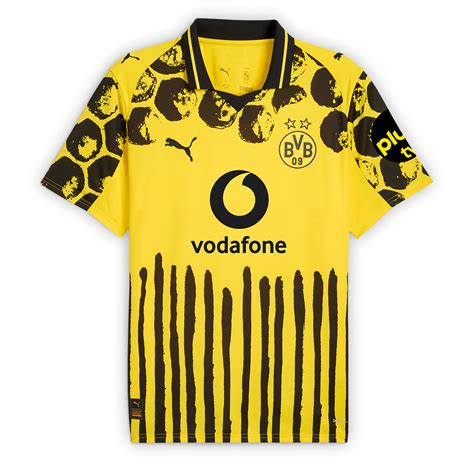
In **Germany**, the fan-owned model is enshrined in the "50+1 rule," which requires that a majority of voting rights in a club must remain with its members. This regulation is designed to ensure that commercial investors cannot take over a club's decision-making process. Clubs like Bayern Munich and borussia dortmund operate under this rule, meaning that while they have corporate sponsors and investors, the members still hold ultimate control. This system fosters a strong sense of community and fan engagement, similar to Spain’s socios system. However, the key difference lies in the degree of commercial influence. While German clubs are protected from full privatization, they often rely heavily on corporate sponsorships to remain competitive in European competitions. This reliance can sometimes blur the lines between fan ownership and corporate influence, as seen in cases where major sponsors like Audi or Adidas hold significant sway in club operations. Spain’s model, by contrast, allows for greater financial autonomy for clubs like Barcelona and Real Madrid, which are not bound by such strict ownership regulations and can negotiate large commercial deals independently of member oversight.
In **England**, the landscape of fan ownership is markedly different. Historically, English football clubs were privately owned entities, often controlled by wealthy individuals or consortiums. The rise of fan-owned clubs, such as AFC Wimbledon and Exeter City, emerged largely as a reaction to mismanagement or financial crises rather than being a structural norm. These clubs are typically owned by supporters' trusts, which are community-based organizations that pool resources to purchase and run the club. While this approach has successfully saved several clubs from extinction, it often limits their ability to compete financially with larger, privately owned teams. Unlike Spain, where fan ownership is integrated into the identity of major clubs, England’s fan-owned clubs are often relegated to lower leagues due to resource constraints. Moreover, the English Premier League’s commercialization and global appeal have made it increasingly difficult for fan-owned clubs to sustain themselves without significant external investment. This stark contrast highlights how Spain’s model prioritizes fan involvement even at the highest levels of competition, whereas England’s approach often relegates fan ownership to a remedial or grassroots role.
Other regions, such as **Argentina** and **Brazil**, also feature fan-owned clubs, but these are often shaped by economic instability and a lack of robust regulatory frameworks. Clubs like Boca Juniors and Flamengo are member-run organizations similar to Spain’s socios system, but their fan ownership is frequently overshadowed by political interference and financial mismanagement. In these countries, the fan-ownership model is less about sustainable governance and more about survival amidst volatile economic conditions. Spain, with its relatively stable economic environment and well-established football infrastructure, provides a more conducive setting for fan-owned clubs to thrive without the constant threat of insolvency.
One of the most compelling aspects of Spain’s model is the **cultural integration of fan ownership**. Clubs like Barcelona and Real Madrid are not just sports entities but cultural institutions that embody regional identity and pride. The socios system ensures that fans are directly involved in major decisions, from electing club presidents to approving budgets. This level of engagement is uncommon in other countries. For instance, while German members can vote on club policies, their influence is often diluted by the presence of corporate stakeholders. In England, the supporters' trusts may have voting power, but they rarely hold enough shares to outweigh external investors. Spain’s socios system, therefore, represents a unique blend of democratic governance and commercial viability that other regions struggle to replicate.
Another point of comparison is the **economic sustainability** of fan-owned clubs. In Spain, clubs like Barcelona and Real Madrid have leveraged their global brands to generate significant revenue streams through merchandising, broadcasting rights, and sponsorship deals. This economic strength allows them to maintain their fan-ownership structure while remaining competitive in domestic and international competitions. In contrast, fan-owned clubs in England or smaller leagues often struggle to balance financial sustainability with competitive ambitions. For example, AFC Wimbledon operates on a shoestring budget compared to Premier League giants, which limits its ability to attract top talent or invest in infrastructure. Spain’s fan-owned clubs, by comparison, benefit from a more established economic ecosystem that supports their dual goals of fan engagement and high-level competition.
However, it is worth noting that Spain’s model is not without its challenges. The socios system can sometimes lead to **internal politicization**, where club elections become highly contentious and divisive. This is less of an issue in Germany, where the 50+1 rule creates a more stable framework for club governance. Additionally, Spain’s model can be exclusionary; becoming a socio often requires a significant financial commitment, which may limit accessibility for less affluent fans. In this regard, England’s supporters' trusts, which are often open to broader membership, offer a more inclusive alternative, even if they lack the competitive edge of Spain’s elite clubs.
Looking beyond Europe, regions like **the United States** present an entirely different paradigm. American sports franchises are typically owned by private entities or corporations, with little to no tradition of fan ownership. While some initiatives, such as the Green Bay Packers in the NFL (a community-owned team), offer a glimmer of fan-centric models, they are exceptions rather than the norm. This highlights how Spain’s fan-owned clubs exist within a distinctly European tradition that values community and collective ownership over purely commercial interests.
In summary, Spain’s fan-owned club model stands out for its integration of fan governance into the fabric of elite football. While Germany’s 50+1 rule provides a regulatory safeguard for fan influence, it does not achieve the same level of direct member involvement seen in Spain. England’s fan-ownership initiatives are often reactive and limited in scope, reflecting a different cultural and economic context. Other regions, like Argentina and Brazil, showcase the challenges of fan ownership in less stable environments. Spain’s model, therefore, represents a middle ground—balancing commercial success with fan empowerment in a way that few other countries have managed to achieve.
The Future of Fan Ownership in Spain
The concept of fan-owned clubs in Spain has long been a distinctive feature of the country’s football landscape, with examples like FC Barcelona and Real Madrid—technically member-owned institutions—serving as global benchmarks. However, as the economics of football evolve and fan expectations shift in response to globalization, digital transformation, and changing societal values, the future of fan ownership in Spain faces both opportunities and challenges. This section explores how these dynamics might shape the trajectory of fan-owned clubs in the coming decades.
One of the most significant trends influencing fan-owned clubs is the rise of financial disparities in Spanish football. The dominance of a few elite clubs, fueled by lucrative broadcasting deals and private investments, has created a widening gap between the top-tier teams and the rest of the pyramid. For fan-owned clubs, especially those outside the upper echelons of La Liga, this disparity poses a threat to their sustainability. Without access to the same level of capital, these clubs often struggle to compete for top talent or invest in infrastructure. However, this challenge could also catalyze a renaissance of fan-driven innovation. Clubs may increasingly turn to alternative revenue models, such as community-based crowdfunding, local sponsorship networks, or even partnerships with decentralized finance (DeFi) platforms to secure funding. These models could enable fan-owned clubs to remain competitive while preserving their democratic ownership structures.
Another key factor is the impact of digital transformation on fan engagement. In an era where fans are no longer limited to physical attendance at matches, Spanish fan-owned clubs have an opportunity to leverage technology to deepen their connection with supporters. Platforms like Socios.com, which allow fans to purchase tokens and participate in club decisions, are early examples of how fan ownership can be reimagined in the digital age. In Spain, where football is deeply embedded in local and regional identities, these tools could help fan-owned clubs expand their supporter base beyond geographical boundaries. For instance, a third-division club in Andalusia could cultivate a global following by offering exclusive digital content, virtual matchday experiences, or even blockchain-based voting on minor club decisions. This evolution would not only provide financial benefits but also strengthen the emotional bond between the club and its supporters, reinforcing the core ethos of fan ownership.
However, the expectations of modern fans are also shifting in ways that could challenge traditional fan-ownership models. Today’s supporters, particularly younger generations, are increasingly demanding greater transparency, accountability, and inclusivity from the organizations they support. Fan-owned clubs in Spain will need to adapt by becoming more professionalized in their governance without losing their grassroots identity. This might involve establishing clearer communication channels between members and club leadership, implementing regular audits of financial and operational practices, and prioritizing diversity in decision-making bodies. While these measures might seem to contradict the informal, community-driven nature of fan ownership, they are essential for maintaining trust and credibility in an era where scandals and mismanagement at traditional clubs have eroded public confidence in football governance.
The role of public policy will also play a critical part in shaping the future of fan-owned clubs in Spain. Governments and football associations are under growing pressure to address issues such as financial sustainability, competitive balance, and the social impact of the sport. In this context, there is potential for policies that incentivize or support fan ownership. For example, tax breaks for fan-owned clubs or grants for community-focused initiatives could provide a lifeline for smaller clubs. Additionally, stricter regulations on club ownership—such as limits on private equity investments or requirements for local stakeholder involvement—could create a more level playing field for fan-owned entities. However, such policies would need to be carefully designed to avoid stifling innovation or creating unintended barriers for clubs seeking to modernize their operations.
A related area of evolution is the potential for fan-owned clubs to embrace a more activist role in Spanish society. Football has always been a platform for social and political expression in Spain, and fan-owned clubs are uniquely positioned to amplify this role. As issues like climate change, social justice, and local economic development become more prominent in public discourse, fan-owned clubs could use their democratic structures to champion these causes. For example, a fan-owned club might adopt environmentally sustainable practices, such as solar-powered stadiums or zero-waste matchdays, not only as a moral imperative but also as a way to differentiate itself in a crowded market. Similarly, clubs could prioritize partnerships with local businesses and community organizations, reinforcing their role as economic and cultural pillars of their regions.
At the same time, the globalization of football presents both opportunities and risks for fan-owned clubs in Spain. On one hand, the growing popularity of Spanish football worldwide offers a chance for fan-owned clubs to attract international members and investors. On the other hand, this globalization could dilute the local identity that is central to fan ownership. Clubs will need to strike a balance between appealing to a global audience and preserving their roots. This could involve initiatives like offering tiered membership options, where international fans can support the club financially without diluting the voting power of local members. Such measures would require careful communication to avoid alienating either group.
Finally, the uncertainty surrounding football economics—particularly in the wake of events like the COVID-19 pandemic and the failed European Super League proposal—could reshape the competitive landscape in ways that favor fan-owned clubs. The backlash against profit-driven models has highlighted the value of clubs that prioritize community over commercialization. If this sentiment persists, fan-owned clubs in Spain could find themselves at the forefront of a broader movement toward a more sustainable and equitable football ecosystem. However, this will require proactive leadership and a willingness to challenge the status quo, whether by advocating for fairer revenue-sharing models or resisting pressures to adopt profit-maximizing strategies.
In conclusion, the future of fan ownership in Spain is poised at a crossroads. While financial disparities, evolving fan expectations, and the pressures of globalization present significant challenges, they also open doors for innovation and reinvention. By embracing technology, professionalizing governance, and staying true to their community-focused ethos, fan-owned clubs in Spain can not only survive but thrive in an increasingly complex football landscape. Their ability to adapt while staying rooted in their democratic principles will determine whether they remain a cherished anomaly or become a model for the future of the sport.
Conclusion and Recommendations
The concept of fan-owned clubs in Spain represents a unique intersection of sports, community, and governance. These clubs, often rooted in local traditions and driven by the collective passion of their supporters, challenge conventional models of football club ownership dominated by private investors or corporate entities. Through this exploration, we have identified several key insights that shed light on the dynamics, challenges, and opportunities associated with fan-owned clubs in Spain.
One of the most significant insights is the **resilience of fan-owned clubs in preserving local identity**. Unlike profit-driven models, these clubs often prioritize heritage, community involvement, and the emotional connection of fans over commercial success. Examples like **FC Barcelona**, with its socios (member-owners) system, and smaller clubs such as **CAP Ciudad de Murcia** demonstrate how fan ownership can sustain a club’s identity even in the face of financial or competitive pressures. This model ensures that decisions are made with the fans' long-term interests in mind rather than short-term profitability, a stark contrast to clubs owned by venture capitalists or oligarchs.
However, fan-owned clubs in Spain also face **systemic financial and operational challenges**. While their ethos is commendable, many struggle with limited revenue streams, inadequate infrastructure, and the high costs of competing in professional leagues. For instance, clubs like **Unionistas de Salamanca CF** have demonstrated creativity in crowdfunding and community-driven initiatives to stay afloat, but these efforts are not always sustainable in the long term. The lack of robust financial backing often restricts their ability to attract top-tier talent or invest in youth academies, which are critical for long-term competitiveness.
Another critical insight is the **regulatory environment in Spain**, which can either support or hinder the growth of fan-owned clubs. While Spain's sports law allows for socios systems in some cases, the broader legal and economic frameworks are often geared toward accommodating large, privately owned clubs. This creates an uneven playing field where fan-owned clubs must navigate bureaucratic hurdles and compete against entities with significantly greater resources. Additionally, the increasing commercialization of football, exemplified by ventures like the European Super League, threatens to marginalize fan-owned clubs further unless intentional measures are taken to protect their interests.
From these insights, it becomes evident that **actionable recommendations are necessary to support and sustain fan-owned clubs in Spain**. Below are several targeted proposals aimed at addressing their challenges while leveraging their unique strengths:
-
Establish dedicated funding mechanisms for fan-owned clubs.
The Spanish government and football associations, such as the Royal Spanish Football Federation (RFEF), should create grant programs or low-interest loan facilities specifically designed for fan-owned clubs. These funds could be earmarked for infrastructure improvements, youth development programs, and operational costs. A tiered approach could ensure that smaller clubs receive proportionate support without discouraging their grassroots ethos. For example, a "Community Football Fund" could be established, funded by a small percentage of revenue from top-tier league broadcasts or sponsorships.
-
Enhance legal protections and incentives for fan-owned models.
Regulatory reforms are essential to level the playing field. Spain could introduce legislation that provides tax incentives for fan-owned clubs or reduces bureaucratic red tape for their operations. For instance, offering reduced VAT rates for merchandise sales or match-day revenues could alleviate financial pressures. Additionally, the government could mandate that a certain percentage of broadcasting rights revenue be allocated to community-based clubs, ensuring they benefit from the broader football ecosystem.
-
Promote collaboration and knowledge-sharing among fan-owned clubs.
Fan-owned clubs in Spain often operate in silos, reinventing solutions to similar problems. A **national network or association of fan-owned clubs** could facilitate the exchange of best practices, shared resources, and collective advocacy. This network could host annual conferences, publish case studies, and provide mentorship programs for smaller clubs. For example, learning from the crowdfunding success of clubs like **CAP Ciudad de Murcia** could inspire others to adopt similar strategies tailored to their local contexts.
-
Leverage digital platforms to expand fan engagement and revenue.
The digital era offers immense opportunities for fan-owned clubs to strengthen their financial base. By investing in **user-friendly membership platforms**, clubs can enhance their socios systems, allowing global fans to participate and contribute financially. Moreover, clubs can explore **non-fungible tokens (NFTs), subscription-based content, and virtual match-day experiences** to diversify income streams. For instance, offering exclusive behind-the-scenes content or allowing fans to vote on club decisions through a secure digital platform can deepen fan loyalty and generate new revenue.
-
Advocate for inclusive policies in European football governance.
Fan-owned clubs in Spain must also look beyond national borders to address challenges posed by the commercialization of football. Collaborating with organizations like **Supporters Direct Europe** and lobbying for policies that protect fan ownership at the UEFA level can help create a more equitable football landscape. For example, advocating for rules that limit the influence of private equity in club ownership or that enforce financial fair play could reduce the competitive disadvantages faced by fan-owned clubs.
-
Invest in education and awareness campaigns.
Many fans and stakeholders are unaware of the benefits and challenges of fan ownership. Public awareness campaigns can highlight success stories, such as how fan-owned clubs have preserved their identity or contributed to local economies. These campaigns can also educate potential investors or partners about the long-term value of supporting community-driven models rather than profit-maximizing ones.
In addition to these recommendations, it is essential to recognize that the **cultural significance of fan-owned clubs in Spain** transcends football. These clubs are often seen as custodians of local traditions, symbols of resistance against commercial exploitation, and vehicles for social cohesion. Therefore, any effort to support them must align with their core values rather than imposing a one-size-fits-all solution. For instance, while some clubs may benefit from increased commercialization, others might prioritize maintaining a small, community-focused operation.
Finally, the role of **fans themselves cannot be understated**. Fan-owned clubs thrive when their members are actively engaged in decision-making, volunteering, and financial support. Clubs should invest in mechanisms to increase member participation, such as regular town halls, transparent financial reporting, and opportunities for fans to contribute ideas. This participatory approach not only strengthens the club’s foundation but also reinforces the sense of ownership and pride that defines the fan-owned model.
In conclusion, fan-owned clubs in Spain represent a vital alternative to the increasingly commercialized landscape of modern football. While they face significant challenges, the insights and recommendations outlined here highlight a pathway to not only sustain but also expand their presence. By addressing financial, legal, and operational barriers while leveraging their inherent strengths, Spain can ensure that fan-owned clubs continue to thrive as beacons of community spirit and sporting passion. These clubs are not just about football—they are about people, identity, and the enduring belief that the beautiful game belongs to everyone.