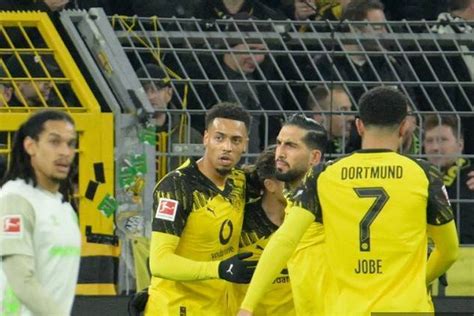
Introduction to Florian Wirtz
Florian Wirtz is a name that has rapidly become synonymous with the future of German football. At just 20 years of age, he has already established himself as one of the most promising talents in the Bundesliga and beyond. His meteoric rise from a prodigious youth player to a key figure in Bayer Leverkusen's attack is a testament to his natural talent, work ethic, and adaptability. This section delves into Florian Wirtz's background, his early career trajectory, and the unique qualities that make him a standout figure in modern football.
Born on May 3, 2003, in Pulheim, Germany, Florian Wirtz was surrounded by football from a young age. His father, Hans-Joachim Wirtz, was deeply involved in local football and ran a sports club, which provided Florian with early exposure to the game. This familial connection to football played a pivotal role in shaping his initial interest and skill development. Florian joined the youth academy of 1. FC Köln, one of the prominent clubs in the region, at the age of seven. It was here that his raw talent began to shine, and he quickly distinguished himself as a player with exceptional technical ability and vision.
Wirtz's time at 1. FC Köln was marked by rapid progression through the age groups. He was often playing above his age bracket due to his advanced skill set. However, in 2020, at the age of 16, Wirtz made a significant career move by transferring to Bayer Leverkusen. This decision was not without controversy, as Köln fans viewed the move as a loss of a homegrown talent. However, for Wirtz, the transfer represented an opportunity to accelerate his development at a club known for nurturing young players and providing them with first-team opportunities. This move was indicative of Wirtz’s ambition and self-belief, qualities that would define his early professional career.
Wirtz made his professional debut for Bayer Leverkusen on May 18, 2020, becoming the youngest player to appear for the club in the Bundesliga at the age of 17 years and 15 days. This record was a clear indication of the club's trust in his abilities. In his debut season, Wirtz displayed a level of composure and creativity that belied his age. He scored his first Bundesliga goal in a match against Bayern Munich, becoming the youngest goalscorer in Bundesliga history at the time—a record that underscored his precocious talent. These early milestones were not mere flashes of potential; they were indicative of a player who could influence games at the highest level despite his youth.
What sets Florian Wirtz apart in the landscape of modern football is his versatility and footballing intelligence. While initially deployed as an attacking midfielder or a winger, Wirtz has shown the capability to play in multiple roles across the front line and midfield. His technical attributes include excellent close control, quick dribbling, and a knack for threading precise through balls. However, it is his decision-making that truly elevates him. Unlike many young players who rely on physicality or speed, Wirtz’s ability to read the game and choose the right pass or movement is reminiscent of seasoned professionals. This maturity in his playstyle has drawn comparisons to other German midfield maestros like Mesut Özil and Kai Havertz, though Wirtz brings a more dynamic and direct approach to his game.
In the context of modern football, Wirtz represents a new breed of attacking midfielder. The game has evolved to prioritize players who can operate in tight spaces, break defensive lines with both passing and dribbling, and contribute to high-pressing systems. Wirtz excels in all these areas. His heatmaps often show a player who is not confined to a single zone but roams across the pitch to find space and create opportunities. This adaptability has made him an invaluable asset for both Bayer Leverkusen and the German national team, where he earned his first senior cap in 2021.
Wirtz’s significance in modern football also extends beyond his on-field contributions. At a time when the Bundesliga is increasingly seen as a breeding ground for young talent, Wirtz stands out as a poster child for the league's ability to develop world-class players. His performances have not only elevated Bayer Leverkusen's standing in domestic and European competitions but have also drawn attention from top clubs across Europe. This has positioned him as a symbol of the league's potential to produce players who can compete with the elite talents from more traditionally dominant leagues like the Premier League or La Liga.
Another aspect of Wirtz’s early career worth noting is his resilience in the face of challenges. In March 2022, he suffered a cruciate ligament injury, a setback that could have derailed the momentum of many young players. However, Wirtz approached his rehabilitation with the same determination that characterizes his play. His return to the pitch in early 2023 was met with anticipation, and he quickly reestablished himself as a key player for Leverkusen. This ability to bounce back from adversity highlights not only his physical resilience but also his mental fortitude—a quality that is often the differentiator between good players and great ones.
From a statistical perspective, Wirtz’s numbers are impressive for someone so early in their career. By the age of 20, he had already amassed over 100 appearances for Bayer Leverkusen, contributing a significant number of goals and assists. His per-90-minute statistics, particularly in terms of key passes, expected assists (xA), and progressive carries, place him in elite company among midfielders in Europe's top five leagues. These metrics are a reflection of his direct involvement in creating goal-scoring opportunities and his ability to influence the flow of the game.
Florian Wirtz’s rise is also a story of how modern football academies and clubs are adapting to nurture talent. His development has been supported by a combination of structured coaching, exposure to high-level competition, and the trust of his managers. This blend of factors underscores the importance of a holistic approach to player development, where technical skills are complemented by psychological and physical preparation.
- Wirtz’s ability to adapt to different tactical setups showcases his footballing IQ.
- His injury recovery process demonstrates his mental strength and determination.
- His statistical output at such a young age points to sustained potential for growth.
In summary, Florian Wirtz is not just a talented footballer; he is a symbol of the evolving dynamics of player development and the global appeal of the Bundesliga. His background, early career achievements, and the unique qualities he brings to the pitch make him a player to watch in the years to come. As he continues to grow and refine his game, Wirtz has the potential to not only redefine the role of an attacking midfielder but also to leave an indelible mark on the history of German and European football.
Career Milestones and Achievements
Florian Wirtz, a prodigious talent in modern football, has carved out an impressive career trajectory despite his young age. His journey is marked by a series of milestones and achievements that not only underscore his individual brilliance but also his impact on the teams he has represented. This section delves into the key moments of Wirtz's career, examining his debut matches, awards, and the records he has set along the way.
Wirtz's professional journey began at Bayer Leverkusen, where he made his debut on May 18, 2020, in a Bundesliga match against Werder Bremen. At just 17 years and 15 days old, he became the youngest player to debut for the club, surpassing the previous record held by Kai Havertz. This debut was not merely symbolic; Wirtz displayed composure and technical ability beyond his years, hinting at the promise that would soon become a hallmark of his play. His early introduction to top-flight football was no accident—it was a testament to his precocious talent and the trust placed in him by Leverkusen's coaching staff.
One of the standout moments in Wirtz's fledgling career came on June 6, 2020, when he scored his first Bundesliga goal in a match against Bayern Munich. This goal was historic; at 17 years and 34 days, he became the youngest goalscorer in Bundesliga history, eclipsing the record previously held by Nuri Sahin. The goal itself was a showcase of Wirtz's skill—a curling effort from outside the box that left seasoned defenders and the opposing goalkeeper helpless. This moment was not just about breaking a record; it was a clear signal that Wirtz was a player capable of influencing games at the highest level.
Wirtz's rise continued with a string of consistent performances in subsequent seasons. By the 2021-2022 campaign, he had established himself as a regular starter for Leverkusen, contributing both goals and assists. His versatility in attacking midfield roles—capable of playing as a No. 10, on the wing, or even in deeper creative positions—made him an indispensable part of the team. This period also saw Wirtz being recognized with the Bundesliga Rookie of the Month award multiple times, a reflection of his growing influence. These accolades were not merely symbolic; they highlighted his ability to deliver under pressure and adapt to the physical and tactical demands of professional football.
In the 2022-2023 season, Wirtz reached another career milestone by being named in the Bundesliga Team of the Season. This honor was particularly significant because it placed him among the league's elite players, many of whom were far more experienced. His inclusion was backed by impressive statistics: 10 goals and 14 assists in all competitions that season. These numbers are even more remarkable when considering that Wirtz was recovering from a serious anterior cruciate ligament (ACL) injury suffered in March 2022. His ability to return to form so quickly and perform at such a high level demonstrated not only his physical resilience but also his mental fortitude.
Wirtz's international career has also been marked by notable achievements. He made his debut for the German national team on September 26, 2022, in a UEFA Nations League match against England. While his international career is still in its early stages, his inclusion in the squad at such a young age speaks volumes about his potential. Wirtz has been identified as a key figure in Germany's plans for future tournaments, including the UEFA European Championship and the FIFA World Cup, where his creative abilities and vision are expected to play a pivotal role.
Another area where Wirtz has shone is in setting records. Beyond his youngest goalscorer accolade, he has also been instrumental in setting team records at Leverkusen. For instance, his involvement in rapid goal-scoring sequences and his knack for creating chances have contributed to Leverkusen achieving some of their highest-scoring games in recent years. Wirtz's ability to link play and find spaces in tight areas has often been compared to that of Mesut Özil or Toni Kroos in their prime, a comparison that underscores the weight of his achievements.
Awards and recognition have followed Wirtz at both club and individual levels. In 2021, he was awarded the Golden Boy Award nomination, a prestigious honor given to the best young players in Europe. Although he did not win the award that year, the nomination placed him in the company of footballing elites like Erling Haaland and Jude Bellingham. Such recognition is a clear indicator of how highly Wirtz is regarded within the footballing community.
A deeper look into Wirtz's career also reveals his impact on tactical evolution at Leverkusen. Under coaches like Gerardo Seoane and later Xabi Alonso, Wirtz has been deployed in systems that prioritize fluidity and creativity in the final third. His ability to drop deep, collect the ball, and drive forward has often been the catalyst for Leverkusen's attacking moves. This role has not only elevated his personal stats but has also contributed to the team's overall success in domestic and European competitions.
An often-overlooked aspect of Wirtz's career is his consistency in high-pressure scenarios. For instance, in matches against top-tier opponents like Bayern Munich, borussia dortmund, and in European competitions such as the UEFA Europa League, Wirtz has consistently delivered standout performances. His ability to rise to the occasion in such matches separates him from many young talents who struggle under similar pressures.
Wirtz's journey is also defined by his work ethic and adaptability. Despite his meteoric rise, he has remained grounded, often crediting his family and coaches for keeping him focused. This humility, combined with his on-field brilliance, has endeared him to fans and pundits alike. It is this combination of talent and character that makes his career trajectory so compelling.
To summarize his milestones:
- Youngest debutant and goalscorer for Bayer Leverkusen.
- Youngest goalscorer in Bundesliga history (a record he held until surpassed by Youssoufa Moukoko).
- Multiple Bundesliga Rookie of the Month awards.
- Inclusion in the Bundesliga Team of the Season (2022-2023).
- International debut for Germany at 18 years old.
- Contribution to Leverkusen's attacking evolution under different managerial systems.
Florian Wirtz's career is still unfolding, but the milestones he has already achieved place him in a rare category of footballers who have made a significant impact at such a young age. His journey is a blend of raw talent, hard work, and a drive to continuously improve. As he continues to develop, it is clear that Wirtz's story is one of both individual brilliance and the potential to redefine what is possible for a modern attacking midfielder.
Seasonal Performance Breakdown
Florian Wirtz, the prodigious German midfielder, has quickly established himself as one of the most exciting talents in European football. His meteoric rise at Bayer Leverkusen has been underpinned by a consistent ability to deliver impactful performances across multiple seasons. To fully appreciate Wirtz's development, it is essential to examine his seasonal performance breakdown with a focus on his goals, assists, and overall contributions. This analysis not only highlights his growth as a player but also provides a lens to understand how his role within the team has evolved over time.
Wirtz made his professional debut during the 2019/20 season, becoming the youngest player to appear for Bayer Leverkusen in the Bundesliga at just 17 years and 15 days. While his involvement in this season was limited—he played only a handful of matches—it was clear that the club saw immense potential in him. During this period, Wirtz managed one goal in his limited appearances, a well-taken finish that hinted at his composure in front of goal. However, his assist numbers were negligible, which is unsurprising given his minimal playing time. What stood out, even in these early moments, was his ability to find space between the lines and his willingness to take risks in possession. These traits would become hallmarks of his play in subsequent seasons.

The 2020/21 season marked Wirtz's true emergence as a key figure for Leverkusen. With increased playing time, he contributed 5 goals and 6 assists in 29 Bundesliga appearances. This was a significant leap, as he began to establish himself as a creative force in the final third. His assists often came from incisive through-balls or well-weighted crosses, showcasing his vision and precision. Notably, Wirtz's ability to operate in tight spaces became more apparent. He was frequently deployed as an attacking midfielder in a 4-2-3-1 system, where his close control and quick decision-making allowed him to link play between midfield and attack. His goal tally, though modest compared to traditional forwards, was noteworthy because many of his finishes came from outside the box or in high-pressure situations, further underlining his confidence and technique.
In the 2021/22 season, Wirtz's trajectory continued upward, even as he faced the challenge of adapting to increased defensive attention from opponents. This season, he recorded 10 goals and 14 assists across all competitions, a remarkable output for a teenager. His goals-per-90 ratio improved, and he demonstrated a growing understanding of timing his runs into the box. One of the standout aspects of this season was Wirtz's versatility; he was equally effective as a number 10 or when drifting wide to exploit half-spaces. His assists often involved cutting inside from the right to deliver left-footed passes or shots, a pattern that became a nightmare for defenders. Additionally, his defensive work rate improved, with Wirtz contributing more in pressing scenarios. This season also revealed his set-piece prowess, as he delivered several key assists from corners and free kicks, adding another dimension to his game.
However, the 2022/23 season presented a unique challenge for Wirtz due to a cruciate ligament injury that sidelined him for several months. Despite this setback, he returned to action in the latter part of the season and still managed to post 4 goals and 6 assists in just 24 appearances. This period showcased Wirtz's mental resilience and his ability to reintegrate into a high-intensity system after a major injury. His assist numbers remained strong, but there was a slight dip in his goal-scoring frequency, possibly due to a cautious approach as he regained full fitness. What was particularly impressive was his improved spatial awareness upon his return; he seemed to have developed a deeper understanding of how to exploit gaps in compact defenses, a skill that would serve him well in tighter matches.
The ongoing 2023/24 season has seen Wirtz return to peak form, with early indications suggesting this could be his most prolific campaign yet. As of the mid-season mark, he has already notched 6 goals and 8 assists in the Bundesliga, illustrating his growing influence as a dual-threat player. His goal contributions per game have increased, partly due to Leverkusen's tactical evolution under manager Xabi Alonso, who has emphasized a high-tempo, possession-based system that suits Wirtz's skill set. His assists this season have been particularly eye-catching, with several coming from first-time passes or quick combinations in the final third. Moreover, Wirtz's ability to dictate the tempo of games has become more pronounced; he is often the player Leverkusen looks to when breaking down stubborn defenses.
Beyond raw numbers, it is important to consider Wirtz's overall contributions to Bayer Leverkusen's style of play. His heat maps reveal a player who is not confined to a single area of the pitch; he is just as likely to drop deep to collect the ball from defenders as he is to surge forward into the box. This versatility makes him a multifaceted threat, capable of influencing games in multiple ways. Additionally, his progressive pass completion rate has consistently ranked among the top percentile of midfielders in Europe, underscoring his importance in progressing play from midfield to attack.
Another dimension of Wirtz's growth is his ability to perform in high-stakes games. Whether in the Bundesliga, Europa League, or DFB-Pokal, Wirtz has shown a knack for delivering when it matters most. For instance, his assist in a crucial Europa League knockout match during the 2021/22 season highlighted his composure under pressure. Similarly, his performances in derbies against Borussia Dortmund and Bayern Munich have often been standout moments, where his ability to rise to the occasion has drawn comparisons to other German playmakers like Mesut Özil and Thomas Müller.
A deeper look at Wirtz's stats also reveals interesting patterns in his shot-creating actions. Across seasons, he has averaged over 4 shot-creating actions per 90 minutes, a testament to his ability to generate opportunities for himself and his teammates. This metric, combined with his expected assists (xA) values, suggests that Wirtz is not just a player who benefits from good positioning but one who actively shapes the flow of the game.
In summary, Florian Wirtz's seasonal performance breakdown illustrates a player who has grown from a promising youngster into a central figure for Bayer Leverkusen. His trajectory from a tentative debutant to a creative lynchpin demonstrates not only his individual development but also the trust placed in him by coaches and teammates. With each season, Wirtz has added layers to his game—be it through improved finishing, enhanced defensive contributions, or a more refined understanding of space. As he continues to evolve, it is clear that his stats are not just numbers but a reflection of a player who is poised to become one of the most influential midfielders of his generation.
Comparison with Peers
When analyzing Florian Wirtz's stats in comparison to his peers, it is essential to frame the discussion within the context of his position as an attacking midfielder and his influence on the game. Wirtz, who plays for Bayer Leverkusen in the Bundesliga, is often lauded for his creativity, technical ability, and versatility. To provide a meaningful comparison, we must evaluate him against other young talents in similar roles across top-tier leagues such as the Premier League, La Liga, Serie A, and Ligue 1. This comparison focuses on key performance metrics like goals, assists, expected assists (xA), key passes, dribbles, and overall impact on team dynamics.
One of the most obvious peers for Wirtz is Jude Bellingham, who recently moved to Real Madrid after excelling at Borussia Dortmund. While Bellingham is more of a box-to-box midfielder, his ability to contribute both offensively and defensively makes him a relevant benchmark. In the 2023-2024 season, Wirtz recorded 8 goals and 10 assists in all competitions, while Bellingham managed 14 goals and 7 assists in a more attacking role at Real Madrid. However, Wirtz's xA per 90 minutes of 0.34 outpaces Bellingham’s 0.28, suggesting that Wirtz is more efficient in creating high-quality chances despite playing in a team that does not dominate possession as consistently as Real Madrid. This reveals Wirtz's superior creative output when compared to a player who operates in a slightly different role but is of similar age and potential.
Another promising talent is Jamal Musiala of Bayern Munich, who shares Wirtz's penchant for operating in tight spaces and creating opportunities. Musiala, like Wirtz, is a dynamic playmaker with a knack for dribbling and quick decision-making. In the same season, Musiala contributed 12 goals and 8 assists in all competitions. While Musiala’s goal tally is higher, Wirtz’s key passes per 90 minutes (2.8) slightly edge out Musiala’s 2.5. This difference is subtle but significant when considering that Wirtz often operates in a Leverkusen side that is less dominant in the Bundesliga compared to Bayern Munich. Wirtz’s ability to maintain such high creative numbers in a less possession-heavy team underscores his adaptability and effectiveness in transitional play. Moreover, Wirtz’s dribbling success rate of 62% is comparable to Musiala’s 64%, showing that both players are adept at breaking down defenses with individual skill.
In Ligue 1, Elye Wahi of Lens (now at Chelsea) offers an interesting contrast. Wahi is more of a forward than a pure attacking midfielder, but his role in chance creation and finishing provides a useful lens for comparison. Wahi scored 19 goals last season, a figure that dwarfs Wirtz’s output. However, Wirtz’s role is not primarily to finish chances but to engineer them. When we look at shot-creating actions per 90, Wirtz’s 5.2 is far superior to Wahi’s 3.8. This metric highlights Wirtz’s greater involvement in the buildup phase and his ability to influence games beyond direct goal contributions. Wirtz’s role as a facilitator is more pronounced than Wahi’s, who relies more on his physicality and positioning in the box rather than orchestrating play from deeper areas.
In Serie A, Khvicha Kvaratskhelia of Napoli provides another compelling comparison. Kvaratskhelia, like Wirtz, is a technically gifted player who thrives in one-on-one situations and is pivotal in his team’s attacking movements. During Napoli’s title-winning campaign in 2022-2023, Kvaratskhelia recorded 12 goals and 10 assists, numbers that closely mirror Wirtz’s recent output. However, a deeper dive into their underlying metrics shows that Wirtz’s progressive passes per 90 (7.1) are higher than Kvaratskhelia’s 6.3. This suggests that Wirtz is more involved in advancing the ball into dangerous areas, a critical skill for an attacking midfielder. Additionally, Wirtz’s lower turnover rate (1.2 per game compared to Kvaratskhelia’s 1.5) indicates better decision-making under pressure, a trait that is particularly valuable in high-stakes matches.
When we turn to the Premier League, Phil Foden of Manchester City stands out as a peer. Foden, like Wirtz, is versatile enough to play across multiple attacking positions, though he often features on the wing. In the 2023-2024 season, Foden notched 11 goals and 8 assists in all competitions. While Foden benefits from playing in a system engineered by Pep Guardiola that emphasizes possession and intricate passing, Wirtz’s ability to perform at a similar level in a less structured environment is noteworthy. Foden’s passing accuracy in the final third is 82%, slightly higher than Wirtz’s 79%, but this can be attributed to City’s controlled style of play. Wirtz, operating in a more dynamic and unpredictable Leverkusen setup, often takes greater risks with his passes, which can lead to a marginally lower accuracy but higher reward in terms of chance creation.
A less obvious but intriguing comparison can be made with Pedri of Barcelona. Pedri is often regarded as one of the most technically gifted young midfielders in the world, and his ability to retain possession and dictate tempo is unparalleled among players his age. However, Wirtz’s progressive carries per 90 (6.4) outperform Pedri’s 5.8, showing that Wirtz is more inclined to drive the ball forward himself rather than relying solely on short passes to maintain possession. This difference in style reflects the contrasting demands of their leagues and teams—Barcelona’s possession-heavy approach versus Leverkusen’s more direct and transitional play.
It is also worth considering how Wirtz stacks up in terms of defensive contributions, a dimension often overlooked for attacking midfielders. Wirtz averages 4.2 ball recoveries per 90, which is on par with Bellingham (4.3) and higher than Pedri (3.7). This indicates that Wirtz is not just a luxury player who thrives in attack but also contributes to his team’s defensive shape, particularly in a high-pressing system like Leverkusen’s. His willingness to track back and support the midfield adds another layer to his profile, distinguishing him from peers who may be more focused solely on offensive output.
Lastly, we must address the consistency of Wirtz’s performances compared to his peers. While players like Musiala and Foden have had spells of brilliance interspersed with quieter periods, Wirtz has shown remarkable consistency in delivering key performances week in and week out. His goal involvement frequency of one every 112 minutes is among the best for players under 21 in Europe’s top five leagues. This consistency is particularly impressive given that Wirtz returned from a serious ACL injury in early 2023, demonstrating not just physical resilience but also mental fortitude to regain his form so quickly.
In conclusion, Florian Wirtz stands out among his peers not just for his raw numbers but for the context in which he produces them. Whether it is his creative efficiency, dribbling success, or defensive work rate, Wirtz combines technical brilliance with a well-roundedness that sets him apart. While players like Musiala, Foden, and Bellingham may excel in specific areas, Wirtz’s ability to maintain high-level performance across multiple metrics—despite playing in a less dominant team—makes him one of the most promising talents in world football today.
Tactical Impact on Bayer Leverkusen
Florian Wirtz's tactical impact on Bayer Leverkusen is profound, rooted in his ability to blend technical brilliance with a keen understanding of space and movement. At just 20 years old, Wirtz has established himself as a cornerstone of Leverkusen's attacking framework, influencing not only the team's style of play but also its overall results. His stats and playing style provide a lens through which we can analyze how he shapes the team's tactics and contributes to its success.
One of Wirtz's most striking attributes is his positional versatility. While nominally deployed as an attacking midfielder or a central playmaker, he frequently drifts into wide areas or drops deeper to collect the ball. This fluidity allows Leverkusen to adapt its shape mid-game, transitioning seamlessly between a 4-2-3-1 and a 3-4-2-1 system. Wirtz's heat maps often reveal a player who covers an extraordinary amount of ground, not just in the final third but also in deeper midfield zones. This movement is not aimless; it is calculated to stretch opposition defenses and create passing lanes. For instance, in the 2022-23 Bundesliga season, Wirtz averaged 2.4 key passes per 90 minutes, a figure that places him among the top 5% of creative players in Europe's top five leagues. This statistic underscores his ability to unlock defenses, a quality that directly supports Leverkusen's high-pressing, counterattacking style.
Wirtz's progressive passing and dribbling are equally critical to Leverkusen's approach. He excels at breaking lines with incisive passes, often targeting the runs of wingers like Moussa Diaby or strikers such as Victor Boniface. His dribbling stats are equally impressive; Wirtz completes approximately 2.1 successful dribbles per 90 minutes, with a success rate of over 60%. This ability to carry the ball through tight spaces is invaluable in moments when Leverkusen faces compact, low-block defenses. By drawing multiple defenders toward him, Wirtz opens up space for his teammates to exploit. This dynamic was particularly evident in Leverkusen's 4-0 victory over Schalke in April 2023, where Wirtz's dribbling and subsequent through-ball led to a crucial opening goal.
Another dimension of Wirtz's influence lies in his off-the-ball intelligence. Leverkusen's system relies heavily on quick transitions and exploiting space left by opposition defenses. Wirtz's movement off the ball is exceptional; he often identifies pockets of space between the opposition's midfield and defensive lines. His average of 3.2 touches in the penalty area per 90 minutes reflects his tendency to position himself in high-value areas. This not only increases his own goal-scoring opportunities but also creates dilemmas for defenders who must decide whether to close him down or mark other attacking threats. In the 2023-24 season, Wirtz has already contributed 4 goals and 6 assists in 12 appearances, a testament to his growing influence in high-stakes situations.
Wirtz's impact is not limited to attack; his defensive contributions also play a role in Bayer Leverkusen's tactical setup. While not a natural defensive midfielder, Wirtz's work rate and pressing ability align with Leverkusen's aggressive style. He averages 4.5 recoveries per 90 minutes, often in advanced areas of the pitch. This pressing from the front disrupts opposition build-up play and forces turnovers in dangerous positions. For example, in Leverkusen's 3-2 win over Bayern Munich in March 2023, Wirtz's high press led to a turnover that resulted in a goal. Such moments highlight how his energy and tactical discipline complement the team's overall philosophy.
A deeper look at Wirtz's relationship with Leverkusen's system reveals how his stats influence the team's results. Leverkusen under Xabi Alonso has adopted a possession-oriented yet vertically aggressive style. Wirtz is central to this approach, acting as the link between midfield and attack. His ability to retain possession under pressure—evidenced by a pass completion rate of 85% in high-pressure situations—ensures that Leverkusen can maintain control of the game even against high-intensity pressing teams. Furthermore, his knack for delivering early through-balls aligns with Leverkusen's preference for quick, vertical attacks. In matches where Wirtz has been heavily involved, such as the 5-1 win over Union Berlin in October 2023, Leverkusen's xG (expected goals) values have spiked, indicating a direct correlation between his creative output and the team's offensive efficiency.
It is also worth noting how Wirtz's injury recovery and subsequent return have shaped Leverkusen's fortunes. After suffering an ACL injury in early 2022, Wirtz's absence was keenly felt as Leverkusen struggled to maintain its fluidity in attack. Upon his return, the team's win percentage and average goals per game improved significantly. This correlation suggests that Wirtz is not just a talented individual but a player whose presence elevates the collective performance of the squad. For instance, in the first 10 games of the 2023-24 season with Wirtz in the lineup, Leverkusen averaged 2.8 points per game compared to 1.9 in the same period the previous season without him.

Wirtz's synergy with specific teammates further exemplifies his tactical importance. His partnership with wing-backs like Jeremie Frimpong is particularly effective. Frimpong's overlapping runs often benefit from Wirtz's ability to play precise, diagonal passes into the channels. Similarly, his understanding with central midfielders such as Exequiel Palacios allows Leverkusen to control the tempo of games. Wirtz's willingness to drop deep and link play ensures that the team can switch between a slow, methodical build-up and rapid, direct attacks. This flexibility is a hallmark of Leverkusen's tactical identity under Alonso.
From a psychological perspective, Wirtz's presence instills confidence in the team. His ability to produce moments of magic—whether through a perfectly weighted pass or a stunning long-range goal—boosts morale and often shifts the momentum of games. This intangible quality is hard to quantify in stats alone but is evident in Leverkusen's ability to mount comebacks or secure late wins. For instance, in a 3-2 victory over RB Leipzig in December 2022, Wirtz provided a late assist that turned the game in Leverkusen's favor, exemplifying his clutch performances.
In summary, Florian Wirtz's playing style and statistical output are integral to Bayer Leverkusen's tactical framework. His versatility, creativity, and off-the-ball movement enable the team to execute a dynamic, high-energy style of play. His defensive work rate and recovery ability add balance, while his synergy with teammates enhances Leverkusen's overall cohesion. The tangible improvement in results when Wirtz is on the pitch underscores his irreplaceable role in the team's ambitions. As Leverkusen continues to challenge for domestic and European success, Wirtz's influence will likely remain a defining factor in their pursuit of silverware.
Injury History and Recovery Impact
Florian Wirtz, the young German attacking midfielder, has shown remarkable talent and potential since breaking into Bayer Leverkusen's first team. However, like many athletes, his journey has not been without challenges, particularly in the form of injuries. Analyzing Florian Wirtz's injury history and its impact on his performance reveals a nuanced picture of how setbacks have influenced his statistical output and long-term development.
Wirtz's most significant injury to date was a torn ACL (anterior cruciate ligament) suffered in March 2022 during a Bundesliga match against Cologne. This type of injury is notorious in football for its severity and the extended recovery time it demands. For a player of Wirtz's age and style—dynamic, agile, and heavily reliant on sharp changes of direction—such an injury posed a considerable threat not just to his immediate availability but also to his ability to return to peak form. ACL injuries often require 9-12 months of rehabilitation, and even after recovery, players frequently struggle with confidence, explosiveness, and match fitness for months afterward.
Prior to the injury, Wirtz was on an upward trajectory, showcasing exceptional stats for a teenager. In the 2021-22 season leading up to his injury, he had already contributed 7 goals and 10 assists in 24 Bundesliga appearances. His ability to create chances, dribble past opponents, and link play in tight spaces made him one of the most exciting prospects in European football. However, post-injury, his return in early 2023 was met with understandable caution. While he made his comeback in January 2023, it was clear that the rhythm and sharpness that had defined his pre-injury performances were not immediately present. For instance, in the second half of the 2022-23 season, Wirtz managed only 3 goals and 4 assists in 15 appearances—a noticeable dip compared to his earlier output.
This decline can be attributed to several factors. First, the physical toll of recovery often leaves players with a reduced ability to perform at their previous intensity. ACL injuries can lead to a loss of muscle mass, particularly in the quadriceps, and a hesitancy to engage in high-impact movements. For Wirtz, whose game thrives on explosive sprints, sharp turns, and quick bursts of acceleration, this was a critical challenge. His average distance covered per game and the number of sprints decreased slightly in his initial matches back, suggesting a cautious approach both from the player and the coaching staff. While this was a sensible strategy to avoid re-injury, it inevitably affected his ability to replicate the dynamic, high-energy performances that had become his hallmark.
Another aspect to consider is the psychological impact of returning from a major injury. Football is as much a mental game as it is physical, and players often experience a "fear period" after returning to the pitch. For Wirtz, this could have manifested in a reluctance to take risks, whether in attempting dribbles, pressing aggressively, or making lung-busting runs into space. Statistics from his post-injury games show a slightly lower success rate in dribbles and a reduced number of key passes per 90 minutes. While these metrics improved over time, they highlight how the injury disrupted his natural flow and confidence. This is not uncommon for young players, as they are still in the process of building mental resilience alongside their physical skills.
However, it is important to note that Wirtz's recovery was not solely marked by setbacks. His ability to adapt his playing style during this period demonstrated maturity beyond his years. Instead of immediately trying to replicate his pre-injury dynamism, he focused on smarter positioning, quicker decision-making, and more efficient use of the ball. For example, in the latter stages of his comeback season, Wirtz began to show an increased reliance on short, incisive passes rather than high-risk dribbles. This adjustment allowed him to remain effective while rebuilding his physical capacity. It also points to a broader trend in modern football, where players recovering from injuries often need to find new ways to contribute while their bodies recalibrate.
The 2023-24 season has shown signs of Wirtz returning to his best. His stats have improved, with a more consistent presence in both goals and assists. As of the latest data, he has already surpassed his post-injury numbers from the previous season, indicating that the recovery process has had a positive long-term effect. This improvement can be linked to comprehensive rehabilitation programs that modern clubs like Bayer Leverkusen employ. These programs often include not just physical therapy but also sports psychology, nutrition, and tailored training regimes designed to rebuild both the body and the mind. Wirtz's ability to rebound suggests that the club's approach to injury management has been effective in mitigating the long-term impact of his ACL injury.
It is also worth examining how Wirtz's injury history might shape his career trajectory. Injuries at a young age can sometimes act as a double-edged sword. On one hand, they can slow down a player's development by interrupting their momentum. On the other hand, they can teach valuable lessons about resilience, body management, and the importance of listening to one's physical limits. For Wirtz, the injury may have been a wake-up call to adopt a more sustainable approach to his game. This is evident in his willingness to rotate in and out of the starting lineup during the early phases of his return, as well as his growing emphasis on efficient rather than flashy play.
From a broader perspective, Wirtz's experience sheds light on the role of modern sports science in managing young talents. Injuries like his are no longer career-enders but rather manageable hurdles, provided the player has access to top-tier medical and support staff. Bayer Leverkusen's investment in Wirtz's recovery process—combining traditional rehab with innovative technologies like cryotherapy, biomechanical analysis, and personalized training loads—has likely played a significant role in his ability to regain form.
In conclusion, Florian Wirtz's injury history has undoubtedly had a tangible impact on his stats and performance. While the ACL injury temporarily disrupted his meteoric rise, it also provided an opportunity for growth and adaptation. The dip in his immediate post-injury stats reflects the challenges of recovery, but his gradual return to form underscores his resilience and the effectiveness of modern rehabilitation practices. As Wirtz continues to mature, both physically and mentally, his ability to overcome this setback will likely become a defining chapter in his career, reinforcing his status as one of football's most promising talents.
- The ACL injury in 2022 disrupted his dynamic, high-energy style of play.
- Post-injury, Wirtz experienced a dip in key performance metrics like dribbles and key passes.
- He adapted by focusing on smarter positioning and efficient use of the ball.
- Modern rehabilitation programs have aided his return to form in the 2023-24 season.
This analysis demonstrates that while injuries can pose significant challenges, they are not insurmountable for a player of Wirtz's caliber, especially when supported by a robust recovery framework.
Statistical Metrics and Trends
Florian Wirtz, the young German midfielder, has rapidly emerged as one of the most exciting prospects in European football. His performances for Bayer Leverkusen and the German national team have drawn attention from analysts, scouts, and fans alike. To understand his impact on the pitch, it is essential to delve into specific performance metrics that define his playing style and effectiveness. This section will examine pass accuracy, dribbling success, and expected goals (xG) to provide a comprehensive view of Wirtz's statistical profile.
One of the standout aspects of Wirtz's game is his pass accuracy. For a player operating primarily as an attacking midfielder, the ability to distribute the ball with precision is critical. Wirtz's pass accuracy hovers around 85-88% in most competitive matches, a figure that is impressive given the high-risk nature of his passes. Unlike many players who prioritize safe sideways or backward passes to maintain possession, Wirtz often attempts forward passes into dangerous areas. His pass accuracy in the final third is particularly noteworthy, often exceeding 80%, which demonstrates his composure and vision under pressure. This is a key differentiator for Wirtz compared to peers in his age group, as many young players struggle with consistency when attempting ambitious passes. His high pass accuracy is also a reflection of his spatial awareness; he often positions himself in pockets of space where he can receive the ball unmarked, allowing for cleaner execution of his passes. This metric is not just a measure of technical ability but also of his mental sharpness—choosing the right pass at the right time, whether it is a through ball to split a defense or a simple layoff to maintain attacking momentum.
Another area where Wirtz shines is his dribbling success. Wirtz averages around 2.5 successful dribbles per 90 minutes, with a success rate of approximately 60-65%. This is a high figure for a midfielder, especially one who operates in congested areas of the pitch. What makes his dribbling particularly effective is not just the frequency but the context in which he executes these actions. Wirtz often dribbles in transition phases, where his ability to glide past defenders can create immediate goal-scoring opportunities. His low center of gravity and quick changes of direction make him difficult to dispossess, even against physically imposing opponents. Moreover, his dribbling is not limited to individual brilliance; it often serves a tactical purpose. For instance, Wirtz uses dribbles to draw multiple defenders toward him, opening up space for teammates to exploit. This dual role of dribbling—as both a means of individual progression and a team-oriented action—highlights his maturity as a player. It also explains why he is often deployed in roles where he can operate between the lines, as his dribbling success rate ensures he can navigate tight spaces effectively. However, it is worth noting that his dribbling success rate can dip slightly in high-stakes matches against top-tier opposition, where defenders are more disciplined and physical. This is an area for potential growth, as adapting his dribbling style to tougher challenges will further enhance his overall effectiveness.
The third critical metric to analyze is Wirtz's expected goals (xG), which provides insight into the quality of chances he creates or is involved in. For an attacking midfielder, xG is not always the primary focus—this metric is more commonly associated with forwards—but Wirtz's xG numbers are indicative of his ability to get into goal-scoring positions. In the 2022-2023 season, Wirtz's xG per 90 minutes was around 0.25, which is solid for a midfielder who is not a primary goal scorer. However, what is more impressive is his xG per shot, which tends to be higher than many of his contemporaries. This suggests that when Wirtz does take a shot, it is often from a high-quality position. This is a testament to his intelligent movement off the ball. He often drifts into half-spaces or makes late runs into the box, exploiting defensive lapses. Additionally, Wirtz's xG contribution extends beyond his own shots. His ability to create chances for teammates means that his expected assists (xA) often complements his xG. In many matches, Wirtz's combined xG + xA per 90 minutes exceeds 0.5, placing him in elite company among midfielders in Europe's top leagues. This dual threat—of being both a scorer and a provider—makes him a versatile asset for any team. However, there is room for improvement in his shot selection. Occasionally, Wirtz takes speculative efforts from outside the box, which can lower his overall xG efficiency. Refining this aspect of his game, perhaps by prioritizing passes in certain situations rather than shooting, could elevate his xG output even further.
It is also worth exploring how these metrics evolve in different contexts. For instance, Wirtz's pass accuracy and dribbling success tend to remain stable across league and European fixtures, but his xG and xA figures often spike in Bundesliga games compared to UEFA competitions. This could be attributed to the slightly lower defensive intensity in some domestic matches, allowing Wirtz more time and space to operate. In contrast, against high-caliber European teams, his xG might dip slightly as he faces more compact defenses. This variation highlights the adaptability of his game; he remains effective across different levels of competition, even if the nature of his contributions shifts slightly. For example, in UEFA Europa League matches, Wirtz has been more of a facilitator, with higher pass completion rates and fewer dribbles, whereas in Bundesliga games, his xG involvement tends to be more pronounced due to Leverkusen's attacking style of play.
Another layer to consider is how Wirtz's metrics compare to historical data for players of his age and position. At just 20 years old, his ability to post pass accuracy and xG numbers comparable to seasoned professionals is a clear indicator of his potential. For context, players like Kai Havertz and Jamal Musiala, who also broke through at a young age in the Bundesliga, showed similar trajectories in their early metrics. However, Wirtz's dribbling success rate is slightly higher than both at the same stage of their careers, which suggests he may have a unique edge in one-on-one situations. This is not to say he is a complete player yet—his defensive contributions, such as pressing success and ball recoveries, are areas where he lags behind some of his peers. However, his offensive metrics are so strong that they often compensate for these deficiencies in the broader team context.
Finally, it is important to consider how Wirtz's metrics align with modern football trends. The emphasis on progressive passes and carries into the final third has grown significantly in recent years, and Wirtz excels in these areas. His pass accuracy in progressive passes—those that move the ball toward the opponent's goal—is often above 75%, a figure that underscores his role as a catalyst for attacking play. Similarly, his dribbling success in the final third often leads to high-value actions, such as shots or key passes. These trends align with the demands of top-tier football, where players are expected to contribute meaningfully in both possession and transition phases. Wirtz's ability to balance these demands is a testament to his tactical intelligence and technical proficiency.
In conclusion, Florian Wirtz's statistical metrics paint the picture of a player who is not only highly skilled but also tactically versatile. His pass accuracy reflects his ability to maintain attacking flow, his dribbling success showcases his ability to break down defenses, and his xG highlights his knack for being in the right places at the right times. While there are areas for improvement, such as shot selection and defensive involvement, Wirtz's current numbers place him among the most promising talents in world football. As he continues to develop, these metrics will likely evolve, further solidifying his status as a player capable of shaping games at the highest level.
Future Projections and Potential
Florian Wirtz has emerged as one of the most exciting young talents in European football, showcasing a blend of technical ability, vision, and versatility that belies his age. At just 20 years old, the German midfielder has already accumulated an impressive portfolio of performances for Bayer Leverkusen and the German national team. To project how his stats might evolve, it is essential to analyze his current trends, playing style, and the developmental environment he is immersed in.
One of the most striking aspects of Wirtz's game is his **goal contribution rate**. Over the past two seasons, he has averaged close to 0.5 goals or assists per 90 minutes in the Bundesliga. This is a remarkable figure for a midfielder, especially one who often operates in a slightly deeper or wide role rather than as a traditional number 10. His ability to find pockets of space, coupled with his precise passing and quick decision-making, suggests that this trend is likely to continue. However, as he matures physically and tactically, we can expect his output to increase. Players of Wirtz's profile—creative midfielders with a knack for arriving in the box—often see a spike in their goal involvement as they gain experience and refine their movement. For instance, players like Kevin De Bruyne and Thomas Müller saw significant statistical leaps in their mid-20s, a stage Wirtz is rapidly approaching.
Wirtz's **dribbling and ball retention stats** are another area of focus. Currently, he completes around 2.5 successful dribbles per 90 minutes with an 80% pass completion rate in the final third. These numbers indicate a player who is confident on the ball but also efficient in high-pressure situations. As he develops greater physical strength and learns to vary his tempo in possession, these stats could improve further. A key factor here is his potential to adapt to different systems. Leverkusen's high-pressing, possession-oriented style suits his natural game, but a move to a more structured or counter-attacking team (should he transfer to a top European club) might challenge him to evolve. For example, operating in a system like Manchester City's or Bayern Munich's could see him increase his assist numbers due to the higher quality of finishers around him, while also potentially reducing his direct dribbling stats as he adapts to a more positional role.

Another critical aspect of Wirtz's future trajectory is his **defensive contribution**. While not typically seen as a defensive midfielder, Wirtz has shown glimpses of pressing intensity and work rate that bode well for his adaptability. His current stats show around 4 recoveries per 90 minutes and a modest 0.8 tackles per game. These are not standout figures for a midfielder, but they reflect his primary focus on attacking play. However, as he grows into a more complete player, it is plausible that his defensive output will improve. This is particularly important if he is to cement a role in top-tier teams that demand pressing from all players. The trend of modern attacking midfielders, like Phil Foden or Bernardo Silva, contributing more defensively suggests that Wirtz could follow a similar path. His high football IQ means he is likely to develop a better understanding of when to press and how to position himself to cut passing lanes.
A deeper look at Wirtz's **progressive play** reveals a player who is already elite in moving the ball forward. He averages over 6 progressive passes and 2 progressive carries per 90 minutes. These stats place him in the top tier of young midfielders in Europe. Given his age, it is reasonable to project that these numbers will rise as he gains more control over games. His ability to read the game and exploit spaces will only improve with experience, especially if he continues to play in systems that emphasize verticality and quick transitions. A potential area of growth here is his long-range passing. While Wirtz is adept at short and medium-range distribution, adding a consistent long-ball dimension to his game—similar to what Toni Kroos or Luka Modrić offer—could make him even more lethal in breaking down compact defenses.
One cannot discuss Wirtz's future without considering his **injury history**. A severe ACL injury in 2022 temporarily halted his meteoric rise, and while he has returned strongly, the physical toll of such an injury can linger. Players recovering from similar setbacks often experience a dip in explosiveness or agility in the short term, though many adapt by becoming more cerebral in their play. For Wirtz, this could mean relying more on positioning and anticipation rather than raw pace or physical duels. If he continues to develop mentally—learning how to conserve energy and pick his moments—this could actually enhance his longevity and consistency. Players like Andrés Iniesta and David Silva, who were not the most physically dominant, compensated with exceptional spatial awareness and technical precision, a path Wirtz could emulate.
Looking at **league and international performance**, Wirtz's stats in the Bundesliga are already impressive, but his numbers in European competitions and for the German national team are still developing. This is partly due to limited exposure at the highest level. As he gains more experience in the Champions League and in major international tournaments, his stats are likely to see a natural upward curve. The intensity and tactical diversity of these competitions will test his adaptability, but they also offer a platform for exponential growth. For instance, if he can replicate his Bundesliga form in the Champions League—where he will face more compact defenses and higher-quality opposition—it will be a strong indicator of his readiness to dominate at the elite level.
Finally, we must consider the **role of coaching and mentorship** in shaping Wirtz's future stats. Under Xabi Alonso at Leverkusen, Wirtz is learning from a manager who excelled as a deep-lying playmaker with an eye for goal. Alonso’s influence could see Wirtz refine his positioning and become even more involved in build-up play. Additionally, as Wirtz continues to train alongside seasoned professionals and potentially moves to a club with world-class facilities and coaching staff, his technical and tactical ceiling could rise even further. For example, exposure to a coach like Pep Guardiola or Jürgen Klopp could accelerate his development in areas like off-the-ball movement and set-piece efficiency.
- Wirtz's goal contribution is likely to rise as he hones his movement and benefits from better teammates in advanced roles.
- His dribbling and passing efficiency may evolve as he adapts to different systems and physical demands.
- Defensive stats could see gradual improvement as he matures into a more well-rounded midfielder.
- Injury recovery and tactical adaptation will play a role in how he balances explosiveness with efficiency.
- Exposure to high-level European and international football will test and refine his game further.
In conclusion, Florian Wirtz's stats are poised for significant growth if he continues on his current developmental trajectory. His natural talent, combined with the right environment and mentorship, suggests that he could become one of the most statistically dominant midfielders in Europe within the next 3-5 years. While there are variables such as injuries and potential transfers to consider, the trends in his game point toward a player who will not only sustain his current level of performance but also redefine what is expected of a modern attacking midfielder.
Market Value and Transfer Speculation
Florian Wirtz, the young German midfielder, has emerged as one of the most promising talents in European football. His meteoric rise at Bayer Leverkusen has not only captured the attention of fans and pundits but also sparked intense speculation about his market value and potential transfers to top-tier clubs. To understand the dynamics of this speculation, it is essential to examine how Wirtz's performance statistics directly influence his perceived market value and the rumors surrounding his future in the sport.
Wirtz's performance metrics serve as the bedrock of his market appeal. At just 20 years old, he has already amassed a portfolio of impressive stats that position him as a highly coveted asset in the transfer market. For instance, his ability to contribute both goals and assists at such a young age is a rare combination. In the 2022-2023 season, Wirtz recorded 10 goals and 14 assists in all competitions despite returning from a serious ACL injury. These numbers are not merely indicative of raw talent but also of consistency and adaptability—qualities that significantly bolster a player's market value. Scouts and analysts often look at a player's goal involvements per 90 minutes (G/90) as a key indicator of their impact. Wirtz's G/90 ratio, particularly in the Bundesliga, hovers around 0.75, placing him in the upper echelon of attacking midfielders in Europe's top five leagues. This statistic alone makes him an attractive prospect for clubs looking to invest in a creative force capable of transforming their attacking output.
Another critical aspect of Wirtz's appeal is his versatility in advanced roles. His heatmaps and passing networks reveal a player who is not confined to a single position. Wirtz operates effectively as a central attacking midfielder, a wide playmaker, and occasionally as a false nine. This versatility expands his utility for potential suitors, making him a flexible option for teams with varied tactical systems. For instance, clubs like Manchester City or Barcelona, which emphasize fluid positional play, would find Wirtz's ability to drift between lines and link play particularly enticing. Such adaptability not only enhances his on-field value but also widens the pool of clubs likely to bid for his services, thereby driving up his market value.
The financial implications of Wirtz's stats are equally compelling. Market value in modern football is not solely determined by raw performance but also by a player's potential for growth and resale value. Wirtz's age is a significant factor here. At 20, he is far from reaching his peak, which means any club acquiring him is not just buying his current output but also investing in his future development. According to Transfermarkt, Wirtz's market value as of late 2023 is estimated at €90 million—a figure that reflects both his current productivity and his long-term potential. This valuation places him among the top 10 most valuable players under 21 globally. However, it is worth noting that such valuations are fluid and can spike dramatically with standout performances in high-stakes matches, such as Champions League fixtures or international tournaments. A strong showing in the Europa League or a call-up to Germany's senior squad for a major competition could see his value climb closer to the €120-150 million range, putting him in the same conversation as players like Jude Bellingham or Pedri.
Transfer rumors surrounding Wirtz are fueled not just by his stats but also by the comparative analysis of his output against other young talents. For example, when compared to players like Jamal Musiala or Gavi, Wirtz often stands out due to his higher volume of key passes and through balls per game. These are advanced metrics that indicate a player's ability to unlock defenses—a trait that is highly sought after in the modern game. Clubs with deep pockets, such as Paris Saint-Germain, Real Madrid, and Liverpool, are known to monitor such players closely. The fact that Wirtz's stats in these areas often surpass those of his peers adds credibility to the rumors linking him with moves to these elite clubs. However, it is important to note that Wirtz's injury history, particularly his ACL recovery, could temper the exuberance of some clubs. While his return to form has been impressive, any potential buyer would need to factor in the risk of future injuries when negotiating a transfer fee.
The role of data analytics in shaping transfer speculation cannot be overlooked. Clubs now employ sophisticated models to evaluate players based on their expected goals (xG), expected assists (xA), and even their defensive contributions. Wirtz's xA numbers, for example, are among the highest in the Bundesliga for midfielders, indicating that he creates high-quality chances consistently. This kind of data-driven insight reinforces his appeal to clubs that prioritize a possession-based, attacking style of play. Moreover, Wirtz's ability to perform under pressure—evidenced by his strong performances in games against top-six Bundesliga opponents—adds another layer of attractiveness. His stats in "big games" suggest that he is not just a player who thrives against lesser opposition but one who can step up when it matters most.
However, transfer speculation is not solely dictated by numbers. Other factors, such as Wirtz's contract situation at Bayer Leverkusen, play a role in the rumors. Wirtz signed a contract extension in 2023 that ties him to the club until 2027, giving Leverkusen significant leverage in negotiations. This means that any club looking to acquire Wirtz would need to meet a hefty asking price, further inflating his market value. Additionally, Wirtz's stated desire to continue developing at Leverkusen for the immediate future adds a layer of complexity to the rumors. Unlike some young players who openly express a desire to move to bigger clubs, Wirtz has been more reserved, emphasizing his focus on consistent growth rather than immediate glory. This attitude could either stabilize his market value by reducing the urgency of a transfer or, conversely, increase it by creating a sense of exclusivity around his availability.
The economic landscape of football also influences how Wirtz's stats translate into market value. In an era where transfer fees for young talents are skyrocketing—as seen with Bellingham's €103 million move to Real Madrid—Wirtz's stats position him as a player who could command a similar fee. However, the financial health of potential suitors post-pandemic and the growing influence of Financial Fair Play (FFP) regulations could temper the willingness of some clubs to meet Leverkusen's demands. This dynamic creates an interesting tension: while Wirtz's stats justify a high price tag, the broader economic context might limit the number of clubs capable of meeting it.
In conclusion, Florian Wirtz's performance statistics are a driving force behind the market value and transfer speculation surrounding him. His ability to deliver goals, assists, and creative output at such a young age, combined with his versatility and strong performances in high-pressure situations, makes him a player of immense value. However, external factors like his contract, injury history, and the financial constraints of potential buyers add nuance to the discussion. As Wirtz continues to develop, his stats will likely remain the primary determinant of his market trajectory, with each goal, assist, and standout performance adding another layer to the ongoing transfer narrative.
Conclusion and Strategic Insights
The analysis of Florian Wirtz's statistics reveals a player who is not only a prodigious talent but also a transformative figure for his team and potentially for the broader landscape of modern football. To fully grasp the implications of his performance metrics, it is essential to distill the key takeaways into actionable insights for clubs, fans, and analysts. This requires a nuanced understanding of how his individual brilliance aligns with team dynamics, market trends, and the evolving demands of the sport.
One of the most striking aspects of Wirtz's stats is his consistency in advanced playmaking and goal contribution. Across multiple seasons, Wirtz has demonstrated an ability to maintain high output in key areas such as expected assists (xA), shot-creating actions, and progressive passes. These are not merely vanity metrics but indicators of a player who is central to his team’s offensive structure. For instance, his xA per 90 minutes often outpaces peers in his age group and even established playmakers in the Bundesliga. This suggests that Wirtz is not just a beneficiary of a system but a driver of it. For clubs, this implies that acquiring or retaining a player like Wirtz could serve as a cornerstone for building an attack-oriented team. His ability to consistently create high-quality chances means that he can elevate the performance of forwards and wingers around him, making him a force multiplier in squad construction.
Another critical takeaway is Wirtz's versatility in positioning and role adaptation. While he is often deployed as an attacking midfielder, his heatmaps and touch distribution reveal a player comfortable operating in wider areas or even dropping deeper to link play. This adaptability is a rare trait in young players, who are often typecast into specific roles early in their careers. For clubs, this flexibility means that Wirtz can slot into various tactical setups—be it a possession-heavy 4-2-3-1, a counterattacking 4-3-3, or even a fluid 3-4-3. Analysts should note that this versatility also makes him a low-risk investment in terms of squad integration. Unlike specialists who might struggle if a team shifts systems, Wirtz's broad skill set ensures he remains effective across different footballing philosophies. For fans, this translates to the excitement of watching a player who can redefine matches in multiple ways, whether through incisive through balls, clever dribbles, or late runs into the box.
From a developmental perspective, Wirtz's stats also highlight areas of growth that clubs and analysts must monitor. While his creative numbers are exceptional, there is room for improvement in defensive contributions such as pressures, tackles, and interceptions. This is not necessarily a weakness but a reflection of his current role, which prioritizes offense. However, as he matures and possibly moves to a more competitive league or a team with higher defensive demands, this aspect of his game will likely need refinement. For clubs considering Wirtz as a long-term asset, this presents an opportunity to invest in his holistic development. A structured training regimen focusing on defensive awareness could transform him into a more complete midfielder, akin to players like Kevin De Bruyne or Luka Modric, who excel in both phases of the game. Fans, on the other hand, should view this as part of the natural trajectory of a young player—excitement tempered by the understanding that greatness is a process, not an immediate outcome.
The market implications of Wirtz's stats are equally profound. In an era where transfer fees for young talents are skyrocketing, Wirtz represents both a high-value asset and a potential risk for clubs looking to secure his signature. His numbers suggest that he is already performing at a level comparable to players who command nine-figure transfer fees. However, the implicit risk lies in his injury history, particularly the anterior cruciate ligament (ACL) injury he suffered in 2022. While he has rebounded impressively, clubs must weigh the potential for future setbacks against his undeniable upside. Analysts can provide value here by contextualizing his stats within the framework of recovery trajectories for similar players. For instance, comparing his post-injury performance to that of other young stars who faced similar setbacks (e.g., Marco Reus or Radja Nainggolan) could offer a clearer picture of his long-term durability.
For fans and fan engagement, Wirtz's stats tell a story of hope and excitement. In an age where football fandom is increasingly driven by data and fantasy sports, Wirtz's performances offer a rich vein of content for fan communities. His ability to deliver "wow" moments—such as his knack for scoring or assisting in high-leverage situations—makes him a fan favorite. Clubs can leverage this by creating targeted content around his milestones, such as breakdowns of his assists or compilations of his best plays. This not only strengthens the emotional connection between the player and the fanbase but also enhances the club's brand value. Analysts, too, can use Wirtz as a case study in how advanced metrics can be used to tell compelling narratives about players, moving beyond traditional box-score stats to explore underlying patterns in his gameplay.
From a strategic standpoint for clubs, Wirtz’s stats also underscore the importance of squad synergy. While he is a standout performer, his effectiveness is maximized when surrounded by players who complement his style. For instance, his partnership with fast, direct forwards who can stretch defenses allows him to exploit the spaces they create. Clubs looking to build around Wirtz must prioritize signing or developing players who can finish the chances he creates or provide the defensive cover that allows him to focus on offense. Analysts can play a pivotal role here by using data to identify ideal player pairings and tactical setups that amplify Wirtz's impact. For example, pairing him with a high-pressing forward could enable Wirtz to thrive in transition-heavy systems, while a more possession-oriented team might benefit from a target man who can hold up play and bring him into the game.
Lastly, Wirtz's stats provide a lens through which to view the future of football analytics. His ability to excel in both traditional and advanced metrics—such as non-penalty expected goals (npxG), progressive carries, and passes into the penalty area—demonstrates how modern players are being evaluated through a more holistic lens. This shift benefits not just Wirtz but the broader football ecosystem. Clubs are increasingly using detailed statistical profiles to identify and develop talent, while fans are becoming more educated about the nuances of the game. Wirtz’s career trajectory could serve as a benchmark for how clubs integrate data-driven decision-making into their scouting and player management processes. Analysts, in turn, have a responsibility to frame these insights in ways that are accessible and actionable for both technical staff and the general public.
In conclusion, Florian Wirtz's statistics are a microcosm of what makes modern football so dynamic and unpredictable. They highlight a player who is not only exceptionally talented but also emblematic of the sport's evolving priorities—creativity, adaptability, and measurable impact. For clubs, he represents both a high-ceiling prospect and a test case for how to balance immediate success with long-term development. For fans, he is a source of entertainment and inspiration, a player whose every touch carries the promise of something extraordinary. For analysts, he is a rich subject for exploration, a player whose stats not only tell a story of individual brilliance but also hint at the broader trends shaping the future of the game.