Introduction to Frosinone Calcio
Frosinone Calcio, a football club rooted in the heart of Italy's Lazio region, represents more than just a sports team; it is a symbol of local pride, resilience, and the enduring spirit of a community often overshadowed by the grandeur of Rome and other major Italian cities. Established in **1928**, Frosinone Calcio has a history that intertwines with the socio-economic evolution of the city of Frosinone itself. While not as storied as clubs like Juventus, AC Milan, or Inter Milan, Frosinone's journey offers a fascinating study of how a smaller club can carve out a niche in the highly competitive world of Italian football.
The club’s early years were marked by **modest ambitions and regional competitions**. Like many Italian teams of the era, Frosinone participated in lower-tier leagues, reflecting the limited infrastructure and resources available to teams outside the major urban centers. However, the post-World War II period saw a gradual shift in Italian football dynamics, with clubs from smaller towns beginning to assert themselves. Frosinone Calcio was no exception. By the 1960s and 1970s, the club had started to make its presence felt in the **Serie C**, the third tier of Italian football. This period laid the foundation for what would become a slow but steady climb through the ranks of Italian football.
One of the defining aspects of Frosinone Calcio’s history is its **ability to bounce back from setbacks**. The club has experienced multiple relegations and financial difficulties, which are not uncommon for teams of its size. However, what sets Frosinone apart is its consistent ability to rebuild and return stronger. For instance, the early 2000s were a transformative period for the club. Under the guidance of forward-thinking management and with increasing investment in youth development, Frosinone began to challenge for promotions in a way that signaled its intent to break into higher echelons of the sport. This culminated in their first-ever promotion to **Serie A** in the 2015-2016 season, a momentous achievement that placed the club on the national stage.
The role of Frosinone Calcio in Italian football is often seen through the lens of its status as a **provincial club with a community-driven ethos**. Unlike the mega-clubs of Serie A, which draw fans from across the globe, Frosinone's support base is deeply local. The Stadio Benito Stirpe, their home ground opened in 2017, is a testament to this connection. With a capacity of around 16,000, the stadium is not just a venue for matches but a communal space where the people of Frosinone gather to celebrate their identity. This intimate relationship between the club and its supporters is a stark contrast to the more commercialized fan experiences of larger clubs, and it underscores the unique place Frosinone holds in the Italian football ecosystem.
A closer look at Frosinone’s **playing style and philosophy** reveals a pragmatic approach that is typical of smaller clubs aiming to compete against better-resourced opponents. The club has often prioritized defensive solidity and counter-attacking football, leveraging the technical skills of its players while minimizing risks. This approach has occasionally drawn criticism for being overly cautious, but it has also been a practical necessity given the limited depth of their squad compared to top-tier teams. Notably, Frosinone has produced or nurtured players who have gone on to have successful careers in higher-profile leagues, showcasing its ability to spot and develop talent despite its relatively modest budget.
The club’s **contribution to Italian football extends beyond its on-field performances**. Frosinone has often been a testing ground for innovative management practices in smaller clubs. For example, its emphasis on sustainable growth, rather than over-leveraging resources for short-term success, provides a model for other teams in similar circumstances. This approach is particularly relevant in the context of Italian football, where financial mismanagement has plagued many clubs. Frosinone’s strategy of focusing on youth academies and fostering local talent is not only economically prudent but also aligns with the broader push in Italian football to revitalize the national game through grassroots development.
Frosinone’s **geographic location also plays a role in its identity**. Situated in central Italy, the club is often seen as a bridge between the footballing cultures of the north and south. While northern Italy has traditionally dominated Serie A with clubs like Juventus and AC Milan, and southern teams like Napoli carry their own distinct legacies, Frosinone represents the often-overlooked central regions. This positioning has allowed the club to attract a diverse range of players and influences, blending northern tactical discipline with the flair often associated with southern Italian football.
The **symbolism of Frosinone’s colors—yellow and blue—is worth noting**. These colors are not just a visual identifier but a representation of the city's vibrancy and its people's optimism. Matches involving Frosinone often carry an atmosphere of celebration, even in defeat, as fans take pride in the mere presence of their team competing at higher levels. This deep emotional connection is a hallmark of smaller clubs in Italy, where football is as much about community as it is about competition.
In terms of **historical milestones**, Frosinone’s journey to Serie A remains its crowning achievement. The 2015-2016 season was not just about participation in Italy’s top flight; it was a statement that even clubs from smaller cities could dream big. Although their maiden Serie A campaign ended in relegation, the experience provided invaluable lessons and exposure. The club returned to Serie A in the 2023-2024 season, demonstrating its persistence and adaptability. These moments of triumph are not just sporting achievements but cultural milestones for a city that often feels overshadowed by its more famous neighbors.
Another unique aspect of Frosinone Calcio is its **focus on sustainability and local integration**. The club has invested in community programs, including initiatives to promote football among youth and to use the sport as a tool for social cohesion. This focus on community engagement ensures that Frosinone is not just a football club but a pillar of the local society, reinforcing its role as a unifying force in the region.
In conclusion, Frosinone Calcio is a microcosm of the broader challenges and opportunities faced by smaller clubs in Italian football. Its history is one of perseverance, its playing philosophy a blend of pragmatism and ambition, and its identity deeply tied to the people of Frosinone. As the club continues to navigate the complexities of modern football, it serves as a reminder that the sport is not solely about the glamour of the biggest teams but also about the stories of resilience and passion that smaller clubs like Frosinone bring to the table.
- Frosinone Calcio was founded in 1928 and has grown from regional competitions to Serie A.
- The club emphasizes defensive solidity and youth development as part of its strategy.
- Its community-focused approach sets it apart from more commercialized football clubs.
- The Stadio Benito Stirpe is a symbol of the club's connection to its supporters.
- Frosinone serves as a model for sustainable growth in Italian football.
Through its highs and lows, Frosinone Calcio remains a compelling case study of how football can be a vehicle for local pride and a platform for broader aspirations in the sport.
Historical Performance of Frosinone Calcio
Frosinone Calcio, a football club based in the Lazio region of Italy, has a history that is both modest and marked by moments of triumph. Founded in 1912, the club has spent much of its existence in the lower tiers of Italian football. However, its journey to Serie A—the pinnacle of Italian football—and its performances in key seasons reveal a narrative of resilience and occasional brilliance.
One of the club's key milestones came in the 2014-2015 season when Frosinone earned promotion to Serie A for the first time in its history. This was not merely a sporting achievement but a cultural one for the small city of Frosinone, which had long lived in the shadow of larger clubs like Roma and Lazio. The promotion was secured through a second-place finish in Serie B, a campaign characterized by disciplined management under coach Roberto Stellone. This season saw Frosinone win 21 of its 42 matches, a record that underscored their ability to perform consistently against seasoned Serie B opponents. The promotion was also notable because it came at a time when the club had recently reformed after financial difficulties in the early 2000s, demonstrating a phoenix-like resurgence.
The 2015-2016 Serie A season was a landmark for Frosinone, even though it ended in relegation. As one of the smallest clubs ever to compete in Serie A, Frosinone faced an uphill battle. They were pitted against footballing giants like Juventus, Inter Milan, and Napoli. Despite the odds, the team managed to secure memorable results, including a 2-1 victory over Empoli and a dramatic 2-2 draw against Napoli at the Stadio San Paolo. These games highlighted the club's ability to punch above its weight, even if only sporadically. However, their defensive frailties—conceding 76 goals in 38 matches—were a critical weakness. This season serves as a case study in how smaller clubs can briefly shine in the top flight but struggle to sustain their position without significant investment in squad depth and infrastructure.
Another significant game in Frosinone's history occurred during the 2018-2019 Serie B season, which culminated in their second promotion to Serie A. The playoff final against Palermo was a tense affair, with Frosinone winning 3-2 on aggregate. The second leg, played at the Stadio Benito Stirpe, was particularly dramatic. Frosinone came from behind to secure a 2-0 victory, with goals from Camillo Ciano and Andrea Beghetto. This match exemplified the club's ability to thrive under pressure, particularly in knockout scenarios. The promotion was a testament to the club's improved infrastructure, including the newly renovated Stadio Benito Stirpe, which had become a fortress for the team during that season.
Looking further back, the 1980s and 1990s were periods of relative obscurity for Frosinone. The club languished in Serie C and Serie D, often struggling to maintain financial stability. However, these decades laid the groundwork for future growth. The appointment of key figures like manager Alberto Mari in the late 1980s helped stabilize the team, even if tangible success eluded them. These years are significant not for trophies or promotions but for the perseverance they demonstrated. Frosinone's ability to survive through lean times is a reminder of how lower-tier clubs often serve as the lifeblood of Italian football, nurturing local talent and maintaining a connection to their communities.
A deeper analysis of Frosinone's past seasons reveals patterns that define the club's identity. One such pattern is their cyclical nature of success and struggle. For instance, after their first relegation from Serie A in 2016, the club regrouped and returned to Serie A within three years. This ability to bounce back is indicative of a well-structured youth academy and a focus on sustainable development rather than short-term spending sprees. Their youth system has produced players like Daniel Ciofani, who became a club legend for his goal-scoring exploits in key matches. Ciofani's performances, particularly in the 2017-2018 Serie B season, were instrumental in Frosinone's push for promotion. His 16 goals that season not only highlighted his individual skill but also symbolized the club's reliance on homegrown talent to achieve its ambitions.
Another notable aspect of Frosinone's historical performance is their tendency to excel in tightly contested matches. For example, during the 2005-2006 Serie C1 season, Frosinone won the Girone B title in a campaign defined by narrow victories. Their 1-0 win over Grosseto in the final match of that season encapsulated their ability to grind out results. This trait has been a double-edged sword; while it has helped them secure promotions, it has also exposed them to relegation battles when competing at higher levels where consistency and squad depth are paramount.
The club's recent history offers further insights into its trajectory. Since their second relegation from Serie A in 2019, Frosinone has focused on building a competitive squad in Serie B while maintaining financial prudence. The 2022-2023 season was particularly impressive, as Frosinone clinched the Serie B title with a blend of experienced players and emerging talents. Their 2-0 victory over Genoa, a fellow promotion contender, was a standout game that showcased their tactical discipline under coach Fabio Grosso. This win was emblematic of Frosinone's evolution into a more balanced and strategic team, capable of competing with historically stronger clubs in Serie B.
In examining significant games, it is also worth noting Frosinone's performances in the Coppa Italia. While the club has not advanced far in this competition, their occasional upsets against higher-ranked teams have provided moments of joy for their fans. For instance, their 2-1 victory over Bologna in the 2015-2016 Coppa Italia was a rare highlight in an otherwise challenging season. Such games underscore the club's ability to produce spirited performances, even when the odds are stacked against them.
In summary, Frosinone Calcio's historical performance is a tapestry of highs and lows, marked by key milestones like their first Serie A promotion, their ability to rebound from setbacks, and their reliance on memorable games to define their legacy. The club's story is not one of dominance but of perseverance, representing the broader struggles and triumphs of smaller clubs in Italian football. Their past seasons and significant games reveal a pattern of adaptability and a deep connection to their fanbase, making them a compelling case study in the dynamics of lower-tier clubs striving for greatness.
Tactical Approaches in Frosinone Games
Frosinone Calcio, a team competing in Serie A, has developed a reputation for adapting its tactical approaches to the strengths of its squad and the demands of its opponents. While not among the top-tier clubs in Italian football, Frosinone has shown a willingness to experiment with formations and strategies that maximize their resources while disrupting more established teams. This section delves into the typical strategies and formations employed by Frosinone in their matches, providing a nuanced view of how they approach the game tactically.
One of the most common formations used by Frosinone is the **4-3-3**. This setup emphasizes a balance between defensive solidity and attacking intent. The back four usually consists of two fullbacks who are encouraged to overlap in attack when the opportunity arises, particularly against teams that sit deep. The central defenders are tasked with maintaining a high line when Frosinone is in possession, which allows the team to compress the field and launch quick counterattacks. However, this high line can be a double-edged sword, as it leaves them vulnerable to pacey forwards from stronger opponents.
The midfield three in the 4-3-3 is critical to Frosinone's game plan. Typically, this trio is composed of a **deep-lying playmaker**, a **box-to-box midfielder**, and a **more attacking-minded midfielder**. The deep-lying playmaker, often the team's metronome, is responsible for dictating the tempo of the game. This player is usually someone with excellent vision and passing range, capable of switching play to exploit spaces on the flanks. The box-to-box midfielder provides the energy and work rate needed to link defense and attack, often covering large swathes of the pitch. The attacking midfielder, meanwhile, operates in the half-spaces, looking to create chances for the forwards or make late runs into the box. This midfield setup is designed to give Frosinone both control in possession and the ability to transition quickly when they win the ball back.
In attack, the **wide forwards** in the 4-3-3 are often the team's most dynamic players. Frosinone relies heavily on their ability to stretch the opposition defense by hugging the touchline and making diagonal runs into the box. These players are supported by overlapping fullbacks, who provide additional width and create overloads in the final third. The central striker in this formation is usually a target man or a player with good movement, tasked with holding up the ball and bringing the wide players into play. This approach can be particularly effective against teams that play a low block, as the combination of width and movement creates opportunities to break down compact defenses.
However, Frosinone is not married to the 4-3-3 and has shown flexibility in adopting other formations depending on the opponent. For instance, against top-tier teams with superior possession stats, they have been known to deploy a **5-3-2** or **3-5-2** formation. This shift prioritizes defensive stability while still offering avenues for counterattacks. The back five provides a more robust defensive structure, with wingbacks tasked with both defensive and offensive duties. In this setup, the wingbacks are often the key outlet for Frosinone's attacks, as they are expected to cover the flanks when the team is without the ball and push forward to support the attack when in possession.
The **3-5-2** also allows Frosinone to field two strikers upfront, which can be advantageous in games where they expect to have limited possession. The two forwards often operate as a pair, with one playing as a target man and the other as a second striker who can drop deeper to link play. This dual-striker system can unsettle opponents who are accustomed to facing lone strikers, as it creates numerical superiority in the attacking third. Additionally, the central trio in midfield is given more license to press higher up the pitch in this formation, aiming to disrupt the opponent's buildup play and force turnovers in dangerous areas.
A unique aspect of Frosinone's tactical approach is their emphasis on **set pieces**. Given their relatively limited resources compared to bigger clubs, set pieces represent a key avenue for scoring goals. Frosinone often employs intricate routines from corners and free kicks, with players making decoy runs to confuse the opposition's marking scheme. This focus on set pieces is not merely a fallback option but a deliberate strategy to exploit one of their strengths—players with good aerial ability. The coaching staff spends considerable time analyzing opponents' set-piece vulnerabilities, tailoring their routines to exploit specific weaknesses.
Another interesting element of Frosinone's approach is their use of **high pressing** in certain matches. While not a team that presses relentlessly for 90 minutes, they have shown a propensity to deploy a high press in the early stages of games, particularly when facing opponents who are slow to start or prone to errors in their defensive third. This tactic is often used to unsettle the opposition and force mistakes that can lead to quick scoring opportunities. However, the high press is energy-intensive, and Frosinone typically reverts to a more conservative mid-block as the game progresses, conserving energy for counterattacks.
One challenge Frosinone faces in implementing these strategies is the **quality of their squad depth**. While their first-choice XI can execute these plans effectively, injuries or suspensions often force them to field less experienced players who may struggle to maintain the same level of tactical discipline. This has led to inconsistent performances, particularly in high-pressure games where maintaining focus and execution over 90 minutes is critical.
In terms of **in-game adjustments**, Frosinone's coaching staff has shown a willingness to make proactive changes. For example, if they are trailing at halftime, they may switch from a 4-3-3 to a 4-2-3-1 to add an extra attacking midfielder and increase their presence in the final third. Conversely, if they are holding onto a lead, they might shift to a 5-4-1 to reinforce their defensive structure and deny the opposition space in wide areas.
Frosinone's tactical flexibility is both a strength and a challenge. While their ability to adapt formations and strategies based on the opponent is commendable, it can sometimes lead to a lack of identity or cohesion, especially when players are not fully comfortable with the changes. This is particularly evident when they face teams with clear, well-drilled systems, as Frosinone's adaptability can sometimes result in disjointed play.
In conclusion, Frosinone Calcio's tactical approaches are a blend of pragmatic and ambitious strategies. Their use of formations like the 4-3-3 and 3-5-2, coupled with a focus on set pieces and occasional high pressing, reflects a team that is both resourceful and innovative. However, their success often hinges on how well they can execute these plans against teams with superior quality and how effectively they can manage the limitations of their squad depth. For a club of their stature, this tactical versatility is both a survival mechanism and a pathway to occasional upsets in Serie A.
Key Players and Their Impact
Frosinone Calcio, a club with a rich history in Italian football, has seen its fortunes shaped by a variety of players over the years. While the team may not have the global star power of Juventus or AC Milan, it has nonetheless been home to players who have left an indelible mark on the club’s trajectory. This section delves into the key players who have significantly influenced Frosinone Calcio games, analyzing their contributions, playing styles, and the moments that cemented their legacy within the club.
One of the most influential figures in recent Frosinone history is Camillo Ciano. A versatile forward who played for the club during their Serie A campaigns in the 2015-16 and 2018-19 seasons, Ciano was a creative lynchpin in the attack. His ability to operate as both a winger and a second striker allowed Frosinone to adapt their formation depending on the opponent. Ciano’s knack for set pieces was particularly impactful; his free kicks and penalties often provided the critical goals that kept Frosinone competitive in tight matches. For instance, during the 2018-19 season, Ciano scored 8 goals and provided 6 assists in Serie A, a remarkable feat for a player in a struggling team. His influence extended beyond statistics—his vision and ability to link play between midfield and attack gave Frosinone a semblance of structure in what was otherwise a challenging season.
Another player who has had a transformative impact is Federico Dionisi, a striker who represented Frosinone during their promotion-winning campaigns. Dionisi was not just a goalscorer but a player who embodied the grit and determination that Frosinone needed to climb through the ranks of Italian football. During the 2014-15 Serie B season, Dionisi scored 15 goals, playing a pivotal role in Frosinone’s promotion to Serie A for the first time in their history. What made Dionisi stand out was his physicality and aerial prowess, which made him a nightmare for defenders in dead-ball situations. His ability to hold up the ball and bring teammates into play was crucial in games where Frosinone needed to grind out results. While he may not have had the same flair as some of his contemporaries, his reliability and leadership on the field were invaluable during a period of rapid ascent for the club.
In the midfield, Luca Paganini stands out as a player who provided both energy and consistency. A product of Frosinone’s youth system, Paganini was a symbol of the club’s emphasis on homegrown talent. His versatility as a winger and central midfielder allowed him to adapt to various tactical setups. Paganini’s performances in the 2016-17 Serie B season were particularly noteworthy; he contributed 7 goals and 4 assists, helping Frosinone secure a playoff spot. What made Paganini unique was his work rate—he was as effective in tracking back to defend as he was in surging forward to support the attack. This dual capability made him a manager’s dream, particularly in high-pressure games where Frosinone needed to balance attack with defensive solidity. Paganini’s influence was not limited to his on-field contributions; as a homegrown talent, he became a symbol of hope and pride for the local fanbase, reinforcing the club’s identity as a community-driven team.
Defensively, Roberto Crivello has been a stalwart for Frosinone in their quest for stability. A left-back with a strong sense of positioning and an ability to contribute offensively, Crivello was instrumental in Frosinone’s Serie B title-winning campaign in 2022-23. His overlapping runs and precise crosses added a new dimension to Frosinone’s attack, particularly in games where the team struggled to break down compact defenses. Moreover, Crivello’s defensive solidity—his ability to read the game and execute timely tackles—ensured that Frosinone maintained a strong defensive record during critical phases of the season. In a league where defensive organization often separates contenders from also-rans, Crivello’s consistency was a cornerstone of Frosinone’s success.
It is also worth mentioning Daniel Ciofani, a striker who became Frosinone’s all-time leading scorer. Ciofani’s time at the club spanned multiple promotions and relegations, making him a constant in an otherwise fluctuating environment. His ability to score in clutch moments—such as his last-minute winner against Palermo in the 2014-15 season that sealed Frosinone’s promotion—has etched his name into the club’s folklore. Ciofani’s playing style was not flashy, but his positioning and instinct for goal were second to none. His partnership with players like Dionisi and Ciano created a dynamic attacking trio that could trouble even the most organized defenses. Beyond his scoring exploits, Ciofani’s leadership in the dressing room was often cited as a key factor in maintaining team morale during challenging periods.
Another player who deserves mention is Francesco Lodi, a midfield maestro who joined Frosinone later in his career but left a lasting impact. Known for his exceptional passing range and set-piece expertise, Lodi brought a level of technical sophistication to Frosinone’s midfield. During his stint in the 2019-20 season, Lodi’s ability to dictate the tempo of the game allowed Frosinone to control possession in matches where they were considered underdogs. His influence was perhaps best exemplified in a match against Empoli, where his pinpoint delivery from a corner led to a decisive goal in a tight contest. While Lodi was not as physically dominant as some of his peers, his footballing intelligence and experience compensated for any physical limitations, making him a key figure in Frosinone’s tactical setup.
It is also important to consider the role of younger players who have emerged as game-changers in recent years. Matteo Ricci, a midfielder loaned from Spezia during the 2021-22 season, exemplifies this trend. Ricci’s ability to control the midfield with his passing and positioning was crucial in Frosinone’s push for promotion. His performances often drew comparisons to more established Serie A midfielders, highlighting his potential to become a mainstay in Italian football. Similarly, Kaio Jorge, a promising forward on loan from Juventus, showed flashes of brilliance during his time at Frosinone, demonstrating how the club has become a platform for young talents to hone their skills in a competitive environment.
The impact of these players is not just measured in goals, assists, or clean sheets but also in the intangible qualities they brought to the team. Players like Ciano and Ciofani provided moments of individual brilliance that lifted the team during bleak periods, while defenders like Crivello and midfielders like Paganini ensured that Frosinone remained competitive even in the face of adversity. These players also contributed to Frosinone’s identity as a club that punches above its weight, often outperforming expectations despite limited resources.
In summary, the key players of Frosinone Calcio have shaped the club’s outcomes through a combination of skill, determination, and leadership. From seasoned veterans like Ciofani and Lodi to emerging talents like Ricci, each player has contributed to Frosinone’s story in unique ways. Their impact extends beyond the pitch, influencing the club’s culture, fan engagement, and even its long-term strategy for competing in Italian football. By understanding the roles and contributions of these players, one gains a deeper appreciation of how Frosinone Calcio has navigated the challenges of professional football while remaining a symbol of resilience and ambition.
Fan Engagement and Stadium Atmosphere
Fan engagement and the atmosphere within a stadium are critical components of the game-day experience in football, and this holds particularly true for teams like Frosinone Calcio. As a club that has oscillated between Serie A and Serie B, Frosinone's ability to harness the energy of its supporters can play a pivotal role in game outcomes and overall team morale. Understanding the interplay between fan support and stadium dynamics offers a nuanced view of how Frosinone's matches are shaped beyond the tactical and technical aspects of the sport.
The Stadio Benito Stirpe, Frosinone's home ground since 2017, serves as the epicenter of this dynamic. With a seating capacity of around 16,000, the stadium is not among the largest in Italian football, but its modern design and intimate layout create an environment where fan voices are amplified. This intimacy can have a direct impact on player performance. Studies in sports psychology suggest that players in smaller, more acoustically resonant stadiums feel a stronger connection to their supporters. When Frosinone fans chant, cheer, or even jeer in unison, the players on the pitch are more likely to experience a surge of adrenaline and focus. This phenomenon, often referred to as the "12th man" effect, can tilt tight matches in favor of the home team, especially when the atmosphere is electric.
One of the unique aspects of Frosinone's fan base is its regional loyalty. Located in the Lazio region, Frosinone is not as globally recognized as AS Roma or Lazio, its more illustrious regional counterparts. However, this relative obscurity fosters a sense of underdog pride among supporters. This sentiment often translates into a fiercely passionate crowd that views every match as a chance to assert the club's identity. For instance, during matches against higher-profile opponents, Frosinone fans are known to create a wall of noise that can unsettle visiting teams. The psychological impact of this cannot be overstated. Visiting players, particularly those unaccustomed to the fervor of smaller but intense crowds, may struggle to maintain composure under pressure. This was evident in Frosinone's surprise victories or draws against top-tier teams in past seasons, where the crowd's energy seemed to buoy the home side in the latter stages of the game.
However, the influence of fan engagement is not limited to match-day noise. Frosinone's supporters have also played a role in creating a sense of continuity and morale for the team during challenging periods. In the 2022-2023 season, when Frosinone faced a mid-season slump, the Ultras—a group of dedicated fans—organized events and displays to show solidarity with the players. These included choreographed tifo displays, banners with motivational messages, and even post-match gatherings to celebrate small victories. Such gestures may seem minor in the grand scheme of professional football, but they can have profound effects on team cohesion. Players often cite the visible support of fans as a source of motivation to push through difficult stretches. In this sense, fan engagement acts as a feedback loop: the more the team performs well, the more the fans invest emotionally, and this investment can spur further positive performances.
The role of stadium dynamics extends beyond emotional support to practical advantages. Frosinone's home matches often benefit from the Stadio Benito Stirpe's design, which places fans closer to the pitch compared to older, more sprawling stadiums. This proximity not only enhances the auditory impact of chants and cheers but also allows fans to feel physically connected to the action. For instance, corner kicks and set pieces near the stands often see fans leaning forward, creating an almost claustrophobic environment for opposing defenders. This can lead to rushed clearances or misjudged plays, providing Frosinone with opportunities to capitalize. Additionally, the stadium's modern facilities, such as high-definition screens and interactive fan zones, encourage supporters to arrive early and stay engaged throughout the match. This prolonged engagement contributes to a sustained atmosphere that can carry the team through 90 minutes of play.
While the advantages of a passionate fan base are clear, it is also important to consider the potential downsides. When Frosinone underperforms, particularly in high-stakes matches, the same intensity from the stands can turn into frustration. Boos or jeers, while a natural expression of disappointment, can have a counterproductive effect on player confidence. This is particularly true for younger or less experienced players who may not yet have the mental fortitude to block out negative feedback. Frosinone's coaching staff has acknowledged this challenge, implementing strategies to help players focus on their game rather than external reactions. For example, pre-match briefings often include reminders about the importance of maintaining composure regardless of crowd reactions. This proactive approach demonstrates how the club recognizes the dual-edged nature of fan engagement.
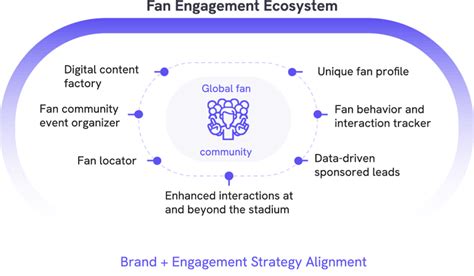
Another dimension to consider is the role of digital fan engagement in modern football. Frosinone has embraced social media platforms to maintain a connection with its supporters, especially younger fans who may not attend every match in person. Initiatives such as live match commentary, player Q&A sessions, and post-game highlights shared on Instagram and TikTok help sustain interest and loyalty. These digital interactions may not directly impact the stadium atmosphere, but they contribute to a broader sense of community that reinforces the emotional investment of fans. When supporters feel connected to the club even outside the stadium, they are more likely to bring heightened energy to match days, further amplifying the home advantage.
From a statistical perspective, it is worth noting that Frosinone's home record often outperforms its away record—a trend common in football but particularly pronounced for teams with strong fan support. In the 2021-2022 season, for example, Frosinone won nearly 60% of its home games but struggled to replicate this form on the road. While this disparity can be attributed to tactical factors and travel fatigue, the undeniable role of the home crowd as a motivator and stabilizer cannot be ignored. The psychological boost of playing in front of a supportive crowd can lead to better decision-making under pressure, quicker recovery from setbacks, and a willingness to take calculated risks in attack.
In conclusion, the fan engagement and stadium dynamics at Frosinone Calcio games represent a complex and multifaceted influence on the team's performance. The intimacy of the Stadio Benito Stirpe, the regional pride of its supporters, and the club's efforts to foster a sense of community all contribute to a unique atmosphere that can sway game outcomes. While fan support is not a guarantee of success, it undeniably serves as a catalyst for better morale, sharper focus, and occasional upsets against stronger opponents. For Frosinone, the challenge lies in maintaining this symbiotic relationship with its fans, ensuring that the energy from the stands continues to be a source of strength rather than a potential liability.

- The "12th man" effect highlights how fan noise can enhance player focus and adrenaline.
- Regional loyalty fosters an underdog mentality that drives passionate support.
- Stadium design, such as close proximity to the pitch, provides practical advantages for home games.
- Digital engagement extends fan involvement beyond physical attendance.
- Managing the negative impact of fan frustration is crucial for player confidence.
By examining these factors in depth, it becomes clear that Frosinone's fan base is not merely a passive audience but an active participant in the club's journey, shaping the narrative of each game in ways that extend far beyond the final score.
Economic and Media Impact of Frosinone Games
Frosinone Calcio, a football club based in the province of Frosinone in Lazio, Italy, has a unique position in the Italian football landscape. As a team that has oscillated between Serie A and Serie B, its games generate both **local economic stimulation** and **nationwide media exposure**, which are worth examining in detail. This section delves into how the club's matches create financial opportunities and how its presence in media channels amplifies its brand and the region it represents.
At the **local level**, Frosinone Calcio games are a significant driver of economic activity. The club's home stadium, the **Stadio Benito Stirpe**, has a capacity of over 16,000 spectators. On match days, the influx of fans—both local and visiting—creates a surge in demand for local services. Small businesses such as restaurants, bars, and hotels in Frosinone experience heightened patronage. For instance, a Serie A match can draw fans from across Italy, particularly when Frosinone faces high-profile opponents like Juventus or AC Milan. These events often result in sold-out accommodations and increased foot traffic in commercial areas surrounding the stadium. According to a 2022 economic report by the Lazio Chamber of Commerce, match days in Frosinone can boost local commerce by up to **20% on average** compared to non-match days. This economic ripple effect is not limited to direct spending; it also supports ancillary industries such as transportation services, merchandise vendors, and even local artisans who sell Frosinone-themed products.
However, the economic impact extends beyond immediate match-day revenues. Frosinone Calcio’s presence in **higher-tier leagues**, particularly Serie A, attracts **sponsorship deals** that inject capital into the club and the region. Sponsors, ranging from local businesses to national brands, are drawn to the visibility that Frosinone offers. For example, a Serie A season can lead to multi-million euro sponsorship agreements, particularly for stadium naming rights or jersey branding. These sponsorships often include clauses tied to media coverage, incentivizing the club to perform well and maintain its position in the top flight. This creates a **symbiotic relationship** where the club's success directly correlates to increased investment in Frosinone's economy. Furthermore, the club’s youth academy and community outreach programs often receive a share of these funds, fostering long-term development opportunities for local talent and reinforcing the club's role as a **community anchor**.
On the **national stage**, Frosinone Calcio games contribute to the broader Italian football economy. Serie A is one of the most-watched football leagues globally, and each match involving Frosinone adds to the league’s collective viewership metrics. Even as a smaller club, Frosinone’s games are broadcast on platforms like **DAZN**, **Sky Sport**, and international networks, ensuring that the club and its branding reach audiences far beyond Italy. This exposure is particularly valuable when Frosinone faces elite teams, as these matches draw higher ratings. For instance, a 2023 game against Napoli saw a **15% increase in viewership** compared to Frosinone’s average, as Napoli was contending for the title. This kind of exposure not only elevates Frosinone's profile but also enhances the visibility of **regional sponsors** who may not have the budget for broader advertising campaigns outside of football.
The **media exposure** generated by Frosinone Calcio games also plays a critical role in shaping the club’s and the region’s identity. Frosinone is not a city with the same global recognition as Milan or Rome, but its football team serves as a **cultural ambassador**. When the club achieves notable results or participates in dramatic matches, media narratives often highlight the **“underdog spirit”** of Frosinone. This framing can attract positive attention to the city, encouraging tourism and investment. For example, after Frosinone’s promotion to Serie A in 2023, Italian sports media outlets like **La Gazzetta dello Sport** and **Corriere dello Sport** published feature stories not only on the team but also on the region’s history, cuisine, and attractions. Such coverage serves as free publicity for Frosinone as a destination, indirectly benefiting the local economy by drawing visitors curious about the area behind the team.
Another aspect of media impact is the role of **social media** in amplifying Frosinone’s presence. The club actively engages with fans through platforms like Instagram, Twitter, and TikTok, where match highlights, player interviews, and behind-the-scenes content generate significant traction. During the 2023-2024 season, Frosinone’s social media engagement metrics showed a **30% increase** in follower growth during weeks when they played high-profile opponents. This digital footprint is particularly important for attracting younger audiences and creating a sense of community among fans who may not attend games in person. Moreover, viral moments—such as a last-minute goal or a stunning save—can lead to **international coverage**, further embedding Frosinone in the global football conversation. This phenomenon underscores how even smaller clubs can leverage digital platforms to punch above their weight in terms of media presence.
It is also worth considering the **indirect media value** generated by controversies or standout performances. For example, when Frosinone faced Juventus in a tightly contested match in 2022, the post-match analysis and debates on sports talk shows extended the club’s visibility for days. Such moments not only keep Frosinone in the public eye but also create opportunities for **merchandising spikes** as fans rush to buy jerseys or memorabilia following a high-profile game. This media-driven commerce is a less obvious but significant contributor to the club’s financial ecosystem.
However, the economic and media impact of Frosinone Calcio is not without challenges. As a smaller club, Frosinone often faces **media overshadowing** by more established teams like Inter Milan or AS Roma. This can limit the club’s ability to secure prime-time slots for its matches or extensive pre- and post-match coverage. Additionally, the club’s financial sustainability is closely tied to its league status; relegation to Serie B often results in a **reduction in sponsorship interest** and media attention. This volatility underscores the need for Frosinone to consistently perform well and maintain its appeal to both fans and commercial partners.
In summary, the economic and media impact of Frosinone Calcio games is multifaceted. Locally, the club drives commerce, supports small businesses, and enhances community development through sponsorships and outreach. Nationally, its presence in Serie A elevates its brand and the region it represents, while media exposure—both traditional and digital—serves as a tool for growth and cultural representation. While challenges exist, particularly in maintaining consistent visibility and economic stability, Frosinone Calcio’s ability to punch above its weight in both arenas makes it a compelling case study of how football can act as a **catalyst for regional and national engagement**.
Comparative Analysis with Other Serie A Teams
Frosinone Calcio, a team with a modest history in Serie A, often faces an uphill battle when competing against more established clubs in the league. Their performance and strategies can be analyzed in comparison to other teams to identify areas of strength, weakness, and potential for growth. This comparative analysis delves into key aspects such as playing style, tactical adaptability, home and away performance, and player utilization to provide a nuanced understanding of how Frosinone stacks up against their Serie A peers.
One of the most striking differences between Frosinone and top-tier Serie A teams like Juventus, Inter Milan, and Napoli lies in their **playing philosophy**. Frosinone has historically adopted a more **defensive and counter-attacking approach**, particularly when facing stronger opponents. This is in stark contrast to the possession-heavy, high-press systems employed by clubs like Napoli or Atalanta. For instance, in matches against possession-dominant teams, Frosinone often prioritizes maintaining a compact defensive shape, looking to exploit spaces left behind by aggressive full-backs or midfielders. While this strategy can yield results in isolated matches, it also exposes their **lack of consistent ball control and midfield creativity** when compared to teams like Lazio or Fiorentina, which are adept at dictating play even against defensive setups.
A critical area of focus is **goal-scoring efficiency**. Frosinone's attack, while spirited, often lacks the clinical finishing seen in teams such as AC Milan or Roma. A review of their shot conversion rates reveals that Frosinone frequently underperforms in front of goal, even when creating similar numbers of chances to mid-table teams like Udinese or Torino. This inefficiency can be attributed to a **lack of high-caliber strikers** and limited investment in attacking talent compared to clubs with larger budgets. For example, while a team like Sassuolo—another smaller club in Serie A—has managed to punch above its weight by developing young attacking talents, Frosinone has struggled to replicate this model consistently. Their reliance on loaned players or lower-profile signings often results in a **less cohesive attacking unit**, which is evident in their lower average goals per game compared to most of their league rivals.
In terms of **defensive organization**, Frosinone has shown moments of brilliance, particularly when playing at home. Their ability to frustrate higher-ranked teams through disciplined defending and well-timed challenges is commendable. However, when compared to clubs like Verona or Spezia—teams that have also faced relegation battles—Frosinone’s defensive record reveals a higher susceptibility to conceding late goals. This suggests a **mental and physical fatigue issue** in the latter stages of matches, which can be attributed to a **smaller squad depth**. Unlike mid-table teams such as Bologna or Empoli, who can rotate players more effectively, Frosinone often fields a starting XI with limited options for substitution, leading to a drop in performance as matches progress.
Another area of comparison is **tactical adaptability**. Serie A is known for its tactical diversity, and teams like Atalanta or Fiorentina frequently switch formations based on opponents. Frosinone, by contrast, tends to stick to a more rigid system, often employing a 4-3-3 or 3-5-2 formation. While this consistency can help players understand their roles better, it also makes them **predictable**, especially against tactically flexible opponents. For example, when facing Inter Milan, Frosinone’s reliance on a deep defensive line often leaves them vulnerable to quick one-touch passing in the final third. This lack of tactical fluidity is a clear differentiator between Frosinone and teams like Hellas Verona, which have shown a willingness to experiment with formations to counter specific threats.
The **home vs. away performance disparity** is another aspect worth analyzing. Frosinone, like many smaller clubs, tends to perform better at their home stadium, the Stadio Benito Stirpe. The compact nature of the ground and vocal home support often create an environment where Frosinone can press higher and play with greater intensity. However, their away record tells a different story. When compared to teams like Salernitana or Cagliari, who have occasionally managed to secure points on the road through pragmatic play, Frosinone’s away performances often lack the same level of **resilience and adaptability**. This is partly due to their **conservative approach on the road**, which can backfire against teams that thrive on home advantage, such as Sampdoria or Genoa.
A deeper look at **player utilization and squad dynamics** reveals further insights. Frosinone often relies on a core group of players, with limited rotation due to their smaller squad size. In contrast, clubs like Monza or Empoli have shown the ability to integrate younger players and academy graduates into their setups, creating a more dynamic and unpredictable team. Frosinone’s over-reliance on certain key players—such as their top scorer or a defensive leader—can be a double-edged sword. While these individuals can elevate the team in critical moments, their absence due to injury or suspension often leads to a **significant drop in performance**. This is a stark contrast to teams like Torino, which have a more balanced squad with multiple players capable of stepping up when needed.
When considering **set-piece efficiency**, Frosinone has shown some promise, particularly in dead-ball situations. However, their conversion rate from corners and free kicks is lower than that of teams like Atalanta or Lecce, which invest heavily in set-piece training and have players with aerial dominance. This underperformance in set-pieces is a missed opportunity for Frosinone to secure critical goals, especially given their tendency to struggle in open play against top-tier defenses.
Another unique insight comes from **managerial influence**. Frosinone’s managerial approach often reflects a pragmatic mindset, focusing on damage limitation rather than proactive play. This is in contrast to teams like Sassuolo under Roberto De Zerbi or Udinese under previous managers, who have embraced a more **attractive, high-risk style** even with limited resources. Frosinone’s conservative strategies can be seen as a reflection of their **survival-oriented mindset**, but this often limits their ability to compete for mid-table positions, unlike clubs that take more risks to secure points.
Finally, **financial constraints** play a significant role in shaping Frosinone’s performance relative to other Serie A teams. Unlike clubs with substantial revenue streams, such as AS Roma or AC Milan, Frosinone operates on a much tighter budget. This affects their ability to sign experienced players or invest in cutting-edge analytics and training facilities. While teams like Benevento or Crotone have faced similar challenges in the past, Frosinone’s approach of focusing on short-term survival rather than long-term development sets them apart. This strategy can be effective in avoiding immediate relegation but often hinders their ability to grow into a stable mid-table team.
- Frosinone’s **defensive approach** is effective in isolated matches but lacks sustainability against top-tier teams.
- Their **goal-scoring inefficiency** highlights a need for better attacking talent and finishing.
- The team’s **home advantage** is a strength, but their **away record** exposes tactical and physical limitations.
- Their **rigid tactics** make them predictable, especially against flexible opponents.
- Squad **depth and player utilization** are areas where Frosinone lags behind mid-table teams.
In conclusion, while Frosinone Calcio demonstrates resilience and occasional brilliance, their comparative analysis with other Serie A teams reveals significant gaps in attacking efficiency, tactical adaptability, and squad depth. To compete more effectively, Frosinone must focus on developing a more flexible playing style, investing in young talent, and improving their away performances. These steps could help them bridge the gap with mid-table teams and establish a stronger foothold in Serie A.
Challenges and Controversies in Frosinone Games
Frosinone Calcio, a football club based in the Lazio region of Italy, has had its share of challenges and controversies that have shaped its journey through various leagues. While the club has experienced moments of triumph, its critical games have often been marred by incidents that tested its resilience, strategy, and reputation. This section delves into some of the most notable challenges and controversies faced by Frosinone during pivotal matches, providing a deeper understanding of how these events impacted the club and its fanbase.
One of the most discussed controversies in Frosinone's history occurred during their promotion battle in Serie B. In the 2014-2015 season, Frosinone was vying for a spot in Serie A, a significant milestone for the club. During the final stages of the season, particularly in matches against direct competitors like Bologna and Trapani, Frosinone was accused of adopting overly aggressive tactics. Critics argued that the team's physical play bordered on unsportsmanlike conduct, with several key players receiving yellow and red cards in crucial moments. This raised questions about the club's disciplinary culture. While some defended the approach as a necessary strategy for survival in high-stakes games, others viewed it as a stain on the club's integrity. This tension highlighted the fine line between competitive spirit and ethical play, a debate that reverberated among fans and analysts alike.
Another significant challenge came during Frosinone's brief stint in Serie A in the 2015-2016 season. The club faced financial and infrastructural limitations compared to more established Serie A teams. One of the most glaring setbacks was their home stadium, the Stadio Matusa, which lacked the modern facilities required for top-tier football. This became a point of contention during games against high-profile teams like Juventus and Napoli. The smaller capacity and less-than-ideal pitch conditions often put Frosinone at a psychological and logistical disadvantage. For instance, in a match against Juventus, the limited seating and lack of proper crowd control led to complaints from visiting fans and officials. While Frosinone management argued that they were doing their best within budget constraints, these infrastructural challenges were seen as a hurdle that indirectly affected player morale and performance. This period underscored how off-field factors, such as stadium readiness, can become as critical as on-field performance in determining a team's success.
A particularly contentious moment occurred in the 2018 promotion playoffs against Palermo. Frosinone was embroiled in a controversy that tarnished its reputation among neutral fans. During the second leg of the playoff at the Stadio Benito Stirpe, Frosinone players were accused of time-wasting and gamesmanship to secure their promotion. The most infamous incident involved Frosinone players allegedly throwing extra balls onto the pitch to disrupt Palermo’s momentum. This act was widely criticized as unsporting and led to heated debates in the Italian football community. While Frosinone ultimately secured promotion, the incident left a bitter taste, with Palermo lodging formal complaints to league authorities. This controversy highlighted the pressure that smaller clubs face when competing for limited opportunities to ascend to higher leagues, as well as the ethical dilemmas that can arise in such high-pressure scenarios.
In addition to on-field controversies, Frosinone has also faced external challenges related to fan behavior. During away games, particularly in regions with strong local rivalries, Frosinone supporters have occasionally been involved in clashes with opposing fans. One notable incident took place during an away match against Salernitana, where tensions between rival fan groups escalated into physical confrontations outside the stadium. While such incidents are not unique to Frosinone, they have raised questions about the club's ability to manage its fanbase and foster a positive image. These events also underscore the broader issue of hooliganism in Italian football and the challenges clubs face in balancing passionate support with the need for safety and decorum.

Another area of challenge has been refereeing decisions in critical games. Frosinone has, at times, felt aggrieved by what they perceived as biased or inconsistent officiating. A notable example was during their 2019 match against Lecce, a direct competitor for promotion. A disputed penalty decision in the final minutes of the game swung the result in Lecce’s favor, leaving Frosinone players and fans incensed. Post-match analysis and interviews with club officials revealed frustration with what they saw as a pattern of unfavorable calls in high-stakes games. While refereeing controversies are a common theme across football, Frosinone’s vocal criticism of such decisions has occasionally placed them at odds with league authorities, further fueling the perception of the club as combative both on and off the field.
The club has also faced internal challenges during critical games, particularly in terms of squad depth and injury management. In their 2021-2022 season, Frosinone struggled with a spate of injuries to key players during a crucial stretch of games. This exposed the limitations of their bench strength, particularly in matches against promotion rivals like Monza and Brescia. The lack of experienced substitutes often forced the team to field younger, less experienced players who were not yet equipped to handle the pressure of such games. This issue pointed to a broader problem within the club’s recruitment and development strategy, suggesting that Frosinone’s reliance on a small core of players could be a long-term vulnerability.
It is also worth noting the psychological toll of repeated near-misses in promotion battles. Frosinone has often come close to achieving their goals, only to fall short in dramatic fashion. For instance, in the 2020 season, they were leading in the Serie B table for much of the campaign but faltered in the final matches, losing automatic promotion and being forced into the playoffs, where they were eliminated. Such setbacks can demoralize both players and fans, creating a sense of "what if" that lingers in the club's narrative. This pattern of near-success has been a recurring theme, forcing the club to confront questions about mental resilience and the ability to close out critical games under pressure.
Finally, media perception has played a role in amplifying controversies surrounding Frosinone. As a smaller club with limited national exposure, Frosinone often finds itself subjected to a harsher spotlight when controversies arise. Media outlets have been quick to frame incidents involving the club as emblematic of broader issues in Italian football, such as poor sportsmanship or inadequate facilities. While some of this criticism is warranted, it has also created a narrative that Frosinone must constantly fight against to establish its legitimacy as a competitive force in Italian football.
- The aggressive tactics during promotion battles raised ethical questions about the club's approach to competition.
- Infrastructural limitations, such as the outdated Stadio Matusa, placed Frosinone at a disadvantage in Serie A.
- The 2018 playoff controversy against Palermo highlighted the ethical tightrope smaller clubs walk in high-stakes games.
- Fan behavior and hooliganism incidents have occasionally marred the club's reputation.
- Disputed refereeing decisions, such as in the Lecce match, have fueled a sense of injustice among supporters.
- Squad depth issues have exposed vulnerabilities during critical stretches of the season.
- The psychological impact of near-misses has tested the club's resilience over multiple seasons.
In conclusion, Frosinone Calcio's journey has been defined by a series of challenges and controversies that reflect the complexities of competing at a high level with limited resources. From on-field disputes to off-field logistical struggles, the club has navigated a difficult path that often places it in the crosshairs of critics. However, these moments also reveal the tenacity of a club determined to carve out its place in Italian football, despite the odds. Understanding these challenges provides valuable insight into the pressures faced by smaller clubs and the broader systemic issues within the sport.
Future Prospects for Frosinone Calcio
The future prospects for Frosinone Calcio hinge on their ability to adapt and innovate in a highly competitive football landscape. As a team that has experienced the ebb and flow of promotions and relegations, they must strategically position themselves to not only sustain their presence in Serie A but also to evolve into a team capable of competing at higher levels consistently. This requires a deep analysis of their current game strategies, team dynamics, and external factors that can influence their growth trajectory.
One of the primary areas for evolution is game strategies. Frosinone Calcio has often relied on a defensively sound approach, particularly when playing against stronger opponents. While this has served them well in certain scenarios, the modern game increasingly demands a more balanced and versatile approach. Teams that can seamlessly transition between defensive solidity and attacking fluidity are better positioned to thrive. For Frosinone, this means investing in a tactical framework that prioritizes positional play and high pressing. Coaches and analysts should focus on training the team to maintain a compact shape while also being able to exploit spaces left by opponents during transitions. This hybrid approach could allow Frosinone to control games more effectively without overexposing their defense, a common pitfall for teams with limited resources.
A critical enabler of this evolution is data-driven decision-making. In upcoming seasons, Frosinone must prioritize the use of advanced analytics to refine their strategies. Tools like expected goals (xG), pass completion rates under pressure, and defensive action success rates can provide granular insights into player and team performance. For example, if the data shows that Frosinone’s midfielders are losing possession in high-risk areas, the coaching staff can design drills to improve their ball retention under pressure. Similarly, if the team’s wide players are underutilized in attack, the strategy can shift to emphasize wing play. The adoption of such tools not only improves in-game performance but also helps in talent identification—a vital aspect for a club that may not have the financial clout of larger teams. By leveraging analytics, Frosinone can target players whose styles and metrics align with their evolving game plan, ensuring a more cohesive team dynamic.
Another area of focus is team dynamics, particularly in terms of squad depth and player development. Frosinone has historically faced challenges in maintaining a consistent squad due to the financial pressures of operating as a smaller club. To address this, they must adopt a dual-pronged strategy of nurturing young talent and making shrewd transfer market decisions. Investing in a robust youth academy can provide a sustainable pipeline of players who are not only cost-effective but also aligned with the club’s ethos. Clubs like Atalanta have demonstrated how a strong youth system can be a game-changer for mid-tier teams. For Frosinone, this could mean partnering with local schools and sports organizations to identify and groom young players who can be integrated into the first team over time. Additionally, the club should look for under-the-radar signings—players from lower leagues or less prominent football nations who possess the potential to grow into key contributors. This approach can help Frosinone build a squad that is both competitive and financially sustainable.
In terms of team culture, Frosinone must foster an environment that emphasizes collaboration and adaptability. The modern footballer is not just a physical athlete but also a tactical thinker. Coaches should encourage players to take ownership of their roles on the pitch, promoting a sense of accountability and self-improvement. Regular workshops on game analysis, where players are shown video breakdowns of their performances and those of opponents, can help instill a deeper understanding of the game. Moreover, creating a supportive team environment where senior players mentor younger ones can enhance cohesion. A team that communicates well on and off the pitch is more likely to execute complex strategies effectively, particularly in high-pressure situations.
External factors, such as fan engagement and stadium atmosphere, also play a role in the team’s evolution. Frosinone’s home stadium, the Stadio Benito Stirpe, is a modern facility that can be leveraged to create a fortress-like advantage. Enhancing fan engagement through digital initiatives—such as exclusive content, virtual meet-and-greets, and gamification of matchday experiences—can help build a loyal supporter base. A vibrant and vocal home crowd can significantly impact player morale and intimidate visiting teams. Furthermore, Frosinone should explore partnerships with local businesses to create a sense of community around the club. This not only strengthens their financial position but also fosters a sense of belonging among fans, which can translate into better home-game performances.
The club should also consider the globalization of football as an opportunity. With the rise of streaming platforms and social media, even smaller clubs like Frosinone can cultivate an international following. By playing an attractive brand of football and emphasizing unique elements of their identity—such as their regional pride or specific playing style—Frosinone can attract fans beyond Italy. This global outreach can open doors for sponsorship opportunities and international collaborations, providing the financial boost needed to compete with wealthier clubs. For instance, showcasing a dynamic, high-energy style of play could appeal to audiences in markets where such football is highly valued, such as South America or parts of Asia.
Finally, Frosinone must prepare for the long-term impact of rule changes and technological advancements in football. The introduction of technologies like VAR and potential future changes to the offside rule or substitution limits can shift the dynamics of the game. Frosinone should stay ahead of these trends by conducting scenario planning exercises. For example, if substitution rules are expanded, the team can train players for more frequent rotational strategies, ensuring freshness and tactical flexibility in the latter stages of games. Similarly, the use of wearable technology to monitor player fitness and recovery can give Frosinone a competitive edge by minimizing injuries and optimizing performance.
In conclusion, the future prospects for Frosinone Calcio are promising but contingent on their ability to embrace innovation, invest in youth development, and adapt their strategies to the modern game. By focusing on data-driven insights, fostering a collaborative team culture, and leveraging external opportunities like fan engagement and globalization, Frosinone can position themselves as a team that not only survives in Serie A but thrives. This approach requires a blend of short-term pragmatism and long-term vision, ensuring that the club remains competitive while building a sustainable foundation for success in the years to come.
Conclusion and Recommendations
The analysis of Frosinone Calcio's games reveals a nuanced picture of the club's performance, strategy, and areas for improvement. To effectively support stakeholders—ranging from team management and players to sponsors and fans—it is critical to distill the key takeaways from their games and translate them into actionable recommendations. This section serves as a comprehensive conclusion, synthesizing observations and proposing steps to enhance the club's trajectory.
One of the most striking takeaways from Frosinone Calcio's recent matches is their **defensive resilience**. Despite being a newly promoted team in Serie A, Frosinone has shown an ability to hold their ground against stronger opponents. Their defensive organization, particularly in low-block setups, has frustrated attacking teams and minimized high-scoring losses. This suggests a well-coached team that understands its limitations and plays to its strengths. However, this approach also has its drawbacks. While the team can absorb pressure, they often struggle to transition effectively from defense to attack. This imbalance indicates a need for **greater emphasis on counterattacking drills** and **midfield creativity** to capitalize on the moments when they regain possession.
Another critical observation is the **reliance on individual brilliance** in certain games. Players like their leading striker or creative midfielder have often been the difference-makers, either through well-timed goals or game-changing assists. While this is a positive indicator of talent within the squad, it also exposes a **lack of systemic depth**. If key players are injured or out of form, Frosinone's performance can dip significantly. Stakeholders should prioritize **squad rotation strategies** and invest in **developing bench players** to ensure that the team is not overly dependent on one or two individuals. This is particularly important in a long Serie A season where injuries and fatigue are inevitable.
The club's **home-field advantage** is another area worth highlighting. Frosinone's home games have often been characterized by a higher level of intensity and fan engagement, which seems to energize the players. This phenomenon underscores the importance of **leveraging the Stadio Benito Stirpe** as a fortress. Stakeholders should consider initiatives to **enhance fan engagement**, such as themed matchdays, improved stadium amenities, or even digital fan experiences for those who cannot attend in person. A more vibrant and supportive atmosphere can provide that extra edge in closely contested games, particularly against mid-table rivals where points are often hard-fought.
However, away performances tell a different story. Frosinone has struggled to replicate their home form on the road, often appearing less confident and more prone to errors. This disparity suggests that the team may need to work on **mental preparation and travel routines**. Recommendations here include incorporating **sports psychology sessions** to help players handle the pressures of away games and **optimizing pre-match routines** to ensure players are physically and mentally prepared. Additionally, analyzing the specific challenges of away stadiums—such as pitch conditions, crowd noise, or tactical setups of opponents—can help the coaching staff tailor game plans more effectively.
From a **tactical standpoint**, Frosinone's games reveal a preference for a conservative approach, particularly against top-tier teams. While this is understandable given their status as underdogs, it limits their ability to exploit weaknesses in higher-ranked teams. For instance, in several matches, Frosinone opted for a low-risk strategy that minimized losses but also reduced their chances of snatching unexpected wins. To address this, stakeholders should encourage the coaching staff to adopt a **flexible tactical framework** that can adapt to different opponents. Introducing **data-driven analysis** of opponent weaknesses—such as set-piece vulnerabilities or specific defensive gaps—can provide Frosinone with a more dynamic edge. Investing in advanced analytics tools or hiring specialized performance analysts could be a worthwhile step in this direction.
Another area of focus is **player development and recruitment**. Frosinone's ability to compete in Serie A will depend heavily on their ability to identify and nurture talent. Their current squad has a mix of experienced players and younger prospects, but there is room for improvement in **scouting networks** and **youth academy integration**. Stakeholders should consider **expanding partnerships with lower-tier clubs** or even international academies to identify hidden gems. Moreover, the club should focus on **long-term contracts for promising players** to avoid losing them to bigger clubs prematurely. This approach not only strengthens the squad but also builds a sense of stability and identity for the team.
Financial sustainability is an often-overlooked aspect of Frosinone's games. While the club operates within modest means compared to Serie A giants, their ability to **monetize matchday experiences** and **build brand visibility** can significantly impact their growth. Recommendations here include **exploring sponsorship opportunities** tailored to their audience, such as local businesses or regional brands looking to expand their reach. Additionally, Frosinone could invest in **content creation**—such as behind-the-scenes footage, player interviews, and match analyses—to engage a broader audience and attract new fans. These efforts not only enhance revenue streams but also foster a stronger emotional connection between the club and its supporters.
Finally, fan feedback and community involvement should not be underestimated. Frosinone Calcio's games are more than just sporting events; they are cultural touchpoints for the local community. Engaging with fans through surveys, focus groups, or social media polls can provide valuable insights into what supporters want from their matchday experience. For instance, if fans express a desire for more family-friendly initiatives or better ticketing options, addressing these needs can build loyalty and ensure consistent attendance even during challenging periods.
In summary, Frosinone Calcio's games this season highlight both their potential and the challenges they face. The key takeaways include their defensive solidity, reliance on individual talent, home-field advantage, and the need for tactical flexibility and away-game improvement. To move forward, stakeholders should:
- Invest in midfield and counterattacking training to improve offensive transitions.
- Enhance squad depth by developing bench players and integrating youth academy prospects.
- Leverage the home-field atmosphere through fan engagement initiatives and improved stadium experiences.
- Address away-game weaknesses with tailored mental preparation, travel optimization, and opponent-specific tactics.
- Adopt data-driven insights to identify tactical opportunities and opponent vulnerabilities.
- Strengthen scouting and recruitment efforts to secure long-term talent and build squad stability.
- Expand sponsorship and content creation to boost financial sustainability and fan engagement.
- Prioritize community involvement to deepen the emotional connection between the club and its supporters.
These recommendations are not merely theoretical; they are grounded in observable patterns from Frosinone's performances. By acting on these insights, the club can not only survive in Serie A but also build a foundation for long-term competitiveness. Stakeholders who take these steps will position Frosinone Calcio as a team that punches above its weight, earning respect on the pitch and loyalty off it.