Introduction to Frosinone Calcio
Frosinone Calcio, a football club based in the city of Frosinone in central Italy, has carved a distinctive niche in Italian football despite its relatively modest stature compared to giants like Juventus, AC Milan, or Inter Milan. Established in 1928, the club has experienced a journey marked by resilience, ambition, and an evolving presence in the country’s football landscape. To understand Frosinone Calcio’s significance, it is essential to delve into its history, its role in Italian football, and the unique challenges and opportunities it has faced over the decades.
The origins of Frosinone Calcio trace back to the late 1920s when the club was founded as **Unione Sportiva Frusinate**. This was a time when football was beginning to take root in smaller Italian towns, reflecting the sport's growing popularity beyond major urban centers. Frosinone, located in the Lazio region, was no exception. However, the club’s early years were characterized by a lack of consistent success and frequent reorganizations. It wasn’t until after World War II that Frosinone began to establish itself as a more structured entity within the lower tiers of Italian football. This period saw the club competing primarily in regional leagues, where its performances were steady but unremarkable. The post-war era set the stage for what would become a long-term struggle for recognition and stability within the highly competitive Italian football system.
One of the most defining aspects of Frosinone Calcio’s journey is its frequent movement between Italy’s football divisions. The club has spent much of its history in the lower divisions, such as Serie C and Serie D, with occasional forays into Serie B. This pattern underscores the inherent difficulty for smaller clubs to maintain a foothold in the upper echelons of Italian football. However, what sets Frosinone apart is its ability to rebound from setbacks. For instance, the club experienced financial difficulties and even dissolution in the 1950s and 1990s, yet it managed to regroup and rebuild. This resilience is a hallmark of Frosinone’s identity, as it symbolizes the tenacity of smaller football clubs in Italy that persist despite systemic challenges such as limited resources, geographic disadvantages, and competition from wealthier rivals.
Frosinone’s rise to prominence began in earnest in the early 2000s. A significant milestone was achieved in 2006 when the club earned promotion to Serie B for the first time in its history. This achievement was not merely a sporting success but also a statement about the club’s growing ambition. Under the guidance of passionate leadership and with the support of a dedicated fan base, Frosinone began to dream bigger. The club’s ascent continued, and in 2015, it reached the pinnacle of its history by securing promotion to **Serie A** for the first time. This was a watershed moment not just for Frosinone but for the broader narrative of smaller clubs in Italian football. Their debut season in Serie A was a mixed bag—marked by struggle but also by moments of pride, such as competing against storied teams like Juventus and AS Roma. Though they were relegated after one season, the experience laid the groundwork for future attempts to return to the top flight.
The club’s role in Italian football is multifaceted. On one hand, Frosinone represents the essence of **provincial football**—clubs from smaller cities or towns that serve as community pillars. In Italy, football is deeply embedded in local culture, and Frosinone Calcio embodies this connection. The club’s home ground, the **Stadio Benito Stirpe**, is a modern facility that reflects its aspirations to provide a high-quality experience for fans while fostering a sense of belonging. On the other hand, Frosinone’s presence in Serie A and Serie B has introduced a level of competitiveness and unpredictability to the leagues. Smaller clubs like Frosinone often act as wildcards, capable of upsetting established hierarchies. Their matches against top-tier teams are not just sporting contests but also opportunities to challenge the narrative that Italian football is dominated solely by a handful of elite clubs.
A closer look at Frosinone’s operations reveals a club that has had to be resourceful in its approach to talent development and squad management. Unlike wealthier clubs that can afford to sign high-profile players, Frosinone has often relied on a combination of youth development, shrewd scouting, and loan deals. This approach has allowed the club to punch above its weight at times, identifying and nurturing players who might otherwise be overlooked by bigger teams. For example, Frosinone has been a stepping stone for players who later achieved success at higher levels, showcasing its ability to serve as a platform for talent. This strategy is not just a necessity but also a reflection of the club’s philosophy—one rooted in pragmatism and a focus on sustainable growth.
Another critical aspect of Frosinone’s story is its fan base. While not as large or globally recognized as those of top-tier clubs, Frosinone’s supporters are fiercely loyal and deeply connected to the club’s identity. The fans’ passion is evident in their unwavering support during both triumphs and tribulations. This connection between the club and its community is a microcosm of how football operates in Italy—as a unifying force that transcends mere competition. For Frosinone, this dynamic has been both a source of strength and a challenge, as the club must balance its ambitions with the expectations of its supporters.
In the broader context of Italian football, Frosinone Calcio serves as a reminder of the sport’s diversity and complexity. While the spotlight often shines on the financial might and global appeal of Serie A’s “big three” (Juventus, AC Milan, and Inter Milan), clubs like Frosinone highlight the importance of the sport’s lower tiers in maintaining a competitive and vibrant ecosystem. Their presence ensures that Italian football is not just about the elite but also about the dreams and struggles of smaller teams striving to make their mark. This dynamic is particularly relevant in an era where financial disparities in football are growing, and the gap between the haves and have-nots is increasingly pronounced.
Frosinone’s history also offers lessons about the broader challenges of football governance in Italy. The club’s experiences with financial instability and relegation battles point to systemic issues such as inadequate revenue-sharing models, limited TV rights for smaller clubs, and the broader economic pressures faced by teams outside the top tier. These challenges are not unique to Frosinone but are emblematic of the difficulties faced by many clubs in similar positions. As such, Frosinone’s story is not just about its own journey but also about the structural dynamics of Italian football as a whole.
- Frosinone Calcio’s foundation in 1928 reflects the early spread of football to smaller Italian towns.
- The club’s promotion to Serie A in 2015 was a historic achievement that underscored its ambition.
- Its reliance on youth development and shrewd transfers highlights a pragmatic approach to squad building.
- The club’s role as a representative of provincial football emphasizes its cultural and sporting significance.
In conclusion, Frosinone Calcio is more than just a football club; it is a symbol of perseverance and the enduring appeal of the sport in Italy’s smaller cities. Its history, marked by ups and downs, offers a compelling narrative about the challenges and rewards of competing in one of the world’s most storied football leagues. As Frosinone continues to navigate the complexities of Italian football, its story serves as both a cautionary tale and an inspiration for other provincial clubs with aspirations of greatness.
Understanding Standings in Football
Standings in football leagues are more than just a simple list of team rankings; they are a dynamic representation of a team's journey throughout the season. In the context of Frosinone Calcio standings or any other team in a football league, understanding how standings work provides a lens through which we can evaluate team performance, strategy, and even the broader dynamics of competition within the league.
At their core, standings are a snapshot of a team's position relative to others in the league. They are determined by points earned through matches, typically awarded as three points for a win, one point for a draw, and none for a loss. This point-based system is designed to incentivize winning while still offering a reward for competitive draws. However, beyond the surface-level points tally, standings reveal a wealth of information about a team's consistency, resilience, and ability to perform under pressure.
One of the most critical aspects of standings is their role in reflecting a team's overall performance. A high position in the table usually indicates a team that has won more matches, scored more goals, and conceded fewer. For instance, if Frosinone Calcio is in the top half of the Serie B table, it suggests they have been effective in both attack and defense. However, the standings do not merely reward results—they also expose patterns. A team that frequently draws matches might accumulate points but might lack the killer instinct needed to secure victories. Conversely, a team with a high number of losses but occasional big wins might indicate inconsistency or over-reliance on certain players or strategies.
The importance of standings becomes even more pronounced when we consider their role in shaping team psychology and fan perception. A team like Frosinone Calcio that consistently occupies the upper echelons of the table gains not only a competitive advantage but also psychological momentum. Players are more likely to feel confident when they see their efforts reflected in a strong position. Fans, too, rally behind a team that is doing well, which can create a positive feedback loop. On the flip side, a lower position can lead to pressure, with players and management feeling the weight of underperformance. This is why standings are often a barometer of team morale and external expectations.
Another layer of significance lies in how standings influence strategic decisions made by coaches and management. For example, if Frosinone Calcio is vying for promotion to Serie A, their position in the standings will dictate their approach to upcoming matches. A team in the promotion zone might adopt a more conservative, results-oriented strategy to protect their position. In contrast, a team lower down might take more risks to claw their way up. Standings also play a role in transfer strategies. A team near the top might invest in reinforcements to solidify their position, while a struggling team might focus on acquiring players who can address specific weaknesses highlighted by their standings.
Standings are also a reflection of a team's adaptability and resilience. Football leagues are long and grueling, often spanning months with matches played in varying conditions and against diverse opponents. A team's ability to maintain or improve their position over time speaks volumes about their depth, coaching, and ability to handle adversity. For instance, if Frosinone Calcio starts the season strongly but drops in the standings midway, it might suggest issues with squad depth, injuries, or a lack of tactical flexibility. On the other hand, a team that climbs the table as the season progresses demonstrates growth and the ability to learn from early-season setbacks.
It is also worth noting that standings are not just about the top of the table. The battle for survival in the lower ranks is equally intense and telling. A team like Frosinone Calcio, even if not in contention for the title, might be fighting to avoid relegation. This fight is often as revealing as the race for the top spots. A team that narrowly avoids relegation might have shown grit and determination, even if their overall performance was not stellar. This aspect of standings underscores the idea that football is not just about winning but about competing, surviving, and striving for improvement.
Another unique insight into standings comes from their role in illuminating underlying metrics. While points are the primary determinant, advanced football analytics often look at expected goals (xG), possession statistics, and defensive solidity to understand why a team is where it is in the table. For example, Frosinone Calcio might be in a mid-table position but have an xG that suggests they are underperforming offensively or overperforming defensively. This kind of analysis can provide a more nuanced understanding of their true potential and areas for improvement.
Standings also serve as a historical record of a team's journey. For fans and analysts, they offer a way to track progress over seasons. If Frosinone Calcio has been steadily improving their standing year after year, it might indicate good management, effective youth development, or smart recruitment. Conversely, a decline in standings over multiple seasons could point to systemic issues such as financial struggles, poor coaching appointments, or a lack of long-term vision. This historical perspective makes standings not just a measure of the present but a tool for understanding the past and planning for the future.
In addition to their role in team evaluation, standings have a significant impact on league dynamics. They determine which teams qualify for European competitions, which get relegated, and which secure a place in playoffs or other post-season opportunities. For Frosinone Calcio, their position in the standings could mean the difference between playing in Serie A next season or remaining in Serie B. This makes every point, every goal, and every match a critical component of their broader ambitions. The pressure to climb the standings or maintain a position is a constant motivator for players and staff alike.
Furthermore, standings can reveal trends within the league itself. A tightly packed middle of the table might indicate a highly competitive league where even small margins separate teams. Conversely, a wide gap between the top and bottom teams might suggest a lack of parity. For Frosinone Calcio, their position within this broader context can help identify whether they are overachieving or underachieving relative to the league's overall quality.
In conclusion, standings in football are a multi-faceted tool that goes beyond mere rankings. They provide a detailed picture of a team's performance, resilience, and strategic approach while also shaping fan perception, player psychology, and league-wide narratives. For Frosinone Calcio or any team, standings are a mirror reflecting their strengths and weaknesses, a roadmap for improvement, and a measure of their place within the competitive ecosystem of football. Understanding standings is not just about knowing who is first or last—it is about grasping the story each position tells about a team's journey through the season.
Frosinone's Recent League Performance
Frosinone Calcio, a club based in the Lazio region of Italy, has experienced a dynamic trajectory in its league standings over the past few seasons. As a team that has oscillated between Serie A and Serie B, Frosinone's recent performance provides a compelling case study of how smaller clubs navigate the pressures of Italian football's competitive landscape. This analysis examines their standings, key trends, and factors influencing their position in the league hierarchy.
In the 2022-2023 season, Frosinone achieved a significant milestone by securing promotion to Serie A after finishing at the top of the Serie B table. This achievement was not merely a statistical success but also a testament to the club's strategic planning and player development. Frosinone's dominant campaign in Serie B saw them accumulate 72 points, outpacing second-place Genoa by a narrow margin. Their success was driven by a balanced squad, with a strong emphasis on defensive solidity and opportunistic attacking play. The team conceded only 31 goals in 38 matches, one of the best defensive records in the division. This disciplined approach underscored their ability to grind out results, even against more established Serie B sides like Palermo and Brescia.
However, their return to Serie A in the 2023-2024 season presented a stark contrast. Frosinone's initial optimism was tempered by the realities of competing in Italy's top flight, where financial disparities and squad depth often dictate outcomes. By the midpoint of the season, Frosinone found themselves in the lower half of the table, struggling to replicate the consistency that had characterized their Serie B campaign. A closer look at their standings reveals a pattern of narrow losses and draws against mid-table teams, suggesting that while they were competitive, they lacked the cutting edge required to secure points against stronger opposition. For instance, matches against teams like Udinese and Empoli—fellow lower-to-mid-table competitors—often ended in frustrating stalemates or one-goal defeats. This highlighted a recurring issue for Frosinone: their inability to convert possession and chances into decisive goals.
The club's performance in Serie A can be further contextualized by examining their historical trends. Frosinone has had brief stints in Serie A before, notably in the 2015-2016 season and the 2018-2019 season. Both campaigns ended in relegation, with the team finishing in 19th and 19th place respectively. These experiences reveal a pattern of Frosinone's struggle to adapt to the top division. In each instance, their standings were hampered by a lack of squad depth and an over-reliance on a core group of players who were often outmatched by the physical and tactical demands of Serie A. This recurring challenge points to a structural issue: Frosinone's promotion successes are often built on a model that prioritizes short-term gains over long-term sustainability in the top flight.

One unique insight into Frosinone's recent league performance is their reliance on home-grown talent and loan signings. Unlike larger clubs with substantial budgets for transfers, Frosinone has often depended on young players from their academy and temporary acquisitions from bigger clubs. This strategy has yielded mixed results. On one hand, it allows the club to operate within its financial constraints while giving opportunities to promising talents. For example, players like Federico Gatti, who later moved to Juventus, showcased their potential while at Frosinone. On the other hand, this approach often leaves the squad vulnerable to inconsistency, particularly when loan players are recalled or when young talents lack the experience to handle the pressures of higher divisions.
Another critical factor in analyzing Frosinone's standings is their performance in key matches. Over the past few seasons, Frosinone has demonstrated a tendency to excel in "six-pointer" games against direct rivals for promotion or survival. For example, in their 2022-2023 Serie B campaign, victories against teams like Benevento and Cagliari were pivotal in securing their top spot. However, this tendency has not translated as effectively in Serie A, where matches against top-six teams often result in heavy defeats. This disparity suggests that while Frosinone can rise to the occasion in critical lower-division matches, they struggle to maintain that intensity against higher-caliber opponents.
The 2021-2022 season in Serie B offers further perspective on Frosinone's journey. Finishing in 10th place that year, the team was neither in serious contention for promotion nor at risk of relegation. This mid-table finish can be seen as a transitional phase, where the club was rebuilding after a period of instability. Their standings in this season reflect a cautious approach, with a focus on stabilizing the squad rather than taking risks that could jeopardize their long-term goals. This period of consolidation may have laid the groundwork for their subsequent promotion in 2023, as it allowed the club to identify weaknesses and make targeted improvements.
A deeper dive into Frosinone's standings in lower divisions reveals how they have historically been a "yo-yo" club—alternating between promotions and relegations. This phenomenon is not unique to Frosinone but is particularly pronounced in their case due to their limited resources compared to other Italian clubs. Their ability to bounce back after relegation is commendable, but it also raises questions about whether the club can break this cycle and establish themselves as a stable presence in Serie A. For instance, their 2018-2019 relegation was followed by a steady climb back through Serie B, culminating in their recent promotion. This resilience is a positive indicator of the club's organizational strength but also underscores the need for a more sustainable model to avoid repeated relegations.
Examining Frosinone's standings also requires considering external factors such as competition dynamics and the broader economic landscape of Italian football. Serie A has become increasingly polarized, with top teams like Napoli, Juventus, and Inter Milan dominating the upper echelons of the table. For a club like Frosinone, this polarization creates a challenging environment where even survival in the top flight is a significant achievement. Their recent standings in Serie A must therefore be viewed in the context of these structural inequalities, which make it difficult for smaller clubs to compete on an even playing field.
In summary, Frosinone's recent league performance reflects a club that is adept at navigating the challenges of lower divisions but faces significant hurdles in maintaining stability in Serie A. Their standings over the past few seasons reveal a pattern of resilience and tactical discipline in Serie B, contrasted with struggles to adapt to the demands of Serie A. While their reliance on home-grown talent and loan signings is a pragmatic approach given their financial limitations, it also exposes them to vulnerabilities that impact their long-term standings. For Frosinone to break free from their "yo-yo" club status, they must focus on building a squad capable of withstanding the pressures of Serie A while maintaining the defensive solidity and tactical flexibility that have served them well in lower divisions.
- Frosinone's 2022-2023 Serie B success was built on strong defense and opportunistic attacking.
- Their 2023-2024 Serie A campaign highlighted struggles with consistency and converting chances.
- Historical trends show repeated relegation after brief Serie A stints, pointing to structural challenges.
- The club's reliance on young talents and loan signings is both a strength and a limitation.
- External factors, such as Serie A's competitive polarization, exacerbate their challenges in the top flight.
This analysis provides a nuanced understanding of Frosinone's recent league performance, offering insights into the club's potential pathways for growth and the systemic challenges they face in Italian football.
Key Metrics Influencing Standings
The standings of a football club like Frosinone Calcio in a competitive league are a direct reflection of their performance across various matches. To truly understand the dynamics of their position, it is essential to analyze the key performance indicators (KPIs) that influence these standings. These metrics—wins, draws, losses, goal difference, and points per game—serve as the foundational pillars for evaluating team success and strategizing future improvements. By diving deep into each of these, we can uncover the nuanced factors that define Frosinone Calcio's standing in their league.
The most straightforward KPI is wins. A win awards a team three points, making it the most impactful way to climb the table. For Frosinone Calcio, the number of wins is not just a measure of success but also a reflection of their ability to dominate matches. A high win count suggests strong offensive capabilities, effective game management, and the ability to close out matches under pressure. However, it is important to consider the quality of the opponents they have defeated. For instance, if most of their wins come against lower-ranked teams, their standing might be somewhat inflated compared to their actual strength against top-tier opponents. Conversely, if their win count is low despite strong performances, it could indicate a lack of finishing or poor luck in tight games. This metric alone can be misleading without context, but it is a critical starting point for any analysis of standings.
Next, we consider draws, which award one point to each team. While draws are often seen as a neutral outcome, they can be a double-edged sword. For a mid-table team like Frosinone Calcio, draws against stronger opponents can be a sign of resilience and tactical discipline. They indicate the team’s ability to hold their ground in challenging situations, which is particularly valuable in away matches. However, an excessive number of draws can also signal a lack of killer instinct—an inability to convert opportunities into victories. For example, if Frosinone frequently finds themselves leading in the second half only to concede late equalizers, their high draw count might point to issues with defensive solidity or stamina in the closing stages of matches. This is why the context of draws is as important as their quantity. A team with many draws but few losses might be playing conservatively to secure points, while one with a balanced win-draw ratio could indicate a more aggressive yet inconsistent approach.
On the flip side, losses are the most detrimental KPI for standings. Each loss costs a team three potential points, making it a critical factor in determining their position. For Frosinone Calcio, losses can often be attributed to specific weaknesses, such as defensive lapses, lack of midfield control, or an over-reliance on a few key players. Analyzing the pattern of their losses is equally important. Are they losing narrowly to top teams, suggesting they are competitive but outmatched? Or are they suffering heavy defeats to mid- or lower-table sides, pointing to deeper structural or motivational issues? A high loss count can also be a psychological burden, leading to a loss of confidence among players and affecting future performances. Therefore, minimizing losses—even if it means settling for draws in difficult fixtures—is often a pragmatic strategy for teams aiming to stabilize their position in the standings.
Another vital metric is goal difference, which is the difference between goals scored and goals conceded. This KPI provides a more holistic view of a team's performance compared to points alone. A positive goal difference indicates that Frosinone Calcio is not only winning games but doing so convincingly, while a negative goal difference suggests vulnerabilities in defense or inefficiency in attack. For instance, a team with a high win count but a low goal difference might be scraping through matches with 1-0 results, which could indicate a lack of attacking potency or an over-reliance on defensive organization. Conversely, a team with a strong goal difference but fewer wins might be drawing too many games they should be winning. For Frosinone, this metric is particularly telling when compared to their direct competitors in the standings. If their goal difference is significantly better than teams around them, it suggests they are performing at a higher level even if their points tally does not fully reflect it. Conversely, a poor goal difference despite a decent points tally could be a red flag for sustainability in their position.
Points per game (PPG) is a slightly more advanced metric that normalizes a team's performance over the course of the season. It is calculated by dividing the total points earned by the number of games played. This KPI is particularly useful for assessing Frosinone Calcio's consistency. A high PPG indicates that the team is performing at a steady pace, regardless of whether they are winning by large margins or eking out narrow victories. For example, a team with 1.8 PPG is on track to accumulate around 68 points over a 38-game season, which is often enough to compete for promotion or secure a strong mid-table finish in many leagues. Tracking PPG over time can reveal trends—such as whether Frosinone's form is improving or declining. A sudden drop in PPG might coincide with injuries to key players, a tough run of fixtures, or off-field issues like managerial changes. Conversely, an upward trend in PPG could signal that the team is finding its rhythm or adapting well to new strategies.
It is also worth noting how these metrics interact with one another. For instance, a team with a high win count but a poor goal difference might be winning games by slim margins, which could make their position in the standings more fragile. Similarly, a team with a strong PPG but a high number of draws might need to focus on turning those draws into wins to solidify their position. These interactions highlight the interconnected nature of these KPIs and the need for a multi-faceted approach to understanding standings.
To provide a unique insight, we can look at how home and away performance influences these metrics. Frosinone Calcio’s standings might be heavily skewed by their performance in home games versus away games. For instance, if their home record shows a high number of wins and a strong goal difference, it suggests they are leveraging their home advantage effectively. However, if their away record is plagued by losses or low PPG, it points to a potential vulnerability when playing in hostile environments. Teams often tailor their strategies based on venue, so understanding this split can provide a clearer picture of where Frosinone’s strengths and weaknesses lie.
Another layer of analysis involves the impact of streaks on these metrics. A team on a winning streak will see their PPG rise sharply, while a losing streak can tank their standings even if their overall metrics are decent. For Frosinone Calcio, understanding how streaks influence their KPIs can help identify periods of overperformance or underperformance. For example, a team might have a high win count due to a streak of victories early in the season, but if their recent form shows a string of losses, their standing might not accurately reflect their current capabilities.
In conclusion, the standings of Frosinone Calcio are shaped by a complex interplay of wins, draws, losses, goal difference, and points per game. Each of these metrics provides a piece of the puzzle, but none can be viewed in isolation. By analyzing these KPIs in tandem with contextual factors like opponent strength, home-away splits, and performance trends, we gain a deeper understanding of what drives Frosinone’s position in the league. This comprehensive approach not only sheds light on their current standing but also provides a roadmap for identifying areas of improvement and strategic focus moving forward.
Comparison with Competitors
To understand Frosinone Calcio's standings in their league, it is essential to analyze their performance in comparison to other teams. This involves delving into key metrics such as points earned, goal differences, home and away performances, and head-to-head results. By dissecting these areas, we can identify the specific strengths and weaknesses that either elevate or hinder Frosinone in their quest for success within the league.
One of the first areas to consider is **points accumulation**. Frosinone's position in the standings is directly tied to the number of points they have secured over the course of the season. If we observe that Frosinone is trailing top-tier teams like Napoli or Lazio (if in Serie A), it is critical to assess whether this gap is due to a lack of consistency or a series of critical losses against mid-table or lower-ranked teams. For instance, if Frosinone has 30 points after 20 matches and the league leader has 50, the 20-point differential can be broken down. Are these points lost in matches against direct competitors, or are they scattered across matches that should have been "easier wins"? Teams like Frosinone often struggle to maintain momentum against sides they are expected to beat, which can expose a weakness in their ability to capitalize on favorable fixtures.
Another aspect to evaluate is **goal difference**, a metric that often separates teams with similar point totals. If Frosinone has a goal difference of +5 but is ranked below a team with the same points and a +10 goal difference, this indicates a potential issue with either defensive solidity or offensive efficiency. A deep dive into their matches reveals patterns. For example, are they winning games by narrow margins (e.g., 1-0 or 2-1) while conceding multiple goals in losses? This would suggest that while their attack might be functional, their defense is vulnerable under pressure. Conversely, if their goal difference is negative, it might point to both an underperforming attack and a porous defense. Teams like Atalanta or Fiorentina, which often outperform Frosinone in goal difference, provide a benchmark for what effective balance between attack and defense looks like in the league.
The **home and away performance split** is another area where Frosinone can be compared to their competitors. Teams that perform significantly better at home than away often exhibit a psychological or tactical reliance on familiar surroundings. For instance, if Frosinone has secured 20 of their 30 points at home but only 10 away, this suggests a dependence on their home crowd and potentially a lack of adaptability in away environments. When compared to teams like Udinese, which might have a more balanced home-away split, Frosinone’s over-reliance on home form can be seen as a limitation. This is particularly critical in leagues where away points are often the differentiator between mid-table stability and relegation battles. A team’s inability to secure points on the road can stem from tactical inflexibility, such as an over-reliance on a possession-based style that falters on smaller or more hostile pitches.
Head-to-head results against direct competitors provide another layer of insight. If Frosinone has struggled against teams in the top six but performed well against those in the bottom half, it highlights a potential issue with their ability to step up in high-pressure games. For example, if they have lost both fixtures against a team like AC Milan but secured wins against relegation-threatened sides like Salernitana, this indicates a tendency to play to the level of their opposition. This can be both a strength and a weakness. On one hand, it shows that Frosinone has the capability to compete with stronger teams on their day. On the other hand, it suggests inconsistency, as they may fail to assert dominance when they are the favorites. This contrasts with teams like Monza, which might demonstrate a more pragmatic approach by grinding out results regardless of the opponent’s stature.
A comparison of **squad depth and rotation** also sheds light on Frosinone’s standings. Teams with smaller budgets, like Frosinone, often face challenges in maintaining performance levels over a grueling season. If we observe that their form dips during periods of fixture congestion, it might point to a lack of squad depth. For instance, if key players like their top scorer or primary playmaker are unavailable for stretches, and the team’s results suffer, this suggests a reliance on a small core of players. In contrast, teams like Torino or Bologna might demonstrate more resilience during such periods due to better-rounded squads. This exposes a structural weakness in Frosinone’s roster construction, where the absence of depth limits their ability to compete consistently across all competitions or during critical phases of the season.
Another unique angle is the **style of play** and how it stacks up against competitors. Frosinone might employ a high-pressing, attacking style that yields mixed results. While this approach can lead to high-scoring games and thrilling victories, it also leaves them exposed defensively, particularly against teams with strong counterattacking prowess. Comparing this to a team like Verona, which might prioritize a more conservative, defensively solid approach, we can see how Frosinone’s stylistic choices impact their standings. Teams with similar resources but different tactical philosophies often provide a useful contrast. For example, if Frosinone concedes more goals in transition compared to a defensively disciplined side like Empoli, it suggests that their high-risk, high-reward strategy might need refinement to achieve better consistency.
Additionally, **recent form trends** provide a dynamic perspective on standings. If Frosinone has been on a winning streak in the last five matches while a similarly ranked team like Sassuolo has been in a slump, this could indicate a momentum shift that might not yet be fully reflected in the standings. Analyzing their recent performances against teams of varying quality can reveal whether their current position is stable or precarious. For instance, if Frosinone has won three of their last five games, but all victories were against lower-ranked teams, this streak might be less indicative of a true upward trajectory compared to a team that has taken points off top-six sides during the same period.

Finally, **transfer activity and resource management** play a role in understanding Frosinone’s position relative to their competitors. If Frosinone has made limited investments in the transfer market compared to teams like Salernitana or Hellas Verona, their standings might reflect the constraints of operating with a smaller budget. This is particularly evident when looking at the quality of new signings or the ability to retain key players. A team that loses its best defender or midfielder mid-season due to financial pressures is likely to see a dip in performance, whereas competitors with more robust financial backing can reinforce their squads and maintain or improve their position.
- Frosinone’s points distribution across home and away games highlights potential over-reliance on home form.
- Goal difference comparisons reveal defensive vulnerabilities or offensive inefficiencies relative to similarly ranked teams.
- Head-to-head results suggest inconsistency in performing against top-tier opponents versus lower-ranked ones.
- Squad depth issues may contribute to mid-season slumps or struggles during fixture congestion.
- The team’s tactical approach, while exciting, might expose them defensively in transition-heavy games.
In conclusion, Frosinone’s standings are shaped by a combination of tactical choices, resource limitations, and performance consistency. By comparing their results and underlying metrics with those of their competitors, we can see that while they have areas of promise—such as the ability to compete in certain matchups—their weaknesses in defensive stability, squad depth, and away performance present clear areas for improvement. These insights not only contextualize their current position but also provide a roadmap for how they might address these challenges to climb the standings in future seasons.
Impact of Fixtures and Scheduling
The position of Frosinone Calcio in the standings is not solely determined by the skill of their players or the tactical acumen of their coaching staff. External factors, such as fixture difficulty and match scheduling, play a critical role in shaping their trajectory throughout the season. Understanding how these elements impact Frosinone's performance requires a detailed examination of how the timing and nature of their matches influence physical, psychological, and strategic aspects of the team's gameplay.
Fixture difficulty refers to the relative strength of the opponents Frosinone faces in a given sequence of matches. In competitions like Serie A or Serie B, where Frosinone often competes, the quality of opposition can vary significantly. For instance, matches against top-tier teams such as Juventus, Inter Milan, or Napoli are inherently more challenging due to their superior resources, squad depth, and historical dominance. When Frosinone faces a string of such high-caliber opponents in quick succession, their position in the table can suffer, not necessarily because of poor performance but because of the inherent disadvantage of playing stronger teams back-to-back.
This phenomenon is particularly evident when analyzing Frosinone's historical data. During seasons where their early fixtures included multiple top-six teams, their initial standings often appeared worse than their actual potential. This creates a psychological burden on the team, as players and fans alike may perceive the team as underperforming, even if the schedule is the primary culprit. For example, if Frosinone starts the season with matches against three of the top five teams in the league, they are statistically less likely to secure points compared to facing mid-table or relegation-threatened opponents. This can lead to a cascade effect where early losses impact morale, sponsorships, and even fan attendance, further compounding the challenges they face in subsequent games.
On the other hand, match scheduling introduces a temporal dimension to this challenge. The spacing of matches—whether they are clustered closely together or spread out over weeks—can heavily influence Frosinone's ability to recover physically and prepare tactically. In modern football, where many teams participate in multiple competitions (league, cup, and sometimes European fixtures), the lack of adequate rest between games can lead to player fatigue and a higher risk of injuries. Frosinone, as a team with comparatively fewer resources than some of their Serie A counterparts, may struggle to rotate their squad effectively. This is especially true if their bench strength is not as robust, forcing key players to play extended minutes without sufficient recovery time.
Consider a scenario where Frosinone plays three matches in a seven-day window, including one midweek fixture. The physical toll of such a schedule is immense, particularly for a team that relies on a core group of players for consistent performance. Defensive players, for instance, may find it harder to maintain focus and physical sharpness in the later stages of a congested schedule, potentially leading to goals conceded in the closing minutes of matches. Similarly, attackers may experience diminished sharpness in front of goal due to cumulative exhaustion. These effects are not merely anecdotal; studies in sports science have shown that teams with less recovery time between matches are statistically more likely to underperform compared to well-rested opponents.
Another critical aspect of scheduling is the timing of home and away fixtures. Frosinone's home ground, the Stadio Benito Stirpe, is a venue where they often derive a significant advantage due to the support of their local fans. However, a poorly structured schedule that places several away games in a row—especially against strong teams—can disrupt their momentum. Away games often involve travel fatigue, unfamiliar playing conditions, and hostile crowds, all of which can reduce Frosinone's chances of securing points. Conversely, a well-timed sequence of home fixtures can act as a stabilizing factor, allowing the team to build confidence and climb the table.
A deeper analysis of Frosinone's past seasons reveals patterns where fixture congestion during key periods has had a pronounced impact on their standings. For instance, during mid-season winter schedules, when many leagues experience a high density of games due to holiday fixtures and cup competitions, Frosinone has historically struggled to maintain consistency. This is partly because smaller squads like theirs are less equipped to handle the physical and mental strain of playing every three or four days. In contrast, teams with larger budgets can rotate players more freely, keeping their squads fresh and competitive. This disparity underscores how fixture scheduling can inadvertently favor wealthier clubs, creating an uneven playing field for teams like Frosinone.
Additionally, the psychological impact of streaks cannot be ignored. A run of difficult fixtures can lead to a losing streak that becomes self-perpetuating. If Frosinone loses several matches in a row against top teams, the pressure to "bounce back" in subsequent games—even against weaker opposition—can create anxiety among players. This is particularly true for younger or less experienced squads, which may lack the mental resilience to compartmentalize losses and focus on the next challenge. A poorly timed easy fixture after a tough stretch might not be enough to restore confidence if the team is already in a slump.
Conversely, there are scenarios where Frosinone benefits from favorable scheduling. For example, if their late-season fixtures include several matches against teams in the relegation zone or those with little to play for, this can provide an opportunity to secure crucial points. In such cases, Frosinone's coaching staff can use the relatively lighter schedule to experiment with tactics, rest key players, and build momentum for a strong finish. However, this advantage is not guaranteed; sometimes, teams fighting relegation play with heightened urgency, making these seemingly "easy" matches more competitive than expected.
To mitigate the impact of fixture difficulty and scheduling, Frosinone must adopt a strategic approach to squad management and preparation. This includes prioritizing recovery protocols, such as cryotherapy and tailored fitness programs, to ensure players are physically prepared for demanding stretches. Tactical flexibility is also crucial; the ability to switch formations or adopt conservative strategies against stronger teams can help Frosinone secure draws or narrow losses instead of demoralizing defeats. Furthermore, leveraging data analytics to predict performance dips based on scheduling patterns can allow the coaching staff to plan rotations and rest periods more effectively.
In conclusion, while Frosinone's position in the standings is influenced by their on-field performance, the role of fixture difficulty and match scheduling is undeniable. A challenging run of games against top teams, coupled with congested schedules, can place them at a disadvantage, while a favorable sequence of matches can provide opportunities for recovery and growth. Understanding these dynamics is essential not only for the team's management but also for fans and analysts seeking to contextualize their position in the table. By recognizing the systemic challenges posed by fixtures and schedules, Frosinone can better navigate the complexities of competitive football and strive for more consistent performance across the season.
- Fixture difficulty affects morale, performance, and fan perception.
- Congested schedules increase physical fatigue and injury risks.
- Home and away game distribution impacts momentum.
- Strategic squad management can mitigate scheduling challenges.
Historical Trends in Standings
Frosinone Calcio, a football club based in the Lazio region of Italy, has had a varied history in terms of its league standings. To understand the historical trends in their positions, we must examine their performance across different leagues and time periods. This analysis not only provides a snapshot of their competitive journey but also sheds light on the factors that have influenced their trajectory over the years.
Frosinone's history in Italian football is marked by periods of stability interspersed with rapid ascents and challenging declines. The club was founded in 1912 but spent much of its early existence in the lower tiers of Italian football. It wasn't until the late 20th century that Frosinone began to make noticeable strides toward higher levels of competition. A key period of interest is the early 2000s, when the club began to climb through the ranks of Serie C (then known as Serie C1 and Serie C2). This era marked the beginning of a trend where Frosinone started to establish itself as a team capable of competing at higher levels.
One of the most significant patterns in Frosinone's standings is their cyclical nature of promotion and relegation. Since their first promotion to Serie B in 2006, Frosinone has experienced multiple promotions to Serie A, Italy's top flight, followed by relegations back to Serie B. For instance, the club achieved promotion to Serie A for the first time in the 2015-2016 season. This was a historic moment for Frosinone, as it represented their ability to break into the elite tier of Italian football. However, their maiden season in Serie A was challenging, and they finished in 19th place, leading to immediate relegation. This pattern of "yo-yoing" between Serie A and Serie B is a trend that has defined much of their recent history. Such cyclical movements suggest that while Frosinone has the potential to compete at higher levels, sustaining that level of performance has been a persistent challenge.
Examining the consistency of their league positions within Serie B provides further insight. Between 2006 and 2014, Frosinone often hovered in mid-table positions in Serie B, occasionally flirting with playoff contention but rarely mounting a serious challenge for automatic promotion. This mid-table stability can be attributed to the club's focus on consolidating its position in the second tier after its initial promotion. However, the 2014-2015 season saw a dramatic shift. Frosinone finished second in Serie B, earning automatic promotion to Serie A. This sudden rise suggests that the club underwent a period of strategic investment or tactical reorganization that enabled them to outperform their historical norms. This period of success was followed by a brief spell in Serie A, but the subsequent relegation in 2016 marked a return to the familiar pattern of fluctuation.
Another observable trend is the impact of infrastructural and managerial changes on Frosinone's standings. For example, the 2018-2019 season saw Frosinone return to Serie A after winning the Serie B playoffs. This resurgence was partly attributed to the leadership of manager Moreno Longo and the club's ability to capitalize on a strong squad dynamic. However, their second stint in Serie A was similarly short-lived, as they finished 19th again. This raises questions about whether the club's infrastructure—such as its training facilities, youth development programs, and financial backing—was sufficient to support prolonged top-flight competition. A deeper dive into the data shows that Frosinone's standings often improve when there is a clear focus on squad stability and when the club invests in key positions, such as strengthening their defense or attack during pre-season transfers.
The role of league competitiveness cannot be ignored when analyzing Frosinone's standings. Serie B, in particular, has been highly competitive in recent years, with several teams vying for promotion spots. Frosinone's ability to navigate this competitiveness has varied. In some seasons, they have been able to secure playoff spots or even automatic promotion, as seen in 2018-2019. In other seasons, they have struggled to break into the top half of the table. This variability can be linked to external factors such as the quality of opposition, changes in league structure (e.g., the number of teams relegated or promoted), and even economic pressures that affect smaller clubs like Frosinone.
A statistical review of their average league positions over the past two decades reveals interesting insights. From 2000 to 2010, Frosinone's average position in Serie C was around 7th place, indicating a steady but unspectacular performance. However, from 2010 onward, their average position improved, particularly as they began competing more regularly in Serie B. This improvement aligns with the club's increased investment in player recruitment and coaching staff during this period. Notably, their average position in Serie B from 2015 to 2023 hovers around 8th place, which suggests a tendency to perform slightly above the mid-table but struggle to consistently challenge for top spots.
It is also worth considering external economic and regional factors that may influence Frosinone's standings. As a club from a smaller city compared to footballing giants like Juventus or Inter Milan, Frosinone operates with a limited budget and fan base. This often means that their ability to attract high-profile players or retain top talent is constrained. Despite these challenges, the club has occasionally punched above its weight, particularly when they have been able to foster a strong team spirit or exploit tactical systems that suit their players' strengths. For instance, during their successful promotion campaigns, Frosinone often employed a compact defensive structure combined with quick counterattacks, a style that allowed them to outmaneuver better-resourced opponents.
Looking at recent trends, Frosinone's 2022-2023 season saw them secure promotion to Serie A once again, finishing at the top of Serie B. This achievement was notable because it came after a period of relative stagnation in the lower half of Serie B in the preceding seasons. The club's ability to rebound so strongly suggests that they may have learned from past mistakes, such as over-reliance on certain players or failing to adapt to the physical demands of Serie A. However, as of the latest standings, their position in Serie A during the 2023-2024 season indicates another struggle to avoid relegation, emphasizing the recurring theme of their difficulty in maintaining top-tier status.
To identify broader patterns, we can also analyze how Frosinone's standings correlate with broader trends in Italian football. For instance, the increasing financial disparity between top-tier clubs and those in lower divisions has made it harder for teams like Frosinone to establish themselves in Serie A. This disparity often forces smaller clubs to adopt a more conservative approach, focusing on survival rather than ambitious climbs up the table. Frosinone's historical data reflects this reality, as their best performances in Serie A have been characterized by narrow escapes or mid-table finishes rather than challenges for European qualification.
In conclusion, the historical trends in Frosinone's standings reveal a club that has shown resilience and occasional brilliance but is often constrained by structural and economic limitations. Their cyclical promotions and relegations, mid-table stability in Serie B, and occasional breakthroughs into Serie A all point to a team that is capable of competing but requires sustained investment and strategic planning to break out of this pattern. Understanding these trends can provide valuable context for stakeholders, whether they are fans, analysts, or club management, as they look to Frosinone's future in Italian football.
Strategic Implications of Current Standings
Frosinone Calcio's current standings in their league table carry significant strategic implications that extend beyond the immediate thrill of their position. These standings are not merely a reflection of past performance but a roadmap for the club's future trajectory, particularly as it pertains to their overarching goals of promotion, avoiding relegation, or solidifying mid-table stability. To fully understand these implications, it is essential to examine the club's position within the broader competitive context, their historical performance, and the dynamics of their league.

One of the most critical aspects of Frosinone's standings is their proximity to promotion-contending positions. If Frosinone is currently in or near the top spots of their league, this indicates they are in a strong position to challenge for promotion to a higher division. Promotion is not just a matter of prestige but a financial and strategic boon for the club. Moving to a higher division often results in increased revenue from broadcasting rights, sponsorship deals, and ticket sales. However, the current standings must be analyzed in the context of the points gap between Frosinone and the teams above or below them. A narrow gap might suggest that Frosinone has a realistic shot at climbing higher, while a wider gap could indicate that they need to consolidate their position to avoid being overtaken by ambitious mid-table teams.
For instance, if Frosinone is within the top three but only a few points ahead of the fourth-placed team, their focus must shift to maintaining consistency. This could involve prioritizing matches against direct rivals, ensuring they secure points in "six-pointer" games that can significantly influence the standings. Tactical decisions, such as fielding a more defensive lineup in away games against strong opponents or adopting a high-press approach at home to capitalize on their home-field advantage, become crucial. Additionally, Frosinone's management must evaluate their squad depth. A promotion push often strains resources, especially if injuries or suspensions occur. The club's ability to rotate players effectively or invest in the January transfer window (if applicable) could determine whether they sustain their current momentum.
On the other hand, if Frosinone is hovering around the relegation zone, their current standings present a different set of challenges. Avoiding relegation is often framed as a matter of survival, but it also has long-term implications. A relegation battle can demoralize players, reduce fan engagement, and lead to financial strain as revenues from sponsors and broadcasters diminish in lower divisions. In this scenario, Frosinone's focus must shift to damage control and tactical recalibration. This might involve identifying specific weaknesses, such as a leaky defense or a lack of goalscoring prowess, and addressing them through targeted training or new signings. Moreover, the psychological aspect cannot be overlooked. Players in a relegation-threatened team often face immense pressure, and Frosinone's coaching staff must instill a sense of resilience and belief to turn around their fortunes.
Mid-table stability, while less dramatic than promotion or relegation battles, also has its own set of strategic implications. If Frosinone is comfortably mid-table, they may appear to be in a "safe" position, but this can sometimes breed complacency. Clubs in this range often face a dilemma: do they push for an outside chance at promotion, or do they focus on building for the future? For Frosinone, this could mean evaluating their youth development pipeline or experimenting with tactical systems that could serve them better in future campaigns. Mid-table stability also provides an opportunity to test younger players or give fringe squad members more playing time without the immediate pressure of a promotion chase or relegation scrap. However, this approach must be balanced carefully—too much experimentation could lead to a drop in form and a slide down the table, potentially reigniting relegation concerns.
Another layer of analysis involves the psychological and reputational impact of Frosinone's current standings. A team in a strong position is more likely to attract high-quality players and sponsors, as success breeds interest. Conversely, a lower standing might make it harder to retain key players or attract new talent. This dynamic can create a self-reinforcing cycle where better standings lead to better resources, which in turn sustain or improve performance. Frosinone's management must therefore consider how their current position influences their off-field strategies, such as marketing campaigns, community engagement, and fan outreach. A promotion-chasing team, for example, might emphasize narratives of ambition and growth, while a relegation-threatened team might focus on resilience and unity to maintain fan loyalty.
It is also worth considering the historical trends of Frosinone's league performance. If the club has a history of yo-yoing between divisions, their current standings might be part of a broader pattern. For instance, if they were recently promoted and are now struggling to maintain their position, this could indicate that their squad was not sufficiently reinforced for the challenges of a higher division. Conversely, if they have been a mid-table team for several seasons and are now pushing for promotion, this might signal a deliberate shift in strategy, such as increased investment in the squad or a change in coaching philosophy. Understanding these patterns can help Frosinone's management make informed decisions about whether to double down on their current approach or pivot to address structural weaknesses.
The league's overall competitiveness also plays a role in interpreting Frosinone's standings. In a tightly contested league, even a mid-table position might be deceptive—teams separated by a few points could quickly find themselves in very different scenarios after a string of good or bad results. Frosinone must therefore not only monitor their own performance but also analyze the form and momentum of their rivals. This might involve scouting upcoming opponents more intensively, identifying patterns in their play, and adapting game plans accordingly. In a league where the difference between promotion and mid-table can be a handful of points, such diligence is not optional—it is a necessity.
Finally, Frosinone's current standings must be viewed in light of their long-term goals. If the club has ambitions of becoming a mainstay in a higher division or even challenging for European spots in the future, their current position is a stepping stone rather than an endpoint. This perspective shifts the focus to sustainability. Are their finances in order to support a promotion campaign? Is their youth academy producing players who can contribute meaningfully in higher divisions? Are they building a cohesive team identity that can withstand the pressures of higher-level competition? These questions highlight the need for Frosinone to think beyond the immediate season and consider how their current standings fit into a multi-year plan.
In conclusion, Frosinone Calcio's current standings are a critical indicator of their immediate and future prospects. Whether they are chasing promotion, fighting relegation, or navigating mid-table stability, their position offers both opportunities and challenges. By analyzing their standings in the context of points gaps, squad depth, historical trends, and league dynamics, Frosinone can craft a strategic response that aligns with their goals. This deep understanding of their position ensures that the club can make informed decisions, whether it involves tactical adjustments, player investments, or off-field initiatives, to maximize their chances of success.
Fan and Media Perception of Standings
The standings of a football club like Frosinone Calcio in a competitive league serve as a barometer of their performance and, by extension, a focal point for the emotions, narratives, and reputational dynamics surrounding the club. Standings are not merely a numerical representation of points earned; they are deeply tied to the psychological and social fabric of the sport. This section delves into how the position of Frosinone Calcio in the standings influences fan sentiment, shapes media narratives, and impacts the club's reputation both locally and on a broader scale.
For fans, the standings often act as a direct emotional trigger. Football fandom is characterized by a sense of identity and belonging, and the position of their team in the table can amplify or dampen the collective mood of the supporter base. When Frosinone Calcio performs well and climbs the standings, fans experience a surge of optimism and pride. This is especially true for a club like Frosinone, which does not have the historical dominance of larger Italian clubs like Juventus or AC Milan. Success in the standings can feel like a vindication of loyalty for fans who have supported the team through less glamorous seasons. Social media platforms and fan forums often light up with celebratory posts, memes, and discussions when Frosinone achieves a string of good results. However, when the team languishes in the lower half of the table or faces relegation battles, the emotional landscape shifts dramatically. Frustration, disappointment, and even anger can surface, with fans sometimes directing their ire at players, coaches, or club management. This dynamic is amplified in smaller clubs where the margin for error is slim, and every point dropped can feel like a step closer to existential threat.
The emotional response of fans is also shaped by historical context. Frosinone Calcio, as a club that has oscillated between Serie A and lower divisions, occupies a unique space in the minds of its supporters. A high standing in Serie A might evoke memories of past successes, while a low standing could reignite fears of instability or underperformance. This interplay of current results and historical memory means that standings carry a weight beyond the immediate season—they become part of the club’s ongoing narrative. For instance, if Frosinone secures a mid-table position after a promotion, fans might view this as a sign of steady growth, reinforcing a sense of progress. Conversely, a relegation-zone standing after recent promotions could feel like a regression, leading to calls for systemic changes within the club.
From the perspective of media narratives, standings are a ready-made framework for storytelling. Journalists and pundits often use a team's position as a shorthand for its overall trajectory. For Frosinone Calcio, media coverage tends to oscillate between two extremes: the romanticized "underdog story" when the team overperforms and the "struggling minnow" narrative when results falter. When Frosinone achieves a top-half standing in Serie A, media outlets may frame the club as a symbol of resilience and overachievement, emphasizing their limited resources compared to bigger clubs. This kind of coverage can elevate the club’s profile and attract neutral fans who enjoy rooting for the underdog. However, when Frosinone struggles near the bottom of the table, the media narrative can quickly shift to one of criticism. Headlines may focus on managerial shortcomings, player underperformance, or even financial limitations. This dynamic is particularly pronounced in Italian football, where the media landscape is highly competitive and often unforgiving. A club like Frosinone, without the established prestige of a top-tier team, must work harder to maintain a positive image when standings are unfavorable.
The role of media framing is also influenced by the broader context of Italian football. Serie A is a league where traditional powerhouses like Juventus, Inter Milan, and Napoli dominate headlines. For a smaller club like Frosinone, even a strong standing might not guarantee sustained media attention unless accompanied by a compelling narrative—such as an unexpected winning streak, a breakout star player, or a dramatic match result. This can create a paradox where Frosinone’s standings might improve, but their media presence remains limited unless they provide a "story" worth covering. On the other hand, poor standings can lead to disproportionate scrutiny, as the media often highlights the vulnerabilities of smaller clubs more than their achievements. This can result in a self-reinforcing cycle where negative coverage impacts fan morale, which in turn affects the team’s performance on the pitch.
The reputation of the club is another area where standings play a pivotal role. In football, reputation is built not only on historical success but also on recent performance. A club that consistently achieves high standings garners respect, even if it does not have the legacy of a top-tier team. For Frosinone Calcio, a strong showing in the standings can enhance their reputation as a competitive and well-managed club, potentially attracting better players, sponsors, and even a larger fan base. This is particularly important for a club in a smaller market, where visibility and success are closely linked. Conversely, prolonged periods of poor standings can damage the club’s reputation, leading to perceptions of instability or mismanagement. This is especially critical in the modern era of football, where reputation influences everything from transfer market opportunities to sponsorship deals. A club seen as a "yo-yo team" (one that frequently moves between divisions) might struggle to build a stable identity, even if its standings occasionally improve.
It is also worth considering how digital and global media have changed the dynamics of fan and media perception of standings. Platforms like Twitter, Instagram, and football analytics websites allow for real-time discussions and analyses of standings. Frosinone Calcio’s standings are no longer just a topic for local fans or Italian sports channels; they are part of a global conversation. A surprising victory or a dramatic drop in the table can spark debates among football enthusiasts worldwide. This globalized attention can be both a blessing and a curse. On one hand, it offers Frosinone a chance to build a larger following; on the other, it exposes the club to harsher criticism when standings are poor. The immediacy of digital media also means that fan sentiment can shift rapidly—a win might briefly restore optimism, but a subsequent loss can reignite frustration, with fans and media alike dissecting the team’s position with greater intensity than ever before.
Another interesting aspect is how standings influence internal club dynamics reputation through the lens of standings. If Frosinone Calcio consistently performs well, the club’s management might be viewed as competent and forward-thinking, reinforcing trust among stakeholders. However, if the team struggles, even temporary, fans and media might question the leadership’s vision, transfers, or strategic decisions. This can lead to increased pressure on the club to make drastic changes, such as sacking a coach or overhauling the squad, even if the underlying issues are more complex than the standings suggest.
In conclusion, the standings of Frosinone Calcio are far more than a simple metric of performance; they are a lens through which fans, media, and the wider football community interpret the club’s identity and trajectory. Standings shape emotional responses, drive media narratives, and influence the club’s reputation in ways that extend beyond the immediate competitive context. For a club like Frosinone, navigating this dynamic requires not only on-field success but also a strategic approach to managing perceptions in an increasingly interconnected and scrutinized football landscape.
Conclusion and Future Outlook
The examination of Frosinone Calcio's standings reveals a club that has experienced a mix of success and challenges in their competitive journey. While their recent performance in Serie B has shown promise, with moments of brilliance that hint at their potential to compete at higher levels, there are also structural and strategic areas where the team could improve to either sustain their current position or elevate their standing further. This section will synthesize the key insights derived from their standings and provide actionable recommendations tailored to Frosinone's unique context.
One of the most striking observations from Frosinone's standings is their ability to capitalize on home-field advantage. Historically, teams that perform well at home often leverage the psychological boost provided by a supportive crowd and familiar surroundings. Frosinone has demonstrated this trait in several key matches, where their ability to control possession and create scoring opportunities was amplified by the energy of their home stadium. However, this strength is somewhat offset by their inconsistent away performances. A deeper look at match data indicates that Frosinone struggles with maintaining defensive cohesion on the road, often conceding goals in the latter stages of away games due to lapses in concentration or fatigue. This inconsistency suggests that while the team has a solid foundation, their adaptability to different environments and pressures needs refinement.
Another critical insight lies in Frosinone's squad depth and player utilization. Standings are often a reflection of not just the starting eleven but the quality of the bench and how effectively substitutes are integrated into the game plan. In Frosinone’s case, there is evidence of over-reliance on a small core of key players, particularly in attacking roles. When these players are unavailable due to injury or suspension, the team’s performance dips noticeably. This points to a need for better investment in squad depth, particularly in positions that require high endurance and versatility. While the club has made some strides in developing young talent through their academy system, the transition of these players into first-team roles has been slower than ideal. A more aggressive approach to integrating academy graduates or signing promising young players from other leagues could address this gap and provide long-term sustainability.
Financial constraints are another factor that must be considered when analyzing Frosinone's standings. Unlike some of their competitors in Serie B, Frosinone operates within a relatively modest budget. This has implications for player acquisition, training facilities, and even scouting networks. While the club has done well to punch above its weight in certain seasons, the lack of financial muscle can be a limiting factor when it comes to signing high-impact players or retaining top talent that might be lured away by larger clubs. To mitigate this, Frosinone could consider adopting a data-driven approach to scouting and player recruitment. By leveraging advanced analytics, the club can identify undervalued players in lower divisions or international markets who fit their tactical system and have high potential for growth. This approach has been successfully employed by clubs like Brentford in England, who have used a similar model to compete effectively despite limited resources.
Tactical flexibility is another area where Frosinone can improve. Their current style of play, while effective in certain scenarios, can become predictable over the course of a season. Opponents who study Frosinone’s game plan often exploit their reliance on specific patterns of attack or defensive setups. Introducing greater tactical variety—such as occasional shifts in formation or experimenting with a more possession-based approach in certain matches—could make Frosinone harder to predict and more adaptable to different opponents. This would require not only a willingness from the coaching staff to innovate but also targeted training sessions that emphasize adaptability and role fluidity among players.
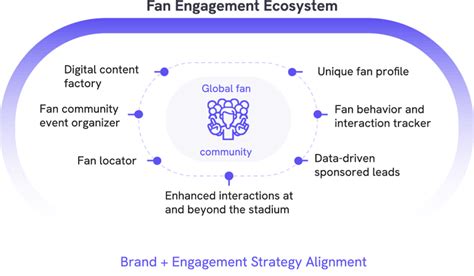
Fan engagement and community support also play a role in a team's ability to sustain or improve their standings. Frosinone has a loyal fan base, but there is room to deepen this connection further. Initiatives such as regular open training sessions, youth clinics, and community outreach programs can strengthen the bond between the club and its supporters. A more engaged fan base not only provides a psychological edge during home matches but can also contribute to the club’s financial health through increased ticket sales, merchandise purchases, and sponsorship interest. Moreover, a strong community presence can attract local talent to the academy, creating a virtuous cycle of development and loyalty.
From a strategic standpoint, Frosinone should also consider the long-term goal of building a sustainable model for growth. This involves not just focusing on immediate results but also laying the groundwork for consistent competitiveness over several seasons. One way to achieve this is by establishing clear performance benchmarks for players, coaches, and the management team. For instance, setting targets for points accumulation in specific phases of the season or improving defensive statistics in away games can provide a roadmap for incremental improvement. Additionally, Frosinone could benefit from fostering partnerships with larger clubs for loan deals or co-ownership arrangements. These partnerships can provide access to higher-quality players without straining the budget, while also offering Frosinone’s younger talents exposure to higher levels of competition.
In terms of future outlook, Frosinone’s current trajectory suggests that they are at a crossroads. They have the potential to solidify their position as a competitive mid-table team in Serie B or even push for promotion to Serie A if they address their weaknesses systematically. However, this will require a dual focus on immediate performance enhancement and long-term strategic planning. The club must prioritize investments in scouting, youth development, and tactical innovation while also ensuring that their financial model supports sustainable growth. A clear vision from the leadership, coupled with consistent execution at all levels of the organization, will be essential for this journey.
- Frosinone should focus on improving their away game performance by addressing defensive lapses and fatigue management strategies.
- Investing in squad depth, particularly in versatile players who can step into multiple roles, is crucial for mitigating the impact of injuries or suspensions.
- The club should adopt a data-driven approach to scouting and player acquisition to identify undervalued talent that fits their system.
- Greater tactical flexibility, including occasional shifts in formation, can make Frosinone less predictable and more competitive against varied opponents.
- Strengthening community ties through fan engagement initiatives can provide both emotional and financial support for the team.
- Establishing clear performance benchmarks and fostering partnerships with larger clubs can help Frosinone build a sustainable growth model.
In conclusion, Frosinone Calcio's standings reflect a team with potential but one that must address specific challenges to either sustain or improve their position. By focusing on adaptability, squad depth, financial innovation, and community engagement, the club can create a foundation for long-term success. While the road ahead is not without its obstacles, Frosinone has the opportunity to carve out a distinct identity as a club that balances ambition with pragmatism, leveraging their strengths while proactively addressing their weaknesses. With the right mix of strategy, investment, and execution, Frosinone can look forward to a future where their standings not only reflect their current efforts but also their aspirations for greater heights in Italian football.