Introduction to the CAF Group Stage
The CAF (Confederation of African Football) group stage is a pivotal component of several major football tournaments, including the Africa Cup of Nations (AFCON), the CAF Champions League, and the CAF Confederation Cup. For fans, analysts, and players, understanding the structure and implications of the group stage is essential to grasping the dynamics of the competition. This guide will delve into the format, significance, and key aspects of the CAF group stage.
Structure of the CAF Group Stage
The group stage of CAF competitions typically follows a standardized format that varies slightly depending on the specific tournament. Here’s a general overview of how it works:

- Number of Teams: Usually, each group consists of 4 to 6 teams, depending on the competition. For example, the AFCON group stage often includes 4 teams per group, while the Champions League may have larger groups.
- Match Schedule: Teams play against each other within their group, with each team facing every other team in the group at least once. The number of matches per group depends on the number of participating teams.
- Points System: A standard points system is applied: 3 points for a win, 1 point for a draw, and 0 points for a loss. This system is consistent across all CAF tournaments.
- Qualification Criteria: At the end of the group stage, teams are ranked based on points accumulated. The top teams (usually the top 2 or 3) advance to the knockout stages, while the rest are eliminated.
CAF champions league group stage
The CAF Champions League is one of the most prestigious tournaments in African football. Its group stage is structured as follows:
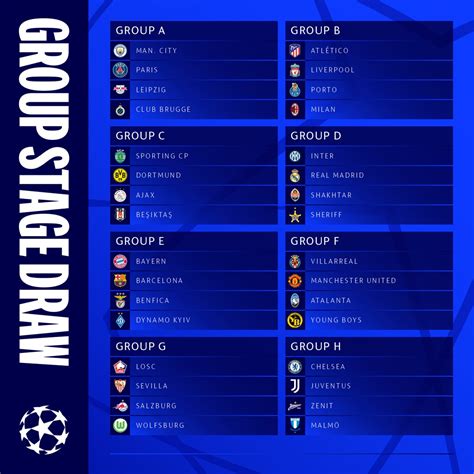
- The preliminary rounds reduce the number of entrants to 16 teams, which are then divided into 4 groups of 4.
- Each group stage match is played home and away, offering fans the chance to see their teams in action both domestically and internationally.
- The top 2 teams from each group advance to the Round of 16, where knockout-style matches begin.
Africa Cup of Nations (AFCON) Group Stage
The AFCON group stage is equally crucial, as it determines which teams progress to the knockout rounds. Here’s how it typically unfolds:

- 16 teams are divided into 4 groups of 4.
- Teams play each other within their group, and the top 2 teams advance to the quarterfinals.
- In the event of a tie in points, tiebreakers such as goal difference, goals scored, and head-to-head records are applied to determine final rankings.
Significance of the Group Stage
The group stage of CAF competitions is more than just a preliminary round; it sets the tone for the entire tournament. Here’s why it matters:
- Team Strategy: Coaches and players use the group stage to fine-tune their strategies, assess opponents, and adapt to the tournament environment.
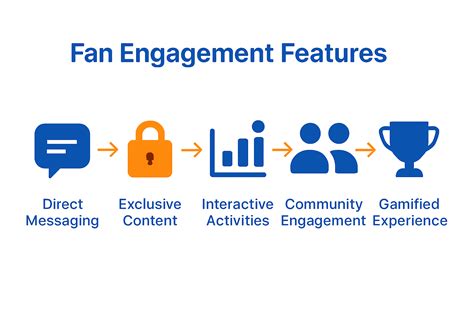
- Fan Engagement: The group stage generates significant excitement among fans, who eagerly follow their national teams or club sides as they compete for a place in the knockout stages.
- Economic Impact: The group stage provides substantial revenue for participating teams, sponsors, and broadcasters due to increased viewership and ticket sales.
Key Factors Influencing Group Stage Performance
Several factors can influence a team’s success during the group stage:
- Home Advantage: Playing at home can boost morale and improve performance, especially for national teams that enjoy strong local support.
- Player Injuries and Availability: Injuries to key players can significantly affect a team’s ability to perform in the group stage.
- Tactical Adjustments: Teams that adapt their tactics quickly to the tournament format tend to fare better in the group stage.
Notable Examples and Historical Highlights
Over the years, the CAF group stage has produced memorable moments and historic performances. Here are a few notable examples:
- AFCON 2019: The Egyptian national team, led by Mohamed Salah, dominated their group, securing a spot in the knockout stages with a perfect record.
- CAF Champions League 2021: Al Ahly of Egypt made history by winning the Champions League after a dramatic group stage where they overcame strong competition.
- CAF Confederation Cup 2022: Moroccan club RS Berkane emerged as a surprise contender by advancing from the group stage and eventually winning the competition.
FAQ: Common Questions About the CAF Group Stage
- Q1: How many teams are in each group during the CAF group stage?
A1: Typically, groups contain 4 to 6 teams, depending on the specific CAF tournament.
- Q2: What happens if two or more teams finish the group stage with equal points?
A2: In the event of a tie, teams are ranked using tiebreakers such as goal difference, goals scored, and head-to-head results.
- Q3: How many matches are played in the group stage of the AFCON?
A3: Each team plays every other team in the group once, so for a 4-team group, each team plays 3 matches.
- Q4: Does the group stage of the CAF Champions League differ from the AFCON?
A4: Yes, the group stage structure varies between tournaments. The Champions League often includes more teams and may have different qualification criteria compared to the AFCON.
- Q5: What is the significance of the group stage in the CAF Confederation Cup?
A5: The group stage determines which teams advance to the knockout rounds, making it a critical phase for clubs competing in this competition.
Conclusion
The CAF group stage is a crucial element of African football tournaments, influencing the trajectory of teams and shaping the excitement of fans. Whether you’re a supporter, analyst, or player, understanding the group stage’s structure, impact, and nuances is essential for appreciating the depth and richness of African football. As the tournaments unfold, keep an eye on the group stage dynamics to predict which teams will rise to the occasion and which will fall short.