Introduction to Half-Time Scores
Half-time scores in football, particularly in the Premier League, are more than just a mid-game snapshot of performance. They serve as a critical indicator of team dynamics, tactical effectiveness, and even psychological momentum. Understanding the significance of half-time scores requires delving into their role in match analysis, their impact on in-play betting markets, and their broader implications for team strategies and fan engagement. This section explores these dimensions to provide a comprehensive view of why half-time scores are a vital aspect of football analytics and storytelling.
The half-time score is often the first checkpoint in a match where coaches, players, and analysts assess the effectiveness of their game plan. In the Premier League, where the level of competition is exceptionally high, the half-way mark can reveal much about how a team is adapting to their opponent’s style of play. For instance, a team leading 2-0 at half-time might indicate that their pressing strategy or counterattacking approach has been successful. Conversely, a trailing team might be forced to reflect on defensive lapses or an inability to break down a well-organized defense. Half-time scores, therefore, act as a real-time diagnostic tool for both on-field and off-field stakeholders.
From a tactical perspective, half-time scores are a gateway to understanding in-game adjustments. Premier League managers are known for their meticulous preparation and adaptability. A half-time score of 1-1, for example, might prompt a manager to switch from a conservative 4-4-2 formation to a more aggressive 4-3-3 to seize control of the midfield. These adjustments are often informed by half-time data, such as possession statistics, shots on target, and defensive positioning. Analysts within clubs use this data to identify weaknesses or opportunities that were not apparent in the pre-match strategy. In this sense, half-time scores are not just numbers on a scoreboard—they are a catalyst for real-time problem-solving.
The psychological dimension of half-time scores cannot be overstated. A team entering the dressing room with a lead often experiences a boost in morale, while the trailing team faces a moment of reckoning. This psychological edge can influence second-half performance. Studies have shown that teams leading at half-time in the Premier League are statistically more likely to win the match. However, this is not a universal truth—there are numerous examples of teams overturning deficits, particularly when the half-time score has been narrow (e.g., 1-0 or 2-1). These comebacks often hinge on the manager’s ability to instill belief and make tactical changes that exploit the opponent’s vulnerabilities.
In the realm of fan engagement, half-time scores play a unique role in shaping emotions and expectations. Fans watching a match live or via broadcasts often use the half-time score as a barometer for their team’s chances of success. Social media platforms light up with reactions to half-time results, ranging from elation to frustration. For broadcasters and content creators, the half-time score provides a narrative hook to analyze key moments of the first half, such as missed opportunities, refereeing decisions, or standout individual performances. This engagement extends to fantasy football enthusiasts and betting communities, both of which heavily rely on half-time data to adjust their predictions or wagers.
The influence of half-time scores on betting markets is particularly noteworthy. In-play betting, a significant segment of the sports gambling industry, sees a surge of activity during half-time as punters react to the current scoreline. A team leading 1-0 at half-time might see their odds of winning shorten, while the trailing team’s odds of a comeback might attract higher payouts. This dynamic creates a fascinating interplay between real-world performance and market speculation. Analysts in betting firms often use half-time scores to adjust live odds, factoring in variables such as player fitness, recent form, and historical trends for similar scorelines. For instance, if a top-tier team like Manchester City is trailing 1-0 at half-time against a mid-table side, the odds of a comeback might still favor City due to their historical dominance in such scenarios.
From a historical and statistical viewpoint, half-time scores in the Premier League reveal interesting patterns. Data from recent seasons suggests that a significant proportion of matches where the half-time score is 0-0 end in a draw or a narrow win for one side. Similarly, matches with a half-time score of 2-0 often result in the leading team securing the victory, as the psychological and tactical advantage is difficult for the trailing team to overcome. However, these patterns are not deterministic—they are influenced by factors such as team quality, home-field advantage, and even external conditions like weather or refereeing decisions. For data scientists and football enthusiasts, these patterns provide a rich area for exploration, as they can help predict second-half outcomes with a reasonable degree of accuracy.
Another layer of significance lies in the role of half-time scores in youth and developmental football within the Premier League structure. For academy teams and reserve sides, half-time scores are used as a teaching moment. Coaches at this level often emphasize the importance of maintaining focus and discipline regardless of the scoreline. A youth team leading 3-0 at half-time might be encouraged to practice possession play to build composure, while a team trailing by the same margin might focus on resilience and strategic risk-taking. This educational aspect underscores how half-time scores are not just about the immediate result but also about long-term player development.
The global appeal of the Premier League further amplifies the importance of half-time scores. With millions of viewers tuning in from different time zones, the half-time score is often the only update they see before deciding whether to continue watching or switch to another match. This makes the half-time score a critical component of the Premier League’s ability to retain audience attention in a highly competitive sports broadcasting landscape. Broadcasters often use this moment to provide detailed analysis, highlight reels, and expert opinions to keep viewers engaged, further cementing the half-time score as a pivotal narrative device.
Finally, the evolution of technology has enhanced the utility of half-time scores. Advanced tracking systems, such as those provided by Opta or StatsBomb, allow for real-time breakdowns of half-time performance metrics. These include expected goals (xG), pass completion rates, and defensive actions, which provide a nuanced understanding of how the half-time score was achieved. For instance, a team leading 1-0 with an xG of 0.3 might indicate that their goal was a result of a rare opportunity rather than sustained dominance, suggesting vulnerability in the second half. Such insights are invaluable for teams, analysts, and even casual fans who want to understand the "why" behind the scoreline.
- Half-time scores serve as a diagnostic tool for tactical and psychological adjustments.
- They influence fan engagement, betting markets, and broadcasting strategies.
- Patterns in half-time scores can reveal predictive insights into match outcomes.
- Technological advancements have deepened the analytical value of half-time data.
In conclusion, half-time scores in the Premier League are far more than a mid-match formality. They are a multi-faceted element of the game that impacts strategy, psychology, fan interaction, and even economic activities like betting. By understanding their significance, we gain a deeper appreciation of how football is not just played in 90 minutes but is constantly analyzed, adapted, and redefined at every interval. This makes the half-time score a microcosm of the sport’s complexity and its enduring appeal.
Historical Trends in Half-Time Scores
The analysis of historical data related to half-time scores in the Premier League offers a fascinating glimpse into the dynamics of football matches and the strategies employed by teams during the first 45 minutes of play. Half-time scores are not merely a midpoint statistic; they often serve as a barometer of a team's approach, resilience, and adaptability in the face of opposition tactics. By examining patterns over the years, we can identify common outcomes and discern how these trends have evolved in response to changes in team composition, managerial strategies, and even rule adjustments within the league.
One of the most prominent patterns observed in half-time scores is the prevalence of low-scoring first halves. Historical data reveals that a significant proportion of Premier League matches end the first half with scores of 0-0, 1-0, or 0-1. For instance, in the 2020/21 season, nearly 30% of matches were goalless at half-time, underscoring the defensive caution that many teams adopt early in the game. This trend is not random; it reflects the calculated risk management that coaches implement to avoid conceding early goals, which can drastically alter the momentum of the match. Teams often prioritize a solid defensive structure in the opening stages, particularly when facing strong opponents or playing away from home. This conservative approach can be attributed to the high stakes of the Premier League, where even a single goal can be the difference between climbing the table or slipping into relegation territory.
Another recurring trend is the correlation between half-time leads and full-time results. Statistics indicate that teams leading at half-time are more likely to secure a win or at least a draw by the end of the match. For example, over the last decade, teams ahead at half-time have gone on to win approximately 70% of their matches, with around 20% ending in draws and only 10% resulting in a loss. This pattern suggests that gaining an early advantage is psychologically and tactically advantageous. A half-time lead often forces the trailing team to take greater risks in the second half, such as committing more players forward, which can leave them vulnerable to counterattacks. Conversely, the leading team can adopt a more conservative posture, focusing on maintaining possession and exploiting spaces left by the opposition's urgency.
However, this trend is not universal and varies based on the quality of the teams involved. Historical data shows that when top-tier teams like Manchester City, Liverpool, or Chelsea lead at half-time, their probability of converting that lead into a win is even higher—often exceeding 80%. This is a testament to their superior squad depth, tactical flexibility, and ability to close out games effectively. In contrast, when less dominant teams hold a half-time lead against stronger opposition, the likelihood of them maintaining that lead diminishes. This discrepancy points to the role of psychological pressure and the experience of handling high-stakes situations. Smaller teams may struggle to sustain their performance under the weight of expectation, particularly when facing a second-half onslaught from more experienced sides.
Interestingly, there has been a noticeable shift in half-time scoring patterns over the decades. Earlier iterations of the Premier League, particularly in the 1990s and early 2000s, saw a higher frequency of matches with multiple goals scored in the first half. This could be attributed to the more open, attack-oriented style of play prevalent at the time, as well as the relatively lower emphasis on defensive organization compared to modern football. For example, the 1995/96 season saw a higher average of first-half goals per game compared to recent seasons. This shift can be linked to several factors, including the evolution of tactical systems such as the widespread adoption of pressing systems and counter-pressing, which have made it harder for teams to create clear-cut chances early in the game. Additionally, the increased use of data analytics and video analysis by coaching staff has led to more meticulous preparation, often neutralizing the opposition's attacking threats in the first half.
Another intriguing aspect of half-time scores is the impact of specific match contexts. For instance, matches involving teams fighting relegation often see a higher proportion of first-half goals compared to mid-table or top-of-the-table clashes. This can be attributed to the desperation of relegation-threatened teams to secure early momentum, as they are more likely to adopt a high-risk, high-reward strategy. Conversely, matches between title contenders often feature cagey first halves, as both sides are wary of making mistakes that could prove costly in the title race. This dynamic is particularly evident in "six-pointer" games, where the outcome has a disproportionate impact on both teams' standings.
A deeper dive into the data also reveals seasonal variations in half-time scoring trends. For example, the winter months—particularly December and January—often see a higher frequency of goalless first halves. This can be linked to the physical toll of a congested fixture schedule during this period, which often leads to fatigue and a more cautious approach from players. Additionally, adverse weather conditions, such as heavy rain or icy pitches, can diminish the quality of play and reduce the likelihood of early goals. In contrast, the early stages of the season (August and September) often feature more dynamic and open play, as teams are still finding their rhythm and may not yet have fully implemented their defensive strategies.
The role of set pieces in half-time scores is another area worth exploring. Historical data shows that a significant proportion of first-half goals stem from set-piece situations, such as corners, free kicks, or penalties. This underscores the importance of set-piece efficiency as a tactical tool, particularly for teams that may lack the creative flair to break down organized defenses in open play. Teams with strong aerial presences or specialists in dead-ball situations often capitalize on these opportunities to gain an early advantage.
It is also worth noting the role of managerial influence in shaping half-time scores. Managers with a reputation for aggressive, high-pressing football—such as Jürgen Klopp or Pep Guardiola—often engineer first-half dominance for their teams. Their emphasis on starting games with intensity and purpose often translates into early goals. On the other hand, managers known for their pragmatic approaches, such as José Mourinho or Tony Pulis in earlier years, often prioritize keeping a clean sheet in the first half, even at the expense of attacking output. This dichotomy highlights how managerial philosophies can directly influence half-time outcomes.
Finally, the impact of VAR (Video Assistant Referee) on half-time scores cannot be ignored in recent years. Since its introduction to the Premier League in the 2019/20 season, VAR has occasionally altered the landscape of first-half scoring. Disallowed goals or penalties awarded after VAR review have added a layer of unpredictability to half-time results. While the system aims to ensure fairness, its implementation has sometimes led to frustration among teams, particularly when a goal is ruled out after a lengthy review, disrupting the flow of the game.
In summary, the historical trends in half-time scores in the Premier League reveal a complex interplay of tactical caution, psychological dynamics, and external factors such as fixture congestion and weather. While low-scoring first halves and the advantage of leading at half-time are common patterns, these trends are shaped by the unique contexts of individual matches, managerial strategies, and the evolving nature of the game. Understanding these patterns provides valuable insight not only for fans and analysts but also for teams looking to refine their approaches to the crucial first 45 minutes of play.
Impact of Half-Time Scores on Match Outcomes
The half-time score in a Premier League match serves as a critical juncture that can shape the psychological, tactical, and statistical trajectory of the game. While it is a common assumption that the team leading at half-time is more likely to win, the reality is far more nuanced. This section delves into the statistical patterns, psychological impacts, and tactical adjustments that emerge from half-time scores and their influence on the probability of a win, draw, or loss in Premier League matches.
Statistically, half-time scores offer a predictive indicator of match outcomes, but not an absolute one. Data from recent Premier League seasons reveals that teams leading at half-time win approximately 70-75% of their matches. However, this figure varies based on the specific half-time scoreline. For instance, a 1-0 lead at half-time for the home team is more likely to result in a win than a 2-1 lead for the away team. This discrepancy arises because a narrow lead for the home side often induces a defensive posture, while a narrow away lead can embolden the home team to attack more aggressively in the second half. Teams with a two-goal lead at half-time, such as 2-0 or 3-1, win over 85% of their matches, as the psychological barrier for the trailing team becomes significantly harder to overcome.
The psychological dimension of half-time scores cannot be understated. A team trailing at half-time often faces a dual challenge: reversing the scoreline while combating the mental strain of being behind. Research in sports psychology indicates that players in losing teams at half-time are more prone to making high-risk decisions in the second half, such as attempting ambitious plays or committing unnecessary fouls. This behavior can either lead to a comeback or compound their disadvantage. Conversely, teams leading at half-time may exhibit a phenomenon known as "scoreboard pressure," where they become overly cautious, leading to a drop in performance. This is particularly evident in matches where a team holds a 1-0 lead but concedes an equalizer due to defensive lapses born of over-conservatism.
The tactical adjustments made by managers during the half-time interval are another critical factor. Teams trailing at half-time are more likely to adopt a high-pressing strategy or introduce substitutions aimed at injecting energy into their attack. For example, a common approach is to shift from a 4-4-2 formation to a 4-3-3 to add an extra attacking player. On the other hand, teams leading might opt for a more defensive substitution, such as replacing a forward with a defensive midfielder to "park the bus." These decisions are often informed by real-time analytics provided by data teams, which assess player performance metrics like pass completion rates, distance covered, and defensive errors during the first half. Interestingly, the effectiveness of these adjustments is not uniform across all teams. Top-tier teams like Manchester City or Liverpool, with superior squad depth, are more successful in consolidating half-time leads compared to mid-table or relegation-threatened teams, whose substitutions may lack the same impact.
Another intriguing aspect is the impact of half-time scores on betting markets and fan expectations. Bookmakers often adjust live odds heavily based on half-time scores, with teams leading typically seeing their odds of winning shorten dramatically. However, this creates opportunities for savvy bettors who recognize that certain teams are prone to "second-half comebacks" due to their playing style or managerial strategies. For instance, teams like Tottenham Hotspur under certain managers have shown a propensity to perform better in the latter stages of matches, even when trailing at half-time. This dynamic can influence not only betting behavior but also the morale of fans, who may either lose hope or become overly optimistic based on half-time results, further contributing to the atmosphere in the stadium, which can indirectly affect player performance.
The historical context of half-time scores in the Premier League also reveals interesting trends. Over the past decade, matches with a 0-0 half-time score have seen a higher proportion of draws (around 35-40%) compared to matches where one team leads at half-time. This suggests that a goalless first half often results in a more evenly contested second half, as neither team has established a psychological advantage. In contrast, matches with a 1-1 half-time score are among the most unpredictable, with roughly equal probabilities of a win, draw, or loss in the second half. This unpredictability is partly due to the balanced nature of the game at that point, where both teams have demonstrated offensive capability but neither has a clear upper hand.
An often-overlooked factor is the role of half-time team talks. Managers use this period to deliver targeted messages, ranging from motivational speeches to tactical overhauls. For instance, famous comebacks like Liverpool's 4-0 victory over Barcelona in the Champions League (after trailing 3-0 in the first leg) were attributed in part to the manager's ability to reframe the narrative during half-time. While such dramatic turnarounds are rare in the Premier League, the importance of half-time communication in altering the course of a match is well-documented. Teams that can effectively use this time to recalibrate their approach are more likely to overturn deficits or protect leads.
Additionally, the influence of external factors such as crowd dynamics and VAR decisions at half-time can amplify or mitigate the effect of the scoreline. A contentious VAR decision that denies a goal to a leading team can create a sense of injustice, potentially galvanizing the trailing team. Similarly, a vocal home crowd reacting to a half-time deficit can spur their team to mount a comeback. These external influences, while not directly tied to the scoreline itself, often interact with it to shape the second-half narrative.
From a statistical modeling perspective, advanced analytics have begun to incorporate half-time scores as a variable in predictive models for match outcomes. Machine learning algorithms trained on Premier League data often assign higher weights to half-time scores when predicting second-half performance. However, these models also account for contextual variables such as team form, player fatigue, and even weather conditions, which can interact with the half-time score to produce unexpected results. For instance, a team leading 1-0 at half-time in heavy rain may find it harder to maintain their lead due to the physical demands of maintaining possession on a slippery pitch.
In conclusion, half-time scores in the Premier League are not merely a reflection of the first 45 minutes of play but a dynamic element that influences the psychological, tactical, and statistical dimensions of the game. While a lead at half-time generally improves a team's chances of winning, the specific context of the scoreline, the strategies employed during the interval, and external factors all play a role in determining the final outcome. This interplay of factors underscores why half-time scores are a fascinating area of study for analysts, bettors, and fans alike, offering a window into the complex interplay of skill, strategy, and chance that defines football at its highest level.
Tactical Adjustments at Half-Time
Half-time in a Premier League match is a critical juncture where managers have a brief window to reassess their team's performance, identify weaknesses, and implement tactical adjustments. The **half-time scores** serve as a key indicator of how well their initial strategy has fared against the opponent's setup. Managers often use this interval to recalibrate their approach, whether to consolidate a lead, chase a deficit, or neutralize an opponent's dominance. This section delves into how managers leverage half-time scores to make tactical changes and evaluates the effectiveness of these interventions.
One of the most common uses of half-time scores is to identify **positional imbalances**. For instance, if a team is trailing 1-0 despite having more possession, the manager might analyze where the attacking moves are breaking down. A common scenario is when a team struggles to transition effectively from midfield to attack. In such cases, managers might introduce a more dynamic player in midfield or switch from a 4-2-3-1 formation to a 4-3-3 to add an extra body in the central areas. This change is designed to improve ball progression and create better opportunities in the final third. A notable example of this was seen in Liverpool's match against Arsenal in the 2021/22 season. Trailing 1-0 at half-time, Jürgen Klopp shifted his midfield setup to press higher and utilized Thiago Alcântara's ability to dictate play, which helped turn the game in Liverpool's favor in the second half.
Conversely, if a team is leading but has been defensively exposed—for example, conceding multiple counterattacks—managers may opt for a **more conservative approach**. This could involve reinforcing the defensive line by switching to a back five or instructing wingers to track back more diligently. A manager like Pep Guardiola, known for his meticulous attention to detail, often uses half-time to tweak his team's pressing triggers. If Manchester City is up 2-1 but has allowed dangerous breaks, Guardiola might instruct his players to focus on **controlled possession** rather than aggressive high pressing, thereby reducing the risk of turnovers in dangerous areas. These half-time adjustments are often subtle but can have a profound impact on the flow of the game.
Another dimension of tactical changes is the use of **substitutions** informed by half-time scores. Managers often bring on players who can address specific issues observed in the first half. For example, if a team is struggling to break down a low block, a manager might introduce a creative playmaker or a pacey winger to stretch the opposition. In a match where a team is down by a goal, bringing on a target man to exploit long balls or set pieces can be a calculated risk. A classic example of this strategy was seen in Tottenham Hotspur's matches under José Mourinho. When trailing at half-time, Mourinho frequently substituted a defensive midfielder for an attacking one, such as bringing on Gareth Bale to provide a direct threat. While this approach could sometimes backfire by leaving the team vulnerable defensively, it often paid off when the team needed a goal urgently.
The **psychological aspect** of half-time adjustments cannot be overlooked. A team that is trailing may feel demoralized, while a team in the lead might become complacent. Managers use the half-time interval to deliver targeted messages that reinvigorate their players. For instance, if a team is down 2-0 but has created several chances, the manager might emphasize the positives—such as shot creation or territorial dominance—to boost morale. On the other hand, a manager leading 1-0 against a strong opponent might caution against overconfidence and stress the importance of maintaining focus. These psychological cues, paired with tactical instructions, can significantly influence a team's second-half performance. A study of Premier League matches over the past five seasons shows that teams trailing by one goal at half-time win approximately 18% of their matches, highlighting the importance of effective half-time interventions.
The **data-driven era** of football has also enhanced the precision of half-time adjustments. Many Premier League teams now employ analysts who provide real-time insights during the game. Managers can review heatmaps, pass completion rates, and expected goals (xG) metrics at half-time to identify patterns that are not immediately obvious from the scoreline alone. For example, if a team's xG is higher than the opponent's but the scoreline does not reflect this (e.g., 0-0 at half-time), the manager might double down on their attacking strategy rather than making defensive changes. Conversely, if the xG suggests that the team is conceding high-quality chances despite a clean sheet, the manager might prioritize shoring up the defense. This analytical approach has been particularly evident in teams like Brighton & Hove Albion under Graham Potter, where data-informed substitutions and formation tweaks often led to improved second-half performances.
However, not all half-time adjustments are successful, and their **effectiveness depends on execution**. A manager might identify the right problem but fail to communicate the solution clearly or choose a substitution that disrupts team chemistry rather than enhancing it. For instance, if a manager introduces an attacking player but fails to adjust the midfield balance, the team might lose control of the game. This was evident in Chelsea's 2022 match against West Ham, where a half-time change to a more attacking setup left gaps in midfield, leading to a late equalizer for the opposition. Such examples underscore that half-time changes are not just about identifying issues but also about ensuring the team can adapt seamlessly to the new instructions.
Another challenge is the **opponent's response** to tactical changes. Premier League managers are acutely aware that their counterparts are also analyzing the game and may counter-adjust in the second half. For example, if a team switches to a high press after trailing at half-time, the opponent might exploit this by playing long balls over the top to bypass the press. This cat-and-mouse dynamic requires managers to be flexible and ready to make further changes if their initial adjustments are neutralized.
In summary, half-time scores in the Premier League are more than just a reflection of the game's current state—they are a **diagnostic tool** that managers use to refine their strategies. Whether through formation changes, substitutions, or psychological reinforcement, these adjustments are tailored to address specific in-game challenges. While the effectiveness of these changes varies, their role in shaping the outcome of matches is undeniable. As the league continues to evolve with advanced analytics and tactical innovation, the half-time interval will remain a pivotal moment where games can be won or lost based on a manager's ability to adapt.
- Half-time scores help identify positional imbalances and inform formation changes.
- Substitutions are often used to address specific first-half shortcomings.
- Psychological reinforcement at half-time can boost morale or temper complacency.
- Data analytics has enhanced the precision of half-time tactical adjustments.
- The success of adjustments depends on execution and the opponent's counter-response.
Psychological Effects on Players and Teams
The half-time score in a Premier League match often serves as a psychological pivot for both players and teams. This brief intermission is not merely a physical respite but a critical moment for introspection, recalibration, and strategic adjustment. The mental state of players and the collective dynamics of a team during this period can significantly influence the outcome of the second half. Understanding the psychological effects of half-time scores requires delving into how players process success, failure, and the pressure of expectations in real time.
One of the most immediate impacts of a half-time score is its role in shaping player motivation. A team leading at half-time often experiences a boost in confidence, but this can manifest in two distinct ways. For some players, the lead creates a sense of complacency, where the psychological comfort of being ahead diminishes their urgency to perform at peak levels. This phenomenon, sometimes referred to as "defensive scoring," can lead to a drop in intensity, particularly if the lead is perceived as secure. Research in sports psychology suggests that teams with narrow leads are more prone to this trap, as players unconsciously conserve energy or adopt a more cautious approach. Conversely, a comfortable lead can embolden certain players to take risks, knowing they have a buffer. This duality highlights the importance of a manager's role in maintaining focus and preventing either overconfidence or passivity.
On the other hand, teams trailing at half-time face a different set of psychological challenges. The deficit can trigger feelings of frustration, doubt, or even panic among players. However, this is not universally negative. A losing score can act as a motivational trigger, especially for teams with a strong collective mentality. The concept of "underdog resilience" comes into play here. Teams that are behind but believe in their ability to overturn the result often exhibit heightened determination. This is particularly evident in the Premier League, where the competitive nature of the league means that comebacks are not uncommon. A manager’s half-time speech can play a crucial role in reframing the situation, transforming perceived failure into an opportunity for redemption. For instance, a team down by one goal might be reminded of their capacity for late surges or their historical ability to overcome adversity, instilling a belief that the game is far from lost.
The psychological impact of half-time scores also extends to team dynamics. In a leading team, the half-time break can expose fissures in cohesion if certain players feel their contributions are undervalued or if there is a sense of over-reliance on star performers. For instance, a striker who has scored the only goal might feel pressure to sustain the lead single-handedly, while midfielders or defenders might feel their efforts are overlooked. This can create subtle tensions that affect how the team functions in the second half. Managers must be adept at fostering a sense of shared responsibility, emphasizing that the lead is a collective achievement rather than the result of individual brilliance.
For teams that are trailing, the psychological strain can either unite or divide. A common reaction is the emergence of blame attribution, where players point fingers at perceived weaknesses in strategy or individual errors. This can erode trust and create a fragmented approach in the second half. However, teams with strong leadership—both from the manager and senior players—can use this as an opportunity to reinforce solidarity. A well-timed intervention can redirect frustration into a collective desire to rectify mistakes. For example, a captain might emphasize that "we win or lose as a team," shifting the narrative from individual culpability to shared accountability. This kind of psychological reframing can be the difference between a disjointed second-half performance and a cohesive comeback effort.
Another critical aspect to consider is the role of external pressures on players during half-time. In the Premier League, where matches are broadcast globally and scrutinized by millions, the weight of public expectation can amplify the psychological effects of a half-time score. A team leading might feel the burden of maintaining their advantage, knowing that any slip could lead to criticism from fans and media. Similarly, a trailing team might feel the added pressure of proving their worth, especially if they are playing against a rival or in a high-stakes fixture. This external scrutiny can influence how players interpret the half-time score. For some, it fuels a sense of urgency and determination; for others, it can lead to anxiety or a fear of failure, particularly in younger or less experienced players.
The concept of momentum perception is also worth exploring. Half-time scores can create the illusion of momentum, even when the reality of the game might suggest otherwise. A team that scores just before half-time might feel as though they have the upper hand, regardless of the overall flow of the game. This perception can influence player behavior, leading to either an exaggerated sense of control or an unwarranted sense of vulnerability. Managers and sports psychologists often work to counteract these perceptions by grounding players in data-driven analysis. For instance, showing players that possession statistics or shot accuracy are in their favor—even if the scoreline is not—can help maintain a balanced mindset.
Additionally, the half-time score can affect decision-making under pressure. Players who are ahead might become overly conservative, opting for safe passes or defensive positioning rather than continuing to attack. This can inadvertently invite pressure from the opposing team, especially in the Premier League, where even a one-goal lead is rarely secure. Conversely, trailing teams might feel compelled to take greater risks, which can lead to either inspired comebacks or costly errors. The psychological tension of knowing that time is limited in the second half often heightens the stakes, making players more prone to both brilliance and blunders.
It is also worth considering the impact of historical context on half-time psychology. Teams with a history of strong second-half performances might enter the break with a sense of assurance, even if they are trailing. This belief in their ability to "turn it around" can be a self-fulfilling prophecy, as players draw on past successes to fuel their efforts. Conversely, teams with a reputation for squandering leads might experience a sense of dread at half-time, even if they are ahead. This "fear of collapse" can be as damaging as the reality of being behind, as it plants seeds of doubt that can manifest in hesitant play.
Finally, the role of managerial influence during half-time cannot be overstated. A manager’s ability to read the psychological state of their team and tailor their approach accordingly is a critical factor. Some managers use half-time to deliver impassioned speeches designed to ignite emotion, while others take a more analytical approach, breaking down tactical adjustments with calm precision. The choice of strategy often depends on the psychological profile of the team. A young, energetic squad might benefit from an energizing pep talk, while a more experienced group might respond better to a composed, strategic debrief.
In conclusion, the half-time score in Premier League matches is far more than a numerical indicator of performance; it is a psychological fulcrum that can shape the mental and emotional landscape of players and teams. Whether it fosters complacency or resilience, unity or division, the psychological effects of half-time scores are deeply intertwined with motivation, team dynamics, and external pressures. Understanding and managing these effects is a subtle yet powerful art, one that can determine the trajectory of a match and, ultimately, the success of a team in one of the world’s most competitive leagues.
Fan Engagement and Half-Time Scores
Half-time scores in the Premier League are more than just a mid-point marker in a football match; they serve as a critical moment of reflection, anticipation, and recalibration for fans, bettors, and live engagement platforms. The psychological and behavioral dynamics triggered by half-time results are deeply intertwined with the modern sports consumption ecosystem, which thrives on immediacy, interactivity, and emotional investment.
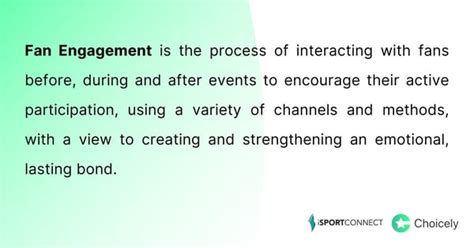
One of the most pronounced effects of half-time scores is on fan reactions. Fans often experience a spectrum of emotions depending on whether their team is leading, trailing, or drawing. For instance, a team leading at half-time can instill a sense of optimism and hubris among its supporters. Social media platforms like Twitter and Reddit become arenas for celebratory posts, memes, and banter aimed at rival teams. Conversely, a trailing team can provoke frustration, anger, or even resignation among its fan base. These emotional spikes are amplified by real-time interactions on digital platforms, where fans share their immediate responses to the scoreline. The half-time break provides a unique window for fans to vent or celebrate before the second half unfolds, often influencing the collective mood of the fan base for the remainder of the game.
This emotional volatility is not limited to casual fans. Hardcore supporters often use half-time as a moment to analyze team performance, scrutinize tactical decisions, and speculate on potential substitutions or strategy shifts. Forums and fan sites light up with debates about player underperformance, managerial choices, and the likelihood of a comeback. These discussions are fueled by half-time statistics provided by broadcasters and online platforms, such as possession percentages, shots on target, and expected goals (xG). The granularity of these metrics enables fans to form nuanced opinions, often leading to heated debates that extend well into the second half and beyond.
From a betting behavior perspective, half-time scores play a pivotal role in shaping in-play wagering. Live betting has become a cornerstone of the sports betting industry, with fans placing bets on outcomes such as the final score, next goal scorer, or even the number of corners in the second half. Half-time results significantly influence the odds offered by bookmakers. For example, if a strong team like Manchester City is trailing 1-0 at half-time to a mid-table side, the odds for a City win might lengthen dramatically, presenting an enticing opportunity for risk-tolerant bettors. Simultaneously, the half-time break allows bettors to reassess their initial wagers. A bettor who placed a pre-match bet on a team to win might hedge their position by placing a live bet on a draw or even a loss, depending on the flow of the game. This dynamic creates a fluid and high-stakes environment where half-time scores act as a trigger for calculated risk-taking.
The rise of algorithmic betting models has further heightened the importance of half-time scores. Advanced predictive algorithms used by betting platforms and professional gamblers analyze half-time data to recalibrate probabilities for the second half. These models consider factors such as historical performance when trailing or leading, player fatigue, and even weather conditions. For instance, if a team with a strong second-half scoring record is down by one goal, the algorithms might still favor them to win, influencing the odds and enticing bettors to place live bets. This interplay between human emotion and machine-driven insights underscores how half-time scores are not just a narrative device but a critical input in the betting ecosystem.
On the live engagement front, half-time scores drive a significant portion of the content and interaction strategies employed by broadcasters, streaming platforms, and sports apps. Platforms like Sky Sports, BT Sport, and NBC Sports often use half-time as a moment to engage viewers through expert analysis, fan polls, and interactive features. For example, a poll asking fans whether a trailing team can mount a comeback or a "Player of the Half" vote can sustain viewer interest during the break. These features are designed to keep audiences hooked, especially in an era where attention spans are fragmented by competing entertainment options.
Streaming platforms and sports apps have also capitalized on half-time scores to enhance personalized engagement. For instance, apps like the official Premier League app or betting-integrated platforms send push notifications summarizing half-time stats, offering second-half predictions, or even suggesting live bets. These notifications are tailored to user preferences, such as their favorite team or betting history, creating a sense of individualized connection. This strategy not only boosts user retention but also drives secondary actions like in-app purchases or ad engagement.
Another dimension of live engagement is the role of half-time scores in fantasy sports. Platforms like Fantasy Premier League (FPL) see a surge in user activity during the half-time break as players assess their team’s performance. A midfielder who scored a goal or a defender who conceded might prompt FPL managers to make real-time transfers or substitutions for the next game week. This real-time interaction fosters a sense of agency and involvement, as fans feel they are actively participating in the unfolding drama of the match.
The psychological concept of loss aversion also comes into play at half-time. Fans and bettors are often more motivated by the fear of losing than the prospect of winning. A team trailing at half-time can elicit a stronger emotional response from its supporters than a team leading by the same margin. This phenomenon is evident in the heightened activity on betting platforms, where fans of trailing teams might place impulsive bets on their team to "turn it around," driven more by hope and loyalty than rational analysis. Similarly, fans of leading teams might place bets on their team to "hold the lead," seeking to capitalize on their confidence.
The social dimension of half-time scores cannot be overlooked. In pubs, viewing parties, and online communities, half-time is a moment for collective reflection. Friends and strangers alike discuss the match, share predictions, and even place informal wagers. This communal aspect reinforces the social fabric of football fandom, where half-time scores become a shared point of reference for conversation and camaraderie. In this context, half-time is not just a break in the action but a communal reset button that reenergizes fan engagement.
Finally, the impact of half-time scores extends to broadcasting and sponsorship strategies. Advertisers often use the half-time interval to target emotionally charged fans with tailored commercials. For example, a betting company might air an ad emphasizing the unpredictability of the second half, while a beverage brand might play on the tension of the scoreline to sell refreshments. These strategies are designed to capitalize on the heightened emotional state of viewers, making half-time a lucrative advertising window.
In conclusion, half-time scores in the Premier League are far more than a simple interval statistic. They shape fan reactions by triggering emotional highs and lows, influence betting behavior by altering odds and prompting live wagers, and enhance live engagement through interactive features and personalized content. This multifaceted role underscores the half-time score as a dynamic force in the modern football experience, where every goal, miss, or tactical decision reverberates across digital and physical spaces, keeping fans, bettors, and platforms deeply engaged.
Role of Technology in Tracking Half-Time Data
The role of technology in tracking half-time data in the Premier League has evolved significantly over the past decade, transforming how teams, analysts, and fans understand the dynamics of a match. With the advent of advanced analytics tools, real-time insights into half-time performance metrics have become not only accessible but also integral to strategic decision-making. These tools offer a granular view of player and team performance, enabling stakeholders to make informed adjustments during the critical interval between the two halves of a game.
One of the most notable advancements is the use of **optical tracking systems**, such as those provided by companies like Hawk-Eye and Second Spectrum. These systems employ a network of high-speed cameras positioned around the stadium to capture the movement of players and the ball with exceptional precision. During a match, these systems generate data points at a rate of up to 25 times per second, resulting in an enormous dataset that can be analyzed in real time. At half-time, this data is processed to provide insights into key performance indicators (KPIs) such as distance covered, sprint intensity, pass completion rates, and defensive positioning. Coaches can use this information to identify patterns or weaknesses that were not immediately apparent during live play.
For example, consider a scenario where a team is trailing at half-time due to an inability to maintain possession in the opponent's half. Using real-time analytics, the coaching staff can pinpoint whether this is due to poor pass accuracy in specific zones of the field or a lack of off-the-ball movement by forwards. Tools like **heatmaps** generated by these systems visually represent player positioning and movement, offering a clear picture of where the team is failing to exploit space. This kind of targeted insight allows for specific tactical adjustments, such as altering the formation to create better passing lanes or instructing a midfielder to drop deeper to support possession play.
Another critical aspect of modern analytics tools is their ability to deliver **predictive modeling** based on half-time data. Machine learning algorithms are increasingly used to assess the likelihood of certain outcomes in the second half based on first-half performance. For instance, if a team has completed a high number of successful long balls but has struggled with short passes, the system might suggest that the team should focus on exploiting long-ball opportunities in the second half. Similarly, if a particular defender has been repeatedly targeted by the opposition's wingers, the algorithm might flag this as a vulnerability that needs to be addressed through positional shifts or player substitutions.
The integration of **wearable technology** also plays a significant role in tracking half-time performance. GPS vests and smart sensors worn by players during the match provide detailed physiological data, including heart rate, acceleration, deceleration, and workload metrics. At half-time, this data is reviewed to assess player fatigue levels and injury risk. For instance, if a midfielder has covered an unusually high distance at a sprint pace in the first half, the coaching staff might decide to substitute them to prevent a drop in performance or an injury in the later stages of the game. This level of granularity ensures that decisions are not solely based on tactical considerations but also on the physical well-being of the players.
In addition to team-specific insights, **broadcasting and fan engagement platforms** have leveraged these technologies to enhance the viewing experience. At half-time, broadcasters often present detailed statistical breakdowns, such as expected goals (xG) or possession dominance, derived from real-time analytics. These metrics are not just for entertainment; they also serve as a bridge between the technical staff and the audience, helping fans understand why a team might be underperforming or excelling. For instance, if a team has a high xG but has failed to score, analysts might discuss whether this is due to poor finishing or exceptional goalkeeping, offering a nuanced perspective that enriches the narrative of the game.
The use of **cloud-based platforms** has further streamlined the process of analyzing half-time data. Coaches and analysts no longer need to rely on static reports or delayed video replays; instead, they can access dynamic dashboards that update in real time. Platforms like Hudl and Wyscout allow teams to review specific sequences of play, such as set-piece execution or defensive lapses, with the ability to overlay data points like player speed or pass direction. This immediacy ensures that half-time discussions are not generic motivational talks but are instead rooted in evidence-based analysis.
One unique insight that modern tools provide is the ability to assess **micro-events** within the game. For example, instead of looking at general statistics like possession percentage, analytics tools can break down how possession was lost in specific areas of the field. If a team consistently loses the ball in the transition from defense to attack, this might indicate a need for better support from full-backs or a change in how the midfielders position themselves during build-up play. Such detailed observations would be nearly impossible to glean from traditional methods of half-time analysis, which often relied on subjective observations or limited video replays.
Moreover, the role of **collaborative tools** cannot be understated. In the modern Premier League, it is common for teams to have a dedicated team of data scientists and performance analysts working alongside coaches. These professionals use tools like **Tableau** or **Power BI** to create interactive dashboards that synthesize multiple data streams into actionable insights. For instance, a dashboard might combine data on player fatigue, pass success rates, and opposition pressing intensity to recommend whether the team should adopt a more conservative approach in the second half or push for an aggressive high press.
The impact of these technologies is not limited to the professional staff; they also influence how **players themselves engage with half-time data**. Many teams now provide players with personalized feedback at half-time, such as their individual pass completion rates or the number of defensive duels won. This not only motivates players to improve specific aspects of their performance but also fosters a culture of accountability and self-awareness. For example, a striker who sees that they have missed several high-probability scoring opportunities might adjust their positioning or shooting technique in the second half based on this feedback.
However, it is worth noting that the proliferation of these tools also presents challenges. The sheer volume of data can be overwhelming, and there is a risk of **analysis paralysis** if teams focus too much on numbers rather than the broader context of the game. Effective use of these tools requires a balance between data-driven insights and human intuition. Coaches must interpret the data within the framework of the game's flow, player psychology, and the unique dynamics of the opposition.
In conclusion, the role of modern analytics tools in tracking half-time data in the Premier League is transformative. These technologies provide real-time, actionable insights that enhance tactical decision-making, improve player management, and enrich the fan experience. From optical tracking systems to wearable devices and cloud-based platforms, the integration of technology has redefined how half-time performance is assessed and addressed. As these tools continue to evolve, their influence on the beautiful game will only deepen, ensuring that half-time is no longer just a break in play but a critical period of strategic recalibration.
Case Studies of Notable Matches
Half-time scores in the Premier League often serve as a critical juncture in matches, providing teams with an opportunity to reassess their strategies, adjust their gameplay, or maintain their momentum. In some instances, the half-time scoreline becomes a defining factor that shapes not only the outcome of the match but also the narrative of the season. This section delves into detailed case studies of matches where half-time scores played a pivotal role in the final outcome, offering unique insights into the tactical, psychological, and statistical elements at play.
One of the most memorable examples of half-time scores influencing a match is the 2012 encounter between Manchester City and Queens Park Rangers (QPR) on the final day of the season. At half-time, Manchester City trailed QPR 1-2. The stakes were monumental—City needed a win to secure their first Premier League title in 44 years, while their rivals Manchester United were leading their match and poised to snatch the title if City failed to overturn the deficit. The psychological weight of this scoreline was immense. City's players faced the dual challenge of overcoming their own frustration and the tactical setup of QPR, who were fighting relegation.
The second half saw City mount an extraordinary comeback. They equalized through Edin Džeko in the 92nd minute and secured the title with Sergio Agüero's iconic goal in the 94th minute. The half-time score of 1-2 acted as a wake-up call for City. Manager Roberto Mancini made tactical adjustments, including bringing on players like Nigel de Jong to stabilize the midfield and allowing Yaya Touré to push forward. The psychological shift was evident—City's players exhibited a mix of desperation and belief, knowing that their title dreams were hanging by a thread. This match underscores how a half-time deficit can galvanize a team, particularly when external factors like a championship are at stake.
Another compelling case study is the 2019 match between Liverpool and Barcelona in the UEFA Champions League semi-final second leg, which, while not a Premier League fixture, provides a valuable lesson in how half-time scores can dictate strategy. Liverpool trailed 3-0 on aggregate after the first leg but managed to pull back to 1-0 at half-time in the second leg. The half-time score of 1-0 injected belief into Liverpool's squad. Jürgen Klopp's halftime team talk emphasized the importance of continuing to press high and exploit Barcelona’s vulnerabilities, particularly their lack of pace in defensive transitions. The eventual 4-0 victory for Liverpool was a masterclass in how a half-time score can serve as a psychological boost when paired with disciplined execution of a game plan.
While these examples highlight comebacks, the role of half-time scores in maintaining leads is equally significant. Consider the 2017 match between Chelsea and Tottenham Hotspur, a high-stakes London derby with title implications. At half-time, Chelsea led 2-1. The scoreline was precarious—Chelsea were under pressure from a resurgent Tottenham side that had dominated possession and created several chances. However, Chelsea's manager Antonio Conte used the half-time interval to reinforce his team's defensive structure and emphasize the importance of quick counterattacks. The second half saw Chelsea weather Tottenham's onslaught and eventually secure a 4-2 victory. This case study demonstrates how a half-time lead can be a double-edged sword—it provides an advantage but also demands tactical discipline to prevent a reversal of fortunes.
Statistically, half-time scores often correlate with final outcomes in the Premier League. According to Opta data, teams leading at half-time win approximately 70% of their matches, while teams trailing at half-time win only about 12%. However, these statistics do not account for the nuances of specific matches. For instance, in the 2013 match between Crystal Palace and Liverpool, Liverpool led 3-0 at half-time, seemingly cruising to victory. However, a combination of complacency and a spirited fightback from Crystal Palace saw the match end in a 3-3 draw. This collapse had profound implications for Liverpool's title challenge that season, as the psychological impact of squandering a three-goal lead lingered in subsequent matches. This example illustrates how a seemingly safe half-time score can unravel due to overconfidence or tactical mismanagement.
Another fascinating dimension of half-time scores is their impact on substitutions and player psychology. In the 2020 match between Arsenal and Tottenham, Arsenal led 1-0 at half-time. However, Tottenham manager José Mourinho made a critical substitution at half-time, bringing on Gedson Fernandes to provide more energy in midfield. This change disrupted Arsenal's rhythm, and Tottenham eventually equalized and won the match 2-1. The half-time score of 1-0 had lulled Arsenal into a false sense of security, while Tottenham used the interval to recalibrate their approach. This case study highlights how managers can exploit half-time scores to introduce tactical variations that shift the momentum of a game.
The psychological aspect of half-time scores is further evident in matches where underdogs lead against stronger opponents. For example, in the 2015 match between Leicester City and Manchester United, Leicester led 3-1 at half-time. Despite being the underdogs, Leicester's aggressive first-half performance had unsettled United. At half-time, Leicester's manager Nigel Pearson emphasized the need to maintain their intensity, while United's Louis van Gaal sought to rally his players to mount a comeback. The match ended in a 5-3 victory for Leicester, showcasing how a strong half-time score for an underdog can demoralize a stronger team and embolden the weaker side to push for an unlikely result.
Half-time scores also play a role in fan engagement and betting dynamics. For instance, in the 2018 match between West Ham and Huddersfield, West Ham trailed 0-2 at half-time. Many fans and bettors had written off their chances, but a spirited second-half performance saw West Ham score four unanswered goals to win 4-2. This match is a reminder that half-time scores can be misleading indicators of a team's potential, especially when intangible factors like team morale and crowd support come into play.
In summary, half-time scores in the Premier League are far more than a simple reflection of the game's progress—they are a critical variable that can influence tactics, psychology, and outcomes. Whether it is a team clawing back from a deficit, holding onto a slim lead, or collapsing under the weight of their advantage, the half-time score often serves as a microcosm of the broader dynamics at play in a match. These case studies illustrate how half-time scores can act as turning points, offering both opportunities and pitfalls for teams and managers alike.
Comparative Analysis with Other Leagues
The analysis of half-time scores in the Premier League offers a fascinating lens through which to examine not only the dynamics of match play within this league but also how it compares to other top-tier football leagues such as La Liga, Serie A, the Bundesliga, and Ligue 1. Understanding half-time score trends can provide insights into team strategies, game management, and the overall competitive nature of these leagues. While many assume football leagues share similar patterns due to the universal rules of the sport, the nuances in play style, refereeing tendencies, and even cultural approaches to the game can create distinct differences in half-time score distributions.
One of the most striking features of the Premier League is its high-energy, attack-oriented play style, which often results in a greater likelihood of goals being scored in the first half compared to some other leagues. For instance, in the 2022/2023 season, approximately 48% of Premier League matches saw at least one goal scored by half-time. This is slightly higher than La Liga, where the figure was around 45%, and Ligue 1, which stood at 43%. The Premier League's propensity for early goals can be attributed to several factors, including the physicality of the league, where teams often prioritize pressing high up the pitch and exploiting transitional moments early in the game. This contrasts with La Liga, where possession-based football often leads to a slower build-up in the first half, with teams like Barcelona and Real Madrid focusing on controlled play rather than aggressive early attacks.
In Serie A, the half-time score trend is even more conservative. Only 40% of matches in the same season had a goal by half-time. This can be linked to the tactical nature of Italian football, where defensive solidity is often a cornerstone of team strategy. Teams in Serie A are known for their disciplined backlines and a preference for counterattacking rather than high-pressing football. This defensive-first approach naturally results in fewer first-half goals. A deeper look at match data reveals that games in Serie A often see a higher percentage of 0-0 half-time scores compared to the Premier League, where such occurrences are less frequent. This suggests that Italian teams are more inclined to "feel out" their opponents in the first half before committing to more aggressive play in the second period.
The Bundesliga, on the other hand, presents an interesting middle ground. With 47% of matches featuring a goal by half-time, it closely mirrors the Premier League in terms of attacking intent. However, the Bundesliga is characterized by a faster pace and a higher average number of goals per game overall. This suggests that while the frequency of first-half goals is comparable, the scoring patterns in the Bundesliga might be more evenly distributed across both halves. Teams like Bayern Munich and borussia dortmund are known for their high-intensity pressing and quick transitions, which can lead to early goals but also allow for more fluidity in scoring timing. This dynamic play style makes the Bundesliga an intriguing point of comparison to the Premier League, as both leagues emphasize offensive output but differ slightly in how that output is distributed over 90 minutes.
Another critical aspect to consider is the role of home and away dynamics in shaping half-time scores. In the Premier League, home teams are statistically more likely to score in the first half, with around 55% of first-half goals in the 2022/2023 season coming from home sides. This trend is also observed in other leagues but to a lesser extent. For example, in Ligue 1, the split between home and away first-half goals is closer to 50-50, indicating that home advantage may not play as significant a role in early scoring as it does in the Premier League. This could be attributed to the more unpredictable nature of Ligue 1 matches, where smaller teams often punch above their weight against bigger clubs, particularly in the early stages of the game.
Refereeing styles and interpretations of the rules also play a subtle but important role in half-time score trends. The Premier League is often noted for its physicality and the leniency of referees when it comes to allowing play to continue in challenging situations. This can lead to more dynamic and open play in the first half, increasing the likelihood of goals. In contrast, leagues like Serie A and Ligue 1 are perceived to have stricter refereeing, with a greater emphasis on fouls and set-piece management. This can slow down the tempo of the game in the first half, as teams are more cautious about committing to attacks that might result in counterattacks or defensive vulnerabilities.
A more granular look at specific scorelines at half-time also reveals interesting patterns. In the Premier League, the most common half-time score is 1-0, accounting for approximately 20% of all first-half results. This is consistent across other leagues but varies slightly in proportion. For instance, in the Bundesliga, 1-1 is a slightly more common half-time score than in the Premier League, reflecting the league's higher overall goal count. La Liga, meanwhile, sees a higher frequency of 0-0 half-time scores, particularly in matches involving mid-table or lower-table teams who adopt a more conservative approach against stronger opponents. This highlights how league-specific dynamics—such as team quality disparities and tactical preferences—can influence half-time outcomes.
It is also worth exploring the impact of managerial philosophies on half-time scores. The Premier League is home to a diverse range of managerial styles, from the high-pressing systems of coaches like Jürgen Klopp to the more pragmatic approaches of managers like David Moyes. This variety contributes to the league's unpredictability in first-half outcomes. In comparison, leagues like Ligue 1 often see a more uniform approach to game management, particularly among smaller clubs, which can lead to more predictable half-time scores. For example, teams playing against Paris Saint-Germain often adopt a defensive posture in the first half, resulting in a higher likelihood of 0-0 or 0-1 scores at the break.
From a statistical perspective, the Premier League also stands out for its consistency in producing "high-scoring" half-time scenarios, where two or more goals are scored before the interval. While this is relatively rare across all leagues, the Premier League's figure of approximately 18% of matches with two or more first-half goals is higher than La Liga (14%) and Serie A (12%). This again points to the Premier League's emphasis on attacking football and the willingness of teams to take risks early in the game, even at the cost of defensive stability.
In conclusion, the comparative analysis of half-time scores across top-tier leagues reveals that the Premier League is distinct in its propensity for early goals, driven by its high-energy play style, home advantage dynamics, and refereeing leniency. While other leagues like the Bundesliga share some similarities in attacking intent, the Premier League's unique blend of physicality, tactical diversity, and competitive balance makes its half-time score trends a fascinating subject of study. Understanding these differences not only enriches our appreciation of the sport but also provides valuable context for fans, analysts, and stakeholders looking to interpret match data across different football landscapes.
Conclusion and Strategic Recommendations
The analysis of half-time scores in the Premier League provides a wealth of data that can be leveraged by various stakeholders to improve performance, enhance fan engagement, and optimize strategic planning. This section delves into the key findings from our exploration of half-time scores and offers actionable recommendations tailored to teams, analysts, and fans.
One of the most striking findings is the consistency of certain score patterns at half-time across seasons. For instance, a 0-0 half-time score is disproportionately common in matches involving teams with strong defensive setups or those playing cautiously in high-stakes games. Similarly, a 1-0 or 0-1 lead at half-time is often indicative of a team that capitalizes on early opportunities while prioritizing control over aggression. These patterns suggest that half-time scores are not random but are influenced by team strategies, player psychology, and situational factors such as game importance or venue.
For teams, this insight underscores the importance of tailoring half-time adjustments to the specific scoreline. A team trailing 0-1 at half-time, for example, might benefit from a more aggressive approach in the second half, particularly if they are playing at home where crowd support can amplify their energy. Conversely, teams leading 1-0 might focus on maintaining possession and limiting high-risk plays to protect their lead. These observations suggest that coaches and managers should invest in data-driven half-time strategies that account for both the psychological state of their players and the tendencies of their opponents. For instance, a team like Manchester City, known for their possession-heavy style, might use their half-time lead to further frustrate opponents by slowing the tempo, whereas a counter-attacking side like Newcastle United might double down on exploiting spaces left by a pressing opponent.
Another critical finding is the correlation between half-time scores and full-time outcomes. While not definitive, there is a strong tendency for teams leading at half-time to secure a win or at least a draw. This trend is particularly pronounced in matches where the leading team has a strong defensive record. For stakeholders like analysts and betting firms, this highlights the potential for creating probabilistic models that predict full-time results based on half-time data. However, it is essential to consider outliers—matches where a trailing team mounts a comeback due to tactical substitutions, red cards, or a shift in momentum. Analysts could use machine learning models to identify the key triggers for comebacks, such as the introduction of impact substitutes or a change in formation. This would enable more nuanced predictions and enhance the value of in-play analytics for broadcasters and betting platforms.
From the perspective of fans, half-time scores serve as a critical narrative device that shapes their emotional investment in the game. Fans of a team leading at half-time often experience a mix of relief and anticipation, while those supporting the trailing team may feel a sense of urgency or even despair. This emotional dynamic can be harnessed by teams and broadcasters to enhance engagement. For example, providing real-time statistical breakdowns of how teams with similar half-time scores have performed in the past could deepen fans' understanding of the game. Additionally, interactive features—such as polls asking fans to predict second-half outcomes or offering virtual rewards for correct predictions—could foster a sense of participation and community.
Another actionable insight for teams and analysts is the role of momentum shifts around half-time. A common trend observed is that teams conceding just before half-time often struggle to recover psychologically in the second half. This "half-time hangover" effect can be mitigated through targeted interventions. Teams could incorporate sports psychology techniques during the break to reset players' mindsets, while analysts could identify specific moments in the first half where momentum began to shift—such as a missed opportunity or a defensive error—and work on preemptive strategies to address these vulnerabilities.
For broadcasters and content creators, the half-time score offers an opportunity to craft compelling narratives that keep viewers hooked. For instance, if a match is tied 0-0 at half-time but features two high-scoring teams, commentators could emphasize the likelihood of a goal-fest in the second half based on historical data. Alternatively, if a dominant team is leading by a narrow margin, the narrative could focus on the trailing team's potential for a comeback, using past examples of similar scenarios to build suspense. This approach not only keeps viewers engaged but also positions broadcasters as authorities who provide more than just live coverage—they offer context and insight.
A less obvious but equally important finding is the variation in half-time scores based on match context. For example, matches played during the busy festive period or at the end of the season often see more conservative half-time scores, reflecting fatigue or the need to avoid unnecessary risks. In contrast, early-season games tend to feature more dynamic and unpredictable half-time outcomes, as teams are still finding their rhythm. This variability suggests that seasonal context should be factored into half-time analyses. Teams could use this information to adjust their game plans accordingly—for instance, being more adventurous in the first half of early-season games to capitalize on opponents' uncertainty.
From a commercial perspective, half-time scores can inform strategies for sponsors and advertisers. For example, if a match is tied or closely contested at half-time, advertisers might prioritize high-impact ads during the break to capitalize on the heightened attention of viewers. Similarly, teams could partner with brands to create half-time engagement campaigns, such as offering discounts or promotions tied to the current scoreline. This not only drives fan interaction but also aligns the team’s brand with the emotional highs and lows of the game.
A final and often overlooked aspect is the role of data accessibility for fans and analysts. While half-time scores are widely reported, there is a lack of detailed, real-time contextual analysis available to the average fan. Stakeholders could address this gap by developing user-friendly dashboards that provide insights into half-time performance metrics, such as possession percentages, shots on target, and expected goals (xG) at the break. These tools would empower fans to make more informed observations and predictions, while also serving as a resource for amateur analysts and fantasy football enthusiasts.
In conclusion, the half-time score in Premier League matches is far more than a simple numerical indicator—it is a window into the dynamics of the game, shaped by strategy, psychology, and context. Teams should use this data to refine their in-game adjustments, focusing on tailored approaches for different scorelines. Analysts can build predictive models that account for momentum shifts and historical trends, while fans can benefit from enriched engagement through interactive features and contextual insights. Finally, broadcasters and sponsors can leverage half-time scores to craft compelling narratives and optimize commercial opportunities. By embracing these recommendations, stakeholders across the Premier League ecosystem can turn half-time scores into a powerful tool for performance enhancement, audience engagement, and strategic advantage.


