Introduction to the Knockout Phase
The knockout phase is a pivotal moment in any competitive event, whether it’s a sports championship, a debate tournament, or a business contest. It marks the transition from the group stage to the final showdown where every decision, every move, and every strategy can make or break a participant’s chances of victory. Understanding how to navigate the knockout phase effectively is critical for anyone looking to succeed under pressure.
What Is the Knockout Phase?
Typically, in structured competitions, the knockout phase follows the initial rounds or group stages. In this phase, participants are eliminated after each match or round, with only the winners advancing. This format is designed to intensify the competition by narrowing the field and increasing the stakes with each successive match.
For example, in a 16-team tournament, the knockout phase usually begins with the Round of 16, where each match eliminates one team or competitor, reducing the number of participants by half until a final winner is crowned.
Why the Knockout Phase Matters
The knockout phase represents a turning point for competitors. Here’s why it’s significant:
- High Stakes: Every match is a do-or-die scenario, with the loser being eliminated outright.
- Increased Pressure: Athletes, debaters, or participants face heightened emotional and psychological pressures as the competition narrows.
- Strategic Adaptation: Teams or individuals must adjust their strategies rapidly to counter opponents’ strengths and exploit weaknesses.
Successful navigation of the knockout phase often hinges on mental resilience, adaptability, and tactical awareness.
Common Challenges in the Knockout Phase
While the knockout phase can be exhilarating, it also presents unique challenges. Some of the most common include:

- Emotional Stress: The sudden elimination of teammates or the pressure to win can lead to anxiety and performance issues.
- Fatigue: Extended matches or back-to-back games can drain physical and mental energy.
- Tactical Adjustments: Opponents may change their strategies to counter yours, forcing you to adapt mid-match.
Recognizing these challenges is the first step in overcoming them effectively.
Strategies for Success in the Knockout Phase
To thrive in the knockout phase, competitors must adopt specific strategies tailored to the intensity and unpredictability of this stage. Below are key strategies that have proven effective across various domains.
1. Mental Preparation
Mental readiness is crucial. Competitors should:
- Practice mindfulness or meditation to manage anxiety.
- Visualize successful outcomes and scenarios to build confidence.
- Work with sports psychologists or mental coaches to build resilience.
Mental preparation helps maintain composure and focus when the stakes are highest.
2. Tactical Flexibility
Adaptability is key in the knockout phase. Participants should:

- Analyze opponents’ strategies quickly and adjust their own accordingly.
- Prepare contingency plans for different scenarios (e.g., tiebreakers, penalties).
- Stay open to changes in the game or contest without losing sight of the main objective.
Flexibility allows competitors to remain effective regardless of the situation.
3. Physical Readiness
Physical endurance and conditioning are equally important. To stay in top form during the knockout phase, competitors should:
- Maintain a rigorous training regimen leading up to the event.
- Use recovery techniques like hydration, rest, and nutrition to sustain peak performance.
A well-conditioned body supports a sharp mind during critical moments.
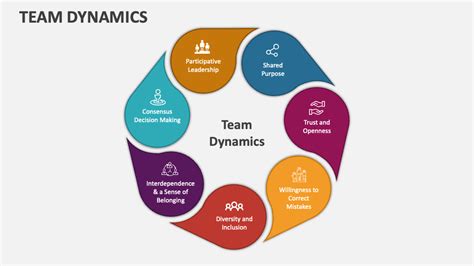
4. Communication and Team Dynamics
For team-based events, clear communication is vital. Teams should:
- Establish pre-match communication protocols to align on strategies.
- Encourage open dialogue during matches to adapt to real-time changes.
- Build trust among team members to foster unity in high-pressure moments.
Strong communication can turn the tide in favor of a team or individual during the knockout phase.
5. Leverage Experience
Experience often proves invaluable. Participants with prior experience in knockout-style events should:
- Recall past successes and lessons learned to boost confidence.
- Apply previously effective tactics to current scenarios.
Experience can provide a strategic edge when the pressure is on.
Case Studies: Success in the Knockout Phase
Understanding abstract strategies is one thing; seeing them applied in real-world scenarios can be more impactful. Here are a few notable examples:
- Sports Champions: Teams like the Golden State Warriors in basketball or the Bayern Munich in soccer have historically dominated the knockout phase by combining tactical adaptability with strong mental discipline.
- Debate Tournaments: Top debaters often credit their knockout-phase success to thorough preparation, including mock debates and analysis of opponents’ styles.
- Business Competitions: In corporate pitch contests, winners of the knockout phase often attribute their victory to clear messaging, adaptability, and a strong understanding of audience expectations.
These examples illustrate how effective strategies can translate into tangible success.
FAQ: Frequently Asked Questions About the Knockout Phase
- Q1: How can I reduce stress during the knockout phase?
- A1: Implement stress-reduction techniques like deep breathing, meditation, or visualization. Seek support from coaches or mentors who can provide emotional guidance.
- Q2: What should I do if I lose a match in the knockout phase?
- A2: Accept the loss gracefully, analyze what went wrong, and use the experience to improve for future competitions.
- Q3: Is it possible to come back after an early elimination in the knockout phase?
- A3: In most cases, no. Once eliminated, participants are out of the competition. However, some events allow consolation rounds or parallel brackets—check the rules beforehand.
- Q4: How do I prepare for tiebreaker scenarios in the knockout phase?
- A4: Review the event’s tiebreaker rules and strategize accordingly. Practice scenarios that might lead to tiebreakers to build confidence.
- Q5: What role does preparation play in the knockout phase?
- A5: Preparation is fundamental. It enables competitors to anticipate challenges, adapt quickly, and execute under pressure.
Conclusion
The knockout phase is more than just a stage in a competition—it’s a test of resilience, adaptability, and strategy. Whether you’re an athlete, debater, or professional, mastering this phase requires intentional preparation, mental toughness, and tactical flexibility. By applying the strategies outlined in this article, competitors can elevate their performance and increase their chances of emerging victorious when it matters most.
Stay focused, stay adaptable, and embrace the challenge—because in the knockout phase, the difference between victory and defeat often comes down to the smallest decisions.