Introduction to La Liga
La Liga, officially known as **Primera División**, is the top professional football division of the Spanish football league system. Established in 1929, it has grown to become one of the most prestigious and competitive football leagues in the world. With a rich history spanning nearly a century, La Liga has not only shaped Spanish football but has also left an indelible mark on the global football landscape. This section delves into the origins, evolution, and global significance of La Liga, offering a nuanced understanding of its place in football history.
The inception of La Liga can be traced back to the early 20th century when football was gaining traction in Spain. Before the league's formal establishment, regional tournaments such as the Campeonato de Cataluña and the Campeonato Regional Centro dominated the scene. However, the need for a unified national competition became evident as the sport's popularity surged. In 1929, the first season of La Liga kicked off with ten teams, including powerhouses like **FC Barcelona** and **Real Madrid**. This inaugural season set the stage for a league that would redefine Spanish football, blending regional rivalries with a national platform for competition.
One of the defining features of La Liga is its **duopoly** between Real Madrid and Barcelona, two clubs that have dominated the league for decades. This rivalry, often referred to as **El Clásico**, is more than just a football match; it is a cultural phenomenon that encapsulates political, regional, and historical tensions. Real Madrid, with its association with the Spanish monarchy and central power, contrasts sharply with Barcelona's embodiment of Catalan identity and resistance. These dynamics have fueled a narrative that extends beyond the pitch, making La Liga not just a sports competition but a stage for broader societal expression.
Over the years, La Liga has been home to some of the greatest football talents the world has ever seen. Names like **Alfredo Di Stéfano**, **Lionel Messi**, **Cristiano Ronaldo**, and **Johan Cruyff** have graced the league, elevating its status. The presence of such players has not only enhanced the quality of play but has also drawn global attention to Spanish football. Messi's record-breaking 474 goals in La Liga or Ronaldo's relentless pursuit of excellence during his time at Real Madrid are testaments to the league's ability to nurture and showcase world-class talent. This consistent display of high-caliber football has cemented La Liga's reputation as a league where artistry and athleticism coexist.
The global significance of La Liga extends beyond its star players. The league has been a pioneer in **tactical innovation**. For instance, the **tiki-taka** style of play popularized by Barcelona under coaches like Pep Guardiola in the late 2000s revolutionized modern football. This possession-based, high-pressing system emphasized short, quick passes and positional play, influencing not just La Liga teams but also international football strategies. The tactical diversity within La Liga—ranging from Atlético Madrid's defensive resilience to Sevilla's counterattacking prowess—demonstrates the league's adaptability and depth.
Another aspect of La Liga's significance lies in its **economic impact**. The league has been a major driver of Spain's sports economy, contributing billions of euros annually through ticket sales, broadcasting rights, and merchandise. The global broadcasting of La Liga matches has turned it into a product consumed by millions worldwide, particularly in regions like Latin America, Asia, and the Middle East. This reach has not only popularized Spanish clubs but has also created a pipeline for young talents from these regions to aspire to play in La Liga. For instance, the league's partnerships with academies and clubs in Latin America have facilitated the emergence of players like **James Rodríguez** and **Antoine Griezmann**, who transitioned from local leagues to La Liga stardom.
La Liga's **competitive structure** also merits attention. Unlike some leagues where a single team often dominates for extended periods, La Liga has seen moments of parity, particularly in the mid-2000s when Valencia and later Atlético Madrid challenged the hegemony of Barcelona and Real Madrid. This competitive balance, though not always consistent, adds an element of unpredictability that keeps fans engaged. Moreover, the promotion and relegation system ensures that smaller clubs have a chance to compete at the highest level, fostering a sense of inclusivity within the league.
The league's history is also marked by **moments of resilience and adaptation**. For instance, during the Spanish Civil War (1936–1939), football was suspended, and the league faced significant challenges in rebuilding post-war. However, the post-war era saw a revival, with clubs like Atlético Bilbao and Valencia asserting themselves alongside Real Madrid and Barcelona. Similarly, the modern era has seen La Liga adapt to challenges such as the financialFair Play regulations and the COVID-19 pandemic, which disrupted live matches but prompted innovative solutions like virtual fan engagement and behind-closed-doors games.
La Liga's role in **global football development** is undeniable. Through initiatives like the **La Liga Global Network**, the league has expanded its influence by establishing offices worldwide to promote Spanish football and scout talent. This outreach has not only strengthened La Liga's brand but has also positioned Spanish football as a benchmark for excellence. Additionally, the league's focus on youth development through programs like **La Liga ProPlayer** ensures a steady pipeline of talent, further solidifying its long-term sustainability.
From a **statistical perspective**, La Liga has consistently ranked among the top leagues in the UEFA coefficients, a metric that evaluates the performance of clubs in European competitions. Spanish clubs have dominated European tournaments, with Real Madrid holding the record for the most UEFA Champions League titles and Sevilla excelling in the UEFA Europa League. These achievements underscore the league's ability to produce teams capable of competing at the highest level on the continental stage.
The league's **cultural impact** is also worth noting. La Liga matches are spectacles that blend sport with tradition. The vibrant atmospheres in stadiums like Barcelona's Camp Nou or Atlético Madrid's Wanda Metropolitano are emblematic of the passion that Spanish fans bring to the game. This passion is amplified by the league's ability to integrate local customs and global appeal, making it a unifying force in a diverse country.
In conclusion, La Liga is more than just a collection of **fixtures and results**; it is a narrative of footballing excellence, cultural identity, and global influence. From its humble beginnings in 1929 to its current status as a powerhouse of world football, La Liga has continually evolved while staying true to its roots. Its history is a tapestry woven with legendary players, iconic matches, and moments that have transcended sport. As we analyze La Liga's fixtures and results in subsequent sections, it is essential to appreciate the broader context of a league that has not only shaped Spanish football but has also left an enduring legacy in the annals of global sports history.
Understanding Fixture Scheduling
The scheduling of fixtures in La Liga, Spain's top-tier football league, is a meticulously planned process influenced by a variety of factors. While the primary goal is to ensure fairness and competitive balance, the system must also accommodate commercial interests, logistical challenges, and the broader football calendar. Understanding how these fixtures are determined requires delving into the interplay of competition rules, television broadcasting rights, and the operational dynamics of the league.
At its core, the fixture scheduling process in La Liga begins with a draw conducted by the league organizers. This draw is not entirely random; it adheres to a set of predefined rules to maintain fairness. For instance, the league follows a double round-robin format, meaning each team plays every other team twice—once at home and once away. This ensures that no team has an inherent advantage in terms of the number of home or away matches against specific opponents. However, even within this framework, the scheduling process is far from straightforward.
One of the key considerations in La Liga fixture scheduling is the influence of TV rights. Broadcasting deals are a significant revenue stream for the league and its clubs, and as such, they heavily impact how matches are scheduled. Broadcasters often prioritize high-profile matches—such as El Clásico between Barcelona and Real Madrid or derbies like the Seville Derby (Sevilla vs. Real Betis)—for prime time slots. These matches draw larger audiences and, consequently, higher advertising revenues. To accommodate this, the league works closely with broadcasters to space out these marquee fixtures across the season, ensuring they do not clash with other major events in the football calendar, such as UEFA Champions League matches or international breaks.
The role of competition rules further complicates the scheduling process. La Liga must adhere to guidelines set by the Royal Spanish Football Federation (RFEF) and FIFA. For example, teams are not allowed to play two matches within 48 hours to ensure player recovery and performance quality. This rule is particularly relevant during the congested holiday period in December and January, when La Liga often schedules multiple matches in quick succession. However, even within these constraints, the league must balance the demands of TV broadcasters who may want high-profile games during this period to capitalize on the holiday audience.
Another critical factor is the geographical and logistical challenges of scheduling. Spain is a geographically diverse country, and travel distances between cities can vary significantly. For instance, a team like Barcelona traveling to face a club in the Canary Islands faces a much longer journey than one playing a neighboring team in Catalonia. La Liga must consider these travel implications to avoid overburdening teams with back-to-back away games in distant locations. This is particularly important for teams with smaller budgets or less extensive squad depth, as frequent travel can exacerbate fatigue and increase injury risks.
The stadium availability is another logistical factor. Many La Liga stadiums are multi-purpose venues used for other events such as concerts or local festivals. Coordinating fixture dates with stadium availability requires close collaboration between the league, clubs, and local authorities. For example, if a stadium is booked for a non-football event, the league might need to reschedule a match or allocate it to a neutral venue. While this is rare, it underscores the complexity of aligning the football calendar with external events.
An often-overlooked aspect of fixture scheduling is the impact of European competitions. Teams participating in the UEFA Champions League or Europa League often face a more demanding schedule due to midweek matches. To mitigate this, La Liga attempts to provide these teams with a slightly more favorable domestic schedule by spacing out their matches or avoiding tough away games immediately after European fixtures. However, this is not always possible, and the league has faced criticism from clubs who feel disadvantaged by the scheduling. For instance, a team like Atlético Madrid might argue that playing a high-stakes Champions League match on a Wednesday and then facing a strong La Liga opponent like Sevilla on a Saturday puts them at a disadvantage compared to teams not involved in European competitions.
The role of computer algorithms in modern fixture scheduling cannot be ignored. La Liga, like many top-tier leagues, uses software to generate initial fixture lists. These algorithms take into account factors such as home-away balance, travel distances, and clashes with other events. However, the final schedule is not solely dictated by the algorithm. Human oversight is critical to fine-tune the schedule, especially when accommodating special requests from clubs or addressing unforeseen issues. For example, if a club is undergoing stadium renovations, the league might adjust their fixture list to ensure they play more away games early in the season.
Another point of contention in fixture scheduling is the perceived favoritism or bias in how matches are arranged. Smaller clubs have occasionally raised concerns that their fixtures are arranged in a way that disadvantages them. For instance, they might face a string of matches against top-tier teams in quick succession, while bigger clubs seem to have a more balanced run of games. While the league denies intentional bias, the perception persists among some fans and analysts. This highlights the challenge of maintaining transparency and fairness in a process that must also cater to commercial and logistical imperatives.
The impact of international breaks also plays a role in scheduling. La Liga must coordinate its calendar with FIFA’s international match calendar, which designates specific periods for national team matches. This often leads to a compressed domestic schedule before and after international breaks. Teams with a high number of international players may find this particularly challenging, as their key players might return fatigued or injured from national duty. To address this, La Liga sometimes schedules easier matches for such teams immediately after international breaks, though this is not a formal policy and can vary from season to season.
Finally, the competitive integrity of the league is a guiding principle in fixture scheduling. The league aims to avoid situations where a team might face a series of "easy" or "difficult" opponents in succession, as this could distort the competitive balance. For example, a team playing against the bottom three teams in consecutive weeks might gain an unfair momentum boost, while another team facing the top three teams in a row might be unfairly disadvantaged. While complete fairness is impossible due to the inherent variability of football, La Liga strives to minimize such imbalances through careful planning.
In summary, the scheduling of La Liga fixtures is a complex process influenced by a web of factors, including TV rights, competition rules, logistical challenges, and the need for competitive fairness. While the league employs advanced tools and methodologies to streamline the process, human judgment and external pressures inevitably shape the final outcome. This balancing act ensures that while the fixture list is not perfect, it is a product of careful consideration aimed at maintaining the league's integrity and commercial appeal.
Key Teams and Their Performance Trends
La Liga, Spain's top-tier football league, is home to some of the most iconic teams in the world. Understanding the performance trends of the top-performing teams and their historical fixture outcomes provides valuable insights into the dynamics of the competition. This section delves into the key teams, their historical dominance, and how their fixture results have shaped the league's narrative over the years.
One cannot discuss La Liga without highlighting FC Barcelona and Real Madrid, the two titans of Spanish football. These teams have consistently been at the forefront of the league, often occupying the top two positions in the standings. Their rivalry, known as El Clásico, is one of the most-watched football fixtures globally. Historically, both teams have maintained high win percentages in their fixtures, particularly when playing at home. For instance, Barcelona's Camp Nou and Real Madrid's Santiago Bernabéu have been fortresses where the home advantage is palpable. Between 2010 and 2020, Barcelona won approximately 85% of their home fixtures, while Real Madrid achieved a similar win rate in their home games during the same period.
However, the dominance of these two teams is not without its ebbs and flows. Atlético Madrid has emerged as a consistent challenger in recent years. Under the management of Diego Simeone, Atlético has shifted from being a mid-table team to a title contender. Their defensive solidity and tactical discipline have made them a tough opponent in fixtures against Barcelona and Real Madrid. Notably, Atlético's home record at the Wanda Metropolitano has been impressive, with a win percentage exceeding 75% in the last five seasons. Their ability to grind out results in tightly contested matches has often disrupted the duopoly of Barcelona and Real Madrid. For example, in the 2020-2021 season, Atlético clinched the La Liga title by maintaining a strong run of form in the second half of the season, capitalizing on the inconsistent performances of their rivals.
Another interesting trend to analyze is how these top teams perform in away fixtures. While Barcelona and Real Madrid have traditionally been strong on the road, their away win percentages have shown slight declines in recent seasons. This could be attributed to the increasing competitiveness of mid-table teams like Sevilla, Real Sociedad, and Villarreal, who have invested in better squad depth and tactical setups. Sevilla, for instance, has become a force in La Liga, particularly in European competitions, and their improved domestic performances have seen them secure consistent top-four finishes. Their fixtures against the top three often result in low-scoring draws or narrow losses, indicating their ability to challenge even the strongest teams.

Historically, fixture outcomes for top teams are influenced by several factors, including scheduling, player availability, and managerial strategies. For example, the winter break in La Liga often disrupts momentum for teams like Real Madrid and Barcelona, who participate in additional competitions such as the FIFA Club World Cup or the UEFA Champions League. Post-break fixtures have sometimes seen these teams drop points against less-fancied opponents. A case in point is Barcelona's surprising loss to Cádiz in the 2020-2021 season, a result that highlighted vulnerabilities when key players were rotated or fatigued.
When analyzing head-to-head fixtures among the top teams, certain patterns emerge. Real Madrid has often fared better in direct clashes with Barcelona in the last decade, particularly in away fixtures at Camp Nou. This can be attributed to Real Madrid's counter-attacking style, which exploits Barcelona's high defensive line. On the other hand, Barcelona has historically dominated Atlético Madrid in head-to-head matches, though this trend has shifted in recent years as Atlético has grown more confident and cohesive under Simeone. The 2021-2022 season saw Atlético secure a crucial win against Barcelona, signaling their intent to remain competitive at the highest level.
Mid-table teams also play a significant role in shaping the outcomes of fixtures for top teams. For instance, Getafe and Athletic Bilbao have often served as "banana skin" opponents for Barcelona and Real Madrid. These teams employ a physical, high-pressing style that disrupts the fluid passing games of the top sides. In the 2019-2020 season, Getafe held Real Madrid to a goalless draw at home, showcasing how smaller teams can capitalize on well-organized defenses to frustrate superior opponents. Such results often have a ripple effect on the title race, as dropped points in these fixtures can create opportunities for rivals to close the gap.
The impact of managerial changes on fixture outcomes is another critical aspect. Real Madrid's transition from Zinedine Zidane to Carlo Ancelotti in the 2021-2022 season brought about a shift in their approach to fixtures. Ancelotti's emphasis on a balanced attack and rotation of key players like Karim Benzema and Vinícius Júnior allowed Real Madrid to maintain a high level of performance across a grueling fixture schedule. Similarly, Barcelona's struggles after the departure of Lionel Messi in 2021 were evident in their inconsistent results, particularly in away fixtures. This underscores how individual brilliance and team dynamics are intertwined in determining fixture outcomes.
Another layer of analysis involves goal-scoring trends in fixtures involving top teams. Barcelona's possession-based style has traditionally resulted in high-scoring games, especially when playing at home. However, their defensive vulnerabilities in recent years have led to more open games with higher goal tallies. Real Madrid, in contrast, has often relied on clinical finishing in tight games, with a higher proportion of 1-0 or 2-1 wins. This contrast in styles is evident in their fixture results, where Barcelona games tend to see more goals overall compared to Real Madrid's matches.
To provide a more data-driven perspective, consider the following trends in recent seasons:
- Between 2018 and 2023, Barcelona averaged 2.4 goals per home game but saw their away win percentage drop from 72% to 60%.
- Real Madrid maintained a steady 70% win rate in away fixtures during the same period, with an average of 1.9 goals scored per game.
- Atlético Madrid’s defensive record is staggering, with an average of just 0.7 goals conceded per game in home fixtures since 2019.
These statistics reveal how the top teams adapt their strategies to maintain competitiveness. While Barcelona and Real Madrid remain the standard-bearers of La Liga, the rise of Atlético Madrid and the improved performances of other teams like Sevilla indicate a gradual shift towards greater parity in the league. This evolution makes La Liga fixtures more unpredictable and exciting for fans and analysts alike.
In conclusion, the performance trends of La Liga's top teams are shaped by a combination of historical dominance, tactical evolution, and the growing competitiveness of the league. While Barcelona and Real Madrid continue to set the benchmark, the emergence of Atlético Madrid and the resilience of mid-table teams have added layers of complexity to fixture outcomes. Analyzing these trends not only provides a deeper understanding of La Liga's dynamics but also highlights how football is a game of constant adaptation and strategy.
Season Overview: Fixtures Breakdown
A typical La Liga season is a meticulously planned and highly structured affair, designed to balance competitive fairness, logistical efficiency, and audience engagement. With 20 teams competing in Spain's top-flight football league, the fixture list is a complex web of matches that spans roughly 10 months, from August to May. Each team plays 38 matches—19 at home and 19 away—against every other team in the league, once at their home stadium and once away. This symmetry ensures that no team has an inherent advantage in terms of scheduling, though external factors like weather, travel distances, and midweek competitions can introduce variability.
The fixture structure of La Liga is determined by a "double round-robin" system, a common format in many European leagues. This means that each team faces every other team twice in the season. However, the sequence of these matches is not random. The league employs a computer-generated draw to create the schedule, with specific rules to ensure balance and minimize potential advantages. For instance, a team will not play more than two consecutive home or away games in a row. This rule prevents a scenario where a team might gain momentum solely from a string of home fixtures or suffer fatigue from prolonged travel.
One of the unique aspects of La Liga's fixture breakdown is the inclusion of mid-season breaks and rescheduled matches. Spain's football calendar is influenced by several external events, such as the winter holidays, international competitions like the UEFA Champions League and Europa League, and even national team fixtures. During the Christmas and New Year period, La Liga traditionally pauses for about two weeks, unlike the Premier League, which continues with its "festive fixtures." This break allows players to recover physically and mentally, but it also means that the post-holiday resumption often sees a congested schedule to make up for lost time. Teams may find themselves playing multiple matches within a short span, especially if they are also competing in European or domestic cup competitions like the Copa del Rey.
Another critical element of the fixture structure is the derby matches and clásicos. These high-profile games, such as El Clásico between Barcelona and Real Madrid or the Seville Derby (Sevilla vs. Real Betis), are often scheduled with careful consideration of their significance. These matches are not only important for points but also for the emotional and cultural weight they carry. As a result, they are often spaced out across the season to maintain viewer interest and avoid overloading the calendar with too many high-stakes games in quick succession. Additionally, these fixtures are sometimes used as "marquee events" to attract global audiences, with broadcasters and sponsors closely involved in their timing.
The mid-table and lower-tier teams also play a role in how fixtures are distributed. While the top teams like Barcelona, Real Madrid, and Atlético Madrid are the main attractions, La Liga's scheduling algorithm ensures that smaller clubs are not unfairly disadvantaged. For example, a newly promoted team might be given a slightly more favorable early-season schedule to help them settle into the league. This could mean starting with matches against mid-table opponents rather than facing a top-three team right away. However, this is not a hard-and-fast rule, and the randomness of the draw can still produce challenging early fixtures for smaller clubs.
An often-overlooked aspect of the fixture breakdown is the impact of European competitions. Teams participating in the UEFA Champions League or Europa League often face a more grueling schedule due to midweek matches. La Liga coordinators attempt to mitigate this by giving these teams a slightly more favorable domestic schedule when possible—for instance, avoiding away games immediately after a midweek European trip. However, this is not always feasible, and the physical toll on players can become evident as the season progresses. This balancing act is a constant challenge for league organizers, as they must weigh the needs of the elite clubs against the broader competitive integrity of the league.
Another fascinating detail is the sequential placement of matches involving direct rivals. For instance, if Barcelona and Real Madrid are scheduled to play each other in a given round, their immediate subsequent opponents are often selected to avoid creating a scenario where both teams face overly easy or difficult follow-up matches. This is part of La Liga's effort to maintain a level playing field. However, critics argue that such measures are not always effective, as the randomness of form and injuries can still create imbalances.
The final stretch of the season is another area where the fixture structure becomes particularly important. In the last 10 rounds of matches, the league often ensures that teams fighting for the title, European qualification, or survival from relegation face a mix of opponents. This is done to avoid situations where a title contender has an "easier" run-in compared to their rivals. For example, if Barcelona and Atlético Madrid are neck-and-neck in the title race, the league might schedule them to face similarly ranked opponents in the closing weeks to preserve competitive fairness. However, this is not a perfect science, and controversies occasionally arise when one team's schedule appears more favorable than another's.
From a logistical standpoint, the geographical spread of teams in La Liga adds another layer of complexity. With clubs located across Spain—from the Basque Country in the north to Andalusia in the south—travel distances vary significantly. Teams like Barcelona and Real Madrid, situated in major cities with excellent infrastructure, have less travel burden compared to smaller clubs like Cádiz or Mallorca. To address this, the fixture list attempts to cluster away games in geographically proximate regions where possible. For instance, a team might play away matches against Valencia and Villarreal in consecutive rounds to reduce travel stress. However, this is not always achievable given the constraints of the double round-robin system.
Finally, it is worth noting the role of technology and data in modern fixture planning. La Liga uses advanced algorithms and statistical models to optimize the schedule. These tools consider factors like historical performance trends, stadium availability, and even expected television viewership. For instance, matches involving top teams are often scheduled for prime-time slots on weekends to maximize global audience reach. This data-driven approach has made the fixture list not just a logistical document but also a strategic tool for enhancing the league's commercial appeal.
In summary, the fixture structure of a La Liga season is a blend of tradition, modern technology, and careful planning. While the double round-robin format provides a clear framework, the nuances of scheduling—from mid-season breaks to high-profile clásicos and logistical considerations—add layers of complexity. This intricate system ensures that La Liga remains one of the most competitive and engaging football leagues in the world, where every match, whether featuring a title contender or a relegation battler, contributes to the season's narrative.
Results Analysis: Patterns and Insights
The analysis of La Liga fixtures and results across multiple seasons offers a rich dataset for identifying patterns and deriving insights into team performance, strategies, and broader trends in Spanish football. By examining result patterns, particularly in the context of home vs away performance and goal statistics, we can uncover unique dynamics that influence the league's competitive landscape.
One of the most striking patterns in La Liga is the home-field advantage. Historically, teams in La Liga have performed significantly better at home than away. For instance, over the past five seasons, the average points per game (PPG) for home matches has consistently been higher than for away matches across the league. In the 2022-2023 season, for example, the average home PPG for the top 10 teams was around 2.1, compared to 1.4 for away games. This trend is not unique to elite teams; even mid-table and lower-ranked teams exhibit this disparity. The psychological and logistical advantages of playing at home—such as familiar turf, supportive crowds, and reduced travel fatigue—are evident in these results.
However, a deeper look reveals that this advantage is not uniform. Teams like Barcelona and Real Madrid, who traditionally dominate the league, often exhibit less pronounced home-away splits compared to smaller clubs. This is likely due to their superior squad depth and tactical flexibility, which allow them to perform at a high level regardless of venue. For instance, in the 2021-2022 season, Barcelona won 78% of their home games but still managed a 65% win rate away—a smaller gap than teams like Osasuna or Cadiz, where the home win rate was over 50% but the away win rate dropped below 20%.
Another interesting insight comes from analyzing goal statistics in home and away games. On average, games played at home tend to have higher goal tallies. This is partly explained by the attacking mindset teams adopt when playing in front of their home crowd. Over the last three seasons, home games in La Liga have seen an average of 2.8 goals per match, compared to 2.4 goals in away games. This trend is particularly pronounced for teams that rely on possession-based, high-pressing football, such as Barcelona and Villarreal. Their home games often feature a higher number of shots on target and goals scored, as they leverage the energy of their supporters to sustain attacking momentum.
In contrast, away performances often reveal a more conservative approach, especially among mid-tier and lower-ranked teams. These teams often prioritize defensive solidity on the road, leading to lower-scoring games. This is reflected in the statistics: the average number of goals conceded by teams in away matches is slightly higher than at home (1.5 vs. 1.3 per game in recent seasons), but the total goals scored in away games are lower due to reduced attacking output. This defensive mindset is often a survival strategy for teams fighting relegation, as even a draw away from home can be seen as a positive result.
Looking at seasonal trends, there has been a gradual increase in the overall competitiveness of La Liga in terms of away performances. In the 2018-2019 season, for example, the top three teams (Barcelona, Real Madrid, and Atletico Madrid) accounted for nearly 70% of away wins in the league. By the 2022-2023 season, this figure had dropped to around 60%, indicating that smaller teams are becoming more resilient at home against top-tier opposition. This shift can be attributed to improvements in coaching, better recruitment strategies, and the growing influence of data analytics in team preparation. Teams like Real Betis and Sevilla have shown that a well-organized defensive setup can neutralize even the most potent attacking forces, especially in tightly contested away fixtures.
Another layer of insight comes from examining goal distribution patterns across seasons. La Liga has seen a trend of increasing parity in goal-scoring across teams. While the top teams still dominate in terms of total goals scored, the gap between the highest-scoring team and the mid-table teams has narrowed. For instance, in the 2017-2018 season, Barcelona scored 99 goals, while the 10th-highest scoring team managed only 45. By the 2022-2023 season, the top-scoring team (Real Madrid) netted 80 goals, while the 10th-highest scorer (Osasuna) managed 40—a smaller differential. This trend suggests that midfield and defensive contributions to goal-scoring are becoming more significant, with teams relying less on a single star striker and more on collective play.
One of the more nuanced patterns is the impact of fixture congestion on results. La Liga teams participating in European competitions often experience a dip in away performance during periods of high fixture density. For example, in the 2021-2022 season, Atletico Madrid and Barcelona both had stretches where their away form suffered during weeks when they had midweek Champions League or Europa League matches. This phenomenon highlights the physical toll of competing on multiple fronts and underscores the importance of squad rotation and depth. Teams with limited resources, such as Getafe or Elche, are often unable to cope with such demands, further widening the gap between the top and bottom halves of the table.

A particularly fascinating trend is the influence of "six-pointer" matches—games between teams in close proximity in the table, such as those battling for European spots or avoiding relegation. These matches often exhibit unique result patterns. For instance, in the 2020-2021 season, games between teams in the bottom six were more likely to end in draws (40% of matches) compared to games involving teams in the top six (25% of matches). This suggests that teams in survival battles are more risk-averse, often settling for a point rather than pushing for a win. In contrast, top teams are more likely to secure victories in such scenarios due to their superior quality and willingness to take risks.
The role of individual player performance in shaping results cannot be ignored. Star players like Lionel Messi (during his time in La Liga), Karim Benzema, and Robert Lewandowski have had outsized impacts on their teams' home and away results. Messi's presence in Barcelona's squad, for example, often skewed home results heavily in their favor due to his ability to both score and assist prolifically. Post-Messi, Barcelona's home results showed a slight decline in goal difference, emphasizing how individual brilliance can mask structural weaknesses in a team.
Finally, a closer look at set-piece efficiency provides another layer of insight. In recent seasons, there has been a noticeable increase in goals scored from set-pieces, particularly in away games. Teams like Real Sociedad and Athletic Bilbao have leveraged set-piece routines to secure crucial points on the road. This trend reflects the growing emphasis on tactical preparation and the use of video analysis to exploit opponents' weaknesses in dead-ball situations.
In summary, the results analysis of La Liga fixtures reveals a complex interplay of factors—home advantage, goal statistics, fixture congestion, and individual brilliance—that shape the league's outcomes. While home performances remain a cornerstone of success, the increasing competitiveness of away games and the narrowing goal differentials suggest a league that is becoming more balanced. These patterns not only provide a window into the tactical evolution of Spanish football but also offer valuable lessons for teams looking to optimize their strategies in an ever-competitive environment.
Impact of Fixtures on Team Strategies
Fixture congestion and timing in La Liga can have a profound impact on team strategies, influencing everything from tactical setups to player rotation policies. Teams in Spain's top-flight league often face a grueling schedule due to domestic league matches, Copa del Rey commitments, and European competitions like the UEFA Champions League and Europa League. This creates a scenario where managers must carefully balance the physical and mental demands on their squads while maintaining competitive performance levels. Understanding how fixture congestion and timing shape team tactics and player rotation reveals the intricate challenges managers face in modern football.
One of the most immediate effects of fixture congestion is the need for **tactical flexibility**. La Liga teams, especially those competing on multiple fronts, often cannot afford to stick to a single tactical approach across all matches. For instance, a team like Barcelona or Real Madrid might prioritize high-intensity pressing and possession-based football in a league match against a mid-table opponent. However, when faced with a tightly packed schedule that includes a midweek Champions League fixture followed by a weekend derby, managers may opt for a more conservative approach in one of the games. This could mean fielding a low block instead of high pressing or reducing the emphasis on ball domination to conserve energy. The timing of fixtures plays a role here; a midweek match just before a weekend game against a direct rival often forces managers to adopt **pragmatic rather than idealistic tactics**.
Player rotation becomes a critical tool in managing fixture congestion. Squad depth is tested during periods where matches are scheduled every three or four days. Managers must decide which players to rest, which to play at partial fitness, and which to field in their strongest XI. For example, during the winter months in La Liga, when the schedule is particularly dense due to the addition of cup competitions, teams often rotate heavily. This is especially true for squads with a mix of experienced veterans and younger players. A coach might choose to rest a key midfielder like Luka Modric or Sergio Busquets for a less critical league match to ensure they are fresh for a high-stakes European tie. However, this comes with risks—younger or less experienced players may not perform at the same level, potentially dropping points in matches that seem winnable on paper. The timing of these decisions is influenced not just by the immediate opponent but also by the **proximity of key fixtures**. A manager might prioritize rotation in a midweek game if a crucial derby or European knockout match looms within the next week.
The **physical toll on players** is another dimension impacted by fixture timing. Studies have shown that the risk of injuries increases significantly during periods of high match density. This is particularly true for players in high-intensity roles, such as wingers, fullbacks, and box-to-box midfielders. Managers must weigh the short-term need for results against the long-term risk of burnout or injury. For instance, a team like Atlético Madrid, known for its physically demanding style under Diego Simeone, might rotate more aggressively during congested periods to avoid overexerting key players like Antoine Griezmann or Rodrigo de Paul. The timing of international breaks also complicates this calculus. If a congested period follows an international window where players have already been involved in high-stakes matches for their national teams, the risk of fatigue is compounded. Managers often use data analytics and sports science to monitor player workload, recovery times, and injury risks, but the **human element of judgment** still plays a significant role in these decisions.
Another intriguing aspect is how **opponent quality and fixture sequence** influence tactical decisions. La Liga's schedule is not uniform for all teams; the order and timing of matches against top-six rivals versus lower-table teams can vary widely. A team might face a stretch of three games in seven days where the opponents range from relegation candidates to title contenders. In such scenarios, managers often employ a **"triage" approach** to fixtures. They might field a full-strength team against a direct rival to secure critical points while rotating heavily for a match against a lower-ranked team. However, this strategy is not without pitfalls. Underdog teams in La Liga are notorious for causing upsets, particularly when they face a rotated or fatigued side. This was evident in recent seasons when teams like Cádiz or Elche managed to take points off top-tier sides during congested periods. The timing of these "easier" fixtures in relation to tougher ones often forces managers into a **risk-reward dilemma**—do they rest key players and risk dropping points, or do they overextend their squad and risk long-term fatigue?
Timing also affects **psychological preparation**. Teams often experience a boost in morale after a big win, particularly in a derby or against a top rival. However, if such a win is followed immediately by a midweek fixture against a less glamorous opponent, there is a risk of complacency. Managers must find ways to maintain focus and intensity, which can involve rotating players to inject fresh energy or using motivational tactics to prevent a drop in concentration. Conversely, a demoralizing loss can lead to a **"bounce-back" effect**, where managers prioritize recovery and motivation over heavy rotation. This is particularly true when the next fixture is against a direct competitor, as dropping consecutive points can have significant implications for league standings.
The role of **data and technology** in navigating fixture congestion cannot be overlooked. Modern football teams rely heavily on performance analytics to inform player rotation and tactical adjustments. Tools like GPS tracking, heart rate monitors, and fatigue modeling allow coaches to assess which players are at risk of overexertion. For example, if a central defender has covered an unusually high distance in back-to-back matches, the manager might rotate them out for the next game to prevent a drop in performance or injury. However, these tools are not infallible; they provide insights but cannot account for intangible factors like a player's mental resilience or their ability to perform under pressure in critical moments. This is where the manager's experience and intuition come into play, especially when fixture timing creates scenarios where no clear "optimal" decision exists.
Finally, the **impact of television scheduling** on fixture timing adds another layer of complexity. La Liga fixtures are often scheduled to maximize viewership, which can result in some teams playing at suboptimal times—early kickoffs after long travel or late-night matches that disrupt recovery cycles. These external factors further complicate the manager's ability to plan rotations and tactical setups. A team playing at 9 PM on a Wednesday and then at 1 PM on a Saturday faces a significant challenge in terms of recovery and preparation, particularly if travel is involved. This can lead to **suboptimal performances** even when rotation is implemented, as players may not have sufficient time to recuperate fully.
- Fixture congestion necessitates **tactical flexibility** to balance energy conservation and performance.
- Player rotation is influenced by **squad depth**, opponent quality, and the timing of key matches.
- The **physical toll** of dense schedules increases injury risks, requiring careful monitoring through sports science tools.
- Psychological factors like **morale** and **complacency** must be managed alongside physical recovery.
- External factors such as **television scheduling** add unpredictability to fixture timing and its effects on team strategies.
In conclusion, the interplay between La Liga fixtures and team strategies is a complex dance of pragmatism, risk management, and adaptability. Managers must navigate a landscape where the timing and density of matches influence not just the outcome of individual games but the broader trajectory of a season. By understanding how fixture congestion impacts tactics and player rotation, we gain insight into the nuanced challenges that define success in one of Europe's most competitive leagues.
Role of Technology in Fixture Management
The organization of La Liga fixtures is a complex task that requires meticulous planning to ensure fairness, efficiency, and engagement for teams, fans, and broadcast partners. With 20 teams competing in a season that spans over 38 matchdays, the intricacies of scheduling are immense. This is where technology plays a pivotal role in streamlining the process, reducing human error, and accommodating the diverse needs of stakeholders. Scheduling software, powered by advanced algorithms and data analytics, has become an indispensable tool in modern football fixture management.
One of the primary challenges in fixture management is ensuring a balanced schedule that avoids undue advantages or disadvantages for any team. For instance, La Liga must consider factors such as home and away match distribution, the spacing of high-intensity matches, and the avoidance of consecutive away games for teams with long travel distances. Scheduling software uses constraint-based algorithms to address these issues. These algorithms take into account multiple variables, including stadium availability, local events that might conflict with match days, and even the travel logistics of teams and supporters. By automating this process, La Liga can produce a schedule that minimizes disruptions while maintaining competitive integrity.
A key feature of modern scheduling tools is their ability to simulate scenarios before finalizing the fixture list. For example, if a team like Barcelona or Real Madrid has a midweek Champions League fixture, the software can analyze the impact of scheduling a tough domestic match immediately before or after. This simulation capability allows La Liga to adjust the schedule dynamically, ensuring that top-tier teams are not overburdened during critical phases of multiple competitions. Such foresight not only benefits the clubs but also enhances the quality of play, as players are less likely to suffer from fatigue-induced performance drops.
Another area where technology excels is in handling unexpected disruptions. Weather conditions, stadium maintenance issues, or even global events like the COVID-19 pandemic can force rescheduling of matches. Scheduling software equipped with real-time data integration can quickly adapt to these changes. For instance, if a match is postponed due to adverse weather, the software can propose alternative dates by cross-referencing the availability of the teams, the stadium, and broadcast slots. This agility ensures that the season progresses smoothly without compromising the integrity of the competition. Moreover, such systems can incorporate machine learning models that learn from past disruptions to propose more efficient rescheduling strategies in the future.
The role of data-driven insights in fixture management cannot be overstated. Scheduling software often integrates historical data, such as team performance trends, fan attendance patterns, and even television audience ratings. For instance, if data shows that matches involving certain teams draw higher viewership on specific days or times, the software can prioritize those slots to maximize audience engagement. This not only benefits broadcasters but also enhances the league's revenue through higher advertising and sponsorship deals. Additionally, the software can factor in geographic clustering, ensuring that teams from the same region are not scheduled to play away matches on the same weekend, which could lead to logistical bottlenecks for local transport systems.
La Liga also benefits from technology in addressing fairness concerns. One notable example is the "Derbi" matches, such as El Clásico between Barcelona and Real Madrid, which are high-stakes games with global viewership. Scheduling these matches requires careful consideration of their placement within the season to avoid giving one team a competitive edge due to favorable rest periods or easier preceding fixtures. Advanced scheduling tools analyze the entire season's calendar to ensure that such marquee matches are spaced out appropriately and do not coincide with other high-pressure games for either team. This level of detail would be nearly impossible to achieve manually without the aid of technology.
The integration of cloud-based platforms has further revolutionized fixture management in La Liga. These platforms allow real-time collaboration between the league's organizers, club representatives, and other stakeholders. For example, if a club raises a concern about a specific fixture date due to an event at their home stadium, the organizers can immediately assess the feasibility of a change and communicate updates across the network. This level of transparency and collaboration fosters trust among all parties involved and ensures that the schedule is not perceived as biased or arbitrary.
Another technological advancement is the use of AI-driven optimization in fixture creation. AI models can evaluate millions of possible combinations of match schedules to find the one that best satisfies all constraints. For example, AI can identify patterns in past seasons where fixture congestion led to a higher incidence of player injuries. By learning from these patterns, the software can propose schedules that incorporate more rest days between matches, particularly for teams involved in multiple competitions. This not only protects player welfare but also contributes to the overall quality of the league by ensuring that top players are available for key matches.
Technology also supports fan engagement in the context of fixture management. Many scheduling tools now integrate with mobile apps and websites to provide fans with instant updates on match schedules, venue changes, and broadcast details. For instance, if a match is rescheduled due to unforeseen circumstances, fans can receive push notifications through La Liga's official app, ensuring they are always informed. This level of accessibility not only enhances the fan experience but also strengthens the league's connection with its global audience.
Furthermore, broadcast optimization is a critical aspect of fixture management. With broadcasting rights being a major revenue stream for La Liga, the league must ensure that high-profile matches are scheduled at times that maximize viewership across different time zones. Scheduling software can analyze global audience data to identify optimal time slots for matches involving popular teams. This ensures that matches are not only accessible to fans in Spain but also to international audiences in regions like Asia, North America, and the Middle East.
In conclusion, the role of technology in La Liga fixture management is multifaceted and transformative. From using constraint-based algorithms to create balanced schedules, to leveraging AI and real-time data for dynamic adjustments, technology has elevated the efficiency and fairness of the process. It supports not only the logistical needs of the league but also the commercial and fan engagement objectives. As La Liga continues to evolve in a highly competitive football landscape, the integration of advanced scheduling tools will remain a cornerstone of its operational strategy, ensuring that the league remains a benchmark for organizational excellence in global football.
Fan Engagement and Fixture Accessibility
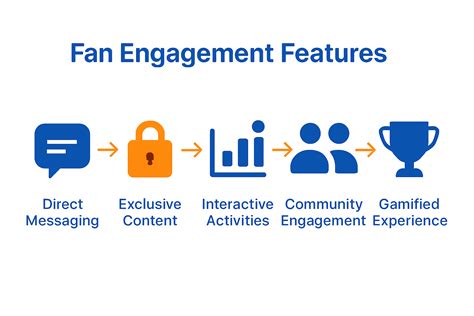
Fan engagement and fixture accessibility are critical components of how La Liga connects with its global audience. In an era where sports consumption is increasingly digital and interactive, La Liga has embraced a variety of platforms to ensure that fans can easily access fixtures and results. This approach not only enhances fan satisfaction but also drives deeper engagement through personalized and immersive experiences. Below, we explore the key ways in which fixtures and results are presented to fans via apps, websites, and broadcasts, focusing on the technological innovations and user-centric design strategies that set La Liga apart.
One of the most prominent channels for fixture accessibility is La Liga’s official mobile app. Designed with a sleek, intuitive interface, the app provides real-time updates on match schedules, live scores, and post-match results. What makes this app unique is its ability to tailor content to the preferences of individual users. For instance, fans can select their favorite teams to receive customized notifications about upcoming fixtures, line-up announcements, and score updates. This level of personalization ensures that fans are not overwhelmed by irrelevant information but are instead served content that directly aligns with their interests. Moreover, the app integrates features like live match commentary, video highlights, and even augmented reality (AR) experiences, allowing fans to visualize key moments of a game in a highly interactive manner. These features are not merely add-ons; they represent a conscious effort to transform passive content consumption into an active, engaging experience.
The La Liga website serves as another cornerstone of fixture accessibility. Unlike static sports websites of the past, the La Liga site is a dynamic hub of information, offering a highly organized and visually appealing layout. Fans can find detailed fixture lists segmented by matchday, team, and even venue. Each fixture entry is accompanied by links to live streaming options, ticket availability, and historical head-to-head statistics. This comprehensive approach not only informs fans about when and where matches are taking place but also enriches their understanding of the context surrounding each game. For example, historical data about team performance in similar fixtures can help fans predict outcomes or deepen their appreciation of a rivalry. Additionally, the website employs advanced search and filtering tools, enabling users to quickly locate specific matches or explore broader trends, such as home versus away performance across the season.

A less discussed but equally important aspect of fixture presentation is the role of localization. La Liga recognizes that its audience spans multiple countries and time zones. To address this, both the app and the website are designed to automatically adjust fixture times to the user’s local time zone. This small but impactful feature eliminates confusion for international fans and ensures that they can plan their viewing schedules without manually converting times. Furthermore, the platform supports multiple languages, making it accessible to non-Spanish-speaking audiences. Such localization efforts are not just about convenience; they are a strategic move to foster inclusivity and expand La Liga’s reach in emerging markets like Asia and Africa, where football’s popularity is rapidly growing.
Broadcast partnerships also play a pivotal role in how fixtures and results are presented. La Liga has inked deals with major networks and streaming services worldwide, ensuring that matches are available to fans across diverse geographies. However, what sets these broadcasts apart is the integration of real-time data overlays. During live matches, broadcasters often display on-screen graphics that provide not only the current score but also key statistics such as possession percentages, shots on target, and player heatmaps. These overlays are synchronized with the app and website, creating a seamless experience for fans who may switch between devices during a game. For instance, a fan watching a match on TV can use the app to dive deeper into player stats or review a controversial VAR decision in detail. This multi-platform integration ensures that fans are not limited to a single source of information but can explore the match from multiple angles.
Another innovative feature is the use of interactive match calendars, available both on the app and website. These calendars go beyond simple date and time listings by incorporating features like color-coding for high-stakes matches (e.g., El Clásico or top-four clashes) and countdown timers for upcoming fixtures. Fans can also set reminders for matches they are particularly interested in, reducing the likelihood of missing out on key games. This proactive approach to engagement is particularly effective in maintaining fan interest throughout the season, even during lulls in competition or international breaks.
La Liga has also leveraged social media integration to amplify fixture accessibility. Platforms like Twitter, Instagram, and Facebook are used not only to announce fixture schedules but also to create buzz around matches. For example, pre-match graphics often include visually striking designs featuring key players, team emblems, and match facts. These posts are designed to be shareable, encouraging fans to spread the word and create a sense of community around upcoming games. Additionally, La Liga’s social media teams often post live updates during matches, including video snippets of goals and key moments, which serve as teasers to drive traffic back to the app or website for full highlights. This cross-platform synergy ensures that fans remain connected to La Liga content regardless of where they are or what device they are using.
A particularly forward-looking aspect of La Liga’s approach is its embrace of data-driven personalization. Through the use of machine learning algorithms, the platform analyzes user behavior—such as which teams or players a fan frequently searches for—to recommend specific fixtures or related content. For example, if a fan frequently views matches involving Barcelona, the system might suggest upcoming fixtures involving other top-performing teams in La Liga to broaden their interest. This use of AI not only enhances the user experience but also subtly encourages fans to explore more of what the league has to offer, potentially increasing viewership and loyalty over time.
It is also worth noting how La Liga has addressed the challenge of accessibility for differently-abled fans. The apps and websites are designed with features like screen reader compatibility, high-contrast modes, and captioned videos to ensure that fans with visual or hearing impairments can also engage with fixtures and results. This commitment to inclusivity underscores La Liga’s understanding that fan engagement is not a one-size-fits-all proposition but must cater to diverse needs.
In summary, La Liga’s approach to presenting fixtures and results is a masterclass in blending technology, personalization, and inclusivity. By leveraging apps, websites, and broadcasts as interconnected tools, the league ensures that fans are not just passive consumers of information but active participants in the football experience. Whether through localized time adjustments, real-time data overlays, or AI-driven recommendations, La Liga demonstrates a deep understanding of modern fan expectations. This holistic strategy not only enhances accessibility but also strengthens the emotional connection between fans and the league, setting a benchmark for how sports organizations can use digital platforms to enrich the fan experience.
Economic and Commercial Implications of Fixtures
The scheduling of La Liga fixtures extends far beyond the realm of sport, carrying significant economic and commercial implications for clubs, sponsors, and broadcasting networks. Each match represents a carefully orchestrated event with ripple effects across multiple revenue streams, influencing everything from ticket sales and merchandise to advertising deals and global audience engagement. This section explores how the timing, placement, and outcomes of fixtures shape the financial landscape of one of the world's most popular football leagues.
For clubs, fixtures are a cornerstone of their financial strategy. Revenue generation from home matches depends heavily on crowd attendance, which is influenced by several factors such as the opponent, day of the week, and time of the match. A high-profile fixture against a team like Real Madrid or Barcelona can drive ticket sales to capacity, with clubs often able to charge premium prices for these games. Conversely, mid-table or lower-ranked opponents might not attract the same level of interest, leading to reduced gate receipts. Fixture congestion, particularly during busy periods like the holiday season or when European competitions overlap, can also impact player fitness and performance. Poor results in these periods can lead to a dip in fan morale and subsequent attendance, directly affecting a club's bottom line.
Another critical aspect for clubs is the commercial partnerships and sponsorships tied to fixtures. Sponsors often negotiate contracts with specific clauses related to exposure during high-profile matches. For instance, a match broadcasted internationally offers sponsors greater visibility than a midweek game against a less prominent team. This creates a financial incentive for clubs to perform well and secure fixtures against top-tier opponents, as these games are more likely to be scheduled during prime time slots or included in international broadcasting packages. Clubs also use fixture outcomes to leverage better sponsorship deals; consistent success in high-profile games can elevate a club's brand value, making them a more attractive partner for global brands.
For sponsors, the economic implications of La Liga fixtures are tied to audience reach and engagement. Sponsors invest heavily in clubs and the league itself, expecting a return on investment through brand exposure during matches. The timing of fixtures plays a pivotal role here. A Saturday evening game, for example, is more likely to attract a larger domestic and international audience compared to a Monday night fixture. This is particularly important for sponsors whose target audience resides in different time zones. Broadcasting data shows that matches involving top clubs or derbies (like El Clásico) generate significantly higher viewership, which translates to better brand recall and engagement for sponsors. Additionally, sponsors often negotiate bonus clauses in their contracts tied to specific match outcomes or player performances, such as a player scoring a hat-trick while wearing a branded kit.
Broadcasting networks are perhaps the most directly impacted by the fixture schedule. La Liga's global appeal means that broadcasting rights are sold for billions of euros, and the economic success of these deals hinges on the attractiveness of the fixtures. Networks pay a premium for the rights to air matches involving top teams or derby matches because these games guarantee higher viewership. For instance, El Clásico between Barcelona and Real Madrid is one of the most-watched club football matches globally, drawing hundreds of millions of viewers. Networks can charge advertisers higher rates for ad slots during these games, creating a lucrative revenue stream. However, poorly scheduled fixtures—such as overlapping high-profile games or inconvenient time slots for key markets—can dilute audience numbers and frustrate advertisers. This has led to increased collaboration between La Liga and broadcasters to optimize the schedule for maximum commercial benefit. For example, La Liga has experimented with staggered kick-off times to ensure that games do not compete for the same audience, thereby maximizing the potential viewership for each match.
The internationalization of La Liga has further amplified the economic stakes of fixtures. With the league actively targeting markets in Asia, North America, and the Middle East, the timing of fixtures has become a strategic consideration. Matches scheduled at times that align with prime viewing hours in these regions can significantly boost audience numbers. For example, a 4 PM CET kick-off might cater to European audiences but would be less appealing to viewers in East Asia, where it would air in the late evening. Conversely, an early morning kick-off in Europe could capture the Asian market but might alienate local fans. This balancing act requires careful planning to ensure that fixtures are both locally accessible and globally marketable. The rise of over-the-top (OTT) platforms has also introduced new dynamics, as streaming services allow for more tailored viewing experiences but require even greater attention to scheduling to retain subscriber interest.
Fixture outcomes also influence the merchandising sector, which is closely tied to a club's performance. A string of successful fixtures can lead to a surge in merchandise sales, as fans are more likely to purchase jerseys, scarves, and other branded items when their team is performing well. This is particularly evident during the holiday season, where clubs often schedule marquee fixtures to capitalize on the festive shopping period. On the other hand, a series of poor results can lead to a decline in fan spending, as the emotional connection to the team weakens. Sponsors and clubs alike monitor these trends closely, as they directly affect the profitability of merchandising deals.
The economic impact of fixtures is also evident in the betting and fantasy sports industry, which has grown exponentially alongside football's popularity. Fixtures involving high-profile teams or star players often see a surge in betting activity, as these games attract more casual bettors. Betting companies often sponsor clubs or leagues to align themselves with the most-watched fixtures, further embedding their brand into the football ecosystem. Similarly, fantasy sports platforms see increased user engagement around marquee matches, as participants create teams and compete based on player performances in these games. The scheduling of fixtures can therefore directly influence the revenue generated by these ancillary industries.
There are also less obvious economic implications tied to fixtures. For instance, the placement of matches during international breaks can disrupt player availability and affect team performance, which in turn impacts long-term sponsorship value and fan engagement. Similarly, midweek fixtures in the UEFA Champions League or Europa League can create a domino effect on La Liga matches, as fatigue or travel-related issues might affect a team's performance. Clubs and leagues must navigate these challenges to ensure that fixtures are not only competitive but also financially sustainable.
In conclusion, the economic and commercial implications of La Liga fixtures are multifaceted and deeply intertwined with the broader football ecosystem. From ticket sales and sponsorship deals to broadcasting rights and merchandising, each fixture carries a weight that extends beyond the 90 minutes on the pitch. Clubs, sponsors, and broadcasters must work in tandem to maximize the financial potential of each match while balancing the needs of local and global audiences. As the league continues to grow its international footprint, the strategic management of fixtures will only become more critical in shaping its economic future.
Conclusion and Future Outlook
The analysis of La Liga fixtures and results reveals a complex interplay of scheduling, performance dynamics, and broader implications for the league's competitive structure. As we conclude this exploration, it is essential to distill the key takeaways and consider how these insights might shape the future of La Liga fixture management. This section will address the most critical patterns observed in fixture outcomes, the challenges faced by organizers, and potential innovations that could enhance both the fan experience and the league's operational efficiency.
One of the most striking takeaways from the review of La Liga fixtures and results is the **uneven distribution of competitive stress** across teams. Certain clubs, particularly those competing in European tournaments like the UEFA Champions League or Europa League, often face congested schedules. This congestion can lead to player fatigue, higher injury rates, and a perceived imbalance in the league's fairness. For example, teams like Barcelona, Real Madrid, and Atlético Madrid frequently juggle midweek European commitments with weekend domestic matches. While this is not unique to La Liga, the Spanish league's relatively tight schedule—owing to its winter break and the inclusion of the Copa del Rey—exacerbates these challenges. A closer look at recent seasons highlights how fixture congestion has directly impacted title races, with some top teams dropping points in seemingly winnable games due to squad rotation or exhaustion.
Another critical observation is the **impact of television broadcasting rights** on fixture scheduling. La Liga, like other top-tier leagues, must balance the demands of broadcasters who seek prime-time slots for high-profile matches while ensuring that smaller clubs are not unfairly disadvantaged by irregular kick-off times. The preference for marquee matchups in evening slots often results in smaller clubs playing at less desirable times, which can affect their gate receipts and fan engagement. This dynamic creates a tension between commercial imperatives and the league's responsibility to maintain a level playing field. Moving forward, there is a clear need to revisit how fixtures are scheduled with a more **holistic approach that considers both commercial and competitive equity**.
A third takeaway is the **role of data analytics in optimizing fixture management**. The use of advanced analytics tools to predict player performance, injury risks, and recovery times is becoming increasingly prevalent. While La Liga has made strides in embracing technology for match analysis and fan engagement, fixture scheduling itself has yet to fully leverage these tools. For instance, predictive models could help organizers identify periods of high physical strain for players across multiple teams and adjust schedules accordingly. This approach could mitigate some of the fatigue-related issues mentioned earlier and ensure that the league remains competitive throughout the season. Additionally, incorporating machine learning algorithms to analyze past fixture outcomes and their correlation with team performance could provide valuable insights into creating a more balanced calendar.
Looking ahead, there are several **potential changes in La Liga fixture management** that could address these challenges. One promising avenue is the **adoption of a more dynamic scheduling model**. Currently, fixtures are largely predetermined at the start of the season, with limited room for adjustment. However, leagues like the NFL in the United States have experimented with flexible scheduling, where certain games are rescheduled mid-season to maximize viewer interest or competitive balance. While this approach might be logistically challenging for a league as large as La Liga, a hybrid model—where a subset of matches in the latter half of the season can be adjusted based on standings or European commitments—could offer a middle ground. Such a system would allow for greater flexibility without completely upending the traditional structure.
Another area of potential change is the **integration of fan feedback into fixture planning**. In the age of digital platforms and social media, fans have become more vocal about their preferences for kick-off times, match pairings, and even the length of the season. La Liga could explore mechanisms to gather this feedback systematically—perhaps through surveys or interactive apps—and use it to inform scheduling decisions. For example, if a significant portion of fans express dissatisfaction with early afternoon matches in the summer heat, organizers could prioritize later kick-offs during those months. This would not only improve the fan experience but also demonstrate the league's responsiveness to its audience.
The **expansion of mid-season breaks** is another area worth considering. While La Liga already includes a winter break, its duration and timing have been a subject of debate. Some argue that extending the break slightly or redistributing it across the season could provide teams with more recovery time, particularly for those involved in international competitions. This approach has been tested in other leagues, such as the Premier League's recent introduction of a short winter break, and could serve as a model for La Liga. However, this would require careful coordination with other stakeholders, including broadcasters and sponsors, to ensure minimal disruption to revenue streams.
Additionally, the **standardization of rest periods between matches** could be a game-changer. Currently, there is no strict rule ensuring that all teams have equal recovery time between matches, particularly when juggling domestic and international schedules. Introducing a policy that guarantees a minimum rest period—say, 72 hours—between games for all teams could level the playing field. While this might require some adjustments to the overall calendar, it would address one of the most frequently cited criticisms of modern fixture management: the perception that some teams are unfairly burdened compared to others.
On a broader scale, the **impact of climate change** on fixture scheduling cannot be ignored. Spain's Mediterranean climate, with its hot summers and variable winter conditions, poses challenges for outdoor sports. There is growing concern about matches being played in extreme heat, particularly in the early part of the season. La Liga might need to consider more adaptive scheduling, such as starting the season slightly later or incorporating more evening matches during the hotter months. This not only protects player health but also ensures that fans attending matches in person are not subjected to uncomfortable conditions.
Finally, the **potential for cross-league collaboration** offers an intriguing avenue for innovation. La Liga could learn from other leagues, such as the Bundesliga or Serie A, which have experimented with different approaches to fixture management. For instance, the Bundesliga has a reputation for its fan-friendly scheduling, with most matches held on weekends and a clear emphasis on minimizing travel fatigue for teams and supporters. By studying these models and potentially engaging in knowledge-sharing initiatives, La Liga could adopt best practices that enhance its own operations.
In summary, the future of La Liga fixture management lies in a **careful balance between tradition, innovation, and responsiveness**. Key takeaways from the analysis suggest that while the league has made significant strides in maintaining its competitive edge, there are opportunities to refine its approach to scheduling. By leveraging technology, incorporating fan input, and exploring dynamic or flexible models, La Liga can address existing challenges while positioning itself as a forward-thinking organization. These changes would not only improve the league's operational efficiency but also reinforce its reputation as one of the most dynamic and fan-focused football leagues in the world.