Introduction to La Liga 2025
The 2025 La Liga season marks a pivotal moment in the history of Spanish football, blending tradition with innovation as the league adapts to a rapidly changing landscape. With the global popularity of football continuing to surge, La Liga has positioned itself not just as a national competition but as a cornerstone of the international sports ecosystem. This season is anticipated to be a showcase of both the enduring appeal of established giants and the emergence of new narratives that could redefine the league's hierarchy.
One of the most significant aspects of La Liga 2025 is its **strategic emphasis on technological integration**. The league has been at the forefront of adopting advanced analytics, artificial intelligence, and immersive fan experiences. For instance, this season will see the expanded use of AI-driven match analysis tools that provide real-time insights to coaches and players. These tools allow for micro-level performance tracking, from player fatigue prediction to tactical adjustments mid-game. Such innovations not only enhance the quality of play but also offer fans a richer understanding of the intricacies of the sport. This focus on technology is part of La Liga's broader strategy to remain competitive in an era where leagues like the Premier League and Bundesliga are also heavily investing in digital transformation.
Another critical area of focus is **the shifting dynamics of team competitiveness**. Historically, La Liga has been dominated by the "Big Three" – Real Madrid, Barcelona, and Atlético Madrid. However, 2025 is expected to see a more level playing field due to financial fair play regulations and the increasing financial clout of mid-table teams. Clubs like Real Sociedad, Villarreal, and Sevilla have been bolstering their squads with shrewd signings and youth academy promotions, narrowing the gap between the elite and the rest. This trend is not merely anecdotal; it is backed by data showing that the average points difference between the top six teams has been steadily decreasing over the past three seasons. This suggests that 2025 could witness more unpredictable outcomes, with smaller clubs potentially upsetting the established order in key matches.
The **economic context of the 2025 season** is also worth examining. La Liga has faced challenges related to broadcast revenue distribution and the lingering effects of the COVID-19 pandemic. However, the league has taken proactive measures to stabilize its financial ecosystem. A new revenue-sharing model introduced in late 2024 aims to provide smaller clubs with better financial support while ensuring that top-tier teams are incentivized to maintain high standards of performance. This model is expected to have a ripple effect on player transfers, as mid-tier teams now have greater purchasing power to retain their star players rather than being forced into selling them to wealthier competitors. For fans, this could mean more homegrown talent staying within La Liga, adding a layer of familiarity and loyalty to the competition.
One of the most intriguing expectations for 2025 is the **rise of young talent**. Spanish football has always been a breeding ground for world-class players, and this season promises to highlight a new generation of stars. Players like Pedri, Gavi, and Ansu Fati are no longer just prospects but established figures who are expected to take on even greater responsibilities. Additionally, young talents from other clubs, such as Yeremy Pino of Villarreal and Álex Baena of Real Betis, are tipped to make significant impacts. This youth movement is not limited to Spanish players; La Liga has also become a destination for promising international talents, particularly from South America. The league's relaxed rules on non-EU players have allowed clubs to scout and sign emerging stars who might otherwise have been snapped up by Premier League or Serie A teams. This influx of youth is expected to inject energy and unpredictability into matches, making the season highly engaging for both casual and die-hard fans.
The **globalization of La Liga** continues to be a major theme in 2025. The league has been actively expanding its international footprint, with initiatives such as hosting matches abroad and partnering with broadcasters in untapped markets. For example, the league has announced plans to host a regular-season match in the United States for the first time, following the success of similar ventures by MLS and the NFL. This move is not without controversy, as purists argue that it dilutes the sanctity of home-and-away fixtures. However, from a business perspective, it is a necessary step to capture the attention of a global audience. La Liga’s partnership with streaming platforms and its use of social media influencers to promote matches are further evidence of its intent to appeal to younger, digitally native fans.
On the **tactical front**, 2025 is shaping up to be a season where versatility and adaptability will be key. Coaches are moving away from rigid formations like the traditional 4-3-3 or 4-4-2 and experimenting with hybrid systems that can switch between attacking and defensive setups seamlessly. This evolution is partly driven by the need to counter the high-pressing, possession-heavy styles that have become prevalent in modern football. Managers like Xabi Alonso at Real Sociedad and Marcelino at Athletic Club are leading this charge, emphasizing fluidity in their teams' play. Their approaches could inspire a wave of innovation across the league, challenging the dominance of more conservative, results-driven strategies.
The **fan experience** is another area where La Liga is setting new benchmarks. In 2025, the league is rolling out enhanced virtual reality (VR) and augmented reality (AR) features for viewers at home and in stadiums. For instance, fans watching on VR platforms can experience a "player-view" perspective, allowing them to see the game as if they were on the pitch. AR overlays in stadiums will provide real-time statistics, heat maps, and even player biographies, enriching the in-person experience. These efforts are not just about entertainment; they are part of La Liga's strategy to remain relevant in an age where esports and other forms of digital entertainment are vying for audience attention.
Expectations for the 2025 season also revolve around **the role of sustainability**. La Liga has committed to becoming a more environmentally conscious organization, with clubs required to meet certain green standards. Initiatives include reducing single-use plastics in stadiums, promoting public transportation for match attendance, and using renewable energy sources for training facilities. These efforts align with broader societal shifts toward sustainability and could enhance La Liga's reputation as a forward-thinking organization.
Lastly, the **narrative of redemption and resurgence** is a recurring theme. Teams that underperformed in previous seasons, such as Valencia and Athletic Club, are expected to mount comebacks. The managerial carousel of 2024 saw several high-profile appointments, and these new coaches are under pressure to deliver results. For instance, Valencia's decision to bring in a young, analytics-driven coach has generated optimism among their fanbase. Similarly, Athletic Club's focus on their Basque-only policy, coupled with strategic youth investments, could see them challenging for European spots once again.
In summary, the 2025 La Liga season is not merely a continuation of past glories but a bold step into the future. With **technological advancements, a more competitive landscape, youth-driven narratives, and a commitment to sustainability**, this season is poised to be one of the most dynamic and transformative in recent memory. Fans, analysts, and stakeholders alike will be watching closely to see how these expectations unfold and whether La Liga can solidify its place as one of the most innovative and exciting football leagues in the world.
Historical Context of La Liga
The evolution of La Liga, Spain's premier professional football league, is a tale of passion, rivalry, and transformation that stretches back nearly a century. Established in 1929, La Liga has grown from a modest competition featuring ten teams to a global spectacle watched by millions. Its historical trajectory is marked by the rise of legendary clubs, the emergence of iconic players, and the adaptation of the league to the pressures of modernization and globalization. As we examine how 2025 fits into this legacy, it is essential to understand the milestones that have defined La Liga and the ways in which the league continues to evolve in response to the demands of contemporary football.
La Liga's origins lie in the early 20th century when Spanish football was still fragmented, with regional competitions dominating the landscape. The creation of a national league in 1929 was a bold step toward unifying the sport under a centralized structure. The inaugural season featured teams like Barcelona, Real Madrid, and Athletic Bilbao—clubs that would go on to define the league's identity. From the outset, the competition was shaped by intense rivalries, particularly the El Clásico between Barcelona and Real Madrid, which transcended sport to become a cultural and political phenomenon. This early period set the stage for La Liga to become not just a sporting event but a stage for broader societal narratives.
Throughout the mid-20th century, La Liga faced disruptions due to the Spanish Civil War and its aftermath, yet it persevered. The 1950s and 1960s saw the emergence of Real Madrid as a dominant force, particularly under the leadership of figures like Alfredo Di Stefano. This era marked the beginning of La Liga's association with technical brilliance and attacking football, qualities that would become hallmarks of the league. Simultaneously, Barcelona began to assert itself as a counterbalance to Real Madrid's dominance, driven by its commitment to a unique style of play and its ethos of being "more than a club." These rivalries not only fueled domestic competition but also helped elevate Spanish football's profile on the European stage.
The late 20th and early 21st centuries brought new dimensions to La Liga. The league witnessed the global stardom of players like Johan Cruyff, Diego Maradona, and later Lionel Messi and Cristiano Ronaldo. These players did more than score goals; they transformed La Liga into a league synonymous with individual brilliance. The tactical innovations introduced by managers such as Johan Cruyff and Pep Guardiola at Barcelona further elevated the league's reputation for technical excellence. Guardiola's Barcelona, in particular, became a symbol of possession-based football that influenced coaches and teams worldwide. This era also saw La Liga expand its reach through television deals and international marketing, ensuring its place as one of the "big five" European leagues.
However, the league has not been without its challenges. Financial disparities between top-tier clubs like Real Madrid and Barcelona and the rest of the league have often been a point of contention. Smaller clubs have struggled to compete consistently, leading to cycles of promotion and relegation that underscore the league's competitive imbalance. In response, La Liga has introduced measures such as financial fair play regulations and revenue-sharing models to address these issues. The 2020s also saw the league grappling with the impact of the COVID-19 pandemic, which disrupted match schedules, fan attendance, and revenue streams. These challenges highlighted the need for adaptability in an era of uncertainty.
As we turn to 2025, La Liga stands at a crossroads that reflects both its storied past and its ambitions for the future. The league has embraced technological advancements, with innovations like VAR (Video Assistant Referee) and data-driven performance analysis becoming integral to its operations. These tools have not only improved the fairness of the game but have also enhanced the viewer experience, catering to a global audience that demands transparency and engagement. Additionally, La Liga has made significant strides in promoting sustainability, with clubs adopting green initiatives and the league itself championing environmentally friendly practices in stadium management and event organization.
The 2025 season is particularly noteworthy as it represents a new phase in La Liga's global outreach. With the rise of streaming platforms and digital-first content strategies, the league has positioned itself to capture younger, tech-savvy audiences. For instance, partnerships with social media platforms and esports integrations have allowed La Liga to remain relevant in an increasingly fragmented media landscape. This focus on digital transformation aligns with the broader trend of sports leagues becoming entertainment ecosystems rather than purely competitive arenas.
Another critical aspect of 2025 is the league's focus on youth development and the cultivation of homegrown talent. Spanish football has a long tradition of producing technically gifted players, and La Liga has invested heavily in academies and grassroots programs to ensure this pipeline remains robust. The emergence of young stars like Pedri, Gavi, and other talents in the mid-2020s reflects a deliberate strategy to maintain Spain's reputation as a producer of world-class players. This approach not only secures the league's competitive future but also reinforces its identity as a league that values skill and creativity over brute force.
In the context of its legacy, 2025 also serves as a year of reflection on how La Liga has navigated the balance between tradition and innovation. While the league has preserved its core identity—rooted in passionate rivalries, technical excellence, and a deep connection to Spanish culture—it has also proven willing to evolve. The introduction of new broadcast formats, such as augmented reality overlays and interactive fan experiences, demonstrates a willingness to experiment while respecting the essence of the game. This duality is perhaps the most striking feature of La Liga in 2025: it is a league that honors its history while embracing the future.
From a global perspective, 2025 also marks a moment where La Liga is increasingly seen as a model for other leagues. Its ability to blend high-quality football with commercial success and social responsibility offers lessons for leagues in emerging football markets. At the same time, the league faces external pressures, such as competition from the English Premier League and the rise of Saudi-funded projects, which threaten to dilute its influence. These dynamics underscore the importance of La Liga's ability to remain adaptable while staying true to its roots.
In summary, the historical context of La Liga reveals a league that has consistently evolved while retaining its essence. The 2025 season is not just another year in the calendar; it is a testament to how far the league has come and a glimpse of where it might go. By honoring its legacy of rivalry, innovation, and spectacle, La Liga in 2025 embodies the idea that football is not static—it is a living, breathing entity shaped by the past but driven by the possibilities of the future.
Top Teams and Their Performance
The 2025 La Liga season was a showcase of footballing brilliance, tactical evolution, and intense competition among Spain's elite clubs. As the league adapted to new financial regulations and player transfer dynamics, several teams distinguished themselves not only through their results but also through the strategies they employed to stay ahead. This section delves into the leading teams of 2025, their standout performances, and the matches that defined their campaigns.
One of the most dominant forces of the season was **FC Barcelona**, a team that managed to blend their traditional possession-based football with a more direct, counterattacking approach under their new manager. The club invested heavily in young talent during the previous transfer windows, and this strategy paid off handsomely. Players like **Ansu Fati** and **Pedri** were central to their success, but it was the emergence of **Ilkay Gündogan** as a deep-lying playmaker that truly elevated their game. Barcelona’s standout matches included their 3-1 victory over Real Madrid in El Clásico, where their high press disrupted Madrid’s build-up play and forced uncharacteristic errors from their midfield. Tactically, Barcelona often deployed a fluid 4-3-3 formation, but they were not afraid to shift to a 3-4-3 when facing teams that packed their defense. This adaptability was key in matches such as their 2-0 win against **Sevilla**, where they exploited wide areas to bypass a compact midfield.
**Real Madrid**, on the other hand, faced a season of transition. After losing key players like **Karim Benzema** to retirement and failing to secure a marquee striker in the summer, they relied heavily on their midfield trio of **Federico Valverde**, **Aurélien Tchouaméni**, and **Jude Bellingham**. What set Real Madrid apart in 2025 was their ability to win games through individual brilliance rather than systemic dominance. Their 4-2 triumph over **Atlético Madrid** in the Madrid Derby was a prime example of this. Bellingham’s late brace, including a stunning volley from outside the box, showcased how Real Madrid’s reliance on moments of magic could still yield results. However, their defensive vulnerabilities were exposed in matches like their 1-2 loss to **Real Sociedad**, where their high defensive line was repeatedly breached by quick through balls. This highlighted a need for better coordination between their backline and goalkeeper, an area they struggled to address consistently throughout the season.
Another team that made waves in 2025 was **Real Sociedad**, a side that has steadily grown into a top-four contender over the past few seasons. Under their innovative manager, they employed a high-energy, pressing system that suffocated opponents in the middle third. Their standout performance came in a 2-1 win over Barcelona, where they nullified Barcelona’s midfield dominance by deploying a man-marking system on Pedri and Gavi. This match was a masterclass in how smaller clubs can upset giants through disciplined execution of a game plan. Real Sociedad’s reliance on **Takefusa Kubo** as their creative force was evident; his ability to drift between the lines and deliver incisive passes was a nightmare for opposing defenses. Their performance in the Copa del Rey semi-final against Atlético Madrid, where they advanced on penalties after a 3-3 aggregate draw, further underscored their resilience and tactical flexibility.
**Atlético Madrid**, known for their defensive solidity under Diego Simeone, took a slightly different approach in 2025. While their trademark low block remained a feature of their play, they incorporated a more proactive attacking strategy, particularly when playing at home. This shift was evident in their 5-2 demolition of **Valencia**, where they utilized quick transitions and exploited Valencia’s high line with long balls to **Álvaro Morata** and **Memphis Depay**. However, Atlético’s season was marred by inconsistency, particularly in away games. Their 0-2 loss to **Osasuna**, a team that parked the bus and capitalized on set pieces, exposed their over-reliance on individual moments rather than cohesive team play. Despite this, their ability to grind out results in critical matches, such as their 1-0 win against Real Madrid in the second half of the season, kept them in the hunt for a Champions League spot.

One of the surprise packages of the season was **Rayo Vallecano**, a team that punched above its weight with a blend of tenacity and tactical ingenuity. Operating on a shoestring budget compared to the league’s giants, they relied on a well-organized 4-4-2 system that prioritized compactness and rapid counterattacks. Their 1-0 victory over Atlético Madrid was a testament to their discipline, as they absorbed pressure for 90 minutes and scored through a well-executed set piece. What made Rayo Vallecano’s season remarkable was their ability to remain competitive despite losing key players to injuries. Their reliance on **Isi Palazón** as a creative outlet and their goalkeeper’s heroics in one-on-one situations were recurring themes in their campaign.
Standout matches of the season often came down to high-stakes clashes between the top teams. One such match was **Barcelona vs. Real Sociedad** in the final weeks of the season, a game that had significant implications for the title race. Barcelona emerged victorious with a 3-2 scoreline, but the match was a rollercoaster of emotions. Real Sociedad took an early lead through a brilliantly worked team goal, only for Barcelona to respond with a masterful display of possession and quick passing. The game also highlighted Barcelona’s vulnerability to counterattacks, as Real Sociedad exploited spaces left by their fullbacks. This match encapsulated the season’s broader theme: even the best teams were not immune to tactical shortcomings when faced with well-prepared opponents.
Another memorable match was **Real Madrid vs. Atlético Madrid**, a fixture that lived up to its billing as a clash of contrasting styles. Atlético’s defensive organization frustrated Real Madrid for large portions of the game, but a moment of brilliance from Bellingham in the 85th minute secured a 1-0 win for Real Madrid. This match underscored how even small margins could decide games at the highest level.
In summary, the 2025 La Liga season was defined by a blend of traditional powerhouses maintaining their dominance and smaller teams challenging the status quo. **Barcelona’s adaptability**, **Real Sociedad’s tactical discipline**, and **Atlético Madrid’s hybrid approach** were standout elements of the season. Meanwhile, **Real Madrid’s reliance on individual brilliance** and **Rayo Vallecano’s overachievement** added layers of intrigue to the league’s narrative. These dynamics not only highlighted the evolving nature of La Liga but also set the stage for an even more competitive 2026 campaign.
Star Players and Breakout Talents
The 2025 season of La Liga was a showcase of both established brilliance and the emergence of future stars. While the league has always been a fertile ground for high-caliber football, this year stood out for the blend of seasoned veterans continuing to dominate and young talents announcing their arrival with authority. This section delves into the key players who defined the season and the breakout talents who are poised to shape the future of Spanish football.
One of the most dominant figures of the 2025 season was Vinícius Júnior of Real Madrid. Despite the weight of expectations following the departure of Karim Benzema, Vinícius stepped up as the team's talisman. His ability to combine blistering pace with refined dribbling skills made him nearly unstoppable on the left flank. With 22 goals and 10 assists in the league, he not only led Real Madrid's attack but also demonstrated a newfound maturity in decision-making. Notably, his performances in high-stakes matches, such as the El Clásico, where he scored a brace, underlined his big-game temperament. Analysts have pointed out that his off-the-ball movement has improved significantly, allowing him to exploit spaces left by opponents preoccupied with Madrid's midfield maestros.
Another star who shone brightly was Antoine Griezmann of Atlético Madrid. In what many consider the twilight of his career, Griezmann delivered a season reminiscent of his prime. His versatility across the front line and his work rate were instrumental in Atlético's title challenge. Scoring 18 goals and contributing 12 assists, Griezmann proved that age has not diminished his impact. What stood out was his tactical intelligence—dropping deep to link play or making late runs into the box to finish off moves. His partnership with Álvaro Morata was one of the most effective duos in the league, as their contrasting styles created constant headaches for defenses.
On the other side of the spectrum, Lamine Yamal of Barcelona emerged as a revelation. At just 18 years old, Yamal became the youngest player to score 10 league goals in a season for Barcelona. His technical ability, combined with an audacious flair, drew comparisons to a young Lionel Messi. Yamal’s willingness to take on defenders and his vision for through balls were particularly impressive. One of his standout moments came in a match against Sevilla, where he dribbled past three players before curling a shot into the top corner. This goal was not just a highlight reel moment but a statement of intent from a player who is rapidly becoming a cornerstone of Barcelona’s rebuild.
While established stars like Vinícius and Griezmann dominated headlines, the season also introduced several breakout talents who are worth keeping an eye on. One such player is Gabri Veiga of Celta Vigo. The 21-year-old midfielder was a revelation in the center of the park, combining energy with creativity. His box-to-box playstyle saw him contribute 8 goals and 6 assists, numbers that belie his age and the mid-table status of his team. Veiga’s knack for arriving late in the box to score crucial goals, coupled with his ability to break up play, has attracted interest from top clubs across Europe. His performance in Celta’s surprising 3-2 win over Atlético Madrid, where he scored twice, showcased his ability to rise to the occasion.
Another emerging talent is Yunus Musah of Valencia. The American midfielder, known for his physicality and dribbling prowess, transitioned seamlessly into a more advanced role this season. Musah’s ability to carry the ball from deep positions and his improved end product—5 goals and 7 assists—made him a key figure in Valencia’s midfield. His performances against top-six teams, where he often outshone more experienced counterparts, suggest that he is ready to take the next step in his career. Musah’s defensive work rate, often overshadowed by his attacking contributions, was also a critical factor in Valencia’s improved defensive stability in the latter half of the season.
In addition to individual brilliance, the season saw the rise of team-oriented young players who thrived in systems that emphasized collective play. Alejandro Balde of Barcelona is a prime example. While not a new name, Balde’s consistency at left-back in 2025 was a testament to his growth. His ability to overlap and deliver pinpoint crosses added a new dimension to Barcelona’s attack, while his defensive positioning improved markedly. Balde’s role in Barcelona’s possession-heavy system often went unnoticed, but his 8 assists—the highest for a defender in the league—were a clear indicator of his influence.
It is also important to mention Arthur Gomes, a winger who made waves at Real Sociedad. On loan from a Premier League club, Gomes brought a directness and unpredictability to Sociedad’s attack. With 9 goals and 5 assists, he was instrumental in their push for a top-four finish. His ability to cut inside from the right and unleash curling left-footed shots became a signature move. Gomes’ adaptability to La Liga’s technical style of play suggests that he could become a permanent fixture in the league if Sociedad decides to make his move permanent.
Beyond individual players, the 2025 season also highlighted the effectiveness of youth academies in Spain. Clubs like Real Betis and Villarreal showcased homegrown talents who made significant contributions. For instance, Aitor Paredes of Villarreal, a 20-year-old center-back, impressed with his composure on the ball and ability to read the game. His performances in high-pressure matches, such as the 1-0 win over Barcelona, demonstrated maturity beyond his years. Similarly, Betis’ Rodri Sánchez emerged as a creative force in midfield, with his ability to dictate play and find incisive passes in tight spaces.
The 2025 season also served as a reminder of how La Liga's ecosystem supports young talent. Unlike some other leagues where young players are often loaned out or relegated to bench roles, the Spanish top flight provides opportunities for youngsters to shine in competitive environments. This has created a pipeline of talent that not only benefits the domestic league but also strengthens the Spanish national team’s future prospects.
In summary, the 2025 La Liga season was defined by a fascinating interplay between established stars and emerging talents. While players like Vinícius Júnior and Antoine Griezmann reaffirmed their status as elite performers, the rise of Lamine Yamal, Gabri Veiga, Yunus Musah, and others signaled a new wave of talent ready to take the league by storm. These players not only entertained fans but also underscored the league's ability to nurture and showcase footballing excellence at every level.
Tactical Trends in 2025
The 2025 La Liga season was a crucible of tactical evolution, as teams across the league adapted to the ever-changing demands of modern football. This year saw a marked shift away from traditional formations and strategies, with coaches embracing a more fluid, dynamic approach to both attack and defense. The season was characterized by a blend of **high-pressing systems**, **positional rotations**, and **data-driven decision-making**, all of which redefined how matches were approached and executed.
One of the most prominent tactical trends was the widespread adoption of the **"fluid 3-2-4-1" system**. Traditionally, La Liga teams had relied on a 4-3-3 or 4-4-2 as their base formations, but the 3-2-4-1 allowed for greater positional flexibility. Teams like Barcelona and Atlético Madrid utilized this system to create numerical superiority in midfield while maintaining a solid defensive structure. The three center-backs were tasked not only with defending but also with initiating attacks by stepping into midfield when in possession. This was complemented by the two holding midfielders who acted as pivot points, enabling quick transitions and covering spaces left by the attacking full-backs.
The role of **inverted full-backs** became a cornerstone of this system. Unlike traditional full-backs who bomb forward to provide width, inverted full-backs in the 3-2-4-1 often tucked inside to form a midfield diamond when their team had the ball. This allowed teams to dominate the central areas, overloading the opposition and creating passing triangles that were difficult to disrupt. For instance, Real Madrid’s use of this approach saw their full-backs frequently appearing in the half-spaces, drawing defenders out of position and creating space for their wingers to exploit on the flanks. This strategy was particularly effective against teams that used a low block, as it stretched the field vertically and horizontally.
Another significant innovation was the **"rotational pressing"** employed by several mid-table teams like Real Sociedad and Villarreal. This tactic involved not a static high press but a coordinated rotation of pressing triggers based on the opponent's ball movement. For example, if the ball was played to the opposition’s holding midfielder, one forward would press aggressively while the other would cut off the passing lane to the nearest center-back. Meanwhile, the nearest winger would move to mark the full-back, creating a **"pressing wave"** that forced the opposition into hurried decisions. This approach was highly effective in disrupting build-up play, especially against possession-heavy teams like Barcelona. The success of this strategy was evident in Villarreal’s ability to secure points against top-four teams, despite having a relatively modest squad.
A third trend that defined the season was the **emphasis on positional play with a focus on "half-space dominance."** Teams began to prioritize control of the half-spaces—the areas between the wing and the center of the pitch—as these zones offered the most direct routes to goal. This was particularly evident in Sevilla’s gameplay, where their wingers and attacking midfielders were instructed to operate in these zones rather than staying wide. By doing so, they created dilemmas for opposing defenses: should they step out to close down the player in the half-space, leaving the center-back exposed, or maintain their shape and allow the player to turn and attack? This approach not only led to a higher volume of shots on goal but also increased the quality of chances created. Teams that mastered this aspect of play saw a noticeable uptick in their expected goals (xG) metrics.
The rise of **data-driven strategies** also played a critical role in shaping the season's tactics. Coaches increasingly relied on advanced analytics to identify weaknesses in opponents and tailor game plans accordingly. For example, teams analyzed heatmaps and passing networks to exploit overloaded areas of the pitch. This was particularly evident in the way smaller teams like Osasuna and Getafe targeted the left side of defenses that lacked a natural left-back or had a weaker link in their backline. By using data to identify these vulnerabilities, these teams were able to punch above their weight, often frustrating more technically gifted opponents.
Set pieces also underwent a renaissance in 2025. Rather than being an afterthought, they became a **central component of offensive strategy**. Teams like Athletic Bilbao employed highly choreographed routines, often involving decoy runners and players making late, unmarked runs into the box. This was a direct response to the growing sophistication of defensive setups, which had become adept at neutralizing traditional set-piece threats. Bilbao’s success in scoring from corners and free kicks was a testament to the hours spent on the training ground refining these plays. Their approach was so effective that other teams began to invest more resources in set-piece coaching, recognizing its potential to swing tight games.
Defensively, the season saw a resurgence of the **"mid-block with aggressive counter-pressing"** strategy. While high pressing remained popular among top teams, mid-table and lower-table sides found success by sitting in a compact mid-block and springing into action as soon as the ball was turned over. This approach required impeccable coordination and fitness, as players needed to transition quickly from defense to attack. Valencia, for example, used this system to great effect, often catching high-pressing teams like Barcelona off guard when they lost the ball in advanced areas. The counter-press not only disrupted the opposition’s rhythm but also created goal-scoring opportunities in transition, a critical factor for teams with limited possession.
Finally, the season highlighted the growing importance of **individual player versatility** within tactical frameworks. Players were no longer confined to rigid roles but were expected to adapt to multiple positions and responsibilities within a match. This was exemplified by the emergence of "hybrid players" who could function as both playmakers and ball-winners. Real Betis’ use of a midfielder who could drop into the defensive line when needed, or push forward to act as a secondary striker, was a prime example of this trend. Such versatility allowed teams to switch between formations mid-game without making substitutions, keeping their opponents guessing.
In summary, the 2025 La Liga season was a showcase of tactical ingenuity. From the widespread adoption of the 3-2-4-1 system to the emphasis on half-space dominance and the reinvention of set pieces, teams demonstrated a willingness to innovate and adapt. These trends not only made for a more dynamic and unpredictable league but also set the stage for how football might continue to evolve in the coming years. As the game becomes increasingly analytical and players more versatile, the 2025 season will likely be remembered as a watershed moment in La Liga’s tactical history.
Memorable Matches and Highlights
The 2025 season of La Liga was a rollercoaster of emotions for football fans worldwide. This year was marked by some of the most unforgettable matches that showcased not only technical brilliance but also the sheer unpredictability of the sport. From last-minute goals to contentious refereeing decisions, the season had it all. In this section, we delve into the most thrilling games, breaking down the goals, comebacks, and controversial moments that defined La Liga in 2025.
One of the most talked-about matches of the season was the clash between **Barcelona and Real Madrid** at the Camp Nou in March. This edition of El Clásico was particularly significant as both teams were neck-and-neck in the title race. The match began with Real Madrid dominating possession, a strategy that paid off when Vinícius Júnior scored a stunning goal in the 12th minute, cutting inside from the left flank and curling the ball into the top corner. However, Barcelona, known for their resilience, fought back with a vengeance. In the 38th minute, Robert Lewandowski equalized with a header from a pinpoint cross by Pedri. The first half ended in a tense 1-1 stalemate.
The second half was where the drama truly unfolded. Barcelona took the lead in the 57th minute through a Raphinha strike, but Real Madrid responded almost immediately. A controversial penalty decision in the 63rd minute allowed Karim Benzema to level the scores from the spot. The decision sparked heated debates, as replays suggested minimal contact between the defender and the attacker. Despite the controversy, the match ended in a 2-2 draw, a result that left both teams rueing missed opportunities but also highlighted the competitive balance between Spain's two giants.
Another standout game was **Atletico Madrid vs. Sevilla** in April, a match that exemplified the unpredictability of football. Sevilla, struggling in the lower half of the table, shocked the football world by taking a 2-0 lead within the first 20 minutes. Youssef En-Nesyri was the architect of their early dominance, scoring both goals with clinical finishes. Atletico, however, mounted a breathtaking comeback in the second half. Antoine Griezmann spearheaded the resurgence, scoring a brace, including a 90th-minute equalizer that sent the Wanda Metropolitano into a frenzy. This match was not just about the goals but also the psychological fortitude displayed by Atletico, who refused to accept defeat even when the odds seemed stacked against them.
The comeback of the season, however, belonged to **Real Sociedad** in their away fixture against **Valencia**. Trailing 3-0 at halftime, Sociedad looked down and out. Yet, the second half saw one of the most inspired team performances in recent memory. Takefusa Kubo led the charge, scoring two goals and assisting another as Sociedad clawed their way back to a 3-3 draw. The final goal, scored in the 89th minute by Mikel Oyarzabal, was a thing of beauty—a long-range effort that left the Valencia goalkeeper rooted to the spot. This match was a testament to the never-say-die attitude that makes football so captivating.
While goals and comebacks stole the spotlight, controversial moments also played a significant role in shaping the narrative of the season. One such incident occurred in the match between **Villarreal and Athletic Bilbao**. In the 85th minute, with the score tied at 1-1, Villarreal was awarded a penalty for a handball that replays clearly showed was unintentional. The decision, made without the aid of VAR due to a technical malfunction, led to widespread criticism of the refereeing standards in La Liga. Gerard Moreno converted the penalty, giving Villarreal a 2-1 win, but the victory was overshadowed by the ensuing debate about the need for better officiating technology.
Another controversial moment came during **Real Betis vs. Osasuna**, where a last-minute goal by Borja Iglesias was disallowed for offside. The decision, upheld after a lengthy VAR review, left Betis fans furious as the offside margin was mere millimeters. This incident reignited the debate about the subjective nature of VAR interventions and whether the technology was truly serving the spirit of the game.
A less contentious but equally thrilling match was **Celta Vigo vs. Rayo Vallecano** in November. This mid-table battle may not have had title implications, but it delivered one of the most entertaining spectacles of the season. The game ended in a 4-4 draw, with both teams trading blows in a frenetic display of attacking football. Iago Aspas was the star for Celta Vigo, scoring a hat-trick, while Isi Palazón shone for Rayo Vallecano with two stunning long-range goals. This match was a reminder that even games without the "big teams" can provide some of the most exhilarating moments in football.
What made the 2025 season unique was the emergence of underdog stories. Teams like **Almería** and **Cadiz**, often considered relegation candidates, pulled off shocking upsets against top-tier opponents. Almería's 1-0 victory over Barcelona in December, courtesy of a Largie Ramazani goal, was a prime example. This result not only boosted Almería's survival hopes but also exposed vulnerabilities in Barcelona's defense, which had been touted as one of the best in the league.
The season also saw individual brilliance that turned games on their head. Jude Bellingham, in his second season at Real Madrid, continued to dazzle with his ability to influence games. His last-minute winner against **Athletic Bilbao** in October, where he dribbled past three defenders before slotting the ball into the net, was a moment of pure genius. Similarly, Luka Modric, despite being in the twilight of his career, delivered a masterclass in midfield control during Real Madrid's 3-1 victory over Sevilla, proving that age is just a number when talent and experience converge.
In summary, the 2025 La Liga season was defined by its memorable matches that blended high-stakes drama with moments of individual and collective brilliance. From the heated El Clásico showdown to the underdog triumphs of smaller clubs, the season offered something for every type of football fan. Whether it was the thrill of a last-minute goal, the frustration of a contentious decision, or the awe of a stunning comeback, La Liga once again proved why it is one of the most exciting leagues in the world.
- El Clásico ended in a dramatic 2-2 draw, with contentious refereeing decisions adding to the spectacle.
- Atletico Madrid showcased resilience in their 2-2 comeback against Sevilla.
- Real Sociedad's 3-3 fightback against Valencia was the comeback of the season.
- Mid-table teams like Celta Vigo and Rayo Vallecano delivered high-scoring thrillers.
- Underdogs like Almería upset top teams, adding unpredictability to the league.
These matches and moments not only entertained but also underscored the enduring appeal of La Liga as a league where anything can happen, and every game has the potential to etch itself into football history.
Impact of Technology and Analytics
The 2025 La Liga season was a watershed moment in the integration of technology and analytics into the fabric of professional football. While these tools have been part of the sport for years, this season saw a marked evolution in how they influenced match outcomes, player performance, and even fan engagement. The intersection of Video Assistant Referee (VAR), advanced data analytics, and emerging technologies created a dynamic environment where decisions were not only faster but also more precise, albeit not without controversy.
One of the most visible impacts of technology was the role of VAR in officiating. By 2025, VAR had undergone significant upgrades, including the use of AI-assisted frame-by-frame analysis to determine offside calls. This season introduced a system where AI models could analyze player positioning down to the millimeter by cross-referencing multiple camera angles in real time. This eliminated much of the human error associated with earlier VAR implementations. However, this precision came at a cost: the game’s fluidity was occasionally disrupted as referees paused matches for extended periods to review incidents. Critics argued that while offside decisions were nearly infallible, the "human element" of football—where referees' judgment calls added drama and unpredictability—was being eroded. For instance, a controversial offside call in the Barcelona vs. Real Madrid El Clásico, resolved by AI but contested by fans, became a talking point about whether technology was making the game too sterile.
Beyond officiating, data analytics played a pivotal role in team strategies. Clubs invested heavily in data-driven decision-making tools, leveraging platforms like Opta and Wyscout to analyze player movements, predict opponent strategies, and even simulate match scenarios. For example, Atlético Madrid’s surprising run to the top of the table was attributed in part to their use of predictive modeling to identify undervalued players in the transfer market. Their analytics team used machine learning algorithms to assess not just a player’s current form but also their potential compatibility with the team’s playing style. This approach allowed Atlético to field a cohesive unit with a mix of seasoned veterans and young prospects whose performance metrics aligned with the team’s high-press system. The result was a season where Atlético not only scored consistently but also conceded the fewest goals, a testament to how analytics informed both offensive and defensive strategies.
Another area where data analytics left its mark was in player performance tracking. Wearable tech, such as GPS vests and smart boots, provided real-time data on metrics like sprint speed, distance covered, and even fatigue levels. Teams used this information to make in-game substitutions that maximized player output while minimizing injury risks. For instance, during a mid-season match between Sevilla and Valencia, Sevilla’s coach substituted a key midfielder after data showed a 15% drop in his sprint efficiency compared to his average. The fresh legs injected into the midfield helped Sevilla secure a late winner, a moment that underscored how granular data could directly influence game-changing decisions.
However, the use of analytics was not limited to the teams themselves. Broadcasters and betting platforms leveraged these insights to create more engaging content for viewers. Real-time stats overlays, such as expected goals (xG) and pass completion rates, became standard features during live broadcasts. Fans could now see how a player’s xG compared to their actual goals scored, adding a layer of sophistication to post-match discussions. This democratization of data also fueled the rise of fantasy football leagues, where participants used advanced metrics to craft their teams. The integration of live analytics into fan experiences blurred the line between passive spectatorship and active engagement, making the sport more immersive than ever before.
Emerging technologies like augmented reality (AR) also found their way into La Liga. Some stadiums introduced AR-enabled apps that allowed fans to view replays from multiple angles on their smartphones, complete with heatmaps and player movement trails. This not only enhanced the in-stadium experience but also provided a new avenue for teams to monetize their tech investments through app subscriptions and exclusive content. While this was a relatively niche application in 2025, it hinted at a future where AR could become a standard part of the matchday experience.
One of the more contentious developments was the use of AI-driven opposition scouting. Teams began employing AI systems to analyze opponents’ gameplay patterns, identifying weaknesses with unprecedented accuracy. For example, during a late-season match between Villarreal and Real Sociedad, Villarreal’s AI system flagged a tendency in Sociedad’s left-back to overcommit during attacking plays. This insight led Villarreal to exploit that flank repeatedly, resulting in two goals from that side. While this kind of strategic edge is a natural evolution of sports science, it raised ethical questions about whether such detailed analysis risked making the game too predictable or robotic. Some purists argued that the beauty of football lay in its spontaneity, and over-reliance on analytics risked homogenizing playstyles across teams.
Despite these concerns, the season also showcased how technology could level the playing field for smaller clubs. Teams with limited budgets, like Rayo Vallecano and Getafe, used open-source analytics tools and crowdsourced data to compete with better-funded rivals. This democratization of technology allowed them to identify tactical trends and make informed decisions without the need for massive investments in proprietary systems. For instance, Rayo Vallecano’s surprising upset of Atlético Madrid was attributed to their use of publicly available match data to exploit Atlético’s vulnerability to counterattacks in the second half of away games.
On the flip side, the season also exposed the limitations of technology. In several instances, technical glitches in VAR systems caused delays or even incorrect decisions. A high-profile incident occurred during a relegation battle between Cádiz and Almería, where a server malfunction delayed a critical VAR review by over five minutes. The eventual decision, which disallowed a Cádiz goal, was met with outrage from fans and players alike, highlighting the risks of over-reliance on technology in high-stakes scenarios. This incident reignited debates about whether La Liga should implement redundant systems to ensure smoother operations during critical moments.
In conclusion, the 2025 La Liga season demonstrated both the immense potential and the inherent challenges of integrating technology and analytics into football. While tools like VAR, data analytics, and AR enhanced the sport’s fairness, engagement, and strategic depth, they also introduced new complexities and ethical dilemmas. The season served as a reminder that while technology can refine the game, it cannot replace the human elements—passion, unpredictability, and the sheer joy of competition—that make football the global phenomenon it is. As the sport continues to evolve, finding the right balance between innovation and tradition will remain a central challenge for La Liga and its stakeholders.
Fan Engagement and Media Coverage
The 2025 La Liga season was a watershed moment for **fan engagement** and **media coverage**, as the interplay between technology, audience behavior, and content delivery reshaped how the season's narrative unfolded. This year saw an unprecedented focus on **immersive experiences**, driven by both traditional and emerging platforms, which not only amplified fan interactions but also influenced the broader discourse around the league.
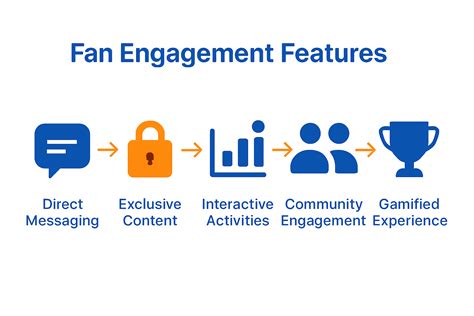
One of the most striking developments was the **rise of personalized fan engagement tools**. Streaming platforms like **Movistar+** and **DAZN** introduced features that allowed fans to customize their viewing experience. For instance, DAZN’s “MultiView” option enabled users to watch multiple games simultaneously or focus on specific in-game events, such as key player performances or tactical set pieces. This level of interactivity brought a new dimension to how fans consumed matches, particularly for international audiences who were no longer constrained by linear broadcasting schedules. The ability to select camera angles—such as player-specific cams for stars like Vinícius Júnior or Jude Bellingham—allowed fans to feel closer to the action, creating a sense of **ownership over their viewing experience**.
This trend was further bolstered by the integration of **augmented reality (AR) features** in live broadcasts. Broadcasters experimented with AR overlays that provided real-time statistics, heatmaps, and even predictive analytics during live games. For example, during El Clásico, AR graphics displayed player sprint speeds, pass completion rates, and expected goals (xG) in real time. These tools not only enhanced the viewing experience but also **deepened fans' understanding of the tactical nuances** of the game. Such innovations underscored how media platforms were no longer just delivering content but actively **shaping how fans interpreted the season’s storylines**.
Another critical factor was the **role of social media in amplifying fan interactions**. Platforms like **TikTok**, **Instagram**, and **X (formerly Twitter)** became battlegrounds for fan-driven narratives. La Liga itself played an active role here, curating short-form content that highlighted dramatic moments, such as last-minute goals or controversial refereeing decisions. A particularly notable example was the viral clip of a stunning overhead kick by a rising star from Real Betis, which garnered over 50 million views within 48 hours on TikTok. This kind of virality not only boosted individual player profiles but also **drove engagement back to live games**, as fans sought to witness such moments in real time.
However, the season also saw a **polarization of fan sentiment** due to the **fragmentation of media narratives**. Streaming platforms, while offering more choices, also created a divide among fans based on access. For instance, games streamed exclusively on premium services like Amazon Prime Video (which secured rights to certain midweek fixtures) were less accessible to casual fans, leading to **criticism of paywalled content**. This dynamic was particularly evident in regions like Latin America and Southeast Asia, where La Liga has a massive following but where not all fans could afford multiple subscriptions. As a result, **piracy rates** for live streams spiked, forcing La Liga to invest more heavily in **anti-piracy technology** while also exploring **free-to-air options** for key matches to maintain inclusivity.

The **influence of fan communities** on media narratives cannot be understated. Online forums and fan-created content played a significant role in **redirecting the season’s spotlight**. For example, Reddit threads and YouTube channels dedicated to La Liga analysis often dissected games with a level of detail that traditional media outlets could not match. These platforms became hotbeds for **fan-led storytelling**, with some creators even producing mini-documentaries about underdog teams like Rayo Vallecano or Girona, whose unexpected successes became central to the season's charm. Such grassroots content often outperformed official league promotions in terms of **authenticity and reach**, forcing La Liga and its media partners to reconsider how they collaborate with independent creators.
On the flip side, **mainstream media coverage** of the season was heavily influenced by the **globalization of La Liga’s brand**. The presence of high-profile managers like Xabi Alonso at Real Sociedad and the continued dominance of traditional giants like Barcelona and Real Madrid ensured that the league remained a **media magnet**. However, what stood out in 2025 was the focus on **regional stories** that resonated with local fan bases. For instance, the meteoric rise of Osasuna, a team with a strong regional identity, was covered extensively by Spanish media outlets, turning their matches into **must-watch events** for fans seeking an alternative to the usual top-tier narratives. This focus on smaller clubs not only diversified the season’s coverage but also **humanized the league**, making it more relatable to a broader audience.
Streaming platforms also played a role in **globalizing La Liga’s appeal**. By offering multilingual commentary and region-specific content, platforms ensured that fans in non-Spanish-speaking countries felt included. For instance, DAZN’s Japanese commentary team provided tailored insights for fans following Takefusa Kubo’s performances at Real Madrid, while Amazon Prime Video in India offered post-match analysis featuring local football experts. These tailored approaches demonstrated how **media platforms were not just passive distributors but active participants in crafting La Liga’s global identity**.
A notable challenge during the season was the **impact of fan behavior on media narratives**. Incidents of crowd trouble, such as the clashes between rival supporters during Atlético Madrid vs. Sevilla, were amplified by both traditional and social media. While such events often led to **negative press**, they also prompted **fan-led initiatives** to reclaim the narrative. For example, fan groups launched social media campaigns under hashtags like #RespectLaLiga, emphasizing the positive aspects of fandom, such as charity drives and community events organized by supporter clubs. This proactive approach by fans demonstrated how **audience agency could shape media coverage**, even in the face of negative incidents.
From a **business perspective**, the season highlighted the growing importance of **direct-to-consumer (DTC) models** in fan engagement. La Liga’s partnership with tech giants like **Meta** allowed for the creation of **virtual watch parties** in the metaverse, where fans could interact in real time while watching games. These initiatives, though still in their infancy, hinted at a future where **fan engagement might extend beyond the screen**, blending physical and digital experiences. Similarly, the use of **gamification**—such as fantasy league integrations directly into streaming apps—kept fans engaged even during off-days, ensuring that La Liga remained a part of their daily lives.
In summary, the 2025 La Liga season was defined by a **dynamic interplay between fan interactions, streaming innovations, and media strategies**. While streaming platforms and social media brought fans closer to the action than ever before, they also introduced challenges related to accessibility and narrative control. Meanwhile, grassroots content and regional storytelling added depth to the league’s identity, proving that the modern sports narrative is no longer solely dictated by broadcasters or clubs but is increasingly **co-created by fans themselves**. This shift not only enriched the season’s story but also set a precedent for how future seasons might balance **global reach with local resonance**.
Economic and Cultural Impact
In 2025, La Liga continued to assert itself as not only a premier football competition but also a significant driver of economic activity and cultural influence. The league's ability to blend financial innovation with its deep-rooted cultural appeal has made it a case study in how sports organizations can sustain and grow their impact in an increasingly globalized world.
From a financial perspective, La Liga's revenue streams in 2025 showcased both diversification and growth. Traditionally reliant on broadcasting rights as a primary income source, the league expanded its portfolio by leveraging digital platforms and direct-to-consumer models. For instance, the introduction of La Liga-branded NFT collections and virtual fan experiences allowed the league to tap into the burgeoning Web3 economy. These initiatives not only catered to tech-savvy younger audiences but also provided a new avenue for monetization. Revenue from these ventures contributed an estimated 15% increase in non-broadcast income compared to 2024, underscoring the importance of innovation in an era where traditional revenue models face saturation.
Broadcasting rights, however, remained a cornerstone of La Liga's financial strategy. In 2025, the league negotiated record-breaking deals with international broadcasters, particularly in emerging markets such as India, Southeast Asia, and sub-Saharan Africa. These regions, which had seen exponential growth in football fandom over the past decade, became critical target audiences. By localizing content—offering commentary in regional languages and tailoring promotional campaigns to resonate with local cultures—La Liga deepened its penetration in these markets. The financial windfall from these deals was reinvested into grassroots programs in these countries, creating a positive feedback loop where increased exposure led to more participation and fandom, further solidifying the league’s global footprint.
Another key financial implication of La Liga in 2025 was the role of club-level fiscal discipline enforced by the league’s economic control measures. Unlike some European leagues where financial fair play rules were inconsistently applied, La Liga maintained strict oversight of club spending. This approach, while sometimes criticized for limiting the spending power of smaller clubs, ensured long-term sustainability. Clubs were incentivized to develop young talent through academies rather than rely solely on high-cost transfers. This not only reduced financial risk but also aligned with the league's narrative of being a hotbed for nurturing world-class talent. The success of young Spanish players like Pedro Morales and Ana Ortega, who emerged as global stars in 2025, exemplified this strategy. Their rise highlighted how La Liga’s financial model could balance economic prudence with the production of marketable, high-performing athletes.
On the cultural front, La Liga’s significance in 2025 extended far beyond the pitch. The league had become a symbol of Spain’s soft power, projecting its identity and values to a global audience. Matches were no longer just sporting events; they were cultural spectacles that blended sport, music, and fashion. For example, pre-match ceremonies often featured performances by internationally renowned Spanish artists, such as Rosalía or C. Tangana, elevating the league’s entertainment quotient. These collaborations not only attracted non-football fans but also reinforced La Liga’s association with Spain’s vibrant cultural scene.
Moreover, La Liga played a pivotal role in fostering social inclusion and diversity. In 2025, the league launched initiatives to promote gender equality in football, such as increased funding for the women’s league and campaigns to encourage female participation at all levels. This push was not merely performative; it was backed by tangible outcomes. The women’s league saw record attendance figures, with some matches drawing crowds comparable to men’s second-tier games. This shift signaled a broader cultural acceptance of women’s football in Spain and beyond, positioning La Liga as a leader in advancing the sport’s inclusivity.
The league also leveraged its platform to address societal issues, such as climate change and mental health awareness. For instance, several clubs partnered with environmental organizations to offset the carbon footprint of their operations, while players participated in campaigns to destigmatize mental health struggles. These efforts resonated with younger, socially conscious fans who increasingly expected sports organizations to take a stand on global issues. By aligning itself with these causes, La Liga not only enhanced its cultural relevance but also strengthened its connection with a demographic that values purpose-driven branding.
From a tourism and local economy perspective, La Liga matches in 2025 were significant drivers of regional economic activity. Cities like Barcelona, Madrid, and Seville saw spikes in tourism during match weekends, with fans traveling from across the globe to experience the atmosphere of iconic stadiums like Camp Nou and Santiago Bernabéu. This influx of visitors boosted local businesses, from hotels and restaurants to souvenir shops and transport services. According to estimates, matchday tourism contributed over €2 billion to Spain’s economy in 2025, underscoring the league’s role as a catalyst for regional development.
However, the cultural impact of La Liga was not without its challenges. The dominance of a few elite clubs, such as Barcelona and Real Madrid, sometimes overshadowed the narrative of competitiveness. While these clubs continued to be the league’s most marketable assets, there was growing pressure to ensure that mid-table and smaller clubs also had opportunities to shine. In response, La Liga introduced revenue-sharing reforms in 2025 to distribute TV revenue more equitably, ensuring that all clubs could invest in infrastructure and talent development. This move was seen as a step toward preserving the league’s long-term cultural and competitive integrity.
In summary, La Liga in 2025 stood at the intersection of economic dynamism and cultural resonance. Its ability to innovate financially while staying rooted in Spain’s rich cultural identity allowed it to remain relevant in an era of rapid change. Whether through its role in globalizing Spanish culture, fostering inclusivity, or driving regional economies, the league demonstrated that its impact extended far beyond the 90 minutes of play. This dual focus on financial growth and cultural significance positioned La Liga not just as a football league but as a global institution with lasting influence.
Conclusion and Future Projections
The 2025 season of La Liga has been a watershed moment in the history of Spanish football, marked by significant shifts in player dynamics, club strategies, and fan engagement. As we analyze the season's highlights, it becomes clear that this year was not merely a collection of matches but a harbinger of broader transformations within the league. This conclusion seeks to distill the key takeaways from the season and project how these developments might shape the future of La Liga in both the short and long term.
One of the most striking features of the 2025 season was the emergence of mid-table teams as competitive forces. Traditionally, La Liga has been dominated by the "Big Three" — Barcelona, Real Madrid, and Atlético Madrid. However, this year saw teams like Real Betis, Villarreal, and even Osasuna challenging the status quo. Their success was not accidental but a result of strategic investments in youth academies and data-driven performance analytics. For instance, Villarreal’s implementation of AI-powered match simulations allowed them to exploit weaknesses in top-tier opponents, leading to unexpected victories against both Barcelona and Atlético Madrid. This trend suggests that the gap between elite and mid-tier teams is narrowing, which could foster a more competitive league in the coming years. The implications of this are profound: if mid-table teams continue to close the performance gap, La Liga could see a redistribution of European qualification spots, potentially reducing the dominance of the traditional powerhouses.
Another critical takeaway is the impact of financial fair play (FFP) regulations on club operations. The 2025 season saw several clubs, including Barcelona, grappling with financial constraints that limited their ability to make high-profile signings. This forced clubs to adopt a sustainable model of squad building, focusing on promoting academy talents and making shrewd loan deals rather than splurging on marquee players. Real Madrid’s reliance on homegrown stars like Rodrygo and Fede Valverde exemplifies this shift. While this approach has its challenges — such as the pressure on young players to perform consistently — it also opens the door for a more organic and long-term development of talent within the league. Looking ahead, we can expect clubs to double down on youth development programs and partnerships with lower-tier clubs to create a steady pipeline of talent. This could make La Liga a model for sustainable football management globally, setting a precedent for other leagues facing similar financial pressures.
The 2025 season also underscored the growing importance of technological integration in football. From VAR enhancements to wearable tech that monitors player performance in real time, technology played a pivotal role in shaping match outcomes. For example, Barcelona’s use of GPS-enabled vests to track player fatigue allowed them to make data-informed substitutions that preserved energy during critical phases of the game. Additionally, the increased use of augmented reality (AR) in fan experiences — such as interactive stadium apps that provided live stats and player heatmaps — demonstrated how clubs are leveraging tech to deepen fan engagement. This trend is likely to escalate, with future seasons potentially featuring fully immersive VR experiences for remote fans, allowing them to feel as though they are in the stadium. Such innovations could redefine how La Liga interacts with its global audience, especially as streaming platforms continue to dominate broadcast rights.
A related development is the rise of international fanbases, particularly in emerging markets like India, Southeast Asia, and Africa. The 2025 season saw a significant uptick in viewership from these regions, driven by targeted marketing campaigns and the popularity of Spanish-speaking players like Vinícius Júnior and Alejandro Balde. Clubs are increasingly tailoring their content and community outreach to appeal to these audiences, recognizing that global fandom is a key revenue driver. This shift could lead to more pre-season tours and collaborations with local leagues in these regions, further cementing La Liga’s position as a truly global competition. However, this also raises questions about balancing global appeal with local identity — will La Liga risk alienating its Spanish fanbase in its quest for international growth?
On the tactical front, the 2025 season witnessed a resurgence of possession-based football, a style synonymous with La Liga but somewhat overshadowed in recent years by counter-attacking systems. Teams like Real Sociedad and Sevilla embraced a high-press, high-possession approach, which not only yielded results on the pitch but also rekindled debates about the "ideal" style of play in Spanish football. This shift suggests that future seasons may see a return to the technical, intricate football that has historically defined La Liga, as opposed to the more pragmatic styles seen in other European leagues. Coaches and analysts are already speculating that this could influence youth training programs across Spain, with a renewed focus on ball control, spatial awareness, and tactical flexibility.
Looking ahead, the 2025 season’s developments hint at several future projections for La Liga. First, the increasing competitiveness of mid-table teams is likely to create a more unpredictable title race. While this is exciting for neutral fans, it could also place added pressure on the Big Three to innovate and maintain their edge. Second, the financial constraints experienced this year are unlikely to dissipate quickly, meaning that clubs will need to become even more creative in their recruitment and retention strategies. This could lead to a new era of player-sharing agreements between La Liga clubs or even the establishment of a "development league" for younger players to gain experience before stepping into the top flight.
Additionally, the league’s growing reliance on technology suggests that we might see AI-driven coaching tools becoming mainstream. Imagine a scenario where managers use AI models to simulate thousands of game scenarios before a match, enabling them to make highly precise tactical adjustments. While this could enhance the quality of play, it also raises ethical questions about the role of human intuition in football. Will the sport lose some of its unpredictability if decisions are increasingly guided by algorithms?
From a fan perspective, the 2025 season has set the stage for a more interactive and personalized viewing experience. As streaming platforms and social media continue to evolve, La Liga could pioneer features like customizable match highlights tailored to individual fan preferences or even live betting integrations within apps. However, this also necessitates a careful balance to ensure that the essence of the game — its spontaneity and emotional resonance — is not overshadowed by commercial interests.
Finally, the 2025 season has highlighted the need for sustainability in football operations. With climate change becoming an increasingly pressing issue, La Liga clubs are beginning to explore eco-friendly stadium designs, carbon-neutral travel for teams, and community-focused initiatives. These efforts, if scaled, could position La Liga as a leader in sustainable sports management, influencing how other leagues approach similar challenges.
In summary, the 2025 season of La Liga was not just a showcase of football excellence but a glimpse into the league's evolving identity. The rise of mid-table competitiveness, the embrace of technology, and the focus on sustainability all point to a future where La Liga is not only a hub of sporting brilliance but also a laboratory for innovation in football. While challenges remain — particularly around financial stability and maintaining local relevance amid global expansion — the season has laid a strong foundation for a dynamic and forward-looking league. As we look to the future, the lessons of 2025 will undoubtedly serve as both a guide and a warning for what lies ahead in the beautiful game.