Introduction to La Liga and Sky Sports
La Liga, officially known as La Liga Santander for sponsorship reasons, is the top professional football league in Spain and one of the most prestigious football competitions in the world. Established in 1929, La Liga has grown to become a symbol of technical excellence, tactical innovation, and a breeding ground for some of the most iconic players and teams in football history. Its reputation is anchored in the consistent display of high-quality football, marked by intricate passing, strategic depth, and an emphasis on individual skill. This section delves into the essence of La Liga and its unique relationship with Sky Sports as a broadcaster that amplifies its global reach and appeal.
La Liga is home to some of the most storied football clubs globally, including FC Barcelona, Real Madrid CF, and Atlético Madrid. These clubs are not just powerhouses within Spain but are also among the most followed teams worldwide. Real Madrid, for instance, holds the record for the most UEFA Champions League titles, while Barcelona has redefined modern football with its tiki-taka style of play, inspired by legends like Johan Cruyff and Pep Guardiola. Atlético Madrid, under the stewardship of Diego Simeone, has carved out a niche as a defensively astute and counterattacking force. The league’s competitive structure ensures that while these three clubs often dominate, mid-table teams like Sevilla, Villarreal, and Real Betis frequently challenge the status quo, making La Liga one of the most unpredictable and exciting leagues to follow.
One of the defining aspects of La Liga is its contribution to footballing culture. Spain’s focus on youth development through academies such as La Masia (Barcelona) and La Fábrica (Real Madrid) has produced generations of world-class players. The league has been a stage for superstars like Lionel Messi, Cristiano Ronaldo, Xavi Hernández, Andrés Iniesta, and more recently, Vinícius Júnior and Pedri. This star power, combined with the league’s reputation for nurturing technical players, has made La Liga a must-watch for football enthusiasts. However, beyond the on-field brilliance, La Liga has also embraced technological advancements, such as the use of VAR (Video Assistant Referee) and data analytics, to maintain its competitive edge and appeal in the modern era.
Sky Sports, as a broadcaster, plays a pivotal role in bringing the spectacle of La Liga to audiences outside Spain. Founded in 1990, Sky Sports has established itself as a leader in sports broadcasting, particularly in the UK and Ireland. Its comprehensive coverage of football leagues, including the Premier League, Bundesliga, and Serie A, positions it as a go-to platform for fans seeking diverse and high-quality sports content. The partnership between Sky Sports and La Liga is particularly significant because it enables the league to penetrate markets where football fandom is deeply ingrained, such as the UK, where rivalries and football narratives often spill over into international competitions.
Sky Sports’ approach to broadcasting La Liga is characterized by a blend of live match coverage, expert analysis, and engaging storytelling. The network often employs former players and managers as pundits, providing viewers with insights that go beyond the surface-level match commentary. For instance, when covering El Clásico—the high-stakes showdown between Barcelona and Real Madrid—Sky Sports often dedicates pre- and post-match shows to dissect the historical significance of the fixture, the tactical setups of both teams, and the broader implications for the league. This level of detail not only appeals to die-hard fans but also educates casual viewers about the nuances of Spanish football.
The broadcaster’s use of technology further enhances the viewing experience. Features like multi-angle replays, in-game statistics overlays, and interactive apps allow fans to engage with La Liga matches in ways that traditional broadcasts cannot. For instance, during a tense title race or a relegation battle, Sky Sports provides real-time updates on other matches, ensuring that viewers are fully immersed in the league’s drama. This holistic approach to broadcasting aligns with La Liga’s own push to modernize and globalize its brand.
From a business perspective, the collaboration between La Liga and Sky Sports is mutually beneficial. La Liga benefits from Sky Sports’ extensive reach and marketing capabilities, which help it attract new audiences and maintain its status as one of the most-watched leagues globally. On the other hand, Sky Sports leverages La Liga’s star-studded matches and dramatic storylines to retain subscribers and compete in an increasingly crowded sports broadcasting landscape. This synergy is particularly evident during marquee events, such as the final weeks of the season or knockout-style cup competitions like the Copa del Rey, where Sky Sports often dedicates entire programming blocks to La Liga coverage.
It is also worth noting how La Liga’s identity as a league has evolved over the years, and Sky Sports has been a part of this journey. While the league was once heavily associated with the dominance of Barcelona and Real Madrid, recent seasons have seen a more balanced competition. Teams like Atlético Madrid winning the league title in 2021 and the emergence of smaller clubs as formidable opponents (e.g., Granada’s surprising European runs) reflect a shift toward greater parity. Sky Sports adapts its narrative to reflect these changes, often highlighting underdog stories and the league’s broader competitive landscape rather than solely focusing on the traditional giants.
Another unique aspect of the La Liga-Sky Sports dynamic is the cultural exchange facilitated by the broadcasts. Spanish football is not just about the game itself but also about its rituals, fan culture, and the passion of its supporters. Sky Sports often includes segments that showcase the vibrant atmospheres of stadiums like the Camp Nou, Santiago Bernabéu, and the Metropolitano. These features allow international viewers to experience the essence of Spanish football, from the chants of the ultras to the traditional pre-match festivities.
Moreover, Sky Sports provides a platform for La Liga to market itself as more than just a football league. Through documentaries, player interviews, and feature stories, the broadcaster helps humanize the league by showcasing the personal journeys of players, the community impact of clubs, and the socio-economic role of football in Spain. This approach resonates with audiences who are increasingly looking for more than just game highlights—they want stories that connect them to the sport on a deeper level.
In summary, La Liga stands as a beacon of footballing excellence, combining historical significance, modern innovation, and an ever-evolving competitive landscape. Sky Sports, as a broadcaster, serves as a bridge between this vibrant league and its global audience. Together, they create a synergy that not only showcases the technical brilliance of Spanish football but also enriches the viewer experience through insightful analysis, cultural context, and cutting-edge broadcasting technology. This partnership ensures that La Liga remains not just a league but a global phenomenon, accessible and engaging for fans across the world.
Historical Context of La Liga Broadcasts
The evolution of La Liga's presence on international sports networks, particularly Sky Sports, is a fascinating study of how a domestic football league transformed into a global entertainment brand. This journey is marked by strategic partnerships, technological advancements, and the growing appetite for top-tier football content among international audiences. Understanding this historical context reveals how La Liga's broadcasts became a cornerstone of Sky Sports' programming and how the relationship between the two entities has shaped the way football is consumed globally.
La Liga, Spain's top-tier football league, has always been home to some of the world's most iconic clubs, such as Real Madrid and Barcelona. However, its global broadcast footprint was relatively modest in the early 1990s. At that time, international sports networks were still grappling with the challenge of delivering live football content to diverse markets. The league's initial international exposure was fragmented, relying on local broadcasters in key regions like Latin America and parts of Europe. While these partnerships introduced La Liga to a wider audience, they lacked the cohesive strategy needed to position the league as a premier footballing spectacle on par with the English Premier League (EPL) or Serie A.
The turning point for La Liga came in the late 1990s and early 2000s when the league began to recognize the economic and branding potential of international broadcasts. This period coincided with the rise of pay-TV services, including Sky Sports, which was rapidly establishing itself as a dominant player in sports broadcasting in the UK and beyond. Sky Sports' aggressive acquisition of rights for major football leagues was part of a larger strategy to solidify its position as the go-to platform for premium sports content. La Liga, with its blend of technical football and star power—epitomized by figures like Raul, Rivaldo, and later Lionel Messi—fit perfectly into this vision.
Sky Sports' initial forays into broadcasting La Liga matches were experimental. The network tested audience interest by airing select high-profile matches, often featuring El Clasico or title-deciding games. These broadcasts were met with enthusiasm, particularly among UK audiences who were already enamored with top-level European football. This early success laid the groundwork for a more structured relationship between Sky Sports and La Liga, as both parties began to see mutual benefits in a formalized partnership. For Sky Sports, La Liga offered a counterpoint to the EPL, diversifying its football portfolio. For La Liga, the platform provided access to a lucrative English-speaking market, which was increasingly seen as a key growth area for European football leagues.
The 2000s marked a period of rapid evolution in the relationship between La Liga and international broadcasters. One of the most significant developments was the league's growing emphasis on production quality. La Liga invested heavily in broadcast technology, including multi-angle replays, high-definition (HD) coverage, and immersive sound design. These enhancements were not merely technical upgrades but part of a deliberate strategy to position La Liga as a visually appealing and technologically advanced product. Sky Sports, with its reputation for high production standards, became a natural partner in this endeavor. The network's ability to showcase La Liga matches with the same level of polish as EPL games elevated the league's status in the eyes of international viewers.
Another critical factor in La Liga's ascent on Sky Sports was the emergence of global superstars who became synonymous with the league. The early 2000s saw the rise of players like Ronaldinho, whose flair and charisma captivated audiences worldwide. By the late 2000s and early 2010s, the narrative was dominated by the rivalry between Cristiano Ronaldo at Real Madrid and Lionel Messi at Barcelona. This era of "El Clasico as a global event" was a boon for Sky Sports, which capitalized on the massive viewership these matches attracted. The network's ability to package La Liga not just as a football league but as a spectacle featuring the world's best players was instrumental in cementing its place in its programming lineup.
The advent of digital streaming and on-demand services in the 2010s further transformed the dynamics of La Liga's international broadcasts. Sky Sports, like other networks, faced the challenge of adapting to a new era where traditional TV viewership was supplemented—and sometimes supplanted—by digital platforms. La Liga was quick to embrace this shift, partnering with Sky Sports to offer streaming options and highlights packages tailored to online audiences. This move was part of a broader trend where leagues and broadcasters worked together to ensure their content remained accessible and relevant in a rapidly changing media landscape. For example, Sky Sports' integration of La Liga highlights into its digital app and social media channels allowed the league to reach younger, tech-savvy fans who consumed content in bite-sized formats.
It is also worth noting the role of La Liga's own initiatives in enhancing its presence on international networks. The league established dedicated international offices and launched marketing campaigns aimed at promoting its brand in key territories. These efforts dovetailed with Sky Sports' programming strategies, as the network often leveraged La Liga's promotional materials to create themed programming blocks, such as "La Liga Weekends" or special segments focusing on Spanish football culture. This synergy between the league and the broadcaster exemplifies how modern sports broadcasting is as much about storytelling and branding as it is about live match coverage.
However, the relationship between La Liga and Sky Sports has not been without its challenges. In recent years, the rise of competing platforms and the fragmentation of broadcast rights have introduced new complexities. La Liga has explored partnerships with other networks and streaming services, such as ESPN and DAZN, to diversify its reach. Meanwhile, Sky Sports has had to contend with the emergence of rivals like BT Sport and Amazon Prime Video in the UK market. These dynamics underscore the competitive nature of modern sports broadcasting, where exclusivity and innovation are key to retaining audiences.
Despite these challenges, the historical trajectory of La Liga's presence on Sky Sports demonstrates the power of strategic collaboration. From tentative early broadcasts to a fully integrated partnership that includes live games, highlights, and digital content, the evolution of La Liga on Sky Sports mirrors the broader transformation of football into a global entertainment product. This evolution is not merely a story of technological progress or market expansion but a testament to how sports leagues and broadcasters can work together to create a shared vision that resonates with fans worldwide.
- La Liga's early international exposure was limited and lacked a cohesive strategy.
- Sky Sports played a pivotal role in elevating La Liga's status through high production standards and strategic broadcasting.
- The league's investment in technology and global marketing complemented Sky Sports' efforts to position La Liga as a premium product.
- The digital era introduced new opportunities and challenges, with both parties adapting to meet the demands of modern audiences.
In summary, the historical context of La Liga broadcasts on Sky Sports reveals a dynamic interplay of ambition, innovation, and adaptation. Both entities have grown together, navigating the complexities of a globalized sports media landscape to deliver a product that is as much about cultural exchange as it is about football.
Audience Demographics and Engagement
The audience for La Liga highlights on Sky Sports represents a diverse and dynamic group of viewers, shaped by the global appeal of Spanish football and the platform's reach. To understand this audience in depth, it is essential to break down key demographic factors such as age groups, geographies, and fan preferences, while also considering how these elements interact with the content delivery and engagement strategies employed by Sky Sports.
One of the most prominent features of the La Liga audience is its **age diversity**. While football, in general, has a broad appeal across generations, La Liga highlights tend to attract a younger audience compared to other football leagues like the Premier League or Serie A. This is partly due to the league's emphasis on fast-paced, technically skilled play, which resonates strongly with viewers aged **18 to 34**. This age group is particularly active on digital platforms, where Sky Sports often cross-promotes La Liga content through social media snippets, YouTube compilations, and mobile app notifications. These younger viewers are also more likely to engage with highlights rather than full matches due to time constraints associated with busy lifestyles, making the curated highlight packages on Sky Sports a perfect fit for their consumption habits.
However, this does not mean older demographics are excluded. Fans in the **35 to 54 age range** also form a significant portion of the audience, often driven by a deeper historical connection to La Liga. Many in this group remember iconic moments from the late 1990s and early 2000s, such as the intense rivalry between Real Madrid and Barcelona spearheaded by players like Zinedine Zidane, Ronaldo Nazário, and Ronaldinho. For these fans, La Liga highlights serve as a way to stay connected to the league's ongoing narrative while balancing their viewing time with other responsibilities. Sky Sports capitalizes on this by offering not just modern highlights but also **"classic moments" segments** that appeal to older fans’ nostalgia, blending past and present to keep them engaged.
In terms of **geographies**, the audience for La Liga highlights on Sky Sports is inherently international, reflecting the league's status as one of the most-watched football competitions worldwide. While the UK forms a core market due to Sky Sports' primary presence there, significant engagement also comes from regions such as **South Asia, Southeast Asia, and the Middle East**. These areas have large football-following populations, with La Liga's star power—particularly players like Vinícius Júnior, Jude Bellingham, and the enduring appeal of Lionel Messi (even after his move to the MLS)—drawing in fans who may not have a local league of similar caliber. Additionally, expatriate communities from Spain and Latin America in these regions amplify interest, as La Liga is often seen as a cultural touchstone for Spanish-speaking populations abroad.
The **North American market** also represents an emerging audience for La Liga highlights. With Sky Sports' content often syndicated or shared through digital partnerships, the league benefits from the growing popularity of European football in the United States and Canada. This is particularly evident among younger, urban viewers who are drawn to La Liga for its flair and the presence of globally recognized clubs like Barcelona and Real Madrid. Furthermore, the time zone advantage of La Liga matches (often airing in the morning or early afternoon in the Americas) makes highlights an attractive option for fans who cannot watch live games due to work or school schedules.
When analyzing **fan preferences**, it becomes clear that La Liga highlights cater to a mix of **club-specific loyalties** and a general appreciation for high-quality football. Real Madrid and Barcelona dominate as the most-watched teams, given their historical success and star-studded lineups. However, there is a growing subset of fans who are more interested in **"underdog narratives"** or the rise of smaller clubs like Real Betis, Villarreal, or Real Sociedad. This trend is partly fueled by Sky Sports' efforts to diversify its highlight packages, showcasing not just the top-tier matches but also moments of brilliance from less prominent teams. For instance, a stunning goal by a relatively unknown player or a surprising upset can generate as much buzz as a Clásico highlight, particularly among younger fans who value viral, shareable content.
Another key aspect of fan preferences is the **cultural resonance** of La Liga. Unlike the Premier League, which is often associated with high-energy, physical play, La Liga is perceived as a league of artistry and technical brilliance. This perception influences the type of engagement seen among its audience. Fans who tune in for highlights are often looking for **"moments of magic"**—a perfectly executed dribble, a curling free-kick, or a pinpoint through-ball—rather than purely results-driven content. Sky Sports caters to this by emphasizing these aesthetic elements in its highlight reels, often pairing them with dramatic commentary or slow-motion replays to enhance the viewing experience.
The role of **digital engagement** cannot be overlooked when discussing audience behavior. La Liga highlights on Sky Sports are not just consumed passively; they are actively shared, discussed, and dissected across platforms like Twitter, Instagram, and Reddit. This interactivity is particularly strong among the **18 to 24 demographic**, who use these platforms to express opinions, create memes, and participate in fan rivalries. Sky Sports has adapted to this by incorporating **interactive features** such as polls, "goal of the week" voting, and short-form content tailored for mobile consumption. These strategies not only sustain interest but also create a sense of community among viewers, fostering loyalty to both the league and the broadcaster.
It is also worth noting how **gender dynamics** are shifting within the audience. While football has traditionally been male-dominated in its viewership, La Liga highlights on Sky Sports are increasingly attracting **female fans**, particularly in the younger age brackets. This shift is partly due to the visibility of high-profile female presenters and analysts on Sky Sports, as well as the league's own efforts to promote inclusivity through initiatives like mixed-gender fan events and coverage of women's football alongside men's content. This broadening of the audience base represents an opportunity for Sky Sports to further tailor its La Liga content to appeal to a more diverse set of preferences and perspectives.
From a **psychographic standpoint**, the audience for La Liga highlights can be segmented into several categories. There are the **"tactical enthusiasts"** who watch highlights to analyze team formations, player movements, and managerial decisions. Then there are the **"casual fans"** who are drawn by the star power of players like Jude Bellingham or the allure of iconic matches like El Clásico. Finally, there are the **"social engagers"**, who may not watch full matches but enjoy the social aspect of discussing highlights with friends or online communities. Sky Sports’ ability to cater to these distinct psychographic profiles is a testament to its nuanced approach to content delivery.
In summary, the audience for La Liga highlights on Sky Sports is characterized by a blend of **age diversity, international reach, and varied fan motivations**. The platform's ability to cater to younger, tech-savvy viewers while also appealing to older, nostalgia-driven fans ensures a wide net of engagement. By leveraging digital tools, emphasizing the league's aesthetic qualities, and tapping into both club loyalties and broader cultural appeal, Sky Sports has positioned itself as a key gateway for La Liga content consumption. This deep understanding of its audience not only enhances viewer satisfaction but also reinforces the broadcaster's role as a critical mediator between the league and its global fanbase.
Content Structure of La Liga Highlights
The content structure of La Liga highlights on Sky Sports is meticulously designed to deliver an engaging and comprehensive experience for football enthusiasts. This format is not merely a collection of goal replays but a carefully curated package that encapsulates the essence of each match while maintaining a dynamic and viewer-friendly flow. Understanding the breakdown of this structure reveals how Sky Sports balances the art of storytelling with the technical demands of sports broadcasting.
One of the primary components of La Liga highlight packages is the emphasis on **key moments**. These are not limited to goals but extend to pivotal events that shape the outcome of the match. For instance, a well-timed tackle, a missed penalty, or even a goalkeeper's extraordinary save can feature prominently. Sky Sports prioritizes these moments because they often serve as turning points in the narrative of the game. The selection process involves not just showing the event but contextualizing it within the broader match dynamics. For example, if a goal is scored as a result of a counterattack following a defensive error, the highlight reel might include the buildup to the error, the transition play, and the finish. This layered approach ensures that viewers understand not just what happened but why it happened, offering a richer viewing experience.
The focus on **player features** is another critical aspect of the highlight structure. La Liga is home to some of the world’s most iconic players, and Sky Sports leverages this star power to enhance the appeal of its highlight packages. Individual player performances are often spotlighted, especially when a player has a standout game. For example, if a forward like Robert Lewandowski scores a hat-trick or a midfielder like Luka Modrić orchestrates play with precision, their contributions are not only shown but analyzed. This might include slow-motion replays of their technique, such as a perfectly timed volley or a no-look pass, accompanied by commentary that explains the skill involved. Additionally, player features often extend beyond the match itself. If a player is on a scoring streak or has recently transferred to a new club, the highlights might include a brief montage of their season so far or a mention of their historical performance in La Liga. This humanizes the players and adds a narrative layer to the highlights, making them more relatable to fans.
Another intriguing element is the **editorial commentary**, which serves as the bridge between the raw action on the field and the audience. Unlike live match commentary, which is reactive and spontaneous, the commentary in highlight packages is more deliberate and polished. It often includes insights from analysts or former players who provide a deeper perspective on the action. For instance, if a team deploys an unconventional tactical setup—such as a high press or a back-three formation—the commentary might explain how this impacted the flow of the game. This editorial layer is particularly valuable for viewers who might not have watched the full match but still want to grasp its strategic nuances. Furthermore, the tone of the commentary often varies depending on the significance of the match. A highlight package for a title-deciding clash between Barcelona and Real Madrid might feature more dramatic and elevated language compared to a mid-table fixture. This tonal flexibility ensures that the content resonates with the emotional weight of the event.
The **sequence of events** in La Liga highlight packages is also worth dissecting. Sky Sports typically follows a chronological structure, starting with the early exchanges of the match and building up to the climax. However, there are exceptions where the package might open with a dramatic moment—such as a last-minute winner—to immediately hook the audience. This technique is particularly effective in post-match broadcasts where the goal is to immediately capture attention before delving into the full sequence of events. Within this structure, there is a clear hierarchy of importance. Goals are almost always given the most screen time, followed by near-misses, key saves, and then other significant moments like red cards or contentious refereeing decisions. This hierarchy is not arbitrary; it reflects the priorities of the audience, who are most likely to remember and discuss goals and game-changing events.
An often-overlooked but vital component of the highlight structure is the **use of graphics and visual aids**. Sky Sports employs a range of on-screen elements to enhance the viewing experience. For example, when a goal is scored, the screen might display the scorer’s name, the time of the goal, and the current scoreline. These graphics not only provide immediate context but also cater to viewers who might tune in mid-way through the highlights. Additionally, tactical diagrams are sometimes used to illustrate key moments, such as how a team set up for a free kick or how a defensive shape was breached. These visuals appeal to both casual fans and more analytically inclined viewers who appreciate a deeper dive into the game’s mechanics.
The **pacing of the highlight packages** is another area where Sky Sports excels. Unlike full match replays, highlights are designed to be consumed quickly, often within 5-10 minutes. This requires a careful balance between showing enough action to tell the story of the match and avoiding overloading the viewer with too much detail. To achieve this, the editing is crisp, with transitions that maintain momentum. For instance, a sequence might transition from a goal replay to a replay of the manager’s reaction on the sideline, then to a wide-angle shot of the celebrating crowd. This dynamic editing style keeps the content engaging while ensuring that no key moment feels drawn out or underrepresented.
A unique feature of Sky Sports’ La Liga highlights is the **integration of fan and cultural elements**. La Liga is as much about the passion of its supporters as it is about the football itself. Highlights often include shots of the crowd—whether it’s the roar of the home fans after a goal or the despondent faces of away supporters after a defeat. These moments are not incidental; they are deliberately included to capture the emotional landscape of the match. In some cases, the broadcast might also feature brief clips of pre-match festivities, such as team anthems or tifo displays, to set the stage for the action. This inclusion of cultural elements reinforces the identity of La Liga as a league deeply rooted in its regional and club-specific traditions.
Finally, the **post-match analysis snippets** often serve as a coda to the highlight packages. These are short segments where analysts break down the match’s key takeaways. This might include a focus on tactical decisions, individual player ratings, or even broader implications for the league table. While these analyses are not as detailed as a full post-match show, they provide enough substance to leave viewers with a sense of closure and understanding. For instance, after a match where a team secures a narrow victory despite being outplayed, the analysis might discuss how effective game management or moments of individual brilliance tipped the scales.
In summary, the content structure of La Liga highlights on Sky Sports is a blend of **action-driven storytelling, player-centric features, and insightful editorial commentary**. Each element is meticulously crafted to ensure that the highlights are not just a recap of the match but a compelling narrative that appeals to both die-hard fans and casual viewers. This structure reflects Sky Sports’ understanding of its audience and its commitment to delivering high-quality sports content that goes beyond mere replays.
Technological Innovations in Broadcasting
Sky Sports has long been at the forefront of broadcasting innovation, and its coverage of La Liga is a prime example of how technology can transform the viewer experience. By integrating advanced technologies like 4K streaming, augmented reality (AR), and interactive apps, Sky Sports has set a benchmark for delivering high-quality and engaging sports content. This section delves into the specific ways these technologies are employed to elevate La Liga coverage and how they redefine the relationship between the broadcaster and the audience.
One of the most striking advancements in Sky Sports' La Liga broadcasts is the adoption of 4K streaming. While high-definition (HD) broadcasting was once the gold standard, 4K takes visual clarity to an entirely new level. With a resolution of 3840 x 2160 pixels, 4K offers four times the detail of standard HD. This means viewers can see every blade of grass on the pitch, the expressions on players' faces, and even the intricacies of ball movement with unprecedented sharpness. For a league as dynamic and fast-paced as La Liga, where split-second decisions and intricate plays often decide matches, 4K ensures that no detail is lost in transmission. Moreover, Sky Sports has optimized its 4K streams for low latency, reducing lag to near imperceptible levels. This is particularly important for live sports, where even a slight delay can disrupt the immersive experience. The adoption of 4K also aligns with the increasing availability of compatible devices, such as smart TVs and streaming sticks, making this technology accessible to a broader audience.
Another area where Sky Sports has innovated is through the use of augmented reality (AR) in its La Liga coverage. AR overlays computer-generated elements onto the real-world broadcast feed, enhancing the viewing experience without detracting from the live action. For example, during match analysis, AR is used to display player statistics, heatmaps, and tactical formations directly on the screen. These elements are not static; they dynamically update in real time as the game progresses. For instance, if a player makes a sprint down the wing, an AR overlay can instantly show their speed, distance covered, and even compare it to historical data. This not only enriches the analytical depth of the broadcast but also makes it more engaging for casual viewers who might not be familiar with the intricacies of football strategy. AR is also employed in pre- and post-match segments, where virtual graphics are used to simulate key moments of the game. For example, a virtual replay might show how a goal was scored from multiple angles, complete with trajectory paths and player positions overlaid on the field. This use of AR helps demystify complex plays and allows viewers to understand the "why" behind critical match events.
The integration of interactive apps is another cornerstone of Sky Sports' technological strategy for La Liga. The broadcaster has developed companion apps that allow viewers to engage with the content in real time. These apps provide features like live match statistics, team line-ups, and even personalized notifications tailored to the user’s favorite teams or players. For example, a fan of Barcelona might receive a push notification when Lionel Messi scores a goal, along with a video clip of the goal seconds after it happens. This level of interactivity ensures that fans remain connected to the action even if they are not watching the match live. Additionally, the apps often include features like "choose your camera angle," which lets users switch between different perspectives, such as a tactical overview or a close-up of a specific player. This feature is particularly powerful during La Liga matches, where the style of play can vary significantly between teams like Real Madrid’s counter-attacking approach and Barcelona’s possession-heavy philosophy. By giving viewers control over what they see, Sky Sports caters to a diverse audience with varying interests and levels of expertise.
Another intriguing application of interactive apps is the integration of real-time polls and quizzes. During La Liga broadcasts, Sky Sports often runs live polls asking viewers to predict the outcome of the next goal or vote for the man of the match. These polls not only foster a sense of community among viewers but also provide broadcasters with valuable data about audience preferences and engagement levels. Quizzes related to La Liga history or player trivia further enhance the viewing experience by blending entertainment with education. This gamification of sports coverage is a subtle yet effective way of keeping viewers invested in the broadcast for longer durations.
Sky Sports also leverages AI-driven analytics to enhance its La Liga coverage. While not always visible to the end user, AI plays a critical role behind the scenes. For instance, machine learning algorithms analyze match data to identify patterns and trends, which are then presented to commentators and analysts in real time. This ensures that the commentary is not only insightful but also data-driven. For example, if a team is employing a high press, the AI might flag this tactic and provide supporting statistics, such as the number of turnovers forced in the opponent's half. These insights are then relayed to the audience through on-screen graphics or expert analysis, creating a more informed and engaging narrative around the game.
The use of multi-angle replay systems is another area where Sky Sports stands out. Traditional replays are often limited to a single angle, but Sky Sports uses AR and 4K technology to offer multi-angle replays that provide a 360-degree view of key moments. This is particularly useful for contentious decisions, such as offside calls or penalty claims, where a single camera angle might not provide enough context. By presenting the action from multiple viewpoints, Sky Sports ensures that viewers can form their own opinions based on comprehensive evidence. This transparency not only enhances trust in the broadcast but also adds a layer of sophistication to the viewing experience.
It is also worth noting how Sky Sports integrates social media and second-screen experiences into its La Liga broadcasts. The broadcaster actively encourages viewers to use platforms like Twitter, Instagram, and its own app to share their thoughts, reactions, and highlights. During matches, curated social media feeds are displayed on-screen, showcasing fan comments, expert opinions, and even player reactions. This creates a sense of inclusivity, as viewers feel like active participants in the event rather than passive consumers. Moreover, the second-screen experience allows fans to access additional content, such as player interviews, behind-the-scenes footage, and match previews, all of which enrich the overall narrative of La Liga coverage.

In summary, Sky Sports’ use of 4K streaming, augmented reality, and interactive apps represents a holistic approach to broadcasting innovation. These technologies not only enhance the visual and analytical aspects of La Liga coverage but also foster deeper engagement and interactivity with the audience. By continually pushing the boundaries of what is possible in sports broadcasting, Sky Sports ensures that its La Liga content remains at the cutting edge of technological and experiential excellence. This commitment to innovation not only benefits the broadcaster by attracting and retaining a tech-savvy audience but also reinforces La Liga’s status as one of the most thrilling and visually stunning football leagues in the world.
Impact of Highlights on Fan Retention and Growth
The role of highlight reels in modern sports broadcasting cannot be overstated, particularly in the context of a league as globally popular as La Liga. For Sky Sports, which serves as a gateway for millions of football enthusiasts to access top-tier content, highlight reels are a strategic tool that go beyond mere recaps of matches. They are a dynamic force in shaping fan experiences, driving loyalty, and sustaining growth across multiple platforms. This section delves into how La Liga highlights on Sky Sports specifically contribute to fan retention, social media buzz, and subscription longevity.
One of the most immediate impacts of highlight reels is their ability to serve as a condensed, high-value experience for fans who may not have the time or resources to watch full matches. In today’s fast-paced world, where attention spans are increasingly fragmented, highlight reels provide a digestible format that encapsulates the most exciting moments of a game—goals, near misses, contentious referee decisions, and standout individual performances. For fans who are unable to commit to a 90-minute viewing window, these reels act as a bridge to keep them connected to the sport. This is particularly important for La Liga, where time zone differences can alienate fans in regions like Asia or the Americas. By offering a curated, action-packed summary, Sky Sports ensures that fans feel they are not missing out on the essence of the league, even if they cannot watch live.
Highlight reels also play a pivotal role in reinforcing emotional connections between fans and their favorite teams or players. Football fandom is deeply tied to moments of triumph, drama, and even heartbreak. A well-crafted highlight reel amplifies these emotions by focusing on the most impactful plays. For instance, a clip of a last-minute goal by a star like Vinícius Júnior or a breathtaking save by Thibaut Courtois not only captures the intensity of the moment but also reinforces the narrative of La Liga as a league of high stakes and high drama. This emotional resonance is critical for fan retention because it transforms passive viewers into active participants in the league's ongoing story. When fans see their team or player featured prominently in highlights, it strengthens their sense of belonging and investment in the league.
From a social media perspective, highlight reels are a cornerstone of virality and engagement. Platforms like Twitter, Instagram, and TikTok thrive on short, shareable content, and football highlights are tailor-made for this ecosystem. Sky Sports leverages this by creating highlight packages that are not only visually appealing but also optimized for social sharing. A goal scored with a stunning overhead kick or a dramatic penalty save is likely to be clipped, shared, and discussed across social networks within minutes of airing. This buzz creates a ripple effect: fans who may not subscribe to Sky Sports directly encounter these moments through their social feeds, sparking curiosity and potentially driving them to seek out the full service. Moreover, the interactive nature of social media allows fans to comment, debate, and share their reactions, further deepening their engagement with the content. For Sky Sports, this social media activity translates into free advertising and increased brand visibility, which indirectly supports subscription growth.
Another key aspect is the role of highlights in driving subscription retention. While live matches are the primary draw for most sports subscriptions, highlights serve as a complementary feature that adds value to the overall package. Fans who subscribe to Sky Sports for La Liga coverage often do so with the expectation of not just watching games but also having access to post-match analysis, player interviews, and, of course, highlight reels. These elements create a sense of completeness in the viewing experience. For instance, a fan who watches a live match might later revisit the highlights to relive key moments or catch something they missed. This repeated engagement with the platform reinforces the value of the subscription, making it less likely that the fan will cancel their service. Additionally, Sky Sports can use highlight reels as a teaser mechanism to promote upcoming matches or subscription packages. A well-timed clip of a previous El Clásico showdown, for example, can generate anticipation for the next one, encouraging fans to stay subscribed to avoid missing out.
It is also worth considering how highlight reels contribute to expanding the audience base for La Liga on Sky Sports. Football is a global sport, but not every fan is a die-hard follower of every league. Highlight reels act as an entry point for casual fans or those new to La Liga. A non-subscriber who stumbles upon a clip of a particularly dramatic match on social media might be intrigued enough to explore more content on Sky Sports. This is particularly effective when highlights are paired with contextual storytelling. For example, instead of just showing a goal, Sky Sports might include a brief voiceover or on-screen text explaining the significance of the moment—such as how it impacts the title race or a player’s quest for the Golden Boot. This added layer of context makes the content more accessible and appealing to a wider audience, potentially converting casual viewers into loyal subscribers over time.
Furthermore, highlight reels are an essential tool for retaining younger audiences, who are increasingly consuming sports content in non-traditional ways. Studies show that younger demographics prefer short-form content and are more likely to engage with sports through platforms like YouTube or social media rather than traditional TV broadcasts. By creating highlight reels that are not only high-quality but also tailored to these platforms—such as vertical video formats for TikTok or Instagram Stories—Sky Sports can capture the attention of this elusive demographic. This approach ensures that La Liga remains relevant to younger fans who might otherwise drift toward esports or other forms of entertainment.
There is also a data-driven dimension to the impact of highlights. Sky Sports and other broadcasters collect engagement metrics from highlight reels, such as view counts, shares, and audience retention rates. These metrics provide valuable insights into what types of content resonate most with fans. For instance, if a highlight reel featuring a particular player or team consistently outperforms others, Sky Sports can use this data to inform future content strategies, such as prioritizing coverage of that player or team in marketing campaigns. This iterative approach allows the broadcaster to fine-tune its offerings, ensuring that the content remains aligned with audience preferences and continues to drive growth.
Finally, it is important to recognize the global nature of La Liga fandom and how highlights cater to this diversity. With fans spread across time zones and cultures, not everyone can watch matches live. Highlight reels provide a universal format that transcends these barriers, allowing fans in different parts of the world to stay connected to the league. This inclusivity is particularly important for Sky Sports, as it positions itself as a global broadcaster. By consistently delivering high-quality highlight content, the platform reinforces its reputation as a reliable source for football coverage, which in turn strengthens fan loyalty and drives long-term growth.
In conclusion, highlight reels are far more than just a recap tool for Sky Sports; they are a multifaceted asset that enhances fan retention, fuels social media buzz, and supports subscription growth. Through their ability to condense the drama of La Liga into shareable, emotionally resonant moments, highlights serve as a bridge between the league and its global audience. For Sky Sports, this strategy not only ensures the continued relevance of La Liga content but also positions the platform as a leader in sports broadcasting innovation.
Competitive Landscape in Football Broadcasting
The competitive landscape in football broadcasting is shaped by the strategies employed by major networks and platforms to capture and retain audiences in an increasingly fragmented media environment. When examining Sky Sports' approach to La Liga highlights in comparison to competitors like BT Sport, ESPN, and streaming platforms, it is essential to delve into the nuances of content delivery, audience engagement, licensing agreements, and technological innovation.
Sky Sports has long been a dominant player in the UK sports broadcasting market, leveraging its extensive portfolio of rights to various sports, including football. Its approach to La Liga highlights reflects a focus on consolidated coverage within a broader football ecosystem. Sky Sports typically integrates La Liga highlights into its dedicated football programming, such as the "Football Daily" show or through its on-demand services. This strategy ensures that La Liga content is not siloed but instead positioned as part of a comprehensive narrative about European football. However, this approach can sometimes dilute the visibility of La Liga compared to more prominent leagues like the Premier League or the UEFA Champions League, which often dominate Sky's promotional efforts.
In contrast, BT Sport has taken a more specialized stance in its football broadcasting strategy. While BT Sport also holds rights to various competitions, its emphasis on European football—particularly the UEFA Champions League and Europa League—has allowed it to carve out a niche. When it comes to La Liga highlights, BT Sport often places greater emphasis on matchday storytelling, offering extended highlight packages and expert analysis tailored to Spanish football enthusiasts. This approach appeals to a more niche audience who may prioritize La Liga over other leagues. However, BT Sport’s limited reach compared to Sky Sports in terms of subscriber base means its La Liga highlights may not achieve the same mass-market penetration.
On the other hand, ESPN represents a different model altogether, particularly in its global operations. ESPN has positioned itself as a multi-platform content provider with a strong emphasis on digital delivery. Its La Liga coverage often includes not just highlights but also feature-length documentaries, player profiles, and in-depth statistical breakdowns available through ESPN+ and its app. ESPN’s approach reflects the growing importance of on-demand content and the expectation among younger audiences for interactivity and personalization. Unlike Sky Sports, which often relies on scheduled programming, ESPN capitalizes on the flexibility of streaming to deliver La Liga highlights in bite-sized, easily shareable formats. This strategy aligns with the preferences of digital-first consumers who may not subscribe to traditional TV packages.
Streaming platforms, such as DAZN or even Amazon Prime Video, are increasingly disrupting the traditional broadcasting model. These platforms prioritize accessibility and affordability, often offering La Liga highlights as part of a larger sports package. For instance, DAZN has aggressively pursued rights to La Liga in certain regions, providing not only highlights but also full match replays and live coverage. Its model is built around direct-to-consumer relationships, bypassing the need for cable subscriptions. This approach challenges Sky Sports by appealing to cost-conscious viewers who may prefer a pay-as-you-go model rather than committing to a full sports package. However, streaming platforms often lack the brand recognition and heritage that Sky Sports enjoys, which can make their La Liga highlights feel less authoritative to traditional football fans.
A key differentiator in this competitive landscape is the role of licensing agreements and geographic restrictions. Sky Sports benefits from its long-standing relationships with rights holders, which allow it to secure a mix of live matches and highlight rights for La Liga in the UK. However, competitors like ESPN and DAZN often operate in a more fragmented rights environment, where regional restrictions can limit their ability to offer La Liga highlights universally. For example, while DAZN might dominate La Liga streaming in Germany or Japan, its presence in the UK market is less pronounced due to Sky Sports’ exclusive agreements. This creates a barrier to entry for newer platforms attempting to compete with established broadcasters like Sky Sports.
Another critical aspect of the competitive landscape is technological innovation. Sky Sports has invested heavily in production quality, offering polished highlight reels with professional commentary and analysis. However, competitors like ESPN and streaming platforms are rapidly catching up by incorporating augmented reality (AR), interactive stats overlays, and AI-driven personalization into their highlight offerings. For instance, ESPN’s app might allow users to select specific moments from a La Liga match to watch, rather than consuming a pre-packaged highlight reel. This level of customization is an area where Sky Sports has been relatively slower to adapt, potentially leaving room for competitors to attract tech-savvy audiences.
One of the most intriguing battlegrounds in this space is social media engagement. Platforms like YouTube, Twitter, and Instagram have become critical arenas for promoting La Liga highlights. While Sky Sports uses these platforms to share short clips and drive traffic to its subscription services, competitors like ESPN often take a more aggressive approach by creating platform-exclusive content. For example, ESPN might release a "Top 5 Goals of the Week" video specifically for Instagram Reels, which not only showcases La Liga action but also increases its brand visibility among casual fans. BT Sport, meanwhile, tends to focus its social media efforts on post-match debates and key moments, which can feel less dynamic compared to the creative content strategies of streaming platforms.
From a business model perspective, Sky Sports’ reliance on subscription revenue and its integration of La Liga into a broader sports package contrasts with the more a la carte offerings of streaming platforms. While this model ensures consistent revenue for Sky Sports, it also risks alienating viewers who are only interested in La Liga and might find better value in a platform like DAZN or ESPN+. Additionally, Sky Sports faces the challenge of audience fragmentation, as younger fans increasingly turn to free or low-cost alternatives for their football content. This trend underscores the need for Sky Sports to innovate in how it delivers and markets La Liga highlights to remain competitive.
In summary, Sky Sports’ approach to La Liga highlights is characterized by its comprehensive but somewhat generalized strategy within a larger football portfolio. Competitors like BT Sport focus on specialization, while ESPN and streaming platforms prioritize flexibility and innovation. Each model has its strengths and weaknesses, but the key takeaway is that the competitive landscape is shifting towards digital-first and audience-centric approaches. For Sky Sports to maintain its edge, it must not only defend its traditional strengths but also embrace the technological and content-driven evolution shaping modern football broadcasting.
Commercial Aspects and Sponsorships
The commercial aspects of La Liga highlights, particularly when broadcast on platforms like Sky Sports, represent a complex and lucrative ecosystem. This ecosystem thrives on a combination of advertising, partnerships, and sponsorship deals that not only sustain the visibility of the league but also drive substantial revenue streams for stakeholders. To fully understand this dynamic, it is essential to dissect the key components of these revenue streams and how they interact with the broader sports broadcasting landscape.
One of the most prominent revenue streams associated with La Liga highlights is **ad placements**. Unlike live matches, highlight reels offer a condensed format that is highly attractive to advertisers. This format allows for **targeted ad placements** that can be tailored to specific audience demographics. For instance, Sky Sports often integrates pre-roll ads, mid-roll ads, and banner overlays during highlight segments. These ads are particularly effective because highlight viewers are often highly engaged, seeking to catch up on key moments rather than passively consuming content. This engagement translates into higher click-through rates and ad retention, making La Liga highlight ad slots premium inventory for brands.
Advertisers in this space often include sports apparel companies, betting platforms, and beverage brands. For example, brands like **Nike** or **Adidas** may use La Liga highlight ad slots to promote their association with star players or clubs featured in the clips. Similarly, betting companies such as **Bet365** capitalize on the inherent excitement of football highlights to drive user engagement on their platforms. These ad placements are not just about exposure; they are about **contextual relevance**. A betting ad shown during a recap of a thrilling match is more likely to resonate with viewers who are emotionally invested in the outcome. This synergy between content and advertising is a critical factor in the commercial success of La Liga highlights on Sky Sports.
Another significant revenue stream comes from **partnerships** between La Liga, Sky Sports, and third-party platforms. These partnerships often extend beyond traditional broadcasting rights to include **co-branded content creation** and **cross-promotional efforts**. For example, Sky Sports might collaborate with La Liga to produce exclusive behind-the-scenes content or player interviews that are packaged with highlights. Such partnerships not only enhance the viewer experience but also open doors for **co-marketing opportunities**. A partnership with a major tech company like **Samsung** or **Sony** might involve bundling La Liga highlight access with smart TV purchases or streaming device subscriptions, thereby expanding the reach of the content while providing an additional revenue channel for both La Liga and Sky Sports.

Sponsorship deals are a third pillar of the commercial framework. Sponsorships for La Liga highlights differ from traditional match sponsorships because they focus on **bite-sized, high-impact content moments**. For instance, a brand like **Coca-Cola** might sponsor a "Goal of the Week" segment within the highlights package. This type of sponsorship allows the brand to associate itself with a specific, memorable aspect of the sport—goals—which are among the most-watched and replayed parts of any football broadcast. Sponsors often negotiate for **product placement opportunities** within these highlight packages. For example, a sponsored replay of a goal might include a subtle logo placement on the score ticker or a branded transition effect leading into the clip.
The rise of **digital platforms** has further diversified the sponsorship landscape for La Liga highlights. Sky Sports’ integration of La Liga content into its streaming services and social media channels creates new sponsorship avenues. For instance, a short clip of a stunning goal shared on **Twitter** or **Instagram** might feature a sponsor tag or hashtag, such as "#PoweredBy[Brand]". These digital-first sponsorships are particularly appealing because they allow brands to connect with younger, mobile-first audiences who consume sports content in snackable formats. According to recent trends, highlight clips on social media often achieve **higher engagement rates** than full-match broadcasts, making them a lucrative space for sponsors looking to maximize ROI.
Another critical aspect of sponsorship deals is the inclusion of **regional and cultural targeting**. La Liga, as a global league, attracts a diverse audience. Sponsors often tailor their deals to appeal to specific markets. For example, a Middle Eastern sponsor like **Qatar Airways** might prioritize highlight packages featuring teams with strong regional fan bases, such as Barcelona or Real Madrid. Similarly, brands targeting the Asian market might focus on partnerships that emphasize La Liga’s presence in countries like Japan or China, where football fandom is rapidly growing. This regional targeting not only enhances the commercial appeal of La Liga highlights but also ensures that sponsors see tangible returns in their target markets.
The **bundling of rights** is another area where La Liga and Sky Sports have innovated to create new revenue opportunities. Rather than selling highlight rights separately, broadcasters often bundle them with live match rights or other related content packages. This bundling strategy allows Sky Sports to offer advertisers and sponsors a more comprehensive package, increasing the overall value proposition. For instance, a sponsor might pay a premium to have their brand featured across live matches, post-match analysis, and highlight reels, creating a seamless brand presence throughout the viewer journey. This approach also helps mitigate the risk of audience fragmentation, as sponsors can reach fans across multiple touchpoints rather than being limited to a single format.
It is also worth noting the role of **data-driven advertising** in maximizing revenue from La Liga highlights. Sky Sports, like many modern broadcasters, leverages **viewer analytics** to optimize ad placements and sponsorship deals. By analyzing metrics such as viewer retention, geographic location, and device type, Sky Sports can offer advertisers highly targeted opportunities. For example, if data shows that a significant portion of La Liga highlight viewers are based in Latin America, a sponsor like **Banco Santander** (a prominent La Liga partner) might adjust its ad creative to resonate with this audience. This level of granular targeting is a relatively new development in sports broadcasting but has become a cornerstone of commercial strategies for highlight content.
Finally, the **long-term brand equity** associated with La Liga highlights cannot be overlooked. Sponsors and advertisers are not just paying for immediate exposure; they are investing in the association with one of the most prestigious football leagues in the world. This association enhances brand perception and fosters loyalty among football fans, many of whom are deeply passionate about the sport. Over time, this loyalty can translate into sustained revenue for sponsors, as fans are more likely to support brands they perceive as aligned with their favorite teams or players.
In conclusion, the commercial aspects of La Liga highlights on Sky Sports are a multifaceted interplay of ad placements, partnerships, and sponsorships. Each of these elements is designed to maximize revenue while delivering value to advertisers, sponsors, and viewers alike. From the integration of digital-first strategies to the use of data-driven targeting, the commercial framework surrounding La Liga highlights is a testament to the evolving nature of sports broadcasting in the digital age. As the demand for on-demand and condensed sports content continues to grow, the commercial potential of La Liga highlights is likely to expand even further, solidifying their role as a key revenue driver in the sports entertainment industry.
Challenges in Highlight Production and Distribution
The production and distribution of highlights for La Liga on platforms like Sky Sports is a complex process that involves navigating a range of challenges. These challenges stem from the global nature of the sport, the dynamic expectations of modern viewers, and the intricacies of managing content rights in a competitive media landscape. This section delves into the specific hurdles faced in this domain, particularly focusing on **time zone differences**, **rights management**, and the **maintenance of viewer interest in short-form content**.
One of the most significant challenges in highlight production and distribution is **time zone differences**. La Liga, as Spain's premier football league, has a massive international audience spanning continents. Matches are typically played in the evening European time, which can translate to early morning hours in regions like Asia or late night in the Americas. This creates a logistical puzzle for Sky Sports and other broadcasters. For instance, producing and distributing highlights promptly after a match concludes is critical to capitalize on viewer interest while the match is still fresh in the audience’s mind. However, this immediacy often clashes with the practicalities of post-production. Editors must condense 90 minutes of gameplay into a 5-10 minute highlight reel, selecting key moments such as goals, near misses, and controversial refereeing decisions. This process requires not only speed but also cultural sensitivity to cater to diverse audience preferences. For example, viewers in Asia might prioritize different aspects of the game compared to European audiences, necessitating region-specific editing or commentary overlays. The need for rapid turnaround also limits opportunities for in-depth quality checks, which can sometimes lead to errors or omissions in the final product.
Another major challenge is **rights management**, which has become increasingly complex in the digital age. La Liga’s broadcasting rights are sold to multiple entities across the globe, each with specific stipulations about how content can be used, shared, and monetized. Sky Sports, as a major broadcaster, must adhere to these agreements while ensuring that their highlight packages do not infringe on the rights of other stakeholders. For example, if a goal is scored and shared as a clip on social media, the broadcaster must ensure that this does not violate exclusivity clauses held by other regional partners. This is further complicated by the rise of unauthorized streaming and piracy. Illegally shared clips of match highlights can dilute the value of officially licensed content, forcing Sky Sports to invest in robust monitoring systems to identify and take down infringing material. Additionally, the fragmentation of rights—where different broadcasters hold rights to different aspects of the same match (e.g., live coverage versus post-match analysis)—adds layers of complexity. A poorly managed rights strategy can result in viewer frustration, such as when a fan in one region is unable to access highlights due to geoblocking or delayed releases caused by rights negotiations.
Maintaining **viewer interest in short-form content** is another nuanced challenge. In an era where attention spans are shrinking and competition for eyeballs is fierce, the traditional highlight reel is no longer sufficient to captivate audiences. Modern viewers expect more than just a sequence of goals; they want context, narrative, and personalization. For instance, younger audiences, particularly those consuming content on platforms like TikTok or YouTube, are drawn to dynamic and engaging formats such as player reactions, behind-the-scenes footage, or analytical breakdowns of key plays. This requires Sky Sports to go beyond the standard highlight package and experiment with new presentation styles. However, this shift is not without its difficulties. Producing high-quality, engaging short-form content requires significant investment in editing, motion graphics, and storytelling. Moreover, there is a fine line between providing value-added content and overloading the viewer with too much information in a short span of time. For example, including too many replays, statistical overlays, or commentary in a condensed highlight can overwhelm the viewer and diminish the experience. Striking the right balance is a constant challenge, especially when trying to cater to both hardcore football fans and casual viewers.
A related issue is the **saturation of content** in the digital space. With numerous platforms offering La Liga highlights—from official broadcasters like Sky Sports to social media influencers and unofficial fan accounts—the competition for viewer attention is immense. This saturation not only dilutes the uniqueness of any single highlight package but also forces broadcasters to differentiate their offerings. Sky Sports might experiment with exclusive angles, such as drone footage of a goal or augmented reality (AR) graphics that provide real-time player stats during highlight clips. However, these innovations come with their own set of challenges, including higher production costs and the need for specialized skills among the production team. Additionally, there is a risk of over-innovating to the point where the core purpose of highlights—showcasing the most exciting moments of a match—is lost in a sea of flashy but ultimately distracting features.
The **role of social media** in highlight distribution further complicates matters. Platforms like Twitter, Instagram, and TikTok have become key channels for engaging audiences, but they also present unique constraints. For instance, the algorithmic nature of these platforms means that content must be optimized for discoverability, which often involves using attention-grabbing thumbnails, captions, or short, punchy clips. However, this can sometimes lead to a focus on sensationalism over substance. A spectacular goal might be prioritized over a more nuanced moment of tactical brilliance, simply because it is more likely to generate clicks. This can alienate purist fans who value comprehensive and unbiased coverage. Furthermore, the ephemeral nature of social media content means that highlights must constantly compete with the "next big thing," whether it is another sporting event or a viral non-sports trend. This puts pressure on Sky Sports to not only produce high-quality content but also ensure it is timely and contextually relevant to ongoing conversations in the football world.
Another layer of complexity is the **expectation of instant accessibility**. Today’s viewers are accustomed to on-demand services and expect highlights to be available across multiple devices and platforms within minutes of a match ending. This requires broadcasters to have robust infrastructure for cloud-based editing, real-time distribution, and multi-platform compatibility. Technical glitches, such as delays in uploading highlights or compatibility issues with certain devices, can frustrate viewers and harm the broadcaster’s reputation. Additionally, the need for **localization**—providing commentary, subtitles, or region-specific insights—adds another dimension of effort and cost to the process. A Spanish-speaking audience might expect different tonal and stylistic elements compared to an English-speaking one, and catering to these nuances without diluting the core product is a fine art.
In summary, the challenges in producing and distributing La Liga highlights for Sky Sports are multifaceted and deeply intertwined with the evolving expectations of global audiences. From the logistical hurdles of time zone differences to the legal and strategic complexities of rights management, and the creative demands of maintaining viewer interest in short-form content, each aspect requires careful planning and execution. Addressing these challenges effectively is not just about meeting current viewer expectations but also about future-proofing the highlight production process in an increasingly competitive and fast-paced media environment.
Future Trends and Recommendations
The landscape of sports broadcasting is rapidly evolving, driven by advancements in technology and changing consumer expectations. For Sky Sports to remain at the forefront of La Liga highlight delivery, it must embrace innovation that not only meets but anticipates the needs of its audience. This section explores actionable strategies that can redefine the way La Liga highlights are presented, focusing on personalized content and AI-driven analytics to create a more engaging and dynamic viewing experience.
One of the most promising areas for innovation lies in personalized content delivery. Traditional highlight reels are often generic, providing a one-size-fits-all approach that may not resonate with every viewer. By leveraging user data, Sky Sports can craft highlight packages tailored to individual preferences. For example, a viewer who consistently watches clips of Real Madrid matches or prioritizes goals scored by a particular player can be served a customized reel. This can be achieved through the integration of machine learning algorithms that analyze viewing history, search queries, and even social media interactions related to La Liga. By prioritizing content that aligns with user interests, Sky Sports can increase engagement and foster a sense of loyalty among its audience.
To implement this, Sky Sports could introduce a dynamic highlight dashboard accessible via its app or website. This dashboard could allow users to select preferences such as "team-specific highlights," "player-focused moments," or "game-changing events" (e.g., penalties, red cards, or last-minute goals). Users might also opt for thematic reels, such as "best goals of the week" or "underdog victories." Additionally, integrating opt-in features like push notifications for live highlight updates during matches can ensure that fans never miss a critical moment. These personalized options not only enhance the user experience but also position Sky Sports as a forward-thinking broadcaster attuned to the digital-first preferences of modern sports fans.
Another area of focus is the integration of AI-driven analytics into highlight delivery. AI can be used to identify and prioritize key moments in a match that are likely to resonate with viewers. For instance, AI algorithms can assess match data—such as possession percentages, shot accuracy, or heat maps of player movement—to determine which sequences are most significant. These moments can then be automatically flagged for inclusion in highlight packages. This approach not only saves time in post-production but also ensures that the most impactful content is delivered promptly.
Furthermore, AI can enhance the storytelling aspect of highlight delivery. For example, during a La Liga match, an AI system could analyze player performance metrics in real time and create a narrative around standout performers. Imagine a highlight package that not only shows a player scoring a goal but also provides context, such as "This goal marks the player’s 10th of the season, putting them in the top three goal scorers of La Liga." Such enriched content adds depth to the viewing experience and helps fans appreciate the broader context of the game. AI can also be used to create real-time commentary overlays for highlights, offering bite-sized insights or fun facts about players, teams, or historical match data. This feature can appeal to both casual viewers and die-hard fans who crave more than just raw footage.
Sky Sports can also explore augmented reality (AR) and virtual reality (VR) integrations to elevate the highlight experience. For instance, AR could allow users to view La Liga goals in 3D from multiple angles, providing an immersive experience that traditional video cannot match. A fan could use their smartphone or AR glasses to "step into" a replay of a goal, observing the precision of a striker's shot or the goalkeeper's attempt to save it. Similarly, VR could enable fans to experience highlights as if they were in the stadium, complete with crowd noise and ambient effects. These technologies, while still emerging, have the potential to transform passive viewers into active participants in the content.
To support these innovations, Sky Sports must invest in data partnerships and collaborative ecosystems. Collaborating with La Liga itself, as well as third-party data providers, can ensure access to detailed match statistics, player performance data, and even fan sentiment analysis derived from social media. These partnerships would enable Sky Sports to not only deliver better highlights but also craft narratives that resonate with both global and local audiences. For example, understanding which players or teams are trending in specific regions can help Sky Sports curate region-specific highlight packages, further personalizing the experience for diverse audiences.
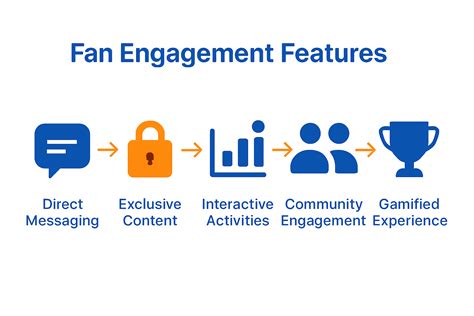
Another critical aspect is the use of interactive features to deepen fan engagement. Sky Sports could introduce polls, quizzes, or prediction games tied to highlight content. For instance, after watching a highlight reel, viewers could be prompted to predict the outcome of the next match involving the featured teams or vote on the "goal of the week." These interactive elements not only keep viewers engaged but also provide valuable feedback to Sky Sports about viewer preferences. The data collected from such interactions can inform future content strategies and even influence live broadcast decisions, such as which matches to prioritize for extended coverage.
Additionally, gamification can play a role in creating a more immersive experience. Sky Sports could develop a system where users earn points or rewards for engaging with highlights, such as watching a full reel, sharing content on social media, or participating in prediction challenges. These rewards could be tied to exclusive content access, such as early previews of upcoming matches or behind-the-scenes footage from La Liga clubs. This approach not only incentivizes engagement but also creates a sense of community among viewers, turning passive consumption into active participation.
To ensure the success of these initiatives, Sky Sports must prioritize user experience (UX) design. Any personalized or AI-driven features must be intuitive and easy to navigate. A cluttered or overly complex interface could deter users, regardless of how innovative the underlying technology is. Investing in UX research to understand how fans interact with digital platforms will be crucial. Features like a "highlight autoplay" option, where the system seamlessly transitions from one clip to the next based on user preferences, can enhance binge-watching behavior without overwhelming the user.
Finally, Sky Sports should consider the ethical implications of AI and personalization. While these technologies offer immense potential, they also raise concerns about data privacy and algorithmic bias. Transparent communication about how user data is collected, stored, and used will be essential to maintain trust. Additionally, Sky Sports should ensure that AI-driven recommendations do not inadvertently create echo chambers, where users are only exposed to content aligned with their existing preferences. Balancing personalization with diversity in content delivery will be key to sustaining long-term audience interest.
- Implement dynamic highlight dashboards with customizable preferences.
- Leverage AI for real-time analytics and enriched storytelling in highlight packages.
- Explore AR and VR to provide immersive highlight experiences.
- Form data partnerships to curate region-specific and trend-driven content.
- Introduce interactive features like polls, quizzes, and gamified rewards.
- Prioritize intuitive UX design to ensure accessibility and engagement.
- Address ethical concerns around data privacy and algorithmic bias.
In conclusion, the future of La Liga highlight delivery on Sky Sports lies in its ability to innovate while staying attuned to the needs of a diverse and tech-savvy audience. By embracing personalized content, AI-driven analytics, and immersive technologies, Sky Sports can not only enhance the viewer experience but also set a new standard for sports broadcasting. These recommendations provide a roadmap for transforming traditional highlight delivery into a dynamic, interactive, and deeply engaging medium that resonates with fans in an increasingly digital world.