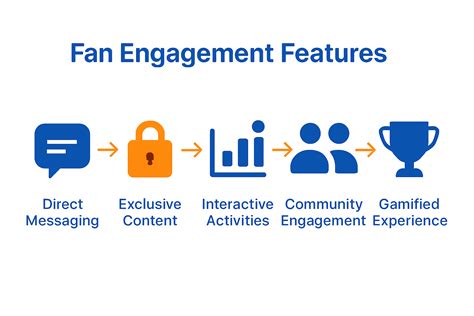
Introduction to La Liga in India
La Liga, Spain's top-tier professional football league, has carved a significant niche in the Indian sports entertainment landscape over the past decade. What was once a relatively niche interest among football enthusiasts in India has now blossomed into a growing phenomenon, fueled by increased accessibility, strategic marketing, and the league's proactive approach to engaging with Indian audiences. This section delves into the factors driving La Liga's popularity in India and the dynamics of its expanding fan base.
To understand La Liga's rise in India, one must first consider the broader context of football’s growing prominence in the country. While cricket remains the undisputed king of Indian sports, football has steadily gained ground, particularly among urban youth and millennials. The advent of the Indian Super League (ISL) in 2014 played a pivotal role in popularizing football domestically, creating a fertile ground for international leagues like La Liga to capture attention. The league's ability to position itself as a premium alternative to the English Premier League (EPL), which traditionally dominated the Indian football viewership market, is a testament to its strategic outreach.
A key driver of La Liga’s popularity in India has been its **localized engagement strategies**. Unlike other European leagues that often adopt a one-size-fits-all approach to international markets, La Liga has invested heavily in understanding the Indian audience. For instance, the league has appointed **brand ambassadors** and partnered with Indian celebrities who resonate with younger demographics. These ambassadors not only promote matches but also create a sense of cultural connection by blending football enthusiasm with Indian sensibilities. This approach has helped La Liga move beyond being just a "foreign league" and has made it feel more accessible and relatable to Indian fans.
Another significant factor is **broadcast accessibility**. La Liga’s partnership with platforms like Facebook (in earlier years) and subsequently with other streaming services has made matches available to Indian viewers at little to no cost. This democratization of access has been a game-changer. In a country where pay-per-view models or subscription-based services can be a barrier for many, free or affordable streaming options have allowed La Liga to reach a wider audience. The seamless availability of matches on platforms that Indian users are already familiar with—combined with multilingual commentary options, including English, Hindi, and regional languages—has further enhanced its appeal. This inclusive strategy ensures that even non-English-speaking fans can enjoy the games without linguistic barriers.
The league has also leveraged **digital marketing and social media** to great effect. La Liga’s Indian social media handles are highly active, often tailoring content to Indian cultural moments. For example, during festivals like Diwali or cricket events like the IPL, La Liga posts creative crossover content that merges football with local celebrations. This approach not only keeps the league top-of-mind for Indian fans but also demonstrates a willingness to integrate into the cultural fabric of the country. Additionally, La Liga has invested in creating region-specific campaigns, such as fan contests, watch parties, and interactive Q&A sessions with players, which foster a sense of community among Indian supporters.
One cannot overlook the role of **star power** in La Liga's appeal. Players like Lionel Messi, Cristiano Ronaldo, and now younger talents such as Vinícius Júnior and Pedri have been instrumental in drawing Indian audiences. While Messi and Ronaldo’s departures to other leagues (Paris Saint-Germain and Juventus, respectively, at the time) initially sparked concerns about waning interest, La Liga has successfully diversified its narrative. The league now emphasizes the collective brilliance of its teams rather than relying solely on individual superstars. This shift has allowed fans to develop a deeper connection with clubs like Barcelona, Real Madrid, Atlético Madrid, and even smaller teams with unique playing styles, such as Real Sociedad or Villarreal.
The rise of **regional fan clubs** is another intriguing aspect of La Liga's growth in India. Cities like Mumbai, Bengaluru, Kolkata, and Kochi have seen the formation of dedicated fan groups for clubs like Barcelona and Real Madrid. These fan clubs organize screenings, jersey customization events, and even grassroots football tournaments, creating a localized ecosystem of support for the league. Such initiatives are often supported by La Liga’s official representatives in India, who collaborate with these groups to amplify their activities. This grassroots-level engagement not only solidifies fan loyalty but also creates organic word-of-mouth promotion for the league.
It is also worth noting the **timing of La Liga matches** as a factor in its Indian success story. Unlike leagues like the EPL, where early morning kick-off times can be a deterrent for Indian viewers, La Liga’s scheduling often aligns better with Indian prime-time hours. This convenience has made it easier for fans to follow live games without disrupting their daily routines, further cementing the league’s foothold in the Indian market.
A deeper look at the **demographics of La Liga’s Indian fan base** reveals interesting trends. While the league initially attracted a predominantly male audience in the 18-35 age bracket, its efforts to promote inclusivity have started to bear fruit. Women’s engagement with football, both as players and fans, is on the rise in India, and La Liga has tapped into this shift by highlighting women’s football initiatives and featuring prominent female personalities in its campaigns. Additionally, the league has begun to target younger audiences through collaborations with schools and local football academies, aiming to nurture a new generation of fans who view La Liga as a natural part of their sporting diet.
La Liga’s **corporate social responsibility (CSR) initiatives** in India have also contributed to its goodwill. The league has supported grassroots football development programs, particularly in underprivileged areas, showcasing its commitment to not just entertainment but also social impact. These programs often involve collaborations with local NGOs and football academies, providing equipment, training, and exposure to young Indian talent. Such efforts resonate deeply with Indian audiences, who value organizations that give back to society.
The league’s **partnership with Indian football** is another area of focus. La Liga has worked closely with the All India Football Federation (AIFF) and ISL teams to share best practices in league management, youth development, and stadium infrastructure. These collaborations have not only enhanced the quality of Indian football but have also positioned La Liga as a league that genuinely cares about the growth of the sport in India, rather than merely exploiting the market for viewership.
Finally, the **data-driven approach** of La Liga in understanding Indian fans has been a cornerstone of its strategy. The league regularly conducts surveys and analyzes viewer behavior to tailor its offerings. For instance, insights into preferred match timings, favorite teams, and even the type of content that Indian fans consume on social media have informed La Liga’s marketing and broadcasting decisions. This granular level of customization is rare among international leagues and underscores La Liga’s commitment to long-term growth in India.
In conclusion, La Liga’s popularity in India is not a product of chance but the result of a well-thought-out and multi-pronged strategy. From leveraging digital platforms and local partnerships to emphasizing inclusivity and grassroots engagement, the league has positioned itself as a dynamic and relatable entity in the Indian sports ecosystem. As its fan base continues to grow, La Liga’s journey in India serves as a case study in how international sports organizations can successfully adapt to and thrive in diverse markets.
Broadcasting Rights and Partnerships
La Liga, one of the most prestigious football leagues in the world, has a dedicated audience in India. The league’s global appeal and the widespread popularity of football in India have led to significant investments in broadcasting rights and partnerships. Understanding the current broadcasters and platforms offering La Liga live in India requires an exploration of the dynamics of sports broadcasting, the role of technology, and the strategic choices made by stakeholders to cater to Indian audiences.
Currently, Viacom18’s Sports18 network holds the broadcasting rights for La Liga in India. This partnership, initiated in 2021, marked a shift from the earlier broadcaster, Facebook, which had streamed the league for free on its platform. The transition to Sports18 reflects a broader trend in the Indian sports broadcasting landscape, where traditional television networks are reclaiming ground in competition with digital-first platforms. Sports18, available on both cable and DTH platforms, offers La Liga matches in high-definition (HD) quality, making it a preferred choice for fans who value a traditional viewing experience with minimal latency and better visual fidelity compared to some online streams.
However, the deal with Sports18 is not exclusive to linear television. The network also streams La Liga matches live on its digital platform, JioCinema, which has emerged as a key player in India’s OTT (over-the-top) sports streaming ecosystem. JioCinema’s strategy to offer free streaming for major sporting events, including the FIFA World Cup and select IPL matches, has positioned it as a disruptor in the market. For La Liga, this means a dual approach: while traditional TV viewers can access matches on Sports18, a younger, more tech-savvy audience can stream games on JioCinema without any subscription fees. This hybrid model ensures that La Liga reaches a wide demographic, from cable TV loyalists to mobile-first consumers.
The choice of Viacom18 as a partner is strategic for La Liga, given the broadcaster’s aggressive push into sports content. Viacom18 has invested heavily in acquiring rights for diverse sports properties, including the Indian Premier League (IPL), NBA, and Ligue 1. This multi-sport portfolio enables cross-promotion, where La Liga can benefit from exposure to fans of other sports who might tune in out of curiosity. Additionally, Viacom18’s association with Reliance Industries provides it with the financial muscle and technological infrastructure to offer seamless streaming experiences, even during high-demand events. This reliability is crucial for La Liga, as inconsistent streaming quality can alienate fans and harm the league’s reputation in a competitive market.
Another notable aspect of La Liga’s presence in India is its focus on localized content and engagement. Unlike earlier years, when international leagues relied solely on live match broadcasts, modern partnerships emphasize creating a holistic experience for Indian fans. For instance, Sports18 and JioCinema often feature pre- and post-match analysis shows with Indian football experts and former players. These shows are tailored to Indian audiences, incorporating cultural references, local idioms, and even discussions about how La Liga’s gameplay compares to the Indian Super League (ISL). This strategy not only enhances the viewing experience but also helps in building a stronger emotional connection between Indian fans and the Spanish league.
In addition to Viacom18, digital platforms like FanCode have played a role in supplementing La Liga’s reach in India. While FanCode does not currently hold exclusive rights to stream La Liga, it has been a go-to platform for sports enthusiasts looking for additional content such as match highlights, player interviews, and tactical breakdowns. FanCode’s model of offering bite-sized, on-demand content aligns well with the habits of younger audiences who may not have the time to watch full 90-minute matches but still want to stay updated on their favorite teams and players. This complementary role of platforms like FanCode ensures that even casual fans can engage with La Liga without committing to full-length broadcasts.
The Indian market also presents unique challenges for La Liga’s broadcasters. One of the key hurdles is the time zone difference. Most La Liga matches are scheduled during late nights or early mornings in India, which can deter casual viewers. To address this, broadcasters have introduced repeat telecasts and condensed match highlights on both TV and digital platforms. These offerings cater to fans who are unable to watch live games but still wish to follow their favorite teams. Moreover, JioCinema’s user-friendly interface allows users to set reminders for upcoming matches or watch replays at their convenience, further enhancing accessibility.
Another challenge is the competition from other football leagues, particularly the English Premier League (EPL) and the UEFA Champions League, which have a more established fan base in India. To counter this, La Liga has leveraged its partnerships to create unique selling points. For example, the league has emphasized its star power, particularly the presence of global icons like Vinicius Jr., Luka Modric, and Robert Lewandowski. Broadcasters often highlight these players in promotional campaigns, using their popularity to draw attention to La Liga matches. Additionally, La Liga has worked closely with Indian football academies and grassroots programs to foster a sense of connection between the league and India’s footballing ecosystem. This approach not only promotes the league but also helps in nurturing long-term fandom.
From a revenue perspective, the broadcasting rights for La Liga in India are part of a larger monetization strategy. While the league may not command the same viewership numbers as the EPL in India, its partnerships with Viacom18 and JioCinema are likely structured around revenue-sharing models that depend on viewer engagement metrics. This approach incentivizes broadcasters to actively promote La Liga matches through aggressive marketing campaigns, social media integrations, and collaborations with influencers. For instance, JioCinema often uses targeted ads and push notifications to remind users about upcoming La Liga fixtures, ensuring that the league remains visible in a crowded sports calendar.
It is also worth noting that sponsorships and brand collaborations play a significant role in the success of La Liga’s broadcasting strategy in India. Brands that align with Viacom18 and JioCinema often run co-branded campaigns during La Liga matches, further amplifying the league’s visibility. For example, tie-ups with sports apparel brands, energy drink companies, and even telecom providers create a network effect where La Liga’s presence is reinforced across multiple touchpoints.
In conclusion, the current broadcasting landscape for La Liga in India is a blend of traditional and digital platforms, each catering to distinct audience segments. The partnership with Sports18 and JioCinema reflects a forward-thinking approach that balances the reliability of linear TV with the reach and flexibility of OTT streaming. By focusing on localized content, addressing time-zone challenges, and leveraging star power, La Liga has managed to carve out a niche in India’s competitive sports broadcasting market. As the league continues to invest in engagement strategies and technology partnerships, its presence in India is likely to grow, solidifying its position as a key player in the country’s football ecosystem.
Digital Streaming Options
The availability of La Liga matches for live streaming in India has transformed the way Indian football enthusiasts engage with one of Europe's most prestigious leagues. With the rise of digital platforms and the increasing demand for high-quality sports content, fans now have multiple options to watch their favorite teams and players in action. This section delves into the online platforms and apps that cater specifically to Indian audiences, offering live coverage of La Liga matches, as well as the unique features and user experiences they provide.
One of the most prominent platforms for streaming La Liga in India is **JioCinema**. Owned by Reliance Industries, JioCinema has emerged as a go-to destination for sports fans, particularly since it acquired the rights to stream La Liga matches. What sets JioCinema apart is its accessibility and affordability. The platform offers free streaming for many users, which is a significant advantage in a price-sensitive market like India. Moreover, JioCinema provides multilingual commentary options, including English and regional languages such as Hindi. This feature caters to a diverse audience, allowing fans from different linguistic backgrounds to enjoy the matches in their preferred language. The app also supports high-definition streaming, ensuring that users can experience the thrill of the game with crystal-clear visuals. Additionally, JioCinema integrates interactive features such as real-time match statistics, player profiles, and post-match analysis, which enhance the overall viewing experience.
Another key player in this space is **SonyLIV**, a platform that has historically been associated with broadcasting major football leagues in India. While SonyLIV may not currently hold exclusive rights to La Liga, it remains a strong contender due to its intuitive interface and robust streaming infrastructure. Indian fans who use SonyLIV appreciate its seamless compatibility across devices, including smartphones, tablets, smart TVs, and laptops. The app often includes additional content, such as pre-match shows, expert commentary, and highlight reels, which are particularly appealing to fans who want more than just live action. SonyLIV’s subscription model, though paid, is reasonably priced and bundled with other sports and entertainment content, making it a value-for-money option for dedicated sports enthusiasts.
A relatively newer entrant in the Indian market is **FanCode**, a platform specifically designed for sports lovers. FanCode has positioned itself as a hub for niche and less-mainstream sports content, and it has occasionally streamed La Liga matches as part of its portfolio. What makes FanCode unique is its focus on customization. Users can subscribe to specific matches or tournaments rather than committing to a full-season package. This "pay-per-view" approach is particularly appealing to casual viewers who might not want to invest in a long-term subscription. FanCode also provides in-depth analytics, live blogs, and expert opinions that cater to fans who enjoy a deeper engagement with the sport. However, one limitation of FanCode is its relatively smaller user base compared to giants like JioCinema and SonyLIV, which might affect the community-driven aspects of the platform, such as fan forums or live discussions.
Beyond dedicated sports platforms, **social media and over-the-top (OTT) services** have also played a role in bringing La Liga closer to Indian fans. Platforms like **Facebook Watch** have previously streamed select matches, leveraging their massive user base to attract viewers. While these streams are often limited in scope and may not offer the full slate of matches, they provide a convenient and often free alternative for fans who are unable to access traditional streaming services. Similarly, YouTube channels associated with La Liga or its broadcast partners occasionally offer live streams or extended highlights. These options, while not as comprehensive as dedicated apps, serve as supplementary sources for fans looking to catch up on key moments or specific games.
It is also worth noting the role of **VPN services** in expanding the options available to Indian fans. Some fans opt to use VPNs to access streaming services that are geographically restricted to other countries. For instance, platforms like **ESPN+** or **beIN SPORTS CONNECT**, which are official broadcasters of La Liga in certain regions, can be accessed via VPNs. However, this approach comes with caveats. Using a VPN to bypass geo-restrictions may violate the terms of service of these platforms, and it can also lead to inconsistent streaming quality due to bandwidth limitations or server issues. While this method is not officially endorsed, it reflects the lengths to which some fans are willing to go to ensure they do not miss out on live action.
Another critical aspect of the streaming landscape in India is the **mobile-first approach** adopted by many platforms. Given that a significant portion of the Indian population accesses the internet primarily through smartphones, apps like JioCinema and SonyLIV are optimized for mobile viewing. Features such as adaptive streaming, which adjusts video quality based on internet speed, ensure a smooth experience even for users with limited data plans. This focus on mobile optimization is particularly important for La Liga, as the league has a strong following among younger audiences who are more likely to consume content on the go.
The competition among these platforms has also driven innovation in the form of **exclusive features and partnerships**. For example, some platforms collaborate with telecom providers to offer bundled packages that include free or discounted access to La Liga streams. Such partnerships not only make the content more affordable but also simplify the process for users who might otherwise need to navigate multiple subscriptions. Additionally, platforms are increasingly incorporating **augmented reality (AR) features** and gamification elements to keep users engaged. For instance, some apps allow fans to predict match outcomes or participate in fantasy leagues, creating a more immersive experience beyond passive viewing.
Despite the plethora of options, there are challenges that Indian fans face when streaming La Liga matches. One of the primary concerns is **internet connectivity**, particularly in rural or semi-urban areas where high-speed internet is not always reliable. This can result in buffering issues or reduced video quality, which detracts from the live experience. Platforms are addressing this challenge by offering lower-resolution streaming options, but the problem persists for users in remote locations. Another challenge is the **fragmentation of rights**, where different platforms hold rights to different matches or seasons. This can confuse fans and force them to switch between apps to follow their favorite teams consistently.
In conclusion, the digital streaming landscape for La Liga in India is vibrant and diverse, offering fans a range of platforms to choose from based on their preferences and budgets. Whether through established players like JioCinema and SonyLIV or niche services like FanCode, Indian fans have access to a variety of tools to enjoy La Liga matches live. However, as the market evolves, platforms will need to focus on improving accessibility, enhancing user experience, and addressing connectivity challenges to ensure that the beautiful game remains accessible to all.
Time Zone Challenges and Scheduling
The popularity of La Liga in India has grown significantly over the years, with fans eagerly following teams like Real Madrid, Barcelona, and Atlético Madrid. However, one of the key challenges for Indian fans is the **time zone difference** between Spain and India. Spain operates in the Central European Time (CET) zone, which is 3 hours and 30 minutes behind Indian Standard Time (IST) during standard time and 4 hours and 30 minutes behind during daylight saving time. This disparity creates unique challenges for live match viewing, particularly when it comes to scheduling and fan engagement. In this section, we will explore how these time zone differences impact live match viewing in India and propose solutions to enhance the experience for fans.
The most obvious challenge is the **time of live broadcasts**. La Liga matches are typically scheduled in Spain during prime evening hours to maximize local audience engagement. For instance, a match kicking off at 9:00 PM CET would air at **12:30 AM IST** during standard time and even later during daylight saving time. This late-night slot poses a significant hurdle for Indian viewers, especially those with work or school commitments the next day. Late-night matches can lead to sleep deprivation and reduced productivity, which deters casual fans from consistently following the league. While die-hard fans may stay up regardless, this is not sustainable for a broader audience base.
Another issue is the **variability in kick-off times**. La Liga matches are spread across multiple time slots to cater to global audiences, with games sometimes starting as early as 5:30 PM CET (9:00 PM IST) or as late as 10:00 PM CET (1:30 AM IST or later). This inconsistency makes it difficult for Indian fans to plan their schedules around matches. Unlike leagues like the English Premier League, which often have more predictable early afternoon kick-offs that translate to late-night slots in India, La Liga's staggered scheduling can feel erratic. Fans might miss out on key matches simply because they are unaware of the kick-off time or unwilling to stay awake for matches starting well past midnight.
The **impact on family viewership** is also worth considering. In India, football is increasingly becoming a family-oriented activity, with parents and children bonding over matches. However, late-night broadcasts make it challenging for younger fans to participate. Parents are often reluctant to let their children stay up beyond 10:00 PM or 11:00 PM, especially on school nights. This reduces the potential for La Liga to build a loyal, multi-generational fan base in India.
To address these challenges, several **solutions and strategies** can be implemented to make live match viewing more accessible for Indian fans:
- Broadcast time optimization: La Liga and its broadcast partners in India could work on scheduling more matches during earlier time slots in Spain that align better with Indian prime time. For example, promoting 6:00 PM CET (9:30 PM IST) kick-offs as a regular feature would allow Indian fans to watch matches at a more convenient hour. While this might require coordination with Spanish broadcasters and clubs, it could significantly boost viewership in India.
- On-demand and replay options: Streaming platforms and broadcasters can emphasize **on-demand viewing** as a core feature. Offering full-match replays shortly after the live event, along with curated highlight packages, would allow fans to catch up at their convenience. Platforms like JioCinema and SonyLIV have already adopted this model for other sports, and it could be expanded for La Liga matches. High-quality, ad-free replays with interactive features (such as player stats and commentary options) would make this option particularly appealing.
- Time-zone-specific marketing campaigns: La Liga can run targeted campaigns emphasizing "morning reruns" or "breakfast matches" for Indian audiences. For instance, matches that air at 1:30 AM IST could be re-broadcast at 8:00 AM or 9:00 AM IST, when many fans are starting their day. This strategy has been successfully used by other sports leagues, such as Formula 1, which rebroadcasts races at viewer-friendly times in different regions.
- Fan engagement initiatives during late-night matches: To keep fans engaged during late-night broadcasts, La Liga could introduce **interactive features** like live chats, trivia games, or exclusive post-match interviews for Indian viewers. These features can be integrated into streaming platforms or social media channels, creating a sense of community even during inconvenient hours. For instance, a "Midnight Fan Zone" could include live polls, Q&A sessions with experts, or virtual watch parties to keep the energy high.
- Localized partnerships with cafes and sports bars: Collaborating with sports bars, cafes, and community centers to host **late-night match screenings** could help Indian fans gather in groups to watch games. Offering discounts or exclusive La Liga-themed merchandise during these events would incentivize attendance. This approach not only solves the time zone issue but also fosters a sense of community among fans.
Another angle to consider is the **psychological aspect of fan loyalty**. When fans feel that their needs are being considered, they are more likely to remain committed to a league. For instance, if La Liga were to publicly acknowledge the time zone challenges faced by Indian fans and implement even small changes—like ensuring one high-profile match per week is scheduled at a more India-friendly time—it would send a strong message of inclusivity. This kind of gesture can build goodwill and deepen the emotional connection between the league and its Indian audience.
From a **technological perspective**, advancements in streaming platforms can also play a role. Features like **multi-language commentary**, customizable viewing experiences (e.g., choosing camera angles or focusing on specific players), and AI-driven match summaries can enhance the appeal of watching La Liga matches, even if they are not live. Indian fans are increasingly tech-savvy, and offering them tools to personalize their viewing experience could mitigate some of the frustration caused by time zone issues.
It is also worth noting that La Liga has a **competitive advantage** in India due to the popularity of players like Lionel Messi (previously) and now younger stars such as Vinícius Júnior and Pedri. Capitalizing on this interest by ensuring that matches featuring these stars are accessible to Indian fans at reasonable hours could further solidify La Liga’s position in the Indian market. For instance, marquee matches like El Clásico (Barcelona vs. Real Madrid) or Madrid derbies could be deliberately scheduled in Spain to air during Indian prime time, as these are events that draw significant global attention.
Lastly, La Liga could explore **co-broadcasting opportunities** with Indian sports channels or platforms to create hybrid schedules. For example, if a match is being broadcast live at an inconvenient time, a simultaneous "fan-focused" stream with Indian commentators, culturally relevant insights, and real-time fan interactions could make the experience more engaging. This approach not only addresses the time zone issue but also adds a layer of personalization that resonates with the Indian audience.
In conclusion, while time zone challenges are an inherent barrier for live match viewing in India, they are not insurmountable. Through a combination of **strategic scheduling, on-demand options, fan engagement initiatives, and localized partnerships**, La Liga can create a more inclusive and accessible experience for its Indian fan base. By doing so, the league can not only retain its existing audience but also expand its reach in one of the fastest-growing football markets in the world.
Fan Engagement Initiatives
La Liga has made significant strides in engaging Indian audiences, recognizing the country's burgeoning interest in football and the potential for long-term fan loyalty. Through a mix of on-ground events, tailored campaigns, and an active social media presence, the league has positioned itself as more than just a European football competition—it has become a brand that resonates with Indian fans on a personal level. This section explores the key initiatives that have contributed to La Liga's fan engagement success in India.
One of the most prominent efforts by La Liga has been its **on-ground events and activations**. These initiatives aim to bring the excitement of Spanish football directly to Indian fans. For instance, La Liga has organized **watch parties** in major Indian cities during high-profile matches, such as El Clásico (the clash between Real Madrid and FC Barcelona). These events are not merely about screening the matches; they are immersive experiences featuring live commentary, interactive games, and merchandise giveaways. Such events create a sense of community among fans who might otherwise feel disconnected from the action happening thousands of miles away in Spain. Additionally, La Liga has partnered with local sports bars and venues to host these watch parties, ensuring they are accessible and well-promoted.
Another notable initiative is the **La Liga Football Schools program**, which directly engages young Indian talent. This program, launched in collaboration with local academies and organizations, provides training to aspiring footballers across India. While its primary goal is to nurture football talent, it also serves as a long-term engagement tool. By involving children and their families in the sport at a grassroots level, La Liga ensures that its brand is embedded in the daily lives of Indian fans. These schools not only teach technical skills but also promote the values of teamwork, discipline, and passion associated with La Liga clubs. Over the years, this initiative has reached thousands of children, creating a pipeline of young fans who associate La Liga with their first steps into organized football.
La Liga has also leveraged **targeted campaigns** to connect with Indian audiences. A prime example is the **"Passion for Football" campaign**, which highlighted the shared love for the sport between Spain and India. This campaign featured Indian influencers, former footballers, and even Bollywood celebrities who shared their favorite La Liga moments. By using familiar faces and culturally resonant narratives, the league made its content feel more relatable to Indian fans. Furthermore, La Liga has run **regionalized marketing efforts**, such as releasing social media posts in Hindi and other Indian languages during major matches. This localization strategy ensures that the league speaks directly to diverse Indian demographics, breaking down language barriers that could otherwise hinder fan engagement.
The league's **use of social media platforms** has been instrumental in keeping Indian fans engaged. La Liga maintains a strong presence on platforms like Instagram, Twitter, and Facebook, where it tailors its content to suit Indian preferences. For example, during the COVID-19 pandemic, when live matches were temporarily halted, La Liga launched a series of **interactive online challenges**. These included quizzes about La Liga history, polls asking fans to predict match outcomes, and even virtual meet-and-greets with La Liga ambassadors. Such initiatives not only kept fans entertained during a challenging time but also deepened their connection to the league. Additionally, La Liga has used social media to celebrate Indian festivals like Diwali and Holi by sharing themed posts that blend Spanish football imagery with Indian cultural elements. This approach demonstrates a keen understanding of how to blend global and local sensibilities to foster a sense of belonging among fans.
Another unique aspect of La Liga's engagement strategy is its **collaboration with Indian football clubs and leagues**. For instance, La Liga has partnered with **Hero Indian Super League (ISL)** teams to exchange knowledge, host joint events, and even bring Spanish coaches to India for training sessions. These collaborations go beyond mere branding exercises—they create tangible opportunities for Indian fans to experience La Liga’s influence firsthand. For example, when La Liga brought Spanish coaches to train ISL players, it generated media coverage and fan interest, as Indian audiences saw a direct link between their local teams and the global standards of La Liga. This kind of cross-pollination reinforces the idea that La Liga is invested in the growth of Indian football, which in turn fosters goodwill among fans.
La Liga has also focused on **leveraging technology to enhance fan experiences**. The league has introduced **augmented reality (AR) and virtual reality (VR) features** on its app and social media channels, allowing Indian fans to experience matches in innovative ways. For instance, fans can use AR filters to "wear" the jerseys of their favorite La Liga teams or explore virtual stadium tours. These features are particularly appealing to younger, tech-savvy audiences in India who are drawn to immersive digital experiences. By staying ahead of the curve in terms of technology, La Liga ensures that it captures the attention of a demographic that values innovation and interactivity.
In addition to these efforts, La Liga has made a concerted effort to **engage with Indian media outlets and influencers** to amplify its reach. The league regularly collaborates with sports journalists, bloggers, and YouTube content creators to produce localized content. This includes match previews, player interviews, and behind-the-scenes footage tailored for Indian audiences. By involving local voices in its storytelling, La Liga ensures that its messaging is not perceived as a one-way broadcast from Spain but as a dialogue with Indian fans. For example, during the 2022-2023 season, La Liga partnered with Indian football YouTubers to create reaction videos for key matches, which were widely shared and appreciated by fans.
The league also understands the importance of **celebrating local heroes and narratives**. La Liga has highlighted Indian players who have trained or played in Spain, such as Ishan Pandita, who signed with a La Liga club in 2020. By showcasing these success stories, La Liga not only inspires young Indian footballers but also reinforces its connection to the Indian sporting ecosystem. These narratives are often shared through social media campaigns, press releases, and even documentaries, ensuring they reach a wide audience.
Finally, La Liga has embraced **corporate social responsibility (CSR) initiatives** to strengthen its bond with Indian fans. For instance, the league has supported local community projects focused on education and sports development. These efforts are often publicized through social media and press releases, positioning La Liga as a league that cares about more than just football—it is seen as a partner in India's broader social development. This approach resonates particularly well with Indian fans, who value brands that contribute positively to society.
In summary, La Liga's fan engagement initiatives in India are a blend of **strategic on-ground activations, culturally tailored campaigns, robust social media presence, and meaningful collaborations**. By focusing on both the emotional and practical aspects of fan engagement, the league has managed to create a loyal and growing fan base in India. These efforts not only showcase La Liga's commitment to the Indian market but also set a benchmark for how international sports leagues can connect with local audiences in a meaningful and sustainable way.
Popular Teams and Players in India
The popularity of La Liga in India has grown significantly over the years, driven by the league's global outreach, the accessibility of live broadcasts, and the charisma of its teams and players. Indian football enthusiasts have developed a strong affinity for certain La Liga teams and players, often influenced by their on-field performances, cultural appeal, and the stories surrounding them. This section delves into the most followed La Liga teams and players in India, analyzing why they resonate with local fans.
One of the most followed teams in India is undoubtedly FC Barcelona. The Catalan giants have a massive fan base in the country, largely attributed to their attacking style of play, rich history, and the presence of global icons. Barcelona's tiki-taka philosophy under managers like Pep Guardiola captivated Indian audiences, especially during the late 2000s and early 2010s when the team dominated European football. Players such as Lionel Messi, Xavi Hernandez, and Andres Iniesta became household names, and their mesmerizing skills were widely discussed in Indian football circles. Even after Messi's departure to PSG, Barcelona retains a strong pull in India due to its youth academy, La Masia, which symbolizes the club's commitment to nurturing talent—a value that resonates with fans who see parallels in India's own grassroots football development.

Another team with significant popularity is Real Madrid, often seen as Barcelona's arch-rival. Real Madrid's allure in India is rooted in its reputation as a club of legends and its consistent success in the UEFA Champions League. The "Galacticos" era, featuring players like Zinedine Zidane, Ronaldo Nazario, and David Beckham, left an indelible mark on Indian fans who were introduced to European football during that period. In recent years, the presence of players like Karim Benzema and the dramatic El Clasico clashes have kept Real Madrid in the limelight. Indian fans are particularly drawn to the club's never-say-die attitude in big matches, which aligns with the emotional investment Indian sports fans often place in high-stakes games. The club's marketing efforts, including tours and friendly matches in Asia, have further solidified its connection with Indian audiences.
While Barcelona and Real Madrid dominate the popularity charts, Atletico Madrid has also carved out a niche among Indian football enthusiasts. Known for its gritty, disciplined style of play under manager Diego Simeone, Atletico appeals to fans who value resilience and teamwork over star-studded lineups. The club's underdog narrative—competing against the financial might of Barcelona and Real Madrid—resonates with Indian fans who often root for the "lesser-favored" team in any competition. Atletico's success in La Liga and their Champions League runs, particularly their near-misses and eventual title win in 2021, have garnered admiration. Players like Antoine Griezmann and Jan Oblak have become recognizable figures in India, with Griezmann's flair and Oblak's goalkeeping heroics often highlighted in match analyses shared on social media.
When discussing players, the conversation inevitably begins with Lionel Messi, who remains the most iconic figure associated with La Liga in India. Even though he now plies his trade in other leagues, Messi's legacy in La Liga is deeply ingrained in the memories of Indian fans. His dribbling, vision, and goal-scoring prowess made him a favorite, and his matches were often the most-watched fixtures among Indian audiences. The emotional connection fans felt during his tearful farewell from Barcelona underscores how deeply his journey was followed in the country. Even today, Messi jerseys are a common sight at local football grounds in India, a testament to his enduring popularity.
Another player who has captured the imagination of Indian fans is Cristiano Ronaldo, although his time in La Liga was with Real Madrid. Ronaldo's rivalry with Messi, dubbed the "El Clasico of players," was a major talking point during their overlapping years in Spain. Ronaldo's athleticism, goal-scoring records, and charismatic persona made him a standout figure. Indian fans often debated who was the better player—Messi or Ronaldo—sparking endless discussions on forums, social media, and even casual gatherings. This rivalry brought an added layer of excitement to La Liga matches, ensuring high viewership whenever Barcelona and Real Madrid faced off.
Beyond the two superstars, current players also hold sway over Indian fans. Vinicius Jr., the Brazilian winger for Real Madrid, has become a fan favorite due to his explosive pace and skill. His performances in key matches, particularly in El Clasico and Champions League games, have drawn attention. Similarly, Joao Felix, during his loan spell at Barcelona from Atletico Madrid, has generated interest due to his potential and versatility. Indian fans are particularly keen on tracking young talents, as they see parallels with the rise of Indian footballers in global leagues.
A unique aspect of La Liga's appeal in India is the presence of South American players, who often share cultural similarities with Indian audiences. Players like Luis Suarez (during his time at Barcelona and Atletico Madrid) and James Rodriguez (during his stint at Real Madrid) became popular due to their flair and emotional style of play. Suarez's tenacity and Rodriguez's elegant skills were often celebrated in match highlights and post-game discussions. These players' stories of overcoming challenges also resonate with Indian fans, many of whom see football as a sport of perseverance and passion.
La Liga's efforts to connect with Indian fans have also played a role in popularizing specific teams and players. Initiatives such as La Liga World, where Spanish clubs have played friendly matches in India, and collaborations with Indian football academies have helped bridge the gap between the league and local fans. For instance, when Girona FC and Espanyol visited India for exhibition matches, it created a buzz and introduced fans to lesser-known teams, sparking interest in their playing styles and player rosters.
Additionally, social media has amplified the visibility of La Liga teams and players in India. Platforms like Instagram, Twitter, and YouTube are flooded with content featuring goal compilations, player interviews, and match highlights. Clubs and players actively engage with Indian audiences through localized content, such as festival greetings or posts in Hindi and other regional languages. This direct interaction fosters a sense of belonging among fans, making them feel closer to their favorite teams and players.
In conclusion, the most followed La Liga teams and players in India are a mix of legacy giants like Barcelona and Real Madrid and dynamic talents like Messi, Ronaldo, and emerging stars such as Vinicius Jr. The emotional and cultural connections Indian fans form with these teams and players are shaped by their on-field brilliance, underdog narratives, and the league's proactive engagement strategies. This deep-rooted interest not only fuels viewership but also inspires a new generation of Indian football enthusiasts to explore the sport at both local and global levels.
Impact of La Liga on Indian Football
La Liga's presence in India has had a transformative impact on the country's football ecosystem, particularly in terms of football culture and grassroots development. While cricket remains the dominant sport in India, the growing popularity of football, fueled in part by the visibility of international leagues like La Liga, has created new opportunities for the sport to take root at a deeper level. This influence is not merely superficial; it extends to tangible outcomes such as increased participation, improved infrastructure, and a more engaged fan base.
One of the most significant ways La Liga has influenced Indian football is through its strategic outreach programs. La Liga has actively partnered with local organizations and academies to promote football at the grassroots level. For instance, the league has collaborated with Indian Super League (ISL) teams and state football associations to host coaching clinics, youth tournaments, and exchange programs. These initiatives are not just about introducing young players to the sport but also about embedding structured training methodologies. La Liga’s technical expertise, honed over decades of producing world-class talent, provides Indian coaches and players with access to advanced training systems. This exposure is invaluable in a country where football coaching has often lagged behind global standards due to limited resources and expertise.
The league’s broadcasting presence in India has also played a pivotal role in shaping football culture. La Liga matches are widely available on Indian television and streaming platforms, bringing top-tier Spanish football into the living rooms of millions. This visibility has inspired a new generation of fans and players. For instance, the global appeal of clubs like Barcelona and Real Madrid has led to a surge in fan clubs across Indian cities. These fan clubs often organize local screenings, events, and even amateur leagues, creating a vibrant subculture around the sport. Such engagement helps normalize football as a viable entertainment and career option in a cricket-dominated society. The presence of La Liga also indirectly encourages Indian broadcasters to invest more in football content, which further amplifies the sport’s reach.
Another key area of impact is grassroots development. La Liga has implemented several programs aimed at identifying and nurturing young talent in India. For example, the "La Liga Football Schools" initiative, launched in collaboration with India On Track, has provided training to thousands of children across multiple cities. These programs focus on skill development, fitness, and tactical understanding, often introducing structured training regimes that were previously unavailable in many regions. By emphasizing long-term player development rather than short-term results, these initiatives align with global best practices and aim to produce players who can compete at higher levels. Additionally, La Liga’s involvement has encouraged local academies to adopt similar structured approaches, raising the overall standard of youth football in India.
The influence of La Liga is not limited to player development; it has also inspired infrastructural improvements. The league’s emphasis on high-quality broadcasting and stadium experiences has set a benchmark for Indian football leagues. ISL and I-League teams have taken cues from La Liga’s stadium management, fan engagement strategies, and marketing techniques to enhance their own operations. For example, Indian clubs have started investing in better training facilities, more professional matchday experiences, and digital outreach to connect with fans. While these changes are gradual, they are indicative of a broader shift in how football is perceived and managed in India.
La Liga’s presence has also had a cultural exchange effect. Indian players and coaches have had opportunities to visit Spain for training stints, exposing them to the professional environment of one of the world’s most competitive leagues. For example, some Indian youth players have participated in La Liga’s global programs, where they train under Spanish coaches and play alongside international peers. This cross-cultural exposure not only improves their technical skills but also broadens their understanding of the game’s global standards. Similarly, Indian coaches have attended La Liga-organized workshops, learning advanced coaching techniques and strategies that they can bring back to their local setups. These exchanges create a two-way flow of knowledge, where Indian football stakeholders learn from La Liga while also showcasing the potential of Indian talent to a global audience.
The league’s efforts extend to community engagement, where football is used as a tool for social impact. La Liga has supported initiatives that use the sport to promote education, health, and gender equality in India. For instance, some La Liga-affiliated programs have focused on empowering young girls through football, challenging traditional gender norms in a country where women’s sports often receive limited attention. These efforts align with La Liga’s global mission of using football as a force for good, and they resonate strongly in India, where sports can be a powerful medium for social change.
It is also worth noting how La Liga’s marketing strategy has influenced the perception of football in India. The league has actively localized its content to appeal to Indian audiences. This includes hosting events like "La Liga World" in Kerala, where Spanish teams played friendly matches against Indian clubs, and launching campaigns featuring Indian celebrities and influencers. Such efforts not only increase the league’s visibility but also create a sense of connection between Indian fans and La Liga. This localized approach demonstrates that La Liga is not merely exporting its product to India but is also investing in building a meaningful relationship with the Indian football community.
However, the impact of La Liga is not without challenges. While its presence has spurred interest and participation, sustainability remains a concern. Many of the grassroots programs and collaborations are dependent on external funding and support, which can be inconsistent. Additionally, the gap between the elite levels of Indian football and the grassroots remains wide, with limited pathways for talented players to transition into professional setups. La Liga’s initiatives can only go so far without parallel efforts from Indian football authorities to address systemic issues such as lack of infrastructure, inadequate funding, and limited opportunities for professional growth.
Despite these challenges, the overall impact of La Liga on Indian football has been overwhelmingly positive. The league has not only popularized the sport but has also contributed to a paradigm shift in how football is approached in India. From fostering young talent to improving the quality of coaching and infrastructure, La Liga’s influence is helping to lay the foundation for a more robust football culture. As Indian football continues to evolve, the lessons and support provided by La Liga will likely serve as a catalyst for long-term growth, provided there is sustained collaboration and investment from both sides.
- La Liga’s outreach programs have introduced structured training methodologies to Indian football.
- Broadcasting of La Liga matches has inspired a new generation of fans and players.
- Grassroots initiatives like "La Liga Football Schools" have nurtured young talent across India.
- Infrastructural improvements in Indian football have been influenced by La Liga’s standards.
- Cultural exchange programs have provided Indian players and coaches with exposure to global football standards.
- Community-focused initiatives use football as a tool for social impact in India.
In conclusion, La Liga’s presence in India is more than a commercial endeavor; it is a partnership that is actively shaping the future of Indian football. By combining visibility, technical expertise, and community-focused initiatives, the league is contributing to a growing football ecosystem that has the potential to redefine the sport’s place in India’s sporting landscape.
Marketing Strategies for La Liga in India
La Liga, Spain's top-tier football league, has been proactive in its approach to increasing viewership and brand awareness in India, a market with immense potential for football fandom. The league has recognized India's growing interest in football, fueled by the rise of the Indian Super League (ISL) and the popularity of international stars. To carve out a significant presence, La Liga has employed a range of innovative and localized marketing strategies that go beyond traditional advertising methods. These tactics are deeply rooted in understanding the Indian audience's preferences, cultural nuances, and consumption habits.
One of the most impactful strategies has been localized content creation. La Liga has tailored its content to resonate with Indian audiences by incorporating Indian languages, cultural references, and relatable narratives. For instance, the league has produced match previews, highlights, and player interviews with Hindi and regional language commentary. This move not only makes the content more accessible but also helps in breaking down the perception of football as a predominantly European sport. By doing so, La Liga creates a sense of inclusivity, making Indian fans feel that the league is speaking directly to them. Additionally, the league has leveraged social media platforms like Instagram, Twitter, and Facebook to share these localized posts, often using trending hashtags and memes that appeal to younger demographics in India.
Another significant element of La Liga’s strategy is its partnership with Indian brands and influencers. Recognizing the power of local endorsements, La Liga has collaborated with popular Indian brands and personalities to promote its matches and events. For example, tie-ups with brands like Dream11, a fantasy sports platform widely used in India, have allowed La Liga to integrate itself into the daily lives of Indian sports enthusiasts. These partnerships often include co-branded campaigns where users can engage in fantasy football leagues centered around La Liga matches. This not only drives viewership but also creates an interactive experience that keeps fans invested beyond the 90 minutes of a game. Furthermore, La Liga has worked with Indian football influencers and content creators who have a strong following on platforms like YouTube and Instagram. These influencers often host watch parties, conduct quizzes, or share exclusive behind-the-scenes content from La Liga matches, which helps in building a community of engaged fans.
La Liga has also focused on grassroots engagement to foster long-term loyalty. The league has initiated programs to develop football at the grassroots level in India, such as hosting training camps and workshops for young players. These initiatives are often conducted in partnership with local football academies or schools, creating a direct connection between the league and aspiring Indian footballers. By investing in the development of local talent, La Liga positions itself as more than just a broadcaster—it becomes a contributor to India’s football ecosystem. This approach not only enhances brand visibility but also builds goodwill among Indian parents and sports enthusiasts who see La Liga as a supporter of India’s sporting future.
In addition to grassroots programs, experiential marketing has played a pivotal role. La Liga has organized fan parks and live screening events in major Indian cities like Mumbai, Delhi, and Bengaluru. These fan parks are designed to replicate the electric atmosphere of a stadium, complete with live match screenings on big screens, merchandise stalls, and interactive games. Such events allow fans to experience the thrill of La Liga in a communal setting, which is particularly appealing in a country where communal viewing of sports is a cultural norm. These screenings are often complemented by appearances from former players or brand ambassadors, adding a touch of star power to the experience. By creating these immersive experiences, La Liga ensures that fans associate the league not just with televised matches but with memorable, real-life engagements.
The league has also leveraged digital innovation to enhance its reach. India’s rapid adoption of smartphones and high-speed internet has made digital platforms a critical channel for sports consumption. La Liga has capitalized on this by partnering with over-the-top (OTT) platforms like Facebook Watch and Voot, which stream matches live in India. This move ensures that fans can access matches conveniently on their preferred devices. Moreover, La Liga has experimented with augmented reality (AR) and virtual reality (VR) experiences, allowing fans to “step into” iconic stadiums like Camp Nou or Santiago Bernabéu through their devices. Such technological innovations not only appeal to tech-savvy Indian millennials but also position La Liga as a forward-thinking league that embraces the future of sports entertainment.
Another unique aspect of La Liga’s marketing in India is its focus on storytelling. The league has invested in creating narratives around its clubs, players, and historic rivalries. For instance, campaigns around El Clásico (the high-profile match between Barcelona and Real Madrid) often highlight the intense rivalry and the legendary players associated with it. These stories are presented in a way that appeals to Indian fans’ love for drama and emotion in sports. By humanizing the league and its players, La Liga makes it easier for Indian audiences to connect with the teams and players on a personal level. This storytelling approach is often amplified through short-form video content and documentaries that delve into the history and culture of Spanish football.
La Liga has also been strategic in its use of data-driven marketing. The league collects and analyzes data on Indian viewers’ preferences, such as the most-watched teams, players, and match times. This data helps La Liga optimize its scheduling and promotional activities. For example, if data shows that matches featuring Barcelona or Real Madrid attract the highest viewership in India, the league might prioritize promoting these games through targeted ads on platforms like YouTube and Instagram. Additionally, La Liga uses geotargeted advertising to ensure that its campaigns are visible to audiences in regions with a higher concentration of football enthusiasts, such as Kerala, West Bengal, and the Northeast.
A particularly innovative aspect of La Liga’s strategy has been its focus on women’s football. While men’s football dominates the global sports landscape, La Liga has made efforts to promote women’s football in India as part of its broader inclusivity drive. The league has hosted events and campaigns highlighting the achievements of women players and teams, aligning itself with the growing interest in women’s sports in India. This not only broadens La Liga’s appeal but also positions it as a progressive organization that supports gender equality in sports.
Finally, La Liga has emphasized community building through fan clubs and online forums. The league has encouraged the formation of official fan clubs for teams like Barcelona, Real Madrid, and Atlético Madrid in various Indian cities. These fan clubs often organize local meetups, match screenings, and charity events, fostering a sense of belonging among fans. Online forums and social media groups further amplify this community spirit, allowing fans to discuss matches, share opinions, and connect with like-minded individuals. This grassroots-level community building ensures that La Liga’s presence in India is not just top-down but also driven by passionate, self-organized fan groups.
In conclusion, La Liga’s marketing strategies in India are a blend of localization, innovation, grassroots development, and community engagement. By understanding and addressing the unique needs of the Indian audience, the league has managed to establish a strong foothold in a highly competitive sports market. These efforts not only increase viewership but also position La Liga as a brand that is deeply invested in India’s football journey, both on and off the field.
Challenges and Opportunities
La Liga, one of the most prestigious football leagues in the world, has a growing presence in India. However, its journey to establish a strong foothold in the Indian market is not without its **challenges**. At the same time, the country presents a plethora of **opportunities** for the league to expand its brand, engage fans, and generate revenue. This section delves into the specific barriers La Liga faces in India and explores the potential areas where it can grow and improve its standing.
One of the primary **challenges** La Liga faces in India is the **dominance of the English Premier League (EPL)**. The EPL has long been the most-watched international football league in India, thanks to its early entry into the market, aggressive marketing campaigns, and the popularity of clubs like Manchester United, Liverpool, and Chelsea. Indian football fans are deeply entrenched in EPL fandom, often growing up watching these teams due to their early broadcasting deals and the English-speaking commentary that resonates with the urban audience. This creates a **loyalty barrier** for La Liga, as Indian fans are less likely to switch allegiances or invest time in following another league unless there is a compelling reason to do so. For instance, while Real Madrid and Barcelona are globally recognized brands, their appeal in India is often limited to fans of Cristiano Ronaldo or Lionel Messi rather than the league as a whole.
Another significant challenge is the **time zone difference**. La Liga matches are typically played during late evenings or early mornings in India due to the time difference between Spain and India. This makes it difficult for Indian fans, particularly those with work or school commitments, to watch games live. Unlike cricket or even the EPL, where some matches are scheduled at more India-friendly times, La Liga has struggled to adapt its scheduling to cater to the Indian audience. This logistical issue diminishes the **live viewership experience** and pushes fans toward highlights or replays, which do not generate the same level of engagement as live broadcasts.
The **lack of localized content** is another area where La Liga lags behind its competitors. While the league has made efforts to bring Indian fans closer to the action—such as having ambassadors like Rohit Sharma and hosting events in India—it has not fully capitalized on creating **culturally relevant narratives**. For example, there is limited storytelling around La Liga clubs' histories, rivalries, and even player journeys tailored for an Indian audience. Unlike the IPL or other domestic leagues, where local flavor is embedded in the broadcast, La Liga's approach often feels too **globalized** and disconnected from the Indian context. This gap creates a missed opportunity to build an emotional connection with fans who are looking for more than just match highlights.
Additionally, **digital accessibility and pricing** pose challenges. While La Liga has partnered with streaming platforms like Facebook and later Viacom18's Sports18 to bring live matches to Indian audiences, the **pricing models** and **platform availability** have not always been fan-friendly. In a price-sensitive market like India, where free-to-air sports content or low-cost subscriptions dominate, La Liga must navigate the fine line between monetization and accessibility. High subscription costs or inconsistent streaming experiences can alienate potential fans, particularly in smaller towns and rural areas where internet penetration and disposable income are lower compared to metropolitan cities.
Despite these challenges, there are **significant opportunities** for La Liga to grow in India. One area of potential lies in the **burgeoning youth interest in football**. With football gaining popularity as a sport among school and college students, particularly in urban centers, there is a growing cohort of young fans who are open to exploring leagues beyond the EPL. La Liga can tap into this demographic by **investing in grassroots initiatives** such as football camps, coaching clinics, and partnerships with schools and local clubs. By creating a pipeline of young fans who associate La Liga with their first experiences of organized football, the league can build long-term loyalty.
Another area of opportunity is **regional language broadcasting**. India is a linguistically diverse country, and while English and Hindi are widely spoken, regional languages like Tamil, Bengali, Telugu, and Marathi have massive audiences. La Liga has an opportunity to stand out by offering **commentary and analysis in regional languages**, similar to what the IPL has done successfully. This approach can help the league penetrate non-metro markets and make the content more relatable for fans who are not fluent in English. A localized broadcast strategy can also include culturally relevant advertisements and promotions during match telecasts, further enhancing viewer engagement.
The **rise of digital platforms** in India is another area where La Liga can innovate. With the rapid growth of over-the-top (OTT) platforms and social media, there is immense potential to create **interactive and immersive fan experiences**. For instance, La Liga can develop **augmented reality (AR) features** that allow fans to virtually visit stadiums, interact with players through live Q&A sessions, or participate in fantasy leagues tailored for the Indian market. By leveraging platforms like Instagram, YouTube, and even WhatsApp for fan engagement, La Liga can create a **direct line of communication** with its audience, bypassing traditional barriers of TV-only viewership.
Furthermore, **partnerships with Indian brands and influencers** can play a pivotal role in popularizing the league. Collaborations with Indian celebrities, football academies, and even non-football brands that resonate with the youth (such as gaming or lifestyle companies) can help La Liga position itself as a lifestyle brand rather than just a sports league. For example, partnerships with gaming platforms to host La Liga-themed tournaments or esports events can attract the **gamers and esports enthusiasts** who form a significant chunk of India's youth population.
Another untapped opportunity is the **localization of club outreach**. While global clubs like Barcelona and Real Madrid have fan bases in India, there is room for La Liga to encourage its clubs to engage directly with Indian fans. This could include hosting **pre-season tours in India**, setting up academies, or even allowing clubs to participate in friendly matches with Indian Super League (ISL) teams. Such initiatives not only bring the league closer to the fans but also create a sense of **proximity and relevance** that can differentiate La Liga from its competitors.
Lastly, **data-driven fan engagement** is an area with immense potential. By leveraging analytics to understand Indian fan preferences—such as favorite teams, players, or match timings—La Liga can tailor its marketing and content strategies. For instance, if data shows a strong affinity for players like Luka Modrić or Pedri, the league can create campaigns around these players to draw in new viewers. Similarly, using social media analytics to identify trending topics or hashtags related to La Liga in India can help the league stay relevant and responsive to fan sentiment.
In conclusion, while La Liga faces notable **challenges** in India—ranging from competition with the EPL to time zone and accessibility issues—it also has a clear path forward through **localization, digital innovation, and grassroots engagement**. By addressing these barriers head-on and capitalizing on India's growing football enthusiasm, La Liga can not only increase its viewership but also establish itself as a long-term player in the Indian sports market.
Conclusion and Future Outlook
The live presence of La Liga in India has grown significantly over the past few years, driven by a combination of strategic partnerships, digital transformation, and a growing appetite for international football among Indian audiences. This section delves into the key takeaways from La Liga's journey in India and speculates on how its live presence might evolve in the future.
One of the most significant takeaways is the success of La Liga's localized approach. Unlike many global sports leagues that adopt a one-size-fits-all strategy for international markets, La Liga has recognized the unique characteristics of the Indian audience. This has been evident in its emphasis on creating culturally resonant content. For instance, La Liga has leveraged Bollywood-style promotions, engaged local influencers, and even organized events like watch parties in major Indian cities. These initiatives have helped bridge the cultural gap and made the league more relatable to Indian fans. This approach highlights a critical lesson for other leagues: localization is not just about language translation but about understanding and integrating into the local culture.
Another key aspect is the role of digital platforms in expanding La Liga's reach. With the rise of over-the-top (OTT) services and social media, La Liga has been able to penetrate markets that were previously inaccessible through traditional television broadcasting. Partnerships with platforms like Facebook (in earlier years) and more recently with streaming services have allowed La Liga to offer live matches to a younger, tech-savvy audience in India. This shift from traditional TV to digital platforms is not just a trend but a necessity in a country where smartphone penetration is high, and data costs are among the lowest in the world. The ability to stream matches on mobile devices has made La Liga accessible to fans in Tier 2 and Tier 3 cities, further democratizing access to international football. This digital-first approach is likely to remain a cornerstone of La Liga's strategy in India, given the country's rapid adoption of technology and the internet.
A third takeaway is the role of grassroots initiatives in building long-term loyalty. La Liga has not limited its efforts to broadcasting matches; it has actively invested in developing football at the grassroots level in India. Programs such as training camps, partnerships with local academies, and collaborations with the All India Football Federation (AIFF) have helped create a pipeline of young talent while simultaneously strengthening La Liga's brand presence. These initiatives serve a dual purpose: they not only nurture the next generation of footballers but also create a sense of affiliation among Indian fans, who see La Liga as a league that genuinely cares about the development of football in their country. This approach positions La Liga as more than just a broadcaster—it becomes a stakeholder in the growth of Indian football, which is a smart long-term play.
Looking ahead, the future of La Liga's live presence in India appears promising but not without challenges. One of the primary areas of focus will be the competition from other leagues. The English Premier League (EPL) and the UEFA Champions League have a strong foothold in India, and their popularity often overshadows La Liga. To maintain and grow its position, La Liga will need to double down on its unique selling points. For example, the presence of global superstars like Vinícius Júnior and the legacy of clubs like Barcelona and Real Madrid are strong assets. However, La Liga must also invest in storytelling—highlighting not just the big clubs but also the underdog narratives, the rivalries, and the history of the league. This can create a more immersive experience for Indian fans, making them feel part of the La Liga journey rather than passive consumers of its content.
Another area of potential growth is the expansion of live events and experiential marketing. While digital platforms have been instrumental, there is an untapped opportunity in bringing La Liga closer to its Indian audience through physical events. Imagine La Liga organizing pre-season friendlies in India or hosting exhibition matches featuring legends of the league. Such events not only generate buzz but also create a sense of occasion that digital streams alone cannot replicate. Additionally, La Liga could explore partnerships with Indian football clubs or leagues to create hybrid events where local talent interacts with La Liga players or coaches. This kind of cross-pollination can help deepen the league's connection with Indian fans.
The role of technology will also be critical in shaping La Liga's future in India. With the advent of 5G technology and augmented reality (AR), there is an opportunity to enhance the live viewing experience. For instance, La Liga could introduce features like live AR stats overlays, interactive commentary options, or even virtual watch parties where fans can engage with each other in real time. These innovations would cater to the tech-savvy Indian audience and position La Liga as a forward-thinking league. Moreover, the integration of artificial intelligence (AI) could personalize content recommendations for fans, ensuring they receive tailored match highlights, player interviews, and other content that aligns with their preferences. This level of personalization could set La Liga apart in a crowded sports market.
An often-overlooked factor is the economic potential of merchandising. While cricket dominates the sports merchandise market in India, there is a growing segment of football fans who are eager to purchase jerseys, memorabilia, and other branded products. La Liga has an opportunity to capitalize on this by making its merchandise more widely available in India, both online and through physical retail partnerships. Collaborations with Indian e-commerce giants or even local sportswear brands could help La Liga tap into this revenue stream while simultaneously increasing its visibility.
On the regulatory and logistical front, there are challenges to address. Broadcasting rights negotiations, for instance, can be complex in a market as diverse as India. La Liga will need to navigate these waters carefully, ensuring that its content remains accessible to a wide audience without alienating potential broadcast partners. Additionally, as India's football infrastructure improves—driven by initiatives like the Indian Super League (ISL)—La Liga may find itself in a position to collaborate more deeply with local stakeholders. This could include joint ventures to improve stadium facilities, training programs, or even co-branded leagues that blend Indian and Spanish football talent.
Finally, the cultural exchange between Spain and India could play a role in La Liga's future strategy. Beyond football, there is an opportunity to weave in elements of Spanish culture—food, music, and lifestyle—into La Liga's branding in India. This could involve collaborations with Spanish brands or even cultural festivals that celebrate the connection between the two countries. Such initiatives would not only enhance La Liga's appeal but also position it as a cultural ambassador, further solidifying its place in the Indian market.
In conclusion, La Liga's live presence in India has been a success story of strategic adaptation and innovation. From leveraging digital platforms to investing in grassroots football, the league has laid a strong foundation. However, the future will require La Liga to be even more proactive in addressing competition, embracing technology, and deepening its cultural ties with India. If it can continue to evolve its approach while staying true to its core strengths—world-class football and a commitment to fan engagement—La Liga is well-positioned to not only sustain but also expand its live presence in one of the world's most dynamic and football-hungry markets.
- Localization and grassroots initiatives have been critical to La Liga's success in India.
- Digital platforms have democratized access, but competition from other leagues remains fierce.
- Experiential marketing, technological innovation, and merchandising present significant growth opportunities.
- Collaborations with Indian football and cultural exchange could deepen La Liga's connection with fans.
These insights suggest that while the journey ahead is complex, the potential for La Liga to thrive in India is immense—provided it continues to innovate and engage with the unique dynamics of the Indian market.