Introduction to La Liga Predictions
La Liga, Spain's top-tier professional football league, is one of the most competitive and widely followed sporting events globally. With clubs like Real Madrid, Barcelona, and Atletico Madrid consistently vying for the title, the league is a hotbed of high-stakes matches, unpredictable outcomes, and intense rivalries. In this context, La Liga predictions play a multifaceted role that extends beyond casual speculation. They are a critical tool for sports betting, a driver of fan engagement, and a medium for analytical exploration of the game’s dynamics.
At its core, the concept of predictions in La Liga revolves around forecasting the outcomes of matches, player performances, and season-long standings. While this might seem like a simple exercise in guesswork to the uninitiated, it is rooted in a blend of statistical analysis, historical data, team dynamics, and even psychological factors. The importance of these predictions is amplified by the league's inherent unpredictability—where underdogs can upset giants and form can fluctuate dramatically over the course of a season. This dynamic nature of La Liga makes accurate predictions both challenging and highly valuable.
One of the primary areas where La Liga predictions hold significance is in sports betting. The global sports betting industry has seen exponential growth in recent years, with football being a dominant focus. La Liga, as one of the "big five" European leagues, attracts a massive volume of bets from both casual punters and professional gamblers. Predictions serve as a foundation for informed betting strategies. Bettors use them to assess odds provided by bookmakers, identify value bets, and manage their bankrolls effectively. For instance, if a prediction model suggests that a mid-table team has a higher-than-expected chance of defeating a top-tier side due to injuries or home advantage, this insight can guide a bettor to place a wager at favorable odds.
However, the role of predictions in sports betting is not limited to individual matches. Season-long predictions, such as forecasting the league winner, top goal scorer, or teams likely to face relegation, are also integral. These long-term bets, often referred to as "outrights," require a deep understanding of team strategies, transfer activities, and managerial changes. Advanced predictive models incorporate variables like expected goals (xG), defensive solidity metrics, and even travel fatigue to provide a holistic view of a team's prospects. This analytical depth not only benefits bettors but also adds a layer of intellectual engagement for fans who enjoy dissecting the game beyond the 90 minutes of play.
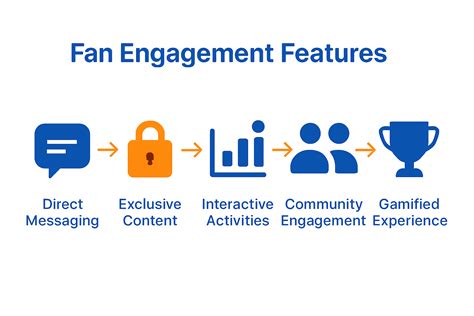
Beyond sports betting, predictions also enhance fan engagement in profound ways. Football fandom is no longer a passive activity confined to watching matches. Modern fans are increasingly data-savvy, using platforms like fantasy football leagues, prediction competitions, and social media to interact with the sport. La Liga predictions fuel these interactions by giving fans a framework to test their knowledge, debate with peers, and immerse themselves in the league's narrative. For example, many fans participate in prediction leagues where they earn points for correctly guessing match results, goal scorers, or even the timing of goals. This gamification of predictions transforms passive spectators into active participants, deepening their emotional investment in the league.
The rise of data-driven fan communities further underscores the importance of La Liga predictions. Online forums, blogs, and YouTube channels are rife with enthusiasts sharing their predictive models, debating the likelihood of outcomes, and even critiquing bookmaker odds. These communities thrive on the shared pursuit of understanding the game better. Predictions act as a unifying element, sparking conversations that range from tactical analyses ("Will Barcelona's high defensive line cost them against counterattacking teams?") to speculative scenarios ("Could a resurgent Valencia challenge for a European spot this season?"). This participatory culture not only strengthens fan loyalty to La Liga but also contributes to the league's global appeal by fostering a sense of inclusivity and intellectual curiosity.
Another dimension of predictions in La Liga is their role in team and managerial strategy. While fans and bettors focus on external predictions, clubs themselves rely on internal forecasting tools to plan their campaigns. Coaches and analysts use predictive models to scout opponents, identify weaknesses, and prepare game plans. For instance, if a predictive analysis suggests that a particular team struggles against set pieces, this insight can inform training sessions and in-game strategies. Predictions are, therefore, not just external tools for fans and bettors but also internal mechanisms that shape the very fabric of competition within the league.
The growing reliance on machine learning and artificial intelligence in sports predictions has further elevated their importance in La Liga. Advanced algorithms can now process vast datasets, including player performance metrics, weather conditions, and even social media sentiment, to generate highly accurate forecasts. These models are particularly useful in identifying subtle patterns that human analysts might overlook. For example, an AI-driven prediction tool might detect that a team performs significantly worse in away games following midweek European fixtures, a trend that could influence betting odds or even team rotations. This intersection of technology and football not only refines the accuracy of predictions but also opens new avenues for innovation in how the game is analyzed and consumed.
It is also worth noting that predictions contribute to the storytelling aspect of La Liga. Every season is a narrative filled with subplots—underdog triumphs, title races, relegation battles, and individual brilliance. Predictions frame these narratives by setting expectations and creating a baseline against which actual events are measured. When a predicted underdog pulls off a stunning victory or a title favorite falters against the odds, it adds drama and intrigue to the league. This interplay between predicted and actual outcomes keeps fans on the edge of their seats, reinforcing La Liga's reputation as a league where "anything can happen."
Finally, predictions serve as a barometer of the league's competitiveness and evolution. Over the years, as La Liga has seen a shift from a duopoly of Real Madrid and Barcelona to a more open contest involving teams like Sevilla, Villarreal, and Real Sociedad, predictions have reflected this change. They highlight emerging trends, such as the rise of data-driven recruitment strategies or the impact of financial fair play regulations, that shape the league's landscape. In this sense, predictions are not just about the present; they are a lens through which the future of La Liga can be envisioned and understood.
In conclusion, La Liga predictions are far more than speculative exercises. They are a convergence point for sports betting strategies, fan engagement initiatives, and the analytical exploration of football. Whether used to inform bets, enrich fan experiences, or guide team strategies, predictions are an indispensable part of the modern football ecosystem. Their role in enhancing the league's appeal, fostering community interaction, and even influencing on-field outcomes makes them a cornerstone of La Liga's enduring allure.
Historical Data and Trends in La Liga
The historical data and trends in La Liga offer a rich tapestry of insights that can be leveraged to establish a baseline for predictions. By examining past seasons, team performance patterns, and recurring trends, we can identify key factors that influence outcomes and set the stage for informed forecasting. This analysis is not merely about tallying past results but delving into the underlying dynamics that shape the league's competitive landscape.
One of the most striking features of La Liga is its historical dominance by a small number of elite teams. Barcelona, Real Madrid, and Atlético Madrid have consistently occupied the top positions in the league table over the past two decades. This dominance is not accidental but rooted in factors such as financial resources, squad depth, and tactical consistency. For instance, between 2004 and 2023, these three teams won the title in all but two seasons (Valencia in 2004 and Deportivo La Coruña in 2000 being the exceptions). This trend underscores the challenge faced by smaller clubs in breaking into the upper echelons of the league. Predictive models must account for this entrenched hierarchy, as the likelihood of a mid-table team mounting a title challenge remains statistically low unless there is a significant upheaval in squad quality or management.
Another critical trend is the home-field advantage that has been a consistent factor in La Liga. Historically, teams perform significantly better at home than away. For example, in the 2022-2023 season, home teams won approximately 48% of their matches, compared to 28% for away teams, with the remaining 24% ending in draws. This trend is partly influenced by the passionate supporter culture in Spain, where home crowds often create an intimidating atmosphere for visiting teams. However, the COVID-19 pandemic offered a unique test case when matches were played without fans. During this period, the home-field advantage diminished slightly, suggesting that while it is a strong trend, external factors like crowd presence can modulate its impact. Predictive models should therefore consider not just the venue but also contextual variables such as fan attendance and travel fatigue.
Team performance patterns also reveal interesting cyclical behaviors. Many La Liga teams experience peaks and troughs based on managerial changes, squad overhauls, or financial constraints. For example, Sevilla has often been a strong performer in European competitions but has struggled to sustain a title challenge in La Liga due to inconsistent domestic form. Their performance pattern typically involves strong starts to the season followed by a mid-season dip, often attributed to squad rotation for European fixtures. Similarly, Valencia has shown a pattern of fluctuating between being a top-four contender and a mid-table team, often tied to off-field instability such as ownership disputes. These cyclical behaviors suggest that past performance must be analyzed in conjunction with recent managerial appointments, transfer activity, and financial health to predict future outcomes accurately.
Recurring trends in goal-scoring and defensive statistics also provide valuable predictive cues. La Liga has often been characterized by teams that prioritize possession-based football and high-pressing systems. Teams like Barcelona under managers such as Pep Guardiola and Xavi have set benchmarks for high possession percentages and low defensive errors. Analyzing past seasons, we observe that teams with a high share of possession and a low xGA (expected goals against) tend to finish higher in the table. For instance, in the 2021-2022 season, Real Madrid's title win was underpinned by a solid defensive record, conceding only 31 goals in 38 matches. In contrast, teams with high xGA and lower possession percentages often struggle to maintain consistency, as seen with teams like Granada or Levante in recent years. These statistics highlight the importance of not just raw goals scored but also the quality of chances created and conceded when making predictions.
The role of individual player impact cannot be overlooked when analyzing historical trends. La Liga has been home to some of the world's best players, such as Lionel Messi, Cristiano Ronaldo, and more recently, Karim Benzema and Robert Lewandowski. The presence of a world-class player often skews team performance metrics. For instance, during Messi's tenure at Barcelona, the team's goal-scoring output was heavily reliant on his contributions, with seasons where he alone accounted for over 30% of the team's goals. Predictive models must factor in the presence or absence of such talismanic figures. When Messi left Barcelona in 2021, the team's goal-scoring rate dropped noticeably, illustrating how the departure of a key player can disrupt established patterns. Similarly, the arrival of a high-impact signing, such as Jude Bellingham at Real Madrid in 2023, can shift the dynamics of a team's performance and should be accounted for in trend analysis.
Another layer of insight comes from examining head-to-head matchups between teams. Certain fixtures in La Liga have shown consistent patterns over the years. For example, Barcelona and Real Madrid's El Clásico encounters often result in high-scoring matches, reflecting the attacking philosophies of both teams. However, Atlético Madrid's matches against these two rivals often tend to be low-scoring and defensively tight, a reflection of their counterattacking and defensive-first approach under Diego Simeone. These fixture-specific trends can offer predictive advantages, especially when considering over/under betting markets or outcome probabilities for specific matches.
The influence of scheduling and fixture congestion is another trend worth exploring. La Liga's calendar, combined with European and domestic cup commitments, often leads to periods of fixture congestion for top teams. Historically, this has led to drops in performance for teams juggling multiple competitions. For instance, in the 2020-2021 season, Atlético Madrid's title charge was nearly derailed by a congested schedule in the final weeks, where they drew or lost matches against lower-ranked teams. Predictive models should incorporate fixture density as a variable, especially for teams involved in the latter stages of the Champions League or Europa League.
Finally, market dynamics and squad evolution play a role in shaping La Liga trends. The league has seen a gradual shift in recent years, with younger players and emerging talents taking on more prominent roles. Teams like Real Sociedad and Villarreal have shown that a focus on youth development and smart recruitment can lead to sustained competitiveness. This shift suggests that predictive models should not only rely on past performance but also consider emerging talent pipelines and how new signings integrate into existing systems.
- The dominance of elite teams like Barcelona, Real Madrid, and Atlético Madrid is a foundational trend but must be contextualized with occasional anomalies.
- Home-field advantage remains a strong factor but can be influenced by external variables such as fan attendance.
- Cyclical team performance patterns require analysis of managerial changes, squad stability, and financial health.
- Goal-scoring and defensive metrics, including xGA, provide a quantitative lens for assessing team quality.
- Individual player impact, especially from star players, can significantly influence team performance trends.
- Fixture-specific trends, such as El Clásico's high-scoring nature or Atlético's defensive approach, offer nuanced insights.
- Fixture congestion and scheduling challenges can disrupt performance, particularly for top teams involved in multiple competitions.
In conclusion, historical data and trends in La Liga offer a multi-faceted framework for predictions. By synthesizing team performance patterns, statistical trends, and external factors like scheduling and player impact, we can move beyond surface-level analysis to establish a robust baseline for forecasting. This approach not only respects the league's rich history but also adapts to its evolving dynamics, ensuring predictions are both data-driven and contextually informed.
Key Metrics for Accurate Predictions
Accurate predictions in La Liga, or any football league for that matter, require a nuanced understanding of various critical metrics that influence match outcomes. While intuition and gut feelings might occasionally yield correct guesses, a systematic approach rooted in data-driven analysis is far more reliable. In this section, we will explore key metrics such as team form, player injuries, head-to-head records, and home vs. away performance, delving into their significance and how they interplay to shape predictions.
The first and perhaps most intuitive metric is team form. Team form refers to a side's recent performance over a specific period, typically the last five to ten matches. This metric is often represented as a string of results (e.g., W-W-D-L-W) or through points accumulated in that timeframe. However, a deeper dive into form requires more than just win-loss records. It is essential to consider the context of those results. For instance, a team might have won three of its last five matches, but if those victories came against relegation-threatened sides while the losses were against top-four contenders, the form is less indicative of strength against high-quality opposition. Similarly, the nature of the wins matters—narrow 1-0 victories against defensively solid teams might suggest resilience, while 4-3 thrillers could point to defensive vulnerabilities despite attacking prowess.
Beyond raw results, underlying performance metrics like expected goals (xG) and expected goals against (xGA) provide a layer of sophistication. A team might be on a winning streak but consistently underperform in xG, suggesting they are over-reliant on individual brilliance or luck rather than sustainable performance. For example, if a team like Real Madrid is outperforming its xG by a significant margin over several matches, it might indicate they are capitalizing on moments of individual skill (e.g., a striker in exceptional form like Vinícius Júnior). However, this is not a reliable long-term trend, as regression to the mean is likely. Conversely, a team underperforming its xG while maintaining strong xGA might be a prime candidate for a turnaround in form, as their underlying numbers suggest they are creating chances but failing to convert them.
Another critical factor is player injuries, which can dramatically alter a team's dynamics. Injuries to key players—especially those in pivotal roles like central defenders, playmakers, or goal-scorers—can severely impact performance. For instance, Barcelona's reliance on players like Robert Lewandowski for goals or Frenkie de Jong for midfield control means that their absence often leads to a drop in both offensive and defensive cohesion. Injuries also create a ripple effect; a team might field a less experienced backup, forcing tactical adjustments that opponents can exploit. Additionally, the timing of injuries is crucial. A team entering a congested fixture schedule (e.g., during the holiday period or when balancing domestic and European competitions) with multiple injuries is more likely to falter. Predictive models should account not just for the absence of players but also for the depth of the squad and the manager's ability to adapt tactics.
The third metric, head-to-head records, offers historical context that can be surprisingly predictive. Football is a sport where psychological factors often play a significant role. Teams with a history of dominance over a particular opponent may enter matches with a psychological edge, even if their current form is subpar. For example, Atlético Madrid has often struggled against Barcelona in La Liga, regardless of their respective positions in the table. This is not merely a statistical quirk but often tied to tactical systems—Barcelona's possession-heavy approach historically disrupts Atlético's counterattacking style. However, head-to-head records must be interpreted with caution. Recent managerial changes, squad overhauls, or shifts in playing philosophy can nullify historical advantages. A newly promoted team with no prior La Liga experience against a giant like Real Madrid might lack a head-to-head record altogether, making this metric less useful in such cases. Still, for well-established rivalries, this metric can offer insights into how teams match up stylistically.
The fourth and often underappreciated metric is home vs. away performance. La Liga, like most leagues, exhibits a clear home advantage trend. Teams tend to perform better in front of their home crowds due to familiar surroundings, supportive fans, and reduced travel fatigue. However, the extent of this advantage varies by team. For instance, while Barcelona and Real Madrid often boast formidable home records, smaller teams like Osasuna or Rayo Vallecano sometimes punch above their weight at home due to the compact, high-intensity atmospheres they create in smaller stadiums. On the other hand, certain teams exhibit "away specialist" tendencies, thriving in counterattacking setups that exploit space left by home teams pushing forward. Analyzing home and away splits for each team provides a clearer picture of their strengths. For instance, if a mid-table team like Real Betis has a strong away record but a mediocre home record, it suggests they are comfortable soaking up pressure and hitting on the break, which could influence predictions when they face possession-dominant sides.
These metrics do not exist in isolation but often interact in complex ways. For example, consider a scenario where a team with excellent home form (e.g., Villarreal at Estadio de la Cerámica) faces an opponent with significant injury concerns in their attacking lineup. While Villarreal's home advantage might suggest a straightforward win, the quality of the injured players and their impact on the opponent's tactical setup must also be considered. If the injured players are central to the opponent's ability to break down compact defenses—a common feature of Villarreal's home games—the dynamic shifts. Similarly, head-to-head records might suggest that a historically weaker team struggles against a giant, but if the giant is in poor form and missing key players, the historical trend might not hold.
To refine predictions further, it is essential to consider external factors like fixture congestion, weather conditions, and even refereeing tendencies. A team playing its third match in seven days is more likely to experience fatigue, especially if the squad lacks depth. Weather conditions, such as heavy rain or high winds, can neutralize technical advantages of teams reliant on short passing and possession, giving an edge to more physical or direct opponents. Refereeing tendencies, while harder to quantify, can also play a role—some referees are more likely to award fouls or penalties in certain scenarios, which might favor aggressive or defensive teams differently.
In summary, accurate La Liga predictions require a multidimensional approach that synthesizes these metrics into a cohesive framework. Team form provides a snapshot of current momentum, player injuries reveal vulnerabilities or strengths in squad depth, head-to-head records offer historical and psychological insights, and home vs. away performance highlights environmental and tactical dynamics. By combining these factors with an understanding of external influences, analysts can move beyond surface-level observations to make predictions that are both informed and robust. This holistic approach not only enhances the accuracy of forecasts but also deepens the appreciation of the complexities inherent in football analytics.
Role of Advanced Analytics in Predictions
The advent of advanced analytics has revolutionized the way we approach sports predictions, particularly in football. In the context of La Liga predictions, the integration of machine learning, expected goals (xG), and other sophisticated models has elevated the accuracy and reliability of forecasting outcomes. These tools not only account for traditional statistics but also delve into nuanced patterns and relationships that are often imperceptible through conventional analysis. This section explores how these advanced analytical techniques contribute to more precise and actionable predictions in La Liga.
One of the cornerstones of advanced analytics in football is machine learning (ML). ML models, such as random forests, support vector machines, and neural networks, are trained on vast datasets comprising historical match results, player performances, team dynamics, and even external variables like weather conditions and stadium attendance. These models can identify complex, non-linear relationships between variables that would be challenging for human analysts to discern. For instance, a neural network might detect that teams playing at high altitudes in certain stadiums tend to perform worse in the second half due to fatigue, a pattern that might not be immediately obvious from raw data.
A key advantage of ML is its ability to adapt and learn over time. As new matches are played and data is collected, the models can be retrained to incorporate the latest information. This dynamic nature ensures that predictions remain relevant and are not statically anchored to outdated trends. In La Liga, where team compositions and strategies often shift due to transfers, injuries, or managerial changes, this adaptability is critical. For example, if a team like Barcelona undergoes a mid-season coaching change, ML models can quickly reassess the impact of this change on the team's performance metrics and adjust predictions accordingly.
Another pivotal component in modern prediction models is expected goals (xG). xG is a statistical measure that quantifies the quality of goal-scoring opportunities in a match. Unlike traditional metrics like shots on target or possession, xG considers the likelihood of a shot resulting in a goal based on factors such as shot location, angle, type of assist, and defensive pressure. For instance, a shot taken from inside the six-yard box has a higher xG value than a long-range effort, reflecting its higher probability of success. By aggregating xG data over multiple matches, analysts can assess a team's underlying performance rather than being misled by sporadic results.
Consider a scenario where a La Liga team wins a match 1-0 but has an xG of 0.3, while their opponent has an xG of 2.5. This suggests that the winning team was somewhat fortunate, as their opponents created better scoring opportunities. Advanced prediction models incorporate xG to identify teams that are overperforming or underperforming relative to their expected outcomes. A team consistently outperforming its xG might be riding a streak of luck or have an exceptional goalkeeper, but this is unlikely to sustain over a full season. Conversely, a team underperforming its xG might be due for a turnaround as their actual results begin to align with their underlying performance.
Beyond xG, player-level analytics play a significant role in La Liga predictions. Advanced models now evaluate individual player contributions using metrics like expected assists (xA), defensive actions per 90 minutes, and pressure success rates. These granular insights allow for a more holistic understanding of team dynamics. For example, if a team relies heavily on a star striker for goal creation and that player is injured, ML models can simulate the impact of their absence on the team’s overall xG and defensive stability. This level of detail ensures that predictions are not solely reliant on team-level statistics but also account for the micro-level nuances of player availability and form.
Another area where advanced analytics shines is in the incorporation of external variables. While traditional models might focus exclusively on in-game data, modern approaches consider factors like fixture congestion, travel distances, and even psychological factors such as a team’s recent win streak or the pressure of a title race. For instance, a machine learning model might predict that a team facing a mid-week Champions League fixture is more likely to drop points in their subsequent La Liga match due to player fatigue. Similarly, home-field advantage is no longer treated as a binary factor; models now weigh the strength of home support, the size of the stadium, and even the historical performance of visiting teams in similar environments.
The use of ensemble models further enhances prediction accuracy. Ensemble methods combine multiple ML models—such as decision trees, logistic regression, and Bayesian networks—to produce a consensus prediction. This approach mitigates the risk of overfitting to a single model's biases and provides a more robust forecasting framework. For instance, while one model might heavily weight recent form, another might prioritize historical head-to-head records. An ensemble model synthesizes these perspectives, offering a more balanced and accurate outlook.
A less discussed but equally important aspect of advanced analytics is the role of data visualization and interpretability. While complex models generate highly accurate predictions, their utility is limited if stakeholders cannot understand the rationale behind them. Visual tools like heatmaps, scatter plots, and player movement trajectories help translate raw data into actionable insights. For example, a heatmap showing a team's defensive vulnerabilities in specific zones of the pitch can guide both predictive models and tactical adjustments by coaches. This dual utility of analytics—serving both prediction and strategy—makes it an invaluable tool in La Liga analysis.
It is also worth noting the growing importance of real-time data integration in prediction models. With the proliferation of tracking technologies like GPS and optical player tracking, real-time data streams provide up-to-the-minute insights into player positioning, sprint speeds, and fatigue levels. These inputs can be fed into dynamic prediction systems that adjust forecasts as a match progresses. For instance, if a key player is substituted early due to injury, the model can recalibrate its prediction for the remainder of the game based on the replacement's historical performance metrics.
However, it is important to acknowledge the limitations of advanced analytics. While models like xG and ML are powerful, they cannot account for every variable, such as the intangible effects of team morale, referee decisions, or moments of individual brilliance. These "human elements" introduce a degree of unpredictability that even the most sophisticated models cannot fully eliminate. Nonetheless, the inclusion of advanced analytics significantly narrows the margin of error and provides a more structured framework for understanding the likely outcomes of La Liga matches.
In summary, the role of advanced analytics in La Liga predictions is multifaceted and transformative. From machine learning's ability to uncover hidden patterns to xG's focus on underlying performance, these tools provide a comprehensive lens through which to analyze and forecast outcomes. By integrating player-level insights, external variables, and ensemble methods, modern prediction systems offer unparalleled accuracy. While they are not infallible, their ability to enhance our understanding of the game makes them an indispensable part of modern football analytics.
Impact of Managerial Changes on Team Dynamics
Managerial changes in football are often seen as a double-edged sword. On one hand, they bring fresh perspectives, new strategies, and an opportunity to rejuvenate a struggling team. On the other, they can disrupt established team dynamics, unsettle players, and create a period of adjustment that may negatively impact performance. In the context of La Liga, where competition is fierce and every point matters, the impact of managerial changes on team dynamics can be profound and multifaceted.
One of the most immediate effects of a new manager is the psychological shift within the squad. Players who may have grown complacent or disillusioned under a previous regime often experience a renewed sense of motivation. This "new manager bounce" is a well-documented phenomenon in football, where teams see a temporary uptick in performance following a managerial change. This is partly due to players feeling they have a clean slate and must prove themselves to the new coach. For instance, when Quique Setién replaced Ernesto Valverde at Barcelona in 2020, there was an initial surge in creative play and possession-based football, which resonated with the squad's technically gifted players. However, this bounce is often short-lived if the underlying issues within the team—such as squad depth, tactical mismatches, or player discontent—are not addressed.
The tactical philosophy of a new manager plays a significant role in how quickly a team adapts. La Liga is home to a diverse range of playing styles, from the high-pressing intensity of Atlético Madrid to the possession-heavy approach of Barcelona and the counter-attacking prowess of Real Madrid. When a manager with a drastically different philosophy takes over, the transition can be rocky. For example, if a team accustomed to a low-block defensive structure is suddenly asked to play a high-pressing game, the players may struggle to adapt their physical conditioning and mental approach. This was evident when Julen Lopetegui took over at Sevilla. While his preference for structured build-up play was a departure from the more direct style of previous managers, it took several months for the squad to fully embrace his methods. During this period, Sevilla experienced inconsistent results, including unexpected losses to mid-table teams. However, once the players adapted, the team became a cohesive unit capable of challenging for European spots.
Another critical factor is the manager's ability to manage egos and foster team cohesion. La Liga teams often feature star players who are used to a certain level of influence within the squad. A new manager must quickly establish authority while also gaining the trust of key players. When Zinedine Zidane returned to Real Madrid in 2019, his calm demeanor and ability to communicate effectively with the squad helped stabilize a team that had been in turmoil under previous managers. Zidane’s focus on man-management, rather than drastic tactical overhauls, allowed the team to regain its confidence and mount a successful title challenge. This underscores how a manager’s interpersonal skills can sometimes outweigh their tactical acumen in the short term.
However, not all managerial changes lead to positive outcomes. In some cases, a new coach’s strategies can expose weaknesses in the squad that were previously masked. For example, when Ronald Koeman took charge of Barcelona in 2020, his emphasis on youth and a shift away from reliance on aging stars like Lionel Messi revealed gaps in the squad's depth. While this approach was commendable in theory, the lack of experienced players to support the younger talents led to inconsistent performances. This dynamic highlights how managerial changes can sometimes act as a double-edged sword, exposing structural flaws that were previously hidden by the competence of a more experienced or adaptable coach.
The timing of a managerial change is also crucial. In La Liga, mid-season changes are often made out of desperation to salvage a season, but they come with significant risks. Teams that make a change midway through the campaign often struggle to implement new systems due to the limited time available for training and integration. For instance, when Granada replaced Paco López with Alexander Medina in the 2022-2023 season, the team’s performance initially dipped as players adjusted to Medina’s more aggressive pressing style. This adjustment period cost them valuable points in tightly contested matches, ultimately affecting their position in the table. Conversely, off-season changes allow for a more comprehensive overhaul, including pre-season training camps where new systems can be drilled into the players. This was evident when Diego Simeone took over Atlético Madrid in 2011; his extensive pre-season work laid the foundation for the disciplined, defensively solid team that would go on to challenge the dominance of Barcelona and Real Madrid.
It is also worth considering how a new manager’s support staff and backroom team influence team dynamics. Modern football is highly reliant on specialized coaching roles, such as fitness coaches, data analysts, and set-piece specialists. A manager who brings in a competent support team can accelerate the adaptation process. For example, when Unai Emery joined Villarreal, his emphasis on detailed match preparation and the use of analytics helped the team achieve remarkable results in Europe, including their Europa League victory in 2021. The integration of new ideas at both the tactical and operational levels can create a synergistic effect that boosts team performance.
From a statistical perspective, the impact of managerial changes on match outcomes can be analyzed through metrics like points per game (PPG), expected goals (xG), and defensive solidity before and after the change. A study of La Liga teams over the past five seasons reveals that teams experiencing a managerial change mid-season often see a slight improvement in PPG in the immediate aftermath, but this improvement tends to normalize over time. For example, when Javier Aguirre took over at Mallorca in 2021, the team saw a short-term rise in defensive solidity, conceding fewer goals per game. However, as opponents began to adapt to Mallorca’s new defensive setup, their results plateaued.
Additionally, the role of fan and media expectations cannot be ignored. In a league as scrutinized as La Liga, a new manager is often under intense pressure to deliver immediate results. This pressure can sometimes force managers to prioritize short-term fixes over long-term strategies, leading to suboptimal decision-making. For instance, when Rafa Benítez managed Real Madrid in 2015, his focus on rigid defensive structures clashed with the club’s traditional attacking ethos, leading to criticism from fans and media. This external pressure can influence how a manager approaches matches, potentially leading to conservative tactics that prioritize avoiding defeat over pursuing victory.
- Managerial changes often bring a psychological boost, but this "new manager bounce" is typically temporary unless deeper issues are resolved.
- Tactical transitions can be challenging, particularly when the new manager’s philosophy contrasts with the team’s existing style.
- Man-management skills are often as important as tactical expertise in stabilizing a team during a transition period.
- Mid-season changes carry greater risks due to limited time for adaptation, while off-season changes allow for more comprehensive preparation.
- The quality of a manager’s support staff can significantly enhance their ability to implement new strategies.
In conclusion, the impact of managerial changes on team dynamics in La Liga is a complex interplay of psychological, tactical, and operational factors. While a new manager can inject fresh energy and ideas into a team, the success of this transition depends on how well the manager navigates the existing squad’s strengths and weaknesses, manages expectations, and implements their vision. For teams aiming to predict match outcomes in the wake of a managerial change, understanding these dynamics is essential for assessing whether the change will lead to immediate improvements or a period of instability.
Psychological Factors in Match Predictions
The realm of sports prediction is often dominated by statistical models, player performance metrics, and team strategies. However, one aspect that is frequently overlooked but profoundly impactful is the role of psychological factors in determining match outcomes. In the context of La Liga, where the competition is fierce and the stakes are high, understanding how elements like player morale, fan support, and pressure situations influence team results can provide a nuanced edge to predictions.

To begin with, player morale is a critical factor that can swing the pendulum of a match. Football is as much a mental game as it is a physical one. A player's confidence level, shaped by recent performances, personal circumstances, or even team dynamics, can significantly impact their on-field decisions. For instance, a striker who has scored in consecutive matches is likely to approach the next game with a heightened sense of self-belief. This can result in more aggressive runs, better shot accuracy, and an overall willingness to take risks. Conversely, a player enduring a goal drought may exhibit hesitancy, leading to missed opportunities or poor decision-making under pressure. Teams with a string of losses often face a collective dip in morale, which can manifest as lackluster performances even against ostensibly weaker opponents. Predictive models that incorporate recent team form but ignore the psychological ripple effects of morale may miss these subtleties.
Another dimension of morale is the manager-player relationship. In La Liga, where managerial changes are not uncommon mid-season, the psychological impact of a new leader or a strained relationship with the existing one can be profound. A manager who inspires trust and fosters a positive environment can uplift a struggling team, while one who fails to connect with the squad may inadvertently exacerbate existing issues. For example, when a high-profile manager like Diego Simeone at Atlético Madrid instills a "never-give-up" mentality, it often translates into late-game comebacks. This intangible yet powerful psychological edge can turn predicted losses into draws or even victories.
Moving beyond individual players, fan support plays a multifaceted role in match dynamics. La Liga is renowned for its passionate fan bases, particularly in venues like the Camp Nou or the Santiago Bernabéu. The energy of a roaring crowd can serve as a twelfth man for the home team. Studies have shown that home-field advantage in football is not merely about familiarity with the pitch but also about the psychological boost players derive from fan presence. Chants, cheers, and even the collective silence during tense moments can influence player focus and adrenaline levels. For instance, a team like Real Betis, known for its vociferous supporters, often performs above expectations in home games, even when the squad's technical quality might suggest otherwise. Predictive analysis that factors in fan attendance—especially in post-pandemic scenarios where crowd sizes fluctuated—can offer a more accurate forecast of outcomes.
However, fan support is not always a boon. High expectations from fans can create a sense of pressure that weighs heavily on players, particularly in critical matches. This is especially evident in top-tier clashes or relegation battles. A team like Barcelona, with its legacy of success, often faces immense pressure to maintain its dominance. When this pressure becomes overwhelming, it can lead to uncharacteristic errors, such as mispasses or defensive lapses. Predictive models should account for the psychological toll of such expectations, particularly when a team is on a winning streak or competing for a title. The "choking" phenomenon, where players underperform in high-stakes situations due to anxiety, is well-documented in sports psychology and can be a decisive factor in close matches.
Pressure situations are also amplified by external narratives, such as media scrutiny or historical rivalries. In La Liga, matches like El Clásico (Barcelona vs. Real Madrid) are not just games; they are events laden with historical and cultural significance. Players are acutely aware of the global audience and the weight of legacy. A young player making their debut in such a match might experience performance anxiety, while a seasoned veteran might channel the pressure into a career-defining performance. Predictive frameworks that analyze the historical performance of teams in high-profile matches can better account for these psychological variables. For instance, Real Madrid's track record of performing exceptionally well in "must-win" scenarios can be attributed not just to their tactical acumen but also to their psychological resilience in pressure-cooker environments.
It is also worth exploring how team cohesion interacts with psychological factors. A cohesive team, where players trust one another and communicate effectively, is better equipped to handle stressful situations. In contrast, teams with internal rifts—whether due to contract disputes, favoritism, or off-field controversies—can crumble under pressure. La Liga has seen examples of this, such as when a star player's dissatisfaction with their role leads to a ripple effect of discontent within the squad. These dynamics are difficult to quantify but can be inferred through patterns of inconsistent performances or public statements from players and staff. Incorporating qualitative insights from interviews, press conferences, and social media sentiment analysis can enrich predictive models by adding a layer of psychological context.
Another interesting aspect is the interaction between fan support and player behavior in away games. While home crowds uplift their team, hostile away crowds can demoralize visiting players. In La Liga, stadiums like the Mestalla (home to Valencia) are infamous for their intense atmosphere, which can unnerve even the most composed players. Predictive analysis should consider how teams with a history of struggling in hostile environments might fare when traveling to such venues. For instance, a mid-table team with a strong home record but poor away performance might lose not because of technical inferiority but due to the psychological burden of playing in a hostile setting.
Lastly, the concept of momentum is closely tied to psychological factors. Football is a game of ebbs and flows, and a team riding a wave of momentum—fueled by consecutive wins or a dramatic comeback—often performs better than expected. This momentum is as much a psychological construct as it is a physical one. Players feed off the energy of recent successes, and this can lead to a self-fulfilling prophecy of continued success. Conversely, a team on a losing streak may enter a match with a defeatist mindset, even if their technical capabilities suggest otherwise. Predictive models that account for momentum—perhaps by analyzing recent results in conjunction with fan sentiment or media narratives—can provide a more holistic view of potential outcomes.
In conclusion, while statistical and tactical analyses form the backbone of match predictions, the role of psychological factors cannot be overstated. Player morale, fan support, and the pressures of critical situations are deeply intertwined with team performance. For La Liga, where every match is a blend of skill, strategy, and spectacle, understanding these intangible elements can transform rudimentary predictions into insightful forecasts. By integrating psychological insights into predictive frameworks, analysts can uncover hidden patterns and make more informed, nuanced predictions about match outcomes.
Economic and Market Influences on La Liga Teams
The economic and market dynamics of La Liga play a pivotal role in shaping the competitiveness of its teams. Unlike other top-tier leagues such as the Premier League, where financial power is often concentrated among a few clubs, La Liga's economic landscape is more nuanced, driven by a combination of historical prestige, regional economic disparities, and the league's own financial regulations. These factors create a complex interplay between transfer budgets, squad depth, and financial stability, which directly impacts how teams perform on the pitch.
One of the most significant economic influences on La Liga teams is the concept of **transfer budgets**. These budgets are not solely determined by a club's revenue but are also shaped by La Liga's "economic control" system, introduced in 2013 to ensure clubs operate within their means. This system restricts clubs from overspending on transfers and wages based on their projected income. For instance, while Barcelona and Real Madrid often dominate the upper echelons of transfer activity due to their global revenue streams, smaller clubs like Rayo Vallecano or Osasuna must operate within much tighter financial constraints. This disparity creates a clear divide in terms of squad-building potential. Clubs with higher transfer budgets can not only attract marquee players but also afford to take calculated risks on young talent or players from less prominent leagues. In contrast, financially limited teams often rely on loan deals, free transfers, or academy graduates to bolster their squads. This dynamic means that clubs with robust transfer budgets are more likely to maintain a competitive edge over extended seasons, while smaller clubs must prioritize short-term survival or niche strategies, such as focusing on set-piece efficiency or counterattacking football.
However, transfer budgets alone do not guarantee success. **Squad depth** is another critical factor influenced by economic realities. La Liga's top teams, such as Barcelona, Real Madrid, and Atlético Madrid, typically have the financial stability to maintain deep squads capable of competing across multiple competitions. This depth is particularly important in a league where fixture congestion due to European competitions, domestic cups, and international breaks can take a toll on player fitness. For example, Real Madrid's ability to rotate players like Luka Modrić, Toni Kroos, and younger talents such as Federico Valverde showcases how financial power enables teams to field competitive lineups even when key players are injured or rested. On the other hand, mid-table or lower-ranked teams often struggle with squad depth. A single injury to a key player can derail their season. This was evident in the 2022-2023 season when Villarreal, despite a strong starting XI, faced challenges maintaining form due to limited options in defense and midfield. Such scenarios underline how economic limitations can force teams to prioritize certain positions over others, leaving them vulnerable in high-stakes matches or during the grueling winter schedule.
Another layer of this discussion is **financial stability**, which acts as both a driver and a constraint for La Liga teams. Clubs like Barcelona have faced well-documented financial difficulties in recent years, leading to high-profile departures such as Lionel Messi's move to PSG in 2021. While Barcelona's brand and historical success allow them to recover through creative financial instruments—such as selling future television rights or engaging in sponsorship deals—smaller clubs do not have the same luxury. Financial instability often forces these teams to sell their best players to balance the books. A prime example is Sevilla, which has built a reputation for identifying undervalued talent, developing them into top-tier players, and then selling them at a profit. While this model has allowed Sevilla to remain competitive in La Liga and Europe, it also highlights the precarious nature of mid-tier clubs' competitiveness. If they mismanage their finances—as seen with Málaga in the early 2010s—they can quickly fall into a cycle of relegation battles or administrative demotions. Financial stability, therefore, acts as a double-edged sword: while it can enable smart investments and long-term planning, it can also stifle ambition if mismanaged or overly conservative.
A deeper look into La Liga's economic framework also reveals the role of **market dynamics** in shaping team competitiveness. The league operates in a global football market where player valuations are influenced by factors such as agent fees, broadcast revenue shares, and even the league's appeal to international audiences. For instance, the Premier League's lucrative TV deals have given English clubs a significant advantage in attracting top talent, often at the expense of La Liga teams. This has led to a situation where La Liga clubs must be more strategic in their market approach. Take the case of Real Betis, which has successfully leveraged data-driven scouting to identify players like Nabil Fekir and Luiz Henrique at relatively low costs. Such strategies are a direct response to the league's economic environment, where maximizing value per euro spent is crucial. In contrast, clubs that fail to adapt to these market dynamics—relying on outdated recruitment practices or overpaying for aging stars—often find themselves slipping in the league table.
Another unique insight comes from examining how **regional economic disparities** within Spain influence team competitiveness. Clubs from economically stronger regions like Catalonia and Madrid have historically had an edge over teams from less affluent areas. This is not merely due to higher local revenues but also because these regions attract more sponsorships and have a larger fan base to drive merchandise sales. For example, Athletic Bilbao, despite its unique policy of fielding only Basque players, faces inherent economic challenges compared to a club like Atlético Madrid, which benefits from its location in Spain's capital. These regional dynamics further reinforce the idea that economic factors are deeply embedded in the league's competitive structure.
Finally, it is worth considering how **financial fair play (FFP) regulations** and the league's own economic controls create both opportunities and limitations. While these measures are designed to promote long-term sustainability, they can also act as a bottleneck for ambitious projects. For instance, Valencia's inability to invest heavily in recent years due to FFP constraints has seen them slide from a top-four contender to a mid-table team. Conversely, teams like Real Sociedad have thrived by adhering to these rules, focusing on youth development and prudent transfers to build a competitive squad without overreaching financially. This balance between ambition and compliance is a microcosm of how economic influences shape team strategies in La Liga.
- Teams with higher transfer budgets can afford both star players and youth development programs, giving them a long-term edge.
- Squad depth is a direct reflection of financial power, with wealthier clubs better equipped to handle fixture congestion and injuries.
- Financial stability is not just about avoiding debt but also about enabling smart, sustainable investments in players and infrastructure.
- Market dynamics force La Liga teams to prioritize efficiency in recruitment, often favoring undervalued talent over high-profile signings.
- Regional economic advantages play a subtle but significant role in determining which clubs can consistently compete at the top.
In conclusion, the economic and market influences on La Liga teams are deeply intertwined, creating a landscape where financial power, strategic acumen, and adaptability to constraints are all critical. While the league's top teams benefit from their economic might, mid-tier and smaller clubs must innovate and adapt to remain competitive. This dynamic not only shapes the on-field performances of La Liga teams but also underscores the league's unique challenges and opportunities in the broader football ecosystem.
Comparative Analysis of Top La Liga Contenders
The La Liga title race is often a fierce battle among Spain's top football clubs, with Barcelona, Real Madrid, and Atlético Madrid at the forefront of the competition. To understand their potential for success in any given season, a comparative analysis of their performance metrics, strategic approaches, and squad dynamics is essential. This section delves into the intricacies of these teams, offering a nuanced view of their strengths, weaknesses, and prospects for dominance in La Liga.
Starting with Barcelona, the Catalan giants have historically been synonymous with possession-based football, often referred to as "tiki-taka." Under the influence of managers like Pep Guardiola and more recently Xavi Hernández, Barcelona has prioritized ball control, quick passing, and positional play. In the 2023-2024 season, their possession average hovers around 65%, one of the highest in the league. This strategy is bolstered by players like Frenkie de Jong and Pedri, whose ability to retain possession under pressure is exceptional. However, Barcelona's reliance on this system can sometimes backfire against high-pressing teams, as seen in their struggles against aggressive opponents like Bayern Munich in European competitions. Their defensive line, while improved with the addition of Jules Koundé, still shows vulnerabilities in transition moments, particularly when the midfield is bypassed.
Statistically, Barcelona's attacking output is heavily influenced by their ability to convert set pieces and create chances through wide areas. With players like Robert Lewandowski leading the line, their xG (expected goals) per game is among the highest in La Liga, often exceeding 2.0. However, their over-dependence on Lewandowski for goals can be a double-edged sword. In matches where he is marked out of the game or injured, Barcelona has struggled to find alternative scoring avenues. This was evident in several matches during the 2022-2023 season, where their over-reliance on a single striker exposed a lack of depth in their attacking roster.
Shifting focus to Real Madrid, the team's strategy is a blend of counter-attacking prowess and individual brilliance. Unlike Barcelona's possession-heavy approach, Real Madrid often thrives in moments of transition. Their midfield trio of Luka Modrić, Toni Kroos, and Federico Valverde offers a combination of experience, creativity, and energy. Modrić and Kroos excel in dictating the tempo of the game, while Valverde provides the dynamism needed to break defensive lines. This balance has allowed Real Madrid to remain competitive even as their squad ages.
One of Real Madrid's standout features is their efficiency in front of goal. With Vinícius Júnior and Rodrygo providing width and pace, and Jude Bellingham adding a goal-scoring threat from midfield, their attack is multifaceted. Bellingham's integration into the squad has been particularly impactful; his ability to arrive late in the box and finish chances has added a new dimension to Real Madrid's attack. In the 2023-2024 season, their xG from counter-attacks is notably high, reflecting their preference for exploiting space left by opponents. Defensively, the presence of Éder Militão and David Alaba offers stability, though their high defensive line can occasionally be exploited by speedy forwards, as seen in their matches against Atlético Madrid and Villarreal.
A critical aspect of Real Madrid's strategy is their squad rotation. Manager Carlo Ancelotti has shown a willingness to trust younger players like Aurélien Tchouaméni and Eduardo Camavinga in high-pressure situations. This approach not only ensures freshness but also prepares the team for long-term sustainability. However, their over-reliance on moments of individual brilliance can sometimes mask underlying issues, such as a lack of consistent creativity when Modrić and Kroos are not at their best.
Atlético Madrid, under the stewardship of Diego Simeone, represents a stark contrast to both Barcelona and Real Madrid. Simeone's philosophy is built on a foundation of defensive solidity and disciplined organization. Atlético’s low block and compact defensive structure make them one of the hardest teams to break down in La Liga. Their average of 0.7 goals conceded per game in the 2023-2024 season is a testament to this approach. Players like José Giménez and Mario Hermoso excel in one-on-one situations, while Jan Oblak remains one of the best goalkeepers in the world, providing a safety net for the team.
Offensively, Atlético has evolved beyond their earlier reputation as a purely defensive team. The signings of Antoine Griezmann (now a permanent player after his loan spell) and Álvaro Morata have added a sharper edge to their attack. Griezmann’s versatility allows him to drop deep and link play, while Morata’s movement in the box creates space for others. However, their xG per game is lower compared to Barcelona and Real Madrid, often hovering around 1.5. This suggests that while Atlético is efficient, they do not create as many high-quality chances as their rivals. This can be a limitation in games where they need to chase a result, as their cautious approach can sometimes stifle their own creativity.
A key differentiator for Atlético is their ability to excel in set-piece situations. Simeone’s teams are well-drilled in both attacking and defending set pieces, which often provides them with an edge in tightly contested matches. For instance, in the 2022-2023 season, nearly 30% of their goals came from set pieces, a higher proportion than both Barcelona and Real Madrid. This reliance on set pieces, however, can also be a limitation, as it reduces their adaptability in open play against teams that can neutralize their aerial threats.

When comparing these teams on a statistical basis, several patterns emerge. Barcelona leads in possession and pass completion rates, often exceeding 85%, but their defensive transitions remain a concern. Real Madrid excels in shots on target per game and counter-attacking efficiency, reflecting their direct style. Atlético, meanwhile, boasts the best defensive record in terms of clean sheets but lags slightly in offensive output. These differences highlight the contrasting philosophies of the three teams: Barcelona’s focus on control, Real Madrid’s emphasis on moments of brilliance, and Atlético’s prioritization of stability.
In terms of squad depth, Real Madrid appears to have the most balanced roster, capable of competing across multiple competitions without a significant drop in quality. Barcelona, while strong in their starting XI, has shown fragility when key players like Lewandowski or Pedri are unavailable. Atlético, on the other hand, often operates with a leaner squad, which can be a disadvantage during a long and grueling season.
Another area worth exploring is the psychological aspect of these teams. Barcelona, after their financial struggles and squad rebuild, is in a transitional phase, striving to reassert their dominance. Real Madrid, with their rich history of success, often carries an aura of invincibility, particularly in high-stakes matches. Atlético, meanwhile, thrives as the underdog, with Simeone instilling a "never-say-die" mentality that often sees them overperform in critical moments.
In conclusion, while Barcelona relies on possession and intricate play, Real Madrid banks on transition play and individual talent, and Atlético Madrid focuses on defensive solidity and efficiency. Each team’s approach has its merits and vulnerabilities, making the La Liga title race a fascinating study of contrasting styles. The comparative analysis underscores that while stats provide a foundation, the intangibles—like squad depth, adaptability, and managerial acumen—often decide the outcome of the season.
Common Pitfalls in La Liga Predictions
La Liga, as one of the most popular football leagues globally, attracts a significant amount of attention from fans, analysts, and bettors alike. Predicting match outcomes in La Liga is a challenging task due to the league's dynamic nature, the quality of its teams, and the influence of external factors. However, even seasoned predictors often fall into certain traps that can compromise the accuracy of their forecasts. This section delves into the common pitfalls in La Liga predictions, focusing on biases, over-reliance on favorites, and other errors that can skew predictive accuracy.
One of the most pervasive issues in La Liga predictions is bias rooted in historical performance. Many predictors tend to overemphasize a team's past glories or long-standing dominance. For instance, Barcelona and Real Madrid, as two of the most successful teams in La Liga history, often receive undue favoritism in predictions, even when their current form or squad dynamics suggest otherwise. This is particularly evident when these teams undergo transitional periods—such as managerial changes, key player departures, or financial constraints. Predictors may assume that their "big club" status inherently guarantees success, ignoring more granular factors like injuries, morale, or even tactical mismatches against specific opponents. This bias can lead to a misjudgment of odds, particularly when betting or formulating analytical models.
Another related issue is the recency bias, where recent results disproportionately influence predictions. If a team like Sevilla or Atletico Madrid has a string of impressive wins, analysts might project this momentum as an unstoppable force, overlooking potential fatigue, squad rotation, or the quality of upcoming opponents. Similarly, a team on a losing streak might be written off entirely, even if their losses were against top-tier competition and their next match is against a mid-table side with vulnerabilities. Recency bias can be particularly damaging when compounded by media narratives, which often amplify short-term trends without providing context about underlying team dynamics.
A third common error is the over-reliance on favorites, which stems from both psychological comfort and market-driven influences. Predictors often gravitate toward well-known teams or players because they feel safer aligning their forecasts with popular sentiment. For example, predicting that Barcelona will win at Camp Nou against a newly promoted side might seem like a "safe bet," but this approach ignores the nuances of modern football. Newly promoted teams sometimes adopt highly defensive or counterattacking strategies that can unsettle even the best teams. Moreover, bookmakers often set odds favoring popular teams, creating a perception of inevitability that can cloud objective analysis. Over-reliance on favorites not only skews accuracy but can also lead to missed opportunities to identify value bets or insights into underdog performances.
A less discussed but equally significant pitfall is the underestimation of mid-table and lower-tier teams. La Liga is not just about the "big three" (Barcelona, Real Madrid, and Atletico Madrid); it features a range of teams with distinct playing styles, home-field advantages, and tactical setups. Teams like Villarreal, Real Betis, or even Osasuna have, at times, outperformed expectations by exploiting specific weaknesses in higher-ranked opponents. Predictors who focus exclusively on star-studded lineups or high-profile matches often miss these subtleties. For instance, mid-table teams may prioritize matches against direct rivals for European qualification spots, bringing an intensity and focus that can upset favored teams. Ignoring these nuances can lead to flawed predictions, particularly in matchups where motivation and context play a significant role.
Another critical error is neglecting external factors that influence match outcomes. Weather conditions, travel fatigue, and even stadium atmospheres can play a role in La Liga games. For instance, teams traveling to high-altitude venues like Estadio de la Ceramica (Villarreal) or facing the intense atmosphere of San Mames (Athletic Bilbao) may experience performance dips. Similarly, midweek European fixtures can drain key players physically and mentally, particularly for teams involved in the UEFA Champions League or Europa League. Predictors who fail to account for these variables often find their models lacking in precision. External factors are not just incidental—they can be decisive in close contests, especially when one team is better prepared to handle them.
A related issue is the failure to incorporate data beyond surface-level statistics. Many predictors rely solely on metrics like goals scored, points tallied, or recent win-loss records without delving into deeper analytical layers. For example, a team might have a high goal tally but struggle to create high-quality chances, relying instead on individual brilliance or set pieces. Conversely, a team with a modest goal count might excel in possession, pressing efficiency, or defensive organization, making them a tougher opponent than their raw numbers suggest. Advanced metrics such as expected goals (xG), defensive actions per 90 minutes, or pass completion rates in critical zones can provide a more nuanced understanding of team performance. Predictors who stick to simplistic data points miss out on these insights, which can be the difference between an accurate forecast and a flawed one.
Another pitfall is ignoring the impact of managerial strategies and squad rotations. La Liga managers often adjust their tactics based on the opponent, the importance of the match, or their squad's fitness levels. A team might prioritize a league match over a cup game or vice versa, leading to unexpected lineups or tactical shifts. For example, a manager might rest key players in a mid-table clash ahead of a more critical fixture, which can drastically alter the dynamics of the predicted outcome. Predictors who do not consider these strategic decisions risk basing their forecasts on assumptions that do not align with reality.
Finally, there is the issue of emotional or sentimental forecasting, particularly among fans or casual predictors. Emotional attachment to a team or player can lead to biased assessments, where personal hopes or loyalties override objective analysis. For instance, a fan of Valencia might overestimate their team's chances against Atletico Madrid because of a strong desire for a win, ignoring Atletico's superior defensive setup or recent head-to-head dominance. Emotional forecasting is not limited to fans; even professional analysts can fall into this trap if they allow personal preferences to seep into their models.
To mitigate these pitfalls, predictors should adopt a multi-faceted approach that incorporates both qualitative and quantitative analysis. This includes:
- Evaluating team form over a broader timeframe rather than focusing solely on recent results.
- Assessing the context of each match, including its importance to both teams' season objectives.
- Factoring in external variables like injuries, suspensions, weather, and fixture congestion.
- Using advanced statistical models that account for underlying performance metrics beyond simple win-loss records.
- Maintaining objectivity by cross-checking predictions against independent data sources or expert opinions.
In conclusion, La Liga predictions are fraught with challenges, but awareness of these common pitfalls can significantly improve accuracy. By avoiding biases, scrutinizing over-reliance on favorites, and considering the full spectrum of influencing factors, predictors can develop more robust and reliable forecasts. The key lies in balancing intuition with data-driven rigor and maintaining a critical, objective mindset in the face of the league's inherent unpredictability.
Conclusion and Best Practices for Predictions
The process of creating La Liga predictions is both an art and a science, requiring a blend of statistical analysis, contextual understanding, and strategic application. While no prediction method can guarantee 100% accuracy, adopting best practices can significantly enhance the reliability and usefulness of your forecasts. This section delves into actionable tips and strategies to elevate your La Liga predictions and use them effectively in various contexts, whether for betting, fantasy sports, or general fandom.
One of the cornerstones of reliable predictions is a deep understanding of the league's dynamics. La Liga is characterized by its top-heavy nature, with teams like Barcelona, Real Madrid, and Atletico Madrid often dominating. However, mid-table and lower-tier teams frequently deliver surprises, especially when playing at home or against fatigued opponents. To account for this, it is essential to analyze not just team form but also contextual factors such as fixture congestion, injuries, and even weather conditions. For instance, a team like Villarreal might perform exceptionally well against stronger sides when playing at Estadio de la Ceramica, leveraging their compact style and home crowd support. Recognizing these nuances can provide an edge over surface-level predictions based solely on league standings.
Another critical element is the use of advanced statistical models. While traditional metrics like goals scored, goals conceded, and possession percentages are useful, they often fail to capture the full picture. Predictive models should incorporate expected goals (xG) and expected assists (xA), which measure the quality of chances created and conceded rather than just raw outcomes. For example, a team might have a low goal tally but a high xG, indicating they are underperforming relative to the quality of their chances. Conversely, a team with a high goal tally but a low xG might be overperforming and due for regression. Tools like understat.com or fbref.com can provide these advanced metrics, enabling you to identify undervalued teams or players in the market.
In addition to team-level analysis, player-specific insights can be game-changers. La Liga's reliance on star players, such as Vinicius Junior for Real Madrid or Antoine Griezmann for Atletico Madrid, means that their availability or form can heavily influence outcomes. Monitoring injury reports, suspension lists, and even social media for hints about player fitness can provide valuable clues. Moreover, tracking new signings and youth prospects is vital, as La Liga clubs often promote talented youngsters who can outperform expectations. For instance, predicting that a young striker from Barcelona's La Masia academy might break into the first team during a busy schedule could give your predictions a unique edge.
Another best practice is to consider the psychological aspect of matches. La Liga fixtures are often laden with narratives—derbies, revenge matches, or games with title implications. Teams might perform above or below their usual standards depending on the emotional stakes. For instance, a mid-table team facing relegation might play with heightened intensity in the latter stages of the season, while a top team already assured of a Champions League spot might field a weakened lineup in less critical games. Incorporating this "human element" into your analysis can help you anticipate upsets or shifts in momentum.
When it comes to using predictions strategically, it is important to align them with your goals. If you are using predictions for betting purposes, focus on identifying value bets rather than simply picking favorites. A value bet occurs when the odds offered by a bookmaker are higher than the probability you have calculated for an outcome. For example, if you determine that Barcelona has a 60% chance of winning a particular match but the bookmaker offers odds implying only a 50% chance, this represents a value opportunity. However, avoid over-leveraging your bankroll on high-risk predictions; instead, employ a stake management system like the Kelly Criterion to balance risk and reward.
For fantasy sports enthusiasts, predictions should guide player selection and captaincy choices. Here, it is crucial to prioritize players with high involvement in attacking plays, such as forwards and advanced midfielders from teams expected to dominate possession. However, do not neglect defensive players from teams with strong clean sheet potential, particularly when they face weaker attacking sides. A reliable strategy is to use a mix of "safe picks" (e.g., players from top teams in favorable fixtures) and "differential picks" (e.g., players from underdogs with favorable matchups) to balance your team's risk profile.
Another key aspect of strategic prediction usage is scenario planning. Rather than relying on a single prediction, consider multiple scenarios based on varying assumptions. For instance, ask yourself how your prediction would change if a key player is injured, if the match is played in adverse weather, or if one team is coming off a midweek European fixture. This approach helps you prepare for unexpected outcomes and adjust your strategy dynamically. Tools like simulation software or even manual "what-if" analyses can support this process.
Additionally, staying updated with real-time information is non-negotiable. La Liga is a fast-paced league, and late changes—such as a manager's tactical switch, a player's last-minute injury, or even VAR decisions—can drastically alter the course of a match. Following trusted sources like official club accounts, reputable journalists, and live match trackers can help you stay ahead of the curve. Incorporating this real-time data into your predictions ensures they remain relevant and actionable up until kickoff.
It is also worth noting the importance of historical data trends in La Liga predictions. While past performance is not always indicative of future results, patterns often emerge that can inform your analysis. For example, certain teams might consistently struggle against high-pressing opponents or perform poorly in away games during winter months. By analyzing multi-season data, you can identify these trends and use them to refine your predictions. However, be cautious not to over-rely on historical data without accounting for current team dynamics and player quality.
Finally, leveraging community insights can provide a well-rounded perspective. Engaging with La Liga prediction forums, participating in fantasy sports leagues, or even discussing matchups with fellow enthusiasts can expose you to diverse viewpoints. While you should critically evaluate the advice you receive, these interactions can help you identify blind spots in your analysis or discover new predictive tools and techniques.
In conclusion, creating reliable La Liga predictions requires a multi-faceted approach that combines statistical rigor, contextual awareness, and strategic thinking. By focusing on advanced metrics, psychological factors, player-specific insights, and real-time updates, you can craft predictions that are both accurate and actionable. Whether you are betting, competing in fantasy leagues, or simply aiming to deepen your understanding of the league, these best practices can serve as a robust framework for success. Remember, the goal is not just to predict outcomes but to use those predictions as a foundation for informed decision-making and long-term strategy.