Introduction to La Liga
La Liga, officially known as **Liga Nacional de Fútbol Profesional**, is the top professional football division in Spain and one of the most prestigious football leagues in the world. Established in 1929, La Liga has a rich history that intertwines with the evolution of football as a global sport. Its significance extends beyond the borders of Spain, as it has been a breeding ground for some of the most iconic players, unforgettable matches, and enduring rivalries that have shaped the modern game.
The league comprises 20 teams that compete annually for the title, European qualification spots, and the right to avoid relegation to the second division, known as **Segunda División**. However, La Liga is more than just a competition; it is a symbol of Spain's footballing identity and a showcase of its unique style of play, often referred to as **tiki-taka**—a possession-oriented, technically intricate approach that has influenced football worldwide.
The **history of La Liga** is deeply rooted in the early 20th century when football began to gain traction in Spain. The idea of a national league was proposed as a way to unify the regional competitions that dominated the landscape at the time. The inaugural season in 1929 featured only ten teams, including powerhouses like **Barcelona** and **Real Madrid**, both of which remain central figures in the league's narrative. These two clubs have not only shaped La Liga but have also defined the global perception of Spanish football. Their rivalry, known as **El Clásico**, is one of the most-watched sporting events in the world, often transcending football to reflect cultural and political tensions in Spain.
La Liga’s early years were marked by the dominance of **Athletic Bilbao**, **Real Madrid**, and **Barcelona**, with these clubs winning the first 14 titles among them. However, the league’s structure and competitiveness evolved over time. During the mid-20th century, the Spanish Civil War (1936–1939) disrupted football activities, and post-war recovery saw the league adapt to new challenges. The introduction of more teams and the professionalization of the sport in the 1950s and 1960s set the stage for La Liga to become a focal point of European football.
The global significance of La Liga can be attributed to its ability to attract and nurture world-class talent. Players like **Alfredo Di Stéfano**, **Johan Cruyff**, **Lionel Messi**, and **Cristiano Ronaldo** have graced its pitches, elevating the league’s reputation. These players not only brought individual brilliance but also represented eras of tactical innovation and team dominance. For instance, the 1950s and 1960s saw Real Madrid dominate European competitions, winning the first five European Cups, while Barcelona’s rise in the late 20th and early 21st centuries under managers like **Pep Guardiola** showcased a brand of football that emphasized fluidity and creativity.
La Liga’s role in **global football** is underscored by its impact on the sport's economics and viewership. It is one of the most-watched leagues globally, with broadcasting rights sold to over 180 countries. This reach is not just about the star power of its players but also the quality of competition. While Real Madrid and Barcelona have historically been the dominant forces, other clubs such as **Atlético Madrid**, **Valencia**, and **Sevilla** have periodically disrupted the duopoly, demonstrating the league’s depth. This competitive balance, though often debated, ensures that La Liga remains unpredictable and engaging for fans.
The league’s structure also plays a role in its global appeal. Unlike some other leagues where financial disparities can create a predictable hierarchy, La Liga has implemented measures like **financial fair play** and revenue-sharing models to promote sustainability. However, the league is not without its challenges. The financial dominance of Real Madrid and Barcelona, bolstered by their global fan bases and commercial deals, has at times created a perception of inequality. This dynamic has fueled debates about how to maintain competitiveness while preserving the league’s allure.
Another unique aspect of La Liga is its regional diversity. Spain’s autonomous communities are represented through clubs that carry local pride and identity. For example, **Athletic Bilbao** maintains a policy of fielding only Basque players, a tradition that underscores the deep connection between football and regional identity in Spain. This local flavor enriches the league, as fans are not just supporting a team but also a cultural ethos.
La Liga’s influence extends to the **development of footballing philosophies**. The league has been a laboratory for tactical experimentation, from the high-pressing systems of **Diego Simeone’s Atlético Madrid** to the fluid attacking play of Barcelona under Guardiola. These innovations have not only shaped Spanish football but have also influenced how the game is played globally. For instance, the success of Spain’s national team in the 2008–2012 period, which included winning the FIFA World Cup and two European Championships, was built on the foundation of La Liga’s style of play.
The league’s **significance in global football** also lies in its role as a talent exporter. Many players who have honed their skills in La Liga have gone on to succeed in other top leagues or international competitions. This export of talent reinforces La Liga’s position as a benchmark for quality. Additionally, the league has become a hub for scouting and player development, with academies like **La Masia** (Barcelona) and **Valdebebas** (Real Madrid) producing generations of skilled players.
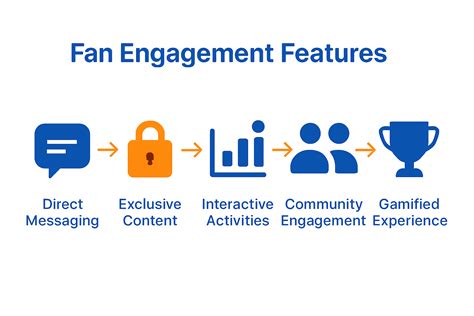
From a **commercial perspective**, La Liga has embraced modern sports marketing strategies to enhance its global footprint. Partnerships with technology companies, digital streaming platforms, and social media engagement have allowed the league to connect with younger audiences. Initiatives such as virtual fan experiences and e-sports collaborations demonstrate La Liga’s willingness to adapt to the digital age, ensuring its relevance in an ever-evolving sports landscape.
The **standings in La Liga** are more than just a reflection of points earned; they are a barometer of a team’s form, strategy, and resilience over a season. The league’s format of a double round-robin ensures that every team plays each other home and away, providing a fair assessment of their capabilities. This structure adds weight to the standings, as they are a true measure of consistency and adaptability.
In conclusion, La Liga is not merely a football league; it is a microcosm of Spain’s sporting and cultural identity. Its history is a tapestry of triumphs, rivalries, and innovations that have left an indelible mark on global football. Whether through the brilliance of its players, the tactical genius of its coaches, or the passion of its fans, La Liga remains a cornerstone of the beautiful game, with its standings serving as a weekly testament to the drama, skill, and unpredictability that define football at its highest level.
- La Liga was established in 1929 and has grown into one of the most prestigious football leagues worldwide.
- It is home to iconic rivalries like El Clásico, which have global appeal.
- The league has nurtured some of the greatest players and tactical minds in football history.
- La Liga’s regional diversity and cultural representation add depth to its identity.
- Its global reach and commercial strategies ensure its continued relevance in modern sports.
Understanding the Standings System
The La Liga standings system is a cornerstone of how the competition is organized and understood by fans, analysts, and teams alike. At its core, the system is based on a points-based structure that rewards teams for their performance in matches throughout the season. This section delves into the mechanics of how points are awarded, how standings are determined, and the nuances that can influence a team's position in the table.
In La Liga, as in most European football leagues, the points system is straightforward yet crucial for determining a team's success. Each team plays 38 matches in a season—19 at home and 19 away—against the other 19 teams in the league. For each match, points are awarded as follows:
- 3 points for a win
- 1 point for a draw
- 0 points for a loss
This system incentivizes teams to aim for wins rather than settling for draws, as the difference between 3 points and 1 point can significantly impact a team's position over the course of a season. However, even a draw can be valuable in tight competitions, particularly when avoiding a loss against a direct rival.
The standings are determined by the cumulative points earned by each team. At the end of the season, the team with the highest number of points is crowned the champion. If two or more teams are tied on points, La Liga employs a series of tiebreaker criteria to separate them. These criteria are applied in the following order:
- Head-to-head points: The results of the matches played between the tied teams are considered. The team with more points in these direct encounters is ranked higher.
- Head-to-head goal difference: If the head-to-head points are equal, the goal difference in the matches between the tied teams is used as the next tiebreaker.
- Overall goal difference: If the head-to-head statistics do not resolve the tie, the overall goal difference across all matches in the season is considered. This metric rewards teams that have been more dominant in scoring and defensive stability.
- Goals scored: If goal difference is also equal, the team with more goals scored throughout the season is ranked higher.
- Fair play ranking: As a last resort, La Liga uses the fair play table, which considers yellow and red cards received by teams. This is a rare tiebreaker but ensures that even disciplinary records can play a role in final standings.
This layered approach to tiebreakers ensures that the competition remains as fair as possible, even in scenarios where teams are closely matched. It also adds a strategic element to how teams approach their fixtures, especially against direct competitors. For instance, a team might prioritize a high-scoring win in a head-to-head match to secure an advantage in the tiebreaker system.
Beyond the basic points and tiebreakers, understanding the dynamics of the standings involves recognizing how different phases of the season can influence a team's position. Early in the season, the table can be volatile, with teams experiencing fluctuations based on a small number of games. A strong start can create momentum, while a poor run of form might not yet be indicative of a team's true potential. Conversely, as the season progresses, the standings become more stable, reflecting a team's consistency and ability to perform under pressure.
One unique aspect of La Liga standings is the role of home and away performance. While the points system does not differentiate between home and away wins, the practical implications of playing at home versus away are significant. Teams often perform better at home due to familiar surroundings, supportive crowds, and tailored tactics. This can lead to interesting patterns in the standings, where teams with strong home records might outperform their overall quality, while teams struggling away from home might underperform relative to their talent.
Another layer of complexity in the standings comes from the impact of European competitions and domestic cup fixtures. Teams participating in the UEFA Champions League, Europa League, or the Copa del Rey often face fixture congestion, which can affect their performance in La Liga. A team fighting on multiple fronts might prioritize certain competitions over others, leading to fluctuations in their league standings. For example, a mid-table team with fewer distractions might climb the table simply because they can focus solely on domestic matches.
The relegation battle also adds a unique dimension to the standings. The bottom three teams in the table at the end of the season are relegated to the Segunda División, while the top two teams from the second division are promoted, along with the winner of a playoff involving teams ranked third to sixth in the Segunda División. This creates intense competition at the bottom of the table, where even a single point can mean the difference between survival and demotion. Teams in the relegation zone often adopt a more defensive or pragmatic style of play to secure draws or narrow wins, which can lead to surprising upsets against higher-ranked teams.
Additionally, the financial implications of La Liga standings cannot be ignored. Higher positions in the table come with greater rewards, both in terms of prize money and prestige. Qualification for European competitions, such as the Champions League and Europa League, is determined by finishing in the top four (Champions League) or fifth and sixth places (Europa League). This adds another layer of motivation for teams to optimize their performance and climb the standings, as participation in these tournaments can significantly boost revenue and attract better players.
A deeper look at the historical trends in La Liga standings reveals patterns that can help predict outcomes. For instance, Barcelona and Real Madrid have historically dominated the top spots due to their financial resources, squad depth, and tactical prowess. However, the emergence of teams like Atlético Madrid in recent years has shown that strategic management and a clear identity can disrupt the traditional hierarchy. This evolution highlights how the points system not only rewards consistency but also allows for occasional surprises when smaller teams outperform expectations.
Another fascinating element is the role of scheduling and momentum. Teams that face a series of difficult opponents in quick succession might see their standings temporarily dip, while those with a favorable run of fixtures might experience a surge. This underscores the importance of not just the points system but also the context in which matches are played. For instance, a team might prioritize resting key players for a crucial match against a direct rival, even if it means sacrificing points in a less significant game.
In conclusion, the La Liga standings are a reflection of a team's performance, strategy, and resilience over the course of a season. The points system, while simple in concept, is deeply intertwined with various factors such as tiebreakers, home and away dynamics, European competition impact, and the financial stakes of final positions. Understanding these elements provides not just a snapshot of where teams stand but also a richer appreciation of the complexities that define one of the most competitive football leagues in the world.
Top Performing Teams in Recent Seasons
The La Liga standings over recent seasons have been a fascinating study of consistency, rivalry, and strategic evolution among Spain's top football clubs. Among these, Real Madrid, Barcelona, and Atletico Madrid have consistently occupied the upper echelons of the table, showcasing their dominance and adaptability in one of Europe's most competitive leagues. This analysis delves into the performance metrics, tactical approaches, and key moments that have defined these teams' journeys in recent seasons.
Starting with Real Madrid, the club has demonstrated an uncanny ability to remain at the top despite significant squad transitions. In the 2021-2022 season, Real Madrid clinched the La Liga title with a commanding lead, amassing 86 points. This achievement was underpinned by a blend of experienced players like Karim Benzema and Luka Modric alongside emerging talents such as Vinicius Junior. Benzema's 27 goals and 12 assists in that season were pivotal, highlighting his role as the team's talisman. What sets Real Madrid apart is their ability to perform in high-pressure games, often grinding out results even when not at their fluid best. For instance, their 2-1 victory over Barcelona in the Clasico during that season exemplified their mental fortitude and tactical discipline under manager Carlo Ancelotti.

Real Madrid's performance in the 2022-2023 season, though not as dominant in terms of points, still underscored their ability to compete at the highest level. They finished second, just behind Barcelona, but their Champions League exploits often overshadowed domestic inconsistencies. The team's reliance on a counter-attacking style, combined with a solid defense marshaled by Eder Militao and David Alaba, allowed them to remain competitive. Their strategy of prioritizing European success while maintaining a top-two La Liga finish reflects a broader philosophy of balancing domestic and international ambitions.
Turning to Barcelona, the 2022-2023 season marked a resurgence under manager Xavi Hernandez. After a period of financial turmoil and underwhelming results, Barcelona reclaimed the La Liga title with a robust 88-point campaign. This was a season of rebuilding and redefining their identity. The arrival of Robert Lewandowski from Bayern Munich was a game-changer, as he contributed 23 goals and 7 assists in his debut season. Barcelona's focus on possession-based football, a hallmark of their identity under previous managers like Pep Guardiola, was rekindled. However, what stood out was their improved defensive structure. The signings of Jules Kounde, Andreas Christensen, and the emergence of young talents like Pedri and Gavi provided a balance that had been missing in previous seasons.
Barcelona's ability to dominate possession while being defensively resolute was a key factor in their title win. For example, their 4-0 victory over Real Madrid at the Santiago Bernabeu in March 2023 was a statement of intent, showcasing their newfound confidence and cohesion. However, questions linger about their long-term sustainability given their financial constraints. Their reliance on short-term loans and player sales to balance the books suggests that maintaining this level of performance could be challenging unless structural reforms are implemented.
Meanwhile, Atletico Madrid has been the perennial dark horse in La Liga's top tier. While they may not have the financial muscle of Real Madrid or Barcelona, their tactical acumen under Diego Simeone has made them a consistent challenger. In the 2020-2021 season, Atletico clinched the title with 86 points, edging out their rivals in a tightly contested race. This success was built on a foundation of defensive solidity and efficient counter-attacking play. Luis Suarez, signed from Barcelona that season, played a critical role, scoring 21 goals. His partnership with Joao Felix provided Atletico with a cutting edge that had occasionally been lacking in previous campaigns.
However, the 2021-2022 and 2022-2023 seasons saw Atletico struggle to replicate their title-winning form. They finished third in both campaigns, often trailing their rivals by significant margins. This dip can be attributed to a combination of factors, including injuries to key players like Jose Gimenez and a lack of depth in attacking options. Despite these challenges, Atletico's ability to remain competitive is a testament to Simeone's disciplined approach. Their focus on a low defensive block and rapid transitions remains a unique contrast to the possession-heavy styles of Real Madrid and Barcelona.
One of the most intriguing aspects of analyzing these three teams is how their head-to-head performances have shaped the standings. In recent seasons, Real Madrid has often held the upper hand in El Clasico matches, while Atletico has occasionally upset the odds in their fixtures against both teams. For instance, Atletico's 1-0 win over Barcelona in October 2021 showcased their ability to exploit Barcelona's defensive vulnerabilities during their transitional phase. These matches often serve as microcosms of the broader season, where small margins can determine the eventual champion.
Another area of interest is the role of young talent in shaping the fortunes of these teams. Real Madrid's investment in youth, particularly through their academy (La Fabrica) and shrewd signings like Fede Valverde, has paid dividends. Barcelona's reliance on La Masia graduates like Pedri and Gavi reflects their commitment to maintaining their identity amid financial challenges. Atletico, while less prolific in youth development, has still managed to integrate players like Rodrigo De Paul and Yannick Carrasco into their system effectively.
From a statistical perspective, the performance metrics of these teams reveal interesting patterns. Real Madrid has consistently boasted one of the best attacking records, with their forwards contributing heavily to their goal tally. Barcelona, under Xavi, has seen a resurgence in their defensive numbers, with clean sheets becoming a more regular feature. Atletico, true to their identity, has maintained one of the best defensive records in the league, even during seasons where their attacking output has been limited.
It is also worth noting the impact of managerial decisions on these teams' standings. Ancelotti's pragmatic approach at Real Madrid, Xavi's focus on revitalizing Barcelona's philosophy, and Simeone's unwavering commitment to Atletico's defensive identity all play a role in their respective trajectories. However, the pressure on managers in La Liga is immense, and even small slumps in form can lead to intense scrutiny.
In conclusion, the top-performing teams in recent La Liga seasons have each brought unique strengths to the table. Real Madrid's blend of experience and clutch performances, Barcelona's resurgence through tactical and personnel changes, and Atletico's disciplined resilience all contribute to the league's dynamism. While Real Madrid and Barcelona often dominate headlines, Atletico's ability to punch above their weight ensures that the competition remains fierce. These dynamics not only enrich the La Liga narrative but also provide a compelling case study of how strategy, talent, and adaptability shape football at the highest level.
Factors Influencing Standings
The standings in La Liga, like any competitive sports league, are influenced by a myriad of interconnected factors. While the final table may seem like a simple reflection of points earned, the journey to those points is shaped by strategic, physical, and organizational dynamics. Among the most impactful elements are **player transfers**, **injuries**, and **managerial changes**. These factors do not operate in isolation but often interact to create ripple effects that can either elevate a team's performance or derail its ambitions.
Let us begin with **player transfers**, a cornerstone of team-building in modern football. The transfer window is a high-stakes period where clubs aim to address deficiencies, reinforce strengths, or overhaul their squad entirely. A well-executed transfer strategy can be transformative. For instance, consider the 2021-2022 season when Real Madrid signed David Alaba on a free transfer. Alaba not only filled the void left by the departure of Sergio Ramos but also brought versatility, leadership, and experience to the backline. His arrival coincided with a season where Real Madrid clinched the title, underscoring how a single transfer can bolster both defensive stability and team morale. However, transfers are a double-edged sword. Overpaying for players who fail to integrate into the team’s system—as seen with some high-profile flops like Barcelona’s Philippe Coutinho—can destabilize finances and team chemistry. A squad that relies too heavily on new signings without fostering internal growth may lack cohesion, particularly in the early stages of the season when new players are still adapting to the league's physical and tactical demands.
Another dimension of transfers is the **departure of key players**. When a club loses a talismanic figure, the void left can extend beyond the pitch. For example, Atlético Madrid’s title-winning campaign in 2020-2021 was built around Luis Suárez’s goals, but his decline in form and eventual exit in subsequent seasons exposed the team’s over-reliance on individual brilliance. Transfers also influence the **psychological dynamic** within a squad. A star player leaving can demoralize teammates, while the arrival of a high-profile name might create pressure to perform or even breed resentment among existing players who feel overshadowed. Thus, the management of transfers—both incoming and outgoing—requires not just financial acumen but also a deep understanding of team dynamics and long-term planning.
Next, we turn to **injuries**, a factor that is often unpredictable yet profoundly impactful. Injuries can decimate even the most talented squads. A prime example is Barcelona’s 2021-2022 season, where long-term injuries to key players like Ansu Fati and Pedri disrupted their campaign. Injuries do not just remove a player from the pitch; they force teams to reshuffle lineups, overburden remaining players, and sometimes resort to less-experienced substitutes. This can lead to a decline in performance consistency. Moreover, injuries often expose **squad depth issues**. Teams with limited resources, such as mid-table clubs, are particularly vulnerable. For instance, a club like Rayo Vallecano may struggle to maintain form if their starting goalkeeper or top scorer is sidelined for months. The ripple effect of injuries extends to **tactical adjustments**. A manager might need to abandon preferred formations or strategies to accommodate available players, which can lead to a drop in the team's identity and effectiveness.
The modern game has also seen a rise in **sports science and injury prevention strategies**, with clubs investing heavily in medical staff and recovery facilities. However, even the best-prepared teams are not immune. Take the case of Real Madrid’s Karim Benzema in the 2022-2023 season. Despite their depth, his periodic absences highlighted how a single injury to a linchpin player can force a rethinking of attacking strategies, often resulting in dropped points. Injuries also test the **resilience of a squad**, as younger players or fringe squad members are thrust into the limelight. How these players perform under pressure can be a litmus test for a team’s overall depth and development pipeline.
Finally, **managerial changes** are a critical yet often underappreciated factor. A new manager can revitalize a struggling team or disrupt a well-oiled machine. The mid-season sacking of a manager, often seen as a last-ditch effort to salvage a campaign, can have mixed results. For example, in the 2018-2019 season, Quique Setién replaced Ernesto Valverde at Barcelona midway through the season. While Setién brought a more possession-focused philosophy, the team struggled to adapt mid-campaign, leading to a lack of cohesion and an eventual collapse in form. On the flip side, a well-timed managerial change can reignite a team's fortunes. Diego Simeone’s arrival at Atlético Madrid in 2011 marked a paradigm shift for the club, instilling a disciplined, counter-attacking style that led to consistent success in subsequent years.
Managerial changes are not just about tactics; they are about **leadership and psychology**. A manager’s ability to inspire confidence, foster a winning mentality, and manage egos within the dressing room can be as important as their on-field strategies. Additionally, a new manager often brings a **different approach to squad utilization**. Players who were previously underutilized or out of favor may find new opportunities under a fresh regime, as seen when Xavi took over at Barcelona and revitalized players like Ousmane Dembélé. However, frequent managerial changes can also signal **instability**, which can deter player commitment and create an environment of uncertainty. Clubs like Valencia in recent years have experienced this, with constant changes at the helm leading to mid-table finishes rather than the top-tier contention they aspire to.
It is also worth noting how **managerial changes interact with transfers and injuries**. A new manager might inherit a squad depleted by injuries or one that is unbalanced due to poorly executed transfer strategies. Conversely, a manager who can navigate these challenges effectively—by integrating youth players, adapting tactics, or fostering a strong team spirit—can turn a seemingly dire situation into an opportunity for resurgence. This interplay of factors is evident in how Real Sociedad has managed to consistently punch above their weight in recent seasons, despite not having the financial muscle of the "big three" clubs.
In summary, the La Liga standings are shaped by a complex interplay of **player transfers**, **injuries**, and **managerial changes**. Each of these factors introduces variables that test a team's adaptability, resilience, and strategic depth. While transfers can redefine a team’s potential, they also carry risks of disruption. Injuries test the robustness of a squad and the ingenuity of its coaching staff. Managerial changes, whether planned or reactive, can either provide a fresh direction or exacerbate existing problems. Together, these elements create a dynamic landscape where success is not merely about having the best players or the most resources but about how well a team navigates the challenges thrown its way.
- Transfers require a balance between addressing immediate needs and maintaining long-term squad harmony.
- Injuries expose squad depth and force tactical flexibility, often separating title contenders from mid-table teams.
- Managerial changes can inject new energy or create instability, depending on timing and execution.
Understanding these factors provides a nuanced view of how standings are earned, lost, and contested in one of the most competitive football leagues in the world.
Mid-Table Teams and Their Impact
Mid-table teams in La Liga often operate in a space that is neither glamorous nor entirely perilous. Positioned between the top-tier contenders for European spots and the relegation-threatened strugglers, these teams are frequently overlooked in broader analyses of the league. However, their role in the dynamics of La Liga is far from insignificant. This section delves into the nuanced impact of mid-table teams on league structure, competition, and the broader ecosystem of Spanish football.
One of the most striking contributions of mid-table teams lies in their ability to act as **competitive disruptors**. While they may lack the resources or star power of giants like Barcelona, Real Madrid, or Atlético Madrid, mid-table teams often play with a sense of freedom that can unsettle higher-ranked opponents. For example, a team like **Rayo Vallecano** or **Osasuna** might not be in contention for the title, but their home form or tactical discipline can result in unexpected victories or draws against top-six sides. These results are not merely anomalies; they introduce **points volatility** into the league table, which can have cascading effects on title races, European qualification battles, and relegation scraps. A loss to a mid-table side can dent the momentum of a top team, while a win for the underdog can inject a sense of belief and ambition into their own season.
The **tactical diversity** of mid-table teams also enriches the league. Unlike the top teams, which often rely on possession-heavy or counter-attacking blueprints tailored to their elite players, mid-table sides are frequently more experimental. Coaches of these teams often employ systems that prioritize adaptability over identity. For instance, a team like **getafe** under José Bordalás has been known to use a high-pressing, physically intense style that disrupts the rhythm of more technically gifted opponents. On the other hand, a club like **Real Betis** might blend possession football with moments of direct play, showcasing how mid-table teams can act as laboratories for tactical innovation. This diversity not only makes individual matches more unpredictable but also ensures that La Liga retains its reputation as one of the most **stylistically varied** leagues in Europe.
Another critical aspect of mid-table teams is their role in **youth development and player transitions**. Many mid-table clubs serve as launchpads for young talents who are either emerging from academies or seeking opportunities after limited playing time at bigger clubs. For instance, players like Pedri and Ferran Torres had stints at smaller clubs (Las Palmas and Valencia, respectively) before reaching Barcelona. These mid-table environments provide a less pressurized space for younger players to develop their skills and adapt to the physical and tactical demands of top-flight football. This dynamic is particularly important in La Liga, where the financial disparity between clubs means that smaller teams often act as **feeder systems** for the elite. Mid-table teams thus contribute to the league's long-term sustainability by nurturing talent that might otherwise be overlooked in more rigid hierarchies.
From an **economic perspective**, mid-table teams play a pivotal role in maintaining competitive balance. The revenue-sharing model in La Liga, though weighted toward the top clubs, still ensures that mid-table teams receive enough financial support to remain viable. Their ability to survive and occasionally thrive ensures that the league does not become a two- or three-team procession, as seen in some other European leagues. For example, in the 2020-21 season, **Villarreal**—a team often considered on the cusp of mid-table and top-tier status—won the Europa League, proving that clubs outside the traditional powerhouses can still achieve significant milestones. This kind of success not only boosts the profile of the league internationally but also reinforces the idea that La Liga is not solely defined by its giants.
The **fan engagement** generated by mid-table teams is another area worth examining. These teams often have fiercely loyal local followings that create vibrant atmospheres in stadiums. While they may not draw the global audiences of Barcelona or Real Madrid, their matches are critical for **regional identity** and grassroots support. A club like **Celta Vigo** or **Athletic Bilbao** (though the latter is sometimes more competitive) embodies this spirit, where the connection between the team and its community is deeply ingrained. This localized passion ensures that even matches between two mid-table sides can generate significant interest, particularly in regions where football is a cultural cornerstone.
Mid-table teams also influence the **points distribution** across the league, which has implications for relegation and European qualification. Their results against bottom-half teams often act as a buffer, preventing the lower-ranked sides from accumulating enough points to escape the drop zone easily. Conversely, when mid-table teams face off against those vying for European spots, they can act as **spoilers**, taking points away from teams that might otherwise secure a comfortable path to the Champions League or Europa League. This dynamic ensures that the league remains competitive until the final weeks of the season, as even a mid-table team's late surge or slump can influence the fates of those above and below them.

It is also worth considering the **psychological impact** mid-table teams have on the league. For top teams, matches against mid-table opponents are often seen as "must-win" scenarios to maintain momentum. However, the unpredictability of these fixtures can lead to frustration and pressure, particularly when draws or losses occur. For relegation-threatened teams, mid-table opponents represent a **barometer of survival**—beating them can provide a lifeline, while losing to them can deepen the sense of despair. This interplay across different sections of the table makes mid-table teams a kind of **pivot point** in the league’s narrative arc.
Finally, mid-table teams often serve as a **litmus test** for the broader health of La Liga. Their performances and strategies can reveal trends in coaching, player recruitment, and financial management that might not be immediately apparent when focusing solely on the top or bottom of the table. For example, if several mid-table teams adopt a defensive, counter-attacking approach in a given season, it might indicate a shift in how smaller clubs are adapting to the financial and competitive pressures of modern football. Conversely, a surge of attacking football from these teams might signal a willingness to challenge the traditional hierarchy in new ways.
In summary, mid-table teams in La Liga are far more than bystanders in the league's story. They are **integral agents of disruption, development, and balance**, shaping the competitive landscape in ways that extend beyond their immediate standings. Their tactical diversity, role in talent pipelines, and influence on match outcomes ensure that La Liga remains a dynamic and multifaceted competition. Without their contributions, the league would lose much of its unpredictability and charm, underscoring their importance in the broader footballing ecosystem.
Relegation Zone Dynamics
The relegation zone in La Liga represents a high-stakes battleground where teams fighting to avoid demotion to the second division, Segunda División, face immense pressure. This zone, typically comprising the bottom three teams in the standings at the end of the season, is not just a reflection of underperformance but also a complex interplay of factors such as squad depth, financial constraints, managerial instability, and even psychological resilience. Teams in this zone often struggle with a combination of systemic issues and short-term crises, making their survival a multifaceted challenge.
One of the most significant struggles for teams in the relegation zone is goal-scoring inefficiency. These teams frequently exhibit a lack of clinical finishing, which can be attributed to a combination of underperforming forwards and limited creativity in midfield. For instance, many relegation-threatened teams rely heavily on one or two key players for goals, leaving them vulnerable if those players are injured or experience a dip in form. This over-reliance highlights a broader issue: a lack of squad depth. Unlike top-tier teams, relegation-zone teams often operate with smaller budgets, unable to afford high-quality bench players who can step in during critical moments. This imbalance forces managers to field the same starting XI repeatedly, leading to fatigue and a higher likelihood of mistakes as the season progresses.
Another critical dynamic is the psychological toll of being in the relegation zone. Teams in this position often face a self-reinforcing cycle of low morale. Losing streaks can erode confidence among players, making them more prone to errors under pressure. This is particularly evident in matches against mid-table or top-tier teams, where relegation-zone squads may adopt overly defensive tactics out of fear of conceding goals. While this approach can sometimes yield a draw or a narrow loss, it often stifles their ability to secure the wins needed to climb out of danger. Conversely, when these teams face direct rivals in the relegation zone, the matches become "six-pointer" games—results that are doubly impactful because they not only add points to the winning team but also deny them to a competitor. The heightened stakes of these matches can either galvanize a team or exacerbate their fragility, depending on how well they manage the psychological aspect of the game.
From a strategic perspective, teams in the relegation zone must adopt a mix of short-term fixes and long-term planning to avoid demotion. One common short-term strategy is the January transfer window, where clubs often make emergency signings to address glaring weaknesses. This might include bringing in a proven goal-scorer, a dependable goalkeeper, or even an experienced defender to shore up a leaky backline. However, this approach is not without risks. Signing players mid-season often means they are not fully integrated into the team's system, and their impact may be limited. Moreover, smaller clubs in the relegation zone may struggle to attract high-caliber players, as these individuals are often reluctant to join a team facing potential demotion.
Beyond transfers, managerial changes are another frequently employed tactic. Clubs in the relegation zone often sack their managers in a bid to inject new energy and ideas into the squad. While this can sometimes lead to a "new manager bounce"—a temporary uptick in performance due to players' desire to impress the new coach—it is not a guaranteed solution. In fact, frequent managerial changes can destabilize a team further, as players struggle to adapt to new systems and philosophies. Successful survival stories often involve clubs that maintain stability at the managerial level while making tactical adjustments, such as shifting to a more aggressive counter-attacking style or focusing on set-piece efficiency to maximize limited opportunities.
Another intriguing strategy is the focus on home-field advantage. For many relegation-threatened teams, their home stadium becomes a fortress where they aim to secure the bulk of their points. The familiarity of the pitch, the support of local fans, and the psychological edge of playing in a known environment can provide a much-needed boost. Teams like Levante in past seasons have exemplified this approach, turning their home ground into a difficult venue for visiting teams, even when their away form was abysmal. This strategy requires not just tactical preparation but also the ability to harness the emotional energy of the crowd, particularly in high-stakes matches against direct rivals.
Financial pressures also play a significant role in the relegation zone dynamics. Teams at the bottom of La Liga often operate on tighter budgets compared to their mid-table and top-tier counterparts. This financial disparity means they have less room to maneuver when it comes to signing players, paying wages, or even investing in advanced analytics and sports science. For instance, while a team like Barcelona might use data-driven insights to optimize player performance, a relegation-zone team might lack the resources to employ such tools. This often results in a reliance on traditional scouting methods and gut instincts, which can be less reliable. However, some teams have found innovative ways to overcome these limitations, such as leveraging loan deals or focusing on youth academy prospects who are hungry to prove themselves.
One of the most overlooked yet critical aspects of avoiding relegation is building a cohesive team culture. Teams that survive the drop often display a strong sense of unity and resilience. This is evident in how players and staff rally around a shared goal, whether it is through team-building exercises, clear communication from the manager, or public displays of solidarity. For example, when a team faces a must-win game, the manager's ability to instill belief and focus can be as important as the tactical setup. Clubs that foster a "never-say-die" attitude often find ways to scrape points from seemingly hopeless situations, such as late-game comebacks or hard-fought draws against stronger opponents.
Finally, it is worth examining the role of external factors like fan protests, ownership issues, or even off-field controversies. These can either motivate a team to fight harder or create additional distractions that pull focus away from on-field performance. For example, fan unrest over poor results or perceived mismanagement can demoralize players, while strong fan support—even in the face of adversity—can serve as a rallying point. Teams that manage to maintain a positive relationship with their fan base often find it easier to weather the storm of a relegation battle.
- Key takeaway: Relegation zone struggles are not merely about poor performance on the pitch but are deeply tied to systemic issues like financial constraints, psychological pressure, and the ability to adapt tactically under duress.
- Strategic insight: Teams must balance immediate survival tactics, such as targeted transfers and managerial adjustments, with a focus on long-term sustainability through youth development and cohesive team culture.
- Underappreciated factor: The role of home-field advantage and fan support can be a decisive element in turning around a team's fortunes in the relegation battle.
In conclusion, the relegation zone in La Liga is a microcosm of football's unforgiving nature, where small margins can determine a team's fate. While the challenges are immense, the teams that navigate this zone successfully often do so by combining tactical ingenuity, psychological resilience, and a clear vision for both immediate survival and future growth. Understanding these dynamics provides not just a window into the struggles of bottom-ranked teams but also a blueprint for how they might rise above their circumstances.
Statistical Insights and Trends
The La Liga standings are more than just a list of teams ranked by points; they are a treasure trove of data that can reveal fascinating statistical insights and trends. By diving into key metrics such as goal averages, win rates, and head-to-head comparisons, we can uncover patterns that help us understand team performance, strategies, and the dynamics of the league as a whole. This section will explore these aspects in detail, providing unique perspectives on what the numbers tell us about La Liga's competitive landscape.
One of the most critical statistics in La Liga is the **goal average** of teams. Goal average is not merely about how many goals a team scores but also how this metric compares to the goals they concede. For instance, in recent seasons, teams like **Barcelona** and **Real Madrid** have consistently boasted high goal averages, often exceeding 2 goals per game. This is indicative of their attacking prowess and the quality of their forward lines. However, a closer look at the data reveals that while these teams score heavily, their defensive records are not always as dominant as one might assume. For example, in the 2022-2023 season, Barcelona had a goal average of 2.1 goals per game but conceded 0.8 goals per game. This suggests that while their attack is highly efficient, their defensive solidity is not absolute, and they occasionally rely on outscoring opponents rather than shutting them down completely. In contrast, teams like **Athletic Bilbao** or **Real Sociedad** might have slightly lower goal averages (around 1.7 goals per game) but maintain tighter defenses, conceding under 1 goal per game. This balance can be a more sustainable strategy for mid-table teams aiming to challenge the top tier without the financial resources of the giants.
Another interesting trend is the **win rate correlation with home and away performances**. Historically, La Liga teams tend to perform significantly better at home than away. This is not unique to La Liga but is particularly pronounced in this league due to the passionate home crowds and the tactical emphasis on exploiting familiar conditions. For example, in the 2021-2022 season, **Atlético Madrid** had a win rate of 78% at home compared to 50% away. This trend is consistent across most teams, with home win rates typically 20-30% higher than away win rates. However, there are outliers. Teams like **Villarreal** have occasionally shown the ability to perform better away from home, leveraging their counterattacking style to exploit space in opponents' defenses. This suggests that while home advantage is a critical factor, certain tactical setups can mitigate its impact. A deeper analysis of win rates also reveals that the top teams often drop points in away fixtures against lower-ranked teams, which can be attributed to complacency or the "small team" effect, where underdogs raise their game against elite opposition.
The concept of **head-to-head comparisons** offers another layer of insight into La Liga standings. In a league as competitive as La Liga, direct matches between top teams often serve as tiebreakers for the title race. For instance, in the 2020-2021 season, Atlético Madrid won the league by a narrow margin over Real Madrid, with their head-to-head results playing a pivotal role. Atlético managed to secure four points from their two matches against Real Madrid, which proved decisive in the final standings. This trend underscores the importance of not just accumulating points but also performing well in high-stakes games. Interestingly, head-to-head statistics often show that the traditionally "smaller" teams in La Liga, such as **Osasuna** or **Rayo Vallecano**, can punch above their weight in one-off matches against the top sides. This is partly due to their tactical discipline and the psychological edge of having nothing to lose. In the 2023-2024 season, for example, Rayo Vallecano managed draws against both Barcelona and Real Madrid at home, showcasing how head-to-head results can disrupt the expected hierarchy of the league.
When analyzing **goal contribution trends**, it is worth noting how individual player statistics influence team standings. La Liga has long been a league dominated by star forwards, and the goal-scoring charts often align closely with team success. Players like **Robert Lewandowski** (Barcelona) and **Karim Benzema** (formerly of Real Madrid) have been instrumental in their teams' high standings. However, a deeper dive into assists and secondary goal contributions reveals that teams with a more distributed attack often fare better in the long run. For instance, in the 2022-2023 season, Real Madrid's success was not solely due to Benzema's goals but also the creative output of players like **Vinícius Júnior** and **Toni Kroos**, who provided a high volume of assists. This contrasts with teams overly reliant on a single scorer, such as **Celta Vigo** in past seasons, where the absence of their key forward due to injury often led to a drop in standings. The lesson here is that while star power is important, a balanced attack with multiple contributors can provide greater stability in the standings.
Another intriguing trend is the **impact of managerial changes on statistical performance**. La Liga has seen several instances where a mid-season managerial change has led to a significant shift in a team's goal average, win rate, or defensive solidity. For example, when **Quique Setién** took over at Barcelona midway through the 2019-2020 season, the team's goal average initially improved due to a more possession-heavy style, but their defensive vulnerabilities were exposed in key matches. Conversely, **Diego Simeone's Atlético Madrid** has consistently prioritized defensive solidity, resulting in lower goal averages but higher win rates in tightly contested matches. This interplay between managerial philosophy and statistical output is a key area of study for understanding why certain teams rise or fall in the standings over the course of a season.
The role of **set pieces** in La Liga standings is often underappreciated. Teams that excel in set-piece efficiency—both in scoring and defending—tend to gain an edge in close matches. For instance, **Sevilla** has historically been adept at converting corners and free kicks into goals, which has helped them secure points in low-scoring games. In the 2021-2022 season, nearly 30% of Sevilla's goals came from set pieces, a higher proportion than most other teams in the league. This efficiency can be a great equalizer for teams that lack the individual brilliance of top-tier squads but excel in tactical execution.
Finally, **historical trends in points distribution** across the table reveal how the league's competitiveness has evolved. In the early 2000s, the gap between the top three teams and the rest of the league was often vast, with the title contenders regularly amassing over 90 points. However, in recent years, the points gap has narrowed, with mid-table teams like **Betis** and **Valencia** occasionally challenging for European spots. This shift can be attributed to better scouting, improved training methodologies, and a more level playing field in terms of resources. The average points required to win the league has also fluctuated, with the 2010s seeing teams like Barcelona and Real Madrid regularly surpass 100 points, while the 2020s have seen title-winning point totals closer to 85-90. This suggests that while the top teams remain dominant, the overall competitiveness of La Liga has increased, making every match more unpredictable.
- High goal averages are often a hallmark of title contenders, but defensive balance is equally critical for sustainability.
- Home advantage significantly boosts win rates, though some teams like Villarreal buck this trend with strong away performances.
- Head-to-head results can be season-defining, particularly in tight title races or battles for European qualification.
- Balanced goal contributions across a team, rather than reliance on a single star, often correlate with better long-term standings.
- Set-piece efficiency is a quiet yet powerful factor in accumulating points, especially for mid-table teams.
- The narrowing points gap across the league indicates increased competitiveness, making La Liga more dynamic than ever.
In conclusion, the La Liga standings are a reflection of not just points but a complex interplay of statistical trends. From goal averages to head-to-head battles, each metric tells a story about team strategies, strengths, and weaknesses. By analyzing these insights, we gain a deeper understanding of what drives success in one of the most competitive football leagues in the world.
Impact of Standings on European Competitions
The standings in La Liga play a critical role in determining which Spanish clubs qualify for European competitions, particularly the UEFA Champions League and the UEFA Europa League. These standings are not merely a reflection of domestic performance but serve as a gateway to prestige, financial rewards, and global exposure. Understanding the intricacies of how La Liga standings influence European qualification requires delving into the allocation rules set by UEFA, the historical context of Spain's strong representation, and the strategic implications for clubs vying for these coveted spots.
La Liga, as one of Europe's top-five leagues, is allocated a significant number of slots in UEFA competitions. For the UEFA Champions League, Spain is typically granted four automatic group stage berths. This means the top four teams in the La Liga standings at the end of the season are assured entry into the group stage of the Champions League. This direct access is a major incentive for clubs to finish as high as possible. The financial windfall from Champions League participation is immense—estimated to exceed €50 million for even moderately successful campaigns—making it a primary objective for most La Liga clubs, especially those with ambitious projects or financial pressures.
However, the fight for these top four positions is fiercely competitive because of the stratification within La Liga. Clubs like Real Madrid and Barcelona, with their historical dominance and financial clout, often occupy two of these slots. This leaves the remaining two positions contested among a group of aspirants, including Atlético Madrid, Sevilla, Real Sociedad, and occasionally insurgent teams such as Villarreal or Real Betis. The dynamic nature of this competition means that even a slight dip in form can result in a team dropping out of the top four, with potentially severe consequences. For instance, in the 2022-2023 season, Barcelona's resurgence to win the title pushed Atlético Madrid into a more precarious position, forcing them to fend off challenges from Real Sociedad and others. This competition underscores how La Liga standings are not static but are shaped by club strategies, player transfers, and even managerial changes.
For the UEFA Europa League, the allocation is slightly more nuanced. Spain typically receives two direct slots for the Europa League group stage. These are awarded to the team finishing fifth in La Liga and the winner of the Copa del Rey. If the Copa del Rey winner has already qualified for the Champions League (as is often the case with top-tier teams), the Europa League spot goes to the sixth-placed La Liga team. This creates an interesting dynamic where mid-table teams can find themselves in European contention if they perform well in the cup or if higher-ranked teams falter. A notable example is Real Betis in recent seasons, which leveraged strong domestic form and a deep Copa del Rey run to secure Europa League qualification despite not consistently challenging for the top four.
There is also the UEFA Europa Conference League, the third-tier European competition, which offers a slot to the team finishing sixth in La Liga (or seventh if the Copa del Rey scenario mentioned above occurs). While this competition is less prestigious than the Champions League or Europa League, it still represents an opportunity for clubs to gain European experience, attract better players, and generate additional revenue. For smaller clubs like Osasuna or Rayo Vallecano, even a seventh-place finish can be transformative, as seen in their occasional brushes with European qualification in recent years. This shows how La Liga standings can have a ripple effect, enabling clubs outside the traditional elite to dream of European nights.

The importance of La Liga standings is further magnified by the concept of coefficient points. UEFA uses a coefficient system to rank leagues and allocate slots for future seasons. Spain's strong historical performance in European competitions has ensured it maintains four Champions League slots, but this is not guaranteed indefinitely. If Spanish teams underperform in Europe relative to other leagues (such as the Premier League or Serie A), Spain could lose one of its automatic Champions League berths. This creates a feedback loop where La Liga standings influence not only immediate European access but also the long-term health of Spanish football's competitive standing. Clubs are thus incentivized to not only qualify but also perform well in European tournaments to safeguard Spain's coefficient ranking.
Another layer of complexity arises from the financial disparities within La Liga. While the top teams like Real Madrid and Barcelona benefit from global commercial revenues, many mid-tier clubs rely heavily on European competition income to balance their books. For these clubs, falling out of the top six can mean a significant financial shortfall, potentially leading to player sales or reduced investment in the squad. This dynamic often results in a "high-stakes" finish to the season, where even a single point can mean the difference between Europa League group stage football and no European participation at all. For example, in the 2021-2022 season, Villarreal's seventh-place finish (due to Barcelona winning the Copa del Rey while already qualifying for the Champions League) meant they entered the Conference League instead of the Europa League, slightly dampening their ambitions despite a strong domestic and European campaign the previous year.
The impact of La Liga standings is also felt in the psychological and strategic decisions of clubs as the season progresses. Teams on the cusp of European qualification often adopt different approaches in the final weeks of the campaign. For instance, a team securely in the top four might rotate their squad to prioritize Champions League success, while a team in fifth or sixth place might go all out to overtake a direct rival. This can lead to unpredictable results, particularly when teams with nothing to lose (like those in the relegation zone) face off against those fighting for European slots. Such scenarios often produce dramatic finales to the season, where La Liga standings are decided by goal difference or last-minute goals.
It is also worth noting how tiebreakers in La Liga can influence European qualification. If two or more teams finish level on points, the standings are determined by their head-to-head record (points, goal difference, and goals scored in matches between the tied teams) rather than overall goal difference. This rule has led to some nail-biting conclusions, such as when Valencia and Getafe were separated by head-to-head results for a Europa League spot in the 2018-2019 season. Clubs must therefore not only aim for points but also consider their performance against direct rivals as a potential decider of their European fate.
In summary, the La Liga standings are a linchpin for European competition qualification, influencing club strategies, financial health, and long-term planning. The fight for the top four in the Champions League is particularly intense, while the Europa League and Europa Conference League slots provide opportunities for a broader range of teams to experience European football. These dynamics highlight how La Liga standings are not just a measure of domestic success but a critical determinant of a club's trajectory in the broader European football ecosystem.
Fan and Media Perspectives
The standings in La Liga, Spain's top-tier football league, are more than just a reflection of team performance; they serve as a dynamic force that shapes fan engagement, media narratives, and sponsorship dynamics. Understanding how these standings influence these areas requires delving into the psychological, economic, and social dimensions of football as a cultural and commercial phenomenon.
From a fan engagement perspective, the La Liga standings act as a barometer of emotional investment. Fans of teams at the top of the table experience a sense of pride and validation. For instance, when Real Madrid or Barcelona lead the standings, their global fan bases—which number in the hundreds of millions—see this as an affirmation of their team's dominance. This often leads to increased social media activity, where fans celebrate victories, mock rival teams, and engage in debates about player performances. The emotional highs of being at the top create a feedback loop: the better the team performs, the more fans engage, and the more the team benefits from this collective energy.
Conversely, teams in the lower half of the standings, especially those battling relegation, evoke a different kind of engagement. Fans of these teams are often characterized by a mix of anxiety and hope. Their interactions with the league are less about celebration and more about survival. For example, when a team like Cadiz or Almeria hovers near the relegation zone, their supporters might rally around the club with increased ticket purchases, vociferous support during matches, and even fundraising efforts to bolster the team’s resources. This form of engagement is less about glory and more about solidarity, highlighting how the standings can galvanize a fan base even in the face of adversity.
From the perspective of media coverage, the La Liga standings dictate the focus of sports journalism. Teams at the top receive disproportionate attention, with match highlights, player interviews, and tactical analyses dominating headlines. A team like Atletico Madrid, if in contention for the title, will see its games dissected frame by frame, and its star players—such as Antoine Griezmann—become the subject of endless discussion. This spotlight not only amplifies the team's brand but also impacts how their matches are broadcast. Networks often prioritize top-table clashes, ensuring higher viewership and ad revenue. In contrast, mid-table teams or those safely away from the relegation battle often receive less coverage, as their matches lack the high stakes that drive audience interest.
However, the media's treatment of lower-ranked teams can be a double-edged sword. While they may not receive the same volume of coverage, their struggles often become the subject of human-interest stories. For instance, when a historically mid-tier team like Valencia faces financial troubles and relegation threats, the media might frame their narrative as a "fall from grace," drawing attention to the club's history, fan loyalty, and the broader implications of their plight. This kind of coverage, while not celebratory, can still drive engagement by appealing to the emotional and nostalgic aspects of football fandom.
The sponsorship deals tied to La Liga teams are deeply influenced by the standings as well. Sponsors are inherently drawn to success and visibility. Teams at the top of the standings, such as Real Madrid or Barcelona, command premium sponsorship rates because their consistent presence in high-profile matches and championship contention ensures maximum exposure for brands. For example, Emirates' sponsorship of Real Madrid is not merely about the team’s prestige but also about the guaranteed global audience that comes with their top-table performances. Similarly, Nike and Adidas often align their marketing campaigns with teams that are performing well, as this allows them to associate their brand with winning narratives.
On the other hand, teams in the lower half of the standings face challenges in securing lucrative deals. However, this does not mean they are without sponsorship opportunities. Brands with a focus on regional markets or community-driven messaging often see value in partnering with these teams. For instance, a local bank or a regional beverage company might sponsor a team like Osasuna, emphasizing their connection to the local community rather than global prestige. In this way, the standings create a stratified sponsorship ecosystem where top teams attract multinational corporations, while lower-ranked teams build partnerships rooted in locality and relatability.
Another interesting dynamic is how newly promoted teams impact these areas. When a team like Granada or Las Palmas earns promotion to La Liga, their initial standings can create a surge of media curiosity and fan excitement. This "newcomer effect" often leads to a temporary spike in ticket sales, merchandise purchases, and even exploratory sponsorship interest. Media outlets might frame their early matches as "David vs. Goliath" stories, particularly when they face top-tier teams. However, if these teams struggle to maintain competitive standings, the initial buzz can wane quickly, underscoring how standings are not just a measure of performance but also a driver of short-term opportunities.
The interplay between digital platforms and standings further complicates this landscape. In the age of streaming and social media, the standings influence how fans consume content. For instance, a team like Villarreal, known for its consistent mid-table finishes but occasional European competition qualifications, might see its fan base grow through digital engagement. Fans who cannot watch every match might follow standings updates on apps or websites, using this information to decide which games to prioritize. Media outlets capitalize on this by offering standing-based content, such as "team X's path to the top four" or "relegation battle scenarios," which keep fans engaged even when their team is not playing.
Moreover, the globalization of La Liga has amplified the role of standings in fan and media dynamics. With fans tuning in from Asia, Africa, and the Americas, the standings serve as a universal language that transcends cultural and linguistic barriers. A fan in India might not understand the historical rivalry between Athletic Bilbao and Real Sociedad but can easily grasp the significance of their positions in the table. This universal appeal makes the standings a critical tool for broadcasters and sponsors looking to expand their reach.
In terms of long-term implications, the standings can also shape the legacy of a season. For instance, when a team like Atletico Madrid breaks the duopoly of Real Madrid and Barcelona to win the league, as they did in 2021, it creates a ripple effect. Media outlets revisit this narrative for years, sponsors might reevaluate their partnerships with "underdog" teams, and fans of other mid-tier teams are inspired to dream bigger. This demonstrates how the standings are not just a snapshot of a season but a chapter in the broader story of La Liga’s evolution.
In conclusion, the La Liga standings are a multidimensional force that goes beyond mere rankings. They influence how fans connect with their teams, how media frames its coverage, and how sponsors allocate their resources. Whether it is the euphoria of leading the table, the tension of avoiding relegation, or the intrigue of a mid-table battle, the standings are a lens through which the emotional, commercial, and cultural aspects of football are magnified. This dynamic underscores the league's role not just as a sporting competition but as a complex ecosystem where performance on the field reverberates far beyond the pitch.
Conclusion and Future Outlook
The La Liga standings provide a snapshot of the competitive dynamics within Spanish football, reflecting not only the performances of individual teams but also broader trends in the league's structure, strategies, and global positioning. As we conclude this analysis, it is essential to distill the key insights from the current season and project how these might shape the future of La Liga.
One of the most striking insights from recent La Liga standings is the continued dominance of a select few teams—primarily FC Barcelona, Real Madrid, and, to a lesser extent, Atlético Madrid. This "big three" hegemony has been a defining feature of the league for over a decade. While this concentration of talent and resources at the top has elevated the global appeal of La Liga, it has also raised concerns about competitiveness. Teams outside this elite group often struggle to break into the upper echelons of the table, which can lead to a sense of predictability in the league's narrative. This trend is not unique to La Liga—other top European leagues like the Premier League and Serie A also exhibit similar patterns—but it is particularly pronounced in Spain due to the economic and structural disparities between clubs.
The financial gap is a critical factor. Real Madrid and Barcelona, bolstered by lucrative sponsorship deals, global fan bases, and historically strong revenue streams, can outspend most other clubs in player acquisitions and wages. Atlético Madrid, while not on the same financial plane as the top two, has carved out a niche by focusing on a highly disciplined tactical approach under Diego Simeone. However, the financial strain caused by the COVID-19 pandemic and the mismanagement of some clubs, such as Barcelona's well-documented financial woes, has exposed vulnerabilities even among the elite. This has led to scenarios where clubs like Sevilla or Real Sociedad occasionally threaten the established order but lack the sustained resources to mount a title challenge over multiple seasons. In the future, we might see a push for financial fair play reforms or even salary caps to address these disparities, though such measures would likely face resistance from the top clubs.
Another trend worth noting is the increasing role of data analytics and technology in shaping team performances. Clubs are increasingly relying on advanced metrics to identify undervalued players, optimize training regimens, and fine-tune in-game strategies. This trend is likely to grow as smaller clubs seek to level the playing field against wealthier rivals. For instance, clubs like Villarreal and Getafe have shown how a combination of shrewd scouting and tactical innovation can yield results despite limited budgets. In future seasons, we could see more widespread adoption of AI-driven tools for player recruitment and match analysis, potentially leading to a more competitive mid-table and even occasional surprises at the top.
The role of youth development is another area that warrants attention. La Liga has long been a breeding ground for world-class talent, with academies like Barcelona's La Masia and Real Madrid's Castilla producing players who go on to dominate both domestically and internationally. However, the focus on immediate results and the financial pressures to buy ready-made stars have somewhat diminished the emphasis on homegrown talent in recent years. This is a double-edged sword: while buying established players can yield short-term success, over-reliance on external recruitment can stifle long-term sustainability. Moving forward, we might see a renewed emphasis on youth academies as clubs seek cost-effective ways to remain competitive. This shift could also be driven by UEFA's push for clubs to meet stricter homegrown player quotas in European competitions.
The globalization of La Liga is another area of potential evolution. The league has made significant efforts to expand its international footprint, with initiatives like broadcasting deals in new markets and pre-season tours in Asia and North America. However, the challenge lies in maintaining the domestic fan base while appealing to a global audience. This balancing act could influence how the league structures its fixtures, potentially leading to more prime-time matches tailored for international viewers. Additionally, the rise of streaming platforms and digital engagement tools could transform how fans interact with La Liga content, making the league more accessible but also more fragmented in terms of audience segmentation.
One potential area of change is the competitive format of the league. Discussions about introducing a European Super League have periodically surfaced, though such proposals have faced significant backlash from fans and governing bodies. However, the idea of reforming the league structure to include playoffs or other mechanisms to increase drama and unpredictability in the latter stages of the season might gain traction. While purists argue that the traditional league format is sacrosanct, there is a growing recognition that innovations might be necessary to sustain audience interest in an era of short attention spans and diverse entertainment options.
The impact of global events on La Liga cannot be ignored. The aftermath of the pandemic, coupled with geopolitical tensions and economic uncertainties, has introduced new variables into the equation. For instance, the energy crisis in Europe has affected stadium operations and fan attendance, while inflation has impacted ticket prices and player salaries. These external factors could force clubs to adopt more sustainable business models, such as focusing on local talent or diversifying revenue streams through digital assets like NFTs or fan tokens. Similarly, the increasing emphasis on environmental sustainability might lead to greener stadium designs, carbon-neutral initiatives, and a stronger focus on community engagement as part of a club's brand identity.
Another intriguing possibility is the role of emerging markets in shaping the future of La Liga. The influx of South American and African talent into the league has been a consistent feature, but there is potential for deeper integration with these regions. For example, partnerships with leagues in Brazil or Argentina could create pathways for younger players to transition into La Liga while also fostering a sense of connection with fans in those countries. Furthermore, as African nations like Morocco and Senegal continue to produce high-caliber players, we might see La Liga clubs establishing academies or partnerships in these regions to secure a steady pipeline of talent.
Finally, the fan experience is set to undergo significant transformation. Digital platforms, augmented reality (AR), and virtual reality (VR) are already being explored to enhance how fans consume matches. Imagine a future where fans can use AR to view real-time player stats overlaid on their screens or VR to experience the atmosphere of a packed Camp Nou from their living room. These innovations could redefine what it means to "attend" a match, particularly for younger, tech-savvy audiences.
In conclusion, the La Liga standings of today are a reflection of both enduring traditions and emerging challenges. While the dominance of a few clubs is likely to persist in the short term, the league's future will depend on its ability to adapt to financial, technological, and societal changes. Whether through reforms in financial regulation, greater emphasis on youth development, or innovative approaches to fan engagement, La Liga has the opportunity to remain one of the most compelling football leagues in the world. However, this will require a delicate balance between preserving its storied history and embracing the winds of change that are shaping the future of global football.