Introduction to La Liga Transfers
Transfer activities in La Liga, Spain's top-tier professional football league, are not merely routine player movements; they are a complex, high-stakes process that often defines the competitive balance of the league and the strategic trajectory of individual clubs. The significance of these transfers extends far beyond the immediate acquisition of talent—they influence team dynamics, shape long-term strategies, and often serve as a barometer for a club's financial health and ambition. In this section, we delve into how transfer activities in La Liga have become a cornerstone of the league's identity and a critical element in the evolution of its teams.
One of the most striking aspects of La Liga transfers is their role in **maintaining or disrupting competitive parity**. Unlike leagues where a few dominant clubs reign supreme year after year, La Liga has historically seen a more dynamic shift in power among its top teams. This is partly due to the league's structure, where financial fair play regulations and the league's revenue-sharing model aim to create a somewhat level playing field. However, transfer windows become the battleground where clubs attempt to outmaneuver one another. For instance, when FC Barcelona or Real Madrid secure a marquee signing—such as the high-profile transfers of Neymar to Barcelona in 2013 or Eden Hazard to Real Madrid in 2019—it often sends ripples across the league. These signings are not just about bolstering squads; they are deliberate statements of intent, signaling to rivals and fans alike that the club is serious about competing for domestic and European titles.
At the same time, La Liga's transfer market reveals the **economic dichotomy** within the league. While the "Big Two" (Barcelona and Real Madrid) often dominate transfer headlines with their ability to attract world-class talent, the rest of the league operates under different financial constraints. Clubs like Atlético Madrid, Sevilla, and Villarreal have demonstrated that strategic transfers can punch above their weight. Atlético Madrid's acquisition of players like Radamel Falcao in 2011 and João Félix in 2019 showcases how targeted, high-value transfers can enable mid-tier clubs to challenge the hegemony of the bigger clubs. This dynamic creates an environment where smaller clubs are not just passive participants in the transfer market but active agents in reshaping team dynamics. For example, Sevilla's reputation for identifying undervalued talent and reselling them at a profit has made their transfer strategy a case study in efficiency. Their ability to consistently find players like Dani Alves, Ivan Rakitić, and Jules Koundé highlights how transfers can be both a survival mechanism and a tool for competitive growth.
Another key dimension of La Liga transfers is their impact on **team cohesion and tactical systems**. A new signing does not simply slot into a team; their arrival often necessitates adjustments to playing styles, formations, and even locker room dynamics. When a player like Luka Modrić joined Real Madrid in 2012, it was not just his technical skills that mattered but how he fit into the team's midfield philosophy. Similarly, the arrival of a star forward like Robert Lewandowski at Barcelona in 2022 required the team to adapt its attacking patterns to maximize his goal-scoring potential. Transfers can also disrupt existing hierarchies within a team. For instance, when a high-profile player is brought in to replace or compete with an established star, it can lead to tension or, conversely, inspire existing players to elevate their performance. This interplay between new arrivals and existing squad members is a delicate balancing act for managers and sporting directors.
The **globalization of La Liga transfers** also plays a significant role in shaping team dynamics. With the league's global appeal, clubs are increasingly looking beyond Spain and Europe to scout talent. This has led to the influx of South American players, particularly from Brazil and Argentina, who bring a unique flair and technical ability to the league. The signing of players like Lionel Messi (Argentina) and Vinícius Júnior (Brazil) not only enhanced their respective teams but also contributed to La Liga's reputation as a melting pot of footballing styles. However, this globalization also introduces challenges, such as adapting players to the physical and tactical demands of Spanish football. The success of these international transfers often hinges on how well clubs manage the integration process, including language barriers, cultural differences, and acclimatization to a new league's pace and intensity.
Transfer activities in La Liga also serve as a **reflection of broader economic and political trends** within Spanish football. For instance, the financial struggles of Barcelona in recent years have highlighted how transfer strategies can be constrained by debt and salary cap regulations. The club's inability to re-sign Lionel Messi in 2021 due to financial limitations was a watershed moment, underscoring how even the biggest clubs are not immune to market forces. In contrast, Real Madrid's ability to navigate these challenges—such as their shrewd acquisition of young talents like Aurélien Tchouaméni and their focus on free transfers like David Alaba—demonstrates how clubs can adapt their transfer policies to align with financial realities. These examples illustrate how transfer activities are not isolated events but are deeply intertwined with the economic health of the clubs and the league as a whole.
From a **fan and media perspective**, transfer windows are a spectacle that fuels engagement and speculation. The drama surrounding potential signings, contract negotiations, and last-minute deals creates a narrative that keeps fans invested in the league even during the off-season. Social media amplifies this phenomenon, with every rumor or confirmed transfer dissected by pundits and supporters alike. This engagement is not merely superficial; it reflects how transfers are a critical component of La Liga's brand. A well-executed transfer can energize a fanbase, while a failed one can lead to disillusionment. Clubs are acutely aware of this dynamic and often use transfers not just to improve their squads but to manage public perception and maintain fan loyalty.
Finally, La Liga transfers play a pivotal role in **long-term talent development and succession planning**. Many clubs use the transfer market not only to address immediate needs but also to prepare for the future. Real Madrid's "Galácticos" policy in the early 2000s and Barcelona's reliance on La Masia graduates like Xavi, Andrés Iniesta, and Pedro in the late 2000s are examples of how transfers and player development strategies can complement each other. More recently, clubs have adopted hybrid approaches, blending big-name signings with investments in youth academies and loan systems. This dual focus ensures that La Liga teams remain competitive in the short term while building sustainable models for the future.
In summary, transfer activities in La Liga are a multifaceted phenomenon that goes beyond the simple act of buying and selling players. They are a reflection of a club's ambition, a tool for tactical evolution, and a means of navigating economic and competitive challenges. By shaping team dynamics and influencing the league's narrative, transfers are a vital force in maintaining La Liga's status as one of the most compelling and competitive football leagues in the world.
Historical Overview of La Liga Transfers
La Liga, Spain's top-tier football league, has a rich history of player transfers that have shaped not only the competition itself but also the broader landscape of European football. To understand the modern-day dynamics of La Liga transfers, it is essential to delve into the historical trends and milestones that have defined the league's approach to player movement. From the early days of limited international transfers to the era of blockbuster signings fueled by television revenue and globalization, La Liga's transfer history is a tapestry of innovation, ambition, and strategic evolution.
The origins of La Liga in 1929 were marked by a relatively insular approach to player acquisition. Clubs primarily relied on homegrown talent or players from within Spain's regional leagues. This was partly due to financial constraints and the absence of a globalized football market. However, even in these early years, some clubs like Barcelona and Real Madrid began to show a willingness to scout beyond their immediate surroundings. For instance, Real Madrid's signing of Alfredo Di Stéfano in 1953 from Colombian club Millonarios was a watershed moment. This transfer not only introduced one of the greatest players of all time to La Liga but also set a precedent for ambitious, high-profile acquisitions that would define the league's future.
The 1980s and 1990s marked a turning point for La Liga in terms of transfer activity. The emergence of television rights deals and increased commercialization allowed clubs to invest more heavily in foreign talent. This period saw the arrival of players like Hugo Sánchez from Mexico to Real Madrid and Romário from Brazil to Barcelona. These signings were not just about enhancing squad quality; they were strategic moves to appeal to a growing global audience. The rivalry between Barcelona and Real Madrid also intensified during this era, with both clubs vying for the best players in South America and Europe. This competition created a "transfer arms race" that elevated La Liga's status as a destination league for top talent.
Another critical milestone was the implementation of the Bosman ruling in 1995. This European Court of Justice decision allowed players to move freely at the end of their contracts without transfer fees, provided they were moving within the European Union. This had profound implications for La Liga, as it enabled clubs to sign top European players without the financial burden of hefty transfer fees. For example, clubs like Deportivo La Coruña and Valencia were able to compete more effectively with traditionally wealthier clubs by leveraging the Bosman ruling to build competitive squads. This democratization of player movement temporarily shifted the balance of power in La Liga, with clubs outside the traditional "big two" achieving notable success, such as Deportivo winning the league in 1999-2000.
The early 2000s ushered in the era of galáctico signings, particularly spearheaded by Real Madrid under president Florentino Pérez. This strategy involved acquiring some of the world's most marketable and talented players, such as Zinedine Zidane, Ronaldo, and David Beckham. These transfers were not merely about on-pitch performance; they were part of a broader commercial strategy to globalize the Real Madrid brand. This approach influenced how other La Liga clubs, particularly Barcelona, responded. Barcelona, under the leadership of Joan Laporta, focused on a blend of high-profile signings like Ronaldinho and the development of homegrown talents such as Lionel Messi, Xavi, and Andrés Iniesta. This duel of philosophies—one centered on star power and the other on a mix of stardom and academy excellence—defined La Liga's narrative during this period.
The mid-2000s to early 2010s saw La Liga capitalize on its status as a league of global appeal. The league's growing television revenue, particularly after the centralization of broadcasting rights in 2015, allowed even mid-table teams to attract international talent. Clubs like Sevilla and Atlético Madrid became adept at identifying undervalued players in smaller leagues and turning them into stars. For instance, Atlético Madrid's signing of Radamel Falcao in 2011 from Porto was a prime example of how strategic scouting and smart investment could yield significant returns. Falcao's impact helped Atlético challenge the duopoly of Barcelona and Real Madrid, culminating in their league title win in 2013-14.
One of the most significant transfer milestones in modern La Liga history was Neymar's move to Barcelona in 2013 from Santos. While the transfer was initially celebrated as a coup for Barcelona, it later became embroiled in legal controversies over its financial details. This saga highlighted the growing complexity of La Liga transfers, where financial fair play regulations, third-party ownership issues, and global market competition began to play a more prominent role. Neymar's subsequent move to Paris Saint-Germain in 2017 for a world-record fee further underscored how La Liga's transfer landscape was being reshaped by external forces, including the rise of state-backed clubs in other leagues.
In recent years, La Liga has seen a trend of youth-focused transfers and an emphasis on sustainability. Clubs are increasingly investing in young players from South America, Africa, and Asia, often with an eye on long-term development rather than immediate impact. For example, Real Madrid's acquisition of Vinícius Júnior and Rodrygo and Barcelona's focus on players like Pedri and Gavi reflect a shift toward nurturing talent that can grow within the league. This approach is partly driven by financial pressures, as La Liga has implemented stricter salary cap rules to ensure clubs operate within their means. These regulations have made high-profile, big-money transfers less frequent, but they have also encouraged clubs to adopt more innovative strategies in player recruitment.
Additionally, the rise of data analytics and advanced scouting tools has influenced La Liga transfers. Clubs now rely on detailed performance metrics to identify players who fit specific tactical systems. This shift is evident in how teams like Villarreal and Real Betis have built competitive squads without overspending, focusing on players whose statistical profiles align with their needs.
Looking back, La Liga's transfer history reveals a league that has evolved from a relatively localized competition to a global powerhouse. Key milestones—such as Di Stéfano's arrival, the Bosman ruling, the galáctico era, and the post-2015 financial regulations—have all played a role in shaping how transfers are conducted today. These trends highlight a league that has consistently adapted to the challenges and opportunities of the football market, balancing tradition with innovation. As La Liga continues to navigate the modern football ecosystem, its historical context provides a roadmap for understanding how and why player movements in the league have become as dynamic and impactful as they are today.
Top Performing Clubs in Transfer Markets
The transfer market in La Liga has long been a battleground for clubs seeking to assemble squads capable of competing at the highest level. While financial powerhouses like Real Madrid and Barcelona often dominate headlines with high-profile signings, the true measure of success in transfer strategy lies in how effectively clubs utilize their resources to build competitive, balanced teams. This analysis focuses on clubs that have demonstrated shrewdness, foresight, and adaptability in the transfer market, often outperforming their financial peers.
Real Madrid: A Model of Strategic Splurging Real Madrid is often associated with "galáctico" signings—high-profile players acquired for exorbitant fees. However, their recent transfer strategy has shown a more nuanced approach. Since the mid-2010s, the club has focused on a mix of marquee signings and youth development. The acquisitions of Eduardo Camavinga and Aurélien Tchouaméni exemplify this shift. Both players were brought in as long-term investments to rejuvenate the midfield, a position where the club had previously relied heavily on aging stars like Luka Modrić and Toni Kroos. These signings, combined with the return of loanees such as Dani Ceballos, highlight Real Madrid’s ability to blend immediate impact with future planning. Their success in the Champions League and domestic competitions since these transfers underscores the effectiveness of this approach.
Additionally, Real Madrid has been adept at offloading players at peak market value. The sales of Raphaël Varane and Casemiro to the Premier League brought in significant funds, which were reinvested judiciously. This dual strategy of buying smart and selling high has allowed them to remain competitive without over-leveraging their finances, a rarity among top-tier clubs.
Atlético Madrid: The Art of Under-the-Radar Success Atlético Madrid, under the stewardship of Diego Simeone, has carved out a reputation for maximizing transfer market opportunities despite operating on a smaller budget compared to their rivals. The club has excelled in identifying undervalued talent and integrating them into Simeone’s system. A prime example is the signing of Rodrigo de Paul from Udinese in 2021. While not a household name at the time, de Paul’s technical ability and work rate made him a perfect fit for Atlético’s counterattacking style. His contributions were instrumental in their La Liga title win that season.
Another area where Atlético has excelled is in the loan-to-buy model. The acquisition of Marcos Llorente from Real Madrid is a case in point. Initially seen as a squad player, Llorente was transformed into a dynamic attacking midfielder under Simeone, providing both goals and assists. This demonstrates Atlético’s ability to spot potential in players who may not have flourished in their previous environments. Moreover, their knack for selling players like Thomas Partey and Antoine Griezmann at high fees has allowed them to reinvest in targeted areas, maintaining squad depth without overspending.
Sevilla: The Transfer Market Alchemists Sevilla stands out as a club that has consistently punched above its weight in the transfer market. Their success is rooted in a highly efficient scouting network and a focus on player trading as a core part of their business model. The club has built a reputation for identifying players in lesser-known leagues or those struggling in bigger clubs and turning them into stars. For instance, the signings of Jules Koundé from Bordeaux and Diego Carlos from Nantes transformed their defense into one of the most formidable in Europe. Both players were later sold for significant profits, with their departures enabling Sevilla to reinvest in younger prospects like Tanguy Nianzou.

Sevilla’s transfer strategy also relies heavily on loan deals with purchase options, allowing them to test players before committing financially. This approach has yielded players like Ivan Rakitić, who returned to the club in 2020 and provided leadership and quality in midfield. Sevilla’s ability to remain competitive in La Liga and the Europa League—a tournament they have won multiple times—despite limited resources is a testament to their transfer acumen.
Real Sociedad: Building Through Youth and Smart Acquisitions Real Sociedad represents a different kind of success story in the transfer market, one rooted in youth development and strategic signings. The club has a strong focus on promoting players from its acclaimed academy, such as Mikel Oyarzabal and Martin Ødegaard (during his loan spell). These homegrown talents form the backbone of the team, reducing the need for expensive imports. However, when they do venture into the transfer market, they do so with precision.
The signing of Alexander Sørloth on loan from RB Leipzig is a good example. Initially seen as a backup option, Sørloth became a key contributor in their attack, helping the team secure European qualification. Real Sociedad also excels in identifying players who fit their possession-based style, such as Takefusa Kubo, whose creativity has added a new dimension to their play. Their ability to balance academy promotion with low-cost, high-impact signings has allowed them to compete for top-four spots without the financial clout of larger clubs.
Villarreal: Strategic European Ambitions Villarreal has also been a standout performer in the transfer market, especially when it comes to European competition. The club’s ability to identify and sign players who fit their tactical system has been pivotal in their success. The acquisition of Arnaut Danjuma from Bournemouth is a prime example. Danjuma’s pace and finishing were crucial in Villarreal’s deep run in the Champions League under Unai Emery. Similarly, the signing of Gerard Moreno, a player who had previously struggled to find consistency, turned him into one of La Liga’s most reliable goal-scorers.
Villarreal’s strategy also includes leveraging the loan market effectively. Players like Juan Foyth, initially on loan from Tottenham, were secured permanently after proving their worth. This blend of loans, smart purchases, and a clear tactical identity has allowed Villarreal to remain competitive in both domestic and European arenas.
Key Takeaways Across Clubs While each club has its unique approach, some common themes emerge among the most successful in the transfer market:
- A focus on youth development to reduce reliance on expensive transfers (seen in Real Sociedad and, to some extent, Real Madrid).
- The ability to identify undervalued talent in smaller leagues or overlooked players (a hallmark of Atlético Madrid and Sevilla).
- A strong emphasis on squad balance rather than chasing star power alone (observed in Villarreal and Sevilla).
- Effective use of the loan-to-buy model to mitigate risks (a strategy employed by Villarreal and Atlético Madrid).
In conclusion, the clubs that have been most successful in leveraging transfers to build competitive squads are those that balance financial prudence with a clear vision of their playing style and long-term goals. Whether through astute scouting, effective youth integration, or smart player trading, these clubs have demonstrated that success in the transfer market is not solely about spending the most money but about spending it wisely.
Economic Impact of Transfers on La Liga
The economic impact of player transfers on La Liga is a multifaceted phenomenon that extends beyond the immediate financial transactions between clubs. Transfers are not merely about acquiring or offloading talent; they are a critical mechanism that shapes the financial health of individual clubs and the league as a whole. This section explores the ripple effects of these transfers, delving into revenue generation, club sustainability, and the broader economic ecosystem of La Liga.
One of the most direct ways transfers influence club finances is through **transfer fees**. When a club sells a player, particularly a high-profile one, the incoming fee can provide a substantial boost to its coffers. For instance, Barcelona's sale of Neymar to Paris Saint-Germain in 2017 for a record €222 million not only alleviated the club's immediate financial pressures but also enabled reinvestment in other players. However, this windfall is not without its challenges. Clubs often face the temptation to overspend on replacements or infrastructure, which can lead to long-term financial instability if not managed prudently. This dynamic reflects the double-edged sword of high-value transfers: while they offer short-term liquidity, they can also create a cycle of dependency on such windfalls.
On the flip side, **purchasing players** represents a significant outlay for clubs. La Liga clubs, particularly those in the upper echelons like Real Madrid and Barcelona, often spend heavily on marquee signings to maintain competitive edge and global appeal. These expenditures are not just about field performance; they are calculated investments in **brand value** and **marketability**. A high-profile signing can drive merchandise sales, increase ticket revenue, and enhance sponsorship deals. For example, Real Madrid's acquisition of Eden Hazard in 2019 was as much about reinforcing their global brand as it was about on-pitch contributions. However, the financial risk of such signings is significant—if the player underperforms or suffers from injuries, the club may struggle to recoup the investment through performance-related revenue streams.
Beyond individual club finances, player transfers also have a profound effect on **La Liga's collective economic ecosystem**. The league benefits from a phenomenon known as the **"broadcasting effect"**. When top talents are brought into the league or high-profile players move between clubs, it enhances the league's attractiveness to broadcasters. Exclusive broadcasting rights for La Liga are a major revenue source, and the presence of star players can drive up the value of these deals. For instance, the arrival of players like Cristiano Ronaldo and Lionel Messi in the league's earlier years not only elevated the quality of play but also made La Liga a must-watch for global audiences, leading to lucrative broadcasting contracts. This collective benefit underscores how transfers contribute to the league’s overall financial health, even if the immediate economic impact is concentrated in specific clubs.
Another critical aspect is the role of transfers in **youth development and squad restructuring**. Many La Liga clubs, especially smaller ones like Real Sociedad or Villarreal, rely on a model where they develop young talents and sell them at a premium to larger clubs. This approach allows these clubs to remain competitive despite limited resources. For example, Villarreal’s consistent success in nurturing and selling players like Pau Torres has enabled them to reinvest in infrastructure and maintain a stable financial position. This model not only supports the financial health of smaller clubs but also contributes to the league's overall competitiveness by ensuring a steady pipeline of talent.
However, the economic dynamics of transfers are not without **systemic risks**. La Liga operates under **financial fair play (FFP) regulations**, which are designed to prevent clubs from overspending relative to their income. While these rules are intended to promote long-term sustainability, they can also limit the flexibility of clubs in the transfer market. For instance, Barcelona’s financial struggles in recent years have been exacerbated by FFP constraints, forcing the club to offload players or rely on creative financial instruments like **leveraged loans** to fund transfers. This highlights how transfers are not isolated events but are deeply intertwined with a club's broader financial strategy and compliance requirements.
Transfers also have a **local economic impact** that extends beyond the clubs themselves. When a high-profile player joins a La Liga team, it often leads to increased tourism, particularly in the form of fans traveling to watch matches or visit club facilities. This phenomenon is particularly pronounced in cities like Madrid and Barcelona, where football is a cornerstone of the local economy. Hotels, restaurants, and other businesses see a surge in activity during match days, particularly when star players are involved. Additionally, the global media coverage of high-profile transfers can indirectly promote Spain as a destination, further enhancing the economic spillover effects of these moves.
Another layer of economic influence lies in the **secondary markets** associated with transfers. Agents, intermediaries, and even financial institutions play a significant role in facilitating these deals, often taking a cut of the transfer fees. This creates a network of economic activity that extends beyond the clubs and players. For example, the involvement of super-agents like Jorge Mendes in high-profile transfers can lead to significant financial flows within the football ecosystem, further enriching the broader network of stakeholders.
It is also worth considering how transfers influence **long-term league competitiveness**. While big-name signings can bolster the appeal and financial health of La Liga, there is a risk of **economic polarization**. The financial dominance of clubs like Real Madrid and Barcelona can create an imbalance, where smaller clubs struggle to compete not only on the field but also in the transfer market. This polarization can lead to a scenario where the league becomes overly reliant on a few flagship teams to drive revenue, potentially weakening the overall economic foundation of La Liga if these teams face financial difficulties.
In summary, the economic impact of transfers on La Liga is profound and multifaceted. While they provide clubs with financial opportunities through fees, brand enhancement, and local economic benefits, they also pose risks related to overspending, systemic imbalances, and compliance with financial fair play. Transfers are not just about the movement of players; they are a mechanism that shapes the financial health of the league, influencing everything from broadcasting deals to local economies. For La Liga to sustain its position as one of the world’s premier football leagues, it must strike a balance between leveraging the economic potential of transfers and ensuring the long-term financial health of its clubs and ecosystem.
Player Profiles: High-Impact Transfers
The transfer market in La Liga has long been a stage for some of the most impactful player movements in football history. These transfers not only shape the destinies of individual clubs but can also shift the balance of power within the league. This section delves into case studies of players whose arrivals had profound effects on their teams and the broader competitive landscape of La Liga.
One of the most striking examples of a high-impact transfer is Luis Suárez's move to Barcelona in 2014. Signed from Liverpool for €81 million after a season in which he scored 31 Premier League goals, Suárez arrived at Barcelona amidst controversy due to his involvement in biting incidents. However, his integration into Barcelona’s attacking trio alongside Lionel Messi and Neymar Jr. was nothing short of transformative. In his first season, Suárez scored 25 goals and provided 23 assists, playing a pivotal role in Barcelona’s treble-winning campaign (La Liga, Copa del Rey, and UEFA Champions League). What made this transfer so impactful was not just his goal tally but his ability to adapt to Barcelona’s intricate passing style. His off-the-ball movement and link-up play complemented Messi and Neymar, creating one of the most fearsome attacking trios in football history, known as MSN. This transfer underscored how a well-timed acquisition could elevate an already strong team to legendary status.
Another case study worth examining is Cristiano Ronaldo’s transfer to Real Madrid in 2009. Bought from Manchester United for a then-world-record fee of €94 million, Ronaldo’s arrival was more than just a statement of intent from Real Madrid—it was a declaration of dominance. Over his nine seasons at the club, Ronaldo scored 450 goals in 438 appearances, becoming the club’s all-time leading scorer. His impact extended beyond statistics; he redefined Real Madrid’s identity as a relentless attacking force. Ronaldo’s influence was particularly evident in the Champions League, where he helped Real Madrid secure four titles in five seasons between 2014 and 2018. However, his presence also challenged the dynamics of La Liga. Barcelona, accustomed to being the league’s premier attacking team, found themselves in a fierce head-to-head battle with Real Madrid during this period. Ronaldo’s transfer exemplifies how a single player can elevate a team’s global brand while simultaneously intensifying domestic rivalries.
On the other end of the spectrum, Radamel Falcao’s transfer to Atlético Madrid in 2011 provides an example of how a transfer can reshape a mid-table team into a competitive force. Atlético Madrid acquired Falcao from Porto for €40 million after he had led the Portuguese side to Europa League glory. In his two seasons at Atlético, Falcao scored 70 goals in 91 appearances, including back-to-back Europa League-winning campaigns. His ability to deliver in high-stakes matches was exemplified by his hat-trick in the 2012 UEFA Super Cup against Chelsea. Falcao’s arrival not only brought silverware to Atlético but also reestablished the club as a viable competitor to Barcelona and Real Madrid. This transfer highlights how a mid-sized club can leverage a high-impact signing to punch above its weight in a league dominated by financial powerhouses.
A more recent example is Jude Bellingham’s move to Real Madrid in 2023. Signed from borussia dortmund for €103 million, Bellingham was seen as a long-term investment in Real Madrid’s midfield. However, his immediate impact has been astonishing. In his debut season, Bellingham has not only adapted to La Liga’s physical and tactical demands but has also become a talisman for Real Madrid. With his box-to-box energy, goal-scoring prowess, and leadership qualities, he has filled a void left by veteran midfielders like Luka Modrić and Toni Kroos. Bellingham’s influence is best illustrated by his goal contributions in critical matches, including late winners against Barcelona and other top-tier opponents. This transfer is a case study in how a young player with the right blend of talent and mentality can instantly become a game-changer in a league as competitive as La Liga.
It is also important to consider Samuel Eto'o’s transfer to Barcelona in 2004, which had a ripple effect on both the team and the league. Signed from Mallorca for €24 million, Eto'o was initially seen as a gamble due to his inconsistent form. However, he quickly became a cornerstone of Barcelona’s attack under Frank Rijkaard. In his five seasons at the club, Eto'o scored 130 goals and played a vital role in Barcelona’s back-to-back La Liga titles in 2005 and 2006 and their Champions League triumph in 2006. Beyond his goals, Eto'o brought a fiery competitiveness that galvanized the team. His transfer also symbolized Barcelona’s shift toward building a squad capable of challenging Real Madrid’s dominance during that era. This case study demonstrates how a transfer can act as a catalyst for a club’s broader strategic overhaul.
Not all high-impact transfers are about star players moving to top clubs. João Félix’s loan move to Barcelona in 2023 from Atlético Madrid is an intriguing example of how a transfer can serve as a reset for a player and a team. Félix, who had struggled to meet expectations at Atlético, found a new lease on life at Barcelona. His creative playstyle and ability to link up with younger talents like Pedri and Gavi injected fresh energy into Barcelona’s attack. While his impact is still unfolding, this transfer illustrates how a change of environment can unlock a player’s potential, benefiting both the individual and the team in a highly scrutinized league.

These case studies reveal several common threads. First, high-impact transfers often involve players who not only possess exceptional skill but also align with their new team’s tactical systems and cultural ethos. Second, the timing of these transfers is critical; clubs must identify gaps in their squads or opportunities to strengthen in specific areas. Finally, the ripple effects of these transfers extend beyond individual teams. For instance, Suárez’s success at Barcelona forced Real Madrid to respond with their own high-profile signings, fueling a competitive arms race that elevated the league as a whole.
In conclusion, La Liga transfers are not merely about acquiring talent; they are strategic moves that can redefine team dynamics, league narratives, and even the global perception of Spanish football. Whether it is a world-record signing like Ronaldo or a calculated gamble like Falcao, these transfers serve as reminders of how individual players can become cornerstones of a club’s legacy and league-wide evolution.
Role of Agents and Negotiations in Transfers
The role of agents and the intricacies of negotiations are pivotal in shaping the landscape of La Liga transfers. These elements go far beyond the simple act of player movement, delving into a complex web of relationships, financial stakes, and strategic maneuvering that can make or break a deal. Understanding this dynamic requires an exploration of the influence agents wield, the tactics employed during negotiations, and the often unseen behind-the-scenes dynamics that drive transfers in one of Europe's most competitive leagues.
Agents in modern football serve as more than intermediaries; they are power brokers, strategists, and sometimes even disruptors. In La Liga, where clubs like Real Madrid, Barcelona, and Atlético Madrid often dominate the transfer headlines, agents play a crucial role in bridging the gap between clubs and players. Top-tier agents such as Jorge Mendes and Mino Raiola have a significant presence in La Liga, leveraging their extensive networks to secure lucrative deals for both their clients and themselves. For instance, Mendes’ influence is evident in his ability to place clients like João Félix at Atlético Madrid or facilitate high-profile moves involving players transitioning between La Liga and other leagues. Agents often have pre-existing relationships with club executives, which can streamline negotiations but also create scenarios where their interests might not fully align with those of the club or the player.
One of the key ways agents influence transfers is through their ability to control the narrative around a player. This involves managing media exposure, leaking potential interest from rival clubs, and even inflating a player’s market value through strategic PR campaigns. For example, during the transfer of a promising young talent from La Liga to a Premier League club, an agent might emphasize the player's potential by arranging interviews or planting stories in the press about interest from other top-tier clubs. This not only drives up the asking price but also forces the selling club to act quickly to secure the best possible deal. Such tactics are particularly effective in La Liga, where financial disparities between clubs can lead to a seller’s market for top talent.
Negotiation strategies in La Liga transfers are shaped by several unique factors. Unlike the Premier League, where financial muscle often dictates outcomes, La Liga operates within a framework of stricter financial fair play (FFP) regulations and club-specific economic challenges. This means agents and club negotiators must often work within tighter budgets and navigate complex payment structures. Installment-based transfer fees, performance-based bonuses, and sell-on clauses are common tools used to make deals viable for cash-strapped clubs. For instance, Barcelona's recent transfer activity has often involved staggered payments due to their well-documented financial difficulties. Agents are instrumental in crafting these payment plans, ensuring their clients receive favorable terms while keeping the deal financially feasible for the buying club.
Behind-the-scenes dynamics further complicate the transfer process. La Liga transfers often involve a multi-layered approval process that includes not just the clubs and agents but also third-party stakeholders such as player families, sponsors, and even league officials. The role of agents in managing these stakeholders cannot be underestimated. For example, when a young South American player is transferred to a La Liga club, agents often act as intermediaries between the player’s family and the club, ensuring cultural adaptation plans, housing arrangements, and language support are in place. This holistic approach can be a deciding factor in whether a transfer is finalized, particularly for younger players or those moving internationally for the first time.
Another critical aspect of negotiation dynamics in La Liga is the power imbalance between clubs. While giants like Real Madrid and Barcelona often have the upper hand in attracting top talent, smaller clubs in La Liga must rely heavily on agents to secure favorable deals when selling players. This dynamic can lead to protracted negotiations, as smaller clubs aim to maximize their returns while agents push for better terms for their clients. A case in point is the transfer of players from clubs like Real Sociedad or Villarreal to bigger teams. Agents often play a dual role here—advocating for the player’s career progression while also ensuring the selling club receives a transfer fee that supports their long-term sustainability.
The rise of data analytics and performance metrics has also influenced the role of agents in La Liga transfers. Clubs are increasingly relying on objective data to assess a player’s value, which can sometimes clash with the subjective narratives agents present. Agents must now be adept at blending traditional negotiation skills with a deep understanding of analytics to justify their client’s market value. For example, an agent representing a midfielder might present advanced metrics such as expected assists (xA) or progressive pass percentages to demonstrate the player’s impact, countering a club’s reluctance to meet a high asking price. This interplay between data and agent advocacy adds another layer of complexity to La Liga transfer negotiations.
The behind-the-scenes dynamics also include the impact of third-party ownership and investment funds, which are more prevalent in La Liga than in some other European leagues. Agents often act as intermediaries for these funds, which may hold a stake in a player’s economic rights. This can lead to scenarios where an agent’s primary motivation is not just securing the best deal for the player but also ensuring the investment fund receives a satisfactory return. Such arrangements can complicate negotiations, as clubs must navigate not only the agent’s demands but also the expectations of external stakeholders.
Additionally, La Liga’s unique transfer windows and financial regulations add pressure to the negotiation process. The league’s salary cap system, which varies by club based on revenue, often forces agents to renegotiate contracts or restructure deals to fit within a club’s financial parameters. This can result in last-minute deals or creative solutions, such as loan moves with an obligation to buy, to ensure compliance with league rules. Agents must be adept at understanding these financial nuances and finding ways to make transfers happen within these constraints.
In summary, the role of agents and negotiations in La Liga transfers is a multifaceted and often underappreciated aspect of the sport’s business side. Agents are not merely facilitators but key players who shape the market through their influence, negotiation acumen, and ability to manage complex stakeholder dynamics. Whether it is leveraging media narratives, navigating financial restrictions, or balancing the interests of multiple parties, agents are at the heart of the transfer process in La Liga. Their strategies and behind-the-scenes work often determine whether a transfer succeeds or fails, making them indispensable in the high-stakes world of Spanish football.
Comparison with Other Leagues
The transfer market is a critical aspect of football that shapes the competitive landscape of top European leagues. While every league has its unique characteristics, La Liga stands out for its distinct approach to player acquisitions and sales when compared to the Premier League and Serie A. This section delves into the contrasts in transfer market behavior, focusing on financial strategies, player profiles, and broader league dynamics.
One of the most striking differences lies in financial power and spending patterns. The Premier League, bolstered by its lucrative domestic and international broadcast deals, has emerged as the most financially dominant league in Europe. Clubs in England often operate with budgets that dwarf those of their La Liga counterparts. For instance, during the 2023 summer transfer window, Premier League clubs collectively spent over €2.5 billion, far outpacing La Liga's €450 million. This disparity is not merely about total expenditure but also about the willingness to take financial risks. Premier League clubs frequently engage in high-profile, record-breaking signings—such as Enzo Fernandez's €121 million move to Chelsea—while La Liga clubs are more restrained due to tighter financial fair play (FFP) regulations and the economic realities of Spanish football.
La Liga's approach is shaped by a more conservative financial model. Spanish clubs, particularly outside the "big two" of Real Madrid and Barcelona, are often constrained by debts and revenue limitations. The league has adopted a centralized sales model for broadcast rights, which has helped close the financial gap between top and lower-tier teams compared to previous years. However, this has also meant that La Liga clubs are less likely to engage in speculative spending. Instead, they prioritize youth development and smart scouting. For example, Real Madrid’s focus on signing young talents like Jude Bellingham and Barcelona’s emphasis on La Masia graduates reflect a strategy of long-term investment rather than short-term splurges. In contrast, Serie A clubs, while also financially constrained, often rely on a mix of veteran signings and loan deals to balance their squads, as seen in Juventus' approach to bringing in players like Paul Pogba on free transfers.
The profile of players targeted in the transfer market also reveals key differences. La Liga has a reputation for nurturing and attracting technically gifted players who fit the league's emphasis on possession-based, high-tempo football. Spanish teams often look for players who can adapt to a system rather than those who are purely physical or direct in style. This is evident in Real Madrid’s recruitment of Aurélien Tchouaméni or Barcelona’s acquisition of Pedri. In comparison, the Premier League often prioritizes physicality and pace, with clubs willing to spend heavily on players like Darwin Núñez or Moisés Caicedo who bring raw athleticism. Serie A, on the other hand, has a more varied approach, with clubs like Napoli focusing on undervalued talents from South America (e.g., Khvicha Kvaratskhelia) while others, like Inter Milan, rely on experienced players to maintain squad stability.
Another area of contrast is the role of superclubs versus the broader league ecosystem. In La Liga, the dominance of Real Madrid and Barcelona in transfer activities often overshadows the rest of the league. These two clubs account for a significant proportion of the league’s transfer spending and marquee signings. While Atletico Madrid occasionally joins this echelon with high-profile deals like Antoine Griezmann’s return, most other La Liga clubs operate on a more modest scale. This creates a top-heavy dynamic where the league’s competitiveness is often defined by how well the "big two" perform in Europe rather than a broad base of strong teams. The Premier League, by contrast, sees more distributed spending power. While Manchester City and Chelsea lead in transfer outlays, mid-table teams like Aston Villa and Newcastle United have also made significant investments, contributing to a more competitive environment across the table. Serie A exhibits a similar top-heaviness to La Liga, but its financial struggles are more pervasive, with even traditional powerhouses like AC Milan and Inter Milan operating under tighter budgets compared to their La Liga counterparts.
The impact of player sales is another area where La Liga differs. Spanish clubs have become adept at using the transfer market as a revenue source, particularly by selling high-value assets to richer leagues. This is exemplified by the frequent sales of players like Ferran Torres, Jules Koundé, and Rodri to Premier League clubs. La Liga teams often reinvest these funds selectively, focusing on a smaller number of high-potential signings or reinforcing their youth systems. In contrast, Premier League clubs are less reliant on player sales for revenue, given their robust commercial and broadcasting income. Serie A clubs, while also engaging in player sales, often struggle to reinvest effectively due to weaker financial planning and less predictable revenue streams.
The cultural and stylistic preferences of each league also influence transfer market behavior. La Liga’s focus on technical finesse means that clubs often prioritize players who can thrive in systems emphasizing ball control and positional play. This is a stark contrast to the Premier League, where the physical and fast-paced nature of the game often leads to signings that prioritize immediate impact over long-term integration. Serie A, with its tactical diversity, sees a blend of these approaches, but the league’s slower pace of play often attracts players who excel in defensive or midfield roles rather than attacking dynamism.
A deeper look at loan and free transfer strategies provides further insight. La Liga clubs, particularly those outside the top tier, frequently use loan deals to fill gaps in their squads. For instance, Real Betis and Villarreal have leveraged loan signings to remain competitive without overextending their budgets. Serie A has a similar reliance on loans, but with a greater emphasis on short-term solutions for struggling teams. The Premier League, with its financial muscle, is less dependent on loans and more focused on permanent transfers, often using the loan market to offload surplus players rather than to acquire talent.
Finally, the role of league branding and global appeal plays a role in transfer strategies. The Premier League’s global reach and high visibility make it an attractive destination for players seeking maximum exposure and financial rewards. This often allows English clubs to attract players who might otherwise consider La Liga or Serie A. La Liga, while still a prestigious league, has seen its global appeal slightly diminished in recent years due to the departures of stars like Cristiano Ronaldo and Lionel Messi. Serie A faces similar challenges, with its aging infrastructure and lower broadcast revenues making it less attractive to top-tier talent compared to La Liga or the Premier League.
In summary, La Liga’s transfer market behavior reflects a blend of financial prudence, technical focus, and a reliance on youth development. While the Premier League’s spending power and Serie A’s tactical diversity offer different dynamics, La Liga’s approach is shaped by its unique economic and cultural context. These contrasts not only highlight the distinct identities of these leagues but also underscore how transfer market strategies are deeply intertwined with broader league philosophies and economic realities.
Emerging Trends in Player Recruitment
The landscape of player recruitment in La Liga has undergone significant transformation in recent years, driven by a confluence of factors such as global competition for talent, financial constraints, and the increasing role of technology. Emerging trends in scouting, youth development, and data-driven recruitment are reshaping how clubs approach the acquisition of players, particularly as they seek to balance financial sustainability with on-field success. This section delves into the nuanced patterns that are becoming more prominent in La Liga's recruitment strategies.
One of the most striking trends in La Liga is the integration of advanced data analytics into scouting processes. While data has long been a part of football, its application has become more sophisticated and pervasive. Clubs are now leveraging platforms like Wyscout, Opta, and StatsBomb to analyze player performance metrics with unprecedented granularity. For example, clubs are no longer solely focused on traditional statistics such as goals scored or assists provided. Instead, they are examining expected goals (xG), progressive passes, defensive actions per 90 minutes, and pressure success rates to evaluate a player's overall contribution. This shift is particularly evident among mid-table and lower-budget clubs in La Liga, such as Rayo Vallecano and Osasuna, which lack the financial muscle of Barcelona or Real Madrid. These clubs are using data to identify undervalued players in less prominent leagues, such as the Norwegian Eliteserien or the Greek Super League, who possess specific skill sets tailored to their tactical systems.
The rise of machine learning and AI is also influencing recruitment. Clubs are employing algorithms to predict a player’s future performance based on historical data. For instance, predictive models can estimate how a young winger from Argentina’s Primera División might adapt to the physical and technical demands of La Liga. These tools allow teams to mitigate risks associated with signing players who might struggle to transition to the league’s style of play. This trend is particularly important given the high failure rate of transfers in the past, where subjective scouting reports often led to costly mistakes. By using AI, clubs can create a more objective framework for decision-making, which is critical in a league where financial missteps can have long-term consequences.
Another notable pattern is the renewed emphasis on youth development as a core recruitment strategy. La Liga clubs are increasingly investing in their academies to produce homegrown talent, both to reduce costs and to comply with UEFA’s Financial Fair Play (FFP) regulations. Clubs like Real Sociedad and Sevilla have set benchmarks in this regard. Real Sociedad’s academy, Zubieta, has produced players such as Mikel Oyarzabal and Martín Zubimendi, who are now integral to the first team. Similarly, Sevilla has a well-established reputation for nurturing young players and integrating them into their squad or selling them at a premium. This approach is not merely about cost-saving; it also aligns with the growing demand for players who are familiar with Spanish football’s tactical nuances and can adapt quickly to the league’s rhythm.
The focus on youth development is further driven by the globalization of scouting networks. La Liga clubs are expanding their reach to identify young talent in untapped regions. For example, Villarreal has been proactive in scouting South America, particularly in countries like Colombia and Ecuador, where they have secured promising prospects like Nicolás Jackson. This strategy is partly enabled by partnerships with local academies and the establishment of satellite training centers in these regions. Such initiatives allow clubs to secure players at a younger age, often before they attract interest from bigger European clubs. However, this trend also comes with challenges, as the integration of young foreign players into La Liga’s competitive environment requires careful planning, including cultural acclimatization and tailored development programs.
A related trend is the growing importance of loan systems and co-ownership deals as part of youth development. Clubs are increasingly using loan moves to give young players exposure to competitive football while retaining control over their development. For instance, Barcelona has used its partnership with Girona to loan out players like Ansu Fati for game time, ensuring they remain within the broader La Liga ecosystem. Co-ownership deals, where two clubs share the rights to a player, are also becoming more common. This allows smaller clubs to benefit financially while larger clubs secure first-option clauses or profit-sharing agreements. These arrangements are indicative of a more collaborative approach to player recruitment in La Liga, driven by the need to balance short-term squad needs with long-term asset management.
In addition to data and youth development, there is a shift toward hybrid recruitment models that combine traditional scouting with modern tools. While data provides a broad overview of a player’s capabilities, clubs recognize the importance of human insight in understanding intangible qualities such as mentality, adaptability, and leadership. Scouts are now tasked with not only identifying players who fit a club’s playing style but also assessing their compatibility with the team’s culture and locker room dynamics. This hybrid approach is particularly evident in the recruitment of South American players, where clubs like Atlético Madrid have excelled. Their ability to blend statistical analysis with on-ground scouting has allowed them to sign players like Rodrigo de Paul, who not only excel technically but also align with the club’s competitive ethos.
Another emerging pattern is the focus on position-specific recruitment, driven by the tactical evolution of La Liga. With many teams adopting high-pressing systems or possession-oriented play, there is a growing demand for players who excel in specific roles. For instance, the rise of inverted full-backs and deep-lying playmakers has prompted clubs to prioritize recruits who can fulfill these specialized roles. Real Betis’s acquisition of Luiz Henrique, a winger with strong defensive work rate, exemplifies this trend. Clubs are no longer simply looking for “good players” but are instead seeking individuals who can slot into highly defined tactical frameworks.
Finally, the impact of financial constraints cannot be overlooked. La Liga’s strict salary cap regulations have forced clubs to be more creative in their recruitment strategies. This has led to an increase in the use of performance-based contracts, where a player’s earnings are tied to their on-field contributions. Additionally, there is a trend of clubs signing free agents or players nearing the end of their contracts to avoid hefty transfer fees. This approach has been exemplified by Barcelona’s recent signings of players like Ilkay Gündogan, who joined on a free transfer from Manchester City. While this strategy is not new, its prevalence has grown as clubs adapt to the economic realities of post-pandemic football.
In summary, the recruitment landscape in La Liga is evolving rapidly, shaped by data-driven insights, youth development initiatives, and financial pragmatism. These trends are not only changing how clubs identify and sign players but also redefining the league’s competitive dynamics. As La Liga continues to adapt to the challenges of modern football, its recruitment strategies will likely serve as a model for other leagues seeking to balance innovation with tradition.
Challenges and Controversies in Transfers
The world of football transfers, particularly in a competitive league like La Liga, is fraught with challenges and controversies that often extend beyond the simple act of a player moving from one club to another. These issues are deeply rooted in the financial, legal, and ethical frameworks that govern the sport. Addressing common problems such as financial fair play (FFP) regulations, inflated transfer fees, and disputes over player contracts reveals a complex interplay of economics, politics, and human dynamics within the football ecosystem.
One of the most significant challenges in La Liga transfers is the enforcement of Financial Fair Play (FFP) regulations. Introduced by UEFA to ensure clubs operate within their means and do not accumulate unsustainable debts, FFP has become a double-edged sword for many clubs. While the intention is to promote financial stability, the rules often create friction, especially for clubs aiming to compete with European giants like Real Madrid and Barcelona. For instance, clubs with limited revenue streams may find it difficult to invest in top-tier talent without breaching FFP guidelines. This has led to creative accounting practices, such as inflated sponsorship deals or third-party ownership arrangements, to artificially boost a club's financial standing. However, these practices are not without risk; UEFA has penalized clubs like Manchester City and Paris Saint-Germain in the past for FFP violations, and La Liga clubs are not immune to such scrutiny. The controversy lies in whether FFP truly levels the playing field or stifles the ambitions of smaller clubs trying to bridge the gap.
Another pressing issue is the prevalence of inflated transfer fees, which have become a hallmark of modern football. The transfer market in La Liga, like other top leagues, has seen astronomical sums paid for players, often driven by the need to outbid rivals or satisfy fan expectations. For example, Barcelona's €120 million signing of Antoine Griezmann in 2019 or Real Madrid's €100 million acquisition of Eden Hazard are prime examples of fees that raised eyebrows. While these transfers are celebrated as statements of intent, they often set unrealistic benchmarks for player valuations. This phenomenon is exacerbated by the involvement of super-agents who negotiate deals with significant commissions, further driving up costs. The ripple effect of inflated fees is felt across the league; mid-tier clubs struggle to retain their best players when wealthier clubs can afford to pay exorbitant amounts. This creates a cycle where smaller clubs are forced to sell their assets prematurely, potentially destabilizing their squads and long-term strategies. Furthermore, the COVID-19 pandemic exposed the fragility of this model, as clubs faced financial strain due to reduced matchday revenues and sponsorship deals, yet transfer fees remained high, revealing a disconnect between economic realities and market behavior.
Disputes over player contracts are another area of contention in La Liga transfers. Unlike other professional sports leagues, football contracts are often fraught with ambiguities, especially when it comes to release clauses, buy-back options, and performance-based incentives. A notable example is the long-standing dispute between Barcelona and Lionel Messi in 2020, where Messi attempted to invoke a clause in his contract allowing him to leave for free, only for the club and La Liga to argue that the clause had expired. Such disputes not only damage the relationship between clubs and players but also expose the legal vulnerabilities in contract structures. Moreover, the use of release clauses—a common feature in Spanish football—often leads to a lack of negotiation leverage for clubs. For instance, when Atlético Madrid activated Antoine Griezmann’s €120 million release clause to sign him from Barcelona in 2021, it highlighted how these clauses can undermine a club's ability to retain key players. Additionally, disputes over unpaid wages or breaches of contract, particularly for players moving to or from La Liga, have led to legal battles that tarnish the league's reputation. The involvement of third parties, such as agents or investment groups, further complicates these situations, as they may prioritize their financial stake over the player's or club's best interests.
The role of agents and intermediaries in transfer controversies deserves special mention. Agents often act as power brokers in negotiations, but their influence can lead to conflicts of interest. For example, agents may push for transfers that maximize their commission rather than aligning with a player’s career development or a club’s strategic goals. This dynamic has been criticized for inflating transfer fees and fostering short-term thinking in player movement. In La Liga, where agents like Jorge Mendes and Mino Raiola have significant sway, their involvement has sometimes led to public spats between clubs and players. The lack of transparency in agent fees and their role in orchestrating transfers has also drawn criticism from fans and governing bodies alike, prompting calls for stricter regulations on agent conduct.
Another layer of complexity arises from the political and regional dynamics within Spain, which can influence transfer dealings. For instance, the rivalry between Real Madrid and Barcelona often spills into the transfer market, with both clubs vying for the same high-profile players. This rivalry can drive up prices and create a sense of urgency that may not align with prudent financial planning. Similarly, the financial disparities between clubs in La Liga are stark; while Barcelona and Real Madrid benefit from global revenue streams and lucrative broadcasting deals, smaller clubs like Rayo Vallecano or Cádiz operate on shoestring budgets. This imbalance not only affects their ability to compete in the transfer market but also raises ethical questions about the league's structure and revenue-sharing mechanisms. Critics argue that the lack of equitable distribution of TV rights revenue exacerbates these disparities, making it harder for smaller clubs to retain talent or invest in youth development.
The emergence of new financial players, such as state-owned clubs or investment funds, has added another dimension to transfer controversies. For example, clubs like PSG and Manchester City, backed by state wealth, have been able to outspend traditional La Liga powerhouses. While this dynamic is not unique to La Liga, it poses a challenge for Spanish clubs that must adhere to stricter financial regulations within their domestic league. The influx of investment from private equity firms or sovereign wealth funds in player ownership models also raises questions about the long-term sustainability of the sport. If a club’s transfer strategy is driven by external financial entities rather than sporting objectives, it can lead to short-sighted decisions that prioritize immediate returns over long-term success.
In summary, the challenges and controversies surrounding transfers in La Liga are multifaceted and deeply interconnected. From the constraints of FFP and the ethical dilemmas of inflated fees to the legal battles over contracts and the influence of agents, these issues reflect broader systemic problems within football. Addressing these challenges requires not only stricter enforcement of existing regulations but also a rethinking of how the sport’s financial ecosystem operates. Without meaningful reform, the transfer market risks becoming a space where financial excess and legal disputes overshadow the sport's core purpose: competition and entertainment.
Conclusion and Future Outlook
The landscape of La Liga transfers has undergone significant evolution in recent years, shaped by financial constraints, global competition, and shifting player priorities. As we reflect on the current state of the transfer market in Spain's top-flight league, it is clear that several key trends have emerged, providing both challenges and opportunities for clubs, players, and stakeholders. This section will summarize the most critical takeaways from recent transfer activity and explore how these dynamics might shape the future of La Liga transfers in the coming years.
One of the most striking takeaways is the financial recalibration that many La Liga clubs have had to undergo. The league's stringent financial fair play (FFP) regulations, coupled with the economic fallout of the COVID-19 pandemic, have forced clubs to adopt more conservative transfer strategies. Unlike the Premier League, where astronomical spending has become the norm, La Liga clubs—with the notable exception of Real Madrid and Barcelona—have had to prioritize value-for-money signings and focus on developing youth talent rather than splurging on marquee names. This approach has been exemplified by clubs like Real Betis and Villarreal, which have managed to remain competitive by signing under-the-radar players or those nearing the end of their contracts. This trend suggests that the league is moving toward a model where sustainability trumps extravagance, a shift that may become more pronounced as UEFA continues to tighten its FFP rules.
Another key trend is the increasing role of player agency and representation in transfer negotiations. Agents and intermediaries have become more influential in brokering deals, particularly for high-profile players moving to or from La Liga. This is evident in the case of players like Antoine Griezmann, whose loan-to-permanent move back to Atletico Madrid involved intricate negotiations influenced heavily by his agents. In the future, we might see agents playing an even more central role in shaping transfer strategies, particularly as clubs seek to navigate complex financial situations. This could result in more creative deal structures, such as shared ownership of player rights, co-signing agreements, or even more loan-to-buy arrangements that allow clubs to defer costs while still acquiring talent.
The globalization of the player pool is another area worth examining. While La Liga has long been a destination for South American talent, recent years have seen a more diverse influx of players from regions like Africa, Asia, and Eastern Europe. For example, the emergence of African stars such as Yassine Bounou (Sevilla) and players from less-heralded leagues like Japan (Takefusa Kubo at Real Sociedad) indicates that La Liga clubs are broadening their scouting networks. This trend is likely to continue as clubs seek cost-effective alternatives to the highly competitive markets in Western Europe and South America. Additionally, the growing presence of Asian players could be tied to the league's efforts to expand its audience in lucrative Asian markets, a strategy that combines on-field performance with commercial objectives.
The competition from other leagues, particularly the Premier League and the Saudi Pro League, poses a significant challenge for La Liga in retaining top talent. Over the past few transfer windows, we have seen high-profile players like Cristiano Ronaldo and Karim Benzema move to Saudi Arabia, while others have opted for the financial allure of the Premier League. This exodus highlights a key vulnerability for La Liga: its inability to match the financial muscle of these leagues. However, this challenge could also spur innovation. In the future, La Liga might need to leverage its brand appeal—built on the legacy of clubs like Barcelona and Real Madrid—to attract players who prioritize sporting success and legacy over immediate financial gain. Clubs might also need to invest more in player development pathways, ensuring that homegrown talent can fill the gaps left by departing stars. This focus on youth academies, as seen with Barcelona’s La Masia and Real Madrid’s Castilla, could become a cornerstone of La Liga’s long-term strategy.
Looking ahead, the role of technology and data analytics in transfers is likely to grow exponentially. La Liga clubs are already beginning to adopt advanced analytics tools to identify undervalued players and predict their potential impact. For instance, clubs are increasingly using data to assess not just a player’s current performance but also their adaptability to specific tactical systems or their injury risk profile. This trend could lead to a more scientific approach to transfers, where clubs rely less on gut instinct and more on predictive modeling. Furthermore, the integration of artificial intelligence (AI) in scouting could allow smaller clubs to compete with bigger ones by identifying hidden gems in lower leagues or less-explored regions. This democratization of transfer intelligence could reshape the competitive balance within La Liga.
Another area of potential evolution is the impact of multi-club ownership on transfer strategies. With entities like City Football Group expanding their influence across multiple leagues, there is a growing trend of player sharing and movement between clubs within the same ownership network. While this is more prevalent in other leagues, La Liga clubs could explore similar models to create synergies in player development and transfers. For example, a mid-table La Liga club with ties to a larger multi-club network might benefit from loaning high-potential players who are not yet ready for first-team action at a parent club. This model could provide smaller La Liga teams with access to talent they might otherwise be unable to afford.
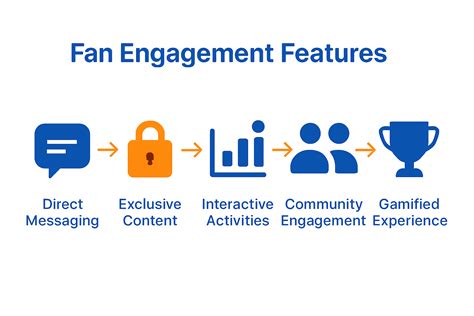
The shifting dynamics of fan engagement could also influence transfer strategies. As digital platforms and streaming services continue to grow, clubs are increasingly aware of the need to sign players who not only perform well on the pitch but also have a strong social media presence or global appeal. This is particularly relevant for La Liga, which has a strong international following. Clubs might prioritize signings that can boost their brand visibility in key markets, such as Asia, North America, or Africa. This trend could lead to a scenario where transfer decisions are influenced not only by sporting criteria but also by commercial and marketing considerations.
Finally, the regulatory environment will play a pivotal role in shaping the future of La Liga transfers. With UEFA and FIFA introducing new rules around financial sustainability and transfer fees, La Liga clubs will need to adapt quickly. There is also the possibility of increased collaboration between clubs within the league to establish collective bargaining power in the transfer market. For instance, La Liga could work collectively to establish transfer fee caps or revenue-sharing models that allow smaller clubs to remain competitive while preventing larger clubs from monopolizing talent.
In conclusion, the future of La Liga transfers is likely to be defined by a mix of financial pragmatism, technological innovation, and strategic diversification. While the league may no longer be able to compete dollar-for-dollar with the Premier League or Saudi Pro League, its focus on sustainability, youth development, and global outreach could position it as a model for long-term success. Clubs will need to navigate these changes carefully, balancing the need for immediate results with the imperative of building a stable and forward-looking transfer ecosystem. As La Liga continues to adapt, its ability to innovate and remain relevant in the global football landscape will be a testament to its resilience and adaptability.