Introduction to La Liga TV
La Liga TV is a dedicated broadcasting platform that serves as the official channel for La Liga, Spain's top-tier professional football league. Unlike generic sports channels, La Liga TV is singularly focused on delivering content related to Spanish football, offering fans an immersive experience that goes beyond the live matches. This platform has emerged as a vital tool in the global promotion of La Liga, leveraging its unique content strategy to engage audiences in a way that aligns with the league's vision of being one of the most influential football leagues in the world.
The purpose of La Liga TV is multi-faceted. At its core, the platform is designed to provide fans with direct access to La Liga content, including live matches, highlights, analysis, and exclusive behind-the-scenes footage. However, its scope extends far beyond mere content delivery. La Liga TV serves as a vehicle for the league to assert its brand identity on a global scale. By directly controlling the distribution of its content, La Liga can tailor its messaging, maintain narrative consistency, and cultivate a loyal fan base. This is particularly important in an era where sports consumption is increasingly fragmented across platforms and regions.
One of the platform's defining features is its role in broadcasting Spanish football globally. While La Liga has a massive following in Spain, its reach extends to millions of fans worldwide. La Liga TV plays a pivotal role in bridging the geographical gap between the league and its international audience. By offering localized content in multiple languages and ensuring availability across various regions, the platform ensures that fans in Asia, Africa, the Americas, and beyond can experience the thrill of Spanish football. This is not just about live matches; it also includes culturally tailored programming that resonates with diverse audiences. For example, La Liga TV often features documentaries and player interviews that highlight the human stories behind the sport, helping to create emotional connections with viewers.
Another critical aspect of La Liga TV is its strategic positioning in the digital age. The platform is available through over-the-top (OTT) services, which allow users to stream content directly over the internet without relying on traditional cable or satellite subscriptions. This approach reflects a broader trend in sports broadcasting, where leagues and organizations are increasingly taking ownership of their distribution channels. By operating as an OTT service, La Liga TV can offer a more flexible and personalized viewing experience. Fans can choose to subscribe to specific packages, watch matches on-demand, or access exclusive features like multi-angle replays and in-depth statistical analysis. This flexibility not only caters to the modern fan's preferences but also positions La Liga as a forward-thinking league in the competitive sports media landscape.
La Liga TV’s content strategy is rooted in exclusivity and depth. While other platforms might focus on offering a broad range of sports, La Liga TV zeroes in on Spanish football. This specialization allows the channel to provide unparalleled coverage of the league, including matches from lower divisions like Segunda División. Such comprehensive coverage ensures that even smaller clubs and less prominent players receive visibility, which is often overlooked by broader sports networks. This inclusivity not only enriches the fan experience but also supports the league’s broader goal of promoting Spanish football as a unified ecosystem rather than just a competition among elite clubs like Real Madrid and Barcelona.
The platform also serves as a showcase for technological innovation. La Liga has been at the forefront of adopting advanced broadcasting technologies, such as 4K streaming, augmented reality (AR) graphics, and artificial intelligence (AI)-driven analytics. These innovations are prominently featured on La Liga TV, offering fans a viewing experience that is both immersive and cutting-edge. For instance, AR graphics are used to provide real-time data overlays during matches, such as player heatmaps and expected goal (xG) statistics. This not only enhances the viewing experience but also appeals to a growing demographic of fans who value data-driven insights alongside traditional match coverage. Additionally, La Liga TV often experiments with interactive features, such as fan polls and live Q&A sessions with players and coaches, further deepening fan engagement.
From a commercial perspective, La Liga TV is a critical revenue driver for the league. By operating its own broadcasting platform, La Liga can retain a larger share of the revenue generated from subscriptions and advertising. This is a significant departure from the traditional model, where leagues rely heavily on third-party broadcasters to distribute their content. Owning the platform allows La Liga to negotiate directly with advertisers and sponsors, create tailored partnerships, and experiment with new monetization strategies. For example, the platform has introduced subscription tiers that cater to different audience segments, from casual fans who want access to highlights to die-hard supporters seeking full match replays and exclusive content.
In the context of global competition, La Liga TV plays a crucial role in maintaining the league's standing among other top football leagues like the English Premier League (EPL) and the Bundesliga. The EPL, for instance, has long been a leader in global sports broadcasting, leveraging its partnerships with major networks to dominate international markets. La Liga TV provides the Spanish league with a direct avenue to compete on this stage. By offering high-quality, accessible content, the platform ensures that La Liga remains relevant and appealing to international audiences. Moreover, it allows the league to control its narrative, countering any biases or limited coverage that might arise from third-party broadcasters with different priorities.
The platform also plays a cultural ambassador role for Spain. Through its programming, La Liga TV showcases not just the football but also the rich cultural heritage of Spain. Features on local traditions, player backgrounds, and the unique atmospheres of Spanish stadiums help position the league as a cultural export. This strategy is particularly effective in regions where football is intertwined with national identity, such as Latin America. By emphasizing the Spanish roots of the sport, La Liga TV fosters a sense of pride and connection among fans in these areas.
La Liga TV is also a tool for talent promotion. While the league is home to some of the world's most famous players, it also serves as a launchpad for emerging talent. The platform often highlights young players, breakthrough performances, and rising stars from smaller clubs. This focus not only supports player development but also reinforces La Liga's image as a league that nurtures talent at all levels. For aspiring footballers and coaches, La Liga TV serves as a source of inspiration and education, offering insights into the strategies and skills that define success in Spanish football.
In summary, La Liga TV is more than just a broadcasting platform; it is a comprehensive ecosystem that supports the league's ambitions to remain a global leader in football. Through its focus on exclusivity, technological innovation, cultural promotion, and direct fan engagement, the platform embodies the league's commitment to excellence and accessibility. As sports media continues to evolve, La Liga TV stands as a model for how leagues can take control of their content and use it to build a sustainable, globally resonant brand.
History and Evolution of La Liga TV
The history and evolution of La Liga TV is a fascinating journey that reflects not only the growth of Spain's top-tier football league but also the broader transformation of sports media consumption in the digital age. La Liga TV, as a dedicated platform for broadcasting matches and related content, has evolved from a modest initiative to a sophisticated, multi-faceted service tailored to meet the demands of a global audience.
The origins of La Liga TV can be traced back to the early 2000s when La Liga, like many other football leagues, began to recognize the potential of television as a primary medium for engaging fans. At this time, broadcasting rights were sold to traditional television networks such as Telecinco, Antena 3, and Canal+. These networks provided limited coverage, often focusing on marquee matches while leaving smaller teams and less popular fixtures with minimal exposure. This disparity highlighted a need for a more inclusive and centralized approach to broadcasting La Liga content.
The first step toward what would become La Liga TV came in 2015 when the league launched its own over-the-top (OTT) streaming service. This move was part of a broader strategy under the leadership of Javier Tebas, who became president of La Liga in 2013. Tebas envisioned transforming La Liga into a global brand, and a dedicated broadcasting platform was a key component of this vision. The service initially offered on-demand matches, highlights, and exclusive behind-the-scenes content, catering to fans who wanted more than what traditional broadcasters provided. This was a bold step, as it marked one of the first instances of a major football league taking control of its media distribution rather than relying solely on third-party networks.
The growth of La Liga TV was driven by several factors. First, the league’s increasing global popularity played a significant role. With superstars like Lionel Messi and Cristiano Ronaldo dominating the sport during the 2010s, La Liga became a magnet for international viewership. This surge in interest created an opportunity to monetize content directly through a dedicated platform. Second, advancements in streaming technology made it feasible to deliver high-quality video content to a global audience without the need for traditional cable or satellite services. La Liga TV leveraged this technology to offer live matches, multi-angle replays, and interactive features that enhanced the viewing experience.
One of the most significant adaptations of La Liga TV has been its response to changes in media consumption patterns. In the mid-2010s, the rise of cord-cutting and the popularity of services like Netflix and Amazon Prime Video signaled a shift in how audiences consumed content. La Liga recognized that younger, tech-savvy fans were no longer tied to traditional TV schedules. To address this, the platform introduced flexible subscription models, including pay-per-view options and season passes. These models allowed fans to choose how they wanted to engage with the content, whether by watching individual matches or accessing a comprehensive package of La Liga coverage.
Another critical aspect of La Liga TV's evolution has been its embrace of localized content. While the league is based in Spain, its audience is spread across the globe. To cater to this diverse fanbase, La Liga TV began producing content in multiple languages, including English, French, and Arabic. It also introduced region-specific programming, such as documentaries focusing on the cultural impact of football in different countries and analysis tailored to the preferences of various markets. This localization strategy helped La Liga TV build a deeper connection with international audiences, making it more than just a Spanish football service—it became a global football hub.
The platform’s adaptability was further demonstrated during the COVID-19 pandemic. As live sports came to a halt in 2020, La Liga TV played a crucial role in keeping fans engaged. It offered a mix of classic match replays, player interviews, and virtual experiences, such as e-sports tournaments featuring La Liga players. This period underscored the importance of having a direct-to-consumer platform that could pivot quickly in response to unforeseen challenges. When live matches resumed, La Liga TV introduced new features like augmented reality (AR) graphics and enhanced data visualization to enrich the at-home viewing experience. These innovations were part of a broader push to make the platform not just a broadcaster but a comprehensive digital companion for fans.
La Liga TV has also been at the forefront of using data and analytics to guide its content strategy. The league has partnered with tech companies like Microsoft to develop tools that analyze viewer behavior and preferences. This data-driven approach has allowed La Liga TV to fine-tune its offerings, such as recommending matches or content based on a user’s viewing history. Additionally, the platform has integrated social media seamlessly, using platforms like YouTube, Instagram, and TikTok to promote its content and engage younger audiences. These efforts reflect a deep understanding of how modern fans interact with sports media—not just passively watching games but actively participating in online communities and discussions.
A unique insight into La Liga TV's evolution is its role in promoting the league’s smaller clubs. While giants like Barcelona and Real Madrid naturally attract the most attention, La Liga TV has made a concerted effort to showcase matches involving less prominent teams. This strategy aligns with the league’s goal of increasing competitive balance and ensuring that all clubs benefit from media exposure. By offering comprehensive coverage of every team, La Liga TV has helped elevate the profile of the entire league rather than just its marquee names.
The platform has also adapted to the growing demand for women’s football. As the popularity of women’s sports has surged in recent years, La Liga TV has expanded its offerings to include coverage of the Liga F, Spain’s top women’s football league. This move not only aligns with broader societal trends supporting gender equality in sports but also positions La Liga as a forward-thinking organization that recognizes the value of diversifying its content portfolio.
Looking ahead, La Liga TV is poised to continue evolving in response to new technological and societal trends. The platform is exploring opportunities in virtual reality (VR) and artificial intelligence (AI) to create even more immersive experiences for fans. There is also potential for further integration with smart devices, allowing fans to access La Liga content through voice commands or interactive apps. These innovations point to a future where La Liga TV is not just a broadcaster but a fully integrated part of the fan experience, blurring the lines between watching a match and being part of it.
In conclusion, the history and evolution of La Liga TV illustrate a proactive approach to staying relevant in an ever-changing media landscape. From its humble beginnings as a supplementary service to its current status as a global OTT platform, La Liga TV has consistently adapted to meet the needs of its audience. By embracing technology, localizing content, and championing inclusivity, the platform has set a benchmark for how sports leagues can take control of their media destiny while delivering value to fans worldwide.
Content Offerings on La Liga TV
La Liga TV is a dedicated platform that serves as the official broadcaster for Spain's top-tier football league, La Liga. It caters to a global audience of football enthusiasts by providing a wide array of content offerings designed to enhance the viewing experience. The platform is not merely a repository of live matches but a comprehensive hub of football-related content that appeals to casual fans, die-hard supporters, and even analysts. Below, we explore the diverse types of content available on La Liga TV, with a focus on live matches, highlights, analysis, and exclusive features that set it apart from other football-centric platforms.
Live Matches are the cornerstone of La Liga TV's content offerings. The platform streams matches from La Liga Santander, the top division of Spanish football, as well as select matches from La Liga SmartBank, the second division. This ensures that fans can access high-quality live streams of games featuring iconic teams like FC Barcelona, Real Madrid, and Atlético Madrid. What makes La Liga TV's live match offerings unique is its focus on delivering a localized yet global experience. For instance, the platform provides multi-language commentary options, including English, Spanish, and regional languages, allowing viewers to enjoy matches in their preferred linguistic context. Additionally, La Liga TV often incorporates interactive features such as live stats overlays, which provide real-time data on player performance, possession percentages, and other match metrics. This enhances the engagement level of viewers who are not just passively watching but actively analyzing the game as it unfolds.
Another key aspect of live match content is the flexibility of access. La Liga TV offers streaming across multiple devices, including smart TVs, mobile phones, tablets, and desktops. This multi-device compatibility ensures that fans can tune in whether they are at home, commuting, or even traveling internationally. Moreover, the platform often provides simulcast options, where fans can choose between different camera angles or audio feeds, such as stadium ambiance without commentary. This level of customization is a step beyond what many traditional broadcasters offer and underscores La Liga TV's commitment to meeting the diverse preferences of its audience.
Highlights are an essential component of La Liga TV's content library, particularly for fans who may not have the time to watch full matches. The platform delivers curated highlight reels for every game, typically available shortly after the final whistle. These highlights are not limited to goals; they also include key moments such as near-misses, brilliant saves, tactical fouls, and moments of individual skill. A notable feature of La Liga TV's highlight packages is their editorial curation. Rather than simply stitching together a series of clips, the platform often provides context-driven storytelling. For example, if a match features a young debutant scoring a crucial goal, the highlight reel might include background information about the player’s journey, adding a narrative layer to the content. This approach transforms highlights from mere recaps into mini-documentaries that enrich the viewer’s understanding of the game.
In addition to standard highlights, La Liga TV offers extended highlights for subscribers who want a more detailed recap of matches. These extended versions often run for 10-15 minutes and include additional context, such as pre-match build-up, post-match reactions, and even VAR decisions explained in detail. This is particularly appealing to fans who want more than just the "best bits" and are interested in understanding how specific moments influenced the outcome of the match.
Analysis and Expert Insights form another pillar of La Liga TV's content strategy. The platform features a range of analytical content aimed at both casual fans and tactically inclined viewers. Post-match analysis shows are a staple, often hosted by seasoned football pundits and former players who provide in-depth breakdowns of key moments in the game. These shows often include tactical chalkboards, where analysts use graphics to illustrate formations, player movements, and strategic decisions made by coaches. For instance, if a match sees a team successfully deploy a high press, the analysts might use diagrams to show how this tactic disrupted the opposition’s build-up play. This level of detail is invaluable for viewers who want to understand not just what happened in a match, but why it happened.

La Liga TV also offers statistical deep dives through its partnership with data providers like Opta. These segments often explore advanced metrics such as expected goals (xG), pass completion rates in specific zones, and player heatmaps. Such content is particularly appealing to the growing demographic of "data-savvy" football fans who enjoy blending traditional match analysis with modern analytics. Furthermore, the platform occasionally hosts masterclass sessions where former players or coaches explain specific aspects of the game, such as set-piece strategies or defensive positioning. These sessions are both educational and entertaining, bridging the gap between casual entertainment and serious football education.
One of the most distinctive aspects of La Liga TV is its focus on exclusive features that go beyond the standard matchday experience. These features include behind-the-scenes content that provides a glimpse into the lives of players, coaches, and even referees. For example, the platform might air a mini-documentary following a player’s recovery from injury, detailing their rehabilitation process and the mental challenges they face. Such content humanizes the athletes and fosters a deeper connection between fans and the sport.
Another exclusive feature is the access to archival footage. La Liga TV provides an extensive library of classic matches, allowing fans to relive historic moments such as Barcelona’s 2010 tiki-taka era or Real Madrid’s "Galácticos" dominance. This archival content is not just a nostalgic indulgence; it serves as an educational resource for younger fans who may not have witnessed these moments live. The platform often pairs these classic matches with modern commentary or analysis, providing a fresh perspective on historical events.
La Liga TV also invests in original programming that explores the cultural and social aspects of Spanish football. Shows like "La Liga Cities" take viewers on a tour of the towns and regions associated with specific clubs, delving into the local traditions, rivalries, and fan culture. This type of content serves to contextualize the league within the broader tapestry of Spanish society, making it appealing even to those with a passing interest in football but a strong curiosity about Spanish culture.
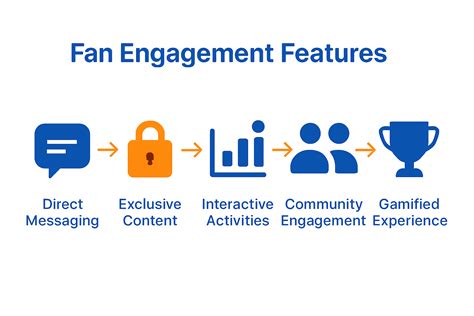
The platform further distinguishes itself with interactive and community-driven content. For instance, La Liga TV often hosts live Q&A sessions with players or coaches, allowing fans to submit questions in real time. This fosters a sense of community and interactivity that is often lacking in traditional sports broadcasting. Additionally, the platform curates fan-generated content, such as supporter chants, matchday vlogs, and even art inspired by La Liga moments. By incorporating user-generated content, La Liga TV creates a space where fans feel seen and valued as active participants in the football ecosystem.
Lastly, La Liga TV offers thematic content series that cater to niche interests within the football community. Examples include deep-dive series on La Liga’s top scorers, analyses of the league’s most iconic rivalries (like El Clásico), and explorations of how Spanish football has influenced global tactics. These series are not only entertaining but also serve as a knowledge repository for fans who want to deepen their understanding of the sport’s history and evolution.
In summary, La Liga TV’s content offerings are a blend of live action, curated recaps, expert analysis, and exclusive features that cater to a wide spectrum of football enthusiasts. By combining high-quality live streams with context-rich highlights, tactical insights, and culturally immersive programming, the platform ensures that it is more than just a broadcaster—it is a comprehensive destination for everything La Liga. This holistic approach not only satisfies the immediate cravings of match-day viewers but also nurtures a deeper, more enduring connection with the beautiful game.
Technological Innovations in La Liga TV
La Liga TV has positioned itself at the forefront of sports broadcasting by embracing cutting-edge technologies that redefine how fans consume football content. The platform's commitment to innovation is evident in its adoption of advanced tools like 4K streaming, virtual reality (VR) experiences, and interactive features, all of which aim to create an immersive and personalized viewing experience. These technologies not only enhance the entertainment value but also set a new benchmark for sports broadcasting globally.
One of the most significant advancements in La Liga TV is its implementation of 4K streaming. While high-definition (HD) broadcasting was once considered the gold standard, 4K streaming takes visual clarity to an entirely new level. With four times the resolution of HD, 4K provides viewers with sharper images, vibrant colors, and greater detail, allowing them to see every blade of grass on the pitch and every expression on a player’s face. This leap in quality is not merely about aesthetics; it also has practical implications for viewers. For instance, the enhanced resolution enables analysts and fans to better observe tactical formations, player movements, and referee decisions. Moreover, La Liga TV has optimized its 4K streaming to minimize latency, ensuring that fans can enjoy live matches without the frustration of lag or buffering. This is a critical achievement given the challenges of delivering ultra-high-definition content over varying internet speeds and infrastructure.
Another area where La Liga TV has excelled is in its integration of virtual reality (VR) experiences. VR technology has the potential to transport fans from their living rooms to the stadium, offering an almost tangible sense of presence. La Liga has experimented with VR to create virtual seats in the stands, allowing users to feel as though they are physically present at the match. For instance, viewers can select different camera angles, such as a player’s perspective or a bird’s-eye view of the pitch, to gain unique insights into the game. This feature is especially appealing to international fans who may never have the opportunity to attend a live La Liga match. Beyond passive viewing, VR also opens avenues for interactive engagement. Fans can use VR headsets to participate in pre-match warm-ups, explore stadiums in 360-degree tours, or even take part in virtual meet-and-greets with players. These experiences not only deepen fan loyalty but also attract younger, tech-savvy audiences who value experiential content.
The platform’s focus on interactive features further demonstrates its dedication to fan-centric innovation. La Liga TV has introduced features like live polls, real-time statistics overlays, and customizable viewing options. For example, during a match, fans can access detailed player analytics, such as heatmaps, pass completion rates, and sprint speeds, directly on their screens. This level of interactivity transforms the passive act of watching a game into an active learning experience. Fans can also vote on the "Man of the Match" or predict the outcome of key moments, such as penalty kicks, adding an element of gamification to the broadcast. These features are powered by sophisticated data analytics systems that process vast amounts of match data in real time. The seamless integration of these analytics into the viewing interface highlights how La Liga TV leverages technology not just for entertainment but also for education, enabling fans to become more informed and engaged.
A lesser-discussed but equally important innovation in La Liga TV is its use of AI-driven personalization to enhance the user experience. By analyzing viewing habits, preferences, and even social media interactions, the platform can recommend specific matches, highlight reels, or player interviews tailored to individual users. This use of AI extends to dynamic ad insertion, where advertisements are customized based on the viewer’s location, age, and interests. Such personalization not only improves user satisfaction but also increases the platform’s revenue potential by delivering targeted advertising opportunities. For instance, a fan in South America might see promotions for local La Liga-affiliated events, while a viewer in Europe might be shown merchandise deals from European retailers. This level of granularity in content delivery ensures that La Liga TV remains relevant and competitive in a crowded digital landscape.
In addition to these core technologies, La Liga TV has also explored augmented reality (AR) as a supplementary tool to enrich the viewing experience. AR overlays can provide real-time graphics, such as offside lines or player statistics, directly on the screen without obstructing the action. This feature is particularly useful for casual fans who may not be familiar with the intricacies of football strategy but still want to understand key moments of the game. AR can also enhance post-match analysis by visualizing complex plays or tactical setups in an easily digestible format.
It is worth noting that the success of these technological innovations is underpinned by La Liga’s robust infrastructure and partnerships. The league has collaborated with leading tech companies and broadcasters to ensure the seamless delivery of these advanced features. For example, partnerships with cloud-based streaming platforms have enabled La Liga TV to scale its 4K offerings globally, while collaborations with VR developers have refined the user interface and experience of virtual environments. These partnerships are not just about technology transfer; they also involve co-developing solutions tailored to the unique demands of football broadcasting, such as capturing high-speed action without compromising quality.
Despite these advancements, La Liga TV faces challenges in ensuring accessibility and inclusivity. High-end technologies like VR and 4K streaming require compatible devices and stable internet connections, which may not be available to all fans, particularly in developing regions. To address this, La Liga has worked on hybrid models that offer scaled-down versions of these features for lower-spec devices while maintaining core functionalities. For instance, interactive features like live stats can be delivered as simple overlays on standard-definition streams, ensuring that even users with limited resources can benefit from enhanced content.
Looking ahead, the potential for La Liga TV to expand its technological repertoire is vast. The integration of artificial intelligence (AI) in match prediction models, the use of blockchain for secure ticketing and merchandise sales, and the exploration of holographic viewing experiences are all within the realm of possibility. These innovations could further blur the lines between the physical and digital realms, creating a future where fans feel as though they are part of the action rather than mere spectators.
In conclusion, La Liga TV’s embrace of advanced technologies like 4K streaming, VR experiences, and interactive features underscores its role as a pioneer in sports broadcasting. By prioritizing fan engagement, accessibility, and quality, the platform not only enhances the viewing experience but also sets a precedent for how sports leagues can leverage technology to connect with global audiences. As these innovations continue to evolve, they will undoubtedly shape the future of how we experience football, making La Liga TV a benchmark for excellence in the industry.
Audience Demographics and Reach
La Liga TV, the official broadcasting platform for Spain's top-tier football league, has carved a niche for itself in the competitive sports entertainment landscape. Its audience demographics and reach are shaped by the global appeal of La Liga, the star power of its clubs like Barcelona and Real Madrid, and the platform's ability to cater to both die-hard football enthusiasts and casual viewers. To fully understand the target audience of La Liga TV, it is essential to dissect its regional and global viewer statistics, as well as the socio-economic and behavioral patterns that define its viewership.
At the global level, La Liga TV primarily attracts a diverse audience rooted in football's universal appeal. According to recent viewer analytics, the platform has a significant presence in over 180 countries. Europe accounts for the largest share of its viewership, driven by Spain's domestic market and neighboring countries like France, Italy, and Germany. These regions have a deep-seated football culture, and La Liga's competitive edge—featuring some of the world's best players—makes it a preferred league over others like the Premier League or Serie A for many European fans. For instance, Spain alone contributes approximately 30% of La Liga TV's total subscriber base, underscoring the league's home-ground dominance. However, the platform's reach extends well beyond Europe.
In Latin America, La Liga TV enjoys robust popularity due to historical and cultural ties between Spain and countries such as Mexico, Argentina, and Colombia. According to a 2023 report, these regions collectively account for 25% of the platform's international subscriptions. The appeal here is multifaceted: Latin American fans are drawn not only to the technical brilliance of La Liga matches but also to the presence of star players from their own countries, such as Vinícius Júnior (Brazil) and Luis Suárez (Uruguay). Additionally, the accessibility of Spanish commentary and culturally tailored content resonates strongly with this audience segment. La Liga TV has also invested in local partnerships, such as co-branded events and collaborations with regional broadcasters, to deepen its penetration in these markets.
The Asian market represents another critical growth area for La Liga TV. Countries like India, China, and Japan have seen a surge in football fandom over the past decade, fueled by increased exposure to European leagues through streaming platforms and social media. While the Premier League has traditionally dominated this space, La Liga has made strategic moves to capture a share of this audience. For example, La Liga TV offers region-specific packages, including affordable subscription tiers and localized content, such as match highlights with Mandarin or Hindi commentary. The league's emphasis on player visibility—particularly the global stardom of figures like Karim Benzema and Luka Modrić—has also helped attract younger, digitally savvy viewers in Asia. Statistics indicate that nearly 18% of La Liga TV's global audience hails from this region, with India alone contributing a 5% share due to its massive population and increasing smartphone penetration.
In the African continent, La Liga TV has seen moderate but consistent growth. Countries like Nigeria, Egypt, and South Africa are key markets, driven by a combination of grassroots football enthusiasm and the widespread availability of digital streaming services. La Liga's outreach programs, such as football clinics and youth tournaments in Africa, have helped foster a sense of connection between the league and local communities. Though Africa currently represents only about 8% of La Liga TV's global viewership, the platform's focus on affordable access and mobile-first strategies positions it for future expansion in this region.
A closer look at the socio-economic profile of La Liga TV's viewers reveals interesting insights. The platform caters to a broad spectrum of income groups, particularly through its tiered subscription model. Premium packages offer exclusive access to live matches, behind-the-scenes content, and multi-angle replays, appealing to affluent football enthusiasts who value a high-quality viewing experience. Meanwhile, more budget-friendly options target younger or less affluent fans, particularly in emerging markets, where cost sensitivity is a significant factor. This approach allows La Liga TV to maintain a wide demographic spread, from middle-class families in Europe to students in South Asia.
Behaviorally, age and gender dynamics also play a role in shaping La Liga TV's audience. The platform's core audience skews male, with men comprising approximately 70% of its subscriber base. However, there has been a noticeable uptick in female viewership in recent years, particularly among younger age groups. This shift is partly attributed to the visibility of women's football initiatives associated with La Liga and the league's efforts to promote inclusivity through campaigns and partnerships. In terms of age, the 18-34 demographic is the most active, driven by the digital-first nature of La Liga TV's offerings. However, older fans in the 35-50 range also form a stable segment, particularly in Europe and Latin America, where traditional football viewership habits remain strong.
Another key aspect of La Liga TV's audience strategy is its focus on digital engagement. The platform has embraced over-the-top (OTT) streaming as a primary mode of delivery, which has allowed it to tap into cord-cutting trends among younger audiences. Unlike traditional broadcasters, La Liga TV leverages data analytics to understand viewer preferences, enabling it to curate personalized content recommendations. For instance, a fan who frequently watches Barcelona matches might receive tailored notifications about upcoming fixtures or exclusive interviews with the team's players. This approach not only enhances user retention but also expands the platform's reach by converting casual viewers into long-term subscribers.
Regional partnerships and content localization further enhance La Liga TV's ability to connect with diverse audiences. For example, in the Middle East and North Africa (MENA) region, the platform has partnered with local telecom providers to offer seamless access to its content. Similarly, in North America, where football (or soccer) is growing in popularity, La Liga TV has adapted its marketing strategies to appeal to both Hispanic communities with strong ties to Spanish football and a broader audience of sports enthusiasts. These localized efforts are reflected in the platform's ability to maintain a steady growth trajectory despite competition from other leagues and streaming services.
Finally, it is worth noting that digital-native fans form a significant and growing subset of La Liga TV's audience. These are viewers who primarily consume content through mobile apps, social media platforms, and OTT services rather than traditional television. La Liga TV has responded by investing heavily in short-form content, such as match clips, player interviews, and "best goals" compilations, which are easily shareable on platforms like YouTube, Instagram, and TikTok. This strategy not only broadens the platform's reach but also helps cultivate a new generation of fans who might otherwise gravitate toward other forms of entertainment.
In summary, the audience demographics and reach of La Liga TV are shaped by a combination of regional football culture, strategic localization efforts, and digital innovation. From its stronghold in Europe to its expanding presence in Asia, Latin America, and beyond, the platform has successfully positioned itself as a global leader in sports broadcasting. By understanding and catering to the unique preferences of its diverse audience, La Liga TV ensures its continued relevance in an increasingly competitive market.

Competitor Analysis: How La Liga TV Stands Out
When analyzing the competitive landscape of football broadcasting platforms, it is essential to understand how La Liga TV differentiates itself from other major players like Premier Sports, ESPN, and DAZN. Each platform brings its own set of features, target audiences, and strategic focuses, but La Liga TV has carved out a niche that makes it stand out in specific ways. This section provides a detailed comparison, emphasizing the unique aspects of La Liga TV within this competitive ecosystem.
One of the most immediate differentiators for La Liga TV is its focus on being the dedicated home of Spanish football. Unlike platforms like ESPN or DAZN, which offer a broad range of sports including basketball, tennis, and MMA alongside football, La Liga TV hones in exclusively on La Liga matches and related content. This specialization allows the platform to provide a depth of coverage that generalized sports broadcasters often cannot match. For instance, La Liga TV not only streams live matches but also provides pre-match analysis, post-match breakdowns, and exclusive interviews with players and coaches that are deeply rooted in the Spanish football culture. This focus makes it a haven for fans who are passionate about La Liga, as opposed to a platform that spreads its resources across multiple sports.
In contrast, Premier Sports, while also offering football coverage, tends to diversify its offerings across different leagues such as Serie A, Scottish Premiership, and even rugby. This approach means that while Premier Sports caters to a wide range of football enthusiasts, its focus is diluted compared to La Liga TV. A dedicated La Liga fan might find the experience on Premier Sports less immersive because the platform does not provide the same level of contextual storytelling tied to La Liga's history, rivalries, and cultural significance. For example, La Liga TV often includes documentaries and featurettes that explore the league's iconic moments, such as the El Clásico rivalry or the rise of smaller clubs like Real Sociedad. This type of content is rarely prioritized on platforms like Premier Sports, which aim for breadth rather than depth in their football offerings.
Another critical aspect of comparison is the pricing model and accessibility. DAZN, often touted as the "Netflix of sports," has a subscription-based model that provides access to a wide variety of sports, including exclusive rights to certain leagues in different regions. However, DAZN’s pricing can vary significantly by market, and users often find themselves paying for sports they may not be interested in. For instance, a user subscribing to DAZN in a region where it holds rights to the Premier League might also be paying for boxing or MotoGP content they do not consume. La Liga TV, on the other hand, offers a more streamlined and affordable subscription dedicated solely to La Liga content. This makes it particularly appealing to fans who want to avoid the "bundle" model and focus solely on Spanish football without the added cost of unrelated sports. Furthermore, La Liga TV often provides flexible subscription options, such as monthly passes, which cater to seasonal fans or those who want to follow specific parts of the season, like the title race or relegation battles.
When it comes to broadcast quality and accessibility, ESPN is a giant in the sports broadcasting world, known for its high production values and extensive reach. However, ESPN’s football coverage is often fragmented across regions due to licensing agreements. For instance, ESPN might hold rights to broadcast La Liga matches in certain countries but not others, leading to a fragmented user experience. Additionally, ESPN’s focus on American sports like NFL and NBA can sometimes relegate football to a secondary position in its programming strategy. La Liga TV, in comparison, ensures a consistent and region-agnostic experience for La Liga fans. Whether a user is in Europe, Asia, or the Americas, the platform prioritizes making La Liga content readily available without being overshadowed by other sports. This focus on global accessibility is a key strength, as it ensures that La Liga TV serves as a unified hub for Spanish football enthusiasts worldwide.
Another area where La Liga TV excels is its integration of technology and fan engagement. While platforms like DAZN and ESPN have robust apps and streaming services, La Liga TV has invested heavily in innovative features tailored to football fans. For instance, the platform offers multi-angle replays, allowing users to view key moments of a match from different perspectives—a feature that is not as prominently emphasized on competing platforms. Additionally, La Liga TV has introduced augmented reality (AR) elements in its app, enabling fans to explore player stats, heatmaps, and tactical formations in real-time. This level of interactivity is particularly appealing to younger, tech-savvy audiences who expect more than just passive viewing. While DAZN and ESPN have similar features in some regions, they are not as deeply integrated into the football-specific experience as they are on La Liga TV.
A less discussed but equally important factor is the localized content strategy. La Liga TV has made significant efforts to localize its broadcasts for different regions while retaining the essence of Spanish football. This includes hiring commentators and analysts who are not only fluent in the local language but also well-versed in La Liga’s nuances. For example, a viewer in the UK might hear commentary that compares a La Liga striker’s style to a Premier League legend, creating a bridge between the two football cultures. This approach contrasts with ESPN and Premier Sports, where localized content can sometimes feel more generic or less tailored to the league being broadcast. La Liga TV’s ability to strike this balance between global reach and cultural specificity is a subtle but impactful differentiator.
Finally, La Liga TV’s direct relationship with the league itself is a unique advantage. As a platform owned and operated by La Liga, it has unparalleled access to exclusive content, such as behind-the-scenes footage, player diaries, and even coverage of youth tournaments like the La Liga Promises. This direct association ensures that the platform can offer a level of authenticity and exclusivity that third-party broadcasters like ESPN or DAZN cannot easily replicate. For instance, while DAZN might secure rights to stream matches, it does not have the same level of insider access to create content that resonates with the league's core identity. This direct link to the league also allows La Liga TV to be more agile in responding to fan feedback, as it is not constrained by the broader sports portfolio that competitors manage.
In summary, while Premier Sports, ESPN, and DAZN are formidable competitors in the sports broadcasting space, La Liga TV stands out through its specialized focus on Spanish football, its affordable and flexible pricing, and its innovative fan engagement tools. It combines exclusivity, depth of coverage, and a direct association with La Liga to create a platform that is not just a broadcaster but a dedicated experience for fans of Spanish football. This targeted approach ensures that La Liga TV remains a compelling choice for those who want more than just live matches—they want a platform that celebrates and elevates the league’s unique identity.
Revenue Models and Monetization Strategies
La Liga TV, the official streaming platform of Spain's top-tier football league, has carved out a unique space in the competitive world of sports broadcasting. Its revenue models and monetization strategies are a blend of traditional and innovative approaches tailored to maximize audience engagement and financial returns. This section delves into the subscription plans, advertising mechanisms, and partnership frameworks that underpin La Liga TV's financial success.
One of the primary pillars of La Liga TV's revenue model is its **subscription plans**. The platform offers a mix of free and premium content to cater to diverse audience segments. For instance, it provides **freemium access** to certain match highlights, interviews, and pre-game analysis, enticing viewers to explore the platform without immediate financial commitment. However, the core of its subscription strategy lies in its **premium tier**, which grants users access to live matches, full replays, and exclusive behind-the-scenes content. This tiered approach is particularly effective because it allows La Liga TV to capture both casual fans and die-hard supporters. By segmenting its offerings, the platform can charge a premium for high-demand content while still maintaining a foothold in the free-to-access space to grow its user base.
A notable feature of La Liga TV's subscription model is its **regional pricing flexibility**. Unlike many global sports broadcasters that employ a one-size-fits-all pricing strategy, La Liga TV adjusts its subscription rates based on the purchasing power of different markets. For example, viewers in emerging economies like India or Southeast Asia are offered lower-cost plans compared to those in Europe or North America. This strategy not only broadens the platform's reach but also ensures that it captures revenue from price-sensitive audiences who might otherwise turn to illegal streams. Additionally, La Liga TV has experimented with **seasonal and event-based subscriptions**, such as offering discounted rates during key periods like El Clásico or the final weeks of the season. These limited-time offers create a sense of urgency and drive short-term spikes in subscription numbers.
The second major revenue stream for La Liga TV is **advertising**. While the platform's premium subscribers enjoy an ad-free experience, free users are exposed to targeted advertising. La Liga TV leverages **programmatic advertising** to deliver highly personalized ads based on user behavior, location, and preferences. For instance, a viewer in the UK might see ads for betting platforms or sportswear brands popular in that region, while a user in Latin America might be shown promotions for local telecom providers or beverage companies. This targeted approach maximizes ad revenue by ensuring higher click-through rates and engagement.
Moreover, La Liga TV has integrated **dynamic ad insertion** into its live streams and on-demand content. This technology allows ads to be inserted seamlessly into the broadcast without disrupting the viewing experience. For example, during halftime or pre-match segments, the platform can dynamically replace generic content with region-specific advertisements. This not only enhances ad relevance but also opens up new opportunities for local businesses to advertise on a global platform. The use of **sponsorship slots** within match broadcasts further diversifies its advertising revenue. Brands often pay a premium to have their logos displayed during key moments, such as goal replays or player introductions. This blend of programmatic ads and sponsorship deals ensures that advertising remains a robust and scalable revenue stream for La Liga TV.
Another critical aspect of La Liga TV's financial strategy is its **partnerships**. The league has cultivated a wide array of collaborations that extend beyond traditional broadcasting deals. One of its most significant partnerships is with **telecommunications providers**. For instance, La Liga has partnered with companies like Vodafone and Telefónica to bundle its streaming service with broadband or mobile plans. These partnerships are mutually beneficial: telecom companies can offer added value to their customers, while La Liga TV gains access to a broader subscriber base without shouldering the full cost of customer acquisition. Such bundling strategies are particularly effective in markets where internet and mobile services are growing rapidly, as they create a natural synergy between content consumption and connectivity.
In addition to telecom partnerships, La Liga TV has explored **co-branding opportunities** with global brands. For example, collaborations with sportswear giants like Nike or Puma often include cross-promotional campaigns where La Liga TV content is used to promote merchandise or events. These partnerships not only generate direct revenue but also enhance the platform's visibility and credibility. By aligning itself with well-known brands, La Liga TV positions itself as a premium sports destination, which in turn justifies its subscription pricing and advertising rates.
A unique and forward-thinking aspect of La Liga TV's partnership strategy is its engagement with **technology companies**. The league has embraced **over-the-top (OTT) innovations** by working closely with streaming infrastructure providers like AWS and Microsoft Azure to optimize its platform's performance. These partnerships are not merely operational but also revenue-generating. For instance, La Liga TV has experimented with **data monetization** by analyzing viewer behavior and sharing anonymized insights with partners in the advertising and sports analytics industries. This approach transforms viewer engagement into a valuable commodity, creating an additional revenue stream that is often overlooked by traditional broadcasters.
Furthermore, La Liga TV has ventured into **regional partnerships** to expand its footprint. Collaborations with local broadcasters in non-traditional football markets, such as Africa or Southeast Asia, allow the platform to tap into audiences that might not have direct access to its OTT service. These regional deals often involve revenue-sharing models where La Liga TV provides content in exchange for a share of local advertising or subscription income. This decentralized approach not only diversifies revenue streams but also mitigates risks associated with over-reliance on any single market.
A lesser-discussed but increasingly important aspect of La Liga TV's monetization is its focus on **merchandising and ancillary services**. Through its platform, the league promotes merchandise sales, ticket bookings for live matches, and even fantasy league subscriptions. These services are often integrated into the user interface, creating a seamless experience where fans can transition from watching a match to purchasing a jersey or joining a fantasy competition. This integration not only boosts direct sales but also reinforces viewer loyalty by offering a holistic football experience.
In summary, La Liga TV's financial success is driven by a multi-faceted approach that combines **flexible subscription plans**, **targeted advertising**, and **strategic partnerships**. Its ability to adapt subscription pricing to regional markets, integrate dynamic advertising technologies, and forge innovative collaborations with telecom providers, global brands, and technology firms sets it apart from many of its competitors. These strategies not only ensure short-term profitability but also position La Liga TV as a sustainable and forward-looking player in the evolving landscape of sports media.
Impact of La Liga TV on Spanish Football Culture
La Liga TV, the official streaming platform of Spain's top-tier football league, has been a transformative force in shaping the dynamics of Spanish football culture. Its advent marks a significant shift from traditional broadcast models to digital-first strategies, offering fans unprecedented access to matches, highlights, and exclusive content. This section delves into the profound impact of La Liga TV on fan engagement, club visibility, and the league's global appeal, highlighting how the platform has redefined the relationship between the league, its clubs, and its global audience.
One of the most significant contributions of La Liga TV is its role in enhancing fan engagement. Unlike conventional television broadcasts, which often limit viewers to scheduled programming, La Liga TV provides an on-demand experience tailored to the modern fan's lifestyle. Fans can stream matches live or access replays, highlights, and analytical content at their convenience. This flexibility has democratized access to La Liga content, particularly for younger, tech-savvy audiences who prefer consuming sports through digital platforms. Features like multi-angle replays, real-time statistics, and interactive fan polls have further enriched the viewing experience, making fans feel more connected to the action on the pitch. This level of personalization fosters a sense of ownership among fans, as they can curate their engagement with the league rather than passively consuming it.
Another critical dimension of fan engagement is the platform's emphasis on localized and multilingual content. La Liga TV has invested heavily in creating region-specific programming to cater to diverse global audiences. For instance, it offers commentary and analysis in multiple languages, ensuring that fans from non-Spanish-speaking regions can engage with the league in their native tongue. This approach not only breaks down language barriers but also fosters a deeper emotional connection between international fans and Spanish football. By tailoring its content to specific cultural contexts, La Liga TV has made the league more accessible and relatable to a global audience, thereby expanding its fan base beyond traditional strongholds in Europe and Latin America.
The platform has also played a pivotal role in boosting club visibility, particularly for smaller teams that might not receive as much attention in traditional media coverage. La Liga TV ensures that matches involving all 20 teams in the league are available to viewers, regardless of their marketability or star power. This equitable visibility has allowed clubs like Rayo Vallecano, Cádiz, and Almería to gain a foothold in the global football conversation, which was previously dominated by giants like Barcelona and Real Madrid. Through features such as team-specific documentaries, player interviews, and behind-the-scenes footage, La Liga TV humanizes these smaller clubs, showcasing their unique stories, fan bases, and community ties. This exposure not only elevates the profile of these teams but also contributes to a more balanced narrative within Spanish football, where every club has a voice and a platform to shine.
Moreover, the platform has been instrumental in showcasing La Liga's technical and tactical brilliance to global audiences. Through in-depth tactical breakdowns, expert analysis, and exclusive interviews with coaches and players, La Liga TV positions the league as a hub of footballing excellence. This focus on the sport's intellectual and strategic aspects appeals to a growing demographic of fans who are as interested in the "how" of football as they are in the "who" and "what." By providing this level of detail, the platform not only entertains but also educates its audience, fostering a more informed and engaged fan base that appreciates the nuances of Spanish football.
From a global appeal perspective, La Liga TV has been a game-changer in expanding the league's footprint. The platform's direct-to-consumer model allows it to bypass traditional broadcasters in certain regions, giving La Liga greater control over how its content is distributed and monetized. This control has enabled the league to penetrate markets that were previously underserved by traditional broadcast deals. For example, in regions like Southeast Asia and sub-Saharan Africa, where football fandom is growing rapidly, La Liga TV has introduced affordable subscription packages and localized content to attract new viewers. The platform's ability to deliver high-quality streams with minimal latency has also made it a preferred choice for international fans, who often face challenges with inconsistent coverage from local broadcasters.
The platform's impact is not limited to viewership numbers; it has also influenced the commercial ecosystem of Spanish football. By offering clubs a direct channel to showcase their brand and engage with fans, La Liga TV has created new revenue streams for clubs. Merchandising opportunities, exclusive sponsorship deals tied to platform content, and the ability to host virtual fan events have all contributed to diversifying clubs' income sources. This is particularly important in an era where traditional revenue streams, such as ticket sales and local broadcasting rights, are under pressure due to economic and logistical challenges. La Liga TV has thus emerged as a stabilizing force for clubs, providing them with a reliable platform to connect with fans and generate revenue even in uncertain times.
A unique aspect of La Liga TV's influence is its role in fostering a sense of community among fans. The platform's interactive features, such as live chat rooms during matches and fan forums, create spaces where supporters from around the world can come together to discuss the league, share their passion, and build connections. These digital communities have become particularly important in the post-pandemic era, where physical attendance at matches has been limited. By facilitating these interactions, La Liga TV has not only sustained fan engagement during challenging times but also reinforced the idea of Spanish football as a global, interconnected phenomenon.

However, the platform's success is not without its challenges. Critics argue that the shift toward a subscription-based model could alienate fans in regions where disposable income is limited. Additionally, the proliferation of content on La Liga TV might dilute the exclusivity of traditional broadcast partnerships, potentially straining relationships with long-standing media partners. These are valid concerns, but they also highlight the platform's ambition to adapt to a rapidly changing media landscape. By experimenting with hybrid models—such as offering free-to-air matches alongside premium content—La Liga TV is attempting to strike a balance between accessibility and profitability.
In conclusion, La Liga TV has fundamentally altered the landscape of Spanish football culture. It has redefined fan engagement by offering personalized, on-demand experiences; elevated club visibility by providing a platform for smaller teams to shine; and expanded the league's global appeal through innovative distribution strategies and localized content. While challenges remain, the platform's ability to adapt and innovate positions it as a cornerstone of La Liga's strategy to remain competitive in the global sports market. As Spanish football continues to evolve, La Liga TV will undoubtedly remain at the forefront of this transformation, bridging the gap between tradition and modernity while ensuring that the league's rich heritage reaches audiences far and wide.
Challenges and Opportunities for La Liga TV
La Liga TV, the official broadcasting platform of Spain's top-tier football league, operates in a dynamic and highly competitive media landscape. While it serves as a key vehicle for showcasing one of the most popular football leagues in the world, it faces a range of challenges that demand strategic responses. At the same time, these challenges open doors to opportunities that can redefine its role in the sports broadcasting ecosystem.
Challenges
One of the most pressing challenges for La Liga TV is piracy. The illegal streaming of live matches has become a pervasive issue for sports broadcasters globally, and La Liga is no exception. High-quality streams are often available on unauthorized platforms, sometimes within seconds of the live broadcast. This not only impacts direct revenue from subscriptions but also undermines the value of legitimate broadcasting rights, which are sold at premium prices to broadcasters worldwide. The rise of peer-to-peer streaming networks and sophisticated VPN usage has made it increasingly difficult to combat this issue. While La Liga has invested in anti-piracy tools like automated content recognition and partnerships with cybersecurity firms, the problem persists due to the global nature of piracy networks and the ease of access to free alternatives.
Another significant challenge is competition. La Liga TV is not just competing with other football leagues’ broadcasting platforms, such as the Premier League’s global distribution network or the Bundesliga’s localized strategies, but also with a broader array of entertainment options. Streaming giants like Netflix, Amazon Prime, and Disney+ are vying for viewers' time and money, often through high-budget original content that appeals to a wider audience. Within the sports domain, platforms like DAZN, ESPN+, and even YouTube are diversifying their sports offerings, making it harder for La Liga TV to stand out. Moreover, within football itself, the Premier League’s dominance in markets like Asia and North America poses a direct threat to La Liga’s growth potential in these regions.
A third challenge is viewer retention. The modern sports audience is increasingly fragmented, with younger viewers consuming content in bite-sized, on-demand formats rather than committing to full 90-minute matches. This shift is particularly pronounced among Gen Z, who are more likely to engage with highlight reels, player interviews, and social media clips than with traditional live broadcasts. La Liga TV must navigate this shift while still catering to its core audience of dedicated football fans who value the live experience. Retention is further complicated by the league's reliance on a few star teams, such as Real Madrid and Barcelona, to drive global interest. While these teams are massive draws, over-reliance on them can alienate fans of smaller clubs and reduce the league’s overall appeal as a competitive and diverse product.
Additionally, localization and audience segmentation pose challenges. La Liga TV must cater to diverse markets with varying preferences, language requirements, and viewing habits. For example, while Latin American audiences may prefer Spanish-language commentary with a focus on South American players, audiences in Asia might prioritize mobile-friendly streaming options and localized marketing campaigns. The league has made strides in this area, such as producing region-specific content and partnering with local influencers, but the scale of this effort needs to expand to truly capture global audiences.
Opportunities
Despite these challenges, La Liga TV has a range of opportunities to grow and innovate. One of the most promising avenues is technological integration. The rise of 5G networks, augmented reality (AR), and virtual reality (VR) offers new ways to enhance the viewing experience. Imagine a scenario where fans can use AR to project player stats onto their living room floor during a match or VR to immerse themselves in a virtual stadium experience. Such innovations not only add value to the subscription but also differentiate La Liga TV from competitors who may lag in adopting these technologies.
Another growth opportunity lies in data-driven personalization. By leveraging viewer data, La Liga TV can create highly tailored content recommendations, such as suggesting matches based on a user’s favorite teams or players. Personalization can extend beyond match selection to include curated content like post-match analysis, player interviews, or even fantasy football tips. This approach not only improves user engagement but also strengthens the platform’s value proposition in a crowded market.
La Liga TV can also capitalize on expanding into underpenetrated markets. While Europe and Latin America are traditional strongholds for La Liga, there is significant untapped potential in regions like Africa, Southeast Asia, and the Middle East. These markets are witnessing rapid growth in internet penetration and smartphone adoption, creating new audiences for digital sports content. Local partnerships, such as collaborating with telecom providers or launching affordable subscription tiers tailored to these regions, could help La Liga TV establish a stronger foothold.
The platform can also explore synergies with esports and gaming. Football-themed video games like FIFA and eLaLiga, the league’s official esports competition, represent an intersection of traditional sports and digital entertainment. By integrating esports content into its platform—such as live streams of eLaLiga tournaments or collaborative events with popular gaming streamers—La Liga TV can attract a younger, digitally native audience. This strategy not only diversifies its content portfolio but also aligns with the growing convergence of gaming and sports entertainment.
Furthermore, leveraging social media and short-form content can address the challenge of viewer retention while opening new revenue streams. Platforms like TikTok, Instagram, and YouTube are ideal for distributing highlights, goal compilations, and player-focused content that resonates with younger audiences. La Liga TV can monetize this content through advertising or partnerships with brands looking to target sports enthusiasts. Additionally, these platforms serve as discovery channels that can funnel users toward the full subscription service.
Lastly, collaboration with global brands and influencers presents an opportunity to amplify La Liga’s reach. Strategic partnerships with brands that appeal to younger demographics—such as sportswear companies, energy drinks, or tech firms—can enhance the league’s visibility. Influencers, particularly those with a strong following in key markets, can act as ambassadors for the league, creating content that blends football fandom with lifestyle appeal.
In conclusion, while La Liga TV faces significant challenges in the form of piracy, competition, and viewer fragmentation, it is also uniquely positioned to seize opportunities in technology, personalization, market expansion, and content diversification. Success will depend on its ability to innovate while staying true to the core appeal of La Liga as a world-class football league. By addressing its challenges head-on and investing in forward-looking strategies, La Liga TV can not only retain its existing audience but also capture new generations of football fans worldwide.
Conclusion and Future Prospects
The exploration of La Liga TV in this white paper has revealed a multifaceted platform with significant potential to redefine how football is consumed and experienced. From its innovative approach to broadcasting and content delivery to its role in enhancing fan engagement and global reach, La Liga TV represents a modern evolution of sports media. However, as the landscape of sports entertainment continues to shift, driven by technological advancements, changing viewer habits, and increasing competition, it is imperative for La Liga TV to not only sustain its current momentum but also position itself for long-term success.
One of the key insights from this analysis is the platform's ability to leverage exclusive content as a differentiator. By offering live matches, behind-the-scenes footage, and in-depth analytical shows tailored to both casual and hardcore football fans, La Liga TV has carved out a niche in a crowded market. This strategy has proven effective in retaining subscriber loyalty and creating a sense of exclusivity. However, to maintain this edge, La Liga TV must continue to invest in content diversification. For instance, incorporating augmented reality (AR) and virtual reality (VR) experiences into its offerings can provide fans with immersive opportunities to "step into" the stadium or experience matches from a player's perspective. Such innovations not only enhance the viewing experience but also position La Liga TV as a pioneer in sports media technology.
Another critical takeaway is the platform's focus on global accessibility. By targeting international audiences through multilingual commentary, region-specific content, and partnerships with local broadcasters, La Liga TV has demonstrated a keen understanding of its global audience. Yet, there is room for improvement in how the platform tailors its content for emerging markets. For example, countries in Africa, Southeast Asia, and South America represent untapped potential due to their growing football fandom and increasing internet penetration. To capture these markets, La Liga TV could adopt dynamic pricing models that cater to varying economic conditions, offering affordable subscription tiers or pay-per-view options. Additionally, creating localized content—such as documentaries on players from these regions or partnerships with local influencers—can foster a deeper connection with audiences in these areas.
The white paper also underscores the importance of data-driven personalization in maintaining user engagement. La Liga TV's ability to analyze user behavior and preferences to recommend matches, highlights, and related content has been a step in the right direction. However, the next frontier lies in AI-driven interactivity. Imagine a scenario where fans can customize their viewing experience by selecting camera angles, accessing real-time player stats overlayed on the screen, or even participating in live polls during matches. These features not only increase engagement but also provide La Liga TV with valuable data to refine its offerings further. Investing in AI and machine learning to predict viewer preferences and optimize content delivery can ensure the platform remains ahead of competitors like Premier League's streaming services or UEFA's OTT platforms.
A significant challenge highlighted is the intensifying competition from other sports streaming services and the proliferation of free or pirated content. To address this, La Liga TV must prioritize anti-piracy measures while simultaneously enhancing the perceived value of its paid offerings. This can be achieved through exclusive perks for subscribers, such as early access to match tickets, virtual meet-and-greets with players, or access to exclusive merchandise. Furthermore, La Liga TV could explore collaborations with gaming platforms, integrating its content into popular football video games or esports tournaments. These initiatives would not only attract younger audiences but also position the platform as a holistic entertainment hub rather than just a broadcasting service.
From a strategic standpoint, La Liga TV should also consider expanding its ecosystem beyond football. While the focus on football is its core strength, diversifying into related sports or even lifestyle content (e.g., fitness shows featuring players, culinary shows exploring Spanish culture) can help the platform appeal to a broader demographic. This approach aligns with the growing trend of sports platforms becoming lifestyle brands, where the appeal extends beyond the sport itself to encompass culture, wellness, and entertainment. For instance, La Liga TV could produce mini-series showcasing the lives of players off the pitch or the rich cultural heritage of Spain, further cementing its identity as a global ambassador of Spanish football and culture.
On the operational front, the white paper identifies technological infrastructure as a cornerstone of La Liga TV's success. The platform's ability to deliver high-quality streams with minimal latency is a testament to its robust backend. However, as viewer expectations rise and technologies like 5G and ultra-high-definition (UHD) streaming become mainstream, La Liga TV must continue to invest in infrastructure upgrades. Collaborations with telecom providers to offer bundled services or discounted streaming packages for 5G users could further enhance accessibility and quality. Additionally, exploring blockchain technology for secure, transparent ticketing and content distribution could position La Liga TV as an innovator in the sports-tech space.
The financial sustainability of La Liga TV is another area that warrants attention. While subscription revenue and advertising are primary income sources, the platform should explore alternative monetization models. For example, licensing its content library to educational institutions or creating branded merchandise tied to iconic moments in La Liga history can open new revenue streams. Moreover, forging strategic partnerships with global brands—beyond the traditional sponsorship model—can provide mutually beneficial opportunities. For example, collaborations with tech giants like Google or Amazon could lead to co-branded streaming devices or exclusive Alexa/Google Assistant integrations for match updates and highlights.
Looking to the future, sustainability and social responsibility must also become integral to La Liga TV's identity. As consumers increasingly value brands that contribute positively to society, La Liga TV can differentiate itself by championing causes such as environmental sustainability (e.g., carbon-neutral broadcasting initiatives) or grassroots football development in underprivileged communities. These efforts not only enhance the platform's reputation but also align with the growing demand for purpose-driven organizations.
In conclusion, the future prospects of La Liga TV are bright, but they require a proactive and adaptive approach. To ensure continued success, La Liga TV should:
- Prioritize technological innovation by integrating AR/VR, AI-driven personalization, and blockchain solutions.
- Expand its global footprint through localized content, dynamic pricing, and partnerships in emerging markets.
- Enhance user engagement with exclusive perks, gamification features, and lifestyle-focused programming.
- Address competition by strengthening anti-piracy measures and offering unique value propositions.
- Diversify revenue streams through licensing, branded merchandise, and strategic partnerships.
- Champion social responsibility by aligning with sustainability and community development initiatives.
By implementing these actionable strategies, La Liga TV can not only solidify its position as a leader in sports streaming but also set a benchmark for how sports media platforms can evolve in the digital age. The platform's ability to blend tradition with innovation, global appeal with local relevance, and entertainment with purpose will be the key to its enduring success in an ever-competitive landscape.