Introduction to La Liga TV Channels
La Liga TV channels represent a dedicated broadcasting platform for one of the most prestigious football leagues in the world—La Liga, the top tier of Spanish football. These channels serve as a direct conduit for fans to experience the excitement, drama, and technical brilliance of Spanish football, offering comprehensive coverage of matches, player profiles, and in-depth analysis. Understanding the role and significance of La Liga TV channels requires examining their evolution, content strategy, and the broader impact they have on global football fandom.
La Liga, home to iconic clubs like Real Madrid, Barcelona, and Atlético Madrid, has long been a cornerstone of European football. Its rich history, technical style of play, and production of world-class talent have made it a global phenomenon. However, the challenge for any sports league lies in effectively reaching its audience, particularly in an era where media consumption patterns are diversifying. This is where La Liga TV channels step in as a tailored solution to bridge the gap between the league and its audience, ensuring that the action on the pitch is accessible to millions worldwide.
The inception of La Liga TV channels can be traced back to the league’s recognition of the need for a dedicated broadcasting entity. Unlike general sports networks that cover multiple competitions, La Liga TV channels focus exclusively on Spanish football. This specialization allows them to curate content that appeals directly to La Liga enthusiasts. From live match broadcasts to behind-the-scenes footage, these channels offer a holistic experience. For instance, fans can tune in not only to watch El Clásico but also to gain insights into the training regimens of players like Vinícius Júnior or the tactical nuances of managers like Diego Simeone.
One of the most significant aspects of La Liga TV channels is their role in **globalizing Spanish football**. While La Liga has always enjoyed a strong following in Europe and Latin America, its reach has expanded dramatically in recent years due to strategic broadcasting initiatives. La Liga TV channels are available in multiple languages and are distributed across various platforms, including cable, satellite, and over-the-top (OTT) services. This multi-platform approach ensures that fans in regions as diverse as Asia, North America, and Africa can access matches and related content. For example, partnerships with streaming giants like Amazon Prime Video and collaborations with local broadcasters have enabled La Liga to penetrate markets where traditional sports networks may not have prioritized Spanish football.
The **content diversity** offered by La Liga TV channels is another key differentiator. Beyond live matches, these channels provide a wide array of programming designed to deepen fan engagement. This includes:
- Pre-match and post-match analysis featuring expert commentators and former players.
- Documentaries exploring the history and culture of La Liga clubs.
- Player interviews that offer a glimpse into the personal lives and ambitions of football stars.
- Youth league coverage, highlighting the next generation of Spanish football talent.
Such programming not only caters to hardcore fans but also attracts casual viewers who might be drawn to the human stories behind the sport. This blend of entertainment and information is a deliberate strategy to build a loyal audience base.
Another critical dimension of La Liga TV channels is their **technological innovation**. In an age where viewers demand high-quality visuals and interactive features, these channels have embraced cutting-edge broadcasting technologies. Features like 4K streaming, multi-angle replays, and augmented reality graphics enhance the viewing experience. For example, during a match, viewers might see dynamic overlays showing player heatmaps or instant statistics about pass completion rates. These technological advancements not only make the viewing experience more immersive but also cater to the growing segment of data-driven fans who enjoy analyzing the game beyond its surface-level excitement.
The **significance of La Liga TV channels also extends to their economic impact**. Broadcasting rights are a major revenue stream for football leagues, and La Liga has been adept at monetizing its content. By owning and operating its dedicated channels, La Liga retains greater control over how its product is presented and distributed. This autonomy allows the league to negotiate favorable deals with international partners while also experimenting with subscription models tailored to different markets. For instance, La Liga TV channels might offer tiered pricing plans where fans can choose between basic match access or premium packages that include exclusive content. This flexibility is particularly important in a competitive media landscape where leagues must contend with the rise of streaming platforms and the fragmentation of audience attention.
Additionally, La Liga TV channels play a **pivotal role in promoting Spanish football culture**. Spanish football is not just about the game; it is deeply intertwined with the country’s identity, traditions, and regional pride. Through features like club-focused mini-series or segments highlighting local festivals and fan rituals, these channels provide a window into the cultural fabric of Spain. This approach helps foster a sense of connection among international fans, making them feel part of the La Liga community even if they are thousands of miles away from the stadiums.
It is also worth noting the **competitive context** in which La Liga TV channels operate. Other top European leagues, such as the English Premier League and the Bundesliga, have their own broadcasting platforms or partnerships. However, La Liga TV channels stand out due to their emphasis on storytelling and fan-centric content. While other leagues might prioritize match coverage alone, La Liga channels often delve into the narratives that surround the sport—such as the rivalry between Real Madrid and Barcelona or the underdog stories of smaller clubs like Real Sociedad or Villarreal. This narrative-driven approach adds a layer of depth that resonates with fans who crave more than just game highlights.
The **future prospects of La Liga TV channels** are tied to the league’s ability to adapt to evolving viewer expectations. As streaming services continue to dominate the media landscape, there is a growing emphasis on personalization and interactivity. La Liga has already begun experimenting with features like on-demand match replays, customizable viewing options, and integration with social media platforms. These innovations suggest that La Liga TV channels are not merely static broadcasters but dynamic entities that are constantly evolving to meet the needs of a tech-savvy audience.
In conclusion, La Liga TV channels are more than just a medium for watching football; they are a **strategic asset** for the league, a **cultural ambassador** for Spanish football, and a **technological pioneer** in sports broadcasting. Their ability to blend high-quality content, technological sophistication, and a deep understanding of fan preferences has positioned them as a vital component of La Liga’s global success story. As the league continues to innovate and expand its reach, the role of these channels will only grow in importance, ensuring that the magic of Spanish football remains accessible to fans across the globe.
History and Evolution of La Liga Broadcasting
The broadcasting history of La Liga, Spain's top-tier football league, is a fascinating journey that mirrors the evolution of media consumption and the global appetite for football content. From its humble beginnings to its current status as a multi-platform global spectacle, La Liga's TV presence has undergone significant transformation in response to technological advancements, audience demands, and the competitive landscape of sports broadcasting.
In its early years, La Liga's matches were primarily consumed in Spain through radio broadcasts. Television was a luxury in the mid-20th century, and football matches were not initially seen as a lucrative broadcasting opportunity. The first televised La Liga match took place in the 1950s, but the audience was limited due to the low penetration of TV sets in Spanish households. During this era, the league relied heavily on local broadcasters, and the coverage was sporadic, often limited to highlight reels rather than full matches. This period laid the foundation for what would become a cornerstone of Spanish cultural identity but was far from the polished, high-definition product we associate with modern La Liga broadcasts today.
The 1980s marked a turning point for La Liga's TV presence. The advent of satellite and cable television allowed for greater reach and improved production quality. National broadcasters like TVE (Televisión Española) began to air matches more consistently, giving fans across Spain access to live games. This era also saw the rise of dedicated sports programs that analyzed matches, player performances, and league standings. These programs not only increased viewership but also cultivated a more engaged and informed audience. However, the broadcasting model was still largely domestic, with little thought given to international distribution.
The 1990s ushered in a new era of commercialization for La Liga. As football became increasingly globalized, driven by the success of the FIFA World Cup and the UEFA Champions League, La Liga recognized the need to expand its audience beyond Spain. This period saw the league's first forays into international broadcasting deals. Partnerships with networks in Latin America, where Spanish-speaking populations had a natural affinity for La Liga, helped the league gain traction in foreign markets. However, these deals were often fragmented, with different broadcasters holding rights in different regions, leading to inconsistent coverage and limited revenue potential.
The early 2000s brought a seismic shift in how La Liga approached broadcasting. The league began to understand the value of its product as a global brand. This realization coincided with the rise of pay-TV networks such as Canal+ in Spain, which offered premium sports packages. These networks invested heavily in production quality, introducing features like multi-angle replays, in-depth analysis, and player interviews. La Liga's matches became a premium product, not just for fans but for advertisers and sponsors as well. This period also saw the league experimenting with digital platforms, although these efforts were nascent and largely supplemental to traditional TV broadcasts.
By the late 2000s and early 2010s, La Liga had fully embraced the digital age. The explosion of social media and streaming services created new opportunities—and challenges—for the league. Platforms like YouTube and Facebook allowed La Liga to share highlights, interviews, and promotional content directly with fans worldwide. However, this period also saw a growing threat from piracy, as unauthorized streams of matches became widespread. To combat this, La Liga partnered with technology companies to develop anti-piracy measures, ensuring that its content remained protected while still accessible to paying audiences.
One of the most significant developments in La Liga's modern broadcasting history came with the establishment of La Liga TV, a dedicated channel launched to provide comprehensive coverage of the league. Unlike traditional broadcast models that relied on third-party networks, La Liga TV gave the league greater control over its content. This move was part of a broader strategy to centralize media rights and maximize revenue. The channel offered not only live matches but also behind-the-scenes footage, documentaries, and analysis tailored to both casual and hardcore fans. This approach was particularly effective in engaging younger audiences, who increasingly consumed content through non-linear means.
Simultaneously, La Liga adapted to the rise of over-the-top (OTT) streaming platforms. Deals with services like Amazon Prime, DAZN, and ESPN+ allowed the league to reach audiences in markets where traditional TV networks had limited penetration. These partnerships reflected a broader trend in sports broadcasting: the shift from linear TV to on-demand, app-based viewing. La Liga's willingness to experiment with these models demonstrated its forward-thinking approach, even as it navigated the complexities of regional licensing and viewer preferences.
Another key aspect of La Liga's evolution has been its focus on personalization and interactivity. Modern viewers demand more than just a passive viewing experience; they want to feel connected to the action. La Liga has responded by integrating augmented reality (AR) features, interactive apps, and second-screen experiences into its broadcasts. For example, viewers can now access real-time statistics, heat maps, and player tracking overlays while watching a match. These features not only enhance the viewing experience but also position La Liga as a technologically innovative league.
The COVID-19 pandemic further accelerated La Liga's adaptation to modern media trends. With stadiums empty and traditional revenue streams disrupted, the league doubled down on its digital strategy. Virtual fan experiences, such as augmented crowds and enhanced audio effects, were introduced to maintain the atmosphere of live matches. This period also saw a surge in streaming subscriptions, as fans stuck at home sought reliable ways to watch games. La Liga's ability to pivot quickly during this time underscored its resilience and adaptability in a rapidly changing media environment.
Today, La Liga's TV presence is a blend of tradition and innovation. While the league continues to honor its roots with Spanish-language commentary and culturally resonant programming, it has also become a global media powerhouse. Its partnerships span continents, with tailored content for audiences in Asia, Africa, and North America. The use of artificial intelligence (AI) in content creation—such as automated highlight reels and personalized recommendations—further demonstrates La Liga's commitment to staying ahead of the curve.
Looking ahead, the challenge for La Liga will be to balance its global ambitions with the expectations of its domestic audience. As younger viewers increasingly favor short-form content and social media streams over traditional broadcasts, the league must find ways to remain relevant without alienating its core fan base. Additionally, the rise of rival leagues and platforms, such as the English Premier League's global dominance and the emergence of non-traditional competitors like esports, presents ongoing challenges.
In conclusion, the history and evolution of La Liga's TV presence is a story of adaptability and foresight. From its early days of limited local coverage to its current status as a global broadcasting giant, La Liga has consistently found ways to innovate and expand its reach. By embracing new technologies, experimenting with distribution models, and prioritizing fan engagement, the league has not only preserved its status as a premier football competition but also set a benchmark for how sports leagues can navigate the complexities of modern media.
Key Channels Broadcasting La Liga
La Liga, Spain's top-tier professional football league, is one of the most widely followed sports leagues globally. Its matches feature some of the world's best clubs, such as Real Madrid, Barcelona, and Atlético Madrid, making it a highly sought-after broadcast property. Various TV channels and networks around the world secure rights to air La Liga matches, catering to the diverse and expansive fan base of Spanish football. Below, we explore the primary TV channels and networks that broadcast La Liga matches globally, emphasizing their unique offerings, geographical focus, and impact on the league's reach.
One of the most prominent broadcasters of La Liga is Movistar La Liga, a channel operated by Telefónica in Spain. Movistar has exclusive rights to air the majority of La Liga matches within the country. This channel provides in-depth coverage, including pre-match analysis, post-match discussions, and expert commentary. Movistar La Liga also offers multi-angle replays and high-definition streaming, ensuring a premium viewing experience for Spanish audiences. The channel's focus on immersive fan engagement through interactive apps and supplementary content has made it a cornerstone of La Liga's domestic broadcasting strategy. However, its exclusivity in Spain means that fans outside the country must rely on other networks to access matches.
Internationally, ESPN plays a significant role in broadcasting La Liga matches, particularly in the Americas. ESPN has secured rights to air La Liga in the United States, where it offers matches across its linear TV channels and the ESPN+ streaming service. This partnership has allowed ESPN to integrate La Liga into its broader portfolio of European football, which includes the English Premier League and the Bundesliga. ESPN stands out for its bilingual coverage, offering Spanish-language broadcasts on ESPN Deportes alongside English-language options. The network also produces original shows and features centered on La Liga, such as match previews, player interviews, and analytical deep dives. This localized and comprehensive approach has positioned ESPN as a key player in expanding La Liga's visibility in North and South America.
In the Middle East and North Africa (MENA) region, beIN SPORTS is the dominant broadcaster for La Liga. beIN SPORTS has established itself as a go-to network for football enthusiasts in this region, offering extensive La Liga coverage alongside other top European leagues. The channel provides matches in high definition and often includes Arabic and English commentary options to cater to its diverse audience. beIN SPORTS also emphasizes exclusive content, such as behind-the-scenes access to clubs, player spotlights, and tactical breakdowns. However, the network has faced challenges, including piracy issues and competition from free-to-air channels in some MENA countries. Despite these hurdles, beIN SPORTS remains a critical partner for La Liga in maintaining its foothold in this football-passionate region.

For fans in India and the Indian subcontinent, Sports18 and its associated streaming platform, Voot Select, are the primary channels for La Liga coverage. This partnership reflects La Liga's strategic push to tap into India's growing football audience, particularly among younger viewers who are increasingly drawn to European football. Sports18 provides live matches, highlights, and magazine-style shows that focus on La Liga's top stories. Voot Select complements this with on-demand content, enabling fans to watch matches at their convenience. While the viewership for La Liga in India is still developing compared to the Premier League, these channels have helped elevate the league's profile by leveraging localized marketing campaigns and engaging with grassroots football initiatives in the region.
In Sub-Saharan Africa, SuperSport is the primary broadcaster of La Liga matches. SuperSport, a part of the MultiChoice Group, offers comprehensive coverage of La Liga across its various channels, including live matches, replays, and analysis programs. The network benefits from its integration with DStv, a popular satellite TV service in the region, which ensures broad accessibility for fans. SuperSport’s coverage often includes local commentators and analysts who provide context tailored to African audiences, enhancing the relatability of the content. Additionally, the network’s digital platforms, such as the DStv app, allow fans to stream matches on the go, further expanding La Liga's reach in this rapidly growing market.
In East Asia, particularly in countries like Japan, South Korea, and China, La Liga has partnered with regional broadcasters to ensure wide accessibility. For instance, PPTV in China and Coupang Play in South Korea are key players in delivering La Liga matches to their respective audiences. These channels often localize their broadcasts by incorporating culturally relevant commentary and featuring local football experts to discuss La Liga matches. This strategy not only increases viewership but also fosters a deeper connection between the league and its Asian fan base. In Japan, WOWOW has occasionally aired high-profile La Liga matches, leveraging its reputation as a premium sports broadcaster to attract dedicated football enthusiasts.
The United Kingdom presents an interesting case for La Liga broadcasting. Historically, Sky Sports and BT Sport have shared rights to air La Liga matches. However, recent shifts in broadcast rights have seen Viaplay Sports take over as the primary broadcaster for La Liga in the UK. Viaplay has positioned itself as a challenger in the competitive sports broadcasting landscape by offering La Liga alongside other European leagues. The network’s focus on digital accessibility and multi-device streaming options has resonated with younger, tech-savvy audiences in the UK. Viaplay’s approach also includes extensive use of social media to promote matches and engage with fans, signaling a modernized strategy for La Liga’s presence in this region.
Another unique aspect of La Liga’s broadcasting strategy is its collaboration with Facebook in certain regions, particularly in the Indian subcontinent. Between 2018 and 2021, Facebook held exclusive streaming rights for La Liga in India, Bangladesh, Bhutan, and other neighboring countries. This experiment allowed fans to watch matches for free on the social media platform, which was a novel approach to sports broadcasting at the time. While this deal has since shifted to traditional broadcasters like Sports18, Facebook's involvement highlighted the potential of non-traditional platforms in expanding La Liga’s reach to digitally connected audiences.
Finally, La Liga TV, the league's own dedicated channel, deserves mention. Available in select regions, including the UK and parts of Europe, La Liga TV offers a direct-to-consumer model for fans who want uninterrupted access to matches and exclusive content. This channel not only airs live games but also provides documentaries, club features, and analysis tailored specifically to La Liga enthusiasts. It serves as a supplementary option for fans who want a deeper connection to the league beyond what general broadcasters offer.
In summary, the broadcasting landscape of La Liga is characterized by a mix of traditional TV networks and innovative digital platforms. From Movistar La Liga in Spain to ESPN in the Americas, beIN SPORTS in MENA, and SuperSport in Africa, each channel or network adapts its approach to cater to local audiences while maintaining the league's global appeal. These partnerships not only ensure widespread access to La Liga matches but also play a pivotal role in the league's strategic goal of becoming the most-watched football league in the world.
Geographical Availability of La Liga TV Channels
The geographical availability of La Liga TV channels is a critical aspect of understanding how fans across the globe access one of the most prestigious football leagues in the world. With its roots in Spain, La Liga has grown into a global brand, and its broadcast strategy reflects this international appeal. However, the availability of La Liga TV channels varies significantly depending on the region, shaped by licensing agreements, local broadcasting rights, and the demand for football content in each market.
La Liga has a robust global presence, and its matches are broadcast in over 180 countries. This widespread reach is facilitated by partnerships with major international broadcasters and dedicated sports networks. However, the specific channels and services that carry La Liga content can differ widely from one region to another. In some areas, dedicated La Liga TV channels are available, while in others, the matches are bundled into broader sports packages or offered through streaming platforms.
In Europe, where football is deeply ingrained in the culture, La Liga enjoys significant coverage. Spain, as the home of the league, naturally has the most comprehensive access. Fans in Spain can watch matches through Movistar LaLiga, a channel operated by Telefónica, which holds the primary domestic rights. Additionally, other local broadcasters like Orange TV and streaming services such as DAZN provide access to specific matches. Outside Spain, European countries such as the UK, Germany, France, and Italy have their own arrangements. For instance, in the UK, La Liga matches are primarily available on LaLigaTV, a channel dedicated exclusively to the league and offered as part of the Premier Sports package. In Germany, Sky Deutschland has historically been a key broadcaster, though streaming platforms like DAZN have also entered the market to provide additional coverage. Regional variations within Europe often stem from the priorities of local broadcasters and the league's strategy to maximize viewership by tailoring offerings to each market.
In North America, the landscape is somewhat different. The United States and Canada have seen a growing interest in football over the past decade, and this is reflected in how La Liga is distributed. In the U.S., ESPN holds the rights to broadcast La Liga matches, with games shown across its family of networks and on its streaming platform, ESPN+. This arrangement ensures a mix of live matches, highlights, and analysis tailored to American audiences. In Canada, TSN and RDS are the primary broadcasters, often sharing rights with streaming services. However, one notable challenge in North America is the time zone difference, which can affect live viewership. To address this, broadcasters often offer replays and condensed match highlights to ensure fans do not miss out on key games. This adaptability demonstrates how La Liga tailors its approach to regional needs while maintaining a global standard of quality.
The Asia-Pacific region represents a massive opportunity for La Liga due to its large population and growing appetite for football. Countries like India, China, Japan, and South Korea have seen increased interest in the league, fueled by the popularity of star players and strategic marketing efforts. In India, for example, La Liga matches are broadcast on Viacom18’s Sports18 channel and streamed on JioCinema, making the content accessible to a wide audience. In China, the league has partnered with Tencent Sports and iQiyi Sports to ensure broad coverage. However, challenges such as censorship and local preferences for domestic leagues can influence how La Liga is presented. In Japan and South Korea, partnerships with local networks like DAZN and SPOTV ensure that fans have access to live and on-demand content. These regional variations highlight how La Liga adapts its broadcast strategy to align with local preferences and technological infrastructure.
In Latin America, La Liga enjoys immense popularity due to cultural and historical ties with Spanish football. Countries like Brazil, Argentina, Mexico, and Colombia are key markets where the league has a strong following. Broadcasters such as ESPN, DirecTV Sports, and local networks like Televisa in Mexico or Globo in Brazil play a significant role in delivering La Liga content. However, the availability of dedicated La Liga TV channels in this region is less common compared to Europe or North America. Instead, matches are often bundled into sports packages that include other leagues like the Premier League or local tournaments. This approach allows broadcasters to cater to diverse football audiences while still prioritizing La Liga as a flagship offering.
The Middle East and North Africa (MENA) region presents a unique case. BeIN Sports, a Qatar-based network, holds exclusive rights to broadcast La Liga across the region. This arrangement ensures that fans in countries like Saudi Arabia, the UAE, Egypt, and Morocco can access matches through dedicated sports channels. However, political and economic factors in the region can sometimes complicate access. For instance, piracy concerns and the availability of illegal streams have prompted La Liga to work closely with BeIN Sports to protect its intellectual property. Despite these challenges, the MENA region remains a key area for La Liga's growth, particularly given the league's efforts to engage fans through Arabic-language commentary and localized content.
In Africa, the availability of La Liga TV channels is more fragmented. In sub-Saharan Africa, SuperSport, a subsidiary of MultiChoice, is a major broadcaster, offering La Liga matches as part of its sports packages. However, access can vary depending on the country and the type of subscription. In North Africa, as mentioned earlier, BeIN Sports dominates the market. This duality in coverage reflects the economic and infrastructural differences across the continent, as well as the league’s efforts to ensure that fans in both urban and rural areas can access its content.
One of the most interesting aspects of La Liga's global broadcast strategy is its embrace of streaming platforms. In regions where traditional TV networks may not have the bandwidth or interest to carry La Liga, streaming services like DAZN, Amazon Prime Video, and even La Liga's own OTT platform have stepped in to fill the gap. These platforms allow fans in underserved regions to access matches directly, often with customizable features such as multi-language commentary and on-demand replays. This shift toward digital distribution is particularly evident in emerging markets, where mobile internet penetration is high but traditional TV infrastructure may be limited.
Another factor influencing the geographical availability of La Liga TV channels is the economic model of broadcasting rights. La Liga operates on a mix of centralized and decentralized rights models. In some regions, the league sells rights directly to broadcasters, while in others, it works through intermediaries or local partners. This flexibility allows La Liga to maximize revenue while ensuring that its content is widely available. However, it also means that fans in certain regions may need to subscribe to multiple services to access all matches, which can be a point of frustration for some.
In conclusion, the geographical availability of La Liga TV channels is a complex and dynamic landscape shaped by regional preferences, licensing agreements, and the league's strategic goals. While dedicated channels like LaLigaTV and partnerships with global broadcasters ensure widespread access, regional variations in coverage reflect the unique challenges and opportunities of each market. Whether through traditional TV networks, streaming platforms, or hybrid models, La Liga continues to adapt its approach to meet the demands of a diverse and growing global audience.
Streaming Options for La Liga Matches
Streaming La Liga matches legally has become increasingly accessible as the demand for online sports content grows. Fans of Spanish football no longer need to rely solely on traditional cable TV to catch the action. Instead, a range of online platforms and services cater to this audience, offering high-quality streams of matches from one of the most competitive football leagues in the world. Below, we explore the key platforms and services that provide legal access to La Liga games, examining their features, availability, and unique offerings.
One of the most prominent platforms for streaming La Liga matches is **ESPN+**. ESPN+ has secured broadcasting rights for La Liga in the United States, making it a go-to option for fans in this region. The platform offers comprehensive coverage, including live matches, highlights, and post-game analysis. Subscribers can access matches through the ESPN app or website, which supports a variety of devices such as smart TVs, smartphones, tablets, and gaming consoles. A unique feature of ESPN+ is its ability to provide multilingual commentary options, catering to both English- and Spanish-speaking audiences. This inclusivity broadens its appeal and ensures that fans from diverse linguistic backgrounds can enjoy the games.
In the **United Kingdom**, La Liga matches are streamed primarily through **LaLigaTV**, a dedicated channel available as part of the **Premier Sports** package. This service is accessible via platforms like Amazon Prime Video Channels and Sky. LaLigaTV is unique because it is entirely focused on Spanish football, offering not just live matches but also exclusive content such as documentaries, player interviews, and expert analysis. For fans who want an immersive experience beyond just game-day action, this platform provides a deeper dive into the league’s culture and history. The service also supports on-demand viewing, allowing users to catch up on matches they might have missed due to time zone differences or other commitments.
Another significant player in the streaming space is **beIN SPORTS**, which holds the rights to broadcast La Liga in several regions, including the Middle East, North Africa, and parts of Asia. beIN SPORTS offers a combination of live streaming and on-demand content through its platform, **beIN CONNECT**. This service is particularly appealing for fans in these regions because of its user-friendly interface and the ability to stream in high definition. Additionally, beIN SPORTS often includes multi-angle replays and in-depth match statistics, enhancing the viewing experience for more analytical fans who want to understand the nuances of the game beyond the final score.
For fans in **India** and neighboring countries, **Voot Select** has emerged as a key platform for streaming La Liga matches. Viacom18, the parent company of Voot, has aggressively pursued sports streaming rights to cater to India's growing football fanbase. Voot Select not only streams live matches but also offers pre- and post-match shows that include expert commentary tailored to the Indian audience. This localization effort helps bridge the gap between global content and regional preferences, making La Liga more relatable and engaging for Indian viewers. Furthermore, Voot’s affordable subscription plans make it an attractive option for younger fans or those new to the sport who might be hesitant to invest in pricier services.
In **Canada**, **TSN Direct** and **RDS Direct** are the primary options for streaming La Liga games. These platforms are extensions of traditional sports networks TSN and RDS, which have adapted to the digital age by offering standalone streaming subscriptions. TSN Direct provides access to a wide range of sports content, including La Liga matches, while RDS Direct caters to French-speaking audiences. This dual-language approach is a significant advantage in Canada, where bilingualism is a cultural norm. Both services are compatible with most modern devices, and their tiered pricing options allow users to choose plans that best suit their viewing habits.
A relatively newer entrant in the market is **DAZN**, which has been expanding its sports portfolio globally. In countries like **Germany**, **Japan**, and **Spain** itself, DAZN offers La Liga matches as part of its subscription package. DAZN stands out for its flexibility; users can stream on multiple devices simultaneously and even download matches for offline viewing. This feature is particularly useful for fans who travel frequently or have unreliable internet connections. Additionally, DAZN invests in original programming, such as behind-the-scenes documentaries and player spotlights, which add value to the subscription beyond just live game coverage.
It is worth noting that some **social media platforms** and **OTT services** have also begun to experiment with La Liga streaming. For instance, **Facebook Watch** has previously streamed select matches in certain regions, particularly in South Asia, as part of a partnership with La Liga. While this option is less consistent than dedicated sports platforms, it demonstrates how social media is becoming a legitimate avenue for sports broadcasting. Similarly, **YouTube TV** and **fuboTV** include La Liga in their channel lineups in certain regions, often bundling it with other sports and entertainment content. These platforms appeal to cord-cutters who prefer an all-in-one solution rather than subscribing to multiple services.
An important consideration when choosing a streaming service is **geographic restrictions and VPN usage**. Many of these platforms are region-locked, meaning they are only available in specific countries due to broadcasting rights agreements. For instance, ESPN+ is exclusive to the U.S., while LaLigaTV is primarily for the UK. Fans outside these regions might turn to VPNs to access these services, but this approach comes with legal and ethical questions. Platforms are increasingly cracking down on VPN usage to enforce their licensing agreements, so fans should be cautious and prioritize legal access methods to avoid interruptions or account suspensions.
Another aspect to evaluate is the **cost-effectiveness** of these services. While some platforms like Voot Select offer budget-friendly plans, others like DAZN or ESPN+ might require a higher subscription fee. However, these higher costs often come with added benefits, such as access to other sports leagues, original content, or multi-device streaming. Fans should weigh their budget against their viewing needs to determine the best value.

Lastly, **free-to-air options** should not be overlooked. In some countries, certain matches are available on free-to-air channels as part of promotional deals or government initiatives to promote sports accessibility. For example, in Spain, a limited number of matches are broadcast on **GOL**, a free-to-air channel. While this option is not as comprehensive as paid services, it serves as a good entry point for casual fans or those looking to sample the league without committing to a subscription.
In conclusion, the options for streaming La Liga matches legally are diverse and cater to a wide range of preferences, budgets, and geographic locations. Whether through dedicated football channels like LaLigaTV, global platforms like beIN SPORTS and ESPN+, or emerging players like DAZN and Voot Select, fans have more choices than ever before. However, it is essential to prioritize legal methods of access to support the sport and ensure a seamless viewing experience. By understanding the features and limitations of each platform, fans can make informed decisions and enjoy the thrill of La Liga from virtually anywhere in the world.
Subscription Models and Pricing
The subscription models and pricing for La Liga TV channels vary significantly depending on the provider, region, and the type of content offered. This section delves into the cost structures, package options, and value propositions of La Liga TV subscriptions to help potential subscribers make informed decisions. By analyzing these elements, we can uncover how providers position their offerings in a competitive sports broadcasting market and what they provide in terms of accessibility, exclusivity, and user experience.
La Liga, as one of the most popular football leagues in the world, has a global fan base. Consequently, its TV channel and streaming services are distributed through a range of providers, each with its own pricing model. These providers include both dedicated sports streaming platforms like La Liga TV itself and bundled services offered by cable or satellite TV operators and over-the-top (OTT) platforms such as Amazon Prime Video, DAZN, and ESPN+.
One of the primary cost structures for La Liga TV subscriptions is the **direct-to-consumer (DTC) model** offered by La Liga's official platform. This service typically charges a monthly or annual fee for access to live matches, highlights, and exclusive content. For instance, in regions like the UK, La Liga TV's standalone service costs around £7.99 per month or £29.99 annually. This pricing is competitive for fans who want direct access to La Liga matches without additional sports content. However, the pricing strategy here focuses on niche appeal—targeting die-hard La Liga fans rather than general sports enthusiasts. The annual discount is a clear attempt to incentivize long-term commitment, which reduces churn and stabilizes revenue for the platform.
In contrast, bundled packages from providers like DAZN or cable operators often include La Liga TV as part of a broader sports package. For example, DAZN in Spain offers a subscription for €12.99 per month, which includes not only La Liga matches but also other sports such as MotoGP, boxing, and UEFA competitions. This approach appeals to a wider audience by providing value aggregation. Fans who follow multiple sports are more likely to opt for these packages, even if the per-sport cost appears higher when broken down. Providers use this strategy to maximize subscriber retention by offering a diversified content library.
Another key factor in cost structures is **regional pricing disparities**. La Liga TV’s pricing is not uniform worldwide due to licensing agreements and local market dynamics. For instance, in the US, ESPN+ has the rights to broadcast La Liga matches, and the service costs $10.99 per month or $109.99 annually. While this is slightly higher than La Liga TV's standalone UK price, the US package often includes additional sports like Major League Soccer (MLS), college football, and UFC events. This pricing reflects the higher willingness to pay among US consumers for sports content and the competitive nature of the American OTT market. Providers must adjust their pricing to remain attractive while accommodating regional consumer behaviors and expectations.
When comparing **package inclusions**, it is essential to look at the tier-based models some providers offer. For example, platforms like Amazon Prime Video occasionally offer La Liga matches as part of their Prime Video Channels service. Here, users can subscribe to La Liga TV as an add-on for an additional fee (e.g., £6.99/month in the UK). This model is appealing because it allows users to integrate La Liga content into an existing ecosystem they are already paying for. However, this convenience often comes at a premium, as the combined cost of Prime membership plus the add-on can exceed the cost of a standalone La Liga TV subscription.
A deeper look at **pricing transparency** reveals that some providers bundle La Liga TV access with ambiguous terms. For instance, certain cable providers in Latin America include La Liga matches in "premium sports packages" without clearly specifying whether all matches are available or if blackout restrictions apply. This lack of clarity can frustrate users who expect comprehensive access. Providers like DAZN, on the other hand, have built their brand on transparency—clearly advertising that their subscription covers all La Liga matches without additional fees or regional blackouts. This approach not only builds trust but also differentiates them in a crowded market.
It is also worth analyzing the role of **free-to-air (FTA) options** in the subscription landscape. In some countries, select La Liga matches are broadcast on FTA channels as part of government-mandated accessibility initiatives. For example, in Spain, a small number of matches are shown on FTA channels like GOL, which reduces the need for a paid subscription for casual fans. However, these FTA options are limited and do not provide the full slate of matches or exclusive content available through paid services. Providers use this FTA presence strategically—it serves as a teaser to drive users toward their paid offerings for more comprehensive coverage.
The pricing competitiveness of La Liga TV subscriptions can also be evaluated in the context of value-added features. Providers often include unique perks to justify their pricing. For example, La Liga TV’s direct service includes pre- and post-match analysis, player interviews, and documentaries about the league’s history. These features cater to fans seeking more than just live matches. In comparison, platforms like DAZN may offer multi-device streaming, 4K quality, and the ability to pause or rewind live games. Such features can influence a subscriber's decision, especially when the price points are similar. Providers that fail to offer these extras risk being perceived as offering less value for money.
Another aspect to consider is **promotional pricing and discounts**. Providers frequently offer introductory rates or discounts during key periods, such as the start of the season or major matches like El Clásico. For instance, La Liga TV has been known to offer free trials for new subscribers or discounted rates during Black Friday sales. These promotions are designed to lower the barrier to entry for hesitant users. However, the long-term cost after the promotional period often reverts to standard pricing, so users must evaluate whether the service justifies the expense beyond the trial phase.
A comparative analysis of La Liga TV subscription models shows that standalone services like La Liga TV itself are best suited for fans who prioritize exclusivity and simplicity. They are willing to pay a modest fee for direct access without the noise of other sports content. On the other hand, bundled packages from OTT platforms or cable providers are ideal for sports enthusiasts who want a one-stop solution for multiple leagues and competitions. The choice often boils down to whether the subscriber values specialization or diversification in their sports content.
In conclusion, the cost structures and pricing of La Liga TV subscriptions are shaped by a combination of factors, including provider strategies, regional dynamics, and the balance between exclusivity and value aggregation. Providers that emphasize transparency, offer compelling value-added features, and cater to both casual and hardcore fans tend to stand out. As the sports broadcasting landscape evolves, particularly with the rise of OTT platforms, understanding these cost structures becomes crucial for fans seeking the best value for their investment in following La Liga.
Exclusive Content and Features on La Liga TV
La Liga TV stands out as a dedicated platform for fans of Spanish football, offering a wealth of exclusive content and features that go beyond the standard match broadcasts. While many sports channels focus solely on live games, La Liga TV takes a more immersive approach by providing fans with a deeper connection to the league, its teams, and its players. This section delves into the unique offerings that make La Liga TV a must-have for enthusiasts seeking comprehensive and engaging football content.
One of the standout features of La Liga TV is its behind-the-scenes footage. Unlike traditional sports channels that limit their scope to matchday action, La Liga TV provides viewers with a backstage pass to the inner workings of one of the world’s most prestigious football leagues. For instance, the channel often showcases training sessions of top teams like Barcelona, Real Madrid, and Atlético Madrid. These segments not only highlight the drills and strategies employed by coaches but also offer glimpses of the camaraderie and intensity that define a team’s preparation. Such content is particularly valuable for fans who want to understand how a team’s on-field performance is shaped during the week. Additionally, La Liga TV occasionally airs team travel diaries, where viewers can see the logistical and emotional journeys teams undertake as they prepare for away games. This kind of access fosters a sense of intimacy and connection for fans who feel like they are part of the team’s extended family.
Another area where La Liga TV excels is its player interviews. While post-match interviews are a staple of sports broadcasting, La Liga TV takes this further by offering in-depth, long-form interviews with players and coaches. These are not the typical soundbites about how a player “gave their all” or “looks forward to the next game.” Instead, they are thoughtful, narrative-driven conversations that explore a player’s journey, their inspirations, and their perspectives on the league and its challenges. For example, interviews with rising stars like Pedri or established veterans like Luka Modrić provide insights into their training regimens, mental health practices, and even their off-field hobbies. These interviews humanize the athletes, transforming them from distant figures on a pitch into relatable individuals with stories that resonate with fans. This personal touch is a key differentiator for La Liga TV, as it helps cultivate a loyal audience that feels emotionally invested in the league’s personalities.
The channel also shines in its match analysis, which is both technical and accessible. La Liga TV employs expert analysts—often former players or coaches with deep knowledge of Spanish football—to break down matches in ways that appeal to casual fans and tactical enthusiasts alike. These analyses often include detailed breakdowns of key moments in a game, such as a perfectly executed set piece or a defensive lapse that led to a goal. Using tools like telestrators and slow-motion replays, the analysts provide a layer of understanding that might be missed during a live broadcast. For instance, a segment might focus on how Real Madrid’s midfield trio orchestrates possession or how a smaller club like Rayo Vallecano uses high pressing to disrupt bigger teams. This type of content appeals to fans who want to move beyond surface-level fandom and engage with the strategic and technical nuances of the game.
La Liga TV also offers documentary-style features that explore the history and culture of the league. These documentaries often focus on iconic moments in La Liga’s history, such as the legendary El Clásico matches between Barcelona and Real Madrid or the rise of smaller clubs like Sevilla and Villarreal to European prominence. One particularly compelling series might dive into the legacy of managers like Pep Guardiola or Diego Simeone, examining how their philosophies have shaped not only their respective clubs but also the broader identity of La Liga. These documentaries serve as both entertainment and education, offering fans a chance to deepen their understanding of the league’s rich tapestry of stories and rivalries.
In addition to these features, La Liga TV provides exclusive club content tailored to the unique identities of its teams. For example, fans of Barcelona might find special episodes dedicated to the club’s famed La Masia academy, which has produced some of the world’s best players, including Lionel Messi and Xavi Hernández. Similarly, Real Madrid fans might enjoy deep dives into the club’s storied history at the Santiago Bernabéu Stadium or its pursuit of European glory in the Champions League. This club-specific content ensures that La Liga TV caters to the diverse fan bases of its teams, rather than adopting a one-size-fits-all approach.
The platform also caters to fans who are interested in data-driven insights. La Liga TV frequently incorporates advanced statistics and analytics into its programming. For instance, a feature might explore the xG (expected goals) metric to explain why a team is underperforming despite dominating possession, or it might analyze a player’s heat map to showcase their movement patterns during a match. These insights are not only informative but also help fans appreciate the increasing role of technology and data in modern football. By presenting this information in a digestible format, La Liga TV bridges the gap between casual viewers and analytics enthusiasts.
Another unique aspect is the channel’s focus on grassroots and lower-tier football. While the spotlight is often on La Liga’s top-tier teams, the channel dedicates time to covering lower divisions and youth leagues, such as the Segunda División or even youth academies. This commitment to highlighting the broader football ecosystem in Spain is rare among sports broadcasters. It not only provides exposure to up-and-coming talents but also emphasizes the league’s role in nurturing the next generation of players. For instance, a segment might profile a promising youngster in the Segunda División who is on the cusp of a breakthrough into La Liga’s top flight.
La Liga TV also stands out for its multilingual offerings. Recognizing the global appeal of Spanish football, the channel provides content in multiple languages, including English, Spanish, and others. This ensures that fans from diverse regions can access the platform’s offerings without language barriers. Additionally, the multilingual approach often includes cultural context, such as explaining the significance of local derbies like the Seville Derby (Betis vs. Sevilla) or the Basque Derby (Athletic Bilbao vs. Real Sociedad), which might not be immediately apparent to international audiences.
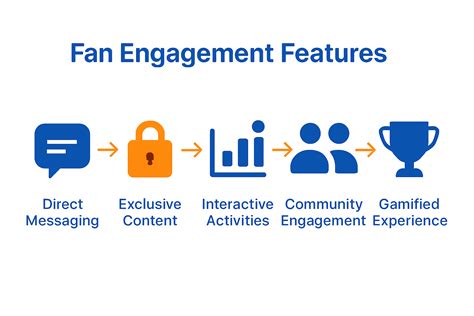
Finally, the platform’s interactive features deserve mention. La Liga TV often incorporates fan polls, live Q&A sessions with players or coaches, and even virtual watch parties where fans can engage with each other in real time. These interactive elements transform passive viewing into an active, community-driven experience. For example, during a live Q&A, a fan might ask a player about their favorite goal or moment in their career, creating a direct line of communication that traditional TV channels rarely offer.
In summary, La Liga TV is not just a channel for watching matches—it is a comprehensive hub for everything related to Spanish football. From behind-the-scenes access and player interviews to in-depth match analysis, historical documentaries, and grassroots coverage, the platform offers a rich tapestry of content that caters to fans of all levels of engagement. This focus on unique, high-quality, and diverse content ensures that La Liga TV remains a leader in sports broadcasting, setting a benchmark for how leagues can connect with their global audiences.
Impact of La Liga TV on Global Audience Reach
The emergence of La Liga TV as a dedicated broadcasting platform has played a transformative role in expanding the league's global reach and influence. Since its inception, the channel has been instrumental in bridging geographical gaps and bringing the excitement of Spanish football to audiences worldwide. This section delves into how La Liga TV has not only amplified the league's visibility but also diversified its revenue streams, making it a pivotal element in the league's global strategy.
One of the most significant impacts of La Liga TV is its ability to provide direct access to matches for fans outside Spain. Traditionally, international fans relied on third-party broadcasters to watch La Liga games, which often came with limitations—regional restrictions, inconsistent coverage, or the need to subscribe to larger, generalized sports packages. By offering a dedicated channel, La Liga eliminated many of these barriers. Fans can now access live matches, highlights, and exclusive content tailored to their preferences. This direct-to-consumer model has fostered a sense of personal connection between the league and its global audience, creating a loyal fanbase that feels directly engaged with the competition.
The channel's multi-language support is another aspect that has expanded its global appeal. La Liga TV provides commentary and content in multiple languages, including English, Spanish, and regional languages relevant to key markets. This localization strategy ensures that fans from diverse linguistic backgrounds can consume content in a way that resonates with them. For instance, in regions like India or Southeast Asia, where football is growing in popularity but English may not be the primary language for all viewers, localized broadcasts have helped La Liga penetrate these markets more effectively. This approach contrasts with many other sports leagues, which often rely on a one-size-fits-all broadcasting model, giving La Liga a competitive edge in audience engagement.

From a revenue perspective, La Liga TV has unlocked new streams that were previously underutilized or unavailable. While traditional broadcasting rights deals with global networks remain a significant source of income, the direct subscription model of La Liga TV adds a layer of predictable and scalable revenue. By offering tiered subscription packages—ranging from basic access to premium content bundles—the channel caters to both casual viewers and die-hard fans. This flexibility not only increases the league's earning potential but also provides a steady income source independent of third-party negotiations. Moreover, the data collected through subscriptions allows La Liga to better understand its audience demographics, preferences, and viewing habits, which can inform future marketing and content strategies.
The platform has also enabled targeted marketing campaigns that enhance fan engagement. For example, La Liga TV often features behind-the-scenes content, player interviews, and documentaries that showcase the human side of the league. These offerings go beyond the 90 minutes of a match, creating a narrative that keeps fans invested even during the off-season. Such content is particularly effective in markets where La Liga faces competition from other football leagues like the Premier League or Bundesliga. By highlighting the unique aspects of Spanish football—its technical style, storied clubs like Barcelona and Real Madrid, and rising stars—La Liga TV positions itself as not just a sports channel but a lifestyle brand for football enthusiasts.
Another area of impact is the channel's role in promoting lesser-known clubs within the league. While clubs like Barcelona and Real Madrid have a global following, many of La Liga's other teams lack the same level of international recognition. La Liga TV has actively worked to address this imbalance by showcasing matches involving smaller clubs and highlighting their stories. This strategy not only democratizes visibility within the league but also creates new fanbases for these teams in international markets. For instance, a compelling narrative around a mid-table team's underdog performance can attract viewers who might otherwise overlook them. Over time, this approach has helped La Liga present itself as a league with depth and diversity rather than one dominated solely by its top-tier clubs.
The expansion of digital platforms has further amplified the channel's impact. La Liga TV is not confined to traditional television; it is available on streaming services, mobile apps, and smart devices. This multi-platform availability ensures that fans can watch games on their preferred devices, whether at home or on the go. In regions with high smartphone penetration but limited access to cable TV, such as parts of Africa or Latin America, this flexibility has been a game-changer. The league has also experimented with freemium models in certain markets, offering free access to select matches to hook new viewers before encouraging them to subscribe for full access. This strategy has proven effective in converting casual viewers into paying customers.
Moreover, La Liga TV has become a tool for cultural exchange, showcasing not just football but also the rich cultural heritage of Spain. Pre-match and post-match shows often include segments on Spanish cities, traditions, and cuisine, giving international audiences a glimpse into the country's identity. This approach aligns with the broader trend of sports as a medium for soft power, where leagues use their global platforms to promote their nation's image. For La Liga, this strategy has helped position Spain as a destination for tourism and investment, indirectly benefiting the country's economy.
The global pandemic also underscored the importance of La Liga TV in maintaining the league's connection with its audience. When stadiums were empty and traditional broadcasting faced logistical challenges, the channel provided a reliable and consistent way for fans to stay engaged. Its digital-first approach ensured that even in uncertain times, La Liga could deliver high-quality content to its audience. This resilience demonstrated the channel's value as a long-term asset rather than a supplementary service.
It is also worth noting how La Liga TV has influenced the league's sponsorship and partnership opportunities. With a growing global audience, brands are more inclined to associate with La Liga, knowing that their visibility extends far beyond Spain. The channel's ability to provide granular audience insights—such as viewer demographics and engagement metrics—makes it an attractive proposition for advertisers looking to target specific markets. This has led to innovative sponsorship deals, such as region-specific partnerships tailored to the preferences of local audiences.
- Increased accessibility has made La Liga more appealing to casual fans in non-traditional markets.
- Localized content has helped the league penetrate regions with diverse linguistic and cultural landscapes.
- Subscription-based models have introduced a steady and scalable revenue stream.
- Digital integration ensures the league stays relevant in an increasingly online world.
In conclusion, La Liga TV has been a cornerstone of the league's strategy to expand its global footprint. By offering direct access, localized content, and a multi-platform presence, the channel has not only grown the league's fanbase but also created new revenue opportunities that complement traditional broadcasting deals. Its role in promoting smaller clubs, enhancing cultural exchange, and maintaining engagement during challenging times solidifies its position as a critical component of La Liga's long-term success. Through these efforts, La Liga TV has transformed from a broadcasting tool into a vehicle for global football diplomacy and economic growth.
Challenges and Opportunities in La Liga Broadcasting
The broadcasting landscape for La Liga, Spain's top-tier football league, is fraught with both challenges and opportunities. As one of the most-watched sports leagues globally, La Liga must navigate a complex web of issues while capitalizing on emerging trends to maintain its competitive edge in the global sports broadcasting market. This section delves into the specific challenges posed by piracy and competition and explores the opportunities for innovation that can redefine how La Liga reaches its audience.
One of the most persistent challenges La Liga faces is piracy. Illegal streaming platforms and unauthorized redistribution of live matches have significantly impacted revenue streams. Studies estimate that sports piracy costs the global industry billions annually, and La Liga is no exception. With high-definition streams readily available on unauthorized platforms, fans often bypass legitimate channels, undermining the value of broadcasting rights. La Liga has taken proactive measures, such as employing AI-driven tools to track and shut down illegal streams in real time. However, the cat-and-mouse nature of this battle means that as soon as one stream is taken down, another pops up. This challenge is compounded by the global nature of piracy, as illegal streams often originate from jurisdictions with lax enforcement of intellectual property laws. Addressing this issue requires not only technological solutions but also international collaboration with governments and regulatory bodies to strengthen legal frameworks and enforcement mechanisms.
Another major challenge is competition from other football leagues and sports properties. La Liga competes directly with the English Premier League (EPL), the UEFA Champions League, and even non-football sports like the NBA and NFL for viewership and broadcasting deals. The EPL, in particular, has a significant advantage due to its global appeal, lucrative TV deals, and a well-established brand that resonates across continents. While La Liga boasts star power with teams like Barcelona and Real Madrid and players like Vinícius Júnior and Luka Modrić, it struggles to match the EPL's consistency in presenting a compelling narrative across all its clubs. Smaller La Liga teams often lack the visibility and fan engagement needed to drive international interest, which can dilute the league's overall value proposition. This competition for eyeballs necessitates a rethinking of how La Liga markets itself—not just as a collection of matches but as a holistic entertainment product that offers unique storytelling, behind-the-scenes content, and localized experiences tailored to different markets.
Despite these challenges, there are significant opportunities for innovation in La Liga broadcasting. One such avenue is the adoption of advanced broadcasting technologies. The use of 4K and even 8K resolution streams can enhance the viewing experience, offering fans unparalleled clarity and immersion. Augmented reality (AR) and virtual reality (VR) are also emerging as game-changers. Imagine a fan being able to don a VR headset and experience a match as if they were sitting in the stands at the Santiago Bernabéu or Camp Nou. La Liga has already dabbled in such technologies, offering VR experiences for select matches, but there is room to expand this further. Personalized viewing options, such as choosing camera angles or accessing real-time stats overlays, can cater to the preferences of a diverse global audience. These innovations not only enhance fan engagement but also differentiate La Liga from its competitors by offering a more interactive and immersive product.
Another opportunity lies in localized content strategies. La Liga has made strides in expanding its reach to non-traditional markets, particularly in Asia and the Americas. However, simply broadcasting matches in these regions is not enough. Tailored content that resonates with local cultures can significantly boost viewership. For instance, La Liga could create region-specific programming, such as documentaries about the league's impact on local communities or features on players from those regions who have played in Spain. Collaborations with local influencers and content creators can also help La Liga penetrate new demographics. By investing in content that speaks directly to the cultural and emotional connections fans have with the sport, La Liga can build a more loyal and engaged audience.
The rise of streaming platforms presents both a challenge and an opportunity. Traditional TV broadcasters are no longer the sole gatekeepers of sports content. Platforms like Amazon Prime, Netflix, and even niche sports-focused services are increasingly vying for a slice of the broadcasting pie. While this fragmentation can dilute La Liga's reach on traditional channels, it also opens the door for innovative partnerships. La Liga could explore exclusive deals with streaming platforms to offer on-demand content, such as match highlights, player interviews, and analytical deep dives. This shift toward digital-first strategies aligns with changing consumer behavior, particularly among younger audiences who prefer flexibility and convenience over traditional TV schedules. By embracing streaming, La Liga can not only reach new audiences but also gather valuable data on viewer preferences, enabling more targeted marketing and content creation.
A related opportunity is the potential for direct-to-consumer (DTC) models. La Liga could consider launching its own OTT (over-the-top) platform, similar to what the NFL has done with NFL Game Pass. Such a platform would allow fans to subscribe directly to La Liga for access to live matches, on-demand replays, and exclusive content. While this approach requires significant investment in infrastructure and marketing, it offers the potential for higher margins by cutting out middlemen like cable providers and traditional broadcasters. Additionally, a DTC model would give La Liga greater control over its brand and the ability to experiment with pricing models, such as tiered subscriptions that cater to casual and hardcore fans differently.
Finally, fan engagement through social media and gamification represents a largely untapped opportunity. Platforms like TikTok, Instagram, and YouTube are where younger audiences consume content, and La Liga has the opportunity to create viral, shareable moments that extend beyond the 90 minutes of a match. Interactive features, such as fantasy leagues, prediction games, and live polls during matches, can keep fans engaged even when they are not actively watching a game. These initiatives not only boost viewer retention but also create new revenue streams through sponsorships and in-app purchases.
In conclusion, while La Liga faces significant challenges in the form of piracy and stiff competition, it is also uniquely positioned to leverage technological advancements and innovative strategies to redefine its broadcasting model. By addressing piracy through global cooperation, differentiating itself from competitors with immersive and localized content, and embracing streaming and DTC models, La Liga can not only protect its revenue streams but also position itself as a leader in sports entertainment for the next generation of fans. The key lies in viewing these challenges not as insurmountable obstacles but as catalysts for transformation in how the league connects with its global audience.
Conclusion and Future of La Liga TV Channels
The current state of La Liga TV channels reflects a dynamic and evolving landscape in sports broadcasting, driven by technological advancements, changing viewer habits, and the growing competition among broadcasters for exclusive rights. La Liga, as one of the most prestigious football leagues in the world, has embraced a multi-platform approach to reach its global audience. Traditional TV channels, such as Movistar LaLiga in Spain, continue to play a central role in domestic broadcasting, offering comprehensive coverage of matches, pre- and post-game analyses, and exclusive content. However, the rise of streaming services and over-the-top (OTT) platforms has introduced new dimensions to how fans consume La Liga content. Platforms like ESPN+ in the United States, beIN SPORTS in various regions, and La Liga’s own OTT service, LaLigaSportsTV, have expanded accessibility while creating a fragmented ecosystem of viewing options.
One of the key characteristics of the current state of La Liga TV channels is the **emphasis on digital transformation**. La Liga has made significant investments in technology to enhance the viewing experience. For instance, the league has partnered with tech companies to integrate augmented reality (AR), virtual reality (VR), and artificial intelligence (AI) into its broadcasts. These innovations allow viewers to access interactive features such as multi-angle replays, real-time statistics overlays, and even immersive VR experiences that simulate the feeling of being in the stadium. Such initiatives are not only aimed at enriching the fan experience but also at staying competitive in a market where younger, tech-savvy audiences demand more engaging and personalized content.
Another notable trend is the **globalization of La Liga broadcasting**. The league has actively pursued partnerships with international broadcasters to expand its reach beyond Spain. Deals with platforms like Facebook (for live streaming in the Indian subcontinent in previous seasons) and collaborations with YouTube for highlights packages demonstrate a clear intent to tap into emerging markets. This strategy is driven by the understanding that football fandom is no longer confined to local or regional audiences; it is a global phenomenon. However, this approach also presents challenges, particularly in balancing the needs of local fans with the demands of international viewers. For instance, time zone differences can make live matches less accessible to fans in certain regions, prompting broadcasters to offer on-demand options or tailored programming schedules.
The **financial implications of TV rights deals** are another critical aspect of the current state of La Liga TV channels. Broadcasting rights have become a significant revenue stream for the league, with deals often running into hundreds of millions of euros. These agreements not only fund the league’s operations but also contribute to the financial health of its clubs. However, the high cost of securing these rights has led to a concentration of power among a few major broadcasters, which can limit competition and potentially drive up subscription costs for fans. Moreover, the COVID-19 pandemic exposed vulnerabilities in this model, as matchday revenues were disrupted, placing even greater reliance on broadcasting income. This has prompted La Liga to explore alternative revenue streams, such as direct-to-consumer (DTC) models where the league takes greater control over its content distribution.
Looking to the **future of La Liga TV channels**, several trends are likely to shape the next decade of Spanish football broadcasting. One of the most significant is the **continued rise of OTT platforms**. As cord-cutting becomes more prevalent, fans are increasingly turning to streaming services for their sports content. La Liga is well-positioned to capitalize on this shift by further developing its own OTT platform or partnering with existing global players. A more robust LaLigaSportsTV, for example, could offer tiered subscription models that cater to different audience segments—from casual fans interested in highlights to die-hard supporters seeking every match live. This approach would not only diversify revenue streams but also give the league greater autonomy over its content.
Another future trend is the **integration of 5G technology** into broadcasting. The ultra-fast speeds and low latency of 5G networks open the door to new possibilities, such as real-time 4K or even 8K streaming, enhanced mobile viewing experiences, and interactive features like live fan polls or AR-based stadium tours. These innovations could redefine how fans engage with La Liga matches, making broadcasts more immersive and interactive than ever before. Additionally, the use of AI-driven personalization algorithms could allow platforms to curate content based on individual viewer preferences, such as recommending specific matches, players, or analytical segments tailored to a fan’s favorite team or region.
The **role of social media and short-form content** is also expected to grow. Platforms like TikTok, Instagram, and YouTube are becoming increasingly important in how younger audiences discover and engage with sports. La Liga has already experimented with short-form content, such as goal compilations, player interviews, and behind-the-scenes footage. In the future, we might see more strategic use of these platforms to build fan loyalty, particularly among Gen Z and millennial audiences. For example, exclusive content drops, live Q&A sessions with players, or gamified experiences tied to match outcomes could further blur the lines between entertainment and sports.
However, the future is not without challenges. The **fragmentation of broadcasting rights** could lead to fan frustration, particularly if accessing La Liga content requires multiple subscriptions across different platforms. This issue is already evident in other leagues, where fans must navigate a maze of services to follow their favorite teams. La Liga will need to strike a balance between maximizing revenue from exclusive deals and ensuring that its content remains accessible to a broad audience. Collaborative models, such as league-wide streaming bundles or partnerships that simplify access, could mitigate this risk.
Lastly, the **sustainability of TV rights revenue** is a question mark in an era of economic uncertainty and shifting consumer priorities. While broadcasting deals have been lucrative, there is growing skepticism about whether the current model is sustainable in the long term. Some experts predict a shift toward more flexible, pay-per-view or subscription-based micro-transactions, allowing fans to pay only for the content they want to watch. This model aligns with the preferences of younger, budget-conscious audiences and could help La Liga remain competitive in a crowded sports media landscape.
- The league’s focus on technological innovation will likely continue, with AR, VR, and AI playing an even greater role in enhancing the viewing experience.
- Global expansion efforts will deepen, with more tailored content for specific regions and increased use of local languages and cultural references in broadcasts.
- Direct-to-consumer models may become a cornerstone of La Liga’s strategy, allowing the league to bypass traditional broadcasters and engage fans directly.
In conclusion, the future of La Liga TV channels is poised at the intersection of innovation and adaptation. While the league has successfully navigated the challenges of the present, its ability to anticipate and respond to emerging trends will determine its long-term success. By embracing digital transformation, leveraging global opportunities, and prioritizing fan accessibility, La Liga can solidify its position as a leader in sports broadcasting while continuing to captivate audiences worldwide.