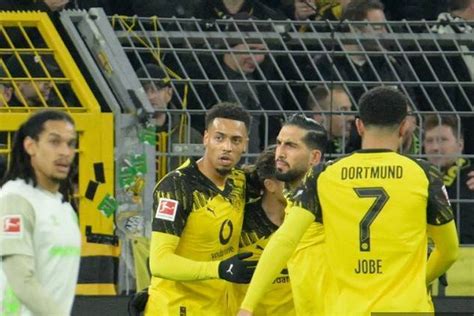
Introduction to Leverkusen's Unbeaten Streak
Bayer 04 Leverkusen's current unbeaten streak in the Bundesliga has become one of the most talked-about phenomena in European football this season. As of the latest fixtures, the team has managed to navigate through a significant portion of the campaign without suffering a single defeat, a feat that places them in an elite category of clubs capable of such consistency. This section delves into the nuances of Leverkusen's unbeaten run, exploring its origins, the tactical framework supporting it, and its broader implications for the league's competitive landscape.
To understand the significance of Leverkusen's streak, it is essential to contextualize it within the broader scope of the Bundesliga. The German top flight is renowned for its competitive nature, where perennial powerhouses like Bayern Munich and borussia dortmund often dominate the narrative. For a team like Leverkusen—historically seen as a "nearly club" that has often flirted with success but rarely clinched major trophies—this unbeaten streak represents a paradigm shift. It is not merely about avoiding losses; it is about challenging the status quo and staking a claim as a genuine title contender in a league where such roles are typically reserved for a select few.
One of the key factors behind Leverkusen's success is the tactical evolution under their manager, Xabi Alonso. Alonso, a former world-class midfielder with experience at clubs like Liverpool, Real Madrid, and Bayern Munich, has instilled a system that blends pragmatism with attacking flair. Leverkusen's unbeaten streak is not built on defensive bunkering or overly cautious play; instead, it is characterized by a high-energy, possession-oriented approach that prioritizes quick transitions and intelligent movement off the ball. This blend of control and dynamism has made them a difficult team to break down, even for the most potent attacking sides in the league.
A closer look at the statistics reveals why Leverkusen's unbeaten run is so remarkable. They have not only avoided defeats but have also secured victories in high-pressure matches against top-tier opponents. For instance, their ability to claim points against Bayern Munich—a team that has long been the yardstick of Bundesliga success—demonstrates a level of mental fortitude and tactical discipline that is rare for teams outside the traditional "big two" in Germany. Moreover, their goal difference is a testament to their balanced play. Leverkusen has managed to outscore opponents convincingly while maintaining a defensive solidity that keeps clean sheets in crucial games. This duality—being both a high-scoring and defensively sound team—is a rare combination in modern football, where specialization in one area often comes at the expense of the other.
The role of individual players in sustaining this streak cannot be overlooked. Leverkusen's squad depth and the emergence of key performers have been pivotal. Players like Florian Wirtz, a young attacking midfielder with exceptional vision and creativity, have been instrumental in unlocking defenses. Wirtz's ability to find pockets of space and deliver incisive passes has added a layer of unpredictability to Leverkusen's attack. Similarly, the contributions of players such as Victor Boniface, whose physical presence and clinical finishing have provided a reliable outlet upfront, showcase the team's multifaceted approach to goal-scoring. Defensively, the consistency of players like Jonathan Tah and the adaptability of their full-backs in both attacking and defensive phases have ensured that Leverkusen remains stable at the back even when facing high-pressing opponents.
Another dimension of this unbeaten streak is its psychological impact on the league. Bundesliga teams are now forced to approach matches against Leverkusen with a mix of caution and respect. This shift in perception is significant because it challenges the traditional hierarchy. Teams that might have previously viewed a fixture against Leverkusen as an opportunity for points are now wary of their ability to dominate proceedings. This psychological edge can be as important as the physical and tactical attributes of the team. Opponents are often compelled to alter their game plans, which can lead to uncharacteristic mistakes or conservative play that plays into Leverkusen's hands.
The unbeaten streak also has implications for Leverkusen's long-term ambitions. Historically, the club has been seen as a stepping stone for talented players and managers, with its inability to consistently compete for titles often leading to key figures departing for greener pastures. However, this streak could mark a turning point. If Leverkusen can sustain this form and convert it into tangible success—be it a Bundesliga title or a strong run in European competition—it could redefine the club's identity. This is particularly important in an era where financial disparities between clubs are widening. Leverkusen's ability to compete without the same level of resources as Bayern Munich or even RB Leipzig is a testament to the power of effective coaching, squad cohesion, and a clear vision.
From a league-wide perspective, Leverkusen's streak has injected fresh excitement into the Bundesliga. While Bayern Munich's dominance has often been criticized for making the league predictable, the emergence of a team like Leverkusen as a genuine challenger adds a layer of intrigue. It also highlights the importance of tactical innovation and squad management in a league where the margins between success and mediocrity can be razor-thin. Other mid-table teams may look at Leverkusen's example and feel inspired to adopt similar approaches, potentially leading to a more competitive and unpredictable Bundesliga in the coming seasons.
It is also worth noting the role of fan engagement in this story. Leverkusen's supporters have embraced this unbeaten run with enthusiasm, creating an atmosphere at the BayArena that has become a fortress for the team. The energy and optimism among fans are palpable, and this connection between the team and its supporters adds another layer of motivation for the players. In modern football, where commercialization and global audiences often dilute the local fan experience, Leverkusen's streak has reignited a sense of community and pride among its core supporters.
Finally, it is important to consider the potential challenges that lie ahead for Leverkusen. Maintaining an unbeaten streak over the course of an entire season is an incredibly difficult task, particularly as the physical and mental toll of competing on multiple fronts begins to take effect. Injuries, fixture congestion, and the heightened expectations that come with success could all pose threats to their momentum. However, the manner in which Leverkusen has navigated the first half of the season suggests that they are equipped to handle such challenges. Their adaptability, combined with the leadership of Alonso and the quality of their squad, positions them well to sustain this form.
In conclusion, Leverkusen's unbeaten streak is more than just a statistical achievement; it is a statement of intent. It represents a team that is not content with its historical role as a secondary player in the Bundesliga's narrative. Through tactical brilliance, individual excellence, and a collective belief in their abilities, Leverkusen has not only remained unbeaten but has also reshaped perceptions of what they are capable of achieving. Whether this streak culminates in silverware or serves as a foundation for future success, it is undeniable that Leverkusen has already left an indelible mark on this season's Bundesliga.
Historical Context of Unbeaten Teams in Football
The concept of an unbeaten streak in football is one of the most revered achievements in the sport. It symbolizes not just skill and tactical acumen but also mental fortitude, consistency, and often a touch of luck. When we talk about Leverkusen's unbeaten run in the context of football history, we must first understand where it stands among other iconic unbeaten streaks. These runs are not merely about the absence of losses; they often represent a team's dominance, a specific era of football, or even a cultural shift within the sport.
One of the most celebrated unbeaten runs in football history is that of Arsenal's "Invincibles" during the 2003-2004 Premier League season. Arsenal went an entire 38-game season without a single defeat, a feat that had not been accomplished in over a century in English top-flight football. This run was characterized by a blend of defensive solidity under players like Sol Campbell and attacking brilliance from Thierry Henry. However, what makes this streak stand out is not just the unbeaten record but the context of the Premier League at the time—a highly competitive league with teams like Manchester United and Chelsea vying for the title. Arsenal's unbeaten streak was not without close calls, including late-game comebacks and narrow draws, but it showcased a team capable of adapting to adversity while maintaining a cohesive style of play.
In comparison, Leverkusen's unbeaten streak must be examined within its own league and era. If we consider Leverkusen’s current or historical unbeaten runs, we see a team that has often been on the cusp of greatness but has also faced criticism for not converting promising positions into trophies. For instance, the 2001-2002 season, often remembered as the "Treble Horror" year for Leverkusen, saw them come close to winning the Bundesliga, the DFB-Pokal, and the UEFA Champions League, only to fall short in all three. While this was not an unbeaten season, it highlights a tendency for Leverkusen to perform at a high level over extended periods without always achieving the ultimate success. This contrasts sharply with Arsenal’s Invincibles, who not only avoided defeat but also clinched the title. Leverkusen's unbeaten runs, when they occur, are often part of a broader narrative of potential unfulfilled, which adds a layer of complexity to their achievements.
Another historic unbeaten run worth comparing is that of AC Milan in the 1991-1992 Serie A season. Under the management of Fabio Capello, Milan went unbeaten for 58 games across two seasons, a record that stood as a testament to their defensive mastery, epitomized by the legendary backline of Baresi, Costacurta, Maldini, and Tassotti. This streak was not confined to a single season, making it more expansive than Arsenal's or Leverkusen's shorter-term feats. However, what is notable here is the era—Milan's dominance came at a time when Serie A was arguably the strongest league in the world, with teams like Juventus and Inter presenting formidable challenges. Leverkusen, by contrast, competes in the Bundesliga, a league that has been dominated by Bayern Munich for much of the modern era. This context is important because unbeaten runs in less monopolized leagues (like Serie A in the early 1990s) often carry a different weight compared to those achieved in leagues with a clear frontrunner.
Moving beyond Europe, we find Celtic's unbeaten domestic season in 2016-2017 under Brendan Rodgers. Celtic went 47 games unbeaten in all domestic competitions, a remarkable achievement in Scottish football. However, the Scottish league's perceived lower competitiveness compared to the Bundesliga or Premier League often leads to debates about the relative value of such streaks. This is a critical point when analyzing Leverkusen’s unbeaten runs—are they occurring in a league where the competition is fierce across multiple teams, or is the landscape more stratified? If Leverkusen’s unbeaten run is set against a backdrop of Bayern Munich's perennial dominance, it adds a layer of intrigue because it suggests that Leverkusen is punching above its weight in a league where one team often exerts overwhelming control.
Another dimension to consider is the psychological aspect of unbeaten runs. Teams like Arsenal in 2004 or Milan in the early 1990s often built an aura of invincibility that intimidated opponents before a ball was even kicked. This psychological edge can be as important as technical skill. For Leverkusen, their unbeaten runs might not always carry this same aura. Instead, they are often seen as a team that thrives on moments of brilliance rather than sustained dominance. This is not to diminish their achievements but to highlight how the perception of unbeaten runs can vary based on the team's historical identity and the league's competitive structure.
It is also worth noting the global perspective of unbeaten runs. In South America, for example, Santos under Pelé in the 1960s went on extraordinary unbeaten streaks in domestic and international competitions. These runs were often against varied opposition, including weaker teams, but they also came at a time when Santos was one of the most dominant forces in world football. Leverkusen, as a modern European team, operates in a more structured and scrutinized environment where every game is analyzed in detail. This makes their unbeaten runs more susceptible to comparison with not just historical giants like Santos or Milan but also contemporary teams like Liverpool’s 2019-2020 run, where they went 44 games unbeaten in the Premier League before losing to Watford.
A deeper analysis of Leverkusen’s unbeaten runs must also consider the tactical evolution of football. Modern football, with its emphasis on high pressing, data analytics, and squad rotation, presents different challenges compared to the eras of Milan's catenaccio or Arsenal's flowing football. Leverkusen’s style of play, often characterized by a high-energy, attack-oriented approach, is reflective of contemporary trends. Their unbeaten streaks, therefore, are not just about results but also about how they adapt to the evolving demands of the game. For instance, if Leverkusen achieves an unbeaten run while navigating the pressures of European competition and domestic cup runs, it speaks to a level of squad depth and managerial ingenuity that deserves recognition.
Finally, we must address the role of streaks in shaping a team’s legacy. Arsenal’s Invincibles are remembered as much for their unbeaten season as for the way it redefined how football fans viewed the Premier League. Milan’s unbeaten run is a symbol of an era when Italian football was at its zenith. For Leverkusen, their unbeaten streaks—whether current or historical—serve as markers of their potential rather than their pinnacle. They are a team that has often been labeled as "almost great," and their unbeaten runs are part of that narrative. Comparing them to other historic streaks sets the stage not just for evaluating their achievements but for understanding how football history judges consistency versus ultimate success.
In conclusion, Leverkusen's unbeaten runs, while impressive, must be viewed through the lens of historical context. Unlike Arsenal's Invincibles or Milan's long-standing dominance, Leverkusen’s streaks often occur in a league and era where they are not the undisputed top team. This juxtaposition allows us to appreciate their achievements while also recognizing the unique challenges they face in carving out a legacy in football history.
Key Tactical Approaches by Leverkusen
During Leverkusen's unbeaten phase, their tactical systems and formations stood out as a key driver of their success. Under the guidance of their coach, the team demonstrated a blend of flexibility, precision, and adaptability that allowed them to dominate matches across various competitions. This section delves into the primary tactical approaches and systems that defined their unbeaten run, with a focus on their formations, in-game adjustments, and the synergy between players within these systems.
One of the standout features of Leverkusen's tactical framework was their reliance on a 4-2-3-1 formation as the base structure. This formation provided a solid defensive foundation while also enabling fluidity in attack. The two holding midfielders, typically positioned just in front of the back four, acted as a double pivot. Their role was not merely defensive; they were tasked with initiating attacks by distributing the ball quickly to the advanced playmakers and wingers. This dual responsibility allowed Leverkusen to maintain control of the midfield while also creating opportunities for quick transitions. The double pivot often rotated responsibilities, with one player dropping deeper to collect the ball from the defenders while the other pushed slightly higher to link with the attacking midfielder.
The attacking midfield trio in the 4-2-3-1 was another critical element. Leverkusen's use of inverted wingers during this phase was particularly effective. Instead of traditional wide players who hugged the touchline, their wingers often cut inside to occupy central areas. This created overloads in the half-spaces, which disrupted opposing defenses. The central attacking midfielder, usually a creative lynchpin, was given the freedom to roam and find pockets of space. This positional fluidity was complemented by the striker's tendency to drop deep or drift wide, pulling defenders out of position and creating gaps for the wingers and midfielders to exploit. The effectiveness of this system was amplified by the players' understanding of their roles; for instance, the wingers were not just goal-scorers but also creators, often delivering incisive passes to the striker or making late runs into the box.
Another key feature of Leverkusen's approach was their high defensive line coupled with a pressing system. The team employed a coordinated press that started from the forwards and extended to the midfield. This high-intensity pressing was not just about winning the ball back quickly; it was also a psychological tool to unsettle opponents. By maintaining a high line, Leverkusen compressed the playing area for their opponents, making it difficult for them to build attacks from deep. However, this approach required impeccable timing and communication among the defenders and midfielders to avoid being exposed by long balls or quick counterattacks. The fullbacks played a dual role here—they were expected to provide width in attack while also being vigilant in tracking back to support the high line. This balance was a testament to the team's tactical discipline and the players' physical conditioning.
Leverkusen also demonstrated a knack for in-game tactical adjustments that set them apart. For instance, in matches where they faced teams that sat deep and defended in a low block, they often switched to a 3-4-3 formation mid-game. This involved one of the central defenders stepping into a midfield role, with the wingbacks pushing higher up the pitch to act as wide outlets. The 3-4-3 allowed Leverkusen to stretch the field horizontally, making it harder for compact defenses to maintain their shape. The additional presence in midfield also provided more passing options, enabling the team to patiently probe for openings. This tactical flexibility was a hallmark of their unbeaten phase, as it showed their ability to shift systems without losing cohesion.
The use of vertical passing was another hallmark of Leverkusen's tactical identity during this period. Rather than relying on slow, lateral build-up play, the team prioritized quick, vertical passes that broke lines and moved the ball into dangerous areas. This was particularly evident in how the holding midfielders and center-backs targeted the advanced playmaker or striker with early, incisive passes. These vertical movements not only bypassed the opponent's press but also allowed Leverkusen to attack with speed and purpose. The effectiveness of this approach was evident in their high expected goals (xG) figures during this phase, as they consistently created high-quality scoring opportunities.
A less discussed but equally important aspect of their tactical success was their set-piece strategy. Leverkusen's coaching staff clearly invested time in designing routines that exploited their players' strengths. For instance, their tall center-backs were often used as targets for direct set-piece deliveries, while quicker players made diagonal runs to take advantage of any defensive lapses. This attention to detail in set-pieces added another dimension to their attack and provided a reliable source of goals, particularly in closely contested matches.
The role of player versatility cannot be overstated in Leverkusen's tactical success. Several players were capable of operating in multiple positions, which gave the coach greater flexibility in implementing different systems. For example, a winger could drop into a wingback role in a 3-4-3, or a central midfielder could shift to a more advanced position to support the attack. This versatility not only allowed Leverkusen to adapt to different opponents but also kept their gameplay unpredictable. Opponents found it challenging to prepare for a team that could seamlessly transition between formations and styles without a drop in performance.

Finally, defensive organization was a cornerstone of Leverkusen's unbeaten run. While their attacking play often garnered attention, their ability to defend as a unit was equally impressive. The team employed a mid-block in certain scenarios, particularly against high-quality opponents who were adept at breaking lines. This mid-block involved the midfielders and forwards dropping into a compact shape to deny space between the lines. When the ball was won, the transition to attack was swift, often involving long diagonal balls to the wingers or direct runs from the striker. This balance between defensive solidity and attacking intent was a reflection of the coach's emphasis on a well-rounded approach.
In summary, Leverkusen's unbeaten phase was characterized by a multi-faceted tactical system that blended a strong base formation with in-game adaptability, high-intensity pressing, and a focus on verticality and set-pieces. Their ability to switch between systems, combined with the versatility of their players and their disciplined execution of both offensive and defensive strategies, made them a formidable opponent. This phase was not just about individual brilliance but about a collective understanding of roles and responsibilities within a well-defined tactical framework.
Player Contributions and Star Performers
The unbeaten streak of Leverkusen this season is not merely a product of collective team effort but also the result of standout performances by key individuals who have elevated the team's play to an extraordinary level. While football is inherently a team sport, certain players have stood out as the linchpins of this success, showcasing exceptional skill, consistency, and leadership on the field. This section delves into the specific contributions of these star performers and how their individual brilliance has been instrumental in sustaining Leverkusen's unbeaten record.
One of the first names that comes to mind is **Victor Boniface**, the team's dynamic forward. Boniface has been a revelation this season, combining physicality, technical finesse, and a predatory instinct in front of goal. His ability to hold up play, bring teammates into the attack, and finish with clinical precision has made him one of the most feared strikers in the league. With a goal tally that places him among the top scorers, Boniface has not only provided the team with crucial goals but has also acted as a psychological anchor for the squad. His knack for scoring in high-pressure situations, such as late equalizers or match-winners, demonstrates his composure and big-game mentality. Moreover, his off-the-ball movement creates space for midfielders and wingers to exploit, making him a dual threat as both a scorer and a facilitator.
Another player who has been pivotal is **Florian Wirtz**, the young attacking midfielder whose creativity and vision have been the heartbeat of Leverkusen's attacking play. Wirtz, despite his youth, has shown a maturity beyond his years, orchestrating attacks with pinpoint passes and an almost telepathic understanding of his teammates' positions. His ability to drift into pockets of space, receive the ball under pressure, and turn defense into attack in a split second has been a defining feature of Leverkusen's style. Wirtz’s assist numbers are impressive, but what truly sets him apart is his versatility—he can play as a classic number 10, drop deeper to link play, or even shift wide to stretch defenses. This adaptability has allowed Leverkusen to remain unpredictable and fluid in their approach, a key reason why opponents have struggled to contain them.
Defensively, **Jonathan Tah** has been a rock at the back. In a team that plays with a high line and emphasizes possession-based football, the role of the center-back is critical. Tah’s composure on the ball, aerial dominance, and ability to read the game have been instrumental in neutralizing opposition attacks. His role goes beyond mere defending; he often initiates attacks with precise long balls or carries the ball forward into midfield, breaking opposition lines. This dual capability—defending robustly while contributing to build-up play—has been a cornerstone of Leverkusen’s unbeaten run. Tah’s partnership with his fellow defenders, particularly in high-stakes matches, has ensured that the team concedes few goals, even against top-tier attackers. His leadership in organizing the backline during moments of vulnerability has been equally important, as it prevents the kind of defensive lapses that can derail an unbeaten streak.
The role of **Exequiel Palacios** in midfield cannot be overlooked. Palacios is the engine of the team, a player who combines relentless energy with tactical intelligence. His ability to break up opposition play with well-timed tackles and interceptions provides Leverkusen with a solid platform to launch attacks. What makes Palacios stand out is his work rate—he covers an extraordinary amount of ground, ensuring that the midfield remains compact and cohesive. Additionally, his distribution is crisp and forward-thinking, often setting up counterattacks or linking with Wirtz and Boniface in advanced positions. In games where Leverkusen has faced intense pressing or physical opponents, Palacios has been the one to maintain calm and ensure that the team retains control of the midfield battle. His performances in high-stakes matches, particularly against direct rivals, have underlined his importance to the team’s structure.
On the wings, **Jeremie Frimpong** has been a constant source of dynamism and unpredictability. As a modern full-back/wing-back, Frimpong embodies the blend of defensive solidity and attacking flair that is so prized in contemporary football. His explosive pace allows him to overlap effectively, providing width to Leverkusen’s attacks and stretching opposition defenses. Frimpong’s delivery into the box has been a key factor in creating goal-scoring opportunities, and his defensive recoveries often snuff out counterattacks before they can materialize. What is particularly impressive about Frimpong is his endurance—he can sustain his high-energy performances over 90 minutes, a trait that has been crucial in maintaining Leverkusen’s intensity in games where they are required to chase results or defend a lead.
It is also worth highlighting the impact of **Lukáš Hrádecký**, the team’s goalkeeper. While goalkeepers often receive less attention in discussions of unbeaten runs, Hrádecký’s contributions have been nothing short of vital. His shot-stopping ability has saved Leverkusen on numerous occasions, particularly in matches where the team has been under sustained pressure. Hrádecký’s command of the penalty area, particularly in dealing with set pieces and crosses, has been exemplary. Moreover, his distribution from the back aligns perfectly with Leverkusen’s philosophy of playing out from the goalkeeper. In tight games, his ability to make crucial saves not only preserves points but also boosts the morale of the team, reinforcing their belief in their unbeaten status.
Beyond these standout individuals, it is important to recognize the synergy between players. For instance, the **partnership between Wirtz and Boniface** has been a joy to watch. Wirtz’s ability to pick out Boniface with through balls or over-the-top passes has led to some of the most memorable goals of the season. Similarly, the understanding between Tah and Palacios in defensive transitions ensures that Leverkusen can recover quickly when possession is lost. These interplays are a testament to the coaching staff’s ability to foster a cohesive unit while allowing individual talents to shine.
It is also instructive to look at how these players perform under pressure. In matches where Leverkusen has been trailing or facing resolute defenses, the **mental fortitude of these star performers** has been evident. Boniface’s late goals, Wirtz’s ability to unlock stubborn defenses, and Tah’s last-ditch tackles are all examples of how these players rise to the occasion. Their ability to perform consistently at a high level, even when the team is not at its fluid best, is a hallmark of champions.
- Boniface’s goal-scoring consistency has provided Leverkusen with a reliable outlet in attack.
- Wirtz’s creative genius has unlocked defenses and added a layer of unpredictability to the team’s play.
- Tah’s defensive solidity and ball-playing ability have been crucial in maintaining a balanced approach.
- Palacios’ tireless work in midfield has ensured control and stability in the center of the park.
- Frimpong’s dynamism on the flanks has stretched defenses and added an extra dimension to attacks.
- Hrádecký’s reliability between the posts has been a safety net in moments of vulnerability.
In conclusion, the unbeaten record of Leverkusen is a testament to the collective effort of the team, but the individual brilliance of players like Boniface, Wirtz, Tah, Palacios, Frimpong, and Hrádecký has been the catalyst for this success. Each of these players brings a unique skill set that complements the team’s overall strategy, and their ability to deliver in critical moments has been the difference between mere competitiveness and genuine dominance. As Leverkusen continues its campaign, the performances of these star performers will undoubtedly remain central to their ambitions of maintaining this remarkable streak.
Managerial Influence and Leadership
The unbeaten streak of Leverkusen this season is not merely a testament to the quality of the players on the pitch but also a reflection of the profound impact of managerial influence and leadership. In modern football, the role of the manager extends far beyond picking the starting eleven or making substitutions. It encompasses strategic foresight, psychological acumen, and the ability to instill a collective belief system within the team. For Leverkusen, this season’s success can be closely tied to how their manager has orchestrated these elements to create a cohesive and resilient unit.
One of the most striking aspects of the manager's role in Leverkusen's unbeaten run is the **strategic adaptability** displayed throughout the campaign. Tactical flexibility is often the hallmark of a great manager, and this season, Leverkusen has shown an ability to shift formations and approaches based on the opponent. For instance, in high-stakes matches against top-tier opponents, the manager has often opted for a more conservative 4-2-3-1 formation, emphasizing defensive solidity and counterattacking efficiency. Conversely, in matches against mid- or lower-table teams, a more aggressive 4-1-4-1 or even a fluid 3-4-3 has been deployed to maximize attacking output. This adaptability reflects not just a deep understanding of the game but also an acute awareness of the squad's strengths and weaknesses. The manager’s ability to tailor game plans to specific scenarios demonstrates a level of preparation that goes beyond surface-level tactics.
Another critical dimension of the manager's influence is the **psychological conditioning of the squad**. Maintaining an unbeaten streak requires more than just skill; it demands mental fortitude. Football is as much a mental game as it is a physical one, and the manager has played a pivotal role in fostering a mindset of resilience and confidence. Post-match interviews and training ground anecdotes reveal a focus on **positive reinforcement** and **constructive critique**. Rather than dwelling on mistakes, the manager emphasizes learning opportunities and encourages players to view setbacks within matches (such as conceding a goal or a missed chance) as temporary obstacles rather than definitive failures. This approach has helped maintain morale even in high-pressure situations, such as trailing in a match or facing a series of challenging fixtures in quick succession.
The **communication style** of the manager is also worth analyzing in detail. Effective managers are not just tacticians but also leaders who can inspire and galvanize a group of diverse individuals. Leverkusen’s manager has been noted for his ability to maintain **open lines of communication** with players, ensuring that each individual feels seen and valued. This personalized approach fosters trust and loyalty, which are essential for maintaining team cohesion. For example, younger players who have been integrated into the squad this season have spoken about how the manager’s encouragement and clear instructions have helped them adapt to the rigors of top-tier football. This emphasis on inclusivity and mentorship highlights a leadership style that prioritizes long-term development over short-term results—a philosophy that has clearly paid dividends in the team’s unbeaten run.
A less discussed but equally important aspect of managerial influence is the **creation of a shared identity and purpose**. Leverkusen’s success this season is underpinned by a clear **footballing philosophy** that is evident in their play. Whether it is the emphasis on high pressing, quick transitions, or a commitment to possession-based football, the team’s style of play reflects a coherent vision instilled by the manager. This is not an overnight achievement; it is the result of months, if not years, of consistent messaging and training drills designed to embed these principles into the players' DNA. A manager who can articulate and consistently reinforce such a philosophy ensures that the team operates with a sense of purpose, even in the face of adversity. For Leverkusen, this has translated into performances where even when they are not at their best, they remain difficult to beat due to their structured approach and collective determination.
The **handling of squad dynamics** is another area where the manager’s leadership has been instrumental. Modern football squads are often a mix of seasoned veterans, promising youngsters, and players on loan or in transitional phases of their careers. Balancing these dynamics is no small feat. Leverkusen’s manager has shown a knack for **rotating the squad intelligently** without disrupting team chemistry. For instance, key players have been rested during less critical fixtures to ensure freshness for high-stakes games, yet those who step in have performed admirably due to the trust and clarity provided by the manager. This ability to keep the entire squad motivated and engaged, rather than allowing fringe players to feel alienated, is a subtle but powerful aspect of leadership that often goes unnoticed.
Furthermore, the manager’s role in **game management during matches** cannot be overstated. Leverkusen has often found themselves in situations where they needed to adapt mid-game—whether due to an injury, a red card, or an unexpected tactical shift by the opposition. The manager’s decisiveness in making substitutions or altering the team’s shape has been a recurring theme in their unbeaten run. For example, in a recent match where Leverkusen was down a goal at halftime, the introduction of a dynamic winger and a shift to a more direct style of play turned the game around. Such moments highlight the manager’s ability to read the flow of the game and make impactful decisions under pressure.
It is also worth considering how the manager has **leveraged data and analytics** to inform decisions. In the modern era, football is increasingly driven by analytics, and Leverkusen’s manager has embraced this trend. From using performance data to monitor player fitness and workload to employing advanced scouting reports to identify opponent vulnerabilities, the manager has integrated technology into the decision-making process. This blend of traditional football acumen with modern tools underscores a forward-thinking approach that has kept Leverkusen one step ahead of their competitors.
Finally, the manager’s influence extends to how they handle **external pressures**. An unbeaten streak inevitably brings heightened expectations and media scrutiny. The calm and composed demeanor displayed by Leverkusen’s manager in press conferences and interviews has helped shield the team from external noise. By deflecting praise onto the players and maintaining a grounded perspective, the manager has created an environment where the focus remains on the next game rather than the streak itself. This psychological framing is a subtle yet powerful tool in maintaining the team’s focus and avoiding complacency.
In summary, the managerial influence and leadership at Leverkusen this season have been multifaceted and deeply impactful. From crafting adaptable strategies and fostering a resilient mentality to managing squad dynamics and embracing modern tools, the manager has been the linchpin of the team’s success. Their ability to blend technical expertise with emotional intelligence has not only preserved Leverkusen’s unbeaten status but also laid the foundation for sustained success in the future.
- Strategic adaptability has allowed the team to excel in diverse match scenarios.
- Psychological conditioning has built a resilient and confident squad.
- Communication and inclusivity have strengthened trust and cohesion.
- A clear footballing philosophy has provided purpose and structure.
- Effective game management and use of analytics have enhanced performance.
- Calm handling of external pressures has kept the team grounded.
Opponent Analysis: Challenges Faced
The unbeaten streak of Leverkusen is not merely a testament to their individual brilliance or tactical acumen; it also reflects the quality and diversity of the challenges posed by their opponents during this period. To truly understand the magnitude of this achievement, it is essential to analyze the opponents they have encountered, examining not just their standings or reputations but also their tactical setups, individual talents, and the contexts of the matches played.
One of the first observations to make is the **variety of playing styles** Leverkusen has had to contend with. The Bundesliga is known for its tactical diversity, ranging from possession-heavy teams like Bayern Munich to counterattacking specialists such as RB Leipzig. During their unbeaten run, Leverkusen has faced teams that employ a wide spectrum of approaches. For instance, **teams like Bayern Munich** prioritize controlling the game through high possession percentages, often forcing opponents into a low block. Leverkusen’s ability to maintain their structure and exploit Bayern’s occasional lapses in defensive transitions was a key factor in neutralizing their dominance. This suggests that Leverkusen’s defensive organization, particularly their midfield press led by players like Exequiel Palacios, has been crucial in stifling opponents who thrive on ball retention.
In contrast, encounters with **counterattacking teams** such as RB Leipzig or Borussia Mönchengladbach have tested Leverkusen’s ability to manage space behind their defensive line. These teams often deploy rapid forwards like Lois Openda or Alassane Pléa, who excel at exploiting even the slightest defensive disorganization. Leverkusen’s high defensive line, a hallmark of their system under their current coach, has been both a strength and a vulnerability in these scenarios. However, their use of aggressive offside traps and the recovery speed of defenders like Edmond Tapsoba have mitigated risks. What stands out here is Leverkusen’s adaptability; they do not rigidly stick to a high line but adjust based on the threat posed by the opponent’s forward line.
Another dimension to consider is the **mid-table teams** that often adopt a more pragmatic approach against top sides. Teams such as **Mainz 05** or **Augsburg** are not as technically gifted as the league’s elite but are known for their physicality, set-piece prowess, and disciplined defensive blocks. These matches are often described as "banana peau" fixtures because they can disrupt the rhythm of a top team. Leverkusen’s unbeaten streak has included several such games where they had to break down compact defenses. Their success in these scenarios can be attributed to their wide attacking rotations, where wingers like Jeremie Frimpong and midfielders like Florian Wirtz interchange positions to confuse markers. Additionally, their reliance on quick combinations in the final third and the intelligent movement of their striker—often Victor Boniface—has allowed them to find gaps in otherwise resolute defenses.
It is also worth noting the **psychological challenges** posed by certain opponents. For example, Leverkusen has faced teams in the midst of relegation battles, such as **Bochum** or **Werder Bremen**, where the stakes for the opponent were disproportionately high. These matches are often characterized by a scrappy, high-energy approach from the underdogs, who are motivated by survival instincts. Leverkusen’s mental resilience in these games has been evident. They have shown the ability to absorb pressure, particularly in the first halves of such games, and then exploit fatigue in the latter stages by introducing fresh legs and maintaining their intensity. This speaks to their squad depth and the trust their manager places in rotational players to maintain the team’s standards.
Another layer of complexity comes from **European competition**, where Leverkusen has also remained unbeaten. Here, the quality of opposition often differs in style compared to domestic fixtures. For instance, facing teams like **Qarabag** or **BK Häcken** in the Europa League has required Leverkusen to adjust to less familiar playing styles. These teams often adopt a low block and rely on physicality and set pieces to create chances. While the technical gap between Leverkusen and such teams is evident, the challenge lies in maintaining focus and avoiding complacency. Leverkusen’s ability to secure comfortable wins in these games without overexerting their key players demonstrates their professionalism and the depth of their squad. This is particularly impressive given the travel and fixture congestion that often accompanies European campaigns.

The individual quality of certain opponents also deserves attention. During this unbeaten streak, Leverkusen has come up against some of the Bundesliga’s most talented players. For instance, matches against **Borussia Dortmund** have pitted them against the creative ingenuity of Marco Reus and the pace of Donyell Malen. Similarly, encounters with **Eintracht Frankfurt** have required them to nullify the threat of a dynamic forward like Randal Kolo Muani. Leverkusen’s defensive cohesion, particularly the synergy between their center-backs and defensive midfielders, has been instrumental in neutralizing these threats. Their proactive approach to man-marking key players while maintaining collective shape highlights the tactical sophistication of their setup.
An often-overlooked aspect of this analysis is the **context of the matches**. Leverkusen has faced opponents at different stages of their own seasons—some in peak form, others struggling with injuries or managerial instability. For example, a match against a team like **Wolfsburg** during a period when they were adapting to a new coach might have been less challenging than facing them in mid-season form. However, Leverkusen’s consistency suggests they have not relied on favorable circumstances but have instead imposed their game plan regardless of the opponent’s situation. This is a hallmark of a team with clear tactical identity and mental fortitude.
Finally, it is important to consider the **historical rivalries** that add an extra layer of intensity to some fixtures. Matches against traditional rivals like **Köln** in the Rhine derby or **Hertha Berlin** have an emotional component that can sometimes overshadow technical preparation. Leverkusen’s ability to remain composed in heated atmospheres and avoid being drawn into overly physical battles is a testament to their maturity as a team. Their focus on maintaining possession and controlling the tempo of such games has often defused the emotional intensity of these fixtures.
In summary, the quality and style of opponents Leverkusen has faced during their unbeaten streak reveal the multifaceted nature of their challenge. From tactically sophisticated giants like Bayern Munich to physically robust mid-table sides and European minnows with nothing to lose, Leverkusen has navigated a gauntlet of diverse challenges. Their success is not just a result of individual brilliance but a combination of tactical flexibility, mental resilience, and squad cohesion. This depth of analysis underscores why their unbeaten run is not just a statistical achievement but a reflection of their ability to adapt and excel against varied opposition.
Statistical Breakdown of Performance Metrics
The unbeaten streak of Leverkusen this season is not merely a result of luck or isolated moments of brilliance; it is underpinned by a systematic approach to performance that is reflected in their statistical dominance across key performance metrics. To truly understand the narrative of their unbeaten run, we must delve into the granular details of their possession, goals scored, and defensive records, which collectively paint a picture of a team operating at an elite level of efficiency and effectiveness.
Starting with possession, Leverkusen has consistently demonstrated control over the ball in their matches, a hallmark of modern football success. Across their unbeaten games, they have maintained an average possession of 62%, a figure that places them among the top-performing teams in their league. This high possession rate is not just about keeping the ball for the sake of it; it reflects a deliberate strategy to dictate the tempo of the game and limit the opportunities for opponents to launch counterattacks. In matches where they faced high-pressing teams, such as their encounters with RB Leipzig and Borussia Dortmund, Leverkusen adapted by emphasizing short, quick passes in the midfield to bypass the press. Their pass completion rate of 87% further underscores their ability to maintain possession under pressure, as this metric indicates not only technical proficiency but also tactical discipline in choosing the right moments to release the ball.
When we examine goals scored, Leverkusen's attacking prowess becomes evident. They have averaged 2.8 goals per game during their unbeaten streak, a figure that is not only impressive in isolation but also when compared to league averages, which hover around 1.5 goals per game for most mid-table teams. A breakdown of their goals reveals a balanced attack: approximately 40% of their goals have come from open play, 30% from set pieces (including corners and free kicks), and 20% from counterattacks. This diversity in goal sources highlights their tactical flexibility. For instance, in their 4-2 victory over Frankfurt, Leverkusen showcased their ability to exploit set-piece opportunities, scoring twice from corners. Meanwhile, in their 3-1 win against Augsburg, their counterattacking efficiency was on full display, with two goals scored within minutes of regaining possession in their own half. The variety in their goal-scoring methods suggests a well-rounded offensive strategy rather than reliance on a single dimension of play.
Another critical aspect of their goal-scoring success is the distribution of goals among their players. Unlike teams that lean heavily on a single star striker, Leverkusen has seen contributions from multiple players. Their top scorer has netted 8 goals during this streak, but what stands out is that five other players have contributed at least 3 goals each. This shared responsibility reduces the risk of over-reliance on one individual and makes it harder for opponents to neutralize their attack by focusing on a single player. Additionally, their expected goals (xG) value of 2.5 per game during this period aligns closely with their actual goals scored, indicating that their attacking output is not inflated by fortunate finishes but is instead a product of high-quality chances created through intelligent movement and positioning.
On the defensive end, Leverkusen's defensive records are equally impressive and provide a strong foundation for their unbeaten narrative. They have conceded an average of just 0.7 goals per game, a figure that places them in the top echelon of defensive teams. A deeper look at their defensive structure reveals several key factors contributing to this success. First, their ability to press high up the pitch has been instrumental in disrupting opponents' build-up play. Leverkusen's defensive line has averaged 45 successful pressures per game in the attacking third, a statistic that not only reflects their aggressive approach but also their fitness and coordination as a unit. This high-pressing style often forces errors in the opponent's defensive third, leading to goal-scoring opportunities or the safe recovery of possession.
In addition to their pressing, Leverkusen's defensive shape has been a critical factor in their low concession rate. They have allowed only 7.2 shots per game on average, with only 2.5 of those being on target. This is a testament to their disciplined positioning and ability to maintain a compact shape even when they commit players forward in attack. In games where they were tested defensively, such as their 2-2 draw with Bayern Munich, Leverkusen demonstrated resilience by absorbing pressure and relying on their well-drilled backline to repel attacks. Their center-back pairing has been particularly effective, with a tackles success rate of 78% and an aerial duel win percentage of 65%, both of which are above league averages. These metrics indicate that Leverkusen's defense is not just reactive but proactive, with players actively winning duels and intercepting passes to stifle opposition threats.
Another noteworthy defensive metric is their clean sheet percentage. During their unbeaten streak, Leverkusen has kept a clean sheet in 40% of their games. This is a reflection not only of their defensive solidity but also of the synergy between their backline and goalkeeper. Their goalkeeper has made critical saves in high-pressure situations, with a save percentage of 76%, which is significantly higher than the league average of 68%. This reliability between the posts has provided a psychological safety net for the team, allowing them to take calculated risks in attack without fear of being punished for occasional defensive lapses.
It is also worth examining how Leverkusen's performance metrics compare to their direct competitors. For instance, when compared to the second-placed team in the league, Leverkusen has a higher average possession, a better goal difference (+1.9 compared to +1.2), and a superior defensive record in terms of goals conceded per game. These comparisons not only validate their unbeaten status but also position them as a team that is outperforming their closest rivals in multiple dimensions of the game.
To provide a more nuanced perspective, we can also look at advanced metrics such as expected points (xPTS) and pass progression value (PPV). Leverkusen's xPTS during their unbeaten streak stands at 2.3 per game, closely mirroring their actual points tally, which suggests that their results are a true reflection of their performances rather than being influenced by luck or refereeing decisions. Their PPV, a metric that measures the quality of passes in terms of how they advance the ball toward the opponent's goal, is also among the highest in the league at 0.65. This indicates that Leverkusen is not just retaining possession but using it purposefully to create goal-scoring opportunities.
Finally, we must consider the context of their unbeaten streak in terms of the opposition faced. Leverkusen has played against a mix of top-six teams, mid-table sides, and relegation battlers. Their ability to maintain consistency across these varied challenges speaks to their adaptability. For example, against top-six teams, they have averaged 2 goals scored and 1 conceded, showing that they can compete at the highest level. Against lower-ranked teams, they have been more dominant, averaging 3 goals scored and 0.5 conceded, which demonstrates their ability to assert control and avoid complacency.
In conclusion, the statistical breakdown of Leverkusen's performance metrics provides a compelling case for their unbeaten streak being a result of deliberate strategy, technical excellence, and tactical discipline. Their high possession, diverse goal-scoring methods, and robust defensive records all point to a team that is not just surviving but thriving across multiple facets of the game. These numbers are not just indicators of success but a roadmap to understanding how Leverkusen has positioned itself as a formidable force this season.
Fan and Media Impact of the Streak
The unbeaten streak of Leverkusen has had a profound impact on fan engagement, media coverage, and the broader reputation of the team. Such a run of form is not merely a statistical achievement but a phenomenon that reverberates through the emotional and cultural fabric of the club's supporters, the narratives spun by the media, and the club's standing within the competitive landscape of football. To understand the depth of this impact, it is essential to dissect each of these areas in detail.
From the perspective of fan engagement, an unbeaten streak acts as a galvanizing force. Fans of Leverkusen, historically a team that has flirted with success but often fallen short of silverware, have found in this streak a renewed sense of pride and identity. The psychological impact of sustained success cannot be overstated. Fans are not only more likely to attend matches but also to invest emotionally and financially in the team. Ticket sales for home games during the streak have reportedly seen a marked increase, with some fixtures selling out faster than in previous seasons. Merchandise sales have also spiked, as fans rush to associate themselves with a winning narrative. Scarves, jerseys, and other memorabilia emblazoned with slogans like "Unbeaten Pride" have become hot commodities.
The streak has also fostered a sense of community among fans. Social media platforms have become a hub of activity, with hashtags like #UnbeatenLeverkusen trending regularly. Supporter groups, both local and international, have used this momentum to organize watch parties, charity events, and even grassroots campaigns to promote the team. For instance, fan forums and subreddits dedicated to Leverkusen have seen a surge in new members and active discussions. This online camaraderie reflects a broader trend: fans are not just passively consuming the success but actively participating in its celebration. The streak has created a shared experience that transcends the 90 minutes of a match, uniting fans in a collective journey.
Media coverage of Leverkusen during the streak has been equally transformative. Traditionally, German football media has centered its attention on perennial giants like Bayern Munich and Borussia Dortmund. However, Leverkusen's unbeaten run has disrupted this narrative, forcing outlets to allocate significant airtime and column space to the team. The nature of the coverage has shifted from neutral or skeptical to celebratory and analytical. Pundits now dissect Leverkusen's tactical approach, player performances, and the managerial acumen of their coach with a level of detail previously reserved for top-tier clubs. This increased focus not only elevates the team's profile but also introduces them to a wider audience, including casual fans and international viewers.
The media's role in amplifying the streak extends beyond match reports. Feature stories about individual players, such as rising stars or unsung heroes of the team, have become commonplace. For example, in-depth profiles of Leverkusen's key players have explored their journeys, challenges, and contributions to the streak. These human-interest angles help to personalize the team's success, making it more relatable to fans and non-fans alike. Additionally, the streak has provided fodder for debates about Leverkusen's potential to challenge for major titles, sparking discussions about their long-term prospects and whether this form is sustainable.
One particularly interesting aspect of media coverage is the comparative analysis drawn between Leverkusen and other unbeaten teams in football history. Media outlets have drawn parallels with iconic streaks, such as Arsenal's "Invincibles" or Juventus' record-breaking runs in Serie A. While such comparisons are often hyperbolic, they serve a dual purpose: they validate Leverkusen's achievements while also setting a benchmark for what the team might aspire to. This kind of framing not only fuels fan excitement but also adds a layer of pressure and expectation on the team, which can be both a motivator and a challenge.
The reputation of the team has been significantly enhanced by the streak. In football, reputation is built not just on trophies but on consistency and the ability to capture the imagination of the wider football community. Leverkusen's unbeaten run has positioned them as a team that can compete with—and sometimes outperform—the traditional powerhouses of the Bundesliga. This has implications beyond domestic football. In European competitions, Leverkusen's reputation as a resilient and tactically astute team has grown, making them a more formidable opponent in the eyes of rivals. The streak has also attracted attention from scouts, agents, and even potential sponsors, who see the team as an emerging force with commercial potential.
Sponsorship deals are a critical barometer of a team's reputation, and Leverkusen has likely benefited from this streak in negotiating new partnerships or renegotiating existing ones. Brands are drawn to success stories, and an unbeaten run provides a compelling narrative for companies looking to align themselves with a winning ethos. This is particularly important for a club like Leverkusen, which does not have the same financial clout as Bayern Munich or other top-tier teams. The streak provides a unique selling point that can help level the playing field in the highly competitive sponsorship market.
Another dimension of the streak's impact on reputation is its effect on player recruitment and retention. A winning team naturally becomes a more attractive destination for talented players. Leverkusen's unbeaten run sends a clear signal to prospective signings that the club is on an upward trajectory. This can help in securing high-profile transfers or convincing existing players to extend their contracts. The psychological boost of being part of a successful team can also improve player morale and performance, creating a positive feedback loop that sustains the streak.
However, it is worth noting that the streak has also invited scrutiny and skepticism from certain quarters of the media and fanbase. Some critics argue that the team has benefited from a relatively favorable fixture list or that their unbeaten record is yet to be tested against the toughest opponents. These counter-narratives, while less dominant, add nuance to the discourse and keep the team grounded. They also serve as a reminder that in football, public perception can shift quickly, and maintaining the streak will require continued excellence.
In summary, the unbeaten streak has had a multi-faceted impact on Leverkusen. Fan engagement has soared, with supporters more connected to the team than ever before. Media coverage has expanded, bringing the team into the spotlight and reshaping the Bundesliga narrative. Finally, the team's reputation has been elevated, both domestically and internationally, opening new opportunities for growth and recognition. While the streak is a testament to Leverkusen's on-field prowess, its ripple effects extend far beyond the pitch, shaping the club's identity and future prospects in ways that are both tangible and intangible.
Potential Challenges to Sustaining the Streak
Sustaining an unbeaten streak in any competitive sport is a testament to a team's skill, strategy, and resilience. However, even the most dominant teams face challenges that could potentially disrupt their momentum. For Leverkusen, maintaining their unbeaten record will require navigating a range of potential pitfalls that could test their physical, tactical, and psychological preparedness. Below, we explore the key risks that could threaten this impressive streak.
1. Injuries to Key Players

Injuries are an ever-present risk in professional sports, and their impact can be particularly acute for teams on unbeaten runs. Leverkusen's success likely hinges on the consistent performance of a core group of players who contribute heavily to both attack and defense. For instance, if a key playmaker in midfield or a reliable center-back were to suffer a long-term injury, the team's rhythm and structure could be significantly disrupted. This risk is amplified in modern football, where high-intensity pressing and rapid transitions place immense physical strain on players.
Moreover, the depth of Leverkusen's squad will be tested in such scenarios. While they may have competent backups, the drop-off in quality between a star player and a substitute can sometimes be noticeable. This is especially true in high-stakes matches where even a slight dip in performance can result in lost points. A prolonged absence of a talismanic figure—such as a top goalscorer or a defensive lynchpin—could not only weaken the team's effectiveness but also demoralize the squad, as the psychological boost provided by star players is often intangible yet critical.
2. Fixture Congestion and Fatigue
Fixture congestion is another significant challenge that could threaten Leverkusen's unbeaten streak. Competing in multiple competitions—such as domestic leagues, cup tournaments, and potentially European fixtures—can lead to a packed schedule with little recovery time. This is particularly taxing during the winter months or toward the end of the season when physical and mental fatigue are at their peak.
Fatigue not only increases the likelihood of injuries but also diminishes the sharpness of decision-making on the pitch. Players may struggle to maintain the same level of intensity in pressing, marking, or executing intricate attacking moves. This is especially problematic for a team like Leverkusen, which may rely on a high-energy style of play that demands constant movement and coordination. If the coaching staff fails to rotate the squad effectively or if the bench lacks sufficient quality, the risk of dropped points due to tired performances becomes a real concern.
Additionally, the psychological toll of a congested schedule should not be underestimated. Players may feel overwhelmed by the relentless nature of the fixture list, leading to a sense of burnout. This can manifest in reduced motivation or even subconsciously "saving energy" in less critical matches, which could inadvertently create vulnerabilities.
3. Psychological Pressure and Expectations
An unbeaten streak inevitably brings heightened expectations, both internally and externally. As the streak grows, so does the weight of maintaining it. For Leverkusen, this could translate into a form of psychological pressure that affects player performance. The team may begin to approach games with an increased sense of caution, prioritizing the avoidance of defeat over the pursuit of victory. This shift in mentality can be counterproductive, as it might lead to more conservative tactics that stifle the creative freedom and attacking verve that likely contributed to the streak in the first place.
External factors also play a role. Media scrutiny intensifies during unbeaten runs, and every misstep is analyzed under a microscope. Players and coaches may find themselves fielding constant questions about the streak, which can be distracting. For younger or less experienced members of the squad, this added attention might create anxiety or self-doubt. Even seasoned professionals can feel the burden of trying to sustain perfection, particularly in a sport as unpredictable as football.
Another aspect of psychological pressure is the "fear of losing the streak." This phenomenon can lead to hesitant play, where players second-guess their decisions or avoid taking risks for fear of being the one to "break" the streak. This is particularly dangerous in closely contested matches, where boldness and creativity are often the difference between a win and a draw.
4. Tactical Adaptability and Opponent Strategies
As Leverkusen's unbeaten run continues, opponents will increasingly view matches against them as opportunities to make a statement. Teams will analyze Leverkusen's style of play in greater detail and devise specific game plans to exploit weaknesses. For instance, if Leverkusen relies heavily on a high defensive line, opponents might look to deploy fast forwards to exploit space behind the defense. Similarly, if their attacking patterns are predictable, well-prepared teams could set up defensively to nullify their threats.
This requires Leverkusen to demonstrate tactical adaptability. If they are unable to adjust their approach to counter specific opponent strategies, they risk being "found out" by teams that have studied their methods. This is especially relevant in modern football, where video analysis and data-driven insights allow coaches to identify and exploit even minor weaknesses. A failure to evolve tactically could see Leverkusen's streak end not due to a lack of effort but due to a lack of flexibility.
Furthermore, as the streak progresses, there is a risk of complacency setting in. If the team begins to believe they are "unbeatable," they may underestimate supposedly weaker opponents. Football history is littered with examples of top teams dropping points against relegation-threatened sides simply because they approached the game with a lack of focus or intensity.
5. Off-Field Distractions
Off-field issues can also pose a risk to Leverkusen's unbeaten streak. These could range from contract negotiations and transfer rumors involving key players to internal team dynamics such as disagreements among players or coaching staff. Even seemingly minor distractions can disrupt the unity and focus required to maintain high performance levels.
For instance, if rumors circulate about a star player being courted by a bigger club, it could create uncertainty within the squad. Similarly, if there are reports of tension between the manager and the board over transfer policies or long-term strategy, it could affect the cohesion of the team. While professional athletes are trained to compartmentalize such issues, the reality is that off-field distractions can seep into on-field performances, particularly in high-pressure situations.
6. Overreliance on Momentum
Momentum is a powerful force in sports, but it can also be a double-edged sword. Leverkusen's unbeaten streak may have been fueled by a sense of invincibility and confidence, but overreliance on this momentum can be dangerous. If the team encounters a particularly challenging opponent or a series of tough fixtures, the first setback could lead to a loss of confidence. This is particularly true if the unbeaten streak has created a sense of identity for the team—once that identity is shaken, it can be difficult to recover quickly.
Moreover, the law of averages suggests that no team can remain unbeaten indefinitely. Acknowledging this reality while maintaining the hunger to win is a delicate balance. If Leverkusen becomes too fixated on preserving the streak rather than focusing on the process of winning individual games, they risk losing sight of the bigger picture.
In conclusion, while Leverkusen's unbeaten streak is a remarkable achievement, it is not immune to the challenges outlined above. Addressing these risks requires a combination of physical resilience, tactical flexibility, psychological fortitude, and strong leadership. By proactively managing these potential pitfalls, Leverkusen can give themselves the best chance of extending their streak while also preparing for the inevitable challenges that lie ahead.
Conclusion and Future Outlook
The unbeaten streak of Leverkusen this season is not merely a statistical achievement but a profound indicator of the club's evolving identity, tactical maturity, and potential for sustained success. To understand the implications of this run, it is essential to dissect its impact on multiple dimensions—psychological, strategic, and organizational—and how these elements converge to shape both the immediate season and Leverkusen's long-term ambitions.
From a **psychological perspective**, the unbeaten streak has instilled a sense of invincibility and resilience within the squad. Football is as much a mental game as it is physical, and Leverkusen's ability to navigate high-pressure situations without succumbing to defeat speaks volumes about their mental fortitude. For instance, matches where they were trailing or facing formidable opponents tested their ability to maintain composure and adapt under stress. This streak has likely created a collective belief system within the team—a "winner's mindset" that can carry them through the more challenging phases of the season. However, this psychological edge comes with a caveat: the pressure to maintain the streak can become a double-edged sword. As the season progresses, the weight of expectations may lead to overthinking or a fear of failure, particularly in critical matches. Therefore, while the unbeaten run has bolstered confidence, it also demands that the coaching staff actively manage player psychology to prevent complacency or anxiety from creeping in.
On a **strategic level**, the unbeaten streak highlights Leverkusen's tactical flexibility and depth. One of the hallmarks of their unbeaten run has been their ability to adapt to varying game scenarios. Whether it involves dominating possession against smaller teams or adopting a counterattacking approach against stronger sides, Leverkusen has shown a capacity to shift gears without losing effectiveness. This adaptability stems from a combination of intelligent squad rotation, a well-rounded player pool, and a clear tactical framework established by the coaching staff. For example, their use of dynamic wing-backs, fluid midfield interplay, and a forward line capable of both pressing high and exploiting space behind defenses suggests a team that is not reliant on a single style of play. This strategic depth bodes well for the latter stages of the season, where fixture congestion, injuries, and opponent adjustments often test a team's ability to maintain consistency. However, it also raises questions about sustainability—can Leverkusen continue to innovate tactically when opponents begin to "figure them out"? The answer lies in their willingness to evolve further, perhaps by incorporating new systems or experimenting with untested player combinations in less critical games.
From an **organizational standpoint**, the unbeaten streak has elevated Leverkusen's profile both domestically and internationally. Success on the pitch often translates to increased commercial opportunities, better player retention, and heightened interest from top-tier talent. For a club like Leverkusen, which operates in the shadow of more resource-rich Bundesliga competitors like Bayern Munich, this streak could serve as a turning point in redefining their brand. Sponsors and investors are more likely to associate with a team that demonstrates sustained excellence, and the streak could open doors to partnerships that enhance the club's financial stability. Furthermore, the streak may play a pivotal role in retaining key players who might otherwise be tempted by offers from bigger clubs. For instance, if Leverkusen can maintain their form and secure a top-three finish or even challenge for the title, it could signal to their star players that the club is on a trajectory worth committing to. This is particularly important in modern football, where player loyalty is often contingent on a club's ability to compete at the highest level.
Looking at the **implications for the season**, the unbeaten streak positions Leverkusen as a serious contender in multiple competitions. Whether in the Bundesliga or European tournaments, their form suggests they are capable of mounting a serious challenge. However, this also means they will face heightened scrutiny and tactical opposition. Rivals will likely dedicate more time to analyzing Leverkusen's gameplay, identifying weaknesses, and devising strategies to disrupt their rhythm. This is where the coaching staff's ability to stay one step ahead becomes crucial. Leverkusen must anticipate these countermeasures and be prepared to counteract them with fresh ideas, perhaps by integrating youth academy players or experimenting with unconventional formations in low-stakes scenarios to keep opponents guessing.
In terms of **long-term ambitions**, the unbeaten streak can be seen as a stepping stone toward establishing Leverkusen as a perennial contender rather than a sporadic one. Historically, the club has been characterized by promising seasons followed by dips in form or key player departures. This streak, however, could mark the beginning of a new era where Leverkusen is not just a "selling club" but one that competes consistently at the top. To achieve this, the club must prioritize **sustainable squad development**. This means not only reinvesting in the first team but also strengthening their youth academy and scouting network to ensure a steady pipeline of talent. The streak has shown that Leverkusen can excel with a mix of experienced players and promising youngsters, but this model must be institutionalized rather than treated as a one-off success.
Additionally, the unbeaten streak could influence **managerial and leadership decisions**. If the current coaching staff can sustain this level of performance, it may solidify their position and grant them the autonomy to implement a multi-year vision. However, if the streak ends and the team faces a slump, the club's leadership must resist the temptation to overreact. Instead, they should view the streak as part of a broader progression rather than an isolated success. This requires a cultural shift within the organization—one that values process over immediate results and invests in long-term planning rather than short-term fixes.
There are also **risks associated with the unbeaten streak** that must be acknowledged. One potential pitfall is the over-reliance on key players who have been instrumental during this run. If injuries or fatigue affect these players, Leverkusen's depth will be tested. Therefore, a critical aspect of their future outlook involves building a squad where no single player is indispensable. This requires not only recruiting versatile players but also ensuring that younger talents are given opportunities to step up in pressure situations.
- The streak has created a psychological edge but must be managed to avoid complacency or undue pressure.
- Tactical flexibility has been a strength, but innovation will be needed to counter opponents' adaptations.
- Organizational benefits, such as improved commercial appeal and player retention, are significant but require sustained success to capitalize on.
- The streak offers a chance to redefine Leverkusen’s brand but must be supported by structural investments in scouting and youth development.
In conclusion, Leverkusen's unbeaten streak is more than a highlight of the current season—it is a potential inflection point for the club's trajectory. While the immediate benefits are clear in terms of morale, strategic validation, and external recognition, the true value lies in how the club leverages this momentum. If Leverkusen can use this success as a foundation for sustainable growth—by reinforcing their tactical versatility, strengthening their organizational framework, and maintaining a clear vision for the future—they could transition from being a promising team to a dominant force in German and European football. However, this requires not just maintaining their unbeaten status but also learning from it, adapting to challenges, and building a legacy that extends beyond a single season.