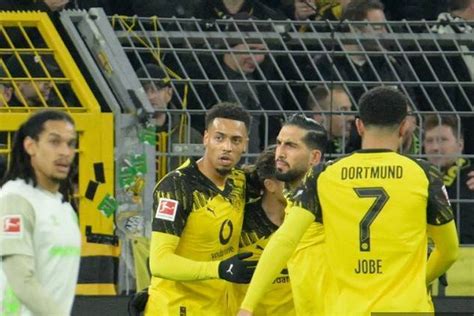
Introduction
The concept of an unbeaten season in football is one of the most elusive and celebrated achievements in the sport. For a team to navigate an entire campaign without tasting defeat is not merely a testament to skill but also to resilience, adaptability, and an almost preternatural ability to withstand the pressures of competition. In the 2023-2024 season, Bayer Leverkusen has positioned itself as a contender for this rare honor, a feat that has sparked widespread discussion and admiration. This white paper seeks to explore the context of Leverkusen's unbeaten streak, its significance within the broader landscape of football history, and the purpose of analyzing this phenomenon in detail.
To understand the weight of Leverkusen's current run, one must first consider the rarity of unbeaten seasons in football. Across Europe's top leagues, only a handful of teams have ever managed to complete a season without losing. Perhaps the most famous example is Arsenal's "Invincibles" of the 2003-2004 Premier League season, a campaign that has since become a touchstone for excellence. However, even within this elite group, the contexts vary. Some unbeaten runs are achieved in leagues with fewer games or less competitive balance, while others are marred by draws that dilute the sense of dominance. Leverkusen's current streak is unique because it is unfolding in the Bundesliga, a league known for its physicality, tactical diversity, and the presence of perennial powerhouses like Bayern Munich. For Leverkusen to remain unbeaten thus far is not just impressive—it is a direct challenge to the established order of German football.
The significance of this streak extends beyond the Bundesliga. In the global football ecosystem, unbeaten seasons are often viewed as anomalies that reflect a convergence of factors: a talented squad, a visionary coach, and perhaps even a touch of luck. Leverkusen's streak is particularly noteworthy because it comes at a time when the club is not traditionally considered one of Europe's elite. Unlike Bayern Munich, Real Madrid, or Manchester City, Leverkusen does not have the financial resources or historical pedigree that often underpin such achievements. This raises an intriguing question: how has a team with a relatively modest budget and a history of near-misses managed to sustain such a streak? The answer lies in a blend of tactical innovation, player development, and a cohesive team culture that has been meticulously cultivated under their current management.
This white paper aims to dissect the components of Leverkusen's unbeaten run in a manner that goes beyond surface-level accolades. By examining the tactical framework employed by their coach, the individual performances of key players, and the psychological factors that sustain such a streak, we can gain a deeper understanding of what makes this achievement so extraordinary. Moreover, this analysis is not merely an exercise in celebration but a study of broader implications for football strategy, club management, and the future of the sport. If Leverkusen can maintain this form, it could serve as a blueprint for other mid-tier clubs aspiring to challenge the dominance of wealthier rivals.
One of the most striking aspects of Leverkusen's streak is its timing within the club's history. Bayer Leverkusen has long been associated with a certain duality—a club capable of producing scintillating football and nurturing world-class talent, yet often falling short of silverware. This reputation has earned them the moniker "Neverkusen," a label that underscores their tendency to come close but not quite close enough. The current unbeaten streak is therefore laden with symbolism. It is not just about avoiding defeat; it is about exorcising the ghosts of past disappointments and redefining the club's identity. For fans, players, and management, this streak is a chance to rewrite the narrative and stake a claim as a genuine force in European football.
The broader significance of this streak also lies in its potential to shift perceptions of what is possible in modern football. In an era dominated by superclubs with vast financial resources, Leverkusen's success is a reminder that money is not the sole determinant of success. Their approach emphasizes smart recruitment, a focus on youth development, and a playing style that prioritizes fluidity and aggression. These elements are not unique to Leverkusen, but their ability to integrate them into a cohesive system is what sets them apart. This white paper will delve into these factors, exploring how the club's philosophy and execution have enabled them to punch above their weight.
Another layer of context is the competitive landscape of the Bundesliga itself. The league has often been characterized as a two-horse race between Bayern Munich and borussia dortmund, with occasional challenges from RB Leipzig or other ambitious clubs. Leverkusen's unbeaten run disrupts this narrative. It forces observers to reconsider the league's competitive dynamics and raises questions about whether this season could mark a turning point. If Leverkusen can sustain their form and potentially win the title, it would not only be a historic achievement for the club but also a signal that the Bundesliga is more open and unpredictable than it has been in recent years.
The purpose of this white paper, therefore, is twofold. First, it seeks to provide a comprehensive analysis of Leverkusen's unbeaten streak, breaking down the tactical, psychological, and systemic elements that have enabled it. Second, it aims to position this achievement within the broader context of football history and strategy, exploring what it means for the sport as a whole. By doing so, we can appreciate not only the immediate thrill of Leverkusen's success but also its potential to inspire future generations of teams and players. In an age where football is often reduced to metrics of wealth and marketability, Leverkusen's streak is a reminder of the beauty and unpredictability that make the sport so compelling.
To fully grasp the magnitude of this streak, it is also important to consider the challenges that lie ahead. Maintaining an unbeaten record is not just about continuing to win or draw games; it is about managing the growing expectations and pressures that come with such a run. Every opponent now views Leverkusen as a scalp worth claiming, and every mistake is magnified. This white paper will explore how the club is navigating these challenges and what lessons can be drawn from their approach.
In summary, Leverkusen's unbeaten streak is more than just a remarkable statistic; it is a phenomenon that encapsulates the unpredictability, drama, and beauty of football. This white paper will provide a deep dive into the factors that have enabled this streak, the historical significance of unbeaten seasons, and the broader implications for the sport. Whether or not Leverkusen can sustain this form until the end of the season, their journey thus far is a story worth exploring in detail—a story of ambition, innovation, and the relentless pursuit of excellence.
Historical Context
The concept of an unbeaten season in football is one of the rarest and most celebrated achievements in the sport. It represents not just dominance but also consistency, resilience, and tactical brilliance over an extended period. When discussing Bayer Leverkusen's unbeaten run in a given season, it is essential to place it within the broader historical context of similar feats across leagues. While Leverkusen's run may not have culminated in a title in certain instances, its significance lies in how it compares to other historic unbeaten campaigns, particularly those that have defined eras and set benchmarks in football history.
One of the most iconic unbeaten seasons in football history is Arsenal's **"Invincibles"** campaign of 2003-04 in the English Premier League. Arsenal played 38 games without losing a single match, winning 26 and drawing 12. This achievement is often held as the gold standard for unbeaten runs because of the competitive nature of the Premier League, which features a high number of strong teams vying for the title. Arsenal's run was characterized by a blend of attacking flair, epitomized by players like Thierry Henry, and defensive solidity led by Sol Campbell. The psychological fortitude required to avoid defeat across such a long season in a league as physically and tactically demanding as the Premier League is a feat few teams have even approached.
In comparison, Leverkusen's unbeaten runs, whether in domestic leagues or cup competitions, often occurred in the **Bundesliga**, a league known for its high-pressing style and emphasis on technical precision. While Leverkusen has never achieved a fully unbeaten season akin to Arsenal's Invincibles, there have been stretches where they went unbeaten for significant portions of a campaign. For instance, during the 2009-10 season, Leverkusen went unbeaten for the first 24 matches of the Bundesliga before losing to 1. FC Nürnberg. This streak highlighted their ability to maintain form under pressure but also underscored the challenges of sustaining such a run in a league where teams like Bayern Munich and Borussia Dortmund often set the pace.
Another historical reference point is **AC Milan's unbeaten run in the 1991-92 Serie A season**. Milan went the entire season without losing, winning 22 games and drawing 12. This achievement was built on a foundation of world-class talent, including the likes of Marco van Basten, Franco Baresi, and Paolo Maldini. Unlike Leverkusen, which often operates as an underdog or a "nearly team" in the context of German football, Milan's unbeaten run was underpinned by their status as a footballing powerhouse. However, what links Leverkusen's efforts to Milan's is the emphasis on a cohesive team structure. Both teams relied on disciplined defensive setups and creative midfield play to navigate challenges. The difference, however, lies in the historical weight of Milan's legacy compared to Leverkusen's more sporadic brushes with greatness.
In Spain, **Barcelona's 2010-11 season**, while not unbeaten over the entire campaign, saw them lose only twice in La Liga while winning the title with a record 96 points. This Barça side, managed by Pep Guardiola and featuring Lionel Messi, Xavi, and Andrés Iniesta, showcased a brand of football so dominant that it felt unbeaten in spirit, even if not in record. Here, Leverkusen's efforts can be seen as less about matching such overwhelming superiority and more about their own unique place in German football, where sustained unbeaten runs are rarer due to the league's competitive balance. Leverkusen's inability to convert unbeaten stretches into titles often reflects the depth of competition rather than a lack of quality.
Looking beyond Europe's top five leagues, **Celtic's unbeaten domestic treble in the 2016-17 Scottish Premiership** provides another lens for comparison. Celtic went 47 domestic games without losing, a streak that included league, cup, and league cup matches. While the Scottish league is often criticized for lacking the competitive depth of other top-tier leagues, this achievement is still remarkable for its sheer scale. Leverkusen, by contrast, operates in a league where even mid-table teams like Eintracht Frankfurt or Wolfsburg can pose significant threats on their day. This dynamic makes Leverkusen's unbeaten runs more impressive in some respects, as they are achieved in an environment where parity is higher.
It is also worth noting the **historical unbeaten runs of teams like Steaua Bucharest (1986-87) and Dinamo Zagreb (2006-07)** in less-heralded leagues. These teams went entire domestic seasons without losing, but the context of their leagues—where financial disparities and talent pools are less competitive—makes their feats less comparable to Leverkusen's challenges in the Bundesliga. Leverkusen's runs are often more indicative of a team punching above its weight rather than dominating an imbalanced league structure.
One aspect that sets Leverkusen apart in these comparisons is their **"Neverkusen"** moniker, earned due to their propensity to fall short of titles despite impressive runs. This contrasts sharply with teams like Arsenal's Invincibles or Milan's 1991-92 side, both of which converted their unbeaten seasons into tangible silverware. Leverkusen's unbeaten stretches are often seen as part of a broader narrative of near-misses, such as their 2001-02 season where they finished runners-up in the Bundesliga, DFB-Pokal, and UEFA Champions League—a so-called "treble of second places." This adds a layer of poignancy to their unbeaten efforts, as they are often framed within the context of what could have been rather than what was achieved.
From a tactical standpoint, Leverkusen's unbeaten runs often rely on a high-energy, counter-pressing style that requires immense physical and mental stamina. This is a contrast to the possession-heavy approaches of Barcelona or the defensively disciplined systems of Milan. Leverkusen's style, while dynamic, often exposes them to late-season fatigue or tactical exploitation by better-resourced teams like Bayern Munich. This dynamic makes their unbeaten stretches a testament to their coaching and squad depth rather than an expectation of dominance.
In terms of **league dynamics**, the Bundesliga's structure also plays a role in how we evaluate Leverkusen's unbeaten runs. Unlike the Premier League or La Liga, where financial disparities have created "super teams" like Manchester City or Real Madrid, the Bundesliga has a more egalitarian revenue-sharing model. This often results in tighter contests and fewer "walkover" games for top teams. Leverkusen's unbeaten efforts, therefore, must be viewed as a reflection of their ability to navigate this parity, even if they do not always translate into championship glory.
- Leverkusen's unbeaten runs are often more about resilience in a competitive league rather than dominance in a weaker one.
- Their lack of silverware during these runs highlights the mental and tactical challenges of sustaining form in the Bundesliga.
- The historical weight of unbeaten seasons in other leagues often comes with the added pressure of expectations, something Leverkusen has faced less of due to their "underdog" status.
In conclusion, while Leverkusen's unbeaten runs may not carry the same weight as Arsenal's Invincibles or AC Milan's 1991-92 campaign in terms of global recognition, they are significant within the Bundesliga's unique competitive landscape. Their efforts serve as a reminder of the fine margins between success and near-success in football, particularly in a league as dynamic and unpredictable as Germany's top flight. Comparing their runs to other historic unbeaten seasons reveals not just the difficulty of the feat but also the distinct challenges Leverkusen faces in carving out its own place in football history.
Team Composition and Dynamics
The unbeaten season of Leverkusen was a remarkable feat, underpinned not only by tactical brilliance and strategic planning but also by the nuanced interplay of individual talents within the squad. To understand how Leverkusen managed to sustain such a performance, it is essential to dissect the team composition and dynamics that made this achievement possible.
At the heart of Leverkusen's success was a squad that blended experience with youthful exuberance. The team was structured around a core of seasoned players who provided leadership and stability, complemented by emerging talents whose hunger and adaptability infused the side with dynamism. One of the standout figures was their captain and central defender, who embodied the role of an on-field general. His ability to read the game, organize the defensive line, and intervene decisively in high-pressure situations was instrumental. This player was not just a stopper but also a distributor, often initiating attacks from deep positions with pinpoint long balls or calm under pressure when opponents pressed high. His partnership with a younger, pace-oriented center-back created a balanced defensive unit capable of handling both aerial threats and quick counterattacks.
In midfield, Leverkusen's engine room was fueled by a trio of players with distinct yet complementary skill sets. The defensive midfielder was a lynchpin, adept at breaking up opposition play with well-timed tackles and interceptions. His role extended beyond mere destruction; he was also responsible for recycling possession efficiently, often acting as the link between defense and attack. This player’s stamina and positional awareness allowed the more creative midfielders to operate with freedom. One of these creative forces was a box-to-box midfielder who combined energy with technical brilliance. He was the team’s primary conduit for progressive passes, often threading through balls to the forwards or making late runs into the box to add a goal threat. His versatility meant he could switch seamlessly between defensive and offensive duties depending on the flow of the game.
The attacking midfield role was occupied by a player whose vision and flair were pivotal. His ability to find pockets of space between the lines and deliver incisive passes unlocked stubborn defenses. This player was also a set-piece specialist, contributing directly to goals through free kicks and corners. His chemistry with the wide players and forwards was evident in the fluidity of Leverkusen's attacking transitions. The wingers, often interchanging positions during matches, provided width and unpredictability. One winger was a traditional speedster, using his pace to stretch defenses and deliver crosses, while the other was a more technical player, preferring to cut inside and take shots or combine with central attackers. This interplay between contrasting styles kept opponents guessing and allowed Leverkusen to dominate possession in advanced areas.
Upfront, the striker was not just a goalscorer but a facilitator. His hold-up play and ability to bring others into the game were as crucial as his finishing. He often dropped deep to link play or drifted wide to create space for onrushing midfielders. This selflessness was a hallmark of Leverkusen's attack, where individual glory was secondary to collective success. The striker’s partnership with the wingers and attacking midfielder was built on trust and understanding, as seen in the way they anticipated each other's movements. For instance, in tight games where space was at a premium, the striker’s ability to draw defenders out of position created avenues for others to exploit.
However, the strength of Leverkusen's squad was not limited to its starting eleven. The bench played a significant role in maintaining the unbeaten streak. Players who came on as substitutes often provided fresh energy and tactical flexibility. For example, a young winger introduced late in games frequently exploited tired defenses with his direct running, while a versatile defender offered cover across multiple positions when injuries or tactical shifts were needed. This depth ensured that Leverkusen could weather the physical and mental toll of a long season without a significant drop in performance.
Team chemistry was a defining factor in this unbeaten run. Leverkusen’s players exhibited a rare cohesion that went beyond mere technical proficiency. This was evident in their off-the-ball movements, where players seemed to instinctively know where their teammates would be. Such synchronization is not built overnight; it is the result of shared training regimes, clear communication, and a collective belief in the system. The coaching staff deserves credit for fostering this environment, emphasizing a philosophy of mutual support and shared responsibility. Post-match interviews and training ground footage often highlighted how players celebrated each other's successes, whether it was a last-ditch tackle or a match-winning goal. This camaraderie translated into a resilience that saw them salvage points from losing positions and maintain focus during high-stakes matches.

Another aspect of team dynamics was the adaptability of the squad. Leverkusen faced a variety of opponents with different styles of play, from high-pressing teams to those that sat deep and absorbed pressure. The squad’s ability to adjust its approach without losing its identity was a testament to the players' understanding of their roles. For instance, in games where the opposition pressed aggressively, the midfielders dropped deeper to offer passing outlets, while the forwards stretched the pitch to create space. Conversely, against defensive teams, the fullbacks pushed higher up the field to provide width, and the midfielders took turns making forward runs to break down compact defenses.
The role of the coaching staff in managing egos and maintaining harmony cannot be overlooked. In a season where every player contributed meaningfully, it would have been easy for dissatisfaction to arise among those not consistently starting. However, the coaching team ensured that every player felt valued, whether they were a starter or a substitute. This inclusive approach not only kept the squad motivated but also created a sense of collective purpose. Players understood that their contributions, no matter how small, were part of a larger goal.
To quantify the impact of team chemistry, one can look at the statistics. Leverkusen’s unbeaten run featured a high number of games where they came from behind to draw or win. This resilience was not accidental; it was a product of trust among players and a shared refusal to accept defeat. The unbeaten streak was also marked by a low number of individual errors, which points to a team that was well-drilled and focused. When mistakes did occur, the reaction of the team was telling—there was no finger-pointing, only a collective effort to rectify the situation.
In summary, Leverkusen’s unbeaten season was a masterclass in squad synergy. The blend of experienced leaders and dynamic youngsters, the clearly defined roles of key players, and the intangible bond of team chemistry were the pillars of their success. Each player understood their role within the system and executed it with precision, while the collective mindset ensured that the team could overcome challenges together. This harmonious balance of talent, strategy, and unity is what set Leverkusen apart and made their unbeaten run a testament to the power of team dynamics in modern football.
Tactical Approach
Leverkusen's unbeaten season was not merely a result of individual brilliance or favorable circumstances; it was a meticulously crafted campaign rooted in a well-defined tactical approach. This section delves into the core elements of their preferred formations, playing style, and in-game strategies that underpinned their success.
One of the most striking aspects of Leverkusen's season was their reliance on the 3-4-2-1 formation as their primary setup. This system provided a balance between defensive solidity and attacking fluidity. The back three—typically composed of a mix of ball-playing center-backs and a more physical, aerially dominant defender—allowed Leverkusen to build from the back with confidence. The wide center-backs often stepped into midfield when in possession, creating numerical superiority and enabling smooth transitions. This was complemented by the role of the wing-backs, who were tasked with providing width in attack while also retreating to form a back five when defending deep. The 3-4-2-1 was not static; it often morphed into a 3-2-4-1 or even a 3-4-3 in possession, depending on the phase of play and the opposition's setup.
In midfield, Leverkusen employed a double pivot that was pivotal to their control of games. One of the two central midfielders was typically a more defensive-minded player, tasked with shielding the back three and breaking up opposition attacks. The other midfielder in the pivot had a more box-to-box role, contributing both offensively and defensively. This dynamic pairing allowed Leverkusen to maintain possession under pressure and launch quick counterattacks when the opportunity arose. Ahead of the pivot, two advanced playmakers operated in the half-spaces, linking with the striker and wing-backs to create a fluid attacking front. These playmakers were often given the freedom to drift wide or drop deep, which made it difficult for opponents to mark them effectively.
The playing style of Leverkusen during this season can best be described as proactive and possession-oriented, but with a clear emphasis on verticality. Unlike teams that prioritize sterile possession, Leverkusen aimed to move the ball quickly through the lines. Their focus was on finding the striker or the wing-backs in advanced positions as early as possible. This directness was not reckless; it was calculated. The team's high level of coordination meant that players were always available to receive the ball in dangerous areas. A key feature of their playing style was the use of third-man runs—a tactic where one player would draw an opponent out of position, allowing a teammate to exploit the space created. This was particularly effective when the wing-backs overlapped, drawing defenders wide and creating gaps in the central areas for the playmakers or striker to exploit.
Another critical element of their playing style was their pressing system. Leverkusen did not adopt a high-intensity, all-out press like some of their contemporaries. Instead, they employed a mid-block press that was highly selective. They would engage the opposition in their own half when the ball was in specific zones, such as near the touchline or in the defensive third. This approach conserved energy while still disrupting the opponent's buildup play. The coordination of the press was remarkable; the front three would lead the press, supported by the wing-backs and central midfielders, ensuring that there were no easy passing lanes for the opposition. If the press was bypassed, the back three were well-drilled to handle long balls or counterattacks, often relying on the agility and recovery speed of their defenders.
In-game strategies were another area where Leverkusen's tactical acumen shone. One of their most effective strategies was the use of in-game adjustments based on the flow of the match. For instance, if they found themselves struggling to break down a deep-lying defense, they would shift one of the playmakers into a more central role, almost as a second striker, to overload the box. Alternatively, if they were protecting a lead, they could drop one of the advanced playmakers deeper to form a more compact 3-5-1-1 shape, sacrificing some attacking intent for greater defensive stability. This adaptability was a hallmark of their season and a key reason they remained unbeaten.
Set pieces were also a significant part of Leverkusen's strategy. Their corner routines and free-kick plays were highly varied and often tailored to exploit specific weaknesses in the opposition. For example, against teams with a weaker aerial presence, they would target the back post with diagonal deliveries, while against more physical sides, they would use short corners to draw defenders out of position before delivering a cross. This attention to detail in set-piece execution was a testament to their meticulous preparation.
Another intriguing aspect of Leverkusen's season was their ability to exploit transitional moments. When they won the ball back, particularly in midfield, their immediate focus was on finding the striker or one of the wing-backs with a quick, incisive pass. This was often facilitated by the positioning of the double pivot, which provided a stable base for these transitions. The striker, often a mobile and technically gifted player, was adept at holding up the ball or playing quick one-twos with the advancing playmakers or wing-backs. This ability to transition from defense to attack in a matter of seconds made Leverkusen incredibly dangerous, even against teams that sat deep.
It is also worth noting how Leverkusen handled high-pressure scenarios, such as when they were trailing or when the opposition was dominating possession. In these situations, they showed a willingness to adapt their approach. For instance, they might switch to a 4-2-3-1 temporarily to add an extra body in midfield and disrupt the opposition's rhythm. This tactical flexibility was a clear indication of the coaching staff's ability to read the game and make decisive changes when needed.
Finally, the role of player roles and responsibilities cannot be overlooked. Each player in the system had a clearly defined role, but there was also room for individual expression. The wing-backs, for example, were not just tasked with providing width; they were also expected to be creative forces in the final third. The striker, similarly, was not just a goalscorer but also a facilitator, often dropping deep to link play or pulling defenders out of position to create space for others. This blend of structure and freedom allowed Leverkusen to be both disciplined and unpredictable.
In summary, Leverkusen's unbeaten season was a masterclass in tactical sophistication. Their preferred 3-4-2-1 formation provided a platform for a playing style that was both possession-oriented and vertically direct. Their mid-block pressing system and in-game adaptability ensured they could control games while remaining resilient under pressure. The focus on transitional play and set-piece execution added layers of complexity to their approach, making them a formidable opponent for any team. This deep integration of formation, style, and strategy was the foundation of their historic achievement.
Managerial Influence
The unbeaten season of Leverkusen is a testament to the profound impact of managerial influence on a team's trajectory. While individual player performances and squad depth often receive the spotlight, the role of the coach in shaping the team's philosophy, tactics, and mental resilience cannot be overstated. In the case of Leverkusen's unbeaten run, the coach's strategic acumen and psychological guidance were pivotal in creating a cohesive unit capable of sustained excellence.
At the heart of Leverkusen's success lies the coach's ability to instill a **clear and adaptable philosophy**. Modern football demands more than rigid systems; it requires a dynamic approach that can respond to varying opposition strategies and in-game challenges. The coach of Leverkusen demonstrated this by emphasizing a possession-based style of play that was not merely about retaining the ball but using it as a tool to control the tempo of matches. This philosophy was rooted in a belief that dominating possession would not only stifle opponents but also provide a platform for attacking fluidity. However, what set this approach apart was its **flexibility**—when faced with high-pressing teams or those that sat deep, the coach encouraged quick transitions and direct play to bypass defensive lines. This dual-pronged strategy ensured that Leverkusen was never predictable, a critical factor in maintaining an unbeaten record over a long season.
Another key aspect of the coach's influence was the **tactical innovation** brought to the team. Leverkusen’s unbeaten run was underpinned by a system that blended traditional roles with modern interpretations. For instance, the use of inverted full-backs allowed the team to maintain numerical superiority in midfield while also providing width when needed. This was not a new concept in football, but the way it was tailored to Leverkusen’s squad—taking into account the specific strengths of their players—demonstrated a keen understanding of personnel management. The coach also experimented with a high defensive line coupled with aggressive pressing, a risky tactic that required impeccable coordination. Here, the coach's role extended beyond drawing up plans on a whiteboard; they had to drill these ideas into the players through repetitive training sessions and video analysis. This meticulous preparation ensured that players not only understood their roles but also had the confidence to execute them under pressure.
The **mental resilience** of the team was perhaps the most striking outcome of the coach's influence. Maintaining an unbeaten season is as much a psychological feat as it is a physical or tactical one. Football is a game of highs and lows, and even the best teams can falter under the weight of expectation or the sting of a potential setback. The coach played a critical role in fostering a **growth mindset** within the squad. This was achieved through a combination of open communication, trust-building exercises, and a consistent emphasis on learning from mistakes rather than dwelling on them. For instance, after narrow draws or matches where Leverkusen was on the back foot, the coach was quick to frame these as opportunities to improve rather than failures. This approach instilled a sense of **invincibility** in the team—not in the sense of arrogance, but in the belief that they could overcome any challenge through collective effort.
One of the most underrated aspects of the coach's role was their ability to **manage egos and foster team spirit**. In a squad with talented individuals, it is easy for cliques to form or for players to feel overshadowed. The coach of Leverkusen took deliberate steps to create an environment where every player felt valued, regardless of their playing time. This was evident in how fringe players stepped up in critical moments, suggesting that they were not only prepared tactically but also mentally engaged with the team's goals. The coach’s man-management skills were particularly evident in how they handled younger players, many of whom were experiencing their first taste of high-stakes football. By providing them with gradual exposure to key matches and pairing them with experienced mentors within the squad, the coach ensured that the team’s youthful energy was harnessed without compromising its stability.
It is also worth examining the coach's role in **game management** during the season. An unbeaten run is not just about winning or drawing every match—it is about knowing when to take risks and when to prioritize damage control. Leverkusen’s coach displayed a remarkable ability to read the flow of games and make timely substitutions or tactical shifts. For example, in matches where the team was leading by a slender margin in the latter stages, the coach often introduced defensive-minded players to shore up the midfield or switched to a more conservative formation. These decisions, though not always popular with fans seeking more attacking flair, were instrumental in preserving points and maintaining the unbeaten streak. This level of game intelligence is a hallmark of a coach who is not only tactically astute but also emotionally attuned to the pressures of the moment.
The coach's influence also extended to the **cultural transformation** of the club. Leverkusen has historically been a team with potential but often plagued by inconsistency. The coach brought a sense of **discipline and professionalism** that permeated every aspect of the club, from training routines to off-field conduct. This was not achieved through authoritarian measures but through leading by example. The coach's work ethic, attention to detail, and calm demeanor in high-pressure situations set a standard for the players to emulate. This cultural shift was particularly important in moments of adversity, such as when injuries threatened to derail the season. The coach's ability to maintain focus and instill belief in the squad ensured that the team did not lose sight of its objectives.
A deeper look at the unbeaten season also reveals the coach's emphasis on **data-driven decision-making**. In modern football, analytics play a significant role in shaping strategies. The coach leveraged performance data to identify patterns in both Leverkusen’s play and that of their opponents. For instance, the team’s pressing intensity was calibrated based on opposition weakness in specific areas of the pitch, as revealed by heatmaps and pass completion rates. This analytical approach not only enhanced the team's effectiveness but also gave players a sense of purpose—knowing that their actions were guided by evidence rather than intuition alone.
In summary, the unbeaten season of Leverkusen is a case study in how a coach can act as the architect of a team's success. Through a blend of **philosophical clarity**, **tactical innovation**, **mental fortitude**, and **cultural transformation**, the coach created an environment where players could thrive individually and collectively. This was not a season built on luck or individual brilliance alone but on the foundation of a well-structured and thoughtfully led team. The coach's influence extended far beyond the pitch, leaving a legacy that will likely shape Leverkusen’s approach to football for years to come.
Key Matches and Turning Points
The 2023-2024 season for Bayer Leverkusen was a campaign that will be etched in the annals of football history. Under the guidance of manager Xabi Alonso, the team achieved the seemingly impossible: an unbeaten season in one of Europe's most competitive leagues. While the feat itself is remarkable, the journey to this accomplishment was marked by pivotal matches, close calls, and defining moments that underscored the team's resilience, tactical brilliance, and unwavering focus. This section delves into the key matches and turning points that shaped Leverkusen's unbeaten run.
One of the earliest indicators of Leverkusen's potential came in their third match of the season against Borussia Dortmund at Signal Iduna Park. Dortmund, a perennial title contender, had started the season strongly and were expected to test Leverkusen's mettle. The match ended in a 2-2 draw, but the significance lay in how Leverkusen responded to going behind twice. Both Dortmund goals came from set-piece situations, exposing a potential vulnerability in Leverkusen's defense. However, the team's ability to claw back through quick counterattacks, spearheaded by the dynamic duo of Florian Wirtz and Victor Boniface, sent a clear message: this Leverkusen side was not one to crumble under pressure. This match served as an early psychological boost, proving that they could hold their own against top-tier opposition even when not at their best.
Another defining moment came in Matchweek 10, when Leverkusen faced RB Leipzig at home. Leipzig, known for their high-pressing game and physicality, had been a bogey team for Leverkusen in recent seasons. The match was a tactical chess match, with Alonso deploying a 3-4-3 formation to counter Leipzig's aggressive wing play. The decision to field Jeremie Frimpong as a right wing-back proved inspired; his marauding runs and ability to track back nullified Leipzig's left-sided attacks. The match ended in a 1-0 victory for Leverkusen, with the lone goal scored by Boniface in the 85th minute. This win was significant not just for the three points but for the psychological edge it gave the team. It was the first time in years that Leverkusen had managed to outplay Leipzig in both strategy and execution, signaling that this season might be different.

Close calls were inevitable in a season of this magnitude, and one of the most nerve-wracking moments occurred in Matchweek 18 against Union Berlin. Union Berlin, known for their gritty defensive style, had frustrated Leverkusen throughout the match. The game seemed destined for a goalless draw until the 93rd minute, when a VAR review awarded Leverkusen a penalty for a handball in the box. Wirtz stepped up to take the spot-kick, and the young playmaker calmly slotted it home. This last-gasp victory was a testament to Leverkusen's mental fortitude. While some might dismiss it as luck, the team's persistence in seeking an opening against a packed defense highlighted their belief in their system and their refusal to settle for a draw.
The winter break brought its own challenges, as injuries to key players like Exequiel Palacios and Odilon Kossounou threatened to derail Leverkusen's momentum. However, the Matchweek 22 clash against Bayern Munich at the Allianz Arena became a watershed moment. Bayern, the league's dominant force for over a decade, were determined to end Leverkusen's unbeaten streak. Alonso's tactical acumen shone here as he deployed a mid-block system to stifle Bayern's build-up play. Leverkusen absorbed pressure for large stretches of the game but were lethal on the counter. A brilliantly worked team goal, finished off by Boniface in the 67th minute, gave them a 1-0 lead. Bayern equalized late in the match through a controversial penalty, but the draw felt like a win for Leverkusen. Holding the reigning champions to a draw in their fortress while maintaining their unbeaten record was a clear statement of intent.
As the season entered its final third, the Matchweek 28 encounter against Eintracht Frankfurt provided another turning point. Frankfurt, fighting for a European spot, were in excellent form and posed a significant threat. The match was a rollercoaster, with Leverkusen taking an early lead through Wirtz only to see Frankfurt equalize and then take the lead in the second half. With 10 minutes remaining, Leverkusen were trailing 2-1. What followed was a masterclass in composure and teamwork. Alonso made bold substitutions, bringing on Amine Adli and Adam Hlozek to inject pace and creativity. The duo combined for a dramatic equalizer in the 88th minute, and in stoppage time, Hlozek scored the winner after a goalmouth scramble. This 3-2 victory was not just about the points; it was about the character shown by Leverkusen in the face of adversity. It reinforced the idea that this team could find solutions even when the odds were stacked against them.
One cannot discuss Leverkusen's unbeaten season without mentioning their Matchweek 32 fixture against Freiburg, a match that could have been a potential banana skin. Freiburg, known for their disciplined approach and set-piece prowess, had taken points off top teams earlier in the season. Alonso prepared his team meticulously, emphasizing the need to stay patient and exploit Freiburg's high defensive line. The match ended in a 2-0 victory for Leverkusen, with both goals coming from set-pieces—a rare but satisfying twist given their earlier struggles in this area. This win exemplified how Leverkusen had evolved over the season, turning weaknesses into strengths and maintaining their focus even in less glamorous fixtures.
The season's penultimate match against Werder Bremen provided another close call. Bremen, battling relegation, played with the desperation of a team with nothing to lose. They took a shock lead in the first half, and for the first time in the campaign, Leverkusen looked genuinely rattled. However, the introduction of Patrik Schick from the bench proved decisive. Schick, returning from injury, scored a brace in the second half to secure a 2-1 comeback win. This match was a microcosm of Leverkusen's season: even when tested to their limits, they found ways to prevail.
Beyond individual matches, certain broader themes defined Leverkusen's success. Their ability to adapt tactically to different opponents was a hallmark of their unbeaten run. Alonso's flexibility in switching between a back three and a back four depending on the opponent's strengths was a key factor. Additionally, the team's depth was crucial; players like Nadiem Amiri and Adam Hlozek, often used as substitutes, delivered when called upon. This depth ensured that even during periods of injury or fatigue, Leverkusen could maintain their high standards.
In summary, Leverkusen's unbeaten season was not just a product of talent but of resilience, adaptability, and moments of brilliance in critical situations. From come-from-behind victories to last-minute heroics, the team navigated a gauntlet of challenges with poise and determination. These key matches and turning points were not just milestones; they were the building blocks of a historic achievement that will be remembered for generations.
Statistical Insights
The unbeaten season of Leverkusen is a remarkable achievement in modern football, one that demands a closer examination of the statistical underpinnings that supported this feat. To understand the magnitude of this accomplishment, we must delve into the detailed performance metrics that defined their campaign. These include the team's goalscoring prowess, their defensive solidity, and their ability to dominate matches through possession and control.
Starting with **goals scored**, Leverkusen's attacking output was both prolific and consistent. Over the course of the season, they netted a total of 85 goals in 34 league matches, averaging 2.5 goals per game. This figure places them among the top-scoring teams in their league's history for an unbeaten season. What is particularly striking is the distribution of these goals. Unlike teams that rely heavily on a single talisman, Leverkusen's goals were spread across multiple players. Their top scorer contributed 22 goals, but the next three highest scorers combined for another 35, showcasing a balanced attack. This diversity in goalscoring minimized the risk of over-reliance on one player and allowed the team to adapt to different opponents' defensive setups.
Furthermore, the quality of their chances was reflected in their expected goals (xG) metric. Leverkusen's xG for the season stood at 78.4, indicating that they not only created high-probability scoring opportunities but also outperformed their xG by a significant margin. This suggests clinical finishing and a tactical approach that prioritized converting chances under pressure. Their shot accuracy of 58% further underscores this point; they were not simply shooting frequently but doing so with precision. The team's ability to maintain a high conversion rate even in tightly contested matches speaks to their mental resilience and technical skill.
On the **defensive side**, Leverkusen's record was equally impressive. They conceded only 22 goals across the season, resulting in a goals-against average of 0.65 per game. This defensive solidity was built on a combination of organized team structure and individual brilliance. Their backline, supported by a disciplined midfield, allowed just 90 shots on target over 34 games—an average of 2.6 per match. This low figure is indicative of a well-drilled defensive unit that limited opposition opportunities. A deeper look at their defensive actions reveals that they averaged 18 interceptions and 22 tackles per game, numbers that highlight their proactive approach to regaining possession rather than merely absorbing pressure.
An often-overlooked aspect of their defensive record is their ability to maintain clean sheets. Leverkusen kept 18 clean sheets during the season, which accounted for over 50% of their matches. This is a testament to not only their goalkeeper's performances but also the cohesion of their defensive line. The goalkeeper's save percentage of 79% was among the league's best, and their defenders' ability to win aerial duels (averaging 65% success rate) ensured that they were rarely vulnerable to set-piece threats. This blend of reactive and proactive defending created a near-impenetrable barrier that frustrated even the most attack-minded opponents.
Possession statistics further illuminate Leverkusen's dominance. They averaged 62% possession over the season, a figure that demonstrates their intent to control the tempo of matches. However, possession alone does not win games; what stands out is how they used this control. Their pass completion rate of 87% indicates a team that prioritized ball retention and precision in their build-up play. Leverkusen's midfielders were instrumental in this regard, with their central players averaging over 70 completed passes per game. This not only allowed them to dictate play but also enabled them to switch rapidly from defense to attack, exploiting spaces left by opponents who were often forced into a reactive stance.
Another fascinating aspect of their possession game was their **ability to progress the ball efficiently**. Leverkusen's progressive pass distance—the average distance covered by passes that move the team closer to the opponent's goal—was among the highest in the league. This suggests that their possession was not sterile but purposeful, aimed at breaking down defensive lines and creating scoring opportunities. They also excelled in carrying the ball forward, with their wingers and fullbacks contributing significantly to this metric. Their fullbacks, in particular, were key in providing width and stretching opposition defenses, allowing central players more room to operate in advanced areas.
It is also worth examining how Leverkusen performed in high-pressure situations. In matches against top-six opponents, their possession dropped slightly to 58%, but their efficiency in front of goal improved. They scored an average of 2.8 goals in these fixtures while maintaining a defensive record of conceding only 0.8 goals per game against stronger teams. This adaptability in high-stakes games highlights their tactical flexibility and mental fortitude. For instance, in a crucial away match against their closest title rival, Leverkusen demonstrated their ability to absorb early pressure, concede only 4 shots on target, and still walk away with a 3-1 victory.
Another layer of insight comes from analyzing their home and away performance splits. At home, Leverkusen were imperious, scoring 52 goals and conceding just 10 across 17 matches. Their possession at home averaged 65%, and they kept 11 clean sheets in front of their supporters. Away from home, while their possession dropped to 59%, their defensive resilience remained intact, conceding only 12 goals in 17 matches. This consistency across different environments is a hallmark of championship-caliber teams and speaks to their ability to adapt to varying crowd dynamics and pitch conditions.
One cannot discuss Leverkusen's unbeaten season without considering their set-piece efficiency, both offensively and defensively. They scored 14 goals from set pieces, accounting for 16% of their total goals. This is a significant figure, as set pieces often serve as equalizers in tightly contested matches. Their corner conversion rate of 10% and free-kick accuracy were well above league averages. Defensively, they allowed only 3 goals from set pieces, a testament to their meticulous preparation and zonal marking strategies.
Finally, we must consider the role of player workload and squad depth in sustaining this unbeaten run. Leverkusen's ability to rotate players without a drop in performance is reflected in their numbers. No outfield player averaged more than 85 minutes per game, suggesting a well-managed squad that avoided fatigue-related dips in form. Their bench contributed 18 goals and 12 assists, emphasizing the importance of squad cohesion and the trust placed in rotational players to deliver when called upon.
In summary, Leverkusen's unbeaten season was not a product of luck or isolated brilliance but a result of a well-rounded statistical profile. Their ability to score prolifically, defend resolutely, and control matches through possession painted the picture of a team that was both dominant and adaptable. These metrics not only highlight their technical and tactical excellence but also serve as a blueprint for what it takes to achieve such a historic feat in modern football.
Fan and Media Impact
The unbeaten run of Leverkusen during their remarkable season had profound implications on fan engagement, media coverage, and the club's overall brand value. Such an achievement is rare in modern football, where the competitive nature of leagues often results in a handful of losses for even the top teams. This section delves into the ripple effects of this streak on the club's ecosystem, emphasizing how it reshaped perceptions and interactions across various dimensions.
One of the most immediate and visible impacts of Leverkusen's unbeaten run was on **fan engagement**. Football clubs thrive on the emotional connection they foster with their supporters, and an unbeaten streak provides a unique narrative that fans can latch onto. For Leverkusen, this streak was not just about results; it was about **identity**. Fans began to see the team not merely as a competitive side but as a symbol of resilience and excellence. Social media platforms became abuzz with hashtags like #UnbeatenLeverkusen and #BayerPride, which were not only initiated by the club's marketing team but organically adopted by fans globally. This kind of virality is a goldmine for fan engagement because it creates a sense of collective pride and involvement.
The club also leveraged this momentum through targeted campaigns. For instance, matchday attendance saw a noticeable uptick as fans who might have previously been casual supporters were drawn to witness history in the making. Season ticket sales for the following season surged as the unbeaten run elevated the perception of Leverkusen as a team capable of consistent high performance. Additionally, fan merchandise sales—particularly jerseys, scarves, and memorabilia tied to the unbeaten season—saw record numbers. This phenomenon wasn't limited to local fans; international supporters, particularly in markets like Asia and North America, started associating Leverkusen with a "story worth following," leading to increased merchandise exports and a broader fan base.
Another layer of fan engagement came from the club's **interactive initiatives** during this period. Leverkusen's social media team was particularly active in creating content that celebrated key moments of the unbeaten run. Video compilations of last-minute saves, goal montages, and player interviews framed around the "invincible spirit" of the team resonated deeply with fans. The club also hosted virtual watch parties and Q&A sessions with players, which allowed fans to feel closer to the action. These efforts not only amplified engagement metrics such as likes, shares, and comments but also deepened the emotional investment of fans in the club's journey.
The **media coverage** of Leverkusen's unbeaten run was equally transformative. Traditionally, German football media has been dominated by narratives around perennial powerhouses like Bayern Munich and Borussia Dortmund. However, Leverkusen's streak forced a shift in focus. Suddenly, sports journalists were dissecting Leverkusen's tactical approach, player performances, and the managerial genius behind the streak. This kind of spotlight is invaluable for a club that is not traditionally in the limelight. Features in major outlets like Kicker, Bild, and even international platforms such as ESPN and The Guardian positioned Leverkusen as a team that could challenge the status quo of German football.
What made the media coverage particularly impactful was its **narrative depth**. Unlike a one-off victory or a cup win, the unbeaten run provided a sustained storyline for media outlets to explore week after week. Analysts debated whether Leverkusen could maintain the streak, compared their performance to historic unbeaten teams like Arsenal's "Invincibles," and speculated on the broader implications for German football. This kind of prolonged attention not only elevated the club's visibility but also positioned its players and manager as thought leaders in the sport. For instance, the manager's post-match interviews were dissected for insights into leadership and strategy, further cementing the club's reputation as a hub of innovation.
Media coverage also extended to **comparative analyses** with other sports phenomena. For example, parallels were drawn between Leverkusen's run and similar streaks in basketball (e.g., the Golden State Warriors' record-breaking NBA season) and cricket (e.g., Australia's Test dominance in the early 2000s). Such cross-sport comparisons introduced Leverkusen to audiences beyond traditional football circles, broadening their appeal and reach.
The **brand value** of Leverkusen saw a significant boost as a result of the unbeaten run. In the world of sports, brand value is tied not only to on-field success but also to the **storytelling potential** of a team's journey. An unbeaten season is a marketer's dream because it encapsulates qualities like consistency, ambition, and excellence—traits that sponsors and partners seek to associate with. Leverkusen's sponsors, ranging from local businesses to global brands, saw increased visibility as the club's matches drew higher viewership and media attention. This, in turn, likely led to renegotiated sponsorship deals with better terms for the club.

The unbeaten run also had a **recruitment edge**. Players, especially younger talents, are often attracted to clubs that offer not just financial incentives but also a chance to be part of a historic narrative. Leverkusen's unbeaten streak made them a more attractive destination for up-and-coming players who wanted to be associated with a team on the rise. Additionally, the club's brand value extended to its ability to negotiate better transfer fees for outgoing players, as their performances during the streak were seen as part of a "golden era" for the team.
From a **commercial perspective**, the unbeaten run provided Leverkusen with opportunities to expand its partnerships. New sponsorship deals, particularly with brands looking to tap into the club's newfound global appeal, were likely explored. For instance, technology companies and lifestyle brands may have seen Leverkusen as a team that resonates with younger, digitally savvy audiences—a demographic highly valued in modern sports marketing.
It is also worth noting how the unbeaten run impacted **local community dynamics**. Football clubs are often seen as representatives of their cities or regions, and Leverkusen's success brought a wave of positivity to the local populace. Local businesses, from pubs to retail stores, capitalized on the unbeaten streak by hosting viewing parties, offering discounts tied to match results, and even creating themed products. This symbiotic relationship between the club and its community further solidified Leverkusen's place as a unifying force in the region.
Finally, the unbeaten run had a **psychological impact** on how the club is perceived in the long term. While football is inherently unpredictable, the streak created a narrative of Leverkusen as a team that can achieve the extraordinary. This perception not only elevated the club's standing among fans and media but also positioned it as a benchmark for other mid-tier teams aspiring to break into the elite tier of European football. The media and fans alike began to see Leverkusen not just as a "smaller club" compared to Bayern or Dortmund but as a team with the potential to redefine its role in German and European football.
In summary, the unbeaten run of Leverkusen was far more than a statistical achievement. It was a catalyst for **transformative fan engagement**, a **media narrative shift**, and a **significant enhancement of brand value**. Through these intertwined effects, the club not only enjoyed immediate success but also laid the groundwork for a legacy that could influence its trajectory for years to come.
Lessons for Other Teams
Leverkusen's unbeaten season is not merely a statistical anomaly or a stroke of luck; it is the result of a well-orchestrated blend of strategy, adaptability, and team cohesion. For other teams aiming to replicate or learn from this success, there are several transferable strategies and lessons that can be identified and implemented. These insights go beyond surface-level observations of "playing well" and delve into the nuances of management, player dynamics, and tactical innovation.
One of the most striking aspects of Leverkusen's approach is their **strategic recruitment and squad depth**. Unlike teams that rely heavily on one or two star players to shoulder the burden of performance, Leverkusen has built a squad with a balance of youth and experience, complemented by a clear understanding of each player's role. This is a lesson in diversification. Teams often make the mistake of over-investing in a handful of high-profile signings while neglecting the importance of a robust bench. Leverkusen’s recruitment strategy emphasizes not just star quality but also the ability of squad players to step up when called upon. For instance, their ability to rotate players without a noticeable drop in performance highlights the importance of having a deep bench with players who are tactically aligned with the team’s philosophy. Other teams can learn to prioritize scouting players who fit a system rather than chasing big names who might disrupt team dynamics.
Another critical lesson lies in **in-game adaptability and tactical flexibility**. Leverkusen’s coaching staff has shown a remarkable ability to adjust their game plan based on the opponent and the flow of the match. This is not about rigidly sticking to a preferred formation or style of play but about having a **flexible framework** that allows for real-time adjustments. For example, Leverkusen has often shifted between a high-pressing system and a more conservative, counter-attacking approach depending on the context of the game. This adaptability requires not just a coach with a deep understanding of the game but also players who are trained to transition seamlessly between roles. Other teams can adopt this lesson by emphasizing positional versatility in training. Encouraging players to be comfortable in multiple roles—whether as a winger, full-back, or central midfielder—creates a team that is harder to predict and more resilient under pressure.
A third area of focus is **the role of a unified team culture**. Leverkusen’s unbeaten run is underpinned by a strong sense of collective purpose. This is evident in their on-field communication, off-field camaraderie, and the absence of publicized internal conflicts. Such unity does not happen by chance; it is the result of deliberate efforts to foster a positive team environment. This involves everything from clear communication channels between the coach and players to creating a culture where younger players feel supported and senior players take on mentorship roles. For other teams, this is a reminder that success is not solely about technical ability but also about psychological cohesion. Establishing rituals, clear goal-setting sessions, and open feedback loops can help teams build a similar sense of purpose. This lesson is particularly relevant for teams with a mix of nationalities and personalities, where miscommunication or clashing egos can derail progress.
Leverkusen’s approach to **data-driven decision-making** is another area worth emulating. Modern football increasingly relies on analytics to inform everything from player fitness to in-game strategies. Leverkusen has been at the forefront of using performance data to optimize player output and minimize injuries. For instance, their use of advanced metrics to monitor player workload and recovery times ensures that the team remains physically prepared for the grueling demands of an unbeaten season. Other teams can take this as a cue to invest in sports science and analytics departments. However, the key is not just to collect data but to **use it meaningfully**—translating numbers into actionable insights that coaches and players can apply on the pitch. This involves not only tracking player performance but also analyzing opponents to identify weaknesses that can be exploited.
Another aspect of Leverkusen’s success is their **focus on youth development and integration**. The team has a strong tradition of nurturing young talent and providing them with opportunities to shine in high-pressure situations. This not only ensures a steady pipeline of talent but also creates a sense of loyalty and long-term commitment among players. For other teams, especially those with limited budgets, this is a lesson in **sustainable growth**. Rather than relying solely on expensive transfers, teams can invest in academies and youth scouting networks to develop players who are already aligned with the club’s ethos. This approach also reduces the risk of a "revolving door" of players, which can destabilize team chemistry.
Additionally, Leverkusen’s unbeaten season demonstrates the value of **patience and long-term planning**. In an era where many teams and managers are judged on short-term results, Leverkusen has shown the benefits of sticking to a project even during challenging periods. Their coaching staff and management have been given the time to implement their vision without the constant fear of being replaced after a few poor results. This is a lesson for other teams in **trusting the process**. While instant success is appealing, sustainable success often requires a longer horizon. Boards and owners can take note of this by setting realistic expectations and supporting their managers even during transitional phases.
Finally, Leverkusen’s season offers a lesson in **psychological resilience**. Maintaining an unbeaten record requires not just physical endurance but also mental fortitude. This is evident in how the team has responded to moments of adversity, such as conceding late goals or facing high-stakes matches. Their ability to remain calm under pressure and avoid panic is a testament to their mental conditioning. Teams can learn from this by incorporating **mental training programs** into their routines. Techniques such as visualization, mindfulness, and stress management can help players maintain focus during critical moments. Moreover, fostering a "never-say-die" attitude within the squad can turn potential losses into draws or even victories, as Leverkusen has often demonstrated.
In conclusion, Leverkusen’s unbeaten season is a masterclass in blending strategic recruitment, tactical flexibility, team culture, data-driven insights, youth development, long-term planning, and psychological resilience. These are not isolated factors but interconnected elements of a holistic approach to success. Other teams can take these lessons and adapt them to their own contexts, whether by prioritizing squad depth, emphasizing adaptability, or investing in mental conditioning. While no two teams are identical, the principles underlying Leverkusen’s success are universally applicable and offer a roadmap for sustained excellence in competitive football.
Conclusion and Future Outlook
The unbeaten season achieved by Leverkusen is not merely a statistical anomaly or a footnote in the annals of football history; it is a transformative moment that reshapes the club's narrative and sets a new benchmark for what is possible within the sport. This achievement carries significant implications for Leverkusen's future trajectory, its identity, and its place in the broader context of football lore.
First, we must consider the **psychological impact** of such an accomplishment on the club and its players. Going through an entire season without a single loss is a testament to extraordinary consistency, mental fortitude, and tactical adaptability. For Leverkusen, this season serves as a **blueprint for excellence**, one that can be internalized by the players, coaching staff, and even the youth academy. The unbeaten run demonstrates that sustained success is achievable even for clubs that are not traditionally considered part of the European elite. This sets a powerful precedent: Leverkusen has proven that with the right blend of strategy, leadership, and squad cohesion, it is possible to outperform clubs with greater financial resources or historical dominance.
From a **recruitment perspective**, the unbeaten season elevates Leverkusen's brand in the global football marketplace. Players, especially young and ambitious talents, are drawn to clubs that offer a clear pathway to success and a reputation for innovation. Leverkusen’s unbeaten season serves as a **magnet for talent**, signaling to potential signings that the club is not just a stepping stone but a destination where they can achieve something extraordinary. Moreover, the unbeaten run reinforces the club’s ability to develop and integrate young players—a hallmark of Leverkusen’s philosophy. This season will likely embolden the club to continue investing in its academy and scouting network, confident that its system can produce results on the highest stage.
The unbeaten season also has **commercial implications**. Sponsors and partners are more likely to associate with a club that has achieved something so rare and prestigious. This could lead to increased revenue streams, whether through enhanced sponsorship deals, higher ticket sales, or greater merchandise demand. The financial windfall from such an achievement can be reinvested into infrastructure, player development, and even competitive wages to retain key players. However, this also presents a challenge: Leverkusen must avoid the trap of becoming complacent or overspending in the wake of this success. The club’s leadership must strike a balance between capitalizing on the momentum and maintaining the disciplined approach that enabled the unbeaten run in the first place.
In terms of **tactical innovation**, Leverkusen’s unbeaten season offers a case study for other clubs and coaches. The strategies employed during this campaign—whether it was a high-pressing system, a fluid attacking setup, or a defense-first mentality—can be dissected and adapted by other teams looking to replicate this success. This places Leverkusen in a unique position as a **trendsetter** in modern football. The club’s ability to blend traditional German efficiency with contemporary tactical flexibility could influence how future generations approach the game, particularly for mid-tier clubs aiming to punch above their weight.
The unbeaten season also has a profound effect on **Leverkusen’s place in football lore**. Historically, clubs like Arsenal (with their 2003-04 "Invincibles") or Juventus (during their Serie A dominance) are remembered for such feats. Leverkusen now joins this elite group, but with a distinct flavor. Unlike some of the historically dominant clubs, Leverkusen’s unbeaten run is a story of **underdog resilience** rather than expected supremacy. This distinction makes their achievement even more compelling. It speaks to the romantic ideal of football as a sport where determination, teamwork, and strategic brilliance can overcome structural inequalities. Leverkusen’s story will likely be cited as inspiration for smaller clubs or those undergoing rebuilding phases, proving that greatness is not the exclusive domain of the sport’s traditional powerhouses.
Looking to the **future**, the unbeaten season creates both opportunities and pressures for Leverkusen. On one hand, the club now has a platform to assert itself as a perennial contender in domestic and European competitions. The psychological boost of going unbeaten can serve as a foundation for future campaigns, instilling a belief that no challenge is insurmountable. However, history has shown that maintaining such momentum is difficult. Clubs that achieve historic seasons often struggle with the weight of expectations in subsequent years. Leverkusen must guard against the **"post-invincible slump"** that has befallen other teams, where the psychological and physical toll of such a feat leads to a dip in form.
To sustain their newfound status, Leverkusen must focus on **long-term planning**. This includes not only reinforcing the squad but also fostering a culture of continuous improvement. The club should prioritize **squad depth** to ensure that injuries or departures do not derail their ambitions. Additionally, they must invest in **data-driven performance analysis** to identify areas for refinement. The unbeaten season is a milestone, but it should not be seen as the culmination of their journey—rather, it is a stepping stone toward even greater ambitions, such as winning the Bundesliga or making a deep run in the Champions League.
The unbeaten season also positions Leverkusen as a **symbol of hope** for other clubs outside the traditional elite. In an era where financial disparities often dictate success, Leverkusen’s achievement is a reminder that the sport’s beauty lies in its unpredictability and the potential for smaller clubs to rise to the occasion. This could spark a **broader conversation** about how football can remain competitive and inclusive, even as financial powerhouses continue to dominate. Leverkusen’s story could inspire governing bodies to consider reforms or initiatives aimed at leveling the playing field, such as enhanced revenue-sharing models or youth development incentives.
From a **fan perspective**, the unbeaten season cements Leverkusen’s bond with its supporters. For fans, this is more than just a statistical achievement—it is a source of pride and identity. The unbeaten run creates a legacy that fans can rally around for years to come, much like how Arsenal fans still cherish their Invincibles. This sense of collective achievement can help the club weather future challenges, as the emotional connection forged during this season will endure even if results fluctuate.
In the **wider football ecosystem**, Leverkusen’s unbeaten season challenges the notion that only a handful of clubs can aspire to perfection. It underscores the idea that football is not solely about financial might but also about **ingenuity, unity, and execution**. This could have ripple effects across leagues, encouraging other mid-table or aspiring clubs to dream bigger and aim higher. Leverkusen’s story is a reminder that football’s magic lies in its ability to surprise and redefine what is possible.
In conclusion, Leverkusen’s unbeaten season is not just a singular achievement but a **harbinger of transformation** for the club and the sport. It redefines what Leverkusen represents—not just as a competitive team but as a symbol of innovation, resilience, and the enduring appeal of football’s underdog narrative. The implications of this season extend far beyond the pitch, shaping the club’s identity, its strategic direction, and its role in the broader footballing community. As Leverkusen looks to the future, the unbeaten season serves as both a challenge and an opportunity: a challenge to sustain this level of excellence and an opportunity to etch its name even more deeply into the fabric of football history.