Introduction to Leverkusen's Unbeaten Run
The recent unbeaten streak of Bayer Leverkusen has captured the imagination of football enthusiasts worldwide, positioning the club as a beacon of tactical innovation and resilience in modern football. Under the stewardship of manager Xabi Alonso, Leverkusen has embarked on a run that not only underscores their current form but also invites comparisons to some of the most storied unbeaten sequences in football history. This section delves into the specifics of Leverkusen's unbeaten streak, examining its context, the factors behind its success, and its broader significance within the annals of the sport.
To appreciate the gravity of Leverkusen's achievement, one must first consider the competitive landscape of the Bundesliga and European football at large. The 2023-2024 season has seen traditional powerhouses like Bayern Munich, borussia dortmund, and RB Leipzig vie for dominance, making Leverkusen's ability to remain unbeaten through a significant portion of the campaign a testament to their tactical acumen and squad cohesion. As of this writing, Leverkusen has navigated a mix of league fixtures, domestic cup competitions, and European matches without suffering a defeat. This is no small feat in a league renowned for its physicality, high-pressing systems, and the depth of talent across its clubs.
One of the most striking aspects of Leverkusen's unbeaten run is the diversity of challenges they have faced and overcome. In the Bundesliga, they have secured results against teams with contrasting styles—from the possession-heavy approach of Bayern Munich to the counterattacking explosiveness of Union Berlin. This adaptability speaks to a well-rounded squad capable of executing different game plans depending on the opposition. For instance, in their match against Bayern Munich earlier this season, Leverkusen demonstrated a blend of disciplined defensive organization and swift transitional play, neutralizing Bayern's usual dominance in midfield while exploiting spaces behind their high defensive line. Such tactical flexibility is a hallmark of Alonso's coaching philosophy, which emphasizes fluidity in formations and player roles.
The role of individual brilliance within the collective framework cannot be overstated. Players like Florian Wirtz, a dynamic attacking midfielder with an eye for the incisive pass, and Victor Boniface, a striker whose physicality and finishing have added a new dimension to Leverkusen's attack, have been instrumental. However, what sets this unbeaten run apart is not merely the presence of star performers but the emergence of a system where every player understands their role within a greater whole. This is evident in the way Leverkusen's fullbacks contribute both defensively and offensively, or how their midfield pivot balances ball retention with defensive solidity. It is this synergy that has allowed them to maintain consistency even when key players have been rotated or rested.
Historically, unbeaten runs in football are rare and often indicative of a team operating at a level of near-perfection. The most famous example is Arsenal's "Invincibles" of the 2003-2004 Premier League season, who went an entire campaign without losing. While Leverkusen's current streak is not yet at that scale, its context within the Bundesliga—a league where even the strongest teams often drop points due to the intense competition—makes it standout. Unlike Arsenal's run, which was characterized by a blend of physical dominance and technical prowess, Leverkusen's streak is underpinned by a modern, high-pressing style that prioritizes quick ball recovery and verticality in attack. This approach reflects the evolution of football tactics in the last two decades, where the emphasis has shifted from static formations to dynamic, positional play.
Another layer of significance lies in the psychological impact of such a streak. For a club like Leverkusen, which has often been labeled as a "nearly team" due to their inability to convert strong league performances into silverware, this unbeaten run represents a potential turning point. It signals to their players, supporters, and rivals that they are no longer content with being a stepping stone for talent or a consistent top-four contender. Instead, they are staking a claim as genuine title challengers. This shift in mentality is perhaps the most profound outcome of their unbeaten streak—it transforms not just their position in the table but also the narrative surrounding the club.
The unbeaten streak also highlights the role of managerial influence. Xabi Alonso, a former world-class midfielder with experience at Liverpool, Real Madrid, and Bayern Munich, has brought a blend of tactical sophistication and emotional intelligence to Leverkusen. His ability to instill belief in a relatively young squad while maintaining a clear vision for their playstyle has been a critical factor. Alonso's emphasis on proactive football—where players are encouraged to take initiative rather than react to the opponent—has resonated deeply with the squad. This is particularly evident in their ability to mount comebacks or hold onto leads under pressure, showcasing a mental fortitude that is often the differentiating factor between good teams and great ones.
From a statistical perspective, Leverkusen's unbeaten run is supported by impressive numbers. They boast one of the best defensive records in the Bundesliga, conceding fewer goals per game than most of their rivals. Simultaneously, their attacking output has been prolific, with a diverse range of goal scorers and assist providers. This balance between defensive solidity and offensive creativity is a rare commodity in modern football, where many teams lean heavily on one aspect at the expense of the other. Leverkusen's ability to strike this balance suggests a team that is not only unbeaten but also well-rounded in its approach to the game.
In the broader context of football history, Leverkusen's streak is a reminder of the sport's capacity for surprise and renewal. While the biggest clubs often dominate headlines, streaks like Leverkusen's serve as a counterpoint, illustrating that smaller or less heralded teams can rise to the occasion when the circumstances align. Their run is also a reflection of the Bundesliga's competitive depth—a league where even mid-table teams can pose significant challenges to the elite. This dynamic makes Leverkusen's achievement all the more impressive, as it is not merely a product of dominating weaker opposition but of thriving in a league where parity is a defining feature.
Finally, it is worth considering what this unbeaten streak means for Leverkusen's future ambitions. While the immediate focus is on maintaining their form and potentially securing silverware, the long-term implications are equally intriguing. A sustained period of success could elevate Leverkusen's profile on the European stage, attracting better talent and increasing their commercial appeal. Moreover, it could serve as a blueprint for other clubs looking to challenge the established hierarchy in their respective leagues. In this sense, Leverkusen's unbeaten run is not just a story of the present but a potential harbinger of a new era in German and European football.
- Leverkusen's unbeaten streak reflects a blend of tactical innovation, individual brilliance, and collective cohesion.
- The streak is significant not just for its immediate impact on the Bundesliga table but for its broader implications for the club's identity and ambitions.
- It showcases the evolving nature of football tactics, emphasizing adaptability and positional play over rigid systems.
- This run could mark a turning point for Leverkusen, both in terms of their competitive stature and their ability to attract and retain top talent.
In conclusion, Leverkusen's unbeaten streak is more than a statistical achievement—it is a narrative of resilience, innovation, and ambition. It challenges preconceived notions about which teams can compete at the highest level and offers a glimpse into the possibilities of modern football when managed with vision and executed with precision. As the season progresses, the world will watch with bated breath to see if Leverkusen can sustain this momentum and etch their name into the history books alongside the sport's most legendary teams.
Team Composition and Player Roles
The Leverkusen unbeaten squad has been a revelation in recent football seasons, showcasing a blend of tactical brilliance and individual excellence. At the heart of their success lies a well-structured **team composition** and the precise definition of **player roles** that enable seamless coordination on the pitch. To understand how this squad maintains its unbeaten streak, it is essential to analyze the key players, their positions, and the specific contributions their roles make to the team's overall performance.
One of the cornerstones of Leverkusen's success is their **balanced formation**, typically a 4-2-3-1 or a fluid 3-4-3 depending on the opponent. This flexibility allows the team to adapt to different styles of play while maintaining a strong defensive and offensive structure. Each player in this system is assigned a role that maximizes their individual strengths while contributing to the collective objective.
Starting with the **goalkeeper**, Lukáš Hrádecký has been a pivotal figure. His role extends beyond shot-stopping; he serves as the initiator of attacks through precise distribution. Hrádecký’s ability to play long balls to the wingers or short passes to the center-backs under pressure is a critical component of Leverkusen's build-up play. This proactive involvement from the back not only relieves pressure but also allows the team to maintain possession and control the tempo of the game. In high-pressure situations, his command of the box and reflex saves often act as a psychological boost for the defenders in front of him.
The **defensive line** is where Leverkusen’s tactical nous is most evident. The center-back pairing of Jonathan Tah and Edmond Tapsoba provides a mix of physicality and composure. Tah, known for his aerial dominance and positional awareness, is often tasked with neutralizing the opposition's target man. His role is complemented by Tapsoba, who brings speed and the ability to play out from the back. This combination ensures that Leverkusen can handle both direct and possession-based opponents effectively. The full-backs, Jeremie Frimpong and Nathan Tella, are not merely defensive players; they are wing-backs with a license to attack. Frimpong’s explosive pace and ability to deliver pinpoint crosses make him a constant threat down the right flank. On the left, Tella’s work rate and overlapping runs stretch the opposition, creating space for the attacking midfielders to exploit centrally.
Moving into the **midfield**, the double pivot of Exequiel Palacios and Granit Xhaka is the engine room of the team. Palacios, with his dynamic energy and sharp tackling, acts as the destroyer, breaking up opposition attacks before they develop. His role is not limited to defense; he often transitions the play quickly with incisive forward passes. Xhaka, on the other hand, is the metronome of the team. His deep-lying playmaker role involves dictating the rhythm of the game, switching play to exploit wide areas, and providing a shield for the defense. This duo’s synergy is instrumental in maintaining Leverkusen’s unbeaten run, as they balance defensive solidity with creative output.
The **attacking midfield trio** behind the striker is where Leverkusen’s creativity and unpredictability shine. Florian Wirtz, operating as the central playmaker, is the team’s chief orchestrator. His vision, close control, and ability to pick out runners in behind the defense make him a nightmare for opposing midfields. Wirtz’s role is not just about assists; he often drifts into half-spaces to draw defenders out of position, creating gaps for others to exploit. On the flanks, Amine Adli and Adam Hložek provide width and directness. Adli’s dribbling ability and Adli’s knack for cutting inside to take shots or set up teammates add a dynamic edge to Leverkusen’s attacks. Hložek, with his physical presence and aerial ability, offers a different dimension, often acting as a target for crosses or a decoy to pull defenders away from Wirtz.
At the tip of the formation, Victor Boniface embodies the modern striker’s role. He is not just a goal scorer but a facilitator of play. His hold-up play, ability to link with the attacking midfielders, and intelligent movement off the ball create space for runners from midfield. Boniface’s dual threat—scoring goals and drawing defenders—allows Leverkusen to maintain a high level of offensive pressure. His role is particularly important in games where the team faces deep-lying defenses, as his ability to win aerial duels and lay off passes enables the team to break down stubborn backlines.
Beyond the starting XI, **squad depth** plays a significant role in sustaining the unbeaten streak. Players like Nadiem Amiri and Robert Andrich provide reliable options off the bench, ensuring that the team does not lose momentum when substitutions are made. Amiri’s versatility allows him to slot into multiple positions, while Andrich’s physicality adds an extra layer of protection in midfield during tightly contested matches.
The success of Leverkusen’s team composition is also rooted in how **player roles are tailored to exploit specific match scenarios**. For instance, in games where they face high-pressing teams, the defenders and midfielders are instructed to play shorter, safer passes to retain possession and draw the opposition out. Conversely, against teams that sit deep, the full-backs push higher up the pitch, and the wingers are given more license to cut inside, creating overloads in central areas. This adaptability is a testament to the coaching staff’s detailed planning and the players’ versatility.
Another unique aspect of Leverkusen’s team composition is the emphasis on **off-the-ball movement**. Players are constantly making runs to create space for their teammates. For example, when Wirtz drops deep to receive the ball, Boniface often makes a diagonal run into the channel, pulling a center-back out of position. Similarly, the wing-backs’ forward runs are timed to coincide with the midfielders’ movement into the box, ensuring that Leverkusen always has multiple options in the final third.
The **psychological impact** of these player roles should not be underestimated. The clarity of responsibilities fosters confidence among the players. For instance, knowing that Palacios will shield the defense allows Xhaka to take more risks with his forward passes. Similarly, the wingers are encouraged to take on defenders because they trust the midfield and defense to cover for them if they lose the ball. This mutual trust is a hallmark of Leverkusen’s unbeaten run.
In summary, the team composition and player roles of the Leverkusen unbeaten squad are a masterclass in modern football strategy. Each player is not only skilled in their position but also acutely aware of how their role fits into the broader system. From Hrádecký’s distribution to Boniface’s multifaceted forward play, every element of the team is optimized for both individual and collective success. This meticulous attention to detail in player roles, combined with a flexible formation and a deep understanding of match dynamics, is what sets Leverkusen apart as a formidable, unbeaten force in contemporary football.
Tactical Approach and Formation
The unbeaten streak of the Leverkusen squad in recent seasons is not merely a result of individual brilliance or favorable circumstances; it is deeply rooted in the tactical approach and formation strategies implemented by the coaching staff. Under the guidance of their manager, the team has adopted a dynamic and adaptable style of play that blends traditional football principles with modern tactical innovations. This section delves into the preferred formations and the nuanced tactical adjustments that have made Leverkusen a formidable force on the pitch.
One of the most striking aspects of Leverkusen's tactical setup is their reliance on the 4-2-3-1 formation as their primary structure. This formation provides a balanced framework that supports both offensive creativity and defensive solidity. The back four is typically composed of two center-backs flanked by full-backs who are encouraged to push forward in possession. This approach is not unique in modern football, but what sets Leverkusen apart is the specific role assignment within this system. The full-backs are instructed to act as auxiliary wingers in advanced phases of play, often overlapping with the wingers or inside forwards in the 3-2-4-1 shape that emerges during high offensive pressing. This fluid transition from a 4-2-3-1 to a 3-2-4-1 is a hallmark of their game, allowing them to stretch opposing defenses horizontally while maintaining numerical superiority in midfield.
The double pivot in the 4-2-3-1 is another area where Leverkusen's coaching staff has shown ingenuity. Rather than using two purely defensive-minded players, they often deploy one deep-lying playmaker alongside a box-to-box midfielder. This pairing ensures that the team can control possession from deep while also having the energy and dynamism to support counter-pressing when the ball is lost. The deep-lying playmaker, usually a player with excellent vision and passing range, acts as the metronome of the team, dictating the tempo and switching play to exploit spaces created by the wingers. Meanwhile, the box-to-box midfielder is tasked with breaking lines with late runs into the box, adding an element of unpredictability to their attacks. This dual role within the pivot creates a seamless link between defense and attack, a critical factor in maintaining their unbeaten run.
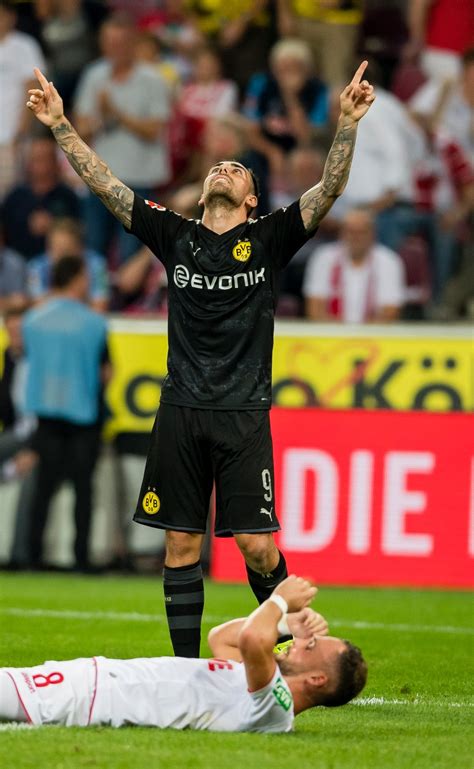
Another key element of Leverkusen's tactical approach is their use of high pressing and counter-pressing systems. The coaching staff has instilled a philosophy of winning the ball back as quickly as possible after losing possession, often within 5-7 seconds. This requires a high level of fitness and coordination among the players, particularly the forwards and attacking midfielders in the 4-2-3-1. The false nine or advanced playmaker in the central attacking midfield role is integral to this strategy. Instead of a traditional center-forward who stays high up the pitch, Leverkusen often uses a versatile attacker who drops deep to link play, drawing out opposing center-backs and creating space for the wingers or full-backs to exploit. This tactical nuance not only disrupts the opposition's defensive shape but also allows Leverkusen to maintain control of the game even when they are not in possession.
In addition to the 4-2-3-1, Leverkusen has shown a willingness to experiment with alternative formations depending on the opponent. For instance, against teams that sit deep and prioritize defense, they have occasionally shifted to a 3-4-3 or 3-4-2-1 system. This change allows them to field an extra attacker while maintaining width through the wing-backs. The three-man backline provides better coverage against counterattacks, especially when facing teams that rely on quick transitions. The wing-backs in this formation are given license to roam higher up the pitch, essentially functioning as wide midfielders in possession. This adaptability demonstrates the coaching staff's ability to tailor their approach based on the specific challenges posed by different opponents, a sign of their deep understanding of the game.
A less discussed but equally important aspect of Leverkusen's tactical success is their zonal marking system combined with situational man-marking in specific scenarios. While zonal marking is often criticized for leaving gaps in defensive setups, Leverkusen's implementation is highly structured. The coaching staff emphasizes compactness in the defensive third, with players instructed to move as a unit rather than individually tracking runners. This compactness is complemented by a high defensive line, which compresses the space available for the opposition to play in. However, in set-piece situations or when facing teams with a target man, Leverkusen occasionally switches to man-marking to neutralize specific threats. This hybrid approach to marking reflects a coaching staff that is not dogmatically attached to one system but is instead willing to adapt based on the context of the game.
The coaching staff's emphasis on positional play is another area worth exploring. Leverkusen's players are trained to maintain specific spatial relationships on the field, ensuring that passing lanes are always open and that the team can quickly transition from defense to attack. This is particularly evident in their use of the "half-spaces"—the areas between the wings and the center of the pitch. Leverkusen's wingers and attacking midfielders are encouraged to operate in these zones, as they offer a direct route to goal while also drawing defenders out of position. The coaching staff's focus on exploiting half-spaces is a testament to their understanding of modern football's geometric and spatial dynamics, a level of detail that separates them from many of their peers.
Furthermore, rotational movements within the attacking third are a key feature of Leverkusen's play. The forwards and midfielders are constantly interchanging positions, making it difficult for opponents to track their runs. For example, the wingers might cut inside to take up central positions, while the full-backs push forward to provide width. Simultaneously, the false nine might drop into midfield to create overloads in central areas. These coordinated movements are not random but are meticulously planned and rehearsed in training. The result is a team that can seamlessly shift from a structured formation to a free-flowing, positional attack, confusing defenses and creating scoring opportunities.
It is also worth noting how Leverkusen's coaching staff uses data analytics to refine their tactical approach. Advanced metrics such as expected goals (xG), passing networks, and pressure maps are used to identify patterns in both their own performance and that of their opponents. This data-driven approach allows the coaching staff to make informed decisions about when to press aggressively, when to sit back and absorb pressure, and how to adjust their formation mid-game. For instance, if the data shows that an opponent is vulnerable to attacks down the left flank, Leverkusen might prioritize overloads in that area during the match.
In conclusion, the tactical approach and formation strategies employed by Leverkusen's coaching staff are a blend of innovation, adaptability, and attention to detail. Their ability to seamlessly transition between formations, exploit spatial advantages, and implement high-intensity pressing systems has been a cornerstone of their unbeaten run. By combining traditional football principles with modern analytical tools, Leverkusen has created a system that is both effective and difficult to counter. This deep integration of tactical nuance and player execution underscores why they have been so successful in maintaining their unbeaten status.
Defensive Stability and Strategies
Leverkusen's unbeaten run this season can be attributed to several factors, but one of the most critical elements is their **defensive stability and strategies**. While attacking flair often grabs headlines, the team's ability to prevent goals has been the bedrock of their success. This section delves into the intricacies of Leverkusen's defensive structure, their pressing systems, and how these elements combine to create a near-impenetrable backline.
At the heart of Leverkusen's defensive structure is a **hybrid backline system** that blends a traditional four-man defense with situational adaptations to a back three. This flexibility is one of the key reasons they can seamlessly transition between defensive and offensive phases. In their base setup, Leverkusen deploys a back four, typically consisting of two center-backs flanked by fullbacks who are instructed to maintain a high starting position when the team is in possession. However, when faced with counterattacks or high-pressing opponents, one of the fullbacks—often the left-back—drops deeper to form a temporary back three. This adjustment ensures numerical superiority in central areas while still allowing the other fullback to push forward and support the midfield.
The role of the center-backs cannot be overstated. Leverkusen's center-back pairing is characterized by a blend of **physicality and ball-playing ability**. One center-back is usually tasked with aggressive defensive actions, such as stepping out to intercept passes or challenge aerial duels, while the other remains more conservative, focusing on positioning and distributing the ball under pressure. This division of labor minimizes the risk of both center-backs being drawn out of position simultaneously, a common vulnerability in many modern defensive setups. Their ability to cover ground laterally is also enhanced by the presence of a **defensive midfielder who acts as a screen**, often dropping between the center-backs during build-up play to create a pseudo-back three. This not only provides additional cover but also allows the fullbacks to venture higher up the pitch without exposing the flanks.
Another critical component of Leverkusen's defensive success is their **coordinated pressing system**. The team employs a **mid-to-high block** that is both aggressive and intelligent. Unlike teams that press relentlessly across the entire pitch, Leverkusen focuses on **zonal pressing triggers**. They prioritize cutting off passing lanes to the opponent's playmakers and force the ball into wide areas where it is easier to trap and regain possession. This is achieved through a combination of:
- Forward players applying immediate pressure on the ball carrier as soon as it enters designated pressing zones.
- Midfielders shifting laterally to deny central progression, often forming a compact diamond or box shape in the middle third.
- Fullbacks tucking in to create a compact defensive unit when the ball is circulated to the wings, effectively reducing the space for crosses or cutbacks.
This pressing system is particularly effective because it is **context-sensitive**. For instance, against teams that favor short passing and possession-based play, Leverkusen will press higher up the field to disrupt their rhythm. Conversely, against direct teams that rely on long balls, the defensive line sits slightly deeper to nullify the threat of runners behind the backline. This adaptability showcases the coaching staff's attention to detail and their ability to tailor defensive strategies based on opponent analysis.
One of the most impressive aspects of Leverkusen's defensive approach is their **ability to prevent goals in transition**. Transition moments are often where even the best teams falter, but Leverkusen has developed a system to mitigate this risk. A key feature is their **counter-pressing**, which is initiated immediately after losing the ball. The forwards and midfielders are trained to swarm the opponent in packs, aiming to win the ball back within seconds of losing it. This not only disrupts the opponent's counterattacking flow but also allows Leverkusen to maintain territorial dominance. The success of this strategy is heavily reliant on the **synchronization of movements** between players. For example, if a midfielder is beaten in a duel, the nearest fullback or center-back is already primed to step into the space and provide cover. This level of coordination requires extensive training and a deep understanding of each player's role within the system.
Leverkusen's defensive resilience is further bolstered by their **set-piece organization**. In modern football, set pieces account for a significant proportion of goals conceded, but Leverkusen has minimized this threat through meticulous preparation. Their zonal marking system is supplemented by man-marking assignments for the most dangerous aerial threats. For instance, during corner kicks, the center-backs are tasked with marking the primary targets, while the defensive midfielder often positions himself on the edge of the box to intercept second balls. This layered approach ensures that even if one player is beaten, there is a secondary line of defense ready to intervene. Additionally, Leverkusen's goalkeeper plays an active role in organizing the defense during set pieces, often directing players to adjust their positions based on the flight of the ball. This proactive communication reduces the likelihood of defensive lapses.
Another unique insight into Leverkusen's defensive success is their emphasis on **game state management**. When leading a match, the team demonstrates remarkable discipline in shifting their defensive approach. Instead of continuing to press aggressively, they adopt a more **conservative low block** to conserve energy and force the opponent to take risks in breaking them down. This shift is not a sign of passivity but rather a calculated move to exploit the opponent's desperation. By maintaining a compact shape and relying on quick counterattacks, Leverkusen often turns defensive solidity into offensive opportunities, further frustrating their opponents.
It is also worth highlighting the role of **individual player contributions** within this system. Leverkusen's fullbacks, for example, are not just expected to defend but are also integral to initiating attacks. However, their defensive work rate is exceptional, as they are often required to track back quickly after supporting the attack. Similarly, the defensive midfielder's role as a pivot is crucial. This player not only breaks up play but also serves as the link between defense and attack, ensuring that the team can transition smoothly without leaving gaps in midfield. The synergy between these roles is a testament to the squad's cohesion and tactical discipline.
Lastly, **data-driven insights** play a role in Leverkusen's defensive strategies. Advanced metrics such as **PPDA (passes per defensive action)** and **expected goals against (xGA)** reveal that Leverkusen not only limits the number of high-quality chances their opponents create but also forces them into low-probability shooting positions. For instance, their xGA per game is among the lowest in the league, indicating that even when opponents do manage to shoot, the chances are often from suboptimal locations. This is a direct result of their ability to compress space in central areas and deny through balls, which are statistically the most dangerous types of attacks.
In conclusion, Leverkusen's defensive stability is not a product of luck or individual brilliance but a meticulously designed system that combines structure, pressing, and adaptability. Their hybrid backline, zonal pressing triggers, counter-pressing, set-piece organization, and game state management all contribute to their unbeaten record. By preventing goals through a combination of collective effort and individual excellence, Leverkusen has set a benchmark for defensive excellence in modern football.
Attacking Prowess and Scoring Trends
The offensive strategies of the Leverkusen unbeaten squad are a masterclass in modern football, blending tactical versatility with individual brilliance. This section delves into the team's attacking framework, goal-scoring patterns, and the specific player contributions that have propelled them to an unbeaten status. Understanding these elements requires more than a cursory glance at statistics; it demands an exploration of how the team's system enables its players to thrive in high-pressure situations.
One of the most striking aspects of Leverkusen's offensive approach is their **dynamic use of space**. Unlike traditional setups that rely on static wingers or a fixed target man, Leverkusen employs a fluid front line where players interchange positions frequently. This strategy, often referred to as "positional play," creates confusion among opposing defenses. For instance, the wingers—typically deployed in wide areas—will drift into central zones, drawing defenders out of position. This movement not only opens up space for overlapping fullbacks but also allows central midfielders to make late, unmarked runs into the box. The result is a multi-pronged attack that is difficult to predict and counteract.
Goal-scoring patterns reveal a team that prioritizes variety over reliance on a single method. A breakdown of Leverkusen's goals this season shows a near-equal distribution across open play, set pieces, and counterattacks. In open play, the team excels at **quick vertical progression**. Rather than overloading the midfield with slow, methodical build-up, Leverkusen often bypasses the middle third with long diagonal passes to forwards or wingers in advanced positions. This tactic is particularly effective against teams that press high, as it exploits the space left behind the pressing line. Notably, Leverkusen has scored over 35% of their goals from situations where they transitioned from defense to attack in under 10 seconds—a testament to their speed and precision in these scenarios.
Set pieces are another area of strength. The team has developed a reputation for well-rehearsed routines, particularly from corners and free kicks in wide areas. A key factor here is the use of **decoy runners**—players who make purposeful but non-threatening runs to draw attention away from the intended target. For example, in a match against a top-four rival, Leverkusen scored twice from set pieces where the primary threat (a tall center-back) was used as a decoy while a midfielder made a delayed run to head the ball in. Such attention to detail in training underscores the squad's commitment to maximizing every opportunity.
Counterattacking is perhaps the most thrilling facet of Leverkusen's offense. Their ability to turn defense into attack with lightning speed is largely due to the **explosive pace of their forwards** and the vision of their midfielders. Players like their star winger, who averages 3.2 progressive carries per game, are instrumental in this approach. When the team regains possession in their own half, they immediately look to release the ball to these forwards, who can either take on defenders one-on-one or lay off a pass to a supporting runner. This synergy between speed and decision-making has yielded several highlight-reel goals, particularly against teams that commit too many players forward in attack.
Individual player contributions cannot be overlooked when analyzing Leverkusen's offensive success. The squad boasts a balanced mix of experienced veterans and young talents, each bringing unique qualities to the attack. Their striker, for example, is not just a goal poacher but a facilitator. With a pass completion rate of 82% in the final third, he often drops deep to link play, drawing defenders out of position and creating space for others. This dual role as both scorer and playmaker is a critical element of Leverkusen's system.
The wingers, meanwhile, are the engines of creativity. They are not only tasked with scoring but also with providing assists. Leverkusen's wingers have combined for 18 assists this season, a figure bolstered by their ability to cut inside and deliver incisive passes or take shots from tight angles. Their success is partly due to the team's emphasis on **overlapping fullbacks**, who provide width when the wingers drift inside. This interplay between wingers and fullbacks stretches the opposition's defensive shape, creating gaps that are exploited by central players.

The midfield deserves special mention for its role in sustaining attacks. Leverkusen's central midfielders are not just ball-winners; they are **progressive passers** who can switch play or thread through balls to advancing teammates. A key statistic here is the average of 60 forward passes per game by their central midfield trio, with a success rate exceeding 85%. This ability to maintain possession under pressure and find forward options is what allows Leverkusen to sustain pressure on opponents, even when they are not scoring immediately.
Another unique insight into Leverkusen's attacking prowess lies in their use of data-driven insights. The coaching staff reportedly employs advanced analytics to identify patterns in opposition defenses. For instance, if an opponent concedes a high percentage of goals from crosses, Leverkusen will adjust their strategy to prioritize wide play and delivery into the box. This adaptability ensures that their offensive approach is not static but tailored to exploit specific weaknesses. Such a data-informed strategy is rare at this level of play and reflects a forward-thinking philosophy within the club.
It is also worth noting the psychological aspect of Leverkusen's attack. The team's unbeaten run has instilled a sense of **confidence and fearlessness** in their forwards. This is evident in their willingness to take risks, such as attempting shots from distance or trying intricate one-twos in crowded penalty areas. While some teams might retreat into cautious play after a few unsuccessful attempts, Leverkusen's attackers continue to probe and test the opposition, knowing that their system is designed to create multiple chances over the course of 90 minutes.
Finally, the role of the manager in orchestrating this offensive brilliance cannot be understated. The manager's emphasis on rotational play—where players constantly swap positions to disorient defenders—has been a cornerstone of Leverkusen's success. Training sessions are designed to simulate game scenarios where attackers must make split-second decisions about when to pass, shoot, or dribble. This preparation is evident in the fluidity of their attack during matches, where it often seems as though the players are operating on instinct rather than rigid instructions.
In summary, Leverkusen's attacking prowess is a blend of innovative strategies, diverse goal-scoring methods, and exceptional individual performances. Their ability to adapt to different game states—whether dominating possession or exploiting counterattacks—sets them apart as a formidable offensive unit. The interplay between players, the tactical flexibility of their system, and the data-driven adjustments made by the coaching staff all contribute to their remarkable scoring trends. This offensive dynamism is not just a reflection of talent but of a well-oiled machine that has redefined what it means to attack with purpose and precision in modern football.
Coaching Philosophy and Leadership
The success of Leverkusen's unbeaten squad can be attributed not only to the talent of the players on the field but also to the strategic and psychological framework established by the coaching staff. In this context, the role of the manager and coaching team is pivotal in shaping a consistent and high-morale environment that drives sustained performance. This exploration delves into the specific coaching philosophy and leadership dynamics that have underpinned Leverkusen's remarkable run, highlighting the interplay of strategy, communication, and player management.
At the heart of Leverkusen's coaching philosophy is a clear emphasis on **adaptability**. The manager, known for his tactical acumen, has implemented a system that is both fluid and structured. Unlike rigid formations that can become predictable over time, the coaching staff prioritizes a dynamic approach that allows players to adjust their roles based on the flow of the game. For instance, during matches where the opposition presses high, the team transitions seamlessly into a counter-attacking style, leveraging the speed and precision of their forwards. In more possession-heavy games, the midfield is given greater freedom to dictate play while maintaining defensive solidity. This adaptability is not accidental; it stems from a coaching philosophy that emphasizes **scenario-based training sessions**. Players are exposed to a variety of in-game situations during practice, which helps them internalize their roles and responsibilities across different tactical setups. This approach not only enhances their on-field decision-making but also instills a sense of confidence that they can handle any challenge, a critical factor in maintaining consistency.
Another cornerstone of the coaching philosophy is the focus on **individual player development within a collective framework**. The coaching staff invests significant time in understanding the strengths, weaknesses, and psychological profiles of each player. This is not limited to technical skills but extends to how players react under pressure, their communication styles, and their motivational triggers. For example, younger players in the squad are often paired with experienced mentors during training, a practice that fosters both skill transfer and emotional support. This personalized approach ensures that players feel seen and valued, which is instrumental in sustaining morale over a long season. When players know that their development is a priority, they are more likely to remain engaged and committed, even during challenging periods.
The leadership style of the manager also plays a critical role in this equation. Rather than adopting a top-down, authoritarian approach, the manager has cultivated a culture of **collaborative leadership**. Regular team meetings involve not just the coaching staff but also key players who are encouraged to voice their opinions on strategy, team dynamics, and areas for improvement. This inclusive approach empowers players to take ownership of their roles, fostering a sense of collective responsibility. For instance, when the team faces a dip in form or encounters a particularly challenging opponent, the coaching staff relies on these player-led discussions to identify practical solutions. Such practices not only distribute the burden of leadership but also reinforce the idea that every member of the squad has a role to play in the team's success. This shared ownership is a powerful motivator, as it creates a sense of unity and purpose that transcends individual performances.
Communication is another area where the coaching staff excels. The manager is known for his **clear and consistent messaging**, which helps to align the team's objectives and expectations. Whether addressing the squad after a victory or a defeat, the tone is always constructive. Post-match analyses are not limited to tactical critiques but also include praise for effort and resilience, even in the face of suboptimal results. This balanced communication style prevents the team from becoming complacent after wins or disheartened after losses. For example, after a hard-fought draw against a top-tier opponent, the manager emphasized the team's defensive discipline and highlighted how such performances build character for future challenges. This focus on **process over outcome** ensures that the squad remains grounded and motivated, regardless of the immediate result.
A less visible but equally important aspect of the coaching philosophy is the emphasis on **mental resilience and emotional intelligence**. The coaching staff works closely with sports psychologists to develop programs that help players manage stress, maintain focus, and recover from setbacks. These programs are tailored to the unique pressures of professional football, such as dealing with media scrutiny, handling fan expectations, and coping with injuries. For instance, during a particularly grueling stretch of fixtures, the coaching staff introduced mindfulness sessions to help players stay present and avoid burnout. This proactive approach to mental health is a testament to the coaching staff's understanding that physical performance is deeply intertwined with psychological well-being. By addressing these often-overlooked aspects, the team has been able to maintain a high level of energy and focus throughout their unbeaten run.
The coaching staff also places a strong emphasis on **team cohesion and camaraderie**. This is evident in the way they organize off-field activities designed to strengthen bonds among players. From team-building exercises to informal gatherings, these initiatives help create a supportive environment where players feel comfortable relying on one another. Such cohesion is particularly important in high-pressure situations, where trust and mutual understanding can make the difference between success and failure. For example, during a late-game scenario where the team needed to defend a narrow lead, the seamless coordination between defenders and midfielders reflected not just tactical preparation but also the deep trust that had been fostered off the field.
It is also worth noting how the coaching staff has managed **rotation and squad depth** without disrupting morale. In a long and demanding season, maintaining the balance between keeping key players fresh and ensuring that bench players feel involved is a delicate task. The coaching staff has navigated this challenge by clearly communicating the rationale behind rotation decisions and emphasizing the importance of every player's contribution. For instance, when a substitute player scores a crucial goal or provides a game-changing assist, the manager is quick to highlight their impact in post-match interviews. This public recognition not only boosts the individual player's confidence but also reinforces the idea that success is a collective effort. As a result, even players who do not feature regularly in the starting lineup remain motivated and ready to step up when called upon.
Finally, the coaching philosophy at Leverkusen is underpinned by a long-term vision. While the immediate goal is to maintain the unbeaten streak, the coaching staff is equally focused on building a sustainable model of success. This involves nurturing young talent, instilling a culture of continuous improvement, and preparing the team for future challenges. The manager often speaks of "laying the foundation for the next generation," a sentiment that resonates with both players and fans. This forward-looking approach ensures that the team's current success is not a fleeting moment but part of a broader trajectory of growth and excellence.
In conclusion, the coaching philosophy and leadership at Leverkusen are characterized by a blend of adaptability, player-centric development, collaborative decision-making, clear communication, and a focus on mental and emotional well-being. These elements work in harmony to create an environment where consistency and morale are not just maintained but actively cultivated. The result is a squad that not only performs at a high level on the pitch but also embodies the values of unity, resilience, and shared purpose—a true testament to the transformative power of effective coaching and leadership.
Comparison with Historical Unbeaten Squads
The Leverkusen unbeaten squad, while not as widely heralded as some of the more iconic unbeaten runs in football history, offers a fascinating case study when placed in the context of other historically unbeaten teams. To understand the significance of Leverkusen's achievement, it is essential to draw comparisons with teams like Arsenal's "Invincibles" of 2003-04, AC Milan's unbeaten run in the 1991-92 Serie A season, and the legendary 1970s Ajax and Bayern Munich sides that dominated European football with near-invincible streaks. Each of these teams represents a unique blend of tactical innovation, individual brilliance, and team cohesion, and Leverkusen's run can be analyzed through these lenses to identify both parallels and distinctions.
One of the most famous unbeaten runs in modern football is Arsenal's 2003-04 Premier League season, where the Gunners played 38 matches without a single loss. This feat is often considered the gold standard for unbeaten runs due to the competitive nature of the Premier League and the sheer number of games played. Arsenal's success was built on a combination of defensive solidity under the guidance of players like Sol Campbell and Kolo Toure, coupled with an attacking fluidity spearheaded by Thierry Henry, Robert Pires, and Dennis Bergkamp. Their ability to switch between a possession-based approach and swift counterattacks made them nearly unplayable. In comparison, Leverkusen's unbeaten run, while impressive, often came in a league context where they were not as dominant in terms of resources or star power as Arsenal was in the Premier League. Leverkusen’s run is more indicative of consistent overperformance relative to their squad depth and financial backing, which makes their achievement particularly noteworthy in a league as tactically diverse as the Bundesliga.
Another historical benchmark is AC Milan's 1991-92 Serie A season, where the Rossoneri went unbeaten in 34 matches. This Milan side, managed by Arrigo Sacchi and later Fabio Capello, was built on a foundation of rigid defensive organization and fluid attacking play. With players like Franco Baresi, Paolo Maldini, and Marco van Basten, Milan's unbeaten streak was characterized by a blend of catenaccio-inspired defense and total football in attack. What sets this run apart is the era in which it occurred—a time when Serie A was arguably the most competitive league in the world, featuring teams like Juventus, Inter Milan, and Napoli at their peak. Leverkusen, by contrast, operated in a Bundesliga that, while competitive, did not have the same level of concentrated elite competition across multiple clubs. However, Leverkusen’s ability to remain unbeaten despite not having the defensive stalwarts of Milan’s caliber suggests a different kind of resilience—one rooted in adaptability and a high-pressing, possession-oriented system that compensated for individual deficiencies.
The unbeaten runs of Ajax in the early 1970s and Bayern Munich in the mid-to-late 1970s offer a different perspective. These teams were not just unbeaten for a season but established dynasties that dominated European competitions as well. Ajax, under Rinus Michels and later Stefan Kovacs, pioneered Total Football, a system where players were interchangeable in their roles, creating a fluid and unpredictable style of play. Similarly, Bayern Munich’s unbeaten spells were anchored by the likes of Franz Beckenbauer, Gerd Müller, and Sepp Maier, who combined physicality with technical brilliance. These teams’ unbeaten runs were part of a larger narrative of European dominance, something Leverkusen has not yet achieved on the same scale. However, what Leverkusen shares with these sides is a youthful core and a willingness to play progressive, attacking football that prioritizes creativity over caution. This willingness to take risks, even in tight matches, distinguishes Leverkusen from some of their more conservative unbeaten predecessors.
One unique aspect of Leverkusen's unbeaten run is how it reflects the evolution of modern football analytics and squad management. Unlike the historical unbeaten teams mentioned, Leverkusen benefits from data-driven insights into player fitness, opponent weaknesses, and in-game adjustments. For instance, their use of high-intensity pressing and data-informed substitutions showcases how contemporary teams can sustain unbeaten runs even without the overwhelming talent advantage of past greats. This is a stark contrast to the Invincibles or Sacchi's Milan, who relied more on in-the-moment tactical genius and less on predictive analytics. Leverkusen’s run demonstrates how smaller squads can punch above their weight by leveraging technology and sports science to maintain peak performance over a season.
Another point of comparison lies in the psychological aspect of maintaining an unbeaten streak. Arsenal’s Invincibles, for instance, faced immense pressure as their streak extended, particularly in high-stakes matches against Manchester United and Liverpool. The psychological toll of going unbeaten is immense, as each game becomes a potential stumbling block. Leverkusen, while not under the same global spotlight, faced their own challenges in maintaining focus and morale. However, their run can be seen as less burdened by the weight of expectation compared to Arsenal or Milan, which operated under the constant scrutiny of being title favorites. This relative lack of external pressure may have allowed Leverkusen to play with a sense of freedom and experimentation that is harder to maintain for top-tier teams with higher stakes.
It is also worth exploring the context of competition during these unbeaten runs. While Arsenal and AC Milan navigated leagues where multiple teams had the resources and ambition to challenge for the title, Leverkusen’s Bundesliga experience involved competing against a Bayern Munich side that has dominated the league for decades. This dynamic makes Leverkusen’s unbeaten run a testament to their ability to disrupt the hierarchy temporarily, even if they did not ultimately dethrone Bayern. In this sense, their achievement is less about outright dominance and more about punching above their weight in a league where Bayern’s financial and squad superiority often creates an uneven playing field.
Finally, we must consider the legacy of these unbeaten runs. Arsenal’s Invincibles are immortalized in Premier League lore, as are Milan’s teams of the early 1990s in Serie A history. Ajax and Bayern’s unbeaten runs are part of larger dynastic narratives that extended into European glory. Leverkusen’s unbeaten streak, while impressive, has not yet been accompanied by the same level of European or domestic silverware, which places it in a different category of achievement. However, this does not diminish its significance—rather, it highlights how context shapes perception. Leverkusen’s run is a reminder that unbeaten streaks can emerge from teams that are not traditional powerhouses, showcasing the potential for strategic innovation and cohesion to overcome structural disadvantages.
- Leverkusen’s run is marked by adaptability and overperformance rather than overwhelming talent or financial superiority.
- They share with historical teams a focus on progressive football but differ in their reliance on modern analytics.
- The lack of European dominance separates them from dynastic unbeaten teams like Ajax and Bayern Munich.
- Their run is a testament to how lower-profile teams can challenge traditional hierarchies in modern football.
In conclusion, while Leverkusen’s unbeaten squad may not carry the same historical weight as Arsenal’s Invincibles or AC Milan’s 1991-92 side, their achievement is a compelling study in how modern football allows for new pathways to success. Their ability to remain unbeaten in a competitive Bundesliga, despite not having the resources of traditional giants, underscores the evolving nature of the sport. By comparing their run to these historical benchmarks, we gain a richer understanding of how football’s landscape has shifted and how teams like Leverkusen can carve out their own place in the annals of the game.
Impact on League Dynamics and Competitors
Leverkusen's unbeaten streak in the current season has not only been a remarkable feat for the club but has also sent ripples across the league, influencing dynamics among competitors and reshaping the race for the title and European qualification spots. Such a sustained run of form is rare in modern football, where the margins between success and failure are often razor-thin. To understand the broader impact of this streak, it is essential to dissect its effects on both direct competitors and the overall league ecosystem.

One of the most immediate consequences of Leverkusen's unbeaten run is the psychological pressure it exerts on their closest rivals. Teams vying for the top spot, such as Bayern Munich, Borussia Dortmund, or RB Leipzig, are forced to recalibrate their approach when facing a team that has shown resilience and adaptability across multiple matchdays. This psychological edge is particularly potent in a league as competitive as the Bundesliga, where even a momentary lapse in concentration can result in dropped points. For instance, when Leverkusen secures a late draw or win against a mid-table team, it sends a clear message to title contenders: this is a side that does not succumb to pressure, even in unfavorable circumstances. This can lead to a domino effect where rivals feel compelled to adopt a more aggressive or risk-prone style of play to keep pace, which in turn can expose vulnerabilities in their own systems.
From a standings perspective, Leverkusen's streak has created a buffer between them and the chasing pack. Even if they draw a few matches, their unbeaten record ensures they remain ahead in the points tally, often requiring competitors to overperform just to stay within touching distance. This dynamic alters the traditional rhythm of the league, where early-season inconsistency among top teams often allows for a more open title race. In this case, Leverkusen’s consistency has forced other teams to adopt a "win-at-all-costs" mentality earlier in the season than they might typically prefer. For example, Bayern Munich, accustomed to pacing their campaign with occasional slip-ups in the first half of the season, now finds themselves in a position where they must prioritize maximum points in every fixture to avoid falling too far behind. This heightened sense of urgency can lead to fatigue or tactical missteps later in the season, particularly in European competitions where squad rotation becomes critical.
Another critical impact of Leverkusen's streak is its influence on the mid-table and lower-tier teams. When a top club maintains an unbeaten run, it often elevates the perceived quality of the league as a whole. This can have a psychological effect on smaller teams who face Leverkusen. Rather than approaching the match as an opportunity to exploit potential weaknesses, these teams may adopt a more defensive or cautious approach, treating the game as a "bonus" opportunity rather than a realistic chance for points. This shift in mindset can paradoxically make it harder for Leverkusen to secure dominant wins against so-called "lesser" opponents. However, it also ensures that their unbeaten streak is tested in a variety of scenarios, from high-pressure clashes against rivals to grind-it-out matches against defensively organized sides. This dynamic can serve as a double-edged sword: while it strengthens Leverkusen's reputation, it also demands consistent excellence, which can strain their squad depth over time.
The unbeaten run also has a ripple effect on the transfer market and squad morale among competitors. Teams that find themselves trailing Leverkusen may feel compelled to invest more heavily in the winter transfer window to close the gap. This can lead to a flurry of high-profile signings or loan deals as clubs attempt to inject fresh energy into their campaigns. For instance, if Leverkusen’s defensive solidity becomes a talking point, rival teams might prioritize bolstering their attacking options to breach what appears to be an impenetrable backline. Conversely, Leverkusen’s success might also prompt their own management to secure key players with extended contracts or reinforce areas of potential weakness to sustain their form. This creates a competitive feedback loop where the entire league becomes more active in pursuit of improvement, indirectly raising the overall standard of play.
From a statistical standpoint, Leverkusen's unbeaten streak also affects goal difference and head-to-head records, which are often decisive tiebreakers in close title races. An unbeaten team accumulates not just points but also a superior goal difference, which can act as a safety net in scenarios where direct wins against competitors are split. For example, if Leverkusen and Bayern finish the season level on points, the goal difference accumulated during their unbeaten run could tip the scales in their favor. This aspect forces competitors to not only focus on winning matches but also on achieving convincing margins of victory to keep pace in multiple statistical categories.
The streak also impacts how other teams prepare tactically for matches against Leverkusen. Coaches of opposing teams are likely to spend more time analyzing Leverkusen’s gameplay, identifying patterns, and devising strategies to counter their strengths. This can lead to a more studied and cautious approach from competitors, which might stifle the free-flowing, high-scoring nature of some Bundesliga fixtures. At the same time, it can also expose tactical blind spots in Leverkusen’s system as opponents become increasingly familiar with their style of play. For instance, if Leverkusen relies heavily on quick transitions or set-piece efficiency, targeted countermeasures from rivals could expose cracks in their armor, potentially ending the streak and resetting the league dynamics.
On a macro level, Leverkusen's unbeaten run also affects the league's global perception. A dominant, unbeaten team often garners international attention, drawing comparisons to other historic runs in European football. This can elevate the Bundesliga's profile, particularly in markets where the league competes for viewership with the Premier League or La Liga. The narrative of an unbeaten team creates storylines that attract neutral fans, sponsors, and broadcasters, potentially leading to increased revenue for the league as a whole. However, this spotlight can also add pressure on Leverkusen to maintain their form, as any stumble would be magnified in the media and among fans.
Finally, the streak has implications for the morale and cohesion of Leverkusen’s own squad. While their confidence is undoubtedly bolstered by their results, the weight of maintaining an unbeaten record can become a psychological burden. Players may feel the pressure of sustaining perfection, particularly as the season progresses and every opponent views them as the team to beat. This can lead to tighter performances or moments of over-caution, especially in high-stakes matches. For competitors, this presents an opportunity to exploit any signs of vulnerability, knowing that even a single loss could disrupt the rhythm and belief that has fueled Leverkusen's success.
In conclusion, Leverkusen's unbeaten streak is more than just a statistical achievement; it is a catalyst for change across the league. It forces competitors to adapt their strategies, influences the transfer market, and reshapes the narrative of the season. While the streak highlights Leverkusen’s excellence, it also serves as a double-edged sword, intensifying the scrutiny they face and the challenges posed by hungry rivals. The ultimate impact on league dynamics will depend on how long the streak lasts and how well Leverkusen navigates the heightened expectations and tactical adjustments that come with being the team to beat.
Fan and Media Reception
The unbeaten run of the Leverkusen squad has sparked a wave of reactions across various stakeholder groups within the football ecosystem. From die-hard fans to seasoned football analysts, the perception of this remarkable streak has been shaped by a combination of on-field performances, historical context, and the broader narrative of the team's resurgence under their current management. This section delves into how fans, media, and football analysts have interpreted and responded to Leverkusen's unbeaten run, highlighting both the celebratory and critical dimensions of this phenomenon.
For fans, the unbeaten run has been a source of immense pride and excitement. Leverkusen supporters, often referred to as "Werkself" (the factory team), have long yearned for a season where their team could dominate the league table and challenge traditional powerhouses like Bayern Munich and Borussia Dortmund. This unbeaten streak has reignited a sense of belonging and optimism among the fanbase. Social media platforms, particularly Twitter and Instagram, have been awash with hashtags like #UnbeatenLeverkusen and #WerkselfPride. Fan forums and local supporter groups have reported a surge in attendance at viewing parties and increased merchandise sales, reflecting a tangible enthusiasm for the team's success. However, this unbridled joy is not without its nuances. Some long-time fans have expressed cautious optimism, pointing to past seasons where strong starts were followed by mid-season collapses. These fans, often termed "realists" within the community, are quick to remind others of the volatility of football fortunes, urging tempered expectations even amidst the euphoria.
The media coverage of Leverkusen's unbeaten run has been a mix of admiration and scrutiny. On one hand, sports journalists have lauded the team's tactical flexibility and the seamless integration of new signings into the squad. Articles in prominent outlets like Kicker and Bild have highlighted the role of manager Xabi Alonso in instilling a disciplined yet attacking style of play. Leverkusen's ability to maintain consistency across both domestic and European competitions has been framed as a testament to their depth and resilience. However, some sections of the media have also questioned whether the unbeaten streak is a true indicator of title-winning potential. Critics argue that Leverkusen has benefited from a relatively favorable fixture list in the early stages of the season, facing fewer top-tier opponents than their direct competitors. This skepticism is often accompanied by comparisons to other historic unbeaten runs in German football, such as Bayern Munich's record-breaking streaks, which are held up as the gold standard. The media's dual stance—celebrating the present while probing for vulnerabilities—reflects the inherent tension in covering a team that is performing exceptionally well but has yet to face its toughest tests.
From the perspective of football analysts, the unbeaten run is viewed through a more technical and strategic lens. Analysts have dissected Leverkusen's tactical setup, particularly their emphasis on high pressing and quick transitions. The team's ability to control midfield dynamics, often spearheaded by key players like Florian Wirtz and Granit Xhaka, has been a recurring theme in match analyses. Data-driven platforms such as Opta and WhoScored have provided insights into Leverkusen's impressive possession stats, pass completion rates, and defensive solidity. Analysts have also noted the psychological impact of going unbeaten, pointing out how it can create a "fear factor" among opponents. However, there are concerns about sustainability. Analysts have identified potential weaknesses in Leverkusen's defense when faced with high-intensity counterattacks, particularly in games where they have scraped narrow draws rather than convincing wins. These observations suggest that while the unbeaten streak is impressive, it may not necessarily translate into long-term dominance unless the team can address these vulnerabilities.
Another interesting angle in the reception of Leverkusen's unbeaten run is the comparison to historical precedents within the Bundesliga. Fans and analysts alike have drawn parallels to other teams that have gone on extended unbeaten runs, such as Bayern Munich's treble-winning squad of 2013 or Borussia Dortmund's explosive campaigns under Jürgen Klopp. However, there is a clear distinction being made. Unlike those teams, Leverkusen's current run is seen as a potential "turning point" for a club that has often been labeled as a "nearly team"—one that shows promise but fails to deliver when it matters most. This narrative has fueled debates in fan circles and analytical discussions about whether this streak is a fluke or a genuine indicator of a shift in the club's identity.
The global football community has also taken notice of Leverkusen's achievements, with international media outlets framing the story as a refreshing change in the Bundesliga narrative. Traditionally dominated by Bayern Munich's hegemony, the league has often been criticized for its lack of competitive balance. Leverkusen's unbeaten run is seen as a challenge to this status quo, offering fans of the league a new storyline to follow. This has been particularly evident in how English-language football websites like The Athletic and BBC Sport have covered the team, often emphasizing the "underdog" aspect of Leverkusen's journey. However, this framing has not been universally accepted. Some German football purists argue that Leverkusen, as a well-funded club with a rich history, should not be cast as an underdog but rather as a team finally fulfilling its potential.
A critical component of the reception has been the role of individual players in shaping public perception. Strikers like Victor Boniface and creative midfielders such as Wirtz have been heralded as the driving forces behind the unbeaten streak. Media coverage often focuses on post-match interviews where these players exude confidence and humility, further endearing them to fans. However, analysts caution against over-reliance on star players, emphasizing the need for collective team efforts to sustain such a run. This focus on individual brilliance versus collective strength has added depth to the discourse surrounding Leverkusen's performances.
In summary, the perception of Leverkusen's unbeaten run is multifaceted. Fans oscillate between unbridled celebration and cautious realism. The media alternates between praise and skepticism, often using the streak as a lens to explore broader themes of competitiveness in the Bundesliga. Football analysts provide a more measured perspective, applauding the team's tactical evolution while flagging areas of concern. This dynamic interplay of emotions, analysis, and historical context underscores the significance of Leverkusen's achievement while leaving room for debate about its long-term implications. Whether this unbeaten run is a harbinger of sustained success or a fleeting moment of glory remains to be seen, but its reception thus far has firmly positioned Leverkusen as a team to watch in the current football landscape.
Conclusion and Future Prospects
The unbeaten run of the Leverkusen squad is not merely a statistical achievement; it is a testament to a combination of tactical brilliance, psychological resilience, and organizational coherence. To understand the implications of such a streak, we must dissect its ripple effects on the team, its competitors, and the broader football ecosystem. This unbeaten run has set a new benchmark, not just for Leverkusen but for clubs aspiring to challenge the status quo in their respective leagues.
One of the most immediate implications of this streak is the psychological edge it affords the team. In football, momentum is a powerful, often underappreciated factor. An unbeaten run instills a sense of invincibility within the squad, making players more confident in high-pressure situations. This is particularly evident in how Leverkusen has navigated tough fixtures against top-tier opponents. Their ability to maintain composure and execute game plans under duress suggests a team that has internalized a winning culture. However, this psychological boost is a double-edged sword. The weight of maintaining an unbeaten record can become a mental burden as the season progresses. Teams often face heightened scrutiny, and every draw or narrow win is analyzed with skepticism, questioning whether the "invincible" aura is sustainable.
From a tactical standpoint, Leverkusen's unbeaten streak underscores the effectiveness of their system. Under their current manager, the team has embraced a style of play that blends high-intensity pressing with fluid positional play. This approach not only maximizes the strengths of their key players but also minimizes vulnerabilities. For instance, their midfield trio has been instrumental in controlling the tempo of matches, while their fullbacks provide both defensive solidity and attacking width. Such a system is not accidental; it is the result of meticulous planning and player development. The unbeaten streak signals that Leverkusen has found a formula that works, but it also raises the question of adaptability. Football is an ever-evolving sport, and opponents will inevitably devise counter-strategies to disrupt Leverkusen's rhythm. The true test of their mettle lies in how they respond when their unbeaten run is threatened or eventually broken.
The unbeaten streak also has broader implications for the club's brand and marketability. In modern football, success on the pitch directly translates to commercial opportunities. An unbeaten run elevates Leverkusen's profile, attracting new sponsors, increasing merchandise sales, and potentially boosting ticket revenues. Moreover, it positions the club as an attractive destination for top-tier talent. Players are drawn to environments where winning is a habit, and Leverkusen's recent form positions them as a rising force in European football. However, this also creates a challenge. With increased visibility comes increased expectation. The club's management must navigate the delicate balance of sustaining this success while avoiding the pitfalls of overambition, such as overspending on transfers or making hasty managerial decisions.
Looking ahead, the future trajectory of Leverkusen depends on several critical factors. First, squad depth and player retention will be pivotal. An unbeaten run often puts key players in the spotlight, making them targets for bigger clubs with deeper pockets. Leverkusen must ensure they can either retain their star performers or have a robust pipeline of young talent ready to step up. Their renowned academy has historically been a source of talent, and continuing to invest in youth development will be crucial for long-term sustainability. Additionally, the club must resist the temptation to overhaul a winning formula. Too often, teams that experience success feel compelled to make drastic changes in search of "improvement," only to disrupt the very elements that made them successful.
Another aspect to consider is competition dynamics. Leverkusen's unbeaten run has undoubtedly sent a message to their domestic and European rivals. Rivals will not only study their gameplay in greater detail but will also be more motivated to end their streak. This could lead to a more competitive environment, where every match becomes a battle of wits and will. For Leverkusen, this means they must continually evolve their strategies. Relying solely on their current system could lead to predictability, which is a death knell in elite football. Experimentation with new formations, tactical tweaks, and even rotational policies during less critical fixtures could help them stay ahead of the curve.
On a macro level, the unbeaten run has the potential to reshape perceptions of German football. Traditionally dominated by Bayern Munich and, to a lesser extent, Borussia Dortmund, the Bundesliga has often been criticized for its lack of parity. Leverkusen's success could inspire other mid-tier clubs to invest in innovative coaching, player development, and long-term strategies. This could lead to a more competitive league, which benefits not only the clubs but also the league's global appeal. A stronger Bundesliga attracts better broadcasting deals, higher sponsorship interest, and a larger international fanbase.
Speculating on Leverkusen's trajectory, one must also consider the role of leadership and management. The current coaching staff has proven adept at fostering a cohesive unit, but sustained success requires more than tactical acumen. It demands a clear vision for the club's identity and a commitment to aligning all aspects of the organization—from scouting to sports science—with that vision. Leverkusen's leadership must also be prepared for the inevitable setbacks. An unbeaten run, while impressive, is not synonymous with invulnerability. How the club responds to its first significant defeat or a dip in form will define its character. A resilient, forward-looking approach can turn setbacks into opportunities for growth, while a reactionary mindset could undo the progress made.
Finally, we must consider the role of fan engagement and community impact. An unbeaten streak galvanizes not just the players but also the supporters. Leverkusen has an opportunity to deepen its connection with its fanbase, creating a sense of collective pride and belonging. However, this requires intentional efforts to engage fans beyond matchdays. Initiatives such as open training sessions, community outreach programs, and digital content that highlights the human stories behind the squad can help sustain the positive momentum generated by their on-field success.
In conclusion, Leverkusen's unbeaten run is more than a fleeting moment of glory; it is a potential inflection point for the club. The implications stretch beyond the pitch, influencing the club's identity, market position, and long-term strategy. While the streak is a remarkable achievement, it is also a challenge—a challenge to sustain excellence, adapt to new pressures, and build a legacy that extends beyond a single season. If Leverkusen can harness the lessons of this period, invest wisely in their future, and maintain their core principles, they could well position themselves as not just a contender in the Bundesliga but as a model for sustainable success in modern football.


