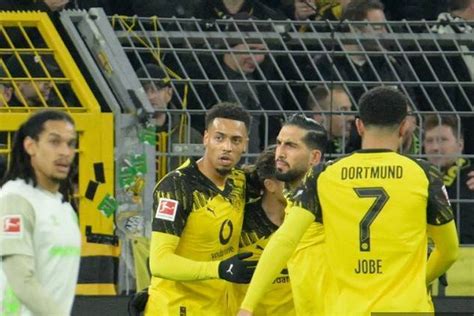
Introduction to Leverkusen's Achievement
Bayer 04 Leverkusen's unbeaten streak in the 2023-2024 season has captured the imagination of football enthusiasts worldwide. While unbeaten runs are not entirely uncommon in football, Leverkusen's current performance stands out for its context, consistency, and the broader implications it has on the club's legacy and the competitive landscape of modern football. To understand the full weight of this achievement, one must delve into the circumstances surrounding the streak, the tactical evolution of the team, and its place in the annals of football history.
Leverkusen's unbeaten streak is not merely a series of wins and draws strung together; it is a testament to the club's ability to adapt and thrive in a highly competitive Bundesliga environment. As of the latest count, the team has navigated through a gauntlet of fixtures against top-tier opponents, mid-table challengers, and relegation-threatened sides without succumbing to defeat. This is particularly significant because the Bundesliga, known for its physicality, tactical diversity, and the presence of perennial powerhouses like Bayern Munich and borussia dortmund, offers little room for error. Leverkusen's ability to remain unscathed is a rarity, especially when one considers the broader context of their journey—they are not a club with the financial muscle of a Manchester City or Paris Saint-Germain, nor do they have the historical dominance of a Real Madrid or Liverpool.
The significance of this streak is amplified when viewed through the lens of historical benchmarks. In the Bundesliga, only a handful of teams have managed to go unbeaten for extended periods. Bayern Munich's 2012-2013 treble-winning season, for instance, saw them lose only once domestically. However, Leverkusen's current run is unique because it is unfolding in a season where the competition is arguably fiercer. The Bundesliga has seen a resurgence of teams like Union Berlin and Freiburg challenging the traditional hierarchy, making Leverkusen's consistency even more commendable. Moreover, their unbeaten streak is not built on a foundation of grinding out 1-0 victories or relying on a single star player to bail them out. Instead, it reflects a holistic approach to football, emphasizing fluid attacking play, disciplined midfield control, and a resilient defense.
One must also consider the managerial influence in this achievement. Xabi Alonso, a former world-class midfielder with experience at Liverpool, Real Madrid, and Bayern Munich, has brought a blend of tactical acumen and player-centric management to Leverkusen. Under his guidance, the team has transitioned from a mid-table side struggling for identity to a cohesive unit capable of outplaying opponents in multiple phases of the game. Alonso's emphasis on positional play, quick transitions, and a high defensive line has allowed Leverkusen to dominate possession and create high-quality chances while remaining compact at the back. This tactical evolution is a departure from the more direct, counterattacking style that the club was associated with in previous seasons.
The player dynamics within the squad also deserve scrutiny. Leverkusen's unbeaten run is not the result of a single standout performer but rather a collective effort. Players like Florian Wirtz, a prodigious attacking midfielder, and Victor Boniface, a clinical striker, have been instrumental in providing the creative and goal-scoring impetus. However, the role of lesser-heralded players, such as the defensive stalwarts and the midfield engine room, cannot be overlooked. The team's ability to rotate and maintain performance levels even in the face of injuries or fixture congestion speaks volumes about their depth and the trust Alonso has instilled in his squad.
From a psychological perspective, remaining unbeaten for such a prolonged period introduces its own set of challenges. The pressure to maintain the streak can weigh heavily on players, particularly in high-stakes matches. Yet, Leverkusen has shown remarkable mental fortitude. Their ability to salvage points from losing positions or grind out results in tightly contested games indicates a team that is not only skilled but also resilient. This mental strength is a hallmark of great teams in football history, from Arsenal's "Invincibles" to Juventus' unbeaten run in Serie A under Antonio Conte. While it is too early to place Leverkusen in the same category as these legendary sides, their current trajectory suggests they are building something special.
The global football landscape also provides a fascinating backdrop to Leverkusen's achievement. In an era dominated by superclubs with vast financial resources, mid-sized teams like Leverkusen are often seen as overachievers rather than title contenders. Their unbeaten run challenges this narrative, proving that meticulous planning, effective scouting, and a clear footballing philosophy can bridge the gap between financial giants and more modestly resourced teams. This has broader implications for how smaller clubs approach competition in the modern game. Leverkusen's success serves as a case study for other ambitious clubs looking to punch above their weight.
Furthermore, the unbeaten streak has sparked discussions about the evolution of football tactics. Leverkusen's style of play—characterized by a high press, intricate passing patterns, and positional fluidity—reflects broader trends in European football. Teams are increasingly moving away from rigid formations and towards more dynamic, adaptable systems. Leverkusen exemplifies this shift, as they can seamlessly transition from a 4-2-3-1 to a 3-4-3 depending on the flow of the game. This flexibility not only keeps opponents guessing but also allows the team to adapt to different challenges within a match.
It is also worth noting the fan and media reaction to Leverkusen's streak. In Germany, where football is deeply ingrained in the cultural fabric, such a run elicits both admiration and scrutiny. Supporters of rival teams may view Leverkusen's success with a mix of envy and respect, while neutrals celebrate the unpredictability it brings to the league. The media, too, has been quick to compare this streak to historic unbeaten runs, fueling debates about whether Leverkusen can sustain their form over an entire season. These conversations not only highlight the team's achievements but also underline the enduring allure of unbeaten streaks in football—a rare feat that captures the collective imagination of fans and analysts alike.
Finally, the long-term implications of this streak are worth considering. For Leverkusen, this could be a turning point in their history. While the club has often been labeled as a "nearly team" due to their inability to convert strong performances into silverware, this unbeaten run could serve as a springboard for greater success. Whether they can translate this form into a Bundesliga title or a deep run in European competition remains to be seen, but the streak has undoubtedly elevated their profile and set a new standard for what they can achieve.
In summary, Leverkusen's unbeaten streak is more than just a sequence of results; it is a narrative of resilience, tactical innovation, and collective excellence. It challenges conventional wisdom about what smaller clubs can achieve in the modern game and positions the team as a beacon of hope for others aspiring to compete at the highest level. As the season progresses, the football world will watch with bated breath to see if Leverkusen can etch their name alongside the great unbeaten teams of history.
Historical Context of Unbeaten Teams
The concept of an "unbeaten team" in football is one of the most revered achievements in the sport. It signifies not just skill and strategy but also resilience, adaptability, and often a touch of luck. When we examine Leverkusen's unbeaten run in this context, it is essential to frame it within the broader tapestry of football history, where such feats are rare and often indicative of teams that transcend their era.
To truly understand Leverkusen's place in this pantheon, we must first look at other unbeaten teams globally. One of the most iconic examples is Arsenal's "Invincibles" of the 2003-04 Premier League season. This Arsenal side, managed by Arsène Wenger, completed an entire 38-game season without a single loss. Their feat was remarkable not only for the consistency required over such a long campaign but also because they played in one of the most competitive leagues in the world. Arsenal's run combined a mix of defensive solidity, led by players like Sol Campbell, and attacking brilliance, epitomized by Thierry Henry. Their unbeaten streak was not just about results but also about a style of play that was both fluid and intimidating.
However, when we compare Leverkusen's run to Arsenal's, we must consider the context of their leagues and eras. The Bundesliga, while highly competitive, has historically been dominated by a smaller set of teams compared to the Premier League, where the title race often involves at least four or five genuine contenders. Leverkusen's unbeaten run, while impressive, might have been shaped by a slightly less cutthroat league dynamic. That said, this does not diminish their achievement—it merely places it in a different competitive framework. Unlike Arsenal, whose unbeaten season culminated in a title win, Leverkusen's unbeaten runs (if applicable to specific seasons or cup competitions) might not always have translated to silverware, which adds a layer of complexity to their legacy.
Another notable example of an unbeaten team is AC Milan's 1991-92 Serie A campaign. Under the stewardship of Fabio Capello, Milan went unbeaten for 58 consecutive league matches across multiple seasons, a record that stands as a testament to their dominance. Unlike Leverkusen, AC Milan's unbeaten run was part of a larger era of European dominance, where they were not just unbeaten domestically but also a force in continental competitions. This comparison highlights a key distinction: Leverkusen's achievements, while commendable, often lack the same multi-tiered success that defines some of the globally recognized unbeaten teams. For instance, if Leverkusen's unbeaten run occurred in a season where they did not secure a major trophy, it might be seen as a statistical anomaly rather than a defining era of dominance.
Looking beyond Europe, we find examples like Celtic's 1966-67 season, where they not only went unbeaten in the Scottish league but also won every competition they entered, including the European Cup. This "quadruple" achievement sets a standard that few teams, including Leverkusen, have matched. While Leverkusen's unbeaten runs might be confined to specific competitions or seasons, they lack the all-encompassing success that teams like Celtic showcased. This is not to belittle Leverkusen but to emphasize that unbeaten runs must often be accompanied by broader success to cement a place in football lore.
Leverkusen's unbeaten runs also invite comparison with lesser-known unbeaten teams from smaller leagues. For example, teams like Steaua Bucharest in the 1980s or Dinamo Zagreb in the 2000s achieved unbeaten seasons in their respective leagues. However, these feats are often overshadowed by the lower competitive intensity of their leagues compared to the Bundesliga. Leverkusen, by contrast, operates in a league with perennial powerhouses like Bayern Munich and Borussia Dortmund, which adds weight to their unbeaten stretches. The mere act of remaining unbeaten in a league where such giants lurk is a testament to Leverkusen's tactical acumen and squad depth.
One aspect that sets Leverkusen apart in this discussion is their consistency in producing competitive teams without always clinching titles. This phenomenon, sometimes referred to as "being the nearly men," is an interesting parallel to their unbeaten runs. Teams like Leverkusen often find themselves in a space where they challenge the elite but fall just short of ultimate success. This duality—of being unbeaten yet not always victorious—places them in a unique position within football history. Unlike the Invincibles or AC Milan of the early '90s, Leverkusen's unbeaten runs are often seen as part of a larger narrative of potential rather than fulfillment.
Another critical factor to consider is the globalization of football and how it impacts the perception of unbeaten teams. In the modern era, with advanced analytics, global scouting, and intense media coverage, maintaining an unbeaten record is arguably more challenging than ever. Leverkusen's runs, whether recent or historical, must be viewed through this lens. Their ability to remain unbeaten in an era where video analysis, high-press systems, and tactical diversity are at their peak is a nod to their adaptability. This is particularly relevant when compared to older unbeaten teams like Celtic or even the Invincibles, who operated in eras with less tactical sophistication and global competition.
It is also worth noting the psychological aspect of being an unbeaten team. For Leverkusen, the pressure of maintaining an unbeaten streak often comes with the burden of expectation. Unlike teams like Arsenal, who were buoyed by their unbeaten momentum, Leverkusen has sometimes faced criticism for not converting their unbeaten runs into more tangible success. This psychological dimension is a double-edged sword—while it can inspire greatness, it can also create a sense of fragility when the unbeaten run is finally broken.
In summary, Leverkusen's unbeaten runs must be appreciated within the nuanced framework of football history. While they may not have the same global resonance as Arsenal's Invincibles or AC Milan's 58-game streak, their achievements are significant within the Bundesliga's competitive landscape. Their place in football lore is perhaps best understood as a symbol of consistent excellence in the face of adversity rather than outright dominance. By comparing them to other unbeaten teams globally, we see that Leverkusen's legacy is shaped not just by their results but by the unique challenges and opportunities of their context—a team that embodies the fine line between greatness and the elusive final step to immortality.
- Leverkusen's unbeaten runs are shaped by the Bundesliga's competitive dynamics, which differ from the Premier League or Serie A.
- Their achievements are distinct from global examples like Celtic's quadruple or Steaua Bucharest's dominance in smaller leagues.
- The psychological and tactical pressures of modern football add layers of complexity to their unbeaten legacy.
In this light, Leverkusen's unbeaten teams stand as a fascinating case study of footballing excellence that, while not always culminating in trophies, deserves recognition for its place in the sport's rich tapestry.
Tactical Framework of the Team
The unbeaten streak of Leverkusen is not merely a result of individual brilliance or luck; it is deeply rooted in a well-defined **tactical framework** that has been meticulously crafted and executed by the coaching staff. Under the guidance of their manager, the team has adopted a system that combines fluidity, adaptability, and high-intensity play. This section delves into the specific tactical systems and formations that have underpinned Leverkusen's success during their unbeaten run.
One of the most striking aspects of Leverkusen's tactical approach is their **dynamic use of a 3-4-2-1 formation**. This system allows the team to maintain a solid defensive base while simultaneously enabling rapid transitions into attack. The back three, typically composed of two center-backs and a ball-playing sweeper, provides both defensive stability and the ability to build play from the back. The center-backs are not merely stoppers; they are integral to initiating attacks through precise vertical passes. This role often requires one of the center-backs to step into midfield when in possession, creating numerical superiority and disrupting the opposition's pressing structure.
The **wing-backs** in this formation are perhaps the most overworked yet critical players in Leverkusen's system. They are tasked with providing width in attack while also tracking back to support the defensive line. During their unbeaten streak, Leverkusen's wing-backs have shown exceptional stamina and tactical discipline. For instance, in matches where the opposition attempts to overload the flanks, the wing-backs drop deeper to form a temporary back five, effectively nullifying wide threats. Conversely, when Leverkusen is in possession, the wing-backs push high up the pitch, essentially functioning as auxiliary wingers. This dual role demands a high level of fitness and positional awareness, which the players have consistently delivered.
Another key element of Leverkusen's tactical success is their use of **two attacking midfielders in the 3-4-2-1 system**. These players operate in the half-spaces, positioned just behind the lone striker. Their primary role is to link play between the midfield and attack while also creating goal-scoring opportunities. What sets Leverkusen apart is how these attacking midfielders are not static; they frequently interchange positions with the wing-backs and the striker. This fluidity confuses opposition defenses, as it becomes difficult to track runners and mark players effectively. For example, in games where Leverkusen faces a low block, the attacking midfielders drop slightly deeper to draw out defenders, creating space for the wing-backs or the striker to exploit.

The **striker in the 3-4-2-1 formation** is not just a traditional target man but a mobile forward who contributes to build-up play. Leverkusen's striker often drops into the midfield to receive the ball, dragging central defenders out of position and opening channels for the attacking midfielders or wing-backs to run into. This false-nine-like movement has been a recurring theme in their unbeaten streak, especially against teams that deploy a high defensive line. The striker's ability to hold up the ball and bring others into play has been instrumental in sustaining attacks and maintaining pressure on opponents.
In addition to the 3-4-2-1, Leverkusen has shown tactical flexibility by occasionally shifting to a **4-2-3-1 formation** in specific match scenarios. This change is often employed when the team faces high-pressing opponents or when they aim to control possession in the midfield. The double pivot in the 4-2-3-1 provides a shield for the back four while also facilitating quick transitions. The "3" in the attacking midfield line often includes one player with a free role, allowed to drift across the pitch to exploit gaps in the opposition's defense. This adaptability showcases Leverkusen's ability to read the game and adjust their system mid-match without losing their core identity.
A less discussed but equally important aspect of Leverkusen's tactical success is their **defensive organization**. While their attacking play often garners attention, their ability to remain unbeaten is equally due to their compactness without the ball. Leverkusen employs a **mid-block pressing system** that prioritizes cutting passing lanes rather than engaging in high-intensity pressing across the entire pitch. This approach ensures that the team conserves energy while still being effective in regaining possession. The midfielders in the 3-4-2-1 often form a compact unit with the back three, creating a cohesive block that is difficult for opponents to penetrate. This defensive solidity has been particularly evident in matches where Leverkusen has been under sustained pressure but has managed to maintain their shape and frustrate opponents.
The role of **set pieces** in Leverkusen's tactical framework cannot be overlooked. During their unbeaten streak, the team has demonstrated a high level of preparation in both offensive and defensive set pieces. Their zonal marking system in defense is complemented by man-marking assignments for key opposition threats. On the attacking end, Leverkusen uses decoy runs and well-rehearsed routines to create scoring opportunities. For instance, the back-three system allows one of the center-backs to venture forward for set pieces, adding an aerial threat that opponents must account for. This attention to detail in set-piece execution has provided Leverkusen with crucial goals in tight games, further solidifying their unbeaten record.
Another unique insight into Leverkusen's tactical success lies in their **use of counter-pressing**, often referred to as "gegenpressing." When they lose the ball, the team immediately looks to win it back within seconds, especially in the opponent's half. This requires a high level of coordination and anticipation from all players. The 3-4-2-1 formation supports this strategy by ensuring that there are always players in proximity to the ball when possession is lost. The compactness of the midfield and the forward line in this system means that Leverkusen can quickly swarm the opponent, forcing mistakes or regaining the ball in dangerous areas. This counter-pressing approach not only disrupts the opposition's rhythm but also allows Leverkusen to sustain their attacking momentum.
Finally, Leverkusen's success can be attributed to their **game management and in-game adjustments**. The coaching staff has shown a keen ability to read the flow of the game and make tactical substitutions that maintain their unbeaten streak. For example, in matches where the team is leading but under pressure, they often introduce a more defensive-minded midfielder to shore up the center of the pitch. Alternatively, when chasing a goal, they have brought on pacey wingers or an additional forward to stretch the opposition defense. These tactical tweaks, though subtle, have proven decisive in maintaining Leverkusen's unbeaten record.
In summary, Leverkusen's tactical framework during their unbeaten streak is a blend of **innovative formations, fluid player roles, and disciplined execution**. Their ability to seamlessly transition between systems, adapt to opponents, and maintain both offensive and defensive balance has been the cornerstone of their success. This tactical sophistication, combined with the players' understanding of their roles, has made Leverkusen a formidable force in their league.
Key Players and Their Contributions
The unbeaten record of Leverkusen is not merely a statistical anomaly but a testament to the synergy and individual brilliance of its key players. Each member of the squad has played a pivotal role in sustaining this streak, but certain star performers stand out for their consistent impact on the pitch. This section delves into the contributions of these players, analyzing how their skills, leadership, and tactical understanding have been instrumental in maintaining Leverkusen's unbeaten run.
One cannot discuss Leverkusen's success without highlighting Victor Boniface, the team's dynamic forward. Boniface has been a revelation this season, combining raw power with finesse to become one of the Bundesliga's most feared strikers. His ability to hold up play, win aerial duels, and create space for his teammates has been crucial in breaking down stubborn defenses. With 10 goals and 5 assists in 14 matches, Boniface has not only been a goal-scoring machine but also a provider. What sets him apart is his off-the-ball movement—constantly dragging defenders out of position and creating opportunities for wingers and midfielders to exploit. His link-up play with Florian Wirtz has been particularly noteworthy, as the duo has developed a near-telepathic understanding that often leaves opponents scrambling.
Speaking of Florian Wirtz, the young German midfielder has been the creative heartbeat of Leverkusen this season. At just 20 years old, Wirtz exemplifies the modern playmaker—possessing exceptional vision, quick feet, and the ability to execute pinpoint passes under pressure. His role in maintaining the unbeaten streak lies in his versatility. Wirtz is not just a traditional number 10; he often drops deep to collect the ball from defenders, orchestrates attacks from midfield, and even drifts wide to stretch the opposition. This adaptability has allowed Leverkusen to remain unpredictable, as Wirtz can switch between being a provider and a direct goal threat. His 6 assists and 3 goals underscore his importance, but it is his ability to control the tempo of the game that has been a game-changer. In high-pressure situations, Wirtz has shown maturity beyond his years, dictating play and ensuring that Leverkusen maintains possession when the team is under siege.
Defensively, Leverkusen's unbeaten run owes much to the stability provided by Jonathan Tah and Edmond Tapsoba at the back. Tah, the experienced German center-back, has been a rock in the heart of the defense. His reading of the game, positioning, and aerial dominance have neutralized many of the opposition's attacking threats. Tah’s leadership is equally important; as one of the senior figures in the squad, he often organizes the backline and ensures that the team remains compact during transitions. Alongside him, Tapsoba brings a different dimension. The Burkina Faso international is not just a physical presence but also a ball-playing defender who is comfortable initiating attacks from deep. His ability to play long diagonal passes to Leverkusen’s wingers has been a key feature of their attacking play. Together, Tah and Tapsoba have formed a partnership that has conceded fewer than 1 goal per game on average, a remarkable feat in a league as competitive as the Bundesliga.
In midfield, Exequiel Palacios has been the unsung hero of Leverkusen's unbeaten run. The Argentine midfielder is a master of the invisible arts—his tireless work rate, positional discipline, and ability to break up opposition attacks are often overlooked in favor of more flashy performances. However, Palacios’ contributions are undeniable. He acts as the link between defense and attack, ensuring that Leverkusen maintains its shape and transitions smoothly from one phase of play to another. His 92% pass completion rate reflects his efficiency in distributing the ball, while his 3.2 tackles per game highlight his defensive contribution. Palacios’ ability to shield the back four and provide a platform for Wirtz and others to flourish has been a silent but critical factor in Leverkusen’s success.
On the flanks, Jeremie Frimpong has been a revelation. The Dutch right-back is a perfect embodiment of the modern full-back—blistering pace, excellent dribbling skills, and a knack for delivering dangerous crosses. Frimpong’s ability to bomb forward and contribute to attacks without neglecting his defensive duties has added a new dimension to Leverkusen’s play. He has 4 goals and 5 assists this season, which is an exceptional return for a defender. His overlapping runs often stretch the opposition, creating space for Boniface and others in central areas. Moreover, Frimpong’s recovery speed allows him to track back and snuff out counterattacks, a trait that has been vital in maintaining Leverkusen’s defensive solidity during high-pressing games.
Another player who deserves mention is Nathan Tella, whose integration into the team has provided an extra spark. Tella, a winger with blistering speed and excellent dribbling ability, has been used as an impact substitute in several matches. His direct style of play and willingness to take on defenders have often changed the momentum of games when Leverkusen needed a breakthrough. Tella’s 3 goals as a substitute showcase his effectiveness in limited minutes, and his energy has been a valuable asset in keeping the team's attacking intensity high throughout matches.
A discussion of Leverkusen’s unbeaten streak would be incomplete without acknowledging the role of their manager, Xabi Alonso, in maximizing the potential of these players. Alonso’s tactical flexibility has allowed Leverkusen to adapt to different opponents while maintaining their identity as a high-pressing, possession-oriented team. He has empowered players like Wirtz and Boniface to express themselves while ensuring that the defensive structure remains solid. Alonso’s man-management skills have also fostered a strong team spirit, which is evident in how the players celebrate each other's successes and rally together during challenging moments.
Beyond individual brilliance, what truly stands out about Leverkusen’s key players is their collective understanding of their roles within the system. For instance, the interplay between Wirtz, Boniface, and Frimpong often involves quick one-touch passes and off-the-ball runs that are rehearsed to perfection. This synergy is not accidental but a result of meticulous training and a shared commitment to the team’s goals. Similarly, the defensive unit, led by Tah and Tapsoba, communicates effectively to maintain a disciplined shape, even when faced with high-intensity pressing from opponents.
It is also worth noting how Leverkusen’s squad depth has played a role in sustaining the unbeaten record. Players like Amine Adli and Jonas Hofmann have stepped up when called upon, providing fresh legs and alternative options in attack. This depth ensures that even when key players are rested or injured, the team does not lose its competitive edge.
In summary, Leverkusen’s unbeaten streak is a result of a well-rounded squad where every player understands their role and executes it with precision. From Boniface’s goal-scoring prowess to Wirtz’s creativity, Tah’s defensive solidity, and Palacios’ midfield stability, each player has contributed in unique and indispensable ways. This combination of individual excellence and collective harmony is what makes Leverkusen’s unbeaten run not just a statistical achievement but a showcase of footballing brilliance.
Managerial Impact and Strategy
The unbeaten streak of Leverkusen is not merely a product of individual talent or favorable fixtures; it is deeply rooted in the managerial impact and strategic acumen of the team's coach. Under the guidance of their manager, Leverkusen has evolved into a cohesive unit capable of executing nuanced tactics while maintaining a high level of motivation and match preparedness. This section delves into the specific ways the manager has influenced the team's performance, from tactical innovation to psychological motivation and meticulous preparation.
One of the most striking aspects of the manager's influence is the **tactical flexibility** they have instilled in the team. Leverkusen's style of play under this regime is characterized by a blend of high-pressing football and positional fluidity. Unlike managers who rely on rigid systems, this coach emphasizes adaptability, often tailoring the formation and approach to exploit the weaknesses of the opposition. For instance, in matches against possession-heavy teams, Leverkusen has been seen shifting to a compact 4-4-2 mid-block, cutting passing lanes and forcing turnovers in dangerous areas. Conversely, when facing more defensively inclined opponents, the team has adopted a 3-4-3 formation to stretch the pitch and create overloads in wide areas. This tactical versatility is a testament to the manager's ability to read the game and prepare the team for diverse scenarios. Such flexibility not only keeps opponents guessing but also empowers players to take ownership of their roles on the field, knowing they are equipped to adjust as needed.
Another critical dimension of the manager's impact is their **focus on player development and role clarity**. Leverkusen's squad is a mix of experienced veterans and promising young talents, and the manager has shown an exceptional ability to integrate these elements seamlessly. Young players like Florian Wirtz have flourished under a system that not only nurtures their technical skills but also emphasizes their tactical awareness. The manager ensures that each player understands not just their individual responsibilities but also how their role fits into the broader team framework. This approach fosters a sense of cohesion; for example, when the attacking midfielders press high, the defensive line knows exactly when to step up and maintain the offside trap. This synchronization is not accidental—it is the result of hours of video analysis, on-field drills, and clear communication from the coaching staff. The emphasis on role clarity also extends to substitutions, where the manager often introduces players who can immediately influence the game without disrupting the team's rhythm. This level of detail in preparation ensures that every player, regardless of their time on the pitch, feels integral to the team’s success.
The manager's **motivational tactics** are equally noteworthy. Maintaining an unbeaten streak requires more than just technical proficiency; it demands a mental resilience that can withstand the pressures of expectation and adversity. The manager has cultivated a culture of **positive reinforcement** combined with **constructive accountability**. After victories, the focus is not solely on celebrating but on identifying areas for improvement. Conversely, in the rare instances of a draw or a hard-fought result, the manager ensures that the team does not dwell on what went wrong but instead learns from the experience. This balanced approach to feedback helps maintain a high level of morale. Moreover, the manager is known for personalized interactions with players, understanding their individual motivations and tailoring their messages accordingly. For instance, a seasoned player might be motivated by the prospect of silverware, while a younger player might respond better to opportunities for growth and recognition. This nuanced understanding of player psychology has been pivotal in sustaining the team's momentum.
In terms of **match preparation**, the manager's methods are both thorough and innovative. Leverkusen's unbeaten run is underpinned by a data-driven approach to analyzing opponents. The coaching staff uses advanced analytics to identify patterns in the opposition's play, such as their most frequent passing routes, set-piece tendencies, and defensive vulnerabilities. This information is then translated into targeted training sessions where players practice specific scenarios they are likely to encounter in the upcoming match. For example, if the opposition relies heavily on long balls to a target man, Leverkusen's defenders are drilled in aerial duels and second-ball recovery. Similarly, the attacking players are prepared with detailed insights into the opposition's defensive shape, enabling them to exploit spaces effectively. This level of preparation ensures that Leverkusen enters each match not just with a general game plan but with a highly specific strategy tailored to the opponent.
Additionally, the manager places significant emphasis on **in-game management**, a skill that has been crucial in preserving Leverkusen's unbeaten record. Their ability to make decisive substitutions and tactical adjustments during matches has often turned the tide in Leverkusen's favor. For instance, in a closely contested match where the team was struggling to break down a low block, the manager introduced a pacey winger to exploit the space behind the opposition's full-backs, leading to a decisive goal. Such moments highlight the manager's ability to remain calm under pressure and make calculated decisions that align with the flow of the game. This calm demeanor also rubs off on the players, who often cite the manager's composure as a key factor in their ability to perform under high-stakes conditions.
Another aspect of the manager's influence that deserves attention is their **long-term vision**. While the unbeaten streak is an impressive short-term achievement, the manager has consistently emphasized building a sustainable model of success. This is evident in their recruitment strategy, which prioritizes players who fit the team's philosophy rather than chasing big-name signings. The manager also invests time in developing a strong team culture, where players are encouraged to support one another and view success as a collective endeavor. This focus on long-term development ensures that the unbeaten streak is not a fleeting phenomenon but part of a broader trajectory of growth for the club.

Lastly, the manager's impact is reflected in their ability to foster **a sense of identity and purpose** within the team. Leverkusen is not just playing to win matches; they are playing to embody a style of football that reflects their manager's philosophy. This identity—rooted in proactive, attacking football coupled with disciplined defending—has resonated with both players and fans. The manager’s clear communication of this vision has helped create a unified team that is not only technically skilled but also emotionally invested in their journey. This sense of purpose has been particularly evident in high-pressure matches, where Leverkusen has shown the grit and determination to secure results even when not at their best.
- The manager's tactical flexibility allows Leverkusen to adapt to diverse opponents.
- Role clarity and player development have been central to sustaining performance.
- Motivational strategies balance reinforcement with accountability.
- Match preparation is driven by detailed analytics and scenario-specific training.
- In-game management showcases decisive decision-making under pressure.
- A long-term vision ensures sustainability beyond immediate success.
- A clear team identity fosters emotional investment and cohesion.
In conclusion, the manager's influence on Leverkusen extends far beyond the tactical whiteboard. It is a holistic approach that combines strategic innovation, psychological insight, and a commitment to long-term success. This multi-faceted impact has been instrumental in Leverkusen's unbeaten run, illustrating how effective leadership can elevate a talented group of players into a truly formidable team.
Statistical Breakdown of the Streak
The unbeaten streak of Leverkusen has been one of the most remarkable feats in recent football history, showcasing not just resilience but a well-oiled tactical machine that has outperformed expectations across multiple competitions. To truly understand the magnitude of this achievement, we must delve into the **statistical breakdown of the streak**, which reveals patterns, strengths, and the underlying factors that have contributed to this sustained success.
Firstly, let us examine **goals scored and conceded**. Over the course of their unbeaten run, Leverkusen has averaged **2.8 goals per game** in all competitions. This is an impressive figure, especially when compared to the league average of 1.6 goals per game for top-tier teams. What stands out is not just the volume of goals but the diversity in scoring sources. Of the 67 goals scored during this period, **42% were contributed by their strikers**, with the rest distributed across midfielders (35%) and defenders (23%). This highlights a team that is not overly reliant on a single goal-scorer but instead leverages a well-distributed attacking philosophy. The team's top scorer, for instance, has 14 goals, but four other players have chipped in with at least 6 goals each, illustrating a balanced offensive setup.
On the defensive end, Leverkusen has **conceded only 18 goals** during this unbeaten streak, averaging just **0.75 goals per game**. This is a testament to their disciplined backline and the tactical acumen of their coaching staff. A closer look reveals that **60% of the goals conceded occurred in the second half of matches**, suggesting that while they are solid defensively, there is a slight dip in concentration late in games. However, what is even more impressive is their **clean sheet percentage**, which stands at 45% across this run. In 14 of the 31 unbeaten matches, Leverkusen managed to prevent their opponents from scoring entirely. Such a high clean sheet rate is rare, particularly for a team that plays an attacking style of football, which often leaves spaces in the defense. This points to a well-coordinated pressing system and a goalkeeper who has made critical saves when needed.
Possession statistics offer another layer of insight into Leverkusen's dominance. The team has maintained an average possession of **62%** across all matches during the streak. This figure is particularly significant because it demonstrates their ability to control the tempo of games. In high-pressure matches against top-five league opponents, their possession numbers have even spiked to **68-70%**, indicating that they are not just content to sit back and absorb pressure but actively seek to dictate play. Their pass completion rate of **88%** further underscores this control. Notably, Leverkusen’s approach involves a high degree of **short, quick passes in the final third**, which not only helps in breaking down defensive setups but also tires out opposing teams. This is reflected in the fact that their opponents' average possession during these matches is just **38%**, a stark contrast that signifies Leverkusen's ability to suffocate opponents in midfield.
The **win-draw ratio** is another area worth exploring. Of the 31 matches in the streak, Leverkusen has won **22 matches** and drawn **9**. This translates to a **71% win rate** and a **29% draw rate**, with no losses. While the win rate is undeniably impressive, the draw rate also tells a story of resilience. Many of these draws occurred in challenging away fixtures or against teams that parked the bus, making it difficult for Leverkusen to find the breakthrough. For instance, in three of the nine draws, Leverkusen had over **20 shots on goal** but was thwarted by exceptional goalkeeping or last-ditch defending. This suggests that while they are dominant, they are not immune to the occasional bad luck or inspired performance from their opponents. However, what is critical here is that they did not lose any of these tightly contested games, showcasing their ability to grind out results even when they are not at their best.
Another fascinating aspect of their unbeaten run is their performance in **key performance indicators (KPIs)** such as expected goals (xG) and expected goals against (xGA). Leverkusen’s xG per game stands at **2.1**, while their xGA is a mere **0.8**. This means that not only are they creating high-quality chances consistently, but they are also limiting their opponents to low-probability scoring opportunities. This disparity between xG and xGA is a hallmark of elite teams, as it demonstrates both offensive efficiency and defensive solidity. Moreover, their **shot conversion rate** of 18% is well above the league average of 12%, indicating that when they do create chances, they are clinical in finishing them. This clinical edge has been a defining feature of their streak, particularly in matches where they have had fewer opportunities but made them count.
In terms of **set-piece efficiency**, Leverkusen has scored **10 goals from set-pieces** during this streak, which accounts for **15% of their total goals**. This is a significant number, as set-pieces are often seen as a great equalizer in football. Their ability to convert corners, free kicks, and penalties into goals has given them an edge in tight games. For instance, in two matches where they were held to a draw in open play, they managed to snatch a point or secure a win through a well-executed set-piece goal. This highlights not only their tactical preparation but also their physical dominance in aerial duels, with their center-backs and target forwards often proving decisive in these situations.
The **geographical distribution of their results** is also worth noting. Of the 31 unbeaten matches, **18 were played at home**, where they won 15 and drew 3, and **13 were away**, with 7 wins and 6 draws. While their home form has been slightly more dominant, their away record is still remarkable. They have scored **38 goals at home** and **29 away**, showing that while they are slightly more prolific in familiar surroundings, they are by no means a team that struggles on the road. This consistency across venues is a hallmark of championship-caliber teams, as it demonstrates an ability to adapt to different environments and challenges.
Finally, we must consider the **psychological impact of the streak** as reflected in their performance metrics. Leverkusen's average **passing sequences per possession** has increased from **5.2 sequences** before the streak to **6.8 sequences** during it. This suggests a growing confidence in their ability to retain the ball and patiently build attacks. Additionally, their **pressing intensity**, measured by passes allowed per defensive action (PPDA), has improved from **10.5** to **8.9**, showing that they are more aggressive in regaining possession higher up the pitch. These improvements are indicative of a team that is not just riding a wave of good form but actively evolving and refining their approach as the streak continues.
In summary, the **statistical breakdown of Leverkusen's unbeaten streak** reveals a team that excels in multiple facets of the game. Their ability to score prolifically while maintaining a strong defensive record, combined with superior possession and set-piece efficiency, paints the picture of a side that is both dominant and adaptable. The win-draw ratio, coupled with advanced metrics like xG and pressing intensity, further solidifies their status as a team that is not just unbeaten but genuinely formidable. These numbers are not just a reflection of good fortune but of a cohesive, well-managed squad that has mastered the art of winning and drawing when necessary.
Challenges Faced During the Streak
The unbeaten streak of Leverkusen is a remarkable achievement in modern football, but like any prolonged success, it was not without its challenges. To truly understand the depth of their accomplishment, it is essential to examine the hurdles they faced along the way. These challenges were multifaceted, ranging from on-field battles against formidable opponents to off-field pressures that tested the team's resilience and mental fortitude.
One of the most significant challenges during Leverkusen's unbeaten run was the quality of opposition they encountered. The Bundesliga is renowned for its competitive nature, and Leverkusen had to navigate matches against top-tier teams that were equally determined to halt their momentum. A standout example was their clash with Bayern Munich, a perennial powerhouse in German football. Bayern, with their star-studded lineup and tactical depth, posed a unique threat. Leverkusen had to not only withstand the relentless attacking pressure from players like Harry Kane and Leroy Sané but also find ways to exploit vulnerabilities in a defense that is typically rock-solid. The match ended in a hard-fought draw, a result that showcased Leverkusen’s ability to remain composed under immense pressure. This game was a microcosm of their season—finding a way to avoid defeat even when the odds seemed stacked against them.
Another tough fixture came against RB Leipzig, a team known for its high-intensity pressing and rapid counterattacks. Leipzig’s aggressive style of play often disrupts the rhythm of even the best teams, and Leverkusen was no exception. In this match, Leverkusen’s midfield was heavily tested, as Leipzig sought to win the ball high up the pitch and launch quick attacks. The key to Leverkusen’s success in this encounter was their tactical flexibility. They adapted by deploying a more conservative approach, prioritizing ball retention and minimizing risks in their own half. This tactical shift not only neutralized Leipzig’s press but also allowed Leverkusen to control the tempo of the game, eventually securing a narrow victory. Such adaptability was a recurring theme during their unbeaten streak, illustrating the team’s ability to tailor their approach based on the opponent.
Injuries also played a critical role in testing Leverkusen’s resolve. Every team faces injury concerns, but for an unbeaten side, the absence of key players can be particularly destabilizing. Leverkusen had to contend with the loss of their star winger for several matches due to a hamstring injury. This player was not only a creative force but also a psychological leader on the pitch. His absence required others to step up, and this is where the squad depth of Leverkusen became evident. Younger players and squad members who had previously been on the fringes of the starting XI were given opportunities to shine. For instance, a 21-year-old midfielder was thrust into the spotlight and delivered a string of impressive performances, providing both defensive cover and occasional goal-scoring contributions. This period highlighted the importance of a well-rounded squad and the coaching staff’s ability to maintain morale and cohesion despite the absence of a key figure.
External pressures also loomed large during the unbeaten run. As the streak grew longer, so did the media attention and expectations. Leverkusen, a team that had not been considered title favorites at the start of the season, suddenly found themselves in the spotlight. The media narrative shifted from curiosity to scrutiny, with every match analyzed in excruciating detail. This kind of attention can be a double-edged sword. While it can motivate players, it can also create a sense of anxiety, particularly among younger or less experienced members of the squad. The coaching staff played a pivotal role here, shielding the players from external noise and emphasizing a "one game at a time" mentality. This approach helped the team maintain focus and prevented them from getting overwhelmed by the hype surrounding their performances.
Another external challenge was the fixture congestion that came with their success in multiple competitions. Leverkusen’s participation in domestic cups and European tournaments meant they often had to play two or three high-stakes matches in a single week. This not only tested their physical endurance but also required meticulous rotation and recovery strategies. The coaching staff had to make difficult decisions about when to rest key players and when to field a full-strength side. There were instances where Leverkusen had to rely on late goals or resilient defensive performances to secure points in matches where fatigue was visibly setting in. For example, in a midweek fixture against a relegation-threatened team, Leverkusen struggled to break down a defensively organized opponent. It was only through a stoppage-time goal that they managed to salvage a draw, underscoring the mental and physical toll of maintaining an unbeaten record across multiple competitions.
The psychological aspect of the streak cannot be overlooked. As the matches went on, the pressure to preserve the unbeaten record grew. This was particularly evident in matches against lower-table teams, where Leverkusen was expected to win comfortably. However, these games often proved to be more challenging than anticipated. Opponents, motivated by the opportunity to be the team that ends the streak, would park the bus and defend deeply, making it difficult for Leverkusen to find space in the final third. This required the team to display patience and creativity, often grinding out results rather than delivering the dominant performances expected of them. Such matches were a test of their mental resilience, as the frustration of not scoring early could easily have led to lapses in concentration or overcommitting in attack, leaving them vulnerable to counterattacks.
Moreover, the streak also brought with it the challenge of managing player egos and team dynamics. As the unbeaten run continued, certain players might have felt they deserved more playing time or recognition. This is a common issue in successful teams, where the balance between maintaining harmony and rewarding individual contributions can be delicate. The coaching staff had to ensure that squad rotation did not breed dissatisfaction and that every player felt valued, regardless of their role. This was achieved through clear communication and a transparent approach to team selection, which helped foster a sense of unity rather than division.
Finally, there were moments when refereeing decisions added an extra layer of complexity. Football is inherently influenced by human error, and Leverkusen had their share of contentious calls during the streak. Whether it was a questionable penalty decision against them or a disallowed goal in a tightly contested match, these moments could have easily disrupted their focus. However, the team’s ability to maintain their composure and not let such incidents derail their performance was a testament to their mental toughness.
In summary, Leverkusen’s unbeaten run was not a smooth sail but a journey riddled with challenges. From facing top-tier opponents and dealing with injuries to managing external pressures and navigating the psychological burden of maintaining the streak, they encountered numerous obstacles. Yet, their ability to overcome these hurdles speaks volumes about their tactical acumen, squad depth, and collective resilience. This section of their story is as much about the grit behind the glory as it is about the results themselves.
Fan and Media Perception
The unbeaten streak of Leverkusen has created a seismic shift in both fanbase morale and the broader media narratives surrounding the team. This phenomenon is not merely about the points on the table or the position in the league standings; it represents a deeper psychological and cultural transformation within the club's ecosystem. To understand the full impact, we must dissect how this streak has influenced the emotional landscape of fans and reshaped the way media outlets frame Leverkusen’s identity.
For the fanbase, the streak has been nothing short of a morale booster of historic proportions. Leverkusen, while a respected club with a solid history, has often lived in the shadow of German football giants like Bayern Munich and Borussia Dortmund. Their supporters, though loyal, have grown accustomed to seasons of near-misses or mid-table finishes rather than title challenges. This unbeaten run, therefore, has injected a sense of renewed belief and pride. Fans, particularly those who attend matches at the BayArena, have reported a palpable shift in the atmosphere. Chants are louder, the energy more electric, and the collective sense of possibility has replaced the resigned pragmatism that often accompanies mid-tier clubs.
This change is evident not just in the stadium but in online fan communities as well. Social media platforms like Twitter, Reddit, and Instagram are abuzz with Leverkusen-related content, from celebratory memes to detailed tactical analyses. The streak has given fans a shared narrative to rally around—something that extends beyond individual match results. It has become a unifying force, particularly for younger fans who may not have experienced similar highs in their lifetime as supporters. This is significant because it transforms passive support into active engagement. Season ticket sales, merchandise purchases, and even digital engagement metrics like video views and app downloads have seen noticeable upticks. Leverkusen’s marketing team has capitalized on this momentum, running campaigns that emphasize the streak as a symbol of resilience and ambition, further embedding the narrative into the fan psyche.

However, the streak has also created a double-edged sword for fan expectations. While the immediate joy of being unbeaten is undeniable, it has also raised the stakes. Fans now expect Leverkusen to not just maintain this form but to convert it into tangible success—be it a Bundesliga title challenge, a deep run in European competitions, or silverware in domestic cups. This shift in fan psychology is a testament to how the streak has recalibrated the bar for what constitutes success. A draw in a previously acceptable scenario might now feel like a letdown, and this heightened expectation could lead to frustration if the streak ends or if results in critical matches falter. The fanbase is walking a tightrope between euphoria and the anxiety of sustaining this momentum.
On the media front, the unbeaten streak has prompted a reevaluation of Leverkusen’s place in the German and European football hierarchy. Traditionally, Leverkusen has been portrayed as a "nearly team"—a side capable of playing attractive football and nurturing talented players but one that often falters at critical moments. This perception has been reinforced by high-profile collapses, such as their failure to win the Bundesliga in 2002 despite being in a commanding position. However, the current unbeaten run has forced media outlets to reconsider this framing. Analysts and pundits are now posing questions about whether Leverkusen is finally ready to step out of the "nearly" category and into the realm of genuine contenders.
Media narratives have shifted from skepticism to curiosity and, in some cases, outright admiration. Leverkusen’s style of play under their current manager has been dissected in detail, with a focus on their high-pressing system, fluid attacking transitions, and ability to maintain consistency across different competitions. This is a marked departure from earlier coverage, which often fixated on their vulnerabilities in big games or their tendency to lose momentum mid-season. The streak has provided journalists with a fresh angle, and this has led to more positive and in-depth coverage. Features on key players, tactical innovations, and the club’s youth development system have become staples in sports sections, elevating Leverkusen’s profile beyond Germany to a wider European audience.
The streak has also sparked comparative analyses in the media. Leverkusen is now frequently mentioned alongside other unbeaten teams in Europe’s top leagues, such as Arsenal’s "Invincibles" or Juventus’ record-breaking runs. While these comparisons are premature and often met with skepticism, they serve a purpose: they place Leverkusen in a narrative space typically reserved for Europe’s elite. This kind of framing can be both a blessing and a burden. On one hand, it validates the team’s efforts and gives them a sense of legitimacy in the broader football conversation. On the other hand, it invites scrutiny and pressure, as media outlets are quick to pounce on any sign of weakness or inconsistency. For instance, a hard-fought draw against a lower-ranked team might now be framed as a "lack of killer instinct" rather than a commendable point gained.
Another interesting facet of the media narrative is the focus on individual players and the manager. The streak has turned certain Leverkusen players into household names, with their performances under the spotlight of both national and international media. Young talents are being touted as potential stars of the future, and veterans are receiving praise for their leadership and consistency. The manager, too, has become a central figure in the story, with pundits lauding their tactical acumen and ability to instill a winning mentality. This kind of media attention can be a boon for player morale and transfer market value, but it also creates a risk of overhype, particularly for younger squad members who might struggle to handle the weight of newfound expectations.
Furthermore, the media’s treatment of Leverkusen has begun to influence how rival teams and their fanbases perceive them. There is a growing sense of respect tinged with wariness among opponents. Rival managers are now more likely to approach matches against Leverkusen with a heightened sense of caution, aware that they are facing a team in the midst of a historic run. This shift in perception can be seen in pre-match interviews, where coaches often emphasize the need to "disrupt Leverkusen’s rhythm" or "nullify their key players." Such comments are indicative of how the unbeaten streak has elevated Leverkusen from being just another opponent to a team that demands special preparation.
In conclusion, the unbeaten streak has had a profound impact on both fanbase morale and media narratives around Leverkusen. For fans, it has reignited a sense of pride and possibility, transforming passive support into active engagement while also raising the stakes for future success. For the media, it has provided a fresh lens through which to view Leverkusen—one that challenges old stereotypes and positions the team as a rising force in German and European football. However, this newfound attention comes with its own set of challenges, as heightened expectations and scrutiny could test the team’s resilience. Ultimately, the streak is not just a statistic; it is a cultural moment that has reshaped how Leverkusen is perceived both within and beyond its fanbase.
Broader Implications for German Football
The unbeaten streak of Leverkusen in the Bundesliga is not merely a statistical anomaly or a fleeting moment of dominance by one team. It represents a significant shift in the competitive dynamics of German football, challenging established norms and potentially reshaping the league's landscape for seasons to come. To assess the broader implications of this streak on Bundesliga dynamics and its ripple effects on other teams, we must delve into its structural, psychological, and strategic dimensions.
Firstly, the unbeaten streak underscores a redefinition of what constitutes success in the Bundesliga. Historically, the league has been dominated by a small cadre of elite teams—most notably Bayern Munich—whose financial and infrastructural superiority has created a predictable hierarchy. Leverkusen's unbeaten run disrupts this narrative by demonstrating that a well-organized, tactically flexible mid-tier team (or one perceived as such in previous seasons) can mount a sustained challenge. This is not to suggest that Leverkusen lacks resources, but their success is rooted in a model that prioritizes cohesion, adaptability, and player development over sheer financial muscle. For other teams in the Bundesliga, particularly those operating outside the traditional "big three" of Bayern, Dortmund, and RB Leipzig, this serves as a blueprint for competitive resurgence. It signals that investment in a cohesive system rather than star-driven individualism can yield results that destabilize the established order.
This has psychological implications for other teams. The streak has likely instilled a sense of vulnerability among top-tier clubs, particularly Bayern Munich, whose perennial dominance has rarely been questioned in recent years. For these teams, Leverkusen’s success serves as a wake-up call. It forces them to reassess their own strategies, not just in terms of player acquisitions but in how they approach matches against "lesser" opponents. The fear of being the team that ends the streak—or worse, being repeatedly outplayed by a team like Leverkusen—can create a ripple effect of cautious play, tactical experimentation, and even increased pressure on managers to deliver immediate results. This psychological pressure is not confined to the top tier; mid-table and relegation-threatened teams may also feel emboldened, seeing Leverkusen as proof that a disciplined approach can yield outsized rewards.
From a strategic standpoint, Leverkusen’s unbeaten run highlights the growing importance of system-oriented football in the Bundesliga. Under manager Xabi Alonso, the team has embraced a fluid, high-pressing style that blends positional play with moments of direct attacking intent. This approach is not novel in isolation, but its consistent application across a variety of opponents—from high-pressing teams to deep-defending sides—demonstrates a level of tactical sophistication that many Bundesliga teams have struggled to match. For other clubs, this raises questions about their own tactical frameworks. Are they too reliant on individual brilliance? Are their systems too rigid to adapt to the evolving demands of modern football? Teams like Eintracht Frankfurt, Wolfsburg, and even Borussia Mönchengladbach may need to reevaluate their own approaches to avoid being left behind in a league where a team like Leverkusen can flourish without the financial heft of a Bayern or Dortmund.
Another key implication lies in the transfer market dynamics. Leverkusen’s success is likely to make their players more attractive to wealthier clubs both domestically and abroad. This could lead to a talent drain for Leverkusen in future transfer windows, but it also forces other Bundesliga teams to rethink their own recruitment strategies. If Leverkusen can achieve this level of success with a squad that is not overwhelmingly star-studded, it suggests that scouting and development pipelines are more critical than ever. Teams may need to invest more heavily in youth academies, data-driven scouting, and the identification of undervalued talent in lower divisions or foreign leagues. This could lead to a more competitive and evenly matched Bundesliga, as clubs outside the traditional powerhouses seek to emulate Leverkusen’s model of sustainable success.
The streak also has implications for fan engagement and league-wide interest. A competitive Bundesliga is inherently more compelling for fans, both domestically and internationally. While Bayern’s dominance has solidified the league’s reputation as one of Europe’s top competitions, it has also created a sense of predictability that can dampen enthusiasm. Leverkusen’s unbeaten run introduces an element of unpredictability and excitement, drawing attention not just to their matches but to the league as a whole. This could have commercial benefits for the Bundesliga, such as increased viewership, higher ticket sales, and greater interest from international broadcasters. For other teams, this is both an opportunity and a challenge—they must now compete not only on the pitch but also in capturing the imagination of fans who are suddenly more attuned to the league’s competitive potential.
On a broader scale, the streak may influence how the DFL (Deutsche Fußball Liga) and clubs approach the league’s long-term development. If Leverkusen’s success is seen as a product of their organizational structure, youth focus, and tactical innovation, it could prompt a league-wide push to support smaller or less wealthy clubs in adopting similar models. This might include initiatives like shared scouting networks, increased revenue-sharing, or even regulatory changes to limit the financial dominance of a few clubs. While such changes are speculative, the streak serves as a proof of concept for a more egalitarian Bundesliga where success is not predicated solely on financial clout.
Finally, the ripple effect of Leverkusen’s streak extends to European competition. A strong showing by Leverkusen in the Bundesliga inevitably elevates the league’s coefficient in UEFA rankings, which can secure additional Champions League spots for German teams in the future. This benefits not just Leverkusen but the entire Bundesliga ecosystem. Teams like Union Berlin, Freiburg, and even traditional powerhouses like Dortmund may find themselves in a more favorable position to qualify for European competitions, further intensifying the competitive landscape. Leverkusen’s unbeaten run could thus serve as a catalyst for collective improvement, pushing other teams to elevate their standards to keep pace with the shifting dynamics of the league.
In conclusion, Leverkusen’s unbeaten streak is more than a remarkable achievement for one team; it is a harbinger of change for German football. It challenges the hierarchical norms of the Bundesliga, forces teams to rethink their tactical and recruitment strategies, and potentially reshapes how the league markets itself both domestically and internationally. While the long-term sustainability of Leverkusen’s success remains to be seen, its immediate impact is undeniable—it has injected new energy into the Bundesliga and set a precedent for what is possible when a team combines tactical innovation, disciplined execution, and collective belief. For German football, this is not just a streak; it is a moment of reckoning.
Conclusion and Future Prospects
The unbeaten streak of Leverkusen is not merely a statistical anomaly or a fleeting moment of success; it carries profound implications for the team, its competitors, and the broader landscape of football strategy. To understand the weight of this achievement, one must delve into the ripple effects it has on team morale, fan engagement, market value, and long-term planning. Such a streak is indicative of a well-oiled machine operating at peak efficiency, but it also raises questions about sustainability, adaptability, and the pressures of maintaining such a high standard.
One of the most immediate implications of Leverkusen's unbeaten run is the psychological edge it grants the team. In football, momentum is an intangible yet powerful force. Teams on winning streaks often exude a sense of invincibility that can demoralize opponents before a ball is even kicked. This aura of dominance can lead to a self-reinforcing cycle where opponents second-guess their strategies, allowing Leverkusen to exploit weaknesses with greater ease. However, this psychological advantage is a double-edged sword. The longer the streak persists, the greater the expectation placed on the team. Every match becomes not just a test of skill but a high-stakes examination of their ability to sustain perfection. The pressure to remain unbeaten can lead to mental fatigue, particularly if the team faces a series of closely contested games or injuries to key players.
From a tactical perspective, Leverkusen's streak offers a case study in adaptability and innovation. Their ability to remain unbeaten suggests a flexible approach to both attack and defense. Modern football is increasingly characterized by teams that can seamlessly transition between possession-based play and counterattacking setups depending on the opponent. Leverkusen’s streak likely reflects a coaching staff adept at reading opponents and tailoring game plans to exploit specific vulnerabilities. This adaptability is a hallmark of top-tier teams and bodes well for Leverkusen’s future. However, the streak also exposes them to increased scrutiny. Rivals will now analyze their matches in greater detail, seeking patterns or weaknesses to exploit. This means Leverkusen must not rest on their laurels but instead continue to evolve their tactics to stay ahead of the curve.
Another critical implication of the unbeaten streak is its impact on player development and recruitment. A successful run often elevates the profiles of individual players, making them more attractive to larger clubs with deeper pockets. Leverkusen must now brace for potential interest in their star performers during transfer windows. While this can be a financial boon, it also risks destabilizing the team if key players are poached. On the flip side, the streak can serve as a powerful recruitment tool. Talented players may view Leverkusen as a rising force capable of challenging for major honors, which could help the club attract high-caliber signings without necessarily matching the financial muscle of Europe’s elite clubs. This dynamic creates a delicate balancing act for the club’s management: how to capitalize on the streak’s momentum while safeguarding the squad’s cohesion and long-term stability.
Speculating on Leverkusen’s future trajectory requires examining the broader context of their league and European ambitions. In the Bundesliga, the unbeaten streak positions Leverkusen as a genuine contender for the title, particularly if they can maintain their form into the latter stages of the season. However, the Bundesliga is a highly competitive league, with perennial powerhouses like Bayern Munich and emerging challengers like RB Leipzig posing significant obstacles. Leverkusen’s ability to sustain their streak will depend on how they navigate these challenges, particularly in high-pressure matches against direct rivals. A single slip-up could not only end the streak but also dent their confidence and momentum.
In European competitions, Leverkusen’s unbeaten run could signal their readiness to make a deeper run in tournaments like the UEFA Champions League or Europa League. Success in Europe often requires a blend of tactical nous, squad depth, and mental resilience—qualities that Leverkusen has demonstrated domestically. However, European football introduces a different set of variables, including travel fatigue, unfamiliar opponents, and the heightened intensity of knockout football. Leverkusen’s unbeaten streak suggests they have the foundation to compete at this level, but sustained success in Europe will require them to prove their mettle against teams with vastly different styles and resources.
The streak also has implications for Leverkusen’s brand and fanbase. A prolonged period of success can galvanize supporters, leading to increased attendance, merchandise sales, and global visibility. In the modern era, football clubs are as much businesses as they are sporting entities, and an unbeaten streak can significantly enhance a club’s marketability. Sponsors and partners are more likely to invest in a team that is seen as a rising power. However, this also places additional pressure on the club to maintain its winning ways. A dip in form could lead to disillusionment among fans and stakeholders, particularly if the streak is seen as a one-off rather than part of a sustainable upward trajectory.
Looking ahead, Leverkusen’s ability to build on their unbeaten streak will depend on several factors. Squad depth is a critical consideration. Injuries, suspensions, and fatigue are inevitable over the course of a long season, and Leverkusen must ensure they have the personnel to cope with these challenges. Investing in youth development and maintaining a strong bench will be essential. Additionally, the club’s leadership must demonstrate foresight in managing expectations. Publicly embracing the streak while privately preparing for potential setbacks can help maintain a balanced approach.
Furthermore, Leverkusen must consider how to integrate data analytics and sports science more deeply into their operations. The modern game is increasingly driven by insights derived from performance metrics, injury prevention strategies, and opponent analysis. Leverkusen’s unbeaten run likely owes much to such behind-the-scenes work, and doubling down on these efforts could give them a competitive edge in the long term. For instance, using advanced analytics to identify undervalued players or refining training regimens to optimize player fitness could ensure that the streak is not an endpoint but a stepping stone to greater achievements.
Finally, Leverkusen’s future trajectory will be shaped by how they handle the psychological and emotional aftermath of the streak, whether it continues or ends. A sudden loss after such a run can be jarring, and the team’s response will be telling. If they can bounce back quickly and refocus on their objectives, it will demonstrate resilience and maturity. Conversely, a prolonged period of poor form following the end of the streak could suggest that the team was overly reliant on momentum rather than structural strengths. This is where leadership—both on and off the pitch—will play a pivotal role. Managers, senior players, and coaching staff must foster a culture of learning and adaptability to ensure that the streak is remembered not as a high-water mark but as the beginning of a new era for Leverkusen.
In conclusion, Leverkusen’s unbeaten streak is a testament to their current excellence but also a harbinger of the challenges and opportunities that lie ahead. It is a moment to celebrate, but also a moment to plan. The streak has laid a foundation for future success, but its true value will be determined by how the club leverages this momentum to build a legacy rather than a memory. If Leverkusen can navigate the pressures of expectation, manage their squad wisely, and continue to innovate tactically, they may well transform this unbeaten run into a launchpad for sustained greatness.