Introduction to Lionel Messi's UCL Legacy
Lionel Messi's legacy in the UEFA Champions League (UCL) is one of the most storied and impactful narratives in modern football history. The tournament, often regarded as the pinnacle of club football, has served as a stage where Messi has not only showcased his unparalleled talent but also etched his name into the annals of the sport. To understand Messi's significance in the UCL, one must delve into the interplay between his personal achievements, the teams he represented, and the broader context of the competition's evolution during his era.
From his debut in the UCL during the 2004-05 season with FC Barcelona to his later campaigns with Paris Saint-Germain, Messi has been a constant force in the competition. His contributions transcend mere statistics, though those are staggering in their own right. With over 120 goals in the tournament, Messi ranks among the highest scorers in UCL history, a feat that underscores his consistency and ability to deliver on the grandest stage. However, what truly sets Messi apart is not just the volume of his achievements but the manner in which they were realized—through moments of individual brilliance, tactical adaptability, and an almost symbiotic relationship with the teams he played for.
Messi's UCL journey is inextricably linked to FC Barcelona, the club where he spent the majority of his career and won the tournament four times (2006, 2009, 2011, and 2015). These triumphs are emblematic of a golden era for Barcelona, during which the club redefined modern football with its tiki-taka style of play. Messi was not merely a participant in this system; he was its centerpiece. His ability to operate as both a scorer and a playmaker made him the linchpin of Barcelona's attacking philosophy. In the 2008-09 season, for instance, Messi's header in the final against Manchester United symbolized his versatility—a diminutive forward outjumping taller defenders to secure Barcelona's victory. Such moments illustrate how Messi's impact in the UCL was not confined to his natural strengths but extended to areas where he adapted to meet the needs of the team.
The importance of Messi's UCL legacy also lies in how it shaped the narrative of his rivalry with Cristiano Ronaldo, another titan of the competition. While Ronaldo's UCL success has often been framed in terms of his goal-scoring exploits and his ability to elevate multiple teams (Manchester United, Real Madrid, and Juventus), Messi's legacy is distinct in its emphasis on artistry and influence within a singular, cohesive system. This dynamic added a layer of intrigue to the UCL, as fans and pundits debated not just who was the better player but whose approach to the competition was more impactful. Messi's UCL wins, particularly those achieved with Barcelona's unique style, became a testament to the idea that football could be both effective and aesthetically pleasing.
One of the most fascinating aspects of Messi's relationship with the UCL is how the tournament has served as a microcosm of his broader career trajectory. His early successes in the competition, such as the 2006 win where he was a burgeoning talent, contrasted sharply with his central role in later victories. By 2011, Messi was not just a key player but the undisputed leader of Barcelona's attack. His performance in the 2011 final, where he scored a stunning goal against Manchester United at Wembley, is often cited as one of his defining moments. This evolution reflects how the UCL mirrored Messi's growth—from a prodigious youngster to a seasoned maestro who could dictate the tempo of the biggest matches.
Beyond individual glory, Messi's UCL legacy is also tied to the collective identity of the teams he represented. At Barcelona, the UCL was more than a tournament; it was a platform to assert the club's dominance in European football. Messi's involvement in iconic matches, such as the historic 7-1 aggregate victory over Bayern Munich in 2015 or the 2010 semi-final masterclass against Real Madrid, reinforced Barcelona's status as a European powerhouse. These moments underscored how Messi's brilliance was amplified by the synergy of the team around him, including players like Xavi, Iniesta, and later, Neymar and Suárez. This collective success highlights an often-overlooked dimension of Messi's UCL story: his ability to elevate those around him, making the whole greater than the sum of its parts.
However, Messi's UCL journey is not without its complexities. Despite his four titles, there have been years of frustration and near-misses, particularly in the latter stages of his Barcelona career. High-profile exits, such as the stunning comebacks orchestrated by Liverpool in 2019 and Roma in 2018, exposed vulnerabilities in both Messi and his teams. These setbacks, while painful, added nuance to his UCL narrative. They revealed a player who, despite his otherworldly talent, was not immune to the pressures and unpredictability of the competition. This duality—of triumph and disappointment—humanizes Messi's legacy and makes it more relatable to fans who see in him not just a footballing demigod but a mortal who grappled with the same challenges as his peers.
The UCL also played a pivotal role in shaping Messi's decision to leave Barcelona in 2021. As the club faced financial and structural difficulties, Messi's desire to compete at the highest level of European football became a driving force in his move to Paris Saint-Germain. This transition marked a new chapter in his UCL story, one where he sought to redefine his legacy outside the familiar confines of Barcelona. While his time at PSG has not yet yielded another UCL title, it has added a layer of intrigue to his legacy—can Messi replicate his success in a different environment, with a different set of teammates and tactical systems?
Messi's significance in the UCL extends beyond his on-field contributions. His presence in the competition has elevated its global appeal. Matches featuring Messi often drew record viewership, as fans tuned in to witness his artistry. This influence is particularly important when considering the UCL's role as a commercial and cultural phenomenon. Messi's performances have not only entertained but also inspired a generation of players and fans, cementing the UCL as a tournament where legends are made.
In summary, Lionel Messi's UCL legacy is a tapestry woven with moments of brilliance, team success, and personal evolution. It is a legacy that speaks to the transformative power of an individual within a team sport, where one player's genius can redefine the possibilities of what a team can achieve. The UCL has been both a stage for Messi's greatness and a mirror reflecting his journey—from a young prodigy to a global icon. As the competition continues to evolve, Messi's imprint on its history remains indelible, a reminder of how one player can transcend the boundaries of sport to become a symbol of excellence.
- Messi's UCL wins are deeply tied to Barcelona's golden era and its tiki-taka philosophy.
- His rivalry with Cristiano Ronaldo added intrigue and dimension to the competition.
- The UCL has mirrored Messi's career evolution, from youth to leadership.
- His impact extends beyond goals, influencing team dynamics and global viewership.
This deep dive into Messi's UCL legacy reveals not just a collection of trophies and goals but a narrative of how one player's journey became intertwined with the history of the world's most prestigious club competition.
Overview of UEFA Champions League History
The UEFA Champions League (UCL) is the pinnacle of European club football, a tournament that blends the rich history of the sport with the relentless pursuit of excellence by the continent's elite teams. Its structure and prestige have evolved significantly over the years, and understanding this evolution provides a backdrop to appreciate Lionel Messi's achievements in the competition. Messi, who has been a central figure in the UCL during his active years, has not only contributed to its legacy but has also been shaped by its ever-changing dynamics.
The UCL, originally established as the European Champion Clubs' Cup in 1955, was a straightforward knockout tournament involving the champions of each European country's domestic league. This format emphasized the idea of crowning a singular champion of Europe. However, by the time Messi made his debut for Barcelona in the early 2000s, the tournament had undergone a transformation into a more complex and inclusive structure. The modern UCL, as Messi experienced it, is a multi-phase competition involving group stages, knockout rounds, and a blend of financial incentives and sporting merit that has redefined the landscape of European football.
One of the key evolutions during Messi's active years was the expansion of participating teams. While the original tournament was exclusive to domestic league champions, the UCL gradually allowed multiple teams from the strongest leagues to enter. This shift, driven by commercial interests and the desire to showcase the best talent, meant that powerhouses like Barcelona, Real Madrid, and Bayern Munich often had multiple entries. For Messi, this meant that his path to glory was not only about defeating other champions but also navigating a gauntlet of elite clubs from the same leagues—a test of consistency and adaptability.
The group stage format, introduced in the 1990s and refined during Messi's era, added a new layer of competition. Teams were drawn into groups of four, playing home and away matches to determine who would advance to the knockout stages. This format gave rise to "mini-leagues" within the tournament, where even a team as dominant as Barcelona under Messi had to ensure they performed week in and week out. The group stage was not just about winning but also about goal difference, head-to-head results, and sometimes even the whims of tiebreakers. Messi's brilliance often shone in these matches, as he racked up goals and assists to secure Barcelona's progression.
The prestige of the UCL also grew exponentially during Messi's career, fueled by its global broadcast reach and the financial windfalls it offered. In the 2000s and 2010s, the tournament became a commercial juggernaut, with sponsors and broadcasters investing heavily to amplify its allure. For players like Messi, this meant that UCL matches were not just sporting contests but global spectacles watched by millions. The pressure to perform was immense, as every touch, goal, or mistake was dissected in real-time by a worldwide audience. This pressure contributed to the tournament's aura, making UCL wins a definitive marker of a player's greatness.
Messi's era also coincided with the dominance of a select group of clubs in the UCL, often referred to as the "superclub era." Barcelona, Real Madrid, Bayern Munich, and later Manchester City and Liverpool, consistently reached the latter stages of the tournament. This concentration of success was partly due to the financial disparities in European football, where clubs with massive revenue streams could attract and retain top talent. Messi's Barcelona, for instance, was a beneficiary of this system, but it also meant that their UCL wins were hard-fought against similarly resourced opponents. This dynamic added a layer of complexity to Messi's UCL triumphs—they were not just about individual brilliance but also about thriving within a system where only a few clubs could realistically compete for the title.
The evolution of tactics and playing styles during the UCL's modern era also influenced Messi's experiences. The tournament became a showcase for tactical innovation, with managers like Pep Guardiola, Jose Mourinho, and Jurgen Klopp introducing systems that challenged traditional approaches. Messi, under Guardiola's tutelage at Barcelona, was at the heart of a revolutionary style of play known as "tiki-taka." This possession-based, high-pressing system allowed Barcelona to dominate the UCL in the late 2000s and early 2010s. Messi's role in this system was multifaceted—he was not just a goal scorer but also a playmaker who could unlock deep-lying defenses. The UCL became a laboratory for such innovations, and Messi's adaptability to different tactical setups underlined his greatness.
Another dimension of the UCL's prestige during Messi's career was its role as a stage for individual rivalries. The Messi-Cristiano Ronaldo rivalry, in particular, became a defining narrative of the tournament. Both players pushed each other to new heights, with their goal-scoring feats in the UCL becoming a subplot that captivated fans. Messi's UCL wins were often juxtaposed with Ronaldo's, as both players vied for the title of the greatest in the competition's history. This rivalry elevated the tournament's status, as fans and pundits debated which player's contributions were more impactful in their respective UCL campaigns.
The introduction of Financial Fair Play (FFP) regulations in the late 2000s also had an indirect impact on the UCL landscape during Messi's time. While FFP aimed to level the playing field by curbing excessive spending, its implementation was uneven, and top clubs found ways to navigate its rules. Messi's Barcelona, for example, benefited from a period of financial dominance that allowed them to assemble a team capable of multiple UCL wins. However, this era also saw the rise of state-backed clubs like Paris Saint-Germain and Manchester City, which added new challengers to the traditional hierarchy.
Messi's UCL wins—four in total during his time at Barcelona—are a testament to his ability to thrive in this evolving environment. Each victory came in a different context: the 2006 win was part of a team effort where he was a young talent; the 2009, 2011, and 2015 victories showcased his maturity and leadership. These wins were not just about Messi's goals but also about his ability to influence the game in multiple ways—creating chances, breaking down opponents, and delivering in high-stakes moments.
In summary, the UCL during Messi's active years was a tournament in flux, balancing tradition with commercialization, and sporting merit with financial might. Its structure became more inclusive yet more competitive, and its prestige grew as it became a global phenomenon. Messi's successes in the UCL are a microcosm of this evolution—a blend of individual brilliance, team synergy, and the ability to navigate an increasingly complex and high-stakes competition. Understanding this backdrop is essential to appreciating the depth of his achievements in the world's most prestigious club tournament.
Messi's First UCL Win: The Breakthrough
Lionel Messi's first UEFA Champions League (UCL) title came in the 2005-2006 season with Barcelona, a campaign that marked a turning point not only for the club but also for the then 18-year-old Argentine prodigy. While Messi was not the central figure in this triumph compared to later years, his role in the earlier stages of the tournament and his growing influence on the team provided glimpses of the legend he would become. This section delves into Messi's contributions, the key matches that defined Barcelona's path to glory, and how his performances set the stage for his future dominance in the competition.
Barcelona's journey to their second UCL title began in a group stage that included teams like Chelsea, Werder Bremen, and Levski Sofia. Messi played a supporting role in this phase, as he was still establishing himself in a squad brimming with talent. Under coach Frank Rijkaard, the team relied heavily on established stars like Ronaldinho, Samuel Eto'o, and Deco. However, Messi's raw talent was undeniable. In the group stage, he featured in matches where his dribbling and close control provided Barcelona with an X-factor off the bench. For instance, in the match against Werder Bremen, Messi's ability to stretch defenses allowed Ronaldinho and Eto'o to exploit spaces. While he did not score prolifically in this phase, his presence was a harbinger of the dynamism he would later bring to Barcelona's attack.
One of the most significant moments for Messi during this campaign came in the Round of 16 against Chelsea. This tie was a rematch of the controversial 2005 quarter-final, where Barcelona had been eliminated. Messi started the first leg at Stamford Bridge, a high-stakes match that tested his mettle against a robust Chelsea defense led by John Terry. Although he did not score, his ability to draw fouls and create space for teammates was crucial. Barcelona won the first leg 2-1, with Messi's movement off the ball playing a subtle yet impactful role in unsettling Chelsea's backline. In the return leg at Camp Nou, Messi was sidelined due to injury, but the foundation he helped lay in the first leg contributed to Barcelona advancing on away goals after a 1-1 draw.
The quarter-finals against Benfica saw Barcelona assert their dominance, with Messi starting to find his rhythm. Although he was used more as a rotational player at this stage, his cameo appearances emphasized his growing confidence. Rijkaard's trust in Messi was evident; even in limited minutes, Messi was tasked with breaking down compact defenses. This trust paid off as Barcelona swept past Benfica with a 2-0 aggregate score, setting up a semi-final clash against AC Milan, one of the tournament's most formidable opponents.
The semi-final against AC Milan was a masterclass in tactical discipline by Barcelona, but Messi was unavailable for these matches due to a thigh injury sustained earlier in the season. This absence, while unfortunate for Messi, underscored a critical aspect of his first UCL win: he was part of a collective effort where the team's depth and versatility allowed them to thrive even without their emerging star. Barcelona edged past Milan with a 1-0 aggregate victory, setting the stage for the final against Arsenal.
The final in Paris on May 17, 2006, was a dramatic affair. Messi, still recovering from injury, did not feature in the matchday squad. This omission might seem to diminish his role in the triumph, but it is essential to recognize how his earlier contributions had helped Barcelona reach this stage. In the group stage and knockout rounds, Messi's ability to stretch defenses and provide an alternative attacking dimension had given Rijkaard valuable options. Moreover, the experience of being part of a UCL-winning squad at such a young age was formative for Messi. He observed how veterans like Carles Puyol, Deco, and Eto'o handled the pressure of a final, absorbing lessons that would shape his own leadership in future campaigns.
While Messi did not play in the final, his role in earlier matches—such as his willingness to take on defenders and his knack for creating space—was part of Barcelona's broader strategy. For example, in the group stage match against Panathinaikos, Messi's direct running and close dribbling had been a highlight, showcasing how he could unbalance even well-organized teams. These performances, though not as headline-grabbing as his later exploits, were vital in building the team's momentum.
It is also worth noting that Messi's first UCL win came in a season where he was still adapting to the physical and tactical demands of top-level European football. At just 18, he was part of a squad that blended experienced campaigners with emerging talents. This blend allowed Messi to grow without the burden of being the primary star. His injury setbacks during the season might have limited his minutes, but they also protected him from overexposure at a time when his body was still developing. This balance between participation and gradual integration was a key factor in Messi's long-term success.
From a statistical perspective, Messi's numbers in the 2005-2006 UCL were modest—he scored just one goal in the competition, against Panathinaikos in the group stage. However, this solitary goal, a well-taken finish after weaving through defenders, was a statement of intent. It showed that even as a teenager, Messi had the composure and skill to deliver on Europe's biggest stage. More importantly, his performances in training and in the limited minutes he played reinforced his status as a player destined for greatness.
The 2006 UCL win was not Messi's crowning moment, but it was a breakthrough in his journey. It marked the first time he was part of a team that conquered Europe, an experience that would fuel his ambition to dominate the competition in subsequent years. This title also symbolized the beginning of Barcelona's golden era, with Messi at the heart of their future successes. While he was not the protagonist of this particular story, his role as a supporting actor in the drama of Barcelona's triumph laid the groundwork for the protagonist he would become in later UCL campaigns.
In retrospect, Messi's first UCL win can be seen as a microcosm of his early career—a blend of raw talent, intermittent brilliance, and the patience of a team willing to nurture his potential. The lessons he learned and the confidence he gained from this campaign would propel him to become the most decorated player in UCL history in terms of individual impact. This first win was not just a trophy for Barcelona; it was the start of Messi's legacy in European football.
Key Contributions to Barcelona's UCL Dominance
Lionel Messi's role in Barcelona's UEFA Champions League (UCL) dominance is a testament to his unparalleled influence as a footballer. Across Barcelona's most successful UCL campaigns, Messi was not merely a goalscorer or playmaker—he was the architect of their triumphs. His contributions extended beyond raw statistics, encompassing moments of genius, tactical adaptability, and an almost gravitational pull on the game that elevated his teammates and demoralized opponents. To analyze his impact, we must delve into specific campaigns, dissecting his goals, assists, and the intangible leadership qualities that defined his legacy in European football.
One of Messi's most iconic UCL contributions came during the 2008-09 season, Barcelona's first treble-winning campaign under Pep Guardiola. Messi, then 21, was transitioning from a promising talent to a global superstar. He scored nine goals in the tournament, including a memorable header in the final against Manchester United. This goal, coming late in the match, underscored his versatility; despite his diminutive stature, Messi outjumped a taller defender to nod the ball past Edwin van der Sar. While this moment is etched in history, it was his overall play that stood out. Messi operated as a false nine in Guardiola's revolutionary system, dropping deep to link play and create space for wingers like Samuel Eto'o and Thierry Henry. His ability to draw defenders out of position opened lanes for his teammates, exemplifying how his intelligence complemented his skill. Messi finished the campaign with six assists, showcasing his dual threat as both scorer and creator.
The 2010-11 season further solidified Messi's status as Barcelona's talisman in Europe. Scoring 12 goals, he was the tournament's top scorer and delivered a masterclass in the semifinal against Real Madrid, scoring in both legs. His second-leg goal, a slaloming run past multiple defenders capped with a clinical finish, is often cited as one of the greatest individual goals in UCL history. Beyond the highlight reel, Messi's impact was seen in his ability to dictate the tempo of high-stakes matches. In the final against Manchester United at Wembley, he scored a stunning long-range goal and provided the assist for David Villa's curling strike. These moments were not isolated; they were the culmination of Messi's growing confidence as a leader on the pitch. His spatial awareness and decision-making allowed Barcelona to maintain possession under pressure, a hallmark of their UCL success during this era.
Messi's leadership, though less overt than that of traditional captains like Carles Puyol, was evident in his ability to elevate the collective. In tight matches, he often took it upon himself to break the deadlock, whether through a moment of individual brilliance or by orchestrating team moves. For instance, in the 2014-15 campaign, where Barcelona won their fifth UCL title, Messi's partnership with Luis Suárez and Neymar (the famed MSN trio) was instrumental. Messi contributed 10 goals and six assists, but his off-the-ball movement and willingness to defer to his strike partners in certain situations demonstrated a maturity that went beyond individual glory. In the round of 16 against Manchester City, Messi's pressing and vision set the tone for Barcelona's dominance. His assist for Ivan Rakitić's goal in the final encapsulated his selflessness—a player of his caliber could have taken the shot himself but instead chose the better option for the team.
Another aspect of Messi's UCL dominance was his psychological impact on opponents. Teams often deployed specific tactical systems to contain him, yet these frequently backfired. In the 2011 final, for example, Manchester United's midfield was so preoccupied with limiting Messi's influence that it left space for Xavi and Andrés Iniesta to exploit. This ripple effect of Messi's presence was a recurring theme. Defenders were often so fixated on him that they neglected other threats, a dynamic Barcelona ruthlessly exploited. His ability to remain calm under the weight of such defensive focus is a hallmark of his greatness. It is not merely the goals or assists but the anticipation of his influence that disrupted opponents' plans.
Messi's consistency across multiple UCL campaigns is another layer of his impact. Between 2008 and 2019, Barcelona reached seven UCL semifinals, and Messi was central to each run. His ability to perform in high-pressure knockout games was unparalleled. For instance, in the 2018-19 season, Messi scored 12 goals, including a mesmerizing free-kick against Liverpool in the semifinal first leg. While Barcelona ultimately faltered in the second leg, Messi's individual brilliance in that tie was a stark reminder of his ability to shoulder the burden of expectation. Even in defeat, his performances often outshone the collective result, a testament to his enduring quality.
It is also worth noting Messi's evolution as a leader during these campaigns. Early in his career, he was a prodigious talent supported by experienced teammates like Xavi, Iniesta, and Puyol. However, as Barcelona transitioned post-2015, Messi became the focal point not just in attack but in the team's identity. His ability to rally the squad during moments of adversity—such as in the 2017-18 group stage when Barcelona needed results to qualify—was reflective of his growing influence. Messi's on-field gestures, whether encouraging younger players or demanding more from veterans, showcased a quiet but effective form of leadership that complemented his technical brilliance.
Beyond the tangible contributions, Messi's UCL legacy is also defined by his ability to produce in "clutch" moments. Whether it was a last-minute goal to secure progression or a decisive play in a final, Messi had an uncanny knack for delivering when it mattered most. This trait is best exemplified by his record in UCL knockout stages, where he has scored more goals than any other player in history. These moments were not just about skill but also about a mental fortitude that allowed him to thrive under the brightest lights.
In summary, Messi's impact on Barcelona's UCL dominance is multi-faceted. His goals and assists are well-documented, but it is the manner in which he achieved them—through innovation, adaptability, and an almost preternatural understanding of the game—that sets him apart. His leadership, both subtle and profound, ensured that Barcelona's UCL campaigns were not just about individual brilliance but about a collective pursuit of excellence in which he was the central figure. Messi's legacy in the Champions League is not just about the trophies he won but about how he redefined what it meant to be the focal point of a team's European success.
Comparison with Other UCL Greats
When discussing the UEFA Champions League (UCL) and its most decorated players, Lionel Messi inevitably enters the conversation alongside his perennial rival, Cristiano Ronaldo. Both players have redefined the competition's history with their extraordinary performances, but a detailed comparison of their UCL achievements reveals fascinating insights into their legacies. This section delves into how Messi's UCL journey stacks up against not just Ronaldo but other football legends who have left indelible marks on the tournament.
To begin with, Lionel Messi has won the UCL four times (2006, 2009, 2011, and 2015), all with FC Barcelona. While this number is impressive, it is surpassed by Cristiano Ronaldo's five UCL titles (one with Manchester United in 2008 and four with Real Madrid from 2014 to 2018). However, the raw count of titles does not fully encapsulate the nuanced contributions of each player. Messi’s role in Barcelona’s UCL triumphs was often as the central figure, whereas Ronaldo’s victories, particularly with Real Madrid, were part of a more ensemble-driven approach, albeit with Ronaldo as the focal point in key moments.
One of the most striking aspects of Messi’s UCL legacy is his goal-scoring efficiency. Messi has scored 129 goals in 161 UCL appearances, giving him a goals-per-game ratio of 0.80. This is slightly higher than Ronaldo’s 140 goals in 183 appearances, which translates to a ratio of 0.76. While Ronaldo holds the record for the most goals in UCL history, Messi’s efficiency in fewer games underscores his impact. Moreover, Messi has scored more goals in the knockout stages (49) compared to Ronaldo’s 67, but the Argentine’s goals often came in high-pressure scenarios where his team relied on him as the primary playmaker and finisher. For instance, his iconic solo goal against Manchester United in the 2009 final exemplifies how Messi could single-handedly change the course of a match.
Another area where Messi stands out is his playmaking ability in the UCL. He has provided 40 assists in the competition, a figure that dwarfs Ronaldo’s 42 assists in more games. This statistic highlights Messi’s dual threat as both a scorer and a creator. Legends like Raúl González, who won the UCL three times with Real Madrid, or Andrés Iniesta and Xavi Hernández, Messi’s teammates who were instrumental in Barcelona's UCL dominance, did not possess the same balance of scoring and assisting in the tournament. Messi’s ability to influence games in multiple ways—be it through a pinpoint pass, a dribble past multiple defenders, or a curling free-kick—sets him apart.
When comparing Messi to other UCL greats beyond Ronaldo, we must consider players like Paolo Maldini, who won the competition five times with AC Milan. Maldini’s achievements are remarkable, but as a defender, his contributions were more about stability and leadership than direct goal involvements. Similarly, Franz Beckenbauer, another defender who won the European Cup (the precursor to the UCL) three times, was a transformative figure but operated in a different era with a distinct style of play. Messi’s consistent ability to dominate in the modern, hyper-competitive UCL environment places him in a unique category.
A deeper dive into statistical milestones further illustrates Messi’s impact. He holds the record for the most goals in a single UCL season (14 in 2011-12), a feat matched only by Ronaldo in 2013-14. However, Messi achieved this while also contributing seven assists in that campaign, showcasing his all-around influence. Additionally, Messi has scored in 18 consecutive UCL seasons, a record that speaks to his longevity and adaptability. While Ronaldo also boasts a similar streak, Messi’s ability to maintain peak performance across different tactical setups—whether under Pep Guardiola’s tiki-taka or Luis Enrique’s more direct approach—demonstrates his versatility.
Another dimension to consider is team success relative to the era. Messi’s UCL wins came during a period when Barcelona was not just a strong team but a dynasty that revolutionized football with its possession-based style. This context is important because it highlights how Messi was both a product and a driver of this system. In contrast, Ronaldo’s UCL successes with Real Madrid came during a period where the team was built around his goal-scoring prowess, particularly in the latter stages of his tenure. While both players were integral to their teams’ success, Messi’s role in shaping Barcelona’s identity during their UCL-winning years is arguably more transformative.
It is also worth noting how Messi’s UCL performances compare to those of legends from earlier eras, such as Alfredo Di Stefano, who won the European Cup five times with Real Madrid in the 1950s. Di Stefano’s influence was immense, but the competition was less expansive and diverse in his time. The modern UCL, with its grueling format and higher level of competition, makes Messi’s achievements in terms of both individual and team success more significant. For instance, Messi’s four UCL titles came in an era where clubs like Bayern Munich, Liverpool, and Chelsea consistently posed stiff challenges, unlike the relatively less competitive landscape Di Stefano faced.
Another layer of comparison involves consistency in advancing deep into the tournament. Messi has reached the UCL semifinals 10 times, a record he shares with Ronaldo. This consistency in guiding his team to the latter stages of the tournament underscores his reliability. However, Messi’s UCL narrative is also marked by near-misses, such as Barcelona’s dramatic losses to Liverpool in 2019 and Chelsea in 2012. These moments, while painful, add depth to his legacy, as they show how even the greatest players are tested by the competition’s unpredictability.

To round out the comparison, we must also consider individual accolades in the UCL. Messi has won the UCL Golden Boot (top scorer) eight times, a record he shares with Ronaldo. However, Messi’s Golden Boots often came in seasons where he was also the primary creative force for his team, whereas Ronaldo’s scoring feats were sometimes supported by a more specialized setup at Real Madrid. This distinction emphasizes how Messi’s UCL contributions were more multifaceted.
In summary, while Cristiano Ronaldo’s UCL title count and raw goal numbers may give him a slight edge in some metrics, Lionel Messi’s blend of efficiency, creativity, and transformative impact on his team makes his UCL legacy equally, if not more, compelling. When placed alongside other legends like Maldini, Di Stefano, and Beckenbauer, Messi’s achievements stand out as a testament to his ability to excel in the modern era of the Champions League, where the stakes and competition are at their highest. This nuanced comparison reveals that Messi’s UCL legacy is not just about numbers but about the imprint he has left on the competition’s history.
Statistical Breakdown of Messi's UCL Wins
Lionel Messi's UEFA Champions League (UCL) victories have been a cornerstone of his illustrious career, showcasing not only his individual brilliance but also his ability to elevate his teams in the most competitive club competition in the world. To fully appreciate Messi's impact in UCL-winning campaigns, we must delve into a statistical breakdown of his performances, focusing on goals, assists, and match-winning contributions across the years he lifted the trophy.
Messi has won the UCL four times in his career—2006, 2009, 2011, and 2015—all with Barcelona. Each of these triumphs offers a unique lens through which we can analyze his statistical output and influence on the team's success. While his role evolved over time from a young prodigy to the focal point of Barcelona's attack, his numbers consistently underscore his status as one of the competition's most dominant players.
In the 2006 UCL campaign, Messi was a 19-year-old emerging talent. Although he did not play in the final due to injury, his contributions earlier in the tournament were critical. He scored 1 goal and provided 1 assist in 6 appearances. His goal came in the Round of 16 against Chelsea, a tie where Barcelona needed inspiration against a defensively resolute opponent. Messi's ability to find the net in high-pressure situations even at such a young age hinted at his future dominance. However, this campaign was more about Barcelona's collective effort, with players like Ronaldinho and Samuel Eto'o taking center stage in the final. Nonetheless, Messi's early-stage contributions laid the groundwork for his growing reputation in European football.
The 2009 UCL campaign marked Messi's true arrival as a global superstar. By this time, he had cemented his place as a key player in Pep Guardiola's revolutionary side. Messi scored 9 goals in 12 appearances, finishing as the competition's second-highest scorer behind Cristiano Ronaldo. His most memorable performance came in the semifinal against Real Madrid's arch-rivals, where he scored a brace in a 6-2 aggregate victory. In the final against Manchester United, Messi delivered a match-winning header, a moment that defied expectations given his relatively short stature. This goal not only sealed Barcelona's victory but also symbolized Messi's versatility—he was no longer just a winger but a player capable of influencing games in multiple ways. His assist tally of 3 in this campaign further highlighted his growing ability to create opportunities for teammates, a trait that would become a hallmark of his game.
In the 2011 UCL campaign, Messi was at the peak of his powers. Barcelona's tiki-taka system revolved around him as the central figure, and his statistics reflected this. He scored an impressive 12 goals in 13 appearances, making him the tournament's top scorer. His performances were defined by moments of individual brilliance, such as his two goals in the semifinal first leg against Real Madrid, including a slaloming run and finish that showcased his dribbling prowess. In the final against Manchester United at Wembley, Messi scored a long-range goal that broke the deadlock and shifted momentum in Barcelona's favor. Beyond goals, Messi provided 4 assists during this campaign, emphasizing his dual threat as both a scorer and a creator. His ability to drop deep, link play, and still find the back of the net made him the most dangerous player in the competition. This season also saw Messi's involvement in match-winning performances, such as his late goal against Arsenal in the Round of 16, which turned a potential upset into a comfortable aggregate win for Barcelona.
The 2015 UCL campaign was Messi's last UCL triumph to date, and it showcased a slightly different version of the player. While still prolific, Messi's role had evolved to include more playmaking responsibilities alongside Luis Suárez and Neymar in the famed "MSN" trio. He scored 10 goals in 13 appearances, finishing as the competition's joint-second top scorer. One of his standout moments was the mesmerizing solo goal against Bayern Munich in the semifinal, where he left Jerome Boateng on the ground before chipping the goalkeeper. This goal exemplified Messi's ability to produce magic in critical moments. In the final against Juventus, while he did not score, his influence was evident in the buildup to Barcelona's goals. His assist tally of 4 in this campaign underscored his growing tendency to orchestrate play rather than solely finishing attacks. Messi's match-winning impact was also seen in earlier rounds, such as his brace against Manchester City in the Round of 16, which effectively ended the tie in Barcelona's favor.
Across these four UCL-winning campaigns, Messi's total goal contribution (goals + assists) paints a picture of consistency and excellence. He scored a combined 32 goals and provided 12 assists in 44 appearances during these seasons. This translates to an average of 0.73 goals per game and 0.27 assists per game in UCL-winning campaigns—figures that place him among the most productive players in the history of the competition. What stands out is not just the volume of his contributions but their timing. Many of Messi's goals and assists came in knockout stages, where the pressure is highest. For instance, in the 2011 and 2015 campaigns, he scored in both the quarterfinals and semifinals, directly influencing Barcelona's progression to the final.
Another layer of analysis involves match-winning performances. Messi's ability to decide games was a recurring theme. In the 2009 and 2011 finals, he scored goals that directly impacted the outcome. In 2015, while he did not score in the final, his earlier-round heroics against Bayern Munich and Manchester City were pivotal. This knack for delivering in high-stakes games separates Messi from many of his peers. His performances were not just about statistics but about contextual importance—scoring when it mattered most against top-tier opponents like Real Madrid, Chelsea, and Manchester United.
It is also worth noting how Messi's style of play adapted across these campaigns. In 2006, he was a supporting actor in a star-studded team. By 2009 and 2011, he was the main protagonist, leading Barcelona's attack with a blend of dribbling, vision, and finishing. In 2015, his role had shifted slightly to accommodate the strengths of Suárez and Neymar, yet he remained the creative lynchpin. This adaptability speaks to Messi's footballing intelligence and his capacity to evolve with the needs of his team.
To provide a broader perspective, Messi's UCL-winning campaigns also reveal how he compared to contemporaries. For instance, in the 2009 and 2011 campaigns, he outperformed Cristiano Ronaldo in terms of goals in the knockout stages, even though Ronaldo was equally prolific overall. This head-to-head dynamic added another layer of narrative to Messi's UCL legacy, as their rivalry became a defining feature of the era.
In conclusion, Messi's UCL wins are a testament to his ability to deliver on the biggest stage. Whether through goals, assists, or match-winning moments, his contributions were not only numerically impressive but also contextually significant. Each campaign revealed a different facet of his genius—from youthful promise in 2006 to peak dominance in 2011 and adaptability in 2015. These statistics and performances collectively illustrate why Messi is often regarded as the most influential player in the history of the Champions League.
Challenges Faced in UCL Campaigns
Lionel Messi's journey in the UEFA Champions League (UCL) has been nothing short of extraordinary, but it has not been without its share of challenges. While his brilliance on the field often overshadows the hurdles he faced, a closer examination reveals that his path to UCL success was paved with obstacles that tested his resilience, adaptability, and mental fortitude. This section delves into the specific challenges Messi encountered during his UCL campaigns, ranging from formidable opponents and injuries to team dynamics and external pressures.
One of the most significant challenges Messi faced was the presence of formidable opponents who were specifically designed to neutralize his impact. In the modern era of football, teams often deployed tactical systems tailored to stifle Messi's influence. For instance, during Barcelona's clashes with Chelsea in the UCL, particularly in the 2011-12 semi-finals, Messi encountered a disciplined and physically robust defense. Chelsea's low block and counterattacking strategy under Roberto Di Matteo frustrated Barcelona's attacking fluidity. Messi missed a crucial penalty in the second leg, a moment that highlighted how even the greatest players can be undone by a well-organized defensive setup. Similarly, during Barcelona's encounters with Inter Milan in the 2009-10 season, Jose Mourinho's defensive masterclass limited Messi's space and time on the ball. These tactical battles underscored how opponents viewed Messi as the lynchpin of Barcelona's attack and went to great lengths to curtail his effectiveness.
Another major obstacle in Messi's UCL journey has been injuries, which have occasionally disrupted his rhythm and availability during critical stages of the tournament. Messi's physical style of play, combined with the demands of a packed season, has made him susceptible to muscle injuries. For example, in the 2007-08 campaign, a thigh injury sidelined him during Barcelona's quarter-final loss to Manchester United. This injury not only affected his personal performance but also weakened Barcelona's attacking options at a crucial juncture. In later years, such as during the 2018-19 season, Messi suffered a grueling schedule that saw him play through niggling injuries. While he still delivered standout performances, such as his hat-trick against Manchester United in the quarter-finals, the physical toll was evident. Injuries not only limited his minutes on the pitch but also forced him to adapt his playing style, often prioritizing short bursts of brilliance over sustained dominance.
Team dynamics also played a role in shaping Messi's UCL experience. While Barcelona boasted some of the most talented squads in UCL history, internal challenges occasionally disrupted their cohesion. The 2013-14 season, for instance, saw Messi grappling with a transitional phase at Barcelona. The departure of Pep Guardiola and the subsequent managerial instability created a period of uncertainty. Under Tata Martino, Barcelona's style shifted away from the possession-based "tiki-taka" that had been so effective in earlier campaigns. This shift often left Messi isolated in attacking positions, as the team struggled to maintain the same level of creative synergy. Furthermore, during the later stages of his Barcelona career, particularly in the post-Neymar era, Messi found himself shouldering an increasingly heavy burden. The lack of a balanced squad, coupled with financial mismanagement that limited reinforcements, placed immense pressure on him to deliver in every game. This was evident in the 2019-20 season when Barcelona suffered an 8-2 humiliation against Bayern Munich in the quarter-finals, a result that exposed the widening gap between Messi's individual brilliance and the team's collective shortcomings.
External pressures and psychological challenges also weighed heavily on Messi during his UCL campaigns. As one of the most scrutinized athletes in the world, Messi faced immense expectations every time he stepped onto the pitch in Europe's premier competition. The weight of these expectations was particularly evident in his quest to win the UCL after Barcelona's 2015 triumph. Despite consistently performing at an elite level, the absence of another UCL title between 2016 and his departure from Barcelona in 2021 was often framed as a failure by critics and fans alike. This narrative was amplified by Barcelona's high-profile collapses in the competition, such as the infamous "Remontada" against Paris Saint-Germain in 2017 and the subsequent capitulation against Roma in 2018 and Liverpool in 2019. These defeats not only dented Barcelona's reputation but also placed Messi under intense scrutiny. The psychological toll of these losses, combined with the constant comparisons to Cristiano Ronaldo's UCL success during the same period, added an extra layer of pressure that Messi had to navigate.
Another often-overlooked challenge was the evolution of the UCL itself. As the competition grew more competitive, the emergence of financially powerful clubs like Manchester City, Paris Saint-Germain, and Bayern Munich created a landscape where even the smallest mistakes could prove costly. Messi's Barcelona often found themselves pitted against teams with deep squads and cutting-edge analytics, which made it harder to maintain their dominance. For example, Bayern Munich's systematic dismantling of Barcelona in the 2020 quarter-finals was a stark reminder of how the gap between traditional powerhouses and emerging forces had narrowed. Messi, despite scoring a goal in that match, was left visibly frustrated as Barcelona were outclassed in every department.
Messi's transition to Paris Saint-Germain in 2021 brought a new set of challenges in his UCL journey. While the move was seen as an opportunity to compete for the trophy with a star-studded squad, it also exposed him to a different kind of pressure. At PSG, Messi was part of a team where expectations were sky-high, but the squad dynamics were still evolving. In his first season, PSG were eliminated by Real Madrid in the round of 16 despite holding a two-goal aggregate lead. This defeat highlighted how even a team with Messi, Neymar, and Kylian Mbappé could falter under the weight of UCL's unpredictability. Adjusting to a new league, a new system, and a different style of play required Messi to adapt yet again, demonstrating his willingness to confront new challenges even in the twilight of his career.
It is also worth considering how refereeing decisions and controversial moments impacted Messi's UCL campaigns. From disallowed goals to contentious penalties, Messi has been on the receiving end of decisions that could have altered the course of key matches. For instance, in the 2019 semi-final against Liverpool, a contentious handball decision against Barcelona in the second leg contributed to their collapse. While such moments are part of the game, they add to the narrative of external factors that Messi had to contend with in his pursuit of UCL glory.
In summary, Messi's UCL journey was a blend of triumph and tribulation. From tactical battles against well-prepared opponents to the physical and psychological toll of injuries and external pressures, he faced a myriad of challenges that tested his mettle. Yet, what sets Messi apart is his ability to rise above these obstacles time and again, leaving an indelible mark on the competition. His UCL story is not just one of goals and trophies but also of resilience in the face of adversity, making his legacy in the tournament all the more compelling.
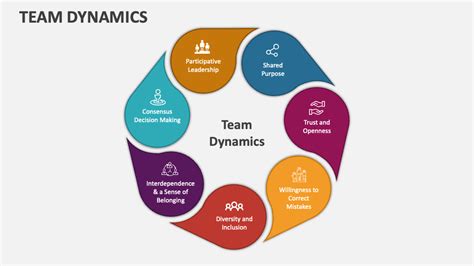
The Role of Team Dynamics in Messi's Success
Lionel Messi's success in the UEFA Champions League (UCL) is often attributed to his individual brilliance—his dribbling, vision, and goal-scoring prowess. However, to fully understand the depth of his achievements, one must examine the role of team dynamics that underpinned Barcelona's dominance during his UCL-winning campaigns. Barcelona's tactical setups and the contributions of his teammates were not mere backdrops to Messi's performances; they were integral components that elevated his game and allowed him to thrive in ways that would have been impossible in isolation.
Barcelona's tactical philosophy during Messi's peak years, particularly under managers like Pep Guardiola and Luis Enrique, was built around a system of positional play (juego de posición). This system emphasized maintaining possession, creating numerical superiority in key areas of the pitch, and exploiting space with precise passing and movement. Messi, operating as a false nine in many of these setups, was the focal point of this structure. However, the success of this role depended heavily on the movement and understanding of his teammates.
For instance, during the 2008–09 UCL-winning season under Guardiola, Messi played as a false nine in a 4-3-3 formation. This positional shift was revolutionary because it allowed Messi to drop deep into midfield, drawing defenders out of position and creating space for wide forwards like Samuel Eto'o and Thierry Henry to exploit. Eto'o and Henry were not just finishers; they were active participants in the buildup play, stretching defenses and ensuring that Messi had room to operate in central areas. The understanding between Messi, Xavi, and Andrés Iniesta was particularly notable. Xavi and Iniesta's ability to retain possession under pressure and find Messi in pockets of space was a cornerstone of Barcelona's success. Their short, incisive passing triangles often bypassed midfield lines, giving Messi the platform to either create or finish attacks.
The 2010–11 UCL campaign offers another example of how team dynamics complemented Messi's brilliance. By this time, Messi had fully embraced the false nine role, and Barcelona's midfield trio of Sergio Busquets, Xavi, and Iniesta had reached its zenith. Busquets' role as a defensive midfielder was often understated but critical. He provided the defensive cover that allowed Xavi and Iniesta to push higher up the pitch and link with Messi. In the semifinal against Real Madrid, Messi scored a brace in the second leg, including a solo goal that showcased his individual skill. However, this goal was made possible by Barcelona's ability to sustain possession and tire out Madrid's defense, a feat achieved through collective effort. Messi's first goal in that match came from a pass by Iniesta, highlighting how his teammates' vision and timing were just as important as his finishing.
Another key aspect of Barcelona's team dynamics was the defensive structure that supported Messi's attacking freedom. While Messi was given license to roam and focus on attacking, players like Carles Puyol, Gerard Piqué, and later Javier Mascherano ensured that Barcelona remained solid at the back. This balance allowed Messi to take risks in the final third without fearing that his team would be exposed on the counterattack. For example, in the 2014–15 UCL-winning season under Luis Enrique, Messi formed a devastating attacking trident with Luis Suárez and Neymar—commonly referred to as MSN. While this trio was often lauded for its goals, the defensive work of players like Ivan Rakitić and Jordi Alba provided the necessary equilibrium. Alba's overlapping runs down the left flank often distracted opposing fullbacks, creating space for Messi to cut inside and exploit central areas.
The role of set pieces and tactical flexibility also deserves attention. In the 2014–15 season, Barcelona adapted its approach to include more direct play and set-piece efficiency, which diversified their attacking threats. Messi's partnership with Suárez and Neymar was not just about individual skill but also about how they complemented each other in different phases of play. For instance, in the UCL final against Juventus, Messi's dribbling run and shot led to the opening goal, but the sequence involved a combination of Neymar's movement and Rakitić's well-timed run into the box. This goal exemplified how Barcelona's system was designed to maximize Messi's impact while integrating the strengths of his teammates.
It is also worth noting how psychological factors within the team dynamic played a role. Messi's leadership, though not as vocal as some captains, was evident in how he inspired his teammates. His ability to remain calm under pressure and deliver in critical moments often galvanized the team. For example, in the 2011 UCL semifinal second leg against Real Madrid, Barcelona faced intense pressure in a hostile environment. Messi's two goals not only secured the victory but also demonstrated his ability to rise above the tension, a trait that resonated with his teammates and reinforced their belief in the system.
Additionally, the role of substitutes and squad depth should not be overlooked. In several UCL campaigns, players like Pedro Rodríguez and David Villa provided crucial contributions off the bench or in rotational roles. Villa's clinical finishing and Pedro's versatility allowed Barcelona to maintain attacking intensity even when Messi was closely marked. This depth ensured that opposing teams could not solely focus on neutralizing Messi, as other players were equally capable of punishing them.
Finally, the managerial influence cannot be ignored. Guardiola's emphasis on total football and Luis Enrique's willingness to adapt tactics to suit the MSN trio both played a role in Messi's UCL success. These managers not only built systems that suited Messi's strengths but also instilled a culture of collective responsibility. Messi's goals and assists were often the product of a well-coordinated team effort rather than isolated moments of genius.
- Messi's false nine role depended on the movement of wide forwards and midfielders to stretch defenses.
- Defensive stability provided by Puyol, Piqué, and others allowed Messi to take creative risks.
- The MSN trio exemplified how a balanced attack could diversify Barcelona's threats.
- Squad depth ensured that Messi was not the sole focus of opposition defenses.
In conclusion, while Messi's individual brilliance is undeniable, his UCL successes were deeply intertwined with Barcelona's team dynamics. The tactical setups, positional awareness of his teammates, defensive solidity, and managerial strategies all played a pivotal role in creating an environment where Messi could excel. This synergy between individual talent and collective effort underscores why Messi's UCL triumphs are as much a testament to Barcelona's team ethos as they are to his personal genius.
Messi's UCL Legacy Beyond Barcelona
Lionel Messi's departure from Barcelona in 2021 marked the end of an era, not just for the club but for the UEFA Champions League (UCL) itself. Messi had become synonymous with Barcelona's European dominance, contributing to four UCL titles during his tenure. However, his move to Paris Saint-Germain (PSG) and the subsequent chapters of his career have raised intriguing questions about his continued pursuit of UCL success and how his legacy in the competition is evolving beyond the Camp Nou.
At PSG, Messi joined a star-studded lineup that included Neymar and Kylian Mbappé, forming what was widely considered one of the most lethal attacking trios in modern football. On paper, this seemed like the ideal environment for Messi to add to his UCL trophy count. Yet, the transition was not without its challenges. Messi's first season at PSG, 2021-2022, was marked by moments of brilliance—such as his stunning goal against Manchester City in the group stage—but also by a sense of unfulfilled potential. PSG were eliminated in the round of 16 by Real Madrid, a bitter pill for a player who had faced and conquered Los Blancos so many times in a Barcelona shirt. This early exit highlighted a key difference between Messi's time at Barcelona and his new reality: the weight of expectation at PSG was accompanied by a different kind of pressure, one shaped by the club's history of near-misses in the UCL rather than its consistent success.
One of the most fascinating aspects of Messi's post-Barcelona UCL journey is the way it has forced him to adapt his role on the pitch. At Barcelona, he was the focal point of the team's attacking strategy, often dropping deep to orchestrate play while also being the primary goalscorer. At PSG, however, he had to share the spotlight with other world-class talents. This dynamic required Messi to adjust his game, becoming more of a facilitator in certain matches while still delivering moments of individual brilliance. For instance, his assist tally in the UCL during his time at PSG underscored his ability to influence games even when he wasn't the primary scorer. This evolution in his role is significant because it shows Messi's willingness to adapt in pursuit of collective success, even when it means stepping back from the spotlight that had been his for so long at Barcelona.
Another layer to Messi's post-Barcelona UCL narrative is the contrast between his individual performances and the team's overall results. While Messi has continued to deliver standout displays—his two goals in the 2022-2023 group stage against Maccabi Haifa and Benfica were reminders of his enduring quality—PSG's inability to progress deep into the tournament has raised questions about whether the club's structure and mentality are conducive to UCL success. Messi's time at Barcelona was defined by a system built around him, one that maximized his strengths and minimized his weaknesses. At PSG, the team's tactical setup has often been criticized for lacking the cohesion and balance needed to thrive in the latter stages of the competition. This has led to debates about whether Messi's continued pursuit of UCL success is hindered more by the environment around him than by any decline in his own abilities.
Beyond PSG, there is also the broader context of Messi's legacy in the UCL as he moves into the twilight of his career. His move to Inter Miami in Major League Soccer (MLS) in 2023 signaled a shift away from European football, but it did not diminish the global fascination with his UCL story. Even from afar, Messi's impact on the competition remains palpable. His record of 129 goals in the UCL is a benchmark that few are likely to surpass anytime soon. Moreover, his presence in the competition, even in its later stages without him, serves as a reminder of the standard he set. Young players and emerging talents in the UCL often cite Messi as their inspiration, a testament to how deeply his legacy is embedded in the fabric of European football.
It is also worth considering how Messi's UCL journey post-Barcelona reflects the changing landscape of European football. The financial power of state-backed clubs like PSG and Manchester City has created a new dynamic in the competition, one where traditional powerhouses like Barcelona are no longer guaranteed dominance. Messi's move to PSG can be seen as part of this shift—a pragmatic decision to align himself with a club that had the resources to mount a serious UCL challenge. However, the fact that this gamble has yet to yield a UCL trophy for Messi underscores the unpredictability of the competition and the challenges of building a winning team in an era of increased parity among Europe's elite clubs.
Messi's continued pursuit of UCL success is also a story of resilience. Despite the disappointments at PSG, he has not shied away from the challenge. His performances in the 2022 World Cup, where he led Argentina to victory, demonstrated that he still has the drive and ability to perform on the biggest stages. This World Cup triumph, coming after years of near-misses, can be seen as a parallel to his UCL journey—a reminder that greatness often requires persistence in the face of adversity. For Messi, the UCL remains an unfinished symphony, and his time at PSG, however brief, is a chapter that adds depth to his story rather than detracting from it.
In examining Messi's impact at PSG and beyond, it is clear that his legacy in the UCL is not solely tied to trophies won. Instead, it is about the influence he has had on the competition as a whole. Messi's style of play, his moments of magic, and his relentless pursuit of excellence have left an indelible mark on the UCL. Whether he adds another trophy to his collection or not, his legacy is secure. The very fact that his presence at a club like PSG was seen as a potential game-changer speaks volumes about the aura he carries. Even in the face of setbacks, Messi's continued involvement in the UCL narrative serves as a reminder of his enduring significance in the sport.
- Messi's adaptation to a new role at PSG showcases his versatility and commitment to collective success.
- The contrast between his individual brilliance and PSG's team results highlights the complexities of modern football.
- His move to MLS does not diminish his UCL legacy but rather frames it as part of a broader, evolving story.
In conclusion, Messi's post-Barcelona UCL journey is a testament to his enduring ambition and adaptability. While the trophies may not have followed as readily as they did in Barcelona, his impact on the competition remains undiminished. Whether at PSG or in the broader context of his career, Messi's pursuit of UCL success is a reflection of his unwavering commitment to excellence, even as the footballing landscape around him continues to change.
Conclusion: Messi's Place in UCL History
Lionel Messi's journey in the UEFA Champions League (UCL) is a tapestry of brilliance, perseverance, and unmatched skill that has etched his name into the annals of the competition's history. To understand his place in UCL history, one must delve into the records he has set, the milestones he has achieved, and the indelible mark he has left on European club football.
Messi's contribution to the UCL is best understood through his performances and the sheer weight of his statistics. With four UCL titles to his name (2006, 2009, 2011, and 2015), Messi is among an elite group of players who have won the competition multiple times. While the 2006 triumph came early in his career when he was a burgeoning talent at Barcelona, his later victories were defined by his central role as the team's talisman. Unlike some players who rely on one-off moments of brilliance, Messi's UCL success is a product of sustained excellence over a decade and a half. He has scored 129 goals in the competition, second only to Cristiano Ronaldo, and has done so with a blend of artistry and efficiency that few can replicate.
One of Messi's most remarkable traits in the UCL is his ability to perform in high-stakes matches. He has scored in six different UCL finals, a record that underscores his big-game mentality. While he has not always been on the winning side in those finals, his ability to rise to the occasion is a testament to his mental fortitude. For instance, his two goals against Manchester United in the 2009 final showcased his ability to dominate the world's best defenses. Similarly, his solo goal against Real Madrid in the 2011 semifinals—where he weaved through multiple defenders before slotting the ball home—is often cited as one of the greatest goals in UCL history. These moments are not just highlights; they are emblematic of Messi's ability to elevate his game when it matters most.
Beyond individual brilliance, Messi's UCL legacy is also defined by his role within the teams he has played for. At Barcelona, he was the centerpiece of a system that revolutionized modern football under managers like Pep Guardiola and Luis Enrique. Messi's understanding of space, his off-the-ball movement, and his synergy with players like Xavi, Iniesta, and later Neymar and Suárez, allowed Barcelona to dominate the UCL during its most glorious years. This is not to say Messi was merely a product of the system; rather, the system was often tailored to unleash his potential. His record of most goals in a single UCL season (17 in 2011-12) is a clear example of how he could thrive within a well-oiled machine while simultaneously being its most dynamic component.
However, Messi's UCL journey is not without its challenges and controversies. His later years at Barcelona saw the team struggle to replicate their earlier dominance in Europe. The historic 8-2 defeat to Bayern Munich in 2020 was a painful chapter, one that symbolized the decline of Barcelona's European ambitions during Messi's tenure. Yet, even in adversity, Messi's individual performances often stood out. In matches where Barcelona faltered collectively, he continued to deliver moments of magic, such as his stunning free-kick against Liverpool in the 2019 semifinals—a match Barcelona ultimately lost in dramatic fashion. This duality of triumph and heartbreak adds layers to his legacy; it shows that even the greatest players are not immune to the vagaries of the sport.
When comparing Messi's UCL record to other legends of the competition, his versatility stands out. While Cristiano Ronaldo is often lauded for his goal-scoring consistency across multiple clubs, Messi's influence is more deeply rooted in his playmaking abilities. He has provided 40 assists in the UCL, a figure that highlights his role as not just a scorer but a creator. This dual threat—scoring and assisting—makes him a unique figure in UCL history. For instance, his partnership with Neymar and Suárez during Barcelona's 2014-15 campaign was a masterclass in how a forward line could function as a cohesive unit. Messi's ability to drop deep, orchestrate play, and still find the back of the net set him apart from contemporaries who often occupied more fixed roles.
Messi's records in the UCL are numerous and speak to his dominance. He holds the record for most hat-tricks in the competition (8), has scored against 38 different teams, and is the only player to have won the Golden Boot in seven different seasons. These are not just numbers; they are markers of a player who has redefined what it means to excel in the UCL. His ability to adapt his game as he aged—transitioning from a high-pressing winger to a more central playmaker—further cements his place as a player who evolved with the competition rather than being left behind by it.
The lasting legacy of Messi in the UCL extends beyond statistics. He has become a symbol of what the competition represents: excellence, drama, and the pursuit of greatness. His presence in the tournament has drawn audiences worldwide, and his matches have often been events in themselves. Whether it was his first goal as a teenager against Panathinaikos in 2005 or his most recent exploits with Paris Saint-Germain and now Inter Miami, Messi has been a constant in the narrative of the UCL. This longevity, combined with his ability to deliver iconic moments, ensures that he is not just remembered as a great player but as a transformative figure who shaped the modern era of the competition.
It is also worth considering how Messi's UCL legacy compares to the broader context of football history. While the UCL is just one facet of his career, it is arguably the stage where his genius has been most visible to global audiences. The competition's format—pitting the best teams and players against one another—serves as a crucible for greatness, and Messi has consistently risen to the challenge. His performances have inspired a generation of players and fans, creating a legacy that transcends club affiliations. For many, Messi embodies the ideal of what a UCL player should be: technically gifted, mentally resilient, and capable of producing magic on the grandest stage.
In conclusion, Lionel Messi's place in UCL history is secured not only by his records and titles but by the way he has redefined the competition's standards of excellence. He has been a scorer of great goals, a provider of critical assists, and a leader who has carried his teams through moments of triumph and despair. While the UCL has seen many greats, few have left a mark as profound and multifaceted as Messi. His legacy is not just about the trophies he has won or the goals he has scored; it is about how he has transformed the very essence of European club football, making it a richer, more compelling spectacle for all who watch. In this sense, Messi's contribution to the UCL is not just measurable in records—it is woven into the very fabric of the competition's history.