Introduction to Lorient
Lorient, a vibrant coastal city in Brittany, France, is nestled in the northwest of the country along the Atlantic Ocean. Its geographical position at the mouth of the Scorff and Blavet rivers makes it a strategic location that has shaped its history, economy, and cultural identity. This port city, often referred to as "La Ville aux Cinq Ports" (The City of Five Ports), holds a unique place in France due to its maritime heritage, modern infrastructure, and its blend of traditional and contemporary appeal. Lorient is not just a destination for those interested in maritime history or coastal beauty; it is also a hub of innovation, cultural richness, and regional significance that deserves deeper exploration.
The city's location has long been a cornerstone of its significance. Lorient is situated in the department of Morbihan, part of the administrative region of Brittany, and its coastal setting has made it a key player in maritime trade and naval activities. Historically, Lorient was established in 1666 as a base for the French East India Company. This origin story underscores the city's deep ties to global trade and exploration. The port served as a launchpad for expeditions to far-flung corners of the world, and this legacy is still evident in the city's architecture, urban layout, and the remnants of its colonial past. Visitors can see this history in the Cité de la Voile Éric Tabarly, a museum dedicated to sailing and maritime exploration, which pays homage to Lorient's enduring connection to the sea.
Lorient's strategic location also played a pivotal role during World War II. The city was heavily bombed during the war due to its importance as a German U-boat base, known as the Keroman Submarine Base. This submarine base, one of the largest of its kind, is a stark reminder of Lorient's wartime significance. Today, the base has been repurposed into a cultural and historical site, attracting visitors interested in military history and the resilience of the city post-war. The juxtaposition of this heavy history with Lorient's modern identity as a thriving port and cultural destination creates a compelling narrative that draws in both history enthusiasts and casual travelers.
Beyond its historical weight, Lorient is a city of general appeal due to its natural beauty and accessibility. The coastline of Lorient is dotted with picturesque beaches, such as Plage de Kerguelen and Plage des Grands Sables, which offer serene escapes for sunbathers, water sports enthusiasts, and families. The city's proximity to the Île de Groix, a nearby island known for its stunning landscapes and unique geology, further enhances its appeal. The island is a short ferry ride away and serves as a tranquil retreat for those looking to experience the raw beauty of Brittany's coastal environment. These natural attractions make Lorient not just a stopover for maritime enthusiasts but also a destination for those seeking outdoor adventure and relaxation.
Lorient’s general appeal is also rooted in its vibrant cultural scene. The city hosts the Festival Interceltique de Lorient, one of the largest Celtic music and culture festivals in the world. This annual event, held in August, draws over 700,000 visitors and showcases the rich Celtic heritage of Brittany and other Celtic nations. The festival transforms Lorient into a lively stage for music, dance, parades, and gastronomy, offering a deep dive into the region's cultural roots. This event is not merely a celebration; it is a reflection of Lorient's identity as a city that values its traditions while embracing modernity. The festival is a microcosm of Lorient’s ability to bridge the past and present, making it a dynamic and engaging destination.
The city's economy and infrastructure also contribute to its appeal. Lorient is home to one of France's most active fishing ports, reflecting its ongoing maritime importance. The fishing industry not only sustains the local economy but also enriches the city’s culinary landscape. Fresh seafood is a staple in Lorient, and visitors can indulge in locally sourced langoustines, oysters, and other delicacies at bustling markets like the Halles de Merville. This emphasis on fresh, high-quality food is a point of pride for the city and a draw for food lovers. Additionally, Lorient has invested in modern infrastructure, including a well-connected transportation network. The city is accessible by train, road, and air, with Lorient South Brittany Airport providing regional and international links. This accessibility, combined with its compact size, makes Lorient an easy city to explore on foot or by bike, adding to its charm as a manageable yet diverse destination.
Lorient’s architectural landscape is another facet of its appeal. While much of the city was rebuilt after the devastation of World War II, it features a mix of post-war modernist buildings and preserved historical structures. The Hôtel Gabriel, an 18th-century building that once served as the headquarters of the French East India Company, stands as a testament to Lorient's earlier architectural elegance. Meanwhile, the city's more recent developments, such as the sleek design of the harbor area and the integration of green spaces, demonstrate its forward-looking approach to urban planning. This blend of old and new creates a visually interesting cityscape that caters to diverse tastes.
For those interested in the arts, Lorient offers a surprising wealth of cultural institutions. The Théâtre de Lorient is a contemporary performing arts venue that hosts a variety of productions, from classical theater to modern experimental works. The city also boasts a network of galleries and exhibition spaces, such as the Galerie du Faouëdic, which highlight local and international artists. These venues underscore Lorient’s role as a cultural crossroads, where traditional Celtic influences meet modern artistic expression.
In terms of community and lifestyle, Lorient exudes a welcoming and laid-back atmosphere. The city is large enough to offer a range of amenities and activities yet small enough to feel intimate and approachable. Its residents, known for their friendliness and pride in their city, add to the warmth of the destination. Whether strolling along the harbor, exploring the markets, or attending a local event, visitors often remark on the city's hospitable vibe.
In summary, Lorient is a city of layered significance. Its location at the intersection of rivers and the Atlantic has granted it a rich maritime history, while its cultural vibrancy and natural beauty make it a compelling destination for modern travelers. From its historical roots as a trading hub to its present-day role as a center for festivals, seafood, and outdoor adventures, Lorient offers a unique blend of experiences that cater to a wide range of interests. Whether one is drawn by its history, its coastal charm, or its lively atmosphere, Lorient stands out as a destination that is both deeply rooted in its past and confidently striding into the future.
- Geographical advantage as a coastal and river-mouth city.
- Historical depth tied to maritime trade and wartime resilience.
- Cultural vibrancy exemplified by the Festival Interceltique.
- Natural attractions like beaches and nearby islands.
- Dynamic food scene centered on fresh seafood.
- A mix of historical and modern architecture.
This combination of elements ensures that Lorient is more than just a picturesque port city—it is a place of substance, offering both depth and delight to those who take the time to explore it.
Historical Foundations
Lorient, a coastal city in Brittany, France, has a rich and layered history that is deeply intertwined with its maritime roots. Its origins can be traced back to the 17th century, when it was established as a strategic port town. Unlike many ancient French cities with roots in Roman or medieval settlements, Lorient’s emergence is relatively recent, rooted in the economic and naval ambitions of the time. This section explores the historical foundations of Lorient, emphasizing its maritime history and its pivotal role during key historical periods.
The city owes its name to the Compagnie des Indes Orientales (East India Company), which was instrumental in its establishment. In 1664, Jean-Baptiste Colbert, a minister under King Louis XIV, sought to bolster France’s trade presence in the Indian Ocean and beyond. To this end, the company was granted land at the site of what is now Lorient to build a port for its operations. The name "Lorient" is derived from "L’Orient," referring to the East, symbolizing the city’s purpose as a gateway to the lucrative trade routes of Asia. This connection to maritime commerce set the stage for Lorient’s development as a hub of trade and naval activity, distinguishing it from other French cities of the era that were primarily agrarian or feudal in nature.
By the late 17th century, Lorient had become a bustling port for the East India Company. The city’s location on the estuary of the Scorff and Blavet rivers provided an ideal natural harbor for large ships. This strategic positioning allowed Lorient to facilitate the import of exotic goods such as spices, textiles, and porcelain from Asia, as well as the export of French products like wine and grain. The city’s rapid growth during this period was fueled not only by trade but also by the influx of skilled workers, merchants, and sailors who were drawn to the opportunities offered by the East India Company. This period marked Lorient as a center of economic dynamism, where the rhythms of global trade shaped its urban and social landscape.
However, Lorient’s maritime history was not confined to peaceful trade. During the 18th century, the city played a significant role in naval warfare and colonial expansion. As France’s colonial ambitions grew, Lorient became a critical base for naval operations. The city’s shipyards were expanded to construct warships, and its port was used to outfit expeditions to the Americas, Africa, and Asia. This era saw Lorient as a linchpin in France’s global strategy, particularly during conflicts like the Seven Years' War (1756–1763) and the American Revolutionary War (1775–1783). French naval forces operating out of Lorient supported American independence efforts, underscoring the city’s importance in transatlantic alliances and conflicts. The shipbuilding industry in Lorient during this time was not merely a local enterprise but a pillar of French military power, with innovations in ship design and naval logistics originating here.
The French Revolution and the Napoleonic Wars in the late 18th and early 19th centuries brought both challenges and transformations to Lorient. While the East India Company was disbanded in 1769 due to financial difficulties and changing economic priorities, Lorient’s port remained vital. The city was repurposed as a center for military logistics, particularly during the Napoleonic era when France sought to assert its dominance in European waters. Lorient’s shipyards adapted to produce vessels for the French Navy, and its strategic location made it a target for blockades by the British Royal Navy. This period highlighted the city’s resilience; even as it faced economic disruptions from the loss of colonial trade, its role in military strategy ensured its continued relevance.
Another unique aspect of Lorient’s history is its association with the Atlantic slave trade, a darker chapter that nonetheless shaped the city’s development. While not as prominent as ports like Nantes or Bordeaux in this regard, Lorient was involved in the triangular trade that connected Europe, Africa, and the Americas. Ships from Lorient carried manufactured goods to Africa, where they were exchanged for enslaved people, who were then transported to colonies in the Caribbean and North America. The profits from this trade contributed to the city’s wealth and infrastructure, though this legacy is now recognized with a critical lens as part of Lorient’s historical narrative.
The 19th century saw Lorient evolve further as a naval and industrial center. Following the upheavals of the Revolutionary and Napoleonic periods, the city benefited from the Bourbon Restoration and the Second Empire’s focus on modernizing France’s infrastructure. The construction of new dockyards and the expansion of the port facilities reinforced Lorient’s position as a maritime stronghold. Additionally, the city’s role in fishing and canning industries began to take shape during this time. The rich fishing grounds off the coast of Brittany provided a steady supply of sardines, which were processed and exported from Lorient. This diversification of the city’s maritime economy demonstrated its adaptability in the face of changing global trade dynamics.
Lorient’s historical foundations are also marked by its resilience during periods of decline and reinvention. For instance, the city faced a downturn in the late 19th century when the French Navy reduced its presence in the region. However, this period of uncertainty was followed by renewed investment in naval facilities during the early 20th century, particularly in the lead-up to World War I. Lorient’s shipyards were once again mobilized to support the war effort, producing submarines and other vessels critical to France’s defense. This period underscored the city’s enduring importance as a center of maritime innovation and military strategy.
A comprehensive understanding of Lorient’s historical foundations must also consider its cultural and social evolution. The port city was a melting pot of influences, shaped by the sailors, merchants, and workers who came from diverse regions of France and beyond. This diversity contributed to Lorient’s unique identity as a city that was both deeply French and cosmopolitan in its outlook. The interplay of local Breton culture with the global influences brought by trade and naval activity created a dynamic urban environment.
In summary, Lorient’s historical foundations are a testament to its enduring significance as a maritime city. From its origins as a trading post for the East India Company to its role in naval warfare, colonial expansion, and industrial innovation, Lorient has consistently adapted to the demands of its time. Its story is one of economic ambition, strategic importance, and cultural exchange, making it a microcosm of France’s broader historical trajectory. By examining Lorient’s past, we gain not only a deeper appreciation of its unique place in French history but also insights into how maritime cities have shaped the course of global events.
- Lorient was established in the 17th century as a port for the East India Company.
- It played a critical role in trade, naval operations, and colonial expansion.
- The city adapted to challenges such as the dissolution of the East India Company and the impact of global conflicts.
- Its shipbuilding and fishing industries reflect its economic versatility.
This deep dive into Lorient’s origins reveals a city that is not merely a product of its geography but a dynamic entity shaped by human ambition, global trade, and historical exigencies.
Cultural Heritage and Traditions
Lorient, a vibrant port city in Brittany, France, is steeped in a rich cultural heritage that reflects its maritime history, Celtic roots, and dynamic modernity. While the city is often associated with its industrial and naval significance, its cultural landscape is a treasure trove of traditions, festivals, and art forms that offer a unique window into the region's identity. This section delves into the distinctive cultural aspects of Lorient, emphasizing its festivals, local customs, and artistic expressions that set it apart from other French cities.
One of the most iconic cultural highlights of Lorient is the Festival Interceltique de Lorient, an annual event that draws hundreds of thousands of visitors from across the globe. Established in 1971, this festival is a celebration of Celtic culture, bringing together representatives from Celtic nations such as Ireland, Scotland, Wales, Cornwall, the Isle of Man, Galicia, and Asturias, alongside the host region of Brittany. Over ten days in August, the city transforms into a hub of music, dance, and art, showcasing everything from traditional bagpipe performances to modern Celtic rock bands. The festival is not merely an entertainment spectacle; it serves as a platform for preserving and promoting Celtic heritage. Workshops on traditional instrument-making, language preservation sessions, and exhibitions of Celtic art underline the event's commitment to cultural education. For Lorient, the festival is more than a tourist attraction—it is a reaffirmation of its Celtic identity, rooted in the Breton language and traditions that have survived centuries of assimilation and change.
Beyond the festival, local customs in Lorient offer a glimpse into the everyday lives of its people. The Breton language, though not as widely spoken as French, is still present in signage, cultural events, and local schools that teach the language to younger generations. One striking custom is the emphasis on fest-noz, traditional Breton night festivals where communities gather to dance to folk music. These events are not relics of the past but living traditions where people of all ages participate, often accompanied by musicians playing instruments like the bombard (a type of oboe) and the accordion. The fest-noz is a communal experience that reinforces social bonds and allows for the transmission of oral traditions through songs and dances that often tell stories of seafaring, love, and struggle. For visitors, attending a fest-noz in Lorient is an immersive way to experience the city's communal spirit and its ties to Breton culture.
Art in Lorient is another avenue through which its cultural heritage shines. The city is home to a thriving art scene that blends traditional and contemporary styles. Local galleries often feature works inspired by the sea, reflecting Lorient's identity as a port city. For instance, the Musée de la Compagnie des Indes, located in the Citadelle de Port-Louis near Lorient, showcases art and artifacts from the 17th and 18th centuries when Lorient was a key hub for the French East India Company. The museum not only exhibits paintings and porcelain but also tells the story of Lorient's role in global trade, blending economic history with artistic expression. Additionally, street art has become a more recent but prominent feature of Lorient's cultural landscape. Murals depicting maritime scenes, Celtic motifs, and abstract interpretations of Breton folklore can be found in various neighborhoods, adding a modern twist to the city's artistic narrative.
Another fascinating aspect of Lorient's cultural heritage is its connection to the sea, which permeates many of its traditions. The city has a long history of fishing and shipbuilding, and this maritime legacy is celebrated in various ways. For example, the Fête de la Mer (Festival of the Sea) is a local event that honors fishermen and seafarers. During this festival, boats are decorated, and processions take place in the harbor, accompanied by music and communal meals featuring seafood dishes like coquilles Saint-Jacques (scallops) and langoustines (Dublin Bay prawns). These traditions not only pay tribute to Lorient's fishing communities but also emphasize the city's reliance on and respect for the ocean as a source of livelihood and inspiration. The integration of maritime themes into local art, music, and even cuisine underscores how deeply intertwined Lorient's culture is with its coastal environment.
Food is an essential part of Lorient's cultural tapestry, and the city's culinary traditions are deeply rooted in Breton cuisine. Beyond seafood, Lorient is known for its crêpes and galettes, thin pancakes made from buckwheat or wheat flour. These are often enjoyed with local cider, another staple of the region. What sets Lorient apart is the way these dishes are tied to social gatherings. Markets like the Marché de Merville are lively spaces where locals purchase fresh ingredients and share recipes, reinforcing the idea that food is not just sustenance but a communal experience. The city's food culture also reflects its openness to external influences due to its history as a trading port. You can find culinary fusion in Lorient, where Breton flavors meet spices and ingredients brought by global trade routes, creating unique dishes that tell a story of cultural exchange.
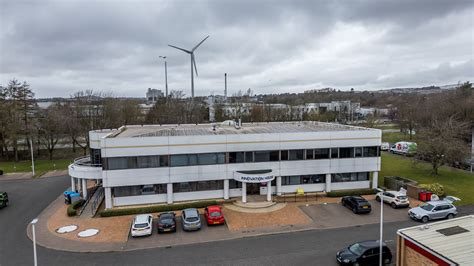
Music and literature also play a significant role in Lorient's cultural identity. The Breton tradition of kan ha diskan, a call-and-response style of singing, is still practiced in the region and can often be heard during cultural events. Local writers and poets frequently draw on Lorient's maritime and Celtic history for inspiration, producing works that explore themes of migration, resilience, and the interplay between land and sea. The city's libraries and cultural centers often host readings and discussions that keep these literary traditions alive.
In terms of architecture, Lorient's cultural heritage is visible in its blend of historic and modern structures. The city was heavily bombed during World War II and subsequently rebuilt, which means its urban landscape is a mix of post-war functional buildings and preserved historic sites. The German submarine base, a remnant of the city's occupation during the war, is now a cultural space hosting exhibitions and events. This adaptive reuse of a historical site demonstrates how Lorient has embraced its past while looking toward the future. Similarly, the Maison de l'Agglomération, a modern building with sustainable design features, reflects the city's commitment to innovation while respecting its historical roots.
One cannot discuss Lorient's cultural heritage without mentioning its intangible traditions. Oral storytelling, for instance, remains a valued practice, particularly in rural areas surrounding the city. Elders pass down tales of mythological figures like the Ankou, a personification of death in Breton folklore, or stories of legendary sailors who braved the Atlantic. These stories are not just entertainment but a way of preserving a collective memory that connects the present to Lorient's past.
In summary, Lorient's cultural heritage and traditions are a vibrant mosaic of Celtic pride, maritime legacy, artistic innovation, and communal spirit. From the grand scale of the Festival Interceltique to the intimacy of a fest-noz, from the stories etched in murals to the flavors of its cuisine, Lorient offers a cultural experience that is both deeply rooted and dynamically evolving. For those willing to explore beyond the surface, the city reveals itself as a living testament to the resilience and creativity of its people.
The Maritime Legacy
Lorient, a coastal city in Brittany, France, has a maritime legacy that is deeply intertwined with its history, culture, and economy. From its origins as a strategic port to its evolution into a hub for shipbuilding and fishing, Lorient’s connection to the sea is both a historical cornerstone and a modern-day driver of its identity. This section delves into the city’s maritime activities, exploring the shipbuilding industry’s prominence and the fishing trade’s critical role in shaping Lorient’s character.
The maritime legacy of Lorient can be traced back to the 17th century when the city was established as a base for the French East India Company. This era marked the beginning of Lorient’s transformation into a center for maritime commerce and exploration. The city’s natural harbor provided an ideal location for ships setting sail to distant lands, and its shipyards began to flourish as demand for vessels capable of long voyages grew. Over time, this early focus on shipbuilding laid the foundation for Lorient to become one of France’s most important maritime cities.
Shipbuilding in Lorient has been a dynamic industry, adapting to the changing needs of maritime technology and global conflicts. During the 18th and 19th centuries, Lorient shipyards produced merchant vessels and naval ships that supported France’s colonial ambitions and trade networks. However, the city’s shipbuilding capabilities were put to the test during the 20th century, particularly during the two World Wars. The Keroman Submarine Base, constructed by the Germans during World War II, is a stark reminder of Lorient’s strategic importance. This base, designed to house U-boats, was a marvel of engineering at the time and underscored Lorient’s centrality in naval operations. After the war, the shipbuilding industry pivoted toward rebuilding and modernizing its infrastructure. Today, Lorient is home to some of the most advanced shipyards in Europe, specializing in both military and civilian vessels. Companies like Kership and Naval Group continue to innovate, producing cutting-edge ships, submarines, and even luxury yachts. This adaptability reflects Lorient’s ability to sustain its shipbuilding legacy while embracing technological advancements.
In parallel with shipbuilding, Lorient’s fishing industry has been a pillar of its maritime economy. The city’s location on the Atlantic coast made it a natural hub for fishing activities. By the 19th century, Lorient was already a bustling port for fishermen venturing into the rich fishing grounds of the Bay of Biscay and beyond. The development of refrigerated transport in the early 20th century further boosted the fishing trade, allowing Lorient to export its catch to markets across Europe. Species like cod, hake, and tuna became synonymous with Lorient’s fishing fleet, and the city earned a reputation as a center for high-quality seafood.
The fishing industry in Lorient is not just about catching fish; it is also about processing and distribution. The city is home to one of the largest fish auctions in France, held at the Keroman Port. This auction serves as a critical link between fishermen, wholesalers, and retailers, ensuring that Lorient’s seafood reaches tables across the country and beyond. The port’s modern facilities, including cold storage and processing units, exemplify how Lorient has modernized its fishing industry while maintaining its traditional roots. Moreover, the annual Festival of the Sea in Lorient celebrates this deep connection to fishing, bringing together locals and visitors to honor the city’s maritime heritage through parades, seafood tastings, and cultural events.
A unique insight into Lorient’s maritime legacy lies in the interplay between shipbuilding and fishing. These two industries are not isolated; they are deeply interdependent. For instance, the shipyards of Lorient have historically built vessels tailored to the needs of local fishermen. From sturdy trawlers designed for deep-sea fishing to smaller boats for inshore operations, Lorient’s shipbuilders have worked closely with the fishing community to create vessels that meet the demands of a challenging profession. This synergy has fostered a sense of collaboration between the two sectors, reinforcing Lorient’s identity as a city where the sea is both a workplace and a way of life.
Another fascinating aspect of Lorient’s maritime legacy is its role in sustainable fishing practices. As global awareness of overfishing and marine conservation has grown, Lorient has taken steps to balance economic activity with environmental stewardship. Local fishermen and industry leaders have embraced measures such as selective fishing gear to reduce bycatch and quota systems to manage fish stocks responsibly. Additionally, Lorient has become a center for research into sustainable aquaculture, with initiatives aimed at farming species like oysters and mussels in ways that minimize ecological impact. These efforts highlight Lorient’s forward-thinking approach to maintaining its maritime economy without compromising the health of the oceans that sustain it.
The city’s maritime legacy is also preserved and celebrated through its cultural institutions. The Cité de la Voile Éric Tabarly, a museum dedicated to sailing and maritime exploration, pays homage to Lorient’s seafaring traditions. Named after the famous French sailor Éric Tabarly, the museum offers interactive exhibits on ship design, navigation, and the history of ocean racing. This institution not only educates visitors about Lorient’s maritime past but also inspires future generations to engage with the sea in innovative ways.
Lorient’s maritime legacy also extends to its role in modern maritime logistics. The port of Lorient is a key player in freight transport, handling goods ranging from industrial materials to consumer products. Its strategic location on the Atlantic coast makes it an important link in France’s maritime trade network. Moreover, Lorient has embraced the challenges of the 21st century by investing in green maritime technologies, such as hybrid-powered vessels and port infrastructure designed to reduce carbon emissions. These initiatives position Lorient as a city that respects its maritime past while actively shaping a sustainable future.
The impact of Lorient’s maritime legacy is not confined to its economic significance; it is deeply embedded in the city’s cultural fabric. The people of Lorient have a profound respect for the sea, reflected in their traditions, festivals, and even their cuisine. Dishes like cotriade, a fish stew made with locally caught seafood, are a testament to the city’s reliance on and reverence for its maritime resources. This cultural dimension adds depth to Lorient’s maritime story, illustrating how the sea shapes not only livelihoods but also the identity of its people.
In summary, Lorient’s maritime legacy is a rich tapestry of shipbuilding prowess, fishing excellence, and a deep-seated connection to the ocean. From its early days as a base for exploration to its modern role as a center for advanced shipbuilding and sustainable fishing, Lorient has consistently demonstrated its ability to evolve while staying true to its maritime roots. This duality—of tradition and innovation—makes Lorient a unique example of how a city can honor its past while navigating the challenges of the future.
Economic Contributions
Lorient, a coastal city in Brittany, France, has a dynamic economy shaped by its strategic location, rich maritime history, and diverse industrial base. Its economic drivers are deeply rooted in trade, tourism, and local industries, each contributing uniquely to the region's financial landscape. To understand Lorient's economic vitality, it is essential to explore these sectors in detail, highlighting their individual and collective impact on the city's growth and sustainability.
One of Lorient's most prominent economic drivers is its maritime and trade activities. The city's history as a major port dates back to the 17th century when it served as a hub for the French East India Company. Today, Lorient's port remains a cornerstone of its economy, facilitating trade in goods such as seafood, agricultural products, and industrial materials. The port of Lorient is part of the larger Keroman port complex, which is one of the most significant fishing ports in Europe. This facility not only supports the local fishing industry but also serves as a critical node in the import and export of seafood to markets across Europe and beyond. The fishing industry alone generates substantial revenue, with Lorient being a leader in the processing and distribution of high-quality fish and shellfish products. Additionally, the port's modern infrastructure supports trade in other sectors, including shipbuilding and maintenance. Lorient is home to several shipyards that specialize in constructing advanced vessels, ranging from fishing boats to military ships. These shipyards benefit from government contracts and private sector demand, reinforcing the port's role as an economic engine.
The city's local industries also play a pivotal role in its economic framework. Lorient has a strong manufacturing presence, particularly in the aerospace and defense sectors. Companies like Naval Group, a global leader in naval defense, have a significant presence in Lorient. This company specializes in building high-tech naval vessels, including frigates and submarines, which not only contribute to national defense but also create high-value jobs and stimulate the local supply chain. The aerospace sector, supported by nearby research and development facilities, further diversifies Lorient's industrial profile. The presence of these advanced industries ensures that Lorient remains competitive in global markets, even as it retains its traditional maritime identity. Moreover, the city has embraced innovation through initiatives like the Lorient Technopole, which fosters startups and small businesses in sectors such as renewable energy, digital technology, and environmental sustainability. These efforts help Lorient adapt to modern economic challenges while maintaining its industrial core.
Another critical economic driver is tourism, which has grown significantly in recent years. Lorient's unique blend of cultural heritage, maritime attractions, and natural beauty makes it a compelling destination for both domestic and international visitors. The city is home to the Festival Interceltique de Lorient, one of the largest Celtic cultural events in the world. This annual festival attracts over 700,000 visitors, boosting the local hospitality sector, including hotels, restaurants, and retail businesses. Beyond the festival, Lorient's historical sites, such as the German submarine base from World War II and the Cité de la Voile Éric Tabarly (a sailing museum dedicated to the famous yachtsman), draw tourists interested in history and maritime culture. The city's proximity to scenic coastal areas and islands like Île de Groix further enhances its appeal as a leisure destination. Tourism not only generates direct revenue but also supports ancillary industries such as event management, local crafts, and guided tour services. However, the city faces the challenge of balancing tourism growth with environmental conservation, particularly in preserving its coastal ecosystems and reducing the seasonal strain on infrastructure.
In addition to trade, local industries, and tourism, Lorient benefits from its proximity to agricultural regions and its role in food production. The surrounding areas of Brittany are known for their high-quality agricultural output, including dairy products, seafood, and vegetables. Lorient serves as a distribution center for these goods, with its port and logistics networks enabling efficient transport to national and international markets. Local cooperatives and small-scale producers often collaborate with larger distributors based in Lorient, creating a symbiotic relationship that supports rural economies while sustaining urban trade activities. This integration of rural and urban economic systems underscores Lorient's ability to function as a regional economic hub rather than a standalone city economy.
The renewable energy sector is an emerging economic driver for Lorient, reflecting broader European trends toward sustainability. The city has leveraged its maritime expertise to explore offshore wind energy projects. The Bay of Biscay, near Lorient, offers favorable conditions for wind farms, and local companies are increasingly involved in the design, installation, and maintenance of these energy systems. This sector not only creates new job opportunities but also aligns Lorient with global efforts to combat climate change. Furthermore, the city's focus on sustainability extends to its urban planning, with initiatives to improve public transportation and reduce carbon emissions in industrial operations. These green economic activities position Lorient as a forward-thinking city that can attract investment from environmentally conscious businesses and organizations.
Despite its strengths, Lorient's economy is not without challenges. The city's reliance on traditional industries like fishing and shipbuilding exposes it to market volatility and environmental concerns, such as overfishing and climate change. Additionally, Lorient must contend with competition from other European ports and industrial centers. To address these challenges, the local government and private sector have focused on diversification, emphasizing innovation and collaboration across sectors. For example, partnerships between the fishing industry and technology firms have led to advancements in aquaculture and sustainable fishing practices. Similarly, tourism initiatives are increasingly focused on year-round attractions rather than seasonal events, ensuring a more stable revenue stream.
A noteworthy aspect of Lorient's economic strategy is its emphasis on community-driven development. The city has fostered a collaborative environment where local businesses, educational institutions, and government agencies work together to address economic needs. For instance, training programs in maritime skills and advanced manufacturing ensure a steady supply of skilled labor for key industries. Educational institutions in Lorient, such as the University of South Brittany, provide research and development support to local businesses, particularly in fields like marine biology and renewable energy. This community-centered approach not only strengthens the local economy but also builds resilience against external economic shocks.
In summary, Lorient's economic contributions are shaped by a blend of traditional and modern drivers. Its maritime heritage continues to anchor the city's trade and fishing industries, while its adaptability in embracing advanced manufacturing, renewable energy, and sustainable tourism ensures long-term growth. By leveraging its unique geographic and cultural assets, Lorient demonstrates how a mid-sized city can thrive in a competitive global economy. However, the city must remain vigilant in addressing challenges such as environmental sustainability and economic diversification to maintain its position as a key economic player in Brittany and beyond.
Architectural Landmarks
Lorient, a city in Brittany, France, is not often the first destination that comes to mind when one thinks of French architectural landmarks. However, its unique history as a port city with a strong maritime tradition, coupled with its destruction during World War II and subsequent reconstruction, has given Lorient a distinctive architectural character. This section delves into the city's most notable buildings, structures, and urban design elements that reflect its layered history and modern evolution.
One of the most striking features of Lorient's architectural landscape is the Cité de la Voile Éric Tabarly, a museum dedicated to sailing and the legacy of French sailor Éric Tabarly. The building itself is a modern marvel, designed by the architectural firm Jacques Ferrier Architecture. Its undulating roof mimics the motion of waves, a deliberate nod to Lorient's deep ties to the sea. The use of glass and steel in its construction emphasizes transparency and lightness, creating a sense of fluidity that mirrors the maritime environment. This building is not merely a structure but a statement about Lorient's identity as a hub for sailing and innovation. Its integration into the waterfront area also highlights how the city has embraced its nautical heritage while modernizing its urban fabric.
Another significant structure is the German Submarine Base, a remnant of Lorient's role during World War II. Built by the Germans during their occupation of France, this massive concrete bunker was part of the Atlantic Wall defenses. Unlike many other cities that sought to erase traces of wartime occupation, Lorient has preserved this structure as a historical monument and repurposed it for cultural and artistic uses. The base's sheer scale and brutalist design are a stark reminder of the city's wartime past. Today, parts of the base house art exhibitions, concerts, and even a museum dedicated to submarines, transforming a symbol of destruction into a space for creativity and reflection. This adaptive reuse is a testament to Lorient's ability to reconcile its history with its present.
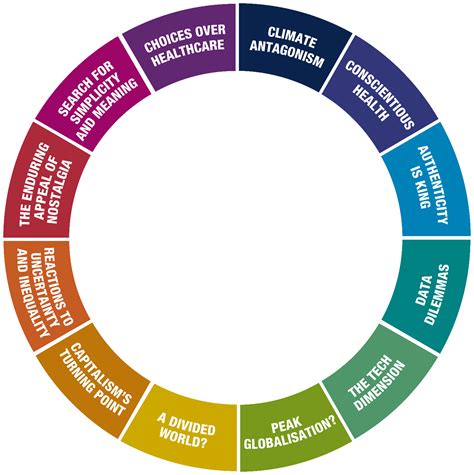
The Théâtre de Lorient is another architectural gem that stands out in the cityscape. Designed by architect Henri Gaudin and completed in 1996, this contemporary theater is a blend of traditional and modern design elements. Its façade is composed of irregularly shaped stones that evoke the rugged coastlines of Brittany, while the interior spaces are characterized by sleek, minimalist lines. The theater's design reflects Lorient's dual identity as a city rooted in history yet forward-looking in its cultural ambitions. The choice of materials and the integration of natural light into the theater's public spaces create a welcoming atmosphere that encourages community engagement with the arts.
Urban design in Lorient also includes elements that are uniquely tied to its port city status. The Rade de Lorient, or the roadstead of Lorient, is not a building but a natural and man-made feature that has shaped the city's layout and identity. This sheltered bay has been a focal point for maritime activity since the 17th century, when Lorient became a key port for the French East India Company. The urban planning around the rade incorporates quays, promenades, and public spaces that allow residents and visitors to engage with the water. The design of these spaces emphasizes accessibility and visual connection to the sea, underscoring Lorient's reliance on and reverence for its maritime environment. Notably, the promenades along the rade are lined with modernist lighting fixtures and seating areas that blend functionality with aesthetic appeal, making them both practical and visually cohesive.
A lesser-known but equally fascinating feature of Lorient's architecture is its post-war reconstruction housing. After the city was heavily bombed during World War II, much of it had to be rebuilt from scratch. The reconstruction efforts in the 1950s and 1960s introduced a wave of modernist housing projects that sought to provide functional living spaces for a growing population. These buildings, often characterized by clean lines, flat roofs, and the use of concrete, are emblematic of the mid-century modern movement. While not as celebrated as the historic structures of Paris or Lyon, these housing projects represent an important chapter in Lorient's architectural evolution. They demonstrate how the city grappled with the challenges of rapid reconstruction while maintaining a sense of order and purpose in its urban planning.
One cannot discuss Lorient's architecture without mentioning the Keroman Submarine Base, another relic of its wartime past. This facility, adjacent to the German Submarine Base, is an imposing structure that underscores the city's strategic importance during the war. Its massive concrete walls and submarine pens are a physical manifestation of Lorient's role in naval warfare. What is particularly interesting about this structure is how it has been integrated into the city's modern identity. While parts of the base remain as historical sites, other sections have been repurposed for industrial and commercial uses, such as seafood processing facilities. This dual-use approach highlights Lorient's pragmatic attitude toward its architectural heritage, balancing preservation with economic utility.
The Stade du Moustoir, Lorient's main football stadium, is another example of how the city has integrated modern design into its urban landscape. While primarily a venue for sports, the stadium's design incorporates elements that reflect Lorient's broader architectural ethos. Its curved rooflines and use of vibrant colors echo the maritime and coastal influences that permeate the city. Additionally, the stadium's location near the city center ensures that it is not an isolated structure but a part of the urban fabric, drawing people together for events and fostering a sense of community.
Lorient's urban design also features green spaces and pedestrian-friendly zones that enhance the livability of the city. The Parc Jules Ferry, for instance, is a well-maintained park that provides a respite from the urban environment. Its pathways, shaded by mature trees, and its integration of water features create a harmonious balance between nature and the built environment. Such spaces are a deliberate part of Lorient's post-war planning, emphasizing the importance of public well-being in urban design.
Finally, the Pont des Indes, a bridge that spans one of the city's waterways, is a symbol of Lorient's pragmatic yet elegant approach to infrastructure. While functionally a means of connecting different parts of the city, the bridge's design incorporates subtle artistic touches, such as decorative railings and lighting, that elevate it beyond mere utility. This attention to detail is characteristic of Lorient's approach to urban elements, where even the most utilitarian structures are infused with a sense of design.
In summary, Lorient's architectural landmarks are a blend of historical resilience and modern innovation. From the maritime-inspired Cité de la Voile Éric Tabarly to the imposing German Submarine Base, the city's buildings and structures tell a story of adaptation, preservation, and reinvention. Its urban design, shaped by its port city roots and post-war reconstruction, reflects a thoughtful integration of history, functionality, and aesthetics. Lorient may not have the grandeur of Parisian boulevards or the opulence of Versailles, but its architectural identity is no less compelling for its unique blend of pragmatism and artistry.
Tourism and Attractions
Lorient, a coastal city in Brittany, France, is a destination that seamlessly blends its rich maritime history with vibrant cultural experiences. Known as "La Ville aux Cinq Ports" (The City of Five Ports), Lorient offers a unique fusion of historical significance, natural beauty, and modern charm. Its tourism landscape is defined by iconic landmarks, engaging activities, and seasonal events that attract visitors year-round.
One of the most prominent attractions in Lorient is the Cité de la Voile Éric Tabarly, a museum dedicated to sailing and the legacy of French sailor Éric Tabarly. This interactive museum provides visitors with an immersive experience into the world of ocean racing and yacht design. Through hands-on exhibits, simulators, and guided tours, guests can learn about the challenges of sailing across the high seas. This spot is particularly appealing to families and sailing enthusiasts, as it offers a blend of education and adventure. The museum’s proximity to the water also allows for scenic views of Lorient’s harbor, adding to its allure.
Another must-visit location is the Keroman Submarine Base, a remnant of Lorient's role during World War II. This massive concrete structure was built by the Germans and served as a strategic U-boat base. Today, it has been repurposed into a historical site and museum. Visitors can explore the bunkers, learn about the city’s wartime history, and even take guided tours of the submarine Flore, which is docked nearby. The juxtaposition of its grim past and its current role as a space for learning and reflection makes this site a compelling stop for history buffs.
Lorient’s natural beauty is showcased in its Île de Groix, a picturesque island located just a short ferry ride away. This island is a haven for outdoor enthusiasts, offering sandy beaches, hiking trails, and stunning cliffs. The Plage des Grands Sables, one of Europe’s few convex beaches, is a geological wonder and a favorite spot for sunbathers and swimmers. The island also boasts a quaint village atmosphere, with local shops, cafes, and a lighthouse that offers panoramic views of the Atlantic. Seasonal boat tours around the island provide opportunities for dolphin and bird watching, adding an element of adventure to the experience.
For those interested in cultural immersion, the Festival Interceltique de Lorient is one of the city’s most famous events. Held annually in August, this 10-day festival celebrates Celtic culture from around the world. It draws over 700,000 visitors and features music, dance, parades, and traditional Breton festivities. The festival showcases performers from Scotland, Ireland, Wales, Galicia, and, of course, Brittany. Street markets selling local crafts, food stalls offering regional delicacies like crêpes and cider, and open-air concerts create an electric atmosphere. This event is a major draw for tourists seeking to experience Brittany’s Celtic roots in a lively and communal setting.
Seasonal activities in Lorient also include water sports and sailing, given its coastal location. The city’s ports are bustling with activity, particularly during the summer months when sailing regattas and competitions take place. The Semaine Affoilante, a foil-boarding event, attracts adrenaline junkies and water sports enthusiasts. Additionally, the Lorient Harbor offers opportunities for fishing trips, kayaking, and paddleboarding. These activities are not only recreational but also allow visitors to engage with Lorient’s maritime identity in a hands-on way.
The Lorient La Base area is another hub of activity, combining history, modern architecture, and leisure. Originally part of the submarine base, this area has been transformed into a space for innovation, water sports, and tourism. Visitors can explore high-tech facilities used by sailing teams, dine at waterfront restaurants, or simply stroll along the promenades. The area’s blend of industrial heritage and contemporary design makes it a unique spot for both relaxation and exploration.
Art and architecture enthusiasts will appreciate the Maison de l’Agglomération, a striking building that serves as a symbol of modern Lorient. Designed with sustainability in mind, this structure features innovative design elements and hosts exhibitions and events throughout the year. Its proximity to the city center makes it a convenient stop for those looking to experience Lorient’s forward-thinking approach to urban development.
Food is an integral part of the Lorient experience, and the city’s Les Halles de Merville market is a gastronomic paradise. Open year-round, this covered market offers fresh seafood, locally sourced produce, and traditional Breton treats. Visitors can sample oysters, scallops, and other delicacies while interacting with vendors who are passionate about their craft. The market also hosts cooking demonstrations and food festivals, particularly during the summer and holiday seasons, making it a lively spot for culinary exploration.
For a more tranquil experience, the Jardin du Faouëdic offers a peaceful retreat in the heart of the city. This well-maintained park features walking paths, shaded benches, and seasonal flower displays. It is a popular spot for picnics and leisurely strolls, especially during spring and summer when the gardens are in full bloom. The park also hosts occasional outdoor performances and art installations, blending nature with culture.
Winter in Lorient has its own charm, particularly during the Christmas markets. The city comes alive with twinkling lights, artisan stalls, and festive performances. Visitors can enjoy mulled wine, Breton pastries, and handcrafted gifts while soaking in the holiday spirit. These markets are smaller and more intimate compared to those in larger French cities, offering a cozy and authentic experience.
Finally, Lorient’s cultural institutions, such as the Théâtre de Lorient and the Galerie du Faouëdic, provide year-round entertainment and exhibitions. These venues host plays, art shows, and workshops that reflect both local and international talent. They serve as a reminder of Lorient’s commitment to nurturing creativity and engaging its visitors beyond the typical tourist trail.
In summary, Lorient’s appeal as a tourist destination lies in its ability to offer a diverse range of experiences. From its maritime heritage and World War II history to its natural beauty and vibrant festivals, the city caters to a wide array of interests. Whether you are exploring the Keroman Submarine Base, enjoying the sights of Île de Groix, or immersing yourself in the energy of the Festival Interceltique, Lorient promises a rich and memorable visit.
Environmental and Natural Features
Lorient, a coastal city in Brittany, France, is characterized by its rich interplay of natural features and human activity. Its location at the confluence of the Scorff and Blavet rivers, leading into the Atlantic Ocean, gives the city a dynamic environmental profile. This section explores Lorient's natural surroundings, with a focus on its coastal areas, parks, and sustainability initiatives, offering a nuanced view of how the city's environment shapes its identity and future prospects.
The **coastal areas** of Lorient are among its most defining natural features. The city is situated on the southern coast of Brittany, benefiting from a temperate oceanic climate that supports diverse ecosystems. The coastline is marked by a mix of sandy beaches, rocky cliffs, and estuarine zones. One of the most prominent coastal areas is **Lorient's harbor**, historically significant as a hub for maritime trade and naval activities. This harbor not only serves as a focal point for economic activity but also as a gateway to understanding the city's relationship with its marine environment. The waters around Lorient are home to a variety of marine life, including shellfish and fish species that are integral to the local fishing industry. The intertidal zones, particularly around the **Larmor-Plage** area, are ecologically rich, providing habitats for shorebirds and small crustaceans. These areas are also popular for recreational activities such as sailing, kayaking, and beachcombing, which underscore the balance Lorient seeks to maintain between economic use and environmental preservation.
Beyond the immediate coast, Lorient's **parks and green spaces** contribute significantly to its natural charm. The city has made a concerted effort to integrate green infrastructure into its urban fabric. For example, **Le Parc Chevassu** is a notable green space that combines landscaped gardens with semi-wild areas. This park serves as a microcosm of Lorient's approach to urban ecology—offering residents and visitors a place to relax while also functioning as a habitat for local bird species and insects. Another example is the **Jardin de Keroman**, located near the fishing port. This area exemplifies how Lorient repurposes industrial or underutilized spaces into green zones. Such parks are not merely aesthetic additions; they play a role in mitigating urban heat islands, improving air quality, and fostering biodiversity within the city limits. Moreover, these spaces often host community events, educational programs, and eco-awareness campaigns, which reflect Lorient's commitment to engaging its population in environmental stewardship.
One of the most intriguing aspects of Lorient's natural surroundings is its **relationship with the sea**. The city's maritime identity extends beyond its harbor into the broader context of sustainability. Lorient is part of the **Morbihan Gulf ecosystem**, a region recognized for its intricate tidal systems and rich marine biodiversity. The gulf's waters are a haven for species such as dolphins, seabirds, and various fish, which thrive in the nutrient-rich currents. However, this ecosystem faces challenges from human activities, including overfishing, pollution, and climate change. Lorient has responded by supporting research initiatives aimed at understanding and mitigating these pressures. For instance, collaborations between local universities and environmental organizations focus on studying the impact of microplastics in the coastal waters and developing strategies to reduce marine debris. These efforts are part of a broader movement to position Lorient as a leader in **blue economy practices**—sustainable use of ocean resources for economic growth, improved livelihoods, and ecosystem health.
Sustainability efforts in Lorient are not confined to marine conservation. The city has also invested in **urban greening projects** that align with France's national goals for carbon neutrality. Lorient has implemented programs to increase tree canopy cover in urban areas, reduce reliance on private vehicles by enhancing public transportation and cycling infrastructure, and promote energy-efficient building designs. A standout example is the city's **participation in the "Territoire Engagé Transition Écologique" (Committed Territory for Ecological Transition)** program. This initiative involves setting measurable targets for reducing greenhouse gas emissions, improving waste management, and supporting renewable energy projects. Lorient's port, for instance, has been a testing ground for innovative practices such as electrification of port facilities and adoption of hybrid or electric vessels to minimize the environmental footprint of maritime operations.
Another dimension of Lorient's sustainability efforts is its focus on **community-driven environmental initiatives**. Local organizations and citizen groups actively participate in beach clean-ups, reforestation projects, and educational workshops on sustainable living. For example, the **"Fête de la Nature" (Festival of Nature)** is an annual event that brings together residents to celebrate and learn about the region's natural heritage. These grassroots efforts are complemented by municipal policies that encourage sustainable urban planning. For instance, Lorient has designated **protected natural areas** to safeguard habitats for endangered species and preserve the region's unique landscapes. These areas are often integrated into broader recreational networks, such as hiking trails and cycling paths, allowing residents and tourists to experience nature while minimizing their impact on it.

The **resilience of Lorient's natural environment** is also tied to its history of adaptation. The city has faced challenges such as coastal erosion and rising sea levels, which are exacerbated by climate change. In response, Lorient has implemented **coastal protection measures**, including the construction of sea walls and the restoration of sand dunes. These efforts are not merely reactive; they are part of a long-term strategy to ensure that Lorient's natural features can withstand environmental pressures while continuing to support the city's economy and quality of life. For example, the restoration of **Kerguelen Island**, a small islet off Lorient's coast, showcases how the city balances ecological restoration with public access. The island is a haven for seabirds and a site for scientific research, yet it also serves as a destination for eco-tourism, illustrating how Lorient leverages its natural assets in a sustainable manner.
It is also worth noting that Lorient's natural features are deeply intertwined with its **cultural identity**. The city’s proximity to the sea has shaped its cuisine, traditions, and even its festivals. Events like the **Festival Interceltique de Lorient**, while primarily cultural, often incorporate themes of environmental awareness, emphasizing the connection between the region's natural beauty and its heritage. This blending of nature and culture reinforces the idea that Lorient's environment is not just a backdrop but an active participant in the city's story.
In conclusion, Lorient's natural surroundings offer a compelling example of how a city can harmonize urban development with environmental preservation. From its coastal areas teeming with life to its thoughtfully designed parks and ambitious sustainability projects, Lorient demonstrates a holistic approach to environmental management. These efforts are not only vital for the city's ecological health but also for its economic and cultural vitality. By embracing its natural features and addressing the challenges they face, Lorient sets an example of how a coastal city can thrive in harmony with its environment while preparing for a sustainable future.
Modern Challenges and Opportunities
Lorient, a coastal city in Brittany, France, has a rich maritime history that has shaped its identity and economy. However, like many mid-sized urban centers in the 21st century, Lorient faces a unique set of modern challenges and opportunities that require thoughtful strategies to balance growth with sustainability. This section delves into the specific urban development challenges Lorient confronts today and explores the potential pathways for future growth that can position the city as a model for resilience and innovation.
One of the most pressing challenges Lorient faces is **urban sprawl and infrastructure strain**. As the city has grown, its outskirts have expanded, often in an uncoordinated manner. This has led to increased traffic congestion, particularly during peak hours, as well as a strain on public transportation systems. The city’s bus network, while functional, is not fully optimized to serve the dispersed population effectively. Additionally, the reliance on private vehicles has contributed to higher carbon emissions, which contradicts France’s national goals for reducing greenhouse gases. To address this, Lorient could prioritize the development of **integrated transit-oriented development (TOD) hubs** that encourage higher-density living around key transport nodes. Such hubs would not only reduce the need for car travel but also foster a sense of community by placing amenities like shops, schools, and recreational spaces within walking distance of residential areas.
Another challenge is **balancing preservation with modernization**. Lorient’s urban fabric includes a mix of historic buildings, particularly in its city center, and newer developments that sometimes clash in style and function. The city must navigate the tension between protecting its architectural heritage—such as the iconic German submarine base from World War II, now repurposed as a cultural space—and accommodating the need for modern infrastructure like affordable housing and commercial spaces. A potential solution lies in adopting **adaptive reuse strategies**, where older buildings are retrofitted for contemporary uses while retaining their historical character. For instance, vacant industrial spaces near the port could be transformed into mixed-use developments, blending residential, office, and leisure spaces. This approach not only preserves Lorient’s identity but also creates economic opportunities by revitalizing underutilized areas.
The **port and maritime economy**, while a cornerstone of Lorient’s history, is also at a crossroads. The fishing industry, once a dominant economic driver, has declined due to overfishing and stricter EU regulations. At the same time, Lorient has an opportunity to reinvent its maritime sector by focusing on **blue economy initiatives**. This includes investing in sustainable aquaculture, offshore wind energy projects, and marine biotechnology. For example, the city could position itself as a hub for testing and deploying floating wind turbines, leveraging its maritime expertise and proximity to the Atlantic. Such initiatives would not only provide jobs but also align with global trends toward renewable energy and climate adaptation.
A related opportunity lies in **enhancing Lorient’s appeal as a cultural and tourist destination**. While the city is known for events like the Interceltic Festival, which draws hundreds of thousands of visitors annually, its year-round tourism potential remains underutilized. Lorient could develop **niche tourism offerings** that highlight its unique blend of maritime heritage and modern vibrancy. For example, guided tours of the port’s history, combined with immersive experiences such as sailing workshops or seafood culinary trails, could attract a diverse range of visitors. Furthermore, the city could collaborate with nearby towns in Brittany to create regional tourism circuits, encouraging longer stays and boosting the local economy.
Urban development in Lorient must also address **climate resilience**. As a coastal city, Lorient is vulnerable to rising sea levels and increased storm activity due to climate change. The city has already taken steps in this direction, such as reinforcing flood defenses and improving drainage systems. However, more proactive measures are needed, including the incorporation of **green infrastructure** into urban planning. This could involve creating more green spaces, such as urban parks and green roofs, to absorb rainwater and reduce the urban heat island effect. Additionally, Lorient could explore the use of **nature-based solutions**, such as restoring wetlands around the city’s periphery to act as natural buffers against flooding and erosion.
The city’s **demographic shifts** also present both challenges and opportunities. Lorient has an aging population, which places pressure on healthcare and social services. At the same time, there is an opportunity to attract younger residents and families by offering **affordable housing options** and creating a vibrant urban environment. Initiatives such as co-working spaces, startup incubators, and cultural venues could make Lorient more attractive to entrepreneurs and creative professionals. Moreover, the city’s universities and research institutions provide a foundation for fostering innovation. By strengthening ties between academia and local industries—particularly in fields like renewable energy and digital technology—Lorient can position itself as a center for knowledge-based growth.
A critical enabler of Lorient’s future growth is **digital transformation**. While France as a whole is making strides in smart city initiatives, Lorient has an opportunity to lead among mid-sized cities by implementing technologies that improve urban efficiency. For instance, adopting **smart mobility solutions**, such as real-time traffic management systems and app-based public transport scheduling, could alleviate congestion. Similarly, deploying IoT sensors to monitor air quality, waste management, and energy use could help the city optimize its resource allocation. These technologies not only address immediate urban challenges but also position Lorient as a forward-thinking city that embraces innovation.
Finally, Lorient must consider its role within the broader **regional and national context**. As part of Brittany, the city has the potential to collaborate with other urban centers like Brest and Rennes to create a network of interconnected, sustainable cities. This could involve shared infrastructure projects, such as high-speed rail links or regional renewable energy grids, that benefit all participating cities. Additionally, Lorient could leverage its location as a gateway to the Atlantic to position itself as a key player in **EU-wide maritime and trade initiatives**, such as those related to the European Green Deal.
In conclusion, while Lorient faces significant challenges in urban development, climate resilience, and economic diversification, these are matched by equally compelling opportunities. By focusing on sustainable urban planning, embracing the blue economy, enhancing its cultural appeal, and leveraging digital transformation, Lorient can navigate its modern challenges and unlock a future of balanced growth. These efforts will not only ensure the city’s prosperity but also serve as a model for other coastal communities grappling with similar issues in an era of rapid change.
Conclusion and Call to Action
Lorient, a coastal city in Brittany, France, is a place where history, innovation, and natural beauty converge in a way that makes it a compelling destination for exploration and investment. As we conclude this deep dive into Lorient, it is essential to distill the key takeaways that highlight its unique attributes and potential. These insights serve not only to summarize what has been discussed but also to inspire action—whether that means visiting, investing, or simply deepening one's understanding of this vibrant city.
One of the most striking aspects of Lorient is its **rich maritime heritage**. The city’s origins as a base for the French East India Company in the 17th century laid the foundation for its identity as a hub of trade and exploration. Today, this legacy is preserved in the Cité de la Voile Éric Tabarly, a museum dedicated to sailing and maritime innovation. Lorient's port remains one of the most active in France, serving not only commercial shipping but also the fishing industry, which is a cornerstone of the local economy. This blend of tradition and modernity in maritime activities underscores Lorient's adaptability and its forward-looking approach to industry.
Another key takeaway is Lorient's **strategic importance in defense and technology**. The city is home to the Kéroman Submarine Base, a relic of World War II that has been transformed into a center for innovation. This site now houses businesses focused on marine renewable energy, underwater robotics, and advanced naval technologies. The repurposing of such a historically significant site into a hub for cutting-edge research and industry is a testament to Lorient's ability to reinvent itself while honoring its past. For investors, this presents a unique opportunity to engage with a city that is at the forefront of technological development in maritime and defense sectors. The presence of research institutions and collaborative initiatives in Lorient ensures that the city is not just resting on its historical laurels but actively contributing to the future of these industries.
Lorient's **cultural vibrancy** is another aspect that sets it apart. The city hosts the Festival Interceltique de Lorient, one of the largest celebrations of Celtic culture in the world. This event attracts over 700,000 visitors annually, showcasing music, dance, and art from Celtic regions across Europe and beyond. Beyond its economic impact, the festival reflects Lorient's commitment to cultural exchange and community building. For those considering Lorient as a destination for tourism or cultural investment, this festival exemplifies how the city leverages its cultural assets to create a global appeal. Moreover, Lorient's local food scene, influenced by its coastal location, offers a rich tapestry of seafood-centric cuisine that is both a draw for visitors and a potential niche for culinary entrepreneurs.
The city’s **natural environment** is yet another reason to explore Lorient further. Surrounded by the Atlantic Ocean and dotted with picturesque islands like Île de Groix, Lorient offers a serene yet dynamic landscape. These natural assets are not just aesthetic but also functional—they support eco-tourism, water sports, and sustainable development initiatives. For instance, Lorient has been investing in renewable energy projects, particularly in offshore wind and tidal energy, leveraging its geographic advantages. This focus on sustainability is not only environmentally responsible but also economically savvy, as it positions Lorient as a leader in green energy innovation within France and Europe. For investors interested in clean energy or eco-friendly tourism, Lorient offers fertile ground for projects that align with global sustainability goals.
From a **real estate and urban development perspective**, Lorient is undergoing a quiet renaissance. The city has seen a rise in urban renewal projects aimed at modernizing infrastructure while preserving its historic charm. Neighborhoods such as Merville and Le Ter are examples of areas where old industrial spaces are being transformed into mixed-use developments that combine residential, commercial, and recreational spaces. This urban evolution is particularly appealing to those looking to invest in property or development projects in a city that is growing without losing its character. Additionally, Lorient's relatively affordable property market compared to larger French cities like Paris or Lyon makes it an attractive option for both individual investors and larger development firms.
On the **educational and research front**, Lorient is home to institutions like the University of South Brittany, which contributes to the city's intellectual capital. Research in fields such as marine biology, oceanography, and sustainable engineering is thriving here, supported by partnerships between academia and industry. This creates a pipeline of talent and innovation that benefits not only the local economy but also positions Lorient as a knowledge hub within the larger European framework. For organizations or individuals looking to collaborate on research or tap into a skilled workforce, Lorient provides a fertile ecosystem for such endeavors.
What ties all these elements together is Lorient's **resilience and community spirit**. The city has faced challenges, from the devastation of World War II to the economic shifts of the late 20th century, yet it has consistently demonstrated an ability to adapt and thrive. This resilience is evident in its diversified economy, which encompasses maritime industries, technology, tourism, and culture. It is also reflected in the strong sense of identity among its residents, who take pride in their city’s history and its potential for the future. For anyone considering Lorient as a place to invest time, resources, or energy, this resilience is a reassuring indicator of long-term stability and opportunity.
So, what does this mean for those reading this white paper? The call to action is clear: engage with Lorient. For entrepreneurs and investors, this means exploring the city’s burgeoning industries—whether in renewable energy, maritime technology, or cultural tourism. The blend of government support for innovation and a business-friendly environment makes Lorient an ideal location for startups and established companies alike. For travelers and cultural enthusiasts, Lorient offers a unique experience that combines history, natural beauty, and vibrant festivals. Visiting the city, whether for the Festival Interceltique or to explore its coastal landscapes, is an opportunity to immerse oneself in a place that is both rooted in tradition and looking toward the future.
For researchers and academics, Lorient presents a chance to collaborate on projects that are shaping the future of marine and sustainable technologies. The city’s research institutions and collaborative networks are open to partnerships that can drive innovation and address global challenges. Similarly, for policy makers and urban planners, Lorient serves as a case study in how to balance urban development with environmental stewardship and cultural preservation.
Finally, for those simply curious about what Lorient has to offer, there is no better time to visit and explore. Whether it is walking through the historic streets of the city center, sailing in its waters, or attending one of its many cultural events, Lorient invites you to experience its unique blend of past and present. The city is not just a destination but a living example of how history, innovation, and nature can coexist to create something truly special.
In summary, Lorient is a city of contrasts and possibilities. It is a place where the echoes of history meet the pulse of modern innovation, where natural beauty complements urban development, and where a strong community spirit drives progress. Whether you are an investor, a traveler, a researcher, or simply someone looking for inspiration, Lorient warrants your attention. The city’s story is far from over, and those who choose to engage with it now will find themselves part of an exciting chapter in its ongoing evolution.
- Explore Lorient’s maritime and technological industries for investment opportunities.
- Experience its cultural richness through events like the Festival Interceltique.
- Consider its real estate and urban development potential for sustainable growth.
- Collaborate with its academic and research institutions for innovation in marine and green technologies.
Lorient is not just a city to learn about—it is a city to be part of. The invitation stands: come, explore, and invest in the future of this dynamic and multifaceted destination.


