Introduction to Manchester City in the UCL
Manchester City's journey in the UEFA Champions League (UCL) is a tale of ambition, evolution, and eventual dominance in European football. While the club's history predates their involvement in the UCL, their emergence as a modern European powerhouse is a relatively recent phenomenon. This section delves into Manchester City's debut in the competition, their progression over the years, and the factors that have contributed to their recent prominence in one of the most prestigious club tournaments in the world.
Manchester City made their debut in the UEFA Champions League during the 2011-2012 season. This was a landmark moment for the club, as it marked their first appearance in the competition following their transformation under the ownership of the Abu Dhabi United Group. The acquisition of the club in 2008 had injected unprecedented financial resources and a clear vision to elevate Manchester City from a mid-table Premier League team to a global football brand. However, their inaugural campaign in the UCL was far from smooth. Drawn into a challenging group alongside Bayern Munich, Napoli, and Villarreal, City struggled to adapt to the rigors of European competition. They finished third in their group, dropping into the UEFA Europa League, where their European journey ended in the round of 16. This initial experience highlighted the steep learning curve that awaited them in the UCL.
The early struggles were symptomatic of a broader issue: while Manchester City had rapidly assembled a talented squad capable of dominating the Premier League, the transition to European success required more than financial investment. The Champions League demands a unique blend of tactical acumen, squad depth, and experience in high-stakes matches against Europe's elite. In the subsequent seasons, City's UCL campaigns were marked by a mix of promise and frustration. Under managers like Roberto Mancini and Manuel Pellegrini, the club consistently qualified for the competition but often faltered in the knockout stages. For instance, in the 2013-2014 season, they reached the round of 16 for the first time but were eliminated by Barcelona. This pattern of early exits became a recurring theme, leading to criticisms of the team's mental fortitude and strategic approach in European competitions.
A turning point in Manchester City's UCL journey came with the appointment of Pep Guardiola as manager in 2016. Guardiola, a two-time Champions League winner with Barcelona, brought with him a philosophy of possession-based, high-pressing football that was tailor-made for success in Europe. However, even under Guardiola, the early years were not without their challenges. In his first season, City were eliminated in the round of 16 by Monaco in a dramatic tie that exposed defensive vulnerabilities. The following season, they reached the quarter-finals but were comprehensively outplayed by Liverpool. These setbacks, while disappointing, were part of a broader process of learning and adaptation. Guardiola's insistence on building a team that could dominate possession and control games in Europe began to take shape over time.
The 2020-2021 season marked a watershed moment for Manchester City in the UCL. For the first time in their history, they reached the final of the competition. This achievement was the culmination of years of investment, squad development, and tactical refinement under Guardiola. The road to the final was not easy; City had to navigate past formidable opponents like borussia dortmund and Paris Saint-Germain. Their 1-0 victory over Chelsea in the final seemed within reach, but they ultimately fell short, losing by the same margin. Despite the disappointment of losing the final, this campaign signaled that Manchester City had arrived as a genuine contender in the Champions League. It was no longer a question of whether they belonged at the top table of European football but rather how they could take the final step to lift the trophy.
Several factors have contributed to Manchester City's recent prominence in the UCL. First and foremost is the quality of their squad. Under the ownership of the Abu Dhabi United Group, the club has been able to attract some of the best talents in world football. Players like Kevin De Bruyne, Bernardo Silva, and Erling Haaland have become synonymous with City's European ambitions. Additionally, the club's emphasis on squad depth has been crucial. The Champions League is a grueling competition that often requires teams to rely on their bench players in critical moments. Manchester City's ability to rotate their squad without a significant drop in performance has been a key factor in their sustained success.
Tactics have also played a pivotal role. Guardiola's evolution as a manager has seen him adapt his approach to suit the unique challenges of the UCL. Early in his tenure, he was criticized for overcomplicating tactics in big European games, such as the ill-fated decision to play without a recognized defensive midfielder in the 2021 final. However, in recent seasons, there has been a noticeable shift towards a more pragmatic approach when required. City have shown the ability to balance their trademark possession-based style with a willingness to adapt to the specific demands of knockout football, including defending resolutely and exploiting counterattacks.
Another critical element has been the club's infrastructural growth. The Etihad Campus, a state-of-the-art training facility, has played a significant role in developing young talents and ensuring that the squad is physically and mentally prepared for the demands of European competition. Furthermore, Manchester City's consistent success in the Premier League has provided them with a platform to focus on the UCL. Their domestic dominance has allowed Guardiola to prioritize European fixtures without the constant pressure of a tight title race, a luxury that many other top clubs do not enjoy.
It is also worth noting the psychological transformation of the team. In their earlier UCL campaigns, there was a sense that Manchester City were weighed down by the pressure of expectation. The weight of being a financially powerful club seeking to assert itself in Europe often seemed to work against them. However, as they have grown accustomed to competing at this level, the players and the coaching staff have developed a more confident and composed demeanor. This mental resilience was evident in their run to the 2023 semi-finals, where they overcame a strong Real Madrid side in a rematch of their dramatic 2022 clash.
Manchester City's involvement in the UCL is also part of a broader narrative about the changing dynamics of European football. The club represents the rise of state-backed ownership models and the increasing globalization of the sport. While this has drawn criticism from traditionalists who view such models as a threat to the sport's competitive balance, there is no denying that Manchester City's presence has added a new dimension to the Champions League. Their style of play, characterized by fluid passing and relentless attacking, has made them one of the most watchable teams in the tournament.
In summary, Manchester City's journey in the UEFA Champions League is a story of growth and resilience. From their tentative debut in 2011 to their current status as one of the most formidable teams in Europe, the club has undergone a remarkable transformation. Their recent prominence is the result of a combination of factors: financial investment, tactical evolution under Guardiola, infrastructural development, and a growing sense of belief within the team. As they continue to chase the ultimate prize in European football, Manchester City's story in the UCL serves as a testament to the power of ambition and the complexities of achieving sustained success at the highest level.
Historical Performance Overview
Manchester City's journey in the UEFA Champions League (UCL) has been a fascinating blend of ambition, evolution, and occasional heartbreak. Since their first appearance in the competition in the 2011-12 season, the club has steadily grown into one of Europe's most dominant forces. However, their path to becoming a consistent contender has not been without its challenges. This section delves into their historical performance, focusing on key seasons, milestones, and the setbacks that have shaped their UCL narrative.
The early years of Manchester City's UCL participation were marked by a sense of inexperience and underwhelming results. After winning the Premier League in 2012, the club qualified for the 2012-13 UCL under manager Roberto Mancini. Despite having a talented squad, they were drawn into a tough group alongside Real Madrid, Borussia Dortmund, and Ajax. City failed to win a single game, finishing last in the group with just three points. This was a humbling experience for a club with lofty aspirations, and it exposed their lack of cohesion and tactical maturity at the highest level. The setback highlighted the steep learning curve that even financially powerful clubs face when transitioning to elite European competition.
The 2013-14 season under Manuel Pellegrini saw incremental progress. City advanced to the knockout stages for the first time, finishing second in a group that included Bayern Munich, CSKA Moscow, and Viktoria Plzeň. Their round-of-16 matchup against Barcelona, however, ended in a 4-1 aggregate defeat. While the result was disappointing, it was a step forward in terms of experience. This season underscored the importance of not just individual talent but also the collective understanding required to compete against Europe's best. Pellegrini's tenure would see City reach the round of 16 twice more, but they were unable to break through to the latter stages.
The arrival of Pep Guardiola in 2016 marked a turning point for Manchester City in the UCL. Guardiola's philosophy of positional play and high-intensity pressing was expected to elevate the team's European prospects. However, the initial seasons under his management were fraught with inconsistency. In the 2016-17 campaign, City were eliminated in the round of 16 by Monaco on away goals after a thrilling but defensively frail tie. The following year, they were comprehensively outplayed by Liverpool in the quarterfinals, losing 5-1 on aggregate. These defeats exposed vulnerabilities in City's defensive structure and their ability to manage high-pressure games against tactically astute opponents.
The 2018-19 season was a watershed moment for Manchester City in the UCL. They reached the quarterfinals again, this time facing Tottenham Hotspur in a dramatic tie that showcased both their potential and their fragility. The second leg at the Etihad Stadium was a rollercoaster, with City winning 4-3 but being knocked out on away goals. The match was defined by moments of brilliance and controversy, including a last-gasp goal by Raheem Sterling that was disallowed for offside after a VAR review. This season was significant not only for the heartbreak but also for the realization that City were now capable of competing at the highest level but still lacked the killer instinct in critical moments.
The 2020-21 season finally saw Manchester City break through the glass ceiling and reach their first UCL final. Under Guardiola, they produced a near-flawless campaign, dispatching Borussia Mönchengladbach, Borussia Dortmund, and Paris Saint-Germain in the knockout stages. Their run was characterized by a newfound defensive solidity, with Rúben Dias and John Stones forming a formidable partnership at the back. However, the final against Chelsea in Porto ended in a 1-0 defeat. City's overly cautious approach and the absence of a recognized striker in the starting lineup were criticized. This loss was a stark reminder that even a team as dominant domestically as City could falter on the biggest stage due to tactical missteps or psychological pressure.
Despite the disappointment of the 2021 final, Manchester City's UCL journey has been punctuated by several milestones. One of the most significant was their 2022-23 campaign, where they finally lifted the trophy. Their path to glory was defined by both tactical flexibility and moments of individual brilliance. Key matches included a 4-0 demolition of Real Madrid in the semifinals, avenging their painful exit at the hands of the same opponent in 2022. The final victory over Inter Milan showcased City's ability to grind out results when not at their fluid best, with Rodri's goal securing a 1-0 win. This triumph was not just a culmination of years of investment and planning but also a testament to Guardiola's ability to adapt his tactics for European success.
Setbacks have been as instructive as successes in Manchester City's UCL history. For instance, their repeated struggles against teams that deploy low defensive blocks or exploit transitional moments—such as Lyon in the 2020 quarterfinals—have revealed areas for improvement. These losses often stemmed from an overcommitment to possession-based football without sufficient Plan B options. Additionally, the psychological burden of being labeled "chokers" in Europe weighed heavily on the team in earlier campaigns. However, these challenges have driven the club to refine their approach, emphasizing defensive stability and game management in high-stakes matches.
Another unique insight into Manchester City's UCL journey is the role of individual players in defining key moments. Players like Sergio Agüero, Kevin De Bruyne, and Erling Haaland have been instrumental in elevating the team's European performances. Agüero's goals in the group stages during the early years provided crucial points, while De Bruyne's vision and creativity have been central to their attacking play in recent campaigns. Haaland's arrival in 2022 added a new dimension to their attack, as his record-breaking goal tally in the 2022-23 season demonstrated his ability to thrive in Guardiola's system.
Manchester City's UCL history can also be viewed through the lens of their evolving identity as a club. Their early struggles were symptomatic of a team still finding its footing in Europe, while their recent dominance reflects the maturation of both the squad and the coaching staff. The club's financial backing has undoubtedly played a role, but their success is also a result of meticulous squad-building, tactical innovation, and a relentless pursuit of excellence. Each season, whether defined by triumph or failure, has contributed to a deeper understanding of what it takes to succeed in the UCL.
In summary, Manchester City's historical performance in the UCL is a story of growth, resilience, and adaptation. From their early disappointments to their eventual triumph in 2023, the club has navigated a challenging path to establish itself as a genuine European powerhouse. Their journey serves as a case study in how ambition, investment, and tactical evolution can converge to create a legacy in one of football's most prestigious competitions.
Tactical Evolution Under Guardiola
Pep Guardiola's tenure at Manchester City has been defined by a relentless pursuit of tactical innovation, particularly in the UEFA Champions League (UCL), where the stakes are highest and the margins for error are slim. Since his arrival in 2016, Guardiola has overseen a profound evolution in the team's approach to European competition, driven by a blend of philosophical consistency and adaptive pragmatism. This section delves into the key tactical shifts and strategies that have enhanced Manchester City's UCL competitiveness under his stewardship.
One of the most significant changes Guardiola implemented was the emphasis on a high-possession, positional play system tailored to European football's demands. While this approach was a hallmark of his Barcelona and Bayern Munich teams, Guardiola recognized that the UCL posed unique challenges, particularly against deep-defending, counterattacking sides that thrive on exploiting space left behind by high lines. To address this, he introduced a more flexible interpretation of positional play, where players were encouraged to adapt their positioning dynamically rather than rigidly adhering to predefined zones. For instance, in key UCL matches, players like Kevin De Bruyne and Bernardo Silva have been deployed in hybrid roles—sometimes as false wingers, sometimes as central playmakers—to disrupt the opposition's defensive structure. This fluidity has allowed City to maintain control while creating new passing lanes and exploiting half-spaces, a critical factor in breaking down compact defenses.
Another critical evolution has been in defensive organization and pressing triggers. Early in Guardiola's tenure, Manchester City's high press was sometimes exposed in the UCL, particularly against teams with rapid transitional play like Monaco in 2017 or Lyon in 2020. These setbacks prompted Guardiola to refine his pressing system. Instead of an all-out high press across the pitch, City began to adopt a more selective pressing approach, focusing on specific moments and areas of the field. For example, Guardiola introduced the concept of "half-pressing", where the team would apply intense pressure only when the ball was in certain zones, such as near the opponent's defensive third or when a high-risk pass was attempted. This calibrated approach not only conserved energy but also minimized the risk of being caught out by quick counterattacks. The improved defensive solidity was evident in City's 2022-23 UCL campaign, where they conceded just five goals en route to lifting the trophy.
Guardiola's willingness to experiment with formations has also been a hallmark of his UCL strategy. While his preferred 4-3-3 system remains a foundation, he has shown a willingness to shift to variations like a 3-2-4-1 or a 3-4-2-1 in high-stakes matches. A notable example was the 2021 UCL final against Chelsea, where Guardiola opted for a formation without a recognized defensive midfielder, a decision that was widely debated. While this gamble did not pay off on that occasion, it underscored his belief in tailoring the system to the opponent. In subsequent seasons, Guardiola has used a back-three system more frequently in UCL knockout stages, particularly against teams with strong wing play or prolific counterattacking threats. This tweak has allowed City to maintain numerical superiority in central areas while still stretching the pitch wide with overlapping wing-backs like João Cancelo or Kyle Walker.
The role of individual player development cannot be overlooked in this tactical evolution. Guardiola has been instrumental in molding players to fit his UCL vision. For example, John Stones has been transformed from a traditional center-back into a hybrid defender-midfielder capable of inverting into midfield to aid ball progression. This positional flexibility has been instrumental in City's ability to control games against top-tier European opposition. Similarly, the integration of Erling Haaland has added a new dimension to City's attack. While Guardiola's previous UCL campaigns at City were often criticized for a lack of a clinical finisher in key moments, Haaland's presence has provided a focal point for direct play when needed, particularly in games where City faces intense pressing or needs to exploit set-piece opportunities.
Another area of innovation has been in game management and in-game adjustments. Guardiola's teams have often been accused of overcomplicating situations in critical UCL matches, but there is evidence of a more pragmatic approach in recent years. For instance, in the 2022-23 semi-final against Real Madrid, Guardiola made tactical substitutions that shifted the team's shape mid-game, such as introducing fresh legs in midfield to counter Madrid's physicality or shifting to a back five to protect a lead. These adjustments reflect a growing maturity in Guardiola's UCL management, where he balances his idealistic vision with the need to secure results in high-pressure scenarios.
One of the less discussed but equally important aspects of Guardiola's UCL strategy has been his focus on psychological preparation. The UCL is as much a mental battle as a tactical one, and Guardiola has worked extensively on instilling a "big-game mentality" in his players. This has involved not only detailed video analysis of opponents but also fostering a sense of collective belief and resilience. The 2021 loss to Chelsea in the final was a turning point in this regard; rather than dwell on the defeat, Guardiola used it as a learning experience to instill a greater sense of focus and adaptability in his squad. This shift in mindset was evident in the 2023 final, where City displayed remarkable composure against Inter Milan, particularly in the latter stages when the game was tightly contested.
Lastly, Guardiola's emphasis on squad depth and rotational policy has been pivotal in maintaining freshness for UCL campaigns. Unlike domestic competitions, where City's dominance often allows for rotation, the UCL demands peak performance in a compressed schedule against elite opposition. Guardiola has carefully managed his squad, using the depth of his bench to rotate key players while ensuring tactical cohesion. For example, the use of players like Riyad Mahrez, Phil Foden, and Julián Álvarez in rotational roles has allowed City to maintain attacking potency without overburdening their star players. This depth has been particularly evident in the latter stages of recent UCL campaigns, where City's ability to bring on game-changing substitutes has often tipped the balance in their favor.
- Guardiola's flexible positional play has enabled City to break down compact defenses in UCL matches.
- Selective pressing has reduced vulnerabilities to counterattacks while conserving energy.
- Experimentation with formations, such as a back-three system, has added tactical versatility.
- Player development, particularly in hybrid roles, has enhanced City's adaptability.
- Improved game management and psychological preparation have addressed past UCL shortcomings.
- Squad depth has ensured freshness and tactical flexibility in high-stakes games.
In summary, Guardiola's tactical evolution at Manchester City has been a multi-faceted process, blending his core philosophical tenets with pragmatic adjustments tailored to the unique challenges of UCL football. From refining defensive systems to fostering player versatility and psychological resilience, his approach has transformed City into a more complete and competitive side in Europe's premier competition. This evolution is not just a testament to Guardiola's genius but also a reflection of how a team can adapt and grow in response to the ever-changing landscape of modern football.
Key Players and Their Impact
Manchester City's pursuit of UEFA Champions League (UCL) glory has been defined by the contributions of several key players who have not only elevated the team's performance but also redefined its tactical approach in Europe's premier club competition. Among these, Kevin De Bruyne and Erling Haaland stand out as the linchpins of the squad, but other players like Rodri, Riyad Mahrez, and Ruben Dias have also played pivotal roles in their campaigns. This section delves into the specific impact of these star players, analyzing their unique contributions and how they have shaped Manchester City's UCL journey.
Kevin De Bruyne is arguably the creative heartbeat of Manchester City. His ability to orchestrate play from midfield, combined with his exceptional vision and passing range, has been instrumental in breaking down even the most stubborn defenses in the UCL. In the 2022-23 season, De Bruyne provided seven assists in the competition, a testament to his unparalleled playmaking skills. What makes De Bruyne unique is not just the quantity of his assists but their quality—many of his key passes come from deep or wide positions, unlocking compact defensive setups. His partnership with Erling Haaland has been particularly fruitful; De Bruyne's precise through balls and chipped passes often find Haaland in goal-scoring positions. Moreover, De Bruyne's leadership in high-pressure moments, such as his performance in the 2023 semi-final against Real Madrid, underscores his mental fortitude. He not only creates but also takes responsibility for driving the team forward when the stakes are highest.
Erling Haaland, meanwhile, has been a transformative figure in Manchester City's UCL campaigns since his arrival in 2022. With a record-breaking 12 goals in his debut UCL season for City, Haaland has brought a level of clinical finishing that the team previously lacked. His physical presence, speed, and instinctive movement inside the box make him a nightmare for defenders. However, his impact goes beyond goals. Haaland's ability to occupy multiple defenders creates space for midfielders like De Bruyne and Bernardo Silva to exploit. For instance, in the 2023 quarter-final against Bayern Munich, Haaland's movement drew defenders out of position, allowing Phil Foden and Ilkay Gündogan to find pockets of space. This dual threat—scoring and enabling others—has made Haaland a complete forward in the UCL context. Additionally, his hunger for goals in knockout stages, where City has historically faltered, has injected a sense of belief into the squad. His goal in the second leg against Real Madrid in the 2023 semi-final was not just a statement of intent but a symbolic moment of City asserting dominance in a competition where they had previously struggled.
While De Bruyne and Haaland often steal the headlines, Rodri has been the unsung hero of Manchester City's UCL campaigns. As the team's primary defensive midfielder, Rodri provides the stability that allows the attacking players to flourish. His role in shielding the defense, intercepting passes, and distributing the ball with precision is often overlooked but is critical to City's success. In the 2023 final against Internazionale, Rodri's ability to maintain possession under pressure and his late runs into the box—culminating in his match-winning goal—highlighted his growing influence. What sets Rodri apart is his consistency; he rarely has a bad game, and his reading of the game ensures that City remain compact even when faced with high-intensity counterattacks, a common feature of UCL knockout matches. His role as the team's metronome cannot be overstated, especially in games where City need to control the tempo against technically gifted opponents like Paris Saint-Germain or Barcelona.
Another key figure is Riyad Mahrez, whose performances in the UCL have often been game-changing. Mahrez's ability to deliver in clutch moments, such as his semi-final goals against Paris Saint-Germain in 2021, exemplifies his big-game mentality. His dribbling skills and knack for cutting inside onto his left foot make him a constant threat in one-on-one situations. While his departure in 2023 left a void, his contributions in earlier campaigns laid the groundwork for City's eventual triumph. Mahrez's understanding of space and timing allowed him to exploit the wide areas, often drawing fouls or creating overloads that led to scoring opportunities.
Defensively, Ruben Dias has been a rock at the back for Manchester City in their UCL campaigns. His arrival in 2020 coincided with a marked improvement in City's defensive solidity, particularly in Europe. Dias’ leadership and ability to organize the backline have been crucial in high-stakes matches. For example, in the 2021 UCL final against Chelsea, despite the loss, Dias' individual performance was exemplary, as he made crucial interventions to keep City in the game. In subsequent seasons, his partnership with players like John Stones and Nathan Aké has ensured that City can withstand the relentless pressure of UCL opponents. Dias’ ability to play out from the back also complements City's possession-based style, enabling them to build attacks even under pressure from aggressive pressing teams.
It is also worth mentioning the role of supporting players like Bernardo Silva and Ilkay Gündogan. Silva's versatility has allowed him to play in multiple positions, adapting to the demands of each game. His tireless work rate and ability to link play between midfield and attack have been invaluable, particularly in games where City need to break down deep-lying defenses. Gündogan, on the other hand, has often been the player to provide late surges into the box, as seen in his crucial goals during the 2023 campaign. His calmness under pressure and ability to score in critical moments have made him a reliable figure in City's UCL journey.
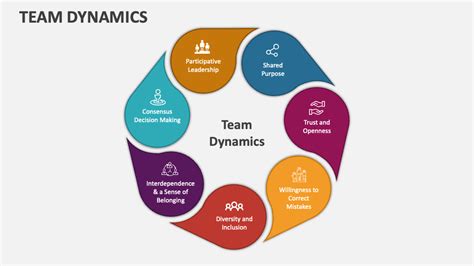
The interplay between these players is perhaps the most fascinating aspect of Manchester City's UCL campaigns. Their success is not just a result of individual brilliance but of a cohesive system where each player's strengths are maximized. For instance, De Bruyne's vision is complemented by Haaland's finishing, Rodri's stability allows Silva and Gündogan to take risks, and Dias' defensive solidity provides the platform for attacking freedom. This synergy is a testament to Pep Guardiola's tactical acumen, as he has managed to build a team where star players do not overshadow the collective but enhance it.
- De Bruyne: The creative engine who unlocks defenses with pinpoint passes.
- Haaland: The goal-scoring machine who adds a new dimension to City's attack.
- Rodri: The midfield anchor who ensures balance and control.
- Dias: The defensive leader who provides stability under pressure.
- Mahrez: The flair player who delivers in clutch moments.
In conclusion, the role of star players like Kevin De Bruyne, Erling Haaland, and others in Manchester City's UCL campaigns cannot be viewed in isolation. Their individual brilliance is magnified by the system they operate in and the support they receive from their teammates. This combination of individual excellence and collective synergy has been the driving force behind Manchester City's recent success in the Champions League, turning them into a formidable force capable of challenging Europe's elite.
Challenges Faced in UCL Competitions
Manchester City's journey in the UEFA Champions League (UCL) has been a mix of exhilarating highs and frustrating setbacks. Despite their domestic dominance and the resources at their disposal, the club has encountered several significant challenges in their quest for European glory. These obstacles are not merely circumstantial but also deeply rooted in the dynamics of high-stakes international football.
One of the most prominent challenges has been tough draws in the knockout stages. The UCL's seeding system often pits top-tier teams against each other earlier than expected, and Manchester City has frequently found themselves facing formidable opponents in the round of 16 or quarterfinals. For instance, their encounters with teams like Real Madrid, Barcelona, and Liverpool in the past have proven to be grueling tests of their mettle. These clubs not only bring world-class talent but also carry the weight of UCL pedigree, which often tilts psychological and tactical battles in their favor. For example, in the 2017-18 season, Manchester City was drawn against Liverpool in the quarterfinals. Liverpool's high-intensity pressing and counterattacking style exposed vulnerabilities in City's backline, leading to a 5-1 aggregate defeat. Such early clashes against European giants demand peak performance when the team might still be finding its rhythm in the competition.
Another critical obstacle has been injuries to key players at inopportune moments. The UCL is a physically demanding tournament that stretches over several months, often coinciding with congested fixture schedules in domestic leagues and cup competitions. Manchester City has suffered from untimely injuries to pivotal players, which has disrupted their rhythm and forced tactical adjustments. A notable example is the 2020-21 season, where midfielder Kevin De Bruyne sustained an injury during the knockout stages. De Bruyne, widely regarded as one of the best playmakers in the world, is integral to City's ability to control midfield and unlock defenses. His absence disrupted their fluidity in pivotal matches. Similarly, the injury to Sergio Agüero in earlier campaigns limited their attacking options. While City has a deep squad, the absence of such linchpins during high-pressure games often places undue stress on the remaining players, making it harder to execute their game plan seamlessly.
Psychological barriers have also played a significant role in Manchester City's UCL struggles. The weight of expectation has been a recurring theme for the club. Since their takeover in 2008 and subsequent transformation into a footballing powerhouse, the club has been expected to not only compete but also win the UCL. This pressure is amplified by their consistent underachievement in the competition relative to their domestic success. For instance, despite reaching the final in the 2020-21 season, their loss to Chelsea highlighted a tendency to falter under the brightest spotlight. Some analysts argue that this is partly due to a "choking effect," where players feel the cumulative weight of years of unfulfilled ambitions. This psychological burden is particularly evident in matches where City dominates possession and creates numerous chances but fails to convert them into goals—a phenomenon observed in their semifinal exit against Real Madrid in 2022, where they conceded two late goals in extra time after being in control for much of the tie.
Additionally, managerial and tactical adaptations have posed challenges. Pep Guardiola, widely regarded as one of the most innovative coaches in modern football, has sometimes been criticized for overthinking his tactics in UCL knockout games. His tendency to make unexpected changes—such as fielding unconventional lineups or deviating from City's usual high-pressing style—has occasionally backfired. A prime example of this was the 2021 UCL final against Chelsea, where Guardiola opted not to start a defensive midfielder, leaving City exposed in transition. This decision was widely seen as a misstep that contributed to their defeat. While Guardiola's innovative approach has brought domestic success, the UCL's unforgiving nature often punishes even the slightest tactical misjudgments, especially when facing opponents with a clear and tested strategy.
Another layer of difficulty lies in the contrasting styles of play in European competitions compared to the Premier League. The Premier League is known for its physicality and fast-paced, end-to-end action, which suits Manchester City’s possession-based and high-pressing style. However, many top European teams, particularly those from Spain, Italy, and Germany, adopt a more pragmatic and defensively solid approach in the UCL. This often forces City to break down deep-lying defenses, a task that requires patience, precision, and creativity. Teams like Atlético Madrid, for instance, have frustrated City by sitting deep and denying them space in the final third. In such scenarios, City's reliance on intricate passing and positional play can sometimes lead to sterile dominance, where they control the game but struggle to find the decisive breakthrough.
Furthermore, the financial and competitive landscape of the UCL presents its own set of challenges. While Manchester City has immense financial backing, so do many of their rivals. Clubs like Paris Saint-Germain, Bayern Munich, and Real Madrid not only have comparable resources but also boast rich histories and established fan bases that provide intangible advantages in terms of experience and confidence on the European stage. This parity means that City cannot rely solely on their financial superiority to outmatch opponents. Instead, they must outperform teams that are equally well-prepared and motivated to win.
A less discussed but equally important factor is the lack of UCL-winning experience within the squad in earlier campaigns. While Manchester City has fielded world-class players, many of them had limited experience in reaching the latter stages of the UCL before joining the club. Unlike teams like Real Madrid or Bayern Munich, whose players are accustomed to navigating the unique pressures of the competition, City’s squad has had to learn on the job. This learning curve was evident in their earlier UCL campaigns, where they often exited in the round of 16 or quarterfinals. However, this has been gradually addressed with the acquisition of players like Erling Haaland, who has prior experience in deep UCL runs with other clubs.
Lastly, refereeing decisions and VAR controversies have occasionally worked against Manchester City in critical moments. While this is not unique to City, the fine margins in UCL knockout games mean that even a single contentious decision can alter the course of a tie. For example, in the 2020 quarterfinal against Lyon, a controversial goal and missed opportunities for VAR intervention were seen as factors in their surprising exit. While blaming refereeing decisions can seem like an excuse, the reality is that such moments compound the frustration of a team already grappling with other challenges.
In summary, Manchester City's challenges in the UCL are multifaceted, ranging from tough draws and injuries to psychological pressures and tactical missteps. These hurdles are not insurmountable, as evidenced by their steady progress in recent years, including their first final appearance in 2021. However, overcoming them requires not just technical excellence but also mental resilience, adaptability, and perhaps a bit of fortune—qualities that define true champions in Europe's most prestigious club competition.
Comparison with Other Top European Clubs
Manchester City's journey in the UEFA Champions League (UCL) has been a subject of intense scrutiny, particularly given their meteoric rise as a dominant force in English football. However, when compared to traditional European powerhouses like Real Madrid, Bayern Munich, and Liverpool, their standing reveals a nuanced picture of ambition, consistency, and the challenges of breaking into an elite echelon of European football.
To begin with, Real Madrid stands as the archetype of UCL success. With 14 titles to their name, they epitomize the blend of historical pedigree and modern adaptability. Real Madrid's UCL campaigns are often characterized by their ability to thrive under pressure, particularly in knockout stages. Their 2021-22 campaign, where they overcame Manchester City in a dramatic semifinal, exemplifies this trait. Unlike City, which has often struggled to maintain composure in high-stakes moments, Real Madrid leverages a mix of experience and an almost mythical belief system. For instance, their knack for comebacks against top-tier teams like Paris Saint-Germain, Chelsea, and City demonstrates a psychological edge that City is yet to fully cultivate. While Manchester City has reached the final once (losing to Chelsea in 2021) and the semifinals multiple times, their inability to convert strong league form into UCL dominance places them a step below Real Madrid in terms of European maturity.
In contrast, Bayern Munich offers a different benchmark. The German giants have a track record of consistency in both domestic and European competitions. Bayern's 2020 UCL triumph, achieved with a flawless campaign (winning all their matches), highlights their ruthless efficiency. Their model revolves around a well-oiled system, blending youth development with shrewd transfers, such as the signing of Harry Kane in 2023 to bolster their attack. Manchester City, under Pep Guardiola, shares a similar philosophy of system-based play, yet their UCL struggles often stem from over-complication in critical moments. For example, their 2022 semifinal loss to Real Madrid saw questionable tactical decisions, such as overloading on attacking substitutions that left them exposed defensively. Bayern, by contrast, tends to maintain a balance between attack and defense, even in high-pressure games. This difference underscores how City's UCL journey has been more about fine-tuning their approach rather than lacking quality.
When analyzing Liverpool, Manchester City's fiercest Premier League rival in recent years, the comparison becomes even more intriguing. Liverpool's UCL success in 2019 and their consistent deep runs in the tournament highlight their ability to perform on multiple fronts. What sets Liverpool apart is their blend of tactical flexibility and an unrelenting high-press system that disrupts even the most composed teams. Their 2019 victory, where they defeated Tottenham in the final, was built on a mix of individual brilliance (e.g., Mohamed Salah, Sadio Mané) and collective resilience. Manchester City, while dominant in possession and control, often lacks the same counter-pressing intensity that Liverpool brings to European nights. This was evident in their 2022 clash with Real Madrid, where City's inability to sustain pressure after taking the lead exposed vulnerabilities. However, Liverpool's recent struggles in the UCL (such as their group-stage exit in 2022-23) also highlight the volatility of European success, something City must navigate as they aim for sustained excellence.
One of the critical differentiators in this comparison is experience in handling UCL-specific pressures. Real Madrid and Bayern Munich, with their long-standing European traditions, have cultivated a culture of expectation and delivery in this competition. Liverpool, under Jürgen Klopp, has similarly built a European identity that thrives on passion and tactical nous. Manchester City, despite their financial prowess and tactical sophistication under Guardiola, is still in the process of building this identity. Their 2023 UCL victory, their first in club history, is a watershed moment, but it also raises questions about whether this is the start of a dynasty or a one-off success. The absence of a "UCL-winning DNA" prior to 2023 is a narrative that has haunted City, even as they've dominated the Premier League.
Another dimension to consider is squad depth and adaptability. Real Madrid's ability to rotate and rely on seasoned campaigners like Luka Modrić and Karim Benzema in clutch moments is unparalleled. Bayern Munich’s squad depth, particularly in midfield and defense, allows them to navigate injuries without significant drop-offs in performance. Liverpool, too, has shown resilience even when key players like Virgil van Dijk or Salah were unavailable. Manchester City, while boasting one of the most talented squads in Europe, has occasionally struggled with squad rotation in UCL campaigns. For instance, their over-reliance on Kevin De Bruyne and Erling Haaland in 2022-23 raised concerns about their Plan B when these players were marked out of games or unavailable. This contrasts with Bayern and Real Madrid, who often have multiple match-winners across positions.
A deeper analysis of managerial impact also sheds light on the comparison. Pep Guardiola's obsession with tactical perfection has sometimes backfired in UCL knockouts, as seen in the 2021 final where Chelsea's pragmatic approach nullified City's intricate play. In contrast, managers like Carlo Ancelotti (Real Madrid) and Jürgen Klopp (Liverpool) have shown a more flexible approach, adapting their systems to the strengths of their opponents. Hansi Flick's Bayern in 2020 was a masterclass in maximizing a squad's potential within a clear framework. Guardiola’s City, while innovative, has occasionally overthought their strategy in UCL games, leading to criticism of being "too cautious" or "too experimental."
From a historical trajectory perspective, Manchester City’s UCL journey is still in its ascendancy. Unlike Real Madrid or Bayern, who have decades of European success to lean on, City is a relatively new entrant to the top tier of European contenders. Their 2023 win is a significant milestone, but it does not yet place them in the same category as Real Madrid's legacy or Bayern's sustained dominance. Liverpool, while not as historically decorated as Real Madrid, has a richer UCL tradition than City, which further accentuates the challenge City faces in being perceived as a "true European giant."
Finally, it is worth examining financial and infrastructural factors. Manchester City’s rise has been fueled by significant investment, which has drawn criticism and comparisons to state-backed projects. However, this financial muscle has not always translated into European success as seamlessly as it has in domestic competitions. Real Madrid and Bayern Munich, while also financially powerful, have the added advantage of a deeply ingrained European identity that attracts top talent and retains fan loyalty. Liverpool’s model, blending commercial success with a strong fanbase and smart recruitment, offers a more relatable blueprint for City to emulate.
In summary, Manchester City’s UCL journey, while impressive, is still in a transitional phase when compared to the established European elites. They have the talent, resources, and tactical acumen to compete with the likes of Real Madrid, Bayern Munich, and Liverpool, but their relative standing is defined by their ability to consistently perform under the unique pressures of UCL football. Their 2023 triumph is a stepping stone, but to truly rival the historical dominance of these clubs, they must build a legacy of resilience, adaptability, and European identity that goes beyond individual seasons or managerial tenures.
The Role of Infrastructure and Resources
Manchester City's ascent to becoming a perennial contender in the UEFA Champions League (UCL) is not merely a result of on-field brilliance but also a testament to the robust infrastructure and resources that underpin their operations. The club's financial backing, state-of-the-art training facilities, and a meticulously designed youth academy play a pivotal role in shaping their ambitions and competitive edge in Europe's most prestigious club competition.
One of the most obvious contributors to Manchester City's UCL ambitions is their financial muscle, largely attributed to the ownership of the City Football Group (CFG). Since the takeover by Sheikh Mansour in 2008, the club has seen an unprecedented influx of capital that has allowed them to attract top-tier talent, invest in cutting-edge technology, and build a sustainable model for success. This financial backing is not limited to player acquisitions; it extends to every facet of the club's operations. For instance, the ability to offer competitive wages and long-term contracts has been instrumental in retaining world-class players like Kevin De Bruyne and Erling Haaland, who are central to their European campaigns. Moreover, the club's financial stability has enabled them to weather the economic uncertainties of modern football, such as the COVID-19 pandemic, without compromising their long-term goals.
However, financial resources alone do not guarantee success in the UCL. What sets Manchester City apart is how they have channeled this wealth into infrastructure development. The Etihad Campus, which includes the City Football Academy (CFA), is a cornerstone of their strategy. Opened in 2014, the CFA is a sprawling 80-acre facility that integrates training grounds, medical facilities, and educational spaces for players of all levels. Unlike many clubs that outsource certain aspects of player development or physical conditioning, Manchester City has centralized these functions within the CFA. This allows for seamless collaboration between coaches, sports scientists, and medical staff, creating a cohesive environment tailored to optimizing player performance. For example, the use of advanced data analytics and GPS tracking during training sessions is not just a luxury but a necessity for fine-tuning player workloads and minimizing injury risks—an aspect critical for enduring the rigors of a UCL campaign that often overlaps with domestic league and cup competitions.
The training facilities are also designed to mimic match-day conditions as closely as possible. The full-size indoor pitch, for instance, ensures that training is unaffected by adverse weather, a factor that can disrupt preparation during the winter months when UCL group stages are in full swing. Additionally, the cryotherapy chambers, altitude training rooms, and hydrotherapy pools at the CFA are indicative of a club that spares no expense in equipping its players with tools to recover faster and perform better. These resources are not just about physical conditioning; they also contribute to the psychological preparedness of the squad. Knowing they have access to world-class facilities instills a sense of confidence and security in players, which can be a decisive edge in high-pressure UCL knockout ties.
Another critical component of Manchester City's infrastructure is their youth academy, which operates as a feeder system for the first team while also serving as a long-term investment in the club's future. The academy is not merely a token gesture toward youth development; it is a fully integrated part of the club’s philosophy. Under the guidance of coaches who emphasize technical proficiency and tactical flexibility, young players are groomed to fit into Pep Guardiola's possession-based, high-pressing system. This alignment between the academy and the first team's style of play ensures a smoother transition for players like Phil Foden, who has become a key figure in City's UCL campaigns. Foden's journey from the academy to the senior team exemplifies how the club's youth setup is designed to produce players who are not only technically gifted but also mentally attuned to the demands of top-level European football.
The academy's role is further enhanced by its focus on global scouting and recruitment. Manchester City actively identifies and signs young talents from across the world, integrating them into the CFA to develop under the club's umbrella. This strategy has allowed them to build a pipeline of talent that can supplement the first team or be monetized through transfers, as seen with players like Jadon Sancho and Brahim Díaz. While not every academy graduate will make it to the first team, the academy's success lies in its ability to create a competitive environment where only the best thrive—a microcosm of the pressures faced in the UCL.
It is also worth noting how Manchester City's infrastructure supports long-term strategic planning. Unlike clubs that rely on short-term fixes or reactive measures, City’s approach is rooted in sustainability. Their financial backing allows them to plan multi-year transfer strategies, such as the staggered acquisition of players like Rúben Dias, João Cancelo, and Julián Álvarez, each of whom was brought in to address specific weaknesses identified in previous UCL campaigns. This forward-thinking approach extends to their use of the academy as a cost-effective way to replenish the squad without over-relying on the transfer market.
The club’s resources also extend beyond physical infrastructure to include technological advancements. Manchester City has been at the forefront of adopting innovative tools like artificial intelligence (AI) and machine learning to analyze opponents and optimize game plans. For instance, their use of AI-driven opponent analysis during UCL matches allows them to identify patterns in the opposition’s play and adapt their strategies accordingly. This level of preparation is particularly crucial in the UCL, where the margin for error is minimal, and the quality of opposition is consistently high.
Moreover, Manchester City’s financial and infrastructural advantages are complemented by their ability to attract and retain top managerial talent. Pep Guardiola’s tenure at the club is a case study in how resources can be maximized when paired with visionary leadership. Guardiola’s insistence on having access to world-class facilities and a squad depth capable of competing on multiple fronts is a reflection of the club’s commitment to providing the best possible environment for success. His tactical innovations, such as the use of inverted fullbacks and fluid positional play, are only possible because the infrastructure supports the implementation of such complex systems.
In summary, Manchester City’s financial backing, training facilities, and youth academy form a triad of resources that underpin their UCL ambitions. These elements are not isolated; they work in concert to create a holistic ecosystem that supports player development, tactical innovation, and long-term success. While their financial clout often draws criticism, it is the intelligent allocation of these resources—through infrastructure, technology, and a clear vision—that truly sets them apart in their quest for European glory. This deep integration of resources into every aspect of the club’s operations is what makes their UCL campaigns not just a pursuit of trophies but a reflection of a well-oiled machine built for sustained excellence.
Fan and Community Engagement in UCL
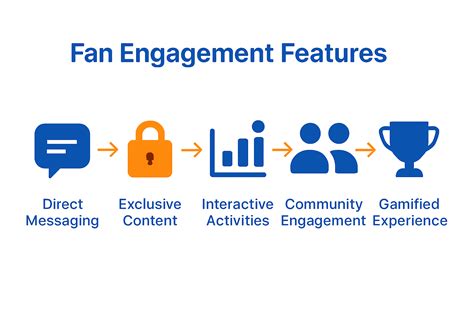
Manchester City's approach to fan and community engagement during UEFA Champions League (UCL) matches and campaigns is a blend of strategic innovation and community-centric initiatives. Unlike many clubs that focus solely on match-day experiences, Manchester City has developed a multi-faceted strategy that encompasses both digital and physical touchpoints to foster a deeper connection with fans and the local community. This approach is rooted in the club's philosophy of inclusivity and its desire to position itself as not just a football institution but also a community pillar in Manchester and beyond.
One of the standout features of Manchester City's UCL engagement strategy is its **use of technology to bridge the gap between fans and the team**. For instance, the club leverages its **Cityzens platform**—a digital fan membership system—to provide exclusive content, behind-the-scenes access, and interactive opportunities during UCL campaigns. During UCL matches, Cityzens members often receive personalized emails or app notifications with tailored content such as player interviews, tactical breakdowns, and exclusive match previews. This not only keeps fans informed but also makes them feel like an integral part of the journey. For example, during the 2022-2023 UCL season, the club introduced a "Digital Matchday Experience," where fans could participate in live polls, predict match outcomes, and even vote for their Man of the Match directly through the app. This interactive element fosters a sense of agency among fans, making them feel as though their voices and opinions matter in real-time.
Another critical aspect of their engagement strategy is **local community involvement**. Manchester City has consistently used UCL matches as an opportunity to engage with the residents of East Manchester, particularly in areas surrounding the Etihad Stadium. The club organizes **pre-match community events** that are open to local schools, youth groups, and families. These events often include football clinics hosted by Manchester City’s academy coaches, where children can learn skills and techniques while also being introduced to the excitement of UCL football. Such initiatives serve a dual purpose: they not only generate enthusiasm for the competition but also help nurture a new generation of football enthusiasts who associate the club with positive experiences beyond the pitch. For instance, during the 2021 UCL campaign, the club partnered with local charities to host a "Football for All" event, where underprivileged children were given free tickets to watch a UCL group stage match. This gesture not only brought joy to the children but also underscored the club’s commitment to social responsibility.
In addition to local outreach, Manchester City places a strong emphasis on **cultural inclusivity** during UCL campaigns. The club recognizes that UCL matches attract a diverse audience, both in terms of local fans and international visitors. To cater to this, Manchester City ensures that its match-day programming incorporates elements that celebrate the cultural diversity of its fan base. For example, during UCL home games, the club often features **multilingual announcers** and provides match-day programs in multiple languages. Moreover, the club has introduced **cultural food stalls** at the Etihad Stadium during UCL matches, offering cuisines that reflect the heritage of the visiting team or the broader European football community. This approach not only enhances the fan experience but also positions the club as a welcoming and inclusive space for all attendees, regardless of their background.
Digital engagement extends beyond the Cityzens platform into **social media innovation**. Manchester City’s social media team is highly active during UCL campaigns, creating content that resonates with both local and global audiences. For instance, the club often runs **hashtag campaigns** like #CityInEurope, encouraging fans to share their match-day experiences, photos, and videos. These campaigns are not limited to match days; they are often extended into the build-up and post-match periods, creating a continuous stream of engagement. In one particularly creative campaign during the 2020 UCL quarter-finals, the club used augmented reality (AR) filters on Instagram that allowed fans to "wear" the team’s kit or simulate celebrating a goal with their favorite players. This level of interactivity not only boosts fan excitement but also helps Manchester City maintain a strong presence in the digital space, which is crucial for capturing the attention of younger, tech-savvy audiences.
The club also places a significant focus on **fan-driven content creation**. During UCL matches, Manchester City actively encourages fans to share their stories, whether it’s about their journey to the stadium, their pre-match rituals, or their emotional reactions to key moments in the game. This content is often featured on the club’s official channels, giving fans a platform to be seen and heard. For example, during the 2021 UCL final, the club ran a campaign called "Our City, Our Journey," where fans submitted videos of their personal connections to the team. Selected entries were showcased on the big screen at the Etihad and shared across the club’s social media platforms, creating a sense of collective pride and ownership among the fan base.

Another unique aspect of Manchester City’s UCL engagement is its focus on **long-term community impact**. The club does not view UCL matches as isolated events but rather as opportunities to leave a lasting legacy in the local area. For instance, Manchester City’s **City in the Community (CITC) program** often aligns its initiatives with UCL campaigns. During the 2023 UCL season, CITC launched a program called "Goals for Good," where for every goal scored by Manchester City in the UCL, the club pledged to fund a new community project in Manchester. This initiative not only tied the team’s on-field success to tangible community benefits but also motivated fans to rally behind the team with an added sense of purpose. The program received widespread acclaim, as it demonstrated how football can be a catalyst for positive change in the community.
Additionally, the club has made efforts to ensure that **accessibility is a priority** during UCL matches. Manchester City has invested in improving facilities at the Etihad Stadium to accommodate fans with disabilities, including installing sensory rooms for neurodiverse supporters and providing audio-descriptive commentary for visually impaired fans. These measures are particularly important during high-profile UCL matches, where the atmosphere can be overwhelming for some fans. By addressing these needs, the club ensures that its engagement efforts are inclusive and considerate of all members of its fan base.
Finally, Manchester City’s UCL engagement strategy also involves **collaborations with local businesses and artists**. During UCL campaigns, the club often partners with Manchester-based artists to create bespoke match-day artwork or murals that celebrate the team’s journey in the competition. These artworks are displayed in public spaces around the city, creating a visual connection between the club and its community. Similarly, partnerships with local businesses—such as offering exclusive UCL-themed merchandise or hosting viewing parties in collaboration with pubs and restaurants—help to integrate the club’s UCL presence into the fabric of daily life in Manchester.
In summary, Manchester City’s approach to fan and community engagement during UCL matches and campaigns is a well-rounded and deeply thoughtful strategy. By combining **digital innovation, local outreach, cultural inclusivity, and a focus on long-term impact**, the club ensures that its UCL participation is not just about football but also about fostering a sense of belonging and pride among its fans and the wider Manchester community. This holistic approach not only strengthens the club’s bond with its supporters but also reinforces its identity as a socially responsible and forward-thinking institution in the world of football.
Future Prospects in the UCL
Manchester City's recent success in the UEFA Champions League (UCL), culminating in their 2022-2023 triumph, has established them as one of the most formidable teams in European football. However, the question of their future trajectory in the tournament warrants a deeper analysis of their squad dynamics, tactical evolution, and the broader competitive landscape. This section will explore the factors that could shape Manchester City's prospects in future UCL campaigns, grounded in current trends and developments within the squad and the club's strategy.
One of the most significant indicators of Manchester City's potential in the UCL is their consistent squad depth and quality. Under the stewardship of Pep Guardiola, the team has built a roster that not only excels in domestic competitions but also has the versatility required to navigate the rigors of European football. The ability to rotate players without a significant drop in performance—as seen in their use of players like Julián Álvarez, Phil Foden, and Rúben Dias across multiple competitions—demonstrates a sustainable approach to squad management. This depth is critical in the UCL, where fixture congestion and injuries often test even the strongest teams. If City continues to invest in young talent and maintain a balance of experience and youth, their squad will remain competitive in the years to come.
Another key aspect of their future trajectory is their tactical adaptability. Guardiola's philosophy has evolved from the possession-heavy "tiki-taka" style of his Barcelona days to a more flexible system at Manchester City. This evolution was evident in their UCL-winning campaign, where they demonstrated the ability to switch between a high-pressing 4-3-3 and a more conservative 3-2-4-1 in specific matches. Such tactical fluidity is a hallmark of teams that can sustain success in Europe. Looking ahead, Manchester City's willingness to experiment with formations and player roles—such as deploying John Stones in a hybrid defender-midfielder role—suggests they are not resting on their laurels. This adaptability will be vital as they face teams like Bayern Munich, Real Madrid, and emerging powerhouses such as Newcastle United, who are also refining their European strategies.
The role of individual star players cannot be overlooked when predicting Manchester City's UCL future. Erling Haaland, whose record-breaking goal-scoring feats were central to their 2023 victory, is still in the early stages of his career. At just 23 years old, Haaland has the potential to dominate European football for the next decade. His partnership with creative midfielders like Kevin De Bruyne and Bernardo Silva ensures a steady supply of opportunities, but City must also plan for contingencies. De Bruyne, for instance, is in his early 30s and has faced injury concerns. Maintaining or even enhancing their attacking options—perhaps by integrating promising talents like Oscar Bobb or pursuing another high-caliber forward—will be essential to sustaining their goal-scoring prowess in future tournaments.
However, Manchester City’s prospects are not solely dependent on their internal dynamics. The competitive landscape of the UCL is constantly shifting. Traditional giants like Real Madrid and Bayern Munich continue to invest heavily in their squads, while clubs such as Paris Saint-Germain and Newcastle United are leveraging financial power to close the gap. Additionally, the emergence of tactically innovative teams like Napoli and RB Leipzig poses new challenges. To remain ahead, Manchester City must not only focus on their own development but also anticipate how the broader European football ecosystem is evolving. This might involve scouting for players who can counter specific styles of play or investing in data-driven strategies to outmaneuver opponents in high-stakes knockout games.
A potential area of concern for Manchester City is the psychological burden of repeated success. While their domestic dominance has been near-total, the UCL has historically been an unpredictable competition where even the best teams can falter due to a single bad performance. Guardiola himself has faced criticism for overthinking in key UCL matches in the past, such as the 2021 final loss to Chelsea. To avoid complacency or tactical missteps, Manchester City must cultivate a culture of relentless focus and humility. This involves not only reinforcing their winning mentality but also preparing for scenarios where they are not the outright favorites—a situation that could arise as other teams adapt to their style of play.
Another dimension to consider is the impact of financial fair play (FFP) regulations and broader economic factors. Manchester City has faced scrutiny over their financial practices in the past, and any future sanctions or restrictions could limit their ability to sign top-tier talent or maintain their current level of investment. While the club has shown resilience in navigating such challenges, their long-term UCL prospects may depend on how effectively they balance ambition with compliance. This could involve a greater emphasis on youth academy development or shrewd, cost-effective transfers that align with their overarching philosophy.
The youth development pipeline is another area where Manchester City can differentiate themselves. Their academy has produced promising players like Cole Palmer and Rico Lewis, who have already shown glimpses of their potential in high-pressure environments. If the club can successfully integrate these talents into the first team while maintaining their winning culture, they could create a self-sustaining model that reduces dependency on expensive transfers. This approach has been a hallmark of teams like Barcelona in their prime, and it could serve Manchester City well in maintaining long-term competitiveness in the UCL.
Finally, the managerial stability provided by Guardiola is a double-edged sword. While his tenure has been transformative for Manchester City, the eventual transition to a new manager could disrupt their momentum. Guardiola has often spoken about his desire to step away from management in the coming years, and the club must prepare for this eventuality. Ensuring a seamless transition—perhaps by promoting from within the coaching staff or hiring a manager who aligns with their philosophy—will be critical to sustaining their UCL ambitions. Clubs like Manchester United and Barcelona have experienced periods of instability following the departure of iconic managers, and Manchester City must learn from these examples to avoid a similar fate.
- Sustaining squad depth and integrating youth talent will be pivotal for Manchester City’s future UCL campaigns.
- Tactical flexibility and the ability to counter diverse European playing styles will remain key strengths.
- Erling Haaland’s continued development and the club’s ability to support him with creative midfielders will shape their attacking potency.
- Navigating the competitive landscape and anticipating challenges from emerging teams will test their strategic foresight.
- Managerial succession planning and adherence to financial regulations will play a role in their long-term stability.
In conclusion, Manchester City's future prospects in the UCL appear bright, but they are not guaranteed. Their ability to maintain squad depth, innovate tactically, and adapt to the evolving European football landscape will determine whether they can establish a dynasty akin to that of Real Madrid in the mid-2010s or Barcelona in the late 2000s. While the club has the resources and talent to remain a top contender, their success will ultimately depend on how well they balance ambition with adaptability and long-term planning.
Conclusion and Strategic Insights
Manchester City's journey in the UEFA Champions League (UCL) has been a compelling narrative of evolution, resilience, and strategic adaptation. From their early struggles to establish themselves as genuine contenders to their eventual triumph in the 2022-2023 season, the club's trajectory offers a wealth of insights into what it takes to succeed at the highest level of European football. This section delves into the key takeaways from their UCL journey and provides actionable strategies for sustaining success in this fiercely competitive tournament.
One of the most striking aspects of Manchester City's UCL journey is their **gradual maturation under Pep Guardiola**. When Guardiola took over in 2016, the team was laden with individual talent but lacked the cohesion and tactical flexibility required to navigate the unique challenges of the UCL. Early exits in the quarterfinals—most notably against Monaco in 2017 and Lyon in 2020—highlighted vulnerabilities in high-pressure situations. These setbacks underscored a critical lesson: **success in the UCL is not merely about individual brilliance but about collective adaptability and mental fortitude**. Guardiola's iterative approach to team-building, focusing on embedding a clear playing philosophy while addressing specific weaknesses, has been instrumental. For instance, the acquisition of players like Rúben Dias and John Stones transformed their defensive solidity, a weakness exposed in earlier campaigns.
Another takeaway is the importance of **game management in knockout stages**. Manchester City's struggles in earlier UCL campaigns often stemmed from an over-reliance on high-intensity, possession-based football that left them exposed to counterattacks. This was evident in their loss to Lyon in 2020, where a lack of tactical pragmatism cost them dearly. However, in recent seasons, Guardiola has shown a willingness to adapt his approach. In the 2022-2023 campaign, City demonstrated a more measured style in key matches, particularly against Real Madrid in the semifinals. They were willing to cede possession in certain phases, prioritizing defensive shape and rapid transitions. This shift reflects a broader insight: **flexibility in tactical setups is crucial when facing diverse opponents with varying strengths**. The ability to switch between a high press and a low block, depending on the opponent, is a hallmark of teams that consistently perform well in the UCL.
A deeper analysis of their success also reveals the role of **squad depth and rotation**. The UCL is a grueling competition that demands peak physical and mental performance over an extended period. Manchester City's investment in a deep and versatile squad has been a critical enabler of their success. Players like Phil Foden, Julián Álvarez, and Rico Lewis have provided not just cover but genuine quality when called upon. This highlights a strategic insight for other clubs: **building a squad with interchangeable parts that can maintain performance levels across multiple competitions is non-negotiable**. For instance, Álvarez's impact as a dynamic forward option allowed Guardiola to rest Erling Haaland in certain games without compromising attacking potency. This depth also mitigates the risk of burnout, a common pitfall for teams that overextend in domestic and European competitions.
The role of **leadership and mental resilience** cannot be overstated. Manchester City's UCL triumph was as much a mental battle as a tactical one. Their ability to overcome historical "bottling" narratives—fueled by repeated near-misses—demonstrates the importance of psychological conditioning. Guardiola's emphasis on fostering a "team-first" mentality, coupled with the emergence of leaders like Kevin De Bruyne and Ilkay Gündogan, played a pivotal role. This insight is particularly relevant for clubs seeking sustained UCL success: **cultivating a winning culture that can withstand the weight of expectations is as important as technical preparation**. Teams must instill a belief system that enables players to perform under the intense scrutiny of knockout football.
From a **strategic perspective**, Manchester City's UCL journey offers several actionable insights for clubs aiming for similar success. First, **invest in a holistic footballing model**. City's success is not accidental; it is rooted in a long-term vision that aligns recruitment, youth development, and tactical philosophy. Their ability to scout and develop players who fit Guardiola's system—such as the signing of Haaland to address their need for a clinical finisher—demonstrates the value of a coherent recruitment strategy. Clubs must prioritize signing players who not only have technical proficiency but also align with the team's overarching style of play.
Second, **leverage data and analytics for in-game decision-making**. Manchester City's use of advanced analytics to fine-tune their approach is well-documented. From optimizing set-piece routines to identifying opposition weaknesses, their data-driven methods have given them a competitive edge. For instance, their detailed analysis of Real Madrid's defensive vulnerabilities in the 2023 semifinals allowed them to exploit spaces behind the fullbacks effectively. This underscores the importance of **integrating analytics into both training and match-day operations**. Clubs should invest in robust analytics teams that can provide real-time insights to managers and players.
Third, **focus on the psychological aspect of UCL football**. The tournament's format, with its high-stakes knockout rounds, places immense pressure on players and coaches. Manchester City's ability to remain composed in critical moments—such as their comeback against Bayern Munich in the quarterfinals—reflects a team that has been mentally conditioned for success. Clubs can adopt practices like **scenario-based training simulations** to prepare players for high-pressure situations. Additionally, employing sports psychologists to work with players on managing nerves and maintaining focus can be a game-changer.
Fourth, **embrace a long-term view of success**. Manchester City's UCL journey is a testament to the value of persistence. Despite early disappointments, the club's leadership—both on and off the pitch—maintained a steadfast belief in their project. This is a lesson for other clubs: **sustained investment in infrastructure, coaching, and player development is essential**. UCL success is rarely built overnight; it requires a multi-year commitment to creating a winning ecosystem.
Finally, **understand the importance of learning from failures**. Each of Manchester City's UCL setbacks provided valuable lessons that informed their future campaigns. For example, their loss to Tottenham in 2019 highlighted the need for greater defensive organization in high-stakes games. Instead of viewing these losses as terminal failures, the club used them as opportunities for growth. This mindset is critical for any club aspiring to establish itself as a UCL powerhouse: **failure is not the end but a stepping stone toward improvement**.
In conclusion, Manchester City's UCL journey is a masterclass in the interplay of tactical innovation, squad management, and psychological resilience. Their success is not the result of a single factor but a combination of deliberate strategies and adaptability. For other clubs seeking to emulate their trajectory, the key lies in **building a cohesive system that prioritizes both short-term performance and long-term sustainability**. By focusing on squad depth, tactical flexibility, mental conditioning, and a commitment to continuous learning, clubs can position themselves for enduring success in the UCL. Manchester City's story is not just one of triumph but of perseverance, offering a blueprint for what it takes to conquer Europe's most prestigious club competition.