Introduction to Manchester City in the UCL
Manchester City's journey in the UEFA Champions League (UCL) is a tale of ambition, evolution, and a gradual ascent to becoming one of the most formidable teams in European football. While the club's domestic dominance in the English Premier League has been well-documented, their history in the UCL offers a more nuanced narrative of perseverance and strategic growth. This section delves into the club's history in the competition, highlighting key milestones, challenges, and the broader significance of their presence in Europe's premier club tournament.
Manchester City's involvement in the UCL began in earnest following their acquisition by the Abu Dhabi United Group in 2008. This transformative moment marked the start of a new era for the club, characterized by significant investment in players, infrastructure, and coaching staff. However, their early forays into the competition were far from seamless. In the 2011-12 season, their debut campaign, City found themselves in a challenging group alongside Bayern Munich, Napoli, and Villarreal. Despite their domestic success that season—winning the Premier League in dramatic fashion—they failed to progress beyond the group stage. This initial setback underscored the steep learning curve associated with competing at the highest level of European football.
The club's struggles in the early years were not merely a result of inexperience but also reflected the broader challenges of integrating a squad of high-profile signings into a cohesive unit capable of thriving in the UCL. Under managers like Roberto Mancini and Manuel Pellegrini, City often displayed flashes of brilliance but struggled with consistency. For instance, in the 2013-14 season, despite winning their second Premier League title, they were eliminated in the round of 16 by Barcelona. This pattern of falling short in the knockout stages became a recurring theme, raising questions about whether the club could translate their domestic success into European glory.
A turning point came with the appointment of Pep Guardiola as manager in 2016. Guardiola's arrival signaled a shift in both philosophy and ambition. Known for his meticulous approach to the game and emphasis on possession-based football, Guardiola set about reshaping the team to compete not just in England but on the European stage. This transformation was not immediate; in his first season, City again exited in the round of 16, this time to Monaco. However, the seeds of a more robust European campaign were being sown. Guardiola's emphasis on tactical flexibility, high-pressing play, and a focus on youth development began to bear fruit in subsequent seasons.
One of the most significant aspects of Manchester City's UCL journey is their ability to learn from past failures. Their repeated early exits in the knockout stages served as a catalyst for introspection and improvement. By the 2017-18 season, City had established themselves as a dominant force in the Premier League, winning the title with a record-breaking 100 points. This domestic supremacy was accompanied by a deeper run in the UCL, where they reached the quarter-finals before being eliminated by Liverpool. While the defeat was a disappointment, it also highlighted the growing maturity of the team in handling the pressures of European competition.
The 2020-21 season marked a watershed moment for Manchester City in the UCL. For the first time in their history, they reached the final of the tournament, facing off against Chelsea in Porto. Although they were ultimately defeated 1-0, the journey to the final was a testament to the club's evolution. Under Guardiola, City had developed a system that blended individual brilliance with collective cohesion. Players like Kevin De Bruyne, Riyad Mahrez, and Phil Foden emerged as key figures in their European campaigns, embodying the blend of technical skill and tactical discipline that Guardiola demanded.
The significance of Manchester City's presence in the UCL extends beyond their on-field performances. As one of the wealthiest and most ambitious clubs in the world, their participation in the tournament has broader implications for the global football landscape. Their consistent qualification for the UCL has not only elevated their own profile but has also contributed to the growing commercialization and global appeal of the competition. City's matches often draw massive viewership, particularly in markets where their style of play and star-studded lineup attract fans. This has positioned the club as a key player in the UEFA ecosystem, both in terms of sporting excellence and commercial value.
However, Manchester City's UCL journey has not been without controversy. The club has faced scrutiny over financial fair play (FFP) regulations, with UEFA investigating their compliance in the past. These off-field challenges have added another layer of complexity to their European narrative. Despite these controversies, City has managed to maintain their focus on the pitch, using their resources and infrastructure to build a team capable of challenging the traditional European powerhouses like Real Madrid, Bayern Munich, and Barcelona.
Another unique aspect of Manchester City's UCL history is their role in redefining what it means to be a modern football club. Unlike some of their rivals with long-standing traditions in the competition, City's rise has been relatively recent. This has allowed them to approach the tournament with a fresh perspective, unburdened by the weight of historical expectations. Their story resonates with fans of "new money" clubs who see in City a model of what can be achieved through strategic investment and forward-thinking management.
From a tactical standpoint, Manchester City's UCL campaigns have also been a showcase for Guardiola's innovative approach to the game. Whether it is deploying a false nine, rotating wingers into central areas, or using full-backs as inverted playmakers, City's style of play in the UCL has often been a subject of analysis and admiration. This tactical sophistication has not only made them a tough opponent but has also influenced how other teams approach the competition.
In summary, Manchester City's history in the UCL is a story of growth, adaptation, and ambition. From their early struggles to their recent successes, the club has carved out a unique place in the competition's modern era. Their journey reflects the challenges of breaking into the elite echelons of European football while also symbolizing the potential of ambition and innovation. As they continue to compete in the UCL, Manchester City's presence serves as a reminder of how the landscape of European football is constantly evolving, with new forces reshaping the old order.
- Their early participation highlighted the learning curve of competing in the UCL.
- The appointment of Pep Guardiola marked a shift in their European ambitions.
- Reaching the 2020-21 final was a landmark moment in their UCL history.
- Their style of play and commercial impact have reshaped perceptions of the tournament.
Ultimately, Manchester City's story in the UCL is far from complete. As they continue to pursue the ultimate prize in European football, their journey serves as a compelling case study of how a club can rise from relative obscurity in the competition to become one of its most prominent contenders.
Understanding the UCL Table Structure
The UEFA Champions League (UCL) table is a critical component of the tournament, serving as the primary mechanism for tracking team performance during the group stages. Understanding its structure is essential for appreciating how teams like Manchester City progress through the competition. The table is not merely a list of teams and points; it is a carefully designed framework that ensures fairness and clarity in determining which teams advance to the knockout stages and which are eliminated.
At its core, the UCL table is organized around the group stage format, where teams are divided into groups of four. Each group consists of teams drawn from different pots based on their UEFA club coefficients, ensuring a mix of top-tier and lesser-ranked teams in each group. During this stage, teams play a double round-robin format, facing each opponent in their group twice—once at home and once away. This structure guarantees six matches per team in the group stage, providing ample opportunity to accumulate points and showcase their competitive edge.
The points system in the UCL table is straightforward yet crucial. Teams earn three points for a win, one point for a draw, and zero points for a loss. This system prioritizes victories, encouraging teams to aim for decisive results rather than settling for draws. Over the course of six matches, the accumulation of points determines a team’s position within the group. The team with the highest points at the end of the group stage tops the table, while the second-place team also advances to the knockout phase if they finish among the top two in their group. This dual-advancement mechanism ensures that the group stage is competitive and that more than one team per group has a tangible incentive to perform well.
However, the table is not solely about points. When two or more teams are tied on points, the tiebreakers come into play. These tiebreakers are a series of predefined criteria used to separate teams and maintain the integrity of the competition. The first tiebreaker is head-to-head points between the tied teams. For instance, if Manchester City and another team in their group both have 10 points, the results of their direct matches against each other are examined. The team with more points from those matches is ranked higher. This criterion emphasizes the importance of performing well in direct confrontations, as they often carry disproportionate weight in determining a team’s fate.
If the head-to-head points are equal, the next tiebreaker is the head-to-head goal difference in the matches between the tied teams. Goal difference is a measure of how many more (or fewer) goals a team has scored compared to what they have conceded. This criterion rewards teams that not only win but do so convincingly. For example, a 3-0 victory is more advantageous than a 1-0 win in terms of goal difference. If this still does not resolve the tie, the away goals scored in head-to-head matches are considered. This rule, though less prominent in recent years due to changes in competition formats, historically favored teams that scored more goals in away fixtures, as it demonstrated their ability to perform under challenging conditions.
Should the tie persist after these criteria, the overall goal difference across all group stage matches is used. This broader metric considers a team’s overall performance rather than isolating specific matches. A team with a strong defensive record or prolific attack is likely to fare better in this tiebreaker. If the overall goal difference is also equal, the next criterion is goals scored in all group matches. This rewards teams with high-scoring offenses, as it incentivizes attacking play. For instance, a team that scores 15 goals in six matches is more likely to outrank one that scores 10, even if their defensive records are comparable.
In rare cases where teams remain tied after these steps, the disciplinary record is considered. This involves comparing the number of yellow and red cards accumulated by each team throughout the group stage. A team with fewer disciplinary infractions is ranked higher, promoting fair play as a secondary but significant factor in the competition. If, by some extraordinary circumstance, the disciplinary records are also identical, UEFA club coefficients are used as the final tiebreaker. This metric reflects a team’s historical performance in European competitions and is a last-resort measure to ensure a definitive ranking.
Beyond the points and tiebreakers, the group stage dynamics are influenced by the significance of each match. Teams like Manchester City often approach the group stage with a blend of caution and ambition. While securing early wins can provide a cushion, late-stage matches can become high-stakes affairs if qualification or seeding is still undecided. The structure of the table encourages teams to maintain focus throughout the group stage, as even a single unexpected loss can disrupt their position.
The significance of seeding must also be noted when analyzing the UCL table. The group winner automatically advances to the round of 16 as a seeded team, which means they are more likely to face a second-place team from another group in the next stage. This seeding advantage can be critical, as it often pits stronger teams against relatively weaker opponents in the first knockout round. For a team like Manchester City, topping the group is not just about prestige but also about strategic positioning for the latter stages of the tournament.
Another aspect worth exploring is how the UCL table interacts with home and away performance. Teams often perform differently depending on whether they are playing in familiar surroundings or in hostile away environments. The table reflects this by not differentiating between home and away wins in terms of points but allowing the away goals rule (in head-to-head scenarios) to play a role in tiebreakers. This adds a layer of strategy, as teams must balance the need for results with the challenges of playing in varied conditions.
It is also worth noting that the UCL table is not static; it evolves with each matchday. Teams can climb or fall in the rankings based on their own results and those of their group rivals. This dynamic nature keeps the competition engaging for fans and players alike. For instance, Manchester City might start a matchweek in second place but move to the top of the table after a convincing win combined with a rival’s draw or loss. This fluidity underscores the importance of consistency and adaptability in a tournament where momentum can shift rapidly.
In summary, the UCL table is a sophisticated structure that balances simplicity with nuance. Its points system rewards performance while its tiebreakers ensure clarity in cases of parity. The group stage format, combined with the seeding advantages for group winners, creates a competitive environment where every match matters. For Manchester City and other elite teams, understanding and navigating this table is not just about accumulating points but also about leveraging the rules and dynamics to their advantage. This deep understanding of the table's intricacies often separates the contenders from the also-rans in Europe's premier club competition.
Manchester City's Historical UCL Table Performance
Manchester City's journey in the UEFA Champions League (UCL) has been a tale of gradual ascent, marked by both early struggles and recent dominance. To understand their historical table standings, it is essential to analyze how the team has evolved competitively within the tournament, season by season. This progression reflects not only tactical adjustments and squad strengthening but also the club's broader ambitions under its ownership and management.
City's first taste of UCL football came in the 2011-12 season, following their Premier League resurgence under Roberto Mancini. Drawn into a challenging group with Bayern Munich, Napoli, and Villarreal, City finished third with 10 points—a respectable tally for a debutant but insufficient to advance. Their table position in this inaugural campaign highlighted a lack of experience in navigating the complexities of European football. Despite strong individual performances, such as those from David Silva and Sergio Agüero, City struggled to convert draws into wins, a recurring theme in their early UCL outings. This was indicative of a team still adapting to the demands of balancing domestic and European schedules, a challenge that many elite clubs face in their initial forays into the competition.
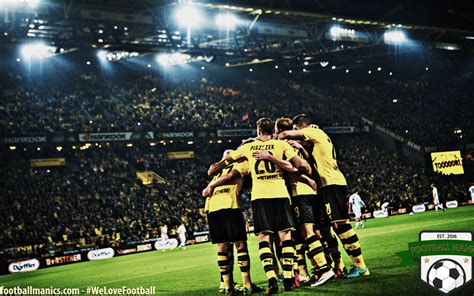
The subsequent seasons saw City consistently qualify for the UCL but often fall short in the knockout stages. In the 2012-13 season, they were placed in another "Group of Death" alongside Real Madrid, borussia dortmund, and Ajax. Finishing bottom of the group with just three points, City's performance was a stark reminder of the gulf between domestic success and European competitiveness. This was a period when City's table standings were symptomatic of a squad not yet fully attuned to the tactical nuances of European play, particularly against teams adept at exploiting transitional moments. Their inability to secure home wins against top-tier opponents like Dortmund and Madrid underscored a defensive vulnerability and a lack of a clear game plan for high-stakes European matches.
However, by the mid-2010s, under Manuel Pellegrini, there were signs of improvement. In the 2013-14 season, City advanced to the round of 16 for the first time, finishing second in their group behind Bayern Munich. Their table standings improved as they accumulated 15 points, including a memorable 3-2 win at the Allianz Arena. This season marked a turning point, as City began to show glimpses of their potential to compete with Europe's elite. Yet, their round of 16 exit to Barcelona revealed that while they were closing the gap, they were not yet equipped to challenge the very best in a two-legged tie. The table standings from this era reflect a team in transition—capable of strong group-stage performances but still lacking the consistency and tactical nous required in the later stages.
The arrival of Pep Guardiola in 2016 ushered in a new era for Manchester City in the UCL. Guardiola's emphasis on possession-based football and high pressing demanded a cultural shift within the squad. Initially, this transition was rocky, as seen in the 2016-17 season when City narrowly advanced from their group in second place behind Barcelona, finishing with 9 points. Their table position in this season was unconvincing, with draws against Celtic and a loss to Monaco in the round of 16 signaling that the team was still finding its European identity under the new manager. However, Guardiola's long-term vision began to take shape in the following seasons.
The 2017-18 campaign saw City top their group with 15 points, including a resounding 4-0 victory over Feyenoord. They advanced to the quarter-finals, where they were narrowly defeated by Liverpool. This season's table standings were a clear improvement, but the knockout-stage exit highlighted a lingering issue: City's susceptibility to high-intensity pressing teams in Europe. Guardiola's insistence on maintaining a high defensive line and playing out from the back was occasionally exploited by opponents who could transition quickly. Nevertheless, their group-stage dominance was a sign of growing maturity in the competition.
The 2018-19 season marked City's most convincing group-stage performance to date, as they topped their group with 13 points, including a perfect record at home. Advancing to the quarter-finals, they were again undone by Tottenham in a dramatic tie that showcased both their attacking brilliance and defensive frailties. By this point, City's table standings were no longer a reflection of a team struggling to find its footing but rather of a side that was consistently among the top performers in the group stage. However, their inability to progress deeper into the tournament raised questions about mental fortitude and tactical flexibility in high-pressure scenarios.
The turning point came in the 2020-21 season, when City reached their first-ever UCL final. Their table standings in the group stage were impeccable, as they won five of six matches, amassing 16 points and conceding only one goal. This defensive solidity was a departure from earlier seasons and demonstrated Guardiola's evolving approach to European football. The team's progression through the knockout stages, including dominant performances against Borussia Mönchengladbach, Borussia Dortmund, and Paris Saint-Germain, showcased a more balanced and resilient City side. Although they fell short in the final against Chelsea, their table standings and overall performance in that campaign signaled that they had finally arrived as genuine UCL contenders.
In recent seasons, City's table standings have reflected their status as one of Europe's most consistent teams. The 2021-22 season saw them top their group with 12 points, and they advanced to the semi-finals before being eliminated by Real Madrid in a dramatic tie. The 2022-23 season brought their crowning achievement: winning the UCL for the first time. Their group-stage dominance, with 14 points and a +12 goal difference, set the stage for a deep run that culminated in victory over Inter Milan in the final. This achievement was the culmination of years of investment, tactical evolution, and squad development.
Examining City's historical table standings reveals a clear trajectory of growth. Early struggles in the group stage and round of 16 gave way to consistent group-topping performances and, eventually, deep runs in the competition. A comparison of their points tally over the years shows a steady increase, from the modest totals of their early campaigns to the impressive hauls under Guardiola. Furthermore, their improved defensive records in recent seasons—a critical factor in UCL success—highlight how City has addressed weaknesses that once hindered them.
Another insight from their table standings is the role of seeding and draw luck. In their earlier years, City often found themselves in challenging groups, which tested their mettle but also exposed their inexperience. As the club's UEFA coefficient improved, they began to receive more favorable draws, which allowed them to build momentum in the group stage. However, this should not detract from their on-field progress; even with favorable draws, City has consistently delivered results that reflect their growth as a European powerhouse.
- City's debut UCL season in 2011-12 saw them finish third in their group, a sign of initial struggles.
- By the mid-2010s, they began advancing to the knockout stages but often faltered against top-tier opponents.
- Under Guardiola, their table standings improved significantly, with group-stage dominance becoming a hallmark.
- The 2020-21 season marked their first UCL final appearance, a watershed moment in their European journey.
- In 2022-23, they won the tournament, cementing their place among Europe's elite.
In conclusion, Manchester City's historical UCL table standings tell a story of evolution. From early missteps to recent triumphs, their progression reflects not only the quality of their squad and management but also their ability to learn from past shortcomings. Their table positions over the years serve as a barometer of their growth, illustrating how they have transitioned from a team finding its way in Europe to one that now sets the standard in the competition.
Group Stage Breakdown: Manchester City in 2023/24
The 2023/24 UEFA Champions League (UCL) group stage saw Manchester City, the reigning champions, enter as one of the tournament's heavyweights. Their participation in Group G, alongside RB Leipzig, Red Star Belgrade, and Young Boys, was anticipated to be a relatively straightforward journey for Pep Guardiola's side. However, the group stage is never without its challenges, and City's campaign offered a mix of dominant displays, moments of resilience, and intriguing tactical shifts. This breakdown examines their performance in detail, focusing on matches, points accumulation, and key results that defined their progression to the knockout stages.
Manchester City began their group stage campaign with a home fixture against Red Star Belgrade. On paper, this seemed like an ideal opening match for the Citizens, given Red Star's status as the perceived weakest team in the group. However, the match unfolded in unexpected ways. City dominated possession and created numerous chances but found themselves trailing 1-0 at halftime due to a well-taken counterattacking goal by Red Star. This highlighted one of City's occasional vulnerabilities—their tendency to overcommit in attack and leave spaces behind their high defensive line. The second half, however, was a different story. City rallied with goals from Julián Álvarez and Rodri, eventually securing a 3-1 win. This match was significant not only for the result but for the test of character it posed. It served as a reminder that even against lesser-ranked opponents, complacency can be costly.
The second match saw City travel to Germany to face RB Leipzig, a team that had proven to be a thorn in their side in previous UCL encounters. Leipzig's high-pressing style and dynamic midfield often trouble possession-heavy teams like City. This game was no exception. Leipzig's aggressive approach forced City into uncharacteristic errors, particularly in midfield, where the absence of a fully fit Kevin De Bruyne was felt. Despite this, City managed to secure a 3-1 victory, with Erling Haaland netting a brace. The Norwegian striker's ability to find space in tight areas and convert half-chances was a recurring theme throughout the group stage. This win underlined City's adaptability—they were able to grind out a result even when not at their fluid best.
The away fixture against Young Boys in Bern presented unique challenges. The artificial pitch at the Wankdorf Stadium is notorious for disrupting the rhythm of teams accustomed to natural grass. Guardiola acknowledged this in pre-match comments, emphasizing the need for adaptability. City's performance was not as dominant as their previous outings, but they still managed a comfortable 3-0 win. Haaland was again on the scoresheet, demonstrating his reliability in front of goal. What stood out in this match was City's defensive solidity. They limited Young Boys to just a handful of half-chances, with Rúben Dias and Manuel Akanji marshaling the backline effectively. This result pushed City to 9 points from 3 games, firmly establishing them as group leaders.
The return fixture against Young Boys at the Etihad Stadium was perhaps the most straightforward of City's group stage matches. Guardiola used this opportunity to rotate his squad slightly, giving minutes to fringe players while still fielding a strong starting XI. The result was a resounding 4-0 victory, with Haaland scoring twice and Álvarez adding another. This match also showcased City's depth, as players like Phil Foden and Jérémy Doku stepped up with impactful performances. The win brought City to 12 points, mathematically close to securing qualification for the knockout stages.
The most intriguing fixture of the group stage was the away match against RB Leipzig in November. By this point, Leipzig had shown they were not to be taken lightly, having secured a win against Young Boys and a draw against Red Star. City's approach in this game was noticeably cautious, with Guardiola opting for a slightly more conservative setup to counter Leipzig's high-energy style. The match ended in a 1-1 draw, with Josko Gvardiol, a former Leipzig player now at City, scoring for the visitors. Leipzig's equalizer came from a set-piece, exposing a rare weakness in City's otherwise well-organized defense. This result highlighted the fine margins in the UCL, where even a team of City's caliber can struggle against well-drilled opposition.
The final group stage match against RB Leipzig at the Etihad was a dead rubber for City, as they had already secured top spot in the group. Guardiola used this opportunity to experiment with his lineup, giving extended minutes to younger players like Rico Lewis and Oscar Bobb. Despite the rotated squad, City delivered a professional performance, winning 2-0. This result was less about the scoreline and more about the tactical flexibility Guardiola demonstrated. He deployed a hybrid formation that blended elements of a back three and a midfield diamond, offering a glimpse into potential strategies for the knockout stages.
Across the six matches, Manchester City amassed 16 points, with 5 wins, 1 draw, and no losses. Their goal difference of +13 was among the best in the tournament, reflecting both their attacking prowess and defensive stability. A closer look at the points breakdown reveals some interesting trends. City scored 17 goals, averaging nearly 3 goals per game, with Haaland contributing 5 of those. This underscores his importance as a focal point in City's attack. Additionally, their defensive record was impressive, conceding only 4 goals across the group stage. This balance between attack and defense is a hallmark of Guardiola's system.
Key results in the group stage also shed light on City's ability to manage different types of games. Their comeback win against Red Star showcased resilience, while their controlled performance against Young Boys on the artificial pitch highlighted adaptability. The draw against Leipzig, although not ideal, demonstrated that City can navigate tricky away fixtures without losing their composure. These varied performances suggest that City is well-equipped to handle the unpredictability of knockout football.
Another noteworthy aspect of City's group stage campaign was the emergence of young talents and the integration of new signings. Players like Doku and Gvardiol, both summer acquisitions, made significant contributions. Doku's direct dribbling and ability to stretch defenses added a new dimension to City's attack, while Gvardiol's composure on the ball and defensive awareness strengthened their backline. This bodes well for City's long-term ambitions in the competition.
In summary, Manchester City's 2023/24 UCL group stage was a masterclass in consistency and tactical flexibility. They navigated a group that, while not the most challenging on paper, presented enough variety in opposition styles to test their mettle. Their ability to secure results in diverse circumstances—whether through dominant displays or gritty comebacks—reinforces their status as one of the favorites to lift the trophy. As they advance to the knockout stages, the lessons learned and the momentum gained from this group stage will undoubtedly serve them well.
Comparative Analysis: Manchester City vs. Top UCL Contenders
The UEFA Champions League (UCL) is a battleground where the finest football clubs in Europe vie for supremacy. Manchester City, under the tactical genius of Pep Guardiola, has established itself as a perennial contender in recent years. However, to truly understand their position in the UCL hierarchy, it is essential to compare their table standings and performance metrics against other top contenders such as Bayern Munich, Real Madrid, and Paris Saint-Germain (PSG). This comparative analysis delves into key statistical and positional differentiators to assess how Manchester City stacks up against these powerhouses.
To begin with, table position in the UCL group stage and knockout rounds often serves as a proxy for a team's dominance. In the 2022/23 season, Manchester City topped their group with 14 points (4 wins, 2 draws, 0 losses), a performance mirrored by Bayern Munich in their group. However, what stands out is the goal difference. While City scored 14 goals and conceded 2, Bayern achieved a staggering 18 goals for and only 2 against. This highlights a slight edge for Bayern in offensive output, even though both teams were equally imperious defensively. Real Madrid, on the other hand, finished second in their group with 13 points, slightly behind City’s tally, but their knack for thriving in knockout scenarios often overshadows early-stage metrics. PSG, despite boasting a star-studded lineup, finished their group with 14 points as well but had a less impressive goal difference of +6, indicative of defensive vulnerabilities compared to City and Bayern.
When we shift focus to the knockout stage progression, Manchester City's journey often contrasts with the inconsistency of their rivals. In the 2022/23 campaign, City reached the final, losing to Real Madrid in a tightly contested match. Their path included decisive victories over clubs like Atlético Madrid and a semifinal triumph over PSG. This demonstrates City's ability to maintain consistency across multiple rounds, a trait not always evident in PSG’s campaigns. For instance, PSG has exited at the Round of 16 or earlier in several recent seasons despite topping their group. Bayern Munich, by contrast, has shown similar knockout-stage resilience, often reaching the semifinals or beyond. However, their 2022/23 exit in the quarterfinals to Villarreal was a surprising stumble, underscoring that even top teams are not immune to upsets. Real Madrid, the eventual champions, displayed their trademark "comeback kings" persona, overturning deficits against Chelsea and Manchester City in dramatic fashion. This suggests that while City's table position and group-stage performance are strong, their knockout-stage efficiency still lags slightly behind Real Madrid's unparalleled experience in high-pressure scenarios.
A deeper dive into underlying statistics reveals fascinating insights. Manchester City’s possession-based style often results in high possession percentages and pass completion rates. In the 2022/23 UCL, they averaged 65% possession and a pass accuracy of 89%, both top-tier metrics. However, Bayern Munich outperformed them in shots per game (20.3 compared to City’s 18.1) and expected goals (xG) per match (2.7 vs. 2.4). This indicates that while City controls games effectively, Bayern’s more direct approach often yields higher-quality chances. Real Madrid, despite lower possession averages (around 55%), compensates with clinical finishing, as evidenced by their higher shot-conversion rate (14% compared to City’s 12%). PSG, meanwhile, exhibits a mixed bag—high xG (2.6 per game) but a tendency to concede goals in critical moments, as seen in their Round of 16 exit against Real Madrid in previous campaigns. These statistics suggest that while Manchester City is a possession juggernaut, they can improve in converting dominance into more clinical outcomes, particularly against defensively organized teams.
Another critical dimension is the head-to-head performance of Manchester City against these clubs in recent UCL campaigns. Against Bayern Munich, City has had mixed results in friendly and group-stage encounters, often playing out high-scoring draws or narrow victories. However, their direct confrontations with Real Madrid in knockout stages have been some of the most enthralling matches in recent UCL history. The 2022 semifinal, where Real Madrid overturned a first-leg deficit with late goals, exposed City’s occasional vulnerability under pressure. PSG, meanwhile, has struggled against City in their recent meetings, particularly in the 2020/21 semifinals, where City’s tactical discipline nullified PSG’s attacking threats. This head-to-head data underscores City’s growing stature but also highlights their need to overcome psychological and tactical barriers against serial winners like Real Madrid.
The squad depth and player contributions further illuminate the comparison. Manchester City’s UCL campaigns are often driven by collective brilliance rather than reliance on a single star player. For instance, in the 2022/23 season, their goals were spread across players like Riyad Mahrez, Kevin De Bruyne, and new signing Erling Haaland, who made an immediate impact with his prolific scoring. In contrast, Bayern Munich leans heavily on Robert Lewandowski (before his move to Barcelona) and now Sadio Mané for goal-scoring output. Real Madrid’s reliance on Karim Benzema and Vinícius Júnior is well-documented, but their midfield trio of Modrić, Kroos, and Casemiro provides unparalleled stability. PSG, despite having Neymar, Mbappé, and Messi, often suffers from a lack of midfield control in high-intensity UCL games, a stark contrast to City’s well-rounded squad.
A less-discussed aspect is the managerial influence on table positions and performance. Pep Guardiola’s meticulous planning has made Manchester City a machine in the group stages, but his over-tinkering in knockout games has occasionally backfired—as seen in the 2022 semifinal against Real Madrid. Bayern’s managers, whether Hansi Flick or Julian Nagelsmann, have emphasized high-pressing football, which can be both a strength and a vulnerability against counterattacking teams. Real Madrid’s Carlo Ancelotti excels in man-management and adapting to in-game scenarios, a key reason for their UCL success. PSG, under various managers, has often struggled to instill a cohesive system that balances their attacking riches with defensive solidity.
Finally, historical trends provide context for these comparisons. Manchester City’s recent UCL table positions and performances show a steady upward trajectory, from group-stage exits in the early 2010s to consistent semifinal and final appearances in the last five years. Bayern Munich has maintained a near-perfect group-stage record for almost a decade, a testament to their dominance. Real Madrid, with their 14 UCL titles, remains the gold standard in Europe, often punching above their weight in the knockout stages. PSG, despite their financial muscle, has yet to translate group-stage superiority into a UCL trophy, a gap that City is also striving to bridge.
In conclusion, Manchester City’s UCL table position and statistics place them firmly among Europe’s elite, but subtle gaps—such as knockout-stage efficiency, clinical finishing, and psychological resilience—separate them from the very top tier occupied by Real Madrid and, to a lesser extent, Bayern Munich. PSG, while statistically competitive, lags in structural cohesion. For City to ascend to undisputed UCL dominance, they must not only maintain their table-topping consistency but also refine their approach to high-stakes matches against Europe’s most decorated clubs.
Impact of Squad Depth on UCL Table Rankings
Manchester City's dominance in the UEFA Champions League (UCL) table in recent years can be attributed to several factors, but one of the most critical elements is their exceptional **squad depth**. In a competition as grueling as the UCL, where matches are often played in quick succession amidst a packed domestic schedule, the ability to rotate players without a significant drop in performance is a game-changer. This section explores how Manchester City's squad rotation and depth have directly influenced their table standings in the UCL, offering unique insights into their strategic approach.
One of the most apparent advantages of Manchester City's squad depth is their ability to **maintain consistency across all competitions**. Unlike many clubs that prioritize either domestic titles or European glory, City has consistently fielded strong teams in both arenas. This is made possible by their deep bench, which includes world-class players in nearly every position. For instance, in the 2022-2023 season, when they clinched the UCL title, manager Pep Guardiola was able to rotate players like Rúben Dias, John Stones, and Aymeric Laporte in defense while still maintaining a solid backline. This flexibility allowed key players to rest during less critical group-stage matches or when facing relatively weaker opponents, preserving their energy for high-stakes knockout games.
The strategic use of rotation is particularly evident in **midfield**, where City boasts an embarrassment of riches. Players such as Kevin De Bruyne, Rodri, and Bernardo Silva are often considered irreplaceable, yet Guardiola has successfully integrated squad players like Kalvin Phillips and Cole Palmer into the rotation. This approach not only keeps the starting XI fresh but also ensures that younger or less-utilized players gain valuable experience in high-pressure UCL environments. A deeper look at the data shows that City's midfielders collectively covered more ground per game than most other UCL teams during their title-winning campaign. This statistic underscores how the rotation policy helps maintain high energy levels, which are crucial for pressing and ball retention—two hallmarks of Guardiola's tactical system.
Another dimension of squad depth's impact on UCL table standings is its role in **injury management**. The UCL often exposes teams to a higher risk of injuries due to the physical intensity of matches and the travel involved. Manchester City's ability to seamlessly replace injured players without disrupting their rhythm is a testament to their depth. For example, during the 2021-2022 season, when Ferran Torres was sidelined with an injury, Phil Foden and Jack Grealish stepped into attacking roles with minimal disruption. Similarly, the presence of versatile players like Ilkay Gündogan—who can operate as a midfielder or a false nine—provides Guardiola with the flexibility to adjust formations based on the opponent or the situation. This adaptability has often allowed City to secure points in the group stage even when faced with unexpected challenges, such as injuries to star players or a congested fixture list.
The UCL table standings are also shaped by how teams perform in **away games**, where the pressure and environment can be particularly challenging. Manchester City's squad depth has proven instrumental in securing positive results on the road. In the 2022-2023 season, for instance, City won critical away matches against teams like RB Leipzig and Sevilla by fielding rotated squads. This strategy not only conserved the energy of key starters but also exposed opponents to a level of unpredictability. Opposing teams often prepare extensively for City's first-choice lineup, but when rotated players like Julián Álvarez or Sergio Gómez are introduced, it forces them to adapt on the fly. This unpredictability has often given City an edge in away fixtures, helping them secure higher points in the group stage and better seeding for the knockout rounds.
An often-overlooked aspect of squad depth is its psychological impact on the team. When players know they are part of a system where their contributions are valued—even if they are not starters—it fosters a sense of **team cohesion and competition**. This is particularly evident in how Manchester City's squad players perform when called upon. For example, Riyad Mahrez was often used as a rotational option in UCL group-stage games but delivered critical goals, such as his match-winning performance against Paris Saint-Germain in the 2021-2022 campaign. This dynamic creates a virtuous cycle: players are motivated to perform at their best because they see opportunities to contribute meaningfully, even if they are not guaranteed a starting spot. As a result, City's UCL table standings are bolstered not just by their star players but also by the consistent output of their rotational options.
It is also worth considering how Manchester City's **recruitment strategy** supports their squad depth. The club has invested heavily in acquiring players who fit Guardiola's system and can slot into multiple roles. For instance, the signing of Erling Haaland added a lethal finisher to their attack, but the presence of Álvarez as a secondary striker ensured that the team could rotate its forward line without losing firepower. Similarly, the versatility of players like João Cancelo—who can play as both a fullback and a midfielder—allows Guardiola to experiment with formations and player positions without compromising quality. This adaptability is a direct result of having a squad built not just for star power but for functional versatility.
However, the influence of squad depth on UCL table standings is not without its challenges. One potential downside is the risk of **disjointed performances** when too many changes are made to the starting lineup. Guardiola has occasionally faced criticism for over-rotating in group-stage games, leading to unexpected draws or losses against teams that City were expected to dominate. For example, in the 2021-2022 group stage, a heavily rotated side drew against Club Brugge, a result that could have been avoided with a stronger lineup. These moments highlight the fine line Guardiola must walk between resting players and maintaining momentum in the UCL table. Nevertheless, the overall trend suggests that the benefits of rotation far outweigh the occasional misstep.
In summary, Manchester City's squad depth is a cornerstone of their success in the UCL table rankings. It enables them to compete on multiple fronts, manage injuries effectively, and adapt to the physical and tactical demands of European football. Their ability to rotate players while maintaining high performance levels is a testament to both their recruitment strategy and Guardiola's tactical acumen. As the UCL continues to evolve into a competition where endurance and adaptability are as important as individual brilliance, City's depth will likely remain a key factor in their quest for sustained European dominance.
- Squad rotation helps maintain energy levels and prevents burnout.
- Versatile players allow tactical flexibility in various scenarios.
- Injury management is streamlined by having capable backups in every position.
- Psychological benefits of squad depth foster competition and cohesion.
These factors collectively demonstrate how Manchester City's approach to squad management has not only elevated their UCL table standings but also set a benchmark for how modern football clubs can navigate the demands of elite European competition.
Tactical Strategies Behind UCL Table Success
Manchester City's consistent performance in the UEFA Champions League (UCL) table under Pep Guardiola has been a subject of fascination for football analysts and fans alike. This success is not merely a result of individual brilliance or financial investment but is deeply rooted in the tactical strategies employed by Guardiola. These strategies are a blend of innovative positional play, adaptive game management, and a clear emphasis on controlling key phases of the match. By dissecting these elements, we can better understand how Manchester City's table success in the UCL is shaped.
One of the most striking aspects of Guardiola's approach is his commitment to **positional play**, a philosophy that prioritizes maintaining numerical superiority in key areas of the pitch. This system requires players to constantly adjust their positions to create passing triangles and diamonds, ensuring that the team can circulate the ball efficiently while minimizing the risk of turnovers. In the UCL, where the opposition often employs a low block or counterattacking strategy, this approach is critical. For instance, in matches against defensively compact teams like Atlético Madrid or Paris Saint-Germain, Guardiola has instructed his fullbacks to invert into midfield. This not only overloads the central areas but also stretches the opposition horizontally, creating gaps for City's forwards to exploit. The tactical nuance here lies in how players like João Cancelo or Kyle Walker adapt their roles—sometimes functioning as auxiliary midfielders rather than traditional fullbacks—to maintain fluidity in attack while retaining defensive solidity.
Another key element is **midfield control**, which Guardiola views as the foundation of his team's success. In the UCL, where matches are often decided by fine margins, controlling the midfield allows City to dictate the tempo and limit the opposition's opportunities to launch attacks. The use of a double pivot, often featuring players like Rodri and İlkay Gündoğan, has been a hallmark of Guardiola's UCL campaigns. Rodri, in particular, has been instrumental in this setup, acting as the anchor who not only shields the defense but also initiates attacks with precise vertical passes. This midfield control is complemented by the advanced playmaking of Kevin De Bruyne, whose ability to find runners in behind the defense or deliver incisive through balls ensures that City can transition from defense to attack with lethal efficiency. A prime example of this was seen in City's 2022/23 UCL campaign, where their ability to sustain possession in the middle third against Bayern Munich and Real Madrid allowed them to wear down their opponents over 90 minutes.
Guardiola's tactical flexibility is also evident in his **game-state management**. Unlike some managers who stick rigidly to a pre-determined plan, Guardiola is known for making in-game adjustments based on the flow of the match. For example, when City face teams that sit deep and deny space in behind, he often introduces false nine dynamics, as seen with Bernardo Silva or Phil Foden dropping into midfield to draw out defenders. This movement creates confusion in the opposition's defensive structure, opening up space for wingers like Riyad Mahrez or Jack Grealish to cut inside. Conversely, when City are leading in the latter stages of a UCL match, Guardiola often shifts to a more conservative approach, asking his wingers to track back and support the fullbacks. This adaptability has been a decisive factor in City's ability to see out close games, such as their 2021 semifinal victory over PSG, where they nullified Kylian Mbappé and Neymar by adjusting their pressing triggers and defensive line height in the second half.
Another aspect worth exploring is Guardiola's emphasis on **high pressing and counterpressing**. In the UCL, where the quality of opposition means that any mistake can be punished, City's ability to win the ball back quickly after losing it has been a defining feature. Guardiola's teams are trained to press in coordinated waves, with forwards like Erling Haaland and Julian Álvarez leading the press while midfielders close down passing lanes. This approach not only disrupts the opposition's buildup play but also creates turnover opportunities in dangerous areas. A notable example was City's 2020/21 quarterfinal against Borussia Dortmund, where their high press forced errors from Dortmund's backline, leading to goals. However, Guardiola also recognizes when to temper the press—against technically adept teams like Barcelona or Bayern, he sometimes opts for a mid-block to conserve energy and avoid being exposed on the counter.
The role of **individual player versatility** cannot be overstated in Guardiola's UCL success. Manchester City's squad is filled with players who can perform multiple roles within the system. For instance, Oleksandr Zinchenko, during his time at City, often operated as an inverted fullback who could transition into central midfield. Similarly, players like Bernardo Silva have been deployed in central midfield, on the wing, or even as a false nine depending on the tactical needs of the game. This versatility allows Guardiola to tweak his system without making wholesale changes to the lineup, a luxury that few other managers enjoy in the high-stakes environment of the UCL.
It is also worth noting how Guardiola uses **set pieces** as a tactical tool in the UCL. While City are often associated with free-flowing, possession-based football, their set-piece efficiency has quietly become a weapon in tight games. Guardiola employs set-piece specialists like De Bruyne to deliver pinpoint crosses, while the aerial presence of players like Rúben Dias and Nathan Aké ensures that City pose a threat from corners and free kicks. This was evident in their 2022/23 campaign, where set-piece goals proved crucial in breaking down stubborn defenses in the group stage.
Finally, Guardiola's focus on **psychological preparation** is an often-overlooked aspect of his UCL success. The Champions League is as much a mental battle as it is a physical and tactical one, and Guardiola places significant emphasis on ensuring his players are mentally resilient. This is evident in how City approach high-pressure knockout games, where the margin for error is minimal. Guardiola's ability to instill belief in his squad—whether through meticulous video analysis, motivational talks, or emphasizing the collective over the individual—has played a role in City's improved UCL performances in recent years. Their comeback victories and ability to maintain composure in tense situations, such as their 2022/23 final run, are testaments to this mental fortitude.
In conclusion, the tactical strategies behind Manchester City's UCL table success under Pep Guardiola are a blend of positional innovation, midfield dominance, adaptability, and psychological preparation. These elements work in harmony to create a team that is not only dominant in domestic competitions but also increasingly formidable on the European stage. While the road to UCL glory has had its challenges, Guardiola's nuanced approach ensures that City remain a team built not just for short-term success but for sustained excellence in Europe's most prestigious club competition.
Challenges and Obstacles in Maintaining Top Table Position
Maintaining a top position in the UEFA Champions League (UCL) table is a complex and demanding task for any football club, and Manchester City is no exception. Despite their dominance in domestic competitions and recent UCL triumphs, the path to sustaining their table rank is fraught with challenges that test the squad's depth, strategy, and resilience. This section delves into the specific obstacles City faces, including injuries, fixture congestion, and the quality of their opponents, and how these factors can influence their standing in the UCL table.

One of the most significant challenges for Manchester City is injuries to key players. In a competition as physically and mentally demanding as the UCL, the absence of pivotal figures can severely impact performance. For instance, a player like Kevin De Bruyne, whose creative output and ability to unlock defenses is unmatched, becomes indispensable in high-stakes matches. When he suffered a long-term injury earlier in the season, City's midfield dynamics were visibly affected. While the squad boasts talented replacements like Phil Foden and Bernardo Silva, the loss of a player of De Bruyne's caliber often forces tactical adjustments that might not yield the same fluidity. Similarly, defensive stalwarts such as Ruben Dias or John Stones are critical to City's ability to maintain clean sheets. Injuries in the backline can expose vulnerabilities, especially against top-tier UCL opponents who thrive on exploiting even the smallest defensive lapses. The squad's reliance on a core group of players means that injuries not only disrupt individual performances but also strain the cohesion of the team as a whole.
Another major obstacle is fixture congestion, a perennial issue for top-tier clubs competing on multiple fronts. Manchester City's participation in the Premier League, domestic cups, and the UCL creates a packed schedule that can lead to player fatigue and diminished performance. The UCL group stage alone requires six matches in a compressed timeframe, often sandwiched between crucial Premier League fixtures. For example, a midweek UCL match followed by a high-intensity derby or a game against another "Big Six" opponent in the league can stretch the squad thin. Pep Guardiola has often rotated his squad to mitigate this issue, but rotation comes with its own risks—less experienced players may struggle to adapt to the UCL's intensity, and even minor drops in performance can result in dropped points. Moreover, the physical toll of playing two or three matches in a week can increase the likelihood of injuries, compounding the earlier challenge. This issue is exacerbated when City progresses deeper into the tournament, where knockout rounds demand peak physical and mental conditioning. Unlike domestic leagues, where a cushion of points might exist, UCL matches are often do-or-die, leaving little room for error or recovery time.
The third major challenge is the quality of opponents Manchester City faces in the UCL. Unlike the Premier League, where City has established a clear dominance in recent years, the UCL pits them against Europe's elite clubs, each with their own unique strengths and tactical setups. Teams like Real Madrid, Bayern Munich, and Paris Saint-Germain are not only technically gifted but also possess a winning mentality honed through years of UCL success. These clubs often have players who thrive under pressure and managers who are adept at devising strategies to neutralize City's possession-based style. For instance, Real Madrid's ability to absorb pressure and hit on the counter has been a thorn in City's side in past campaigns. Similarly, Bayern Munich's high-pressing game can disrupt City's build-up play, while PSG's attacking trident can exploit even the most organized defenses. The unpredictability of these matchups means that City must constantly adapt their approach. Unlike domestic opponents who may sit back and defend deep, UCL opponents are often more proactive, which requires City to demonstrate versatility in their tactics. Guardiola's tendency to overthink big games has been criticized in the past, and while his tactical innovations have often paid off, there have been instances where they backfired, such as in the 2021 final against Chelsea.
An often-overlooked aspect of maintaining a top table position is psychological pressure. As a team expected to perform at the highest level consistently, Manchester City carries the weight of immense expectations. This pressure can manifest in various ways—players may feel the need to overperform, leading to unforced errors, or they may succumb to moments of complacency against supposedly "weaker" teams in the group stage. A draw or loss in the early stages of the UCL can create a sense of urgency that might not have existed otherwise, potentially leading to riskier play in subsequent matches. Furthermore, the psychological toll of past near-misses, such as their narrow defeats in earlier UCL finals or semifinals, can linger in the minds of players and fans alike. This "championship hangover" effect, particularly for a team that has recently won the trophy, can subconsciously affect their drive to replicate that success.
Additionally, external factors such as VAR decisions, travel logistics, and even weather conditions can play a role in City's table rank. UCL matches often involve long-haul travel to countries in Eastern Europe or Southern Europe, which can disrupt training schedules and player recovery. Adverse weather conditions, such as heavy rain or extreme cold in away fixtures, can also impact the style of play City is accustomed to. While these factors might seem minor compared to injuries or opponent quality, they can accumulate and create additional hurdles, particularly when combined with other challenges.
Fixture congestion also ties into the broader issue of squad depth and rotation. While Manchester City has one of the most talented squads in Europe, their bench is not infinite. Guardiola often relies on a core group of 14-16 players for critical matches, which can lead to burnout over the course of a season. The UCL's knockout stages often coincide with the business end of domestic competitions, where every point and goal matters. This overlap forces Guardiola to make difficult decisions about whether to prioritize one competition over another. For example, fielding a full-strength team in a UCL match might mean resting key players for a league game, potentially jeopardizing their position in both competitions. The lack of a clear "second string" team that can reliably deliver results in UCL matches is a luxury few clubs can afford, and City is no exception.
Finally, strategic evolution of opponents must be considered. As City has grown into a European powerhouse, their opponents have studied their gameplay in detail. Many teams now adopt specific game plans to counter City's possession-heavy, high-pressing style. This includes tactics like parking the bus, employing a low block, or using aggressive man-marking to stifle City's creative players. The UCL is a stage where innovation thrives, and managers of opposing teams often save their most experimental or disruptive strategies for matches against top teams like City. This dynamic creates a constant arms race where City must not only maintain their level of play but also anticipate and counteract the evolving strategies of their rivals.
In summary, Manchester City's quest to maintain a top position in the UCL table is a multi-faceted challenge. From managing injuries and navigating fixture congestion to outwitting strong opponents and coping with external pressures, the club must exhibit exceptional adaptability and resilience. While their resources and talent pool give them a strong foundation, the UCL remains an unforgiving arena where even the smallest misstep can have significant consequences. Addressing these challenges requires not just tactical brilliance from Guardiola but also a collective effort from the squad to rise above the obstacles that come their way.
Fan and Media Perception of Manchester City's UCL Table Performance
The perception of Manchester City's performance in the UEFA Champions League (UCL) table is a multifaceted subject that intertwines fan sentiment, media narratives, and the club's broader historical context in European football. As one of the most dominant teams in the English Premier League over the past decade, Manchester City's UCL table position often carries a weight of expectation that surpasses mere qualification or progression. This section delves into how fans and media interpret and discuss City's standing in the UCL table, focusing on the nuances of their reactions, the role of external pressures, and the influence of past successes or failures.
From a fan perspective, Manchester City supporters tend to view the UCL table as a barometer of the team's potential to finally "conquer Europe." This perception is rooted in the club's relative underperformance in the competition compared to their domestic dominance. Despite winning multiple Premier League titles and other domestic trophies under managers like Pep Guardiola, the Champions League trophy has eluded them. Fans often scrutinize City's position in the group stage or knockout phase table with a mix of hope and anxiety. For instance, when City tops their group with a near-perfect record, fans celebrate this as a sign of the team's readiness to compete at the highest level. However, even a single unexpected draw or loss can trigger waves of concern among the fanbase, as every point feels critical in their quest to assert themselves as legitimate European contenders.
This dynamic is amplified by the "bottle job" narrative that has occasionally surrounded Manchester City in the UCL. The media, particularly in the UK, has been quick to frame any slip-up—whether a surprising defeat or a less-than-ideal draw—as evidence of City's inability to handle the pressure of European competition. This is despite the fact that the UCL table often reflects a team's performance over a small sample size of games, where variance and external factors like referee decisions, injuries, or even weather conditions can play a significant role. Fans, therefore, find themselves in a perpetual state of defending their team's position against what they perceive as an unfair or exaggerated critique. Social media platforms like Twitter and Reddit are rife with debates where City fans push back against pundits or rival fans who suggest that their table position is indicative of deeper flaws in the team's mentality or tactical approach.
The media, on the other hand, often frames Manchester City's UCL table performance through the lens of expectation versus reality. Given the club's financial investment and the world-class squad at their disposal, there is an implicit assumption that City should not just qualify from their group or secure a high position in the table, but do so with ease. This creates a dichotomy in media coverage: when City performs well, the narrative often shifts to how this is "what they are supposed to do" rather than a genuine achievement. Conversely, any stumble is magnified, with analysts dissecting every aspect of the team's play, from individual player performances to Guardiola's tactical decisions. This creates a somewhat paradoxical situation where City's successes are downplayed as routine, while their failures are blown out of proportion as indicative of deeper issues.
One noteworthy aspect of this dynamic is how the media often compares Manchester City's UCL table performance to that of other elite clubs like Real Madrid, Bayern Munich, or Liverpool. These comparisons are not merely about points or group standings but are laden with historical weight. For example, when City finishes second in their group behind a team like Paris Saint-Germain, the media narrative may emphasize how this could lead to a tougher draw in the knockout stages, subtly reinforcing the idea that City is still "learning" how to navigate the competition. This is in stark contrast to how perennial winners like Real Madrid are discussed; even when they struggle in the group stage, their history of UCL success often leads to a more forgiving or even romanticized narrative about their ability to "turn it on" when it matters most. This discrepancy in how City's table position is interpreted can frustrate fans, who feel their team is held to a higher standard than others.
Another layer to this discussion is the role of historical baggage in shaping perceptions. Manchester City's relatively recent rise to prominence in European football means that their UCL table position is often viewed through the prism of their "new money" status. Unlike clubs with decades of European pedigree, City is still building its legacy in the UCL. This can lead to a more polarized discussion in the media, where some outlets frame their table position as a sign of progress and growth, while others use it to question whether the club has truly "arrived" on the European stage. Fans, aware of this backdrop, often adopt a defensive stance, emphasizing the strides City has made in recent years, such as reaching the final in 2021 and consistently making deep runs in the tournament. However, even among the fanbase, there is a segment that internalizes the criticism, expressing frustration at what they see as City's inability to "dominate" the UCL table in the same way they do the premier league table.
The intersection of fan and media narratives is perhaps most visible during the knockout stages of the competition. When City secures a favorable position in the UCL table—such as winning their group—the media often shifts its focus to how this positions them for a deep run in the tournament. However, this optimism is frequently tempered by reminders of past disappointments, such as their losses to Monaco in 2017 or Lyon in 2020. Fans, too, oscillate between confidence and caution during this period. A strong table position might be celebrated, but it is often accompanied by a collective sense of dread about potential knockout-stage opponents or the specter of another "what if" scenario. This interplay between hope and skepticism is a hallmark of how City's UCL table performance is discussed, reflecting the emotional rollercoaster that comes with supporting a team that has so much to prove in Europe.
It is also worth noting how data-driven analysis has influenced the way both fans and media interpret City's UCL table position. With the rise of advanced metrics and statistical models, there is now a more granular way to assess a team's performance beyond just points or goal difference. For instance, expected goals (xG), possession dominance, and defensive solidity are often used to justify or question City's table position. Fans who are inclined toward analytics might argue that City's underlying numbers suggest they are performing better than their table position indicates, especially if they have faced tough opponents or been unlucky in key moments. Media outlets that embrace this approach may offer a more nuanced take, but the broader discourse still tends to default to more traditional, results-oriented narratives.
In conclusion, the perception of Manchester City's UCL table performance is shaped by a complex interplay of fan emotions, media framing, and the club's own history in the competition. Fans view the table as a reflection of their team's European ambitions, while the media often uses it as a tool to reinforce existing narratives about City's place in the football hierarchy. Whether through the lens of expectation, historical context, or advanced analytics, the discussion around City's position in the UCL table is anything but straightforward, reflecting the high stakes and intense scrutiny that come with competing at the pinnacle of European football.
Conclusion: The Future of Manchester City in the UCL Table
The future of Manchester City in the UEFA Champions League (UCL) table hinges on a combination of strategic planning, player development, and tactical evolution. As one of the most dominant forces in European football, Manchester City has consistently performed well in domestic leagues, but their UCL campaigns have often been marked by near-misses or underwhelming exits. To maintain or improve their position in future UCL campaigns, the club must address several key areas with precision and foresight.
One of the most critical factors for Manchester City is **squad depth and player rotation.** The UCL is a grueling competition that demands peak physical and mental performance over an extended period. Injuries, fatigue, and fixture congestion often take a toll on even the best teams. Manchester City has a deep squad, but the challenge lies in ensuring that rotational players are not just backups but contributors who can step up in high-pressure situations. For example, during their 2022-2023 UCL-winning campaign, players like Julián Álvarez and Riyad Mahrez provided crucial goals and assists when the usual starters were rotated or rested. The club must continue to invest in versatile players who can adapt to multiple positions and systems. This approach not only keeps the squad fresh but also allows for tactical flexibility in knockout stages where opponents often deploy highly specific game plans to neutralize City’s strengths.
Another area of focus is **tactical innovation.** Pep Guardiola’s philosophy has been both a strength and a weakness for Manchester City in the UCL. While his intricate passing systems and high-pressing style have brought them success, they have also been exploited by teams that sit deep and counterattack effectively. Teams like Lyon in 2020 and Real Madrid in 2022 exposed vulnerabilities in City’s high defensive line and over-reliance on positional play. To counter this, Guardiola and his coaching staff must evolve their approach. This could mean adopting more pragmatic systems in certain matches, particularly away games in the knockout stages. For instance, incorporating a low-block defensive strategy when necessary or emphasizing quick transitions rather than prolonged possession could provide an edge against teams that thrive on absorbing pressure. Tactical flexibility will be key to overcoming the varied challenges posed by European opponents.
The **psychological aspect of UCL success** is another dimension Manchester City must prioritize. Despite their domestic dominance, the club has occasionally shown signs of mental fragility in critical UCL moments. The 2021 final loss to Chelsea and the dramatic semifinal exit against Real Madrid in 2022 are examples where City seemed to falter under pressure. To address this, the club must foster a culture of resilience and mental toughness. This can be achieved through targeted sports psychology programs, simulated high-pressure training scenarios, and drawing on the experience of players who have succeeded in UCL finals, such as Erling Haaland and Kevin De Bruyne. Additionally, Guardiola himself must manage the psychological narrative around the team. His tendency to overthink lineup choices in big games has been a point of criticism. Simplifying his approach and instilling confidence in his players rather than experimenting excessively could help the team perform with clarity and purpose in high-stakes matches.
A related aspect is **youth development and integration.** Manchester City’s academy has produced talented players like Phil Foden, but the club must ensure a steady pipeline of young talent ready to step into the first team. The UCL often rewards teams with a blend of experience and youthful energy. Investing in youth not only provides long-term sustainability but also injects unpredictability into City’s play. Young players are less likely to be "figured out" by opponents who have studied the senior squad extensively. Furthermore, promoting youth players can create a sense of loyalty and identity within the squad, which is vital for long-term success in European competitions.
The **financial and transfer strategy** of the club also plays a pivotal role. While Manchester City has the financial backing of the City Football Group, they must navigate the increasingly stringent Financial Fair Play (FFP) regulations. This means that future signings must be both impactful and cost-effective. Rather than pursuing blockbuster signings for the sake of market presence, the club should target players who fit specific needs. For instance, investing in a world-class defensive midfielder to complement Rodri or a versatile full-back to provide cover for Kyle Walker and João Cancelo (if he returns to form) could shore up weaknesses that have been exposed in past UCL campaigns. Additionally, the club should prioritize players with UCL experience, as their familiarity with the competition’s unique pressures can be invaluable.
Another area of improvement is **set-piece efficiency.** While Manchester City is renowned for their fluid open-play attacks, their set-piece performance in the UCL has often been underwhelming. In a competition where matches can be decided by the finest margins, set pieces can provide a significant advantage. Investing in set-piece specialists—both in terms of coaching and player recruitment—could give City an edge. For example, teams like Liverpool have used set pieces effectively to gain an upper hand in tightly contested UCL matches. Manchester City should consider this as a low-hanging fruit for improvement.
Lastly, Manchester City must **embrace the broader ecosystem of European football.** This includes building strong relationships with other clubs for potential collaborations, such as loan deals for young talent or shared scouting networks. Additionally, the club should analyze the trends in European football more closely. For instance, the rising prominence of teams from smaller leagues, such as Red Bull Salzburg or Ajax, shows that innovation and youth-focused strategies can unsettle even the biggest clubs. By staying ahead of these trends and adapting their approach, Manchester City can position themselves as not just a dominant team but a forward-thinking one.
In conclusion, Manchester City’s future in the UCL table will depend on their ability to balance short-term success with long-term sustainability. This requires a holistic approach that includes tactical evolution, squad depth management, psychological resilience, and strategic investments. While the club has the resources and talent to remain a top contender, the margin for error in the UCL is razor-thin. By addressing these areas with precision and adaptability, Manchester City can not only maintain their position but also solidify their legacy as one of the greatest teams in UCL history.