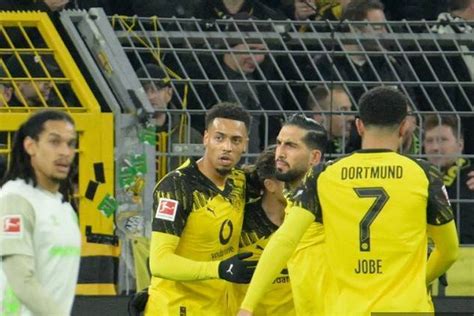
Introduction to Bundesliga Betting
The Bundesliga, Germany's top-tier football league, is one of the most electrifying and competitive football leagues in Europe. Its popularity as a betting market is rooted in a combination of factors that make it both accessible and intriguing for punters worldwide. To understand why Bundesliga betting has become such a prominent niche, we must delve into the league's structure, its global appeal, and the dynamics that influence betting patterns.
One of the primary reasons for the Bundesliga's prominence in the betting world is its **consistent high-scoring nature**. Compared to other top European leagues like the Premier League or Serie A, the Bundesliga often sees a higher average of goals per game. For instance, in recent seasons, the average goals per match in the Bundesliga has hovered around 3.0, significantly higher than the 2.7 or 2.8 seen in other leagues. This makes it a haven for **over/under goal bets**, a popular market among bettors. The attacking ethos of many Bundesliga teams, combined with relatively weaker defensive setups in mid-table clubs, creates an environment where matches are more likely to produce goal-heavy outcomes. This dynamic not only attracts casual bettors looking for excitement but also seasoned punters who analyze goal trends to find value bets.
Another factor contributing to the Bundesliga's betting appeal is the **competitive balance within the league**, despite the dominance of Bayern Munich. While Bayern has clinched the title for over a decade, the battle for European spots and survival in the lower half of the table is often fiercely contested. Teams like borussia dortmund, RB Leipzig, and Bayer Leverkusen regularly challenge for top positions, while clubs in the mid-table and relegation zone experience frequent turnover. This **parity among non-favorites** creates opportunities for value betting, particularly in match result markets or handicap betting. For example, a team like Union Berlin or Freiburg might overperform against higher-ranked opponents due to their tactical setups or home-field advantages, offering odds that reflect underestimation by bookmakers.
The **global visibility of the Bundesliga** also plays a pivotal role in its betting popularity. The league has secured lucrative broadcasting deals, ensuring matches are aired across Europe, Asia, and the Americas. This widespread exposure means that bettors from diverse regions are familiar with the league's teams, players, and playing styles. For instance, the rise of young talents like Jude Bellingham (formerly of Dortmund) or Florian Wirtz (Bayer Leverkusen) has drawn attention not just from football fans but also from bettors who track **player-specific performance markets** such as anytime goalscorer or assists. The visibility of these players in international tournaments like the UEFA Champions League further amplifies the Bundesliga's relevance as a betting market.
The **predictability versus unpredictability balance** in the Bundesliga also makes it a fascinating case study for bettors. On one hand, Bayern Munich's dominance means that outright winner markets are often less lucrative for long-term bets—their odds to win the league are typically very short. However, this predictability is offset by the **volatility in individual match outcomes**, especially when Bayern faces determined underdogs or when mid-table teams clash. A classic example is the "Klassiker" between Bayern and Dortmund, where the emotional stakes and high-profile nature of the fixture often lead to unexpected results or high-scoring thrillers. Bettors who focus on **in-play betting** can exploit these fluctuations, leveraging live data such as possession stats, shots on target, or momentum shifts to place informed wagers.
Additionally, the **availability of detailed statistics and analytics** has transformed Bundesliga betting into a more data-driven endeavor. Modern betting platforms provide punters with access to advanced metrics such as expected goals (xG), defensive vulnerabilities, and player heatmaps. These tools allow bettors to move beyond surface-level analysis and identify trends that might not be immediately apparent. For example, a team with a high xG but poor finishing might indicate an opportunity to bet on **correct score markets** or **half-time/full-time results** where odds are more favorable. This analytical depth appeals to a growing segment of punters who approach betting as a blend of sport and strategy rather than mere chance.
The Bundesliga also benefits from its **calendar alignment with other major leagues**, particularly in Europe. Running from August to May, it overlaps with the Premier League, La Liga, and Serie A, making it part of a **combinatorial betting ecosystem**. Punters often include Bundesliga matches in **accumulators** or **parlay bets** alongside fixtures from other leagues. This interconnectivity increases its appeal, as bettors can diversify their portfolios while still focusing on a league that offers distinct characteristics compared to its counterparts.
Another unique aspect of Bundesliga betting is the **influence of fan culture and stadium atmospheres**. German football is renowned for its vibrant fan bases and high average attendance rates, which can create a palpable home-field advantage. Teams like Borussia Mönchengladbach or FC Köln often perform better at home due to the energy of their supporters, a factor that informed bettors consider when placing **home win bets**. Conversely, the absence of fans during pandemic-affected seasons highlighted how much this dynamic could sway outcomes, offering lessons for future betting strategies.
From a **regulatory perspective**, Germany's evolving gambling laws have also shaped the Bundesliga betting landscape. The introduction of the Interstate Treaty on Gambling in 2021 brought more structured oversight to sports betting in the country, which has indirectly boosted the league's credibility as a betting market. Licensed operators now provide more transparent odds and safer platforms, encouraging both local and international bettors to engage with Bundesliga matches.
Finally, the **psychological aspect of Bundesliga betting** deserves mention. The league's matches are often characterized by high-intensity play and emotional narratives, such as relegation battles or derby matches (e.g., the Revierderby between Dortmund and Schalke). These factors can influence team performances in ways that are not immediately quantifiable but are significant for bettors who incorporate **contextual analysis** into their strategies. For instance, a team fighting to avoid relegation might show unexpected resilience against a top-six side, creating opportunities for **value bets** on double chance or draw no bet markets.
- The Bundesliga's high-scoring nature supports goal-focused betting markets.
- Competitive balance outside the top spot offers value in match result bets.
- Global exposure and young talent visibility attract diverse bettors.
- Data-driven tools enhance the depth of betting strategies.
- Home-field advantages tied to fan culture add unique dynamics.
In summary, the Bundesliga stands out as a betting market due to its blend of predictability in long-term outcomes (like Bayern's dominance) and volatility in short-term match results. Its global appeal, enriched by high-scoring games, vibrant fan culture, and advanced analytics, creates a multi-faceted environment for bettors. Whether you are a casual punter or a seasoned strategist, understanding these dynamics can help you navigate the Bundesliga betting landscape with greater confidence and insight.
Understanding Bundesliga Team Performance Metrics
When it comes to making informed Bundesliga betting tips, understanding team performance metrics is a cornerstone of strategic wagering. These metrics offer a quantitative and qualitative lens through which bettors can evaluate a team's potential to win, draw, or lose in a given match. While surface-level statistics like total points or league position are helpful, digging deeper into specific performance indicators can reveal patterns and trends that are often overlooked by casual bettors.
One of the most critical metrics to analyze is goals scored and conceded. Goals are the ultimate determinant of match outcomes, and understanding a team's offensive and defensive capabilities can provide a clear picture of their competitive edge. For instance, a team like Bayern Munich consistently leads the Bundesliga in goals scored due to their high-powered attack, featuring players such as Harry Kane or Serge Gnabry. This makes them a strong candidate for over 2.5 goals markets or even handicap betting when facing weaker defensive teams. However, it is equally important to look at goals conceded. A team with a high goal-scoring record but a porous defense, such as Borussia Mönchengladbach in recent seasons, may be prone to both high-scoring victories and unexpected losses. This duality affects betting strategies, particularly in markets like "both teams to score" (BTTS) or Asian handicaps.
Another vital aspect is recent form. Form refers to a team's performance over their last 5-10 matches, often categorized as wins, draws, and losses. However, form analysis should not stop at the binary outcome of matches. Bettors should examine the context of those results. For example, a team might have won three of their last five matches, but if those victories came against relegation-threatened sides while the losses were against top-four contenders, their form might be less impressive than it initially seems. Similarly, consider the venue of these matches. Bundesliga teams often perform differently at home versus away. Teams like Freiburg tend to have a strong home record but struggle on the road, which can skew their overall form. Bettors should prioritize home/away splits when assessing form, as this can drastically alter the probability of success in specific betting markets.
Head-to-head records between teams are another layer of insight often underutilized in betting strategies. While current form and general statistics are important, the historical dynamics between two teams can provide unique predictive value. For example, historical rivalries such as Dortmund vs. Schalke (the Revierderby) often produce results that defy current form. Schalke, even when struggling near the bottom of the table, has occasionally pulled off draws or narrow victories against a superior Dortmund side due to the heightened motivation and psychological edge in such fixtures. Analyzing head-to-head data can also uncover stylistic mismatches. A team like RB Leipzig, known for their high-pressing system, might consistently struggle against possession-heavy teams like Bayern Munich because their aggressive approach leaves them vulnerable to quick counterattacks. These nuances are not always reflected in broad performance metrics but can be goldmines for sharp bettors.
Beyond these core metrics, player availability and injuries must also factor into performance evaluation. A team’s goal-scoring prowess might plummet if their star striker, such as Niclas Füllkrug for Werder Bremen, is sidelined. Similarly, defensive solidity can be compromised if a key center-back like Matthijs de Ligt for Bayern is unavailable. Bettors should not only track injury reports but also assess how teams adapt to these absences. Some teams, like Union Berlin in their rise to prominence, have shown resilience even when key players are out, while others, such as VfB Stuttgart in past seasons, have crumbled under similar circumstances. Monitoring squad depth and how a team's bench players perform when called upon can offer a significant edge in understanding how injuries might influence match outcomes.
Another often-ignored metric is expected goals (xG) and expected goals against (xGA). These advanced statistics provide a more nuanced view of a team's performance by measuring the quality of chances created and conceded. A team might have a middling goal tally but an excellent xG, indicating that their finishing has been subpar despite creating high-quality opportunities. This could signal an upcoming surge in form if their attackers regain confidence. Conversely, a team with a low xGA but a high number of goals conceded might be suffering from goalkeeper errors or defensive lapses that are not sustainable over the long term. For instance, if a team like Mainz has an xGA of 1.2 but is conceding 2 goals per game, it suggests that their defensive issues might be more about execution than systemic weakness, making them a risky bet in markets favoring clean sheets.
Seasonal trends and scheduling dynamics also play a role in understanding team performance. The Bundesliga schedule is grueling, with teams participating in domestic cups and European competitions. Fatigue can set in during congested periods, particularly for teams like Eintracht Frankfurt or Freiburg, who often balance Europa League or Conference League fixtures alongside their league commitments. This can lead to dips in performance, especially in away matches or against physically intense opponents. Bettors should monitor fixture congestion and assess whether a team is likely to rotate its squad, which can lead to unpredictable results. For example, a top team resting key players before a Champions League match might underperform in a league fixture, creating value in betting on their underdog opponents.
Finally, psychological factors such as managerial changes, relegation battles, or title races can heavily influence performance metrics. A team fighting to avoid relegation, like Hertha BSC in recent years, often shows improved defensive solidity or increased goal-scoring effort in the latter stages of the season. On the other hand, teams safely positioned in mid-table with little to play for might exhibit reduced motivation, leading to inconsistent results. Monitoring managerial tactics is also critical. A new manager might implement a more defensive system, reducing a team’s goals-per-game average but improving their clean sheet potential. For instance, when Edin Terzić returned to manage Borussia Dortmund, the team showed a marked improvement in defensive organization, which directly impacted their under/over goals market outcomes.
In summary, analyzing Bundesliga team performance metrics requires a multi-faceted approach. Bettors should not rely solely on surface-level data like league position or total points but should instead dive into goals, form, head-to-head records, player availability, advanced statistics like xG, and external factors such as scheduling and psychological dynamics. By synthesizing these elements, bettors can make more informed decisions, identifying value in markets that casual punters might overlook. This comprehensive approach not only enhances the potential for successful wagers but also deepens one’s understanding of the intricate dynamics that drive the Bundesliga’s competitive landscape.
Key Betting Markets in Bundesliga
The Bundesliga is one of Europe's most exciting football leagues, offering a dynamic blend of high-scoring matches, tactical battles, and individual brilliance. For bettors, this presents a wealth of opportunities across various betting markets. Understanding the key betting markets in the Bundesliga is essential for crafting informed strategies and maximizing potential returns. Below, we delve into the most prominent options—match winner, over/under goals, and player props—exploring their nuances and how they can be approached effectively.
The match winner market is the most straightforward and widely used betting option in the Bundesliga. Here, bettors predict which team will win a specific match or if the game will end in a draw. While this market may seem simple, it involves careful analysis of team form, head-to-head records, and contextual factors like injuries, suspensions, and even weather conditions. For instance, Bayern Munich, as a perennial title contender, often has short odds for a win in their home matches. However, savvy bettors look beyond the favorites and explore value in matches involving mid-table or relegation-threatened teams.
One unique insight in this market is the home advantage factor in the Bundesliga. Unlike some other leagues where away teams have become increasingly competitive, German stadiums are known for their vociferous crowds, which can significantly influence outcomes. Teams like Borussia Dortmund at Signal Iduna Park or RB Leipzig at Red Bull Arena often perform markedly better at home. Analyzing the home-away split of a team’s recent results can uncover opportunities where bookmakers may have underestimated the impact of home support.
Another layer of complexity in the match winner market is the derby effect. Matches like the Revierderby (Schalke vs. Dortmund) or the Bavarian derby (Bayern vs. Nürnberg) often defy form guides due to the heightened emotional stakes. Bettors should consider the psychological aspect of these fixtures, as underdogs frequently punch above their weight in such high-pressure environments. This makes the double chance bet (e.g., backing the underdog to win or draw) a potentially valuable strategy in derby scenarios.
The over/under goals market is another cornerstone of Bundesliga betting. This market revolves around predicting whether the total number of goals in a match will be over or under a specified threshold, usually set at 2.5 goals. The Bundesliga is renowned for its attacking style of play, with an average of around 3 goals per game in recent seasons. This makes the over 2.5 goals bet a popular choice among punters.
However, this market is not as simple as following averages. A deeper analysis reveals that certain teams consistently contribute to high-scoring games due to their offensive-minded tactics or defensive vulnerabilities. For example, teams like Bayern Munich and Borussia Dortmund prioritize attacking play, often leaving spaces at the back that can be exploited. On the other hand, teams like Union Berlin or Freiburg may adopt a more conservative approach, particularly against stronger opposition, leading to lower-scoring games.
To refine predictions in this market, bettors should examine team-specific goal trends. For instance, are both teams involved in matches where both sides score (BTTS) frequently? Or do they have a habit of keeping clean sheets? Additionally, the timing of goals is a critical factor. Some Bundesliga teams are notorious for starting games slowly but finishing strongly, while others may score early but struggle to maintain intensity. Studying goal time distributions for teams can help identify patterns that align with over/under thresholds.

Another tactic is to consider contextual game scenarios. For example, matches involving teams fighting relegation often see increased defensive discipline, potentially leading to under 2.5 goals. Conversely, end-of-season matches where goals are needed to secure European qualification or avoid the drop can result in frenetic, high-scoring affairs. These nuances make the over/under goals market both challenging and rewarding for bettors willing to invest in detailed research.
The player props market offers a more granular approach to Bundesliga betting, focusing on individual player performances rather than team outcomes. Common player prop bets include goal scorers, assists, shots on target, and even player-specific cards or tackles. This market has grown in popularity as data availability and analytics tools have improved, enabling bettors to make highly specific predictions.
One of the most popular player prop bets is first goal scorer, where bettors predict which player will open the scoring. Bundesliga superstars like Robert Lewandowski (now in other leagues but exemplifying the trend) or younger talents like Jude Bellingham (during his time at Dortmund) often dominate this market. However, value can be found in less obvious choices. For example, set-piece specialists or defenders who are strong in aerial duels can offer good odds for scoring from corners or free kicks. Monitoring team lineups and set-piece takers before a match can provide an edge in this area.
Another intriguing player prop is the shots on target market. This bet focuses on how many of a player’s attempts will be on target, regardless of whether they result in goals. Players like Leroy Sané or Serge Gnabry, known for their shooting accuracy, are often good candidates for this bet. However, bettors should also consider opposition defensive styles. A team that employs a deep defensive block may limit the number of shooting opportunities for attacking players, making this market more unpredictable in such scenarios.
The cards and tackles prop market is often overlooked but can be highly profitable for those who study player behavior. Certain players, particularly combative midfielders or fullbacks, are more prone to receiving yellow cards due to their aggressive style of play. For instance, players like Joshua Kimmich or Gladbach’s Christoph Kramer are often involved in physical battles that increase their card risk. Additionally, analyzing referee tendencies can provide useful insights—some referees are more lenient, while others are quick to brandish cards, which can influence prop bet outcomes.
A unique angle in player props is the substitute impact. In the Bundesliga, substitutes often play a significant role, particularly in high-intensity matches where fresh legs can change the game. Betting on a substitute to score or assist can yield high returns, especially if the player is known for making immediate impacts (e.g., coming off the bench to exploit tired defenses).
In conclusion, the Bundesliga offers a rich variety of betting markets that cater to different strategies and risk appetites. The match winner market rewards those who can analyze team dynamics and external factors, while the over/under goals market benefits from a focus on team trends and game scenarios. Meanwhile, the player props market allows for highly personalized bets that can exploit specific player strengths or weaknesses. By understanding these markets in depth and incorporating unique insights like home advantage, derby psychology, and player-specific tendencies, bettors can approach Bundesliga betting with greater confidence and precision.
The Role of Historical Data in Betting
Historical data plays a pivotal role in formulating Bundesliga betting tips, as it offers a treasure trove of insights into team performance, player dynamics, and match outcomes. By analyzing past seasons, bettors can identify trends and patterns that often repeat themselves due to the inherent nature of the league's structure, team strategies, and even cultural influences within German football. This section delves into how historical data can be leveraged effectively to make informed predictions for current Bundesliga matches.
One of the most significant ways historical data informs betting is through team performance consistency. The Bundesliga is known for its competitive nature, but certain teams have shown remarkable consistency over the years. For example, Bayern Munich has dominated the league for the past decade, winning the title in 11 consecutive seasons (as of 2024). This streak is not merely coincidental but rooted in the club's financial power, squad depth, and tactical superiority. Bettors who analyze such dominance can confidently predict Bayern's likelihood of winning matches, especially against mid- or lower-table teams. However, historical data also reveals nuances—Bayern's occasional struggles in away games during the winter months or after Champions League fixtures, for instance. These patterns can guide bettors to avoid blanket assumptions and instead focus on specific match contexts.
Another critical aspect of historical data is the home and away performance disparity. Bundesliga teams often exhibit stark differences in their performance at home versus away. For instance, Borussia Dortmund has historically been a fortress at Signal Iduna Park, with their passionate "Yellow Wall" crowd creating an intimidating atmosphere for visiting teams. Historical data shows that Dortmund has one of the highest home win percentages in the league. However, their away record often lags behind, particularly when playing against defensively organized teams like Mainz or Freiburg. By studying such patterns, bettors can weigh the importance of venue when placing bets. Similarly, newly promoted teams often struggle in their first season, particularly in away games, due to the heightened competition and pressure. Historical trends of promoted teams' first-year performances can serve as a reliable indicator for predicting underdog scenarios.
Seasonal trends also play a role in shaping goal-scoring patterns. The Bundesliga is one of Europe's highest-scoring leagues, with an average of over 3 goals per game in recent seasons. Historical data reveals that certain teams consistently contribute to this trend—RB Leipzig and Bayer Leverkusen, for example, are known for their attacking styles and high-scoring matches. Conversely, teams like Augsburg or Arminia Bielefeld (in their time in the league) often adopt a more defensive approach, leading to lower-scoring games. Analyzing the average goals per game for specific teams across past seasons can help bettors decide on over/under markets. For instance, if historical data shows that matches involving a particular team frequently end with over 2.5 goals, this trend can inform a bettor's strategy for similar fixtures in the current season.
The impact of managerial changes is another area where historical data proves invaluable. The Bundesliga has seen its fair share of mid-season managerial shifts, and these changes often disrupt team dynamics. Historical patterns suggest that teams undergoing a managerial change in the first half of the season tend to experience a dip in form initially before stabilizing. For example, when Adi Hütter took over at Borussia Mönchengladbach in 2021, the team's performance was erratic in the first few matches under his leadership. Bettors who tracked such historical trends could have anticipated short-term instability and adjusted their bets accordingly. Additionally, some managers have a track record of improving team performance over time—Julian Nagelsmann's tenure at both Hoffenheim and RB Leipzig demonstrated a pattern of gradual improvement in defensive solidity and attacking efficiency. Recognizing such managerial impacts through historical data can help bettors predict mid- to long-term team trajectories.
Injury and squad rotation patterns are often overlooked but are deeply rooted in historical data. Bundesliga teams, like any other, face injury crises or rotation needs due to fixture congestion. Historical analysis of how teams perform during periods of key player absences can be a goldmine for bettors. For instance, Bayern Munich's reliance on Robert Lewandowski in past seasons was evident in their dip in form whenever he was injured. Similarly, Dortmund's dependence on Erling Haaland (before his move to Manchester City) was reflected in their lower win rates during his injury spells. Bettors who study these patterns can identify opportunities to bet against heavily favored teams when their star players are unavailable.
Another fascinating application of historical data is in understanding head-to-head matchups. Certain teams in the Bundesliga have long-standing rivalries or peculiar dynamics that influence match outcomes regardless of current form. For example, the "Revierderby" between Schalke 04 and Borussia Dortmund often produces unpredictable results, with underdogs frequently upsetting favorites due to the emotional intensity of the fixture. Historical data on such matchups can reveal trends like higher yellow card counts, more goals in the second half, or a propensity for draws. These insights allow bettors to explore markets beyond simple match winners, such as total cards, halftime results, or both teams to score (BTTS).
The role of scheduling and fatigue is another dimension where historical data is instructive. The Bundesliga calendar often overlaps with European competitions and domestic cup fixtures, leading to congested schedules for top teams. Historical data shows that teams like Bayern Munich and Borussia Dortmund, who regularly participate in the Champions League, often experience fatigue-induced dips in domestic performance during midweek matches. This trend is particularly noticeable in December and January, when the Bundesliga's winter break looms, and teams are stretched thin. Bettors who account for these scheduling challenges can find value in betting on underdogs or predicting lower-intensity performances from top teams.
Finally, long-term league dynamics are shaped by historical data. The Bundesliga has seen a gradual increase in the competitiveness of mid-table teams over the past decade. While the top spots are often dominated by Bayern, Dortmund, and Leipzig, teams like Union Berlin and Freiburg have shown remarkable improvement in recent years, challenging the status quo. Historical data on team budgets, youth academy outputs, and tactical innovations can help bettors spot rising teams early. For instance, Union Berlin's ascent to the top four in recent seasons was preceded by steady improvements in defensive organization and set-piece efficiency—trends visible in their data from previous campaigns.
In conclusion, historical data is not just a repository of past results but a predictive tool that can uncover actionable insights for Bundesliga betting. By analyzing team performance consistency, home/away disparities, goal-scoring trends, managerial impacts, injury patterns, head-to-head dynamics, and scheduling challenges, bettors can move beyond superficial observations and make data-driven decisions. However, it is essential to combine this data with real-time updates, such as current form and injury news, to ensure a holistic approach. Historical data provides the foundation, but its true value lies in how it is contextualized within the ever-evolving landscape of the Bundesliga.
Leveraging Odds and Bookmaker Insights
Understanding how to interpret odds, identify value bets, and choose reliable bookmakers is a critical aspect of successful Bundesliga betting. These elements form the backbone of informed wagering, allowing bettors to make calculated decisions rather than relying on guesswork or emotion. This section delves into the intricacies of leveraging odds and bookmaker insights to maximize your chances of success in Bundesliga betting.
To begin with, interpreting odds is the first step in any betting strategy. Odds are essentially a reflection of the probability of a particular outcome as determined by bookmakers. In the Bundesliga, odds are presented in various formats such as decimal, fractional, or American. For instance, if Bayern Munich is listed at 1.50 in decimal odds to win a match, this implies a 66.67% probability of victory (calculated as 1/odds). However, it is important to note that odds are not just about probabilities—they also incorporate the bookmaker's margin, often referred to as the "vig" or "overround." This margin ensures that bookmakers remain profitable regardless of the outcome. A smart bettor must learn to account for this margin when assessing odds. For example, if the combined probabilities of all possible outcomes in a match exceed 100%, this indicates the bookmaker's edge. Tools like an odds converter or an overround calculator can help you identify how much value is being offered relative to the true probability of an event.
The concept of value bets is closely tied to understanding odds. A value bet occurs when you believe the probability of an outcome is greater than what the odds suggest. For instance, if you estimate that Borussia Dortmund has a 50% chance of winning their next match, but the bookmaker offers odds of 2.10 (implying a 47.62% probability), this represents a value bet. The key to identifying value lies in your ability to assess the likelihood of outcomes more accurately than the bookmaker. This requires a combination of data analysis, historical performance review, and an understanding of team dynamics. Advanced bettors often use predictive models that factor in variables like team form, injuries, head-to-head records, and even weather conditions. For example, if RB Leipzig is playing at home against a mid-table team and their home win rate is 70%, but the odds offered are 1.90 (implying only a 52.63% probability), this could signal a value opportunity. However, it is crucial to avoid "trap bets" where odds seem too good to be true—these often indicate that bookmakers are aware of information you might be overlooking, such as a key player being injured or suspended.
Another way to identify value is to monitor line movements. Odds are dynamic and can shift based on betting volume, team news, or other external factors. For example, if the odds for a Werder Bremen win open at 3.00 but drop to 2.50 closer to the match, this could indicate heavy betting action on Bremen or new information favoring them. Observing these shifts can provide insights into where the "smart money" is going. However, it is equally important to avoid chasing odds blindly—sometimes, a dropping odd might simply be a result of public overreaction rather than genuine value.
Choosing a reliable bookmaker is just as important as understanding odds and value bets. The Bundesliga betting market is saturated with options, ranging from traditional bookmakers to newer online platforms. A reliable bookmaker should offer competitive odds, a wide variety of betting markets (e.g., match winner, over/under goals, both teams to score), and a user-friendly interface. Additionally, look for bookmakers that provide features like live betting, cash-out options, and detailed match statistics. These tools can enhance your betting experience and allow for more dynamic decision-making.
One aspect often overlooked is the reputation and licensing of the bookmaker. Ensure that the platform is licensed by a reputable authority such as the UK Gambling Commission, Malta Gaming Authority, or a similar body. This ensures that your funds are secure and that the bookmaker adheres to fair practices. Reading user reviews and independent assessments can provide valuable insights into a bookmaker's track record. For instance, some platforms are known for limiting winning accounts or offering subpar customer support, which can be frustrating for serious bettors. On the other hand, bookmakers with a strong reputation often provide better odds consistency and more transparent policies.
Another critical factor is the promotional offers provided by bookmakers. Many platforms offer welcome bonuses, free bets, or enhanced odds for Bundesliga matches. While these can be tempting, it is essential to read the terms and conditions carefully. Some bonuses come with high wagering requirements or restrictions on eligible markets, which might limit their usefulness. A good practice is to compare offers across multiple bookmakers and prioritize those that align with your betting strategy. For example, if you prefer placing accumulator bets, look for bookmakers that offer acca insurance or boosted returns on multi-leg wagers.
In addition to reliability, odds comparison is a tool that can significantly improve your betting outcomes. Different bookmakers often offer slightly different odds for the same event. Using odds comparison websites or apps allows you to quickly identify which platform is offering the best value for your chosen bet. For example, if one bookmaker offers 2.00 for a Mainz win while another offers 2.10, the latter provides better value. Over time, these small differences can add up and significantly impact your overall profitability.
Finally, bankroll management plays a role in how you leverage bookmaker insights. Even with the best odds and value bets, poor money management can lead to losses. A common strategy is to bet a consistent percentage of your bankroll (e.g., 2-5%) on each wager, adjusting as your bankroll grows or shrinks. This approach helps mitigate risks and ensures longevity in your betting endeavors. Reliable bookmakers often provide tools to track your betting history, which can be a useful resource for evaluating your performance and refining your strategy.

In conclusion, leveraging odds and bookmaker insights requires a blend of analytical skills, market awareness, and disciplined decision-making. By understanding how odds are constructed, identifying value bets through rigorous analysis, and choosing bookmakers that offer competitive features and fair practices, you can position yourself for long-term success in Bundesliga betting. Remember, betting is not just about predicting winners—it is about finding and exploiting inefficiencies in the market to gain an edge.
Injury and Suspension Updates
In the world of Bundesliga betting, understanding the dynamics of player availability due to injuries and suspensions is not merely a helpful strategy—it is a cornerstone of informed wagering. The absence of key players can significantly alter a team's performance, shift match dynamics, and ultimately influence betting outcomes. To maximize the effectiveness of Bundesliga betting tips, it is imperative to delve into how injuries and suspensions impact team strategies, player roles, and overall game results.
At its core, the Bundesliga is a highly competitive league where even the slightest change in team composition can have ripple effects. A team missing its star striker, for example, may struggle to convert scoring opportunities, while the loss of a defensive stalwart can leave gaps that opponents exploit. These scenarios are not abstract—they are quantifiable through historical data and match analysis. Tracking player availability thus becomes a critical aspect of developing actionable betting insights.
Let us begin by examining the impact of injuries on team performance. Injuries are unpredictable and can range from minor knocks that sideline a player for a game or two to season-ending ailments. When a key player is injured, the team often has to adjust its tactics. For instance, if a midfielder like Joshua Kimmich of Bayern Munich is unavailable, the team loses not only a playmaker but also a defensive anchor who facilitates transitions. Kimmich's absence can disrupt the rhythm of Bayern's possession-based style, potentially leading to fewer goals scored or an increased vulnerability to counterattacks. Bettors must assess not only the direct skill gap created by the injured player but also the indirect effects on team cohesion and strategy.
Moreover, the depth of a team’s squad plays a pivotal role in mitigating injury-related setbacks. Top-tier teams like Bayern Munich or Borussia Dortmund often have strong bench strength, which allows them to replace injured players with competent alternatives. However, mid-table or relegation-threatened teams may not have the same luxury. For example, if a team like Augsburg loses its starting goalkeeper due to injury, the replacement might lack the experience or skill to maintain consistent defensive stability. This can lead to higher goal concession rates, which is a critical factor for over/under betting markets. Tracking injury reports and understanding squad depth can thus provide a nuanced edge in predicting match outcomes.
Suspensions, on the other hand, are a more predictable factor since they stem from accumulated yellow cards, red cards, or disciplinary actions. Unlike injuries, suspensions often give teams and bettors advance notice, allowing for strategic adjustments. However, this predictability does not diminish their importance. A suspended player, particularly one in a pivotal role, can leave a void that is challenging to fill. For example, a combative midfielder like Wataru Endo of Stuttgart, known for his ability to break up opposition plays, being suspended can expose his team’s defense to relentless pressure. Similarly, the absence of a target man like Sébastien Haller of Borussia Dortmund can disrupt the attacking flow, especially in set-piece scenarios where his aerial presence is crucial.
The psychological impact of injuries and suspensions on the team should also not be overlooked. When a star player is sidelined, it can demoralize the squad, particularly if the team is heavily reliant on that individual. Conversely, the return of a key player from injury can boost morale and inject new energy into the team. Bettors should consider these psychological aspects when analyzing team form and momentum. For instance, if RB Leipzig is on a winning streak but loses its top scorer due to injury, the psychological blow might stall their momentum despite favorable odds. On the other hand, a team like Mainz, fighting to avoid relegation, might rally around the loss of a key player as a unifying challenge, potentially outperforming expectations in a must-win game.
Another critical dimension is the opponent-specific impact of player availability. Some teams are particularly vulnerable to specific player absences when facing certain opponents. For example, if a high-pressing team like Union Berlin is missing its primary ball-winner in midfield, they might struggle against possession-heavy teams like Bayern Munich. Conversely, if a counterattacking team like Wolfsburg is without its speedy wingers, their ability to exploit space against slower defenses might be compromised. Bettors should analyze head-to-head matchups and consider how injuries or suspensions affect the tactical approach of both teams in a given fixture.
From a betting perspective, injury and suspension data can directly influence odds. Bookmakers are quick to adjust lines when key players are ruled out, but they may not always account for the nuanced impacts discussed above. For instance, if a team’s odds shift significantly due to the absence of a star striker, bettors might overlook the fact that the team’s defensive structure remains intact, potentially making an "under" bet on total goals a smart move. Similarly, if a team is missing a defensive midfielder but the odds favor them heavily, there could be value in betting on the underdog to score, given the likelihood of increased space in midfield.
To effectively leverage injury and suspension updates, bettors should adopt a systematic approach:
- Monitor official team announcements: Clubs often release injury reports and suspension lists ahead of matches. These should be cross-referenced with independent sources to ensure accuracy.
- Analyze historical performance data: Look at how teams have performed in previous matches without specific players. This can reveal patterns, such as a tendency to concede more goals without a particular defender or struggle to score without a key forward.
- Consider the timing of injuries or suspensions: A player ruled out just before a high-stakes match (e.g., a derby or a clash with a title rival) can have a more pronounced impact than during a less critical fixture.
- Evaluate the opponent’s strengths and weaknesses: Assess how the absence of a key player aligns with the opponent’s style of play. For example, a team missing its best defender might struggle against a side with a prolific striker.
Finally, it is worth noting that the modern era of data analytics has made injury and suspension tracking more accessible than ever. Advanced platforms provide detailed player fitness updates, expected return dates, and even predictive models for how teams might perform under specific circumstances. Bettors who integrate these tools into their research can gain a significant edge over those relying solely on surface-level information.
In conclusion, injury and suspension updates are not just peripheral details in Bundesliga betting—they are central to understanding how matches might unfold. By focusing on the direct and indirect effects of player availability, bettors can make more informed decisions, identify value in the odds, and ultimately improve their chances of success. Ignoring this aspect is akin to betting blind—a risk no serious bettor can afford to take.
Psychological Factors in Betting
When it comes to **Bundesliga betting tips**, understanding the psychological factors that influence match outcomes is as critical as analyzing team statistics or player form. While many bettors focus on quantitative data like goals scored, possession percentages, or injury reports, the intangible elements of **team morale**, **derby matches**, and **fan support** often play a decisive role in how games unfold. These factors can tip the balance in tightly contested matches or even lead to unexpected results that defy statistical predictions.
Let’s begin with **team morale**, a factor that is often overlooked but can have profound implications. Morale is shaped by recent results, managerial changes, or even off-field events like contract disputes or rumors of transfers. A team on a winning streak often exudes confidence, which can lead to more aggressive play, better coordination, and higher levels of resilience when facing adversity during a match. For example, a team like Bayern Munich, known for its winning culture, can sometimes turn a losing position into a victory due to the psychological edge instilled by years of success. Conversely, a team struggling with poor form, such as a relegation-threatened side, may enter matches with a sense of dread or resignation. This can manifest in hesitant decision-making, poor defensive organization, or an inability to capitalize on scoring opportunities. Bettors should pay close attention to how a team has performed in its last 3-5 matches, especially against teams of similar caliber, as this can offer clues about their mental state.
Another layer to consider is how **managerial impact** ties into team morale. A new manager can breathe fresh energy into a struggling side, often leading to a short-term "new manager bounce" where players are motivated to prove themselves. This is particularly relevant in the Bundesliga, where mid-season coaching changes are not uncommon. For instance, if a team like VfB Stuttgart appoints a new manager just before a critical match, their performance might exceed expectations due to the psychological lift provided by the change. However, this effect is not always sustainable, so bettors must weigh the short-term boost against the long-term challenges a new manager might face in implementing their system.
Next, we turn to **derby matches**, which are some of the most emotionally charged fixtures in the Bundesliga. Derbies—such as the Revierderby between Borussia Dortmund and Schalke 04 or the Bavarian derby between Bayern Munich and 1860 Munich—carry an intensity that often overrides form and logic. These matches are less about current league standings and more about pride, history, and regional bragging rights. The psychological stakes are amplified because players are acutely aware of the significance these games hold for fans. This often leads to more physical play, higher error rates due to pressure, and a tendency for matches to become end-to-end affairs with unpredictable outcomes. For example, even if Schalke is in the relegation zone and Dortmund is competing for a Champions League spot, the Revierderby can level the playing field because Schalke’s players are driven by the emotional weight of not losing to their arch-rivals. Bettors should note that derbies often see a higher frequency of red cards, penalties, and late goals, as the heightened emotions can lead to rash decisions or inspired comebacks.
Additionally, **home advantage in derbies** is particularly pronounced in the Bundesliga. The vocal support of home fans can act as a twelfth man, pushing players to dig deeper and perform beyond their usual capabilities. However, this dynamic can also backfire if the home team feels the pressure of expectation too acutely. For instance, in a high-stakes derby where the home team is expected to win comfortably, the weight of fan expectations can lead to nervous play, missed chances, or even a collapse under late counterattacks by the away side. Bettors should thus assess not only the **historical head-to-head records in derbies** but also how each team has handled high-pressure situations in recent fixtures.
Finally, **fan support** is a psychological factor that has evolved in interesting ways, particularly in the post-pandemic era. Traditionally, a packed home stadium has been a significant advantage for Bundesliga teams, as the roar of the crowd can intimidate opponents and energize the home side. However, the absence of fans during the pandemic revealed how much some teams relied on this support. For example, teams like Union Berlin, which thrives on its intimate and fervent home atmosphere, saw a noticeable dip in their home form when games were played behind closed doors. This underscores how deeply fan presence can influence player psychology.
In the current context, with stadiums mostly back to full capacity, **fan dynamics** have become even more nuanced. For instance, a team like Hertha Berlin, which has a divided fan base due to recent poor performances and internal club politics, might find its home games more challenging than expected. The boos or muted support from disillusioned fans can demoralize players, leading to subpar performances even against weaker opposition. On the other hand, teams with a strong and unified fan base, such as Borussia Mönchengladbach, often use their home support as a catalyst for comeback victories or resilient defensive stands. Bettors should monitor fan sentiment through social media, recent stadium atmospheres, and even local news reports to gauge how supportive—or hostile—the home crowd might be in a given match.
It is also worth exploring how **away teams handle hostile environments**. Some teams, particularly those with experienced players or strong collective mentalities, can thrive under the pressure of a hostile away crowd. For instance, RB Leipzig has shown an ability to silence hostile crowds in difficult away matches by sticking to their tactical game plan and maintaining composure. This is a psychological trait that bettors should factor into their analysis, especially when an underdog team is playing in a notoriously intimidating venue like Dortmund’s Signal Iduna Park or Frankfurt’s Deutsche Bank Park.
To summarize, psychological factors such as **team morale**, **derby dynamics**, and **fan support** add layers of complexity to Bundesliga betting that cannot be ignored. Bettors who take the time to analyze these elements can gain an edge over those who rely solely on form guides or statistical models. Key strategies include:
- Assessing a team’s recent form and how it correlates with their morale (e.g., winning streaks or slumps).
- Recognizing the unique pressures of derby matches and how they can disrupt form-based predictions.
- Evaluating the role of fan support, both as a home advantage and as a potential source of added pressure.
- Considering how external events (e.g., managerial changes or fan unrest) might influence player psychology.
Incorporating these insights into your betting strategy can help you make more informed decisions, particularly in matches where the psychological landscape might outweigh the statistical one. In the Bundesliga, where passion and unpredictability often reign supreme, understanding these human elements can be the difference between a well-placed bet and a missed opportunity.
Advanced Betting Strategies for Bundesliga
When it comes to **Bundesliga betting**, advanced strategies can significantly enhance your chances of success while minimizing potential losses. While casual bettors may rely on simple win-draw-win predictions, seasoned punters delve deeper into techniques like hedging bets, exploiting live betting opportunities, and maintaining disciplined bankroll management. These approaches require a blend of analytical thinking, real-time decision-making, and strategic foresight. Below, we explore these methods in detail to help you refine your Bundesliga betting approach.
**Hedging Bets: A Risk Mitigation Tool** Hedging is a strategy often overlooked by casual bettors but can be a powerful tool in the Bundesliga market. At its core, hedging involves placing additional wagers to offset potential losses or guarantee a profit regardless of the outcome. For instance, if you placed a pre-match bet on Bayern Munich to win at odds of 1.50 but notice during the match that their opponent, such as Borussia Dortmund, is dominating play, you can place a live bet on Dortmund to win or draw. This creates a scenario where you are covered no matter how the match concludes.
The key to effective hedging lies in **calculating the break-even points** and understanding when to act. For example, if Bayern is leading 1-0 at halftime but Dortmund is applying significant pressure, the live odds for a Dortmund comeback might rise to 3.50 or higher. By placing a small wager on Dortmund at this stage, you reduce your exposure while still retaining the potential to profit from your original bet if Bayern holds on. This approach requires vigilance and access to live betting platforms, but it can be especially useful in high-stakes matches or when unexpected momentum shifts occur.
However, hedging is not without risks. Over-hedging—placing too many counter-bets—can erode your profit margins. It is crucial to strike a balance between risk mitigation and maintaining a reasonable expected value. A good rule of thumb is to hedge only when the potential downside of your original bet outweighs its remaining upside.
**Live Betting Opportunities in the Bundesliga** The dynamic nature of football makes live betting an invaluable tool for Bundesliga enthusiasts. Unlike pre-match markets, live betting allows you to react to in-game events such as injuries, red cards, or shifts in momentum. For example, if a key player like Erling Haaland is substituted early due to injury, the odds for Borussia Dortmund to win may drift significantly. This presents an opportunity for astute bettors to back Dortmund at enhanced odds, especially if the team still has a strong bench or is playing against a weaker opponent.
Another live betting strategy involves **identifying undervalued scenarios**. Bundesliga matches often feature teams with contrasting styles—for instance, a possession-heavy side like RB Leipzig facing a counter-attacking team like Union Berlin. In such cases, early goals can completely alter the dynamic of the game. If Leipzig scores first, the live odds for Union Berlin to win or draw might spike, even though Union’s counter-attacking style could still pose a threat later in the game. By analyzing team strategies and in-game statistics (such as expected goals or possession percentages), you can identify moments where the live odds do not accurately reflect the true probability of an outcome.
Additionally, **corner and card markets** in live betting can offer unique opportunities. Teams like Bayer Leverkusen, known for their aggressive pressing, often rack up corners when chasing a game. Observing their playstyle in real-time can help you place well-timed bets on over/under corner markets. Similarly, matches involving physical teams like Hoffenheim may see an uptick in cards as the game progresses, particularly in high-stakes or derby situations.
**Bankroll Management: The Foundation of Sustainable Betting** No matter how advanced your betting strategies are, they will falter without proper bankroll management. In the context of Bundesliga betting, this means setting clear limits on how much of your bankroll you are willing to stake on any single bet or match. A common approach is the **Kelly Criterion**, which suggests staking a percentage of your bankroll proportional to the perceived value of a bet. For instance, if you believe the true probability of a bet winning is higher than the implied probability of the odds, you can stake more aggressively—but within reason.
A disciplined approach involves **flat betting or proportional staking**. Flat betting means wagering the same amount (e.g., 2-5% of your bankroll) on every bet, regardless of confidence level. Proportional staking, on the other hand, adjusts the stake based on your confidence in the bet’s value. For example, you might stake 5% of your bankroll on a strong value bet (e.g., a team with a high expected goals differential) but only 1% on a speculative longshot.
Another critical aspect of bankroll management is **avoiding emotional betting**. Bundesliga matches can be unpredictable, especially in relegation battles or high-profile rivalries like the Revierderby (Schalke vs. Dortmund). Emotional reactions to a losing streak or a big win can lead to chasing losses or over-staking on perceived "sure things." To counter this, maintain a **betting journal** that logs every wager, its rationale, and the outcome. This practice not only enforces discipline but also helps identify patterns in your decision-making.
**Combining Strategies for Maximum Effect** Advanced Bundesliga betting is not about isolating one strategy but integrating multiple approaches. For instance, you might use hedging to secure profits during a live match while still employing bankroll management principles to ensure you are not over-leveraging. Similarly, live betting can be used to exploit opportunities identified through pre-match analysis, such as a team’s tendency to concede late goals or perform poorly in away fixtures.
To illustrate, consider a scenario where you predict that Augsburg, a defensively solid but low-scoring team, will struggle against a high-pressing side like Borussia Mönchengladbach. Your pre-match analysis suggests Augsburg is likely to concede but might hold on for a draw. You place a small bet on Mönchengladbach to win but also monitor the live market. If Augsburg scores first against the run of play, you can hedge by backing the draw or even a Mönchengladbach comeback, leveraging the inflated odds. This combination of strategies ensures you are not overly exposed to a single outcome while capitalizing on real-time developments.
**Conclusion** Advanced betting strategies for the Bundesliga require a mix of analytical rigor, adaptability, and discipline. Hedging bets provides a safety net in volatile situations, live betting allows you to react to unfolding dynamics, and bankroll management ensures long-term sustainability. By mastering these techniques and combining them intelligently, you can elevate your Bundesliga betting game from mere guesswork to a calculated, data-driven endeavor. Remember, success in sports betting is not about winning every bet but about making informed decisions that maximize your edge over time.
Common Pitfalls to Avoid
When it comes to Bundesliga betting tips, even seasoned punters can fall into traps that undermine their strategies and reduce their chances of success. While the thrill of betting on one of Europe's most competitive football leagues can be enticing, it is essential to approach it with caution and a clear understanding of common pitfalls. This section explores three critical mistakes that bettors often make—chasing losses, over-reliance on favorites, and ignoring external factors—and provides actionable advice to avoid them.
One of the most pervasive habits among bettors is chasing losses. This occurs when a bettor, frustrated by a string of unsuccessful wagers, attempts to recover their losses by placing larger or riskier bets. The psychological pressure of wanting to "win back" money can cloud judgment and lead to impulsive decisions. For instance, if a bettor loses a wager on a match where Bayern Munich was expected to win comfortably, they might chase that loss by betting on the next match with higher stakes, even if the odds or team dynamics are unfavorable. This behavior is not only financially risky but also emotionally taxing. A better approach is to set a clear bankroll management strategy. Allocate a specific percentage of your bankroll for each bet—typically no more than 5%—and stick to it regardless of previous outcomes. This discipline ensures that no single loss has a disproportionate impact on your overall betting portfolio. Additionally, maintaining a cool-down period after a loss can help reset your mindset and prevent emotional betting.
Another frequent mistake is over-reliance on favorites. In the Bundesliga, powerhouse teams like Bayern Munich, Borussia Dortmund, and RB Leipzig often dominate headlines and odds. While these teams are indeed formidable and win a significant number of matches, assuming they will always deliver can be a costly assumption. For example, in the 2022-2023 season, Bayern Munich had unexpected draws and losses against mid-table teams like Augsburg and Mainz. These results highlight that even top-tier teams are susceptible to off-days, injuries, or tactical mismatches. Bettors who consistently back favorites without analyzing the specifics of each match often find themselves on the wrong side of value bets. To counter this, it is crucial to research beyond the surface. Look at team form over the last five to ten matches, consider head-to-head records, and evaluate how key players are performing. A team like Freiburg might not have the star power of Dortmund, but if they are on a strong run and playing at home against an out-of-form favorite, they might present better value. Furthermore, pay attention to market overpricing—bookmakers often shade odds in favor of popular teams, which can create opportunities to bet on underdogs at inflated odds.
The third major pitfall is ignoring external factors, which can dramatically influence match outcomes. External factors encompass a wide range of variables, from weather conditions to fixture congestion and even managerial changes. For instance, a winter match in Germany can be played in heavy snow or freezing temperatures, which might favor a more physical team over a technically skilled one. Similarly, a team playing in the Bundesliga while also competing in the UEFA Champions League or Europa League might suffer from fatigue, especially if they have a midweek fixture followed by a weekend game. This was evident in the 2021-2022 season when Dortmund struggled to maintain consistency during periods of heavy fixture congestion. Ignoring such external factors can lead to bets based on outdated assumptions. To address this, bettors should incorporate a holistic analysis into their research. Check team news for injuries or suspensions, monitor the schedule for back-to-back games, and even consider psychological factors like a team's motivation. A relegation-threatened team fighting for survival might exhibit more grit and determination than a mid-table side with little to play for in the latter stages of the season.
Another aspect of external factors often overlooked is the impact of managerial decisions. A change in coaching staff can lead to tactical shifts that take time for players to adapt to. For example, when a new manager implements a more defensive style, a team that previously relied on high-scoring wins might struggle to adjust, leading to underwhelming performances. Keeping track of such transitions and how they affect team dynamics can provide a significant edge. Similarly, pay attention to derby matches or games with historical rivalries, as these often bring out unpredictable performances due to heightened emotions and crowd influence. A team like Schalke 04, even when struggling in the league, might elevate their game when facing local rivals like Dortmund.
It is also worth noting that psychological biases can exacerbate these pitfalls. Many bettors fall into the trap of confirmation bias, where they selectively focus on information that supports their preconceived notions while ignoring contradictory evidence. For example, a bettor might believe that Bayern Munich will easily defeat a lower-ranked team like Bochum because of their superior squad. However, if Bochum has a strong defensive record at home and Bayern is missing key players due to injury, this bias can lead to poor decision-making. To combat this, adopt a data-driven approach. Use statistical tools, analyze recent performance metrics, and cross-reference multiple sources of information before placing a bet. Avoid placing too much weight on anecdotal evidence or "gut feelings."
Additionally, ignoring the role of odds movement can be detrimental. Odds are not static; they shift based on betting volume, team news, and other market dynamics. A sudden drop in odds for an underdog might indicate insider knowledge or a sharp bettor's influence, signaling that the perceived value might lie with the less-favored team. Monitoring these movements and understanding their implications can help bettors identify opportunities that others might miss.
In summary, successful Bundesliga betting requires more than just knowledge of the teams and players; it demands a disciplined and analytical approach. Avoiding the pitfalls of chasing losses, over-reliance on favorites, and ignoring external factors can significantly improve your betting outcomes. By focusing on bankroll management, conducting thorough research, and considering the broader context of each match, you can make more informed decisions and increase your chances of long-term profitability. Remember, betting is not just about predicting winners—it is about finding value and maintaining a strategic edge in a highly competitive environment.
Conclusion and Actionable Takeaways
The world of Bundesliga betting offers a dynamic and engaging experience for sports enthusiasts and bettors alike. However, to truly maximize the potential of your betting activities while minimizing risks, it is essential to adopt a structured approach grounded in best practices and a commitment to responsible gambling. This section will distill the most effective strategies and provide actionable takeaways to guide both novice and experienced bettors toward informed decision-making and sustainable betting habits.
One of the most critical aspects of successful Bundesliga betting is the emphasis on **data-driven decision-making**. Unlike casual guesswork or emotional betting, relying on historical performance data, player statistics, and team dynamics can significantly improve your odds of making accurate predictions. For instance, analyzing a team's home and away performance over the last season can reveal patterns that might not be immediately apparent. Teams like Bayern Munich might dominate at home but occasionally struggle against well-organized mid-table sides in away fixtures. Similarly, understanding the impact of injuries, suspensions, or even weather conditions on a team’s performance can give you an edge. Tools such as advanced analytics platforms, heat maps, and even social media updates from clubs can provide real-time insights that should not be overlooked. By incorporating these elements into your research process, you are not merely guessing but building a hypothesis based on evidence.
Another key practice is to **specialize in specific types of bets** rather than spreading your efforts across too many markets. The Bundesliga offers a wide array of betting options, from match outcomes and over/under goals to player-specific props like first goalscorer or yellow cards. While diversification might seem appealing, specializing in one or two markets allows you to develop deeper expertise. For example, if you focus on **both teams to score (BTTS)** bets, you can study team defensive vulnerabilities and attacking strengths in detail. This focus helps you identify value bets—situations where bookmakers might undervalue a particular outcome due to incomplete data or public bias. Specialization also reduces cognitive overload, enabling you to make more calculated decisions rather than being overwhelmed by too many variables.
It is equally important to **understand and respect the role of odds**. Odds are not just numbers; they represent the bookmaker’s assessment of probability combined with market sentiment. A common pitfall among bettors is chasing high odds without considering the underlying likelihood of the event occurring. For instance, betting on an underdog to win outright might offer attractive odds, but if the team has lost its last five matches and is facing a top-tier opponent, the risk might outweigh the potential reward. Instead, look for **value bets**—situations where your analysis suggests the probability of an outcome is higher than what the odds imply. This approach requires patience and discipline, as value bets may not always align with popular opinion or media narratives.
A critical yet often overlooked aspect of Bundesliga betting is the need to **manage your bankroll effectively**. Responsible betting is not just about winning but also about preserving your financial stability. A recommended strategy is to allocate a fixed percentage of your bankroll for each bet, typically between 1% and 5%, depending on your confidence level and the perceived risk of the wager. This method ensures that even a losing streak will not deplete your funds entirely, giving you the opportunity to recover over time. Additionally, setting clear **stop-loss limits** can prevent emotional decisions after a series of losses. For example, if you decide to stop betting after losing 10% of your bankroll in a week, you can step back, reassess your strategy, and avoid the spiral of "chasing losses," which is a common downfall for many bettors.
Another actionable takeaway is to **leverage promotions and bonuses intelligently**. Many betting platforms offer sign-up bonuses, free bets, or cashback offers that can enhance your betting experience. However, these should be used as tools to support your strategy rather than as a reason to bet recklessly. For instance, if a platform offers a risk-free bet, consider using it on a slightly higher-risk wager that you might not ordinarily place, provided it aligns with your research. Avoid falling into the trap of viewing bonuses as "free money," as they often come with terms and conditions that can limit their utility if not approached thoughtfully.
Equally important is the need to **stay updated on Bundesliga news and context**. Betting is not conducted in a vacuum; external factors such as team morale, managerial changes, or even off-pitch controversies can influence outcomes. For example, a team that has just replaced its manager might experience a short-term boost in performance due to the "new manager bounce," or conversely, they might struggle as players adapt to new tactics. Staying informed through reliable sources such as official club websites, sports news outlets, and even Bundesliga-focused podcasts can help you anticipate these shifts and adjust your betting strategy accordingly. This proactive approach ensures that you are not blindsided by events that could have been predicted with a little effort.
One of the most **underrated practices in responsible betting** is the willingness to **walk away when necessary**. Whether you are on a winning streak or a losing one, emotions can cloud judgment. A winning streak might tempt you to increase your bet sizes beyond your planned limits, while a losing streak might push you to "double down" in an attempt to recoup losses. Both scenarios are dangerous. Setting a pre-determined target for profits and sticking to it can help you lock in gains and avoid unnecessary risk. Similarly, accepting losses as part of the process and not viewing them as personal failures is a hallmark of a disciplined bettor.
Lastly, **community engagement and learning from others** can provide fresh perspectives and refine your approach. Engaging with Bundesliga betting communities, whether through forums, social media groups, or even local betting clubs, allows you to exchange ideas, discuss strategies, and even challenge your own assumptions. However, it is important to critically evaluate the advice you receive. Not all tips from the community are rooted in sound analysis, and some may even be influenced by biases or ulterior motives. Use these interactions as a way to supplement your own research rather than replace it.
In conclusion, successful Bundesliga betting is a blend of **thorough research, disciplined bankroll management, and a commitment to responsible gambling**. By focusing on data-driven insights, specializing in specific markets, understanding odds, and staying informed about team and league dynamics, you can position yourself for long-term success. At the same time, adopting practices like setting stop-loss limits, using bonuses wisely, and knowing when to step back ensures that your betting activities remain a source of enjoyment rather than stress. Betting, when done responsibly, can be both a rewarding hobby and a test of analytical skill—but it requires a mindset that prioritizes sustainability over short-term gains. By internalizing these best practices and actionable takeaways, you can approach Bundesliga betting not as a gamble, but as a calculated pursuit of informed opportunities.