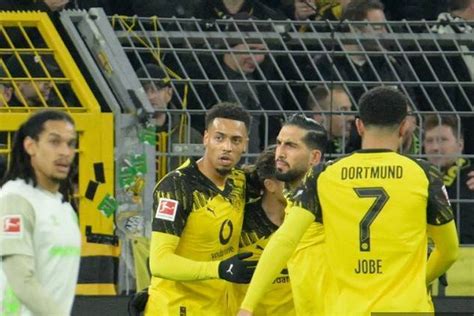
Introduction to Direct Football Style
Direct football style, often referred to as "long ball" or "route one" football, is a tactical approach in soccer characterized by its emphasis on quickly moving the ball from the defensive third to the attacking third with minimal passes. This method prioritizes speed, physicality, and verticality over intricate passing sequences or positional play. While often criticized for being simplistic or lacking sophistication, direct football has a rich history and strategic depth that makes it a fascinating subject within the broader context of soccer tactics.
The origins of direct football can be traced back to the early 20th century when soccer was still in its formative years as a structured sport. In this era, teams lacked the refined technical skills and tactical sophistication seen in modern play. The game was more physical, and the pitches were often uneven, which made maintaining possession through short passes challenging. Teams naturally gravitated toward strategies that minimized risk and maximized the use of space. The long ball emerged as a practical solution—a way to bypass congested midfields and exploit the space behind defenses. Early proponents of this style, such as the English teams of the 1920s and 1930s, used it effectively because of the physical superiority of their players and the limited technical demands of the time.
However, the evolution of direct football took a more deliberate turn in the mid-20th century. One of the most notable figures associated with this style is Charles Reep, a British analyst who studied match data in the 1950s and 1960s. Reep advocated for a statistical approach to soccer, concluding that most goals were scored after a sequence of three passes or fewer. This finding reinforced the idea that quickly transitioning the ball to the attacking third could yield better results than prolonged possession. Reep’s work influenced managers like Charles Hughes, who implemented these ideas as part of the coaching philosophy for the English Football Association. Hughes’ emphasis on "percentage football"—using high-probability plays such as long balls to target fast forwards—helped institutionalize direct football in English soccer during the 1970s and 1980s.
Despite its practical appeal, direct football style has often been viewed as antithetical to the "beautiful game" ideal that emphasizes artistry, creativity, and possession-based play. This perception was reinforced during the 1982 World Cup, where teams like Brazil showcased a fluid, possession-oriented style that captured global imagination. Yet, direct football found moments of vindication. For instance, Wimbledon’s "Crazy Gang" in the late 1980s used a highly physical and direct approach to upset more technically gifted teams, including their famous FA Cup victory over Liverpool in 1988. This period demonstrated that direct football could be a legitimate and effective counterpoint to more aesthetically pleasing styles, particularly when deployed with discipline and a clear understanding of its strengths.
The 1990s saw a shift in how direct football was perceived, as some managers began to blend its principles with more nuanced tactical frameworks. Sir Alex Ferguson’s Manchester United often used long balls not as a default strategy but as a calculated tool to exploit specific weaknesses in opponents. The presence of target men like Eric Cantona or later Dwight Yorke allowed United to mix direct play with possession-based football, showcasing how the style could be integrated into a more flexible system. This era marked a maturation of direct football, where it was no longer seen as a one-dimensional approach but as a variable within a broader tactical toolkit.
In the 21st century, direct football has continued to evolve, particularly as teams have adapted it to suit modern high-pressing and counter-attacking systems. Managers like Jürgen Klopp at Liverpool and Diego Simeone at Atlético Madrid have shown how direct play can complement intense pressing and quick transitions. For instance, Liverpool’s use of long diagonal balls to switch play or exploit the pace of forwards like Mohamed Salah demonstrates that direct football can coexist with technically sophisticated play. Similarly, Simeone’s Atlético Madrid has often used long balls to bypass high-pressing opponents, emphasizing the role of physicality and aerial dominance in modern football.
What makes direct football enduring is its adaptability. While purists may dismiss it as crude, the style’s effectiveness lies in its ability to exploit specific match conditions. For example, when a team faces a side that dominates possession but is vulnerable to quick transitions, direct football offers a way to disrupt their rhythm. This approach also thrives in environments where weather, pitch conditions, or player profiles favor simplicity over intricacy. In leagues with physical and athletic players—such as the English Premier League or certain South American competitions—direct football remains a viable and often preferred strategy.
The historical evolution of direct football also reveals its cultural significance. In countries like England, the style is intertwined with national identity, reflecting a pragmatic and results-oriented approach to the game. However, in other regions, such as South America, direct play has been adapted to suit technical players who can combine physical power with moments of flair. This duality underscores how direct football is not confined to a single interpretation but is shaped by the cultural and contextual needs of the teams that employ it.
Critics of direct football often argue that it stifles player development, particularly in youth systems where technical skills and positional awareness are emphasized. However, this view overlooks the tactical intelligence required to execute direct football effectively. A well-timed long ball, for instance, demands precise execution from the passer, intelligent movement from the target player, and coordinated support from teammates. These elements require training, awareness, and adaptability, which are hallmarks of high-level soccer.
In conclusion, direct football style is not merely a relic of soccer’s past or a strategy for less technically gifted teams. It is a dynamic and evolving approach that has adapted to the changing demands of the sport. From its pragmatic roots in the early 20th century to its modern integration into high-pressing and counter-attacking systems, direct football continues to offer valuable lessons about the interplay between pragmatism and creativity in soccer. Understanding its historical evolution provides not only a window into tactical diversity but also a deeper appreciation of how soccer, as a global sport, accommodates multiple paths to success.
- Direct football emphasizes speed and verticality over possession-based play.
- Its roots lie in early 20th-century practicalities of soccer as a physical sport.
- Figures like Charles Reep and Charles Hughes institutionalized its principles in English soccer.
- Modern adaptations show how direct play can complement pressing and counter-attacking systems.
- The style’s adaptability reflects its enduring relevance in diverse soccer cultures.
Core Principles of Direct Play
The concept of **direct football style** is rooted in the idea of maximizing efficiency and minimizing time spent in possession to create goal-scoring opportunities. Unlike possession-based systems that prioritize ball retention and intricate passing patterns, direct play emphasizes **quick transitions** and **vertical passes** to exploit spaces and bypass opposition structures. This section delves into the **core principles of direct play**, focusing on the tactical elements that make it effective when executed with precision and purpose.
One of the **foundational elements** of direct play is the **speed of transition**. Direct teams aim to move the ball from defense to attack in the shortest possible time frame. This requires players to be mentally and physically prepared to exploit the moments when the opposition is disorganized, such as after a turnover or during set-piece scenarios. A hallmark of this approach is the **immediate forward pass**, often bypassing midfield lines to find attackers in advanced positions. For instance, a goalkeeper or defender receiving the ball might play a long pass directly to a striker or winger rather than circulating it among defenders or midfielders. This tactic relies on players having the **technical ability** to control long passes under pressure and the **spatial awareness** to position themselves in areas that stretch the opposition's defensive line.
The use of **vertical passes** is another cornerstone of direct play. Unlike horizontal or sideways passes that maintain possession but often fail to penetrate defensive lines, vertical passes are designed to move the ball **toward the opponent's goal**. These passes can take several forms, such as a long ball over the top of the defense, a through ball into the channels, or a diagonal pass that exploits the space between fullbacks and center-backs. Vertical passes are most effective when they are **precise and intentional**, targeting areas where the attacking team can outnumber or outmaneuver the defenders. For example, a well-placed long ball to a fast winger running behind a high defensive line can lead to a one-on-one situation with the goalkeeper. However, the success of vertical passes depends heavily on **timing and synchronization** between the passer and the receiver. If the timing is off, the ball can be intercepted, or the receiver may be caught offside, making this tactic high-risk but high-reward.
Another critical element of direct play is the **role of physicality and athleticism**. Teams that adopt this style often prioritize players with **speed, strength, and aerial ability**. Strikers in direct systems are typically tall and strong, capable of holding up the ball when it is played long and bringing others into play. Similarly, wingers and fullbacks need to possess the pace to exploit the spaces created by vertical passes. This focus on physical attributes does not negate the need for technical skill, but it shifts the emphasis toward **exploiting mismatches** in physical duels. For instance, a target striker might use their body to shield the ball from a smaller defender, allowing teammates to join the attack. This interplay between physical dominance and tactical intent is what makes direct play so effective against teams that prioritize a high defensive line or slow buildup play.
The concept of **exploiting space** is central to direct play, and this is closely tied to **quick transitions**. When a team wins the ball back, especially in their defensive third, the opposition is often caught in a **moment of disarray** as they attempt to reorganize. Direct teams capitalize on this by launching immediate attacks, often bypassing the midfield entirely. This requires a **clear understanding of roles** among players. For example, a midfielder might immediately look to play a long ball to a forward, while the fullbacks push up to provide width and support. The success of these transitions depends on **rehearsed patterns of play**, where players instinctively know where to move and how to position themselves. A common sight in direct play is the **split striker system**, where one forward drops slightly deeper to receive the ball and hold it up, while the other makes a run in behind the defense. This dynamic creates **vertical stretching** of the opposition's defense, forcing them to make split-second decisions that can lead to mistakes.
An often-overlooked aspect of direct play is the **psychological element**. Teams that employ this style thrive on **momentum and intensity**. The rapid pace of attacks can **demoralize opponents** who are unable to cope with the constant threat of being exposed. This is particularly effective in high-pressure situations, such as when a team is chasing a goal late in the game. Direct play can also **disrupt possession-based teams** that rely on controlling the tempo. By constantly forcing the opposition to defend against long balls and fast breaks, direct teams can **dictate the rhythm** of the game even when they do not have the majority of possession. This psychological edge is a subtle but powerful advantage of the direct style.
However, direct play is not without its **limitations and risks**. Teams that rely too heavily on long balls can become predictable, especially if the opposition organizes itself to defend deep and compact. In such scenarios, the effectiveness of vertical passes diminishes, as there is little space to exploit behind the defense. This is why successful direct teams often incorporate **variations** in their approach. For example, they might mix in **short passing sequences** to draw defenders out of position before launching a vertical pass. Alternatively, they might use **set pieces** as a way to create direct opportunities, leveraging the physical presence of their players in the box. These tactical nuances highlight the importance of **flexibility** within the framework of direct play.
Another insight into direct play is its **dependence on set-piece efficiency**. Since this style often involves aerial duels and physical battles, teams can gain a significant advantage by focusing on **corner kicks, free kicks, and long throws**. A well-executed set piece can serve as an extension of the direct philosophy, providing a structured opportunity to create scoring chances without the need for prolonged buildup play. For instance, a team might use a long throw into the box to create chaos, followed by a quick strike on goal. This synergy between set pieces and direct play underscores the importance of **specialized training** in these areas.
Finally, the success of direct play often hinges on the **role of the goalkeeper** as an initiator of attacks. In modern football, goalkeepers are increasingly expected to act as **playmakers**, capable of distributing the ball over long distances with accuracy. A goalkeeper in a direct system must have the ability to identify when to play a long pass to a forward or when to opt for a shorter option to maintain possession. This dual role requires not only technical skill but also a deep understanding of the team's tactical framework. A misplaced pass from the goalkeeper can lead to a dangerous counterattack, making their decision-making a critical component of the direct style.
In summary, the **core principles of direct play** revolve around **quick transitions, vertical passes, physical dominance, and the exploitation of space**. While it is often seen as a simplistic or "route one" approach, the reality is far more nuanced. Direct play requires **tactical discipline, technical precision, and a deep understanding of how to exploit the opposition's weaknesses**. When executed effectively, it can be a highly efficient and dynamic way to play the game, offering teams a pathway to success that prioritizes speed and directness over intricate possession.
Comparison with Positional Play
The debate between **direct football style** and **possession-based or tiki-taka styles** is one of the most enduring discussions in football strategy. These two approaches represent contrasting philosophies about how the game should be played, with each offering unique advantages and trade-offs. To understand the depth of their differences, we must examine their core principles, tactical execution, and the contexts in which they thrive or falter.
At its heart, **direct football** prioritizes efficiency and speed. The objective is to move the ball from defense to attack in as few passes as possible, often bypassing the midfield to exploit gaps in the opposition's defense. This style is characterized by **long balls**, **quick transitions**, and a focus on **verticality**. Teams employing direct football often rely on players with specific traits—a strong target man upfront to hold up the ball, wingers with pace to stretch the field, and midfielders capable of delivering incisive passes over the top. The philosophy here is rooted in **pragmatism**: why spend time weaving through tightly packed defenses when you can go directly for the goal?
In contrast, **possession-based play**, epitomized by tiki-taka, is a methodical approach that seeks to dominate the game through control of the ball. This style, popularized by teams like Barcelona under Pep Guardiola, emphasizes **short, quick passes**, **high possession percentages**, and **patient buildup**. The idea is to tire out the opposition by forcing them to chase the ball, creating openings through **positional superiority** rather than brute force. Tiki-taka relies heavily on **triangles** in positioning, where players constantly offer passing options to maintain fluidity. The focus is less on immediate goal-scoring opportunities and more on **territorial dominance** and **systemic control**.
One of the starkest contrasts between these styles lies in their **tempo**. Direct football thrives on **explosive bursts** of energy—moments where a team can exploit a disorganized defense after winning the ball. For instance, a goalkeeper might launch a long ball to a forward who can outpace the backline, leading to a one-on-one with the goalkeeper. This approach often results in games with **high variability**, where a single moment of brilliance or error can decide the outcome. It is a gamble, but one that can pay off spectacularly against teams that struggle to defend in transition.
On the other hand, **tiki-taka** operates at a **slower, more deliberate pace**. The emphasis is on **patience**, with players circulating the ball until the perfect opportunity arises. This style demands not only technical proficiency but also **mental discipline**, as players must resist the temptation to force passes or take low-percentage shots. While this can lead to mesmerizing sequences of play, it is also susceptible to criticism when it becomes **sterile possession**—keeping the ball without creating meaningful chances. Teams facing tiki-taka often adopt a **low block**, congesting space and denying passing lanes, which can neutralize the effectiveness of this approach if the attacking team lacks creativity or penetration.
Another key difference is in the **physical and technical demands** placed on players. Direct football often suits teams with **athletic profiles**—players who are fast, strong, and adept at winning aerial duels. A team like Leicester City under Claudio Ranieri in their title-winning 2015-16 season exemplified this. They used direct play to exploit the speed of Jamie Vardy and the delivery of players like Riyad Mahrez. The style is less reliant on intricate passing networks and more on **individual moments of brilliance** or **set-piece proficiency**.
In contrast, tiki-taka demands a **high technical floor** across the entire squad. Every player must be comfortable receiving the ball under pressure, making quick decisions, and executing precise passes. This style often requires **years of coaching** and a **systematic approach to youth development**, as seen in the La Masia academy. While direct football can sometimes mask individual deficiencies through sheer athleticism, tiki-taka exposes weaknesses in technique or decision-making, as every misplaced pass can disrupt the rhythm of play.
The **context of implementation** also plays a role in determining the effectiveness of these styles. Direct football is particularly effective in **high-pressure situations**, such as knockout tournaments, where the ability to score quickly can be a decisive advantage. Teams with limited resources or time to prepare may find direct football more accessible because it does not require the same level of **positional synchronization** as tiki-taka. For instance, national teams with limited time together often lean towards direct play because it is easier to execute without the luxury of prolonged training camps.
Conversely, **possession-based play** requires a level of **cohesion and understanding** that is often built over seasons, not weeks. Teams like Manchester City or Bayern Munich succeed with this style because they have the luxury of continuity and top-tier talent. However, this style can struggle against **physically dominant** or **ultra-defensive teams** that deny space and force errors. The 2010 World Cup semifinal between Spain and Germany is a case study: while Spain's tiki-taka eventually prevailed, Germany's more direct counterattacks posed significant threats, showcasing how these styles can clash in high-stakes scenarios.
There are also **philosophical undertones** to consider. Direct football is often associated with a **results-oriented mindset**—it is about winning by any means necessary, even if the football is not always aesthetically pleasing. Critics of this style argue that it can lack **creativity** or **artistry**, reducing the game to a series of functional actions. Tiki-taka, by contrast, is celebrated for its **beauty** and **ideological purity**, as it seeks to win while adhering to a higher standard of play. However, this same idealism can backfire when the system becomes too rigid, as seen in Spain's struggles during the 2014 World Cup when opponents adapted to their predictable patterns.
From a **defensive perspective**, the two styles also demand different approaches. Teams facing direct football must be prepared for **quick transitions** and **aerial battles**, often requiring a deep defensive line and strong, aerially dominant center-backs. In contrast, teams up against tiki-taka must focus on **compactness**, **discipline**, and the ability to press intelligently to disrupt passing lanes. The challenge here is that a single mistake in positioning can lead to a goal, as seen in Barcelona's ability to carve open defenses with a single well-timed through ball.
In summary, while **direct football** and **possession-based play** are often framed as opposites, they are better understood as **tools in a tactical toolbox**. Each has its place depending on the team's personnel, the opponent's weaknesses, and the match context. However, the contrast is clear: direct football is about **exploiting space through speed and simplicity**, while tiki-taka is about **creating space through control and patience**. Both styles have produced legendary teams and moments, but their suitability depends on the **philosophy of the coach**, the **strengths of the squad**, and the **dynamics of the game**.
- Direct football prioritizes **verticality** and **quick transitions**.
- Tiki-taka focuses on **positional superiority** and **patient buildup**.
- Direct football suits **athletic, physically dominant teams**.
- Tiki-taka requires a **high technical standard** across the squad.
- Both styles have **trade-offs** in versatility and adaptability.
Ultimately, the choice between these styles is not about which is "better" but about which is **better suited** to the team's identity and the challenges they face on the pitch.
Advantages of Direct Football
Direct football, often characterized by its emphasis on quick, long passes and a focus on moving the ball rapidly toward the opponent's goal, is a style of play that has proven effective in various football contexts. While it is sometimes criticized for lacking the finesse of possession-based approaches, the advantages of direct football are significant and merit a closer examination. This section delves into how direct football can create **faster goal-scoring opportunities** and **enable effective counterattacks**, offering teams a strategic edge in competitive matches.
One of the most compelling benefits of direct football is its ability to generate **faster goal-scoring opportunities**. Unlike possession-heavy styles that often require meticulous build-up play and intricate passing sequences, direct football prioritizes verticality. A well-placed long ball from a defender or midfielder can bypass multiple lines of the opposition's defense, instantly placing attacking players in advantageous positions. This approach is particularly effective against teams that employ a high defensive line, as a precise long pass can exploit the space behind their backline. For instance, a striker with pace and good aerial ability can latch onto a long ball and find themselves in a one-on-one situation with the goalkeeper before the defense has time to regroup. This immediacy in attack not only surprises opponents but also reduces the time they have to organize their defensive shape, increasing the likelihood of scoring.
Another aspect of this advantage is the **psychological pressure** it places on the opposing team. When a team employs direct football effectively, it forces defenders to make split-second decisions under duress. A poorly timed interception or a mistimed challenge can lead to a breakdown in the defensive structure, giving the attacking team an edge. Moreover, direct football often involves targeting specific weaknesses in the opponent's setup—such as a slower center-back or a goalkeeper prone to hesitation—which can be exploited for quick goals. This targeted approach ensures that the attacking team is not merely playing hopeful long balls but is instead executing a calculated strategy to maximize scoring efficiency.
In addition to faster goal-scoring opportunities, direct football is a cornerstone of **effective counterattacks**, a tactic that can be devastating when executed well. Counterattacking football thrives on transitions, where a team quickly shifts from defense to offense after winning possession. Direct football complements this style by enabling teams to move the ball forward with minimal delay. For example, consider a scenario where a team wins the ball in their own half. Instead of engaging in a slow, methodical build-up that allows the opposition to reorganize, a direct pass to a forward or winger can instantly turn defense into attack. This rapid transition often catches the opposition off-guard, as their players are still positioned higher up the field after their attacking phase. The speed of this approach can lead to situations where the attacking team outnumbers the defenders in key areas, creating clear-cut chances.
The effectiveness of counterattacks in direct football is also amplified by the role of **space exploitation**. When a team plays directly, they often aim to stretch the field vertically rather than horizontally. This vertical stretching creates gaps in the opposition's defensive setup, especially if the opponents are caught in a high press or have committed too many players forward. A well-timed long pass to a winger or a forward running into the channels can exploit these gaps, leading to high-probability scoring opportunities. This is particularly evident in matches where one team dominates possession but leaves themselves vulnerable to quick transitions. Teams that excel in direct football, such as certain Premier League sides, have demonstrated how a counterattacking strategy rooted in direct play can neutralize even the most possession-dominant opponents.
Another unique insight into the advantages of direct football lies in its **adaptability to player strengths**. Not all teams have the technical proficiency required for tiki-taka-style possession play, but many can leverage physical attributes like speed, strength, and aerial prowess. Direct football allows teams to tailor their strategy to the skills of their players. For example, a team with a tall, strong target man and fast wingers can use long balls to bypass the midfield and create opportunities in the final third. This adaptability is particularly useful for teams with limited resources or those facing technically superior opponents. By focusing on what they do best—exploiting physicality and speed—these teams can level the playing field and even outperform more technically gifted sides.
Direct football also offers a **practical advantage in high-stakes or fatigue-heavy scenarios**. In the latter stages of a match, when players are physically exhausted, the energy-intensive nature of possession football can become a liability. Direct football, by contrast, requires fewer sustained sequences of passing and instead relies on quick, decisive actions. A team that can switch to a direct style in the closing minutes of a game can maintain offensive momentum without overexerting players. This is especially valuable in tournament settings or league matches with congested schedules, where energy conservation is critical. Additionally, direct football can be a psychological tool in "must-win" scenarios, as its aggressive nature signals intent and can demoralize an opponent who feels overwhelmed by the relentless pressure.
It is also worth noting that direct football can be particularly effective in **neutralizing technically superior opponents**. Teams that rely on intricate passing and maintaining possession often struggle when faced with a side that disrupts their rhythm through direct play. By constantly pressuring the opposition's backline with long balls and quick attacks, direct football can force technically proficient teams into making mistakes. This is because such teams are often unaccustomed to defending against rapid, vertical attacks and may lack the physical robustness to handle the intensity of direct play. As a result, direct football can act as a great equalizer, allowing less technically sophisticated teams to compete against giants of the game.
Another often-overlooked aspect of direct football is its **role in set-piece opportunities**. Long balls and aerial duels naturally lead to more contested situations in the box, which can result in free kicks, corners, or penalties. These set-piece scenarios are valuable in modern football, as they provide additional avenues for scoring. A team adept at direct football can use this style to engineer situations where their physically dominant players can impose themselves in the box, further increasing their goal-scoring potential.
Finally, direct football aligns well with the modern game's emphasis on **analytics and efficiency**. Advanced metrics like expected goals (xG) and pass completion rates often highlight how direct play can yield high-value chances with fewer touches. For instance, a team that attempts fewer passes but creates high-quality shooting opportunities through direct play may have a higher xG per possession than a possession-heavy side. This efficiency is particularly appealing in competitive environments where margins for error are slim, and maximizing output from limited opportunities is crucial.
- Direct football enables **faster transitions** from defense to attack, catching opponents off-guard.
- It exploits **opponent vulnerabilities**, such as high defensive lines or slower defenders.
- The style is **energy-efficient**, making it ideal for late-game scenarios or fatigued teams.
- It creates **set-piece opportunities** through increased aerial duels and contested situations.
- Direct football is **adaptable** to teams with physical strengths rather than technical finesse.
In conclusion, the advantages of direct football extend beyond its reputation as a "simpler" style of play. When executed with precision and intent, it offers tangible benefits like **faster goal-scoring opportunities** and **effective counterattacks**, making it a potent weapon in a team's tactical arsenal. While it may not suit every team or every scenario, its ability to disrupt opponents, exploit weaknesses, and create high-value chances ensures that direct football remains a viable and impactful approach in the modern game.
Challenges and Criticisms
The "direct football style," characterized by its emphasis on quick, long passes and rapid transitions to attack, has been both celebrated for its efficiency and criticized for its perceived limitations. While this approach can yield rapid results, especially in counterattacking scenarios, it is not without its challenges and criticisms. A closer examination of these downsides reveals that reduced ball control and predictability are among the most significant issues that teams employing this style must address.
One of the primary criticisms of direct football is its reduced emphasis on ball control. Unlike possession-based styles, where players are trained to maintain close control of the ball and build attacks methodically, direct football often bypasses the midfield. This means that players in advanced positions frequently receive long balls under pressure from defenders. The lack of sustained possession can lead to a higher rate of turnovers, particularly when the receiving player is not adept at controlling aerial passes or first-time touches. For instance, teams like Stoke City under Tony Pulis were often criticized for their over-reliance on long balls, which sometimes resulted in a disjointed buildup play. Players in such systems may not develop the nuanced ball-handling skills that are integral to other styles of play, potentially stunting their growth as well-rounded footballers.
This issue is further exacerbated when teams face technically superior opponents. In scenarios where the opposition has strong ball-winning midfielders or defenders capable of intercepting long passes, direct football can quickly become ineffective. A team that cannot retain possession or adapt its approach risks being pinned back in its own half, as the opposition regains control of the ball and exploits the spaces left open by the direct approach. For example, when smaller teams attempt to play direct football against elite sides like Manchester City or Barcelona, they often find themselves outclassed in terms of ball retention and midfield dominance. The absence of a structured buildup can leave them vulnerable to sustained pressure.
Another significant challenge of direct football is its predictability. While the style can be effective when executed with precision, it is not difficult for well-prepared opponents to anticipate and counteract. Teams that consistently play long balls toward a target man or rely on quick transitions can become easy to read over the course of a match or season. Defenders who study game footage can position themselves to intercept passes or mark the intended recipients of long balls more effectively. This predictability was evident in the latter stages of Sam Allardyce's tenure at clubs like West Ham United, where opponents began to nullify his team's direct approach by deploying a high defensive line and aggressive pressing. Once the element of surprise is lost, direct football can struggle to adapt, especially if the team lacks the technical variety to switch to a more possession-oriented or fluid style mid-game.
Moreover, the psychological impact on players in a direct system should not be overlooked. Footballers in such setups are often tasked with physically demanding roles, such as chasing long balls, contesting aerial duels, and making lung-bursting runs into space. While this can be effective in short bursts, it can lead to fatigue and a higher risk of injury over the course of a season. Players may also feel constrained by the lack of creative freedom. In possession-based systems, midfielders and forwards are encouraged to express themselves through intricate passing movements and individual skill. In contrast, direct football often reduces their role to executing specific, repetitive tasks, such as winning headers or making runs behind the defense. This can be demotivating for players who thrive on creativity and technical expression, potentially leading to a lack of morale or even internal discord within the team.
A related issue is the limitation on player development within teams that prioritize direct football. Younger players, especially those in academies or youth setups, may find it challenging to adapt to this style if their natural strengths lie in dribbling, short passing, or intricate play. For instance, a technically gifted midfielder in a direct system might be relegated to a more functional role, such as a "runner" or a "target man's support," rather than being allowed to showcase their full range of skills. This can hinder their progression and make them less attractive to clubs that value a more possession-focused or versatile approach. Over time, this could limit the pool of talent available to teams that rely heavily on direct football, as top-tier players may prefer environments that allow for more creative expression.
Additionally, direct football can struggle in scenarios where the team is required to control the tempo of a match. In games where a draw or cautious approach is needed—such as in knockout competitions or against stronger opponents—the lack of a structured midfield presence can make it difficult to slow down the game or manage possession effectively. Teams that rely on direct play often find themselves chasing the game if they concede an early goal, as they lack the mechanisms to patiently build attacks and probe for openings. This was evident in the struggles of teams like Leicester City during their transition away from the high-intensity, direct approach that brought them initial success under Claudio Ranieri. When opponents adapted to their style, Leicester found it challenging to maintain their effectiveness without diversifying their tactical repertoire.

Another criticism often leveled at direct football is its limited appeal to spectators. While the style can be thrilling in moments of high-octane counterattacks or last-minute goals, it often lacks the aesthetic beauty associated with possession-based or tiki-taka styles. Fans of teams that adopt direct football may feel disconnected from the game when matches become a series of long balls and physical duels rather than displays of skill and creativity. This can impact fan engagement, particularly in leagues or regions where there is a strong cultural preference for more artistic forms of play. For clubs reliant on ticket sales and global broadcasting revenue, this could pose a long-term challenge in maintaining a loyal and enthusiastic fan base.
Finally, there is the risk of over-specialization within the squad. Direct football often requires specific player profiles—tall, physically imposing target men, rugged defenders, and athletic midfielders capable of covering large distances. This can lead to an imbalance in squad composition, with a lack of technically gifted players who can offer alternative solutions when the direct approach falters. For example, a team built around direct football might struggle to integrate a highly skilled playmaker or a diminutive winger who excels in tight spaces. This lack of tactical flexibility can be a significant handicap in modern football, where versatility and adaptability are highly prized.
In conclusion, while direct football has its merits—particularly in terms of efficiency and the ability to exploit defensive vulnerabilities—it is not without its challenges. Reduced ball control and predictability are significant downsides that can limit its effectiveness against well-prepared or technically superior opponents. Additionally, the style's potential impact on player development, fan engagement, and tactical flexibility highlights the need for teams to carefully weigh its benefits against its limitations. For direct football to remain a viable strategy in the modern game, teams must find ways to mitigate these downsides, perhaps by blending it with elements of possession play or by investing in players capable of offering greater tactical diversity.
Teams and Managers Who Excel in Direct Play
Direct football, often characterized by its emphasis on quick, vertical transitions and minimizing possession-based play, has been a hallmark of certain teams and managers who have found great success with this approach. While it is sometimes criticized for being "simplistic" or lacking the aesthetic appeal of tiki-taka or possession football, direct play has proven to be highly effective when executed with precision and tailored to the strengths of a team. This section explores some of the most successful teams and managers who have excelled in direct play, providing a nuanced understanding of how they implemented this style to dominate their respective eras.
One of the most iconic examples of direct football comes from **Sir Alex Ferguson's Manchester United** in the 1990s and early 2000s. While United were versatile in their approach, Ferguson often deployed a style that emphasized rapid counterattacks and long balls to exploit the pace and aerial ability of forwards like **Dwight Yorke**, **Andy Cole**, and later **Cristiano Ronaldo**. This was particularly evident in their 1999 treble-winning season. The team’s ability to bypass midfield congestion with incisive long passes from players like **David Beckham** or **Paul Scholes** allowed them to transition from defense to attack in seconds. A key insight here is that direct play, in Ferguson's system, was not just about launching the ball forward aimlessly; it was about **strategic use of space**. Beckham’s pinpoint crosses and Scholes' ability to switch play with long diagonals demonstrated that direct football could be both calculated and devastating when combined with high-quality technical execution.
Another manager who has epitomized direct play is **Diego Simeone** at **Atlético Madrid**. Under Simeone, Atlético has often been associated with a gritty, defensively solid style, but their attacking approach is a masterclass in directness. Simeone's teams are built on the principle of **verticality**—moving the ball forward as quickly as possible to disrupt the opponent's shape. Players like **Diego Costa** and **Antoine Griezmann** thrived in this system because of their ability to make runs behind the defensive line and capitalize on long balls or quick transitions. Simeone’s direct style is particularly effective in high-stakes matches, such as their UEFA Champions League runs in 2014 and 2016. A unique insight here is that Simeone integrates **set pieces** as a critical component of direct play. Atlético's proficiency in scoring from corners and free kicks is a testament to how direct play can extend beyond open-play transitions to include dead-ball situations as a tactical weapon.
In the realm of international football, **Leicester City’s Premier League-winning campaign in 2015-16** under **Claudio Ranieri** is a standout example of direct play. While Leicester were not a traditional powerhouse, their success was built on a system that prioritized **speed and simplicity**. The partnership between **Jamie Vardy** and **Riyad Mahrez** was central to this approach. Vardy’s blistering pace allowed him to chase long balls played over the top by defenders like **Wes Morgan** or midfielders like **Danny Drinkwater**, while Mahrez provided the creative spark with his ability to deliver incisive through balls or take on defenders in one-on-one situations. Ranieri’s philosophy was rooted in **exploiting the opponent's high line**, a strategy that worked exceptionally well against teams that dominated possession but left spaces behind their defense. What made this direct style unique was its **countercultural nature** in an era dominated by possession-heavy teams like Manchester City and Arsenal. Leicester’s success showed that direct play could not only compete but also thrive against more technically sophisticated systems when executed with discipline and belief.
Moving further back in history, **Arrigo Sacchi’s AC Milan** of the late 1980s is often associated with a high-pressing, possession-oriented game, but their use of direct play in specific scenarios is worth noting. With players like **Marco van Basten** and **Ruud Gullit**, Sacchi’s Milan could bypass midfield layers with long, defense-splitting passes from **Frank Rijkaard** or **Carlo Ancelotti**. This hybrid approach blended directness with positional play, showing that direct football does not have to be mutually exclusive from technical sophistication. A unique insight here is that even teams known for their possession can use direct play as a **tactical shift** to exploit moments of disorganization in the opposition. Sacchi’s Milan demonstrated this in their European Cup victories, where they could switch from a controlled buildup to a more vertical style when needed.
In the modern era, **Jürgen Klopp’s Liverpool** offers an interesting take on direct play within a high-intensity system. While Liverpool are often associated with their **gegenpressing** philosophy, their attacking transitions often involve elements of direct play. The long diagonal passes from **Trent Alexander-Arnold** or **Virgil van Dijk** to **Mohamed Salah** or **Sadio Mané** exemplify how directness can be integrated into a high-pressing framework. Klopp’s teams are not afraid to bypass midfield when the opportunity arises, particularly when facing teams that sit deep. A key insight here is that **direct play in Klopp's system is not an abandonment of strategy but a complement to it**—used to stretch the field and create overloads in wide areas. Liverpool’s success in winning the Premier League and Champions League under Klopp highlights how direct play can be a tool for **exploiting space in advanced areas** rather than a one-dimensional approach.
Another fascinating case is **Helenio Herrera’s Inter Milan** of the 1960s, which employed a style known as **catenaccio**. While catenaccio is often associated with defense, Inter’s counterattacking approach was a form of direct play. With players like **Sandro Mazzola** and **Giacinto Facchetti**, Inter would absorb pressure and then launch rapid attacks, often bypassing the midfield entirely. This was direct football rooted in **pragmatism**—recognizing that controlling the ball was not always necessary to control the game. Herrera’s success with this approach in winning back-to-back European Cups in 1964 and 1965 demonstrated that direct play could be a **defensive team's best weapon** in transitioning to attack.
It is also important to mention **Sam Allardyce**, a manager often associated with a more pragmatic and direct style in the English game. While his teams, such as **Bolton Wanderers** and later **West Ham United**, were not always celebrated for their aesthetics, Allardyce’s direct play was highly effective in achieving results against stronger opponents. His focus on **set pieces, long throws, and aerial dominance** turned matches into battles of physicality and efficiency. A unique insight here is that Allardyce’s direct play was not just about physical superiority but about **psychological manipulation**—forcing opponents into uncomfortable situations where their technical players were neutralized by the physicality and urgency of his team’s approach.
In summary, the success of direct play lies in its **adaptability and contextual relevance**. Whether it is Ferguson’s calculated use of space, Simeone’s reliance on verticality, Ranieri’s countercultural simplicity, or Klopp’s integration of directness into a pressing system, the common thread is the ability to tailor this style to the strengths of the team and the weaknesses of the opponent. These managers and teams prove that direct football is not a one-size-fits-all approach but a **dynamic and nuanced strategy** that can yield extraordinary results when executed with purpose and precision.
Player Roles and Attributes in Direct Football
In the context of direct football style, player roles and attributes are meticulously tailored to maximize the efficiency of quickly transitioning the ball from defense to attack. This approach, often characterized by long passes, rapid counterattacks, and a focus on vertical play, relies on specific player types who can excel in high-intensity scenarios. Understanding the ideal player attributes for this system is crucial to dissecting how teams implement and succeed with direct football.
One of the most iconic player types in direct football is the target forward. This player serves as the focal point of the attack, often positioned centrally to receive long balls from the backline or midfield. Unlike a traditional striker who might prioritize intricate link-up play, the target forward in direct football is typically a physically imposing figure. They need to possess exceptional aerial ability to win headers against defenders, as well as strong hold-up play to retain possession under pressure and lay off the ball to supporting runners. Think of players like Didier Drogba or Olivier Giroud, who have demonstrated the ability to function as both a target and a pivot in fast-paced attacking setups. Their role often extends beyond scoring goals—they are tasked with creating space for wingers or midfield runners by drawing defenders out of position.
Complementing the target forward are the fast wingers, who are integral to the success of direct football. These players are expected to stretch the opposition by Hugging the touchline and making darting runs behind the defensive line. Their primary attribute is raw pace, which allows them to exploit the spaces created by the target forward occupying central defenders. However, speed alone is not enough; wingers in this system must also exhibit excellent off-the-ball movement to time their runs effectively and clinical finishing to convert the limited chances that arise in direct play. A great example of this role is Arjen Robben during his prime at Bayern Munich. While not a traditional direct football player in every sense, his ability to cut inside at speed and deliver precise shots or crosses exemplifies the kind of decisiveness required. Wingers in this system often forego excessive dribbling in favor of quick, incisive actions that keep the tempo high.
Another key role in direct football is the ball-playing defender or long-pass specialist in the backline. While direct football is often associated with bypassing the midfield, the reality is that the first pass from defense is critical to initiating attacks. This player must have the vision and technique to deliver accurate long balls to the target forward or wingers. A modern example is Virgil van Dijk, whose ability to switch play with pinpoint accuracy can turn a defensive position into an attacking opportunity within seconds. In direct football, defenders must also be comfortable under pressure, as opponents often press high to disrupt the long-ball strategy. This means these defenders need to combine their passing prowess with physical strength and positional awareness to avoid turnovers in dangerous areas.
The central midfielders in direct football often have a more understated but equally vital role. Unlike possession-based systems where midfielders are expected to control the tempo and recycle possession, direct football midfielders are typically box-to-box players or destroyers who provide a link between defense and attack. Their primary responsibility is to support the target forward and wingers by arriving late in the box or breaking up opposition counterattacks. A player like N'Golo Kanté embodies the defensive aspect of this role, providing the energy and positioning needed to recover the ball quickly and restart attacks. Meanwhile, a midfielder like Steven Gerrard in his Liverpool days exemplifies the attacking contribution, with late runs into the box and the ability to strike from distance—qualities that add an extra dimension to the direct approach.
An often-overlooked but essential component of direct football is the full-back. While they may not always be as prominent in this system compared to possession-oriented teams, full-backs in direct football must be versatile. They are expected to provide width in attack when the wingers cut inside and to offer defensive solidity when the team loses the ball in advanced positions. Their role often involves delivering accurate crosses into the box for the target forward or making overlapping runs to stretch the opposition further. A player like Dani Alves in his Barcelona days, though associated with possession play, demonstrated how full-backs can contribute to a more vertical system by providing quick, purposeful deliveries into the box.
In addition to these core roles, substitutes and impact players often play a significant role in direct football. Given the high-energy nature of this style, teams frequently rely on fresh legs to maintain the intensity in the later stages of a match. Players who can inject immediate pace or physicality off the bench—such as a speedy winger or an aerial threat—can be game-changers. For instance, a manager might bring on a player like Chicharito Hernández, whose predatory instincts in the box can exploit tired defenses.
It is also worth noting that mental attributes are as important as physical ones in direct football. Players in this system must exhibit high levels of concentration and decision-making under pressure. The style often leaves little room for error, as misplaced passes or poor runs can easily lead to counterattacks for the opposition. Wingers must know when to make a run, target forwards must anticipate the flight of the ball, and midfielders must react swiftly to second balls. This mental sharpness is what separates successful direct football teams from those who struggle to execute the style effectively.
Finally, the success of direct football also hinges on the team's collective understanding of their roles. For instance, the target forward and wingers must develop an almost telepathic connection to time their movements and passes. Similarly, the defenders and midfielders need to synchronize their actions to ensure the long balls are not easily intercepted. This cohesion is often honed through rigorous training drills that emphasize quick transitions and spatial awareness.
In summary, the ideal player types for direct football are those who combine physical prowess with technical precision and tactical intelligence. From the towering target forward to the pacy winger, each player must be a specialist in their role while also contributing to the team's overall cohesion. This blend of individual excellence and collective understanding is what makes direct football both a challenging and rewarding style to implement.
Training Methods for Direct Football Teams
Training methods for direct football teams require a focused approach to develop the rapid decision-making and physical fitness necessary to execute this high-tempo, vertical style of play. Unlike possession-based systems that emphasize controlled buildup, direct football demands players to make split-second decisions under pressure while maintaining the physical stamina to sustain intense bursts of activity. Below, we explore specific drills and exercises tailored to these requirements, ensuring that players are equipped to thrive in this tactical framework.
One of the core tenets of direct football is the ability to transition quickly from defense to attack. This requires players to develop sharp spatial awareness and first-touch control to exploit gaps in the opposition's defensive structure. A drill that encapsulates these elements is the **"Target Man Transition"** exercise. In this setup, a small-sided game is played in a condensed area with two mini-goals at each end. A "target man" is positioned near the halfway line, mimicking a striker or advanced midfielder. The objective is for the defending team to win the ball and immediately play a long pass to the target man, who must lay off the ball under pressure to a supporting runner. This drill forces players to make rapid decisions about when to release the ball and how to position themselves for the second phase of play. To enhance its effectiveness, coaches can introduce time constraints, requiring the attacking team to score within 10 seconds of winning possession. This simulates the high-pressure scenarios seen in matches and builds the mental agility needed for direct football.
Physical fitness in direct football is not just about endurance but also about explosiveness and recovery speed. Players must be able to sprint repeatedly to chase long balls, contest aerial duels, and press aggressively when out of possession. A tailored exercise for this is **"Interval Sprint and Control."** In this drill, players line up at one end of a 40-yard field. On the coach’s signal, they sprint to a cone 20 yards away, receive a lofted pass in mid-stride, control it under pressure from a defender, and then play a first-time pass to a teammate. After completing the pass, they immediately jog back to the starting line and repeat the sequence. This exercise combines aerobic and anaerobic elements, mimicking the stop-start nature of direct football. Coaches can vary the drill by altering the distance or adding defenders to increase the physical and mental load. Over time, players will develop the stamina to maintain their intensity over 90 minutes while also honing their ability to control and distribute the ball quickly under duress.
Another critical aspect of direct football is the ability to win and retain possession in crowded areas. This is particularly relevant for teams that rely on long balls into the final third, where second balls often dictate the flow of play. A drill called **"Chaos Box"** is highly effective here. In this setup, a 20x20-yard grid is populated with a mix of attackers and defenders. The coach plays a long ball into the box, and the objective for the attacking team is to win the initial header or first touch and then retain possession for five seconds against aggressive pressing. This drill not only improves players' ability to compete physically but also sharpens their anticipation and reaction time. Variations can include adding a second ball to simulate the unpredictability of matches or requiring the attacking team to complete a specific sequence of passes before they can exit the grid. This exercise is particularly effective for midfielders and forwards who need to operate in congested spaces during transitions.
Direct football also places a premium on positional play and the ability to exploit wide areas quickly. A useful exercise for this is **"Wing Overload Drills."** In this setup, the team practices quick switches of play to the flanks, where wingers or overlapping fullbacks are encouraged to deliver early crosses into the box. The drill begins with a long ball played from the centerbacks to a midfielder, who must immediately turn and play a diagonal pass to the winger. The winger then has three seconds to deliver a cross into a crowded box, where attackers aim to win headers or redirect the ball goalward. This drill hones the timing and coordination required for effective wide play in direct systems. Additionally, it teaches defenders how to recover quickly and position themselves to block crosses or contest aerial duels. Coaches can enhance the challenge by introducing a "counter-pressing" element, where the defending team immediately presses the attacking team after a cross is delivered, simulating the chaos of a live match scenario.
Another often-overlooked component of training for direct football is **decision-making under fatigue**. Players in this system often face moments of high physical exertion when they must still make precise choices, such as whether to challenge for a 50-50 ball or hold their position to maintain team shape. A drill called **"Fatigue Passing Lanes"** addresses this. Players perform a series of high-intensity shuttle runs for 60 seconds, followed immediately by a possession exercise in a 10x10-yard grid. The objective is to complete five passes against two pressing defenders. The fatigue induced by the shuttle runs forces players to think clearly and execute technically even when their physical reserves are depleted. This is particularly valuable for midfielders and defenders who must make key interventions in the latter stages of a match when energy levels are low but concentration must remain high.
Finally, no training program for direct football would be complete without addressing set-piece efficiency, a hallmark of many successful direct teams. Exercises like **"Quick Corner Routines"** can be used to train players to capitalize on dead-ball situations. In this drill, the team practices a variety of quick corner setups, such as a near-post flick-on or a short corner followed by an immediate cross. The emphasis is on executing these routines at speed, with defenders tasked to close down options rapidly. This not only improves the attacking team’s ability to create goal-scoring opportunities from set pieces but also reinforces their defensive organization when facing similar scenarios from the opposition.
In summary, the training methods for direct football teams are designed to develop a blend of rapid decision-making, physical explosiveness, and tactical awareness. Drills like "Target Man Transition," "Chaos Box," and "Wing Overload Drills" focus on replicating the high-intensity, high-stakes scenarios that players will encounter in matches. Meanwhile, exercises such as "Interval Sprint and Control" and "Fatigue Passing Lanes" ensure that players are physically prepared to meet the demands of this style of play. By incorporating these drills into regular training sessions, coaches can build teams that are not only fit and technically proficient but also mentally attuned to the nuances of direct football.
Impact of Direct Style on Modern Soccer
The direct football style, characterized by its emphasis on quick transitions, long passes, and vertical play, has left a significant imprint on modern soccer. While traditionally associated with more pragmatic or "results-first" approaches, this style has evolved to adapt to the demands of contemporary professional leagues. Its influence can be seen in the tactical frameworks of teams across Europe, South America, and beyond, as managers and players exploit its core principles to navigate the high-pressure environments of elite competition.
One of the most striking ways in which the direct style impacts modern soccer is through its role in **counteracting possession-heavy systems**. Teams like Manchester City and Barcelona, known for their intricate passing and positional play, often face opponents who deploy direct tactics to disrupt their rhythm. A classic example is how Atletico Madrid under Diego Simeone has used long balls and aggressive pressing to bypass the midfield and exploit spaces behind high defensive lines. This approach not only neutralizes the control exerted by possession-focused teams but also introduces an element of unpredictability. In leagues like the Premier League, where physicality and pace are highly valued, direct football has become a tool for teams seeking to exploit transitional moments rather than engaging in prolonged build-up play.
The rise of **data-driven analytics** has also reinforced the viability of direct football in modern soccer. Metrics such as expected goals (xG) and pass completion rates in the final third have shown that long passes, when executed with precision, can be just as effective—if not more so—than extended sequences of short passes. For instance, teams like Burnley in the Premier League have demonstrated that a well-placed long ball to a target man can yield high xG opportunities, especially when paired with runners exploiting the second ball. This analytical backing has given coaches more confidence to integrate direct play into their strategies, even in leagues where technical proficiency is a hallmark.
Another area of influence is the **evolution of striker roles**. The direct style has reshaped the expectations placed on forwards, particularly in leagues where space is at a premium. Traditional target men, once considered a dying breed in favor of more mobile, false-nine-style players, have experienced a resurgence. Players like Erling Haaland at Manchester City exemplify this trend. While Haaland is undoubtedly mobile and technically gifted, his ability to thrive on direct service—whether through aerial duels or rapid through-balls—shows how the direct style can complement modern attacking systems. In Serie A, where defensive structures are often compact and deep, teams like Napoli have also used direct play to bypass midfield congestion, with forwards like Victor Osimhen benefiting from early, incisive passes that exploit their pace and positioning.
The direct style also intersects with **the growing emphasis on set pieces** in professional leagues. Teams that favor a direct approach often excel in dead-ball situations, as their emphasis on physicality and aerial dominance aligns naturally with set-piece effectiveness. This trend is particularly evident in the Bundesliga and the English Championship, where set pieces account for a significant proportion of goals. By prioritizing vertical play, these teams create more opportunities for corners, throw-ins, and free kicks in dangerous areas. The success of such strategies has prompted even possession-oriented teams to invest time in set-piece coaching, recognizing that direct football's influence extends beyond open play.
However, the direct style is not without its **limitations and criticisms**. In leagues like La Liga, where technical supremacy and positional play are highly valued, direct football can sometimes be viewed as a less sophisticated approach. Critics argue that it can lead to **over-reliance on individual moments of brilliance** rather than cohesive team play. For example, while teams like Real Madrid have occasionally used direct play to great effect—particularly with the long-ball mastery of Toni Kroos—they balance this with intricate build-up play to maintain tactical flexibility. The challenge for teams that lean heavily into direct football is avoiding predictability, as opponents can adapt by deploying deep blocks or counter-pressing mechanisms to stifle the effectiveness of long passes.
An interesting trend in the adoption of direct football is its **hybridization with possession-based systems**. Modern coaches are increasingly blending styles to create flexible tactical frameworks. For instance, Jurgen Klopp's Liverpool is often associated with a high-intensity, pressing game, but their use of long diagonal passes—particularly from players like Trent Alexander-Arnold—demonstrates how direct football can be integrated into a system that otherwise prioritizes control and possession. This hybrid approach allows teams to switch between styles mid-game, keeping opponents guessing and enabling them to exploit specific weaknesses. In this sense, direct football is not just a standalone tactic but a **component of a broader strategic toolkit**.
The direct style has also influenced **squad composition and recruitment strategies** in professional leagues. Teams that prioritize this approach often seek players with specific physical and technical attributes. For example, wingers with the ability to stretch play and fullbacks capable of delivering accurate long crosses are highly sought after. In the Bundesliga, where the direct style is prevalent among mid-table teams, the recruitment of tall, athletic center-forwards and midfielders adept at winning aerial duels has become a clear trend. This focus on physicality has also led to debates about the future of player development, as academies may need to balance technical skills with attributes suited to direct play.
Another fascinating dimension is how the direct style has impacted **the spectator experience**. While purists may criticize it for lacking the aesthetic appeal of tiki-taka or total football, its effectiveness in creating high-intensity, end-to-end matches has undeniable entertainment value. Leagues like the Premier League, where direct football is often intertwined with fast-paced action, have seen their global appeal grow partly due to this dynamic. Fans are drawn to the unpredictability and drama that direct play can generate, particularly in high-stakes matches where a single long pass or counter-attack can decide the outcome.
In conclusion, the direct football style continues to shape modern soccer in profound ways. Its adaptability to the demands of professional leagues—whether as a standalone strategy or a complementary approach—highlights its enduring relevance. By influencing everything from tactical trends and player roles to recruitment and fan engagement, direct football demonstrates that even seemingly traditional approaches can find new life in the ever-evolving landscape of the sport. As professional leagues grow more competitive and diverse in their tactical philosophies, the direct style will likely remain a key element in the ongoing chess match between managers, players, and systems.
Conclusion and Future Prospects
The role of **direct football** in the future of the sport is both a reflection of its enduring utility and an opportunity for evolution. As football continues to globalize and diversify, the style's emphasis on quick transitions, vertical play, and immediate goal-scoring threats positions it as a tactical tool that can adapt to various contexts. However, the future of direct football is not static; it must evolve to remain relevant in a sport increasingly influenced by data analytics, player versatility, and shifting audience expectations.
One of the key aspects of direct football's future lies in its **integration with modern tactical systems**. Historically, direct football has been associated with teams that prioritize physicality and high-intensity pressing over possession-based play. This has often led to its characterization as a "less sophisticated" approach compared to tiki-taka or positional play. However, the modern game is proving that direct football can coexist with and even enhance these systems. For instance, teams like Liverpool under Jürgen Klopp have demonstrated how a hybrid approach—blending high-pressing, quick counterattacks, and long balls—can create a dynamic and unpredictable style of play. This fusion suggests that direct football is not antithetical to technical sophistication but can instead serve as a complement to it. In the future, we may see more teams adopting **situational direct football**, where the style is employed strategically rather than as a default philosophy.
Another critical factor in the evolution of direct football is the **impact of technology and analytics**. Data-driven insights are already reshaping how coaches and analysts assess player performance and game strategy. For direct football, this means a deeper understanding of when and how to deploy long balls or vertical passes. For example, advanced tracking systems can now measure the success rates of direct passes based on factors like field position, player fatigue, and defensive setups. Coaches equipped with this data can fine-tune their approach, ensuring that direct football is not merely a reactionary tactic but a calculated one. Furthermore, the rise of **artificial intelligence in game simulation** could provide teams with predictive models for how direct football might fare against specific opponents. This level of precision could lead to a renaissance of the style, where its implementation is as much about **strategic nuance** as it is about raw aggression.
The **role of player profiles** is also likely to influence the future of direct football. Traditionally, this style has favored tall, physically imposing players who excel in aerial duels and hold-up play. However, as football becomes more focused on speed and agility, the archetype of the direct football player may shift. Smaller, faster forwards who can exploit spaces behind high defensive lines are already proving effective in modern setups. For instance, players like Darwin Núñez at Liverpool or Kylian Mbappé at Paris Saint-Germain exemplify how direct football can thrive with players who prioritize explosive pace over sheer physical presence. This shift may also prompt adaptations in coaching, where teams focus on developing players who can receive long passes under pressure and turn them into immediate attacking opportunities. The future of direct football may thus involve a **reimagining of player development pipelines**, emphasizing versatility and adaptability over specialization.
Audience expectations and **entertainment value** are additional drivers of change for direct football. While purists often debate the aesthetic appeal of different styles, the modern fan increasingly values **high-intensity, end-to-end action**. Direct football, with its propensity for quick transitions and goal-scoring opportunities, aligns well with this demand. However, there is a risk of the style becoming overly predictable or one-dimensional if not adapted. To address this, future iterations of direct football might incorporate **more fluid positional interchanges**, where players in wide areas or midfielders drop deep to create passing angles after a long ball. This would allow the style to retain its core principles while offering a more visually engaging product for spectators. Additionally, as **broadcasting technology improves**—with augmented reality overlays and real-time statistics becoming commonplace—direct football could benefit from enhanced storytelling. For example, broadcasters could highlight the tactical rationale behind a long ball or the athleticism required to execute a counterattack, making the style more accessible and appealing to casual fans.
Another area of potential adaptation lies in the **globalization of football**. As the sport spreads to regions with varying levels of infrastructural development, direct football may serve as a practical solution for teams with limited resources. In environments where pitch quality is poor or player training time is constrained, the simplicity and effectiveness of direct football can offer a competitive edge. This is particularly relevant in lower-tier leagues or emerging football nations, where the style’s straightforward approach can compensate for technical or tactical deficiencies. However, this also raises the question of whether direct football could become a **double-edged sword**—while it provides immediate results, over-reliance on it might stifle the development of more sophisticated playing philosophies in these regions. To counter this, football associations and academies could focus on teaching **contextual direct football**, where players learn to balance verticality with moments of controlled buildup.
The **environmental and logistical challenges** of modern football also present opportunities for direct football to adapt. For instance, the increasing frequency of matches in congested schedules—due to competitions like the UEFA Champions League, domestic leagues, and international tournaments—has led to player fatigue becoming a critical concern. Direct football, with its focus on efficiency and minimizing prolonged possession, could become a preferred style for teams looking to conserve energy while still posing a threat. Similarly, as climate change impacts playing conditions—hotter temperatures, higher altitudes, or adverse weather—the physical demands of possession-heavy play might become less sustainable. In such scenarios, direct football's emphasis on quick, decisive actions could prove advantageous, especially for teams playing in challenging environments.
Finally, the **philosophical debate around football's identity** will shape the future of direct football. As the sport grapples with questions about its essence—is it primarily a form of entertainment, a competitive endeavor, or a combination of both?—direct football occupies a unique space. It is both a throwback to the game's roots, where simplicity and directness were virtues, and a potential avenue for innovation. In the coming decades, we might see **hybrid philosophies emerge**, where direct football is not just a standalone approach but a modular component of broader tactical frameworks. For example, a team might adopt possession play in the early stages of a match to tire out the opposition before switching to direct football in the final 20 minutes to exploit fatigue. This kind of **tactical fluidity** could redefine how direct football is perceived, making it less of a rigid system and more of a dynamic tool in a coach's arsenal.
- Direct football can coexist with modern tactical systems, offering situational versatility.
- Data analytics and AI can refine its implementation, making it a calculated rather than reactive approach.
- Player profiles may shift, emphasizing speed and agility over traditional physical attributes.
- Globalization and resource constraints in emerging football regions could make direct football a practical choice.
- Adaptations for entertainment value and audience engagement could enhance its appeal.
- The style's efficiency may become increasingly relevant in congested schedules and challenging environmental conditions.
In conclusion, the future of direct football is not about preserving it in its traditional form but about **reimagining its scope and application**. As the sport evolves, direct football has the potential to remain a vital component of football's tactical landscape, provided it adapts to the demands of technology, player development, and audience engagement. By embracing innovation while staying true to its core principles, direct football can continue to shape the future of the beautiful game in both practical and philosophical ways.