Introduction to Gegenpressing
Gegenpressing, often described as "counter-pressing," is a tactical approach in football that has revolutionized the way teams approach both attack and defense. At its core, gegenpressing is the strategy of aggressively pressing the opposition immediately after losing possession of the ball, with the aim of regaining control before the opponent can settle into their shape or launch a counterattack. This high-intensity approach requires not only physical fitness but also a deep understanding of spatial awareness, team coordination, and game intelligence. While it might seem like a modern innovation, the roots of gegenpressing lie in earlier tactical evolutions, and its development over time has made it a cornerstone of modern football philosophy.
The term "gegenpressing" originates from German football and is most closely associated with coaches like Ralf Rangnick and Jürgen Klopp, who popularized the concept in the late 2000s and early 2010s. However, the idea of pressing as a defensive tactic predates this era. Traditional pressing systems, such as those employed by Arrigo Sacchi's AC Milan in the late 1980s, laid the groundwork for gegenpressing. Sacchi’s Milan team used coordinated pressing to deny space and disrupt the opponent’s build-up play. However, gegenpressing takes this idea further by emphasizing the moment of transition—when the ball is lost—as the optimal time to press. This is rooted in the belief that the opponent is most vulnerable when they are in the process of reorganizing after winning the ball.
The importance of gegenpressing in modern football philosophy can be understood through its alignment with the game’s increasing emphasis on transitions. Football today is played at a faster pace, with teams looking to exploit the brief windows of opportunity that arise during these transitional phases. Unlike traditional systems where a team might retreat into a defensive shape after losing the ball, gegenpressing seeks to immediately disrupt the opponent’s momentum. This not only prevents the opposition from launching a structured attack but also creates opportunities for quick regains in advanced areas of the pitch, often leading to high-probability scoring chances. In this sense, gegenpressing blurs the line between defense and attack, making it a holistic approach to the game rather than a compartmentalized tactic.
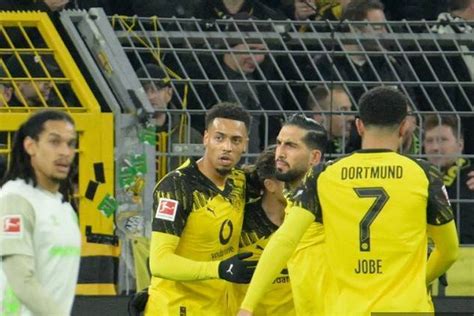
One of the key figures in the evolution of gegenpressing is Jürgen Klopp, whose implementation of the system at borussia dortmund and later at Liverpool brought it to global attention. Klopp’s version of gegenpressing, often described as "heavy metal football," is characterized by relentless energy, quick vertical passes, and a cohesive team structure that enables players to swarm the opposition in packs. At Dortmund, this approach allowed the team to dominate the Bundesliga with a high-tempo style that overwhelmed opponents. At Liverpool, gegenpressing became the foundation of their success in winning the Premier League and Champions League, showcasing how the tactic could be adapted to different leagues and player profiles.
The tactical underpinnings of gegenpressing are deeply tied to the concept of space control. When a team loses the ball, gegenpressing aims to close down the immediate space around the ball carrier, cutting off passing lanes and forcing errors. This requires players to be positionally disciplined and to communicate effectively. For instance, if a midfielder loses the ball, the nearest forward and winger might immediately press the opponent, while the fullbacks adjust their positioning to cover potential escape routes. This level of synchronization demands not only physical readiness but also a high degree of tactical awareness. Teams that excel at gegenpressing often train with drills that simulate these scenarios, emphasizing quick decision-making and collective movement.
Another aspect of gegenpressing’s importance lies in its psychological impact on the opponent. A well-executed gegenpress can create a sense of suffocation, as players feel they have no time or space to make decisions. This can lead to mistakes, turnovers, and a general sense of frustration. Teams that face gegenpressing frequently must adapt by either playing long balls to bypass the press (which can be risky and less precise) or by developing their own counter-pressing systems to neutralize the effect. This has led to an arms race of sorts in modern football, where teams are constantly evolving their pressing and counter-pressing mechanisms to stay ahead.
The rise of gegenpressing has also influenced player recruitment and development. Coaches who employ this system often prioritize players with specific attributes, such as high work rate, stamina, and quick recovery times. For example, Liverpool’s recruitment of players like Sadio Mané, Mohamed Salah, and Naby Keïta was heavily influenced by their ability to thrive in a gegenpressing system. Similarly, youth academies around the world are now training players to be comfortable in high-pressing environments, emphasizing not just technical skills but also the physical and mental resilience required for gegenpressing.
Gegenpressing’s impact extends beyond individual teams; it has shaped the broader tactical landscape of football. The success of teams like Liverpool, Manchester City (under Pep Guardiola, who incorporates elements of pressing in his possession-based system), and RB Leipzig (a club founded on the principles of Ralf Rangnick’s philosophy) has inspired others to adopt similar approaches. Even traditionally possession-oriented teams have integrated gegenpressing elements into their game, recognizing its value in disrupting opponents and creating opportunities in tight spaces.
However, gegenpressing is not without its challenges. It requires a squad with exceptional fitness levels, as the physical demands of constant pressing can lead to fatigue and injuries over the course of a season. Additionally, gegenpressing can be countered by teams that are well-organized and patient, using methods like low blocks or possession-based play to nullify its effectiveness. This has led to debates about the sustainability of gegenpressing as a long-term strategy, particularly for teams with less access to world-class athletes or extensive resources for recovery and training.
Despite these challenges, gegenpressing remains a defining feature of modern football. Its emphasis on proactive play, rather than reactive defending, resonates with the increasing demand for entertainment and dynamism in the sport. As football continues to evolve, gegenpressing serves as a reminder of how tactical innovation can reshape the game, pushing teams and players to redefine their limits. Its origins in German football may have been specific to a time and place, but its principles have become universal, influencing how the game is played and understood at every level.
- Gegenpressing prioritizes regaining possession immediately after losing the ball, exploiting transitional moments.
- It requires a blend of physical fitness, tactical discipline, and game intelligence.
- The tactic has reshaped player recruitment, emphasizing attributes like stamina and work rate.
- While pioneered in Germany, gegenpressing has become a global phenomenon, influencing teams across different leagues.
In conclusion, gegenpressing is more than just a tactical system; it is a philosophy that embodies the modern game’s focus on intensity, transition, and proactive play. Its origins may be traced to specific coaches and teams, but its impact has been far-reaching, redefining how football is both played and analyzed. As the sport continues to evolve, gegenpressing will likely remain a central tenet of high-level football strategy, adapting to new challenges and inspiring future innovations.
Historical Evolution of Gegenpressing
The concept of gegenpressing, often described as "counter-pressing," has roots that stretch back to the early tactical frameworks of football. However, its evolution into the sophisticated system seen in modern football, particularly in the context of "Gegenpressing FC 26," represents a fascinating journey of adaptation and innovation. To understand its historical trajectory, we must first examine the foundational pressing systems that laid the groundwork for gegenpressing as we know it today.
Pressing in football has always been about regaining possession quickly, but the methods employed have varied significantly over time. In the early 20th century, pressing was largely **individualistic** and reactive. Teams would assign specific players to mark opponents tightly, especially in the defensive third. This approach, while effective in certain scenarios, was energy-intensive and lacked the coordinated team effort that defines gegenpressing. The shift toward more organized pressing began in the 1960s and 1970s, influenced by the Dutch **Total Football** philosophy pioneered by Rinus Michels and Johan Cruyff. This system emphasized fluidity and positional interchange, with players expected to press collectively when possession was lost. While not gegenpressing in its modern form, Total Football introduced the idea of a **collective reaction to ball loss**, a precursor to gegenpressing’s core tenets.
The 1980s and 1990s saw the emergence of more structured pressing systems, particularly in European football. Teams like AC Milan under Arrigo Sacchi exemplified **high-intensity pressing** as a means of dominating games. Sacchi's Milan was known for its disciplined offside trap and coordinated pressing in the middle and final thirds. This era marked a transition from reactive pressing to a more **proactive, system-driven approach**. However, even Sacchi's pressing was not gegenpressing in the strictest sense because it often focused on denying space rather than immediately counter-pressing after losing the ball.
The true genesis of gegenpressing can be attributed to the tactical revolutions of the early 2000s, particularly in Germany. Coaches like Ralf Rangnick and Jürgen Klopp are often credited with refining and popularizing gegenpressing. Rangnick, often called the "godfather of gegenpressing," introduced the idea of **regaining possession within seconds of losing it** as a means of maintaining attacking momentum. His belief was simple yet revolutionary: the moment of transition, when the opponent has just won the ball, is when they are most vulnerable. This philosophy was further refined by Klopp during his time at Mainz and later Borussia Dortmund. Klopp's interpretation of gegenpressing emphasized **speed, aggression, and immediate counter-attacks**, encapsulated in his famous quote: "No playmaker in the world can be as good as a good counter-pressing situation."
The evolution of gegenpressing into its current form in FC 26 can be seen as a result of **technological and tactical advancements** in football analytics and training. Modern gegenpressing is not just about players running tirelessly to win the ball back; it is a **data-driven system** that relies on specific player roles, spatial awareness, and split-second decision-making. In FC 26, gegenpressing is characterized by:
- High defensive lines to compress space and force turnovers in the opposition's half.
- Player roles tailored for pressing, such as forwards who act as the first line of defense and midfielders who close down passing lanes.
- Advanced AI in-game systems that simulate real-world gegenpressing behaviors, allowing virtual teams to adapt dynamically to the opponent's movements.
These features are a direct result of how gegenpressing has been optimized in real-world football over the past two decades. For instance, the use of **heatmaps and tracking data** has enabled coaches to identify the most effective pressing triggers—moments when the opponent is likely to make a mistake, such as receiving the ball with their back to goal or in wide areas. This level of granularity was unthinkable in the early days of pressing systems.
Another key evolution in gegenpressing is its **integration with possession-based football**. While early gegenpressing systems were often associated with high-energy, direct play (as seen in Klopp's "heavy metal football"), modern gegenpressing in FC 26 incorporates elements of **positional play**. Teams now use gegenpressing not only to win the ball back quickly but also to **regain structured possession** and build attacks from higher areas of the pitch. This hybrid approach reflects the influence of coaches like Pep Guardiola, who adapted gegenpressing to suit teams that prioritize ball retention. In FC 26, this is reflected in the ability to toggle between aggressive pressing and more controlled, positional gegenpressing depending on the match scenario.
The role of **physical conditioning** cannot be overlooked in the historical evolution of gegenpressing. Early pressing systems often struggled with player fatigue, as the physical demands of constant pressing were difficult to sustain over 90 minutes. However, advances in sports science and fitness training have made it possible for teams to implement gegenpressing consistently. In FC 26, this is simulated through **stamina management systems** that reward teams for intelligent pressing rather than brute-force running. Players with high stamina and work rate attributes are better suited to gegenpressing, mirroring the real-world emphasis on physical preparation for such systems.
The tactical diversity within gegenpressing has also expanded in FC 26. While traditional gegenpressing focused on immediate counter-pressing in the middle and final thirds, modern implementations allow for **zonal gegenpressing** or **man-oriented pressing** depending on the opponent's setup. This flexibility is a testament to how gegenpressing has become a **versatile toolkit** rather than a one-size-fits-all strategy. For example, in FC 26, a team facing a low-block opponent might use a more patient form of gegenpressing, focusing on baiting the opponent into mistakes rather than aggressively chasing every loose ball.
The integration of gegenpressing into FC 26 also reflects the **globalization of tactical ideas**. What began as a distinctly German innovation has now been adopted and adapted by teams worldwide. From the high-pressing intensity of Marcelo Bielsa's Leeds United to the structured counter-pressing of Thomas Tuchel's Chelsea, gegenpressing has become a universal language of modern football. FC 26 captures this diversity by offering players the ability to customize their gegenpressing style based on team identity, opponent analysis, and in-game dynamics.
In conclusion, the historical evolution of gegenpressing is a story of **progressive refinement**—from rudimentary pressing in the early days of football to the highly nuanced, technologically supported system seen in FC 26. Its journey reflects not only changes in tactical thought but also the interplay between philosophy, technology, and player development. Gegenpressing in FC 26 is not merely a replication of real-world tactics; it is a **dynamic simulation** that encapsulates decades of innovation, making it a cornerstone of modern football strategy both on and off the virtual pitch.
Core Principles of Gegenpressing FC 26
The core principles of Gegenpressing FC 26 are rooted in a tactical philosophy that prioritizes aggressive, high-energy play to disrupt opponents and regain possession as quickly as possible. This approach is not merely about running tirelessly or pressing aimlessly; it is a systematic strategy with distinct components that interlink to create a cohesive and effective game plan. To fully understand the essence of Gegenpressing FC 26, we must dissect its key components: high pressing, immediate counter-pressing, and spatial control.
The first component, high pressing, is the foundation of Gegenpressing FC 26's philosophy. High pressing involves positioning players high up the pitch, often near the opponent's defensive third, to apply intense pressure on the ball-carrier and their immediate passing options. This tactic is designed to force errors in the opponent's build-up play, especially when they attempt to play out from the back. The objective is twofold: to win the ball in advanced areas, which can directly lead to goal-scoring opportunities, and to deny the opposition time and space to establish their preferred rhythm of play. However, high pressing is not merely about sprinting toward the ball; it requires intelligent positioning and coordinated movement. Players must anticipate the opponent's passing lanes and cut off options before they materialize. For instance, the forward line in Gegenpressing FC 26 often operates in a staggered formation, with one player pressing the ball-carrier while others block nearby passing lanes. This synchronized approach ensures that the press is not easily bypassed and that the team can sustain high energy without leaving gaps for counterattacks.
A critical insight into high pressing in Gegenpressing FC 26 is its adaptability to the opponent's style. If the opposition employs a long-ball strategy to bypass the press, the team adjusts by dropping certain players into a mid-block while still maintaining pressure on key receivers of the long passes. This flexibility demonstrates that high pressing is not a one-size-fits-all solution but a dynamic tactic tailored to the game's context. Another unique aspect is the psychological impact of high pressing. By constantly harrying opponents in their own half, Gegenpressing FC 26 creates a sense of urgency and discomfort, often leading to rushed decisions or turnovers. This mental edge is as important as the physical execution of the press.
The second component, immediate counter-pressing, is what gives Gegenpressing FC 26 its distinctive identity. Counter-pressing, or “gegenpressing” in German, refers to the act of pressing the opponent immediately after losing possession. This principle is based on the idea that the moments immediately after a turnover are the most chaotic and advantageous for regaining the ball. During this phase, the opposition is often not fully organized to launch a structured attack, making them vulnerable to being dispossessed again. Gegenpressing FC 26 emphasizes that players nearest to the ball must instantly react to the loss of possession, with the aim of either winning it back within 5-6 seconds or disrupting the opponent's transition. This requires exceptional awareness, quick decision-making, and a high level of fitness.
What sets Gegenpressing FC 26 apart in counter-pressing is its emphasis on collective responsibility. Unlike systems where only a few players are tasked with immediate recovery, every outfield player in Gegenpressing FC 26 is expected to contribute to the counter-press. This collective approach creates a swarm-like effect around the ball, making it extremely difficult for the opponent to find a safe outlet. Moreover, the team uses a concept known as “horizontal compactness” during counter-pressing. This means that players collapse toward the ball from both sides, reducing the space available for the opponent to maneuver. For example, if the ball is lost in the midfield, wingers may tuck inside to support central midfielders, while the nearest full-back pushes forward to close down passing lanes. This compactness not only aids in winning the ball back but also minimizes the risk of being exposed to a quick counterattack by the opposition.
An often-overlooked nuance of counter-pressing in Gegenpressing FC 26 is its role in maintaining offensive momentum. By regaining possession quickly, the team can sustain attacks without allowing the opposition to reset defensively. This creates a fluid, high-tempo style of play where the line between attack and defense is blurred. The psychological toll on the opposition is significant; they are constantly under pressure, unable to breathe or settle into their game plan. This relentless pursuit of the ball also serves as a morale booster for Gegenpressing FC 26 players, as the act of winning back possession becomes a shared, rewarding experience.
The third component, spatial control, underpins both high pressing and counter-pressing, acting as the invisible framework that enables Gegenpressing FC 26’s system to function. Spatial control refers to how the team manages and exploits space on the pitch to both defend and attack effectively. In high pressing, spatial control involves denying the opposition access to key zones, such as the central areas of the pitch, which are critical for building attacks. Gegenpressing FC 26 achieves this by employing a zonal-marking system with man-oriented triggers. Players are assigned zones to cover but are instructed to aggressively press any opponent who enters their zone or attempts to receive the ball in a dangerous area. This dual approach ensures that space is constricted for the opposition while still allowing for flexibility in player movement.
In counter-pressing, spatial control manifests in how the team collapses around the ball while still maintaining a semblance of structure further up the pitch. For instance, if the ball is lost in the attacking third, players do not all rush forward recklessly; instead, they maintain a layered structure, with some players positioned to cut off deep passes while others focus on immediate recovery. This layered approach ensures that even if the initial counter-press fails, the team is not left exposed to a direct counterattack.
Spatial control also plays a crucial role in transitioning from defense to attack. Gegenpressing FC 26 uses the space vacated by the opponent during their panicked clearances or long balls to launch quick, incisive counterattacks. Players are trained to recognize and exploit these spaces immediately, often using diagonal runs or overlapping movements to stretch the opposition. A unique feature of Gegenpressing FC 26's spatial control is its emphasis on vertical compactness during transitions. The team ensures that the distance between the defensive line and the forward line is minimized, which not only facilitates quick ball recovery but also supports rapid progression up the field.
To summarize, the core principles of Gegenpressing FC 26 are deeply interconnected. High pressing sets the tone by denying the opponent time and space, immediate counter-pressing ensures that any loss of possession is swiftly addressed, and spatial control provides the structural and strategic foundation for both. Together, these components create a system that is not only aggressive but also intelligent and adaptable. Gegenpressing FC 26 is not just about physical exertion; it is a meticulously designed philosophy that leverages the interplay of positioning, timing, and collective effort to dominate matches. This deep integration of principles is what makes Gegenpressing FC 26 a formidable tactical framework in modern football.
Tactical Setup in Gegenpressing FC 26
Gegenpressing, often described as "counter-pressing," is a high-intensity tactical approach that focuses on regaining possession immediately after losing the ball. In **Gegenpressing FC 26**, this philosophy is embedded in the game's core mechanics, requiring players to design a system that maximizes the effectiveness of this aggressive style. The ideal **tactical setup** for gegenpressing hinges on selecting formations, assigning player roles, and orchestrating movement patterns that align with the strategy's demands. Below, we explore these components in detail.
The choice of **formation** is the foundation of any gegenpressing system. While multiple setups can work, certain formations inherently support the gegenpressing ethos due to their compactness and ability to swarm the opponent. A 4-2-3-1 narrow or 4-4-2 diamond are particularly effective because they offer both central density and wide coverage when needed. The 4-2-3-1 narrow, for instance, places two central midfielders (a box-to-box midfielder and a defensive midfielder) alongside an advanced playmaker, enabling quick recovery in the middle third. Similarly, the 4-4-2 diamond ensures that the midfield quartet can press aggressively while the two strikers cut passing lanes toward the opposition's center-backs. These formations prioritize central overloads, which are critical for gegenpressing as most build-up play occurs centrally.
However, formations must be adaptable. For instance, a 3-4-3 can also serve gegenpressing well if the wing-backs are disciplined in their pressing duties and the three center-backs maintain a high line to compress space. The key is to avoid overly spread-out formations like a flat 4-3-3 with wide wingers, as these can leave gaps that skilled opponents exploit during transitions.
Once the formation is decided, **player roles** become the next focal point. In gegenpressing, every player must contribute to the press, but their specific roles dictate how effectively they do so. Here are some optimized player roles for gegenpressing setups:
- Strikers: A high-energy pressing forward (e.g., a pressing forward or target man with high work rate) is ideal. These players must harry the opposition's defenders, forcing rushed passes or errors. A secondary striker in a support role can help cut off passing lanes to the midfield.
- Midfielders: A combination of a box-to-box midfielder and a ball-winning midfielder is ideal. The former provides vertical energy to chase down loose balls, while the latter disrupts play in tight spaces. In a 4-2-3-1, the advanced playmaker can act as a pressing trigger, moving aggressively when the opponent attempts to play through the middle.
- Defenders: Center-backs should be comfortable with a high defensive line to maintain compactness. Full-backs or wing-backs should have high stamina and work rates to press wide areas effectively. Their role is to close down wingers or full-backs immediately after a turnover.
- Goalkeeper: A sweeper keeper with high agility complements gegenpressing by acting as an outlet for quick distribution after regaining possession. Their ability to sweep behind the high line is also essential to prevent counterattacks.
While roles are important, movement patterns are what bring gegenpressing to life. Effective gegenpressing relies on coordinated team movement rather than individual effort. Here are key patterns to implement:
- Immediate Counter-Press: When the ball is lost, the nearest players (usually midfielders and forwards) must swarm the opponent within 2-3 seconds. This "transition press" is designed to deny the opposition time to settle into their shape. In Gegenpressing FC 26, this can be simulated by setting the **pressing intensity** to "high" in team instructions and ensuring players are positioned close enough to execute this quickly.
- Triggering the Press: Gegenpressing is not about mindless running; it requires pressing triggers. For example, if an opponent receives the ball with their back to goal or attempts a risky pass, that is the moment to activate the press. In-game, this can be achieved by assigning specific player instructions like close down more for certain positions (e.g., attacking midfielders or wingers).
- Compactness in the Middle Third: A hallmark of gegenpressing is the ability to maintain a compact block when out of possession. This involves the midfield and attack staying within 20-30 yards of the defense. In Gegenpressing FC 26, this can be enforced by using the team shape setting set to "very narrow" and ensuring the defensive line and line of engagement are synchronized (e.g., both set to "higher").
- Rotations in Wide Areas: When the ball is played wide, gegenpressing requires rapid rotation. For instance, if a winger is pressing the ball carrier, the nearest full-back and central midfielder must shift to cover the space behind. This prevents the opposition from exploiting the far side of the pitch. The game mechanics in Gegenpressing FC 26 reward such synchronized movement by offering better pressing success when players are positioned correctly.
Another often-overlooked aspect of gegenpressing is the role of **off-the-ball movement**. Players must anticipate where the ball will go next rather than simply reacting to its current position. For instance, when a midfielder presses an opponent, their supporting players should already be angling their runs to cut off the next passing option. This requires players to have high anticipation, work rate, and teamwork attributes in the game. Without these, the press can become disjointed, leading to vulnerabilities during transitions.
To further enhance gegenpressing, **custom team instructions** in Gegenpressing FC 26 can be leveraged. For instance, setting counter-press to "always" and pairing it with higher defensive line and prevent short goalkeeper distribution ensures that the team remains aggressive even when the opponent tries to play out from the back. Additionally, run at defense for attacking players can force the opposition into making panicked clearances, which are easier to intercept.
One of the unique insights of gegenpressing in Gegenpressing FC 26 is the interplay between mental and physical attributes. While high stamina and pace are non-negotiable for gegenpressing players, attributes like decisions, vision, and determination are equally critical. A player who presses without understanding when to back off can leave the team exposed. Therefore, balancing aggressive player traits (e.g., tries to beat offside trap) with disciplined ones (e.g., plays with discipline) is key to sustaining the press over 90 minutes.
Finally, gegenpressing is not just about regaining possession—it is about what happens next. The ideal setup should transition seamlessly into attack after winning the ball. This requires forward players to make pre-planned runs into space and midfielders to be positioned for quick, vertical passes. In Gegenpressing FC 26, this can be supported by enabling focus play through the middle or using exploit the flanks depending on the opposition's weaknesses.
In conclusion, the tactical setup for gegenpressing in Gegenpressing FC 26 is a blend of formation choice, player roles, and movement coordination. While the 4-2-3-1 narrow and 4-4-2 diamond are strong starting points, success depends on how well players execute pressing triggers, maintain compactness, and transition into attack. By focusing on these elements, players can harness the full potential of gegenpressing and dominate matches with a style that is as mentally taxing for opponents as it is rewarding for the user.
Player Attributes for Success
In the high-intensity and dynamic system of gegenpressing, player attributes are not just desirable but essential for success. This tactical approach, popularized by teams like Liverpool under Jürgen Klopp and RB Leipzig, demands that players operate at peak physical, technical, and mental capacity to execute the system effectively. A gegenpressing team relies on collective energy, synchronization, and rapid decision-making to win the ball back immediately after losing it, often in the opponent's half. To thrive in such a system, players must exhibit a unique blend of traits tailored to the physical demands, technical precision, and mental resilience required.
Starting with physical attributes, gegenpressing is a physically demanding style of play that prioritizes speed, stamina, and agility. Players must be able to cover large distances quickly, both in short bursts and over the course of 90 minutes. A key physical trait is acceleration—the ability to reach top speed in the shortest possible time. This is crucial for closing down opponents immediately after a turnover, as even a split-second delay can allow the opposition to escape pressure. For instance, a winger or full-back in a gegenpressing system must be explosive enough to press a defender aggressively while also having the recovery speed to track back if the press is bypassed.
Another critical physical attribute is stamina. Gegenpressing is not a system where players can afford to take breaks during play. The relentless nature of pressing high up the pitch means players are constantly in motion, whether they are closing down passing lanes, harassing ball carriers, or repositioning to maintain team shape. Players need a high VO2 max—a measure of oxygen uptake—to sustain this energy output. Midfielders, in particular, are central to gegenpressing as they often act as the first line of defense after a loss of possession. Their ability to sprint repeatedly without fatigue is non-negotiable. Additionally, strength plays a role, particularly in duels. While gegenpressing is not a physical, brute-force system, players must hold their ground when challenging for the ball in tight spaces, especially against physically robust opponents.
The technical attributes required in gegenpressing are equally specific and demanding. First and foremost, players need ball control under pressure. When winning the ball back in advanced areas, the immediate objective is often to launch a counterattack. This requires players to maintain composure and execute precise first touches even when surrounded by opponents. A midfielder or forward who can instantly control a loose ball and play a forward pass can turn a successful press into a goal-scoring opportunity. This is why technical proficiency in first-touch passing and close control is so valued in this system.
Another key technical trait is passing accuracy in tight spaces. Gegenpressing often involves rapid transitions, where players must find teammates in crowded areas. A misplaced pass can undo the hard work of winning the ball back. Players must be adept at playing quick, incisive passes that maintain the tempo of the attack. For example, a central midfielder with the ability to play a through ball immediately after a turnover can exploit the disorganized state of the opposing defense. Additionally, tackling technique is vital. Players must be able to win the ball cleanly without committing fouls, as reckless challenges in advanced areas can give the opposition set-piece opportunities in dangerous positions.
Equally important is the mental aspect of playing in a gegenpressing system. This is perhaps the most overlooked yet critical component of success. Tactical intelligence is paramount. Players must understand their roles within the system and anticipate the movement of both teammates and opponents. For example, when a striker initiates a press on the opposition's center-back, the winger and attacking midfielder must instinctively move to cut off passing lanes to the full-backs. This level of coordination requires players to think two or three steps ahead, reading the game in real time.
Another mental trait is aggression with discipline. Gegenpressing thrives on players being aggressive in their pursuit of the ball, but this must be balanced with tactical discipline. Overcommitting to a press can leave gaps in the defense that skilled opponents can exploit. Players must know when to press and when to hold their position, a balance that requires exceptional game awareness. This is particularly true for defenders in a gegenpressing system, who must be ready to step up and support the press while also being prepared to drop back and cover if the press fails.
A third mental attribute is resilience and mental toughness. Gegenpressing can be exhausting, both physically and mentally. Players will face moments where the press fails, and the opposition launches a counterattack. In such situations, the ability to reset quickly and re-engage with the system is vital. Mental resilience also comes into play during high-pressure matches where gegenpressing is tested against teams that are comfortable playing out from the back. Players must remain confident and committed to the system even when it does not yield immediate results.
Another layer of mental strength is the willingness to work collectively. Gegenpressing is not a system for individualists. Every player must buy into the collective effort, understanding that their role in the press is part of a larger machine. This requires a selfless attitude, where players are willing to expend energy for the team even if they are not directly involved in the attacking phase. For instance, a striker who relentlessly presses the opposition's backline, even if they do not score, is contributing to the team's overall success by forcing mistakes and disrupting the opponent's buildup play.

Finally, communication skills are a subtle but significant mental attribute. In gegenpressing, players must constantly communicate to coordinate their movements. A simple shout to alert a teammate about an open passing lane or to signal a switch in pressing focus can make the difference between a successful press and a defensive breakdown. This is particularly important in teams with younger or less experienced players, as clear communication can compensate for gaps in experience.
In summary, the attributes needed for success in a gegenpressing system are multifaceted. Physical traits like acceleration, stamina, and strength form the foundation of a player's ability to meet the system's demands. Technical skills such as ball control, passing accuracy, and clean tackling ensure that players can execute the system with precision. Mental attributes like tactical intelligence, discipline, resilience, and communication tie everything together, enabling players to function as part of a cohesive unit. Without these traits, even the most talented individuals may struggle to adapt to the gegenpressing philosophy, as it is a system that rewards not just skill but also synergy and sacrifice.
Training and Implementation
Gegenpressing FC 26 is a tactical approach that demands not only physical endurance but also mental sharpness and seamless coordination among players. Training a team to adopt and implement gegenpressing requires a structured, multi-faceted approach that combines physical conditioning, tactical drills, and scenario-based simulations. This section delves into the specific training methods and implementation strategies that can help teams effectively integrate gegenpressing into their gameplay and adapt it to various in-game scenarios.
The foundation of gegenpressing lies in the players' ability to press the opponent immediately after losing possession. This requires **high-intensity physical conditioning** as a starting point. Teams must prioritize **interval training** to simulate the bursts of energy needed during pressing sequences. For instance, drills that involve short sprints followed by immediate recovery periods can mimic the physical demands of gegenpressing. A practical example is a drill where players sprint 20 meters to close down a ball carrier, then recover for 10 seconds before repeating the action. This not only builds stamina but also ingrains the quick reaction times necessary for gegenpressing.
Beyond physical fitness, **positional awareness** is critical. Teams must understand how to position themselves to cut off passing lanes and force opponents into predictable areas of the pitch. A common training exercise is the **"rondo with a press"**, where a group of players in a small grid attempts to maintain possession while a larger group presses to win the ball back. This drill emphasizes quick closing down, communication, and the importance of compactness. Teams can modify this drill by increasing the size of the grid or adding constraints, such as limiting the number of touches for the possessing team, to make the pressing more intense and game-like.
Another key aspect is **decision-making under pressure**. Gegenpressing is not about blindly chasing the ball; it is about **intelligent pressing triggers**. For example, players should be trained to recognize moments when an opponent is in a poor body position (e.g., back to goal or receiving the ball with limited support). A useful exercise here is the **"trigger press simulation"**, where coaches set up scenarios with specific pressing triggers—such as a poorly weighted back pass or a midfielder receiving the ball in a wide area. Players must quickly identify the trigger and execute the press as a unit. This type of training helps players develop the instinct to press at the right moments rather than exhausting themselves with ineffective chasing.
Adapting gegenpressing to different game scenarios requires flexibility in both mindset and execution. One scenario is **transition play after a turnover in the attacking third**. Here, gegenpressing can be lethal because the opponent is often disorganized while transitioning from defense to attack. Training for this scenario involves **small-sided games** where the focus is on immediate recovery of the ball within 5-7 seconds of losing it. For instance, a 5v5 game in a tight area with a high-intensity rule that rewards teams for regaining possession within a set time frame can simulate this scenario effectively. Coaches should emphasize the importance of **vertical compactness**—ensuring that players are close enough to support the press while cutting off forward passing options.
In contrast, **midfield gegenpressing** requires a different approach. When the ball is lost in the middle third, the team must prioritize cutting off central passing lanes to prevent the opponent from advancing into dangerous areas. A useful training method is the **"midfield overload drill"**, where the team practices maintaining a compact shape in the middle third while pressing as a cohesive unit. This drill can include variations where the coach introduces "shadow players" to simulate opponents attempting to play through the press. The objective is to force the ball wide or back, thereby disrupting the opponent's rhythm.
Another scenario is **defending deep and gegenpressing in the defensive third**. While gegenpressing is traditionally associated with high pressing, it can also be adapted to situations where the team is under sustained pressure in its own half. Here, the focus shifts to **counter-pressing**—regaining the ball immediately after a defensive clearance or interception. Training for this involves **defensive shape drills** where players practice shifting as a unit to close down spaces when the ball is played into wide areas or centrally. A practical exercise is the **"defend-and-press box"**, where the team defends a small area and must win the ball back within a set number of passes by the attacking team. This drill helps players understand how to maintain defensive solidity while still applying immediate pressure.
Communication is a cornerstone of successful gegenpressing. Players must be trained to use **clear and concise cues** to coordinate their press. For example, a shout like "press left" or "squeeze" can signal teammates to adjust their positioning and apply pressure in unison. Coaches can incorporate **verbal communication drills** into training sessions, where players are required to call out their intentions during pressing sequences. This not only improves coordination but also ensures that the team operates as a synchronized unit rather than a collection of individuals.
One often-overlooked aspect of gegenpressing is the **mental resilience** required to sustain the approach over 90 minutes. Teams must be prepared for the physical and psychological toll of constantly pressing. This can be addressed through **mental conditioning exercises**, such as mindfulness training or visualization techniques, where players rehearse pressing scenarios in their minds. Additionally, coaches should emphasize the importance of **rotations and substitutions** to keep players fresh. Training sessions can include **fatigue simulations**, where players practice gegenpressing after extended periods of high-intensity activity to build their resilience.
Finally, gegenpressing must be adaptable to **opponent-specific strategies**. Not every team will respond to gegenpressing in the same way. Some may attempt to bypass the press with long balls, while others might prioritize quick, short passing to escape pressure. Teams must train to recognize these patterns through **video analysis and tailored drills**. For example, if an opponent frequently uses a target man to relieve pressure, training sessions can include exercises where defenders practice intercepting long balls and immediately initiating a press on the second ball. Similarly, if an opponent relies on quick combinations in midfield, drills can focus on closing down central areas aggressively while maintaining cover behind the press.
In conclusion, adopting gegenpressing FC 26 is not a one-size-fits-all solution. It requires a blend of physical preparation, tactical understanding, and scenario-specific training. By focusing on high-intensity conditioning, positional drills, decision-making exercises, and adaptability to various game situations, teams can effectively train to implement gegenpressing and use it as a dynamic weapon in their tactical arsenal. This approach not only enhances a team's ability to regain possession but also disrupts opponents' game plans, making gegenpressing a potent strategy when executed with precision and consistency.
Impact on Match Dynamics
Gegenpressing FC 26, a tactical approach rooted in high-intensity pressing and rapid counter-pressing, has a profound impact on the match dynamics of a football game. This strategy, popularized by teams like Liverpool under Jürgen Klopp and RB Leipzig, is not merely about winning the ball back but about dictating the flow of the game through controlled chaos. In this section, we delve into how gegenpressing FC 26 influences **possession**, **transitions**, and **goal-scoring opportunities**, offering a granular analysis of its tactical nuances.
To begin with, possession under gegenpressing is not about monopolizing the ball in the traditional sense. Instead, it is about controlling when and where possession is regained. Unlike possession-based teams that aim to retain the ball for extended periods, gegenpressing FC 26 prioritizes short bursts of possession that are highly effective in destabilizing the opponent. The team presses aggressively immediately after losing the ball, often within 5-10 seconds, to force mistakes in the opponent's build-up play. This approach ensures that the team does not need to dominate possession statistics to control the game. Instead, they create "micro-moments" of possession that are high-leverage—situations where the ball is won in advanced areas of the pitch. This minimizes the need for long, patient build-ups and instead emphasizes verticality and directness. For example, if gegenpressing forces a turnover in the final third, the attacking team can immediately exploit disorganized defenses, leading to quick shots or incisive passes into dangerous zones.
The influence on transitions is perhaps the most striking aspect of gegenpressing FC 26. Transitions in football refer to the moments when the ball changes hands, moving from attack to defense or vice versa. Gegenpressing thrives in these moments because it eliminates the "transition time" for the opponent. When a team loses the ball, traditional systems often allow a brief reset, during which the opposition can reorganize. Gegenpressing FC 26 denies this luxury. By swarming the player in possession and cutting off passing lanes, the pressing team forces the opponent into hurried decisions. This has two key effects: first, it increases the likelihood of turnovers in dangerous areas, and second, it disrupts the opponent's ability to launch structured counterattacks. For instance, if an opponent wins the ball in their defensive third and is immediately pressed by three players, their only viable options are risky long balls or misplaced short passes. Both scenarios play into the hands of gegenpressing teams, as they are adept at intercepting such plays and quickly transitioning into attack themselves. This creates a game of constant flux, where the team employing gegenpressing can maintain a psychological edge by keeping the opponent in a state of perpetual unease.
The impact on goal-scoring opportunities is a direct consequence of the above dynamics. Gegenpressing FC 26 is designed to manufacture high-quality chances rather than relying on sheer volume of shots. Teams that employ this system often prioritize regaining the ball in the opposition's half, where defensive lines are less compact and recovery runs are slower. This proximity to the goal means that when possession is regained, the attacking team can launch immediate attacks with fewer players between them and the goal. A classic example is when a winger presses a full-back into a mistake, wins the ball, and immediately squares it to a striker or advancing midfielder. These situations often result in one-on-one opportunities or shots from close range, which have a higher probability of conversion compared to long-range efforts. Furthermore, gegenpressing creates "wave-like" attacking patterns. After a successful press, the team often has numerical superiority in the attacking phase because the opponent's defensive structure is not yet fully set. This allows for quick combinations, overlaps, and through balls that can slice through even well-organized defenses. The result is a higher frequency of "big chances" created, which is a key metric in modern football analytics.
Another layer to consider is how gegenpressing FC 26 affects the psychological and physical toll on both teams. For the pressing team, the system demands exceptional fitness levels and mental sharpness. Players must not only execute high-intensity sprints but also make split-second decisions about when to press, when to hold, and how to coordinate with teammates. This creates a game environment where the pressing team often appears to be in control, even if they do not have the ball for long stretches. For the opponent, the constant pressure can lead to fatigue and frustration. Defenders and midfielders are forced to play under duress, leading to more errors and a higher likelihood of individual mistakes. This psychological edge can be as impactful as the tactical one, as players on the receiving end of gegenpressing often feel like they are always a step behind. Over the course of 90 minutes, this can result in a higher rate of conceded goals, particularly in the later stages of the match when energy levels wane.
It is also worth examining how gegenpressing FC 26 interacts with set-piece scenarios and defensive organization. While gegenpressing is inherently an aggressive system, it does not neglect defensive stability. Instead, it redefines it. When the press is broken—a rare but inevitable occurrence—gegenpressing teams are trained to quickly shift into a compact defensive shape. This ensures that even if the opponent manages to bypass the initial wave of pressure, they are met with a low block or a mid-block that is difficult to penetrate. This dual focus on aggressive pressing and structured recovery makes gegenpressing FC 26 a balanced approach, despite its high-risk nature. In terms of set pieces, the team can use the press to force poor clearances, which often result in second-ball opportunities in advanced areas. This further enhances their goal-scoring potential.
From a statistical perspective, gegenpressing FC 26 often leads to unique patterns in match data. Teams employing this system tend to have higher numbers of possessions won in the final third, a lower average time of possession per sequence, and a higher expected goals (xG) value from fast breaks. These metrics underscore the system's emphasis on efficiency over volume. For instance, a gegenpressing team might average only 45% possession but still outshoot their opponent due to the quality of their chances. This is a stark contrast to teams that dominate possession but struggle to convert it into meaningful opportunities.
In conclusion, gegenpressing FC 26 is a system that redefines traditional match dynamics by emphasizing **proactive possession recovery**, **explosive transitions**, and **high-quality scoring opportunities**. Its influence is not limited to tactical outcomes but extends to the psychological and physical dimensions of the game. By forcing opponents into a reactive stance and capitalizing on their vulnerabilities, gegenpressing FC 26 exemplifies how modern football can be shaped by a blend of intensity, intelligence, and precision. Teams that master this approach can turn matches into high-tempo battles where their opponents are constantly on the back foot, unable to settle into a rhythm. This makes gegenpressing not just a tactic but a philosophy that reshapes how we understand the ebb and flow of a football match.
Case Studies of Successful Teams
Gegenpressing, a tactical approach that emphasizes immediate counter-pressing after losing possession, has become a hallmark of modern football. Pioneered by managers like Jürgen Klopp and refined by others, this system requires a blend of physical fitness, tactical discipline, and collective understanding. In this section, we explore case studies of teams and managers who have mastered gegenpressing in recent years, shedding light on how they adapted this philosophy to achieve success on the pitch.
One of the most iconic examples of gegenpressing mastery is **Liverpool under Jürgen Klopp**. Klopp, often credited as the modern face of gegenpressing, implemented this system with remarkable success at Borussia Dortmund before bringing it to Liverpool. At Liverpool, his gegenpressing evolved into a high-octane, synchronized system that saw players like Sadio Mané, Mohamed Salah, and Roberto Firmino excel. A key insight into Liverpool's success is their use of **"double pivot" midfielders**—players like Jordan Henderson and Fabinho who acted as both ball-winners and connectors. This allowed the front three to press high without leaving the team exposed. For instance, in the 2019-20 Premier League season, Liverpool's gegenpressing was a critical factor in their title win. They averaged **62.3% possession** and were among the league leaders in **ball recoveries in the final third**. This was not just about high pressing but also about the **asymmetric positioning** of their fullbacks, Trent Alexander-Arnold and Andy Robertson, who provided width while the midfield compressed space centrally. Liverpool's gegenpressing was not static; it adapted to opponents, sometimes shifting to a mid-block when facing possession-heavy teams like Manchester City.
Another compelling case study is **RB Leipzig under Julian Nagelsmann**. Nagelsmann, often referred to as a "tactical chameleon," took gegenpressing to a new level by integrating **positional play (juego de posición)** with pressing triggers. At Leipzig, he focused on **vertical compactness**, ensuring that the team's defensive and midfield lines were never more than 25-30 meters apart. This compactness enabled Leipzig to win the ball back quickly in advanced areas. A standout example of their gegenpressing effectiveness was their 2020 Champions League campaign, where they reached the semifinals. Against Atlético Madrid, Leipzig's gegenpressing disrupted Diego Simeone's low-block system. Nagelsmann deployed a **4-2-2-2 formation**, with attacking midfielders like Dani Olmo and Christopher Nkunku pressing aggressively while the strikers cut passing lanes to the pivot. This approach forced Atlético into long balls, a style they were uncomfortable with. Leipzig's gegenpressing also relied on **rotational pressing**, where players would take turns pressing the ball carrier while others covered space. This dynamic system allowed them to sustain pressure even against physically robust teams.
In contrast, **Marcelo Bielsa's Leeds United** offers a slightly different take on gegenpressing. While Bielsa is not often labeled a gegenpressing purist, his high-energy, man-marking system shares many gegenpressing principles. Leeds' 2020-21 Premier League season, their first after promotion, showcased how gegenpressing could be adapted to a team with limited resources. Bielsa's system demanded **relentless work rate**, with players like Kalvin Phillips and Stuart Dallas covering vast areas of the pitch. Leeds' gegenpressing was characterized by **man-oriented pressing**, where each player was assigned a direct opponent to mark in specific zones. This often led to chaotic but effective ball recoveries in the middle third. For example, in their matches against top-six teams, Leeds often outran opponents in terms of **distance covered** and **intensive runs**, even if the results were mixed. However, their gegenpressing was not without flaws—it sometimes left them vulnerable to quick counterattacks due to overcommitment. Nonetheless, Bielsa's interpretation of gegenpressing proved that the system could be effective even without world-class players, provided the team adhered to a shared work ethic and tactical discipline.
A more recent example is **Roger Schmidt's Benfica** in the 2022-23 season. Schmidt, known for his high-pressing philosophy from his time at Bayer Leverkusen and PSV Eindhoven, brought gegenpressing to the Portuguese league with stunning results. Benfica's gegenpressing was built around **rapid ball recoveries** and **explosive transitions**. Players like Enzo Fernández and Rafa Silva were central to this approach, with their ability to win the ball in advanced areas and immediately launch attacks. In their Champions League group stage matches, Benfica's gegenpressing dismantled teams like Juventus, where they forced turnovers in the final third and capitalized with fast vertical attacks. Schmidt's gegenpressing also emphasized **rotational movement in midfield**, where players like Florentino Luís acted as a "destroyer" while others, such as João Mário, provided the creative outlet after winning the ball. This system not only led Benfica to domestic success but also showcased how gegenpressing could thrive in a league not traditionally associated with high-intensity football.
It is also worth examining **Pep Guardiola's Manchester City**, a team not always associated with traditional gegenpressing but one that incorporates its principles in unique ways. Guardiola's adaptation of gegenpressing is subtler, focusing on **positional control** rather than outright intensity. For instance, in the 2022-23 season, City often used a **false nine system** with players like Bernardo Silva and Phil Foden dropping deep to create numerical superiority in midfield. This allowed them to press in a **coordinated zonal manner**, rather than man-to-man. Guardiola's gegenpressing is less about immediate aggression and more about **controlling space**—forcing opponents into predictable areas where City's players can swarm the ball. This nuanced approach helped City dominate possession while still being effective in regaining the ball quickly when needed. Their gegenpressing was particularly evident in high-stakes matches, such as their 2023 Champions League final victory over Inter Milan, where they stifled Inter's buildup play by cutting off passing lanes and forcing errors in the middle third.
Finally, we must consider **Ajax under Erik ten Hag** during their 2018-19 Champions League run. Ten Hag's Ajax was a blend of youth and experience, with gegenpressing serving as the backbone of their success. Their high-pressing system was characterized by **fluid positional interchanges**, where players like Frenkie de Jong and Donny van de Beek would step into pressing roles while maintaining the team's shape. Ajax's gegenpressing was particularly effective in their victories over Real Madrid and Juventus, where they exploited the **space behind high defensive lines**. Ten Hag's gegenpressing was also notable for its **proactive use of the goalkeeper**—André Onana often acted as an additional outfield player during buildup phases, enabling Ajax to bypass the first line of pressure from opponents. This holistic approach to gegenpressing demonstrated how the system could be integrated into a possession-based style without losing its aggressive edge.
These case studies highlight the diversity within gegenpressing. From Klopp's high-energy Liverpool to Guardiola's controlled Manchester City, the system is not a one-size-fits-all solution. Instead, it is a framework that managers adapt to their squad's strengths, the league's dynamics, and the opponent's weaknesses. What unites these examples is the **shared emphasis on collective effort, spatial awareness, and the ability to transition quickly from defense to attack**. Gegenpressing is not merely a tactic; it is a philosophy that demands buy-in from every player on the pitch, and these teams have shown how mastery of this approach can lead to both domestic and international success.
Critiques and Limitations
The concept of gegenpressing, as exemplified by "Gegenpressing FC 26," has revolutionized modern football with its high-intensity, proactive approach to regaining possession immediately after losing the ball. However, like any tactical system, it is not without its critiques and limitations. While the system can yield extraordinary results when executed with precision and a well-conditioned squad, there are inherent downsides that managers, analysts, and players must grapple with. These include physical burnout, tactical predictability, and susceptibility to well-organized counterattacks.
One of the most significant critiques of gegenpressing is its demand on physical conditioning. The system requires players to exert maximum effort in short bursts to close down opponents, deny passing lanes, and win the ball back in advanced positions. This is not merely a matter of stamina but of explosive energy—players must sprint, press, and reposition themselves repeatedly throughout a 90-minute match. While elite athletes are trained to handle such demands, the cumulative effect of this intensity can lead to physical burnout, particularly over the course of a long season. Players in teams that rely heavily on gegenpressing often report higher incidences of muscle fatigue, soft tissue injuries, and reduced performance in the latter stages of competitions. For instance, teams like Liverpool under Jürgen Klopp have occasionally experienced mid-season slumps attributed to the physical toll of their aggressive pressing style. Even with sports science advancements and tailored recovery protocols, the human body has limits, and gegenpressing often tests those limits to an extreme.
Another limitation lies in the psychological toll of maintaining such intensity. Gegenpressing is not just a physical strategy but a mental one—players must remain hyper-focused, anticipate opponents' movements, and react instantaneously. This level of concentration is difficult to sustain over extended periods, especially in high-stakes matches or during fixture congestion. Players may experience mental fatigue, leading to lapses in decision-making or reduced effectiveness in executing the press. When gegenpressing falters due to mental or physical exhaustion, the team can appear disjointed, leaving gaps in midfield and defense that skilled opponents can exploit.
A related issue is the system's vulnerability to counterattacks. Gegenpressing inherently involves committing multiple players forward to win the ball in the opponent's half. While this creates opportunities for quick transitions and high-probability scoring chances when successful, it also leaves the team exposed if the press is bypassed. A well-drilled opponent can use the gegenpressing team's aggressive positioning against them by playing long balls or quick, incisive passes into the space left behind. For example, a team employing a low-block defensive structure with fast, direct attackers can punish gegenpressing sides that fail to recover their defensive shape quickly. This vulnerability is particularly pronounced against teams that prioritize verticality—quick, direct attacks that bypass the midfield entirely. The likes of Real Madrid or Manchester City have, at times, exploited gegenpressing teams by drawing them in and then launching rapid counterattacks that leave defenders isolated.
There is also a tactical predictability associated with gegenpressing. While the system is dynamic and adaptable in theory, teams that rely on it as their primary approach can become one-dimensional. Opponents who study their patterns can prepare specific countermeasures, such as employing a high defensive line to negate pressing triggers or using short, quick passes in tight spaces to play through the press. Moreover, gegenpressing teams often struggle against opponents who are comfortable retaining possession under pressure. For instance, a side like Manchester City under Pep Guardiola, which combines positional play with exceptional technical skill, can frustrate gegenpressing teams by circulating the ball calmly and waiting for the press to overcommit. In such scenarios, the gegenpressing team risks expending energy fruitlessly while failing to regain possession, leaving them vulnerable to fatigue and tactical frustration.
Another critique worth exploring is the economic and developmental challenge of building a squad suited for gegenpressing. Not every player is suited to this style of play. It requires not only physical attributes like speed, agility, and endurance but also technical proficiency to execute quick transitions and maintain possession under pressure. Recruiting or developing such players can be costly, particularly for mid-tier teams attempting to implement gegenpressing without the resources of elite clubs. Additionally, younger players or those unfamiliar with the system may struggle to adapt, leading to inconsistent performances. This is a particular concern for "Gegenpressing FC 26," where the expectation of immediate results might clash with the time required to instill the necessary habits and understanding in a squad.
The role of substitutes and squad depth also poses a challenge. Gegenpressing demands a high level of energy from all players on the pitch, making it difficult for managers to rotate their squads without compromising the system's effectiveness. In a congested fixture schedule—common in modern football with domestic leagues, cup competitions, and European tournaments—teams that rely heavily on gegenpressing often find their bench players less capable of maintaining the same intensity. This can result in a drop in performance when key players are rested or injured, as the system’s effectiveness is closely tied to the collective effort of the starting XI. Furthermore, substitutes who are not fully attuned to the gegenpressing philosophy may disrupt the rhythm of the team when brought on, creating moments of disorganization that opponents can exploit.
It is also worth considering the context-specific nature of gegenpressing's success. While the system has proven highly effective in leagues like the Bundesliga, where many teams play open, attacking football that leaves space for pressing to thrive, it may be less effective in leagues with more defensively oriented teams. For example, in Serie A or Ligue 1, where compact defenses and low-block strategies are more prevalent, gegenpressing can struggle to create the same impact. Teams that sit deep and deny space in their own half can neutralize the gegenpressing approach, forcing the pressing team to expend energy without tangible rewards. This context-dependence suggests that gegenpressing is not a one-size-fits-all solution and may require significant adaptation to succeed in different footballing cultures.
Finally, there is the philosophical question of whether gegenpressing, as a system, prioritizes short-term gains over long-term sustainability. While it can deliver immediate results—high-energy performances, dynamic attacking play, and an exhilarating style of football—it may not be a system that can be maintained indefinitely. The physical and mental demands on players, combined with the risk of tactical stagnation, could lead to diminishing returns over time. This is particularly relevant for "Gegenpressing FC 26," where the focus on gegenpressing might need to evolve into a more balanced approach to ensure longevity and adaptability in a competitive landscape.
In conclusion, while gegenpressing is a potent and exciting tactical framework, it is not without its limitations. From the risk of physical and mental burnout to its vulnerability to counterattacks and contextual inefficiencies, the system requires careful management and adaptation to remain effective. Teams like "Gegenpressing FC 26" must weigh the benefits of its aggressive, proactive nature against these potential downsides, ensuring they have the resources, squad depth, and tactical flexibility to mitigate its inherent challenges.
Future of Gegenpressing in Football
The future of gegenpressing in football, particularly as it pertains to FC 26 and the evolving landscape of the sport, is tied to how the game itself adapts to new technological, tactical, and physiological innovations. Gegenpressing, a high-intensity tactical approach pioneered by coaches like Jürgen Klopp and Ralf Rangnick, is characterized by immediate pressure on the opponent after losing possession. This strategy has been a hallmark of modern football, but its application and effectiveness are likely to evolve as the sport progresses.
One of the most significant factors shaping the future of gegenpressing is the integration of **data-driven analytics**. Modern football clubs are increasingly reliant on advanced metrics to optimize player performance and tactical execution. Tools like expected possession value (EPV), tracking player movement through GPS and AI-powered systems, and real-time data analytics are enabling coaches to fine-tune gegenpressing strategies. In FC 26 and beyond, we can expect gegenpressing to become more **personalized and player-specific**. For instance, AI models could identify which players in a squad are best suited for the physical and mental demands of gegenpressing based on their sprint speed, recovery time, and decision-making under pressure. This would allow teams to deploy gegenpressing not as a one-size-fits-all tactic but as a **dynamic, squad-tailored system** that adapts to the unique attributes of each player on the field.
Another area of evolution lies in **technological enhancements on the field**. With the advent of **wearable tech** and real-time communication systems, players could receive live feedback during matches about their positioning, energy expenditure, and even optimal moments to press. Imagine a scenario where a midfielder is alerted via a discreet earpiece that their pressing intensity has dropped below a threshold, prompting them to adjust their effort. This level of integration could allow gegenpressing to be executed with greater **precision and efficiency**, reducing the risk of burnout or tactical disorganization that sometimes plagues teams attempting to sustain high-intensity pressing over 90 minutes.
The **physical demands of gegenpressing** are also likely to influence its evolution. As football continues to prioritize athleticism and endurance, we may see gegenpressing teams adopt a **hybrid approach** that blends high-intensity pressing with moments of controlled, lower-intensity play. This evolution is already evident in teams like Manchester City under Pep Guardiola, who use positional play to conserve energy while still applying pressure in key areas. In FC 26 and beyond, gegenpressing might incorporate **phases of play** where teams alternate between full-press scenarios and more passive, zonal defensive setups. This would not only preserve player stamina but also make gegenpressing less predictable for opponents, as they would need to adapt to a team that can switch between aggressive and conservative styles mid-game.
The **role of youth development** in gegenpressing is another area of potential innovation. Younger players are being trained with gegenpressing principles from an early age, particularly in academies that emulate the philosophies of Klopp, Rangnick, and other proponents of the system. However, as the game becomes more globalized and diverse in its tactical approaches, gegenpressing academies might experiment with **cross-training players in multiple systems**. For example, a young winger might be trained in both gegenpressing and a possession-heavy style like tiki-taka to develop versatility. This would enable future gegenpressing teams to have players who can seamlessly transition between different tactical frameworks depending on the opponent or match context.
A critical challenge for gegenpressing in the future is the **counter-adaptation by opponents**. As gegenpressing has become more prevalent, teams have developed strategies to nullify its effectiveness, such as employing a low block, using long balls to bypass the press, or exploiting the high line that gegenpressing teams often maintain. In response, gegenpressing in FC 26 and beyond might incorporate **countermeasures to these countermeasures**. For instance, teams could use **asymmetric formations** that confuse opponents about where the press will originate, or they might introduce **false press triggers**—feigning a press in one area to draw the opponent into a trap elsewhere on the field. These innovations would require not only advanced player intelligence but also a high degree of **tactical flexibility** from coaches and squads.
The **impact of rule changes** in football could also shape the future of gegenpressing. For example, recent adjustments to the offside rule and the increased use of VAR have altered how teams approach defensive organization. If future rule changes further limit physical challenges or emphasize player safety, gegenpressing might need to adapt by focusing more on **anticipatory positioning** rather than aggressive tackling. This could lead to a gegenpressing style that prioritizes **intercepting passes** and **cutting passing lanes** rather than directly engaging the ball carrier, making it a more cerebral rather than physical tactic.
Another fascinating possibility is the integration of **AI-driven coaching tools** into gegenpressing strategies. Imagine a scenario where an AI system analyzes an opponent’s tendencies in real time during a match and suggests adjustments to the gegenpressing structure. For example, if the AI detects that an opponent’s left-back is slower to release the ball under pressure, it could recommend focusing the press on that side of the field. This level of tactical sophistication would elevate gegenpressing from a human-instinct-driven approach to a **tech-augmented system** that can respond to in-game variables with unparalleled speed.
Finally, gegenpressing’s future might also be influenced by the **globalization of football styles**. As more leagues and teams adopt gegenpressing or adapt it to their own cultural and tactical contexts, we could see **regional variations** of the system emerge. For instance, South American teams might integrate gegenpressing with their traditionally flair-oriented, dribble-heavy play, creating a hybrid style that blends pressing with individual creativity. Similarly, African teams known for their physicality and endurance might develop a gegenpressing approach that leverages their natural athletic advantages.
- Gegenpressing could become more **data-optimized**, with AI and real-time analytics shaping player selection and in-game adjustments.
- Wearable tech and live feedback systems might enable **precision pressing**, reducing energy waste and tactical errors.
- Hybrid approaches could see teams alternate between **full-press and zonal defense** to conserve energy and surprise opponents.
- Youth development might focus on **cross-training in multiple systems** to create versatile gegenpressing players.
- Countermeasures like **asymmetric formations** and **false press triggers** could make gegenpressing less predictable.
- Rule changes might push gegenpressing toward a more **anticipatory, intercept-focused style** rather than aggressive tackling.
- AI coaching tools could provide **real-time tactical recommendations** to gegenpressing teams.
- Regional adaptations might lead to **culturally infused variations** of gegenpressing in different leagues.
In conclusion, the future of gegenpressing in FC 26 and beyond will be shaped by a confluence of technological innovation, physiological understanding, and tactical evolution. While its core principles of intensity and immediacy are likely to remain, the way gegenpressing is executed, taught, and adapted will undergo significant transformation. As football continues to innovate, gegenpressing will not only survive but thrive as a dynamic and ever-evolving strategy that reflects the sport's relentless pursuit of improvement.