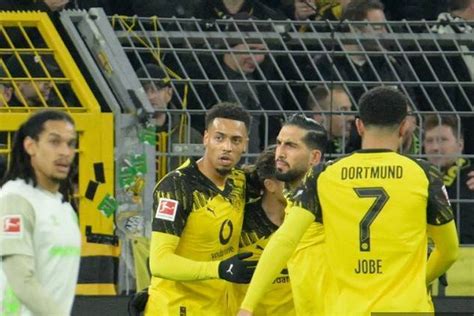
Introduction to Gegenpressing
Gegenpressing, often referred to as "counter-pressing," is a high-intensity tactical approach in football that has revolutionized the way teams defend and attack in the modern game. At its core, gegenpressing is a strategy where a team immediately presses the opposition after losing possession of the ball, aiming to regain it as quickly as possible in the attacking third of the pitch. This approach is not merely about aggression or energy but is rooted in a highly structured and coordinated system that prioritizes spatial awareness, player positioning, and rapid decision-making. The term itself originates from the German word "gegen," meaning "against," emphasizing the proactive and counteractive nature of this style of play.
The origins of gegenpressing can be traced back to the tactical evolution of German football in the late 20th and early 21st centuries. While pressing has always been a component of football strategy, gegenpressing as a defined system gained prominence under coaches like Ralf Rangnick and Jürgen Klopp in the Bundesliga. Rangnick, often dubbed the "godfather of gegenpressing," was one of the first to articulate and implement this method systematically during his time at clubs like Schalke 04 and Hoffenheim. He believed that the moments immediately after losing the ball were the most advantageous for winning it back, as the opposition was often in a disorganized state while transitioning from defense to attack. Klopp, who popularized the style further during his tenure at borussia dortmund and later Liverpool, described gegenpressing as "the best playmaker" because of its ability to create goal-scoring opportunities directly from turnovers in advanced areas.
In contemporary football strategy, gegenpressing plays a pivotal role in how teams manage the balance between attack and defense. Unlike traditional defensive systems that retreat into a low block after losing the ball, gegenpressing demands that players maintain a high line of engagement and aggressively hunt down the ball in packs. This requires a high level of physical fitness, mental sharpness, and tactical discipline. A gegenpressing team typically deploys a formation that supports this style, such as a 4-3-3 or 4-2-3-1, where players are positioned to quickly close down passing lanes and deny the opposition time and space. The success of gegenpressing is not just about individual effort but about collective synchronization—every player must understand their role in the press and react cohesively to triggers like a poorly controlled touch, a slow pass, or a player receiving the ball with their back to goal.
One of the unique insights into gegenpressing is its relationship with space compression. By pressing high and aggressively, the team effectively reduces the playable space for the opposition. This compression forces errors, as players under pressure are more likely to make hurried decisions or misplace passes. Additionally, gegenpressing exploits the principle of transition moments in football. Transitions—the phases when possession changes hands—are inherently chaotic. A well-executed gegenpress allows a team to capitalize on this chaos, turning defensive actions into immediate offensive opportunities. For example, if a winger loses the ball near the opponent's box and the team presses immediately, the opponent’s defenders may not yet be set in their shape, leaving gaps that can be exploited for a quick shot or through ball.
Another critical aspect of gegenpressing is its psychological impact on the opposition. Teams that face a gegenpressing side often feel suffocated, as the relentless pressure disrupts their rhythm and forces them into a reactive mindset. This can lead to fatigue, both physical and mental, over the course of a match. A gegenpressing team essentially imposes its will on the game, dictating the tempo and flow. However, this approach is not without risks. If the press is broken—for instance, through a well-executed long ball or a team adept at playing out from the back—the gegenpressing side can be left vulnerable to counterattacks, especially if their defensive line is high. This trade-off is a key consideration for coaches who employ this system, as they must weigh the potential rewards of regaining possession high up the pitch against the dangers of being exposed in behind.
The role of gegenpressing in contemporary football extends beyond mere tactical utility; it has become a philosophical statement about how the game should be played. Teams like Liverpool under Klopp, Manchester City under Pep Guardiola (who has adapted gegenpressing principles within his possession-based system), and RB Leipzig (a club deeply influenced by Rangnick’s ideology) have shown how gegenpressing can be integrated into different footballing cultures and systems. These teams demonstrate that gegenpressing is not a one-size-fits-all solution but a flexible framework that can be adapted to suit a team’s personnel, league dynamics, and opponent-specific strategies.
Furthermore, gegenpressing has influenced player development and recruitment in modern football. Players are now evaluated not just on traditional attributes like passing, shooting, or dribbling but also on their ability to press effectively. Metrics such as passes intercepted, duels won, and distance covered have become increasingly important in identifying players suited to a gegenpressing system. For instance, forwards in a gegenpressing team are often required to act as the first line of defense, while midfielders must exhibit the stamina and positioning to cover large areas of the pitch quickly. Fullbacks and center-backs in such systems are also expected to be comfortable playing in advanced positions during the press and recovering quickly if the press is bypassed.
From a tactical evolution standpoint, gegenpressing has also spurred counter-tactics. Teams facing gegenpressing sides have developed strategies like low-block defenses, long-ball approaches, or positional play focused on maintaining possession under pressure. This cat-and-mouse dynamic has enriched the tactical landscape of football, as coaches and teams continually adapt to outwit one another.
In summary, gegenpressing is more than a defensive tactic—it is a holistic approach to football that blends physical intensity with intellectual rigor. Its origins in German football and its subsequent global adoption highlight how a well-defined system can reshape the sport. By turning the act of losing the ball into an opportunity for immediate reengagement, gegenpressing exemplifies the modern game’s emphasis on proactivity, cohesion, and innovation. As football continues to evolve, gegenpressing will likely remain a cornerstone of high-level strategy, inspiring new adaptations and counter-strategies in the eternal quest for competitive advantage.
Historical Evolution of Gegenpressing
The concept of gegenpressing, often translated as "counter-pressing," has its roots in the tactical evolution of football (soccer) as a high-intensity, possession-oriented sport. While the term itself is relatively modern, the underlying principles of gegenpressing can be traced back to the early 20th century, when coaches began experimenting with ways to regain possession immediately after losing the ball. This section explores the historical evolution of gegenpressing, from its embryonic stages to its adoption by elite teams that transformed it into a hallmark of modern football strategy.
In its earliest forms, gegenpressing was not a formalized system but rather a natural response to the dynamics of the game. Teams that valued quick transitions and aggressive play often instinctively pressed opponents immediately after losing possession. This approach was particularly evident in Eastern European and South American football during the mid-20th century. For instance, the Hungarian national team of the 1950s, led by coach Gusztáv Sebes, showcased a proactive style of play where players were expected to swarm opponents in packs to win the ball back quickly. While not explicitly labeled as gegenpressing, this tactic emphasized collective effort and rapid recovery of the ball in advanced areas of the pitch.
The 1970s and 1980s saw a more structured incorporation of pressing systems into football. Dutch coach Rinus Michels, often regarded as the father of "Total Football," introduced a philosophy where players were tasked with maintaining compactness and pressing as a unit. While Total Football was not gegenpressing in its purest sense, it laid the groundwork for the idea that losing the ball should trigger immediate pressure rather than a retreat to defensive positions. This philosophy was further refined by coaches like Arrigo Sacchi at AC Milan in the late 1980s. Sacchi's Milan side became famous for their coordinated pressing, where players moved in sync to close down space and deny opponents time on the ball. Although Sacchi's system was more focused on positional pressing than gegenpressing, it introduced the idea of forcing turnovers as a proactive strategy rather than a reactive one.
The true emergence of gegenpressing as a distinct tactical identity can be attributed to the German football landscape of the 1990s and early 2000s. Coaches in Germany began to experiment with high-intensity pressing systems in response to the physical and technical demands of modern football. One of the first proponents of gegenpressing in its recognizable form was Ralf Rangnick, who implemented the tactic during his time at SSV Ulm and later at VfB Stuttgart. Rangnick's gegenpressing was characterized by an aggressive approach to winning the ball back within seconds of losing it, often in the opponent's half. This tactic was not just about regaining possession but also about disrupting the opponent's build-up play and creating immediate scoring opportunities.
The turning point for gegenpressing came with the rise of Jürgen Klopp at Mainz 05 and later Borussia Dortmund. Klopp, inspired by Rangnick's ideas, popularized the term and brought gegenpressing to the forefront of tactical discussions in the 2000s. At Dortmund, Klopp's gegenpressing system was both a defensive and offensive weapon. His teams were instructed to press with relentless energy, often in a 4-2-3-1 or 4-3-3 formation, with forwards and midfielders leading the charge to close down passing lanes. This approach was not merely about winning the ball back but about creating a psychological edge—forcing opponents into mistakes under pressure. Dortmund's success in the Bundesliga and their deep runs in European competitions demonstrated the effectiveness of gegenpressing against even the most technically gifted teams.
The adoption of gegenpressing by elite teams came as the tactic proved its scalability and adaptability. Pep Guardiola's tenure at Barcelona, while not centered on gegenpressing in the traditional sense, incorporated elements of immediate ball recovery as part of his possession-based philosophy. Guardiola's teams were adept at "counter-pressing" in moments when they lost the ball in advanced positions, ensuring that their dominance of possession was not undermined by quick turnovers. This fusion of gegenpressing with positional play highlighted how the tactic could evolve to suit different styles of play.
By the 2010s, gegenpressing had become a staple of elite football, with teams like Liverpool under Klopp, Bayern Munich under Hansi Flick, and Manchester City under Guardiola showcasing its effectiveness at the highest level. These teams did not simply adopt gegenpressing; they refined and customized it to fit their unique personnel and tactical frameworks. For instance, Liverpool's gegenpressing under Klopp was characterized by the "heavy metal football" ethos, where rapid transitions and aggressive forward play were complemented by a high defensive line. Meanwhile, Guardiola's Manchester City adapted gegenpressing to fit a more methodical, possession-heavy approach, using it as a tool to maintain control rather than solely as a mechanism for chaos.
The spread of gegenpressing was also facilitated by the globalization of coaching networks. As more coaches traveled between leagues and shared ideas, gegenpressing became a universal language of high-intensity football. Clubs in less traditional football powerhouses, such as RB Leipzig in Germany and Red Bull Salzburg in Austria, embraced gegenpressing as part of their identity, often recruiting young, athletic players who could thrive in such a demanding system. This proliferation underscored how gegenpressing had transitioned from a niche tactic to a mainstream strategy embraced by teams across different leagues and levels of competition.
The historical evolution of gegenpressing also reveals its philosophical underpinnings. At its core, gegenpressing is about imposing one's will on the game. It reflects a shift in football strategy from reactive to proactive, where the moment of losing the ball is seen as an opportunity rather than a vulnerability. This shift aligns with broader changes in football culture, where physical conditioning, data analytics, and video analysis have enabled coaches to drill players into executing complex systems like gegenpressing with precision.
In summary, the development of gegenpressing from its informal origins to its modern application by elite teams is a testament to football's dynamic nature. It evolved from instinctive pressing in the mid-20th century to a structured, high-intensity system championed by innovators like Rangnick and Klopp. Its adoption by elite teams was not merely a tactical choice but a reflection of how football has embraced proactive, aggressive play as a means of dominance. Today, gegenpressing stands as a symbol of how tactical innovation can reshape the sport, demonstrating that even the simplest idea—regaining the ball quickly—can evolve into a sophisticated and transformative strategy.
- Early traces of gegenpressing can be seen in Eastern European and South American football of the mid-20th century.
- Rinus Michels' Total Football provided indirect foundations for gegenpressing through its emphasis on compactness and proactive play.
- Ralf Rangnick formalized gegenpressing in Germany during the 1990s and early 2000s.
- Jürgen Klopp popularized the term and demonstrated its effectiveness at Borussia Dortmund.
- Elite teams like Liverpool, Manchester City, and Bayern Munich adapted gegenpressing to their unique styles in the 2010s.
This evolution showcases how gegenpressing is not merely a tactical system but a philosophy that has reshaped the way football is played and understood at the highest levels.
Core Principles of Gegenpressing Formation
The concept of gegenpressing formation is rooted in the tactical philosophy of pressing the opponent immediately after losing possession, with the aim of regaining the ball in advanced areas of the pitch. This approach, popularized by coaches like Jürgen Klopp and Ralf Rangnick, is not merely about physical exertion but a structured and intelligent application of space, timing, and player positioning. To fully understand the gegenpressing formation, it is essential to delve into its core principles, particularly compactness, high pressing, and immediate counter-pressing.
The first and perhaps most fundamental principle of gegenpressing is compactness. Compactness refers to the team’s ability to maintain a tight and organized shape both horizontally and vertically when out of possession. In a gegenpressing system, players are expected to minimize the gaps between lines—defense, midfield, and attack—so that the opponent has limited space to exploit. This compact shape serves two critical purposes: it restricts the opponent's passing lanes and forces them into predictable areas of the pitch. For instance, if the forwards press high, the midfielders must be close enough to support the press while also covering potential counterattacks. This proximity between players creates a "pressing trap," where the opponent is funneled into zones where multiple players can swarm and win the ball.
Compactness is not just about proximity; it is also about dynamic adjustment. In gegenpressing, players must constantly shift as a unit to maintain this shape. If the ball is on the right flank, the left-side players slightly shift toward the ball side to reduce the space available for the opponent to switch play. This fluid adjustment is what makes gegenpressing so challenging to break down. A common pitfall in poorly executed gegenpressing is when players fail to maintain this compact structure, leaving large spaces between the lines. This can allow skilled opponents to bypass the press with a single well-placed pass, nullifying the system's effectiveness. Thus, compactness requires not only physical discipline but also a high level of tactical awareness among all players.
The second principle, high pressing, is the visible and aggressive manifestation of gegenpressing. High pressing involves the team moving forward as a unit to apply pressure on the opponent in their defensive third. The objective is to disrupt the opponent's buildup play before they can establish a rhythm. This requires a high defensive line and forwards who are willing to harass the opposition’s defenders and goalkeeper. However, high pressing is not simply about running toward the ball carrier; it is about coordinated pressing triggers.
Triggers are specific moments or actions by the opponent that signal the team to press aggressively. For example, a poor first touch, a backward pass, or a slow pass to the goalkeeper can act as a trigger for the forwards and midfielders to close down the space. These triggers are pre-determined and drilled into the team during training sessions. Without clear triggers, high pressing can become chaotic, with players pressing individually rather than as a cohesive unit. This often leads to gaps behind the pressing players, which skilled opponents can exploit. Therefore, high pressing in gegenpressing is not just about energy but about intelligent energy—knowing when to press, where to press, and how to synchronize as a team.
Another nuance of high pressing is the role of the forward line. In a gegenpressing system, the forwards are not just goal scorers; they are the first line of defense. Their ability to close down defenders quickly and force errors is critical. For example, if a center-forward presses the center-back, they must angle their run to cut off passing options to the other center-back or goalkeeper. This forces the defender into a rushed decision, often resulting in a misplaced pass or a turnover. This level of detail in positioning and movement is what separates effective high pressing from mere running.

The third principle, immediate counter-pressing, is what gives gegenpressing its name—gegen meaning "counter" in German. Counter-pressing occurs the moment the team loses possession. Instead of retreating into a defensive shape, the players nearest to the ball immediately press the opponent to win it back. This principle is rooted in the idea that the team is most vulnerable immediately after losing the ball because their shape is not yet fully set for defending. By counter-pressing, the team can exploit this moment of disorganization in the opponent, who may not yet be prepared to launch a counterattack.
Immediate counter-pressing is heavily reliant on proximity and anticipation. Players must position themselves in a way that they are close enough to react instantly when possession is lost. This often means that when attacking, players take up positions that allow them to quickly transition into pressing roles. For example, a winger who has just delivered a cross must instantly be ready to press the full-back if the cross is cleared. Similarly, the central midfielder who has made a forward run must be aware of their responsibility to press the nearest opponent if the ball is intercepted. This requires a high level of fitness, as players must transition rapidly between attacking and defensive actions.
One of the unique insights of counter-pressing is its psychological impact on the opponent. When a team is constantly hounded immediately after gaining possession, it creates a sense of urgency and panic. Players under such pressure are more likely to make mistakes, such as misplacing passes or losing the ball again. This not only disrupts the opponent’s rhythm but also provides the gegenpressing team with more opportunities to attack in advanced areas. Counter-pressing also limits the need for the team to retreat into a low block, as the ball is often won back before the opponent can launch a meaningful attack. This proactive approach is one of the reasons gegenpressing teams often dominate possession statistics, even in high-intensity matches.
However, gegenpressing is not without its challenges. A key risk is vulnerability to quick transitions if the press is broken. If the opponent successfully bypasses the initial wave of pressure, they can find themselves with space to attack a disorganized defense. This is why gegenpressing formations often rely on players with high levels of tactical intelligence and physical endurance. For instance, a full-back in a gegenpressing system must not only contribute to the press but also be ready to recover quickly if the opponent plays a long ball behind the defense.
In summary, the core principles of gegenpressing formation—compactness, high pressing, and immediate counter-pressing—are interdependent elements of a cohesive system. Compactness ensures that the team has a solid foundation to press effectively, high pressing disrupts the opponent’s buildup, and immediate counter-pressing maximizes the opportunities to regain possession in dangerous areas. These principles require not only physical and technical excellence but also a deep understanding of spatial dynamics and team coordination. When executed well, gegenpressing can be a devastating tactical weapon, turning defense into attack in seconds and keeping the opponent perpetually on the back foot.
Player Roles and Responsibilities
In a gegenpressing system, player roles and responsibilities are highly specialized and interdependent, designed to maximize the efficiency of the team's high-pressing approach. Each player must understand their specific duties within the system to ensure the collective execution of gegenpressing principles. This section breaks down the detailed responsibilities of players across the pitch, from defenders to forwards, emphasizing how their roles contribute to the overall system.
Defenders in a gegenpressing formation are the foundation of the system's defensive stability and transition play. Their primary role is not just to defend but to anticipate and react to the loss of possession in a proactive manner. Central defenders must be comfortable playing in a high line, as the gegenpressing system often requires the team to maintain a compact shape high up the pitch. This means they need excellent recovery speed and positional awareness to cover spaces behind them when the press is broken. Additionally, they are responsible for initiating the first line of counter-pressing immediately after a turnover by closing down passing lanes to the opposition's forward players. Full-backs in this system have a dual role. They must provide width during attacking phases but also be prepared to tuck in quickly during moments of transition to support the central defenders. Their stamina and decision-making are critical because gegenpressing often exposes them to 1v1 situations if the press is not synchronized.
The defensive midfielders are arguably the most pivotal players in a gegenpressing setup. Often deployed as a double pivot or a single holding midfielder, their primary responsibility is to act as the link between defense and midfield while also serving as the first line of disruption when the opposition attempts to play through the press. These players must possess exceptional reading of the game to intercept passes and close down space in central areas. Their positioning is key to maintaining the compactness required in gegenpressing. For instance, if the opposition tries to bypass the press with long balls, the defensive midfielder must be ready to drop into the defensive line or challenge aerially. Moreover, they are tasked with covering the spaces left by advancing full-backs or central midfielders, ensuring the team does not become vulnerable to counterattacks. Tactical discipline and physical endurance are non-negotiable traits for players in this role.
Central midfielders in a gegenpressing formation are the engines of the system. They are responsible for applying immediate pressure on the opposition after a turnover, often working in tandem with the forwards to close down options. Their role involves both horizontal and vertical pressing, meaning they must be able to shift across the pitch to deny central progression while also supporting the forwards in pressing higher up. These players are often required to have a high work rate, excellent stamina, and the technical ability to win duels and recycle possession quickly. A unique insight into this role is the need for these players to have a "split focus"—they must be aggressive in the press while also being positionally aware enough to drop back and form a midfield block if the press is bypassed. This balance between aggression and composure is what distinguishes elite gegenpressing midfielders.
The wingers in this system are tasked with high-intensity pressing on the flanks, often targeting the opposition full-backs to disrupt their build-up play. Their primary responsibility is to force the opposition wide and into less dangerous areas of the pitch while also cutting off passing lanes back into central zones. Wingers in a gegenpressing team must be highly athletic, as they are expected to cover significant ground both in attack and defense. A unique aspect of their role is their involvement in "trapping" the opposition by coordinating with the full-backs and central midfielders to create a pressing overload on one side of the field. This requires not only physical attributes like speed and agility but also a sharp understanding of spatial dynamics and communication with teammates. When the team regains possession, wingers are expected to immediately transition into attacking runs, exploiting the space left open by the opposition's disorganized defense.
The forwards in a gegenpressing system are the tip of the spear in the pressing strategy. Their role is to lead the high press by targeting the opposition's deepest-lying players, such as center-backs or the goalkeeper, and forcing them into hurried decisions. A forward in this system must have the ability to read the game quickly, identifying when to press individually and when to coordinate with teammates to create a "pressing trap." For instance, if the opposition's center-back receives the ball under pressure, the forward might angle their run to force a pass to a specific area where a teammate is ready to intercept. This role also demands technical proficiency in winning duels and retaining possession under pressure, as regaining the ball in advanced areas can lead to immediate goal-scoring opportunities. A lesser-discussed aspect of the forward's responsibility is their positioning during the press. They must avoid overcommitting and leaving gaps behind them that the opposition can exploit with a well-timed pass. This requires a delicate balance of aggression and restraint, which is a hallmark of top-tier gegenpressing forwards.
Another critical aspect of the gegenpressing system is the coordination between player roles. For instance, the relationship between the forwards and midfielders is particularly important. When the forwards press high, the midfielders must instantly adjust their positioning to cut off passing lanes into midfield. Similarly, the defensive line must be ready to step up in unison to maintain the offside trap if the press forces the opposition to play a long ball. This synchronization is what makes gegenpressing so effective—it is not just about individual effort but about collective understanding and execution.
The goalkeeper, often overlooked in traditional analyses of formations, plays a crucial role in a gegenpressing system. They are the first line of distribution after a regain of possession and must be comfortable playing short, quick passes to maintain the team's momentum in transition. Additionally, their ability to sweep behind the high defensive line is vital in covering the spaces left by the aggressive positioning of the backline. Modern gegenpressing teams often require goalkeepers with excellent ball-playing skills and the courage to act as an auxiliary defender when needed.
Finally, it is worth noting that substitutes in a gegenpressing system also have specialized roles. Players coming off the bench must be prepared to inject fresh energy into the press, as gegenpressing is an energy-intensive approach that can wane as the match progresses. Substitutes are often used strategically to target fatigued opposition players or to exploit spaces that open up as the opposition tires under the relentless pressure of the system.
In summary, the roles and responsibilities of players in a gegenpressing formation are highly interdependent and require a blend of physical, technical, and tactical excellence. Each player must not only excel in their individual duties but also contribute to the collective synergy that makes the system so effective. Whether it is the defenders' proactive recovery, the midfielders' relentless energy, or the forwards' precision in leading the press, every role is designed to uphold the gegenpressing philosophy of winning the ball back quickly and transitioning into attack with speed and purpose.
Formation Variants and Adaptability
Gegenpressing, a high-intensity tactical approach pioneered by coaches like Jürgen Klopp and Ralf Rangnick, relies heavily on the team's formation to execute its pressing and counter-pressing strategies effectively. The choice of formation is not static; it must adapt to the specific demands of the match, the opponent's setup, and the phases of play. In this section, we will analyze common gegenpressing formations such as the 4-3-3 and 3-4-3, exploring their inherent flexibility and how they can be adapted across different match scenarios.
The 4-3-3 formation is one of the most widely used setups for gegenpressing. This structure provides a balanced framework that supports both offensive and defensive phases of play. In the defensive third, the back four ensures a solid line of defense while the three midfielders—typically arranged in a triangle with one defensive midfielder and two central or box-to-box midfielders—act as the engine for pressing. The front three, usually consisting of two wingers and a center-forward, are tasked with initiating the press from the top. The flexibility of the 4-3-3 lies in its ability to shift into a mid-block or even a low-block when necessary. For instance, in scenarios where the opponent dominates possession and plays through a deep-lying playmaker, the central midfielders can drop slightly deeper to congest the central areas, while the wingers can track back to support the fullbacks. This adaptability ensures that the 4-3-3 is not purely a high-press system but one that can transition into a more conservative shape when facing technically superior opponents.
Moreover, the 4-3-3 allows for rapid transitions after winning the ball. The proximity of the midfielders to the forward line enables quick vertical passes to exploit spaces left by disorganized opponents. However, one limitation of the 4-3-3 in gegenpressing is its reliance on the fullbacks to provide width. If the opposition isolates the fullbacks in wide areas during counterattacks, the formation can become vulnerable. To counter this, some teams using the 4-3-3 gegenpressing system instruct their wingers to adopt a more inverted role, tucking inside to offer support in central areas and allow the fullbacks to push forward without overexposure.
The 3-4-3 formation, on the other hand, offers a different dynamic for gegenpressing. This system inherently provides numerical superiority in central areas due to the presence of three center-backs and two central midfielders. The wing-backs in a 3-4-3 are crucial, as they must cover large swathes of the pitch, contributing both defensively and offensively. When pressing high, the wing-backs can aggressively push forward to pin the opponent's wide players, effectively creating a front five alongside the attackers. This formation is particularly effective against teams that rely on wide buildup play, as the wing-backs can disrupt the opponent's wide combinations while the three center-backs handle central threats. However, the 3-4-3 requires exceptional fitness and discipline from the wing-backs, as their dual role can leave gaps if they are caught out of position.
One of the key strengths of the 3-4-3 in gegenpressing is its ability to adapt to a back five shape during defensive transitions. When the ball is lost, the wing-backs can drop alongside the center-backs to form a defensive line of five, providing additional cover against counterattacks. This flexibility makes the 3-4-3 a strong choice for teams that anticipate facing opponents with fast, direct attacking players. However, the formation can struggle against teams that overload the midfield, as the two central midfielders may find themselves outnumbered. To address this, some coaches tweak the 3-4-3 by deploying one of the central midfielders in a more advanced role as a number 10, creating a hybrid 3-4-1-2 system that still retains gegenpressing principles but offers better control of central spaces.
Both the 4-3-3 and 3-4-3 formations showcase gegenpressing's adaptability across match scenarios. For example, in a scenario where the opponent employs a low defensive block, the 4-3-3 might be better suited due to its natural width provided by the wingers, who can stretch the opponent's defense and create space for midfield runners. Conversely, in matches where the opponent prioritizes quick transitions and long balls over the top, the 3-4-3's three-man defensive line offers better coverage of depth, with the center-backs able to step out and challenge for aerial duels while the wing-backs track back to nullify through balls.
Another critical aspect of gegenpressing formation adaptability is the use of in-game adjustments. A coach might start with a 4-3-3 to dominate possession and press high in the early stages of the game, only to switch to a 3-4-3 in the second half to shore up defensive stability while maintaining attacking outlets through the wing-backs. This kind of tactical flexibility is a hallmark of gegenpressing systems, as they are designed to respond dynamically to the ebb and flow of a match. For instance, Liverpool under Klopp has often been seen starting in a 4-3-3 but transitioning to a 4-4-2 mid-block in the later stages of a match to protect a lead, demonstrating how gegenpressing formations can morph without abandoning their core principles.
It is also worth noting that gegenpressing formations are not exclusively defined by their starting shape but by the triggers and patterns of pressing they employ. For example, in both the 4-3-3 and 3-4-3, the pressing intensity is often dictated by specific "pressing triggers," such as a poor first touch by the opponent, a misplaced pass, or a goalkeeper's distribution. These triggers are independent of the formation but are amplified by the spatial arrangements of players within the system. A 4-3-3 might use its front three to aggressively press the opponent's backline, while a 3-4-3 could use its wing-backs to cut passing lanes to the wide areas, showcasing how the same gegenpressing philosophy can manifest differently based on the chosen formation.
In summary, the flexibility of gegenpressing formations like the 4-3-3 and 3-4-3 lies in their ability to balance offensive aggression with defensive solidity while adapting to the nuances of the game. The 4-3-3 excels in providing width and verticality in attack while remaining compact in defense, whereas the 3-4-3 offers numerical advantages in central areas and greater defensive coverage during transitions. Both formations are tools in the gegenpressing arsenal, allowing teams to tailor their approach based on the opponent's strengths, the state of the game, and their own tactical objectives. This adaptability is what makes gegenpressing not just a rigid system but a dynamic and evolving philosophy of play.
Training and Implementation
Training and implementing gegenpressing effectively requires a structured approach that blends physical conditioning, tactical awareness, and specific drills designed to simulate match scenarios. This high-intensity pressing system demands players to have a deep understanding of their roles, exceptional fitness levels, and the ability to make quick decisions under pressure. Coaches must tailor their training plans to instill the necessary skills while ensuring players are physically prepared to sustain the demands of gegenpressing over 90 minutes.
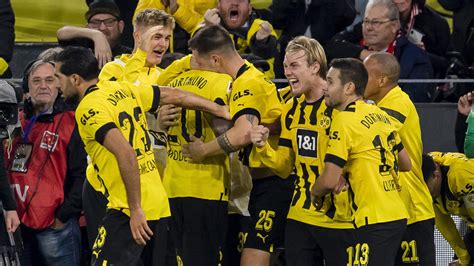
The first step in training a team for gegenpressing is to establish a clear understanding of the system's core principles. Gegenpressing, popularized by coaches like Jürgen Klopp, is rooted in the idea of winning the ball back immediately after losing possession, often in the opponent's half. This requires players to be positioned optimally to close down passing lanes and apply coordinated pressure. Coaches should begin by explaining the tactical framework through video analysis of successful gegenpressing teams. Showing real-world examples helps players visualize how the system works in practice, emphasizing the importance of compactness, quick transitions, and collective effort.
Once the principles are understood, coaches can move to physical preparation. Gegenpressing is physically demanding, requiring players to sprint repeatedly in short bursts while maintaining spatial awareness. Training should include interval running drills to improve anaerobic endurance, such as 30-second sprints followed by 15-second recovery periods. Additionally, small-sided games with a focus on quick transitions can help players adapt to the physical intensity of the system. For instance, a 5v5 game in a confined space can simulate the tight areas where gegenpressing often occurs, forcing players to react quickly to regain possession.
A critical component of gegenpressing is the coordination of pressing triggers. Players must learn to recognize when to press as a unit rather than individually. This involves training players to identify specific moments—such as a poor first touch, a backward pass, or a loose ball—that signal an opportunity to press. Coaches can design drills focused on pressing triggers, such as:
- Pass-and-Press Drill: Set up a rondo (e.g., 4v1 or 5v2) where the defending team attempts to win the ball back immediately after a pass. Once the ball is won, the drill transitions into a 4v4 or 5v5 game to practice maintaining possession under pressure. This helps players understand the timing and intensity required for effective gegenpressing.
- Shadow Pressing Exercise: In this drill, players are positioned in their typical formation without an active ball. The coach simulates scenarios where the ball is lost, and players must move collectively to close down imaginary opponents. This drill reinforces the importance of spatial awareness and team synchronization when pressing.
Another key aspect is building a strong defensive shape post-press. Gegenpressing can leave teams vulnerable if the ball is not won back quickly. Coaches must train players to transition into a compact defensive block if the initial press fails. This involves practicing defensive shape recovery drills, where players quickly shift from an aggressive press into a mid-block or low-block formation. A useful exercise is the “wave defense” drill, where players start in a high press, then retreat to a mid-block, and finally transition to a low-block as the ball moves deeper into their half. This teaches players how to adjust their positioning dynamically based on the flow of the game.
To ensure gegenpressing is executed effectively, communication and role clarity are essential. Every player must understand their specific responsibilities within the system. For instance, forwards are often the first line of pressure, tasked with cutting off passing options for the opposing defenders. Midfielders must support the press while being ready to cover gaps if the press is broken. Defenders must stay alert to sweep up long balls or provide cover when the press is bypassed. Coaches can use role-specific practice plans to emphasize these responsibilities. For example:
- Forward Pressure Drill: In a 2v2 or 3v3 setup, attackers practice closing down center-backs while cutting off passing lanes to fullbacks. This drill helps forwards understand how to force defenders into predictable actions, such as long balls or errors.
- Midfield Support Drill: Midfielders practice positioning themselves to cut off central passing lanes while staying connected to the forwards. This can be practiced in a 4v4+3 setup, where three neutral players act as support for the team in possession, forcing the pressing team to work harder to close down options.
- Defensive Coverage Drill: Defenders practice staying connected to midfielders and reacting to long balls or bypassed presses. This can be simulated in a 6v6 game where one team focuses on quick counterattacks to test the defensive reaction of the gegenpressing team.
Coaches should also emphasize the importance of game-like simulations in training. Full-field scrimmages with specific gegenpressing objectives can help players apply their training in realistic conditions. For example, a scrimmage can include rules where the team that loses possession must win the ball back within 6 seconds or concede a free-kick. This creates a sense of urgency and reinforces the need for immediate action after losing the ball. Additionally, coaches can introduce progressive challenges, such as limiting the number of touches the defending team can take before being pressed, to sharpen players’ decision-making skills under time constraints.
Another layer of training involves data-driven feedback. Modern tools like GPS trackers and video analysis software can provide insights into player performance during gegenpressing drills. Coaches can track metrics such as distance covered, sprint intensity, and recovery times to assess whether players are meeting the physical demands of the system. Feedback sessions can then focus on areas for improvement, such as reducing recovery time between sprints or improving the angle of approach when pressing an opponent.
Finally, mental preparation is a often-overlooked aspect of gegenpressing training. The system requires players to maintain high levels of concentration and aggression throughout the match. Coaches can incorporate psychological conditioning by simulating high-pressure scenarios in training. For example, a “last-minute press” drill can be used, where the team must execute gegenpressing while fatigued, mimicking the intensity of the closing stages of a match. This helps players develop the mental resilience needed to sustain the system even when tired.
In summary, training a team to execute gegenpressing effectively is a multi-faceted process that combines physical, tactical, and psychological preparation. Coaches must focus on drills that replicate match scenarios, emphasize role clarity and communication, and use data and video analysis to fine-tune performance. By building a comprehensive training plan that addresses both the physical and mental aspects of gegenpressing, coaches can equip their teams to execute this demanding system with precision and success.
Strengths and Weaknesses of Gegenpressing
Gegenpressing, a tactical approach popularized by coaches like Jürgen Klopp and Ralf Rangnick, is characterized by an aggressive, coordinated effort to win the ball back immediately after losing possession. This high-intensity system has become a cornerstone of modern football, especially in teams that aim to dominate games through relentless pressure. However, like any tactical framework, gegenpressing has both **strengths** and **weaknesses** that must be carefully considered when implementing it at a professional level. This section delves into the advantages of gegenpressing, such as ball recovery and offensive momentum, as well as its vulnerabilities, including the risk of fatigue and susceptibility to counterattacks.
One of the most significant **advantages** of gegenpressing is its ability to facilitate **rapid ball recovery**. By applying immediate pressure on the opponent in their defensive third, gegenpressing disrupts the opponent's buildup play before it can take shape. This strategy capitalizes on the "transition phase," where players are often less organized and more prone to mistakes. A well-executed gegenpress forces hurried passes or poor clearances, often leading to turnovers in advantageous positions. This not only denies the opposition time to settle but also creates opportunities for **quick offensive transitions**. For example, when a team wins the ball high up the pitch, the proximity to the opponent's goal allows for faster and more direct attacks, often catching defenders out of position. This offensive momentum is a hallmark of gegenpressing and can demoralize opponents who struggle to cope with the constant pressure.
Another strength of gegenpressing lies in its **psychological impact** on the opposition. Teams that face a gegenpressing side often feel as though they are under siege, unable to breathe or find rhythm in their play. This can lead to frustration, reduced confidence in possession, and a higher likelihood of individual errors. The constant harassment of players across the pitch also disrupts the opponent's ability to execute pre-planned strategies, particularly those reliant on slow, methodical build-up play. Teams like Liverpool under Klopp have demonstrated how gegenpressing can stifle even the most technically gifted sides, forcing them into long balls or errors that feed directly into the pressing team's strengths.
However, gegenpressing is not without its **vulnerabilities**, and one of the most pressing concerns is **player fatigue**. The high-intensity nature of gegenpressing demands exceptional physical conditioning from every player on the team. Unlike more passive defensive systems, gegenpressing requires players to sprint, close down spaces, and maintain a high work rate for extended periods. This can lead to **energy depletion**, particularly in the later stages of a match. When gegenpressing teams begin to tire, their ability to maintain the system's effectiveness wanes. Gaps begin to appear in the defensive shape, and players may no longer have the sharpness to close down opponents as quickly or as effectively. This decline in intensity can be exploited by well-prepared opponents who recognize when to conserve energy and strike during these moments of vulnerability.
Another critical weakness of gegenpressing is its **susceptibility to counterattacks**. While gegenpressing aims to win the ball back quickly, there is an inherent risk in committing so many players forward to press. If the initial press is broken—for instance, through a well-timed pass or a skillful dribble—the opposition can exploit the space left behind. This is particularly dangerous when gegenpressing teams lose the ball in advanced positions. A quick transition from the opposition can leave the defending team exposed, with fewer players available to track back and cover. For example, if a winger or fullback is caught high up the pitch during a press, the opposing team can quickly exploit the vacated flank. This vulnerability is exacerbated when gegenpressing teams face sides that are adept at **counterattacking football**, such as those with fast, direct players who can exploit open spaces with speed and precision.
A related issue is the **tactical discipline required** for gegenpressing to succeed. Every player must understand their role in the system, from the forwards who initiate the press to the midfielders who block passing lanes and the defenders who provide cover. If even one player is out of sync—failing to close down at the right moment or neglecting their positioning—the entire system can collapse. This need for synchronization makes gegenpressing particularly challenging for teams with less experienced players or those lacking cohesion. In contrast, teams with a strong collective understanding, like Manchester City or Bayern Munich, can execute gegenpressing more effectively because their players are well-drilled and accustomed to high-intensity systems.
Additionally, gegenpressing can be **energy-inefficient against certain styles of play**. For instance, teams that prioritize **low-block defending** and **possession retention** can neutralize the effectiveness of gegenpressing. These teams often prioritize short, safe passes and positional discipline, making it harder for the pressing team to force mistakes. In such scenarios, gegenpressing can become a fruitless endeavor, with players expending significant energy for minimal reward. This can lead to a paradox where the pressing team becomes more vulnerable as the game progresses, especially if they cannot adapt their approach to break down a stubborn defense. In some cases, gegenpressing teams may even find themselves frustrated into committing fouls or making reckless challenges, which can result in yellow cards or set-piece opportunities for the opposition.
Another notable weakness is the **risk of over-reliance on gegenpressing** as a primary strategy. While gegenpressing can be highly effective, it is not a one-size-fits-all solution. Teams that rely too heavily on this approach may struggle when facing opponents who are specifically prepared to counter it. For example, some managers instruct their players to **bypass the press altogether** by using long balls to target fast forwards or wingers. This tactic can negate the pressing team's efforts, as their aggressive positioning becomes irrelevant if the ball is played over the top or into areas where the press cannot reach. Furthermore, gegenpressing teams that fail to diversify their tactical toolkit may find themselves predictable, especially in high-stakes matches where opponents have time to analyze and prepare countermeasures.
It is also worth considering the **impact of gegenpressing on squad depth**. Since gegenpressing requires such high levels of physical output, teams must often rotate players to prevent burnout. This can be a challenge for squads with limited resources or smaller rosters, as not all players may be equally suited to the demands of this system. For example, older players or those with lower stamina may struggle to keep up with the physical requirements, potentially leading to a drop in performance or an increased risk of injuries. Teams like Liverpool and Leeds United under Marcelo Bielsa have shown how gegenpressing can take a toll on players over the course of a long season, particularly when injuries mount and rotations are limited.
In conclusion, gegenpressing is a double-edged sword. Its **strengths**—such as rapid ball recovery, offensive momentum, and psychological pressure—make it a formidable weapon in the hands of well-prepared and physically fit teams. However, its **weaknesses**, including fatigue, counterattacking vulnerabilities, and the need for tactical discipline, mean that it is not without risks. To maximize its effectiveness, coaches must carefully assess their squad's capabilities, the opponent's style of play, and the context of each match. Gegenpressing is not merely a tactic; it is a philosophy that demands buy-in from every player and a deep understanding of its trade-offs.
Case Studies of Successful Implementation
The concept of gegenpressing, or counter-pressing, has revolutionized modern football by emphasizing immediate pressure on the opponent after losing possession. This tactical approach requires high energy, synchronization, and a clear understanding of spatial dynamics among players. In this section, we will delve into case studies of teams that have implemented gegenpressing with remarkable success, focusing on Liverpool under Jürgen Klopp and RB Leipzig under various managers influenced by the Red Bull football philosophy.
Liverpool under Jürgen Klopp serves as one of the most prominent examples of gegenpressing excellence. When Klopp took charge of Liverpool in 2015, he brought with him the philosophy he had honed at Borussia Dortmund, where gegenpressing was a cornerstone of his success. At Liverpool, Klopp adapted this system to the Premier League, a league known for its physicality and fast-paced transitions. A key element of Liverpool's gegenpressing success lies in the recruitment of players who fit the system. Players like Sadio Mané, Mohamed Salah, and Roberto Firmino were not just skilled attackers but also possessed the work rate and tactical intelligence to press cohesively as a unit. This trio, supported by a dynamic midfield including players like Jordan Henderson and Georginio Wijnaldum, created a high-intensity press that disrupted opponents before they could settle into possession.
One of the most illustrative examples of gegenpressing's impact at Liverpool was their 2019-20 Premier League-winning season. During this campaign, Liverpool's ability to win the ball high up the pitch often led to quick transitions and scoring opportunities. A study of their matches reveals that Liverpool's gegenpressing was particularly effective against teams that preferred a slower build-up play, such as Manchester City in their 3-1 victory at Anfield. In this game, Liverpool’s front three relentlessly harried City’s defenders, forcing errors that directly led to goals. The data supports this observation: Liverpool’s PPDA (passes per defensive action) during this season was among the lowest in the league, indicating their aggressive approach to regaining possession. Klopp's gegenpressing was not just about energy but also about intelligent positioning—players knew when to press individually and when to collapse into a compact shape to deny passing lanes.
Another critical aspect of Liverpool’s success was their adaptability. While gegenpressing is often associated with high-energy football, Liverpool also demonstrated the ability to control games when ahead. This balance between aggression and game management highlighted the maturity of Klopp’s system. For instance, in their 2019 Champions League victory, gegenpressing was used to devastating effect in earlier knockout stages, but in the final against Tottenham, Liverpool showed a more measured approach, using their press selectively to conserve energy and exploit moments of weakness.
Shifting focus to RB Leipzig, the club exemplifies how gegenpressing can be embedded into a club’s identity from its inception. Founded in 2009 and rising rapidly through the German football hierarchy, RB Leipzig’s success is rooted in the Red Bull football model, which prioritizes youth, athleticism, and a high-pressing style. Managers like Ralf Rangnick and Julian Nagelsmann have been instrumental in implementing gegenpressing at Leipzig, tailoring it to the strengths of their squads. Unlike Liverpool, which often relied on world-class attackers to execute the press, RB Leipzig focused on a collective approach where even defensive players were expected to contribute to the press.
A standout season for RB Leipzig was the 2019-20 campaign, where they finished third in the Bundesliga and reached the Champions League semifinals. Under Nagelsmann, Leipzig’s gegenpressing was refined to include a more flexible structure. For example, Leipzig often used a 3-4-3 or 4-2-2-2 formation, allowing them to press in wide areas while maintaining central compactness. This adaptability was evident in their 3-0 victory over Tottenham in the Champions League round of 16. In this match, Leipzig’s midfield duo of Konrad Laimer and Marcel Sabitzer exemplified the gegenpressing ethos by aggressively closing down Spurs’ midfielders, preventing them from dictating play. Leipzig’s gegenpressing was also supported by a high defensive line, which compressed the space available to opponents and forced rushed decisions.

What sets RB Leipzig apart is their focus on verticality after winning the ball. Unlike some teams that use gegenpressing primarily to regain possession and stabilize, Leipzig often looked to immediately transition into attack. This was enabled by players like Timo Werner, whose pace and directness made him the ideal outlet for quick counterattacks. The synergy between gegenpressing and vertical attacking play made Leipzig a formidable opponent, even against more established teams like Bayern Munich.
Both Liverpool and RB Leipzig demonstrate that gegenpressing is not a one-size-fits-all approach. While Liverpool’s implementation leaned heavily on world-class attacking talent and a focus on winning high up the pitch, RB Leipzig showcased how gegenpressing could be molded to suit a younger, more flexible squad. However, both teams share common traits: relentless work rate, clear role definitions, and a coaching staff adept at instilling the system’s principles. For instance, both Klopp and Nagelsmann are known for their meticulous training sessions, where players rehearse pressing triggers, such as closing down a defender receiving the ball with his back turned or targeting a specific weak link in the opponent’s buildup.
It is also worth noting how gegenpressing has influenced the broader football landscape. Teams that face gegenpressing-oriented sides often struggle to adapt, particularly if they lack the technical ability or physical conditioning to bypass the press. This has led to a ripple effect where even traditionally possession-based teams, such as Pep Guardiola’s Manchester City, have incorporated pressing elements into their systems to counteract gegenpressing teams. This dynamic underscores the strategic evolution triggered by gegenpressing pioneers like Liverpool and RB Leipzig.
In conclusion, the case studies of Liverpool and RB Leipzig illustrate how gegenpressing can be tailored to different leagues, player profiles, and tactical objectives. Liverpool’s success highlights the importance of blending aggressive pressing with moments of control, while RB Leipzig showcases the potential of gegenpressing as a foundational philosophy for a club’s identity. These examples not only validate gegenpressing as a viable tactical system but also emphasize its adaptability when executed with precision and commitment.
Comparing Gegenpressing to Other Tactical Systems
Gegenpressing, often associated with high-intensity, proactive football, is a tactical system that prioritizes immediate pressure on the opponent after losing possession. Its uniqueness lies in its aggressive approach to regaining the ball, which contrasts sharply with possession-based and defensive systems. To fully understand its distinct attributes, it is essential to explore how gegenpressing differs in philosophy, execution, and outcomes when compared to these alternative tactical frameworks.
Possession-based systems, epitomized by teams like Barcelona under Pep Guardiola or the Spanish national team during their tiki-taka era, focus on maintaining control of the ball for extended periods. The primary objective of possession-oriented play is to dominate the game by starving the opponent of opportunities while patiently probing for openings. This system relies heavily on technical proficiency, positional discipline, and a high level of ball retention. In contrast, gegenpressing thrives on chaos rather than control. Instead of patiently waiting for the perfect moment to strike, gegenpressing seeks to exploit the brief window of vulnerability that occurs immediately after the opponent gains possession. This approach assumes that the opposition is most disorganized during this transition phase, making it easier to win the ball back in advanced areas of the pitch. While possession systems often aim to minimize risk through slow, methodical buildup, gegenpressing embraces risk by encouraging players to commit to high-energy pressing even at the cost of leaving spaces behind.
Defensive systems, such as the low-block or counterattacking strategies employed by teams like Atlético Madrid or José Mourinho's squads, prioritize compactness and denial of space. These systems are designed to frustrate opponents by forcing them into low-probability areas of the field, often relying on a deep defensive line and narrow midfield shape. The contrast with gegenpressing here is stark. While defensive systems aim to absorb pressure and strike on the break, gegenpressing is inherently proactive. It does not wait for the opponent to build an attack; instead, it seeks to disrupt the opposition's rhythm before they can settle into their structure. Defensive systems often concede the majority of possession willingly, betting on efficiency rather than volume of attacks. Gegenpressing, however, is predicated on the idea that the team can dominate both possession and territory through relentless pressure. This requires a squad with exceptional fitness levels and mental sharpness, as players must constantly be ready to press, recover, and transition.
One of the most significant differences between gegenpressing and these other systems is the emphasis on spatial dynamics. Possession-based systems often prioritize maintaining a structured shape, with players positioned to offer passing options and stretch the opponent horizontally and vertically. This approach can sometimes lead to a slower tempo, as the team waits for the opponent to commit players forward before exploiting the space. Defensive systems, on the other hand, often compress space in their own half, denying the opposition room to operate. Gegenpressing, by contrast, is characterized by fluid, dynamic pressing triggers. For example, if an opponent receives the ball with their back to goal or takes a poor first touch, gegenpressing players are trained to swarm that player instantly. This focus on exploiting specific moments of disorganization gives gegenpressing a unique tempo and unpredictability that is absent in more static systems.
Another key differentiator is the role of transitions. In possession-based systems, transitions—both offensive and defensive—tend to be more deliberate. A team like Manchester City might lose the ball but quickly retreat into a structured shape to deny the opponent a clear counterattacking opportunity. Gegenpressing flips this script entirely. When the ball is lost, the objective is not to retreat but to aggressively counter-press, often with multiple players converging on the ball carrier. This creates a high-stakes scenario where the opponent is forced into a quick decision, which can lead to turnovers in dangerous areas. Defensive systems, by contrast, often allow the opponent to progress up the field before engaging, relying on the compactness of their shape to stifle attacks. Gegenpressing's focus on immediate transitions makes it a high-risk, high-reward system, as failure to win the ball back quickly can leave the team exposed to counterattacks.
The psychological impact of gegenpressing is also worth noting. While possession-based systems can demoralize opponents by keeping the ball out of their reach for long stretches, gegenpressing achieves a different kind of psychological dominance. The constant harrying and pressure can make opponents feel overwhelmed, leading to mistakes borne out of frustration or panic. This is particularly effective against teams that are not accustomed to high-tempo football or lack the technical ability to play through pressure. Defensive systems, while effective at stifling creativity, do not exert the same kind of relentless mental pressure. Instead, they often rely on the opponent's inability to break down a well-organized defense over 90 minutes.
From a personnel perspective, gegenpressing demands a specific type of player compared to other systems. Possession-based football often requires technically gifted players who excel in close control, precise passing, and spatial awareness. Defensive systems prioritize physically robust players who can win aerial duels, make clearances, and maintain positional discipline. Gegenpressing, however, requires players who are both athletically gifted and tactically intelligent. They must have the stamina to press for 90 minutes, the speed to close down opponents quickly, and the awareness to recognize pressing triggers. This makes gegenpressing a system that is harder to implement without significant investment in player development and coaching.
In terms of long-term sustainability, gegenpressing can be more taxing than other systems. Possession-based play, while physically demanding in its own right, allows for periods of controlled tempo where players can conserve energy. Defensive systems often require less running, as players are positioned to react rather than initiate. Gegenpressing, with its nonstop intensity, can lead to player fatigue over the course of a season, particularly if the squad lacks depth or if the coaching staff fails to rotate effectively. This is one reason why some teams, like Jürgen Klopp's Liverpool, have had to adapt their gegenpressing approach over time to balance energy expenditure with long-term performance goals.
Finally, the philosophical underpinnings of these systems reveal their contrasting priorities. Possession-based football is rooted in the idea of control—controlling the ball, controlling the space, and controlling the game's rhythm. Defensive systems are rooted in pragmatism, valuing results over aesthetics and often prioritizing a "win at all costs" mentality. Gegenpressing, by contrast, is rooted in the idea of proactivity and aggression. It is a system that seeks to impose its will on the opponent, not through possession or defensive solidity, but through sheer intensity and tactical aggression. This makes it a system that is as much about mindset as it is about technical execution.
In summary, gegenpressing stands apart from possession-based and defensive systems by emphasizing immediacy, chaos, and high-energy transitions. While possession-based systems aim for control and defensive systems prioritize containment, gegenpressing thrives on disruption and proactivity. Its unique blend of physical demands, spatial dynamics, and psychological pressure makes it a system that is both exhilarating to watch and challenging to execute. For teams willing to commit to its demands, gegenpressing offers a pathway to dominance that is distinctly its own.
Conclusion and Future of Gegenpressing
The concept of gegenpressing, or counter-pressing, has become a hallmark of modern football, epitomized by teams like Liverpool under Jürgen Klopp and Manchester City under Pep Guardiola. Its enduring relevance lies in its ability to blend high-intensity play with a structured approach to regaining possession quickly. However, as football evolves, so too must gegenpressing adapt to remain effective in the face of tactical innovations, player physicality, and technological advancements in the sport.
At its core, gegenpressing is not merely a tactic but a philosophy. It prioritizes the aggressive reclamation of the ball immediately after losing it, often in the opponent's half, to disrupt their build-up and create rapid scoring opportunities. This approach has proven effective because it exploits the brief moment of disorganization that occurs when a team transitions from attack to defense. Yet, this philosophy is not static. As teams become more adept at countering gegenpressing—through deeper defensive blocks, faster transitions, or targeted long balls—its practitioners must evolve their methods to maintain an edge.
One of the key reasons gegenpressing remains relevant is its compatibility with the increasing emphasis on athleticism and stamina in modern football. Players are now fitter than ever, capable of sustaining high-intensity pressing for longer periods. This aligns with gegenpressing's demand for players who can close down opponents quickly and recover their position effectively. However, this also raises questions about player burnout and injury risk. Teams that rely heavily on gegenpressing must invest heavily in sports science to monitor player workloads, recovery times, and injury prevention strategies. In this sense, the future of gegenpressing may see a greater integration of data analytics and wearable technology to ensure players can perform at peak levels without compromising their long-term health.
Another area of adaptation is the evolution of defensive structures. As more teams adopt low blocks or hybrid systems that blend man-marking with zonal defense, gegenpressing faces a challenge. For instance, a low block negates the space in which gegenpressing thrives, forcing teams to either adjust their pressing triggers or find alternative ways to break down stubborn defenses. This has led to the incorporation of more positional play elements within gegenpressing systems. For example, teams might use a false nine or inverted wingers to create numerical superiority in specific zones, enabling them to press more effectively while maintaining possession if the initial press fails. This hybrid approach demonstrates how gegenpressing can coexist with other tactical philosophies rather than existing as a standalone system.
The rise of data-driven football also plays a role in gegenpressing's future. Teams now have access to advanced metrics such as PPDA (passes allowed per defensive action), which quantify pressing intensity, and heatmaps that reveal pressing patterns. These tools allow coaches to fine-tune their gegenpressing strategies, identifying optimal moments to press and areas of the pitch where it is most effective. Moreover, the use of video analysis has enabled teams to study opponents' build-up play in granular detail, helping them tailor their pressing strategies to exploit specific weaknesses. This level of preparation ensures that gegenpressing can remain a proactive rather than reactive system, even against teams that are well-prepared to counter it.
However, gegenpressing is not immune to counter-tactics. As teams grow more familiar with its principles, they are developing ways to neutralize its effectiveness. For instance, some managers instruct their players to play long balls over the top of a high press, bypassing the aggressive midfield and defensive lines. Others use quick lateral passes to stretch the pressing team horizontally, creating gaps for through balls. In response, gegenpressing teams may need to incorporate more flexible defensive schemes, such as a mid-block that can transition into a high press based on specific game states or opponent behaviors. This adaptability ensures that gegenpressing does not become predictable or one-dimensional.
Another challenge lies in the changing landscape of player roles. Traditional gegenpressing systems often rely on workhorse midfielders and dynamic forwards who can press relentlessly. However, the modern game has seen the emergence of highly technical players who excel in possession rather than physical duels. This shift means that gegenpressing teams must either recruit players who fit the system's physical demands or adapt the system to accommodate more technical profiles. For example, a team might use a deep-lying playmaker who can initiate counter-pressing from a slightly withdrawn position, rather than relying solely on high-energy box-to-box midfielders. This evolution reflects the broader trend of football becoming more nuanced and less reliant on archetypal player types.
Looking ahead, the future of gegenpressing may also be influenced by rule changes in football. For instance, the increasing emphasis on player safety—such as stricter enforcement of fouls and the introduction of VAR—could impact how aggressively teams press. A poorly timed tackle in a high-press scenario could result in a red card, making coaches more cautious about instructing players to press with reckless abandon. Conversely, rule changes that favor attacking play, such as adjustments to offside laws or handball interpretations, might encourage more teams to adopt gegenpressing as a means of disrupting opponents before they can exploit these rules.
Additionally, the globalization of football tactics ensures that gegenpressing will continue to spread and evolve. While it originated in Europe, particularly in Germany, its principles are now being adopted in leagues worldwide. This cross-pollination of ideas could lead to new variations of gegenpressing tailored to different playing styles, climates, and player pools. For instance, in warmer climates where high-intensity play is harder to sustain for 90 minutes, teams might adopt a more selective pressing approach, focusing on specific moments rather than continuous pressure. This localized adaptation demonstrates gegenpressing's flexibility as a concept that can be molded to suit diverse contexts.
Finally, the role of youth development cannot be overlooked. As academies worldwide incorporate gegenpressing principles into their training programs, the next generation of players will likely grow up with a deep understanding of its mechanics. This could lead to a natural evolution of the system, as young players bring fresh perspectives and innovative ideas to its execution. For example, future gegenpressing teams might emphasize collective intelligence over individual athleticism, focusing on coordinated movements rather than sheer physical output.
In conclusion, gegenpressing's enduring relevance lies in its adaptability. While its core principles remain consistent—quick recovery of the ball, high intensity, and immediate attacking transitions—the way these principles are applied will continue to evolve. Whether through the integration of data analytics, the development of hybrid systems, or the influence of rule changes and global tactical trends, gegenpressing is poised to remain a central feature of football's tactical landscape. However, its longevity will depend on the willingness of coaches and teams to innovate and respond to the challenges posed by an ever-changing sport. In this sense, gegenpressing is not just a reflection of football's present but also a harbinger of its future.