Introduction to Tactical Analysis
Tactical analysis in football is a systematic approach to understanding, evaluating, and improving the strategic elements of the game. At its core, it involves dissecting how teams and players execute their plans on the pitch, both offensively and defensively. Tactical analysis is not merely about observing what happens during a match but about identifying patterns, strategies, and decisions that shape the flow of the game. This process relies heavily on data, video footage, and contextual understanding of team dynamics, player roles, and the broader objectives of a match or season.
The purpose of tactical analysis is multifaceted. Firstly, it serves as a tool for coaches and analysts to assess team performance. By breaking down individual matches or sequences of play, coaches can identify what worked well and what did not. For instance, a team might excel in maintaining possession but struggle to convert that dominance into goal-scoring opportunities. Tactical analysis helps pinpoint the root causes—whether it is poor movement off the ball, ineffective passing in the final third, or a lack of support from fullbacks. Secondly, it is used to prepare for upcoming opponents. Analysts study the tactics employed by rival teams, identifying their strengths, weaknesses, and tendencies. This knowledge allows teams to craft game plans tailored to exploit vulnerabilities or neutralize threats. For example, if an opponent relies heavily on long balls to a target striker, a team might adjust its defensive line to cut off those aerial passes while maintaining compactness in midfield.
The importance of tactical analysis in modern football cannot be overstated. Football has evolved from being a game dominated by individual brilliance to one where collective strategy often determines success. The rise of data-driven decision-making, advanced video technology, and real-time tracking systems has made tactical analysis more precise and actionable than ever before. In the past, coaches might rely on intuition or broad observations to guide their strategies. Today, tools like heat maps, expected goals (xG) models, and pass networks provide granular insights into player positioning, movement, and efficiency. These tools allow teams to move beyond subjective opinions and base their decisions on objective evidence.
One of the key aspects of tactical analysis is its role in player development. Coaches can use analysis to identify areas where individual players need improvement. For instance, a midfielder might be excellent at retaining possession but lack the spatial awareness to make forward runs that break defensive lines. Tactical analysis can highlight this gap, enabling targeted training sessions to address it. Similarly, young players can benefit from studying match footage to understand how elite players interpret space, time their runs, or position themselves during set pieces. This not only enhances their technical skills but also their footballing intelligence—a critical component of modern play.
Another layer of importance lies in the dynamic nature of football. Tactical analysis is not static; it must adapt to the ever-changing landscape of the sport. For example, the introduction of high-pressing systems in the last decade has forced teams to rethink their build-up play. Teams that once relied on slow, methodical passing from the back now face aggressive pressing units designed to win the ball high up the pitch. Tactical analysis helps coaches understand these shifts and adapt their strategies accordingly. It also plays a role in countering innovation. When a new system or style of play becomes popular—such as the false nine role popularized by teams like Barcelona under Pep Guardiola—opponents must analyze how to disrupt it while maintaining their own offensive threat.
The integration of technology has revolutionized tactical analysis. Video analysis software like Hudl or Wyscout allows coaches to review matches frame by frame, isolating key moments such as a defensive mishap or a well-executed counterattack. These tools enable teams to create detailed reports that go beyond general observations. For example, analysts might track how often a winger receives the ball in specific zones of the pitch and how this correlates with their team's success in advancing play. Additionally, GPS tracking and wearables provide data on player workload, sprint distances, and recovery times, which can be factored into tactical planning to ensure players are deployed in roles that maximize their physical and technical capabilities.
Tactical analysis also has a psychological dimension. Understanding the mental aspect of the game can be just as important as the physical or technical elements. For instance, a team that concedes an early goal might unconsciously shift to a more defensive posture, even if their initial plan was to attack. Analysts can observe these shifts in body language, positioning, and decision-making to help coaches address psychological barriers during halftime or training. Moreover, tactical analysis can reveal how players respond to different in-game scenarios, such as trailing by a goal or defending a lead. This insight is invaluable for building resilience and adaptability within a squad.
In the context of fan engagement and media, tactical analysis has also become a bridge between the sport and its audience. Fans are increasingly interested in understanding not just the result of a match but how it was achieved. Broadcasters and content creators now use visual aids like pass maps, heat maps, and tactical diagrams to explain complex strategies in an accessible way. This not only enhances the viewing experience but also deepens the appreciation for the intricacies of the game. For instance, explaining why a team used a back-three formation to counter a specific opponent’s wing play can make the outcome of a match feel less random and more like the result of deliberate planning.
The globalization of football has further elevated the role of tactical analysis. With players, coaches, and ideas moving fluidly across leagues and continents, the sport has become a melting pot of styles and philosophies. Tactical analysis helps teams navigate this diversity by studying how different cultures approach the game. For example, South American football often emphasizes flair and individual creativity, while European leagues might prioritize structured, possession-based systems. Analysts must understand these nuances to help teams adapt when facing opponents with contrasting styles.
Finally, tactical analysis is a competitive advantage. In a sport where margins between victory and defeat are often razor-thin, the ability to outthink an opponent can be as important as outplaying them. Teams that invest in high-quality analysis—whether through hiring specialized analysts or utilizing cutting-edge software—often gain an edge. This is particularly evident in knockout competitions, where a single tactical adjustment can swing the outcome of a match. For example, a well-timed substitution or a shift in formation to exploit an opponent’s fatigue can be the difference between progressing to the next round or being eliminated.
In summary, tactical analysis is the backbone of modern football strategy. It defines how teams prepare, adapt, and execute their plans on the pitch. Its purpose extends beyond simply understanding the game; it shapes how teams train, how players develop, and how matches are won or lost. As football continues to evolve, the role of tactical analysis will only grow, making it an indispensable part of the sport's ecosystem.
Historical Evolution of Football Tactics
The historical evolution of football tactics is a rich tapestry of innovation, adaptation, and strategic ingenuity. From the rudimentary formations of the late 19th century to the highly specialized systems of the modern era, the game has undergone a profound transformation. This evolution reflects not only changes in the sport's rules and physical demands but also shifts in cultural, technological, and philosophical perspectives on how football should be played.
The earliest iterations of football tactics were simplistic and largely dictated by the limitations of the time. In the late 1800s, when the sport was still in its infancy, teams often deployed a 2-3-5 formation, also known as the "pyramid." This system emphasized attacking play, with five forwards tasked with scoring goals while the defense and midfield were minimally structured. The approach was direct and relied heavily on individual skill rather than coordinated team play. However, as the game grew in popularity and competitiveness, the glaring weaknesses of this system—particularly its vulnerability to counterattacks—became apparent.
The first major shift in tactical thinking occurred in the early 20th century with the introduction of the WM formation by Herbert Chapman at Arsenal in the 1920s. This system was a response to changes in the offside rule in 1925, which made it easier for attackers to find space behind the defense. The WM formation adjusted the traditional 2-3-5 by pulling one of the midfielders back into a more defensive role, creating a pseudo-back three while maintaining a strong attacking presence. This innovation marked the beginning of a more structured approach to team organization, with clear delineations between attack, midfield, and defense. The WM system dominated football for decades and set the stage for more nuanced tactical developments.
The mid-20th century saw the rise of total football, a philosophy pioneered by the Dutch in the 1970s, most famously by Ajax and the Netherlands national team under Rinus Michels and Johan Cruyff. Total football was revolutionary because it prioritized fluidity and positional interchange. Players were expected to be versatile enough to occupy multiple roles on the field, breaking down the rigid positional structures of earlier systems. This approach emphasized ball possession, quick passing, and spatial awareness. It was a stark departure from the static, role-based systems of the past and required a higher level of technical proficiency and tactical intelligence from players. Total football not only influenced the way teams played but also how coaches thought about player development and training.
The 1980s and 1990s ushered in the era of zone defense and pressing systems. Coaches like Arrigo Sacchi at AC Milan emphasized a collective approach to defending, where players were responsible for specific zones rather than marking individual opponents. This shift was supported by advancements in physical conditioning and the professionalization of the sport, allowing teams to maintain high-intensity pressing for longer periods. Sacchi's Milan side is often cited as a prime example of how tactical organization could neutralize even the most talented opponents. Their use of a high defensive line, coordinated pressing, and rapid counterattacks set a benchmark for modern football.
The turn of the 21st century brought about the rise of possession-based football, epitomized by the tiki-taka style of Barcelona and the Spain national team. This system, influenced by the principles of total football, focused on maintaining possession through short, precise passing and a high degree of positional discipline. Coaches like Pep Guardiola refined this approach, using it to dominate both domestically and internationally. Tiki-taka was not just about keeping the ball but about using possession as a means of control—manipulating the opponent into submission through relentless movement and spatial dominance. However, as teams became more adept at countering this style, notably through high-intensity pressing and rapid transitions, the limitations of tiki-taka began to surface.
In recent years, football has seen the emergence of hybrid systems that blend elements of various tactical philosophies. Modern managers like Jürgen Klopp and Pep Guardiola have introduced systems that are both fluid and highly specialized. Klopp's gegenpressing at Liverpool, for instance, combines aggressive pressing with rapid vertical transitions, prioritizing the moments immediately after losing possession to win the ball back high up the pitch. Similarly, Guardiola's Manchester City has embraced a positional play system that focuses on creating overloads in specific areas of the field to break down organized defenses. These systems are underpinned by advanced analytics, video analysis, and sports science, enabling coaches to tailor their tactics to the strengths and weaknesses of both their own team and their opponents.
A critical aspect of this evolution has been the role of technology and data in shaping modern football tactics. The advent of tools like GPS tracking, heat maps, and advanced statistical models has allowed coaches to analyze player performance and team dynamics with unprecedented granularity. For example, the use of expected goals (xG) and passSonar maps has enabled teams to identify patterns of play that were previously invisible to the naked eye. This data-driven approach has not only informed in-game decision-making but also influenced long-term strategic planning, such as recruitment and youth development.
Another key development has been the increased focus on individual player roles within a system. Modern football has seen the rise of highly specialized players, such as the deep-lying playmaker, the false nine, and the inverted fullback. These roles require players to possess a unique blend of technical, tactical, and physical attributes. For instance, the inverted fullback—popularized by players like Philipp Lahm and João Cancelo—blurs the line between defender and midfielder, offering both defensive solidity and creative output in possession. This specialization reflects a broader trend toward optimizing team structures for maximum efficiency.
- The 2-3-5 formation laid the foundation for attacking football but lacked defensive balance.
- The WM formation introduced a more balanced approach, setting the stage for structured play.
- Total football emphasized fluidity and versatility, challenging traditional positional norms.
- Zone defense and pressing brought a collective, high-intensity ethos to the game.
- Tiki-taka showcased the power of possession as a controlling mechanism.
- Hybrid systems of the modern era combine elements of past philosophies with cutting-edge tools.
The historical evolution of football tactics is not a linear progression but a dynamic interplay of innovation and reaction. Each era's dominant system was a response to the challenges posed by its predecessors, and each laid the groundwork for future experimentation. From the pyramid to positional play, the story of football tactics is one of constant reinvention, driven by the sport's inherent need to adapt to new challenges and possibilities. As we look to the future, it is clear that the interplay between tradition and innovation will continue to shape the beautiful game.
Key Components of Tactical Analysis
Tactical analysis in football is a multidimensional process that involves dissecting the strategic, technical, and physical aspects of the game to understand how teams and players achieve success on the pitch. At its core, it is about identifying patterns, optimizing performance, and anticipating the opposition's moves. To perform a thorough tactical analysis, one must focus on **core elements** such as formations, player roles, and in-game adjustments. These components are interconnected and form the backbone of any effective strategy in the modern game.
**Formations** are the structural blueprint of a team's setup. They define how players are positioned on the field and influence the team's approach to attacking, defending, and transitioning between phases of play. Traditional formations like the 4-4-2, 4-3-3, and 3-5-2 are well-known, but the advent of more fluid systems, such as the 4-2-3-1 or even positional play frameworks, has introduced greater complexity. A formation is not merely about where players stand at kickoff; it is a dynamic structure that adjusts based on the ball's position, the opponent's setup, and the game state. For instance, a team playing a 4-3-3 might shift into a 4-1-4-1 when defending deep, with the wingers dropping to form a flat midfield line. This adaptability allows teams to maintain compactness while nullifying specific threats. However, the effectiveness of a formation depends heavily on the players' understanding of their roles within it. A poorly implemented 3-4-3 can leave wide areas exposed if the wing-backs are not supported adequately by midfielders or center-backs.
Closely tied to formations are **player roles**, which define the specific duties and expectations for each individual on the pitch. Modern football has moved beyond rigid positional assignments to embrace hybrid roles that require players to perform multiple functions. For example, a modern full-back is no longer just a defensive player; they are often required to contribute offensively by overlapping runs, delivering crosses, and even acting as auxiliary playmakers. This evolution is evident in players like Trent Alexander-Arnold, who often operates as a quasi-midfielder in possession, enabling Liverpool to stretch play and create overloads in wide areas. Similarly, the role of a "number 10" has evolved. In the past, this was a purely creative position focused on threading passes and unlocking defenses. Today, many teams expect their attacking midfielders to press intensely without the ball and contribute defensively. This shift underscores how player roles are shaped not only by the coach's philosophy but also by the team's overarching system. A deep-lying playmaker, such as Sergio Busquets, might appear less active in terms of distance covered but is critical in dictating tempo and maintaining possession under pressure. Tactical analysis must therefore evaluate not just what a player does, but how their actions fit into the team's broader strategy.

Another critical aspect of player roles is the concept of **positional interdependence**. In high-level football, no player operates in isolation. The positioning of a central midfielder, for example, can dictate the space available for a striker or winger to exploit. This interdependence is why tactical analysts often focus on how players move in relation to one another. Take the example of a high press: the success of this tactic depends on the synchronization of the forward line, midfielders, and even the backline. If the striker presses the opposition's center-back but the nearest winger fails to cut off the passing lane to the full-back, the press is easily bypassed. Tactical analysts use tools like heatmaps, pass networks, and movement tracking to identify whether players are fulfilling their roles effectively within the system.
**In-game adjustments** are perhaps the most dynamic and unpredictable element of tactical analysis. A match is not static; it evolves based on scorelines, player fatigue, red cards, or even weather conditions. Coaches must make real-time decisions to counteract the opposition's strategies or exploit newfound weaknesses. For example, if a team is losing 1-0 with 20 minutes remaining, the coach might switch from a conservative 4-4-2 to a more aggressive 3-4-3, introducing an extra forward to overload the opposition's backline while sacrificing defensive solidity. These adjustments are not just about personnel changes but also about **tactical instructions**. A coach might instruct a midfielder to push higher up the pitch to disrupt the opposition's buildup or ask a winger to stay wide to stretch a compact defense. In-game adjustments also involve **micro-tactics**, such as set-piece routines or specific defensive triggers. A team might decide to man-mark a particularly influential playmaker or switch to zonal marking for corner kicks based on what the data and live observations suggest.
One of the most fascinating aspects of in-game adjustments is how they test the **adaptability of players**. A well-coached team can shift seamlessly between systems because players are drilled in multiple setups during training. For instance, Pep Guardiola's Manchester City often alternates between a 4-3-3 and a 3-2-4-1 during matches, with players like João Cancelo or Phil Foden fluidly transitioning between roles. This adaptability is a hallmark of elite teams and is a direct result of rigorous preparation. Tactical analysts use tools like **event data** and **video analysis software** to break down how these changes impact the flow of the game. For instance, did a halftime substitution lead to more progressive passes in the final third? Did a tactical switch result in fewer counterattacks conceded?
It is also worth noting that **psychological factors** play a role in in-game adjustments. A team trailing by a goal might adopt a more direct style of play, relying on long balls and quick transitions to bypass a well-organized midfield. Conversely, a team protecting a narrow lead might "park the bus," prioritizing defensive solidity over attacking intent. These decisions are not purely tactical but are influenced by the coach's reading of the players' energy levels, confidence, and the psychological state of the opposition. Tactical analysis must therefore consider the human element—how players react under pressure and whether they can execute new instructions effectively in high-stakes situations.
In addition to the technical and strategic components, **data-driven insights** have become indispensable in modern tactical analysis. Tools like expected goals (xG), pass sonars, and defensive action maps provide granular details about how teams and players perform within their roles. For example, a team might appear dominant in possession, but xG data might reveal that their shots are coming from low-probability areas, suggesting a lack of penetration in the final third. Analysts can then recommend adjustments, such as instructing wingers to cut inside more frequently or encouraging full-backs to provide more overlapping support. These tools also allow for post-match reviews, where coaches and players can assess whether their intended tactics were executed as planned.
In summary, the **key components of tactical analysis**—formations, player roles, and in-game adjustments—are deeply interconnected and require a nuanced understanding of both the theoretical and practical aspects of the game. Formations provide the framework, player roles define the execution, and in-game adjustments ensure adaptability in the face of dynamic challenges. By examining these elements in detail, coaches, analysts, and even fans can gain a deeper appreciation of the strategic depth that underpins football at the highest level.
Tools and Technologies for Tactical Analysis
Tactical analysis in football has undergone a significant transformation in recent years, driven by advancements in technology and the growing emphasis on data-driven decision-making. Coaches and analysts now have access to a wide array of tools and technologies that enable them to dissect matches, assess player performance, and devise strategies with a level of precision previously unattainable. This section explores the key software, video analysis tools, and data-driven systems that have become integral to modern tactical analysis.
One of the most widely used categories of tools in tactical analysis is **video analysis software**. Platforms like Hudl Sportscode, Wyscout, and Nacsport have revolutionized how coaches and analysts review matches. These tools allow users to tag specific events during a game—such as passes, shots, tackles, or set-piece situations—and create detailed timelines of player actions. For instance, Hudl Sportscode enables analysts to break down a match frame by frame, isolating key moments to assess decision-making and execution. This granular level of analysis helps identify patterns, such as how a team defends against counterattacks or how a player positions themselves during set pieces. The ability to create custom tags and filters ensures that analysts can focus on the aspects most relevant to their team's style of play or areas of improvement.
Another critical feature of video analysis tools is the integration of **opposition scouting**. Wyscout, for example, provides extensive databases of match footage from leagues around the world. Analysts can study not only their own team's performances but also those of upcoming opponents. This capability allows teams to prepare tailored game plans by identifying an opponent's strengths, weaknesses, and preferred tactical setups. A coach might notice, for example, that an opposing team frequently leaves space on their left flank due to an aggressive fullback, enabling them to exploit this vulnerability in their next fixture. The depth of video analysis tools also supports post-match reviews, where players can visually see their mistakes or successes, fostering a culture of accountability and continuous learning.
Beyond video, **data-driven tools** have become a cornerstone of tactical analysis. Platforms like Opta Sports, StatsBomb, and InStat provide vast datasets that capture every conceivable action on the pitch. These tools track metrics such as pass completion rates, expected goals (xG), defensive actions, and even player movement heatmaps. What sets these platforms apart is their ability to contextualize data within specific tactical frameworks. For example, Opta's event data can reveal how often a midfielder successfully bypasses a high press with a line-breaking pass, while StatsBomb's advanced metrics, including pressure data, offer insights into how effectively a defender closes down an attacker in critical areas of the pitch. Such granularity allows coaches to move beyond subjective observations and base their decisions on objective, quantifiable evidence.
The rise of **machine learning and artificial intelligence (AI)** has further enhanced the capabilities of these tools. AI-powered systems can now analyze thousands of data points in real time to identify trends and predict future outcomes. For instance, platforms like SkillCorner use computer vision to track player movements without relying on manual input. This technology generates live heatmaps and spatial data, offering a dynamic view of how space is utilized during a match. Coaches can use this information to adjust their team's positioning mid-game or to prepare for scenarios where space is likely to open up in specific areas. AI also supports predictive analytics, helping analysts forecast how a team might perform under different tactical setups or against particular opponents. This proactive approach gives teams a competitive edge by enabling them to anticipate rather than react to challenges on the field.
Another area of innovation is the use of **wearable technology** in tandem with tactical analysis tools. Devices like GPS vests and heart rate monitors provide real-time data on player physiology and workload. While these tools are often associated with fitness and injury prevention, they also have tactical implications. For example, if a winger's sprint data shows they are consistently outpaced in the final 15 minutes of a match, a coach might adjust their substitution strategy or tweak the team's shape to compensate. Similarly, tracking data can reveal how players adapt their positioning under fatigue, offering insights into whether certain tactical instructions are sustainable over 90 minutes. The integration of wearable tech with video and data analysis platforms creates a holistic view of player performance, blending physical and tactical insights.
A less discussed but equally important aspect of tactical analysis tools is their role in **collaboration and communication**. Modern software often includes features that allow coaches, analysts, and players to share insights seamlessly. For instance, platforms like Instat Scout or Klipdraw enable users to create annotated video clips with graphical overlays, highlighting specific movements or tactical instructions. These visual aids are particularly effective in team meetings, where players can quickly grasp complex ideas through clear, visual explanations. Additionally, cloud-based systems ensure that all stakeholders—whether on the training ground or traveling for an away game—can access the same data and videos, fostering a unified approach to strategy.
It is also worth noting the growing importance of **integration between tools**. Many platforms now offer APIs or compatibility with other systems, allowing teams to build customized workflows. For example, a club might use Opta data for high-level analysis, combine it with video footage from Wyscout, and then feed the results into a machine learning model for predictive insights. This interconnected ecosystem ensures that no piece of information exists in isolation, enabling a more comprehensive understanding of the game.
However, while these tools are powerful, they are not without challenges. The sheer volume of data can be overwhelming, and without proper expertise, analysts might struggle to extract meaningful insights. There is also the risk of **paralysis by analysis**, where an over-reliance on tools leads to indecision or an overemphasis on minutiae at the expense of the bigger picture. To mitigate this, successful teams often employ a balanced approach, combining technology with human intuition and experience. Analysts must also stay updated on the latest advancements, as the rapid evolution of these tools means that what is cutting-edge today may be obsolete tomorrow.
In conclusion, the tools and technologies for tactical analysis in football have transformed the way the game is understood and played. From video analysis platforms that dissect every action to data-driven systems that provide unparalleled insights, these tools empower coaches and analysts to make informed, strategic decisions. As the field continues to evolve, the integration of AI, wearable technology, and collaborative features will likely push the boundaries of what is possible, ensuring that tactical analysis remains at the forefront of football innovation.
Role of Data in Tactical Decisions
The role of data in modern football has revolutionized how tactical decisions are made, shifting the focus from intuition and experience alone to evidence-backed strategies. Tactical analysis in football increasingly relies on a range of advanced metrics that provide coaches, analysts, and even players with quantifiable insights into performance. Among these metrics, expected goals (xG), passing networks, and heatmaps stand out as particularly influential in shaping strategy. This section delves into how these tools are used to inform decision-making at both micro and macro levels in football.
One of the most talked-about metrics in football analytics is expected goals (xG). xG measures the probability of a shot resulting in a goal based on factors such as shot location, angle, type of assist, and defensive pressure. For instance, a shot taken from inside the six-yard box might have an xG value of 0.75, meaning it has a 75% chance of resulting in a goal. Coaches and analysts use xG not only to evaluate individual player performance but also to assess team-wide attacking efficiency. A team with a high xG but low actual goals might indicate poor finishing or a lack of clinical edge, prompting the coach to focus training sessions on shooting accuracy or composure in front of goal. Conversely, if a team consistently underperforms its xG defensively—conceding more goals than the xG suggests they should—this could signal weaknesses in defensive organization or goalkeeper positioning. Tactical decisions influenced by xG might include altering the defensive line to reduce high-quality chances or shifting formations to create better opportunities in the opponent's box.
Passing networks provide another layer of insight into tactical behavior. Unlike traditional pass completion statistics, passing networks visualize how players interact with one another during a match. These networks depict nodes (players) connected by edges (passes), offering a clear picture of which players are central to ball progression and which areas of the pitch are most utilized. For example, a team that relies heavily on wide players might show a passing network with strong connections between fullbacks and wingers, while a possession-oriented side might display dense central networks involving midfielders. Analysts can use this information to identify over-reliance on certain players or areas of the pitch, which can be exploited by opponents. Tactical adjustments might involve diversifying play to avoid predictability, such as encouraging central midfielders to drop deeper to create new passing lanes or instructing wingers to cut inside to vary attacking patterns. Passing networks also reveal how well a team executes its intended strategy—for instance, a team aiming to dominate possession should see a balanced network with frequent connections across all areas of the field, while a counterattacking side might show sparse but targeted connections focused on quick transitions.
Heatmaps add a spatial dimension to tactical analysis by illustrating where players spend the most time on the pitch. These visual tools are particularly useful for understanding player roles and team shape. A striker's heatmap might show concentrated activity in the opponent's penalty area, indicating a focus on goal-scoring rather than link-up play. In contrast, a box-to-box midfielder's heatmap would likely cover a broader area, reflecting their role in both attack and defense. Coaches can use heatmaps to identify mismatches in positioning—for example, if a fullback's heatmap shows them staying too deep when the team is trying to stretch the opposition with overlapping runs, this could prompt a tactical adjustment to encourage more forward movement. Similarly, heatmaps can expose vulnerabilities in defensive shape, such as a center-back drifting too wide and leaving space in the central channel for opposing forwards to exploit. By combining heatmaps with video analysis, coaches can pinpoint specific moments where positioning issues arise and devise drills to address these patterns during training.
The interplay between these metrics is where their true value lies. For instance, combining xG with passing networks can reveal whether a team is creating high-quality chances through deliberate build-up play or relying on individual brilliance in isolated moments. A team with a high xG but a passing network that shows limited central involvement might suggest that their attacking strategy is too one-dimensional, relying excessively on wing play or long balls. Conversely, a team with a balanced passing network but low xG might indicate that their build-up is effective but lacks penetration in the final third. This kind of layered analysis can guide coaches in making nuanced changes, such as instructing playmakers to take more risks in the final third or encouraging fullbacks to underlap instead of overlap to disrupt rigid defensive structures.
Heatmaps and xG can also be used in tandem to assess pressing strategies. A team employing a high press might expect to see heatmaps with intense activity in the opponent's half and an xG profile that reflects shots taken from turnovers in advanced areas. If the heatmaps show pressing activity but the xG remains low, this could suggest that the press is not resulting in high-quality chances, possibly due to poor execution or lack of support in key areas. Tactical decisions in this scenario might include refining the press to target specific weaknesses in the opponent's buildup or adjusting the frontline's positioning to better capitalize on regained possession.
Another area where these metrics shine is in match preparation and opposition analysis. Coaches can use xG, passing networks, and heatmaps of opposing teams to identify patterns and weaknesses. For example, if an opponent's passing network shows a heavy reliance on a single deep-lying playmaker, a pressing scheme could be designed to target that player and disrupt their distribution. Similarly, if an opposing striker's heatmap reveals a tendency to drift wide, a defensive adjustment might involve instructing fullbacks to stay tight and deny space in those areas. Data-driven insights like these allow teams to approach matches with a clear plan rather than relying on reactive adjustments during the game.

It is worth noting that while these metrics provide valuable information, they are not infallible. Tactical decisions must account for the human element of football—player psychology, fatigue, and the unpredictability of live matches. However, when used correctly, xG, passing networks, and heatmaps serve as powerful tools to validate intuitions, challenge assumptions, and provide a structured framework for strategizing. They enable coaches to move beyond gut feelings and anecdotal evidence, fostering a more systematic approach to problem-solving on the pitch.
In conclusion, the integration of data into tactical analysis has elevated football strategy to a new level of sophistication. Metrics like xG, passing networks, and heatmaps allow teams to dissect performance in ways that were previously impossible, offering actionable insights that inform everything from training regimens to in-game adjustments. As the sport continues to embrace analytics, the teams that can effectively interpret and act on these insights will gain a competitive edge, proving that in modern football, data is not just a supplement to strategy—it is a cornerstone.
Case Studies of Successful Tactical Approaches
Tactical innovation in football has often been the differentiator between good teams and great ones. Throughout history, certain teams have redefined the sport by introducing novel approaches to strategy and gameplay. This section explores some of the most compelling case studies of teams that have excelled through tactical innovation, offering deep insights into how their methods reshaped the game.
One of the most iconic examples of tactical innovation is **Ajax Amsterdam under Louis van Gaal in the 1990s**. Van Gaal's Ajax team is often credited with modernizing the concept of **total football**, a philosophy rooted in fluid positional play and high pressing. Ajax's success in the 1994-95 UEFA Champions League, where they went unbeaten throughout the tournament, was built on a system that emphasized youth development and positional interchangeability. Players like Clarence Seedorf, Edgar Davids, and Patrick Kluivert were not confined to rigid positions. Instead, they rotated roles dynamically, confounding opponents who were accustomed to static formations. For instance, Ajax's use of a 3-4-3 system allowed wingers to drop deep into midfield while full-backs pushed forward, creating numerical advantages in key areas of the pitch. This was a stark departure from the more rigid 4-4-2 systems prevalent at the time. Ajax's success demonstrated how a well-drilled, flexible system could outmaneuver even the most physically dominant teams, as seen in their victory over AC Milan in the final. The legacy of this approach is still evident in modern teams that prioritize youth and positional play, such as Pep Guardiola's Manchester City.
Another groundbreaking case is **Leicester City's 2015-16 Premier League title win**, which defied all odds and conventional football wisdom. Under manager Claudio Ranieri, Leicester employed a tactical framework that was both simple and highly effective. Their approach centered on a counterattacking 4-4-1-1 system, which relied on a compact defensive block and rapid transitions. Key players like N'Golo Kanté provided relentless energy in midfield to recover the ball, while Jamie Vardy and Riyad Mahrez exploited space behind high defensive lines. Leicester's success was not just about individual brilliance but also about the synergy of their tactical setup. They averaged just 42.4% possession per game, one of the lowest among top-tier teams, yet they were deadly in exploiting the spaces left by opponents who overcommitted in attack. This was a masterclass in how a team with limited resources could outthink wealthier opponents by focusing on efficiency rather than possession-heavy dominance. The case of Leicester City underscores the importance of tailoring tactics to the strengths of available players rather than adhering to traditional "best practices."
A more recent example of tactical success comes from **Liverpool under Jürgen Klopp**, particularly during their 2019-20 Premier League title-winning season. Klopp's implementation of **gegenpressing**—a high-intensity system where the team aggressively presses to win the ball back immediately after losing it—was revolutionary. Liverpool's front three of Mohamed Salah, Sadio Mané, and Roberto Firmino were not just goal scorers but also the first line of defense. Their pressing often forced opponents into mistakes in dangerous areas, creating goal-scoring opportunities without needing to build patiently from the back. Additionally, Klopp's use of full-backs as primary playmakers—Trent Alexander-Arnold and Andrew Robertson—was a tactical nuance that shifted how wide players were perceived. Instead of relying on traditional wingers for width, Liverpool's full-backs delivered pinpoint crosses and through balls, often acting as the team's creative hub. This approach was particularly effective against teams that sat deep, as it allowed Liverpool to stretch play and create overloads in wide areas. The success of this system shows how innovation in player roles can redefine the traditional understanding of positions on the field.
Moving beyond club football, **Spain's national team during their 2008-2012 dominance** provides a case study in how a consistent tactical identity can lead to sustained success. Under managers like Luis Aragonés and Vicente del Bosque, Spain employed a style known as **tiki-taka**, characterized by short passing, high possession percentages, and positional fluidity. This approach was rooted in the philosophy of **Johan Cruyff** and Barcelona's academy system, La Masia. Spain's 4-3-3 formation often morphed into a 4-6-0 in possession, with players like Xavi, Andrés Iniesta, and David Silva interchanging positions seamlessly. Their ability to retain the ball for extended periods not only frustrated opponents but also limited their chances to counterattack. Spain's tactical success was evident in their back-to-back European Championship wins (2008, 2012) and their 2010 World Cup victory. However, what made their approach particularly noteworthy was how they adapted it to different opponents. For instance, in the 2010 World Cup, they faced teams that sat deep and defended in numbers. Instead of abandoning their style, they doubled down on patience, using their superior ball retention to wear down opponents. This case illustrates how a clear tactical identity, when combined with adaptability, can lead to long-term success.
Finally, the rise of **Atlético Madrid under Diego Simeone** offers a contrasting yet equally innovative approach. Simeone's Atlético is often associated with a defensive, counterattacking style that prioritizes organization and discipline over flair. Their 2013-14 La Liga title win and their run to the 2014 Champions League final were built on a low-block 4-4-2 system that frustrated even the most attacking teams, such as Barcelona and Real Madrid. Atlético's defensive solidity was anchored by players like Diego Godín and Juanfran, while forwards like Diego Costa provided the cutting edge on the break. What set Simeone's approach apart was his emphasis on mental resilience and the idea that every player, regardless of position, had defensive responsibilities. This was a departure from the traditional view of attacking and defensive specialization. Atlético's success highlighted how a team could thrive by subverting the expectation that high-possession football was the only path to victory.
These case studies reveal a common thread: successful tactical approaches are those that are tailored to the team's resources, the players' strengths, and the context of the competition. Whether it is Ajax's fluidity, Leicester's pragmatism, Liverpool's intensity, Spain's possession mastery, or Atlético's defensive resilience, each example demonstrates that innovation is not about adhering to a single "best" system but about finding the right system for the moment. Tactical excellence in football is not static; it evolves as the game does, requiring coaches and teams to constantly reassess and adapt their methods. These examples serve as a testament to the enduring value of creativity and strategic thinking in one of the world's most dynamic sports.
Challenges in Tactical Analysis
Tactical analysis in football has evolved significantly with the advent of advanced data analytics, video technology, and machine learning. However, despite these advancements, the field faces several challenges that can limit its effectiveness and adoption. These challenges stem from inherent aspects of the game itself and the human dynamics surrounding it. In this section, we will explore the limitations posed by human error, resistance to change, and the unpredictability of football, offering a nuanced understanding of how these factors shape the landscape of tactical analysis.
One of the most pervasive challenges in tactical analysis is human error. While modern tools like tracking systems, heatmaps, and event data provide objective measurements, the interpretation of this data often relies on human analysts. Analysts may inadvertently introduce biases based on their own experiences, preferences, or even the pressure to align with a coach’s or team’s existing philosophy. For instance, a coach who favors possession-based football might overlook data suggesting that counterattacking strategies could be more effective against a specific opponent. This subjectivity can distort the conclusions drawn from otherwise robust datasets. Moreover, even automated systems are not entirely immune to error. Algorithms used to identify player movements or key events, such as passes or tackles, can misinterpret certain actions due to limitations in camera angles, occlusions, or software inaccuracies. For example, a tracking system might misidentify a player’s position during a crowded set-piece, leading to flawed insights about defensive organization. Addressing human error requires not only improving the accuracy of tools but also training analysts to approach data with a critical and open-minded mindset, cross-referencing multiple sources of information to reduce bias.
Another significant challenge is resistance to change, particularly in a sport where tradition and intuition often hold sway. Football is deeply rooted in its history, and many coaches, players, and even fans view tactical analysis as a disruption to the "art" of the game. This resistance is not merely anecdotal; it manifests in practical ways. For example, some coaches may dismiss the value of detailed positional data or oppose the use of analytics-driven substitutions because they believe their "gut feeling" or experience is superior. This is compounded by the fact that many football clubs, especially those outside elite leagues, lack the resources or infrastructure to fully integrate tactical analysis into their workflows. Even when tools are available, coaches and players may struggle to interpret complex visualizations or statistical outputs without proper training. This creates a gap between the potential of tactical analysis and its practical application. To overcome this, it is essential to frame tactical analysis not as a replacement for human intuition but as a complement to it. Workshops, clear communication of insights, and success stories from clubs that have embraced analytics (such as Liverpool under their use of expected goals models) can help reduce resistance. Additionally, involving coaches and players in the analysis process—inviting them to ask questions or even co-develop strategies based on data—can foster a sense of ownership and reduce pushback.
The third major challenge is the unpredictability of football, which makes it inherently difficult to model with precision. Unlike sports like basketball or baseball, where discrete events (such as shots or pitches) can be more easily quantified and analyzed, football is a fluid and dynamic game with countless variables. A perfectly executed tactical plan can unravel due to a single moment of individual brilliance, a refereeing decision, or even environmental factors like weather or pitch conditions. For instance, a team might meticulously prepare to press high up the pitch based on analysis showing the opponent’s weakness in playing out from the back, only for the opponent to adapt mid-game by adopting long balls to bypass the press. This unpredictability means that tactical analysis must often operate within a framework of probabilities rather than certainties. Analysts must acknowledge the limits of their models and emphasize scenarios rather than definitive outcomes. Moreover, the role of luck in football—whether through deflections, injuries, or last-minute goals—adds another layer of complexity. While predictive models can estimate the likelihood of certain events, they cannot account for the "chaos" that often defines the sport. Recognizing this unpredictability requires analysts to focus on trends and patterns over the long term rather than overreacting to isolated incidents. For example, a team conceding a goal from a set-piece might not indicate a systemic defensive flaw if their overall defensive record against set-pieces remains strong over a season.
Another dimension of unpredictability is the human element of players themselves. No matter how well a team is drilled tactically, individual players are prone to errors, fatigue, or lapses in concentration. A defender might misjudge a pass despite being in the "optimal" position according to analysis, or a forward might miss a clear-cut chance that the model predicted they would score. These moments highlight the tension between the theoretical perfection of tactical plans and the messy reality of human performance. This unpredictability also extends to opponents, who are equally capable of adapting and innovating. A team that relies heavily on a specific tactical approach, such as a high defensive line, might find themselves exposed if the opponent identifies and exploits this vulnerability. Tactical analysis must therefore include contingency planning, simulating various "what-if" scenarios to prepare for potential shifts in the game.
Additionally, there is the challenge of balancing short-term results with long-term development. Tactical analysis often focuses on immediate improvements—how to win the next match or exploit a specific weakness in the upcoming opponent. However, this short-term focus can sometimes conflict with the broader, long-term objectives of player development or style evolution. For instance, a coach might prioritize a conservative approach to secure points in a relegation battle, even if the data suggests that adopting a more aggressive, possession-oriented style could yield better results over time. This tension is particularly evident in youth academies, where the pressure to produce immediate results can stifle experimentation with innovative tactical systems. To address this, clubs need to establish a clear vision for how tactical analysis fits into their overall philosophy, ensuring that short-term actions align with long-term goals.
Finally, it is worth considering the communication barrier that exists between analysts and other stakeholders in football. Tactical analysis often involves highly technical language, complex visualizations, and abstract concepts that can be difficult for non-specialists to grasp. A coach or player who does not fully understand the insights being presented may dismiss them outright or fail to implement them effectively. This gap can be bridged by simplifying outputs—using plain language, relatable analogies, and intuitive visual tools—without oversimplifying the underlying analysis. For example, instead of presenting a heatmap with raw positional data, analysts could use a narrative approach to explain how a player’s positioning impacted the team’s ability to transition from defense to attack.
In conclusion, while tactical analysis has revolutionized football, its effectiveness is constrained by human error, resistance to change, and the unpredictability of the game. Addressing these challenges requires a multifaceted approach: improving the accuracy and accessibility of tools, fostering a culture of openness to analytics, and embracing the inherent uncertainty of football as part of the analytical process. By doing so, the field of tactical analysis can continue to evolve, offering deeper and more actionable insights that enhance both the art and science of the beautiful game.
The Role of Coaches and Analysts in Strategy
The role of coaches and analysts in modern football extends far beyond the traditional image of a manager barking orders from the sidelines or a lone figure poring over spreadsheets. In the contemporary game, the interplay between coaches, analysts, and players has become a complex ecosystem of collaboration, where every decision is informed by data, experience, and a shared understanding of tactical objectives. This section delves into how these entities work together to design, implement, and refine strategies on the pitch.
At the heart of this collaboration is the **integration of data-driven insights with practical football knowledge**. Coaches bring a wealth of experience and intuition about the game, often shaped by years of playing or managing at various levels. Analysts, on the other hand, provide an analytical framework that can dissect matches, training sessions, and even individual player performances with a level of granularity that was unthinkable a generation ago. Together, they form a partnership where **data serves as a tool to validate or challenge gut feelings**, ensuring that decisions are not solely based on experience but are also grounded in evidence.
For instance, consider the role of **positional data** in modern tactical setups. Analysts can use tools like GPS tracking and event data to map out how players move during a match. This allows them to identify patterns such as how often a full-back overlaps or how a midfield trio rotates possession. Coaches can then use this information to address specific issues—for example, if the data shows that a team struggles to maintain width in the attacking phase, the coach might work with the wide players to adjust their positioning. Here, the analyst acts as a **facilitator of problem identification**, while the coach remains the **implementer of solutions**. This dynamic requires a high level of trust and communication, as analysts must present their findings in a way that is both actionable and understandable for the coaching staff.
The collaboration is not a one-way street. Coaches often guide analysts on what to look for, emphasizing key aspects of their game model. For example, a coach who prioritizes a high-pressing system might ask analysts to focus on metrics such as **passing tempo in the opponent's half**, **recovery time after losing the ball**, or **defensive line cohesion**. Analysts, in turn, might uncover nuances that the coach had not considered—such as how the pressing intensity drops when certain players are fatigued. This two-way exchange ensures that the tactical approach is both **informed by objective analysis and adaptable to the coach's philosophy**.
The involvement of **players** in this process is equally critical. While coaches and analysts design the strategies, it is the players who execute them on the field. Effective implementation requires a clear understanding of the tactical plan, which can only be achieved through **transparent communication**. Analysts often play a pivotal role here by creating visual aids such as heatmaps, pass networks, and video breakdowns that make complex ideas accessible. For example, instead of telling a striker to "press more," an analyst might show them a video clip of how their delayed reaction allowed the opposition center-back to play a forward pass. This specificity helps players see exactly where and how they can improve.
Another layer of collaboration emerges during **in-game adjustments**. Modern football is increasingly fluid, with teams frequently changing formations or strategies mid-match to counter their opponents. Analysts sit in the dugout or a nearby control room, feeding real-time data to the coaching staff. This might include information about how the opposition is exploiting space or how a specific player is underperforming in their role. Coaches, armed with this information, can make quick decisions—such as switching from a 4-3-3 to a 3-5-2 to address a lack of midfield control. Here, the analyst’s role is not to dictate but to **present options** that align with the coach’s broader vision. The final decision always rests with the coach, but the analyst’s input ensures that these decisions are as **informed as possible**.

One of the most fascinating aspects of this collaboration is the **feedback loop between matches and training sessions**. After a game, analysts dissect the performance to identify what worked and what did not. These insights are then used to design targeted training drills. For example, if the analysis shows that a team struggled to break down a low block, the next training session might focus on patterns of play involving quick combinations and third-man runs. Players are not just passive recipients of this feedback; they are encouraged to **ask questions and provide their own observations**. This creates a culture of shared responsibility, where players feel invested in the tactical plan rather than simply being told what to do.
The role of **psychology** in this collaboration cannot be overlooked. Analysts and coaches must navigate the delicate balance of **critiquing without demoralizing**. For instance, if a player is repeatedly caught out of position, the feedback must focus on **constructive solutions** rather than blame. A good analyst might frame this as, “Here’s how we can adjust your positioning to better support the defensive line,” rather than, “You’re not tracking back enough.” This approach fosters a positive environment where players are more receptive to tactical adjustments.
Moreover, the relationship between coaches, analysts, and players is shaped by the **team’s overarching philosophy**. At clubs with a strong identity—such as Manchester City’s possession-based approach or Atlético Madrid’s defensive solidity—the collaboration is often smoother because everyone is aligned around a clear vision. However, in teams without such a defined style, the challenge is greater. Analysts might need to work harder to bridge the gap between a coach’s experimental ideas and the players’ understanding. This is where **clear articulation of objectives** becomes crucial. For example, if a coach wants to experiment with a new pressing trigger, the analyst might create a simulation exercise in training to help players internalize the concept before it is tested in a competitive setting.
Finally, it is worth noting that the **evolution of technology** has deepened this collaboration. Tools like AI-driven match analysis, wearable tech, and even virtual reality are enabling coaches and analysts to explore scenarios that were previously impossible to simulate. For instance, a coach might use VR to show a defender how their positioning would change in a hypothetical scenario where the opposition switches play quickly. Analysts can use machine learning models to predict how an opponent might adapt their tactics in response to a specific game plan. These advancements are not just tools for efficiency; they are **enablers of creativity**, allowing coaches and analysts to push the boundaries of what is tactically possible.
In summary, the collaboration between coaches, analysts, and players in implementing tactics is a **dynamic and iterative process**. It requires a blend of technical expertise, clear communication, and mutual respect. Coaches provide the overarching vision, analysts supply the data-driven insights, and players bring the execution to life. When these elements work in harmony, the result is a team that is not only tactically astute but also adaptable and resilient—qualities that are essential for success in the modern game.
Impact of Tactical Analysis on Player Development
Tactical analysis in football has become an indispensable tool for coaches and teams aiming to elevate player performance and overall team dynamics. Its influence on player development is profound, particularly when examining how it shapes training regimens, enhances positioning on the field, and fosters adaptability in players. These areas are interconnected, and the strategic application of tactical analysis can create a feedback loop that benefits both individual athletes and the collective team structure.
One of the most significant ways tactical analysis impacts player development is through **training optimization**. Traditional football training often focuses on physical conditioning, technical drills, and set-piece practice. However, tactical analysis introduces a layer of specificity that tailors training to the unique demands of a team's style of play and the individual player's role within that system. For instance, when a coach uses video analysis to dissect a recent match, they can identify patterns in how a player positions themselves during defensive transitions or how they time their runs in attack. This insight allows coaches to design drills that replicate game scenarios with high fidelity. For example, a midfielder struggling with ball retention under high pressure might undergo drills emphasizing quick decision-making and spatial awareness under simulated pressure from teammates. Such targeted training not only improves technical skills but also embeds a deeper understanding of the tactical intent behind each action, which is critical for long-term development.
Additionally, tactical analysis enables **personalized feedback**. Modern tools like GPS trackers, heat maps, and player performance dashboards provide granular data on metrics such as distance covered, sprint frequency, and pass completion rates in specific zones of the pitch. Coaches can use this data to identify inefficiencies or strengths in a player's game. For example, a forward who consistently makes runs into congested areas might be guided to adjust their movement to exploit wider spaces or target gaps in the opposition's defensive line. By aligning training with these insights, players can refine their instincts and execution in ways that directly translate to better on-field performance.
The second major area influenced by tactical analysis is **positioning**. Football is a game of inches, where the difference between a well-timed run and an offside trap can determine the outcome of a match. Tactical analysis provides players with a clearer understanding of their optimal positions in various phases of play. For example, through the use of spatial analysis tools, players can visualize how their movement impacts team shape. A full-back might learn that their tendency to overlap too early leaves the defensive flank exposed, while a center-back might discover that holding a slightly higher line can compress the opposition's attacking space. These nuanced adjustments are often the result of iterative analysis of match footage and simulated scenarios, where players can experiment with different positioning strategies in a controlled environment.
Positioning is not just about individual roles but also about how players interact within the team's system. Tactical analysis helps players see the bigger picture—how their movements influence teammates and opponents alike. For instance, a team employing a high-press system relies on coordinated movement from all players to deny the opposition time and space. Through analysis, players can better understand how their role fits into this collective effort. A winger might be shown how their delayed press allows the defensive midfielder to cut passing lanes, while a striker might learn how their positioning during a build-up phase can draw defenders out of position, creating opportunities for midfield runners. This holistic view fosters a sense of responsibility and cohesion, as players begin to see themselves not just as individuals but as integral components of a dynamic system.
Lastly, **player adaptability** is one of the most transformative outcomes of tactical analysis. Modern football demands versatility, as players are often required to perform multiple roles within a match or adapt to new systems under different coaches. Tactical analysis equips players with the tools to understand and execute these adaptations effectively. For example, a central midfielder might traditionally be tasked with box-to-box duties but could be asked to drop into a defensive midfield role in a game where the opposition overloads the midfield. Through video analysis, the player can study how their positioning, passing range, and defensive workload must shift to accommodate this new role. Similarly, young players transitioning from youth academies to professional setups often face the challenge of adapting to higher physical and tactical demands. Tactical analysis helps bridge this gap by providing them with a clear framework for understanding what is expected at the next level.
Adaptability is also fostered by the emphasis on **scenario-based learning**. Many teams now use opposition analysis as a core part of their preparation. Players are shown how specific opponents tend to exploit weaknesses or deploy certain strategies, such as targeting a slow center-back with quick wingers or using a high press to force errors in the build-up phase. This knowledge allows players to preemptively adjust their approach. A defender might practice playing out from the back under simulated high-press conditions, while a midfielder might train to find diagonal passes that bypass a compact midfield block. These exercises not only improve technical execution but also instill mental flexibility, as players learn to think critically about their decisions in real time.
Another dimension of adaptability is the ability to self-correct during a match. Tactical analysis has given rise to **in-game adjustments**, where players are trained to recognize patterns and make on-the-fly changes without explicit instruction from the coach. For instance, if a team's initial plan to exploit the flanks is neutralized by the opposition's tactical setup, players can use their understanding of alternative strategies—such as switching to a more direct approach or targeting the half-spaces—to maintain offensive momentum. This level of autonomy is a hallmark of well-developed players and is directly attributable to the analytical frameworks they are exposed to during training and post-match reviews.
In conclusion, the impact of tactical analysis on player development is multi-faceted and transformative. It reshapes **training** by making it more targeted and purposeful, enhances **positioning** by providing players with a clearer understanding of their roles within the team structure, and fosters **adaptability** by equipping players with the mental and technical tools to thrive in diverse scenarios. As football continues to evolve into a more data-driven and analytical sport, the role of tactical analysis in shaping player growth will only become more pronounced. Teams that invest in this approach not only improve their immediate performance but also lay the groundwork for sustained success by developing players who are technically proficient, strategically aware, and mentally resilient.
Future Trends in Tactical Analysis
The landscape of tactical analysis in football is evolving at a rapid pace, driven by technological advancements and the increasing demand for precision in decision-making. As the sport becomes more data-driven, the future of tactical analysis is poised to embrace cutting-edge tools and methodologies that will redefine how teams prepare, strategize, and perform on the field. This section explores the anticipated advancements in this space, with a particular focus on the integration of artificial intelligence (AI) and real-time analytics.
One of the most significant trends in the near future is the deeper integration of AI-driven predictive modeling. While current systems are adept at processing historical data to identify patterns, AI is moving toward real-time scenario simulation. Imagine a coach being able to input a live match situation—such as a 2-1 lead with 15 minutes remaining and a key midfielder injured—and receiving predictive outputs about how specific tactical adjustments might influence the game's outcome. These models will not only analyze player positioning, possession statistics, and passing networks but will also evaluate intangible factors like player fatigue, psychological stress, and even crowd dynamics. AI systems will use deep learning algorithms to simulate thousands of possible scenarios within seconds, offering coaches highly tailored recommendations. This level of predictive capability will empower teams to make proactive rather than reactive decisions, potentially shifting the balance of power in games where margins are razor-thin.
Another area of innovation lies in the realm of real-time analytics, which is set to become more sophisticated and accessible. Today, many teams rely on post-match analysis to identify areas of improvement. However, the advent of wearable technology and high-speed data processing is enabling real-time feedback during matches. For instance, GPS trackers and biometric sensors embedded in players' kits are already providing insights into metrics such as sprint speed, heart rate, and recovery time. The next step is to integrate this data with AI systems capable of offering live suggestions. For example, a winger who has covered 90% of their usual sprint distance in the first half might receive a live alert suggesting a positional adjustment to conserve energy for a late-game counterattack. Similarly, coaches could receive live prompts about defensive weaknesses, such as a right-back consistently leaving too much space behind them, enabling immediate corrections rather than post-match reviews.
The rise of computer vision in tactical analysis is also worth noting. This technology, which uses AI to interpret video footage, is already being used to track player movements and assess team formations. In the future, computer vision will likely evolve to provide even more granular insights. For instance, it could analyze not just where players are positioned but how effectively they are moving in relation to their teammates and opponents. A system might identify that a striker is making runs too early or too late based on the tempo of the midfield's passing, offering coaches actionable advice to synchronize team dynamics. Additionally, computer vision can help in automating the identification of micro-events, such as subtle body feints, off-the-ball runs, or even referee biases, which are often missed in traditional analysis. These capabilities will make tactical analysis not only more precise but also more inclusive of nuanced factors that influence match outcomes.
Another transformative trend is the use of cloud-based collaboration tools in tactical analysis. As football becomes a globalized sport with teams employing coaching staff and analysts from diverse geographies, the ability to share and interpret data in real time is becoming critical. Future systems will likely feature AI-enhanced platforms where analysts from different locations can collectively review live match data, propose adjustments, and simulate outcomes collaboratively. For instance, a team playing in Europe might have its head coach on the sideline while an AI system and a remote analyst in South America simultaneously review live feeds, suggest tactical shifts, and even communicate directly with the players via augmented reality (AR) devices. This level of interconnectedness will make tactical analysis a truly global and dynamic process.
The concept of personalized tactical optimization is also gaining traction. AI systems of the future will not only analyze team-level strategies but will also focus on individual players' strengths and weaknesses. For example, a midfielder with exceptional long-range passing ability might receive AI-suggested plays that maximize their skill set, while a defender prone to mistimed tackles might be given real-time prompts to adopt a more conservative positioning. This personalized approach could extend to training regimens as well, where AI tools analyze a player's performance in training sessions and suggest drills that address specific tactical gaps. This shift will make tactical analysis not just a team-wide endeavor but a deeply individualized one, fostering player development tailored to modern football's demands.
Another exciting prospect is the integration of blockchain and decentralized data systems in tactical analysis. While this might seem tangential, the secure and transparent nature of blockchain could revolutionize how teams share and protect sensitive tactical data. For instance, clubs could use blockchain to create immutable records of match data, ensuring that proprietary insights are not leaked to competitors. Additionally, decentralized systems could enable smaller clubs or academies to access high-quality analytical tools without the need for expensive proprietary software, democratizing access to advanced tactical resources.
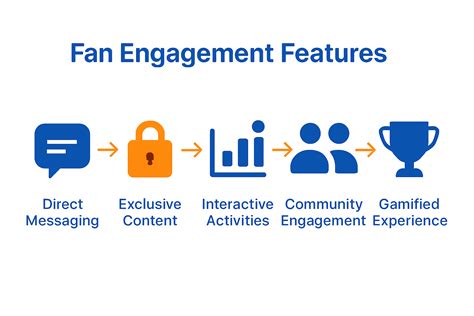
The role of fan engagement in tactical analysis is also set to grow. As real-time analytics become more accessible, fans could be given access to live tactical dashboards during matches, allowing them to see the same data that coaches use. This not only enhances the viewing experience but also creates opportunities for crowdsourced insights. For example, platforms could allow fans to vote on suggested tactical changes during a match, with the results fed back to the coaching staff. While this might seem far-fetched, the increasing convergence of sports and interactive technology suggests that such innovations are not out of reach.
Finally, the future of tactical analysis will likely see a greater emphasis on ethical considerations and player well-being. As AI and real-time analytics provide ever-more intrusive levels of monitoring, there is a risk of over-surveillance, potentially leading to player burnout or privacy concerns. Future systems will need to balance the pursuit of competitive advantage with respect for players' physical and mental health. This might involve the development of AI tools that not only optimize performance but also monitor for signs of overtraining or stress, providing recommendations for rest and recovery.
- AI will enable predictive scenario simulations that offer real-time, tailored recommendations for coaches.
- Wearable technology and real-time analytics will allow for live adjustments during matches, enhancing team performance.
- Computer vision will provide granular insights into player movements and micro-events, improving the precision of analysis.
- Cloud-based collaboration tools will foster globalized, real-time tactical coordination among coaching staff.
- Personalized optimization will focus on individual players' strengths and weaknesses, tailoring strategies and training.
- Blockchain could secure and democratize access to tactical data, ensuring transparency and accessibility.
- Fan engagement tools might allow supporters to interact with live tactical data, enriching the spectator experience.
In conclusion, the future of tactical analysis in football is set to be shaped by a confluence of AI, real-time analytics, and emerging technologies like computer vision and blockchain. These advancements will not only enhance the strategic depth of the game but also redefine the relationship between teams, players, and even fans. While the integration of these tools promises unparalleled precision and efficiency, it will also demand a thoughtful approach to ethics and player welfare, ensuring that the human element of football remains at the heart of its evolution.