Introduction to Tactical Efficiency
Tactical efficiency is a concept that lies at the intersection of strategy, execution, and resource optimization. It refers to the ability of an organization or team to implement specific actions and plans in a manner that maximizes output while minimizing wasted effort, time, or resources. Unlike strategic efficiency, which focuses on long-term goals and high-level planning, tactical efficiency is grounded in the day-to-day operations that turn broader objectives into tangible results. In modern organizational and operational contexts, tactical efficiency is not merely a desirable quality—it is a critical enabler of success in competitive, fast-paced environments where adaptability and precision are paramount.
At its core, tactical efficiency involves the seamless alignment of resources, processes, and people to achieve specific, often time-sensitive objectives. For example, consider a manufacturing firm tasked with meeting a surge in demand for a product. Tactical efficiency would dictate not only how the production line is optimized to increase output but also how inventory is managed to avoid overstocking or shortages. This requires an acute focus on process improvement, real-time decision-making, and robust communication channels. Without tactical efficiency, even the most well-crafted strategies can falter when faced with the complexities of execution.
The importance of tactical efficiency in modern organizations can be understood through several lenses. First, it plays a pivotal role in resource utilization. In an era where businesses are under constant pressure to do more with less, tactical efficiency ensures that every dollar spent, every hour worked, and every tool deployed is contributing meaningfully to the organization's goals. This is particularly relevant in industries such as logistics, where minute inefficiencies—like suboptimal route planning or delayed shipments—can cascade into larger operational bottlenecks. A tactically efficient approach would involve leveraging advanced technologies, such as AI-driven route optimization or predictive analytics, to preempt such issues and maintain a lean operation.
Another critical aspect of tactical efficiency is its role in risk mitigation. Organizations operate in environments fraught with uncertainties, ranging from supply chain disruptions to sudden shifts in market demand. Tactical efficiency equips teams with the ability to respond swiftly and effectively to these challenges. For instance, during the COVID-19 pandemic, companies that had implemented tactically efficient systems—such as decentralized supply chains or agile project management frameworks—were better positioned to pivot their operations and maintain business continuity. This adaptability stems from a focus on granular, actionable steps rather than relying solely on high-level strategic directives.
Furthermore, tactical efficiency fosters team cohesion and accountability. When teams are clear about their immediate objectives and the specific steps required to achieve them, they are more likely to work collaboratively and with a sense of purpose. Tactical efficiency emphasizes breaking down larger goals into manageable, well-defined tasks. This not only reduces ambiguity but also empowers employees by giving them a clear sense of ownership over their contributions. For example, in a software development team, a tactically efficient approach might involve using methodologies like Scrum to define sprints, assign user stories, and conduct daily stand-ups to track progress. Such practices ensure that everyone is aligned and that delays or miscommunications are minimized.
In the realm of customer experience, tactical efficiency can be a differentiator. Customers today expect not only high-quality products and services but also speed and reliability in their delivery. A company that can consistently meet or exceed these expectations does so by embedding tactical efficiency into its operational DNA. For instance, e-commerce platforms that use real-time inventory tracking and automated order fulfillment systems can promise—and deliver—next-day shipping. This level of operational precision not only satisfies customers but also builds trust and loyalty, which are invaluable in competitive markets.
One of the less discussed but equally important dimensions of tactical efficiency is its impact on innovation. While innovation is often associated with big-picture thinking and long-term R&D efforts, tactical efficiency enables organizations to experiment and iterate quickly. By streamlining processes and reducing inefficiencies, companies can create the space and resources needed to test new ideas without overburdening their operations. For example, a startup developing a new app might use tactically efficient practices—such as automated testing and modular code development—to iterate on features rapidly while still maintaining a functional product for users. This iterative approach not only accelerates innovation but also reduces the risk of sunk costs associated with failed experiments.
It is also worth noting that tactical efficiency is not solely about optimization for the present. It has a forward-looking component that prepares organizations for future challenges. By embedding efficient practices into their operations, organizations create a foundation of resilience and scalability. For example, a retail chain that invests in tactically efficient inventory management systems today is better equipped to handle future expansions or unexpected surges in demand. This forward-thinking approach ensures that tactical efficiency is not just a reactive measure but a proactive strategy for sustained growth.
However, achieving tactical efficiency is not without its challenges. One of the most significant hurdles is the tension between efficiency and flexibility. While efficiency often requires standardization and adherence to established processes, modern organizations must also remain agile enough to respond to unexpected changes. Striking this balance requires a nuanced approach—one that incorporates both structured workflows and the ability to deviate from them when necessary. For instance, a tactically efficient supply chain might rely on standardized vendor agreements to streamline procurement but also maintain contingency plans for alternative suppliers in case of disruptions.
Additionally, technology plays a critical role in enabling tactical efficiency. Tools such as enterprise resource planning (ERP) systems, customer relationship management (CRM) platforms, and workflow automation software are indispensable in modern organizations. These technologies not only provide real-time insights into operations but also reduce the manual effort required to manage complex tasks. However, it is important to remember that technology is only as effective as the processes and people supporting it. A tactically efficient organization must invest in training its workforce to use these tools effectively and integrate them into existing workflows seamlessly.
In summary, tactical efficiency is a multidimensional concept that underpins the operational success of modern organizations. It is about more than just doing things right—it is about doing the right things in the most effective way possible. From resource optimization and risk mitigation to fostering innovation and enhancing customer experiences, tactical efficiency is a cornerstone of organizational resilience and competitiveness. As businesses continue to navigate an increasingly complex and dynamic landscape, the ability to execute with precision and purpose will remain a defining characteristic of those that thrive.
- Tactical efficiency aligns resources, processes, and people for specific objectives.
- It supports resource utilization, risk mitigation, and team cohesion.
- Technology and adaptability are key enablers of tactical efficiency.
By prioritizing tactical efficiency, organizations can not only achieve their immediate goals but also position themselves for long-term success in an ever-evolving world.
Historical Context and Evolution
The concept of **tactical efficiency** has its roots deeply embedded in the strategies employed by early human societies to optimize resources and achieve goals with minimal waste. Initially, this term was not explicitly defined but was embodied in practices that ensured survival and efficiency in resource-constrained environments. For instance, ancient hunters developed coordinated group movements to corner prey, a primitive yet effective example of tactical efficiency in action. These early practices were not informed by formalized methodologies but by necessity and trial-and-error learning, laying the groundwork for what would later become a structured approach to optimizing outcomes.
The evolution of tactical efficiency as a formalized principle began in **military strategy**, where the stakes of inefficiency were often life and death. Sun Tzu’s The Art of War, written around the 5th century BCE, is one of the earliest recorded treatises that emphasizes the importance of efficient use of resources in conflict. Sun Tzu’s emphasis on understanding terrain, timing, and the psychology of the enemy reflects an early recognition of what we now call tactical efficiency. For example, he advocated for "winning without fighting" as the pinnacle of strategic success—avoiding wasteful confrontations while achieving objectives. This idea of efficiency as a means to conserve energy and resources for more critical engagements has reverberated across centuries and industries.
In the **Industrial Revolution**, tactical efficiency began to take on a more systematic form as industries sought to maximize output while minimizing costs. The advent of assembly lines by Henry Ford in the early 20th century is a prime example of applying tactical efficiency to manufacturing. By breaking down production into smaller, repeatable tasks, Ford not only increased productivity but also reduced waste in time and materials. This era marked the beginning of tactical efficiency being viewed as a measurable and replicable process rather than an abstract concept. Managers and engineers started to analyze workflows, identifying bottlenecks and inefficiencies that could be addressed through better organization and technology.
The mid-20th century saw the rise of **operations research** during World War II, a field that applied mathematical models to optimize complex systems such as logistics, supply chains, and combat strategies. This period was pivotal in formalizing tactical efficiency as a multidisciplinary approach. For instance, the development of linear programming and queuing theory allowed militaries and later businesses to allocate limited resources more effectively. A notable example is the use of optimization algorithms to determine the most efficient routes for supply convoys or the best configuration of air support in battle scenarios. These tools demonstrated that tactical efficiency could be quantified and improved through data-driven decision-making.
In the **post-war era**, tactical efficiency principles began to permeate civilian industries. The concept of **lean manufacturing**, pioneered by Toyota in the 1950s and 1960s, is a direct descendant of these ideas. Lean manufacturing focuses on eliminating waste (muda) in processes while maintaining quality and value for the customer. This approach introduced practices like just-in-time inventory management and continuous improvement (kaizen), which are hallmarks of tactical efficiency. Unlike earlier industrial models that prioritized mass production at all costs, lean methodologies emphasized flexibility and responsiveness to changing demands—an evolution of tactical efficiency tailored to dynamic market conditions.
The **digital revolution** further transformed the application of tactical efficiency. With the proliferation of computing power and data analytics, businesses could analyze vast amounts of information to identify inefficiencies in real time. For example, supply chain management systems now use algorithms to predict demand fluctuations, optimize inventory levels, and reduce transportation costs. In the realm of software development, the Agile methodology emerged as a response to the inefficiencies of traditional waterfall models. Agile emphasizes iterative progress, collaboration, and adaptability—core tenets of tactical efficiency in a fast-paced, technology-driven world. These tools and frameworks have enabled organizations to not only react to inefficiencies but proactively design systems that minimize them from the outset.
Another critical development in the evolution of tactical efficiency is its application in **scenario-based simulations**. Industries such as aviation, healthcare, and emergency response have adopted tactical efficiency principles to train personnel and prepare for high-stakes situations. For instance, flight simulators allow pilots to practice decision-making under stress, optimizing their ability to handle emergencies with limited resources. Similarly, hospitals use simulation-based training to improve the efficiency of emergency room workflows, ensuring that critical resources like staff and equipment are deployed effectively during surges in patient volume. These scenarios illustrate how tactical efficiency has transcended static optimization to become a dynamic, adaptive practice.
In the **modern era**, tactical efficiency has also been influenced by **globalization and interconnectedness**. The rise of global supply chains, for instance, has required companies to adopt efficiency practices that account for variables such as geopolitical risks, climate change, and fluctuating trade policies. A contemporary example is the use of advanced analytics to reroute shipping containers in response to port congestion or natural disasters. This level of adaptability reflects how tactical efficiency has evolved from localized problem-solving to a global, interconnected framework.
Moreover, the concept has expanded beyond physical systems to include **human factors**. In the corporate world, tactical efficiency now encompasses strategies to optimize team performance, such as improving communication, reducing decision fatigue, and fostering collaboration. Tools like project management software (e.g., Trello, Asana) and techniques like timeboxing are direct applications of efficiency principles aimed at enhancing human productivity within teams. This shift acknowledges that efficiency is not solely about processes but also about the people who execute them.
Looking forward, the **future of tactical efficiency** is likely to be shaped by emerging technologies such as artificial intelligence (AI) and the Internet of Things (IoT). AI-driven systems can analyze patterns and predict inefficiencies before they occur, while IoT devices enable real-time monitoring and optimization of physical systems. For example, smart factories equipped with IoT sensors can adjust production schedules dynamically based on machine performance and energy consumption data. These advancements suggest that tactical efficiency will continue to evolve as a blend of human ingenuity and technological support.
In summary, the historical context and evolution of tactical efficiency reveal a journey from instinct-driven survival strategies to sophisticated, data-driven methodologies. From ancient battlefields to modern boardrooms, the principles of efficiency have adapted to meet the challenges of their time. This trajectory underscores a fundamental truth: tactical efficiency is not a static concept but a dynamic one, continually shaped by the needs of industries, the tools at our disposal, and the complexities of the scenarios we face.
- Early human practices laid the foundation for tactical efficiency through survival-driven coordination.
- Military strategy formalized the principles of resource optimization in high-stakes scenarios.
- The Industrial Revolution introduced systematic approaches to workflow and production efficiency.
- Operations research during WWII expanded tactical efficiency into a multidisciplinary science.
- Lean manufacturing and digital tools further refined and expanded its applications.
- Modern globalization and AI promise to redefine tactical efficiency for future challenges.
Core Principles of Tactical Efficiency
Tactical efficiency is a critical component of organizational success, particularly in environments where resources are constrained, deadlines are tight, and the stakes are high. At its core, tactical efficiency involves optimizing the use of available resources to achieve specific, short-term objectives in alignment with broader strategic goals. To fully grasp this concept, it is essential to explore its fundamental principles, including **resource allocation**, **time management**, and **goal alignment**. These principles are interdependent, and their effective application can transform a team or organization from merely functional to highly impactful.
The first principle, **resource allocation**, is about more than just distributing resources; it is about **prioritization and optimization**. Tactical efficiency requires a deep understanding of what resources are available—be it human capital, financial assets, technology, or physical materials—and how they can be deployed to maximum effect. A common pitfall in resource allocation is the **"equality trap"**, where resources are distributed evenly across tasks or teams without regard for their varying levels of importance or urgency. For instance, allocating the same budget to a low-impact marketing campaign as to a high-impact product launch can dilute the organization's overall effectiveness. Instead, tactical efficiency demands a **weighted approach**, where resources are concentrated on high-priority tasks or bottlenecks that, if addressed, can unlock greater value. This requires leaders to adopt a **scenario-based planning mindset**, anticipating potential challenges and reallocating resources dynamically as situations evolve. An example of this in practice is seen in agile project management, where teams reassess resource needs at regular intervals to ensure they are focused on the most impactful deliverables.
Another layer of resource allocation is the **synergistic use of resources**. Tactical efficiency is not achieved by merely assigning resources in isolation but by **integrating them in ways that amplify their collective impact**. For example, combining a skilled team with cutting-edge software tools can create efficiencies that neither could achieve alone. This principle also extends to **cross-functional collaboration**, where resources from different departments or teams are pooled to address shared challenges. A practical example is seen in supply chain management, where inventory, logistics, and procurement teams work in tandem to reduce lead times and minimize waste. The key insight here is that **resource efficiency is not about having more; it is about using what you have more intelligently**.
The second principle, **time management**, is often misunderstood as simply meeting deadlines. While meeting deadlines is important, tactical efficiency in time management involves **prioritizing tasks based on their impact on overarching goals**. One of the most effective frameworks for this is the **Eisenhower Matrix**, which categorizes tasks into four quadrants based on their urgency and importance. Tactical efficiency requires focusing on tasks in the "important and urgent" quadrant while delegating or deprioritizing less critical activities. However, this is not a static exercise; it requires a **continuous reevaluation of priorities** as circumstances change. For example, in a fast-paced tech company, a product team might shift its focus from feature development to bug fixes if customer complaints suddenly surge. This flexibility is a hallmark of tactical efficiency in time management.
Moreover, time management in the context of tactical efficiency also involves **minimizing time sinks**—activities or processes that consume time without adding proportional value. A common example is **decision-making bottlenecks**, where excessive layers of approval slow down progress. Streamlining these processes, such as by implementing **decision thresholds** (where only decisions above a certain impact level require higher-level review), can dramatically improve efficiency. Another often-overlooked aspect of time management is the **rhythm of work**. Tactical efficiency is enhanced when teams operate in **sprints or cycles**, with clear start and end points that allow for reflection, adjustment, and forward momentum. This is particularly evident in software development, where methodologies like Scrum emphasize short, focused work periods followed by reviews to ensure alignment with goals.
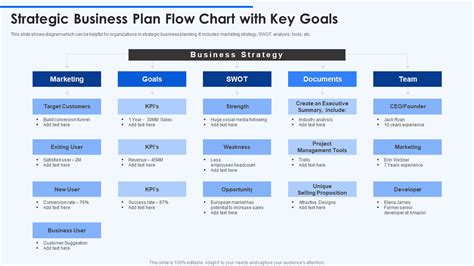
The third principle, **goal alignment**, ties resource allocation and time management to the broader strategic vision of the organization. Tactical efficiency falters when teams operate in silos, pursuing objectives that are misaligned with the organization’s overarching mission. For instance, a sales team focusing solely on short-term revenue targets without considering customer retention might achieve quarterly goals but undermine long-term growth. Goal alignment requires **clear communication of priorities** from leadership and a **shared understanding of how individual tasks contribute to the bigger picture**. This is where tools like **OKRs (Objectives and Key Results)** can be particularly effective. By setting objectives that are specific, measurable, and aligned with strategic priorities, teams can ensure their tactical efforts are not just efficient but also meaningful.
A unique insight into goal alignment is the concept of **adaptability within alignment**. While it is crucial for teams to stay focused on agreed-upon goals, tactical efficiency also requires the ability to **pivot when necessary**. For example, a company might set a goal to increase market share in a particular region, only to discover mid-year that a competitor has introduced a disruptive product. Tactical efficiency in this scenario involves reevaluating the alignment of current efforts with the new competitive landscape and adjusting goals without losing sight of the broader mission. This balance between **consistency and flexibility** is what separates tactically efficient organizations from those that are merely rigidly goal-oriented.
Additionally, **feedback loops** play a vital role in goal alignment. Tactical efficiency thrives when there are mechanisms in place to measure progress and provide real-time feedback. For instance, regularly tracking key performance indicators (KPIs) allows teams to identify inefficiencies or misalignments early and course-correct before they become systemic issues. A practical example is seen in retail, where daily sales data can inform inventory restocking decisions to avoid overstocking or stockouts. These feedback loops ensure that tactical actions remain aligned with both immediate objectives and long-term goals.
In summary, the core principles of tactical efficiency—**resource allocation**, **time management**, and **goal alignment**—are interconnected and require a nuanced approach to be effective. Tactical efficiency is not about doing more with less for the sake of it; it is about doing the **right things, at the right time, with the right resources** to achieve impactful results. Organizations that embrace these principles with a focus on prioritization, flexibility, and continuous improvement can navigate complex environments with greater agility and success. By rooting tactical efficiency in these foundational concepts, leaders can create a framework that not only addresses short-term challenges but also supports sustainable growth and resilience in the face of change.
- Tactical efficiency prioritizes **intelligent resource allocation** over equal distribution.
- Effective **time management** involves focusing on high-impact tasks and minimizing time sinks.
- **Goal alignment** ensures that short-term actions support long-term strategic objectives.
- Adaptability and **feedback loops** are essential for maintaining alignment in dynamic environments.
Key Metrics for Measuring Efficiency
Evaluating **tactical efficiency** requires a clear understanding of the metrics that provide actionable insights into how well resources, processes, and strategies are being utilized to achieve specific objectives. Tactical efficiency is rooted in the ability to measure performance in a way that is both **quantifiable** and aligned with overarching goals. In this section, we will explore the **key metrics** and **benchmarks** that organizations use to assess tactical performance, emphasizing their significance and the context in which they are most effective.
One of the most widely used **KPIs (Key Performance Indicators)** for measuring tactical efficiency is **resource utilization rate**. This metric evaluates how effectively available resources—whether human, financial, or material—are being employed to meet operational demands. For instance, in a manufacturing setting, this could mean tracking the percentage of time machinery is operational versus idle. A high utilization rate suggests that resources are being maximized, but it is important to distinguish between **efficient utilization** and **overutilization**, which can lead to burnout or equipment failure. Benchmarks for resource utilization often vary by industry; for example, a well-run IT helpdesk might aim for 75-85% agent utilization to balance service delivery with agent well-being, while a factory floor might target closer to 90% for machines to ensure production targets are met without excessive downtime.
Another critical metric is **task completion time**, which measures the time taken to complete specific tactical activities or projects within defined timeframes. This KPI is especially relevant in environments where deadlines are tight, such as software development or logistics. Here, efficiency is not just about speed but also about **quality of output**. A team that completes tasks quickly but produces subpar results is not truly efficient. To address this, organizations often pair task completion time with **error rate metrics**, which quantify the number of errors or rework required per task. For example, a software team might aim to complete sprints within two weeks (a standard agile benchmark) while maintaining a defect rate below 2% in delivered code. This dual focus ensures that tactical actions are not just swift but also **sustainable and high-quality**.
In tactical scenarios involving **team performance**, **team productivity per hour** is a nuanced KPI that goes beyond individual contributions. This metric calculates the collective output of a team within a given time period, normalized by the number of hours worked. It is particularly useful for understanding how well teams collaborate and whether their combined efforts are greater than the sum of individual parts. For example, a customer support team might measure the number of tickets resolved per hour as a team rather than per agent. Benchmarks here can vary depending on the complexity of tasks; a team handling routine queries might aim for 15 resolved tickets per hour, while a team managing escalated issues might target 3-5 per hour. This metric also helps identify bottlenecks—if productivity per hour is consistently low, it may indicate inefficiencies in team coordination, resource allocation, or training gaps.
Another often-overlooked but vital KPI is **cost per tactical action**. This metric quantifies the financial cost associated with each discrete action or decision within a tactical framework. For example, in a marketing campaign, the cost per lead generated can provide a clear picture of how efficiently budget is being spent to achieve outreach goals. If a campaign costs $10,000 and generates 500 leads, the cost per lead is $20. Organizations can compare this against industry benchmarks (e.g., $15-30 per lead in B2B marketing) to determine whether their tactical approach is cost-effective. However, this metric must be contextualized; a higher cost per action might be acceptable if the leads generated are of higher quality or have a higher conversion rate. This highlights the need to balance **cost efficiency** with **value efficiency**—not all actions are equal in their impact on strategic goals.
In addition to these core KPIs, **cycle time reduction** is a widely used benchmark for evaluating the speed and agility of tactical processes. Cycle time refers to the total time taken to complete a process from start to finish, and reducing it is a hallmark of tactical efficiency. For instance, in supply chain management, reducing the cycle time for order fulfillment from 72 hours to 48 hours can significantly improve customer satisfaction and reduce inventory holding costs. Organizations often set **SMART goals** (Specific, Measurable, Achievable, Relevant, Time-bound) for cycle time reduction, such as aiming for a 10% reduction in process time over a quarter. This KPI is particularly effective when paired with **process mapping**, which identifies inefficiencies like redundant steps or bottlenecks that can be streamlined.
Another advanced metric is **decision-making speed**, which evaluates how quickly tactical decisions are made without compromising their quality. This is particularly relevant in high-stakes environments such as emergency response or competitive markets. For example, a retail company might track the time it takes to decide on inventory restocking levels during a sales surge. Benchmarks here might include a target to make restocking decisions within 24 hours of identifying a stockout risk. Decision-making speed is influenced by factors like access to real-time data, clear communication channels, and the presence of **decision-making frameworks** (e.g., pre-approved escalation protocols). Slow decision-making can erode tactical efficiency, as delayed responses often result in missed opportunities or increased costs.
Finally, **stakeholder satisfaction metrics** provide a qualitative yet measurable dimension to tactical efficiency. While often associated with customer satisfaction, this KPI can also include internal stakeholders such as employees or cross-functional teams. For instance, a project management team might survey team members after completing a sprint to assess their satisfaction with the clarity of objectives, availability of resources, and overall workflow. A high satisfaction score (e.g., 8/10 or above) indicates that tactical execution is aligned with the needs and expectations of those involved. However, satisfaction alone is not enough—it must be paired with **objective performance data** to avoid conflating perceived efficiency with actual results.
Each of these metrics must be contextualized within the organization’s specific **operational environment**. For example, a small business might focus more on cost per action due to budget constraints, while a large enterprise might prioritize cycle time reduction to maintain competitive edge. Benchmarks should also be dynamic, evolving as the organization grows or as external factors like market conditions or technological advancements change. A one-size-fits-all approach to tactical efficiency is rarely effective; instead, organizations must tailor their KPIs to reflect their unique challenges and goals.
Ultimately, the most effective measurement of tactical efficiency involves a **holistic approach** that combines quantitative KPIs with qualitative insights. While metrics like resource utilization, task completion time, and cost per action provide hard data, they must be interpreted in light of broader strategic objectives and the context in which they are measured. Tactical efficiency is not a static concept—it requires continuous monitoring, adaptation, and a willingness to challenge existing benchmarks when they no longer serve the organization’s evolving needs. By focusing on these quantifiable KPIs and their associated benchmarks, organizations can not only measure tactical performance but also identify areas for improvement and drive meaningful progress.
Role of Technology in Enhancing Efficiency
The role of technology in enhancing tactical efficiency is a multifaceted domain where tools like AI, automation, and data analytics converge to streamline operations, reduce inefficiencies, and enable organizations to respond to dynamic challenges with precision. In the modern landscape, where agility often determines success, these technologies offer transformative potential that extends beyond mere operational support to becoming integral components of strategic decision-making.
One of the most profound impacts of AI in tactical efficiency is its ability to process vast amounts of unstructured data and derive actionable insights in real time. For instance, in supply chain management, AI-powered algorithms can analyze patterns in supplier performance, inventory levels, and demand fluctuations to predict potential bottlenecks. This predictive capability allows organizations to preemptively adjust procurement schedules or reroute shipments, minimizing disruptions. Unlike traditional methods that rely on historical data and manual analysis, AI introduces a level of foresight that is both granular and forward-looking. Moreover, AI-driven chatbots and virtual assistants are increasingly being deployed in customer service and field operations to handle routine queries, freeing human resources for more complex tasks. This not only enhances response times but also improves customer satisfaction by ensuring consistent and accurate communication channels.
Closely aligned with AI is the domain of automation, which serves as the backbone of repetitive task management. Automation tools, particularly Robotic Process Automation (RPA), are designed to mimic human actions in software environments, performing tasks such as data entry, report generation, and workflow routing with unmatched speed and accuracy. Consider the example of financial services, where RPA can automate the reconciliation of accounts or the processing of claims. This reduces the time required for such operations from hours to minutes, while also minimizing the risk of human error. Tactical efficiency here is not just about doing things faster but also about ensuring that resources are allocated to areas where human judgment or creativity is indispensable. Automation also facilitates scalability; a business that automates its order processing can handle a surge in demand without proportionally increasing its workforce, thus maintaining operational stability during peak periods.
Another dimension of tactical efficiency is how data analytics enables organizations to glean insights from both structured and unstructured datasets. Tactical decisions often hinge on the ability to interpret real-time data streams, such as customer behavior patterns, equipment performance metrics, or market sentiment. Advanced analytics platforms use machine learning models to identify correlations and anomalies that might otherwise go unnoticed. For example, in retail, real-time analytics can monitor foot traffic in stores and cross-reference it with sales data to adjust staffing levels dynamically. Similarly, in manufacturing, sensor data from IoT-enabled equipment can be analyzed to predict maintenance needs before a critical failure occurs. This proactive approach not only reduces downtime but also extends the lifespan of assets, directly impacting cost-efficiency. Tactical efficiency in this context is about making decisions that are not just reactive but anticipatory, driven by a constant feedback loop of data and action.
The interplay between these technologies is also worth exploring. AI often serves as the "brain" that powers automation and analytics. For instance, in logistics, an AI model might predict optimal delivery routes based on traffic patterns and weather conditions, while automation tools execute the routing adjustments without human intervention. Similarly, data analytics provides the raw material—insights derived from historical and real-time data—that AI uses to refine its models. This synergy creates a closed-loop system where each technology reinforces the other, resulting in a compounding effect on efficiency. Organizations that successfully integrate these technologies often find that their tactical operations become not only faster but also more adaptable to external shocks, such as supply chain disruptions or sudden market shifts.
However, it is important to recognize that the implementation of these technologies is not without challenges. A key concern is the quality of data feeding into AI and analytics systems. Garbage in, garbage out remains a pertinent adage; inaccurate or incomplete data can lead to flawed predictions and suboptimal decisions. Therefore, organizations must invest in robust data governance frameworks to ensure the integrity and relevance of the data they collect. Additionally, there is the question of workforce adaptation. Tactical efficiency driven by technology often requires reskilling employees to work alongside AI tools and automation systems. Resistance to change or lack of training can undermine the very efficiencies these technologies aim to achieve. Organizations must prioritize change management strategies that emphasize collaboration between human workers and machines rather than replacement.
Another critical aspect is the ethical dimension of technology use. Tactical efficiency should not come at the cost of transparency or fairness. For example, AI algorithms used in hiring or customer segmentation must be rigorously audited to avoid biases that could lead to discriminatory outcomes. Organizations must balance the drive for efficiency with a commitment to ethical practices, particularly as they scale their use of these technologies across diverse geographies and cultural contexts.
Looking ahead, the evolution of technologies like edge computing and quantum computing promises to further enhance tactical efficiency. Edge computing, by processing data closer to its source (e.g., IoT devices on a factory floor), reduces latency and enables faster decision-making in time-sensitive scenarios. Quantum computing, though still in its nascent stages, holds the potential to solve complex optimization problems—such as route planning for global logistics networks—in a fraction of the time traditional systems require. These advancements suggest that the role of technology in tactical efficiency is not static but will continue to evolve as new tools and methodologies emerge.
In conclusion, the integration of AI, automation, and data analytics into tactical processes represents a paradigm shift in how organizations approach efficiency. These technologies enable not only faster and more accurate operations but also a level of adaptability and foresight that was previously unattainable. While challenges such as data quality, workforce adaptation, and ethical considerations must be addressed, the potential for transformative impact is undeniable. Tactical efficiency, when enhanced by technology, is no longer just about doing things right—it is about doing the right things at the right time, with precision and purpose.
Case Studies: Tactical Efficiency in Action
Tactical efficiency is the art of optimizing resources, time, and strategies to achieve specific short-term objectives while maintaining alignment with long-term goals. When executed effectively, it can lead to transformative outcomes for organizations and teams. This section explores real-world case studies where tactical efficiency was not just a concept but a driving force behind measurable success.
One of the most compelling examples of tactical efficiency in action comes from **Amazon's warehouse operations**. In the early 2010s, Amazon faced increasing pressure to deliver packages faster while managing a growing inventory across its global network of fulfillment centers. The challenge was twofold: improving pick-and-pack efficiency while minimizing human error. To address this, Amazon implemented a combination of **robotic process automation (RPA)** and human-centric workflows.
The company introduced **Kiva robots**, which autonomously transported shelves of products to human workers stationed at packing stations. This eliminated the need for workers to walk long distances across warehouse floors to locate items, reducing the time spent on each order. At the same time, Amazon retained human judgment for tasks requiring adaptability, such as inspecting damaged goods or handling irregular packaging. The result was a **20% increase in order processing speed** and a significant reduction in operational costs. This case illustrates how tactical efficiency can be achieved by blending technology with human expertise, ensuring that neither is overextended but both are optimized for their strengths.
Another example can be found in **the U.S. Navy's "Top Gun" program**, which was revamped in response to changing aerial combat dynamics in the late 20th century. The program is often associated with pilot training, but its tactical efficiency lies in how it redefined **scenario-based learning**. Rather than focusing solely on technical flying skills, the program introduced a rigorous emphasis on **real-time decision-making under stress**. Pilots were put through simulated combat scenarios that mimicked enemy tactics observed in recent conflicts. This allowed them to develop muscle memory for split-second decisions, such as evasive maneuvers or target prioritization.

What set this approach apart was its **feedback loop system**. After each exercise, pilots and their teams conducted detailed debriefs to analyze what went well and what could be improved. This iterative process ensured that lessons learned in one scenario were immediately applied to the next. Over time, this not only improved individual pilot performance but also enhanced **team coordination** in multi-aircraft formations. The Navy's focus on continuous improvement through scenario-based learning demonstrates how tactical efficiency can be embedded in training systems to prepare teams for dynamic, high-stakes environments.
In the private sector, **Spotify's agile transformation** serves as a striking example of tactical efficiency within software development. By the mid-2010s, Spotify was growing rapidly but faced challenges in maintaining its product quality and speed of feature delivery as its engineering teams expanded. Traditional methodologies, such as the waterfall model, proved too rigid for the company's needs. To address this, Spotify adopted a **"squad model"**, a unique take on agile frameworks.
Each squad operated like a mini-startup, with full ownership of a specific feature or product area. Squads were small—typically 6-10 people—and included all necessary roles, such as developers, designers, and product managers. This structure minimized dependencies on other teams, enabling squads to operate with **high autonomy** while still aligning with broader company objectives through a shared mission. Tactical efficiency was further enhanced by **"tribes" and "chapters"**, which provided a support network for knowledge sharing and skill specialization without creating bureaucratic bottlenecks. Spotify's ability to scale efficiently while maintaining agility is a testament to how tactical efficiency can drive innovation without sacrificing quality or speed.
In the healthcare sector, **Johns Hopkins Hospital's use of predictive analytics** offers a different perspective on tactical efficiency. Faced with overcrowded emergency departments and rising patient wait times, the hospital implemented a system called **"Capacity Command Center"** in 2016. This initiative combined real-time data from multiple hospital systems—such as bed availability, patient flow, and staff scheduling—into a centralized dashboard powered by AI algorithms. The system provided actionable insights, such as predicting surges in patient admissions or identifying bottlenecks in discharge processes.
The results were transformative. Within the first year, the hospital saw a **60% reduction in patient boarding time** and a **25% improvement in ambulance diversion hours**. By using predictive analytics to anticipate challenges and allocate resources proactively, the hospital demonstrated how tactical efficiency can directly impact patient outcomes. This case underscores the importance of leveraging data not just for long-term strategy but for immediate, actionable insights that improve day-to-day operations.
Finally, consider the example of **Team Sky (now INEOS Grenadiers) in professional cycling**. During the 2010s, the team revolutionized the sport by focusing on what they called the **"aggregation of marginal gains"**—a philosophy rooted in tactical efficiency. Instead of pursuing one major breakthrough, the team identified dozens of small, incremental improvements that collectively added up to a competitive edge. For instance, they optimized rider nutrition by analyzing the precise timing and composition of meals, reduced wind resistance by redesigning bike components, and even improved recovery by experimenting with pillow materials for better sleep quality.
These seemingly minor adjustments might appear trivial in isolation, but their cumulative impact was immense. Team Sky's focus on **continuous, granular optimization** led them to dominate the Tour de France for several years. This approach highlights how tactical efficiency can thrive in environments where success depends on both human performance and operational precision. It also serves as a reminder that efficiency is not always about grand strategies; sometimes, it is the accumulation of small, well-executed changes that creates outsized results.
These case studies reveal that tactical efficiency is not a one-size-fits-all concept. It manifests differently across industries and contexts, but its core principles remain consistent: **leveraging resources effectively, iterating based on real-world feedback, and aligning short-term actions with broader objectives**. Whether through robotics in logistics, scenario-based training in defense, agile frameworks in software, predictive analytics in healthcare, or granular improvements in sports, the examples show that tactical efficiency is both an art and a science. Organizations that embrace this mindset can not only overcome immediate challenges but also position themselves for sustained success in an ever-evolving landscape.
- Amazon's integration of robotics and human workflows exemplifies blending technology with human adaptability.
- The U.S. Navy's "Top Gun" program demonstrates the power of iterative, scenario-based learning.
- Spotify's squad model highlights autonomy and alignment as pillars of efficiency in scaling teams.
- Johns Hopkins Hospital shows how predictive analytics can drive immediate operational improvements.
- Team Sky's focus on marginal gains illustrates the power of small, cumulative optimizations.
By studying these examples, organizations can glean actionable insights into how tactical efficiency can be tailored to their unique challenges and opportunities, driving both immediate and long-term success.
Challenges and Obstacles to Tactical Efficiency
Tactical efficiency is the cornerstone of effective execution in any organization, especially in high-stakes environments such as military operations, emergency response, or corporate project management. However, achieving this efficiency is not without its challenges. Organizations often encounter a range of barriers that can impede their ability to operate with precision and agility. Understanding these obstacles is critical to devising strategies that mitigate their impact and foster a culture of tactical excellence.
One of the most pervasive challenges to tactical efficiency is miscommunication. In any coordinated effort, clear and consistent communication is essential to ensure that all team members understand their roles, responsibilities, and the broader objectives of the mission or project. However, miscommunication can arise from several sources. First, ambiguity in instructions can lead to misinterpretation of goals or tasks. For instance, a manager might issue a directive such as "improve customer satisfaction," without specifying measurable targets or the scope of the improvement. This lack of clarity can result in team members pursuing disparate or even conflicting actions, diluting the overall impact of their efforts. Second, technological barriers can exacerbate miscommunication. While modern tools like email, instant messaging, and project management software are intended to streamline information flow, they can also create silos. Messages lost in overflowing inboxes or misunderstood due to a lack of context can derail even well-planned operations. Moreover, the overreliance on asynchronous communication methods can lead to delays in decision-making, as teams wait for responses or clarifications that could have been addressed in real-time through face-to-face interactions or more robust collaborative platforms.
Another significant obstacle is resource constraints. Tactical efficiency often hinges on the availability of adequate resources—be it personnel, time, equipment, or budget. However, organizations frequently operate in environments where these resources are limited or unevenly distributed. For example, in a military context, a unit might be tasked with securing a large area with only a fraction of the personnel and equipment needed for optimal coverage. This forces leaders to make difficult trade-offs, such as prioritizing certain objectives over others or accepting higher levels of risk. Similarly, in corporate settings, project teams might face budget cuts that limit their ability to invest in the tools or training necessary to execute their plans effectively. These constraints often lead to a phenomenon known as resource hoarding, where departments or teams withhold resources out of fear of future shortages, further exacerbating inefficiencies across the organization. This behavior can create a vicious cycle where under-resourced teams underperform, prompting even greater scrutiny and resource tightening.
Closely related to resource constraints is the challenge of competing priorities. In many organizations, multiple teams or departments are working toward different—but interconnected—goals. For instance, a company might aim to launch a new product while simultaneously reducing operational costs. These dual objectives can create tension, as resource allocation decisions favor one goal at the expense of the other. Tactical efficiency suffers when teams are pulled in different directions, leading to fragmented efforts and a lack of cohesive strategy. Leaders must navigate these competing priorities by fostering transparent communication about the organization's overarching goals and ensuring that resource allocation aligns with the most critical needs.
A third major barrier to tactical efficiency is resistance to change. Organizations are dynamic entities, and the need for adaptation is constant. However, human beings are inherently predisposed to resist change due to fear of the unknown, comfort with existing routines, or skepticism about the value of new approaches. This resistance can manifest in several ways. At the individual level, employees might reject new tools or processes because they perceive them as unnecessary or burdensome. For example, introducing a new workflow management system might be met with pushback from team members who are accustomed to their current, albeit inefficient, methods. At the organizational level, entrenched bureaucracies can stymie efforts to implement more agile practices. Leaders might encounter pushback when attempting to shift from hierarchical decision-making structures to more decentralized, collaborative models. This resistance is not always overt; it can also take the form of passive non-compliance, where employees fail to fully engage with new initiatives, thereby undermining their effectiveness.
Resistance to change is often compounded by organizational inertia, which refers to the tendency of institutions to maintain the status quo even when change is necessary. This inertia can stem from a variety of factors, such as a lack of urgency, a fear of failure, or a culture that rewards conformity over innovation. For instance, a company that has been successful using traditional methods might be reluctant to experiment with new technologies or strategies, even when market conditions demand it. Overcoming this inertia requires strong leadership that can articulate a compelling vision for change and demonstrate its benefits through small, incremental successes. Without such leadership, organizations risk falling behind competitors who are more willing to embrace transformation.
Another often-overlooked obstacle is the complexity of modern operational environments. Tactical efficiency requires a clear understanding of the landscape in which an organization operates, but this landscape is increasingly characterized by volatility, uncertainty, complexity, and ambiguity (VUCA). For example, in a global supply chain, disruptions such as natural disasters, geopolitical tensions, or sudden shifts in consumer demand can create ripple effects that are difficult to predict and manage. These complexities can overwhelm even the most well-prepared teams, leading to decision paralysis or reactive, rather than proactive, responses. To address this challenge, organizations must invest in scenario planning, data analytics, and agile frameworks that enable them to adapt quickly to changing circumstances. However, even with these tools, the sheer volume of variables can make it difficult to maintain a clear focus on tactical priorities.
Finally, lack of accountability can erode tactical efficiency. When roles and responsibilities are not clearly defined, or when there is no system in place to track progress and measure outcomes, it becomes easy for tasks to fall through the cracks. For example, in a project where multiple teams are involved, a lack of clarity about who is responsible for specific deliverables can lead to duplication of effort or, worse, critical gaps in execution. This lack of accountability is often exacerbated by a culture that avoids constructive feedback or fails to hold individuals and teams accountable for their performance. To counter this, organizations must establish clear metrics for success, implement regular check-ins to assess progress, and foster a culture of ownership where team members feel empowered—and obligated—to deliver on their commitments.
In summary, the path to tactical efficiency is fraught with challenges that require deliberate and sustained effort to overcome. From the pitfalls of miscommunication and resource constraints to the human dynamics of resistance to change and the complexities of modern operational environments, organizations must confront these barriers head-on. By identifying these obstacles and implementing targeted strategies to address them, organizations can enhance their ability to execute with precision, adaptability, and impact.
Strategies for Improving Tactical Efficiency
Tactical efficiency is the art and science of optimizing the execution of short-term actions and processes to align with broader strategic objectives. It is a critical component for organizations aiming to bridge the gap between high-level planning and on-the-ground implementation. To improve tactical efficiency, organizations must adopt structured approaches that enhance coordination, resource allocation, and decision-making at the operational level. Below are actionable frameworks and methods designed to enhance tactical processes and outcomes.
1. Adopt a Modular Approach to Tactical Planning
One of the most effective ways to improve tactical efficiency is by breaking down tasks into modular components. This approach enables teams to focus on discrete, manageable units of work rather than being overwhelmed by the totality of a project. For instance, in a supply chain context, modular planning might involve segmenting the process into procurement, warehousing, transportation, and last-mile delivery phases. Each module can then be analyzed for inefficiencies and optimized independently. This not only simplifies problem-solving but also allows for rapid iteration and adaptation when conditions change. By implementing modularity, teams can identify bottlenecks more easily and allocate resources to the most critical areas without disrupting the entire workflow.
2. Implement Real-Time Data Integration
Tactical efficiency is heavily dependent on the availability of accurate and up-to-date information. Organizations should prioritize the integration of real-time data systems into their operational workflows. For example, a sales team using a customer relationship management (CRM) tool with live data feeds can adjust its outreach strategies based on the latest customer behaviors. Similarly, manufacturing units equipped with IoT-enabled sensors can monitor production lines in real time to detect and address inefficiencies as they occur. The key here is not just collecting data but ensuring that it is accessible, actionable, and shared across relevant teams. Tools like dashboards and automated alerts can help operational teams respond quickly to changing circumstances, reducing delays and missteps.
3. Prioritize Cross-Functional Collaboration
Tactical inefficiencies often arise from siloed operations where teams work in isolation without a clear understanding of how their actions impact other departments. To counter this, organizations must foster cross-functional collaboration. This can be achieved through regular interdepartmental meetings, shared project management platforms, and clearly defined shared goals. For example, a marketing team and a product development team might collaborate to ensure that product launches are supported by aligned promotional campaigns. By breaking down silos, organizations can reduce redundancies, improve communication, and ensure that tactical actions are synchronized with broader strategic initiatives. A practical method to achieve this is the use of RACI (Responsible, Accountable, Consulted, Informed) matrices to clarify roles and responsibilities across teams.
4. Leverage Automation and AI for Repetitive Tasks
Automation is a powerful enabler of tactical efficiency, especially when it comes to repetitive or time-intensive tasks. Organizations can deploy AI-driven tools to handle activities such as data entry, inventory tracking, or even customer support through chatbots. For instance, in logistics, route optimization algorithms can dynamically adjust delivery schedules based on traffic patterns, weather conditions, and customer availability. This not only saves time but also reduces human error and frees up personnel to focus on higher-value activities. However, it is essential to balance automation with human oversight to ensure that automated systems are aligned with organizational goals and can be adjusted when anomalies occur.
5. Use Scenario Planning for Tactical Flexibility
Tactical processes must be adaptable to changing external conditions. Scenario planning is a method that allows organizations to anticipate potential challenges and prepare contingency plans. For example, a retail company might develop scenarios for high customer demand during the holiday season versus low demand during off-peak months. Each scenario would include defined tactical responses, such as staffing levels, inventory management, and promotional strategies. By rehearsing these scenarios in advance, teams can act swiftly and confidently when real-world conditions align with one of the anticipated scenarios. This approach reduces reaction time and ensures that tactical decisions are grounded in foresight rather than panic.
6. Measure and Monitor Key Performance Indicators (KPIs)
Efficiency improvements require a clear understanding of what success looks like at the tactical level. Organizations should identify and track KPIs that are directly tied to tactical objectives. For instance, in a customer service context, KPIs might include average response time, first-call resolution rate, and customer satisfaction scores. These metrics provide a quantitative basis for evaluating the effectiveness of tactical actions and identifying areas for improvement. Regular reviews of these KPIs can also help teams spot trends or anomalies early, enabling proactive rather than reactive adjustments. Importantly, KPIs should be specific, measurable, and aligned with both tactical and strategic goals to avoid misalignment between operational efforts and organizational priorities.
7. Invest in Tactical Training and Skill Development
The human element is a critical factor in tactical efficiency. Even the best systems and frameworks can falter without a well-trained workforce. Organizations should invest in targeted training programs that equip employees with the skills needed to execute tactical actions effectively. This might include training in agile methodologies for project management, advanced data analysis for decision-making, or even soft skills like communication and conflict resolution. A well-trained team is more likely to identify inefficiencies, propose actionable solutions, and adapt to new challenges. Moreover, ongoing professional development fosters a culture of continuous improvement, where employees are motivated to seek out better ways of working.
8. Streamline Approval and Decision-Making Processes
One of the most common sources of inefficiency in tactical operations is overly bureaucratic approval processes. Lengthy chains of command can delay the execution of otherwise straightforward actions. To address this, organizations should streamline their decision-making frameworks by delegating authority to frontline managers and using predefined protocols for routine decisions. For example, a field sales team might be empowered to offer discounts within a certain range without needing higher-level approval. This not only accelerates decision-making but also empowers employees to take ownership of their responsibilities. However, it is crucial to establish guardrails to prevent misuse of this autonomy and to ensure that decentralized decisions still align with overarching strategies.
9. Conduct Post-Action Reviews
Continuous improvement is a cornerstone of tactical efficiency. Organizations should institutionalize the practice of conducting post-action reviews after significant projects or campaigns. These reviews should focus on identifying what worked well, what did not, and why. For example, after a product launch, a team might analyze whether the chosen distribution channels were effective, whether the timeline was realistic, and whether customer feedback aligned with expectations. Insights from these reviews should be documented and used to refine future tactical plans. This iterative process ensures that lessons learned are not lost and that the organization is constantly evolving its approach to tactical execution.
By implementing these frameworks and methods, organizations can significantly enhance their tactical efficiency. Each approach addresses a specific dimension of operational performance, from data-driven decision-making to human skill development. When combined, these strategies create a cohesive system that not only improves short-term outcomes but also supports the long-term alignment of tactical actions with strategic goals.
The Future of Tactical Efficiency
The concept of tactical efficiency has long been a cornerstone of effective operations across industries, from military strategy to business logistics. However, as we look to the future, the landscape of what defines and drives tactical efficiency is undergoing a significant transformation. This evolution is shaped by emerging technologies, changing global dynamics, and an increasing emphasis on adaptability in the face of uncertainty. Understanding these trends is critical for organizations aiming to stay ahead in an increasingly complex and competitive world.
One of the most profound drivers of future tactical efficiency is the integration of **artificial intelligence (AI) and machine learning (ML)** into operational frameworks. AI and ML are not merely tools for automation; they are becoming central to decision-making processes by enabling real-time analysis of vast datasets. For instance, in supply chain management, predictive analytics powered by AI can anticipate disruptions—such as geopolitical tensions or natural disasters—and suggest alternative strategies before problems arise. This proactive approach contrasts sharply with traditional reactive methods, allowing organizations to maintain continuity even in volatile environments. Moreover, AI systems are increasingly capable of learning from past operations, identifying inefficiencies, and suggesting optimized workflows. This self-improving nature of AI ensures that tactical efficiency is not a static goal but a dynamic, evolving standard.
Another key trend is the rise of **decentralized operations and distributed networks**. Traditional hierarchical structures, while effective in stable conditions, often struggle to adapt quickly in dynamic or crisis scenarios. The future of tactical efficiency lies in **mesh networks**—systems where nodes (whether they represent people, devices, or processes) can communicate and collaborate directly without relying on a central command. This is particularly evident in fields like cybersecurity, where decentralized threat detection systems allow for faster identification and mitigation of risks. Similarly, in business operations, decentralized decision-making empowers local teams to act swiftly based on their specific context, while still aligning with broader strategic goals. This shift not only enhances response times but also reduces the risk of bottlenecks that can stymie efficiency in centralized systems.
The **advancement of autonomous systems** is also set to redefine tactical efficiency. Drones, robots, and self-driving vehicles are already demonstrating their potential to perform tasks with greater precision and cost-effectiveness than human operators in certain scenarios. In logistics, for example, autonomous delivery vehicles can optimize routes in real-time based on traffic patterns, weather conditions, and delivery priorities. In military contexts, autonomous drones can conduct reconnaissance or even engage in combat with minimal human intervention, reducing the risk to personnel while maintaining operational effectiveness. However, the true potential of autonomous systems lies in their ability to integrate with human teams in a hybrid model. Future tactical strategies will likely involve **human-machine teaming**, where autonomous systems handle repetitive or high-risk tasks, freeing humans to focus on creative problem-solving and strategic oversight. This synergy between man and machine represents a new frontier in operational design.
A less obvious but equally significant trend is the growing importance of **resilience planning** in tactical efficiency. The COVID-19 pandemic exposed vulnerabilities in global supply chains, healthcare systems, and even organizational structures. As a result, there is a heightened focus on building systems that can withstand shocks and recover quickly. This involves not only diversifying suppliers and creating redundancies but also embedding **scenario planning** into operational strategies. Advanced simulation tools, often powered by AI, allow organizations to model various "what-if" scenarios and prepare tactical responses in advance. For example, a retail company might use simulations to determine how to reallocate inventory during a sudden spike in demand or a transportation bottleneck. This proactive resilience planning ensures that tactical efficiency is not compromised even in the face of unexpected challenges.
The future of tactical efficiency is also being shaped by **sustainability imperatives**. As global attention turns toward reducing carbon footprints and conserving resources, organizations are rethinking their operational strategies to align with environmental goals. This shift is not merely about compliance with regulations; it is about recognizing that sustainable practices often lead to greater long-term efficiency. For instance, optimizing delivery routes to minimize fuel consumption or adopting circular economy principles to reuse materials can simultaneously reduce costs and environmental impact. Tactical efficiency in this context becomes a dual objective: achieving operational goals while contributing to broader societal and environmental well-being. This alignment of efficiency with sustainability is likely to become a competitive differentiator in the years to come.
Another area of innovation is the role of **quantum computing** in enhancing tactical decision-making. While still in its infancy, quantum computing has the potential to solve complex optimization problems—such as supply chain routing, resource allocation, or risk assessment—at speeds unattainable by classical computers. For example, a quantum algorithm could analyze thousands of variables in real-time to determine the most efficient deployment of resources during a disaster response. Although widespread adoption of quantum computing is still years away, its potential impact on tactical efficiency warrants close monitoring by forward-thinking organizations.
Finally, the future of tactical efficiency will be heavily influenced by **human-centric design**. While technology plays a critical role, the human element remains indispensable. The next generation of efficient operations will prioritize tools and systems that are intuitive, adaptable, and inclusive. This means designing interfaces that reduce cognitive load for operators, training programs that enhance decision-making under pressure, and strategies that account for the well-being of personnel. For instance, in high-stress environments like emergency response or combat, wearable technology that monitors stress levels and provides real-time feedback can help ensure that individuals operate at peak efficiency without risking burnout. Tactical efficiency in this sense is not just about optimizing processes but also about supporting the people who implement them.
- AI and ML are driving proactive, self-improving operational frameworks.
- Decentralized networks enable faster, context-sensitive decision-making.
- Autonomous systems and human-machine teaming create hybrid operational models.
- Resilience planning and sustainability are becoming integral to efficiency strategies.
- Quantum computing promises unprecedented optimization capabilities.
- Human-centric design ensures that efficiency aligns with human capabilities and well-being.
In conclusion, the future of tactical efficiency is not a single path but a confluence of technological, organizational, and societal shifts. Organizations that embrace these trends—leveraging AI, decentralized networks, autonomous systems, and sustainability—while maintaining a focus on human adaptability will be best positioned to thrive. Tactical efficiency in the future is not just about doing things right; it is about doing the right things in a rapidly changing world.
Conclusion and Call to Action
The concept of tactical efficiency is not merely about optimizing isolated processes or reacting swiftly to challenges; it is a holistic approach that combines strategic foresight, operational adaptability, and resource optimization to achieve measurable outcomes. Throughout this exploration, we have delved into its multifaceted nature—examining how it impacts decision-making, resource allocation, team coordination, and long-term sustainability. As we conclude, it is essential to distill the key takeaways and frame them in a way that empowers organizations and individuals to embrace tactical efficiency not as an abstract ideal but as a practical, actionable framework for success.
One of the most critical takeaways is that tactical efficiency thrives on clarity of purpose. Organizations often struggle with inefficiencies because their objectives lack specificity or alignment across teams. Tactical efficiency requires a clear articulation of goals that are both ambitious and grounded in reality. This means not only setting SMART goals (Specific, Measurable, Achievable, Relevant, Time-bound) but also ensuring that these goals are communicated effectively across all levels of the organization. When every team member understands not just what they are working toward but also why it matters, they are more likely to prioritize tasks that contribute meaningfully to the mission. This clarity reduces redundancy and fosters a sense of ownership, which is a cornerstone of efficient operations.
Another key insight is the role of data-driven decision-making in tactical efficiency. In the modern era, organizations are inundated with data, yet many fail to harness it effectively. Tactical efficiency demands a disciplined approach to using data as a tool for informed action rather than a crutch for analysis paralysis. This involves establishing robust systems for real-time data collection, ensuring that the information gathered is both accurate and actionable. For example, a retail chain implementing inventory management software can monitor stock levels across stores and predict demand surges based on historical trends. By doing so, they not only avoid overstocking or stockouts but also position themselves to respond proactively to market shifts. The lesson here is that tactical efficiency is not about eliminating uncertainty but about reducing its impact through preparation and adaptability.
Equally important is the understanding that tactical efficiency is deeply intertwined with human dynamics. Technology and systems can only go so far; the human element—how people collaborate, communicate, and adapt—is often the differentiating factor. This is why cross-functional training and team-building exercises are not mere HR buzzwords but essential components of a tactical efficiency strategy. When individuals are equipped to step into multiple roles or understand the interconnectedness of various functions, they can respond more effectively to unexpected challenges. For instance, during the COVID-19 pandemic, companies that had invested in cross-training their employees were better equipped to pivot to remote work or alternative business models. This adaptability stems not from luck but from a deliberate focus on cultivating a resilient and versatile workforce.
Furthermore, we must acknowledge that tactical efficiency is not a one-time achievement but a continuous process. Organizations that rest on their laurels after a successful initiative often find themselves overtaken by competitors who are more proactive in refining their practices. This is why the adoption of iterative improvement cycles—such as Agile or Lean methodologies—is so crucial. These approaches emphasize regular reviews, feedback loops, and incremental changes that allow teams to adapt quickly to new information or shifting priorities. A software development team, for example, might use sprint retrospectives to identify bottlenecks in their workflow and implement small but impactful adjustments in the next cycle. This iterative mindset ensures that tactical efficiency is not a static goal but a dynamic, evolving standard.
It is also worth emphasizing that tactical efficiency requires a balance between short-term wins and long-term vision. While it is tempting to focus solely on immediate results—cutting costs, meeting deadlines, or achieving quarterly targets—this can sometimes come at the expense of strategic longevity. Tactical efficiency encourages organizations to think in terms of sustainable efficiency, where short-term actions are aligned with broader goals. For instance, a manufacturing company might adopt energy-efficient machinery not just to reduce immediate operational costs but also to position itself as an environmentally responsible brand, attracting long-term customer loyalty and meeting regulatory requirements. This balance is a reminder that tactical efficiency is not about choosing between speed and quality but about finding the optimal intersection of both.
Now, as we turn to the call to action, it is imperative to recognize that adopting tactical efficiency practices is not an overnight transformation. It requires a cultural shift within organizations—one that prioritizes collaboration, innovation, and a commitment to continuous learning. Here are some actionable steps to consider:
- Conduct a tactical audit: Evaluate your current processes, systems, and team dynamics to identify areas of inefficiency. This involves not just looking at what is broken but also recognizing what is working well and can be scaled or replicated.
- Invest in training and tools: Equip your teams with the skills and technologies needed to operate efficiently. This might include project management software, data analytics platforms, or even soft skills training in communication and problem-solving.
- Foster a culture of accountability: Create systems where individuals and teams are accountable not just for outcomes but for the efficiency of their methods. This can be achieved through regular performance reviews, transparent goal-setting, and recognition of efficiency-driven successes.
- Encourage experimentation: Allow teams the freedom to test new approaches and learn from failures without fear of punitive measures. Tactical efficiency thrives in environments where innovation is rewarded, even when it involves trial and error.
- Measure and refine: Establish clear metrics for evaluating efficiency gains, such as time saved, cost reductions, or improved customer satisfaction. Use these metrics to refine your strategies and ensure they remain aligned with organizational goals.
Finally, it is worth considering the broader implications of tactical efficiency in today’s interconnected world. As industries become more globalized and competitive, the organizations that thrive will be those that can adapt quickly, collaborate effectively, and execute with precision. Tactical efficiency is not just a tool for operational success; it is a mindset that positions organizations to navigate complexity with confidence. Whether you are leading a small team, managing a large enterprise, or even optimizing personal productivity, the principles of tactical efficiency are universally applicable.
In closing, the call to action is clear: embrace tactical efficiency as a core tenet of your operational philosophy. Start small if necessary, but start somewhere. Identify one area of your domain where inefficiencies are evident and implement a targeted improvement. Share successes and lessons learned with your team to build momentum. Remember, tactical efficiency is not about perfection but about progress—progress that compounds over time to create organizations and individuals that are not only effective but also resilient in the face of change. The time to act is now; the rewards of tactical efficiency await those willing to pursue it with intention and rigor.