Introduction to MLB TV Rights Revenue
Major League Baseball (MLB) has long been a cornerstone of American sports culture, and its financial viability is deeply intertwined with the revenue generated from television rights. In the modern sports landscape, MLB TV rights revenue represents one of the most critical and lucrative streams for the league, its teams, and its stakeholders. This revenue not only sustains the operational costs of the league but also fuels growth in areas like player salaries, stadium development, and fan engagement initiatives. Understanding the dynamics of TV rights is essential to grasp how MLB maintains its position as one of the most financially robust sports leagues globally.
Television has been a game-changer for professional sports, and MLB was among the first leagues to capitalize on its potential. In the mid-20th century, televised baseball games transformed how fans consumed the sport, expanding its audience beyond the confines of ballparks. Over time, the league evolved its approach to broadcasting, moving from local network deals to comprehensive national and international agreements. Today, MLB TV rights are a complex tapestry of contracts with regional sports networks (RSNs), national broadcasters like ESPN, FOX, and TBS, and digital streaming platforms such as MLB.TV. These agreements are not merely about broadcasting games; they are strategic partnerships that shape the league's economic foundation.
One of the most striking aspects of MLB TV rights revenue is its sheer scale. In recent years, the league has secured deals worth billions of dollars. For instance, the national TV deals with FOX, ESPN, and TBS, renewed in 2021, were reported to be worth approximately $1.5 billion annually over seven years. Additionally, RSNs play a pivotal role by providing localized coverage of games, often accounting for a significant portion of a team's revenue. For example, teams like the New York Yankees (through their stake in the YES Network) and the Los Angeles Dodgers (via their deal with Spectrum SportsNet LA) generate hundreds of millions annually from their RSN agreements. These regional deals are particularly impactful because they allow teams to monetize their local fan bases, which often exhibit unwavering loyalty.
The financial ecosystem of MLB is heavily influenced by how TV rights revenue is distributed. Unlike some other leagues where centralized revenue sharing is more pronounced, MLB employs a model that balances shared revenue with team-specific income. A portion of the national TV rights revenue is pooled and distributed among the 30 teams to promote competitive balance. However, teams retain the lion’s share of their RSN deals, leading to disparities in financial resources. This dynamic creates a landscape where high-revenue teams like the Yankees or Dodgers can outspend smaller-market teams like the Oakland Athletics or Pittsburgh Pirates. While this disparity has sparked debates about competitive fairness, it underscores the critical role TV rights play in shaping not just league finances but also team strategies and market dynamics.
The rise of digital streaming platforms has further complicated—and enriched—the MLB TV rights landscape. Traditional cable and broadcast models are being supplemented, and in some cases supplanted, by streaming services. MLB.TV, the league’s over-the-top (OTT) streaming service, provides fans with access to out-of-market games and has become a significant revenue generator. While the direct income from MLB.TV subscriptions may not rival national TV deals, its growth signals a shift in consumer behavior. Younger audiences, in particular, are increasingly cutting the cord and opting for streaming options. Recognizing this trend, MLB has begun experimenting with direct-to-consumer models and partnerships with platforms like Apple TV+ and Peacock, which now broadcast select games. These initiatives not only diversify revenue streams but also position the league to remain relevant in an era of rapid technological change.
The impact of TV rights revenue extends beyond the league's balance sheets; it shapes the fan experience and the sport's accessibility. High-value TV deals enable MLB to invest in production quality, enhancing the viewing experience with advanced analytics, multiple camera angles, and interactive features. However, there is a potential downside: the fragmentation of broadcast rights across multiple platforms can create barriers for fans. For instance, a fan might need subscriptions to multiple services to follow their favorite team comprehensively. This fragmentation risks alienating some audiences, particularly those who cannot afford or are unwilling to navigate the complexity of modern sports media ecosystems. MLB must tread carefully to ensure that its pursuit of revenue does not come at the expense of fan accessibility and engagement.
Another critical dimension of MLB TV rights revenue is its role in fostering international growth. Baseball has a growing global audience, particularly in markets like Japan, South Korea, and Latin America. International TV deals, while not as lucrative as domestic ones, are a key part of MLB’s strategy to expand its footprint. By broadcasting games in foreign markets and tailoring content to local audiences, the league not only generates additional revenue but also cultivates new fan bases. This global outreach is vital for the long-term sustainability of MLB, as it reduces reliance on the domestic market and creates opportunities for merchandising, sponsorship, and even player recruitment from international talent pools.
From a broader perspective, the centrality of TV rights revenue highlights the inherent risks and opportunities in a media-driven sports economy. The landscape is not static; cord-cutting, the rise of streaming, and changing viewer habits all pose challenges. For instance, RSNs have faced financial instability in recent years, with some networks struggling to meet their contractual obligations. This has raised questions about the long-term viability of the RSN model and whether MLB might need to reimagine how it structures its regional broadcast partnerships. Similarly, the league must navigate the tension between maximizing short-term revenue and ensuring long-term fan loyalty, particularly as younger generations show less attachment to traditional sports consumption patterns.
In summary, MLB TV rights revenue is more than just a financial metric—it is a barometer of the league's health and adaptability in a rapidly evolving media environment. It underpins the league's ability to sustain competitive play, invest in innovation, and expand its global presence. However, the revenue stream is not without its challenges, from disparities in team resources to the risks of over-fragmenting the fan experience. As MLB looks to the future, its ability to navigate these complexities will determine whether TV rights remain a cornerstone of its financial ecosystem or a potential vulnerability in an increasingly digital world.
- TV rights are a cornerstone of MLB's revenue model, contributing billions annually.
- The league balances shared national revenue with team-specific RSN income, creating financial disparities.
- Streaming platforms are reshaping the landscape, offering new opportunities and challenges.
- International TV deals are crucial for MLB's global expansion strategy.
By understanding the intricacies of MLB TV rights revenue, we gain insight into not only the league's financial priorities but also the broader trends shaping the future of professional sports in a media-centric era.
Historical Evolution of TV Rights Deals
The history of Major League Baseball (MLB) TV rights deals is a fascinating journey that mirrors the broader evolution of sports broadcasting and media consumption. From humble beginnings in the mid-20th century to the multi-billion-dollar agreements of today, MLB TV rights have not only shaped the financial landscape of the sport but also influenced how fans engage with baseball. This section delves into the key milestones and shifts in broadcasting partnerships that have defined this trajectory.
The earliest TV rights deals in MLB were modest and experimental. In the 1940s and 1950s, baseball was still primarily a radio-driven sport, but television was beginning to emerge as a viable medium for live sports. The first broadcast of an MLB game occurred in 1939, when a Cincinnati Reds versus Brooklyn Dodgers game was aired on an experimental NBC station. However, it was not until the 1950s that TV rights began to take on financial significance. Local broadcasters struck deals with individual teams to air games, often on a regional basis. For instance, the New York Yankees partnered with WPIX in 1947 to air games locally, a move that set a precedent for other teams to monetize their broadcasts. These early deals were relatively low-value, as the audience size and advertising revenue from television were still growing.
A major turning point came in the 1960s with the advent of national television contracts. In 1966, MLB signed its first national TV deal with NBC for $30 million over six years. This was a watershed moment, as it marked the league’s recognition of the national appeal of its product. The deal allowed NBC to air the World Series and All-Star Game, bringing these marquee events to a nationwide audience. This era also saw the rise of "Game of the Week" broadcasts, where a single nationally televised game each week became a staple of the MLB viewing experience. These deals were transformative not only because they provided teams with a new revenue stream but also because they began to centralize the league’s media strategy, moving away from the fragmented local deals of earlier decades.
The 1980s and 1990s saw an explosion in the value of TV rights as cable television began to reshape the media landscape. The launch of superstations like WTBS (broadcasting Atlanta Braves games) and WGN (featuring Chicago Cubs games) introduced baseball to a broader, often non-local audience. These superstations capitalized on the growing ubiquity of cable TV and provided teams with exposure far beyond their home markets. Simultaneously, the league began to experiment with dedicated baseball networks. In 1990, ESPN signed a four-year deal worth $400 million to broadcast MLB games, including Sunday Night Baseball. This was a clear indicator of the growing clout of cable networks in sports media. The 1990s also marked the beginning of regional sports networks (RSNs), with teams like the New York Yankees launching their own channels (YES Network) to control and monetize their broadcasts more directly. These RSNs allowed teams to negotiate local TV rights independently, often leading to lucrative deals tailored to their specific market dynamics.
The turn of the millennium brought another seismic shift, as the digital age and the proliferation of satellite and streaming services began to challenge traditional broadcasting models. In 2000, MLB signed an eight-year, $2.5 billion deal with Fox, ESPN, and NBC, signaling the league's growing reliance on multi-network partnerships to maximize exposure and revenue. This deal also included provisions for digital rights, a forward-looking move that acknowledged the potential of online platforms. However, it was the 2007 agreement with TBS and Fox, valued at $3 billion over seven years, that solidified MLB’s position as a prime player in the sports media marketplace. These deals not only increased the league’s revenue but also expanded its reach through a mix of national and regional coverage.
One of the most significant shifts in recent history has been the rise of streaming and digital-first partnerships. In 2012, MLB Advanced Media (now part of Disney’s BAMTech) launched MLB.TV, a subscription service that allowed fans to stream out-of-market games. This was a pioneering move, as it gave MLB direct control over its digital distribution and revenue streams. By 2018, MLB had signed a seven-year, $5.1 billion deal with Fox, extending their partnership while also carving out space for digital experimentation. Streaming services like Amazon Prime Video and Apple TV+ have since entered the fray, with Apple securing rights to air "Friday Night Baseball" starting in 2022. These deals highlight how MLB has adapted to the cord-cutting era, diversifying its revenue sources beyond traditional cable and broadcast networks.
Another critical development has been the increasing value of international TV rights. While domestic deals have historically dominated the conversation, MLB has aggressively pursued international markets, particularly in Asia and Latin America. The league’s 2018 deal with Japan’s NHK and other international broadcasters exemplifies this strategy, as it sought to capitalize on the global popularity of players like Shohei Ohtani and the sport’s growing appeal outside the United States. This international focus is not only about revenue but also about growing the sport’s fan base in untapped regions.
The financial scale of modern TV rights deals underscores how much the landscape has evolved. The current national TV rights deals, including those with Fox, ESPN, and TBS, amount to over $12 billion in total value over their terms. These agreements are more than just revenue generators; they represent MLB’s ability to adapt to changing consumer behaviors and technological advancements. For instance, the inclusion of streaming rights in recent contracts reflects a recognition of the declining cable subscriber base and the rise of over-the-top (OTT) platforms. MLB’s willingness to experiment with direct-to-consumer models, such as its partnership with Peacock for exclusive games, demonstrates a proactive approach to staying relevant in a fragmented media environment.
Looking back, the evolution of MLB TV rights deals reveals several key themes. First, the league has consistently adapted to emerging technologies, from cable TV to streaming platforms, ensuring its product remains accessible to fans. Second, the centralization of media strategy—moving from local deals to national and international agreements—has allowed MLB to grow its revenue base significantly. Finally, the increasing value of TV rights reflects not only the sport’s enduring popularity but also the broader commercialization of live sports as a cultural and economic force.
- The 1960s saw the first national TV deals, centralizing MLB’s media strategy.
- The 1980s and 1990s were shaped by cable television and the rise of superstations and RSNs.
- The 2000s introduced digital rights and multi-network partnerships.
- Recent years have emphasized streaming and international expansion as key growth areas.
In conclusion, the historical evolution of MLB TV rights deals is a testament to the league’s adaptability and forward-thinking approach. From experimental local broadcasts to billion-dollar global agreements, these deals have not only fueled the sport’s growth but also set a benchmark for how sports leagues can navigate the ever-changing media landscape. As technology continues to evolve, the next chapter of MLB’s TV rights story is likely to be written in the realm of AI-driven personalization, further digital integration, and perhaps even new forms of immersive viewing experiences.
Current Landscape of TV Rights Agreements
The landscape of Major League Baseball (MLB) TV rights agreements is a complex and evolving ecosystem that underpins the financial health of the league and its teams. These agreements represent a significant revenue stream for MLB, often surpassing ticket sales and merchandising in total value. The current state of these agreements is shaped by a mix of national broadcasters, regional networks, and emerging digital platforms, each playing a distinct role in the distribution of games and revenue generation.
At the national level, ESPN, Fox, and TBS are the primary players in MLB’s TV rights structure. ESPN has long held a strong presence in baseball broadcasting, particularly through its Sunday Night Baseball franchise. This primetime slot is not only a showcase for high-profile matchups but also a key driver of advertising revenue for the network. ESPN’s current deal with MLB, signed in 2021, is reported to be worth approximately $550 million per year through 2028. This agreement includes rights to broadcast a limited number of regular-season games, the Home Run Derby, and wild card playoff coverage. However, ESPN’s focus on marquee games has led to some criticism regarding the limited exposure of smaller-market teams, as the network tends to prioritize matchups featuring big-market franchises like the New York Yankees or Los Angeles Dodgers.
Fox Sports, on the other hand, holds rights to a broader slate of games, including the MLB All-Star Game, one League Championship Series, and the World Series. The network’s deal, also renewed in 2021, is valued at around $728 million annually through 2028. Fox’s approach is more balanced in terms of showcasing a variety of teams, as its national broadcasts often include a mix of high-profile and mid-tier matchups. This strategy allows Fox to appeal to a wider audience while still capitalizing on the allure of postseason baseball. Moreover, Fox’s integration of advanced analytics and augmented reality graphics during broadcasts has enhanced viewer engagement, particularly among younger, tech-savvy audiences. This focus on innovation reflects a broader trend in sports broadcasting to remain competitive in a fragmented media landscape.
TBS complements the national coverage by focusing on Tuesday night games during the regular season and holding exclusive rights to one League Championship Series alternated yearly with Fox. TBS’s deal, while slightly less lucrative than those of ESPN and Fox, ensures a steady presence for MLB in cable programming. However, TBS has faced challenges in maintaining high viewership for regular-season games, as its Tuesday night slots often compete with other sports programming and general audience fatigue during midweek.
Beyond the national networks, regional sports networks (RSNs) play a critical role in the MLB TV rights ecosystem. Teams like the New York Yankees (YES Network), Los Angeles Dodgers (SportsNet LA), and Chicago Cubs (Marquee Sports Network) have heavily invested in RSNs to control their local broadcasting rights. These networks generate substantial revenue for their respective teams, often through long-term carriage agreements with cable providers. However, the RSN model has come under significant strain in recent years due to cord-cutting trends and the rise of streaming services. For example, the Dodgers’ SportsNet LA struggled for years to secure widespread distribution because of high carriage fees, leaving many fans in the Los Angeles area unable to watch games. This issue highlights a growing tension between the traditional RSN model and the demand for more accessible, flexible viewing options.
The regional networks are also grappling with financial instability in some cases. Diamond Sports Group, which operates Bally Sports networks covering nearly half of MLB teams, filed for bankruptcy in 2023. This development has raised questions about the sustainability of the RSN model. Teams tied to Bally Sports networks face uncertainty about future payments and the potential need to renegotiate rights deals. Some teams, like the Arizona Diamondbacks and San Diego Padres, have already seen their games returned to MLB’s in-house streaming service after Bally Sports failed to meet payment obligations. This shift underscores the league’s need to explore alternative distribution channels to ensure consistent revenue and fan access.

In response to these challenges, streaming platforms have started to carve out a role in MLB’s TV rights landscape. MLB itself offers MLB.TV, a subscription service that allows fans to stream out-of-market games. While this service is popular among diehard fans, it is limited by blackout restrictions that prevent local fans from watching their home team’s games. These restrictions are a point of frustration for many fans and represent a missed opportunity for MLB to fully capitalize on the streaming revolution. Additionally, tech giants like Apple and Amazon have begun dipping their toes into MLB broadcasting. Apple TV+ currently streams Friday Night Baseball, offering a more experimental and digital-first approach to game coverage. Amazon Prime Video has also secured rights to stream a limited number of New York Yankees games in their local market, signaling a potential shift toward direct-to-consumer models.
The involvement of these digital players represents both an opportunity and a challenge for MLB. On one hand, streaming services can provide a lifeline for reaching younger audiences who are less likely to subscribe to traditional cable packages. On the other hand, the fragmentation of rights across multiple platforms risks alienating casual fans who may find it cumbersome to navigate multiple subscriptions to follow their favorite team. This tension is particularly acute for MLB, a league that has historically struggled with audience growth compared to the NFL and NBA.
Another layer of complexity in the current landscape is the renegotiation of local TV rights deals. Teams like the Houston Astros and Chicago White Sox have seen their RSN partnerships come under scrutiny as the financial viability of these networks is questioned. This has led to speculation about whether MLB might centralize more of its broadcasting rights to create a unified streaming platform or negotiate deals directly with national or global streaming providers. Such a move could address blackout issues and provide a more cohesive viewing experience but would require significant logistical and contractual overhauls.
In summary, the current state of MLB TV rights agreements is a blend of traditional broadcasting models and nascent digital experimentation. National networks like ESPN, Fox, and TBS provide stability and high-profile exposure, while RSNs generate localized revenue but face existential threats from cord-cutting and financial instability. Emerging platforms like Apple and Amazon offer glimpses of a future where streaming could dominate, but the league must carefully balance innovation with accessibility to avoid alienating its diverse fan base. As the media landscape continues to evolve, MLB’s ability to adapt its TV rights strategy will be critical to sustaining and growing its revenue base in the years to come.
Revenue Breakdown and Allocation
The distribution of MLB TV rights revenue is a complex and highly structured process that reflects the league's priorities in maintaining competitive balance, supporting team operations, and investing in the growth of the sport. MLB's TV rights deals are among the most lucrative in professional sports, and understanding how this revenue is allocated provides insight into the financial ecosystem of the league.
At the core of the revenue breakdown is the distinction between national and local TV rights. These two revenue streams operate differently and serve distinct purposes within the league's financial framework. National TV rights are negotiated by the league as a whole and include contracts with major broadcasters like ESPN, Fox Sports, and TBS. Local TV rights, on the other hand, are negotiated individually by teams with regional sports networks (RSNs), such as YES Network for the New York Yankees or NESN for the Boston Red Sox. This dual structure creates a layered revenue system that impacts how funds are distributed among stakeholders.
The national TV rights revenue is one of the most significant components of MLB's income. In recent years, the league has secured deals worth billions of dollars. For example, the current agreements with ESPN, Fox, and TBS are collectively valued at over $12 billion over their duration. This revenue is distributed centrally by the league, but the allocation is not uniform across all teams. Instead, it follows a structure designed to balance competitive equity while rewarding performance and market size.
A portion of the national TV revenue is allocated to the league's central fund, which is then redistributed to all 30 MLB teams. This fund is a critical tool for promoting parity within the league. Each team, regardless of market size or on-field success, receives an equal share of this portion of the revenue. This ensures that smaller-market teams like the Tampa Bay Rays or the Cincinnati Reds have access to a baseline level of funding comparable to that of large-market teams like the Los Angeles Dodgers or the New York Yankees. However, the exact percentage of the national revenue allocated to the central fund is not publicly disclosed, though estimates suggest it accounts for a substantial share.
In addition to the equal share distribution, the league also uses a portion of the national revenue to fund initiatives like the luxury tax system (officially known as the Competitive Balance Tax). This system is designed to curb excessive spending by high-revenue teams and provide financial incentives for smaller-market teams to remain competitive. Teams that exceed a designated payroll threshold must pay a tax, and a portion of this tax revenue is redistributed to lower-revenue teams. While not directly tied to TV rights, the luxury tax system is indirectly supported by the financial stability provided by national TV deals.
The local TV rights revenue operates on a completely different model. Unlike the centralized national deals, local TV contracts are negotiated independently by each team, often resulting in significant revenue disparities. For instance, the Los Angeles Dodgers' deal with Spectrum SportsNet LA is reported to be worth over $8 billion over 25 years, while smaller-market teams like the Miami Marlins or the Oakland Athletics secure far less lucrative local deals. This disparity can create challenges for competitive balance, as high-revenue teams can invest more in player salaries, facilities, and fan experiences.
However, MLB has implemented mechanisms to mitigate the impact of local TV revenue disparities. One such mechanism is the Revenue Sharing Program, which requires high-revenue teams to contribute a portion of their local revenue into a pool that is redistributed to lower-revenue teams. This program is governed by the Collective Bargaining Agreement (CBA) between the league and the MLB Players Association. While the exact formula for revenue sharing is proprietary, it is known that teams in the top half of revenue generation contribute more, while teams in the bottom half receive more. This system aims to level the playing field, though it has been a point of contention among team owners, particularly those in high-revenue markets who argue that the system can disincentivize local investment.
Another layer of complexity in the revenue allocation comes from stakeholders beyond the teams and the league. Regional sports networks (RSNs) play a pivotal role in local TV rights deals. These networks often pay teams large sums for exclusive broadcasting rights, but they also rely on subscriber fees and advertising revenue to recoup their investment. In recent years, the decline of cable subscriptions (cord-cutting) has put financial pressure on RSNs, which in turn has affected the stability of local TV deals. For example, the financial struggles of networks like Bally Sports have raised questions about the long-term viability of the current local TV rights model. In response, some teams have begun exploring direct-to-consumer (DTC) streaming options, which could shift the revenue landscape further by bypassing traditional RSNs.
The players, as key stakeholders, also benefit indirectly from TV rights revenue. A significant portion of MLB's revenue, including TV rights, contributes to the calculation of the salary cap (or more accurately, the Competitive Balance Tax threshold) and the overall player salary pool. While players do not receive TV revenue directly, the financial health of the league and individual teams heavily influences their earning potential. For instance, higher TV revenue can lead to increased payroll flexibility for teams, enabling them to sign high-profile free agents or extend contracts for star players.
Additionally, other stakeholders such as the MLB Players Association, umpires, and even minor league affiliates indirectly benefit from the financial ecosystem supported by TV rights revenue. The league uses some of this revenue to fund programs like the amateur draft, international player development, and initiatives to grow baseball at the grassroots level. These investments are part of MLB's strategy to ensure the long-term sustainability of the sport, even if they do not directly impact team-level revenue distribution.
It is also worth noting that non-baseball entities can influence TV rights revenue allocation. For example, advertisers and sponsors often negotiate deals tied to TV broadcasts, particularly for high-profile events like the World Series or the All-Star Game. While these deals do not directly affect the distribution of TV rights revenue among teams, they contribute to the overall financial health of the league, which can indirectly support initiatives like player development or stadium upgrades.
In summary, the breakdown and allocation of MLB TV rights revenue is a multi-faceted system that balances centralized and decentralized models. The league uses national revenue to promote competitive balance and fund shared initiatives, while local revenue allows individual teams to leverage their market potential. However, disparities in local deals and the evolving media landscape present challenges that the league must navigate to maintain both financial stability and competitive equity. This intricate system underscores the importance of TV rights as not just a revenue source but a cornerstone of MLB's broader financial and strategic framework.
Impact of Streaming Platforms on TV Rights
The landscape of sports broadcasting has undergone a seismic shift in recent years, with streaming platforms emerging as powerful players in the competition for television rights. Major League Baseball (MLB) is no exception to this trend, as streaming services like Amazon Prime, Apple TV+, and YouTube are not only redefining how fans consume the sport but also reshaping the league's revenue model in profound ways. This shift is driven by a combination of technological innovation, consumer behavior changes, and the economics of content distribution, all of which demand a closer examination of the implications for MLB's long-term financial strategy.
Streaming services have introduced a new paradigm in how sports content is monetized. Traditionally, MLB relied heavily on long-term deals with cable networks such as ESPN, Fox, and TBS, which provided predictable and substantial revenue streams. These networks paid billions for exclusive rights to broadcast games, ensuring MLB had a stable financial foundation. However, the rise of cord-cutting—the phenomenon of consumers abandoning traditional cable subscriptions—has eroded the viewership base of these networks. In response, MLB has had to pivot toward partnerships with streaming platforms, which cater to the growing segment of viewers who prefer on-demand, digital access to content. This pivot is not merely reactive; it is strategic, as streaming services offer unique advantages that can enhance MLB's revenue model.
One of the most significant impacts of streaming platforms is their ability to reach untapped audiences. Amazon Prime, for instance, boasts over 200 million subscribers worldwide, many of whom may not be traditional baseball fans or cable subscribers. By securing streaming rights, Amazon can introduce MLB to a global audience that was previously inaccessible through conventional broadcast channels. This global reach is particularly valuable for MLB, which has long sought to expand its international footprint beyond North America. For example, Amazon's ability to localize content—offering games with commentary in multiple languages or tailoring promotional campaigns for specific regions—can help MLB cultivate new fan bases in markets like Europe, Asia, and Latin America. This expansion directly contributes to increased merchandise sales, sponsorship opportunities, and even the potential for international player recruitment, all of which feed back into MLB's revenue streams.
Apple TV+ has taken a slightly different approach by focusing on enhancing the viewing experience through technology-driven innovations. Its "Friday Night Baseball" broadcasts, for example, include features like advanced analytics overlays, interactive elements, and high-quality production values tailored to a digitally savvy audience. These enhancements not only attract younger, tech-oriented viewers but also provide MLB with an opportunity to experiment with new revenue-generating models. For instance, Apple's platform allows for microtransactions, such as pay-per-view options for premium games or exclusive access to behind-the-scenes content. This model diversifies MLB's income sources, reducing its reliance on traditional advertising and subscription fees. Additionally, Apple's integration of its ecosystem—tying game broadcasts to its devices, apps, and services—creates a seamless user experience that encourages fan loyalty and deeper engagement with the sport.
YouTube, as a free-to-access platform with a massive user base, represents another avenue for MLB to broaden its audience while experimenting with ad-supported revenue models. YouTube's streaming of select MLB games, often as part of promotional deals, serves a dual purpose: it provides exposure to casual fans who might not subscribe to premium services, and it generates ad revenue through pre-roll ads, sponsorships, and integrated brand placements. Unlike Amazon or Apple, YouTube's approach is less about exclusivity and more about accessibility, which can help MLB combat the perception that the sport is elitist or inaccessible to younger, less affluent fans. Furthermore, YouTube's analytics tools offer MLB invaluable insights into viewer behavior, enabling the league to fine-tune its content strategy and target specific demographics more effectively.
The shift to streaming platforms also has implications for the fragmentation of MLB's audience. While traditional TV deals consolidated viewership under a few major networks, streaming services have created a more fragmented landscape where fans must navigate multiple platforms to access all games. This fragmentation can be both a challenge and an opportunity. On one hand, it risks alienating fans who find the proliferation of services confusing or costly. On the other hand, it allows MLB to negotiate multiple, overlapping deals with different platforms, each tailored to specific markets or audience segments. For example, Amazon might secure rights to broadcast international games, Apple TV+ might focus on premium matchups, and YouTube might handle promotional or low-profile games. This approach allows MLB to maximize its revenue potential by monetizing different types of content across various platforms.
However, the shift to streaming is not without its risks and challenges. One concern is the potential cannibalization of existing revenue streams. If streaming platforms siphon viewers away from traditional cable broadcasts, MLB risks alienating its long-standing partners in the cable industry, which could lead to reduced bids for future rights deals. Additionally, streaming platforms often operate on different economic models than traditional broadcasters. While cable networks pay large upfront fees for exclusive rights, streaming services may structure deals around revenue-sharing agreements or prioritize their own subscriber growth over direct payments to MLB. This shift can create uncertainty in MLB's revenue forecasting, as the league must now account for variables like platform-specific subscriber growth and ad performance.
Another challenge lies in the user experience. Streaming platforms are still grappling with issues like latency, buffering, and regional restrictions, which can detract from the live sports experience. MLB must work closely with these platforms to ensure that the quality of the broadcast meets fan expectations, particularly for high-stakes games where delays or technical glitches can be particularly frustrating. Moreover, the league must carefully balance its partnerships with streaming services to avoid over-saturating the market, which could dilute the perceived value of its content.
Despite these challenges, the move toward streaming is undoubtedly a net positive for MLB's revenue model in the long term. Streaming platforms offer flexibility, scalability, and the ability to experiment with new content formats and monetization strategies. They also align with the preferences of younger audiences, who are more likely to consume sports through digital channels. As MLB continues to navigate this transition, it must strike a balance between embracing innovation and preserving the aspects of the sport that make it timeless. By leveraging the unique strengths of streaming platforms like Amazon Prime, Apple TV+, and YouTube, MLB can not only secure its financial future but also position itself as a forward-thinking organization ready to thrive in the digital age.

Challenges in Maximizing TV Rights Revenue
The landscape of television rights revenue for Major League Baseball (MLB) has undergone significant transformation in recent years, driven by shifts in consumer behavior and technological advancements. While TV rights have traditionally been a cornerstone of MLB's financial model, the industry now faces several challenges that threaten to erode the revenue potential of these deals. Among the most pressing issues are cord-cutting, audience fragmentation, and competition from other sports leagues. Each of these presents unique obstacles that MLB must navigate to sustain and grow its TV rights revenue.
Cord-Cutting and the Decline of Traditional Cable Subscriptions One of the most significant challenges facing MLB's TV rights revenue is the phenomenon of cord-cutting. Over the past decade, millions of households have canceled their traditional cable or satellite subscriptions in favor of streaming services. According to industry reports, the number of pay-TV households in the U.S. has dropped from over 100 million in 2014 to under 70 million in 2023. This trend directly impacts regional sports networks (RSNs), which have long been a primary vehicle for broadcasting MLB games. RSNs rely on subscription fees from cable providers, and as the subscriber base dwindles, so does the revenue they can offer to MLB teams for broadcast rights.
Cord-cutting also affects the viewership numbers for live games. Consumers who abandon cable often opt for "skinny bundles" or standalone streaming services that may not include RSNs. For instance, services like YouTube TV and Hulu Live have periodically dropped RSNs from their channel lineups due to high carriage fees, further limiting the accessibility of MLB games to fans. This dynamic creates a vicious cycle: lower viewership numbers on RSNs can lead to decreased advertising revenue and diminished bargaining power when negotiating future rights deals. MLB must find ways to adapt to this shift by embracing over-the-top (OTT) streaming models while still maintaining partnerships with RSNs to mitigate revenue losses.
Audience Fragmentation in the Digital Age Another critical challenge is audience fragmentation. The proliferation of streaming platforms, social media, and on-demand content has dispersed MLB's audience across multiple channels. Unlike previous generations, where a significant portion of the population tuned in to live broadcasts on a handful of networks, today’s fans have a plethora of options for consuming sports content. Platforms like ESPN+, MLB.TV, and even non-sports-focused services such as Amazon Prime Video and Apple TV+ now compete for viewers’ attention. While this diversification can expand MLB’s reach, it also dilutes the value of traditional TV rights.
Audience fragmentation also complicates audience measurement and monetization. Traditional TV ratings, which have long been the benchmark for determining the value of broadcast rights, are becoming less reliable as viewers increasingly watch games on non-traditional platforms. For example, a fan might watch a condensed version of a game on YouTube, follow live updates on Twitter, or stream highlights on TikTok rather than watch a full game on TV. This shift makes it harder for MLB to quantify its audience and justify high-dollar TV rights packages to broadcasters. Additionally, younger audiences are less likely to watch full games, preferring shorter, more engaging content. MLB must innovate in how it packages and presents its content to cater to these changing consumption habits, potentially by creating bite-sized, interactive, or gamified experiences to complement live broadcasts.
Competition from Other Sports Leagues MLB also faces stiff competition from other sports leagues, particularly the NFL, NBA, and international soccer leagues like the Premier League and UEFA Champions League. These leagues have successfully adapted to the digital era in ways that MLB has struggled to match. The NFL, for example, has leveraged its Sunday Ticket package and partnerships with Amazon and YouTube to secure lucrative streaming deals. Similarly, the NBA has embraced a global strategy, using social media and streaming platforms to cultivate a younger, international audience. In contrast, MLB has often been criticized for being slower to innovate and less aggressive in pursuing global markets.
The competition is not just about viewership but also about the perceived value of the sport itself. The NFL and NBA have cultivated a sense of urgency and "event-driven" viewing that MLB has struggled to replicate. Baseball’s 162-game season, while a hallmark of the sport, can feel overwhelming to casual fans compared to the NFL’s 17-game season or the NBA’s high-stakes playoff structure. This makes it more challenging for MLB to command premium TV rights fees, as broadcasters may view baseball as less "must-watch" than other sports. To counter this, MLB could focus on creating marquee events—such as expanded playoff formats, international series, or high-profile midseason tournaments—that attract both diehard and casual fans.
The Role of Regional vs. National Broadcasts A related challenge lies in the balance between regional and national broadcasts. MLB teams often negotiate separate deals with RSNs for local broadcasts while participating in national TV deals with networks like ESPN, Fox, and TBS. However, the decline of RSNs due to cord-cutting has created financial strain at the local level. Some teams, such as the Los Angeles Dodgers with their SportsNet LA network, have faced challenges in getting their RSNs widely distributed, leaving fans unable to watch games. This not only impacts local revenue but also affects the national appeal of the sport, as fans in certain regions feel disconnected from the team.
At the national level, MLB must also contend with the fact that its games are often overshadowed by more popular prime-time programming or other sports. For instance, NFL games consistently dominate ratings, even during baseball's postseason. This dynamic can make it difficult for MLB to secure top-tier time slots or negotiate favorable terms for national broadcasts. A potential solution could involve rethinking the structure of TV rights deals to prioritize hybrid models that blend local and national coverage while also integrating streaming options to ensure broader accessibility.
Strategic Opportunities Amid Challenges Despite these challenges, there are opportunities for MLB to adapt and thrive. One approach is to lean into direct-to-consumer (DTC) streaming models. MLB.TV, the league’s existing streaming service, has shown promise but is often hindered by blackout restrictions that frustrate fans. By renegotiating blackout policies and offering more flexible, affordable streaming packages, MLB could capture a larger share of the cord-cutting audience. Additionally, partnerships with tech giants like Amazon, Apple, and Google could open new revenue streams, as these companies are increasingly investing in live sports content to drive subscriptions to their platforms.
Another opportunity lies in leveraging data and technology to enhance the viewing experience. Advanced analytics, augmented reality (AR) overlays, and interactive features could make games more engaging for digital-native audiences. For example, MLB could introduce real-time stats, player tracking, or personalized camera angles as part of its streaming offerings. These innovations not only address audience fragmentation but also create new monetization opportunities through premium features.
Finally, MLB must continue to invest in marketing and fan engagement strategies that appeal to younger and more diverse audiences. This includes promoting star players, emphasizing storytelling, and creating content that resonates on platforms like TikTok and Instagram. By doing so, MLB can build a stronger brand presence and reduce its reliance on traditional TV models.
In conclusion, while cord-cutting, audience fragmentation, and competition from other sports leagues pose significant challenges to MLB’s TV rights revenue, they also present opportunities for innovation and growth. By embracing new technologies, rethinking traditional models, and focusing on fan-centric strategies, MLB can position itself to navigate these challenges and secure its financial future in an increasingly complex media landscape.
Strategies for Revenue Growth
Major League Baseball (MLB) has long been a cornerstone of American sports culture, but in the rapidly evolving landscape of media consumption, the league must adopt forward-thinking strategies to sustain and grow its TV rights revenue. With streaming platforms, social media, and interactive technologies reshaping how fans engage with sports, MLB has an opportunity to innovate and expand its revenue streams. Below are actionable strategies that focus on **innovative content delivery** and **enhanced fan engagement** to increase TV rights revenue.
One of the most significant opportunities lies in **direct-to-consumer (DTC) streaming platforms**. While MLB already has MLB.TV, the league could enhance this offering by creating tiered subscription models tailored to different fan segments. For instance, a premium tier could include exclusive access to behind-the-scenes content, such as locker room interviews, player diaries, or advanced analytics breakdowns. This not only caters to die-hard fans but also monetizes content that is currently underutilized. Additionally, MLB could experiment with **geo-targeted mini-subscriptions** for fans who want access to only their local team’s games. This approach could appeal to casual fans who are hesitant to commit to full-season packages but would pay for their home team’s key matchups.
Another innovative strategy involves **dynamic ad insertion and personalized advertising**. Traditional TV rights deals often include static ad slots sold to national or regional advertisers. However, MLB could partner with streaming platforms to implement **AI-driven ad targeting** that adapts commercials in real time based on viewer demographics, location, and viewing habits. For example, a fan watching a game in New York might see ads for local businesses, while a viewer in Los Angeles sees ads for West Coast brands. This level of personalization not only increases ad relevance but also allows MLB to charge higher premiums for targeted ad inventory. Furthermore, the league could introduce **interactive ad formats**, such as clickable overlays during live streams that allow fans to purchase merchandise or tickets directly from their devices.
Enhancing **fan engagement through immersive experiences** is another critical avenue for revenue growth. MLB could invest in **augmented reality (AR) and virtual reality (VR)** content to bring fans closer to the action. Imagine a subscriber using a VR headset to experience the sensation of sitting in the dugout during a game or using AR to project real-time player stats onto their living room screen. These technologies are not just novelties; they represent opportunities to create premium, high-value content packages that can command higher subscription fees. For instance, MLB could partner with tech companies to offer exclusive "virtual seats" for marquee games, where fans pay a premium to experience the game as though they were in the stadium. This approach aligns with the growing trend of fans seeking unique, tech-enabled experiences rather than traditional broadcasts.
The league should also prioritize **expanding international markets** to tap into untapped revenue potential. While baseball has a strong following in countries like Japan, South Korea, and parts of Latin America, MLB could further localize its content to appeal to these audiences. This could include offering **region-specific commentary tracks**, featuring local sports personalities, or even creating **special broadcasts** that focus on players from those regions. For example, a game featuring a Japanese star like Shohei Ohtani could include Japanese-language commentary and culturally relevant pre-game content. By doing so, MLB not only increases its appeal in these markets but also positions itself to negotiate higher TV rights fees from international broadcasters eager to cater to local audiences.
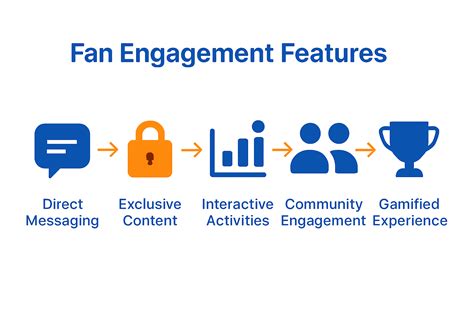
A related strategy involves **leveraging social media and short-form content** to attract younger audiences. Platforms like TikTok, Instagram, and YouTube are where younger fans consume sports content, often in bite-sized, shareable formats. MLB could create a dedicated team to produce **short, engaging highlight reels**, player challenges, or even comedic skits featuring athletes. These clips can be monetized through brand partnerships or used to drive traffic to MLB’s subscription services. Additionally, the league could experiment with **gamified content**—such as prediction games or fantasy league integrations—that encourage fans to stay engaged throughout the season. For example, fans could earn rewards for correctly predicting game outcomes or player performances, which could then be redeemed for discounts on MLB merchandise or exclusive content access.
Another area of focus is **data-driven storytelling**. Modern fans are increasingly interested in the analytical side of baseball, from exit velocities to spin rates. MLB could create a dedicated channel or program that dives deep into these metrics, offering fans a blend of entertainment and education. For instance, a "StatCast Showcase" could feature games with enhanced graphics highlighting advanced stats in real time, paired with expert commentary. This not only caters to the growing segment of analytically inclined fans but also positions MLB as a thought leader in sports analytics, which could attract partnerships with tech companies specializing in data visualization.
Lastly, MLB should explore **collaborative partnerships with non-sports brands** to create cross-promotional opportunities. For example, the league could work with entertainment companies to produce **crossover content**, such as a reality show following a rookie’s journey to the majors or a docuseries on the history of iconic ballparks. These programs could be bundled with TV rights packages, adding value for broadcasters and increasing the appeal of MLB content. Similarly, partnerships with gaming companies could lead to **exclusive in-game content** for popular titles like MLB The Show, tying virtual rewards to real-world game outcomes and driving both engagement and revenue.
In summary, MLB’s path to increasing TV rights revenue requires a multifaceted approach that blends **innovative content delivery** with **enhanced fan engagement**. By adopting DTC models with tiered subscriptions, leveraging AR/VR for immersive experiences, personalizing advertising, expanding into international markets, and embracing short-form and data-driven content, the league can position itself as a leader in the evolving sports media landscape. These strategies not only cater to the changing preferences of modern fans but also create new avenues for monetization that can sustain MLB’s growth in an increasingly competitive entertainment industry.
Case Studies of Successful TV Rights Deals
The world of sports broadcasting has evolved into a multi-billion-dollar industry, with television rights deals serving as a cornerstone of revenue generation for leagues and franchises. Major League Baseball (MLB) and other sports leagues have seen significant transformations in how these deals are structured, negotiated, and executed. Examining successful TV rights deals provides valuable benchmarking opportunities for understanding the dynamics of revenue optimization, audience engagement, and market positioning. This section delves into specific case studies of TV rights negotiations that stand out as exemplars of success in both MLB and other sports leagues.
One of the most notable success stories in MLB is the **Los Angeles Dodgers' TV deal with SportsNet LA** in 2013. The Dodgers signed a 25-year contract worth an estimated **$8.35 billion** with Time Warner Cable (now Spectrum). This deal was groundbreaking not only because of its sheer size but also because it demonstrated the power of local market leverage. The Dodgers had a strong brand presence in Los Angeles, supported by a loyal fan base and a history of success. The agreement gave the team ownership of a dedicated regional sports network (RSN), allowing them to control content distribution and monetization directly. This deal set a precedent for other teams to explore long-term, high-value contracts tailored to their regional markets. However, it also exposed challenges such as distribution disputes—many fans were unable to access the channel due to carriage disagreements with other cable providers. This illustrates the dual-edged nature of high-stakes TV rights deals: while they can generate enormous revenue, the execution must account for accessibility and fan satisfaction to avoid alienating the audience base.
Another instructive example from MLB is the **New York Yankees’ partnership with the YES Network**. Established in 2002, the YES Network was a joint venture between the Yankees and NJ Holdings, later bolstered by partnerships with Goldman Sachs and other investors. The network became a gold standard for team-centric RSNs, consistently ranking as one of the most-watched regional sports channels. The Yankees’ approach was unique in that they retained significant ownership stakes in the network while leveraging their brand to command premium advertising rates. This model allowed the team to benefit not only from direct TV rights fees but also from the network’s profitability as a standalone entity. The success of the YES Network highlights the importance of **vertical integration** in TV rights deals—where teams not only negotiate rights fees but also invest in the infrastructure to control the distribution and monetization of their content. This approach has been replicated in other leagues, such as the NFL, where teams like the Dallas Cowboys have explored similar models to maximize their media presence.
Shifting focus to other leagues, the **NFL’s deal with Amazon Prime Video for Thursday Night Football** in 2021 is a trailblazer in the transition to streaming platforms. While not an MLB example, this deal is highly relevant for benchmarking because it showcases how sports leagues are adapting to changing viewer habits. Amazon secured exclusive rights to stream Thursday Night Football for **$1 billion per year** over 11 years. This move marked the first time a major sports league entrusted a digital-first platform with exclusive rights to a prime-time package. The deal underscores the growing importance of **streaming revenues** in TV rights negotiations. For MLB, this is a critical lesson in diversifying revenue streams beyond traditional cable networks. While MLB has experimented with streaming options like MLB.TV, the league has yet to fully embrace an exclusive streaming partnership for high-profile games. The NFL-Amazon deal demonstrates that leagues can command substantial fees by catering to the cord-cutting demographic, which is increasingly reliant on over-the-top (OTT) platforms.
The **English Premier League (EPL)’s international TV rights strategy** provides another compelling case study. Unlike MLB, which primarily focuses on domestic markets, the EPL has positioned itself as a global brand by aggressively pursuing international broadcasting deals. In its most recent three-year cycle (2022–2025), the EPL secured **£10.5 billion** in combined domestic and international rights. A key factor in this success is the league’s strategy of **segmenting rights by region**, tailoring packages to meet the unique demands of different markets. For instance, deals in Asia and the Middle East often include exclusive content tailored to local audiences, such as pre- and post-game shows in local languages. MLB could learn from this approach by expanding its focus on international markets, particularly in Asia and Latin America, where baseball has a growing fan base. By creating region-specific content and negotiating segmented rights packages, MLB could unlock new revenue streams while increasing its global footprint.
Another insightful example comes from the **NBA’s partnership with TNT and ESPN**, renegotiated in 2014 for **$24 billion over nine years**. This deal was significant because it not only increased the league’s annual revenue from TV rights but also included provisions for **digital and social media integration**. The NBA ensured that its broadcast partners would actively promote the league across their digital platforms, including streaming services like ESPN+ and social media channels. This holistic approach to media rights demonstrates the value of **cross-platform synergy**, where TV deals are not isolated transactions but part of a broader media ecosystem. For MLB, this could mean rethinking its agreements to include clauses that require broadcast partners to actively promote games on social media, create interactive fan experiences, and integrate MLB content into emerging digital platforms.
A final case study worth examining is the **Big Ten Conference’s recent media rights deal** announced in 2022, which totaled **$7 billion over seven years** and involved partnerships with CBS, Fox, and NBC. This deal stands out because it involved **multi-network collaboration**, ensuring broad coverage across different networks while diversifying exposure. For MLB, this approach could be a model for rethinking how its TV rights are distributed. Instead of relying heavily on a few RSNs or national networks, MLB could explore partnerships with a mix of traditional broadcasters, streaming services, and niche platforms to maximize audience reach and revenue potential. The Big Ten deal also included a focus on **flexible scheduling**, allowing networks to adjust game times to optimize viewership—a strategy MLB could adopt to address its sometimes stagnant ratings for regular-season games.
These case studies collectively highlight several best practices for successful TV rights negotiations:
- Leveraging **strong regional or global brand presence** to command higher fees, as seen in the Dodgers and Yankees examples.
- Exploring **vertical integration** by owning or co-owning distribution networks to retain more control over revenue streams.
- Adapting to **technological shifts**, such as streaming platforms, to capture new audiences and revenue opportunities, as demonstrated by the NFL and Amazon.
- Developing **region-specific strategies** to cater to international markets, a lesson from the EPL.
- Emphasizing **cross-platform synergy** to create a cohesive media ecosystem, as shown by the NBA.
- Pursuing **multi-network partnerships** to maximize exposure and scheduling flexibility, as seen in the Big Ten’s approach.
In conclusion, successful TV rights deals in MLB and other sports leagues are not merely about securing the highest dollar amount. They are about strategically aligning revenue generation with audience accessibility, technological adaptation, and global market expansion. By studying these examples, MLB can refine its approach to TV rights negotiations, ensuring that future agreements not only sustain but also grow the league’s financial and cultural impact.
Future Trends in Sports Broadcasting
The landscape of sports broadcasting is undergoing a seismic shift, driven by emerging technologies and evolving viewer habits. For Major League Baseball (MLB), these changes present both opportunities and challenges that will significantly impact TV rights revenue over the next decade. To understand these future trends, we must analyze the interplay between technological innovation, audience behavior, and the competitive dynamics of the sports media market.
One of the most transformative forces in sports broadcasting is the rise of **direct-to-consumer (DTC) streaming platforms**. Traditional TV networks, which have long been the backbone of MLB's revenue from TV rights, are facing stiff competition from services like ESPN+, Peacock, and Amazon Prime Video. These platforms are aggressively acquiring sports rights to attract and retain subscribers. For instance, Amazon's exclusive deal with the NFL for Thursday Night Football demonstrates how tech giants are willing to invest heavily in live sports as a cornerstone of their content strategy. MLB is likely to see a growing portion of its TV rights revenue come from such platforms, as they offer global reach and the ability to monetize through subscription models rather than solely through advertising.
However, this shift to DTC streaming has implications for **revenue predictability**. Traditional TV deals often involve long-term contracts with guaranteed payouts, providing financial stability for leagues. Streaming platforms, on the other hand, operate in a more volatile environment where subscriber churn and competition for viewership can lead to fluctuating revenues. MLB will need to carefully negotiate terms with streaming services to ensure a balance between short-term gains and long-term financial security. This could involve hybrid models where MLB retains some control over distribution while leveraging streaming platforms for additional exposure.
Another key trend is the influence of **augmented reality (AR) and virtual reality (VR)** on the viewing experience. These technologies are not just futuristic buzzwords; they are already reshaping how fans engage with sports. Imagine a future where fans can don VR headsets to experience the sensation of sitting in the stands at Fenway Park or Dodger Stadium from the comfort of their homes. This kind of immersive experience could open new revenue streams for MLB through premium subscription tiers or pay-per-view AR/VR events. Additionally, AR overlays—such as real-time player stats, dynamic replays, or interactive elements like choosing camera angles—can enhance the value of MLB broadcasts, making them more attractive to both traditional broadcasters and tech-savvy audiences.
The role of **artificial intelligence (AI) and data analytics** in enhancing viewer engagement cannot be overlooked. AI-driven personalization is becoming a standard feature in streaming services, where algorithms curate content recommendations based on individual preferences. For MLB, this means the ability to tailor broadcasts to specific audience segments. For example, a casual fan might prefer a broadcast enriched with explanatory graphics and fun facts, while a die-hard baseball enthusiast might opt for a data-heavy presentation with advanced metrics like exit velocity and spin rate. By leveraging AI to create personalized viewing experiences, MLB can increase the appeal of its product across diverse demographics, potentially driving up the value of its TV rights as broadcasters and platforms compete to offer the most engaging content.
Viewer habits are also shifting in ways that could influence MLB's TV rights revenue. The **decline of linear TV viewership among younger audiences** is a well-documented phenomenon. Millennials and Gen Z are more likely to consume content on mobile devices or through social media platforms than to sit down for a three-hour baseball game on cable TV. This presents a challenge for MLB, as the traditional broadcast model is not well-suited to short attention spans. To address this, MLB may need to experiment with **short-form content and highlight-driven broadcasts** that cater to these audiences. For instance, offering condensed games or "best-of" packages on platforms like TikTok or YouTube could help MLB capture the attention of younger fans and maintain their interest in the sport. These efforts could also open up new advertising opportunities, as brands increasingly prioritize digital platforms over traditional TV.
Another critical factor is the **globalization of sports audiences**. While baseball has deep roots in the United States, its appeal is growing internationally, particularly in markets like Japan, South Korea, and Latin America. MLB has already taken steps to capitalize on this trend, such as scheduling games in other countries and promoting star players from these regions. Over the next decade, we can expect MLB to pursue TV rights deals that prioritize international distribution. This could involve partnering with local broadcasters or streaming platforms in key markets, as well as producing content tailored to regional preferences. A successful international strategy could significantly boost MLB's TV rights revenue by tapping into new revenue pools beyond the domestic market.
The **fragmentation of the media landscape** also warrants attention. As more companies enter the sports broadcasting space, the competition for exclusive rights is intensifying. This could drive up the cost of MLB's TV rights, especially if tech giants like Apple, Google, or Meta decide to enter the fray. However, fragmentation also poses risks. If MLB spreads its content across too many platforms, it may dilute its brand and make it harder for fans to access games. Striking the right balance between exclusivity and accessibility will be crucial. MLB might consider consolidating its content into a **league-owned streaming service**, similar to the NBA's NBA League Pass or the NFL's NFL+. Such a platform could serve as a centralized hub for MLB content, offering both live games and on-demand features while generating direct revenue from subscriptions.
Finally, the **economic environment and cord-cutting trends** will play a significant role in shaping MLB's TV rights revenue. As more households abandon traditional cable subscriptions in favor of streaming services, the value of traditional TV deals may decline. However, this shift also creates opportunities for MLB to capture a larger share of the streaming market. By embracing **ad-supported streaming models** or offering tiered pricing for premium and basic access, MLB can adapt to changing consumer preferences while maintaining revenue growth. Additionally, partnerships with telecom companies or device manufacturers (e.g., bundling MLB content with smart TVs or mobile plans) could provide alternative revenue channels.
In summary, the next decade will likely see MLB's TV rights revenue influenced by a complex interplay of technological advancements and shifting viewer behaviors. DTC streaming, AR/VR experiences, AI-driven personalization, and international expansion are all poised to reshape the sports broadcasting landscape. At the same time, MLB must navigate challenges such as audience fragmentation, platform competition, and the decline of linear TV. By staying ahead of these trends and adopting innovative strategies, MLB can position itself to not only sustain but grow its TV rights revenue in an increasingly digital and globalized world.
Conclusion and Recommendations
The landscape of television rights revenue in Major League Baseball (MLB) has evolved significantly over the past decade, shaped by shifts in media consumption, the proliferation of streaming platforms, and changing audience demographics. As we conclude this analysis, it is essential to distill the key takeaways from the current state of MLB TV rights revenue and propose actionable recommendations to ensure the league not only sustains but grows this critical revenue stream in the years to come.
One of the most significant takeaways is the undeniable importance of broadcast and streaming rights as a cornerstone of MLB's financial model. TV rights deals have historically accounted for a substantial portion of the league's revenue, with recent agreements—such as the $5.1 billion deal with Fox Sports and the $3.2 billion agreement with Turner Sports—underscoring the value networks place on live sports content. However, the fragmentation of the media ecosystem has introduced both opportunities and challenges. Traditional cable subscriptions are in decline, and younger audiences are increasingly turning to streaming platforms like YouTube, Amazon Prime Video, and Apple TV+ for their sports consumption. This trend indicates that while MLB has secured lucrative deals with traditional broadcasters, it must also position itself as a leader in the streaming space to capture the next generation of fans.
Another key insight is the regional disparity in TV rights revenue. Teams like the New York Yankees and Los Angeles Dodgers benefit from massive local TV deals, such as the YES Network and SportsNet LA, which generate hundreds of millions annually. In contrast, smaller market teams like the Tampa Bay Rays or Oakland Athletics struggle to secure comparable agreements, leaving them at a competitive disadvantage. This disparity not only affects team revenues but also impacts the league's overall parity and fan engagement. Addressing this issue is not just a matter of fairness but also of long-term sustainability for MLB as a whole.
The rise of direct-to-consumer (DTC) streaming platforms presents both a challenge and an opportunity. MLB has taken steps in this direction with MLB.TV, its proprietary streaming service. However, the service is often criticized for blackout restrictions that frustrate fans attempting to watch their local teams. These restrictions are tied to existing broadcast agreements, but they create a barrier to maximizing the potential of DTC revenue. Moreover, while MLB.TV offers an extensive library of games, its user experience and integration with other digital platforms could be improved to better compete with services like ESPN+ or standalone team apps. This reveals an area where MLB can innovate to create a more seamless and fan-friendly streaming ecosystem.
Additionally, the globalization of baseball is an underutilized avenue for revenue growth. While the league has made strides in expanding its international footprint—hosting games in places like London, Mexico, and Japan—its TV rights strategy outside the United States remains relatively fragmented. For instance, international streaming rights are often sold piecemeal to local broadcasters, which limits the league's ability to create a unified global viewing experience. By centralizing and monetizing international rights more effectively, MLB could tap into growing baseball markets in Asia, Latin America, and Europe, where interest in the sport is rising.
With these takeaways in mind, here are actionable recommendations for MLB to sustain and grow its TV rights revenue:
- Invest in a unified streaming platform: MLB should consider consolidating its digital offerings into a single, premium streaming service that combines the best of MLB.TV, local broadcasts, and exclusive content. This platform could adopt a tiered pricing model—offering local team access, national games, and international content at different price points. By removing blackout restrictions and integrating advanced features like augmented reality (AR) overlays, personalized viewing options, and interactive fan engagement tools, MLB can create a product that appeals to both diehard fans and casual viewers.
- Negotiate flexible broadcast agreements: While traditional TV deals remain lucrative, MLB should include clauses in future agreements that allow for greater flexibility in distributing content across platforms. For example, partnerships with streaming giants like Amazon or Apple could include provisions for co-branded content or exclusive streaming windows. This approach would allow MLB to hedge against the decline of cable while still leveraging the reach of established networks.
- Enhance the value of regional sports networks (RSNs): To address the regional disparity in TV rights, MLB could work with teams to create a revenue-sharing model that redistributes a portion of local TV revenue to smaller market teams. Alternatively, the league could explore taking a more active role in the ownership or management of RSNs, as it did with the acquisition of the regional networks previously owned by Disney. This would allow MLB to better control the distribution and monetization of local content while ensuring smaller market teams are not left behind.
- Expand international broadcasting partnerships: MLB should prioritize long-term, centralized international broadcasting deals that provide a consistent viewing experience for fans outside the U.S. This could include creating a global version of MLB.TV with localized commentary and culturally tailored content. Partnering with major international platforms like Tencent in China or SonyLIV in India could also help grow the sport's audience and associated revenue streams in key markets.
- Leverage data and analytics for audience insights: To better understand shifting viewer preferences, MLB should invest in advanced analytics to track how fans consume games across different platforms. This data can inform decisions about content creation, advertising strategies, and even the scheduling of games to maximize viewership. For instance, shorter game formats or experimental broadcast styles (e.g., player-worn cameras or interactive polls during live games) could appeal to younger, digitally native audiences.
- Develop exclusive content to drive subscriptions: Beyond live games, MLB should create exclusive, behind-the-scenes content, documentaries, and interactive experiences that are only available through its streaming platform. Content like "The Last Dance" for basketball has shown how exclusive programming can drive subscriptions and deepen fan loyalty. MLB has a wealth of historical and current stories to tell, and this approach could differentiate its offering in a crowded streaming market.
Finally, it is worth emphasizing that any strategy to grow TV rights revenue must be accompanied by a commitment to fan accessibility and inclusivity. While monetization is critical, the league risks alienating fans if access to games becomes too expensive or overly complicated. A balanced approach that combines premium offerings with free or low-cost entry points—such as airing select games on public broadcasters or offering limited free trials of streaming services—can help MLB grow its audience while maintaining revenue growth.
In conclusion, MLB stands at a pivotal moment in the evolution of its TV rights revenue model. By embracing innovation, addressing regional disparities, and expanding its global presence, the league can position itself not only as a leader in live sports entertainment but also as a forward-thinking organization ready to adapt to the demands of a rapidly changing media landscape. These recommendations, if implemented thoughtfully, can ensure that MLB continues to thrive in an era where the value of live sports content remains unparalleled.