Introduction to Metzingen
Metzingen is a town located in the state of Baden-Württemberg in southwestern Germany, nestled within the foothills of the Swabian Alb, a low mountain range that stretches across the region. Its strategic location, approximately 30 kilometers south of Stuttgart, places it at the crossroads of major trade and travel routes. This positioning has historically contributed to the town's economic and cultural development. Metzingen is situated in a valley surrounded by vine-covered hills, with the Erms River flowing through its center. This river not only adds to the town's scenic charm but also played a pivotal role in its early industrial activities, particularly in water-powered mills and textile production.
Geographically, Metzingen benefits from a temperate climate influenced by its proximity to the Swabian Alb and the nearby Black Forest. The region experiences mild summers and cool winters, making it suitable for agriculture, particularly viticulture. The vineyards around Metzingen are part of the Württemberg wine region, known for producing high-quality red and white wines. The fertile soil and moderate climate have allowed the town to sustain agricultural practices for centuries, though its economic focus has shifted over time. The hilly terrain and river systems have also shaped the town's urban layout, with older buildings and settlements often clustered along the riverbanks while newer developments extend into the surrounding plains.
The historical significance of Metzingen can be traced back to its origins in the Middle Ages. The town was first mentioned in historical records in 1075, indicating its existence as a small settlement during the early Holy Roman Empire. Like many towns in the region, Metzingen's development was influenced by feudal systems and the control of local nobility. In the 13th and 14th centuries, it came under the jurisdiction of the Counts of Württemberg, who played a significant role in centralizing power in the area. This period saw the construction of defensive structures and the establishment of local governance systems that would shape the town's identity.
One of the most intriguing aspects of Metzingen's history is its transformation from a predominantly agrarian community to an industrial hub. During the 19th century, the Industrial Revolution brought significant changes to the town. The availability of water power from the Erms River enabled the establishment of textile mills and factories. Metzingen became a center for textile production, particularly in weaving and garment manufacturing. This industrial shift not only altered the economic landscape but also brought a wave of migration as workers moved to the town for employment opportunities. The growth of industry created a distinct social stratification, with factory owners and workers living in close proximity yet experiencing vastly different lifestyles.
The town's historical trajectory took a unique turn in the mid-20th century when it became synonymous with the global fashion industry. This transformation can be attributed to the rise of Hugo Boss, a luxury fashion brand founded in Metzingen in 1924. Initially a small workshop producing uniforms and workwear, Hugo Boss expanded significantly after World War II, leveraging the town's existing textile infrastructure. The brand's success brought international attention to Metzingen, and by the late 20th century, the town had become a destination for fashion enthusiasts. Today, Metzingen is home to Outletcity Metzingen, one of Europe's largest factory outlet centers, attracting millions of visitors annually. This blend of historical industrial roots and modern commercial success exemplifies how the town has adapted to changing economic demands while preserving its identity.
In addition to its economic evolution, Metzingen's geography has contributed to its cultural and recreational significance. The Swabian Alb region is rich in natural beauty and biodiversity, offering opportunities for hiking, cycling, and nature exploration. The town itself is surrounded by protected natural areas, including the Metzingen-Neuhausen Nature Reserve, which provides a habitat for diverse flora and fauna. These natural assets have made Metzingen not just a place of industry but also a retreat for those seeking outdoor experiences. The juxtaposition of urban development and natural landscapes underscores the town's ability to balance progress with environmental preservation.
Metzingen's historical significance is also tied to its role in regional trade and transport. Its location along the Erms River and proximity to Stuttgart made it a key point for goods movement in earlier centuries. Local markets and fairs were common, drawing merchants and traders from surrounding areas. The town's involvement in trade routes contributed to its economic stability and cultural exchange. This tradition of commerce continues today, albeit in a more globalized form, as Metzingen leverages its reputation as a fashion destination to attract international visitors.
Another layer of Metzingen's historical narrative is its resilience through periods of conflict. Like much of Germany, the town experienced the upheavals of the Thirty Years' War in the 17th century and the devastations of World War II. Despite these challenges, Metzingen demonstrated a remarkable ability to rebuild and reinvent itself. Post-war reconstruction efforts focused not only on physical infrastructure but also on diversifying the local economy. This adaptability is a testament to the town's enduring spirit and its community's determination to thrive in changing circumstances.
In summary, Metzingen is a town shaped by its geography, history, and adaptability. Its location in the Swabian Alb provides a blend of natural beauty and economic opportunity. From its medieval roots as a small settlement to its modern identity as a fashion and commerce center, Metzingen has continually evolved while maintaining a connection to its past. The Erms River, the vineyards, and the surrounding hills are not just physical features but symbols of the town's enduring relationship with its environment. Whether through its role in the textile industry, its emergence as a fashion destination, or its natural and historical attractions, Metzingen stands as a microcosm of how a small town can leave a significant mark on regional and global stages.
- The town's location near Stuttgart has historically facilitated trade and travel.
- The Swabian Alb offers a unique blend of agricultural and natural appeal.
- Metzingen's industrial history is rooted in textile production and water-powered mills.
- The rise of Hugo Boss and Outletcity Metzingen highlights the town's modern economic identity.
- Natural reserves and outdoor activities complement its urban and industrial facets.
This combination of historical depth, geographical advantages, and modern innovation makes Metzingen a compelling subject of study and a town worth exploring in greater detail.
Historical Evolution
The historical evolution of Metzingen, a town located in the state of Baden-Württemberg in southwestern Germany, is a fascinating journey that intertwines its early agricultural roots, industrial growth, and modern identity as a hub of fashion and commerce. To understand Metzingen's development, we must delve into its origins, the forces that shaped its trajectory, and the pivotal events that contributed to its present-day character.
The earliest evidence of human settlement in the Metzingen area dates back to the Neolithic period, around 5000 BCE. Archaeological findings suggest that the fertile plains of the Erms Valley, where Metzingen is situated, were attractive to early agricultural communities. These settlers likely practiced subsistence farming, growing crops like wheat and barley while also raising livestock. The area's location near the Swabian Alb, a low mountain range, provided both natural resources and a degree of protection, making it a suitable site for early human habitation. Over time, these small, scattered communities evolved into more organized settlements, benefiting from the region's proximity to trade routes that connected the Rhine Valley to the Danube.
During the Roman era (approximately 1st to 3rd century CE), the region around Metzingen fell under the influence of the Roman Empire. While Metzingen itself was not a major Roman outpost, its location near important Roman roads meant it was part of the broader network of Roman trade and administration. The Romans introduced advanced agricultural techniques, such as vineyard cultivation, which would later become a hallmark of the region. This period also saw the introduction of stone architecture and early urban planning concepts, which influenced subsequent settlement patterns in the area. After the decline of the Roman Empire, the region experienced a period of instability as various Germanic tribes moved through the area. However, the foundations laid during the Roman era set the stage for the re-emergence of structured settlements in the early medieval period.
The Medieval period marked a significant turning point for Metzingen. By the 11th century, the town was mentioned in historical records as part of the Duchy of Swabia. It was during this time that the name "Metzingen" began to appear, likely derived from a personal name or a descriptive term related to the local landscape. The town’s proximity to the Erms River provided water for mills and facilitated trade. In the 13th and 14th centuries, Metzingen became part of the County of Württemberg, a regional power that would play a central role in shaping its governance and economy. The town’s economy during this period was primarily agrarian, with a focus on cereal crops, viticulture, and small-scale textile production. The establishment of local markets and trade fairs helped Metzingen grow as a center for commerce, drawing merchants and craftsmen from surrounding areas.
One of the key events that shaped Metzingen’s identity during the medieval period was its involvement in the religious and political upheavals of the Reformation. In the 16th century, the spread of Protestantism under the influence of the Württemberg rulers had a profound impact on the town. Like much of the region, Metzingen adopted Protestantism, which not only altered its religious practices but also introduced new educational and social structures. The town’s churches and schools became centers of learning and community life, reinforcing its role as a local hub. This period also saw the town endure hardships, including the devastation caused by the Thirty Years’ War (1618–1648). The war, which ravaged much of Central Europe, brought economic decline and population loss to Metzingen. However, the resilience of its people and their ability to rebuild ensured the town’s survival and gradual recovery in the following centuries.
The Industrial Revolution in the 19th century brought transformative changes to Metzingen. While the town had long been associated with agriculture and small-scale trade, the advent of industrialization introduced new opportunities. The construction of railways in the mid-19th century connected Metzingen to larger urban centers like Stuttgart, facilitating the movement of goods and people. This connectivity allowed local businesses to expand beyond the town’s borders. Notably, Metzingen began to develop a reputation for its textile and garment industry during this period. Local entrepreneurs capitalized on the availability of skilled labor and the town’s access to raw materials to establish small-scale factories producing clothing and fabrics. This early industrial activity planted the seeds for what would later become one of Metzingen’s defining features.
The 20th century was a time of both challenge and opportunity for Metzingen. The two World Wars left their mark on the town, as they did on much of Germany. During World War II, Metzingen, like many German towns, suffered damage due to Allied bombings. However, the post-war period brought about a remarkable recovery. The economic boom of the 1950s and 1960s, often referred to as the Wirtschaftswunder (economic miracle), saw Metzingen benefit from Germany's rapid industrial and economic growth. It was during this time that Metzingen began to solidify its identity as a center for fashion and retail.
The emergence of Hugo Boss, one of the world's most recognized fashion brands, is a critical chapter in Metzingen’s modern history. Founded in Metzingen in 1924, Hugo Boss initially produced workwear and uniforms. After the war, the company shifted its focus to men's suits and later expanded into a global fashion powerhouse. The presence of Hugo Boss and other textile companies in Metzingen led to the town’s development as a destination for outlet shopping. In the 1970s and 1980s, Metzingen pioneered the concept of factory outlet centers, where high-end brands offered discounted products directly to consumers. This initiative not only boosted the local economy but also transformed Metzingen into a tourist destination for shoppers from across Europe and beyond.
In addition to its industrial and commercial evolution, Metzingen has also preserved its cultural and historical heritage. The town’s medieval architecture, including half-timbered houses and historic churches, coexists with modern infrastructure. Events like the annual wine festivals celebrate the region's viticultural traditions, a nod to its Roman and medieval roots. The juxtaposition of old and new in Metzingen reflects its ability to honor its past while embracing change.
The town’s post-industrial identity has been shaped by its ability to reinvent itself. While the textile industry remains a part of its legacy, Metzingen has diversified its economy. Tourism, driven by its outlet shopping appeal, has become a significant economic driver. Furthermore, the town has invested in sustainability initiatives, including green spaces and environmentally friendly urban planning, to ensure its long-term viability as a livable and attractive community.
In summary, Metzingen’s history is a tapestry of agrarian beginnings, medieval growth, industrial transformation, and modern reinvention. From its early settlements rooted in the fertile Erms Valley to its emergence as a global name in fashion and retail, the town’s evolution is a testament to its adaptability and resilience. Each phase of its history—whether shaped by Roman influence, medieval trade, or post-war recovery—has contributed to the unique identity Metzingen holds today. This blend of tradition and innovation continues to define the town as it looks toward the future.
- Early settlements were influenced by the Erms Valley’s fertility and proximity to trade routes.
- The Roman era introduced advanced agricultural and architectural practices.
- The Reformation and Württemberg rule shaped Metzingen’s religious and educational landscape.
- The Industrial Revolution fostered the town’s textile industry.
- Post-war recovery and the rise of Hugo Boss established Metzingen as a fashion hub.
This rich historical evolution not only highlights Metzingen’s journey but also underscores how small towns can play significant roles in broader historical and economic narratives.
Cultural Landscape
Metzingen, a charming town located in the state of Baden-Württemberg in southwestern Germany, is often celebrated for its blend of historical richness and modern vibrancy. Its cultural landscape is a tapestry woven with deep-rooted traditions, lively festivals, and unique contributions that distinguish it from other German towns. To truly understand Metzingen, one must delve into the layers of its cultural identity, shaped by its geography, history, and the ingenuity of its people.
One of the most striking aspects of Metzingen’s cultural landscape is its agricultural heritage, which has significantly influenced local traditions. The town is nestled in a region known for its fertile soils and favorable climate, making it historically a hub for fruit and wine production. The Alb-Donau region surrounding Metzingen has long been associated with apple orchards and vineyards. This agrarian legacy is celebrated annually through the Apple Festival (Apfelfest), a tradition that brings the community together to honor the harvest. During this festival, locals and visitors alike can sample regional apple-based delicacies, such as Apfelkuchen (apple cake) and freshly pressed cider. The festival also features folk music, dances, and craft stalls, offering a glimpse into the town’s agricultural pride and communal spirit.
Another cornerstone of Metzingen’s cultural identity is its historical connection to craftsmanship. The town has a long-standing tradition of textile production, which laid the foundation for its modern reputation as a center for fashion and outlet shopping. While today Metzingen is synonymous with designer outlets like Hugo Boss (a brand that originated here), its roots in textile craftsmanship date back centuries. The town’s artisans were known for their expertise in weaving and garment-making, skills passed down through generations. This focus on quality and precision in textile work is still evident in the meticulous curation of the outlet stores that attract international shoppers. Festivals such as the Craft Fair (Handwerksfest) pay homage to this legacy by showcasing traditional weaving techniques, leatherwork, and other artisanal crafts that are part of Metzingen’s cultural DNA.
Metzingen’s festivals are not limited to agriculture and craftsmanship; they also reflect the town’s embrace of both tradition and innovation. The Carnival season (Fasnet) is one of the most anticipated times of the year. Unlike the more widely known Carnival celebrations in Cologne or Mainz, Metzingen’s Fasnet has a distinctly local flavor. The town’s unique carnival characters, such as the Narren (jesters), parade through the streets in intricately designed masks and costumes. These parades are not merely for entertainment but also serve as a way to preserve oral traditions and local lore. The jesters often recite satirical verses that poke fun at local politics or societal norms, a practice rooted in the idea of using humor to address serious issues. This blend of festivity and social commentary is a testament to Metzingen’s ability to maintain a sense of humor and community even in the face of change.
In addition to its festivals, Metzingen contributes to the broader cultural landscape of Germany through its support for the arts. The town hosts a variety of cultural events throughout the year, ranging from classical music concerts to contemporary art exhibitions. The Metzingen Cultural Center (Kulturhaus Metzingen) is a hub for such activities, offering a platform for both local and visiting artists. One particularly unique aspect of Metzingen’s artistic scene is its emphasis on intergenerational collaboration. For instance, workshops organized by the Cultural Center often pair older artisans with younger participants, fostering a transfer of skills and ideas across age groups. This approach not only preserves traditional art forms but also encourages their evolution through fresh perspectives.
The town’s culinary traditions are another vital component of its cultural identity. Metzingen’s proximity to the Swabian Alps has endowed it with a cuisine that is both hearty and inventive. Swabian dishes like Maultaschen (a type of stuffed pasta similar to ravioli) and Spätzle (a kind of egg noodle) are staples in local households and restaurants. However, what sets Metzingen apart is its willingness to experiment with these traditional recipes. For example, during the Food and Wine Festival, local chefs often present modern interpretations of classic dishes, pairing them with wines from the region’s vineyards. This festival not only highlights Metzingen’s gastronomic creativity but also underscores its role as a meeting point for culinary traditions and contemporary tastes.
Metzingen also stands out for its historical landmarks and their cultural significance. The town is home to several well-preserved buildings that reflect its layered history. The St. Martin’s Church, with its striking Gothic architecture, is not just a place of worship but also a venue for cultural events, including choir performances and historical reenactments. Similarly, the Old Town Hall serves as a reminder of Metzingen’s medieval roots while hosting modern exhibitions and community gatherings. These spaces are not frozen in time but are actively integrated into the town’s cultural life, ensuring that history remains a living, breathing part of Metzingen’s identity.
An often-overlooked but deeply significant aspect of Metzingen’s cultural landscape is its focus on sustainability and community-driven initiatives. The town has embraced eco-friendly practices that are rooted in its traditional respect for nature. For example, local artisans often use sustainable materials in their crafts, and community gardens are a common sight. During the Green Fest, residents come together to celebrate environmentally conscious living through workshops on composting, renewable energy, and sustainable fashion—an apt reflection of Metzingen’s forward-thinking yet tradition-respecting ethos.
Finally, music and folklore play a pivotal role in Metzingen’s cultural contributions. The town has a strong choral tradition, with several choirs performing both classical and folk music. These performances often take place in historical settings, such as the town square or the courtyard of St. Martin’s Church, creating a magical atmosphere that blends sound and space. Folklore is also preserved through storytelling events, where elders share tales of Metzingen’s past, from its days as a small agricultural village to its transformation into a modern cultural hub.
In summary, Metzingen’s cultural landscape is a dynamic interplay of tradition and innovation. Its festivals, crafts, culinary heritage, and commitment to sustainability reveal a town that cherishes its past while actively shaping its future. Whether through the vibrant parades of Fasnet, the meticulous craftsmanship on display at the Craft Fair, or the eco-conscious initiatives of the Green Fest, Metzingen offers a cultural experience that is both deeply rooted and refreshingly modern. This duality makes Metzingen not just a place to visit but a community to experience and learn from.
Economic Contributions
Metzingen, a town in the state of Baden-Württemberg, Germany, has carved out a distinctive role in the regional and national economy through its unique blend of industrial heritage, modern trade, and global outreach. Situated near Stuttgart, the town benefits from its strategic location within one of Germany’s most economically vibrant regions. This positioning, combined with a history of entrepreneurial activity, has enabled Metzingen to become a microcosm of economic dynamism that contributes significantly to both local and national economic frameworks.
One of the most prominent aspects of Metzingen’s economic contributions lies in its association with the fashion and retail industry. The town is famously known as the birthplace of Hugo Boss, one of Germany’s most iconic global fashion brands. Hugo Boss’s headquarters and one of its largest production facilities are located in Metzingen, directly linking the town to high-value exports and brand recognition on an international scale. The presence of such a globally recognized company not only bolsters Metzingen’s local economy through job creation and tax revenue but also enhances the town’s reputation as a hub for high-quality manufacturing and design. This association has spillover effects, as smaller businesses in the region—ranging from textile suppliers to logistics providers—benefit from the ecosystem created by such a large-scale operation.
However, Metzingen’s economic identity extends beyond Hugo Boss. The town is home to a cluster of outlet stores that draw millions of visitors annually. This phenomenon, often referred to as the "Outlet City Metzingen," is one of the most successful retail models in Germany. The outlet concept, pioneered here, combines luxury and affordability by offering discounted products from premium brands like Armani, Gucci, and Nike. The outlet model not only attracts domestic consumers but also serves as a magnet for international tourists, particularly from neighboring European countries and Asia. This influx of visitors has a multiplier effect on the local economy. Hotels, restaurants, and transportation services in Metzingen see increased demand, creating a ripple effect that supports ancillary industries such as hospitality and event management. According to regional economic reports, the Outlet City alone contributes a substantial share of Metzingen’s GDP and serves as a case study in how niche retail strategies can drive regional economic growth.
Beyond retail, Metzingen also plays a role in agriculture and agribusiness, which are integral to the regional economy. The surrounding areas of Metzingen are characterized by fertile lands that support crop cultivation, particularly fruits like apples and grapes. The town is part of the Württemberg wine region, known for its high-quality wines. While agriculture may not be as visible as fashion in terms of economic scale, it remains a steady contributor to local livelihoods and regional trade. Small-scale farmers and cooperatives supply produce to both local markets and larger distribution networks, reinforcing the interconnectedness of Metzingen with broader agricultural value chains in Germany. The agritourism sector, though modest, also benefits from the scenic vineyards and seasonal harvest festivals, drawing visitors who contribute to the local economy in less direct ways.
In terms of trade and logistics, Metzingen’s proximity to Stuttgart and its integration into the European transport network make it a key player in supply chain dynamics. The town is well-connected by road and rail, allowing for efficient movement of goods to and from major industrial hubs in Germany and beyond. For instance, the fashion and retail products manufactured or sold in Metzingen are often distributed across Europe through well-established logistics networks. This connectivity ensures that Metzingen is not just a passive participant in trade but an active node in the larger economic network of Baden-Württemberg. Companies based in Metzingen leverage this advantage to reduce transportation costs and improve supply chain efficiency, which in turn supports their competitiveness in national and international markets.
Another critical aspect of Metzingen’s economic contributions is its role in fostering innovation and small-to-medium enterprise (SME) growth. While large companies like Hugo Boss dominate the spotlight, the town has a vibrant ecosystem of SMEs that operate in diverse sectors such as engineering, technology, and services. These SMEs often collaborate with larger firms, providing specialized components, software solutions, or consulting services. This symbiotic relationship between large corporations and SMEs is a hallmark of Germany’s economic model, often referred to as the "Mittelstand" phenomenon. In Metzingen, this dynamic is evident in how local businesses innovate to meet the needs of global players while also exploring independent growth avenues. For example, some SMEs in Metzingen have developed niche expertise in sustainable manufacturing processes, aligning with Germany’s broader push toward green economy initiatives. Such innovations not only enhance Metzingen’s local economic resilience but also position the town as a contributor to Germany’s national goals of achieving a circular and sustainable economy.
From a trade perspective, Metzingen benefits from Germany’s overarching trade policies and its membership in the European Union. The town’s businesses enjoy access to the EU single market, which facilitates seamless trade with neighboring countries like France, Switzerland, and Austria. This access is particularly advantageous for Metzingen’s retail and fashion exports, as well as its agribusiness products. The town’s trade activities are further supported by Germany’s robust legal and regulatory frameworks, which provide a stable environment for businesses to operate and expand. These frameworks also ensure that Metzingen’s economic contributions are not isolated but are instead integrated into the larger narrative of German economic stability and growth.
It is also worth noting that Metzingen’s economic model is not without its challenges. The heavy reliance on retail and fashion could pose risks in the face of global economic downturns or shifts in consumer behavior, such as the rise of e-commerce. However, the town has shown adaptability by embracing digital transformation. Many businesses in Metzingen have expanded their online presence, ensuring that they remain competitive in a rapidly changing retail landscape. Additionally, there is growing interest in diversifying the local economy by attracting tech startups and green energy projects, which could further enhance Metzingen’s long-term economic sustainability.
In summary, Metzingen’s economic contributions are multifaceted and deeply integrated into both the regional and national economies. The town’s role as a center for high-value manufacturing, retail innovation, agricultural trade, and SME-driven growth underscores its importance within Baden-Württemberg and Germany as a whole. Its ability to balance traditional industries with modern economic trends, while leveraging its strategic location and global brand associations, makes Metzingen a compelling example of how small towns can punch above their weight in contributing to a nation’s economic vitality.
- Metzingen’s fashion and retail sector, led by Hugo Boss and the Outlet City, is a cornerstone of its economic identity.
- Agriculture and agritourism provide steady, if less visible, contributions to the local economy.
- The town’s logistical advantages and SME ecosystem support its integration into regional and national trade networks.
- Digital transformation and diversification efforts highlight Metzingen’s forward-looking economic strategy.
These elements collectively demonstrate how Metzingen serves as a microcosm of Germany’s economic versatility, blending tradition with innovation to sustain its role in the regional and national economy.
Architectural Heritage
Metzingen, a picturesque town nestled in the foothills of the Swabian Alps in Germany, is not only known for its modern identity as a hub for outlet shopping but also for its rich architectural heritage that reflects a blend of history, art, and regional craftsmanship. The town's architectural landmarks are a testament to its evolution over centuries, offering visitors and historians a glimpse into its layered past. From medieval structures to Baroque influences and 19th-century industrial buildings, Metzingen’s architectural tapestry is both diverse and deeply rooted in its cultural and historical context.
One of the most prominent examples of Metzingen's architectural heritage is the St. Martin’s Church, a striking Gothic structure that dominates the town’s skyline. Built in the 14th century, this church is a masterpiece of medieval architecture, characterized by its pointed arches, ribbed vaults, and elaborate stained-glass windows. The church is not merely a religious site but also a historical artifact that has witnessed the town’s growth and transformation. Its construction involved local stone, a material that was abundant in the region and contributed to the durability and aesthetic of the building. The intricate carvings on the church’s portal and the detailed frescoes inside tell stories of faith, community, and the artistic sensibilities of the time. St. Martin’s Church also serves as a reminder of the importance of ecclesiastical architecture in small German towns, where the church was often the center of both spiritual and communal life.
Another landmark of note is the Old Town Hall (Altes Rathaus), a building that exemplifies the transition from medieval to early modern architecture. Originally constructed in the 16th century, the Old Town Hall features a half-timbered facade, a hallmark of traditional German architecture in this period. The use of timber framing in combination with stone foundations demonstrates the ingenuity of local builders who adapted their designs to the available resources. What makes this structure particularly intriguing is its dual role as a functional administrative center and a symbol of civic pride. The decorative elements on the facade, including ornate carvings and inscriptions, suggest that this was not merely a utilitarian building but also a statement of the town’s growing importance in the region. Over the centuries, the Old Town Hall has undergone restorations, but its essence remains preserved, making it a living connection to Metzingen’s administrative and cultural history.
Metzingen is also home to several vineyard estates and manor houses that hark back to its agrarian roots. The town’s location in a wine-growing region influenced the development of estate architecture that combined functionality with aesthetic appeal. One such example is the Schloss Metzingen, a manor house that dates back to the 18th century. This structure showcases Baroque elements, such as symmetrical facades, ornamental gates, and landscaped gardens that were designed to reflect the wealth and status of its owners. The manor’s integration into the surrounding vineyards is particularly noteworthy; it illustrates how architecture in Metzingen was not isolated but rather intertwined with the natural and economic landscape. The estate’s preservation today allows visitors to appreciate not only its historical value but also the interplay between human settlement and the agricultural traditions of the region.
The industrial architecture of Metzingen offers a different yet equally compelling dimension to its heritage. During the 19th century, the town experienced an industrial boom, particularly in textile production. This period saw the construction of factory buildings that blended practical design with emerging industrial aesthetics. The Hugo Boss Factory, now repurposed as part of the brand’s headquarters, is a prime example of this era. Originally a weaving mill, the building features large windows, high ceilings, and open interiors designed to maximize natural light and facilitate efficient production. While the factory’s purpose was industrial, its design inadvertently contributed to the architectural narrative of Metzingen by introducing a modern, functional style that contrasted with the town’s older, more ornate structures. This juxtaposition highlights the adaptability of Metzingen’s architectural evolution, as it embraced new forms while retaining its historical identity.
A lesser-known but equally significant aspect of Metzingen’s architectural landscape is its medieval fortifications. Although much of the town’s original defensive walls and towers have been lost to time, remnants such as the Pulverturm (Powder Tower) offer a glimpse into its medieval past. The Powder Tower, constructed in the 15th century, was part of the town’s defensive network and served as a storage facility for gunpowder. Its robust stone construction and narrow windows are emblematic of the pragmatic yet imposing nature of medieval military architecture. Today, the tower stands as a symbol of resilience, reminding visitors of the strategic importance of small towns like Metzingen in the broader context of regional conflicts and trade routes.
The town also boasts a number of well-preserved residential buildings from various periods, which provide insight into the daily lives of its inhabitants. For instance, the Fachwerkhäuser (half-timbered houses) that line some of Metzingen’s older streets are exemplary of traditional Swabian architecture. These houses, with their wooden frames filled with brick or plaster, are not only visually striking but also tell a story of resourcefulness. The materials used in these homes were locally sourced, and their design often incorporated features like steep roofs to accommodate the region’s snowy winters. Each house, with its unique carvings or painted decorations, offers a personalized touch that reflects the individuality of its original owners while adhering to shared cultural norms of the time.
In addition to these landmarks, Metzingen’s architectural narrative is enriched by its public spaces and urban planning. The town’s layout, with its central market square and interconnected alleyways, is a product of medieval urban design principles. The market square, for instance, was not only a place for commerce but also a communal space where festivals, gatherings, and public announcements took place. The careful arrangement of buildings around this square, including the church and town hall, underscores the intentionality of Metzingen’s urban planners in creating a cohesive and functional town center.
Artistic value is also embedded in Metzingen’s architecture through its use of regional motifs and symbols. Many buildings feature decorative elements inspired by local folklore, nature, and religious iconography. For example, the carvings on wooden beams in older homes often depict scenes from rural life or biblical stories, blending practical construction with artistic expression. This fusion of utility and artistry is a hallmark of Metzingen’s architectural identity, setting it apart from towns that prioritized one over the other.
In summary, Metzingen’s architectural heritage is a rich mosaic of styles and eras, each contributing to the town’s unique character. From the Gothic grandeur of St. Martin’s Church to the industrial pragmatism of 19th-century factories, the town’s buildings are not merely structures but storytellers. They reveal the ingenuity of local craftsmen, the influence of regional resources, and the evolving priorities of its people over centuries. By exploring these landmarks, one gains not just an appreciation for Metzingen’s past but also a deeper understanding of how architecture can embody the spirit of a place and its people.
- St. Martin’s Church exemplifies Gothic medieval architecture with its pointed arches and stained-glass windows.
- The Old Town Hall bridges medieval and early modern styles with its half-timbered facade.
- Schloss Metzingen reflects Baroque elegance tied to the region’s agrarian wealth.
- Industrial buildings like the Hugo Boss Factory showcase practical yet innovative design.
- Medieval fortifications, such as the Powder Tower, highlight the town’s strategic past.
- Residential Fachwerkhäuser offer a glimpse into traditional Swabian craftsmanship.
This diverse array of landmarks underscores Metzingen’s ability to preserve its architectural legacy while adapting to modern needs, making it a compelling case study in the intersection of history, art, and urban development.
Modern Developments
Metzingen, a city in the German state of Baden-Württemberg, has undergone significant transformation in recent years, driven by a combination of urban development projects, modern infrastructure upgrades, and targeted initiatives aimed at enhancing its appeal as both a residential and commercial hub. These developments reflect the city's strategic approach to balancing its historical charm with forward-looking urban design and sustainability goals.
One of the most prominent aspects of Metzingen's modern development is its focus on **urban revitalization**. The city has invested heavily in redeveloping its central areas to create vibrant, pedestrian-friendly spaces that encourage both local engagement and tourism. For instance, the renovation of the **city center** has included the introduction of mixed-use buildings that combine retail, residential, and office spaces. This approach not only maximizes land use efficiency but also fosters a sense of community by integrating living and working environments within close proximity. The redesign of public squares, such as the **Marktplatz**, emphasizes open spaces with modern seating arrangements, green landscaping, and improved accessibility for individuals with disabilities. These changes aim to make the city center a more inclusive and dynamic space for residents and visitors alike.
In addition to aesthetic and functional upgrades, Metzingen has prioritized **sustainable urban planning**. The city has implemented a range of green initiatives to reduce its carbon footprint and promote environmentally friendly living. A notable example is the expansion of **cycling infrastructure**. New bike lanes have been added throughout the city, and bike-sharing programs have been introduced to encourage alternative transportation methods. These efforts align with Germany's broader push toward reducing reliance on cars in urban settings. Furthermore, Metzingen has enhanced its public transport network by integrating **electric buses** into its fleet. These buses not only reduce emissions but also serve as a visible symbol of the city's commitment to sustainability. Investments in smart traffic management systems have also improved the flow of vehicles and reduced congestion, particularly during peak hours, making the city more navigable for both residents and commuters.
Another area of focus in Metzingen's modern development is its **infrastructure upgrades** to support economic growth. The city is home to a thriving retail sector, particularly known for its **outlet stores** that attract shoppers from across Europe. To accommodate the increased foot traffic and maintain its reputation as a shopping destination, the local government has undertaken projects to expand parking facilities and improve road connectivity to major highways. For example, the construction of multi-level parking garages near key retail zones has eased parking challenges during busy shopping seasons. Additionally, the city has worked to modernize its **digital infrastructure**, rolling out high-speed internet and supporting the establishment of co-working spaces. These efforts aim to attract tech-savvy professionals and startups, positioning Metzingen as a small but competitive player in Germany's growing digital economy.
Metzingen has also embraced **cultural and recreational initiatives** as part of its development strategy. Recent years have seen the launch of programs to promote local arts and heritage. The city has sponsored events like open-air concerts, art installations, and food festivals that showcase regional traditions while drawing diverse audiences. These cultural initiatives not only enhance the quality of life for residents but also serve as a magnet for tourism, further boosting the local economy. A particularly innovative project is the creation of **interactive historical trails** using augmented reality (AR). Visitors can use their smartphones to explore the city's past, learning about its industrial roots and its evolution into a modern urban center. This blend of technology and history exemplifies how Metzingen is leveraging modern tools to preserve and promote its unique identity.
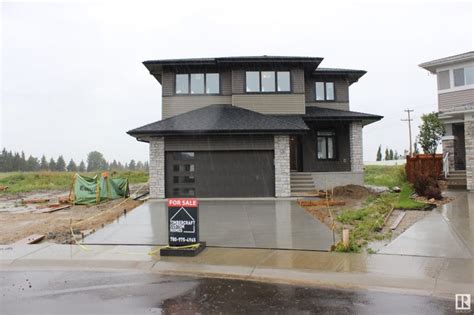
The city's approach to **residential development** also deserves attention. Metzingen has experienced population growth due to its economic opportunities and high quality of life. To address housing demands, the city has supported the construction of **affordable housing projects** while maintaining strict design standards to ensure architectural harmony with existing structures. New residential complexes often incorporate energy-efficient features such as solar panels, green roofs, and rainwater harvesting systems. These sustainable housing developments cater to environmentally conscious residents while also reducing long-term energy costs. Moreover, Metzingen has focused on creating **mixed-income neighborhoods** to promote social inclusivity, ensuring that the benefits of urban development are distributed across different socioeconomic groups.
One of the more **innovative initiatives** in Metzingen is its emphasis on **smart city technologies**. The city has partnered with tech companies to implement IoT (Internet of Things) solutions for urban management. For instance, smart sensors are now used to monitor air quality, noise levels, and waste management efficiency. These systems provide real-time data that city officials can use to make informed decisions about resource allocation and environmental policies. Additionally, Metzingen has introduced **smart lighting systems** that adjust brightness based on the time of day and pedestrian activity, reducing energy consumption while enhancing safety. These smart city projects are part of a broader strategy to position Metzingen as a model for small-to-medium-sized cities looking to integrate technology into their urban fabric.
The city's commitment to **collaboration and community involvement** has been a driving force behind many of these developments. Metzingen has established **citizen participation programs** where residents are invited to contribute ideas and feedback on urban projects. For example, before finalizing plans for new bike lanes or public spaces, the city holds town hall meetings and online surveys to gather input. This participatory approach not only fosters a sense of ownership among residents but also helps ensure that development projects align with the needs and preferences of the community. Such inclusive governance is a key reason why Metzingen has been able to implement changes with relatively little resistance compared to other cities facing similar growth pressures.
From an economic perspective, Metzingen has leveraged its **proximity to larger urban centers like Stuttgart** to position itself as a satellite city with its own unique identity. Investments in **industrial zones** have attracted small and medium-sized enterprises (SMEs) in sectors such as manufacturing, logistics, and green technology. The city offers tax incentives and streamlined bureaucratic processes to encourage business growth, further solidifying its role as an economic hub in the region. These efforts are complemented by partnerships with local universities and research institutions to create a pipeline of skilled workers and innovative ideas.
In summary, Metzingen's modern developments are characterized by a holistic approach that combines urban revitalization, sustainability, infrastructure upgrades, and community engagement. The city's ability to integrate **smart technologies**, promote **green living**, and maintain its cultural identity while adapting to contemporary demands sets it apart as a model of thoughtful urban evolution. These initiatives are not only improving the quality of life for current residents but are also laying the groundwork for a sustainable and prosperous future.
Tourism and Attractions
Metzingen, a small town in the state of Baden-Württemberg, Germany, is perhaps best known as the birthplace of Hugo Boss, the luxury fashion brand. However, its appeal extends far beyond its fashion roots. The town has carved out a niche for itself as a shopping destination, complemented by its picturesque surroundings and cultural offerings. Tourism in Metzingen is a blend of retail therapy, historical exploration, and outdoor adventures, making it a unique spot on Germany's tourism map.
One of the primary draws of Metzingen is its Outletcity, a sprawling collection of over 60 premium brand outlets. This shopping haven attracts visitors not just from Germany but from across Europe and beyond. The concept of Outletcity is not merely about discounted prices; it is an experience designed to merge retail with leisure. Brands like Armani, Gucci, Nike, and of course, Hugo Boss, offer year-round discounts of up to 70%, creating a magnet for fashion-conscious travelers. What sets Outletcity apart is its urban-chic layout, where stores are housed in refurbished industrial buildings, giving the area a modern yet historical ambiance. This fusion of practicality and aesthetics is a significant reason why Metzingen has become a hotspot for shopping tourism.
The rise of Outletcity has also spurred tourism trends in Metzingen. Data shows that the town has seen a steady increase in international visitors, particularly from China, Russia, and the Middle East. These visitors are often drawn by the allure of luxury goods at accessible prices. To cater to this influx, Metzingen has embraced a multilingual approach in its services, with signage, staff assistance, and even mobile apps available in multiple languages. Additionally, the town has introduced initiatives like tax-free shopping for non-EU residents and partnerships with nearby airports to streamline the visitor experience. This targeted approach demonstrates how Metzingen has adapted its tourism strategy to capitalize on its unique selling point.
Beyond shopping, Metzingen offers a range of cultural and historical attractions that appeal to a broader audience. The town is home to the St. Martin’s Church, a striking example of Gothic architecture that dates back to the 15th century. This church is not only a place of worship but also a symbol of Metzingen’s enduring history. Visitors interested in local heritage can explore the Schwäbische Alb Museum, which provides insights into the region's geological and cultural past. Exhibits here focus on the Swabian Jura, a mountain range that has shaped the area’s landscape and human history. Such attractions may not be as widely publicized as Outletcity, but they offer depth to the visitor experience, particularly for those seeking more than just retail therapy.
Metzingen’s location amidst the Swabian Alps is another factor that draws nature enthusiasts. The town is surrounded by rolling hills, vineyards, and hiking trails that provide a stark contrast to its urban shopping zones. One popular outdoor activity is exploring the Lauchert Valley, known for its serene beauty and well-marked trails. The nearby Reutlinger Klettersteig, a via ferrata climbing route, attracts adventure seekers looking to combine physical activity with stunning views. These natural attractions are particularly appealing to visitors who want to balance their shopping sprees with moments of tranquility and physical engagement.
The town also benefits from its proximity to larger cities like Stuttgart, which is only about 30 kilometers away. This makes Metzingen an ideal day trip or weekend getaway for those staying in the region. Stuttgart’s international airport serves as a gateway for many visitors, and Metzingen’s efficient transport links—including direct train services—ensure that it is easily accessible. However, the town’s smaller size and quieter atmosphere provide a welcome respite from the bustle of larger urban centers, a quality that many travelers appreciate.
Another unique aspect of Metzingen’s tourism is its seasonal events. The town hosts events like the Wine Festival, which celebrates the local wine-growing tradition. Metzingen is situated in a region known for its vineyards, and the festival offers visitors a chance to sample wines, enjoy live music, and immerse themselves in local culture. Similarly, the Christmas Market during the holiday season transforms the town into a festive wonderland. These events not only boost tourism during specific times of the year but also highlight the town’s community spirit and traditions.
Interestingly, Metzingen has also become a case study in sustainable tourism. The town has made efforts to balance its commercial success with environmental responsibility. For instance, Outletcity has implemented energy-efficient lighting and waste management systems. Moreover, the town encourages visitors to explore its natural surroundings responsibly, with initiatives like guided eco-tours and educational programs about local biodiversity. This focus on sustainability is increasingly important as modern travelers prioritize eco-conscious destinations.
What truly draws visitors to Metzingen, however, is the synergy between commerce and culture. Unlike many destinations that are either shopping-centric or historically focused, Metzingen offers a balanced experience. A visitor can spend the morning browsing designer stores, enjoy a locally sourced lunch in a quaint café, and then hike through scenic trails in the afternoon. This versatility is a key reason why Metzingen has managed to attract a diverse range of tourists—from shopaholics and history buffs to nature lovers and families.
The town’s tourism sector also benefits from its marketing strategies. Metzingen has invested heavily in digital campaigns targeting specific demographics, such as luxury shoppers and eco-tourists. Social media platforms are abuzz with influencers showcasing their Metzingen experiences, further amplifying its appeal. The town’s official website and app provide detailed itineraries, event calendars, and even virtual tours, ensuring that potential visitors are well-informed and inspired to plan their trip.
In summary, Metzingen is more than just a shopping destination. It is a town that has successfully leveraged its industrial past, natural beauty, and cultural heritage to create a multifaceted tourism experience. Whether it is the allure of luxury brands at Outletcity, the charm of historical sites like St. Martin’s Church, or the tranquility of the surrounding Swabian Alps, Metzingen offers something for everyone. Its ability to adapt to global tourism trends while preserving its local identity makes it a compelling case study in how small towns can thrive in the competitive world of travel and tourism.
Environmental Sustainability
Metzingen, a city in the southern German state of Baden-Württemberg, has made notable strides in environmental sustainability, balancing its industrial and urban development with a strong commitment to green initiatives. This focus on sustainability is not merely symbolic but is deeply embedded in the city's policies, urban planning, and community engagement. Through a combination of green spaces, eco-friendly policies, and innovative approaches to resource management, Metzingen serves as a model for how small to mid-sized cities can prioritize long-term environmental health without compromising economic growth.
One of the most visible aspects of Metzingen's sustainability efforts is its emphasis on green spaces. The city has invested heavily in maintaining and expanding parks, gardens, and natural reserves that serve as both recreational areas and ecological buffers. For instance, the Metzinger Auen, a network of wetlands and meadows along the Erms River, not only provides habitat for diverse flora and fauna but also acts as a natural water filtration system. This area exemplifies the city's approach to integrating ecological preservation with urban utility. Wetlands like these reduce the risk of flooding, improve air quality, and offer residents a space to reconnect with nature. Moreover, the city has promoted the concept of "pocket parks" in densely built areas, ensuring that even in its more urbanized zones, there are accessible green oases for mental well-being and biodiversity support.
In addition to green spaces, Metzingen has implemented eco-friendly policies that are both ambitious and practical. A cornerstone of these policies is the city's commitment to circular economy principles. Metzingen has worked closely with local businesses—particularly in its well-known fashion and retail sector—to minimize waste and encourage the reuse of materials. For example, several textile companies in the city have adopted closed-loop production systems where offcuts and surplus materials are repurposed into new products rather than being discarded. This not only reduces the environmental footprint of these businesses but also aligns with Germany's broader goals of reducing landfill waste. The city government has also introduced incentives for businesses to adopt sustainable practices, such as tax rebates for companies that meet specific energy efficiency or waste reduction targets.
Another area of focus is energy sustainability. Metzingen has been proactive in transitioning to renewable energy sources. The city has partnered with regional energy providers to increase the share of solar and wind energy in its power grid. A notable initiative is the installation of solar panels on public buildings, such as schools and administrative offices, which not only reduces the city's reliance on fossil fuels but also serves as an educational tool for residents and visitors. These installations are often accompanied by digital displays that show real-time energy generation and savings, fostering greater awareness and engagement among the community. Furthermore, Metzingen has encouraged the adoption of electric vehicles (EVs) by expanding its network of EV charging stations and offering subsidies for residents who switch to EVs. This is part of a broader strategy to reduce the city's carbon emissions, particularly in the transport sector, which is a significant contributor to urban pollution.
The city also stands out for its innovative water management policies. Metzingen has implemented measures to conserve water and ensure its quality, particularly given its proximity to the Erms River and surrounding agricultural areas. For instance, the city has invested in modern wastewater treatment facilities that not only meet but exceed EU standards for water purification. These facilities use advanced biological treatment methods to remove pollutants, ensuring that water returned to natural systems is as clean as possible. Additionally, Metzingen has introduced rainwater harvesting systems in public spaces and incentivized their use in private homes. These systems reduce the strain on municipal water supplies and help manage stormwater runoff, which can otherwise lead to urban flooding and erosion.

Community involvement is another key pillar of Metzingen's sustainability strategy. The city has established citizen-led sustainability committees that work in tandem with local government to identify and address environmental challenges. These committees are instrumental in organizing events such as tree-planting drives, neighborhood clean-ups, and educational workshops on sustainable living. For example, Metzingen hosts an annual "Green Week" where residents can participate in activities like composting tutorials, energy-saving seminars, and guided tours of the city's green infrastructure. This approach not only fosters a sense of collective responsibility but also ensures that sustainability initiatives are grounded in the needs and priorities of the community.
Metzingen's efforts extend to its urban planning, where sustainability is integrated into new developments and renovations. The city has adopted a "green building" standard for all new construction projects, requiring developers to incorporate energy-efficient designs, use sustainable materials, and include features like green roofs and vertical gardens. These measures not only enhance the aesthetic appeal of the city but also contribute to its thermal regulation, reducing the urban heat island effect. Older buildings are not left behind; the city provides grants and technical support for retrofitting older structures with insulation, energy-efficient windows, and solar installations. This holistic approach ensures that sustainability is not limited to new developments but is a city-wide endeavor.
A lesser-discussed but highly impactful aspect of Metzingen's sustainability is its focus on waste management. The city has implemented a rigorous recycling program that goes beyond the standard separation of paper, plastic, and glass. Metzingen has introduced specialized waste streams for items like electronic waste, textiles, and organic matter, ensuring that each type of waste is processed in the most environmentally friendly way possible. For instance, organic waste is converted into compost that is used in local parks and gardens, creating a closed-loop system within the city. Additionally, the city has partnered with waste management companies to explore innovative solutions such as waste-to-energy plants, which convert non-recyclable waste into usable energy, further reducing the city's reliance on external energy sources.
Metzingen’s sustainability initiatives are also informed by its regional and global partnerships. The city collaborates with other municipalities in Baden-Württemberg to share best practices and resources for environmental projects. For instance, it is part of the "Green City Network," a regional initiative that promotes knowledge exchange and joint funding for large-scale sustainability projects. On a global scale, Metzingen participates in programs like the European Green Cities Network, where it shares its successes and learns from other cities facing similar challenges. These collaborations not only amplify the impact of Metzingen’s efforts but also position the city as a leader in sustainable urban development.
Finally, it is worth noting that Metzingen’s sustainability efforts are not without challenges. The city must balance its environmental goals with the economic pressures of being a hub for industry and retail. However, what sets Metzingen apart is its ability to view sustainability not as a cost but as an investment. By embedding eco-friendly practices into its economic and social fabric, the city ensures that its green initiatives are not only environmentally sound but also economically viable in the long term. This forward-thinking approach positions Metzingen as a city that is not merely reacting to environmental challenges but actively shaping a sustainable future for its residents and beyond.
- Metzingen’s green spaces, such as the Metzinger Auen, serve both ecological and recreational purposes.
- The city has embraced circular economy principles, particularly in its retail and textile sectors.
- Energy sustainability is promoted through renewable energy adoption and EV infrastructure.
- Water management policies include advanced wastewater treatment and rainwater harvesting.
- Community engagement is fostered through citizen-led committees and events like Green Week.
- Urban planning integrates green building standards and retrofitting incentives.
- Waste management extends to specialized recycling streams and waste-to-energy solutions.
- Regional and global partnerships enhance the city’s sustainability network.
In conclusion, Metzingen’s approach to environmental sustainability is both comprehensive and forward-thinking. By combining green spaces, eco-friendly policies, and community-driven initiatives, the city demonstrates that environmental stewardship can coexist with urban and economic development. Its efforts serve as a blueprint for other cities seeking to balance growth with the imperative of sustainability.
Community and Demographics
Metzingen, a town located in the state of Baden-Württemberg in southern Germany, is known for its unique blend of historical charm and modern industrial vibrancy. To understand the community and demographics of Metzingen, one must delve into its population profile, the dynamics of its community interactions, and the underlying social structures that shape its identity. This section provides an in-depth exploration of these aspects, emphasizing how the town’s demographics influence its social and economic landscape.
The population of Metzingen is approximately 22,000 residents, a figure that has remained relatively stable over the past decade. This stability reflects the town’s balanced approach to urban development and its ability to retain residents despite being in close proximity to larger urban centers like Stuttgart. A significant characteristic of Metzingen’s population is its diversity, shaped by both historical migration patterns and contemporary economic opportunities. While the majority of the population is German, there is a growing presence of expatriates and immigrants, particularly from Turkey, Eastern Europe, and the Middle East. This diversity is not merely a statistic but a lived experience in Metzingen, as different cultural groups contribute to the town’s social fabric through food, festivals, and community events.
The age distribution in Metzingen is another critical aspect of its demographic profile. The town has a slightly older median age compared to national averages, a trend attributable to its appeal as a quiet, family-oriented community for middle-aged professionals and retirees. However, this does not mean the town lacks youthful energy. A notable proportion of the population consists of young families and individuals in their 20s and 30s, many of whom are employed in Metzingen’s thriving retail and manufacturing sectors. This mix of age groups creates a dynamic community where traditional values coexist with modern aspirations. For instance, older residents often engage in local heritage preservation initiatives, while younger populations drive innovation in small businesses and digital entrepreneurship.
Community dynamics in Metzingen are deeply influenced by its industrial and commercial history. The town is famously associated with being the birthplace of the Hugo Boss fashion brand, and its reputation as a "factory outlet town" draws significant foot traffic from neighboring regions and international tourists. This economic activity has a ripple effect on community interactions. Retail employees, many of whom commute from nearby towns, often form transient yet cohesive social networks within Metzingen. These networks are supplemented by long-standing local clubs and associations, such as sports teams, music ensembles, and historical societies, which serve as anchors for community cohesion. Notably, these groups are not insular; they actively welcome newcomers, reflecting a broader German value of Gemeinschaft (community spirit).
Social structures in Metzingen are marked by a blend of traditional and modern frameworks. The town operates within the broader German system of local governance, where a mayor and council oversee municipal affairs. However, the community’s day-to-day dynamics are shaped by informal networks that often operate outside the formal political structure. For example, local churches—both Protestant and Catholic—play a significant role in organizing charitable activities and providing social support. This is particularly evident during holiday seasons, where church-led initiatives like food drives and community meals bring together individuals from diverse socioeconomic backgrounds. Similarly, schools and educational institutions in Metzingen act as hubs for social integration. Programs aimed at helping immigrant families adapt to German life, such as language classes and cultural exchange events, are common and well-supported by both public funding and private initiatives.
One of the unique features of Metzingen’s social structure is the interplay between its retail-driven economy and its residential community. While the presence of factory outlets and retail hubs brings economic benefits, it also introduces challenges related to traffic, noise, and the transient nature of some visitors. To address these issues, Metzingen has fostered a strong tradition of civic engagement. Local forums and town hall meetings are well-attended, and residents actively participate in discussions about urban planning, sustainability, and quality of life. This participatory approach ensures that the town’s development aligns with the needs and preferences of its residents, rather than being dictated solely by economic imperatives.
Another layer of Metzingen’s community dynamics is its environmental consciousness. The town is surrounded by picturesque vineyards and rolling hills, and there is a strong cultural emphasis on preserving this natural beauty. Community groups often organize clean-up drives, tree-planting events, and workshops on sustainable living. These activities not only enhance the town’s environmental profile but also serve as opportunities for residents to build relationships across generational and cultural lines. For example, a recent initiative to create a community garden saw participation from retirees, schoolchildren, and immigrant families, all working together to cultivate shared spaces.
Education and skill development are also central to Metzingen’s social structure. The town boasts a well-regarded education system, with schools that emphasize both academic excellence and practical skills. Vocational training programs, particularly in fashion and retail management, are tailored to the local economy’s needs, ensuring that young people have opportunities to enter the workforce with relevant expertise. This focus on education not only supports individual aspirations but also reinforces the town’s reputation as a center of innovation and craftsmanship.
In terms of social challenges, Metzingen faces some of the same issues as other small towns in Germany, such as an aging population and the need to attract younger residents to sustain its workforce. However, the town’s proactive approach to these challenges is noteworthy. Initiatives like affordable housing projects for young families and partnerships with nearby universities to create internship opportunities demonstrate Metzingen’s commitment to staying relevant and vibrant. Additionally, the town’s retail sector, while a boon economically, requires careful management to ensure that the benefits of tourism do not come at the expense of local residents’ quality of life.
Metzingen’s demographics and community dynamics are shaped by its ability to balance tradition with modernity. The town’s population is a microcosm of contemporary Germany, where historical roots are respected even as new cultural influences are embraced. Whether through its retail economy, its focus on education, or its environmental initiatives, Metzingen exemplifies how a small town can maintain a strong sense of identity while adapting to the demands of a globalized world. This blend of stability and dynamism makes Metzingen not just a place on the map but a living, evolving community with much to offer both its residents and visitors.
- The population of Metzingen is diverse, with a mix of German natives and immigrant groups contributing to its cultural richness.
- Community dynamics are shaped by both formal structures, such as local government, and informal networks like clubs and associations.
- Social challenges, such as an aging population, are met with innovative solutions like affordable housing and educational partnerships.
- Environmental consciousness is a shared value, with numerous initiatives fostering sustainability and community bonding.
In summary, the community and demographics of Metzingen reflect a town that is deeply rooted in its history yet forward-looking in its approach to social and economic development. This balance ensures that Metzingen remains a vibrant and inclusive place, capable of adapting to the needs of its residents while preserving the qualities that make it unique.
Future Prospects and Challenges
Metzingen, a city renowned for its industrial heritage and position as a global fashion hub, stands at a crossroads of opportunity and challenge as it looks to the future. The city's ability to sustain its growth while preserving its unique identity hinges on several critical factors, including economic diversification, urban planning, environmental sustainability, and cultural preservation. Each of these areas presents both prospects for advancement and significant hurdles that must be addressed with foresight and strategic planning.
One of the most promising opportunities for Metzingen lies in its established reputation as a destination for outlet shopping. The presence of major international brands like Hugo Boss, which originated in the city, has cemented Metzingen's status as a retail haven. This has not only driven significant tourism but also created a steady revenue stream for local businesses. However, to ensure this growth is sustainable, Metzingen must expand beyond its reliance on the fashion and retail sectors. Economic diversification is essential to mitigate risks associated with market volatility or changing consumer preferences. Investments in technology, green energy, and small-scale manufacturing could provide alternative pillars of economic stability. For instance, the city could leverage its existing industrial infrastructure to support emerging industries such as precision engineering or sustainable packaging solutions, aligning with global trends toward innovation and environmental responsibility.
Urban planning is another area where Metzingen has both opportunities and obstacles. The city's compact size and proximity to larger urban centers like Stuttgart offer distinct advantages for accessibility and connectivity. However, this also means that space for expansion is limited. As the population grows or shifts due to economic migration or tourism influx, Metzingen must carefully balance development with the preservation of its historic charm. Overdevelopment risks eroding the city's identity, while underdevelopment might stifle its ability to accommodate new residents or businesses. A possible solution lies in adopting mixed-use zoning strategies that integrate residential, commercial, and green spaces. For example, repurposing underutilized industrial sites into mixed-use developments could provide housing while maintaining the city’s industrial character. Additionally, investments in smart city technologies—such as efficient public transport systems or IoT-enabled infrastructure—can enhance livability without compromising Metzingen’s small-town appeal.
Environmental sustainability presents both a challenge and an imperative for Metzingen. The city's industrial past has left a legacy of infrastructure that may not align with modern environmental standards. While the fashion outlets and related industries contribute significantly to the local economy, they also generate waste and carbon emissions that could strain the city's resources. Metzingen must prioritize green initiatives to maintain its appeal to environmentally conscious consumers and investors. Opportunities exist in implementing circular economy practices within the fashion sector, such as recycling textile waste or encouraging brands to adopt sustainable production methods. Moreover, the city could position itself as a leader in green urbanism by developing eco-friendly public spaces, promoting renewable energy use, and incentivizing businesses to adopt low-carbon practices. Collaborations with local universities or research institutions to pilot innovative sustainability projects could further bolster Metzingen’s reputation as a forward-thinking city.
Cultural preservation is a nuanced challenge that Metzingen must navigate as it grows. The city’s identity is deeply rooted in its industrial and artisanal history, which has shaped its character and appeal. Rapid commercialization or an overemphasis on tourism could dilute this identity, turning Metzingen into a generic retail destination rather than a city with a distinct heritage. To counter this, Metzingen should invest in cultural programming that highlights its history and traditions. For instance, organizing events that celebrate local craftsmanship or hosting exhibitions on the evolution of its fashion industry can help residents and visitors connect with the city’s roots. Additionally, supporting local artists and small businesses can foster a sense of community and ensure that Metzingen's growth is inclusive rather than exclusive to large corporations.
Another pressing obstacle is the potential strain on infrastructure and public services due to increased tourism and population growth. Metzingen's retail-driven economy attracts thousands of visitors annually, which can lead to congestion, increased demand for housing, and pressure on local amenities. Addressing this requires a proactive approach to infrastructure development. Expanding public transport networks, modernizing utilities, and ensuring adequate healthcare and educational facilities are critical steps. Furthermore, digital tools such as smart traffic management systems or online platforms for local services can help alleviate some of the logistical challenges posed by growth.
A related opportunity lies in Metzingen’s potential to become a model for sustainable tourism. Rather than focusing solely on retail, the city could diversify its tourist offerings by promoting its natural surroundings, historical sites, and local cuisine. For example, guided tours that explore the region's vineyards or partnerships with nearby nature reserves could attract a broader range of visitors while reducing the environmental impact of mass tourism. Such initiatives not only enhance the city’s appeal but also distribute economic benefits more evenly across different sectors.
Metzingen’s future also depends on its ability to foster inclusivity and community engagement. As the city grows, it must ensure that new residents, including migrants or workers attracted by its economic opportunities, feel integrated into the local culture. Programs that support language learning, cultural exchange, and community events can help bridge gaps between long-term residents and newcomers. This inclusivity is not just a social imperative but also an economic one; a cohesive community is more likely to support sustainable growth and innovation.
Finally, the global shift toward remote work and e-commerce presents both a challenge and an opportunity for Metzingen. While the rise of online shopping could threaten its brick-and-mortar retail dominance, it also opens doors for the city to position itself as a hub for e-commerce logistics or digital fashion innovation. By attracting tech-savvy startups or offering incentives for businesses that blend physical and digital retail experiences, Metzingen can adapt to changing consumer behaviors while retaining its relevance in the fashion world.
In summary, Metzingen’s future prospects are shaped by a delicate interplay of opportunities and challenges. By diversifying its economy, embracing sustainable practices, preserving its cultural identity, and investing in infrastructure and inclusivity, the city can continue to thrive without losing the essence of what makes it unique. However, these goals require a collective effort from local government, businesses, and residents to ensure that Metzingen evolves in a way that is both progressive and rooted in its rich history.