Introduction to the monaco population
Monaco, the tiny principality nestled on the French Riviera, is renowned for its luxurious lifestyle, high-profile residents, and unique economic policies. While its land area is minimal—just 2.02 square kilometers—the Monaco population is a fascinating subject of study due to its density, economic influence, and cultural diversity. In this comprehensive guide, we’ll explore everything you need to know about the Monaco population, from demographics to growth trends, and how these factors impact daily life in this iconic city-state.
Demographic Overview of the Monaco Population
To understand the Monaco population, we first need to look at the key demographic statistics:
- Total Population (2024 estimates): Approximately 38,000 residents.
- Population Density: One of the highest in the world—over 18,000 people per square kilometer.
- Median Age: Around 52 years, indicating a relatively mature population compared to other countries.
- Gender Distribution: Roughly 52% female and 48% male.
- Ethnic Composition: Predominantly European, with significant numbers of French, Italian, British, and other European expatriates.
Historical Growth Trends
Monaco’s population has undergone significant changes over the decades. Historically, the population was relatively small, with estimates in the early 20th century hovering around 15,000 residents. However, due to a combination of economic growth, immigration policies, and the attraction of high-net-worth individuals, the Monaco population has steadily increased.
- In the 1950s, the population surged due to the rise of the Monte Carlo Casino and the influx of wealthy visitors.
- The 1980s marked a turning point, with the population doubling in some estimates due to the development of luxury real estate and tax-free incentives.
- Recent decades have seen a more moderate growth rate, but still significant enough to maintain Monaco’s status as a global population anomaly.
Key Factors Influencing Population Growth
Several factors contribute to the unique growth dynamics of the Monaco population:

- Tax Policies: Monaco’s tax-free environment attracts individuals from around the globe, especially high-net-worth individuals seeking to avoid income taxes.
- Economic Opportunities: The principality offers employment opportunities in finance, luxury goods, real estate, and entertainment sectors, drawing professionals and entrepreneurs.
- Immigration Policies: Monaco welcomes expatriates and supports international business, making it a favorable destination for relocation.
- Luxury Lifestyle Appeal: The combination of world-class amenities, safety, and exclusivity draws residents from across the globe.
Monaco Population by Sector
Monaco’s population distribution is often segmented by economic and social sectors, reflecting the nature of its economy and the people who inhabit it:
- Residential Population: The core population includes permanent residents, retirees, and families living in luxury apartments or villas.
- Tourist Population: During peak seasons, the number of visitors can reach tens of thousands, contributing to a temporary population spike.
- Workforce Population: The principality’s workforce is largely composed of expatriates—over 50% of residents are not native Monegasque.
Workforce Diversity
The workforce in Monaco is highly diverse, with a mix of talents and backgrounds. Major sectors include:
- Finance and banking
- Real estate management
- Hotel and hospitality
- Entertainment and event management
These sectors attract professionals with specialized skills, contributing to a vibrant and economically active community.
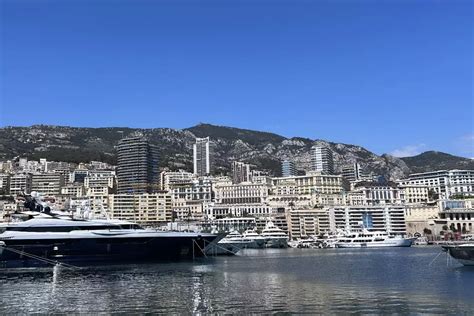
Economic Impact of the Monaco Population
The Monaco population plays a crucial role in the principality’s economic success. As a financial hub and luxury destination, Monaco’s economy is heavily dependent on its residents and visitors.
- Revenue Generation: The presence of wealthy residents and high-end businesses contributes significantly to Monaco’s coffers through property taxes, luxury goods, and tourism.
- Labor Market: The expatriate-heavy workforce supports Monaco’s economy by filling key roles in finance, hospitality, and luxury services.
- Investment Attraction: Monaco’s population demographics—specifically the high concentration of affluent individuals—make it an attractive location for global investment.
Impact on Infrastructure
The size and composition of the Monaco population directly affect the city-state’s infrastructure development:
- Residential Development: Luxury housing projects continue to expand, accommodating the growing population and demand for exclusive living spaces.
- Transportation: The principality invests heavily in transport solutions to manage congestion, including the use of electric vehicles, improved pedestrian pathways, and efficient public transit.
- Utilities: Water, electricity, and waste management systems are continuously upgraded to support the urban density of Monaco’s population.
Challenges of a Dense Population
While the Monaco population brings economic benefits, it also presents certain challenges:

- Space Constraints: With a high population density, finding land for new development is a persistent issue.
- Resource Management: Managing utilities and infrastructure under such density requires constant innovation and investment.
- Environmental Impact:** Due to limited space, Monaco must adopt eco-friendly solutions to mitigate the effects of over-occupation.
Environmental Initiatives
Monaco has taken proactive steps to address environmental concerns, including:
- Investing in renewable energy projects
- Encouraging green building standards
- Supporting marine conservation efforts
Cultural Diversity and Community
Monaco’s population is a microcosm of global diversity, with residents from over 120 nationalities. This cultural richness is reflected in the local arts, cuisine, and events.
- Arts and Culture: The principality hosts numerous cultural events, including the Monaco Dance Festival and the Monte Carlo Philharmonic Orchestra.
- Cuisine:** The local food scene blends French, Italian, and Mediterranean influences, offering residents a diverse gastronomic experience.
- Community Engagement:** Residents participate in numerous charitable initiatives and community events, fostering a sense of unity despite the small population size.
Language and Communication
French is the official language, but English, Italian, and other languages are widely spoken, facilitating communication and inclusivity.
Conclusion: Monaco Population in Perspective
The Monaco population, though small in number, is powerful in influence. Its unique combination of demographics, economic incentives, and cultural appeal makes it a global standout. Whether you’re considering relocation, investing in luxury real estate, or simply curious about this iconic city-state, understanding the Monaco population is key to appreciating its broader impact.
FAQ
- Q1: What is the current population of Monaco?
- The current estimated population of Monaco is around **38,000** residents as of 2024.
- Q2: How dense is the Monaco population?
- Monaco’s population density exceeds **18,000** people per square kilometer, making it one of the most densely populated places on Earth.
- Q3: Why is the Monaco population so unique?
- Monaco’s population is unique due to its small size, high density, tax-free policies, and concentration of high-net-worth individuals.
- Q4: What attracts people to live in Monaco?
- People are attracted to Monaco for its tax-free regime, luxury lifestyle, safety, and access to world-class amenities.
- Q5: Does Monaco have a diverse population?
- Yes, Monaco’s population is highly diverse, with residents from over 120 different nationalities.
- Q6: How does the Monaco population affect the economy?
- The Monaco population fuels the economy through tourism, finance, luxury services, and high-end real estate investments.
- Q7: Are there any environmental challenges due to the dense Monaco population?
- Yes, Monaco faces environmental challenges due to its limited space and high density, but it has implemented eco-friendly solutions to mitigate these issues.
Monaco’s population story is one of density, diversity, and dynamism—a testament to how a small space can hold such a significant global presence.