Introduction to NBA TV Rights Revenue
The NBA TV rights landscape is a cornerstone of the league's financial ecosystem and a critical driver of its growth within the global sports industry. TV rights refer to the agreements between the National Basketball Association (NBA) and television networks or streaming platforms that grant these entities the exclusive right to broadcast games, events, and related content. These agreements are not merely transactional but are reflective of the NBA's strategic positioning as a premier entertainment product. In this section, we will explore what NBA TV rights encompass, their evolution, and why they are so significant in shaping the league's revenue model and broader influence.
At its core, NBA TV rights are a form of intellectual property licensing. The league, as the owner of its games and associated content, negotiates deals with broadcasters to maximize exposure and revenue. Historically, these rights were limited to traditional television networks like ABC, ESPN, and TNT in the United States. However, the rapid evolution of media consumption habits—spurred by digital transformation and the emergence of over-the-top (OTT) platforms—has expanded the scope of these agreements. Today, the NBA's TV rights include partnerships with streaming giants like Amazon, YouTube, and regional sports networks, signaling a shift toward a more diversified and globalized approach to content distribution.
The significance of NBA TV rights lies in their role as a primary revenue driver for the league. In the 2016-2017 season, the NBA signed a nine-year, $24 billion deal with ESPN and TNT, which was a landmark moment not just for basketball but for the entire sports industry. This deal underscored the escalating value of live sports content in an era where traditional TV viewership for scripted programming has been on the decline. Unlike pre-recorded shows or movies, live sports offer advertisers a guaranteed audience that is highly engaged and less likely to skip commercials. This "stickiness" of sports content has made NBA games a hot commodity for networks, particularly as cord-cutting trends have made premium live events even more valuable.
The NBA's approach to TV rights is also a reflection of its innovative revenue diversification. While traditional rights deals remain central, the league has embraced digital platforms and international markets to amplify its earnings. For instance, the NBA has separate agreements for streaming rights in countries like China, where basketball enjoys immense popularity. Tencent, a Chinese tech conglomerate, paid over $1.5 billion for exclusive digital rights in China from 2015 to 2025. This demonstrates how the NBA leverages its global appeal to tap into non-domestic revenue streams, further solidifying its status as a global sports powerhouse. Such international deals are not just about revenue; they are also about audience expansion, brand building, and creating pathways for merchandise and sponsorship opportunities in new markets.
Another key aspect of NBA TV rights is their impact on team valuations and competitive balance. The revenue from these deals is distributed among the league's 30 teams, with a significant portion funneled into the salary cap. This system ensures that even smaller-market teams, which might struggle to generate local broadcast revenue comparable to teams in New York or Los Angeles, benefit from the league-wide TV rights windfall. For example, the Milwaukee Bucks, a small-market team, can compete financially with the Los Angeles Lakers due to the shared revenue model enabled by national TV deals. This dynamic has helped maintain a semblance of parity in the league, even as superteams and marquee franchises often dominate the spotlight.
However, the economics of TV rights are not without challenges. The fragmentation of media consumption poses a dual-edged sword for the NBA. While the proliferation of streaming services has opened new revenue opportunities, it has also created a more competitive environment for viewer attention. Younger audiences are increasingly consuming content on platforms like TikTok, Instagram, and YouTube rather than traditional TV. To address this, the NBA has experimented with direct-to-consumer offerings, such as NBA League Pass, and short-form content tailored for social media. These initiatives aim to capture the attention of cord-nevers—individuals who have never subscribed to traditional cable services—while still monetizing their interest in basketball.
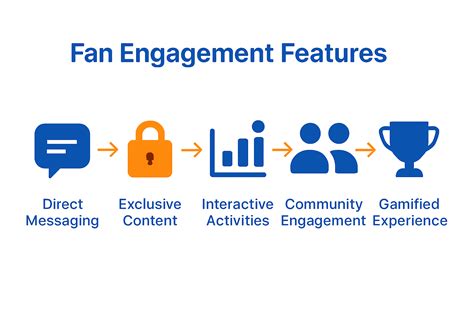
The future of NBA TV rights is also tied to the league's ability to innovate in content delivery. One emerging trend is the inclusion of advanced analytics and interactive features in broadcasts. Networks and platforms are increasingly offering augmented viewing experiences, such as real-time player stats, alternate camera angles, and even gamified elements like prediction contests during live games. These enhancements are not just about viewer engagement; they represent an opportunity to command higher fees from advertisers and subscribers. The NBA’s willingness to experiment with such features reflects its forward-thinking approach to monetizing its content in an increasingly tech-driven world.
Another dimension of NBA TV rights is their role in the league's social and cultural influence. Basketball is more than a sport—it is a cultural phenomenon that intersects with music, fashion, and activism. The visibility provided by TV rights amplifies this influence. Broadcasters often package NBA games with pre- and post-game shows, documentaries, and player profiles that deepen the narrative around the sport. This storytelling element not only enhances the entertainment value but also reinforces the NBA's brand as a lifestyle and cultural entity. For instance, the "Last Dance" documentary on Michael Jordan, which aired on ESPN, was a massive success that showcased how NBA-related content can transcend the game itself and appeal to a broader audience.
From a financial perspective, the NBA's TV rights revenue also plays a role in long-term sustainability. Unlike ticket sales or local sponsorships, which can be affected by external factors such as economic downturns or global pandemics, TV rights provide a more stable and predictable revenue stream. This stability has been particularly important during the COVID-19 pandemic, when in-person attendance was restricted but broadcast deals continued to provide a financial lifeline. The league’s ability to negotiate lucrative TV deals even in uncertain times is a testament to the enduring appeal of its product.
In summary, NBA TV rights are far more than a revenue stream—they are a strategic enabler of the league's growth, global reach, and cultural resonance. They underpin the financial health of teams, drive innovation in content delivery, and serve as a platform for the NBA to assert its dominance in the sports and entertainment landscape. As the media environment continues to evolve, the NBA's approach to TV rights will likely remain a critical area of focus, blending tradition with innovation to ensure its place at the forefront of the sports industry.
- NBA TV rights are a form of intellectual property licensing that maximizes exposure and revenue.
- The league has diversified its approach by incorporating streaming platforms and international deals.
- TV rights support team financial parity through shared revenue distribution.
- The NBA is adapting to changing viewer habits with direct-to-consumer offerings and interactive features.
- These rights are a stable revenue source that supports long-term sustainability.
Historical Evolution of TV Rights Deals
The NBA's journey in monetizing its television rights is a fascinating case study of how sports leagues have evolved to become global entertainment powerhouses. From humble beginnings to modern multi-billion-dollar contracts, the evolution of NBA TV rights deals reflects not only the league's growth but also the changing dynamics of media, technology, and consumer behavior. This section delves into the historical evolution of these deals, tracing their trajectory and unpacking the key milestones that shaped the league's financial landscape.
The early years of NBA TV rights were modest compared to today's standards. In the 1950s and 1960s, basketball was far from the cultural phenomenon it is today. The league struggled for visibility and was overshadowed by baseball and football in the American sports hierarchy. Early TV agreements were often local or regional in scope, with games broadcast on small networks or even public television stations. For instance, the NBA's first national TV deal came in 1962 when ABC agreed to air a limited number of games. However, these broadcasts were sporadic, and the financial returns were minimal. At this stage, the league was primarily focused on exposure rather than revenue, as it sought to build a fan base and establish itself as a viable entertainment product.
The 1970s marked a turning point for the NBA in terms of television exposure. The league signed a deal with CBS in 1973, which provided more consistent national coverage. While the financial terms of this deal were still relatively small—reportedly around $2 million per year—it represented a step forward in legitimizing the NBA as a televised sport. However, the league faced challenges during this era, including low ratings and perceptions of a lack of excitement compared to other sports. This was also the era of the "NBA funk," where the league battled issues like low attendance and concerns about player behavior. Despite these hurdles, the CBS deal laid the groundwork for future negotiations by proving that national TV exposure could help grow the league's audience.
The 1980s ushered in a new era of growth for the NBA, fueled by the emergence of charismatic stars like Magic Johnson, Larry Bird, and later Michael Jordan. These players not only elevated the quality of play but also brought a level of star power that resonated with mainstream audiences. In 1982, the NBA signed a new deal with CBS worth $48 million over four years—a significant increase compared to earlier contracts. This period also saw the introduction of the NBA Finals as a primetime event, which helped the league capture larger audiences. By the late 1980s, the NBA was beginning to understand the value of its product in the television market, and networks were starting to see basketball as a viable investment.
The 1990s represented a golden era for NBA TV rights deals, driven by the global phenomenon of Michael Jordan and the Chicago Bulls. The league's popularity surged, and networks began to engage in competitive bidding for broadcast rights. In 1990, the NBA signed a four-year, $600 million deal with NBC, a dramatic escalation in financial terms. This deal was notable not only for its size but also for its focus on storytelling and presentation, with NBC emphasizing the human drama of basketball through features like player profiles and in-depth coverage. The 1990s also saw the advent of cable television's role in NBA broadcasting, with Turner Sports (TNT) securing rights to air regular-season and playoff games. This partnership introduced the concept of a dual-network model, where both broadcast and cable networks shared the responsibility of airing games, a structure that persists to this day.
The turn of the millennium brought the league into the digital age, and with it came an explosion in the value of TV rights. The NBA's 2002 deal with ABC, ESPN, and TNT was worth $4.6 billion over six years, reflecting the growing importance of cable networks and the league's increasing global appeal. This era also marked the beginning of a shift toward more personalized and interactive viewing experiences, as the internet began to play a role in how fans consumed sports. Streaming platforms and digital rights were still in their infancy, but the NBA was quick to recognize their potential, experimenting with online content delivery and partnerships with emerging digital platforms.
The modern era of TV rights deals, beginning in the 2010s, has been defined by staggering financial figures and the league's ability to capitalize on its global brand. In 2014, the NBA signed a nine-year, $24 billion deal with ESPN and TNT, a staggering increase from previous agreements. This deal was a testament to the league's ability to craft a product that appealed not only to domestic audiences but also to international markets. The inclusion of digital rights in this agreement was a game-changer, as it allowed the NBA to expand its reach through streaming platforms like ESPN+ and NBA League Pass. The deal also reflected broader trends in the media landscape, such as the rise of cord-cutting and the increasing value of live sports as a form of "DVR-proof" programming that attracts advertisers.
Several key factors have driven the exponential growth in TV rights revenue over the decades. First, the NBA has consistently adapted to technological advancements, from the introduction of color television to the rise of streaming services. Second, the league has cultivated a global audience, with international stars like Yao Ming, Dirk Nowitzki, and Giannis Antetokounmpo broadening its appeal beyond the United States. Third, the NBA has embraced a narrative-driven approach to its broadcasts, focusing on storylines, rivalries, and individual player journeys to keep fans engaged. Finally, the league has leveraged its partnerships with media companies to explore new revenue streams, such as sponsorship integrations, digital content packages, and even esports tie-ins.
A closer look at the economic implications of these deals reveals how they have transformed the league's financial structure. TV rights revenue now constitutes a significant portion of the NBA's income, enabling it to fund player salaries, invest in team operations, and support initiatives like the G League and international outreach programs. The league's ability to secure long-term, high-value contracts has also given it financial stability, even during periods of economic uncertainty or labor disputes.
The future of NBA TV rights deals is likely to be shaped by ongoing technological and consumer trends. As streaming platforms like Amazon Prime, Apple TV, and YouTube compete with traditional broadcasters, the league may find itself negotiating with a more diverse set of partners. Additionally, the rise of personalized viewing experiences, such as augmented reality (AR) and virtual reality (VR), could open new avenues for fan engagement and revenue generation. While the dollar figures involved in future deals are expected to grow, the NBA must also navigate challenges such as audience fragmentation and the declining viewership of traditional cable networks.
In summary, the historical evolution of NBA TV rights deals is a story of vision, adaptation, and strategic growth. From its early days of regional broadcasts to the modern era of global, multi-platform agreements, the league has continually found ways to increase its value in the media landscape. This trajectory not only underscores the NBA's business acumen but also highlights how sports leagues can thrive by embracing innovation and understanding the evolving needs of their audience.
Key Stakeholders in NBA TV Rights
The NBA TV rights landscape is a complex ecosystem involving multiple stakeholders, each with distinct roles and objectives. These stakeholders include traditional television networks, emerging streaming platforms, and the NBA itself. Understanding the dynamics between these players is critical to grasping how TV rights revenue is generated, negotiated, and distributed. Below, we explore the key players in depth, highlighting their motivations, strategies, and impact on the revenue model.
One of the most prominent stakeholders in NBA TV rights is **traditional television networks**. Networks like **ESPN**, **TNT**, and **ABC** have long been the backbone of NBA broadcasting. These networks invest heavily in securing rights because live sports, particularly basketball, are among the few remaining forms of appointment viewing in an era of on-demand content. For instance, ESPN and TNT have historically split the rights to broadcast regular-season games, playoffs, and marquee events such as the NBA All-Star Weekend. Their involvement is not merely transactional; it is strategic. These networks use NBA games to drive advertising revenue, bolster their primetime lineups, and cross-promote other programming. The exclusivity of NBA rights also allows them to position themselves as the "home of basketball," which can be a competitive edge in the crowded media market. However, this traditional model faces challenges as cord-cutting accelerates, forcing networks to innovate in how they monetize their investments.
Another major player is the **NBA itself**, which has increasingly taken a proactive role in shaping its media strategy. Unlike other sports leagues that rely entirely on external broadcasters, the NBA has developed its own media properties, such as **NBA TV** and the **NBA League Pass**. These platforms allow the league to retain a direct relationship with fans, bypassing intermediaries to some extent. NBA TV, for example, provides supplemental coverage, including certain live games, analysis, and documentaries, which complement the offerings of network partners. Meanwhile, NBA League Pass offers fans the ability to stream games directly, often with customizable options like team-specific subscriptions. This dual approach—partnering with networks while also building proprietary platforms—demonstrates the NBA’s recognition of the shifting media landscape. By owning parts of the distribution chain, the league can capture a greater share of revenue and maintain control over how its product is presented to global audiences. Furthermore, the NBA has been experimenting with international TV rights, particularly in markets like China and Europe, where basketball's popularity continues to grow. These efforts not only diversify revenue streams but also mitigate risks associated with over-reliance on domestic broadcasters.
The rise of **streaming platforms** has introduced a new dimension to NBA TV rights negotiations. Companies like **Amazon Prime Video**, **YouTube TV**, and **Apple TV+** are increasingly vying for a piece of the live sports pie. Streaming platforms offer a different value proposition compared to traditional networks. They can reach cord-cutters and younger audiences who prefer digital-first experiences. For example, Amazon has already made inroads in sports broadcasting through its deals with the NFL and Premier League. Its potential involvement in NBA rights could include offering games as part of its Prime subscription or as a standalone package. YouTube TV, with its live TV streaming service, has also positioned itself as a competitor by bundling NBA games into its channel lineup. These platforms are particularly attractive to the NBA because they can provide detailed analytics on viewer behavior, enabling targeted advertising and personalized fan engagement. However, streaming platforms often face challenges in monetizing sports content at the same scale as traditional networks due to subscription fatigue and the fragmented nature of digital audiences. This has led to hybrid models, such as co-licensing agreements where a network and a streaming service share rights, as seen in some NFL and MLB deals.
A unique and often underappreciated stakeholder in this landscape is **regional sports networks (RSNs)**. RSNs like **NBC Sports Regional Networks** and **Bally Sports** hold the rights to broadcast local NBA games, which are critical for engaging hometown fans. While these networks do not generate the same national buzz as ESPN or TNT, they are essential for the league’s grassroots appeal. However, RSNs are facing significant financial strain due to declining cable subscriptions and bankruptcies of parent companies like Diamond Sports Group. This instability has prompted the NBA to explore alternatives, such as bringing more local games into its own streaming ecosystem or renegotiating terms with RSNs to ensure long-term viability. The tension between RSNs and the league underscores the broader challenge of balancing local and national broadcasting priorities in a fragmented media environment.

Another layer of complexity comes from **international broadcasters**. The NBA’s global appeal means that TV rights are not confined to the United States. Networks in countries like **China (Tencent)**, **India (Sony Pictures Networks)**, and **Europe (Sky Sports)** play a pivotal role in expanding the league’s reach. These international deals often involve unique considerations, such as language localization, time zone adjustments, and cultural marketing strategies. For instance, Tencent’s exclusive streaming rights in China have helped the NBA build a massive fan base in the region, despite occasional geopolitical tensions. The revenue from these international agreements is a growing component of the NBA’s overall media income, reflecting the league’s ambition to position itself as a truly global sport.
Finally, **technology companies** are emerging as wildcards in the NBA TV rights space. Companies like **Meta**, **Google**, and **Microsoft** are not traditional broadcasters, but their platforms—such as VR experiences, social media integrations, and cloud-based streaming solutions—offer innovative ways to enhance fan engagement. For example, the NBA has partnered with Meta to offer virtual reality game experiences, allowing fans to feel as though they are courtside. While these companies may not yet be direct competitors for full TV rights packages, their involvement in ancillary services signals a potential future where they could play a larger role in how games are consumed and monetized.
The interplay between these stakeholders is not without conflict. Traditional networks worry about being outbid by deep-pocketed tech companies, while streaming platforms face skepticism about their ability to deliver the same production quality and reach as established broadcasters. The NBA, meanwhile, must carefully balance its relationships with all parties to avoid alienating key partners while pursuing innovation. This delicate dance is further complicated by economic factors, such as inflation and the rising costs of producing high-quality sports broadcasts.
In summary, the NBA TV rights ecosystem is a dynamic interplay of traditional networks, streaming disruptors, regional providers, international broadcasters, and the league itself. Each stakeholder brings unique strengths and challenges to the table. As the media landscape continues to evolve, the NBA’s ability to navigate these relationships will determine not only its revenue growth but also its long-term position as a leader in the global sports entertainment industry.
Revenue Growth Trends Over Decades
The growth of NBA TV rights revenue over the decades is a fascinating case study in the intersection of sports, media, and market dynamics. From modest beginnings to becoming a multi-billion-dollar industry, the trajectory of this revenue stream reflects broader trends in media consumption, globalization, and the NBA's strategic adaptability. This section delves into the historical evolution of NBA TV rights revenue, identifies key milestones, and examines the underlying drivers of this exponential growth.
In the early years of the NBA, television was a nascent medium for sports broadcasting. The league's first TV deal, signed in the 1950s, was worth only a few thousand dollars per game. At that time, the NBA was far from the global juggernaut it is today, and its television presence was limited both in reach and production quality. However, the 1980s marked a turning point. The emergence of superstars like Larry Bird and Magic Johnson, coupled with the league's growing appeal, began to attract significant interest from broadcasters. The 1982 TV deal with CBS, valued at $55 million over two years, was a modest but important step in monetizing the league's growing popularity. This period also saw the NBA Finals broadcast in primetime for the first time, signaling a shift in how the league was perceived by networks and audiences alike.
The 1990s ushered in a golden era for NBA TV rights revenue growth, largely driven by the meteoric rise of Michael Jordan and the Chicago Bulls dynasty. This era demonstrated how individual star power could elevate the league's appeal to a national and international audience. The NBA signed a four-year, $1.24 billion deal with NBC and Turner Sports in 1990, a figure that was unprecedented at the time. This deal not only underscored the growing value of live sports as a television commodity but also marked the beginning of long-term partnerships between the NBA and major networks. The 1990s also saw the introduction of cable channels like TNT and ESPN as key players in NBA broadcasting, diversifying revenue streams and expanding the league's reach to a broader demographic.
By the early 2000s, the NBA had firmly established itself as a premium sports property. The league's TV rights deals began to reflect this status. In 2002, the NBA signed an agreement worth $4.6 billion over six years with ABC, ESPN, and TNT. This deal represented a quantum leap in revenue and was driven by several factors. First, the proliferation of cable television had created a more fragmented media landscape, making live sports one of the few remaining "DVR-proof" programming options. Second, the NBA had successfully leveraged its brand internationally, particularly in markets like China, where Yao Ming's arrival in 2002 opened new audience segments. These developments highlighted the NBA's ability to adapt its product to meet the demands of a globalized media environment.
The 2010s saw another seismic shift in NBA TV rights revenue, as digital technology and streaming began to reshape the media landscape. In 2014, the league signed a nine-year, $24 billion deal with ESPN and Turner Sports, a figure that dwarfed previous agreements. This deal was a direct response to the growing importance of digital platforms and the NBA's forward-thinking approach to engaging younger audiences. The rise of social media platforms like Twitter and Instagram allowed the NBA to cultivate a direct relationship with fans, while streaming services like NBA League Pass provided new revenue opportunities. This era also saw the NBA capitalize on the globalization of its brand, with players like LeBron James, Stephen Curry, and Giannis Antetokounmpo becoming household names worldwide. The internationalization of the NBA's fan base was a critical driver of TV rights value, as networks and streaming platforms competed to secure exclusive access to this growing audience.
Several key milestones have propelled NBA TV rights revenue growth over the decades. One such milestone was the league's embrace of data-driven storytelling and analytics, which made games more engaging for both casual and hardcore fans. Innovations like player tracking systems and advanced statistics not only enhanced the viewing experience but also made NBA content more attractive to advertisers and broadcasters. Another milestone was the league's proactive approach to diversity and inclusion, both on and off the court. The NBA's reputation as a progressive league has made it particularly appealing to younger, socially conscious audiences, further increasing its value to broadcasters.
A deeper look at the drivers of this growth reveals several interconnected factors. First, the NBA has consistently positioned itself as a premium live sports property, a status that has become increasingly valuable in an era where on-demand content dominates. Unlike scripted television or movies, live sports offer a unique, time-sensitive viewing experience that commands high advertising rates. Second, the NBA has been adept at leveraging technology to enhance its product. From high-definition broadcasts to virtual reality experiences, the league has continuously invested in technologies that make its games more immersive and appealing to audiences. Third, the NBA's focus on storytelling and narrative building has been a major revenue driver. The league has mastered the art of creating compelling storylines around its players, teams, and rivalries, which in turn drives viewer engagement and, by extension, TV rights value.
An often-overlooked aspect of this growth is the role of partnerships and co-branding. The NBA has cultivated relationships not just with broadcasters but also with global brands like Nike, which became the league's official apparel provider in 2017. These partnerships have created a synergy where the NBA's brand visibility is amplified through merchandise, advertising, and global marketing campaigns, further increasing the league's appeal to networks.
Looking ahead, the NBA's TV rights revenue is poised for continued growth, though challenges remain. The rise of cord-cutting and the shift toward streaming services have disrupted traditional broadcasting models. However, the NBA has shown a willingness to innovate, as seen in its partnerships with platforms like Amazon and its experiments with direct-to-consumer streaming options. These moves suggest that the league is not only aware of the changing media landscape but is also actively shaping its future within it.
In conclusion, the growth of NBA TV rights revenue over the decades is a testament to the league's ability to evolve with the times. From its humble beginnings in the 1950s to the multi-billion-dollar deals of today, the NBA has ridden waves of cultural, technological, and economic change to solidify its position as one of the most valuable sports properties in the world. The drivers of this growth—star power, globalization, technological innovation, and strategic partnerships—offer a blueprint for how sports leagues can thrive in an increasingly competitive media environment.
Impact of Streaming Services on Revenue
The landscape of sports broadcasting has undergone a seismic shift in recent years, with streaming services emerging as key players in the distribution and monetization of live sports content. This transformation is particularly evident in the realm of NBA TV rights revenue, where platforms like Amazon, YouTube TV, and ESPN+ are not merely participants but active disruptors reshaping traditional revenue streams. Their entry into the market has introduced new dynamics that challenge established norms while opening up opportunities for growth and diversification.
One of the most significant impacts of streaming services on NBA TV rights revenue is the **fragmentation of audience access points**. Traditional broadcasters like ESPN, TNT, and regional sports networks (RSNs) have long dominated the space, offering exclusive deals that ensured centralized revenue generation. However, platforms such as Amazon Prime Video and YouTube TV have introduced a decentralized model where viewers can access games through subscription-based services rather than cable packages. This shift has two critical implications: first, it reduces dependency on cable TV bundles, which have seen a steady decline in subscriptions; and second, it enables the NBA to tap into a younger, tech-savvy demographic that prefers on-demand and flexible viewing options.
For instance, Amazon's deal to stream NBA games in certain international markets signals a strategic move to capture global audiences. Unlike traditional TV, which often faces geographical and logistical constraints, streaming platforms can deliver content to a worldwide audience with minimal latency. This global reach not only increases the NBA's visibility but also allows for more tailored advertising opportunities. Streaming services can leverage data analytics to offer hyper-targeted ads based on viewer preferences, location, and even real-time engagement metrics. This capability enhances the value of ad slots, driving up the revenue potential for both the NBA and its streaming partners.
Another key factor is the **direct-to-consumer (DTC) model** championed by services like ESPN+. Unlike traditional cable deals, where revenue is shared among multiple stakeholders, DTC platforms allow leagues and broadcasters to retain a larger share of the subscription fees. ESPN+ has positioned itself as a hub for niche and premium sports content, including select NBA games, by offering exclusive packages and add-ons. This model not only diversifies revenue streams for the NBA but also creates opportunities for upselling—fans can opt for premium features like multi-angle views, player stats overlays, or post-game analysis. These value-added services are particularly appealing to hardcore fans, who are often willing to pay a premium for enhanced experiences.
Streaming services are also redefining the **pricing and packaging of content**. Traditional TV rights deals are often structured as long-term, high-value contracts that lock in revenue for years. In contrast, platforms like YouTube TV introduce flexible subscription tiers, allowing users to pay only for the content they want. This à la carte approach can potentially increase the NBA's earnings by appealing to both casual viewers (who might subscribe for a single game or playoff series) and die-hard fans (who opt for season-long access). While this model introduces some uncertainty compared to guaranteed broadcast deals, it also creates a more dynamic pricing structure that can adapt to market demand. For example, if a particular game or series garners significant interest, platforms can introduce limited-time pricing or bundle offers to maximize short-term revenue.
The rise of streaming services has also spurred **innovation in content delivery**. Platforms like Amazon and YouTube TV are not just passive distributors; they are actively enhancing the viewing experience through features such as interactive overlays, gamification elements, and immersive technologies like augmented reality (AR). These enhancements not only make games more engaging but also open new sponsorship opportunities. For example, AR-enabled virtual signage can display dynamic ads tailored to individual viewers, creating a more personalized and lucrative advertising model. This level of innovation is difficult to replicate on traditional TV, where static ad placements are the norm.
However, the shift to streaming is not without challenges. One concern is the **cannibalization of existing revenue streams**. As more viewers migrate to streaming platforms, traditional broadcasters may be less inclined to pay top dollar for rights if their audience base is shrinking. This dynamic has already played out in other sports leagues, where RSNs have struggled to maintain profitability amid cord-cutting trends. The NBA must carefully balance its partnerships with traditional broadcasters and streaming platforms to avoid alienating either side. A hybrid model, where games are simulcast on both cable and streaming services, could serve as a transitional solution while the market stabilizes.
Additionally, platform exclusivity poses risks and opportunities. When a streaming service secures exclusive rights to certain games or events, it can drive subscriber growth but may also limit accessibility for fans who are unable or unwilling to switch platforms. For instance, if YouTube TV were to secure exclusive streaming rights for NBA playoffs in a specific region, it could alienate fans who prefer other services or lack access to high-speed internet. This exclusivity can drive up subscription revenue in the short term but may also create long-term fan dissatisfaction if access becomes too fragmented or expensive.
From a financial perspective, the entry of streaming services has also **increased competition for rights deals**, which has driven up the cost of securing broadcast partnerships. The NBA has seen its TV rights revenue grow significantly as platforms like Amazon and ESPN+ vie for a piece of the pie. In 2023, the league was reportedly exploring deals worth over $75 billion for its next cycle of media rights, with streaming services expected to play a major role in these negotiations. This competition benefits the NBA by inflating the value of its content, but it also places pressure on the league to deliver consistent viewership and engagement metrics to justify these high valuations.
Another intriguing development is the **potential for streaming services to become content creators** rather than just distributors. Amazon, for example, has invested heavily in original sports documentaries and behind-the-scenes series, such as its "All or Nothing" franchise. By producing exclusive NBA-related content, these platforms can deepen fan engagement and create additional revenue streams through subscriptions and merchandise tie-ins. This vertical integration allows streaming services to not only broadcast games but also build an ecosystem of content that keeps fans within their platform for longer durations.
In summary, the role of streaming services like Amazon, YouTube TV, and ESPN+ in reshaping NBA TV rights revenue is multifaceted. They have introduced new audience access models, diversified revenue streams through DTC offerings, and enhanced the viewing experience with innovative features. While these platforms present challenges such as revenue fragmentation and platform exclusivity, they also represent a significant opportunity for the NBA to grow its global footprint and adapt to changing consumer behaviors. As the league navigates this evolving landscape, its ability to strike a balance between traditional and digital partnerships will be crucial in maximizing long-term revenue potential.

Economic Implications for Teams and Players
The exponential growth of TV rights revenue in the NBA has become a cornerstone of the league's financial ecosystem, reshaping the economic landscape for teams, players, and the league as a whole. This revenue stream, derived from lucrative broadcasting deals with networks like ESPN, TNT, and international partners, has far-reaching implications for how teams operate, how players are compensated, and how the league invests in its future development. To fully grasp these implications, it is essential to explore the interconnected dynamics of team budgets, player salaries, and league-wide growth.
One of the most immediate effects of increased TV rights revenue is the expansion of team budgets. The NBA operates under a soft salary cap system, which is influenced by Basketball Related Income (BRI). TV rights are a significant contributor to BRI, meaning that as these deals grow in value—such as the $24 billion deal signed in 2014 or the anticipated renewal in the coming years—the overall pool of money available to teams increases. This leads to higher luxury tax thresholds and higher salary caps. For small-market teams, this is particularly transformative. Teams like the Memphis Grizzlies or Oklahoma City Thunder, which might otherwise struggle to compete financially with large-market franchises like the Los Angeles Lakers or New York Knicks, benefit from a more level playing field. Increased BRI allows these teams to offer competitive salaries, retain star players, and even pursue high-profile free agents without jeopardizing their financial health. This redistribution of financial power reduces the risk of a "superteam" monopoly, where only a few franchises can afford top-tier talent.
However, the rise in team budgets is not without challenges. With greater financial resources, teams face increased pressure to spend wisely. The NBA's luxury tax system penalizes teams that exceed the tax threshold, and while TV revenue provides more room to maneuver, it also incentivizes teams to spend aggressively to remain competitive. This can lead to inefficiencies, such as overpaying for mid-tier players or signing long-term contracts that later become financial burdens. For instance, the Brooklyn Nets' expensive acquisitions of aging stars in recent years highlighted how TV-fueled budgets can sometimes encourage short-term thinking at the expense of long-term sustainability. Teams must balance the allure of spending with strategic roster construction, particularly as player expectations rise alongside available funds.
The impact on player salaries is another critical area of focus. As TV rights revenue increases, so does the league's overall revenue pie, which directly affects the salary cap and maximum player contracts. Star players, in particular, see their earning potential soar. For example, the supermax contract—a mechanism introduced to reward players who meet specific performance criteria—has become a direct beneficiary of TV-driven cap growth. Players like Stephen Curry and Giannis Antetokounmpo have signed deals worth over $200 million, figures that would have been unthinkable in earlier eras. This dynamic creates a dual-edged sword: while top-tier players reap the rewards of a booming revenue model, the middle class of players often faces stagnation in relative earnings. Role players and veterans may find themselves squeezed as teams prioritize allocating cap space to marquee names. This phenomenon has led to debates about wage compression, where the gap between superstar salaries and those of supporting players narrows in real terms, even as the absolute dollar figures rise.
Another notable consequence for players is the shifting power dynamics in contract negotiations. With teams flush with TV-generated cash, players and their agents have more leverage to demand higher salaries, creative contract structures, and player-friendly clauses such as opt-outs or no-trade provisions. This trend has also spurred a rise in player empowerment, where stars increasingly dictate the terms of their careers—whether through trade demands, short-term deals to maximize future earnings, or strategic team selection to enhance their brand value. The TV-driven financial boom has essentially given players more control over their destinies, aligning their economic interests with the league's broader commercial success.
From a league development perspective, increased TV rights revenue serves as a catalyst for innovation and expansion. The NBA has used this windfall to invest in global outreach, technology, and fan engagement strategies. For example, the league has expanded its international broadcasts, bringing games to markets in Europe, Asia, and Africa. This not only broadens the NBA's audience but also creates new revenue opportunities through merchandise sales, sponsorships, and partnerships in these regions. Additionally, TV revenue has enabled the league to experiment with digital platforms, such as NBA League Pass and partnerships with streaming services like YouTube TV and Hulu. These initiatives not only diversify revenue streams but also future-proof the league against potential declines in traditional cable viewership.
The infusion of TV money also supports infrastructure and grassroots development. Teams can allocate resources toward state-of-the-art training facilities, analytics departments, and youth academies. These investments not only enhance player performance but also strengthen the league's pipeline of talent. Programs like the G League and initiatives to develop basketball at the high school and college levels are indirectly supported by the financial stability provided by TV deals. Furthermore, the league has been able to fund social impact programs, such as the Jr. NBA and community outreach efforts, which bolster its image as a socially conscious organization. These efforts serve a dual purpose: they improve the NBA's brand equity while fostering long-term fan loyalty, particularly among younger demographics.
However, the economic windfall from TV rights is not without risks. The NBA must navigate the evolving media landscape, where cord-cutting and the rise of streaming services challenge the traditional broadcast model. While current TV deals remain lucrative, there is growing uncertainty about whether future agreements will sustain the same level of growth. If consumer habits shift further toward à la carte streaming or alternative forms of entertainment, the league may need to reimagine its revenue model. This could include exploring direct-to-consumer platforms or forging partnerships with tech giants like Amazon or Apple. Teams and players, too, must prepare for the possibility of a revenue plateau or decline, which could lead to more conservative spending and potentially contentious collective bargaining negotiations.
In summary, the economic implications of increased TV rights revenue in the NBA are profound and multifaceted. Team budgets are bolstered, enabling both large and small-market franchises to remain competitive, though they must navigate the complexities of financial management. Player salaries rise, empowering stars while creating challenges for role players and middle-tier athletes. At the league level, the revenue surge fuels global expansion, technological innovation, and grassroots development, ensuring the NBA remains a leader in the sports entertainment industry. Yet, as the media landscape evolves, the NBA must remain agile to sustain this growth and ensure that the benefits of TV rights revenue continue to trickle down to all stakeholders in a balanced and equitable manner.
Comparison with Other Sports Leagues
The revenue generated from TV rights is a critical component of the financial ecosystem for major sports leagues, as it directly impacts their ability to fund operations, pay players, and invest in growth initiatives. When examining the NBA's TV rights revenue in comparison to other prominent leagues such as the NFL, MLB, and Premier League, several key differences and trends emerge that shed light on the unique positioning of each league within the global sports media landscape.
The NFL stands out as the undisputed leader in TV rights revenue among American sports leagues. In its most recent deal, signed in 2021, the NFL secured approximately $110 billion over 11 years from partners like CBS, NBC, Fox, ESPN, and Amazon. This translates to an average of $10 billion per year, an astronomical figure that dwarfs the revenues of other leagues. The NFL's dominance can be attributed to several factors. First, American football enjoys unparalleled domestic popularity, with the Super Bowl consistently ranking as the most-watched television event in the United States. Second, the league's scheduling strategy—primarily playing games on Sundays, with limited overlap across time slots—maximizes audience concentration and advertiser interest. The NFL's scarcity model, where there are only 272 regular-season games compared to the NBA's 1,230, ensures higher per-game value for broadcasters. This concentrated demand allows the NFL to command premium pricing, setting a benchmark that other leagues struggle to match.
In contrast, the NBA secured its most recent TV rights deal in 2014, worth $24 billion over nine years from partners ESPN and TNT. This deal, averaging $2.7 billion per year, is significantly lower than the NFL's but still represents a substantial revenue stream for the league. The NBA's appeal lies in its global reach and younger, digitally savvy audience. Unlike the NFL, which is heavily concentrated in the U.S., the NBA has successfully cultivated an international fanbase, particularly in markets like China, where basketball enjoys immense popularity. This global appeal has allowed the NBA to negotiate lucrative streaming deals in addition to traditional broadcast rights, such as its partnership with Tencent in China. However, the NBA's regular season is significantly longer than the NFL's, which dilutes the per-game value of its broadcast rights. Additionally, basketball's appeal, while growing, does not yet rival football's cultural foothold in the U.S., which limits its ability to close the revenue gap with the NFL.
The MLB, America's oldest professional sports league, offers an interesting comparison. MLB's most recent TV rights deals, signed in 2020 with Fox, ESPN, and TBS, are worth approximately $12.24 billion over eight years, or about $1.53 billion annually. While this figure is lower than the NBA's, it reflects baseball's unique challenges and opportunities. Baseball has a deeply entrenched legacy in American culture, but its audience skews older, and the sport struggles to attract younger viewers at the same rate as the NBA or NFL. Moreover, the sheer volume of MLB games—162 per team in the regular season—creates a diluted market for individual game broadcasts. This volume contrasts sharply with the NBA's approach, where star-driven narratives and high-stakes playoff series generate more concentrated interest. The NBA's ability to package its playoffs as must-watch television gives it an edge over MLB in maximizing per-event revenue potential.
On the international stage, the Premier League provides a compelling counterpoint. The English football league, widely regarded as the most-watched soccer league in the world, secured TV rights deals worth £5.1 billion ($6.9 billion) for the 2019-2022 cycle in the UK alone, with international deals adding billions more. This places the Premier League in a similar revenue tier to the NBA but with distinct advantages. Soccer's global appeal is unmatched, with the Premier League boasting a massive following in Europe, Asia, Africa, and the Americas. Unlike the NBA, which is still building its international presence, the Premier League benefits from soccer's status as the world's most popular sport. However, the NBA has an edge in terms of monetizing individual star power. Players like LeBron James and Steph Curry are global icons who drive viewership in ways that even the biggest soccer clubs, such as Manchester United or Liverpool, cannot always replicate with their rosters. This star-driven model allows the NBA to punch above its weight in terms of per-player media value compared to the team-focused dynamics of soccer.
One area where the NBA has shown innovation is in digital and streaming rights, which represent the future of sports media. While the NFL and MLB have made strides in this space, the NBA has been particularly aggressive in diversifying its revenue streams through platforms like YouTube, Twitch, and its own NBA League Pass. This forward-thinking approach positions the league to capture younger, cord-cutting audiences who are less likely to subscribe to traditional cable packages. The Premier League has also invested in streaming, but its global deals often come with geographic restrictions that limit accessibility compared to the NBA's more flexible digital offerings. The NFL, while immensely profitable, has been slower to fully embrace the streaming-first model, which could present an opportunity for the NBA to close the revenue gap in the coming years.
Another critical factor is the duration and structure of TV deals. The NFL's 11-year agreements provide long-term financial stability, while the NBA's shorter nine-year cycle allows it to renegotiate sooner, potentially capitalizing on market growth. MLB and the Premier League, with deals typically spanning five to eight years, fall somewhere in between. The NBA's shorter cycle could be a strategic advantage in a rapidly evolving media landscape where new players like Amazon and Apple are entering the sports rights arena. This agility may allow the NBA to secure more favorable terms in its next round of negotiations, particularly if its international audience continues to grow.
When considering audience demographics, the NBA has a clear advantage in appealing to younger viewers, a demographic highly coveted by advertisers. The league's focus on social media engagement, player-driven storytelling, and partnerships with platforms like TikTok and Instagram helps it stay relevant in a fast-changing media environment. The NFL, while dominant in total revenue, faces challenges in attracting younger fans due to concerns about player safety and the length of its games. MLB, meanwhile, struggles with an aging fanbase and slower-paced games that are less appealing to modern audiences. The Premier League, while global, faces its own challenges in markets like the U.S., where soccer competes with American sports for attention.
In summary, while the NBA lags behind the NFL in sheer TV rights revenue, it outpaces MLB and competes closely with the Premier League on a global scale. The NBA's focus on globalization, digital innovation, and star power positions it as a league with significant growth potential. However, to truly rival the NFL, the NBA must continue to expand its domestic appeal while leveraging its international fanbase and emerging media platforms. Each league's TV rights revenue reflects not just its current popularity but also its strategic positioning in an increasingly fragmented and digital-first media landscape.
Challenges and Risks in TV Rights Revenue
The NBA's TV rights revenue is a cornerstone of its financial model, contributing significantly to the league's profitability and growth. However, this revenue stream is not immune to challenges and risks that could undermine its stability. A closer examination of these potential risks—declining cable subscriptions, market saturation, and economic downturns—reveals a complex landscape that demands strategic foresight and adaptability from the league and its broadcast partners.
One of the most pressing challenges is the decline in cable subscriptions, often referred to as "cord-cutting." Traditional cable and satellite TV providers have seen a steady erosion of their subscriber base as consumers migrate to streaming services like Netflix, Amazon Prime, and YouTube TV. This trend is particularly concerning for the NBA, which has long relied on lucrative cable TV deals to drive its TV rights revenue. In 2014, for instance, the NBA signed a nine-year, $24 billion deal with ESPN and Turner Sports, a deal predicated on the assumption of a stable and growing cable audience. However, since then, cable subscriptions in the U.S. have declined by over 20%, a trend accelerated by the COVID-19 pandemic. This decline poses a dual threat: not only does it reduce the number of households exposed to NBA broadcasts, but it also diminishes the advertising revenue that networks can command, potentially leading to downward pressure on future rights deals.
The cord-cutting phenomenon is further exacerbated by the rise of direct-to-consumer (DTC) streaming platforms. While the NBA has embraced streaming with its own League Pass and partnerships with platforms like ESPN+, these efforts are not without risk. Streaming services often face challenges in monetizing content at the same level as traditional TV. For example, ad-supported streaming typically generates lower ad rates compared to cable, and subscription-based models require significant scale to offset the loss of cable revenue. Moreover, the fragmentation of the streaming landscape means that viewers must navigate multiple platforms to access NBA content, which can lead to viewer fatigue and reduced engagement. This creates a paradox: while streaming offers a potential lifeline for the NBA as cable declines, it also introduces new complexities in revenue generation and audience retention.
Another significant risk is market saturation. The NBA operates in a hyper-competitive sports and entertainment ecosystem where it must vie for viewer attention against not only other sports leagues (such as the NFL, MLB, and UEFA Champions League) but also a plethora of non-sports entertainment options. The oversaturation of live sports content, particularly during peak seasons, can dilute audience interest. For example, the NBA's overlap with the NFL season in the fall and early winter poses a challenge, as the NFL consistently outperforms other sports in viewership and revenue. Additionally, the proliferation of "niche sports" like esports and the growing popularity of individual sports such as tennis and golf create further competition for audience share. This saturation effect can lead to a scenario where even premium NBA content struggles to command the same level of exclusivity and premium pricing in TV rights negotiations.
Economic downturns present yet another layer of risk. The NBA's TV rights revenue is closely tied to the broader economic environment. During periods of economic contraction, such as recessions, advertisers may cut back on spending, particularly for high-cost sports advertising. This was evident during the 2008 financial crisis, when many companies reduced their ad budgets, leading to a ripple effect on sports leagues' revenue streams. Similarly, if disposable income among consumers decreases, they may prioritize essential expenditures over sports subscriptions or pay-per-view events. This dynamic can pressure networks to renegotiate or even scale back on their commitments to sports broadcasting, as seen in the early days of the COVID-19 pandemic when some broadcasters sought to defer payments to leagues due to uncertainty about game schedules and audience engagement.
A related concern is the economic inequality among NBA markets. While marquee teams like the Los Angeles Lakers and the Golden State Warriors enjoy strong local and national followings, smaller-market teams often struggle to attract equivalent levels of viewership and sponsorship. This disparity can impact the league's ability to negotiate uniformly high TV rights deals across all its franchises. For example, if a network perceives that certain teams or matchups are less likely to draw significant audiences, they may push for tiered pricing structures or reduced commitments for less popular markets. This could create internal tensions within the league, as wealthier franchises may resist revenue-sharing measures aimed at propping up smaller-market teams.
Another dimension of risk lies in the evolving expectations of younger audiences. Millennials and Gen Z, who are increasingly the target demographics for sports leagues, consume content differently than previous generations. They are more likely to favor short-form, on-demand content over traditional long-form broadcasts. This shift poses a challenge for the NBA, which has built its TV rights model around multi-hour live game broadcasts. If younger audiences continue to favor platforms like TikTok, Instagram, and YouTube over traditional TV or even streaming services, the NBA may need to radically rethink its content delivery strategy. This could include investing heavily in short-form highlights, interactive experiences, or even gamified content to maintain relevance among younger viewers.

There is also the risk of overvaluation in TV rights deals. The NBA's past success in securing massive TV deals has set high expectations for future negotiations. However, if networks or streaming platforms perceive that audience engagement is waning—whether due to cord-cutting, market saturation, or economic factors—they may be less willing to meet the league's asking price. This creates a potential bubble in sports media rights, where leagues overestimate their market value and face difficult renegotiations when the bubble bursts. For the NBA, this risk is particularly acute given the high stakes of its next TV rights deal, which is expected to be negotiated in the coming years.
To mitigate these risks, the NBA must adopt a multi-pronged strategy. First, it should continue to diversify its revenue streams by expanding its presence in international markets, where basketball's popularity is growing rapidly. Second, it must invest in innovative content delivery models that cater to changing viewer habits, such as immersive VR experiences or partnerships with social media platforms. Third, the league should work closely with its broadcast partners to explore hybrid models that blend traditional TV and streaming, ensuring that both parties can adapt to shifting consumer behaviors. Finally, the NBA should proactively engage in scenario planning to prepare for economic downturns, including building financial reserves and renegotiating flexible terms in its contracts.
In conclusion, while the NBA's TV rights revenue is a vital asset, it is not without vulnerabilities. Declining cable subscriptions, market saturation, and economic downturns represent significant challenges that could reshape the financial landscape of the league. By acknowledging these risks and proactively addressing them, the NBA can position itself to navigate this uncertain terrain and sustain its position as a leader in the global sports industry.
Future Projections for NBA TV Rights
The NBA has long been a pioneer in leveraging its media rights to drive revenue growth, and as we look toward the next decade, the landscape for TV rights is poised for significant transformation. Current trends in media consumption, the rise of streaming platforms, and advancements in technology are reshaping how leagues negotiate and monetize their content. This section explores the future projections for NBA TV rights with a focus on how these dynamics might evolve and what they mean for the league’s financial trajectory.
One of the most significant factors influencing the future of NBA TV rights is the shift from traditional cable to streaming services. Over the past five years, streaming platforms such as Amazon Prime, Apple TV+, and YouTube TV have begun to disrupt the traditional broadcasting model. The NFL’s recent deal with Amazon for exclusive Thursday Night Football rights is a clear indicator of this trend. For the NBA, this means that future TV rights deals are likely to include a mix of traditional broadcasters (like ESPN and TNT) and major tech companies vying for exclusive streaming packages. Projections suggest that by 2030, at least 40% of NBA games could be streamed exclusively on digital platforms rather than traditional cable networks. This shift is not just about accessibility but also about targeted advertising—streaming services offer granular data on viewership, which can be used to sell highly personalized ad space, potentially increasing ad revenue per game.
Another critical trend is the globalization of the NBA audience. The league has been aggressively expanding its international footprint, particularly in markets like China, India, and Africa. These regions represent enormous untapped potential for viewership and revenue growth. In the next decade, we can expect the NBA to negotiate separate international TV rights packages tailored to specific regions. For example, partnerships with local streaming platforms in India or collaborations with African broadcasters could unlock new revenue streams. By 2033, it is projected that international TV rights could account for 30-35% of the league’s total media revenue, up from roughly 20% today. This growth will be driven not only by increased viewership but also by the NBA’s ability to localize content—offering games in local languages, incorporating regional stars into marketing campaigns, and even experimenting with time zones to maximize live viewership in key markets.
Emerging technologies also play a role in reshaping the value of NBA TV rights. Virtual reality (VR) and augmented reality (AR) are beginning to change how fans consume sports. Imagine a future where fans can purchase a "virtual courtside seat" through a VR headset, providing an immersive experience that simulates being in the arena. While this technology is still in its infancy, early experiments by leagues like the NBA (through its partnership with Meta) suggest that VR could become a premium offering in future rights packages. Networks or platforms that invest in VR broadcasting could command higher fees for exclusive access to these experiences. Similarly, AR enhancements—such as real-time player stats overlaid on live broadcasts or interactive features allowing fans to "control" camera angles—could add value to TV rights packages. These innovations suggest that the NBA may not only negotiate higher fees for traditional broadcasting but also for technology-enhanced experiences that appeal to younger, tech-savvy audiences.
The role of artificial intelligence (AI) in content delivery and monetization is another area of interest. AI-driven analytics can help broadcasters and streaming platforms optimize game schedules to maximize viewership. For instance, AI could analyze viewer habits to suggest ideal start times for games in different regions or predict which matchups are likely to draw the highest audience. Additionally, AI-powered content personalization could allow streaming services to curate unique viewing experiences for individual fans, such as tailored highlight reels or customized commentary tracks. These capabilities could make NBA rights more attractive to tech-focused bidders who see value in leveraging AI to enhance the fan experience and drive subscription retention.
Another projection worth considering is the potential for the NBA to experiment with direct-to-consumer (DTC) models. While leagues like the NFL and MLB have dabbled in DTC offerings, the NBA has yet to fully commit to this approach. However, as cord-cutting accelerates and younger audiences increasingly prefer DTC options, the league may explore launching its own streaming platform or partnering with a tech giant to create a dedicated NBA service. Such a platform could bundle live games, exclusive content (like behind-the-scenes documentaries or player interviews), and interactive features. By 2030, it is conceivable that the NBA could generate $1 billion annually from a DTC service, supplementing its traditional TV rights revenue. This model would also give the league greater control over its content and audience data, which could be leveraged for marketing and fan engagement strategies.
A potential risk factor in these projections is the saturation of the sports media market. As more leagues and sports properties compete for media dollars, the NBA must ensure its product remains differentiated. This could involve investing in non-game content, such as docuseries (similar to Netflix’s "The Last Dance"), esports integration, or even virtual sports betting tie-ins. These ancillary offerings can increase the overall value of NBA rights by making the league’s content ecosystem more robust and appealing to a wider range of partners.
Finally, we must consider the economic environment and its impact on media rights. While the NBA has benefited from steady growth in rights fees over the past two decades, macroeconomic factors such as inflation, advertising slowdowns, or global recessions could temper the growth rate of future deals. However, the NBA’s relatively young and diverse audience base positions it well to weather such challenges. Advertisers are increasingly drawn to sports properties that attract younger demographics, and the NBA’s emphasis on social media engagement and digital-first strategies bolsters its appeal in this regard.
In summary, the next decade for NBA TV rights is likely to be defined by a hybrid model that blends traditional broadcasting with streaming, international expansion, and technological innovation. Projections indicate that the league could see its media rights revenue grow to $50-60 billion over the life of its next major deal, driven by streaming platforms, VR/AR enhancements, and direct-to-consumer opportunities. However, success will depend on the NBA’s ability to adapt to changing consumer behaviors, embrace new technologies, and maintain its position as a global sports leader. These projections are not merely speculative—they are grounded in the observable trends of today and the NBA’s proven track record of innovation in the media space.
- Streaming services are expected to account for 40% of NBA game broadcasts by 2030.
- International TV rights could contribute 30-35% of total media revenue by 2033.
- VR/AR technologies may add premium value to future rights packages.
- A DTC streaming platform could generate $1 billion annually for the NBA.
- Non-game content and ancillary offerings will play a role in differentiating the NBA in a crowded market.
These insights point to a future where the NBA not only secures its financial position but also redefines how sports media rights are structured and monetized in an increasingly digital world.
Conclusion and Strategic Recommendations
The NBA's TV rights revenue has grown into one of the league's most critical financial pillars, reflecting its global appeal and the insatiable demand for premium live sports content. Over the past decade, the value of these rights has skyrocketed, driven by a combination of factors including the NBA's expanding international footprint, the rise of digital streaming platforms, and the scarcity of high-quality live entertainment in an era of fragmented media consumption. However, as the landscape of media and entertainment continues to evolve, the league and its stakeholders must adopt a forward-thinking approach to sustain and grow this revenue stream.
One of the key takeaways from the current state of NBA TV rights revenue is the importance of diversification. While traditional broadcasters like ESPN and TNT have been long-standing partners, the rapid growth of streaming services such as Amazon Prime Video, Apple TV+, and YouTube TV indicates a shift in how audiences consume sports content. The NBA has already dipped its toes into this space with deals like the one with ESPN+ for out-of-market games, but there is a need to deepen engagement with streaming platforms. A strategic move could involve offering exclusive packages tailored to streaming audiences—such as interactive features, behind-the-scenes access, and customizable viewing experiences—that traditional TV cannot easily replicate. This not only captures a younger, tech-savvy demographic but also positions the NBA as a pioneer in embracing the future of sports broadcasting.
Another takeaway is the global nature of the NBA’s audience. While domestic TV rights account for a significant portion of revenue, the international market is an untapped goldmine. For instance, the league's popularity in markets like China, India, and Europe presents an opportunity to negotiate region-specific rights deals. These agreements could include local-language broadcasts, culturally tailored content, and partnerships with regional platforms that have a strong foothold in these markets. For example, collaborating with Tencent in China or Sony Pictures Networks in India to offer exclusive regional content could boost engagement and open new revenue streams. Additionally, leveraging the NBA’s star power—players like Giannis Antetokounmpo, Luka Dončić, and Joel Embiid who hail from international markets—can drive localized campaigns and further entrench the league’s presence abroad.
The fragmentation of media consumption also demands a rethinking of how the NBA packages its content. Traditional season-long rights deals may no longer be the most effective model in a world where consumers increasingly prefer short-term or event-based subscriptions. Offering flexible, modular rights packages—such as single-game passes, playoff-only bundles, or even team-specific access—can cater to casual fans and maximize revenue from those who might not commit to full-season subscriptions. This approach aligns with the growing trend of "cord-cutting" and the rise of platforms like DAZN and FuboTV, which allow users to purchase access to specific events rather than entire networks.
Moreover, the NBA should consider the role of technology in enhancing the viewing experience. Augmented reality (AR), virtual reality (VR), and artificial intelligence (AI) are increasingly being integrated into sports broadcasts to offer immersive experiences. For instance, AR overlays could provide real-time player stats or interactive elements like "choose your camera angle" features. These innovations not only add value for fans but also create opportunities to upsell premium packages. Partnerships with tech giants like Meta or Google to develop VR-enabled NBA experiences could redefine how fans interact with the game, particularly in markets where stadium attendance is limited due to geographic or economic constraints.
From a strategic perspective, the NBA must also address the risk of over-saturation. With more games being broadcast than ever before—regular season, playoffs, All-Star Weekend, and even Summer League—there is a danger of diluting the product. To combat this, the league could experiment with curated content strategies, such as focusing on marquee matchups for prime-time slots or creating "event weeks" (e.g., Rivalry Week or Global Games Week) to build anticipation and exclusivity around certain broadcasts. This approach not only enhances the perceived value of televised games but also ensures that audiences remain engaged without feeling overwhelmed by too much content.
A related concern is the impact of cord-cutting on advertising revenue. As traditional cable subscriptions decline, advertisers are reallocating budgets to digital platforms. The NBA can capitalize on this trend by enhancing its digital ad inventory. For instance, integrating interactive ads during live streams or offering dynamic ad placements that change based on viewer location and preferences can attract brands looking for targeted exposure. Additionally, incorporating data-driven personalization—using viewer behavior to tailor advertisements—can make NBA broadcasts more appealing to advertisers while improving the fan experience by reducing irrelevant or intrusive ads.
On the content creation front, the NBA has an opportunity to expand beyond game broadcasts to develop ancillary programming that drives engagement year-round. This could include docuseries like "The Last Dance," which not only generated significant revenue but also reignited interest in the league during the off-season. Collaborations with streaming platforms to produce such content can serve as a supplementary revenue stream while keeping the NBA in the cultural conversation even when games are not being played. Similarly, investing in eSports and gaming partnerships—given the popularity of NBA 2K—can help the league tap into a younger, digitally native audience.
Finally, the NBA should prioritize long-term partnerships with stakeholders rather than short-term revenue maximization. While it may be tempting to chase the highest bidder for TV rights, maintaining strong relationships with broadcasters and platforms that share the league’s vision for growth is more sustainable. For example, partnering with platforms that are willing to co-invest in fan engagement initiatives—like free streaming days, community events, or youth outreach programs—can help the NBA build a loyal fanbase while ensuring steady revenue growth over time.
In summary, the NBA is at a critical juncture where it must balance immediate financial gains with long-term strategic positioning. To maximize the value of its TV rights revenue, the league should:
- Embrace streaming platforms by offering exclusive, interactive packages tailored to digital-first audiences.
- Expand international reach through region-specific deals and culturally relevant content.
- Adopt flexible content models, such as single-game passes and modular subscriptions, to cater to diverse fan preferences.
- Leverage technology like AR, VR, and AI to enhance the viewing experience and open new revenue streams.
- Curate content to avoid over-saturation and maintain the exclusivity of marquee matchups.
- Enhance digital ad inventory and adopt data-driven personalization to appeal to advertisers in a cord-cutting era.
- Invest in ancillary programming and eSports to keep fans engaged year-round.
- Foster long-term partnerships with broadcasters and platforms that align with the league’s growth strategy.
By taking these steps, the NBA can not only secure its financial future but also reinforce its status as a global sports leader in an era of rapid technological and cultural change. These strategies require a delicate balance of innovation, adaptability, and collaboration, but the rewards—both financial and cultural—are well worth the effort.