Introduction to the North London Derby
The North London Derby is one of the most storied and fiercely contested fixtures in English football, a clash that transcends the boundaries of sport to embody a deep-seated rivalry between two of London's most prominent football clubs: Arsenal and Tottenham Hotspur. This fixture is not merely a game; it is a cultural event, a battleground of identity, history, and bragging rights that ignites the passions of fans on both sides of the divide. In 2025, as the footballing world looks forward to another edition of this iconic derby, it is worth delving into what makes this fixture so significant, exploring its historical roots, and understanding why it remains a highlight of the football calendar.
The origins of the North London Derby can be traced back to 1909, when the two teams first met in a competitive fixture. However, the rivalry truly began to take shape in 1913 when Arsenal moved from their original home in Woolwich to Highbury, a stone's throw away from Tottenham's stomping ground at White Hart Lane. This geographical proximity intensified the competition, as the clubs found themselves vying not just for local pride but for the loyalty of fans in the same area. The move was controversial and sowed the seeds of animosity that would grow over the decades. Arsenal's subsequent promotion to the First Division in 1919 under contentious circumstances—widely believed to involve backroom deals that edged out Tottenham—only deepened the rift. This historical context adds layers of meaning to every encounter, as the derby is not just about the present but also about the ghosts of the past.
One of the unique aspects of the North London Derby is its ability to consistently deliver high-stakes drama. Unlike some rivalries that ebb and flow with the relative success of the teams involved, the Arsenal-Tottenham fixture has maintained its intensity regardless of league positions. This is partly due to the psychological weight carried by both clubs. Arsenal, with their history of sustained success in the late 1990s and early 2000s under Arsène Wenger, often approached the derby as a chance to assert dominance over their neighbors. Tottenham, meanwhile, have frequently played the role of the ambitious underdog, seeking to overturn the historical narrative of being second best in North London. This dynamic has created matches that are unpredictable and thrilling, with both teams often raising their game for the occasion.
The significance of the derby is also amplified by the cultural and demographic shifts in North London over the years. Both clubs draw support from diverse communities, and the derby serves as a microcosm of the area's social fabric. Arsenal's fanbase has historically included a strong working-class contingent, particularly from the boroughs surrounding Highbury, while Tottenham has often been associated with a Jewish identity due to the club's historical ties to the Jewish community in the area. These cultural dimensions add nuance to the rivalry, as it is not just about football but also about representation and identity within the city. In 2025, with both clubs boasting global fanbases, the derby has taken on an even greater significance as a spectacle watched by millions around the world.
From a footballing perspective, the North London Derby has produced some of the most memorable moments in Premier League history. Matches between Arsenal and Tottenham are often characterized by end-to-end action, dramatic comebacks, and moments of individual brilliance. Who can forget Tottenham's 3-2 victory at the Emirates in 2010, where they came from 2-0 down to win in the dying minutes? Or Arsenal's emphatic 5-2 wins in back-to-back seasons in 2012? These matches are etched in the memories of fans not just for the results but for the sheer emotional rollercoaster they provide. In 2025, with both teams likely fielding squads brimming with talent—Arsenal's blend of youthful exuberance and tactical discipline under Mikel Arteta, and Tottenham's counterattacking verve under their current management—the expectation is for another chapter of high-octane football.
The derby is also a barometer of each team's ambitions for the season. For Arsenal, a win in the derby often serves as a statement of intent, particularly in seasons where they are competing for the title or a top-four finish. For Tottenham, victory over Arsenal can act as a catalyst, boosting morale and reinforcing their aspirations to challenge the traditional "Big Six" hierarchy. This interplay of ambition and rivalry means that the derby is rarely just a mid-table formality; it is a fixture that can define the trajectory of a season. In 2025, with both clubs potentially jostling for European qualification or even silverware, the stakes are likely to be higher than ever.
Another layer of intrigue in the North London Derby is the role of the managers and players who have become synonymous with the fixture. Over the years, figures like Thierry Henry, Harry Kane, and Patrick Vieira have written their names into derby folklore with match-winning performances. Managers, too, have left their mark—Wenger's philosophical battles with Tottenham's various tacticians, or the more recent clashes between Arteta and Tottenham's coaching staff, have added tactical nuance to the fixture. In 2025, the managerial duel will be as much a focal point as the players on the pitch, with both sides likely to employ tailored strategies to outwit their opponent.
The emotional weight of the derby extends beyond the players and managers to the fans. For supporters, the North London Derby is a day of heightened emotion, where victory brings unbridled joy and defeat can feel like a personal affront. The chants, the banners, and the atmosphere inside the stadiums—whether at the Emirates or Tottenham Hotspur Stadium—reflect the profound connection fans have with this fixture. In an era where football is increasingly commercialized, the derby stands out as a reminder of the raw, unfiltered passion that underpins the sport.
Moreover, the North London Derby is a microcosm of the broader evolution of English football. In the 2020s, both Arsenal and Tottenham have invested heavily in infrastructure, with state-of-the-art stadiums and world-class training facilities. These investments reflect a shared ambition to remain competitive in an era dominated by financial superpowers like Manchester City and Liverpool. The derby, therefore, is not just a clash of local rivals but a showcase of two clubs striving to balance tradition with modernity, to honor their histories while competing at the highest level.
In summary, the North London Derby is more than a football match; it is a spectacle steeped in history, emotion, and cultural significance. Its ability to captivate fans, deliver unforgettable moments, and serve as a barometer of each team's ambitions makes it a cornerstone of the football calendar. As we approach the 2025 edition, the derby promises to be a celebration of all that makes football special—rivalry, drama, and the unrelenting pursuit of glory in one of the world's most passionate sporting cities.
- The derby's roots lie in geographical proximity and historical controversies, such as Arsenal's 1919 promotion.
- It is a fixture that consistently delivers high-stakes drama, regardless of league positions.
- The rivalry is enriched by the cultural and social dimensions of North London's diverse communities.
- Memorable matches and iconic players have elevated the fixture's status over the years.
- The derby reflects the ambitions and evolution of both clubs in modern football.
For these reasons, the North London Derby in 2025 will not just be another game; it will be a continuation of a legacy that defines what it means to compete at the heart of English football.
Historical Context of the Rivalry
The North London Derby, contested between Arsenal and Tottenham Hotspur, is one of the most fiercely contested rivalries in English football. Its origins are rooted not just in geographical proximity but in a complex web of historical, social, and sporting dynamics that have fueled its intensity over more than a century. To understand the depth of this rivalry, one must delve into its beginnings, the key moments that have defined it, and how it has evolved in response to changing contexts within the sport and society at large.
The rivalry's origins can be traced back to 1913, when Arsenal moved from Woolwich in South London to Highbury in North London, just four miles away from Tottenham's White Hart Lane. This relocation was a contentious decision that immediately created friction between the two clubs. Tottenham, already established in the area, viewed Arsenal's move as an encroachment on their territory. The tension was further exacerbated in 1919 when Arsenal were controversially elected to the First Division ahead of Tottenham, despite finishing fifth in the Second Division the previous season. This decision, influenced by Arsenal's chairman Sir Henry Norris and his political maneuvering, left a lasting bitterness in Tottenham's camp. It was not merely a question of sporting merit but of perceived unfairness, planting the seeds of a rivalry that would endure for generations.
In the early years, the rivalry was shaped by regional pride and competition for local support. Both clubs were vying to establish themselves as the dominant force in North London, and matches between them became more than just games—they were battles for bragging rights in a rapidly growing metropolitan area. These early clashes were often marked by a mix of physicality and tactical ingenuity, as both teams sought to assert dominance in a sport that was still finding its modern identity. The animosity was amplified by the close proximity of their fan bases, many of whom lived and worked side by side, leading to heated debates and divided loyalties in homes, pubs, and workplaces.
One of the key moments in the rivalry's history came in 1920, during one of the earliest league meetings between the two sides. Arsenal secured a 2-1 victory at White Hart Lane, a result that symbolized their intent to challenge Tottenham's perceived dominance in the area. This win was not just a sporting achievement but a psychological blow to Tottenham, reinforcing Arsenal's legitimacy as a North London rival. Over the next few decades, the two clubs experienced fluctuating fortunes, with Tottenham enjoying success in the 1950s and 1960s, including becoming the first club in the 20th century to achieve the league and FA Cup double in 1961. Arsenal, however, were never far behind, consistently challenging for honors and ensuring the rivalry remained competitive.
The 1970s and 1980s saw the rivalry take on a more dynamic and high-stakes nature as both clubs achieved significant success. Arsenal's double-winning season in 1971 and Tottenham's back-to-back FA Cup victories in 1981 and 1982 underscored the competitive balance between the two sides. These years also saw the emergence of players who would become synonymous with the derby, such as Arsenal's Liam Brady and Tottenham's Glenn Hoddle. Their skill and influence on the pitch elevated the matches beyond mere fixtures, turning them into showcases of individual brilliance amidst the collective intensity of the rivalry.
The evolution of the rivalry in the modern era has been shaped by several factors, including the global reach of the Premier League and the commercialization of football. The 1990s and 2000s saw both clubs experience periods of reinvention under influential managers. Arsenal's "Invincibles" season in 2003-04, where they went unbeaten in the league, and Tottenham's resurgence under managers like Harry Redknapp and Mauricio Pochettino in the 2010s, added new layers to the rivalry. These periods were marked not only by on-field battles but also by the contrasting styles of play and club philosophies. Arsenal, under Arsène Wenger, emphasized fluid, possession-based football, while Tottenham's approach often combined grit with moments of attacking flair.
Another defining aspect of the rivalry has been the impact of high-profile transfers between the two clubs. The most notable example is Sol Campbell's controversial move from Tottenham to Arsenal in 2001. Campbell, a Spurs captain and fan favorite, made the switch on a free transfer, a decision that enraged Tottenham supporters and elevated his status as a villain in their eyes. This transfer highlighted how deeply personal the rivalry had become, with players' choices carrying weight far beyond the pitch. Such moments have reinforced the idea that the North London Derby is not just about football but about identity, loyalty, and the emotional stakes involved in representing one side of a divided city.
The rivalry has also been influenced by external factors, such as stadium moves and financial dynamics. Arsenal's move to the Emirates Stadium in 2006 and Tottenham's transition to the new Tottenham Hotspur Stadium in 2019 brought fresh dimensions to the competition. These moves symbolized both clubs' ambitions to remain at the forefront of English football, but they also created new points of comparison—stadium capacity, revenue generation, and fan experience. The shift from local derbies being primarily about territorial pride to being part of a broader narrative of global footballing prestige has added complexity to the rivalry. Both clubs now compete not just for North London supremacy but for a place among Europe's elite, with Champions League qualification often a shared objective.
In recent years, the rivalry has taken on a more nuanced character due to the cyclical nature of footballing success. Tottenham's consistent challenge for top-four finishes under Pochettino and their run to the Champions League final in 2019 demonstrated their ability to compete at the highest level. Meanwhile, Arsenal's struggles during the latter part of Wenger's tenure and their subsequent rebuilding phases under Mikel Arteta have added unpredictability to the derby's outcomes. This unpredictability has kept the rivalry alive, as neither side can claim unquestioned superiority for extended periods.
Looking at the cultural significance of the North London Derby, it is clear that it extends beyond the players and managers. The fans play a pivotal role in sustaining the intensity of the rivalry. Chants, banners, and the visceral atmosphere in stadiums like the Emirates and Tottenham Hotspur Stadium are testaments to how deeply ingrained this rivalry is in the fabric of both clubs. For many supporters, the derby is the most important fixture of the season, regardless of league positions or trophy prospects. This emotional investment ensures that even in less successful seasons, the derby remains a focal point of passion and pride.
In summary, the North London Derby is a rivalry steeped in history, shaped by moments of triumph and controversy, and continually evolving in response to the changing landscape of football. From its origins in territorial disputes and administrative decisions to its modern-day incarnation as a clash of ambitions on both domestic and European stages, the rivalry remains one of the most compelling narratives in the sport. Its historical context is not just a backdrop but an active participant in the drama that unfolds every time Arsenal and Tottenham meet.
Team Previews for 2025
The North London Derby in 2025 is poised to be a fascinating clash, not only because of the historical rivalry between Arsenal and Tottenham but also due to the distinct trajectories both clubs find themselves on in the current season. A deep dive into the **squad strength**, **recent form**, and **managerial strategies** of both teams reveals how each side is preparing for this high-stakes encounter.
Starting with **Arsenal**, the Gunners have undergone a noticeable evolution under Mikel Arteta. The 2024-2025 season has seen Arsenal maintain a solid footing in the upper echelons of the premier league table, but their campaign has been marked by a blend of brilliance and inconsistency. The squad strength is anchored by a core of young talents like Bukayo Saka, Martin Ødegaard, and William Saliba, who have matured into reliable performers. However, Arsenal’s Achilles heel remains their depth in key positions. Injuries to Gabriel Jesus and Emile Smith Rowe earlier in the season exposed a lack of attacking options beyond the starting XI. While new signing Federico Chiesa has added flair to the forward line, questions linger about whether he has fully adapted to the physical demands of the Premier League. Defensively, Arsenal’s backline has been bolstered by the emergence of Jurriën Timber, whose versatility has allowed Arteta to experiment with a back-three system in certain matches. However, their midfield often struggles against high-pressing teams, a vulnerability Tottenham’s aggressive midfield could exploit in the derby.
Arsenal’s **recent form** heading into 2025 has been a mixed bag. They have shown flashes of title-contending brilliance, such as their dominant 3-0 win over Manchester United at Old Trafford, but dropped points against mid-table sides like Crystal Palace and Brighton highlight a tendency to falter in games they are expected to win. Arteta’s managerial strategy this season has focused on possession-heavy football combined with rapid counterattacks. The introduction of a more dynamic 4-2-3-1 system has allowed Kai Havertz to play in a deeper role alongside Declan Rice, providing better ball progression from deep areas. However, Arteta’s reluctance to rotate his squad in high-pressure periods has led to visible fatigue in key players, a factor that could influence their performance in the derby.
On the other side of the divide, **Tottenham Hotspur** has undergone a renaissance under new manager Ruben Amorim, who replaced Antonio Conte midway through the 2023-2024 season. Amorim has instilled a high-energy, pressing style that contrasts sharply with Tottenham’s traditionally more conservative approach. This shift has reinvigorated the squad and brought out the best in players like James Maddison and Dejan Kulusevski, who thrive in transition-heavy systems. Tottenham’s squad strength in 2025 is defined by a mix of experience and youthful exuberance. The arrival of Pedro Neto from Wolverhampton has provided Spurs with a genuine wide threat, while Pape Matar Sarr has developed into one of the league’s most dynamic box-to-box midfielders. However, the continued reliance on Harry Kane—despite his age—as the primary goal source remains a point of contention. While Kane has adapted his game to drop deeper and link play, Spurs’ lack of a reliable secondary striker has been a glaring weakness, especially in tight matches where Kane is closely marked.
Tottenham’s **recent form** has been slightly more consistent than Arsenal’s, with notable wins against Chelsea and Liverpool highlighting their ability to rise to big occasions. However, their defensive frailties remain a concern. The partnership of Cristian Romero and Micky van de Ven has often been exposed when facing quick, agile forwards—a trait Arsenal possesses in abundance with Saka and Leandro Trossard. Amorim’s tactical flexibility has seen Spurs alternate between a 3-4-3 and a 4-3-3 depending on the opponent, but their high defensive line has been a double-edged sword. While it allows them to dominate possession and suffocate opponents in midfield, it also leaves them vulnerable to quick counters—a strategy Arteta is likely to exploit.
From a **managerial strategy** perspective, the contrast between Arteta and Amorim is stark. Arteta’s approach is methodical, emphasizing controlled buildup and positional play. His teams are often patient, prioritizing ball retention and probing for openings rather than risking high-tempo attacks. This can sometimes lead to sterile domination, particularly when Arsenal face compact defenses. Amorim, by contrast, is a proponent of chaos. His high-pressing system forces turnovers in dangerous areas, and his willingness to take risks—such as deploying a false nine in certain games—has caught many opponents off guard. However, this aggressive style can backfire against well-drilled teams, as seen in Spurs’ 2-3 loss to Newcastle earlier in the season.

A closer look at the **head-to-head dynamics** between the two teams in recent years offers additional context. Arsenal has often held the upper hand in home derbies, leveraging the vocal support at the Emirates to unsettle Tottenham. However, Spurs’ counterattacking prowess has made them a formidable opponent in away games, particularly when Arsenal’s midfield loses its shape. The 2025 edition of the derby could hinge on how well each manager adapts to the other’s tactical setup. For instance, if Arteta opts for a high-pressing system to disrupt Tottenham’s buildup, Amorim might respond by fielding a more direct approach, utilizing the pace of Neto and Richarlison to stretch Arsenal’s defense.
Both teams are also grappling with **off-field factors** that could influence their performance. Arsenal’s heavy investment in youth development under Arteta has paid dividends in terms of long-term stability, but their lack of spending in the 2025 January transfer window has raised questions about their ambition to challenge for the title. Tottenham, meanwhile, has benefited from a more aggressive transfer policy, but the integration of new signings into Amorim’s system has been uneven. Players like Gonçalo Inácio, brought in to shore up the defense, have shown promise but are yet to fully settle.
In summary, the **team previews for the 2025 North London Derby** reveal two sides at different stages of their development. Arsenal, with their young, dynamic squad and possession-oriented philosophy, are a team built for sustained success but vulnerable to lapses in concentration. Tottenham, rejuvenated under Amorim, are a high-energy side capable of explosive performances but prone to defensive lapses. The outcome of the derby will likely depend on which team can impose their style more effectively and exploit the other’s weaknesses. For Arsenal, the key will be maintaining composure under Tottenham’s press, while for Spurs, the challenge will be to contain Arsenal’s fluid attacking movements without exposing their own backline. This clash promises to be a tactical chess match as much as a test of physical and mental fortitude.
Key Players to Watch
The North London Derby is one of the most anticipated fixtures in the Premier League calendar, a clash steeped in history, rivalry, and high stakes. In 2025, this matchup promises to be no different, with both Arsenal and Tottenham Hotspur fielding squads brimming with talent. As we look ahead to this edition of the derby, it is essential to identify the key players from both teams who are expected to have a significant impact on the outcome of the match. These are the individuals whose form, skill, and influence could very well decide which side claims bragging rights in North London.
For Arsenal, the evolution of their squad under Mikel Arteta has brought a blend of experienced campaigners and dynamic young talents. Several players stand out as potential game-changers in this high-pressure encounter.
One of the first names that comes to mind is Bukayo Saka. The English winger has grown into one of Arsenal’s most reliable and influential players. In the 2024-2025 season, Saka has continued to demonstrate his ability to cut inside from the right flank, delivering pinpoint crosses and scoring crucial goals. His versatility allows him to drift into central areas, creating overloads that can unsettle Tottenham’s defensive structure. Saka’s knack for performing in big games is well-documented; he has a history of rising to the occasion in derbies, often drawing fouls in dangerous areas and forcing the opposition to commit extra resources to mark him. With his quick feet, excellent close control, and improved decision-making, Saka is likely to be a focal point of Arsenal’s attacking play. Tottenham’s left-back, whether it is a more defensive-minded player or one prone to venturing forward, will have their hands full containing him.
Another player to watch for Arsenal is Martin Ødegaard, the team’s creative lynchpin. The Norwegian playmaker has matured into a captain who not only orchestrates attacks but also contributes with goals from midfield. Ødegaard’s ability to find space between the lines and deliver incisive through balls could be critical against a Tottenham side that may adopt a compact defensive shape. His chemistry with Saka and Gabriel Martinelli on the flanks could unlock opportunities, particularly if Tottenham’s midfielders are drawn out of position. Additionally, Ødegaard’s set-piece delivery is among the best in the league, and in a tightly contested derby, a well-placed free kick or corner could prove decisive.
Defensively, William Saliba is a player whose impact cannot be overlooked. The French center-back has established himself as one of the most composed defenders in the Premier League. His ability to read the game, win aerial duels, and distribute the ball effectively from the back will be crucial in neutralizing Tottenham’s counterattacking threats. Saliba’s battles with Tottenham’s forwards, particularly in one-on-one situations, could be a defining subplot of the match. If he can maintain his concentration and marshall the backline, Arsenal will have a solid foundation to build their attacks.
Shifting focus to Tottenham Hotspur, the Lilywhites have undergone a transformation of their own under their new manager, emphasizing a high-energy, attacking style of play. Several individuals in their squad are poised to make their mark in this derby.
At the forefront is Heung-Min Son, a player who has consistently delivered in North London derbies. Son’s pace, agility, and lethal left foot make him a nightmare for defenders. In the 2024-2025 season, he has adapted well to a more central role at times, which allows him to exploit spaces behind Arsenal’s high line. His understanding with Tottenham’s midfielders, particularly in quick transitions, could be a key weapon. Arsenal’s full-backs, known for their attacking intent, may leave gaps that Son can exploit. His ability to cut inside and shoot from distance or play incisive passes to teammates makes him a multifaceted threat.
Another player who could shape the outcome is James Maddison, Tottenham’s creative midfielder signed in the previous transfer window. Maddison has quickly become the heartbeat of Spurs’ attack, with his vision and range of passing adding a new dimension to their play. His set-piece prowess is particularly noteworthy; in tight games like the derby, a moment of magic from a dead-ball situation could swing momentum. Maddison’s tendency to drift into half-spaces and link up with forwards will test Arsenal’s midfield and defensive coordination. If he can find pockets of space and dictate the tempo, Tottenham will have a significant advantage in controlling the flow of the game.
In defense, Cristian Romero is a player who embodies the grit and determination required in a derby. The Argentine center-back is known for his aggressive style of play, often stepping into midfield to disrupt opposition attacks before they develop. His physicality and tenacity will be vital in dealing with Arsenal’s fluid front line. However, Romero must also be wary of his discipline; his confrontational approach has occasionally led to unnecessary bookings, and against a team like Arsenal that thrives on quick combinations, a mistimed challenge could prove costly. Nevertheless, his ability to win duels and launch counterattacks with long, accurate passes could be a game-changer for Tottenham.
It is also worth highlighting the role of young talents who could emerge as unexpected heroes. For Arsenal, Ethan Nwaneri, the teenage sensation who has been gradually integrated into the first team, might see minutes off the bench. His dribbling ability and fearlessness in high-pressure situations could provide a spark if the game is tightly contested late on. For Tottenham, Alejo Véliz, a promising forward, has shown glimpses of his potential as a super-sub, capable of stretching defenses with his direct running and aerial presence. These younger players might not start the match, but their impact as substitutes could tilt the balance in a game often decided by fine margins.
Both teams also have players who are recovering from injuries or seeking to reestablish themselves, and their form leading up to the derby will be closely monitored. For Arsenal, Gabriel Jesus, if fully fit, brings a relentless pressing style and clever movement that can unsettle even the most organized defenses. For Tottenham, Richarlison, who has faced criticism for inconsistent performances, could use this fixture as a platform to silence his doubters. His physicality and aerial ability could pose problems for Arsenal’s center-backs, particularly in set-piece scenarios.
Looking at the broader tactical setup, the midfield battle will be crucial, and players like Arsenal’s Declan Rice and Tottenham’s Yves Bissouma will be central to their teams’ strategies. Rice’s ability to break up play and initiate attacks with his precise passing could stifle Tottenham’s attempts to build momentum. Conversely, Bissouma’s energy and ball-winning skills could disrupt Arsenal’s rhythm, especially if he can press high and force errors in Arsenal’s buildup play.
In summary, the North London Derby 2025 will feature a constellation of talent, with players on both sides capable of producing moments of brilliance. From Saka’s dynamism to Son’s clinical edge, from Ødegaard’s creativity to Maddison’s vision, and from Saliba’s defensive solidity to Romero’s aggression, this match is likely to be shaped by individual duels and decisive contributions. As both teams vie for supremacy in North London, these key players will carry the weight of expectation, and their performances could etch their names into the lore of this historic rivalry.
Tactical Approaches and Strategies
The North London Derby in 2025 is poised to be a clash of evolving tactical philosophies, shaped by the managerial changes, player acquisitions, and recent performances of both Arsenal and Tottenham Hotspur. This section delves into the likely tactical approaches each team will adopt, taking into account their playing styles, squad dynamics, and how recent matches have influenced their strategic priorities.
Arsenal, under Mikel Arteta, has demonstrated a clear preference for a possession-based game that emphasizes control of the midfield and rapid transitions from defense to attack. Their 4-3-3 formation often morphs into a 2-3-5 in possession, with the full-backs pushing high and wide to provide width while one of the central midfielders—usually Declan Rice or Martin Ødegaard—drops deeper to orchestrate play. This setup has been particularly effective in dominating weaker opponents, but in high-stakes matches like the North London Derby, Arsenal has occasionally struggled against teams that press aggressively and deny them space in the final third.
In this context, Arsenal is likely to prioritize verticality over prolonged possession in the derby. Recent matches have shown Arteta experimenting with quicker, more direct passing sequences to bypass a high press. Players like Gabriel Martinelli and Bukayo Saka will be crucial in stretching Tottenham’s defensive shape. Expect Arsenal to exploit the wide areas, as Tottenham’s tendency to play with attacking full-backs can leave them vulnerable to counterattacks down the flanks. Additionally, Arsenal’s use of a false nine or a mobile striker—such as Gabriel Jesus or Eddie Nketiah—could disrupt Tottenham’s backline by pulling their center-backs out of position, creating space for late-arriving midfield runners like Ødegaard or Kai Havertz.
Defensively, Arsenal will need to address their occasional lapses in concentration, particularly when dealing with long balls over the top or quick switches of play. Tottenham’s attacking threats, such as Heung-Min Son and Richarlison, thrive on exploiting spaces left by high defensive lines. Arsenal may opt for a slightly deeper defensive block in phases of the game to mitigate this risk, while relying on the pace of William Saliba and Ben White to recover when needed. Their high press, a hallmark of Arteta’s system, might be selectively deployed rather than sustained for 90 minutes, as Tottenham has shown proficiency in playing through pressure when given the opportunity.
Tottenham Hotspur, under their new manager, has undergone a stylistic shift compared to previous seasons. The departure of their long-standing talisman, Harry Kane, has forced Spurs to adopt a more fluid and dynamic attacking approach rather than relying on a single focal point. Their 4-2-3-1 formation often transitions into a 3-2-5 in possession, with one of the full-backs—typically Destiny Udogie—tucking inside to form a midfield trio while the other provides width. This structure allows Tottenham to maintain numerical superiority in midfield while still posing a threat in wide areas.
A key feature of Tottenham’s play this season has been their counter-pressing intensity, particularly in the middle third of the pitch. Players like James Maddison and Yves Bissouma have been instrumental in winning the ball back quickly after losing possession, enabling Spurs to launch rapid attacks before the opposition can reset. This approach could be a significant factor in the derby, as Arsenal’s buildup play often involves intricate passing sequences that can be disrupted by aggressive counter-pressing. Maddison, in particular, will be tasked with finding pockets of space between Arsenal’s lines to feed the likes of Son and Dejan Kulusevski, who excel at running in behind or cutting inside to shoot.
Tottenham’s attacking strategy is also likely to emphasize exploiting Arsenal’s high line. Their forwards are adept at making runs in behind, and the long passing ability of players like Maddison and Pierre-Emile Højbjerg could be a potent weapon. Richarlison, if deployed as a central striker, offers a physical presence that can trouble Arsenal’s center-backs in aerial duels, particularly from set-pieces—an area where Tottenham has shown improvement this season. However, Tottenham must be wary of overcommitting players forward, as Arsenal’s front three are lethal on the break, and their ability to transition quickly could punish any defensive disorganization.
In midfield, the battle will be critical. Arsenal’s trio of Rice, Ødegaard, and one of Jorginho or Havertz is technically gifted but can sometimes be outmuscled by more physical opponents. Tottenham, with Bissouma and potentially Rodrigo Bentancur (if fit), has the tools to win duels and disrupt Arsenal’s rhythm. This battle will not only dictate the tempo of the game but also influence how much freedom Arsenal’s creative players, like Ødegaard, are afforded. Tottenham may deploy a mid-block at times to force Arsenal wide and limit central penetration, knowing that Arteta’s side can be less effective when forced to cross from deep or wide positions.
Set-pieces could also play a decisive role. Tottenham has shown a renewed focus on dead-ball situations, with Maddison’s delivery and the aerial ability of their center-backs—such as Micky van de Ven—posing a threat. Arsenal, while generally solid defensively, has occasionally struggled to defend set-pieces under pressure, and this could be an area Tottenham targets to gain an edge.
Recent performances provide additional context for these tactical approaches. Arsenal’s matches against top-six rivals this season have revealed a tendency to prioritize control over chaos, often leading to low-scoring affairs where their defensive organization shines. However, their 3-1 win over Manchester United earlier in the season demonstrated their ability to exploit transitional moments, a strategy they might replicate against Tottenham. On the other hand, Tottenham’s high-scoring games against teams like Chelsea and Liverpool suggest they are comfortable in open, end-to-end contests. This willingness to trade blows could make the derby particularly unpredictable, as both teams have the firepower to capitalize on defensive mistakes.
From a psychological standpoint, the derby’s intensity often leads to moments of individual brilliance or error. Arsenal’s younger squad, while talented, can sometimes be susceptible to pressure in high-stakes matches, as seen in their recent Champions League outings. Tottenham, with a slightly more experienced core, might look to exploit this by applying early pressure and unsettling Arsenal’s rhythm. However, their own defensive vulnerabilities—particularly when caught in transition—could give Arsenal opportunities to strike back.

In summary, the tactical battle in the 2025 North London Derby is likely to revolve around control versus chaos. Arsenal will aim to dominate possession and create structured attacking opportunities, while Tottenham will seek to disrupt their rhythm and exploit spaces with quick, incisive play. Both teams have the tools to adapt their strategies mid-game, making this derby not just a test of form but of managerial adaptability and in-game decision-making.
- Arsenal is likely to emphasize verticality and exploit wide areas to bypass Tottenham’s press.
- Tottenham’s counter-pressing and long ball strategy could trouble Arsenal’s high line.
- The midfield battle will be pivotal in dictating the game’s flow.
- Set-pieces and transitional moments could decide the outcome.
This tactical depth ensures that the North London Derby remains one of the most intriguing fixtures in the Premier League calendar, with both teams capable of implementing nuanced strategies to gain the upper hand.
Fan Culture and Atmosphere
The North London Derby is more than a football match; it is a cultural phenomenon that encapsulates the passion, rivalry, and identity of two of London's most storied clubs—Arsenal and Tottenham Hotspur. In 2025, as both teams continue to vie for supremacy in the Premier League, the fan culture and atmosphere surrounding this fixture have reached new heights of intensity and creativity. This section delves into the unique fan dynamics, the chants that echo through the stadiums, and the electric atmosphere that defines this derby.
At its core, the North London Derby is fueled by the deep-seated rivalry between Arsenal and Tottenham, a rivalry rooted in geography, history, and competition for bragging rights in North London. This is not merely a contest of skill on the pitch but a battle of identities off it. Fans of both clubs view this fixture as an opportunity to assert dominance, not just in the league standings but in the broader narrative of North London football. This sense of rivalry permeates every aspect of the matchday experience, from pre-game rituals to post-match celebrations or commiserations.
One of the most striking elements of the North London Derby is the role of chants and songs in shaping the atmosphere. Both Arsenal and Tottenham fans are renowned for their vocal support, and their chants are steeped in history, humor, and often biting sarcasm. Arsenal's fans, for instance, frequently sing "One-Nil to the Arsenal," a chant that harks back to the disciplined, pragmatic style of play under former manager George Graham. This chant is not merely a celebration of a potential lead but a statement of identity—a nod to the club's storied past and its reputation for efficiency. In 2025, Arsenal fans have adapted this chant to reflect their evolving style under a new generation of managers, blending nostalgia with contemporary relevance.
Tottenham fans, on the other hand, often respond with chants like "When the Spurs Go Marching In," a riff on the classic "When the Saints Go Marching In." This chant is imbued with a sense of collective movement and unity, emphasizing the idea of Tottenham as a club on the rise. In recent years, Tottenham supporters have also introduced more playful and pointed chants aimed at their rivals, particularly referencing Arsenal's occasional struggles or moments of perceived decline. These chants often incorporate references to specific players or incidents, showcasing the fans' deep engagement with the minutiae of the game.
The chants are not just about support; they are a form of psychological warfare. In the cauldron of the stadium, the volume and creativity of the chants can directly impact player morale. Arsenal fans, for example, have been known to taunt Tottenham with chants about their lack of silverware in certain periods, while Tottenham fans counter with references to Arsenal's absence from the Champions League in some seasons. This back-and-forth is not mere banter; it is a reflection of how deeply invested fans are in the outcome of the derby and how much they see their own identity tied to the success or failure of their team.
Beyond the chants, the pre-match rituals of fans add another layer to the atmosphere. Arsenal's Emirates Stadium and Tottenham's Tottenham Hotspur Stadium are both modern arenas designed to amplify sound and create an immersive experience. On derby day, these stadiums are transformed into theaters of emotion. Arsenal fans often gather hours before kickoff at local pubs like The Gunners or The Twelve Pins, where songs are rehearsed, and camaraderie is built. Tottenham fans, similarly, congregate around the Tottenham High Road, with venues like The Bill Nicholson and The Antwerp Arms serving as rallying points. These pre-match gatherings are not just about drinking and socializing; they are about building a collective energy that will be unleashed in the stadium.
The electric atmosphere inside the stadiums is a testament to the fans' ability to create a sense of occasion. In 2025, with both clubs boasting state-of-the-art facilities, the acoustics of the stadiums play a significant role in amplifying the noise. Arsenal's Emirates Stadium, with its steep stands and enclosed design, creates a wall of sound that can be overwhelming for visiting teams. Tottenham's stadium, with its single-tier South Stand—inspired by borussia dortmund's Yellow Wall—generates a similar effect, particularly when Spurs are on the attack. The roar of the crowd during key moments, such as a goal or a last-ditch tackle, is not just heard; it is felt, reverberating through the bodies of players and fans alike.
Another unique aspect of the North London Derby is the role of away fans. In an era where many derbies around the world see limited or no away supporter presence due to security concerns, the North London Derby remains one of the few fixtures where a significant contingent of away fans is present. This adds a layer of complexity to the atmosphere. Away fans, surrounded by hostile home supporters, often sing louder and more defiantly, creating pockets of resistance within the larger sea of opposition. For example, Arsenal fans at the Tottenham Hotspur Stadium might belt out "We Love You Arsenal" with an intensity born of defiance, while Tottenham fans at the Emirates might respond with chants of "We're the Pride of North London," staking their claim to territorial superiority.
The social media era has also transformed fan culture around the derby. In 2025, platforms like Twitter, TikTok, and Instagram are awash with content in the days leading up to the match. Fans create memes, share videos of past derby moments, and engage in banter that often spills over into real-life interactions. This digital dimension has amplified the rivalry, allowing fans from around the world to participate in the build-up. However, it has also heightened the stakes, as players and managers are now acutely aware of the online chatter and its potential to influence perceptions.
One cannot discuss the atmosphere of the North London Derby without acknowledging the generational dynamics at play. Older fans, who remember the days of Highbury and White Hart Lane, often view the derby through a nostalgic lens, recalling iconic moments like Tottenham's 3-1 win in 1991 or Arsenal's "Invincibles" era. Younger fans, meanwhile, are more attuned to the modern narratives—the rise of players like Bukayo Saka or James Maddison, the tactical battles between contemporary managers, and the global reach of the Premier League. This interplay between tradition and modernity adds depth to the fan culture, as each generation brings its own perspective to the rivalry.
Finally, the post-match dynamics are worth noting. Regardless of the result, the North London Derby leaves a lasting imprint on the fans. A victory is celebrated with parades of songs and impromptu gatherings at local landmarks, while a defeat often leads to introspection and renewed determination for the next encounter. In 2025, with both clubs competing at the highest level, the stakes are higher than ever, and the emotional investment of the fans reflects this.
In conclusion, the fan culture and atmosphere of the North London Derby in 2025 are a vibrant mix of tradition, innovation, and raw emotion. From the chants that fill the air to the pre-match rituals that bind communities, the derby is a showcase of what makes football more than a sport—it is a shared experience that defines identities and creates memories. Whether in the stands, on the streets, or online, the fans of Arsenal and Tottenham ensure that the North London Derby remains one of the most electrifying fixtures in world football.
Economic and Media Impact
The North London Derby in 2025 is not merely a clash of footballing titans but a significant economic and media event that reverberates far beyond the pitch. This fixture, steeped in history and rivalry, has evolved into a commercial juggernaut, with local businesses, ticket sales, and media outlets all capitalizing on the fervor surrounding the event. In this section, we explore the nuanced ways in which the derby impacts the economic landscape and media ecosystem of North London and beyond.
One of the most immediate and visible effects of the North London Derby is its influence on local businesses. For small and medium enterprises (SMEs) in the vicinity of the Emirates Stadium and Tottenham Hotspur Stadium, matchday is a golden opportunity to maximize revenue. Pubs, restaurants, and cafes often experience a surge in patronage as fans gather before and after the game. In 2025, this trend has been amplified by a post-pandemic resurgence in fan attendance and spending. According to estimates from the North London Chamber of Commerce, businesses within a two-mile radius of either stadium report a 30-40% increase in turnover on derby days compared to regular fixtures. This spike is not limited to food and beverage outlets; merchandise vendors, local transport providers, and even accommodation services see a marked uptick in activity. For instance, Airbnb hosts in the area often charge premium rates for match weekends, with occupancy rates spiking to nearly 90% compared to a typical 50-60% on non-event days.
The ticket sales aspect of the derby is equally compelling. In 2025, both Arsenal and Tottenham reported record-high demand for derby tickets, driven by a combination of factors. First, the emergence of young, charismatic talents like Arsenal's rising midfield prodigy and Tottenham's dynamic forward duo has drawn in not just traditional fans but also a new generation of supporters. Season ticket holders aside, the clubs have implemented dynamic pricing models for derby tickets, which has led to higher average ticket prices—sometimes exceeding £200 for premium seating. This pricing strategy, while controversial among some fan groups, underscores the economic weight of the fixture. Furthermore, both clubs have introduced exclusive "derby packages" that include hospitality suites, meet-and-greet opportunities, and behind-the-scenes tours, further monetizing the event. These packages are often targeted at corporate clients and affluent international fans, many of whom fly into London specifically for the derby experience.
Another dimension of the derby's economic impact is its role in driving ancillary revenue streams. Betting companies, for example, report a significant uptick in wagers placed on the North London Derby compared to other Premier League matches. In 2025, online platforms and betting shops launched targeted campaigns featuring odds on first goalscorers, total goals, and even novelty bets like the number of yellow cards issued. This phenomenon is not limited to the UK; international betting markets, particularly in Asia and North America, see heightened activity around this fixture. Additionally, merchandise sales—ranging from jerseys to limited-edition derby-themed scarves—experience record sales, with both clubs leveraging their official stores and e-commerce platforms to cater to global demand.
On the media front, the North London Derby in 2025 stands out as a centerpiece of sports broadcasting. With the Premier League's broadcast rights now spanning over 200 countries, the derby is one of the most-watched fixtures worldwide. Broadcasters such as Sky Sports and NBC Sports dedicate extensive pre-match coverage, including documentaries, player interviews, and tactical analyses, to build anticipation. This media saturation is not limited to traditional platforms; social media engagement around the derby has reached new heights. Instagram, TikTok, and YouTube channels affiliated with the clubs and independent content creators post highlight reels, fan reactions, and even satirical skits that go viral. For instance, a TikTok trend in 2025 where fans mimicked iconic derby moments garnered over 10 million views within 48 hours of the match. This level of engagement is a boon for advertisers, who pay a premium for ad slots during derby-related content.
The media landscape also benefits from the narrative-driven nature of the fixture. In 2025, the derby was framed not just as a contest of skill but as a battle of narratives. Arsenal, rejuvenated under a progressive manager, and Tottenham, reasserting themselves under a pragmatic yet effective coach, brought unique subplots to the table. Media outlets dissected these storylines, from the tactical chess match between the managers to the emotional weight of players who had crossed the North London divide. These narratives are not just fodder for sports journalists but also serve as clickbait for online platforms, where articles with provocative headlines like "Can Arsenal Break Tottenham's Unbeaten Streak?" dominate traffic metrics. The derby's media footprint extends to podcasts, with both mainstream and niche football podcasts devoting entire episodes to pre- and post-match analysis. This proliferation of content ensures that the derby remains a focal point of sports media for weeks, not just days.
An often-overlooked aspect of the derby's media impact is its role in promoting North London as a global brand. The fixture is not just a local event but a showcase of the area's vibrancy, diversity, and footballing culture. Travel blogs and lifestyle magazines often publish articles around derby time, encouraging tourists to experience the electric atmosphere of North London. This indirect promotion benefits not just the clubs but the broader hospitality and tourism industry. Hotels, guided tours, and even local landmarks like Camden Market see increased footfall as fans and visitors combine their derby experience with exploring the city.
However, it is important to acknowledge the challenges posed by the derby's economic and media impact. For local businesses, the short-term boom can sometimes lead to logistical strain, with staff shortages and supply chain issues becoming common complaints. Similarly, the intense media focus can place undue pressure on players and managers, with every misstep amplified in the public eye. Clubs must also navigate the ethical tightrope of pricing strategies, ensuring that the financial windfall does not alienate their core fanbase. These challenges, while real, are often outweighed by the broader benefits the derby brings to the local economy and the global visibility of North London.
In conclusion, the North London Derby of 2025 is a multi-faceted event with profound economic and media implications. From the bustling pubs and packed stadiums to the global broadcasts and viral social media moments, the derby is a microcosm of modern football's intersection with commerce and media. Its ability to generate excitement, revenue, and storytelling opportunities ensures that it remains one of the most anticipated and impactful fixtures in the football calendar, not just for the clubs and fans but for the entire ecosystem that thrives in its shadow.
Predictions and Expert Opinions
The North London Derby is one of the most fiercely contested fixtures in English football, pitting Arsenal against Tottenham Hotspur in a battle for bragging rights, points, and often, a significant impact on the Premier League table. As we approach the 2025 edition of this storied rivalry, the stakes are higher than ever, with both teams undergoing transformations in management, squad dynamics, and tactical philosophies. To predict the likely outcome of this match, we turn to the insights of football analysts, former players, and pundits who provide a blend of statistical analysis, historical context, and on-field intuition.
One of the most striking aspects of the 2025 North London Derby is the evolution of Arsenal under Mikel Arteta. Analysts have noted a clear shift in Arsenal's playing style, emphasizing possession-based football with a high press and quick transitions. This season, Arsenal has invested heavily in young, technically gifted players like Martinelli, Saka, and Odegaard, who have the ability to dominate games when given space. Former Arsenal captain Patrick Vieira, now a pundit, has observed that "Arsenal’s midfield trio is their greatest strength this season. They have the creativity to unlock stubborn defenses, but they must also be wary of Tottenham’s ability to counterattack with pace."
Tottenham, under their new manager Julian Nagelsmann, has adopted a more pragmatic approach compared to previous years. The German tactician is known for his high-intensity gegenpressing and flexible formations. Analysts point out that Tottenham’s key strength lies in their ability to adapt mid-game. Former Spurs striker Dimitar Berbatov suggests that "Nagelsmann’s system allows Tottenham to exploit Arsenal’s occasional vulnerability in wide areas, particularly if they can isolate their full-backs. Players like Heung-min Son and Dejan Kulusevski could be pivotal in stretching Arsenal’s backline."
Statistical models from football data experts like Opta and FiveThirtyEight offer some intriguing predictions for the match. According to Opta’s expected goals (xG) model, Arsenal has averaged 2.1 xG per game this season, while Tottenham sits slightly lower at 1.8 xG. However, Tottenham’s defensive solidity has been a standout feature, conceding only 0.9 xG per game compared to Arsenal’s 1.2 xG. This suggests that the match could be a tightly contested affair, with both teams likely to prioritize defensive organization over all-out attack. Michael Cox, a tactical analyst for The Athletic, notes that "the key battle will be in midfield. If Arsenal can control the tempo through players like Declan Rice and Jorginho, they can starve Tottenham of opportunities. However, if Tottenham can win the second balls and launch quick counters, they have the firepower to punish Arsenal."
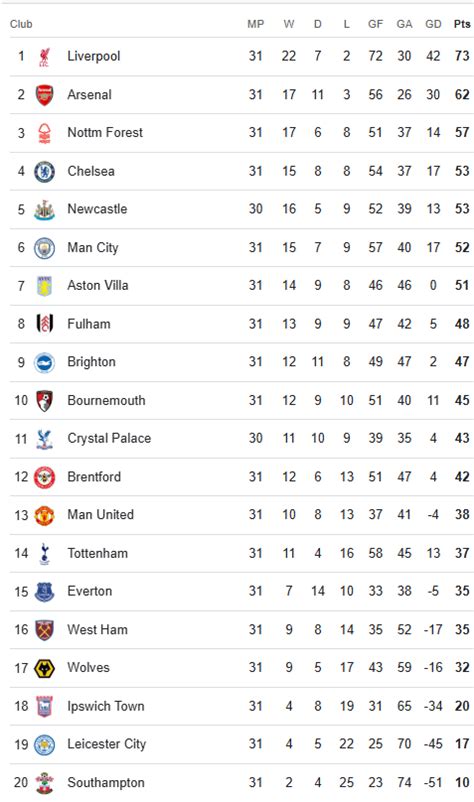
Former players also emphasize the psychological aspect of the North London Derby. The intensity of this fixture often overrides form and logic. Sol Campbell, who played for both clubs, believes that "the team that handles the pressure better will come out on top. Arsenal has had the upper hand in recent years, but Tottenham’s new-look squad under Nagelsmann seems more resilient. The first goal will be crucial—whoever scores it will force the other team to take risks, and that could open the game up."
Pundits have also highlighted the impact of home advantage. If the 2025 derby is hosted at the Emirates Stadium, Arsenal’s vocal support could play a significant role. Statistics from the 2023-2024 season show that Arsenal won 75% of their home games, compared to 60% for Tottenham at the Tottenham Hotspur Stadium. However, if the fixture is at Tottenham, Nagelsmann’s side could use the compact atmosphere to their advantage, particularly if they can frustrate Arsenal early on. Gary Neville, Sky Sports pundit, suggests that "playing at home in this fixture is a double-edged sword. The crowd can lift you, but it can also create anxiety if things don’t go your way. Arsenal needs to start strong to avoid letting Tottenham grow into the game."
Another critical factor is the form of key players leading up to the match. Arsenal’s Bukayo Saka has been in scintillating form this season, contributing 10 goals and 8 assists in all competitions. However, his fitness has been a concern, with minor injuries disrupting his rhythm. Tottenham, on the other hand, has seen a resurgence in form from James Maddison, whose playmaking abilities have been instrumental in creating chances. Analysts at WhoScored rate Maddison as one of the top-performing midfielders in the league this season, with an average rating of 7.8 per game. If Maddison is fit and firing, he could be the creative spark Tottenham needs to unlock Arsenal’s defense.
Experts also point to the tactical flexibility of both managers as a potential game-changer. Arteta has shown a willingness to switch formations mid-game, often transitioning from a 4-3-3 to a 3-4-3 when chasing a result. Nagelsmann, meanwhile, has been known to deploy a back three against possession-heavy teams, which could neutralize Arsenal’s attacking threats. Rio Ferdinand, in his analysis for BT Sport, remarked that "both managers are tactically astute, but Nagelsmann’s unpredictability might give Tottenham a slight edge. He has shown he is not afraid to make bold substitutions or change systems if things aren’t working."
The historical trends of the North London Derby also offer some clues. Over the last five seasons, Arsenal has won 6 of the 10 derbies, with 3 draws and only 1 victory for Tottenham. However, pundits caution against over-reliance on past results. Jamie Carragher notes that "this is a new era for both clubs. Tottenham’s recruitment under Nagelsmann and their improved defensive structure could disrupt Arsenal’s rhythm. This is not the same Spurs team that struggled in big games in the past."
One wildcard factor is the influence of VAR and refereeing decisions. The North London Derby has seen its fair share of controversial calls in recent years, from disputed penalties to red cards. Analysts suggest that the referees’ approach to managing the high-octane nature of this fixture could play a decisive role. Mark Clattenburg, a former Premier League referee, observes that "the physicality of this game often tests the limits of what referees are willing to tolerate. A poorly timed tackle or a handball in the box could swing the momentum one way or the other."
In summary, the 2025 North London Derby is poised to be a clash of contrasting styles and ambitions. Arsenal’s possession-based approach and youthful exuberance will face off against Tottenham’s pragmatic, counterattacking setup. While Arsenal may have a slight edge in terms of recent form and home advantage (if the fixture is at the Emirates), Tottenham’s tactical flexibility and newfound resilience under Nagelsmann make them a formidable opponent. As pundits and analysts agree, the outcome will likely hinge on key individual performances, managerial decisions, and the ability of both teams to handle the immense pressure of this historic rivalry.
- Arsenal’s midfield creativity and high press could dominate if given space.
- Tottenham’s gegenpressing and adaptability under Nagelsmann pose a significant threat.
- The first goal will likely dictate the flow of the game.
- Psychological resilience and home advantage could be decisive factors.
- Key players like Saka and Maddison will need to perform at their best.
Ultimately, while predictions lean slightly in Arsenal’s favor based on recent dominance, the volatile nature of derbies means that anything can happen on the day. As Thierry Henry succinctly put it, "In a North London Derby, form goes out the window. It’s about who wants it more."
Broader Implications for the Premier League
The North London Derby in 2025 carries significant weight not just for the rivalry between Arsenal and Tottenham Hotspur but also for the broader landscape of the Premier League. This fixture, steeped in history and passion, often serves as a microcosm of the season's competitive dynamics. Its outcome can ripple across multiple dimensions of the league, influencing the title race, European qualification spots, and even the relegation battle in indirect yet impactful ways. To fully grasp these implications, we must consider the positions of the two teams in the table, their form leading into the match, and the context of the league's competitive balance at this stage of the season.
One of the most immediate and obvious implications of the North London Derby is its potential to shape the **title race**. If either Arsenal or Tottenham are in contention for the league crown—or even within striking distance of the top spot—this match could serve as a pivotal moment. Consider a scenario where Arsenal, having invested heavily in a squad capable of challenging Manchester City's dominance, are neck-and-neck with the reigning champions. A win in the derby not only secures three points but also denies Tottenham the opportunity to close the gap if they are also in the mix. Conversely, a loss for Arsenal could dent their morale and provide City or another rival with the psychological edge needed to consolidate their lead. The psychological aspect of derby matches is often underestimated; the emotional toll of a loss in such a high-stakes fixture can linger, affecting subsequent performances.
For **European qualification**, the stakes are similarly high. Both Arsenal and Tottenham have ambitions of securing a top-four finish to guarantee UEFA Champions League participation, a critical financial and prestige metric for any Premier League club. The North London Derby could act as a swing fixture in this pursuit. For instance, if Tottenham are vying with Newcastle United or Manchester United for the fourth spot, a win against Arsenal might provide the momentum needed to outlast their competitors. On the other hand, if Arsenal drop points in this fixture while Liverpool or Chelsea are surging, it could tighten the race for the top four, making every subsequent match a must-win scenario. This dynamic is further complicated by the presence of the Europa League or Europa Conference League for one or both teams. A midweek European fixture before the derby could lead to fatigue, potentially tipping the scales in favor of the fresher side. This interplay of domestic and European commitments often makes derbies in the spring particularly decisive for European aspirations.
The derby’s influence also extends to the **mid-table and relegation battles**, albeit in less direct ways. While Arsenal and Tottenham are unlikely to be embroiled in relegation concerns, the result of this match can have a domino effect on the rest of the league. For example, if Tottenham win and move into the top four, it could push a team like Aston Villa or Brighton further down the table, potentially into the Europa League spots. This shift can alter the dynamics of mid-table teams who might have been content with a top-half finish but now find themselves needing to fight harder for European football. Additionally, if the derby result contributes to Arsenal or Tottenham dropping points consistently afterward—perhaps due to a loss of confidence or injury concerns sparked during the match—it could inadvertently benefit teams lower down the table. Consider a scenario where Tottenham, having lost the derby, enter a slump that allows a relegation-threatened team like Nottingham Forest or Luton Town to pick up unexpected points in their fixtures against them. Such a sequence of events, while rare, is not unheard of in the unpredictable nature of the Premier League.
Another layer of complexity comes from the **psychological and momentum factors** that derbies inject into the league. A resounding victory for one side can galvanize their squad, creating a "snowball effect" of confidence that carries into subsequent matches. For instance, if Arsenal dominate Tottenham with a display of tactical superiority, it might embolden them to approach tougher fixtures—such as those against Liverpool or Manchester City—with greater belief. This can inadvertently influence the title race by creating a more competitive environment at the top. Similarly, a crushing defeat for Tottenham might lead to internal unrest, fan discontent, or even managerial pressure, all of which can destabilize a club's season. The ripple effects of such instability often manifest in unexpected results against smaller teams, which can alter the points distribution across the league.
We must also consider the **historical and narrative weight** of the North London Derby in shaping the league’s narrative. In seasons where the title race is close or European spots are hotly contested, the media and fan discourse around this fixture can amplify its importance. A tightly contested derby that ends in a draw might frustrate both teams but could also maintain the status quo, keeping the league competitive. On the other hand, a lopsided result—say a 4-0 win for one side—can create a sense of inevitability about one team's trajectory while casting doubt on the other's. These narratives influence not just the involved teams but also their rivals, who might adjust their strategies or morale based on the outcome. For instance, if Tottenham humiliate Arsenal, it might encourage other title contenders to view Arsenal as vulnerable, prompting more aggressive play in their matches against the Gunners.
The **financial implications** tied to the derby’s outcome are also worth exploring. A strong performance in the derby can enhance a club's brand value, especially in the context of sponsorships and global audience engagement. Both Arsenal and Tottenham have massive fan bases, and a high-profile win in the derby often translates to increased merchandise sales, higher viewership figures, and greater bargaining power in commercial deals. This financial boost can indirectly impact their ability to invest in the squad mid-season or in the subsequent transfer window, potentially giving them an edge in the long-term race for Premier League success.
Finally, we must address the **relegation-adjacent scenarios** that might seem far-removed from the derby but are nonetheless influenced by it. Teams fighting to avoid the drop often rely on the "points dropped by others" metric to survive. If the North London Derby results in a draw or a low-scoring affair, it might indicate that both Arsenal and Tottenham are struggling to convert chances or defend effectively. This vulnerability can embolden smaller teams who face them in the weeks following the derby, potentially leading to upsets that ripple through the relegation zone. For instance, if Tottenham fail to secure a win and drop to a mid-table position, they might face a "hangover effect" in their next match against a relegation candidate, inadvertently aiding that team's survival bid.
In summary, the North London Derby of 2025 is far more than a clash of local rivals; it is a fixture with **broad and multifaceted implications for the Premier League**. From its direct impact on the title race and European qualification to its indirect influence on mid-table jostling and relegation battles, the derby serves as a catalyst for league-wide shifts. Its result can shape narratives, alter momentum, and even redefine the competitive hierarchy of the season. In this sense, the North London Derby is not just a match—it is a strategic inflection point that reverberates across the entire Premier League ecosystem.
Conclusion and Future of the Rivalry
The North London Derby of 2025 was not merely a clash of two footballing giants but a microcosm of the broader trends shaping the sport in the modern era. As we reflect on the match and its implications, several key takeaways emerge that offer a lens through which to view the future of this storied rivalry. These insights are not only rooted in the on-pitch action but also extend to the sociocultural, economic, and technological factors that influence football as a whole.
One of the most striking features of the 2025 derby was the intensification of tactical diversity. Both Arsenal and Tottenham Hotspur showcased a willingness to experiment with formations and strategies that deviated from their traditional approaches. Arsenal’s pivot to a fluid 3-4-3 system emphasized their focus on exploiting wide areas, while Tottenham’s use of a high-pressing 4-2-3-1 revealed a desire to control midfield transitions. This tactical chess match highlighted how the North London Derby has evolved beyond brute physicality and raw passion into a contest of meticulous planning and adaptability. In the coming years, we can expect this trend to deepen as managers are increasingly judged not just on results but on their ability to outthink opponents in high-stakes games like this one. The rise of data-driven coaching tools and video analysis platforms will only accelerate this shift, making derbies more cerebral and less predictable.
Another critical aspect of the 2025 derby was the role of youth development in shaping the outcome. Both teams fielded lineups that included academy graduates who not only performed admirably but also embodied the emotional connection fans crave in such fixtures. Arsenal’s Bukayo Saka and Tottenham’s Dane Scarlett symbolized this trend, demonstrating how investment in youth can pay dividends in matches where experience often meets unpredictability. Looking ahead, the North London Derby may see an even greater emphasis on homegrown talent as financial fair play regulations and the economic constraints of post-pandemic football force clubs to rely more on their academies. This could lead to a renaissance of local rivalries being defined by players who grew up immersed in the culture of these derbies, adding an extra layer of narrative richness to the matches.
The impact of global fanbases was also evident in 2025, with the derby reaching audiences in over 190 countries through streaming platforms and social media engagement. The North London Derby is no longer just a local spectacle but a global event that transcends geographical boundaries. This globalization has its pros and cons. On one hand, it has elevated the derby’s prestige, making it a marquee fixture in the Premier League calendar. On the other hand, it risks diluting the local essence of the rivalry as commercial interests sometimes prioritize marketability over tradition. In the future, clubs may need to strike a balance between catering to their international fanbase and preserving the grassroots passion that defines derbies like this one. Initiatives such as community-focused campaigns or fan-engagement events could help bridge this gap, ensuring that the derby remains rooted in its North London identity even as it captivates the world.
A fourth takeaway is the influence of technology on the matchday experience. The 2025 derby saw the widespread use of VAR, goal-line technology, and even AI-driven match analytics that provided real-time insights to coaches and fans alike. While these tools have undoubtedly improved the fairness and transparency of the game, they have also sparked debates about their potential to disrupt the flow of play and diminish the human element of refereeing. In the years to come, the North London Derby might see even more advanced integrations of technology, such as augmented reality (AR) overlays for fans watching at home or AI-assisted refereeing systems. However, there is a risk that overreliance on technology could alienate traditionalists who value the raw, unfiltered emotion of the game. Clubs and governing bodies will need to navigate this tension carefully to ensure that innovation enhances rather than detracts from the derby experience.
Looking forward, the dynamics of club rivalry may evolve in response to external pressures. The North London Derby has historically been fueled by the proximity of the two clubs and their shared history of competing for similar goals, whether it be Champions League qualification or domestic silverware. However, the landscape of football is shifting. The emergence of state-owned clubs and the increasing dominance of a handful of superteams in European competitions could redefine what it means for Arsenal and Tottenham to compete. If the Premier League becomes even more stratified, with a clear divide between the “haves” and “have-nots,” the derby might take on a different flavor—one where the battle is less about tangible trophies and more about pride, survival, or even resistance against football’s commercial juggernauts. This could lead to derbies being framed as symbolic standoffs between two clubs striving to maintain their identity in an increasingly commercialized sport.
The economic implications of the rivalry also warrant attention. Both Arsenal and Tottenham have invested heavily in infrastructure, with state-of-the-art stadiums and training facilities designed to attract top talent and generate revenue. However, as the cost of running elite football clubs continues to rise, there is a risk that financial pressures could force one or both clubs to prioritize profitability over performance. This could manifest in reduced spending on players, increased ticket prices, or even a shift toward more commercially driven decision-making. For the North London Derby, this might mean that the stakes feel higher not just because of bragging rights but because the financial health of the clubs could hinge on their ability to perform in such high-profile matches. Fans may need to reconcile their passion for the rivalry with the reality that football is increasingly a business first and a sport second.
Finally, we must consider how the cultural significance of the derby might change. In 2025, the North London Derby was as much about what happened off the pitch as on it—social media banter, fan-created content, and even political undertones (such as debates over stadium redevelopment projects or community outreach programs) all played a role in shaping the narrative. In the future, we might see an even greater intertwining of football and broader societal issues. For instance, derbies could become platforms for clubs to address topics like diversity, sustainability, or local economic development. This evolution would not only add depth to the rivalry but also position it as a reflection of the communities it represents.
In conclusion, the North London Derby of 2025 serves as both a snapshot of contemporary football and a harbinger of what is to come. The rivalry will likely continue to be shaped by tactical innovation, youth development, globalization, technology, and the economic and cultural forces that surround the sport. While the essence of the derby—its passion, unpredictability, and historical weight—will endure, it is also poised to adapt to the challenges and opportunities of a rapidly changing football landscape. Whether this means derbies defined by homegrown heroes, immersive AR experiences, or symbolic battles for identity in a stratified league, one thing is certain: the North London Derby will remain a fixture of football’s narrative, evolving to reflect the times while retaining the core elements that make it one of the most compelling spectacles in the sport.


