Introduction to Old Trafford
Old Trafford is a distinctive area located in the metropolitan borough of Trafford within Greater Manchester, England. Situated approximately 2 miles southwest of Manchester city center, it occupies a strategic position that bridges the urban core of Manchester with the suburban and semi-rural outskirts of the region. Its geographical placement is defined by its proximity to major transport arteries, including the Bridgewater Canal, the Manchester Ship Canal, and key road networks like the A56 and M60 motorway. This connectivity has historically made Old Trafford a hub for commerce, industry, and residential development, while its cultural and sporting significance has cemented its reputation far beyond the boundaries of Greater Manchester.
The name "Old Trafford" is derived from the Old English words "traeford," meaning a ford or crossing point over water, and its "old" descriptor distinguishes it from nearby areas like Stretford. Historically, the area was part of the parish of Stretford and was characterized by agricultural land and small settlements. However, the Industrial Revolution transformed the landscape of Old Trafford, as the expansion of Manchester's industrial base required new spaces for housing workers and supporting infrastructure. By the late 19th century, Old Trafford had evolved into a densely populated area with a mix of terraced housing for workers, larger homes for the emerging middle class, and industrial sites.
One of the most notable aspects of Old Trafford's location is its proximity to the River Irwell and the Manchester Ship Canal. These waterways were crucial to the area's industrial growth, as they provided transport routes for goods and materials. The Manchester Ship Canal, completed in 1894, turned Manchester into a port city despite being located inland. This development had a ripple effect on Old Trafford, as it became a center for warehousing, shipping-related industries, and laborers who worked in these sectors. Even today, remnants of this industrial past can be seen in the area's architecture and infrastructure, such as the surviving canal-side buildings and converted warehouses that now serve as apartments or offices.
Old Trafford's general significance extends beyond its industrial roots. It is internationally renowned as the home of two iconic institutions: Manchester United Football Club and the Lancashire County Cricket Club. These venues have made the area a pilgrimage site for sports enthusiasts worldwide. Old Trafford Football Ground, often referred to as the "Theatre of Dreams," was opened in 1910 and has been the stage for some of football's most memorable moments. The stadium's presence has not only bolstered the local economy through tourism, matchday revenue, and associated businesses but has also embedded the area into global sporting culture. Similarly, Old Trafford Cricket Ground, established in 1857, is one of the oldest and most revered cricket venues in the world. Hosting international matches, domestic competitions, and even music concerts, the cricket ground adds another layer of cultural and economic vibrancy to the area.
The area's significance is not confined to sports. Old Trafford has a diverse demographic makeup that reflects the broader multicultural fabric of Greater Manchester. Over the decades, waves of immigration have shaped the community, with residents hailing from South Asia, the Caribbean, Eastern Europe, and other regions. This diversity is evident in the local businesses, food culture, and community events. For instance, the Curry Mile in nearby Rusholme, while not technically in Old Trafford, is a short distance away and exemplifies the kind of culinary and cultural exchanges that have become characteristic of the region. Additionally, the area has seen efforts to preserve and celebrate its history, such as through local heritage projects and community-led initiatives that aim to document the stories of Old Trafford's working-class roots and its evolution into a modern urban area.
From an urban planning perspective, Old Trafford presents a fascinating case study in the interplay between industrial legacy, residential needs, and modern redevelopment. The area underwent significant changes in the post-war period, as slum clearance programs and the construction of social housing sought to address overcrowding and poor living conditions. However, some of these initiatives, while well-intentioned, disrupted the area's community fabric by displacing long-standing residents and altering the built environment. In recent years, there has been a renewed focus on sustainable development and community-centric planning. Projects like the redevelopment of the Trafford Wharf area and investments in public transport infrastructure aim to balance economic growth with the preservation of Old Trafford's unique identity.
Another layer of significance lies in Old Trafford's educational and cultural institutions. The area is home to several schools, including primary and secondary institutions that serve its diverse population. Furthermore, its proximity to the University of Salford and the wider educational ecosystem of Greater Manchester makes it an attractive location for students and young professionals. The presence of cultural venues, such as the Imperial War Museum North located nearby on the Salford Quays, underscores the area's role in fostering learning and reflection about the region's history and its place in the world.
Old Trafford’s position within Greater Manchester also makes it a microcosm of the challenges and opportunities faced by urban areas in the 21st century. Issues such as gentrification, transport congestion, and the need for affordable housing are prevalent here, as they are in many parts of the city. However, the area's resilient community spirit, coupled with its rich history and global profile, provides a strong foundation for addressing these challenges. Local organizations and advocacy groups often work to ensure that the voices of Old Trafford's residents are heard in city-wide planning discussions, emphasizing the need for inclusive growth that benefits everyone in the community.
- The area's industrial past has left a legacy of infrastructure that continues to shape its modern identity.
- Sporting venues have elevated Old Trafford to global prominence, making it a symbol of Manchester's sporting prowess.
- The multicultural community reflects the area's adaptability and inclusiveness over time.
- Urban redevelopment projects aim to strike a balance between preserving history and enabling progress.
In summary, Old Trafford is more than just a location on the map of Greater Manchester; it is a dynamic area with a layered history and a multifaceted significance. Its blend of industrial heritage, sporting fame, cultural diversity, and urban evolution encapsulates the broader narrative of Manchester as a city that has constantly reinvented itself while staying rooted in its past. For those who live in or visit Old Trafford, the area offers a unique window into the interplay of history, community, and modernity within one of England's most vibrant regions.
Historical Background
The area of Old Trafford, located in Greater Manchester, England, has a rich and layered history that extends far beyond its modern-day association with the iconic football stadium. To truly understand the origins of Old Trafford, one must delve into its early development, the social and industrial forces that shaped it, and the key historical events that have left an indelible mark on the region.
Old Trafford's name itself is derived from the Old English term "trafford," meaning "a place where roads or tracks cross." This suggests that even in its earliest days, the area was a point of convergence—a geographical feature that would later play a significant role in its development. The land originally fell within the parish of Stretford, and its history can be traced back to the medieval period when it was part of the estate of the de Trafford family, one of the most prominent families in the region. The de Traffords held extensive lands in the area, and their influence helped shape the early agricultural character of what would become Old Trafford.
During the Industrial Revolution in the 18th and 19th centuries, the area underwent a profound transformation. Manchester, as a burgeoning industrial hub, attracted workers and businesses in droves, leading to rapid urbanization in surrounding areas like Old Trafford. The construction of canals, such as the Bridgewater Canal in the late 18th century, was instrumental in this development. The canal provided a vital transportation link for goods, particularly coal and cotton, which were the lifeblood of Manchester’s economy. This infrastructure not only connected Old Trafford to the wider region but also brought economic opportunities that began to reshape its landscape.
By the mid-19th century, Old Trafford was no longer just a rural outpost of Stretford. The advent of the railway further accelerated its growth. The Manchester South Junction and Altrincham Railway opened in 1849, with a station in Old Trafford that made the area more accessible to workers and visitors. This accessibility was a double-edged sword: while it brought new residents and commerce, it also contributed to the area's increasing industrialization and the challenges that came with it, such as overcrowding and pollution. The juxtaposition of burgeoning industry and the remnants of a quieter, agrarian past created a unique dynamic in Old Trafford during this period.
One of the most significant historical events tied to Old Trafford is its role during World War II. The area was heavily bombed during the Manchester Blitz of 1940-1941. The Luftwaffe targeted Manchester due to its industrial importance, and Old Trafford, with its proximity to key transport links and infrastructure, was not spared. The bombing left scars on the landscape, destroying homes and businesses. However, the resilience of the local community in rebuilding after the war is a testament to the area's enduring spirit. This period also saw the emergence of social housing projects in the post-war era, as part of broader efforts to address the housing crisis caused by the destruction.
Another key aspect of Old Trafford's historical development is its association with sports, particularly cricket and football. The Old Trafford Cricket Ground, established in 1857, predates the football stadium and is one of the oldest cricket venues in the world. The decision to build a cricket ground in Old Trafford was influenced by the area's accessibility and its growing reputation as a location for public gatherings. This early focus on leisure and recreation laid the groundwork for the area's later reputation as a sporting hub. The construction of the Old Trafford football stadium in 1910 for Manchester United further solidified the area’s identity. The stadium was initially built on land donated by the John Henry Davies, the club’s then-president, and its development marked a turning point in how the area was perceived—not just as a residential and industrial zone, but as a destination for sports enthusiasts from across the country and beyond.
The social fabric of Old Trafford has also been shaped by waves of immigration. In the late 19th and early 20th centuries, Irish immigrants arrived in large numbers, drawn by employment opportunities in Manchester’s industrial sector. This influx of people contributed to the area's cultural diversity and left a lasting imprint on its community dynamics. Later, in the mid-20th century, immigrants from the Indian subcontinent and the Caribbean added further layers to the area’s multicultural identity. These communities brought with them new traditions, cuisines, and businesses that enriched the local culture and economy.
The post-industrial era saw Old Trafford face challenges common to many urban areas that had been shaped by heavy industry. As Manchester’s economy shifted away from manufacturing in the late 20th century, the area experienced periods of economic decline. However, regeneration efforts in the 1990s and 2000s sought to revitalize Old Trafford. Projects like the redevelopment of the waterfront areas and investments in local infrastructure aimed to modernize the area while preserving its historical character. These efforts have helped Old Trafford retain its unique identity while adapting to the needs of a contemporary urban population.
Key historical events also include the role of Old Trafford in the broader context of social movements. For example, the area was a site of labor activism during the 19th and early 20th centuries. Workers in the factories and mills of Manchester often lived in Old Trafford, and their struggles for better working conditions and wages were part of the larger labor movement that defined industrial Britain. The proximity of Old Trafford to the city center made it a natural gathering place for meetings, protests, and union activities, further embedding it in the narrative of worker rights and social change.
In addition to its industrial and social history, Old Trafford has also been shaped by its proximity to important waterways and green spaces. The area borders the River Irwell and the Manchester Ship Canal, both of which have played a role in its economic and environmental history. These waterways were not only conduits for trade but also provided recreational opportunities for residents, particularly in the form of boating and fishing. Over time, the environmental impact of industrial activity on these waterways became a concern, leading to modern-day conservation efforts aimed at restoring their ecological balance.
In summary, the historical background of Old Trafford reveals a dynamic area that has evolved from a rural settlement into a vibrant urban district shaped by industrialization, sport, immigration, and resilience. Its development has been influenced by both local and global forces, from the de Trafford family’s medieval estate to the transformative impact of the Industrial Revolution, World War II, and post-war regeneration. Each layer of its history contributes to the unique identity of Old Trafford today—a place where the echoes of the past meet the rhythms of modern life.
- The name "Old Trafford" originates from Old English, signifying a crossroads.
- The Industrial Revolution and the construction of canals and railways were pivotal in its growth.
- The area was deeply affected by the Manchester Blitz during World War II.
- Sports, particularly cricket and football, have been central to its identity.
- Immigration waves have enriched its cultural and social landscape.
- Post-industrial regeneration has helped modernize the area while preserving its heritage.
This blend of historical depth and contemporary adaptation makes Old Trafford a microcosm of the broader story of urban evolution in industrial Britain.
Cultural Significance
The area of Old Trafford, located in Greater Manchester, holds a rich and multifaceted cultural identity that is deeply intertwined with its history, community, and evolving social fabric. While it is internationally recognized for being home to the iconic Old Trafford football stadium—associated with Manchester United—the area's cultural significance extends far beyond sports. Its local traditions, festivals, and community activities reflect a blend of historical roots, immigrant influences, and modern urban dynamics that contribute to a distinctive sense of place.
One of the most striking aspects of Old Trafford’s cultural identity is its **historical connection to industrial heritage**. During the 19th and early 20th centuries, the area was shaped by its proximity to the industrial heart of Manchester. The working-class communities that grew around factories and mills developed a strong sense of solidarity and resilience. This is still evident in the pride locals take in their history, often celebrated through informal storytelling and community archives. For instance, the **Trafford Local Studies Centre** serves as a repository of this heritage, offering residents and visitors a chance to explore photographs, documents, and oral histories that narrate the struggles and triumphs of earlier generations. These resources are not merely historical but serve as living touchpoints for understanding how the area’s identity has been shaped over time.
Old Trafford is also a microcosm of **multicultural coexistence**, reflecting waves of immigration that have enriched the area. Post-World War II, the region saw an influx of immigrants from the Caribbean, South Asia, and Eastern Europe. This diversity is celebrated in various ways, including through food, music, and religious observances. The presence of mosques, gurdwaras, and churches within close proximity underscores the area’s role as a hub for interfaith dialogue and shared community spaces. For example, the **Ramadan night markets** held during the Islamic holy month are not just religious events but also opportunities for cross-cultural engagement, where people of all backgrounds come together to enjoy traditional food, music, and camaraderie. These events are emblematic of how Old Trafford fosters inclusivity while maintaining respect for individual cultural practices.
Local **festivals and events** play a significant role in fostering a sense of community. The **Trafford Festival of Arts**, though not as widely known as some city-wide events, is a grassroots initiative that showcases the creative talents of local artists, performers, and craftspeople. It often includes street performances, art installations, and workshops that encourage active participation from residents. These festivals are not just entertainment but also serve as platforms for addressing social issues such as mental health, urban regeneration, and environmental sustainability. For instance, a recent edition of the festival featured a project where local schoolchildren created sculptures from recycled materials, emphasizing the area’s growing focus on eco-consciousness.
Another key cultural element is the **tradition of grassroots sports and community activities** beyond football. While Manchester United’s global fame often overshadows other aspects of the area, Old Trafford has a thriving network of local sports clubs and organizations that cater to diverse interests. Cricket, for example, has a strong following due to the South Asian community's influence. The **Lancashire Cricket Club**, though technically located in nearby Stretford, has a spillover effect in Old Trafford, with local leagues and informal games being a common sight in public parks. These activities are not just recreational but also serve as avenues for social bonding, particularly for younger generations who might otherwise feel disconnected in an increasingly digital world.
Community-driven **arts and cultural initiatives** also contribute to Old Trafford’s distinctiveness. Organizations like the **Community Arts North West (CAN)** have worked extensively in the area to amplify the voices of marginalized groups through creative expression. Projects such as “Voices of Trafford” provide platforms for residents to share their stories through theater, poetry, and visual arts. These initiatives often focus on themes like identity, displacement, and belonging, resonating deeply with a population that has experienced waves of change. A particularly poignant example was a community play staged in 2019 that explored the lives of immigrants who settled in Old Trafford during the 1960s, blending personal narratives with broader historical context.
The area’s **public spaces and green areas** are also integral to its cultural life. **Seymour Park**, a central green space, is not just a place for leisure but also a venue for community gatherings. During the summer, the park hosts events such as outdoor film screenings, yoga sessions, and small-scale music festivals. These activities are often organized by local groups, reinforcing the idea that cultural life in Old Trafford is not dictated solely by large institutions but is driven by grassroots efforts. This bottom-up approach to cultural programming ensures that the area’s identity remains rooted in the lived experiences of its people rather than being imposed from outside.
One cannot discuss Old Trafford’s cultural significance without acknowledging the role of **local markets and small businesses**. The **Old Trafford Market**, though modest in scale compared to Manchester’s larger markets, is a vibrant space where the community converges. Stalls selling everything from fresh produce to handmade crafts reflect the area’s economic and cultural diversity. The market is also a space for informal socializing, where neighbors catch up over cups of tea or haggle amiably with vendors. This dynamic highlights how even mundane daily activities in Old Trafford are imbued with a sense of shared identity and connection.

In addition to these ongoing activities, Old Trafford has a history of **protest and activism** that has shaped its cultural narrative. The area has been a site of demonstrations and campaigns related to workers' rights, housing issues, and social justice. For example, during the 1980s, local activists were heavily involved in campaigns for better housing conditions, reflecting the challenges faced by a working-class community in a period of economic decline. These movements, while not always festive, are part of the area’s cultural tapestry, illustrating how its residents have historically used collective action to assert their identity and demand change.
Finally, the **intergenerational exchange of knowledge and traditions** is a quieter but equally important aspect of Old Trafford’s cultural life. Elders in the community often take on the role of storytellers, passing down tales of the area’s past to younger generations. This is particularly evident in community centers and libraries, where intergenerational programs encourage dialogue between age groups. For instance, storytelling sessions during local heritage weeks often feature older residents recounting their experiences of growing up in a post-war industrial landscape, juxtaposed with younger participants sharing their perspectives on modern challenges like gentrification and digital disconnection.
In summary, the cultural significance of Old Trafford lies in its ability to balance its industrial past, its multicultural present, and its aspirational future. Through local traditions, festivals, community activities, and grassroots initiatives, the area demonstrates a dynamic and evolving cultural identity that is both deeply rooted and forward-looking. This blend of history, diversity, and active community participation ensures that Old Trafford remains not just a place on the map but a living, breathing testament to the power of shared human experience.
Economic Landscape
The economic landscape of Old Trafford is shaped by its position as a suburban area within Greater Manchester, located close to key urban hubs like Manchester city center. This proximity provides the area with both opportunities and challenges in terms of economic activities. While it is often associated with the iconic Old Trafford football stadium, the area itself has a diverse economic profile that extends beyond sports-related tourism.
One of the defining features of Old Trafford's economic activity is its **mixed commercial and residential character**. Historically, the area was home to a range of light industries and manufacturing units, particularly during the industrial boom of the 19th and early 20th centuries. While many of these industries have declined or relocated, traces of this past remain in the form of small-scale workshops and repurposed industrial spaces now used for creative industries or storage facilities. For example, some former factory sites have been converted into office spaces or artisan workshops, catering to local entrepreneurs and small businesses.
In terms of **employment trends**, Old Trafford has seen a shift from traditional manufacturing jobs to service-oriented roles. The area benefits from its proximity to Manchester city center, which acts as a magnet for office-based jobs in finance, technology, and professional services. However, within Old Trafford itself, there is a significant presence of **retail, hospitality, and community services**. The retail sector is concentrated along main roads like Chester Road and traffics heavily in local convenience stores, small grocers, and takeaway outlets. These businesses primarily serve the local population, which is diverse and includes a mix of long-term residents and newcomers attracted by affordable housing options compared to other parts of Manchester.
The **hospitality industry** is another key player in the local economy, driven in part by the presence of the Old Trafford stadium. On match days, the area experiences a surge in economic activity as thousands of visitors flock to the stadium. This creates temporary employment opportunities in food stalls, pubs, and hotels. However, this economic boost is seasonal and event-driven, which means local businesses must find ways to sustain themselves during non-event periods. Some establishments have diversified their offerings to attract year-round customers, such as hosting community events or offering discounted rates for local gatherings.
The **industries currently thriving in Old Trafford** include **healthcare and social services**, given the area's demographic makeup. There is a higher-than-average concentration of care homes, clinics, and community health services in the area, reflecting both the needs of an aging population and the demand for accessible healthcare services among lower-income groups. This sector provides stable employment opportunities, particularly for roles such as care assistants, nurses, and administrative staff. Additionally, there is a growing focus on **education and training**, with several institutions and programs aimed at upskilling residents. Local colleges and training centers offer courses in areas like IT, business administration, and vocational skills, which aim to bridge the employment gap for younger residents and those transitioning from traditional industries.
Another interesting economic dynamic in Old Trafford is the rise of **creative and digital industries**. While not as prominent as in other parts of Greater Manchester like Salford Quays, there is a noticeable presence of small creative firms, freelancers, and startups operating in fields such as graphic design, content creation, and digital marketing. These businesses often operate out of co-working spaces or converted residential properties, taking advantage of lower overhead costs compared to city center locations. This trend is supported by Manchester’s broader push to establish itself as a tech and creative hub, with initiatives that spill over into surrounding areas like Old Trafford.
The **transport infrastructure** of Old Trafford also plays a pivotal role in its economic activities. The area is well-connected by Metrolink tram services, buses, and major road networks, making it an attractive location for businesses that rely on logistical efficiency. For instance, small-scale e-commerce businesses and delivery services have found a foothold here, benefiting from affordable commercial rents and easy access to Manchester’s wider customer base. However, this advantage is somewhat tempered by challenges such as traffic congestion and limited parking facilities, which can deter larger commercial setups.
A closer look at **employment data** reveals that Old Trafford has a higher-than-average unemployment rate compared to the Greater Manchester average. This is partly due to the area’s socio-economic profile, which includes a significant proportion of residents from lower-income households. Employment opportunities are often concentrated in lower-wage sectors such as retail, hospitality, and care work, which can limit upward mobility for residents. However, efforts by local councils and community organizations aim to address this through targeted programs, including apprenticeships, job fairs, and partnerships with local businesses to create more skilled job opportunities.
The **small business ecosystem** in Old Trafford is vibrant but faces challenges related to access to funding and business support. Many local entrepreneurs operate on tight budgets, relying on community networks and informal support systems rather than formal business loans or grants. This has led to a proliferation of micro-businesses, such as corner shops, independent cafes, and home-based enterprises. While these contribute to the local economy, they often lack the scale to drive significant economic growth. Efforts to formalize and support these small businesses, such as through business incubators or community-led funding initiatives, could help unlock their potential.
One area of economic opportunity that remains underutilized in Old Trafford is **regeneration and property development**. Large tracts of land in the area are underused or derelict, presenting potential for mixed-use developments that combine residential, commercial, and leisure spaces. Some regeneration projects have been proposed or are in progress, but these often face delays due to funding constraints or resistance from local communities concerned about gentrification. Balancing the need for economic growth with the preservation of affordable housing and community spaces is a key challenge for policymakers and developers in the area.
In terms of **future prospects**, Old Trafford’s economic landscape is poised for gradual transformation. The area’s strategic location, coupled with ongoing investment in transport and infrastructure, positions it as a potential growth zone for small and medium-sized enterprises (SMEs). However, sustained economic development will require targeted interventions, such as improved access to business support, better integration of local employment initiatives with regional economic strategies, and proactive management of the area’s physical and social infrastructure. Without such measures, Old Trafford risks being overshadowed by the rapid development of neighboring areas like Salford and Trafford Park.
- The area’s economic profile is a blend of traditional and modern industries, with a shift toward service-oriented roles.
- Hospitality and retail remain dominant but are heavily influenced by the seasonal nature of stadium-related activities.
- Healthcare, education, and creative industries show promise for long-term growth.
- Transport connectivity is both an asset and a challenge for local businesses.
- Regeneration projects and support for small businesses could unlock significant economic potential.
In conclusion, the economic landscape of Old Trafford is a dynamic but complex tapestry of traditional industries, emerging sectors, and socio-economic challenges. While the area benefits from its proximity to Manchester’s economic core, it must address structural issues such as employment quality, business support, and infrastructure development to fully harness its economic potential.
Sports and Recreation
The area of Old Trafford is intrinsically linked to sports, particularly football, which has played a pivotal role in defining its identity both locally and globally. The presence of the iconic Old Trafford Stadium, home to Manchester United Football Club, serves as a cornerstone of the area's sporting heritage. This stadium, often referred to as the "Theatre of Dreams," is not merely a venue for football matches but a symbol of community pride, economic vitality, and cultural significance. Its influence extends far beyond the boundaries of the sport itself, shaping the socio-economic and recreational fabric of the area in profound ways.
Manchester United's association with Old Trafford began in 1910 when the club moved to the stadium, which was designed by the renowned architect Archibald Leitch. Over the decades, the stadium has grown in capacity and modernized to accommodate the club's expanding fan base and global appeal. The area around the stadium has evolved in tandem, with local businesses, pubs, and infrastructure catering to the influx of visitors on match days. This symbiotic relationship between the club and the community underscores how football has become a central pillar of Old Trafford's identity. For instance, the economic ripple effect of hosting high-profile matches and European competitions has sustained local enterprises, from small food vendors to larger hospitality chains, creating a micro-economy that thrives on the club's success.
Beyond its economic impact, the role of football in Old Trafford is deeply intertwined with the emotional and psychological identity of its residents. The club has fostered a sense of belonging among locals and created a global community of supporters who view Old Trafford as a pilgrimage site. The stadium tours, museum, and fan zones allow visitors to immerse themselves in the club's history, reinforcing Old Trafford as a destination rather than just a location. This blend of local and global engagement highlights how sports can act as a unifying force, transcending geographical and cultural boundaries to position the area as a hub of shared passion and collective memory.
However, the influence of sports in Old Trafford is not limited to football alone. The area is also home to the Lancashire County Cricket Club, which has its home ground at Emirates Old Trafford. This venue has hosted numerous international cricket matches, including Ashes tests and World Cup fixtures, further cementing the area's reputation as a hub for diverse sporting events. Cricket, like football, attracts a wide audience and contributes to the area's vibrancy during major tournaments. The presence of two globally recognized sports venues in close proximity illustrates the area's unique position as a dual-sport epicenter, a rarity even in a sports-loving nation like the United Kingdom.
Recreational facilities in Old Trafford also extend beyond professional sports venues. The area features a range of community-focused amenities that cater to residents of all ages and interests. For example, public parks and green spaces such as Seymour Park and Victoria Park provide opportunities for informal sports, exercise, and leisure activities. These spaces are particularly important in fostering a sense of community well-being, offering residents areas to unwind, play casual football or cricket, or simply enjoy outdoor activities. These parks also host local events, such as fun runs and mini-tournaments, which promote a culture of active living and social cohesion.
Moreover, the presence of community sports programs and initiatives has been instrumental in engaging younger generations and addressing broader social issues. Organizations like the Manchester United Foundation and local cricket clubs run programs aimed at using sports as a tool for education, personal development, and social inclusion. These initiatives target underprivileged youth, providing them with access to coaching, mentorship, and opportunities to engage in structured physical activity. Such efforts not only enhance individual well-being but also help to combat issues like youth disengagement and social inequality, reinforcing the idea that sports in Old Trafford are as much about community building as they are about entertainment.
Another layer to the recreational identity of Old Trafford is the emergence of non-traditional sports and fitness trends in the area. Facilities such as gyms, fitness studios, and multi-use games areas (MUGAs) have been developed to cater to a growing demand for diverse physical activities. These spaces are particularly popular among younger residents and professionals who seek alternatives to traditional sports. Activities like yoga, boxing, and even esports have found a niche in the area, demonstrating how Old Trafford is adapting to contemporary recreational preferences while still honoring its sporting roots.
In addition to physical facilities, the cultural impact of sports in Old Trafford can be seen in the artistic and media representations of the area. Documentaries, books, and even street art often celebrate the area’s sporting legacy, with murals depicting legendary players and moments from Manchester United's history adorning local walls. These artistic expressions serve as a visual reminder of how sports have permeated the area's collective consciousness, blending athletic achievement with creative expression to further enrich Old Trafford's identity.
The interplay between sports and recreation in Old Trafford also raises important questions about urban development and gentrification. While the prominence of sports facilities has undoubtedly brought investment and attention to the area, it has also sparked debates about accessibility and inclusivity. For example, the rising cost of living and property near major stadiums can sometimes alienate long-standing residents, creating a tension between the area's sporting prestige and its role as a residential community. Balancing these dynamics is a challenge that local authorities and stakeholders must navigate to ensure that the benefits of sports are equitably distributed.
In summary, the role of sports and recreation in Old Trafford is multifaceted and deeply rooted in the area's history and culture. From the global allure of Manchester United and the Lancashire County Cricket Club to the grassroots initiatives and community parks, sports have shaped Old Trafford into a space where local pride meets international recognition. This blend of professional and recreational activities not only defines the area's present identity but also holds the potential to guide its future development, provided that the needs of both residents and visitors are carefully considered. Through its sporting legacy and evolving recreational landscape, Old Trafford stands as a testament to how sports can be both a unifying force and a driver of community transformation.
Architectural Highlights
Old Trafford, an area in Greater Manchester, England, is not only famous for its sporting heritage but also for its architectural landscape that reflects a blend of historical significance and modern development. This section delves into the **notable buildings, landmarks, and architectural styles** that define the area, offering a nuanced perspective on how these structures contribute to the identity of Old Trafford.
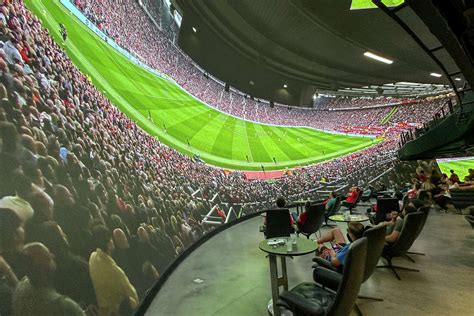
One of the most iconic structures in Old Trafford is the **Old Trafford Stadium**, home to Manchester United Football Club. Designed by the architect Archibald Leitch and opened in 1910, the stadium is a masterpiece of early 20th-century sports architecture. Its red-brick façade, combined with the sweeping stands that have evolved over decades, embodies the transition from utilitarian sports venues to grand arenas. The **East Stand**, in particular, stands out for its imposing structure, which was expanded in the 1990s to include modern facilities while retaining its historical essence. The juxtaposition of Leitch's original vision with contemporary expansions highlights the area's ability to honor its past while adapting to the demands of modern sports infrastructure.
Adjacent to the stadium is the **Lancaster Club**, a lesser-known but historically significant building. Originally a social club for workers in the area, its Victorian-era design—characterized by ornate brickwork and tall, narrow windows—serves as a reminder of Old Trafford's industrial roots. During the Industrial Revolution, the area was a hub of activity, with factories and residential quarters springing up to support Manchester's booming textile industry. The Lancaster Club, though now repurposed, retains its period charm and serves as a physical testament to the socio-economic dynamics of the time.
Another striking feature of Old Trafford's architectural landscape is the **Imperial War Museum North**, located on the nearby Trafford Wharf. Designed by the internationally acclaimed architect Daniel Libeskind and opened in 2002, this building is a stark departure from the area's traditional architectural styles. Its fragmented, metallic form is intended to symbolize the shattering impact of war on the world. The structure is divided into three interlocking shards, representing conflict on land, in the air, and at sea. This modernist approach contrasts sharply with the Victorian and Edwardian buildings in the vicinity, yet it complements the area by drawing attention to Old Trafford's role in Manchester's broader historical narrative, particularly during wartime.
The **Trafford Park Industrial Estate**, though not a single building, is a sprawling testament to the area's industrial heritage. Once the world's first planned industrial estate, it was home to factories that produced everything from locomotives to wartime munitions. Many of the early 20th-century warehouses and factory buildings in Trafford Park display **Edwardian baroque** and **utilitarian industrial styles**, characterized by large, open spaces, high ceilings, and robust brickwork. While many of these buildings have been repurposed for modern uses, their original architectural integrity often remains intact, offering a window into the area's role as an engine of Manchester's economic growth.
Residential architecture in Old Trafford also reveals a fascinating evolution. The area features a mix of **terraced housing** from the late 19th and early 20th centuries, built to accommodate workers in the nearby factories, and more recent **mid-20th-century council estates**. The terraced houses, often constructed with red brick and modest embellishments like bay windows, are emblematic of working-class urban design during the Victorian era. In contrast, the post-war council estates, such as the **Gorse Hill estate**, showcase the influence of modernist principles with their flat roofs, geometric layouts, and emphasis on functionality over ornamentation. This contrast between the old and the new in residential design underscores how Old Trafford has adapted to changing social and economic needs over the decades.
One cannot discuss the architectural highlights of Old Trafford without mentioning the **Chapel Street area**, which serves as a gateway to the district. This thoroughfare features a variety of architectural styles, ranging from **Georgian terraces** to modern commercial buildings. A standout example is the **Trafford Bar tram stop**, which incorporates sleek, contemporary design elements while maintaining functionality for public transport users. The area also includes several **religious buildings**, such as St. John's Church, a Gothic Revival structure dating back to the mid-19th century. Its pointed arches, spires, and stained-glass windows are characteristic of the period's ecclesiastical architecture and provide a serene counterpoint to the area's more industrial and commercial surroundings.
The **Trafford Town Hall**, another notable structure, is an example of **neoclassical architecture** from the early 20th century. Its symmetrical façade, columns, and grand entrance reflect the civic pride of the era when local government buildings were designed to project authority and stability. Despite being overshadowed by more modern developments in the area, the Town Hall remains a symbol of Old Trafford's administrative history and its role as a center for local governance.
In recent years, **mixed-use developments** have begun to reshape parts of Old Trafford. Projects like **Trafford Waters** aim to combine residential, commercial, and recreational spaces in a manner that prioritizes sustainability and urban connectivity. These developments often incorporate **contemporary glass-and-steel designs**, which stand in sharp contrast to the area's older, more traditional structures. While some critics argue that such developments risk eroding the area's historical identity, others see them as a necessary evolution to meet the needs of a growing urban population.
The diversity of architectural styles in Old Trafford is further enriched by its **public art installations** and smaller landmarks. For example, the **statues and memorials** around the stadium area pay tribute to Manchester United's history and the lives lost in the 1958 Munich air disaster. These installations, though not "buildings" in the traditional sense, are integral to the area's visual and emotional landscape, blending art with architecture to tell stories of triumph and tragedy.
In summary, the architectural highlights of Old Trafford reveal a dynamic interplay between history and modernity. From the Victorian industrial heritage seen in Trafford Park to the bold modernism of the Imperial War Museum North, the area's buildings and landmarks tell a story of resilience, adaptation, and growth. Each structure, whether a grand stadium or a humble terraced house, contributes to a tapestry that defines Old Trafford not just as a place, but as a living chronicle of Manchester's evolution.
- The **Old Trafford Stadium** blends historical and modern elements, reflecting its long-standing role in sports.
- The **Imperial War Museum North** offers a bold, modernist contrast to the area's traditional styles.
- Residential areas showcase the evolution from **Victorian terraces** to **modernist council estates**.
- Industrial buildings in **Trafford Park** preserve the legacy of Manchester's industrial past.
- Public spaces and art installations enhance the area's visual and cultural appeal.
This rich architectural diversity makes Old Trafford a microcosm of Manchester's broader urban story, where the old and new coexist in a dynamic and ever-evolving environment.
Demographics and Community
The area of Old Trafford, located in Greater Manchester, England, is a vibrant and diverse community that reflects a rich tapestry of cultures, ages, and socioeconomic backgrounds. Understanding the demographics and community dynamics of this area requires a closer look at its population structure, the factors influencing its diversity, and how these elements interplay to shape the area’s identity. This section delves into the key characteristics of Old Trafford's population, highlighting both its unique features and the broader implications for community life.
Old Trafford has a population of approximately 15,000 residents, according to recent estimates. One of the most striking aspects of the area is its cultural diversity. The area is home to a significant number of residents from South Asian, African, Caribbean, and Eastern European backgrounds, alongside a smaller proportion of native British residents. This multicultural makeup is a direct result of historical migration patterns. Post-World War II, Old Trafford saw an influx of workers from the Indian subcontinent and the Caribbean, attracted by job opportunities in Manchester’s industrial and service sectors. In more recent decades, Eastern European migration, particularly from Poland and Romania, has added another layer to the area's diversity. This mix of cultures contributes to a rich array of languages spoken in the area, including Urdu, Punjabi, Somali, and Polish, alongside English.
The age distribution in Old Trafford is another defining feature of its demographics. The area has a relatively young population compared to national averages. A significant proportion of residents fall within the 20-40 age bracket, driven partly by the presence of young professionals and students who are drawn to the area due to its proximity to Manchester city center and affordable housing options. However, there is also a notable elderly population, particularly in certain pockets of Old Trafford where long-standing families have resided for generations. This blend of youth and experience creates a dynamic community where intergenerational interactions are common. For instance, local community centers and religious institutions often serve as hubs where younger and older residents come together for events, support networks, and shared cultural practices.
The socioeconomic profile of Old Trafford is varied, with pockets of both affluence and deprivation. While some areas boast modern apartment complexes and refurbished terraced houses, other parts of the neighborhood face challenges related to unemployment, low-income households, and access to quality housing. This socioeconomic diversity contributes to a complex community dynamic where residents experience varying levels of access to resources and opportunities. For example, while some families benefit from proximity to well-regarded schools and community programs, others may struggle with issues such as food insecurity or limited access to healthcare services. These disparities often lead to a mix of community-led initiatives aimed at bridging gaps, such as food banks, youth programs, and local advocacy groups working to improve living standards.
A key driver of community dynamics in Old Trafford is its religious and cultural institutions. The area is home to a variety of places of worship, including mosques, churches, and gurdwaras, which serve as more than just spiritual centers—they are focal points for community engagement. Events such as Eid celebrations, Vaisakhi parades, and Christian festivals bring together people from different backgrounds, fostering a sense of unity amidst diversity. These institutions also play a role in providing support services, such as language classes for new immigrants, food distribution programs, and youth mentorship initiatives. The presence of these institutions underscores the area's commitment to maintaining a sense of belonging for its diverse population.
Another aspect of community life in Old Trafford is its local economy and employment patterns. The area has a mix of small businesses, many of which are family-run and cater to the needs of the local population. Grocery stores offering international foods, halal butchers, and independent cafes are common sights, reflecting the tastes and preferences of the diverse community. However, employment opportunities in Old Trafford are not uniformly distributed. While some residents work in local retail or service industries, others commute to Manchester city center or nearby industrial areas for work. This reliance on external employment can sometimes create a sense of transience among certain groups, particularly younger professionals who may not feel as rooted in the area compared to long-term residents.
The housing landscape in Old Trafford also plays a role in shaping its community dynamics. The area features a mix of Victorian terraced houses, post-war council estates, and newer developments aimed at attracting younger professionals. This variety in housing types often leads to a mix of residents with different priorities and lifestyles. For instance, families with children may prioritize proximity to schools and green spaces, while younger renters might seek affordable flats close to public transport links. The area’s housing stock has also been impacted by regeneration projects, some of which have been controversial. Efforts to modernize parts of Old Trafford have sparked debates about gentrification and the potential displacement of long-term residents, particularly those in lower-income brackets.
One of the most interesting aspects of Old Trafford’s community is the way it navigates social cohesion amidst its diversity. While the area is celebrated for its multiculturalism, it is not without challenges. Issues such as racial tensions, misunderstandings between groups, and occasional incidents of discrimination do arise. However, the community has demonstrated resilience in addressing these issues through grassroots initiatives. Local organizations and activists often work to promote inclusivity through events, workshops, and open dialogues. For example, interfaith forums and cultural exchange programs aim to build bridges between different groups, emphasizing shared values and mutual respect.
Education also plays a significant role in shaping the community dynamics of Old Trafford. The area is served by a mix of primary and secondary schools, some of which have been recognized for their efforts in promoting inclusivity and academic excellence. Schools in the area often reflect the diversity of the population, with students from a wide range of cultural and linguistic backgrounds. This diversity can be both a strength and a challenge, as educators work to ensure that all students feel represented and supported while also addressing any barriers to learning that may arise from language or cultural differences.
Finally, community spaces and green areas are vital to the social fabric of Old Trafford. Despite being an urban area, the neighborhood boasts several parks and recreational spaces, such as Seymour Park, which serve as gathering spots for families, sports teams, and community events. These spaces are particularly important in fostering a sense of belonging, as they provide opportunities for residents to interact informally and build connections outside of structured settings.
In summary, the demographics and community dynamics of Old Trafford are shaped by its multicultural population, varied age groups, and diverse socioeconomic conditions. While the area faces challenges related to inequality and social cohesion, it also showcases remarkable resilience and a strong sense of community spirit. Through its institutions, local businesses, and shared spaces, Old Trafford continues to evolve as a place where different cultures and generations coexist, creating a dynamic and ever-changing neighborhood that is both a reflection of modern urban life and a testament to the power of community-driven initiatives.
Education and Institutions
The Old Trafford area, located in Greater Manchester, is home to a diverse range of educational and institutional facilities that cater to its multicultural and dynamic population. This section delves into the schools, colleges, and other key institutions that shape the educational landscape of the area, highlighting their unique features, contributions, and impact on the community.
One of the most prominent educational establishments in Old Trafford is Old Trafford Community Academy. This primary school serves children aged 3 to 11 and is known for its inclusive approach to learning. The academy places a strong emphasis on community engagement, often hosting events that bring together parents, teachers, and local residents. Its curriculum is designed to promote both academic excellence and personal development, with a focus on fostering creativity and critical thinking. The academy has also been recognized for its efforts in supporting students with special educational needs, providing tailored programs that ensure every child has an opportunity to thrive.
Another key institution is St. Alphonsus' RC Primary School, a faith-based school that has been a cornerstone of the community for decades. The school is deeply rooted in its Catholic ethos, offering not just academic instruction but also moral and spiritual guidance. St. Alphonsus' is particularly noted for its strong pastoral care system, which supports children from a variety of socioeconomic backgrounds. Its active involvement in local charity initiatives and partnerships with nearby churches further underscores its role as a community-focused institution. The school also places a significant emphasis on extracurricular activities, including music, sports, and arts, which enrich the student experience beyond the classroom.
At the secondary level, Trinity Church of England High School is a notable institution that serves students from Old Trafford and surrounding areas. Located just on the border of the district, this school is celebrated for its academic rigor and its commitment to inclusivity. Trinity High School has consistently achieved above-average results in national examinations, and its focus on holistic education is reflected in its broad range of subjects and activities. The school boasts modern facilities, including well-equipped science labs, a performing arts center, and sports fields. Additionally, its partnership programs with local businesses and universities provide students with opportunities for work experience and higher education pathways, ensuring they are well-prepared for life after school.
Old Trafford is also home to The Manchester College, one of the largest further education providers in the UK. While the college has multiple campuses across Manchester, its presence in the area offers a range of vocational and academic courses tailored to the needs of the local population. From entry-level qualifications to higher education programs, The Manchester College plays a pivotal role in equipping residents with skills for employment and career advancement. Its focus on practical training in fields such as healthcare, digital technologies, and creative industries makes it a vital resource for both young learners and adult students seeking to upskill or change careers. The college’s partnerships with local employers, such as the nearby MediaCityUK, provide students with real-world opportunities to apply their learning in professional settings.
In addition to mainstream educational facilities, Old Trafford hosts several community learning centers that address the needs of adult learners and marginalized groups. For example, the Old Trafford Learning Partnership is a network of organizations that collaborates to provide adult education, English as a Second Language (ESOL) classes, and digital literacy programs. These initiatives are particularly important given the area's diverse population, where many residents are first-generation immigrants. Such programs not only support integration but also empower individuals to participate more fully in the local economy and community life. The partnership often works closely with schools and colleges to ensure a seamless transition for learners at different stages of their educational journey.
The area also benefits from the presence of specialist institutions that cater to unique educational needs. For instance, Limehurst Academy, though slightly outside the immediate Old Trafford boundary, serves students with specific learning challenges, including those with autism or behavioral difficulties. Its tailored approach, small class sizes, and dedicated staff make it a valuable resource for families seeking alternative educational pathways. Similarly, The Birches Childcare Centre provides early years education and childcare services, emphasizing a play-based learning model that nurtures young children’s curiosity and social skills. These facilities complement the mainstream schools by addressing gaps in provision and ensuring a more inclusive educational environment.
Old Trafford is also notable for its proximity to higher education and research institutions, which influence the area indirectly. The nearby University of Manchester and Manchester Metropolitan University are just a short distance away, and their outreach programs often extend into Old Trafford. These universities collaborate with local schools through STEM workshops, mentoring programs, and summer schools aimed at inspiring the next generation of learners. Such initiatives not only raise aspirations among students but also strengthen the ties between the academic community and the local population.
Beyond formal education, Old Trafford is home to several institutions that support cultural and intellectual growth. The Old Trafford Library is a hub of learning and community activity, offering not just books but also workshops, reading groups, and digital resources. The library is particularly valued for its role in supporting schoolchildren with homework clubs and providing a quiet space for study. Additionally, the Old Trafford Youth Zone, operated by the charity OnSide, provides extracurricular learning opportunities, including coding classes, sports coaching, and arts programs. These facilities demonstrate how education in the area extends beyond traditional classroom settings to encompass broader developmental needs.
Another unique feature of the area is the presence of faith-based institutions that offer educational services. For example, the local mosques and churches often run supplementary schools or weekend classes to support children in learning their religious texts, languages, and cultural practices. These institutions play a dual role in preserving cultural heritage while also fostering a sense of belonging among younger generations. Such programs are particularly significant in a community as diverse as Old Trafford, where over 40% of residents identify as being from non-white ethnic backgrounds.
Finally, it is worth noting the role of non-profit and charitable organizations in the educational ecosystem of Old Trafford. Groups like Trafford Housing Trust and Urban Outreach often collaborate with schools and colleges to deliver programs aimed at improving educational outcomes for disadvantaged students. These initiatives include mentoring schemes, scholarship opportunities, and after-school support services. Their work highlights the interconnectedness of education, social welfare, and community development in the area.
In summary, the educational and institutional facilities in Old Trafford are as diverse as the community itself. From primary schools with a strong emphasis on inclusivity to colleges that provide pathways to higher education and employment, the area is well-served by a range of providers. Additionally, the presence of specialist institutions, community learning centers, and faith-based programs ensures that education in Old Trafford is not a one-size-fits-all approach but rather a tailored response to the needs of its residents. This rich tapestry of facilities not only supports academic achievement but also fosters social cohesion and personal growth, making education a cornerstone of life in the area.
Challenges and Opportunities
The Old Trafford area, located in Greater Manchester, is a region with a rich history and cultural significance, particularly due to its association with the iconic Manchester United Football Club. However, like many urban areas, it faces a range of challenges that impact its residents and potential for growth. At the same time, these challenges present opportunities for transformation and improvement if addressed strategically. This section delves into the key challenges faced by Old Trafford and explores the opportunities that could drive its future development.
One of the most pressing challenges in Old Trafford is **housing and urban infrastructure**. The area has a mix of Victorian-era terraced houses and post-war developments, many of which are in need of refurbishment or redevelopment. A significant proportion of housing stock is classified as social housing, managed by local authorities or housing associations. While this provides affordable accommodation for many, the quality of some properties is substandard, leading to issues such as damp, poor insulation, and overcrowding. This not only affects the well-being of residents but also deters potential investors and new residents from considering the area as a desirable place to live. Additionally, limited availability of modern, affordable housing exacerbates the problem, particularly for young professionals and families looking to settle in the area.
Another challenge is **transport and connectivity**. While Old Trafford benefits from its proximity to Manchester city center and has access to major transport links such as the Metrolink tram system and bus routes, the local infrastructure struggles to cope with increasing demand. The roads in and around the area are often congested, particularly on match days when tens of thousands of football fans descend on the area. This not only causes frustration for residents but also impacts local businesses, as deliveries and customer access are disrupted. Moreover, pedestrian and cycling infrastructure is underdeveloped, limiting non-car travel options and contributing to a car-dependent culture that further strains the environment and public health.
The **economic landscape** of Old Trafford also presents significant challenges. While the presence of Manchester United brings global attention and tourism revenue, much of this economic activity is concentrated around match days and does not spill over into sustained local economic growth. Many small businesses in the area struggle to capitalize on the transient footfall, as visitors often leave immediately after events. Furthermore, unemployment rates in parts of Old Trafford are higher than the national average, particularly among younger residents. This is compounded by a lack of diverse job opportunities within the area itself, as many residents commute to Manchester city center or other employment hubs for work. The absence of a robust local economy means that wealth generated in the area often does not remain there, limiting its potential for self-sustaining growth.
**Social challenges** are also evident in Old Trafford. The area is home to a diverse population, with significant ethnic minority communities contributing to its vibrant multicultural character. However, this diversity is not always reflected in local governance or community initiatives, leading to feelings of disenfranchisement among certain groups. Issues such as **youth engagement** and **community cohesion** are critical. Many young people in the area face barriers to education and employment, which can lead to social exclusion and, in some cases, higher rates of anti-social behavior. Addressing these issues requires not just investment in youth services but also a more inclusive approach to community-building that empowers marginalized voices.
Despite these challenges, Old Trafford is not without its **opportunities for growth and improvement**. One of the most promising areas for development is **regeneration and housing improvement**. There is significant potential to revitalize the existing housing stock through public-private partnerships. For example, refurbishing older properties with energy-efficient technologies could improve living conditions while also contributing to sustainability goals. Additionally, targeted investment in new, affordable housing developments could attract a broader demographic to the area, including young professionals and families, which would help to diversify the local population and inject new energy into the community.
The **transport and connectivity** challenges also present opportunities. With Manchester's ongoing focus on sustainable urban development, there is scope to improve cycling and walking infrastructure in Old Trafford. Expanding dedicated bike lanes, creating pedestrian-friendly zones, and enhancing public transport services could reduce congestion and improve air quality. Moreover, the proximity of Old Trafford to key regional transport hubs, such as the nearby Trafford Park and the Manchester Ship Canal, could be leveraged for **logistics and light industry** development. This would not only create jobs but also position the area as a key player in Manchester's broader economic ecosystem.
From an **economic perspective**, Old Trafford could benefit from diversifying its revenue streams beyond its association with football. There is potential to develop the area as a **cultural and creative hub**, given its existing community assets and proximity to Manchester's thriving arts scene. For instance, repurposing underused spaces such as vacant lots or old industrial buildings into galleries, studios, or performance venues could attract artists and entrepreneurs. Similarly, initiatives to support local businesses—such as grants, training programs, and marketing campaigns—could help small enterprises better capture the economic potential of the area's unique identity.
Another opportunity lies in **community-led initiatives**. Old Trafford has a strong tradition of grassroots activism and community organizations. By empowering these groups through funding and collaboration with local authorities, there is potential to address social challenges more effectively. For example, youth programs that focus on skill-building, mentorship, and entrepreneurship could provide pathways to employment and reduce social exclusion. Additionally, fostering greater inclusivity in local decision-making processes—such as involving residents in urban planning and regeneration projects—could help build trust and ensure that development aligns with the needs of the community.
The area’s **cultural diversity** is also an untapped asset. Old Trafford could position itself as a model for **inclusive urban development** by celebrating its multicultural heritage through festivals, markets, and public art projects. This not only enhances the area’s appeal to visitors but also fosters a sense of pride and belonging among residents. Moreover, partnerships with local schools and colleges to promote education in areas like hospitality, tourism, and event management could create a skilled workforce ready to take advantage of new opportunities in these sectors.
Finally, the **green space and environmental potential** of Old Trafford should not be overlooked. The area has several parks and open spaces, such as Seymour Park, which could be enhanced to serve as focal points for community activities and environmental education. Investments in urban greening—such as tree planting, green roofs, and community garden projects—could improve air quality, provide recreational spaces, and contribute to the area's overall attractiveness. These initiatives align with broader trends in urban sustainability and could position Old Trafford as a leader in green urban development within Greater Manchester.
In conclusion, while Old Trafford faces significant challenges in housing, transport, economic development, and social cohesion, these issues are not insurmountable. With targeted investment, community engagement, and a forward-looking approach to regeneration, the area has the potential to transform into a thriving, inclusive, and sustainable urban center. By addressing its challenges head-on and seizing the opportunities outlined above, Old Trafford can redefine its identity and secure a brighter future for its residents and stakeholders.
Conclusion and Future Prospects
The area of Old Trafford, steeped in history and cultural significance, has undergone considerable transformation over the decades. From its early days as an industrial hub to its current role as a diverse residential and commercial area intertwined with the global fame of its football stadium, Old Trafford has a multifaceted identity. This section will distill the key takeaways from its past and present while exploring the potential trajectories for its future.
One of the key takeaways from Old Trafford's history is its adaptability. The area has evolved from a primarily working-class neighborhood centered around heavy industry to a place where community, sport, and urban redevelopment coexist. This adaptability is evident in the way the area has responded to changing economic forces. For instance, the decline of traditional industries in the mid-20th century could have spelled doom for many similar areas, yet Old Trafford found ways to reinvent itself. The presence of the Old Trafford football stadium, home to Manchester United, has acted as an anchor for the area, attracting international attention and investment. This duality—of local community life and global sporting prestige—has created a unique dynamic. While the stadium brings in revenue and global visitors, it also places pressure on infrastructure and local resources, particularly on match days. Understanding this balance is crucial to appreciating the area's current state.
Another takeaway is the cultural richness of Old Trafford. The area is home to a diverse population, including significant South Asian and Eastern European communities. This diversity has shaped the local economy, food culture, and social fabric. For example, the Curry Mile extension into parts of Old Trafford has introduced vibrant culinary offerings, which not only serve the local population but also attract visitors from across Manchester. However, this diversity also presents challenges, such as ensuring equitable access to services and addressing socioeconomic disparities. Gentrification pressures, driven in part by the area's proximity to affluent neighborhoods like Chorlton and the economic pull of the stadium, risk displacing long-standing residents. These dynamics underscore the need for thoughtful urban planning that prioritizes inclusivity and sustainability.
Looking to the future, Old Trafford has several prospects and challenges to consider. One of the most promising aspects is the potential for urban redevelopment. The area has pockets of underutilized land, particularly around industrial zones that have become obsolete. Redevelopment projects could transform these spaces into mixed-use developments that include affordable housing, commercial spaces, and green areas. Such projects are not without precedent; nearby Salford Quays offers a model of how post-industrial areas can be revitalized into thriving urban centers. However, the success of such initiatives in Old Trafford will depend on community engagement. Residents must be involved in decision-making processes to ensure that new developments address local needs rather than catering solely to external investors.
Another area of opportunity lies in leveraging the stadium's global brand. Old Trafford stadium is not just a sports venue; it is a symbol of Manchester's global identity. There is potential to expand its role beyond match days by hosting year-round events, such as concerts, conferences, and cultural festivals. This would not only boost the local economy but also provide residents with more opportunities for employment and engagement. However, this must be balanced against the need to mitigate the impact of increased activity on the local community. For instance, improved public transport infrastructure and traffic management systems would be essential to handle the influx of visitors without exacerbating congestion and pollution.
A critical aspect of Old Trafford's future is its response to environmental and social challenges. The area, like many urban neighborhoods, faces issues related to air quality, green space availability, and climate resilience. Investments in sustainable infrastructure, such as tree planting initiatives, improved cycling lanes, and energy-efficient housing, could enhance the quality of life for residents while aligning with Manchester's broader sustainability goals. Furthermore, addressing social challenges, such as youth unemployment and educational disparities, will be vital. Programs that connect local young people with opportunities in sports, technology, and the creative industries could help bridge gaps and foster a sense of belonging.
One of the more speculative yet intriguing possibilities for Old Trafford's future is its role in the digital economy. Manchester as a city is positioning itself as a tech hub, and Old Trafford, with its central location and existing infrastructure, could play a part in this transformation. Co-working spaces, innovation labs, and tech incubators could find a home in the area, particularly if paired with initiatives to upskill the local workforce. This would not only diversify the local economy but also position Old Trafford as a forward-looking neighborhood rather than one defined solely by its industrial past or sporting present.
However, the risks of gentrification must not be overlooked. While redevelopment and investment can bring benefits, they can also lead to rising property prices and the marginalization of existing communities. Policymakers and developers must adopt measures to protect affordable housing stock and support small businesses that form the backbone of the local economy. For instance, rent control policies or incentives for local entrepreneurs could help maintain the area's unique character while still encouraging growth.
In addition to these practical considerations, there is a more abstract yet equally important dimension to Old Trafford's future: its narrative identity. As the area evolves, it will need to balance its storied history with its modern aspirations. This means preserving cultural landmarks, such as the Lancashire Cricket Ground and local heritage sites, while also embracing innovation. Public art installations, community storytelling projects, and interactive exhibits could help weave the past and future together in a way that resonates with both residents and visitors.
Finally, the role of collaboration cannot be overstated. The future of Old Trafford will depend on partnerships between local government, community organizations, businesses, and residents. A cohesive vision that aligns short-term goals with long-term sustainability is essential. For example, a joint task force could be established to monitor the impact of new developments and ensure that they align with the area's overarching goals. Transparent communication and regular feedback loops would build trust and foster a sense of shared ownership over the area's trajectory.
In conclusion, Old Trafford stands at a crossroads. Its rich history, cultural diversity, and global prominence provide a strong foundation for growth, but this growth must be managed carefully to avoid pitfalls such as displacement and environmental degradation. By prioritizing inclusivity, sustainability, and innovation, Old Trafford can continue to thrive as a dynamic and resilient urban area. The prospects for its future are as vast as its past is storied, and with the right approach, it can serve as a model for how historic neighborhoods can evolve in the 21st century.