Introduction to Old Trafford
Old Trafford, often referred to as the "Theatre of Dreams," is one of the most iconic football stadiums in the world. Located in Greater Manchester, England, it serves as the home ground for Manchester United Football Club, one of the most successful and widely supported teams globally. The stadium's rich history, unique design, and central role in the sport make it a symbol of both footballing excellence and cultural significance. This section delves into the origins, geographical context, and the stadium's unparalleled importance to Manchester United and its fans.
The stadium is situated in the Trafford area of Greater Manchester, approximately two miles southwest of Manchester city center. Its precise location at Sir Matt Busby Way, adjacent to the Bridgewater Canal, offers both a scenic and strategic setting. The proximity to major transport links, including the M60 motorway and the Manchester Metrolink tram system, has made Old Trafford easily accessible for fans from across the UK and beyond. This accessibility has played a significant role in the stadium's ability to host not just football matches but also large-scale events such as rugby matches, concerts, and even the 2002 Commonwealth Games matches. The area surrounding Old Trafford has evolved over the years, with nearby developments including hotels, restaurants, and fan zones, creating a micro-economy centered around matchdays and tourism.
The origins of Old Trafford date back to 1909 when the land was purchased by Manchester United's then-chairman, John Henry Davies. The decision to build a new stadium was driven by the club's growing success and the inadequacy of their previous ground, Bank Street, which was plagued by poor conditions and limited capacity. The stadium was designed by the renowned architect Archibald Leitch, who was responsible for many of the early 20th-century football grounds in Britain. When it opened on February 19, 1910, Old Trafford had a capacity of around 80,000, making it one of the largest stadiums of its time. The inaugural match saw Manchester United face Liverpool, a fitting debut given the historic rivalry between the two clubs. Although Manchester United lost that match 4-3, the event marked the beginning of a long and storied association between the club and its new home.
Over the decades, Old Trafford has undergone numerous expansions and renovations to keep pace with the club's growing ambitions and fan base. The stadium was severely damaged during World War II due to bombing raids, which forced Manchester United to play at nearby grounds like Maine Road for a period. The post-war reconstruction saw the introduction of covered stands and other modernizations, which set the stage for the stadium's transformation into a state-of-the-art venue. By the late 20th century, Old Trafford had embraced a mix of tradition and modernity, with the addition of the North Stand in 1996, which increased the capacity to over 75,000. This stand, renamed the Sir Alex Ferguson Stand in 2011 to honor the legendary manager, symbolizes the club's commitment to honoring its history while looking toward the future.
The role of Old Trafford as the home of Manchester United extends far beyond its physical structure. It is a place where history has been written and rewritten, where legendary players like George Best, Bobby Charlton, and Cristiano Ronaldo have graced the pitch. For fans, the stadium is more than a venue; it is a pilgrimage site. The atmosphere on matchdays is electric, with the chants of the Stretford End—one of the most famous sections of the ground—echoing through the stands. This deep emotional connection between the stadium and its supporters is rooted in decades of triumphs, including 20 league titles, 12 FA Cups, and three UEFA Champions League trophies won by Manchester United. Old Trafford has witnessed some of the most dramatic moments in football history, from the 1999 Champions League semi-final comeback against Juventus to the emotional tributes following the 1958 Munich air disaster, which claimed the lives of eight players and several staff members.
Beyond its primary function as a football stadium, Old Trafford has a broader cultural and economic impact. It is a major tourist attraction, drawing visitors year-round who come to take guided tours, visit the Manchester United Museum, and shop at the megastore. These activities contribute significantly to the local economy, with estimates suggesting that matchdays alone generate millions of pounds in revenue for the surrounding businesses. The stadium has also hosted non-football events, such as concerts by global artists like Bruce Springsteen and the Rolling Stones, further solidifying its reputation as a versatile venue. This dual role as a sporting and cultural hub underscores Old Trafford's importance not just to Manchester United but to the wider community.
The design and layout of Old Trafford also merit attention. Unlike many modern "bowl-style" stadiums, Old Trafford retains a more traditional design with distinct stands that offer varying perspectives of the pitch. The Stretford End, for instance, is synonymous with the most passionate supporters, while the Sir Alex Ferguson Stand provides a panoramic view of the action. The stadium's seating capacity, currently at around 74,000, makes it the largest club stadium in the UK. However, its design also presents challenges, such as sightline issues in certain sections and the ongoing debate about whether to expand further or rebuild. These discussions highlight the delicate balance between preserving the stadium's historic character and meeting the demands of modern football.
Another unique aspect of Old Trafford is its symbolic value in the narrative of Manchester United's identity. The club's motto, "United we stand," resonates deeply within the walls of this stadium, where fans from diverse backgrounds come together to support their team. The sense of community fostered at Old Trafford is amplified by the rituals and traditions associated with matchdays. From the singing of "Glory, Glory Man United" to the pre-match displays organized by fan groups, the stadium serves as a theater not just for football but for collective expression and solidarity.
In conclusion, Old Trafford is more than just a stadium; it is a living monument to the history, culture, and spirit of Manchester United. Its location in Greater Manchester, its architectural evolution, and its central role in the club's legacy make it an unparalleled venue in world football. Whether viewed through the lens of its historical significance, its economic impact, or its emotional resonance with fans, Old Trafford stands as a testament to the enduring power of sport to unite people and create lasting memories.
Historical Evolution of Old Trafford
The story of Old Trafford, often referred to as the "Theatre of Dreams," is deeply intertwined with the history of Manchester United and the broader evolution of football in England. Since its inauguration in 1910, the stadium has not only been a venue for sporting excellence but also a symbol of resilience, ambition, and transformation. To understand its historical evolution, we must explore its origins, the key milestones that shaped its identity, and the ways in which it has adapted to the changing landscape of football and society.
The idea for Old Trafford was born out of necessity and ambition. In the early 20th century, Manchester United, then known as Newton Heath, played their home matches at Bank Street, a ground plagued by poor conditions and limited capacity. The club's meteoric rise under the management of Ernest Mangnall and their subsequent rebranding as Manchester United in 1902 demanded a venue that could match their aspirations. Architect Archibald Leitch, a pioneer in stadium design, was commissioned to create a stadium that would not only house the growing fan base but also position Manchester United as a dominant force in English football. The result was a stadium with an initial capacity of 80,000, making it one of the largest and most modern venues of its time when it opened on February 19, 1910.
The inaugural match at Old Trafford saw Manchester United face Liverpool, a fitting opponent given the rivalry that would later define English football. Although United lost 4-3, the event was a spectacle, underscoring the stadium's potential to become a focal point of the sport. However, the early years were not without challenges. The stadium's location, while strategically chosen for accessibility, was initially met with skepticism due to its distance from the city center. Yet, its grandeur and facilities quickly silenced critics, establishing Old Trafford as a venue of prestige.
The outbreak of World War I in 1914 marked a significant disruption. Old Trafford was requisitioned for military use, and its grounds were used as a depot. This period not only halted football activities but also inflicted physical damage on the stadium. After the war, the club faced financial strain in restoring the venue to its former glory. Despite these setbacks, the interwar years saw the stadium host its first FA Cup semi-final in 1919, a sign of its growing importance in the football calendar. This era also marked the beginning of efforts to modernize the facilities, although such ambitions were often constrained by economic realities.
The post-World War II era brought about a new chapter in Old Trafford's history. The stadium was severely damaged by German bombing raids during the Manchester Blitz of 1940-41. For a time, Manchester United had to play their home games at Maine Road, the home of rivals Manchester City. The reconstruction of Old Trafford in the late 1940s was a testament to the club’s resilience. Under the leadership of chairman James Gibson, the stadium was rebuilt with a reduced capacity but with a renewed focus on safety and spectator experience. This period also coincided with the rise of the "Busby Babes," a golden generation of players managed by Matt Busby, whose electrifying performances drew massive crowds and further cemented Old Trafford’s reputation as a cauldron of footballing passion.
One of the most transformative milestones in Old Trafford's history came in the 1960s and 1970s. The Taylor Report following the 1958 Munich Air Disaster, which devastated the Busby Babes, highlighted the need for safer stadium infrastructure across England. While the disaster itself was a tragedy of unimaginable proportions, it spurred a wave of modernization at Old Trafford. The stadium transitioned from standing terraces to seating arrangements in key areas, prioritizing fan safety while maintaining its iconic atmosphere. The installation of floodlights in 1957 was another pivotal moment, enabling night matches and enhancing the stadium’s allure for European competitions.
The 1990s and early 2000s were perhaps the most dynamic period in Old Trafford's evolution. The advent of the Premier League in 1992 and the global commercialization of football brought unprecedented financial opportunities and challenges. Under the ownership of the Glazer family and the management of Sir Alex Ferguson, Old Trafford underwent extensive redevelopment. The construction of the North Stand in 1996, renamed the Sir Alex Ferguson Stand in 2011, increased the stadium’s capacity to over 75,000, making it the largest club stadium in the UK at the time. This expansion was not merely about numbers; it was a deliberate effort to blend tradition with modernity, ensuring that the stadium could host international events like the 1996 UEFA European Championship and the 2003 Champions League final.
In addition to physical changes, Old Trafford's role in the cultural fabric of football evolved. It became a hub for innovation in fan engagement, with the introduction of museums, guided tours, and branded experiences that allowed supporters to connect with the club’s rich history. The stadium’s iconic status also made it a venue for non-football events, including rugby matches, concerts, and even political rallies, showcasing its versatility and enduring appeal.
The 21st century has seen Old Trafford continue to adapt to technological and environmental demands. The installation of state-of-the-art pitch maintenance systems, LED lighting, and digital display boards reflects the club’s commitment to staying at the forefront of stadium technology. Moreover, sustainability initiatives, such as the use of renewable energy sources and waste management programs, highlight a broader shift toward environmental responsibility in sports infrastructure.
A deeper look at Old Trafford’s historical evolution also reveals its symbolic importance. The stadium has been a silent witness to some of the most dramatic moments in football history—from the emotional return of the Busby Babes' survivors to its hallowed turf, to the jubilation of treble-winning celebrations in 1999. It has also been a site of protest and activism, particularly in recent years as fans have voiced concerns over ownership and the commercialization of the sport. This duality—of being both a space for celebration and a platform for dissent—underscores the stadium’s multifaceted role in the lives of its supporters and the wider football community.
Today, Old Trafford stands as a living monument to over a century of footballing history. Its evolution is not merely a story of bricks and mortar but of human endeavor, resilience, and the unyielding passion of millions of fans. From its humble beginnings as a bold vision in 1910 to its current status as a global icon, the stadium embodies the spirit of Manchester United and the enduring power of sport to unite and inspire. As it looks to the future, Old Trafford remains a beacon of what a stadium can represent—not just a venue for matches, but a repository of memories, a stage for dreams, and a symbol of unrelenting progress.
- The stadium was designed by Archibald Leitch, a leading stadium architect of the early 20th century.
- It has endured significant challenges, including war damage and economic constraints, yet has consistently rebounded stronger.
- Key milestones include the introduction of floodlights, seating arrangements for safety, and extensive modernizations in the Premier League era.
- Its adaptability has allowed it to host diverse events beyond football, enriching its legacy.
In essence, the historical evolution of Old Trafford is a microcosm of the broader narrative of football’s growth and transformation in England. It is a story of ambition realized, tragedies overcome, and a relentless pursuit of excellence that continues to this day.
Architectural Features and Design
Old Trafford, the iconic home of Manchester United Football Club, is not just a stadium but a testament to the evolution of sports architecture. Since its inception in 1910, the stadium has undergone numerous transformations, each reflective of the era's technological advancements, aesthetic sensibilities, and functional requirements. This section delves into the architectural features and design elements of Old Trafford, focusing on its capacity evolution and the unique design choices that have cemented its place in football history.
When Old Trafford first opened its gates on February 19, 1910, it was considered a marvel of its time. Designed by the renowned Scottish architect Archibald Leitch, the stadium initially had a capacity of approximately 80,000 spectators. Leitch, who was responsible for many early 20th-century football grounds in the UK, employed his signature style of steel and concrete terraces, coupled with wooden seating in the main stand. The design was utilitarian yet ambitious, aiming to accommodate the growing popularity of football while ensuring a sense of grandeur. The red-brick facade of the main stand, a hallmark of Leitch’s work, gave the stadium a distinctive identity that blended industrial practicality with an aspirational aura.
However, the stadium’s early design was not without its challenges. The original capacity was reduced significantly following the Taylor Report in the wake of the 1989 Hillsborough disaster, which mandated all-seater stadiums for top-tier football grounds in England. This regulatory shift marked a turning point in the architectural evolution of Old Trafford. By the late 20th century, the stadium underwent extensive redevelopment to meet modern safety standards while retaining its historical essence. The transition from terraces to seating reduced the capacity but introduced a new focus on spectator comfort and visibility. The introduction of cantilever roofs in the 1990s was a particularly significant design innovation. These roofs eliminated the need for obstructive pillars, ensuring an unobstructed view for every spectator—a feature that became a benchmark for modern stadium design.
One of the most striking architectural features of Old Trafford is its three-tiered stands, particularly the Sir Alex Ferguson Stand (formerly the North Stand), which was expanded in 1996. This stand is the largest in the stadium and increased the overall capacity to over 75,000, making Old Trafford the largest club stadium in the UK at the time. The multi-tiered design not only maximized seating but also enhanced the acoustics of the venue, amplifying the roar of the crowd—a psychological advantage for the home team. The stand’s towering presence symbolizes the club’s ambition and dominance in English football during that era.
Another notable element of Old Trafford’s design is its integration of modern amenities with historical preservation. While the stadium has embraced technological upgrades such as high-definition giant screens, state-of-the-art floodlighting, and advanced pitch maintenance systems, it has also retained elements of its original character. For instance, the United Trinity statue, depicting club legends George Best, Denis Law, and Bobby Charlton, stands as a nod to the club’s rich legacy. Similarly, the Munich Tunnel, commemorating the 1958 Munich air disaster, serves as a poignant reminder of the club’s history and resilience. These design features are not merely decorative; they are integral to the emotional connection fans feel with the venue.
The stadium’s capacity evolution is a story of adaptation to demand and ambition. From its original 80,000 capacity in 1910, the stadium saw a dip to around 44,000 in the mid-20th century due to post-war constraints and safety concerns. However, as Manchester United’s global fanbase grew in the late 20th century, so did the need for expansion. The addition of the second tier to the East Stand in 2000 and subsequent upgrades pushed the capacity to its current figure of approximately 74,000. This gradual expansion reflects not only the club’s commercial success but also the architectural ingenuity required to balance increased demand with limited physical space in an urban setting.
A lesser-discussed yet critical aspect of Old Trafford’s architecture is its accessibility and inclusivity. Over the years, the stadium has incorporated features such as dedicated seating for wheelchair users, sensory rooms for fans with neurodiverse needs, and improved entry and exit points to manage crowd flow efficiently. These elements highlight how the design ethos has shifted from mere functionality to a more holistic approach that considers diverse spectator needs. This inclusivity is a relatively modern addition but aligns with the broader trend of making sports venues more welcoming to all demographics.
The pitch design and orientation at Old Trafford also deserve mention. The playing surface is oriented slightly off the traditional north-south axis, a choice made to optimize sunlight exposure and minimize shadow interference during winter matches. While this may seem like a minor detail, it underscores the thoughtfulness embedded in the stadium’s design to enhance player performance and spectator experience. Additionally, the underground heating system installed in the 1980s was a forward-thinking solution to combat the challenges of frost and snow, ensuring match readiness even in adverse weather conditions.
In terms of aesthetic evolution, Old Trafford has transitioned from a purely functional design in its early years to a venue that embodies modern aesthetics. The exterior facades have been updated with sleek materials and illuminated signage, giving the stadium a contemporary look while preserving its historical identity. The integration of the Megastore and Museum into the stadium complex further exemplifies how the venue has adapted to its role as a commercial and cultural hub. These spaces not only serve practical purposes but also reinforce the stadium’s identity as a pilgrimage site for football enthusiasts worldwide.
A unique insight into Old Trafford’s design is its symbolism in the broader context of sports architecture. Unlike many modern "cookie-cutter" stadiums built with generic templates, Old Trafford’s design has evolved organically over the decades. Each phase of its development tells a story of the club’s trajectory—its triumphs, tragedies, and transformations. For instance, the addition of the Stretford End as a vocal and symbolic heart of the stadium underscores the role of fan culture in shaping the venue’s identity. This dynamic interplay between form and function sets Old Trafford apart from many of its contemporaries.
In conclusion, the architecture of Old Trafford is a layered narrative of innovation, adaptation, and reverence for history. From Archibald Leitch’s industrial foundations to the cantilevered roofs and multi-tiered stands of the modern era, the stadium has continually evolved to meet the demands of its time while staying rooted in its legacy. Its capacity growth, integration of modern amenities, and preservation of historical elements make it not just a venue for football but a living museum of sport and culture. This blend of practicality, innovation, and emotional resonance ensures that Old Trafford remains not just a stadium but a symbol of football’s enduring power to unite and inspire.
Iconic Matches and Moments
Old Trafford, the home of Manchester United, is not just a stadium; it is a theater of dreams where history has been written in bold letters. Over the decades, this iconic venue has hosted countless matches that have etched themselves into the annals of football lore. From dramatic cup finals to unforgettable comebacks, Old Trafford has been the stage for some of the most legendary games and moments in the sport's history.
One of the most enduring memories at Old Trafford is the 1968 European Cup Final. This was a watershed moment not just for Manchester United but for English football as a whole. On May 29, 1968, United became the first English club to win the European Cup, triumphing 4-1 over Benfica in extra time. The match was a culmination of a decade-long journey for the club, which had been rebuilding after the tragic Munich air disaster in 1958. The atmosphere was electric as Bobby Charlton, a survivor of Munich, scored twice, and George Best dazzled with a goal that showcased his genius. This victory was more than a trophy; it was a symbol of resilience and the rekindling of a club’s spirit in the face of adversity.
Another unforgettable chapter in Old Trafford's history is the "Battle of Old Trafford" in 2003. This Premier League clash between Manchester United and Arsenal is remembered not for the scoreline (a 0-0 draw) but for the sheer intensity and drama it produced. The match was a microcosm of the fierce rivalry between the two sides during the early 2000s. A late penalty miss by Arsenal's Ruud van Nistelrooy sparked a melee, with players from both teams embroiled in heated exchanges. The visceral emotions on display that day underscored the stakes of their rivalry and the psychological warfare that often unfolded at Old Trafford. This game is a testament to how matches at this venue often transcend the sport itself, becoming cultural touchpoints.
Cup finals have often found a home at Old Trafford, and the 1977 FA Cup Final replay between Manchester United and Liverpool is a prime example. The Reds were chasing a historic treble, but United had other plans. In a tightly contested match, United emerged victorious with a 2-1 scoreline, denying Liverpool their treble dream. The significance of this match lies not only in the result but in the broader context of the two clubs' rivalry. Old Trafford, in this instance, became the stage where one club’s dream was realized at the expense of another’s, amplifying the narrative of competition that defines English football.
The venue has also been the backdrop for comebacks that defy logic. A prime example is the Champions League semi-final second leg in 1999 against Juventus. United were 2-0 down within the first 11 minutes, and the dream of a treble seemed to be slipping away. However, inspired by Roy Keane's heroic performance, United roared back to win 3-2 on the night and secure a place in the final. Keane’s goal and leadership that night are often cited as one of the greatest individual displays in the stadium's history. This match exemplifies how Old Trafford has been a place where belief and tenacity can overturn even the most dire circumstances.
In the modern era, Old Trafford has witnessed moments that blend sporting excellence with emotional resonance. The match following the death of Sir Matt Busby in 1994 was one such occasion. A minute's silence was observed before the game against Everton, and the reverence shown by fans and players alike highlighted the deep connection between the club’s history and its spiritual home. Similarly, the Manchester derby in 2008, which marked the 50th anniversary of the Munich air disaster, was a poignant event. The pre-match tributes and the subsequent 2-1 victory for United over Manchester City made the day a blend of remembrance and triumph, showcasing how Old Trafford can be both a place of mourning and celebration.
Beyond club football, Old Trafford has also played host to international spectacles. The stadium was one of the venues for the 1966 World Cup, including a group-stage match where Eusébio scored a hat-trick for Portugal against North Korea in a thrilling 5-3 comeback win. This game is often remembered as one of the most dramatic in World Cup history, and its occurrence at Old Trafford only adds to the stadium's legacy as a site of global footballing importance.
The stadium has also been the site of individual brilliance that transcends team performances. One such moment came in 1995 when Eric Cantona, returning from an eight-month suspension, scored a late winner against Liverpool in a Premier League fixture. The celebration—arms outstretched, chest puffed—became an iconic image associated with the enigmatic Frenchman and the aura of Old Trafford. This moment encapsulates how individual performances at the stadium often carry a weight that resonates far beyond the pitch.
In recent years, the "Theatre of Dreams" has also been a venue for record-breaking achievements. For instance, Wayne Rooney's 250th goal for Manchester United in 2017, which made him the club’s all-time leading scorer, occurred at Old Trafford. This milestone was not just a personal achievement but a continuation of the legacy of greatness associated with the venue. Similarly, the 2008 Champions League semi-final second leg against Barcelona saw United progress to the final in Moscow, where they would eventually lift the trophy. The atmosphere during that night was a blend of tension and euphoria, a hallmark of Old Trafford on big European nights.
Old Trafford has also been a venue for unexpected upsets. One such instance was the FA Cup third round in 2014, when a struggling Manchester United side under David Moyes was stunned 2-1 by Swansea City. This result sent shockwaves through the football world and highlighted how even the mightiest can falter at this storied ground. Such moments serve as reminders that while Old Trafford is often a fortress, it is not impervious to the unpredictability that makes football so captivating.
Finally, it is worth noting how Old Trafford has been the site of global solidarity. Following the 2017 Manchester Arena bombing, the stadium hosted a benefit concert to honor the victims and show the city's resilience. This event, though not a football match, underscored how Old Trafford is more than a sports venue—it is a symbol of community and collective strength.
In summary, the iconic matches and moments at Old Trafford are a microcosm of football’s ability to inspire, unite, and astonish. From European glory to domestic drama, from individual brilliance to collective triumphs, the stadium has been a constant witness to the beautiful game’s most profound narratives. Each event adds another layer to the rich tapestry of Old Trafford’s history, ensuring its place as one of the most hallowed grounds in world football.
Cultural and Social Impact
Old Trafford, often referred to as the "Theatre of Dreams," is more than just a football stadium; it is a cornerstone of cultural and social identity in Manchester and a symbol of global football culture. Its influence extends far beyond the boundaries of sport, shaping local traditions, fan identity, and even the way the world perceives the beautiful game. This section delves into how Old Trafford has become a cultural touchstone, a rallying point for fan communities, and a global ambassador for football.
From its opening in 1910, Old Trafford has been deeply intertwined with the identity of Manchester United and the city itself. Manchester, a city shaped by industrial growth and working-class resilience, found in football a unifying force. The stadium became a physical manifestation of this unity, a place where the city's collective hopes and struggles were played out on the pitch. In the early 20th century, as Manchester transitioned from an industrial hub to a modern city, Old Trafford stood as a beacon of pride. The stadium’s role in local culture was cemented during key moments, such as its reconstruction after World War II bombings. This resilience mirrored the city's own determination to rebuild and move forward, embedding the stadium into Manchester’s social fabric.
For Manchester United fans, Old Trafford is not merely a venue but a sacred space that defines their identity. The chants, the rituals, and the shared emotional highs and lows experienced within its walls create a sense of belonging that transcends geography. Fan identity at Old Trafford is shaped by a deep-rooted sense of history and tradition. For instance, the Stretford End, one of the stadium’s most iconic stands, has long been associated with the most vocal and passionate supporters. This tradition of vocal support has influenced how fans across the world view their role in a match—not as passive spectators but as active participants in the game’s energy. The idea of "home advantage" is often discussed in football, but at Old Trafford, this concept is palpable. The roar of the crowd during a last-minute goal or the hushed anticipation before a penalty kick has shaped the very psychology of matchday experiences, both for players and fans.
The cultural impact of Old Trafford is also evident in how it has inspired local traditions and businesses. Around the stadium, matchdays transform the area into a bustling hub of activity. Local pubs, vendors, and small businesses thrive on the influx of fans, creating a micro-economy that hinges on the stadium’s presence. This economic symbiosis has helped preserve local culture while also adapting it to the global appeal of football. For example, the "pie and pint" culture so emblematic of British football is alive and well at Old Trafford, but it has also evolved to include diverse food options reflective of Manchester’s multicultural population. This blend of tradition and modernity is a testament to how Old Trafford serves as a bridge between the past and present of the city’s cultural landscape.
On a broader scale, Old Trafford has played a pivotal role in shaping global football culture. As the home of one of the most successful clubs in the world, the stadium has hosted countless historic matches that have been broadcast to millions. These matches are not just games; they are narratives that resonate with fans worldwide. The 1999 UEFA Champions League semi-final second leg against Juventus, for instance, is etched in football lore not just for the result but for the atmosphere at Old Trafford that night. Such moments have elevated the stadium to a mythical status, making it a bucket-list destination for football enthusiasts globally. This global appeal has, in turn, influenced how football clubs view their own stadiums—not just as places to play matches but as brand-building tools and experiential spaces.
Old Trafford’s influence on fan culture is also seen in the way it has inspired loyalty and pilgrimage. Fans from across the globe travel to Manchester not just to watch a game but to experience the aura of the stadium. The concept of "football tourism" has its roots in destinations like Old Trafford, where the stadium tour is as much a part of the experience as the match itself. Walking through the players’ tunnel, sitting in the dugout, or gazing at the statues of legends like Sir Matt Busby and the United Trinity (George Best, Bobby Charlton, and Denis Law) allows fans to connect with the club’s history in a deeply personal way. This phenomenon has redefined what it means to support a football club, emphasizing experiential engagement over mere fandom.
Another critical aspect of Old Trafford’s social impact is its role in fostering inclusivity and community outreach. Over the years, the stadium has been a venue for events beyond football, such as charity matches, concerts, and even memorial services. These events highlight how the stadium is not just a space for sport but a communal gathering point for shared human experiences. For instance, after the 2017 Manchester Arena bombing, Old Trafford became a site of solidarity, hosting tributes and events that underscored its role as a symbol of resilience and unity. This aspect of the stadium’s identity demonstrates how it extends its influence into broader societal issues, reinforcing its place as a cultural institution rather than just a sports venue.
In the realm of global football culture, Old Trafford stands as a benchmark for what a stadium can represent. Its design, history, and atmosphere have set a standard that newer stadiums often aspire to replicate. The "Theatre of Dreams" moniker itself encapsulates the aspirational quality of football—a sport that promises hope, drama, and the possibility of glory. This branding has influenced how other clubs market their own venues, emphasizing not just functionality but emotional resonance. From the use of evocative names to the incorporation of museum-like features within stadiums, the template set by Old Trafford is evident in modern football infrastructure.
Furthermore, the stadium’s global reach is amplified by its association with Manchester United’s vast fanbase. The club’s success on the pitch, coupled with its marketing prowess, has turned Old Trafford into a symbol recognized even by those with little knowledge of football. This global recognition has made the stadium a cultural export, a piece of Manchester that resonates in living rooms, sports bars, and social media feeds worldwide. The sight of Old Trafford on a televised match or in a documentary is enough to evoke a sense of awe and nostalgia, even for those who have never set foot inside it. This phenomenon underscores how deeply the stadium has embedded itself in the global consciousness of football.

In conclusion, Old Trafford’s cultural and social impact is multifaceted and profound. It has shaped local traditions, defined fan identity, and set a global standard for what a football stadium can mean to a community and the world. Its legacy is not confined to the boundaries of sport but extends into the realms of history, economics, and social cohesion. As both a physical space and a symbolic entity, Old Trafford continues to be a living testament to the power of football to unite, inspire, and endure.
Economic Contributions of Old Trafford
Old Trafford, often referred to as the "Theatre of Dreams," is not just a storied venue for football but a significant economic engine for the local and regional economies of Manchester and its surrounding areas. As the home of Manchester United, one of the most globally recognized football clubs, the stadium plays a multifaceted role in driving economic activity through tourism, events, and commerce. This section delves into how the venue's operations and its association with the club contribute to the economic fabric of the region.
One of the most direct ways Old Trafford impacts the local economy is through tourism. Each year, the stadium attracts hundreds of thousands of visitors, many of whom travel from across the globe specifically to experience the aura of Manchester United. These visitors are not merely attending matches; they often engage in stadium tours, visit the club museum, and purchase merchandise. According to recent estimates, Manchester United's brand value and the draw of Old Trafford bring approximately 300,000 non-matchday visitors annually. These tours and museum visits generate revenue not only for the club but also for nearby businesses such as hotels, restaurants, and transport services. A family visiting from Asia or the United States, for example, might book a multi-day stay in Manchester, indirectly boosting local hospitality industries. This kind of tourism-driven economic spillover is particularly important for Manchester, a city that has reinvigorated its post-industrial identity partly through sports and culture.
The event hosting capabilities of Old Trafford also play a critical role. While football matches are the primary use of the venue, the stadium frequently hosts other large-scale events such as concerts, rugby matches, and corporate functions. For instance, Old Trafford has been a venue for Rugby World Cup matches and high-profile music concerts featuring global artists. These events draw diverse audiences, many of whom might not typically visit Manchester for football. The economic ripple effect of such events is significant. A rugby match might bring in fans from Wales or Scotland, while a concert could attract a younger, more eclectic crowd. Each event requires additional staffing, from security to catering, creating temporary and sometimes permanent job opportunities. Local vendors and suppliers also benefit, as the stadium often sources goods and services from nearby providers to meet the demands of large crowds. This dynamic ensures that the economic benefits of Old Trafford are not confined to matchdays but extend throughout the year.
Another dimension of Old Trafford's economic contribution lies in its role as a commercial hub. The area surrounding the stadium has evolved into a mini-economy of its own, with shops, pubs, and eateries catering specifically to matchday crowds and tourists. Businesses in this vicinity often see a surge in revenue on days when the stadium is in use. For example, local pubs might experience a 300% increase in sales during a high-profile match. Additionally, the club itself operates retail outlets and food services within the stadium, generating direct income. Manchester United's merchandising operation is one of the most lucrative in the world, and Old Trafford serves as the physical epicenter of this commerce. Jerseys, scarves, and other memorabilia sold at the stadium contribute to a global supply chain that supports jobs in manufacturing and logistics. This commercial ecosystem underscores how the stadium acts as a keystone for both formal and informal economic activities in its vicinity.
Beyond immediate revenue generation, Old Trafford also has a broader regional impact by enhancing Manchester's global profile as a destination. The presence of such an iconic venue elevates the city's standing in the international sports and tourism markets. Manchester has increasingly positioned itself as a hub for sports tourism, with Old Trafford at the forefront of this branding. The stadium's reputation draws not only fans but also investors and businesses looking to associate with the prestige of Manchester United. This has led to indirect benefits such as improved infrastructure in the area, including better transport links and upgraded facilities to accommodate the influx of visitors. Local authorities and urban planners often consider the stadium when strategizing long-term development projects, recognizing its role as a magnet for investment.
The stadium's economic influence is also evident in its job creation and support for the gig economy. On matchdays, Old Trafford employs a significant workforce, ranging from stewards and security personnel to food vendors and ticketing staff. Many of these roles are part-time or seasonal, providing income opportunities for local residents who might otherwise struggle to find consistent employment. Moreover, the gig economy thrives around the stadium, with ride-share drivers, independent food vendors, and souvenir sellers capitalizing on the high footfall. These micro-businesses, though small in scale, collectively contribute to the economic vibrancy of the area. For instance, a local entrepreneur selling homemade snacks outside the stadium might rely on matchdays as a primary source of income, illustrating how Old Trafford supports grassroots economic participation.
It is also worth noting the psychological and social capital generated by Old Trafford, which indirectly supports economic growth. The stadium is a symbol of pride for Manchester, fostering a sense of community and identity. This intangible value can translate into tangible benefits, such as increased civic engagement and a willingness among residents to invest in local businesses. Furthermore, the global exposure brought by Old Trafford helps attract skilled professionals and entrepreneurs to the region, further diversifying the local economy. For instance, Manchester’s growing reputation as a sports and entertainment city has made it a more attractive location for conferences and expos, many of which use facilities near Old Trafford.
However, it is important to acknowledge some challenges associated with the stadium's economic impact. The concentration of economic activity around Old Trafford can sometimes lead to localized strain on resources, such as public transport and parking, particularly during major events. Additionally, not all businesses in the area benefit equally; smaller, independent enterprises may struggle to compete with larger chains that have the resources to cater to mass audiences. Addressing these challenges requires a balanced approach, where the benefits of the stadium are distributed more equitably across the community.
In summary, Old Trafford is far more than a football stadium; it is a cornerstone of Manchester's economic landscape. Through tourism, event hosting, commerce, and job creation, the venue generates substantial revenue and supports a wide array of industries. Its influence extends beyond the immediate vicinity, shaping Manchester's identity as a global city and contributing to its long-term economic resilience. While there are challenges to manage, the stadium's role as a driver of local and regional economies is undeniable, making it a vital asset not just for Manchester United but for the city and its people.
Challenges and Renovations
Old Trafford, the iconic home of Manchester United, has long been a symbol of footballing heritage and a venue steeped in history. However, as with any aging structure that has seen over a century of use, the stadium faces significant **challenges** in maintaining its status as a world-class facility. These challenges span **maintenance**, **modernization**, and **fan experience improvements**, all of which require careful consideration to balance tradition with the demands of a modern sporting arena.
One of the most pressing issues facing Old Trafford is **maintenance**. Built in 1910, the stadium has undergone numerous expansions and updates, but its age poses inherent problems. The structural integrity of certain areas, particularly the roof and seating sections, has been a concern. For instance, leaks in the roof have been reported in various parts of the stadium during heavy rainfall, a problem that not only disrupts the fan experience but also reflects poorly on the club's ability to maintain its facilities. Additionally, the wear and tear on seating, concourses, and other high-traffic areas require frequent repairs. These maintenance needs are exacerbated by the sheer volume of visitors—Old Trafford accommodates over 74,000 spectators on match days, making it one of the largest stadiums in the UK. This level of foot traffic inevitably accelerates the degradation of materials, necessitating a proactive and costly maintenance schedule.
Another challenge is **modernization**. While Old Trafford has seen upgrades over the years—such as the addition of the quadrants in 2006, which increased capacity—it has lagged behind newer stadiums like Tottenham Hotspur Stadium or the Emirates Stadium in terms of **technological integration** and **infrastructure**. For example, many modern stadiums now feature state-of-the-art facilities such as retractable roofs, advanced pitch-heating systems, and integrated digital displays. Old Trafford, by contrast, still relies on older systems that are not as efficient or adaptable. The lack of a retractable roof, for instance, limits the stadium’s ability to host events in adverse weather conditions, potentially reducing its appeal for non-football events. Moreover, the **energy efficiency** of the stadium is a growing concern. Older lighting systems, HVAC setups, and water management facilities are not optimized for sustainability, which not only increases operational costs but also conflicts with Manchester United’s public commitment to environmental responsibility.
The **fan experience** is another area where Old Trafford faces significant challenges. While the stadium is revered for its atmosphere and history, the actual experience for fans has been criticized in recent years. **Accessibility** is a key issue. The stadium's location in a dense urban area means that transportation and parking are often problematic. The limited availability of parking spaces and the congestion around match days create frustration for fans, particularly those traveling from afar. Inside the stadium, the facilities for disabled fans have been a point of contention. Although improvements have been made, such as the addition of more accessible seating areas, there is still room for enhancement to meet the highest standards of inclusivity. Furthermore, the **amenities** offered to general spectators, such as food and beverage options, restroom facilities, and seating comfort, are not uniformly modernized across all sections of the stadium. For example, older stands like the Stretford End have seating that is less ergonomic compared to the newer sections, creating an uneven experience for fans depending on where they are seated.
One of the most discussed aspects of fan experience is the **viewing experience**. While Old Trafford offers an electric atmosphere, some seats have obstructed views due to structural pillars, particularly in the older parts of the stadium. This is a stark contrast to newer venues designed with unobstructed sightlines as a priority. Additionally, the **digital engagement** within the stadium has room for improvement. Modern fans expect high-speed Wi-Fi, interactive apps for in-stadium services, and augmented reality experiences to enhance their visit. While Manchester United has made some strides in this area, the infrastructure at Old Trafford is not yet fully equipped to support these features at scale. This gap can make the stadium feel outdated compared to venues that prioritize a seamless blend of physical and digital experiences.
Addressing these challenges requires **renovations**, but these come with their own set of complexities. Renovating a stadium of Old Trafford's size and historical significance is no small feat. One major obstacle is the **cost**. Comprehensive renovations, including structural overhauls, installation of new technology, and enhancements to fan amenities, are estimated to run into hundreds of millions of pounds. This is a significant financial commitment for the club, particularly when revenue streams can be unpredictable due to factors like fluctuating match attendance, broadcast deals, and global economic conditions. Furthermore, undertaking large-scale renovations while the stadium is in active use is logistically challenging. Manchester United cannot afford to close Old Trafford for extended periods without disrupting its match schedule and potentially alienating fans.
Another consideration is the **balance between tradition and innovation**. Any changes to Old Trafford must respect its legacy as "The Theatre of Dreams." Fans and stakeholders are deeply attached to the stadium's iconic features, such as the red façade, the tunnel view, and the statues of club legends like Sir Matt Busby and the United Trinity. Renovations must tread carefully to preserve these elements while still delivering the upgrades necessary to compete with modern venues. For example, expanding seating capacity or reconfiguring stands to improve sightlines might alter the stadium's aesthetic or acoustics, potentially diminishing its unique character.
There are also **regulatory and planning challenges**. Any major renovation would require approval from local authorities, and the club would need to navigate zoning laws, environmental impact assessments, and community consultations. For instance, expanding the stadium further could encroach on surrounding residential areas, leading to pushback from local residents. Additionally, the club must ensure that any new features comply with safety standards, particularly in light of lessons learned from incidents at other stadiums, such as the Hillsborough disaster, which have made safety a non-negotiable priority in stadium design.
Despite these challenges, there are promising signs of progress. Manchester United has undertaken smaller-scale improvements in recent years, such as upgrading the **disability access** areas and investing in new pitch technology to ensure a high-quality playing surface. There have also been discussions about a more ambitious **redevelopment plan**, including the possibility of increasing capacity to over 80,000 or even building a new stand to replace the outdated sections. These plans, if realized, could help Old Trafford regain its status as a cutting-edge venue while preserving its historical essence.
In conclusion, the challenges facing Old Trafford are multifaceted, encompassing **maintenance**, **modernization**, and **fan experience improvements**. While the stadium remains a bastion of footballing greatness, its aging infrastructure and the evolving expectations of modern fans demand significant investment and careful planning. The path forward will require a delicate balance of respecting the stadium’s rich history while embracing the innovations necessary to keep it relevant in the 21st century. For Manchester United, the decisions made regarding Old Trafford’s future will not only shape the club’s identity but also its ability to compete as a global sporting brand.
Comparison with Other Iconic Stadiums
Old Trafford, home to Manchester United, is one of the most iconic football stadiums in the world. Its rich history, impressive capacity, and enduring significance set it apart as a landmark venue. However, when compared to other world-famous football stadiums such as the Camp Nou in Barcelona, Wembley Stadium in London, the Maracanã in Rio de Janeiro, and the Allianz Arena in Munich, Old Trafford holds a unique place in the global football landscape. This section delves into the nuanced comparisons across history, capacity, and significance to understand how Old Trafford stands out—or blends in—with its peers.
Starting with history, Old Trafford was inaugurated in 1910, making it one of the oldest purpose-built football stadiums still in use. Its origins are intertwined with Manchester United's growth from a local club to a global powerhouse. The stadium survived the Blitz during World War II, suffering extensive damage that forced the team to play at Maine Road for a period. This resilience symbolizes not just the physical endurance of the venue but also the club's ability to rise from adversity. In contrast, the Camp Nou, opened in 1957, represents the post-war resurgence of European football and Barcelona's Catalan identity. Wembley, rebuilt in 2007 but rooted in the 1923 original, holds a special place as the venue for England's 1966 World Cup victory. The Maracanã, built for the 1950 World Cup, carries the weight of Brazil's footballing soul, even as it witnessed the infamous "Maracanazo" defeat to Uruguay. While each venue has its historical narrative, Old Trafford's century-long association with a single club and its survival through war give it a distinct historical depth that few others can claim.
In terms of capacity, Old Trafford currently accommodates around 74,000 spectators, making it the largest club stadium in the United Kingdom. This is slightly below the Camp Nou's 99,354 capacity, which is the largest in Europe and emblematic of Barcelona's ambition to house as many fans as possible in its cathedral of football. Wembley, as a national stadium rather than a club venue, boasts a capacity of 90,000, designed to host not just football but also other major events like concerts and rugby matches. The Allianz Arena, with a capacity of 75,000, is comparable to Old Trafford but benefits from a more modern design that includes a striking illuminated exterior. The Maracanã, although originally built for over 200,000 spectators in 1950, now seats around 78,838 after renovations for safety and comfort. While Old Trafford is not the largest in sheer numbers, its capacity is optimized for a club-specific atmosphere, fostering an intimacy and intensity that larger venues like Wembley or the Maracanã sometimes struggle to replicate for regular league matches.
The significance of Old Trafford extends beyond its physical attributes. It is often called the "Theatre of Dreams," a moniker that encapsulates its role as the stage for some of football's most dramatic moments. From the Busby Babes era to the treble-winning season of 1999, Old Trafford has been a witness to Manchester United's unparalleled success. Its significance is amplified by its role as a commercial and cultural hub; the stadium hosts tours, a museum, and events that draw fans year-round. Compare this to the Camp Nou, which similarly serves as a shrine to Barcelona's identity and the embodiment of the club's "Més que un club" philosophy. However, the Camp Nou's significance is more closely tied to its role in Catalan nationalism, whereas Old Trafford's appeal is more universal, rooted in Manchester United's global fanbase. Wembley, as a national stadium, represents England's footballing heritage but lacks the club-specific emotional resonance of Old Trafford. The Maracanã, while steeped in national pride, is more associated with the broader narrative of Brazilian football rather than a single club's journey.
Another dimension of comparison is the architectural evolution of these venues. Old Trafford has undergone numerous expansions and modernizations, such as the addition of the Stretford End in the 1990s and the quadrants that increased its capacity in the 2000s. These changes were carefully managed to preserve the stadium's historic character while meeting modern demands. In contrast, the Camp Nou is undergoing a major redevelopment to enhance its facilities, while Wembley was entirely rebuilt to meet 21st-century standards. The Allianz Arena, opened in 2005, represents a newer generation of stadiums with cutting-edge features like color-changing panels. Old Trafford’s blend of tradition and modernization strikes a balance that few venues achieve—it is neither as ultramodern as the Allianz Arena nor as historically static as the original Maracanã. This duality makes it a living monument to football's evolving nature.
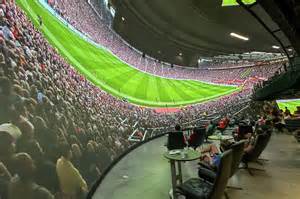
The fan experience at Old Trafford also offers a point of comparison. The proximity of the stands to the pitch at Old Trafford creates an electric atmosphere, particularly on European nights when the crowd's energy reverberates through the stadium. This is a stark contrast to larger venues like the Maracanã or Wembley, where the sheer size can sometimes dilute the intimacy of the experience. The Camp Nou, while massive, shares a similar challenge in maintaining a close connection between players and fans in its vast expanse. Old Trafford’s design prioritizes the emotional connection between the team and its supporters, a feature that has been central to its appeal over the decades.
From a global branding perspective, Old Trafford is arguably the most marketable of the stadiums discussed here. Manchester United’s global reach ensures that Old Trafford is not just a venue but a brand in itself. Merchandise, stadium tours, and international broadcasting of matches played at Old Trafford amplify its reach far beyond the UK. While the Camp Nou and Allianz Arena also benefit from strong club branding, their appeal is more regionally concentrated in Catalonia and Bavaria, respectively. Wembley, as a neutral venue, lacks the same club-specific branding power, though its role in hosting major tournaments gives it a different kind of global prominence.
Finally, it is worth considering the cultural impact of these stadiums. Old Trafford has been a backdrop for literature, films, and documentaries that explore not just Manchester United but the broader social and economic history of football in England. Its role in shaping the identity of a city and a club is paralleled by the Maracanã’s centrality to Rio de Janeiro’s cultural fabric. However, Old Trafford’s connection to Manchester United’s global narrative—spanning generations of fans and players—gives it a unique place in the collective memory of football enthusiasts worldwide.
In conclusion, while each stadium has its own strengths—whether it is the Camp Nou's vast capacity, Wembley's national significance, the Maracanã's historical weight, or the Allianz Arena's modern appeal—Old Trafford carves out a distinctive niche. Its blend of historical depth, club-specific atmosphere, and global reach ensures that it remains not just a stadium but a symbol of football’s enduring magic. This comparison underscores how Old Trafford is not merely a venue but a living chronicle of the sport’s evolution and its ability to unite people across time and geography.
Sustainability and Future Plans
Old Trafford, the iconic home of Manchester United, is not just a symbol of footballing history but also a venue that has increasingly embraced the need for sustainability in its operations and future development. As one of the largest and most visited stadiums in the world, the club has recognized its responsibility to minimize its environmental impact while ensuring the venue remains a world-class facility for fans, players, and staff.
One of the most significant sustainability initiatives at Old Trafford is the focus on **energy efficiency**. The club has invested in modernizing its energy systems to reduce its carbon footprint. For instance, LED lighting has been installed throughout the stadium, replacing older, less efficient systems. LEDs not only consume less energy but also have a longer lifespan, reducing maintenance costs and waste. Additionally, the club has introduced a **building management system (BMS)** that optimizes energy use across heating, ventilation, and air conditioning (HVAC) units. This system ensures that energy is used only when needed, avoiding unnecessary consumption during off-peak hours or when certain areas of the stadium are unoccupied.
Water conservation is another area where Old Trafford has made strides. The stadium has implemented **rainwater harvesting systems** to collect and reuse water for non-potable purposes such as pitch irrigation and cleaning. Given the high water demand for maintaining the pitch and other facilities, this initiative significantly reduces the reliance on municipal water supplies. Furthermore, the club has worked to improve its **waste management practices**, with a strong emphasis on recycling. In recent years, Manchester United has partnered with waste management firms to implement a robust recycling program that segregates waste at source, ensuring higher rates of recyclable materials are diverted from landfills. This includes initiatives to recycle food waste into compost, which can be used for landscaping around the stadium.
In terms of **transport and accessibility**, the club is actively working to encourage sustainable travel options for fans. Old Trafford is located in a densely populated urban area, and matchdays often see heavy traffic and associated emissions. To address this, the club has introduced **bike racks and promoted public transport options** such as trams and buses. Collaboration with local transport authorities has led to improved matchday services, making it easier for fans to choose greener travel methods. There are also plans to increase the availability of electric vehicle (EV) charging stations in the stadium's parking areas, further incentivizing the shift to low-emission vehicles.
The **pitch itself** is a focal point of sustainability efforts. Manchester United has adopted advanced turf management techniques that prioritize environmental health. For example, the club uses **organic fertilizers** and employs precision irrigation systems to minimize water waste. These practices not only maintain the high quality of the playing surface but also reduce the environmental impact of pitch maintenance. This holistic approach to pitch care aligns with broader sustainability goals while ensuring the stadium maintains its reputation for hosting top-tier matches.
Looking to the **future**, Old Trafford is at a crossroads in terms of large-scale redevelopment. The club has acknowledged that the stadium, while historic, requires significant upgrades to remain competitive with newer venues like Tottenham Hotspur Stadium or the refurbished Wembley. Sustainability is a key consideration in these plans. For instance, there are proposals to incorporate **solar panels** into the stadium's design, either on the roof or in surrounding facilities, to generate renewable energy onsite. This would not only reduce the stadium's reliance on grid electricity but also serve as a visible commitment to clean energy.
Another area of focus is **green building materials**. Any future redevelopment of Old Trafford is expected to prioritize the use of sustainable construction materials, such as recycled steel, low-carbon concrete, and environmentally certified wood. These materials not only have a lower environmental impact during production but also contribute to the long-term energy efficiency of the structure. The club is also exploring the integration of **green spaces** around the stadium, which could include gardens or urban greenery that improve air quality and provide a more pleasant environment for fans and the local community.
A particularly ambitious aspect of future plans involves **community engagement and education**. Manchester United has a global fanbase, and the club sees an opportunity to use its platform to promote sustainability. This includes initiatives to educate fans about environmental issues through matchday programs, digital content, and even interactive exhibits within the stadium. There are discussions about creating a **sustainability hub** at Old Trafford, where visitors can learn about the club’s initiatives, participate in workshops, and understand how they can contribute to greener practices in their own lives. Such a hub could also serve as a collaborative space for local schools and organizations to engage with sustainability themes.
One of the more forward-looking ideas involves **smart stadium technology**. The club is investigating how digital tools and IoT (Internet of Things) devices can enhance sustainability. For example, sensors could monitor energy and water usage in real time, providing data to optimize resource management further. Smart ticketing and cashless payment systems are also being explored to reduce paper waste and improve operational efficiency. These technologies not only support sustainability but also enhance the fan experience by streamlining processes like entry, concessions, and seating.
Despite these promising initiatives, challenges remain. Redeveloping a stadium as historic as Old Trafford while maintaining its character and meeting modern sustainability standards is a complex task. There are concerns about **funding and logistical feasibility**, particularly given the high costs associated with green technologies and materials. However, Manchester United’s strong brand and financial resources position it well to overcome these hurdles. Partnerships with sustainability-focused organizations, sponsors, and even government grants could play a role in funding these ambitious projects.
Additionally, the club must balance the needs of its fans with its sustainability goals. For example, while promoting public transport is environmentally beneficial, it must also ensure that fans who rely on private transport are not alienated. This requires a nuanced approach that combines **inclusivity with environmental responsibility**.
In summary, Old Trafford’s sustainability journey is a blend of **current actionable measures** and **forward-thinking plans**. From energy-efficient systems and waste management to future redevelopment incorporating renewable energy and green materials, the club is taking tangible steps to reduce its environmental impact. These efforts not only align with global trends in sports sustainability but also reinforce Manchester United’s role as a leader both on and off the pitch. As the club continues to evolve, its commitment to a greener future will likely set a benchmark for other sports venues worldwide.
Conclusion: The Enduring Legacy
The enduring legacy of Old Trafford is a tapestry woven with history, emotion, and an unyielding influence on football and the broader cultural landscape. As the home of Manchester United since 1910, this iconic stadium has transcended its role as a mere sporting venue to become a symbol of resilience, ambition, and global connectivity. Its story is not confined to the boundaries of the pitch but extends into the realms of community, business, and even global identity.
At its core, Old Trafford is a living archive of football history. It has borne witness to some of the most pivotal moments in the sport, from the Busby Babes' rise in the 1950s to the treble-winning exploits of 1999. These events are etched into the collective memory of football fans worldwide, making the stadium a physical embodiment of triumph and tragedy. The Munich air disaster of 1958, which claimed the lives of eight players and left an indelible mark on the club, is a somber chapter that reinforces the stadium's role as a place of remembrance. The memorial clock and the commemorative plaques at Old Trafford serve as poignant reminders of how football can unite people in grief and solidarity. This blend of celebration and commemoration underscores the stadium's unique position as a repository of shared human experience.
Beyond its historical significance, Old Trafford has been a catalyst for football's evolution as a global spectacle. Its capacity to hold over 74,000 spectators makes it one of the largest club stadiums in the United Kingdom, and its design has been adapted over the decades to meet the demands of modern football. The expansion of the North Stand in the 1990s, for instance, not only increased seating but also introduced premium hospitality suites, signaling a shift in how football clubs approached fan engagement and revenue generation. This adaptation reflects Old Trafford’s broader influence on stadium architecture and the commercialization of the sport. The “Theatre of Dreams,” as it is affectionately known, has set a benchmark for what a football venue can represent—not just a place to watch a match but an experience that blends sport, entertainment, and exclusivity.
The stadium’s impact extends into the economic and cultural fabric of Manchester and beyond. Old Trafford is a major driver of local tourism, attracting fans from every corner of the globe who come not only to watch matches but to immerse themselves in the Manchester United brand. The Megastore, museum tours, and matchday experiences contribute significantly to the city’s economy, creating jobs and fostering a sense of pride among residents. Moreover, the stadium has become a venue for events beyond football, hosting concerts, charity fundraisers, and even international cricket matches. This versatility highlights how Old Trafford has embedded itself into the cultural identity of Manchester, serving as a unifying space for diverse communities.
In the realm of global football influence, Old Trafford stands as a beacon of what a club can achieve through consistent excellence and ambition. Manchester United’s success on the pitch, much of it forged at this stadium, has elevated the club to a level of international prominence that few can rival. This status has, in turn, made Old Trafford a destination for players, coaches, and fans who seek to be part of its storied history. The presence of legends like Sir Alex Ferguson, whose managerial tenure is inextricably linked to the stadium, further cements its legacy. His ability to craft teams that could dominate both domestically and in Europe often relied on the fortress-like atmosphere that Old Trafford provided. This “12th man” effect, where the crowd’s energy can sway the outcome of a game, is a phenomenon studied and emulated by clubs worldwide, showcasing how the stadium has influenced not just Manchester United but the broader footballing ethos.
The stadium also symbolizes resilience in the face of adversity. Over its more than a century of existence, Old Trafford has undergone significant transformations, including rebuilding after bomb damage during World War II. These moments of reconstruction mirror the broader narrative of Manchester United as a club that has repeatedly risen from setbacks—whether through financial struggles, managerial changes, or on-field disappointments. This resilience is a microcosm of football itself, where the highs and lows are part of the sport's enduring appeal. Old Trafford, therefore, is not just a witness to this cycle but an active participant in shaping how clubs and communities respond to challenges.
In a broader societal context, the stadium has played a role in breaking down barriers and fostering inclusivity. Football has often been a unifying force, and Old Trafford has been at the forefront of initiatives aimed at making the sport accessible to all. From hosting women’s football matches to supporting grassroots programs and community outreach, the stadium has served as a platform for promoting diversity and equity. Its role in championing the broader social responsibilities of a football club—such as anti-racism campaigns and support for mental health awareness—demonstrates how Old Trafford is more than a venue; it is a vessel for change.
The symbolism of Old Trafford extends into popular culture and media. Its silhouette is instantly recognizable, featured in films, documentaries, and even video games, where it serves as a virtual gateway for fans to experience the magic of Manchester United. This cultural ubiquity speaks to how the stadium has become a global brand in its own right. For many, the name “Old Trafford” evokes not just a location but a feeling—of awe, of history, of dreams realized and shattered. This emotional resonance is a rare quality for any structure, let alone a sports venue, and it is a testament to the stadium’s ability to capture the imagination of people far beyond the realm of football.
Looking to the future, Old Trafford’s continued importance lies in its adaptability and its role as a bridge between tradition and modernity. As football evolves—with new technologies, fan expectations, and global competition—the stadium must continue to innovate while preserving its essence. Proposals for redevelopment, such as expanding seating capacity or modernizing facilities, are not just about keeping pace with rival stadiums like the Emirates or the Tottenham Hotspur Stadium; they are about ensuring that Old Trafford remains a beacon of excellence. At the same time, there is a delicate balance to be struck between modernization and the preservation of the stadium’s historic character. This tension is emblematic of the broader challenge faced by institutions with deep roots—how to honor the past while embracing the future.
In conclusion, Old Trafford’s legacy is one of enduring influence and adaptability. It is a place where the past, present, and future of football converge, a stage where legends are made, and a symbol of what sport can mean to individuals and societies. Its continued importance lies not only in its ability to host world-class football but in its capacity to inspire, unite, and evolve. As long as the grass at Old Trafford is trodden by players and fans alike, its legacy will remain a cornerstone of football’s narrative—a reminder of the power of a place to transcend its physical form and become a living, breathing part of history.