Introduction
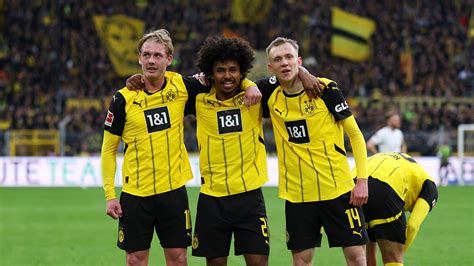
Pierre-Emerick Aubameyang is a name that resonates across the footballing world, synonymous with blistering pace, clinical finishing, and an electrifying presence on the pitch. Born in Laval, France, in 1989, Aubameyang’s journey from a promising young talent to one of the most prolific strikers of his generation has been marked by a series of high-profile transfers, record-breaking performances, and a career trajectory that underscores his adaptability and ambition. His club journey is not just a story of personal milestones but also a narrative that reflects the evolving landscape of modern football, where player mobility and global appeal often shape the destinies of both individuals and teams.
Aubameyang’s career has spanned multiple continents and some of Europe’s most prestigious leagues, including Ligue 1, the Bundesliga, the Premier League, and La Liga. Each move has been a deliberate step in his development, showcasing his ability to thrive in diverse footballing cultures. This significance lies not only in the raw numbers—goals scored, trophies won—but also in the broader impact he has had on the clubs he has represented. From his early days at AC Milan’s youth system to his stints at Saint-Étienne, borussia dortmund, Arsenal, Barcelona, and Chelsea, Aubameyang’s club journey is a study in how a player’s career can mirror the shifting priorities of football clubs in the 21st century.
One of the most compelling aspects of Aubameyang’s club journey is its geographic and stylistic diversity. Unlike many players who establish themselves within a single league or region, Aubameyang has embraced opportunities across Europe’s top divisions, adapting his game to meet the demands of each environment. This adaptability speaks volumes about his footballing intelligence and his willingness to embrace challenges. For instance, his time at Borussia Dortmund saw him evolve from a wide forward into a central striker capable ofShouldering the responsibility of being a primary goal scorer. Similarly, his move to Arsenal marked a transition to the physically demanding Premier League, where his speed and instinctive finishing set him apart even amidst the league’s rigorous competition. These moves are not merely career choices but reflections of how football’s globalized structure enables players like Aubameyang to redefine their roles and influence across different systems.
Another layer of significance in Aubameyang’s club trajectory is his role as a talisman for the teams he has joined. At Borussia Dortmund, he inherited the mantle of a club icon following the departure of Robert Lewandowski, scoring 141 goals in 213 appearances and becoming a symbol of the team’s attacking ethos under managers like Jürgen Klopp and Thomas Tuchel. His time at Arsenal, though tumultuous toward the end, was initially defined by his status as a leader and goal scorer in a period of transition for the club. His arrival in January 2018 injected much-needed energy into a squad struggling for identity, and his Golden Boot-winning season in 2018-19 showcased his ability to elevate a team’s fortunes. Even at Barcelona, where his tenure was brief, he played a crucial role in stabilizing the team’s attack during a period of financial and structural upheaval.
Aubameyang’s career also offers a lens into the modern footballer’s relationship with club loyalty and market dynamics. Unlike players of previous generations who often spent the bulk of their careers at one or two clubs, Aubameyang’s path reflects the realities of contemporary football, where transfers are driven by factors such as financial incentives, sporting ambitions, and even the need for reinvention. His departure from Arsenal to Barcelona in 2022, for example, was influenced by a combination of personal and professional circumstances, including a desire for a fresh start after a strained relationship with Arsenal’s management. This willingness to seek new opportunities, even at the cost of short-term stability, highlights the pragmatic side of his career choices. It also underscores how the modern game often demands players to be as strategic about their moves as the clubs themselves are about acquisitions.
The significance of Aubameyang’s club journey also lies in its narrative of reinvention. Each club has represented a different chapter in his development. At Saint-Étienne, he honed his skills and announced himself as a rising star in Ligue 1. At Dortmund, he became a world-class striker, setting records and earning a reputation as one of Europe’s most feared attackers. Arsenal offered him a platform to test himself in a new league while shouldering the weight of being a club captain. Barcelona provided a chance to play for one of the most storied teams in football history, even if only for a short period. These transitions reveal a player who is not content with resting on past achievements but instead seeks to continually push his boundaries.
Moreover, Aubameyang’s journey is significant because it illuminates the interplay between individual ambition and team success. While his goal-scoring exploits have often been the headline, his presence has frequently served as a catalyst for the teams he has joined. For instance, his arrival at Arsenal coincided with the club’s quest to reestablish itself as a top-four contender in the Premier League. Similarly, his brief but impactful spell at Barcelona helped the team navigate a transitional phase under Xavi. This duality—of personal achievement and team contribution—makes his career a rich case study in how individual brilliance can align with collective goals, even amid the complexities of modern football.
It is also worth noting the cultural impact of Aubameyang’s presence at various clubs. Known for his flamboyant celebrations, charismatic personality, and strong connection with fans, he has often been more than just a player; he has been a figure who embodies the spirit of the teams he represents. Whether donning superhero masks after scoring goals or engaging with supporters on social media, Aubameyang has cultivated a unique rapport with fans that transcends his on-field performances. This cultural dimension adds depth to his club journey, as it highlights how players like him can become ambassadors for their teams in ways that extend beyond the pitch.
Finally, the legacy of Aubameyang’s club journey is still unfolding. While he has experienced highs and lows—winning domestic cups, earning individual accolades, and facing challenges such as form slumps or managerial conflicts—his story is far from over. Each move has added a new dimension to his legacy, and his ability to adapt and perform at the highest level across different environments speaks to his enduring quality as a footballer. His club journey is not just a sequence of transfers but a testament to the evolving nature of football careers in an era of globalized competition and rapid change.
- His early development in Ligue 1 and the Bundesliga laid the foundation for his explosive style of play.
- His Premier League tenure showcased his ability to adapt to one of the most physically demanding leagues.
- His short stints at Barcelona and Chelsea reveal a player still seeking new challenges and opportunities for reinvention.
In summary, Pierre-Emerick Aubameyang’s club journey is significant because it encapsulates the modern footballer’s experience—marked by mobility, reinvention, and a constant quest for impact. His story is one of ambition, adaptability, and the ability to leave an indelible mark on every team he has represented, making his career a compelling study in the dynamics of contemporary football.
Early Career and Beginnings
Pierre-Emerick Aubameyang's journey to becoming one of the most prolific strikers in modern football began in humble yet determined circumstances. His early career and beginnings are marked by a blend of raw talent, familial influence, and the structured development pathways offered by youth academies in France. Understanding this phase of his life provides a lens into the foundational skills and experiences that shaped his trajectory toward stardom.
Aubameyang was born on June 18, 1989, in Laval, France, to a family with deep football roots. His father, Pierre Aubameyang, was a former Gabonese international who played professionally in France. This familial connection to the sport not only provided Aubameyang with early exposure to football but also instilled a sense of discipline and expectation. From a young age, he was immersed in an environment where football was both a passion and a profession. This early exposure is often cited as a critical factor in his development, as he was able to observe firsthand the dedication required to succeed at the professional level.
Aubameyang's youth development began in earnest when he joined the youth setup of AC Laval, his local club. Here, he was able to hone his skills in a less pressurized environment, playing alongside peers who shared his enthusiasm for the game. While AC Laval was far from a top-tier academy, it provided Aubameyang with the opportunity to build a solid technical foundation. His speed and agility were evident even at this stage, but it was his willingness to experiment with different positions on the field—ranging from winger to forward—that hinted at his versatility. This adaptability would later become a hallmark of his playing style.
As Aubameyang progressed through his early teens, his potential caught the attention of scouts from larger clubs. In 2005, at the age of 16, he made a significant move to the youth academy of AC Milan. This transition marked a pivotal moment in his career. Milan, one of Europe's most storied clubs, offered a level of training and competition that was several notches above what he had experienced in Laval. However, the path was not without its challenges. Aubameyang was placed in Milan's youth system, where he faced stiff competition from other talented youngsters vying for recognition. The pressure to perform was immense, and the expectations placed on him as a forward were amplified by the club's storied history of legendary strikers.
During his time in Milan's youth ranks, Aubameyang's development was shaped by a combination of rigorous training regimens and exposure to a variety of playing styles. The Italian approach to football emphasized tactical discipline and positional awareness, which were new aspects for Aubameyang to master. While he showed flashes of brilliance, particularly in friendly matches and youth tournaments, he struggled to break into the first team. This was partly due to the highly competitive nature of Milan's squad at the time, which featured established stars in attacking roles. As a result, Aubameyang's time at Milan was characterized more by learning and adaptation than by immediate success on the field.
A key turning point in Aubameyang's early professional journey came when he was sent out on loan to gain first-team experience. Between 2008 and 2011, he was loaned to a series of French clubs—Dijon, Lille, Monaco, and Saint-Étienne—each of which offered him a different set of challenges and opportunities. These loan spells were instrumental in exposing Aubameyang to the rigors of professional football and allowed him to test his abilities in competitive leagues.
His loan spell at Dijon in the 2008-2009 season was particularly significant. At Dijon, Aubameyang made his professional debut and began to showcase his potential as a goal-scorer. Playing in Ligue 2, the second tier of French football, he scored 8 goals in 34 appearances. This was a modest return by his later standards, but it was a crucial step in building his confidence and proving that he could contribute at a professional level. His performances at Dijon also highlighted his speed and directness, traits that would become central to his playing identity.
Following his time at Dijon, Aubameyang's loan stints at Lille and Monaco were less fruitful in terms of consistent playing time. However, these experiences taught him valuable lessons about adaptability and perseverance. At Monaco, for instance, he found himself in a team struggling for form and cohesion, which limited his opportunities to shine. Despite this, Aubameyang's determination to improve remained undeterred. He used these periods to analyze his game, work on his weaknesses, and prepare for the next opportunity.
The loan spell that truly set the stage for Aubameyang's breakthrough was at Saint-Étienne during the 2010-2011 season. Here, he found a club that was willing to give him regular first-team minutes and a platform to express his abilities. Aubameyang's performances at Saint-Étienne were a revelation. He scored 2 goals in 14 appearances during his initial loan period, impressing the club enough to secure a permanent transfer in the summer of 2011. This move marked the end of his nomadic loan journey and the beginning of a more stable and productive phase in his career.
At Saint-Étienne, Aubameyang began to flourish as a forward. His pace, coupled with an improving eye for goal, made him a menace for defenders in Ligue 1. During the 2011-2012 season, he scored 16 goals in all competitions, a tally that announced his arrival as a player capable of making a significant impact. This period also saw him develop a knack for scoring a variety of goals—from close-range finishes to long-range efforts—showcasing a growing maturity in his game.
Looking back at Aubameyang's early career, it is clear that his path was not one of instant success but of gradual and determined growth. From his formative years at AC Laval to his challenging yet educational experiences in Milan's youth system, and finally to his breakthrough at Saint-Étienne, each step of his journey contributed to his development. These early experiences not only shaped his technical and physical attributes but also instilled in him the mental resilience required to navigate the pressures of professional football.
Aubameyang's beginnings are a testament to the importance of patience and adaptability in a young player's career. His story underscores how even the most naturally gifted athletes must navigate setbacks and uncertainties to find their footing. This phase of his career laid the groundwork for the explosive performances that would later define his time at clubs like Borussia Dortmund and Arsenal, but it all started with the foundational years that tested his resolve and refined his talents.
- His exposure to football through his father provided an early understanding of the sport's demands.
- The move to AC Milan's youth system introduced him to high-level training but also significant competition.
- Loan spells at Dijon, Lille, Monaco, and Saint-Étienne were critical in building his experience and confidence.
- Saint-Étienne became the platform where his potential was realized, setting the stage for future success.
In summary, Aubameyang's early career and beginnings are a study in persistence, adaptability, and the gradual refinement of raw talent into professional excellence. These formative experiences not only shaped his playing style but also provided a blueprint for how he would approach the challenges of his later career.
Breakthrough at Saint-Étienne
Pierre-Emerick Aubameyang's time at Saint-Étienne marked a critical phase in his development as a striker, a period where raw potential evolved into consistent performance. Signed on loan from AC Milan in December 2009 and later permanently in 2011, Aubameyang arrived at the French club as a relatively unknown quantity. However, his trajectory at Saint-Étienne was characterized by rapid growth, tactical adaptation, and the emergence of the goal-scoring prowess that would define his career. This section delves into the specific elements of his breakthrough, focusing on key performances, tactical evolution, and the personal growth that set the stage for his future success.
When Aubameyang first joined Saint-Étienne, he was a player in search of identity. Having struggled for game time at Milan, he was initially deployed as a winger or a wide forward. This positioning was partly due to his blistering pace and ability to stretch defenses, but it also reflected the coaching staff's attempt to find a role that suited his skill set while minimizing the pressure of being a central striker. During the 2010-11 season, Aubameyang began to demonstrate flashes of brilliance, particularly in one-on-one situations and when running in behind defenses. However, it was not until the 2011-12 campaign that he truly began to establish himself as a player capable of influencing matches consistently.
One of the defining features of Aubameyang's time at Saint-Étienne was his **adaptability**. Under manager Christophe Galtier, the team played a system that prioritized defensive solidity and counter-attacking football. This style allowed Aubameyang to thrive in transition, where his acceleration and close control made him a nightmare for slower defenders. A key performance that underscored this was his showing in a 2-1 victory over PSG in November 2012. In this match, Aubameyang scored a goal and created numerous opportunities by exploiting the space left behind PSG's high line. His ability to combine speed with intelligent movement was evident, as he often drifted into wider areas before cutting inside to either shoot or deliver a decisive pass. This match was a microcosm of his growing confidence and tactical intelligence—traits that would later become hallmarks of his game.
Another critical aspect of Aubameyang's development at Saint-Étienne was his **goal-scoring evolution**. While he had always possessed natural athleticism, his finishing was initially inconsistent. However, during the 2012-13 season, he scored 19 goals in Ligue 1, finishing as the league's joint-second top scorer. This was no accident; it reflected a combination of improved decision-making in the final third and a more clinical approach to his chances. For instance, in a 4-2 win over Montpellier in February 2013, Aubameyang scored a brace that showcased both his versatility and composure. His first goal came from a well-timed run into the box to meet a cross, while his second was a long-range effort that highlighted his growing comfort with taking on shots from distance. These moments were indicative of a player who was not only refining his technique but also becoming more assertive in his role as a primary goal threat.
Aubameyang's growth was also supported by his **relationship with teammates**. At Saint-Étienne, he developed a fruitful partnership with players like Max Gradel and Yohan Mollo, both of whom provided the creative spark to complement his direct running. This synergy was particularly evident in the team's run to win the Coupe de la Ligue in 2013, Saint-Étienne's first major trophy in over 30 years. Aubameyang's contribution in the final, where he scored the opening goal in a 1-0 victory over Rennes, was a testament to his ability to perform under pressure. The goal itself—a close-range finish following a well-worked team move—demonstrated his growing understanding of how to position himself in high-stakes situations. This success was not just a personal milestone but also a reflection of how he had become a focal point of the team's attacking strategy.
Beyond the statistics, Aubameyang's time at Saint-Étienne was marked by **visible improvements in his technical skill set**. His first touch, which had been erratic earlier in his career, became more assured, allowing him to control long balls and quick passes in tight spaces. Additionally, his dribbling improved, particularly in crowded areas where he learned to use feints and changes of pace to evade defenders. These enhancements were not merely the result of natural progression but also of hard work on the training ground. Galtier often praised Aubameyang's dedication, noting how he would stay late after sessions to work on his finishing and positioning. This commitment was evident in matches where he would repeatedly test goalkeepers with a variety of efforts, from low drives to acrobatic volleys.
It is also worth noting the **psychological growth** Aubameyang experienced during this period. Ligue 1, known for its physicality and tactical nuance, provided a challenging environment for a young forward. Aubameyang faced criticism early on for his lack of end product, but he responded with resilience. His ability to bounce back from missed opportunities and maintain a positive mindset was a sign of maturity. For example, after a barren spell in early 2012, he responded with a run of five goals in six matches, demonstrating not just technical improvement but also mental fortitude. This ability to handle pressure would later serve him well in more demanding leagues and competitions.
Another unique insight into Aubameyang's time at Saint-Étienne is the role of **his personality and flair** in endearing him to fans and teammates. Known for his celebrations—including backflips and mask-wearing antics—Aubameyang brought an infectious energy to the team. While some might dismiss such displays as superficial, they reflected a player who was not only confident in his abilities but also eager to connect with supporters. This charisma, combined with his performances, made him a fan favorite and helped build a positive atmosphere around the club during a period of relative success.
In retrospect, Aubameyang's time at Saint-Étienne can be seen as a **turning point in his career**. It was here that he transitioned from a promising talent into a striker capable of leading a team's attack. His growth was multifaceted, encompassing tactical awareness, technical refinement, and mental resilience. The combination of high-level performances, such as his goal-laden 2012-13 season, and his ability to thrive in a structured yet counter-attacking system laid the groundwork for his eventual moves to Borussia Dortmund and beyond. While Saint-Étienne provided the platform, it was Aubameyang's hunger and adaptability that turned opportunity into achievement.
- His adaptability allowed him to excel in a counter-attacking system.
- Key matches, like the win over PSG, showcased his tactical intelligence.
- His goal-scoring evolution was evident in his 19-goal Ligue 1 season.
- Partnerships with teammates like Gradel enhanced his effectiveness.
- Technical improvements, such as better dribbling and finishing, were evident.
- His resilience and personality made him a fan favorite and team leader.
In conclusion, Aubameyang's time at Saint-Étienne was not just about scoring goals; it was about laying the foundation for a career that would see him become one of the most dynamic strikers of his generation. The lessons he learned and the skills he honed during this period were instrumental in shaping the player he would become, setting the stage for even greater achievements in the years to follow.
Borussia Dortmund Era
Pierre-Emerick Aubameyang's tenure at Borussia Dortmund was a defining period in his career, solidifying his reputation as one of Europe's most lethal strikers. From 2013 to 2018, Aubameyang's time at the Signal Iduna Park was marked by an extraordinary output of goals, a dynamic playing style, and a profound impact on the team's tactical framework. This section delves into the specifics of his prolific stint, focusing on his goal-scoring records, his integration into Dortmund's system, and the broader influence he had on the team's success during this era.
When Aubameyang arrived at Dortmund in 2013 from Saint-Étienne for a reported fee of €13 million, he was seen as a promising but unproven talent in the Bundesliga. Under the management of Jürgen Klopp, who was in the twilight of his Dortmund tenure, Aubameyang was initially deployed as a wide forward rather than a central striker. This tactical decision showcased his blistering pace and ability to stretch defenses, but it was not until Thomas Tuchel took over in 2015 that Aubameyang's role evolved into that of a central goal-scoring machine. This transition was pivotal in unlocking his full potential.
During his five seasons at Dortmund, Aubameyang scored an astonishing 141 goals in 213 appearances across all competitions. This tally included 98 Bundesliga goals in 144 matches, a rate that placed him among the most efficient strikers in the league's history. His 2016-2017 season was particularly remarkable, as he netted 31 league goals to win the Bundesliga's top scorer award, edging out Bayern Munich's Robert Lewandowski. This achievement was not merely a statistical milestone but a testament to his consistency and ability to perform under pressure. Aubameyang's goals often came in crucial moments, whether it was a late winner or a hat-trick to overturn a deficit. His knack for scoring in high-stakes games, such as his brace in the 2017 DFB-Pokal final against Eintracht Frankfurt, underlined his value to the team.
A closer examination of his goal-scoring repertoire reveals a player who combined raw athleticism with refined technique. Aubameyang was not just a poacher; he was a forward capable of scoring in multiple ways. His speed made him a nightmare for defenders in transition, often latching onto through balls or exploiting space behind the backline. However, he was equally adept at finishing with both feet and had a surprisingly effective aerial presence despite not being the tallest striker. His partnership with players like Marco Reus and Ousmane Dembélé was particularly fruitful, as their creative interplay provided him with a steady supply of chances.
Beyond the numbers, Aubameyang's impact on Dortmund's team dynamics was equally significant. Dortmund during this period was a team in transition, grappling with the departures of key players like Robert Lewandowski and Mario Götze. Aubameyang became the focal point of the attack, a role he embraced with enthusiasm. His infectious energy and celebratory flair—often seen in his signature somersaults or superhero-themed masks—brought a sense of joy and audacity to the team. This was not just entertainment; it was a psychological boost for a side that needed a talisman to rally around.
Tactically, Aubameyang's presence allowed Dortmund to play with a high-intensity, counter-attacking style that exploited his speed. Under Tuchel, the team often used a 4-1-4-1 or 4-2-3-1 formation, with Aubameyang as the lone striker. His ability to make runs in behind the defense dovetailed perfectly with the creative midfielders and wingers who could pick out his runs. Furthermore, his off-the-ball movement was exemplary; he had an uncanny ability to find pockets of space in crowded penalty areas, a skill that made him a nightmare for even the most organized defenses.
However, Aubameyang's time at Dortmund was not without its challenges. His individual brilliance sometimes contrasted with the team's broader struggles, particularly in the post-Klopp era when Dortmund faced defensive vulnerabilities and inconsistent form. There were also moments of tension, such as his occasional disciplinary issues or public flirtations with transfers to other clubs. Despite this, his commitment on the pitch was rarely questioned, and his goals often papered over cracks in the team's performance.
One of the less-discussed aspects of Aubameyang's Dortmund era was his adaptability. While he is often remembered for his goal-scoring exploits, he also contributed to the team in less glamorous ways. For instance, his willingness to press from the front was a key component of Dortmund's high-pressing system, particularly under Tuchel. This work rate not only disrupted opposition build-ups but also set the tone for the rest of the team. Additionally, his link-up play improved over time, as he developed a better understanding of when to drop deep or drift wide to create space for teammates.
Aubameyang's impact extended beyond domestic competitions. In the UEFA Champions League, he scored 15 goals in 34 appearances for Dortmund, including memorable performances like his brace against Real Madrid in the 2016 group stage. These performances highlighted his ability to shine on the biggest stage, further cementing his status as one of Europe's elite strikers.
It is also worth noting the cultural and commercial impact Aubameyang had at Dortmund. His charismatic personality and unique style—often seen in his colorful hairstyles and fashion choices—resonated with fans and boosted the club's global appeal. Merchandise sales and social media engagement spiked during his time at the club, a phenomenon that underscored his broader influence beyond the pitch.
In summary, Pierre-Emerick Aubameyang's stint at Borussia Dortmund was a masterclass in goal-scoring and team contribution. His records speak for themselves, but what truly defined his era was the way he became the heartbeat of a team in flux. Whether it was through his blistering pace, his clutch performances, or his ability to galvanize fans and teammates alike, Aubameyang left an indelible mark on Dortmund. His legacy at the club is not just about the goals he scored but about how he embodied the spirit of a team that thrived on attacking football and unrelenting energy.
- Aubameyang scored 141 goals in 213 appearances for Dortmund.
- He won the Bundesliga top scorer award in the 2016-2017 season with 31 goals.
- His Champions League record included 15 goals in 34 matches.
- He played a pivotal role in Dortmund's 2017 DFB-Pokal victory.
This comprehensive look at Aubameyang's Dortmund era underscores why his time there is remembered as one of the most electrifying periods in the club's modern history.
Move to Arsenal
Pierre-Emerick Aubameyang's move to Arsenal in January 2018 marked a significant moment in both the player's career and the club's strategy to reassert itself as a competitive force in the Premier League. The transfer was not merely a routine signing; it was a statement of intent from Arsenal, a club that had been grappling with the challenge of filling the void left by players like Thierry Henry and Robin van Persie in the striking department. Aubameyang arrived from Borussia Dortmund for a then-club-record fee of £56 million, a figure that underscored the Gunners' belief in his ability to deliver goals and dynamism to their attack.
The circumstances of Aubameyang's transfer were layered with intrigue. His departure from Dortmund was mired in some controversy, as the German club had suspended him for disciplinary reasons earlier in the season. However, Arsenal saw past these issues, identifying a player whose raw speed, clinical finishing, and versatility could address their pressing need for a world-class striker. Aubameyang's arrival coincided with a period of transition for Arsenal, as Arsène Wenger's long tenure had ended the previous summer, and new manager Unai Emery was tasked with revitalizing the squad. Aubameyang's signing was seen as a key piece in this puzzle, a player capable of not only scoring goals but also energizing the team with his charisma and work ethic.
Aubameyang's initial success at Arsenal was nothing short of spectacular. He made his debut against Everton on February 3, 2018, and announced himself with a goal in a 5-1 victory. This was a sign of things to come. Despite joining mid-season, Aubameyang finished the campaign as Arsenal's joint-top scorer in the Premier League with 10 goals in just 13 appearances. What stood out was not just the quantity of goals but their quality and variety—ranging from poacher's finishes to audacious chips and long-range efforts. His ability to adapt quickly to the physical and tactical demands of the Premier League was a testament to his experience and skill set honed in leagues like Ligue 1, Serie A, and the Bundesliga.
One of the most intriguing aspects of Aubameyang's early days at Arsenal was his partnership with Alexandre Lacazette. The two strikers, both high-profile signings in their own right, were initially viewed as competitors for the central striking role. However, Emery and later Mikel Arteta found ways to deploy them together, often using Aubameyang's versatility to play him on the left wing while Lacazette operated centrally. This partnership showcased Aubameyang's selflessness; he was willing to adapt his position for the team's benefit, even if it meant not always being the focal point of the attack. This flexibility highlighted a maturity often overlooked in discussions about his flamboyant personality and goal celebrations.
Aubameyang's role in the Premier League was defined by his ability to exploit space behind defenses. His blistering pace made him a nightmare for defenders, particularly in counterattacking scenarios. In a league where physicality and tactical discipline are paramount, Aubameyang's intelligence in timing his runs and his composure in one-on-one situations set him apart. He was not just a speedster; he was a thinker, capable of reading the game and positioning himself to capitalize on the slightest defensive lapses. This was evident in his performances against top-six rivals, where he often rose to the occasion, scoring crucial goals in high-stakes matches.
Beyond his individual brilliance, Aubameyang played a pivotal role in Arsenal's quest for silverware. In the 2019-20 season, he was instrumental in the club's FA Cup triumph, scoring both goals in the semi-final win over Manchester City and repeating the feat in the final against Chelsea. These performances cemented his status as a big-game player, someone who thrived under pressure. His contribution extended beyond goals; he became a leader in the dressing room, earning the captain's armband in November 2019 following Granit Xhaka's controversial departure from the role. While his captaincy was later marred by off-field issues, his on-pitch influence during this period was undeniable.
A deeper analysis of Aubameyang's impact reveals how he helped Arsenal navigate a challenging phase in their history. The Premier League in the late 2010s was dominated by Manchester City, Liverpool, and a resurgent Chelsea, making it difficult for Arsenal to compete consistently for the title. However, Aubameyang's goals ensured that the Gunners remained relevant in the race for European qualification. His ability to deliver in clutch moments—such as his 22 league goals in the 2018-19 season, which earned him a share of the Golden Boot alongside Mohamed Salah and Sadio Mané—was a rare bright spot in an otherwise turbulent period for the club.
It is also worth noting how Aubameyang's arrival shifted the narrative around Arsenal's transfer strategy. For years, the club had been criticized for hesitancy in spending big on proven talents. Aubameyang's signing, along with that of Lacazette and later Nicolas Pépé, indicated a shift towards more ambitious recruitment. While not all of these moves paid off in the long term, Aubameyang's immediate impact validated the decision to invest heavily in a proven goal-scorer.
However, Aubameyang's time at Arsenal was not without its challenges. His relationship with the club soured in the later stages of his tenure, particularly under Mikel Arteta, who prioritized discipline and a cohesive team culture. Issues such as lateness and a perceived lack of commitment led to his eventual departure in February 2022. Despite this, his legacy at Arsenal is secure. In just over four years, he scored 92 goals in 163 appearances, a strike rate that places him among the club's most prolific strikers in the modern era.
In summary, Aubameyang's move to Arsenal was a blend of high expectations and high rewards. He brought immediate success, adapted seamlessly to the Premier League, and played a critical role in some of the club's most memorable moments during a period of flux. His story at Arsenal is a reminder of how a single player's talent and personality can uplift a team, even amidst broader structural challenges. While his exit was less than ideal, the chapter he wrote at the Emirates Stadium remains one of the most compelling in recent Premier League history.

- Aubameyang's transfer fee of £56 million was a club record at the time.
- He scored 10 goals in 13 appearances in his debut half-season.
- He won the FA Cup in 2020, scoring decisive goals in key matches.
- His partnership with Lacazette showcased adaptability and team-first mentality.
- He was a two-time Premier League Golden Boot winner (shared in 2018-19).
This detailed account of Aubameyang's move to Arsenal not only highlights his individual brilliance but also contextualizes his role within the broader narrative of Arsenal's evolution during a transitional phase in the club's history.
Challenges and Later Arsenal Years
Pierre-Emerick Aubameyang's time at Arsenal was a rollercoaster of highs and lows, marked by moments of brilliance and periods of struggle. While his early years at the club were defined by his prolific goal-scoring and electric pace, the later years presented a series of challenges that tested his relationship with the club, the fans, and his own form. This section delves into the specific challenges he faced and how his role within the team evolved as the dynamics of Arsenal and the Premier League shifted around him.
One of the first challenges Aubameyang encountered in his later Arsenal years was the changing tactical landscape under manager Mikel Arteta. When Arteta took over in December 2019, he sought to implement a more structured, possession-based system that prioritized defensive solidity and team cohesion over individual flair. This shift posed a dilemma for Aubameyang, who had thrived as a free-roaming forward under previous managers like Unai Emery and Arsène Wenger. Under Arteta, the emphasis on playing with a lone striker or within a more rigid system often limited Aubameyang's space to exploit his trademark runs behind the defense. His goal output began to decline as he was asked to contribute more to build-up play, a role that did not align with his natural instincts as a poacher.
Another significant challenge was the weight of the captaincy. Aubameyang was named Arsenal captain in November 2019 following Granit Xhaka's controversial removal from the role. While the armband was a sign of his importance to the team, it also brought added scrutiny and responsibility. Aubameyang’s on-field performances were no longer just about his ability to score goals; he was now expected to lead a young, rebuilding squad through a period of transition. This was a role he seemed ill-suited for at times. While he was charismatic and popular in the dressing room, his leadership style lacked the assertiveness and consistency needed to galvanize a team in crisis. This became particularly evident during Arsenal's struggles in the 2020-21 season, where the team often looked disjointed, and Aubameyang's own form dipped significantly.
In addition to these role-specific challenges, Aubameyang’s later years at Arsenal were marred by off-field issues. One of the most notable incidents was his disciplinary breach in December 2021, which led to him being stripped of the captaincy and subsequently excluded from the first-team squad. Reports suggested that he had returned late from a trip abroad, violating club protocols. This incident was not isolated; earlier in his Arsenal career, there had been whispers of occasional tardiness and a relaxed attitude toward certain club rules. While these issues might have been overlooked when he was scoring at an elite level, they became harder to ignore as his performances waned. The disciplinary action sent a clear message that Arteta was unwilling to compromise on team culture, even at the expense of his star player. For Aubameyang, this marked a low point in his relationship with the club and signaled the beginning of the end of his time at Arsenal.
On the pitch, Aubameyang’s role evolved in ways that often diminished his effectiveness. Initially deployed as a central striker or a left-sided forward in systems that allowed him to drift into space, he found himself increasingly isolated in Arteta's more conservative setups. The arrival of younger, more versatile forwards like Gabriel Martinelli and Bukayo Saka further complicated his position. These players offered energy, pressing intensity, and adaptability that Arteta valued highly, often at the expense of Aubameyang’s minutes. As Arsenal transitioned to a more dynamic, high-pressing style, Aubameyang’s lack of defensive work rate became a sticking point. While he had always been a player who thrived on moments of individual brilliance rather than systematic graft, this trait became less tolerable in a team that was being rebuilt with a clear emphasis on collective effort.
A deeper look at his statistics during this period reveals a stark contrast between his early and later Arsenal years. In the 2019-20 season, Aubameyang scored 22 Premier League goals, sharing the Golden Boot with Mohamed Salah and Sadio Mané. However, by the 2021-22 season, his output had dropped to just 4 goals in 14 league appearances before his departure. This decline was not merely a result of age—he was in his early 30s—but also a reflection of how his role and confidence had been eroded. The lack of service from a midfield that often struggled for creativity compounded his struggles. Without consistent chances, even a player of Aubameyang’s caliber found it difficult to maintain his scoring streak.
The relationship between Aubameyang and the Arsenal fanbase also underwent a transformation. Initially adored for his ability to deliver in clutch moments—such as his brace in the 2020 FA Cup final against Chelsea—he later became a polarizing figure. Some fans sympathized with his apparent frustration at the club's lack of progress and questioned whether the system was failing him. Others criticized him for what they perceived as a decline in effort and commitment. This divide highlighted the challenges of being a high-profile player in a team undergoing significant upheaval. Aubameyang’s later years were as much about managing expectations as they were about delivering on the pitch.
It is also worth considering how the broader context of Arsenal’s ambitions played a role in his challenges. The club was no longer competing for Premier League titles or consistently qualifying for the Champions League. This shift in expectations affected the morale of the squad, and Aubameyang, as one of the team’s highest earners, was often seen as a symbol of unfulfilled potential. His lucrative contract extension in 2020, signed after his FA Cup heroics, added financial pressure on the club to justify his presence. When his form dipped, this contract became a point of contention among fans and pundits who questioned the sustainability of Arsenal’s wage structure.
Despite these challenges, Aubameyang’s later years at Arsenal were not without moments of resilience. His performances in the 2020-21 Europa League, where he scored key goals to help Arsenal reach the semi-finals, showed glimpses of the player who had once been unstoppable. However, these moments were too sporadic to offset the broader narrative of decline. By the time he left for Barcelona in January 2022, it was clear that both parties needed a fresh start. His departure was bittersweet—a recognition of his contributions but also an acknowledgment that his time at Arsenal had run its course.
- The tactical shift under Arteta limited his freedom and reduced his goal-scoring opportunities.
- The captaincy brought added responsibility that he struggled to fully embrace.
- Off-field disciplinary issues damaged his standing within the club.
- A decline in form was exacerbated by a lack of midfield creativity and system changes.
- His relationship with fans became polarized as expectations shifted.
In summary, Aubameyang’s later years at Arsenal were defined by a complex interplay of tactical, personal, and systemic factors. While he will be remembered as one of the club’s most gifted goal-scorers, his challenges illustrate the difficulties of sustaining elite performance in a team undergoing significant transformation. His evolution from a talismanic figure to a player grappling with form and role encapsulates the broader struggles of Arsenal during this period, making his story a microcosm of the club's own journey through transition.
Barcelona Chapter
Pierre-Emerick Aubameyang's time at Barcelona was brief but left an indelible mark on the club and its supporters. Arriving in January 2022 amidst a period of transition for both the player and the club, Aubameyang's stint at Barcelona was a fascinating case study in adaptability, impact, and the ability of a seasoned striker to redefine his narrative in a new environment. This chapter examines the nuances of his adaptation, his on-field contributions, and the broader implications of his time in Catalonia.
When Aubameyang joined Barcelona from Arsenal, he was coming off a challenging period in North London. His relationship with Arsenal manager Mikel Arteta had soured, and his form had dipped. At 32, there were legitimate questions about whether he could still perform at the highest level, particularly in La Liga, a league known for its technical and tactical demands. However, Barcelona, then under the management of Xavi Hernández, was undergoing a rebuild and needed a reliable goalscorer to fill the void left by Lionel Messi's departure. Aubameyang’s arrival on a free transfer was seen as a low-risk gamble for both parties.
One of the most striking aspects of Aubameyang's adaptation at Barcelona was his immediate integration into the team. Unlike many players who require a prolonged settling period when joining a new club mid-season, Aubameyang hit the ground running. This was partly due to his familiarity with the Spanish language, having previously played for Borussia Dortmund under coaches who emphasized multilingual communication. However, it was also a testament to his professionalism and hunger to prove himself. In his first few matches, Aubameyang displayed a willingness to adapt to Barcelona's possession-oriented style, often dropping deeper to link play or making runs into channels to stretch defenses. This versatility was a departure from his more static role at Arsenal, where he was often used as a penalty-box poacher.
Aubameyang's contributions on the pitch were both quantifiable and qualitative. In just 24 appearances for Barcelona across all competitions, he scored 13 goals. This included a memorable hat-trick against Valencia in February 2022, a performance that underlined his predatory instincts and ability to thrive in high-pressure situations. Beyond the raw numbers, his movement off the ball was a critical asset. Aubameyang’s knack for finding space in behind defenses gave Barcelona’s midfielders—particularly Pedri and Frenkie de Jong—a reliable outlet. His ability to stretch play vertically was particularly valuable in a team that was still finding its rhythm under Xavi’s tactical framework. This adaptability showcased Aubameyang not just as a goalscorer but as a player capable of influencing the team’s overall dynamics.
Another dimension of Aubameyang’s impact was his effect on the dressing room. Barcelona, at the time, was a team in flux, grappling with financial difficulties and the psychological weight of underperforming in key competitions. Aubameyang’s infectious energy and experience in high-stakes environments provided a much-needed boost. Reports from training sessions highlighted his positive demeanor and willingness to mentor younger players like Ansu Fati and Ferran Torres. This intangible contribution is often overlooked in analyses of his time at Barcelona but was a key factor in the team’s resurgence during the latter half of the 2021-22 season.
Tactically, Aubameyang’s role at Barcelona was shaped by Xavi’s evolving system. While he was primarily deployed as a central striker, there were instances where he was shifted to the left wing to accommodate other players like Memphis Depay or Luuk de Jong. This flexibility was a departure from his preferred central role but demonstrated his willingness to prioritize team needs over personal preferences. In this sense, Aubameyang’s time at Barcelona can be seen as a microcosm of his career—a blend of individual brilliance tempered by a pragmatic approach to team success.
However, it is important to acknowledge the challenges Aubameyang faced during his time at Barcelona. While his performances were largely impressive, there were moments where his lack of involvement in build-up play was critiqued. Barcelona’s style, rooted in intricate passing and positional play, occasionally exposed limitations in Aubameyang’s technical repertoire, particularly when compared to the likes of Luis Suárez or Robert Lewandowski, strikers who had previously thrived in similar systems. This was not a failure on Aubameyang’s part but rather a reflection of the stylistic mismatch between his skill set and the demands of Barcelona’s idealized playing philosophy.
Off the pitch, Aubameyang’s time at Barcelona was also marked by external narratives. His departure from Arsenal had been accompanied by whispers of disciplinary issues, and some questioned whether he would bring similar baggage to Barcelona. However, these concerns proved unfounded. Aubameyang’s professionalism and focus were evident throughout his stint, and he quickly became a fan favorite. His celebratory backflips after scoring goals became a symbol of joy and optimism during a period when Barcelona supporters were starved of such moments.
The end of Aubameyang’s Barcelona chapter was as abrupt as its beginning. In the summer of 2022, he moved to Chelsea, a decision influenced by Barcelona’s financial constraints and their subsequent signing of Robert Lewandowski. While his time at the club was short, it was impactful. Aubameyang’s ability to deliver goals and inject energy into a struggling team underscored his value as a short-term solution. Moreover, his stint highlighted the often underappreciated skill of a player adapting to new circumstances with minimal disruption.
In retrospect, Aubameyang’s time at Barcelona can be viewed as a case of mutual benefit. For the club, he provided a much-needed injection of goals and energy during a transitional phase. For the player, it was an opportunity to rediscover his form and remind the football world of his capabilities. This symbiotic relationship is a reminder that even brief stints can carry significant weight in the trajectory of both a player and a club. Aubameyang’s Barcelona chapter, though fleeting, was a masterclass in adaptability and impact, proving that even in the twilight of a career, a player of his caliber can leave a lasting legacy.
- Aubameyang’s immediate integration into Barcelona’s system showcased his professionalism and adaptability.
- His 13 goals in 24 appearances were a testament to his efficiency and impact in front of goal.
- His versatility in playing multiple roles, including as a winger, highlighted his tactical flexibility.
- Aubameyang’s positive influence extended beyond the pitch, contributing to team morale during a challenging period.
- Despite some limitations in build-up play, his overall contributions outweighed his shortcomings.
In conclusion, Aubameyang’s Barcelona chapter was a blend of individual brilliance and collective contribution. While it was a short-lived affair, it served as a reminder of the transformative potential of experienced players in new environments. His time at Barcelona may not have been the defining chapter of his career, but it was a chapter that underscored his enduring quality and adaptability in the face of change.
Return to Europe with Chelsea
Pierre-Emerick Aubameyang's move to Chelsea in the summer of 2022 marked a significant chapter in his career, one that came with both anticipation and skepticism. Having spent the previous season at Barcelona after a prolific but tumultuous period at Arsenal, Aubameyang's return to the Premier League was framed as a chance for redemption and reinvention. However, this transfer was not merely a case of revisiting past glories; it was a calculated risk for both the player and the club, with implications that resonate across his career trajectory.
Chelsea, at the time of Aubameyang's signing, was in a state of flux. The club had recently undergone a change in ownership following Roman Abramovich's departure, and manager Thomas Tuchel was looking to reinforce his attacking options. The German coach had previously worked with Aubameyang at Borussia Dortmund, where the striker had delivered some of the most electrifying performances of his career. This prior relationship was a key factor in the move. Tuchel’s system at Dortmund had leveraged Aubameyang’s blistering pace, sharp movement, and clinical finishing to devastating effect, and there was a belief that a reunion could reignite similar synergy. For Aubameyang, the move represented an opportunity to reassert himself in one of Europe’s most competitive leagues after a relatively subdued spell at Barcelona, where he had shown glimpses of form but was not the focal point of the team's attack.
The expectations placed on Aubameyang at Chelsea were multifaceted. On one hand, he was seen as a short-term solution to the team’s goal-scoring woes. With Romelu Lukaku loaned out and Timo Werner struggling for consistency, Chelsea needed a proven goalscorer who could seamlessly slot into the starting lineup. Aubameyang’s track record—29 goals in 36 games for Arsenal in the 2019-20 season, for instance—suggested he could provide immediate impact. On the other hand, there were questions about how well he would adapt to Chelsea’s tactical setup. Unlike Arsenal, where he often operated as the central figure in a counterattacking system, Chelsea under Tuchel was a more possession-oriented side that demanded greater involvement in build-up play. This raised concerns about whether Aubameyang, at 33 years old, could evolve his game to meet these new demands.
Aubameyang’s arrival also fit into a broader narrative of his career: a player who thrives on reinvention. From his early days at Saint-Étienne to his meteoric rise at Dortmund, and later his time at Arsenal and Barcelona, Aubameyang has consistently adapted to different leagues, managers, and team dynamics. However, the move to Chelsea was perhaps his most intriguing challenge yet. Unlike his earlier transfers, which were often driven by a clear upward trajectory—be it from Ligue 1 to the Bundesliga or from Dortmund to Arsenal—this move felt more lateral, if not slightly downward. Chelsea was not recruiting a player in his prime but rather one entering the twilight of his career. This raised the question of whether Aubameyang was being brought in as a stopgap measure or as part of a longer-term strategy to stabilize the team’s attack while younger talents like Armando Broja developed.
The early signs of Aubameyang’s tenure at Chelsea were mixed. He scored his first goal for the club in a Champions League match against Milan, a reminder of his ability to perform on the biggest stages. Yet, his performances in the Premier League were less consistent. Injuries and a lack of regular playing time—exacerbated by Tuchel’s sudden departure and the arrival of Graham Potter as manager—disrupted his integration into the squad. This period highlighted one of the risks of signing a player of Aubameyang’s profile: while his experience and pedigree are undeniable, his effectiveness can be heavily influenced by factors such as team cohesion, managerial philosophy, and physical condition. In this sense, Aubameyang’s time at Chelsea can be seen as a microcosm of the challenges faced by veteran strikers in modern football, where the margin for error is slim, and adaptability is paramount.

From a career trajectory perspective, Aubameyang’s move to Chelsea can be viewed as a pragmatic step rather than a triumphant return. After leaving Arsenal under contentious circumstances—stripped of the captaincy due to disciplinary issues—his brief spell at Barcelona had offered a semblance of redemption. However, the move to Chelsea suggested a player willing to take on a supporting role in a top-tier club rather than seeking a leading role at a mid-tier team. This decision aligns with a pattern seen in other high-profile players in their 30s, such as Zlatan Ibrahimović or Edinson Cavani, who have opted for short-term stints at elite clubs to extend their careers at the highest level. For Aubameyang, Chelsea offered a platform to remain visible in the European football landscape while potentially adding silverware to his already impressive trophy cabinet.
Another dimension to consider is how Aubameyang’s style of play aligned—or failed to align—with Chelsea’s needs. At his best, he is a striker who thrives on service in behind defenses, exploiting space with his speed and lethal finishing. However, Chelsea’s midfield in the 2022-23 season often lacked the incisiveness needed to unlock such opportunities. Players like Mason Mount and Kai Havertz were still finding their rhythm in a team undergoing significant transition, which limited the supply line to Aubameyang. This dynamic underscored a potential misfit between player and system, a factor that may have contributed to his limited impact during his time at Stamford Bridge.
Despite the challenges, Aubameyang’s move to Chelsea can also be seen as a testament to his resilience. Throughout his career, he has faced setbacks—be it the controversies at Arsenal or the perception of being a luxury player at Barcelona—yet he has consistently found ways to bounce back. Even if his Chelsea stint did not reach the heights of his Dortmund or early Arsenal days, it was a reminder of his willingness to take on new challenges rather than settle into complacency. For a player of his stature, this willingness to test himself in demanding environments speaks to a deep-seated ambition that has defined his journey.
- Aubameyang’s move to Chelsea was rooted in his prior relationship with Tuchel, suggesting a strategic gamble by both parties.
- The transfer highlighted the growing trend of veteran players taking short-term roles at elite clubs to remain competitive.
- Challenges such as tactical misalignment and managerial changes limited his ability to fully integrate into Chelsea’s setup.
- Despite mixed results, the move reinforced Aubameyang’s reputation as a player unafraid of testing himself in high-pressure environments.
In conclusion, Aubameyang’s return to Europe with Chelsea was a move laden with both promise and complexity. While it did not fully realize the lofty expectations set at the time of his signing, it provided valuable insights into the evolving role of veteran strikers in modern football. For Aubameyang, it was another chapter in a career defined by adaptability and ambition, even if the narrative at Chelsea was one of unfulfilled potential rather than triumphant success.
International Career and Influence
Pierre-Emerick Aubameyang's international career with the Gabon national team is a fascinating lens through which to examine his broader footballing journey. While his club career often takes center stage due to its high-profile nature, his role with Gabon offers a unique perspective on his leadership, adaptability, and the influence he wields as a talismanic figure both on and off the pitch.
Aubameyang made his debut for Gabon in 2009, at the age of 20, during a friendly match against Morocco. This early introduction to international football marked the beginning of a relationship that would see him become the face of Gabonese football. Unlike many players who hail from smaller footballing nations but prioritize their club careers, Aubameyang has consistently shown a deep commitment to representing Gabon. This dedication reflects not only his pride in his heritage but also his understanding of the symbolic weight he carries as the nation's most prominent sporting ambassador.
One of the standout aspects of Aubameyang's international career is his role in the 2012 Africa Cup of Nations (AFCON), co-hosted by Gabon and Equatorial Guinea. This tournament was a watershed moment for Gabon, as it brought unprecedented attention to the country's footballing infrastructure and ambitions. Aubameyang, then a rising star with Saint-Étienne, was instrumental in Gabon's group-stage success, scoring in the opening match against Niger. His performances not only showcased his goal-scoring prowess but also his ability to thrive under the pressure of being a local hero in a tournament of immense national significance. This experience highlighted how Aubameyang’s international appearances often act as a counterbalance to the pressures of club football, where the stakes are different but equally demanding.
Aubameyang’s influence on Gabon extends beyond individual performances. As captain of the national team since 2015, he has taken on a leadership role that mirrors his club roles but with added dimensions of national responsibility. Unlike at clubs like Borussia Dortmund, Arsenal, or Barcelona, where he was part of well-structured systems with multiple leaders, Gabon often relies heavily on Aubameyang to galvanize the team. This dynamic forces him to be not only a goal scorer but also a motivator and strategist. For instance, during the 2017 AFCON, Gabon failed to progress beyond the group stage despite being hosts. While this was a disappointing outcome, Aubameyang’s ability to maintain composure and continue leading by example—scoring two goals in three matches—demonstrated his resilience. Such moments illustrate how his international career complements his club trajectory by testing his mettle in scenarios where he is the undisputed focal point.
The interplay between Aubameyang’s club and international careers is also evident in how his exposure to high-level club football has elevated Gabon’s game. His time in Europe, particularly in leagues like the Bundesliga and Premier League, has given him a tactical sophistication that he brings back to the Gabon setup. For example, his experience in pressing systems at Dortmund under Jürgen Klopp and in possession-based play at Arsenal has allowed him to contribute to Gabon’s tactical evolution. While Gabon may not have the resources or depth of European powerhouses, Aubameyang’s ability to share insights on movement, positioning, and finishing has undoubtedly raised the collective standard of the team.
However, it is important to note that Aubameyang’s international career has also faced challenges that differ from those in his club life. Gabon’s limited resources and infrastructure mean that the team often struggles to compete consistently on the continental stage. This has occasionally led to frustration for Aubameyang, who is accustomed to operating in environments with world-class facilities and support systems. For instance, during the 2021 AFCON qualifiers, logistical issues such as travel delays and poor pitch conditions were reported as sources of frustration for the team. Despite these hurdles, Aubameyang’s continued willingness to represent Gabon underscores his sense of duty and the personal fulfillment he derives from playing for his country. This contrasts with some players from smaller nations who opt to prioritize club careers or switch allegiances to more competitive teams.
Another unique aspect of Aubameyang’s international influence is his role as a unifying figure for Gabonese youth. Football in Gabon, like in many African nations, serves as a source of hope and inspiration for young people. Aubameyang’s success story—rising from modest beginnings to becoming one of the most recognizable African players globally—has made him a symbol of what is possible. This influence is particularly evident in how he engages with fans and younger players during international breaks. Whether through community events or media appearances, he uses his platform to inspire the next generation of Gabonese footballers, emphasizing hard work, discipline, and perseverance.
From a statistical perspective, Aubameyang’s impact on Gabon is undeniable. As of 2024, he is the nation’s all-time top scorer, with over 30 goals in international appearances. This record not only cements his legacy but also highlights how his club career—where he has honed his finishing, movement, and physical conditioning—directly enhances his effectiveness for Gabon. For instance, his ability to exploit space behind defenses, a skill refined at clubs like Arsenal and Barcelona, has been a consistent weapon for Gabon in counterattacking setups.
At the same time, Aubameyang’s international career offers a glimpse into the challenges of balancing dual commitments. The physical and mental toll of traveling long distances for international fixtures, particularly during the European season, has occasionally led to debates about his availability for Gabon. However, Aubameyang has largely navigated this balance with professionalism, often prioritizing key matches for his country while managing his club responsibilities. This juggling act underscores the nuanced relationship between his club and international careers, where one often serves as a complement to the other rather than a source of conflict.
- Aubameyang’s international career has allowed him to develop as a leader in ways that club football alone might not have provided.
- His exposure to European football has indirectly benefited Gabon by raising the team’s tactical and technical standards.
- Despite challenges such as limited resources and logistical issues, Aubameyang remains deeply committed to representing Gabon.
- His role as a unifying figure off the pitch reinforces his importance beyond just goals and assists.
In conclusion, Aubameyang’s international career with Gabon is not merely an extension of his club exploits but a distinct chapter that enriches his overall legacy. It showcases his ability to adapt to different environments, his resilience in the face of adversity, and his deep-rooted connection to his homeland. While his club career has provided the platform for global recognition, his role with Gabon adds a layer of cultural and emotional significance that is equally impactful. This duality reinforces the idea that Aubameyang’s footballing identity is shaped as much by his international endeavors as by his club successes.
Conclusion and Legacy
Pierre-Emerick Aubameyang's career has been defined by a blend of electrifying pace, clinical finishing, and an ability to adapt to different footballing cultures. As we reflect on his impact across the clubs he played for, it becomes clear that his legacy extends beyond mere statistics. His influence on team dynamics, fan engagement, and the broader narrative of modern football offers a nuanced perspective on his contributions.
Aubameyang’s journey began at AC Milan’s youth setup, though he never made a senior appearance for the Rossoneri. This early experience of being part of a storied club, even in a peripheral role, set the stage for his hunger to prove himself elsewhere. His subsequent moves to clubs like Saint-Étienne, Borussia Dortmund, Arsenal, Barcelona, and Chelsea illustrate a pattern of impact that is both immediate and transformative. Each club he joined saw a version of Aubameyang that brought not just goals but a sense of excitement and unpredictability that could energize even the most beleaguered squads.
At Saint-Étienne, Aubameyang’s breakthrough as a top-tier striker was evident. He scored 41 goals in 97 appearances, but more importantly, he brought a flair and dynamism that the club had lacked in previous seasons. His partnership with other players and his knack for scoring crucial goals in Ligue 1 helped elevate Saint-Étienne’s standing in the league. This period marked the first signs of his ability to not just perform but to become a focal point for a team in transition. His departure to Dortmund was bittersweet for Saint-Étienne fans, but it underscored his growing reputation as a striker who could thrive in competitive environments.
At Borussia Dortmund, Aubameyang’s legacy is perhaps most vividly etched. In 213 appearances, he scored 141 goals, becoming one of the most prolific strikers in the Bundesliga during his time. His speed and positioning were perfectly suited to Dortmund’s high-intensity, counter-attacking style under managers like Jürgen Klopp and Thomas Tuchel. Beyond the goals, Aubameyang’s presence was a psychological boost for a club often in the shadow of Bayern Munich. He was not just a scorer but a showman—his celebratory backflips and masks became iconic moments that endeared him to fans and symbolized his larger-than-life persona. His Golden Boot-winning season in 2016-17, where he scored 31 league goals, is a testament to his ability to deliver under pressure. However, his time at Dortmund also showcased a player unafraid to court controversy, from disciplinary issues to public contract disputes. This duality—of a player who could be both a team’s savior and a source of tension—adds depth to his legacy.
The move to Arsenal in 2018 marked a new chapter. Aubameyang arrived as a marquee signing, tasked with filling the void left by players like Thierry Henry and Robin van Persie. His impact was immediate—he scored 10 goals in his first 13 Premier League appearances. Over time, he became a talisman for the Gunners, particularly during a period of instability at the club. His partnership with Alexandre Lacazette and later his role as captain highlighted his ability to shoulder responsibility. The 2019-20 FA Cup, where he scored both goals in the final against Chelsea, stands out as a defining moment. However, his eventual fallout with Arsenal management and subsequent departure painted a more complex picture of his time in North London. While his goal-scoring record (92 goals in 163 appearances) is undeniable, the circumstances of his exit—a mutual termination of his contract—left some fans questioning whether his legacy at Arsenal was fully realized. Nonetheless, his ability to deliver in high-stakes moments solidified his place in the club’s modern history.
A brief but impactful stint at Barcelona showcased Aubameyang's adaptability. Joining a club in financial turmoil and undergoing a rebuild, he scored 13 goals in 24 appearances, including several crucial ones in La Liga and the Europa League. His time at Barcelona was short-lived, but it demonstrated his ability to integrate into a new system and deliver results quickly. For a club steeped in tradition and under immense pressure to return to glory, Aubameyang’s contributions were a reminder of his value as a short-term solution for elite teams.
At Chelsea, Aubameyang’s tenure was less successful, reflecting the challenges of fitting into a squad undergoing significant tactical and managerial changes. His limited playing time and lack of goals highlighted the difficulties of sustaining his earlier form in a highly competitive and physically demanding league. However, this period is less about his individual performance and more about what it reveals about the evolving demands of football. Aubameyang’s struggles at Chelsea underscore the transient nature of player-club relationships in the modern game, where even proven talents can find themselves misaligned with a team’s needs.
In assessing Aubameyang’s place in football history, it is important to look beyond his goal tallies. He represents a specific archetype of the modern striker—one who combines athleticism with charisma, whose influence extends to marketing, fan engagement, and the global brand of the clubs he represents. His ability to adapt to different leagues—Ligue 1, Bundesliga, Premier League, and La Liga—demonstrates a versatility that few strikers of his generation can claim. Moreover, his African heritage and his role as a trailblazer for Gabonese footballers in Europe add a layer of cultural significance to his career. He has not only been a player but also a symbol of aspiration for African players aiming to make their mark in European football.
Aubameyang’s legacy is also shaped by the intangibles he brought to his teams. His infectious energy, his willingness to take on responsibility, and his moments of individual brilliance often served as catalysts for team morale. However, his career also serves as a case study in the challenges of longevity and consistency at the highest level. The latter stages of his career, marked by shorter stints and less impactful spells, invite questions about how players of his profile navigate the twilight of their careers in an era of hyper-scrutiny and rapid squad turnover.
From a historical perspective, Aubameyang’s career can be seen as emblematic of the globalized nature of modern football. He is a player who has spanned continents and cultures, leaving an imprint on diverse fanbases. His story is one of adaptability, resilience, and the pursuit of excellence, even when faced with adversity. For the clubs he played for, he was often a bridge between eras—a player who could provide immediate success while also signaling the need for long-term rebuilding.
In conclusion, Pierre-Emerick Aubameyang’s impact on the clubs he played for is multifaceted. He was more than a goal scorer; he was a figure who brought excitement, drama, and a sense of possibility to every team he joined. While his career may not have the uninterrupted arc of some of football’s all-time greats, his ability to leave a mark—however fleeting—ensures his place in the annals of the sport. His legacy is one of moments rather than eras, but those moments are unforgettable, etched into the memories of fans and the histories of the clubs he graced.
- He redefined attacking roles at Dortmund with his speed and finishing.
- His FA Cup heroics at Arsenal cemented his status as a clutch performer.
- His adaptability at Barcelona showed his value in transitional phases for clubs.
- His time at Chelsea serves as a reminder of the challenges of sustaining elite performance in a rapidly changing football landscape.
Aubameyang’s story is not one of unbroken glory but of vibrant chapters that, when taken together, illustrate the complex and evolving role of the modern striker in football history.