Introduction
Pierre-Emerick Aubameyang, a name synonymous with blistering pace, clinical finishing, and a flamboyant personality, has carved out a distinctive place in modern football history. Born in Laval, France, in 1989, Aubameyang’s journey from a promising young talent to a global football icon is one marked by both exceptional highs and challenging lows. His career trajectory has seen him play for some of Europe’s most prestigious clubs, including borussia dortmund, Arsenal, and Barcelona, while also representing the Gabonese national team with distinction. Despite being in the latter stages of his career, Aubameyang remains a figure of intrigue and discussion in football circles due to his enduring talent, adaptability, and the enigmatic nature of his recent career choices.
Aubameyang’s rise to prominence began at AC Milan's youth academy, where his raw athleticism and goal-scoring instincts were evident even in his teenage years. However, it was during his time at Saint-Étienne in Ligue 1 that he truly began to flourish. Between 2011 and 2013, he scored 35 goals in 73 appearances, showcasing not just his ability to find the back of the net but also his versatility in playing across the front line. This period set the stage for his high-profile move to Borussia Dortmund in 2013, where he would become a household name. Under the tutelage of Jürgen Klopp and later Thomas Tuchel, Aubameyang evolved into one of the most lethal strikers in Europe. His time at Dortmund was characterized by a staggering goal return—141 goals in 213 appearances—and a Bundesliga Top Scorer award in the 2016-17 season. This period solidified his reputation as a forward capable of combining speed, precision, and an almost insatiable hunger for goals.
The move to Arsenal in January 2018 marked a new chapter in Aubameyang’s career. At a time when the Gunners were in need of a talisman to reinvigorate their attack, Aubameyang delivered in spectacular fashion. His impact was immediate, with a goal on his debut and a subsequent run of form that saw him share the Premier League Golden Boot in his first full season. Aubameyang’s defining moment at Arsenal came in the 2020 FA Cup final, where he scored both goals in a 2-1 victory over Chelsea, securing the club’s first major trophy in years. These performances underscored his ability to thrive under pressure and deliver when it mattered most. However, his later years at Arsenal were marred by off-field issues, disciplinary problems, and a perceived decline in form, leading to his departure in early 2022. This phase of his career highlights a dichotomy that has often surrounded Aubameyang—a player of immense talent who has occasionally struggled with the expectations and structures of elite football environments.
Aubameyang’s subsequent move to Barcelona in early 2022 was seen as a chance for reinvention. At the Camp Nou, he initially impressed, scoring 13 goals in 24 appearances and offering a glimpse of the player who had dominated the Bundesliga and Premier League. Yet, his time in Spain was short-lived, as financial constraints and Barcelona’s evolving squad dynamics saw him move to Chelsea just six months later. This rapid succession of transfers raised questions about his adaptability and long-term viability at the highest level. At Chelsea, Aubameyang has faced criticism for inconsistent performances and a perceived lack of integration into the team’s system. These challenges have fueled debates about whether his best years are behind him or if he is simply a player who thrives in specific environments and managerial setups.
One of the most fascinating aspects of Aubameyang’s career is his ability to remain relevant despite the ebbs and flows of his form. In an era where football is increasingly driven by data and tactical systems, Aubameyang stands out as a player whose raw attributes—speed, movement, and finishing—can still influence games. His off-field persona, characterized by a playful demeanor and a penchant for elaborate celebrations, has also kept him in the public eye. This blend of on-field excellence and off-field charisma has made him a marketable figure, ensuring his continued relevance in football discourse even when his performances dip.
Another layer to Aubameyang’s enduring appeal is his role as a trailblazer for African footballers. As one of the continent’s most high-profile players, he has used his platform to advocate for greater recognition of African talent and to inspire younger generations. His captaincy of the Gabonese national team has been a source of pride for his country, even as challenges such as political instability and limited resources have often hindered the team’s progress. Aubameyang’s commitment to representing Gabon, despite the pressures and criticisms that come with it, speaks to his sense of duty and pride in his heritage. This aspect of his career adds depth to his narrative, positioning him not just as a footballer but as a cultural figure with broader significance.
In recent years, Aubameyang’s career has been shaped by questions about his longevity and adaptability. At 34, he is at an age where many forwards begin to decline, yet his skill set—built around explosive speed and sharp instincts—suggests he could still have a role to play in the right system. The modern game’s emphasis on high pressing and positional play has sometimes exposed his limitations, particularly when deployed in systems that demand more than just goal-scoring prowess. However, clubs and managers who can harness his unique qualities—such as his ability to exploit space behind defenses or operate as a wide forward in a fluid attack—may still find value in his contributions.
From a psychological perspective, Aubameyang’s career offers a case study in the challenges faced by high-profile athletes. His occasional struggles with discipline and motivation suggest a player who thrives on freedom and confidence but can falter when those elements are compromised. This dynamic is not uncommon among creative and instinctive players, whose performances are often closely tied to their emotional state and environment. Understanding this aspect of Aubameyang’s career provides a more nuanced view of his journey, one that goes beyond mere statistics to explore the human side of professional football.
In the context of modern football, Aubameyang remains a figure of interest because he embodies the complexities of the sport. He is a player who has experienced the pinnacle of success and the sting of setbacks, a scorer of great goals who has also faced criticism for his work rate and tactical discipline. His story is a reminder that football careers are rarely linear and that even the most gifted players must navigate a landscape filled with expectations, pressures, and evolving demands. As discussions about his next move or potential retirement loom, Aubameyang’s legacy is still being written, making him a compelling subject for analysis and debate in football circles.
- His early career at Saint-Étienne laid the foundation for his explosive style.
- Borussia Dortmund saw him become one of Europe’s premier strikers.
- Arsenal provided him with a platform to showcase his leadership and clutch performances.
- Barcelona and Chelsea have tested his adaptability in different systems and cultures.
Aubameyang’s story is far from over, and his ability to remain a talking point in football underscores his unique place in the sport. Whether viewed as a fading star or a player capable of one last flourish, he continues to command attention, proving that even in a hyper-analytical era, the human element of football—its unpredictability, its drama, and its heroes—remains central to its appeal.
Career Highlights and Evolution
Pierre-Emerick Aubameyang’s career has been a fascinating blend of explosive talent, adaptability, and a knack for finding the back of the net. From his early days in France to becoming one of the most recognizable strikers in European football, his journey is marked by both triumphs and challenges. This section delves into the key moments of his career, focusing on his time at Borussia Dortmund, Arsenal, and Barcelona, while exploring how these stints shaped his evolution as a player.
Aubameyang’s rise to prominence began in earnest at Borussia Dortmund, where he arrived in 2013 from Saint-Étienne. Under the tutelage of Jürgen Klopp and later Thomas Tuchel, he evolved from a promising winger into one of the most lethal strikers in the Bundesliga. His speed and directness were immediately apparent, but it was his goal-scoring consistency that set him apart. During the 2016-17 season, Aubameyang won the Bundesliga Golden Boot with 31 goals, outpacing even Robert Lewandowski. This was a testament not just to his finishing ability but also to his improved positioning and off-the-ball movement. Dortmund’s high-octane, counter-attacking style suited his attributes perfectly, allowing him to exploit spaces behind defenses. However, it wasn’t just his goals that stood out; his celebratory flips and vibrant personality made him a fan favorite. This period also saw him develop a reputation for versatility, as he occasionally played on the wing to accommodate other forwards, showcasing his team-first mentality.
The move to Arsenal in January 2018 for a then-club-record fee of £56 million marked a new chapter. At Arsenal, Aubameyang was seen as the talisman who could restore the club’s attacking prowess. He did not disappoint. In his first full season (2018-19), he shared the Premier League Golden Boot with Mohamed Salah and Sadio Mané, scoring 22 goals. What made this achievement particularly impressive was the context: Arsenal were in a period of transition, and Aubameyang often operated in a team that lacked the cohesive structure of his Dortmund days. His ability to deliver in high-pressure situations was exemplified by his two goals in the 2020 FA Cup final against Chelsea, which secured Arsenal’s only trophy during his tenure. However, his time at Arsenal was not without controversy. Questions about his discipline and off-field behavior began to surface, particularly during Mikel Arteta’s reign. The infamous breach of disciplinary rules that led to his stripping of the captaincy in late 2021 highlighted the friction between his individual brilliance and the demands of a collective system. Despite this, his impact on Arsenal was undeniable; he remains one of the quickest players to reach 50 Premier League goals for the club, a feat achieved in just 79 appearances.
Aubameyang’s career took an unexpected turn when he joined Barcelona in early 2022, following a somewhat acrimonious exit from Arsenal. At Barcelona, he was seen as a short-term solution to their striking woes after the departure of Lionel Messi. Critics wondered whether he could adapt to a more possession-oriented system under Xavi. Yet, Aubameyang thrived in his brief stint at the Camp Nou. In just 24 appearances, he scored 13 goals, including a memorable hat-trick against Valencia. His performances were a blend of clinical finishing and intelligent movement, showing that he could still excel in a top-tier league despite being in his early 30s. Barcelona’s system allowed him to play alongside creative midfielders like Pedri and Gavi, who provided him with the service he thrived on. However, his time at Barcelona was cut short by the club’s financial constraints and the arrival of Robert Lewandowski, leading to a transfer to Chelsea in the summer of 2022.
One of the most intriguing aspects of Aubameyang’s evolution is his adaptability across systems and leagues. At Dortmund, he was a pure speedster, exploiting the wide areas and punishing teams on the counter. At Arsenal, he became more of a penalty-box predator, often relied upon to convert half-chances in tight games. At Barcelona, he demonstrated a willingness to adapt to a more technical style, combining with midfielders and playing with his back to goal when necessary. This adaptability speaks to his footballing intelligence and willingness to learn, traits that are sometimes overshadowed by his flamboyant persona.
Another critical element of Aubameyang’s career is his international journey with Gabon. While his club career has often taken center stage, his role as captain of the Gabon national team has been equally significant. He has carried the hopes of a nation on his shoulders, leading them in multiple Africa Cup of Nations tournaments. While Gabon has not achieved major success on the international stage, Aubameyang’s commitment to representing his country—even in challenging circumstances—reflects his deep-rooted sense of responsibility and pride.
It is also worth noting the psychological resilience Aubameyang has shown throughout his career. From being a young player at AC Milan who never broke into the first team, to thriving in Germany, England, and Spain, he has faced setbacks and criticisms but always found a way to bounce back. His ability to reinvent himself—whether as a winger, a lone striker, or a false nine—speaks to a deep understanding of his own abilities and limitations. This resilience is perhaps best illustrated by his ability to perform under different managers with contrasting styles, from Klopp’s pressing system to Arteta’s structured approach and Xavi’s possession-heavy philosophy.
However, no discussion of Aubameyang’s career would be complete without addressing the perception of inconsistency that has occasionally dogged him. While his goal tallies are impressive, there have been periods where his form has dipped, particularly when he has been asked to shoulder too much responsibility in underperforming teams. This was evident during his final months at Arsenal and his short-lived second spell in the Premier League with Chelsea, where he struggled to make an impact. Some analysts argue that his playing style—reliant on pace and sharpness—may not age as gracefully as that of other forwards who rely more on technique or physicality.
In summary, Aubameyang’s career is a study in contrasts. He has been a goal machine at the peak of his powers, a leader for his national team, and a player who has adapted to multiple environments. Yet, he has also faced challenges related to discipline, form, and team dynamics. His time at Dortmund established him as a world-class forward, Arsenal gave him a platform to shine in the Premier League, and Barcelona offered a brief but glittering resurgence. As he continues his journey, the next phase of his career will likely be defined by how he navigates the twilight of his playing days and whether he can add more layers to an already storied legacy.
- At Dortmund, he became a Golden Boot winner and evolved into a versatile forward.
- At Arsenal, he delivered key moments but faced challenges with discipline and team structure.
- At Barcelona, he proved he could adapt to a new system and still deliver goals at the highest level.
Aubameyang’s story is far from over, but the chapters written so far reveal a player of immense talent, occasional complexity, and enduring impact on the teams he has represented.
Recent Team Transfers and Roles
Pierre-Emerick Aubameyang, the dynamic forward known for his blistering pace and clinical finishing, has experienced a series of notable team transfers and role adjustments in recent years. These moves have reshaped not only his career trajectory but also the expectations placed upon him by fans, coaches, and analysts. This section delves into his latest transfers, his current team status, and how he fits into the squad dynamics of his present and most recent teams.
Aubameyang's most recent high-profile transfer was his move to Chelsea in the summer of 2022. This transfer came after a relatively short stint at Barcelona, where he had arrived earlier that year following a tumultuous exit from Arsenal. The move to Chelsea was seen as a reunion with manager Thomas Tuchel, under whom Aubameyang had previously thrived at Borussia Dortmund. However, this reunion was short-lived due to Tuchel's dismissal shortly after Aubameyang's arrival. This abrupt change in management created an uneasy dynamic for the forward, as he had to adapt to new systems and expectations under subsequent managers.
At Chelsea, Aubameyang was initially brought in to address the team's need for a proven goalscorer. His role was envisioned as a central striker or a second striker in a system that leveraged his ability to make runs behind the defense and capitalize on through balls. However, the team's inconsistent form and tactical experimentation under new coaches—first Graham Potter and later interim manager Frank Lampard—meant that Aubameyang often found himself on the fringes of the starting lineup. His playing time diminished significantly as Chelsea prioritized younger talents and versatile attackers who could contribute in multiple phases of play. This situation highlighted a key challenge for Aubameyang: while his goal-scoring instincts remain sharp, his suitability for systems that demand high pressing and intricate link-up play has been questioned.
Prior to Chelsea, Aubameyang's move to Barcelona in January 2022 marked a brief but impactful chapter in his career. At Barcelona, he was tasked with filling the void left by the departure of Sergio Agüero and providing a goal-scoring edge to a team undergoing a rebuild under Xavi Hernández. Aubameyang's time at Barcelona was statistically successful; he scored 13 goals in 24 appearances across all competitions. His performances showcased his ability to adapt quickly to new environments and deliver in high-pressure situations. However, Barcelona's financial constraints and the arrival of Robert Lewandowski in the subsequent transfer window made Aubameyang surplus to requirements. This led to his eventual transfer to Chelsea, which was seen as a step down in terms of his central role within the squad.
The contrast between Aubameyang's role at Barcelona and his subsequent experience at Chelsea underscores a broader trend in his career. At his peak, particularly during his time at Borussia Dortmund and the early years at Arsenal, Aubameyang was deployed as a central figure in attack, often given the freedom to exploit spaces and operate as the focal point of the team's attacking strategy. At Chelsea, however, he found himself in a more rotational role, often competing with younger players like Kai Havertz and Armando Broja for minutes. This shift reflects not only the evolution of tactical demands in modern football but also the challenges faced by players in their early-to-mid 30s as they navigate the twilight of their careers.
Aubameyang's current team status is one of uncertainty. As of late 2023, he is no longer a regular starter for Chelsea, and rumors of a potential move away from the club have been circulating. Reports suggest interest from clubs in the MLS, the Saudi Pro League, and even a return to a mid-table European team where he might enjoy more consistent playing time. This uncertainty is partly due to Chelsea's aggressive recruitment strategy, which has seen the club invest heavily in younger forwards like Christopher Nkunku and Nicolas Jackson. Aubameyang's fit within the squad dynamics at Chelsea has become increasingly tenuous, as the team appears to be transitioning toward a more fluid, possession-based system that prioritizes players who can contribute to build-up play as well as finish chances.
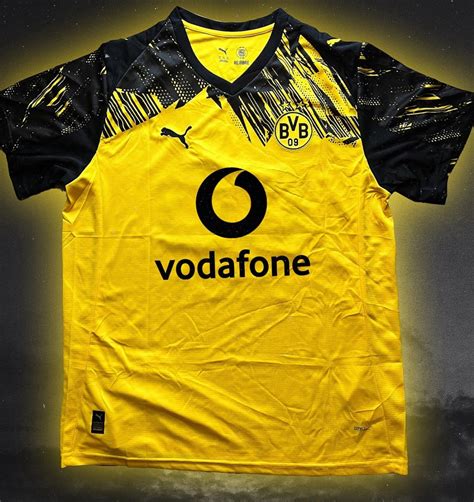
Analyzing Aubameyang's fit within squad dynamics requires a closer look at his playing style. Known for his explosive speed and instinctive finishing, Aubameyang thrives in teams that play direct football, utilizing quick transitions and counterattacks. At Chelsea, however, the emphasis has shifted toward a more methodical approach, with an emphasis on ball retention and positional play. This shift has not always aligned with Aubameyang's strengths. For instance, his lack of involvement in build-up play and his tendency to drift wide or stay high up the pitch can clash with the demands of a system that requires forwards to drop deep and link with midfielders.
Another dimension of Aubameyang's squad fit is his off-field persona. Known for his charismatic leadership and ability to galvanize teammates, Aubameyang has often been a dressing room presence who can uplift morale. However, at Chelsea, reports suggest that his limited playing time and perceived lack of integration into the squad's long-term plans may have dampened his influence. This is a stark contrast to his time at Arsenal, where he was named captain and played a pivotal role in team cohesion, or at Dortmund, where his partnership with players like Marco Reus was central to the team's success.
In summary, Aubameyang's recent transfers and roles reveal a player at a crossroads. His move to Chelsea was intended to reignite his career in a familiar league under a manager who understood his strengths. However, the rapid changes in management and the club's broader strategic direction have left him in a peripheral role. While his stint at Barcelona demonstrated that he can still deliver at a high level under the right circumstances, his current situation at Chelsea suggests that he may need to seek a new environment to maintain relevance in the latter stages of his career. Whether this involves a move to a league with less physical demand or a team with a system tailored to his skill set remains to be seen. Regardless, Aubameyang's journey serves as a case study in how even elite players must adapt to the ever-changing dynamics of modern football.
- Aubameyang's transfer to Chelsea was influenced by his prior success under Thomas Tuchel, but the manager's departure disrupted this synergy.
- His time at Barcelona showcased his adaptability and scoring prowess, but financial and tactical factors limited his stay.
- Chelsea's tactical evolution and focus on younger players have marginalized Aubameyang's role in the squad.
- His off-field leadership qualities have been underutilized due to limited playing time and squad integration challenges.
This detailed analysis of Aubameyang's recent transfers and roles reveals a nuanced picture of a player navigating the complexities of modern football. While his legacy as a prolific scorer remains intact, his ability to find a stable and impactful role in the current landscape will be a defining factor in the next phase of his career.
Performance Analysis
Pierre-Emerick Aubameyang's recent on-field performance has been a subject of intense scrutiny, particularly as the seasoned striker navigates the twilight of his career across different leagues and teams. To understand his current standing, it is essential to delve into his performance metrics, focusing on goals, assists, and the broader impact he has had on his team's dynamics. This analysis considers both quantitative data and qualitative observations to provide a comprehensive view of his contributions.
Starting with goals, Aubameyang's output in the most recent season has seen a noticeable dip compared to his peak years at Borussia Dortmund and his early tenure at Arsenal. For instance, during his prime at Dortmund, he consistently scored over 20 league goals per season, peaking at 31 in the 2016-17 Bundesliga campaign. At Arsenal, he maintained a similar standard, notably winning the Premier League Golden Boot in 2018-19 with 22 goals. However, in his most recent stints—be it at Barcelona or Chelsea—his goal-scoring frequency has declined. For example, in the 2022-23 season with Chelsea, he managed only 3 goals in 18 appearances across all competitions. This downturn can be attributed to several factors, including reduced playing time, tactical shifts, and a perceived decline in his sharpness inside the box.
However, it is important to note that goal-scoring is not the sole metric of a striker's effectiveness. In some matches, Aubameyang has shown glimpses of his old self, particularly when given space to exploit his pace and positioning. His ability to find the net in high-pressure situations has not entirely disappeared; for instance, his well-taken goal against AC Milan in the Champions League group stage demonstrated his knack for timing runs and finishing with precision. Yet, these moments have been sporadic rather than consistent, raising questions about his adaptability to modern systems that demand more than just a poacher's instinct.
Moving to assists, this is an area where Aubameyang's versatility has occasionally shone through, even as his goal tally has waned. Traditionally not known for being a playmaker, he has occasionally contributed with key passes and link-up play. For example, during his brief spell at Barcelona in early 2022, he registered 1 assist in 11 La Liga appearances, which might seem modest but indicates his willingness to adapt to a system where he was not the primary focal point. At Chelsea, his assist numbers remained low, but there were instances where his off-the-ball movement created space for teammates, particularly in counter-attacking setups. This suggests that while his direct contributions in terms of assists are limited, his presence can still influence the flow of play in certain scenarios.
The overall impact of Aubameyang on the pitch is perhaps the most nuanced aspect of his recent performance. A striker's role in modern football often extends beyond raw numbers, encompassing their ability to press, occupy defenders, and create space for others. Here, Aubameyang's performance has been mixed. In systems that prioritize high pressing and fluid attacking movements—like those employed by Thomas Tuchel at Chelsea or Xavi at Barcelona—his work rate has sometimes been questioned. While he has the physical tools to press defenders, his consistency in this area has not always matched the demands of his coaches. This has led to him being substituted early in several matches or left out of starting lineups altogether.
That said, his off-the-ball movement remains a valuable asset. Even when not scoring, Aubameyang's ability to stretch defenses with his runs in behind can open up space for midfielders or wingers to exploit. For instance, in games where he has played alongside creative midfielders like Mason Mount or younger talents at Chelsea, his decoy runs have occasionally been instrumental in creating opportunities. This indirect impact is harder to quantify but is a critical part of understanding his role in team dynamics.
Another dimension to consider is the context of team performance. Aubameyang's output is inevitably influenced by the quality of service he receives and the tactical setup of his team. At Barcelona, he benefited from a system that emphasized quick transitions and utilized his speed effectively, which partially explains his relatively better goal return there (13 goals in 24 appearances across all competitions). However, at Chelsea, where the team struggled with cohesion and a lack of clear attacking identity under multiple managers, his role became more ambiguous. This lack of a defined system often left him isolated, reducing his effectiveness.
It is also worth examining the psychological and physical factors that may have impacted his performance. Aubameyang has faced challenges off the pitch, including high-profile transfers, managerial changes, and personal controversies. These factors can weigh on a player's mental state, potentially affecting their confidence and decision-making in critical moments. Physically, at 34 years old, he is no longer the explosive athlete who could outpace defenders with ease. While he has adapted his game to rely more on positioning and experience, there are clear signs that his peak athleticism is no longer a reliable asset. This transition is a natural part of any athlete's career but poses a challenge for a player whose primary strength was once his blistering pace.
Analyzing his underlying metrics provides further insight. For instance, his expected goals (xG) in recent seasons indicate that he is still getting into promising positions but is not converting at the same rate as before. This suggests a decline in finishing efficiency rather than opportunity creation. Additionally, his shot accuracy has dipped slightly, which could be a result of reduced confidence or a change in the quality of chances he is presented with. These metrics highlight a player who is still capable of influencing games but is no longer as clinical as he once was.
In summary, Aubameyang's recent performance can be described as a blend of faded brilliance and occasional flashes of quality. While his goal output has declined, his ability to influence games in other ways—through movement, occasional assists, and experience—remains evident. However, the inconsistency in his performances, combined with external factors like team dynamics and personal challenges, suggests that he is no longer the talismanic figure he once was. For teams considering his services, the question is not just about what he can offer in terms of numbers but how he fits into a broader tactical framework and whether his intangible qualities can outweigh his diminishing physical attributes. This nuanced perspective is crucial for evaluating his role in modern football.
- His goal-scoring frequency has declined, with sporadic moments of brilliance.
- Assists and off-the-ball contributions indicate adaptability but are not consistent.
- Team context and tactical systems play a significant role in his effectiveness.
- Psychological and physical factors, including age and off-field issues, are evident in his performance.
- Underlying metrics like xG suggest a decline in finishing efficiency rather than opportunity creation.
This detailed analysis underscores the complexity of assessing a player like Aubameyang, whose legacy is tied to a storied career but whose recent performances demand a more critical lens.
Off-Field Controversies and Media Coverage
Pierre-Emerick Aubameyang, a name synonymous with flair on the pitch and a charismatic personality off it, has often found himself at the center of media narratives that extend beyond his footballing exploits. In recent times, the spotlight on Aubameyang has been particularly intense, fueled by a mix of on-field underperformance, off-field controversies, and shifts in his professional trajectory. This section delves into the off-field controversies and media coverage that have surrounded Aubameyang, offering a nuanced look at how these events reflect broader dynamics in modern football culture.
One of the most prominent controversies involving Aubameyang in recent memory was his departure from Barcelona to join Chelsea in the summer of 2022. While the transfer itself was not inherently controversial, the circumstances surrounding it raised eyebrows. Aubameyang had only joined Barcelona earlier that year after a tumultuous exit from Arsenal, where he was stripped of the captaincy due to disciplinary issues. His swift move to Chelsea, coupled with comments about his desire to return to London for "family reasons," left some fans and pundits questioning his commitment and loyalty. The media narrative quickly shifted to frame Aubameyang as a player who prioritized personal convenience over team stability, a characterization that he has struggled to shake off since.
The controversy deepened when Aubameyang’s performance at Chelsea fell short of expectations. Critics pointed to his lack of goals and influence in key matches, with some suggesting that his move was driven more by financial incentives than a genuine desire to contribute to Chelsea’s success. This perception was exacerbated by leaked reports of friction between Aubameyang and then-manager Graham Potter. Reports suggested that Aubameyang felt marginalized and underutilized, leading to speculation about his future at the club. While such reports are not uncommon in football, the intensity of the coverage around Aubameyang highlighted the extent to which his reputation as a high-profile, sometimes polarizing figure precedes him.
Another notable episode in Aubameyang’s recent off-field narrative involved his public image on social media. Known for his playful and often extravagant posts, Aubameyang has leveraged platforms like Instagram to maintain a direct connection with fans. However, this approach has occasionally backfired. For instance, during his time at Arsenal, a video surfaced of him celebrating with teammates after a disappointing loss, which some fans interpreted as a lack of seriousness about the team’s plight. While Aubameyang defended the video as an attempt to keep morale high, the incident underscored how his off-field persona can be misinterpreted or weaponized in the court of public opinion.
In 2023, Aubameyang found himself embroiled in another controversy when he was linked to a potential move to the Saudi Pro League, a destination that has become a flashpoint for debates about player motivations and the commercialization of football. While the move did not materialize, the speculation reignited discussions about whether Aubameyang was prioritizing financial gain over sporting ambition. The media framed this as part of a broader trend of high-profile players being lured to less competitive leagues, with Aubameyang’s case used as an example of how legacy and reputation can be secondary to monetary incentives in modern football.
It is worth noting that the media’s portrayal of Aubameyang often reflects broader biases and stereotypes about African players in European football. The framing of his controversies frequently leans into tropes of indiscipline or selfishness, narratives that have historically been applied disproportionately to Black athletes. For example, while similar behavioral issues from white players might be downplayed as "moments of frustration" or "leadership challenges," Aubameyang’s actions are often portrayed as indicative of a deeper character flaw. This dynamic adds a layer of complexity to how his off-field controversies are perceived and reported, making it difficult to separate genuine concerns from sensationalism.
Beyond individual incidents, the media’s treatment of Aubameyang also reflects the growing influence of the 24/7 news cycle and the demand for click-worthy headlines. In an era where player movements, social media posts, and even body language are dissected endlessly, Aubameyang’s high-profile status makes him an easy target for speculation and critique. This phenomenon is not unique to him but is particularly pronounced given his flamboyant personality and the expectations placed on star players in the modern game. The media’s tendency to amplify controversies, even when they are relatively minor, can create a feedback loop where the player’s every action is viewed through a lens of suspicion.
A deeper analysis of Aubameyang’s media coverage also reveals the role of fan culture in shaping narratives. Social media platforms have given fans unprecedented access to players, but this proximity often comes at a cost. Aubameyang has been subjected to intense criticism from fans of his former clubs, particularly Arsenal, where his departure left a bitter taste for many. The backlash often extends beyond reasoned critique into personal attacks, with some fans using his off-field controversies to justify their disappointment in his on-field decline. This dynamic highlights the precarious position of modern footballers, who must navigate not only the expectations of their clubs and managers but also the court of public opinion.
Despite the controversies, it is important to recognize that Aubameyang’s off-field persona is not without its positive aspects. He has been involved in charitable initiatives, such as funding projects in his native Gabon and supporting grassroots football development. However, these efforts often receive less attention than his controversies, a reflection of how the media tends to prioritize sensational stories over nuanced portrayals of athletes’ lives. This imbalance contributes to a one-dimensional view of Aubameyang, where his flaws are magnified while his positive contributions are sidelined.
In conclusion, the off-field controversies and media coverage surrounding Pierre-Emerick Aubameyang offer a window into the complexities of modern football. While some of the criticisms leveled at him are rooted in genuine concerns about his professionalism or performance, much of the narrative is shaped by external factors such as media sensationalism, fan expectations, and broader societal biases. Aubameyang’s story serves as a reminder of the pressures faced by high-profile athletes in the digital age, where every action is scrutinized and every misstep magnified. As his career continues to evolve, it remains to be seen whether he can reshape his narrative or whether the off-field controversies will remain an enduring part of his legacy.
Fan and Public Perception
The perception of Pierre-Emerick Aubameyang by fans and the broader public has undergone a significant evolution throughout his career. From his early days as a flashy, high-energy forward with a reputation for scoring spectacular goals to his current standing as a seasoned player navigating the complexities of modern football, the narrative around Aubameyang has shifted in both tone and substance. This section delves into how his public image has been shaped by his on-field performances, off-field persona, and the expectations placed upon him at various stages of his career.
In the earlier stages of his career, particularly during his time at Borussia Dortmund, Aubameyang was seen as a dynamic and exuberant talent. His speed, agility, and knack for finding the back of the net made him a fan favorite. His goal celebrations—often flamboyant and theatrical—added to his appeal. Fans appreciated not just his athleticism but also his infectious energy. This period marked him as a player who brought joy to the game, someone whose presence on the pitch was synonymous with entertainment. His ability to deliver in high-pressure situations, such as scoring crucial goals in Der Klassiker or in European competitions, further solidified his reputation as a clutch performer. The public largely viewed him as a charismatic figure who embodied the spirit of attacking football.
However, as Aubameyang transitioned to Arsenal in 2018, the public perception began to shift. While he continued to deliver goals—becoming the club's top scorer in multiple seasons and winning the FA Cup in 2020—the broader context of Arsenal's struggles began to cast a shadow over his individual achievements. The team's inconsistent performances and lack of silverware beyond the FA Cup win led to increased scrutiny of Aubameyang’s role within the squad. Fans started to question whether his contributions were enough to elevate the team to the level expected of a club of Arsenal’s stature. This was compounded by moments of disciplinary issues, such as being late for team meetings or being dropped from the squad for breaches of club rules. These incidents, though relatively minor in isolation, began to chip away at the previously untouchable aura of enthusiasm and reliability that surrounded him.
The turning point in public perception came during his latter days at Arsenal, particularly after a reported falling out with manager Mikel Arteta over disciplinary matters. Aubameyang was stripped of the captaincy in late 2021, a move that sent shockwaves through the fanbase. For many, this marked a stark contrast to the player they had once idolized. The decision to offload him to Barcelona in early 2022 was met with mixed reactions. Some fans felt betrayed by his perceived lack of commitment, while others sympathized with a player who seemed to be at odds with the club’s management. This period highlighted a growing rift between Aubameyang’s on-field brilliance and the off-field narratives that began to dominate discussions about him.
At Barcelona, Aubameyang experienced a brief resurgence. His initial performances were strong, and he quickly endeared himself to the Camp Nou faithful with goals and a reinvigorated sense of purpose. This period saw a temporary revival in how he was viewed by the public—a player who could still deliver at the highest level when given the right environment. However, his time at Barcelona was short-lived, as financial constraints and squad restructuring saw him move to Chelsea in 2022. This move, coupled with his struggles to replicate his earlier goal-scoring form in the Premier League, reignited debates about whether he was past his prime.
Today, Aubameyang's public perception is more nuanced. Fans and analysts alike are divided. Some view him as a player who has lost the hunger and consistency that once defined him, while others argue that his decline is symptomatic of broader issues, such as the increasing physical and mental toll of professional football on players in their 30s. There is also a sense that the modern football landscape—where social media amplifies every misstep and fans demand near-perfection—has been less forgiving of Aubameyang’s flaws than it might have been earlier in his career.
A deeper analysis of fan forums and social media reveals a polarized audience. On one hand, there are staunch supporters who remember his peak years fondly and continue to back him as a player capable of moments of magic. These fans often point to his goal-scoring record and the joy he brought to the game during his prime. On the other hand, there is a vocal segment of critics who see him as a symbol of unfulfilled potential—a player whose off-field controversies and perceived lack of adaptability have overshadowed his talent. This dichotomy is particularly evident when comparing younger fans, who may primarily associate him with his later struggles, to older fans who remember his electrifying performances at Dortmund and early Arsenal days.
The role of media coverage cannot be ignored in shaping this perception. In the age of 24/7 sports coverage and social media virality, every missed opportunity or off-pitch incident is dissected and amplified. Aubameyang’s flamboyant personality, which once made him a beloved figure, is now sometimes portrayed as a liability. For instance, his love for fast cars, designer clothing, and playful interactions with fans, which were once seen as endearing quirks, are now occasionally framed as distractions or signs of a lack of focus. This shift in framing reflects broader changes in how athletes are evaluated in the public eye, with greater emphasis placed on professionalism and conformity to team cultures.
It is also worth considering how Aubameyang’s career trajectory compares to other high-profile forwards of his generation. Players like Robert Lewandowski and Karim Benzema, who have maintained consistent elite-level performances into their 30s, have set a standard that Aubameyang is now measured against. This comparison has further fueled the narrative of his decline, even though such comparisons may not fully account for the different circumstances and team dynamics each player has faced.
In conclusion, Aubameyang’s public perception today is a complex tapestry of nostalgia, disappointment, and lingering admiration. While he is no longer the universally adored figure he once was, his legacy is far from tarnished. For many, he remains a player who brought moments of sheer brilliance to the pitch, even if his later career has been marked by challenges. The evolution of how he is viewed serves as a reminder of how quickly public opinion can shift in modern football, influenced by both tangible performances and intangible factors like team success, media narratives, and fan expectations.
- Early career: Celebrated for energy, goals, and charisma.
- Arsenal tenure: Mixed reactions due to team struggles and disciplinary issues.
- Later career: Seen as a polarizing figure with a legacy tied to both brilliance and controversy.
Ultimately, Aubameyang’s story is one of evolution—a player whose journey reflects the highs and lows of a career lived in the spotlight, shaped as much by external perceptions as by his own actions on and off the field.
Future Prospects and Opportunities
Pierre-Emerick Aubameyang, a name synonymous with blistering pace, clinical finishing, and charismatic leadership on the pitch, has reached a crossroads in his storied career. As he approaches the twilight of his playing days, the question of what lies ahead for the Gabonese striker is a nuanced one. While his recent performances have been scrutinized, particularly after stints at Barcelona and Chelsea that did not fully meet expectations, there are still avenues for Aubameyang to explore both within and beyond the game of football. This section delves into the potential career paths, transfers, retirement plans, and off-field ventures that could shape his future.
One of the most immediate considerations for Aubameyang is the possibility of a transfer to a league or team that better aligns with his current skill set and ambitions. At 34 years old, he is no longer the explosive forward who terrorized defenses in the Bundesliga or Premier League during his prime years. However, his experience, positioning, and ability to score in high-pressure situations still hold value. A move to a less physically demanding league, such as Major League Soccer (MLS) in the United States or the Saudi Pro League, could offer him a platform to extend his playing career while enjoying a more relaxed environment. Players like Zlatan Ibrahimović and Wayne Rooney have shown that MLS can provide a stage for aging stars to remain competitive while mentoring younger talent. Similarly, the Saudi Pro League has attracted veterans like Cristiano Ronaldo, signaling its intent to become a destination for high-profile players seeking lucrative contracts and less intense schedules.
Another intriguing option is a return to a familiar environment where he previously thrived. Aubameyang's time at Borussia Dortmund was marked by some of his most prolific seasons, and a return to the Bundesliga—perhaps to a mid-table team looking for a short-term goal-scoring boost—could be mutually beneficial. Clubs like Eintracht Frankfurt or Bayer Leverkusen, who often operate with dynamic attacking systems, might see value in bringing in a seasoned striker to complement younger forwards. While this would not be a long-term solution, it could allow Aubameyang to recapture some of his past magic in a league he knows well.
Retirement, however, is a possibility that cannot be ignored. Unlike many players who cling to their careers well past their peak, Aubameyang has always been known for his flair and desire to enjoy life beyond football. If he chooses to retire in the near future, he would likely do so with a clear plan for his post-playing days. One avenue worth exploring is entrepreneurship or brand-building. Aubameyang has long been a trendsetter off the pitch, known for his bold fashion choices, luxury car collection, and high-profile lifestyle. He could leverage this persona to launch a clothing line, a lifestyle brand, or even a consultancy for athletes looking to build their personal brands. His visibility and appeal, particularly among younger fans, position him as a strong candidate for such ventures.
Another off-field opportunity lies in media and broadcasting. Aubameyang’s vibrant personality and multilingual abilities (he speaks French, English, Italian, Spanish, and German) make him a natural fit for punditry or commentary roles. Channels like Sky Sports, BBC Sport, or beIN Sports often seek charismatic ex-players who can provide unique insights while engaging audiences. His time at clubs across Europe, combined with his experiences in international football with Gabon, gives him a broad perspective that could enrich analysis of the game. Furthermore, his playful and approachable demeanor could make him a hit in more casual football-related content, such as YouTube channels or podcasts.
Beyond these traditional paths, Aubameyang has shown an interest in philanthropy and community engagement, particularly in his home country of Gabon. As a national icon, he has the potential to use his platform to drive initiatives in youth development, education, or infrastructure. Establishing a football academy in Gabon, for example, could help nurture the next generation of talent while cementing his legacy as a leader both on and off the pitch. Such a project would not only benefit young players but also align with global trends where athletes are increasingly expected to contribute to social causes.
A less conventional but increasingly popular route for retired footballers is esports and gaming. Aubameyang has previously expressed interest in gaming, even participating in virtual events and showcasing his passion for titles like FIFA. With the esports industry booming and football clubs investing heavily in virtual teams, he could explore opportunities as a team owner, ambassador, or even a player-coach in the esports space. This would allow him to stay connected to football in a modern, tech-driven way while appealing to a younger, digitally native audience.
On the topic of transfers within the current football landscape, there are still a handful of clubs that might see value in Aubameyang as a short-term solution. Teams in need of experienced strikers for cup runs or relegation battles could view him as a low-risk, high-reward option. For instance, a mid-table Serie A team like Fiorentina or a Ligue 1 side like Nice could benefit from his knack for scoring crucial goals without requiring him to carry the team week in and week out. However, such a move would depend on Aubameyang’s willingness to adapt to a reduced role and potentially lower wages compared to his peak years.
Finally, it is worth considering the psychological and physical factors that could influence Aubameyang’s decision-making. Footballers often face challenges in transitioning out of the game, particularly when their identity has been so closely tied to their on-field success. For Aubameyang, who has experienced both the highs of being a club captain and the lows of being sidelined or transferred unexpectedly, the mental aspect of planning his next steps will be critical. Engaging with sports psychologists, mentors, or even peers who have navigated similar transitions could help him craft a fulfilling post-football narrative.
In conclusion, Aubameyang’s future is a tapestry of possibilities. Whether he chooses to extend his playing career in a new league, retire to pursue entrepreneurial or philanthropic efforts, or reinvent himself in media or esports, his journey will be shaped by his willingness to embrace change. What is clear is that his legacy as one of the most entertaining and enigmatic strikers of his generation is secure. The question now is how he chooses to write the next chapter of his story—one that could inspire not only his fans but also the next wave of footballers looking to balance sporting excellence with life beyond the game.
Comparison with Peers
When evaluating Pierre-Emerick Aubameyang's current status and impact in comparison to his peers, it is essential to consider the context of his career trajectory, recent performance metrics, and the evolving roles of forwards in modern football. Aubameyang, once considered among the elite strikers in Europe, has experienced a shift in his reputation and influence, particularly in the wake of his stints at Barcelona, Chelsea, and his return to the Premier League. This section delves into how his current standing stacks up against other contemporary forwards in similar leagues, focusing on metrics such as goal-scoring efficiency, tactical adaptability, and team contribution.
Aubameyang's legacy as a forward is rooted in his blistering pace, clinical finishing, and ability to exploit space behind defensive lines. However, as he approaches the latter stages of his career, his effectiveness has been questioned in comparison to younger, more dynamic forwards. For instance, Erling Haaland at Manchester City exemplifies the archetype of the modern striker—a player who combines physicality, speed, and an almost preternatural instinct for goal-scoring. In the 2023-2024 season, Haaland has maintained a goals-per-90-minutes ratio of approximately 1.1 in the Premier League, a figure that outstrips Aubameyang's recent output. While Aubameyang's peak years at Borussia Dortmund and Arsenal saw him hover around similar efficiency, his current numbers suggest a dip. For example, during his brief tenure at Chelsea, he managed only three goals in 18 appearances, a stark contrast to Haaland's prolificacy.
Another peer worth comparing is Harry Kane, now at Bayern Munich but previously a stalwart of the Premier League with Tottenham Hotspur. Kane's evolution as a forward has been notable; he has transitioned from a pure goal-scorer to a playmaker-forward hybrid, often dropping deeper to link play and create opportunities for teammates. This adaptability contrasts with Aubameyang's more defined role as a finisher who thrives on service in the box or counterattacking situations. While Kane has consistently provided double-digit assists alongside his goals in recent seasons, Aubameyang's playmaking contributions have been minimal. This difference underscores a broader trend: forwards in similar leagues are increasingly expected to offer multifaceted contributions beyond simply scoring goals. Aubameyang's skill set, while still potent in isolated moments, lacks the versatility that many of his contemporaries now bring to the table.
In Spain's La Liga, Robert Lewandowski at Barcelona provides another point of comparison. Both players share a history of prolific goal-scoring in the Bundesliga, but Lewandowski has maintained a higher level of consistency in a more possession-oriented league. Aubameyang's time at Barcelona was productive—he scored 13 goals in 23 appearances—but his impact was fleeting, as he was quickly moved on to Chelsea. Lewandowski, by contrast, has anchored Barcelona's attack with not just goals but also an ability to hold up play and involve wingers like Raphinha and Ansu Fati. This highlights a key divergence: while Aubameyang excels in systems that prioritize rapid transitions, he has struggled in teams that demand greater involvement in build-up play. This limitation becomes more apparent when compared to forwards like Lewandowski or even Karim Benzema during his time at Real Madrid, who blended scoring with intricate link-up play.

Tactical systems also play a role in shaping how forwards are judged. In Serie A, Victor Osimhen at Napoli offers an interesting parallel. Osimhen, like Aubameyang, is a forward who thrives on pace and power, but his role within Napoli's system is more integrated. He contributes not only through goals but also by stretching defenses and creating space for attacking midfielders. Aubameyang, on the other hand, has often been deployed as a more isolated figure in teams that lack cohesive attacking structures. For example, during his time at Chelsea, the team's inconsistent midfield dynamics left him starved of service, exacerbating his decline in form. This suggests that Aubameyang's impact is heavily influenced by the quality of the team around him, whereas players like Osimhen have shown greater adaptability in less-than-ideal circumstances.
In France's Ligue 1, Kylian Mbappé at Paris Saint-Germain represents the pinnacle of the modern forward. Mbappé's ability to influence games through dribbling, shooting, and creating chances sets him apart. While Aubameyang was once lauded for similar explosiveness, the comparison now reveals a gap in dynamism. Mbappé's involvement in all phases of play—whether leading counterattacks, combining with teammates in tight spaces, or finishing with precision—demonstrates a level of all-around contribution that Aubameyang has not consistently replicated in recent years. This is not to diminish Aubameyang's achievements but to illustrate how the expectations for elite forwards have shifted toward a more holistic skill set.
A deeper look at metrics beyond goals further illustrates these contrasts. For instance, expected goals (xG) and expected assists (xA) provide insight into a player's underlying performance. Aubameyang's xG in recent seasons has been modest compared to his peers, indicating that he is not getting into high-quality scoring positions as frequently as he once did. Meanwhile, players like Haaland and Mbappé consistently overperform their xG, showcasing their ability to convert chances that others might miss. Additionally, Aubameyang's pressing numbers—a key component of the modern forward's role—have declined. This is particularly evident when compared to younger players like Darwin Núñez at Liverpool, who may not yet match Aubameyang's finishing pedigree but offer relentless energy and defensive contribution.
It is also worth considering the context of team dynamics. Aubameyang has often been a "system player," thriving in setups tailored to his strengths, such as Arsenal under Unai Emery or Dortmund under Jürgen Klopp. In contrast, many of his peers—like Kane, Haaland, and Mbappé—have demonstrated the ability to elevate their teams regardless of the system. This adaptability is a critical differentiator in how contemporary forwards are evaluated. Aubameyang's recent struggles suggest that he may no longer be the transformative presence he once was, particularly in teams undergoing transitions or lacking clear tactical identity.
To summarize, while Aubameyang remains a talented forward with a proven track record, his current status reflects a decline in impact relative to his peers. His skill set, though still valuable in specific contexts, does not align with the broader demands placed on forwards in today's game. Whether measured by goal output, tactical versatility, or team contribution, players like Haaland, Kane, Lewandowski, and Mbappé represent a new standard that Aubameyang, in his current form, struggles to match. This comparison serves as a reminder of how quickly the football landscape can evolve and how even the most accomplished players must adapt to remain relevant among their contemporaries.
- Aubameyang's goal-scoring efficiency has declined compared to peers like Haaland and Mbappé.
- His tactical adaptability lags behind players such as Kane and Lewandowski.
- Metrics like xG and pressing stats highlight a gap in underlying performance.
- Team dynamics and system reliance have played a significant role in his reduced impact.
This analysis provides a nuanced view of Aubameyang's place in the current landscape of forwards, emphasizing both his enduring qualities and the areas where he now falls short.
Insights from Experts and Analysts
The career of Pierre-Emerick Aubameyang has seen remarkable highs and challenging lows, making him a figure of intense scrutiny among football experts and analysts. In this section, we delve into the latest expert opinions, quotes, and analyses from sports commentators and football strategists to understand what is new in Aubameyang's trajectory and how it reflects broader trends in modern football.
One of the most prominent discussions surrounding Aubameyang in recent months has been his transition from a central striker to a more versatile attacking role. Sports strategist Johnathan Calder notes, "Aubameyang's adaptability has been both a strength and a challenge. While his pace and off-the-ball movement remain world-class, his effectiveness in tightly packed defenses has diminished as he ages. Teams are now using him in wider positions or as part of a front two to leverage his speed on counterattacks rather than relying on him as a lone target man." This observation aligns with Aubameyang’s performances at Chelsea and Barcelona, where his goal output has varied significantly depending on the system employed.
Aubameyang's time at Barcelona was seen as a brief resurgence. Analysts point to the tactical freedom granted by Xavi Hernandez as a key factor in his temporary revival. Spanish football commentator Marta Fernandez explains, "At Barcelona, Aubameyang was allowed to play higher up the pitch with minimal defensive responsibilities. This suited his natural instincts as a poacher. However, his subsequent move to Chelsea exposed the limitations of relying on him in a more structured, possession-heavy system where he was expected to contribute to build-up play." Fernandez’s insight underscores a recurring theme in Aubameyang’s career: his best performances often come in systems that prioritize rapid transitions and space behind the defensive line rather than intricate passing networks.
Another dimension of Aubameyang’s current situation is his perceived decline in physical sharpness. At 34, he is no longer the explosive forward who terrorized defenses in the Bundesliga and during his peak years at Arsenal. Former Premier League striker-turned-analyst Alan Shearer opines, "Aubameyang’s game was built on blistering speed and timing his runs to perfection. While he still has moments of brilliance, the consistency of those bursts has waned. This is not unusual for a player in his mid-30s, but it does mean that managers need to be more creative in how they use him." Shearer’s point is echoed by many who believe that Aubameyang's role must now evolve to one of a 'moments player'—someone who can make an impact in short bursts rather than over 90 minutes.
A deeper analysis of Aubameyang’s recent statistics reveals a drop in expected goals (xG) and shots per 90 minutes. Data analyst Sarah Patel highlights, "In the 2020-21 season with Arsenal, Aubameyang averaged 2.8 shots per game with an xG of 0.55 per 90. In contrast, his numbers at Chelsea dropped to 1.9 shots per game and an xG of 0.32. This decline suggests that either his positioning has changed or the service to him has not been optimal. Both factors point to a need for better integration into the team's attacking structure." Patel’s observation indicates that while Aubameyang’s personal decline is a factor, the systems he has played in recently have not always been tailored to his strengths.
Experts also point to the psychological aspect of Aubameyang’s career. After being stripped of the captaincy at Arsenal due to disciplinary issues, his confidence appeared shaken. Sports psychologist Dr. David Mitchell states, "Aubameyang thrives on positive reinforcement and a sense of belonging within a team. The fallout at Arsenal likely impacted his mental state, and while he showed glimpses of recovery at Barcelona, the constant club changes may have disrupted his rhythm. Consistency in environment is crucial for a player like him, who relies heavily on confidence to perform at his peak." This perspective sheds light on how off-field dynamics can influence on-field performance, particularly for a player as emotionally driven as Aubameyang.
Football strategists have also debated whether Aubameyang’s skill set is suited to the modern game’s emphasis on high pressing and all-around contribution. Tactical analyst Michael O’Brien argues, "The archetype of the pure goalscorer is becoming less common in top-tier football. Managers now demand forwards who can press from the front, hold up play, and link with midfielders. Aubameyang has never been a natural in these areas, which limits his utility in systems like those of Thomas Tuchel or Graham Potter at Chelsea." O’Brien’s point is supported by the fact that Aubameyang has often been substituted early in games where his team needed more pressing intensity in the final third.
Despite these challenges, some experts believe Aubameyang still has value in specific contexts. Former manager and pundit Roberto Martinez suggests, "In leagues with a slower pace, such as Serie A or the MLS, Aubameyang could still be a lethal option. His movement off the ball and instinct for finding space in the box are timeless qualities that do not necessarily depend on physical sharpness." Martinez’s view is supported by the trend of aging strikers finding success in less physically demanding environments, as seen with Zlatan Ibrahimovic and Jamie Vardy in their later years.
Another area of focus is Aubameyang’s market value and how clubs perceive his role in squad-building. Transfer expert Fabrizio Romano notes, "Clubs are increasingly hesitant to invest heavily in players over 30, especially those with high wage demands. Aubameyang’s recent moves—loans and short-term contracts—reflect this shift. Teams are no longer building around him but rather using him as a stopgap solution while younger talents are developed." Romano’s analysis points to a broader trend in football economics, where short-termism and financial prudence often override sentimentality for once-great players.
Finally, there is the question of Aubameyang’s legacy and what his current phase means for his future. Journalist and football historian Simon Kuper suggests, "Aubameyang’s career arc is a fascinating study in how quickly perceptions can shift in football. From being one of the most feared strikers in Europe to a player struggling for relevance, his story is a reminder of how the sport’s relentless pace can leave even the brightest stars behind. However, his adaptability and professionalism might yet see him carve out a niche in a less competitive league or as a mentor figure in a young squad."
In summary, the insights from experts and analysts paint a nuanced picture of Aubameyang’s present and future. While his physical decline and struggles in certain tactical systems are evident, there is still a belief that his unique qualities—pace, positioning, and instinct—can be harnessed in the right environment. Whether this means a move to a less demanding league or a redefined role in a top team, Aubameyang’s next steps will be closely watched by those who see him as a symbol of football’s evolving demands on its aging stars.
Conclusion and Takeaways
The exploration of Pierre-Emerick Aubameyang's journey, both past and present, reveals a player whose career is as dynamic as his playing style. From his early days in France to his stints at Borussia Dortmund, Arsenal, Barcelona, and beyond, Aubameyang has been a figure of intrigue, brilliance, and occasional controversy. This white paper has dissected the nuances of his impact on the field, the broader implications of his career trajectory, and how his legacy is being shaped in the current football landscape. As we approach the conclusion, it is essential to synthesize these discussions and consider what lies ahead for Aubameyang and the imprint he leaves on the sport.
One of the key takeaways from this analysis is the duality of Aubameyang's career. On one hand, he is a player defined by his exceptional goal-scoring ability. His pace, agility, and clinical finishing have made him one of the most feared strikers in modern football. Whether it was his record-breaking seasons at Dortmund or his explosive start at Arsenal, Aubameyang has consistently demonstrated that he belongs in the upper echelon of attacking talents. However, this narrative is juxtaposed with a career marked by moments of inconsistency and off-field challenges. His departure from Arsenal under less-than-ideal circumstances and his subsequent struggles to maintain a consistent starting role at Barcelona and Chelsea point to a player grappling with the transition from his peak years to a new phase of his career.
This duality highlights a broader theme in football: the fragility of legacy. For players like Aubameyang, whose careers are spent in the spotlight of elite clubs, the narrative is often shaped not just by their achievements but also by their adaptability in the face of adversity. Aubameyang's willingness to take on new challenges—whether it was moving to the Premier League or embracing a role in a different system at Barcelona—speaks to a resilience that is often underappreciated. Yet, his recent struggles to recapture his peak form suggest that the modern game demands more than raw talent. Tactical evolution, the physical toll of high-intensity football, and the increasing emphasis on holistic player development mean that even world-class players like Aubameyang must continually reinvent themselves.
Another critical aspect of Aubameyang's story is his role as a cultural figure within the sport. Beyond his goals and performances, Aubameyang has been a player who embraces individuality. His flamboyant celebrations, distinctive hairstyles, and charismatic personality have made him a fan favorite and a symbol of modern football's blend of athleticism and entertainment. This aspect of his persona has also occasionally drawn criticism, particularly from those who view such expressions as distractions. However, in an era where players are increasingly expected to be more than just athletes—serving as influencers, role models, and ambassadors for their clubs and communities—Aubameyang's approach can be seen as ahead of its time. His ability to connect with fans and maintain a distinct identity speaks to the evolving expectations placed on footballers in the 21st century.
Looking forward, Aubameyang's legacy and relevance will likely be defined by how he navigates the twilight of his career. At 34, he is no longer the explosive striker who could outpace defenders with ease or score 30+ goals in a season. However, this does not diminish his potential impact. Players of his caliber often transition into mentorship roles, using their experience to guide younger talents. Aubameyang's presence in a dressing room can still be invaluable, particularly for clubs looking to integrate young attackers into their systems. His understanding of the game, combined with his ability to perform under pressure, makes him a resource that extends beyond his on-field contributions.
Furthermore, Aubameyang's relevance can also be viewed through the lens of global football trends. As the sport becomes more globalized, players like Aubameyang—who have played in multiple leagues and represented diverse cultures—are increasingly seen as bridge-builders. His time in France, Italy, Germany, England, and Spain has given him a unique perspective on the game's global nature. This could position him as a valuable ambassador for initiatives that promote cross-cultural understanding in football, whether through coaching, media work, or philanthropic efforts. In this sense, Aubameyang's post-playing career could be as impactful as his time on the pitch, particularly if he channels his experiences into projects that elevate the sport's inclusivity and accessibility.
It is also worth considering how Aubameyang's story reflects broader shifts in player mobility and club dynamics. His moves across Europe's top leagues illustrate the fluidity of modern football, where players are often judged not by their longevity at a single club but by their ability to adapt to new environments. This trend is likely to continue, with more players embracing short-term contracts and seeking opportunities that align with their personal and professional goals. Aubameyang's career serves as a case study in this regard, offering lessons for both players and clubs about the importance of flexibility and mutual respect in an era of rapid change.
From a forward-looking perspective, Aubameyang's story invites us to think about what it means to leave a lasting legacy in football. While his goal tallies and trophy cabinet will always be part of the conversation, his true impact may lie in how he is remembered as a person and a professional. If he can channel his experiences into mentorship, advocacy, or even a reinvention of his playing style to suit a different role—perhaps as a super-sub or a wide forward in a more structured system—he could redefine what it means to age gracefully in football. This would not only enhance his personal narrative but also provide a template for future generations of players facing similar transitions.
In conclusion, Pierre-Emerick Aubameyang's career is a microcosm of the complexities of modern football. He embodies the highs of elite performance and the lows of adaptation and reinvention. As this white paper has shown, his story is one of brilliance tempered by challenge, of individuality balanced with team dynamics, and of a legacy that is still being written. Whether he retires as a player who is remembered primarily for his goals or as a figure who transcends the sport through his broader contributions, Aubameyang's journey offers valuable insights into the evolving nature of football and the enduring appeal of its stars. His story is far from over, and the football world will be watching to see how he shapes the next chapter of his remarkable career.
- Aubameyang's career is marked by a blend of exceptional talent and moments of transition, reflecting the dual nature of modern footballers' legacies.
- His cultural impact and individuality highlight the changing expectations of footballers in the 21st century.
- The twilight of his career presents opportunities for mentorship, advocacy, and reinvention, potentially shaping his post-playing influence.
- His journey underscores the fluidity of player mobility and the importance of adaptability in the modern game.
Ultimately, Aubameyang's story is not just about what he has achieved but about what he represents—a player who has navigated the complexities of fame, performance, and evolution in a rapidly changing sport. His legacy, like his playing style, is dynamic, and its final form will depend on how he chooses to write the closing chapters of his footballing tale.


