Introduction
Real Madrid is not merely a football club; it is an institution that transcends the boundaries of sport to embody a global legacy of excellence, ambition, and unrelenting success. Founded in 1902, the club has grown from its humble beginnings in Spain's capital to become one of the most iconic and influential organizations in the world of football. Its name evokes images of white jerseys glistening under floodlights, of triumphant celebrations in packed stadiums, and of moments that have etched themselves into the annals of sporting history. This introduction sets the stage to explore one of the most remarkable feats in football—Real Madrid's 14 titles in the UEFA Champions League (formerly the European Cup). To understand the magnitude of this achievement, we must first delve into the club's identity, its historical trajectory, and the narrative of dominance that has made it synonymous with European glory.
At its core, Real Madrid is a club defined by its pursuit of greatness. This is not a mere cliché but a tangible ethos embedded in its DNA. The club's early years were marked by a desire to stand out in a burgeoning football scene in Spain. However, it was in the mid-20th century, under the presidency of Santiago Bernabéu, that Real Madrid began to craft its identity as a force of European football. Bernabéu, whose name now graces the club's iconic stadium, envisioned a team that could dominate not just domestically but on the continental stage. This vision was realized through a combination of shrewd leadership, innovative strategies, and a knack for attracting some of the finest talents of the era. The European Cup, introduced in 1955, provided the perfect platform for this ambition.
The European Cup was more than a tournament; it was a battleground for clubs to assert their supremacy beyond national borders. Real Madrid seized this opportunity with both hands, winning the inaugural edition in 1956 and proceeding to claim the title for five consecutive years—a feat that remains unmatched. These early triumphs were not just about the trophies; they were about establishing a template for what a truly global football club could achieve. The team of the 1950s, led by the legendary Alfredo Di Stéfano and Ferenc Puskás, was not just a collection of players but a symbol of what Real Madrid represented—a blend of artistry, grit, and an unwavering belief in their ability to overcome any challenge. This era set the tone for what would become a recurring theme in the club's history: the relentless pursuit of European dominance.
To discuss Real Madrid's 14 titles is to explore a timeline that spans over six decades, encompassing different eras, playing styles, and managerial philosophies. Each of these titles tells a unique story about the club's evolution. The early victories in the 1950s and 1960s were rooted in a classical, attacking style of play that emphasized skill and flair. By the time the club won its sixth title in 1966, it had already established itself as the standard-bearer of European football. However, the period that followed was marked by a relative drought in European success. While Real Madrid remained a dominant force in Spain, winning numerous La Liga titles, the European Cup eluded them for over three decades. This period of transition highlights an important aspect of the club's journey—its ability to reinvent itself in the face of adversity.
The turn of the millennium brought a new wave of success for Real Madrid, fueled by what became known as the "Galácticos" era. Under the presidency of Florentino Pérez, the club adopted a strategy of signing some of the world's most high-profile players, including Zinedine Zidane, Ronaldo, and David Beckham. While this approach was criticized by some for prioritizing star power over team cohesion, it undeniably brought a renewed focus on European glory. The 2002 Champions League victory, secured with a stunning volley by Zidane in the final, was a watershed moment. It signaled that Real Madrid was not content to rest on its historical laurels but was determined to reclaim its place at the pinnacle of European football.
The modern era of Real Madrid's Champions League dominance, particularly in the 2010s, is perhaps the most instructive when discussing their 14 titles. Under managers like José Mourinho, Carlo Ancelotti, and Zinedine Zidane (in his managerial avatar), the club demonstrated a blend of tactical innovation, mental resilience, and an almost mythical ability to perform in the knockout stages of the competition. This period saw Real Madrid win four titles in five years (2014–2018), a modern-day dynasty that reaffirmed their status as the kings of Europe. These victories were not just about star-studded lineups but also about the intangible qualities that define champions—composure under pressure, an unshakable belief in comeback victories, and a deep understanding of what it means to wear the white jersey.
What makes Real Madrid's 14 titles particularly compelling is the diversity of contexts in which they were achieved. Unlike some clubs whose successes are clustered within a specific era, Real Madrid's triumphs are spread across different generations, each reflecting the zeitgeist of its time. The club's ability to remain relevant and competitive across such a vast timeline speaks to its institutional strength. It is not just about having great players or charismatic managers; it is about a culture of excellence that permeates every level of the organization—from the youth academy (La Fabrica) to the boardroom.
This culture of excellence is also evident in the club's ability to adapt to the changing landscape of football. The modern game is characterized by financial Fair Play regulations, increased competition from clubs backed by state wealth, and the globalization of talent. Yet, Real Madrid has consistently found ways to stay ahead of the curve. Whether through its focus on youth development, its strategic signings, or its ability to leverage its brand to attract sponsors and fans worldwide, the club has ensured that its legacy is not confined to the past but is actively being written in the present.
The significance of 14 titles also lies in what it represents beyond the numbers. Each title is a chapter in a larger story of ambition, resilience, and the relentless pursuit of excellence. For fans, these victories are not just moments of joy but affirmations of their belief in the club's identity. For rivals, they are a benchmark to aspire to, a standard that defines what it means to be a true giant of the sport. For neutral observers, they are a testament to the beauty and drama of football, where narratives of triumph and heartbreak are played out on the grandest stage.
In setting the stage for a deeper exploration of Real Madrid's 14 titles, it is important to recognize that this is not just a discussion of trophies won but of a philosophy upheld. Real Madrid is more than a club that has won the Champions League 14 times; it is a living embodiment of what it means to strive for greatness in an ever-evolving sport. This section serves as a foundation to unpack the stories, strategies, and moments that have made this achievement possible—a journey that is as much about the past as it is about the future of one of the most storied clubs in football history.
Historical Context
Real Madrid's journey to amassing 14 UEFA Champions League titles is a testament to the club's enduring ambition, strategic brilliance, and cultural significance in the world of football. To fully appreciate this achievement, we must delve into the historical context of the club, tracing its origins, pivotal moments, and the evolution of its identity as a dominant force in European football.
Founded in 1902 as Madrid Football Club, the team quickly established itself as a competitive entity in Spanish football. However, the club’s true ascent began in the mid-20th century, coinciding with the presidency of Santiago Bernabéu Yeste. Under Bernabéu's leadership, which began in 1943, Real Madrid transformed from a regional powerhouse into a global institution. Bernabéu envisioned a club that could not only dominate domestically but also represent Spain on the international stage. This vision was instrumental in Real Madrid’s early successes and laid the groundwork for their unparalleled European dominance.
The inaugural European Cup in 1955-56 marked a turning point. Real Madrid was one of the founding participants of this competition, which later became the UEFA Champions League. Their victory in the first edition, defeating Stade de Reims 4-3 in a thrilling final, was not merely a win but a statement. This success was driven by a squad featuring the likes of Alfredo Di Stéfano, a player whose arrival in 1953 symbolized Real Madrid’s ambition to attract the world’s best talent. Di Stéfano’s impact was immediate and profound; he became the embodiment of Real Madrid’s attacking ethos and was central to their early European dominance.
The club went on to win the European Cup for five consecutive years (1956–1960), a feat that remains unmatched. This era was characterized by not only exceptional players but also a philosophy of attacking football that captivated audiences. The 1960 final against Eintracht Frankfurt, where Real Madrid won 7-3 in front of a record crowd at Hampden Park, is often cited as one of the greatest displays of football in history. These early triumphs were not just about trophies but about establishing Real Madrid as a symbol of excellence in European competition.
The 1960s and 1970s saw a period of transition for the club. While domestic success continued, European glory became sporadic. This era underscored the challenges of maintaining dominance in an increasingly competitive landscape. However, the club’s identity as a European giant was solidified during this time. The construction of the Santiago Bernabéu Stadium in 1947 and its subsequent expansion symbolized the club’s growing stature. The stadium became more than a venue; it was a monument to Real Madrid’s ambitions and a beacon for fans and players alike.
The 1980s saw Real Madrid re-emerge as a dominant force in Spain under the "Quinta del Buitre" generation, led by players like Emilio Butragueño. While this era brought domestic success, including five consecutive La Liga titles, the club’s European ambitions were somewhat stifled. This period highlighted a growing tension: while Real Madrid remained a force at home, their European legacy needed revitalization to match their storied past.
The arrival of the Galácticos era in the early 2000s marked a new chapter. Under president Florentino Pérez, the club pursued a policy of signing globally renowned players such as Zinedine Zidane, Luís Figo, Ronaldo, and David Beckham. This strategy was as much about marketing and global brand expansion as it was about on-field success. The 2002 Champions League victory, secured with Zidane’s iconic volley in the final against Bayer Leverkusen, was a moment of resurgence. It signaled that Real Madrid was not just a historical giant but a contemporary force capable of blending star power with tactical acumen.
However, the road to 14 titles was not without its struggles. The mid-2000s and early 2010s were marked by a series of near-misses in the Champions League, often at the hands of rivals like Barcelona or in dramatic knockout-stage exits. This period of frustration only deepened the club’s hunger for European success. The appointment of José Mourinho as manager in 2010 was part of a broader effort to rebuild a winning mentality, even if his tenure was marked by controversy and mixed results.
The true turning point came with the appointment of Zinedine Zidane as manager in 2016. Zidane, a former Galáctico himself, brought a unique blend of tactical flexibility and man-management skills. Under his leadership, Real Madrid won an unprecedented three consecutive Champions League titles (2016–2018). This era was defined by a squad that combined experienced leaders like Sergio Ramos and Cristiano Ronaldo with emerging talents like Raphaël Varane and Marco Asensio. Ronaldo’s goalscoring exploits during this period were particularly instrumental, as he became the face of Real Madrid’s modern European dominance.
The 14th title, secured in 2022 against Liverpool, was a culmination of decades of institutional focus on European glory. This victory was not just about the players on the field but about the club’s ability to adapt and evolve. The integration of data analytics, sports science, and a focus on youth development—exemplified by players like Vinícius Júnior—demonstrated how Real Madrid had modernized its approach while staying true to its traditions.
It is also worth noting the cultural and institutional factors that have underpinned Real Madrid’s success. The club’s ability to attract and retain top talent is rooted in its reputation as a destination for players seeking to etch their names into football history. Moreover, the club’s financial strategy, driven by shrewd commercial deals and a global fanbase, has allowed it to remain competitive even during periods of economic challenge for other clubs.
Real Madrid’s 14 titles are also a reflection of their ability to thrive in high-pressure situations. The club has often been at its best when the stakes are highest, exemplified by their numerous comeback victories in knockout stages. This resilience is not accidental but a product of a culture that demands excellence and fosters a sense of invincibility in critical moments.
In summary, Real Madrid’s path to 14 Champions League titles is a story of vision, adaptation, and relentless pursuit of greatness. From the pioneering days of Santiago Bernabéu to the modern era of Zidane and beyond, the club has consistently redefined what it means to be a giant of European football. Each title represents not just a win but a chapter in a larger narrative of ambition, resilience, and an unwavering commitment to being the best.
- The early European dominance set a standard for excellence.
- Periods of transition tested the club’s resolve but never diminished its ambition.
- Modern strategies, including player recruitment and managerial brilliance, have sustained their legacy.
This historical context reveals that Real Madrid’s 14-title achievement is not merely a number but a saga of how a club can shape and be shaped by the evolution of European football.
Breakdown of the 14 Titles
Real Madrid's dominance in European football is epitomized by their record 14 UEFA Champions League titles, a feat unmatched by any other club. The journey to this record is not just a tale of victories but a narrative of resilience, tactical evolution, and the brilliance of key individuals. Below is a comprehensive breakdown of each of Real Madrid's 14 titles, focusing on the years, competitions, and the key players who shaped these historic moments.
The first title came in 1956, the inaugural European Cup. This was the beginning of what would become a legendary era for Los Blancos. Managed by José Villalonga, Real Madrid defeated Stade de Reims 4-3 in the final. The team was spearheaded by the iconic Alfredo Di Stéfano, who scored in the final, and Francisco Gento, a winger whose speed and skill were instrumental. This victory set the stage for a dominance that would see Real Madrid win the first five European Cups consecutively.
The 1957 title saw Real Madrid retain their crown against Fiorentina, winning 2-0. The final was held at the Santiago Bernabéu, and Di Stéfano again played a pivotal role. This win reinforced the club's growing reputation as Europe's premier team. In 1958, the final against Milan was a tighter affair, ending 3-2 after extra time. The emergence of Raymond Kopa as a creative force complemented Di Stéfano’s goal-scoring prowess. This was also the year when Real Madrid began to establish a psychological edge over their rivals, cementing their place as a symbol of European excellence.
The 1959 and 1960 victories continued the streak. The 1960 final, a 7-3 thrashing of Eintracht Frankfurt, is often regarded as one of the greatest finals in football history. Ferenc Puskás scored four goals, and Di Stéfano added a hat-trick. This match showcased the attacking brilliance of Real Madrid, a team that was not just winning but redefining how football could be played. The five-year dominance was a golden era, but it also marked the end of an uninterrupted streak as the European Cup landscape began to evolve.
Real Madrid had to wait until 1966 for their next title. This victory, a 2-1 win over Partizan Belgrade, was significant because it was achieved with an entirely Spanish squad, nicknamed the "Yé-yé" team. Players like Pirri and Amancio Amaro stepped into the spotlight, symbolizing a transition from the club's earlier reliance on foreign stars. This win demonstrated Real Madrid's ability to reinvent itself while maintaining its winning culture.
The club then endured a long drought in the European Cup, but the advent of the modern Champions League format in the 1990s reignited their ambitions. The 1998 title, won under manager Jupp Heynckes, ended a 32-year wait. The final against Juventus was decided by a solitary goal from Predrag Mijatović. This victory marked a shift in Real Madrid’s approach, emphasizing defensive solidity and tactical discipline. Players like Fernando Hierro and Roberto Carlos were central to this new identity.
In 2000, Real Madrid clinched their eighth title by defeating Valencia 3-0 in an all-Spanish final. This was the era of the "Galácticos," with Raúl, Fernando Redondo, and Steve McManaman playing key roles. The win was a statement of intent from a club that was not just competing but aiming to dominate with star power.
The 2002 title, secured with a 2-1 win over Bayer Leverkusen, is remembered for Zinedine Zidane’s stunning volley in the final. This goal encapsulated the blend of artistry and effectiveness that defined Real Madrid in this era. The team, managed by Vicente del Bosque, combined seasoned veterans like Luís Figo and emerging talents to deliver another European triumph.
After another period of relative quiet, Real Madrid’s resurgence in the 2010s was spearheaded by a new generation of stars. The 2014 title, their 10th, famously known as "La Decima," came under manager Carlo Ancelotti. The final against Atlético Madrid was a dramatic affair, with Sergio Ramos's 93rd-minute equalizer forcing extra time, where Real Madrid ran out 4-1 winners. This victory was a culmination of years of near-misses and showcased the importance of mental fortitude. Players like Cristiano Ronaldo, Gareth Bale, and Luka Modrić were integral to this era.
The 2016, 2017, and 2018 titles marked an unprecedented three-peat in the Champions League era. Under Zinedine Zidane, Real Madrid demonstrated a blend of tactical flexibility and individual brilliance. The 2016 final against Atlético Madrid again went to penalties, with Ronaldo converting the decisive spot-kick. The 2017 victory over Juventus (4-1) and the 2018 win against Liverpool (3-1) were testaments to the team’s ability to perform on the biggest stage. Ronaldo was the talisman, but the contributions of Marcelo, Toni Kroos, and Casemiro were equally vital.
The most recent triumph came in 2022, with a 1-0 victory over Liverpool in the final. This win, under manager Carlo Ancelotti, showcased Real Madrid’s ability to perform under pressure. The standout player was Vinícius Júnior, who scored the winning goal, while Thibaut Courtois delivered a goalkeeping masterclass. This title was a testament to Real Madrid’s enduring ability to rise in knockout football, even when not considered favorites.
Across these 14 titles, several themes emerge. First, Real Madrid’s adaptability is evident—from the all-out attack of the 1950s to the defensive resilience of the 1990s and the star-studded Galácticos era. Second, the club has consistently attracted and nurtured world-class talent, from Di Stéfano and Puskás to Ronaldo and Modrić. Third, their success is deeply rooted in a winning culture that transcends individual players or managers.
A closer look at the key players reveals how each era had its heroes. Di Stéfano and Puskás were the architects of the early dominance, while Cristiano Ronaldo became the face of the modern Champions League triumphs. The role of managers like Del Bosque, Ancelotti, and Zidane cannot be understated—they provided the tactical frameworks that allowed these stars to shine.
Finally, the consistency of Real Madrid’s achievements is staggering. While other clubs have had periods of dominance, none have sustained the level of success across decades as Real Madrid has. Their 14 titles are not just a record; they are a manifestation of a club that views itself as the standard-bearer of European football.
- 1956: European Cup, Stade de Reims (4-3), key players: Di Stéfano, Gento
- 1957: European Cup, Fiorentina (2-0), key players: Di Stéfano, Gento
- 1958: European Cup, Milan (3-2, ET), key players: Di Stéfano, Kopa
- 1959: European Cup, Reims (2-0), key players: Di Stéfano, Gento
- 1960: European Cup, Eintracht Frankfurt (7-3), key players: Puskás, Di Stéfano
- 1966: European Cup, Partizan Belgrade (2-1), key players: Pirri, Amancio
- 1998: Champions League, Juventus (1-0), key players: Mijatović, Hierro
- 2000: Champions League, Valencia (3-0), key players: Raúl, McManaman
- 2002: Champions League, Bayer Leverkusen (2-1), key players: Zidane, Figo
- 2014: Champions League, Atlético Madrid (4-1, ET), key players: Ramos, Ronaldo
- 2016: Champions League, Atlético Madrid (1-1, 5-3 pens), key players: Ronaldo, Modrić
- 2017: Champions League, Juventus (4-1), key players: Ronaldo, Kroos
- 2018: Champions League, Liverpool (3-1), key players: Bale, Courtois
- 2022: Champions League, Liverpool (1-0), key players: Vinícius Júnior, Courtois
This detailed breakdown underscores the depth of Real Madrid's legacy in the Champions League. Each title represents not just a win but a chapter in the club's ongoing story of excellence.
The Role of Leadership
The 14 titles attributed to Real Madrid in a specific era or competition are not merely the result of player brilliance or favorable circumstances. They are deeply rooted in the strategic and dynamic influence of leadership within the club. This section explores how coaches, managers, and the overarching club leadership have played pivotal roles in shaping the environment, strategies, and ethos that enabled Real Madrid to dominate and secure these titles.
To begin with, coaches have been at the forefront of Real Madrid's success. The club's history is replete with examples of managers who not only brought tactical acumen but also instilled a winning mentality. Take, for instance, the era of Zinedine Zidane during the 2010s. Zidane, a former player and club legend, assumed the role of head coach at a time when Real Madrid was under immense pressure to deliver in the UEFA Champions League. His leadership was characterized by a blend of calm authority and a keen understanding of the squad's dynamics. Zidane prioritized player rotation and mental resilience, ensuring that key players like Cristiano Ronaldo, Sergio Ramos, and Luka Modric were fresh for critical matches. This approach not only optimized performance but also cultivated a sense of trust among the players, who felt valued even when rotated out of the starting lineup. Under Zidane, Real Madrid won an unprecedented three consecutive Champions League titles (2016–2018), a feat that underscores the importance of a coach who can manage egos, balance squad depth, and maintain focus on long-term objectives.
Beyond Zidane, other coaches like Vicente del Bosque in the early 2000s demonstrated how adaptability can secure titles. Del Bosque, often understated in his approach, was a master of blending galácticos—high-profile signings like Zidane, Ronaldo (the Brazilian), and Luís Figo—with homegrown talents such as Iker Casillas and Raúl. This balance required not just technical expertise but also emotional intelligence to manage the high-pressure environment of a club where expectations are sky-high. Del Bosque's tenure saw Real Madrid win two Champions League titles (2000, 2002) and multiple domestic honors, showcasing how a coach's ability to harmonize star power with team cohesion is instrumental in title runs.
However, the influence of managers and club executives cannot be overlooked. Florentino Pérez, as president of Real Madrid, has been a central figure in the club's modern success. Pérez's leadership style is rooted in a vision of global brand expansion coupled with a relentless pursuit of sporting excellence. His introduction of the galácticos policy in the early 2000s was not merely about signing the world's best players; it was a calculated move to position Real Madrid as a global powerhouse. This strategy had its risks—there were periods where the lack of squad depth or over-reliance on individual brilliance led to underperformance—but Pérez learned from these challenges. In later years, his focus shifted toward building a more balanced squad, investing in youth academies, and appointing coaches who aligned with the club's long-term vision. This evolution in leadership thinking highlights how sustainable success requires not just immediate wins but also a forward-looking strategy that ensures the club remains competitive across eras.
Another critical aspect of leadership is the club's ability to institutionalize a winning culture. Real Madrid's leadership, from the boardroom to the training ground, has consistently emphasized the importance of La Décima (the quest for a 10th Champions League title) and beyond. This focus on legacy and history creates a psychological edge for players and coaches alike. For instance, when Real Madrid pursued their 10th title, the narrative was not just about winning a trophy but about fulfilling a destiny tied to the club's identity. Such narratives, often championed by club leadership in press conferences, internal meetings, and fan interactions, serve as a unifying force. They remind everyone involved—from the star striker to the kit manager—that they are part of something larger than themselves. This cultural emphasis on legacy-building has been a key driver in the club's ability to repeatedly rise to the occasion in high-stakes matches.
Furthermore, strategic decision-making in transfer policies demonstrates the interplay between leadership and title success. Real Madrid's leadership has often made bold moves in the transfer market that have directly contributed to their title hauls. For example, the signing of Cristiano Ronaldo in 2009 was not just a statement of intent but a calculated move to secure a player who could deliver in clutch moments. Ronaldo's record-breaking goal-scoring feats in key matches, particularly in Champions League knockouts, were a direct result of the club's willingness to invest heavily in world-class talent. Similarly, the acquisitions of players like Toni Kroos and Casemiro addressed specific tactical needs, providing the team with a midfield that could control games and withstand pressure. These decisions reflect a leadership team that is not only reactive to immediate challenges but also proactive in anticipating future needs.
It is also worth examining how internal club structures supported by leadership have contributed to title success. Real Madrid's emphasis on a holistic approach to player development and performance is a testament to the club's administrative rigor. The integration of sports science, data analytics, and mental health support into the daily operations of the club is a relatively modern innovation, but one that has been championed by forward-thinking leadership. For example, the club's use of advanced analytics to monitor player fatigue and injury risk has allowed coaches to make informed decisions about squad rotation and match preparation. This is not merely a technical advancement but a reflection of leadership's commitment to staying ahead of the curve in a highly competitive landscape.
Another layer of influence comes from how leadership handles crises. Real Madrid, like any top-tier club, has faced periods of underperformance, internal discord, and external criticism. During such times, the role of leadership in maintaining stability is crucial. For example, after a disappointing 2018–2019 season following Zidane's initial departure, the club's leadership acted swiftly to reappoint him. This decision was not just about nostalgia but about recognizing that Zidane's leadership style and understanding of the club's DNA were indispensable in restoring confidence and direction. Such moments of crisis management illustrate how effective leadership can act as a stabilizing force during turbulent periods, ensuring that the club remains on track to compete for titles.
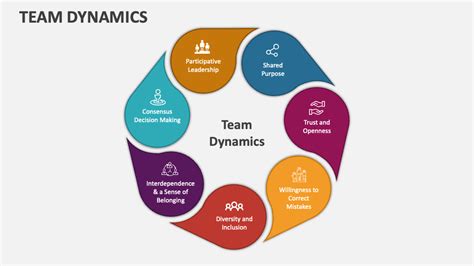
Finally, the role of collaborative leadership within Real Madrid's ecosystem must be acknowledged. Success at this level is rarely the result of a single individual's efforts. Instead, it is the product of a network of leaders—coaches, team captains, directors of football, and even influential senior players—working in tandem. For instance, the partnership between Sergio Ramos as captain and Zidane as coach during their Champions League-winning campaigns exemplifies how on-field and off-field leadership can align to create a winning formula. Ramos's ability to rally the team during critical moments, combined with Zidane's strategic oversight, created a synergy that was greater than the sum of its parts.
In summary, the 14 titles secured by Real Madrid are a testament to the multidimensional impact of leadership. From coaches who bring tactical brilliance and emotional intelligence, to managers and executives who craft long-term strategies and navigate challenges, leadership at Real Madrid has been both dynamic and deeply ingrained in the club's DNA. This holistic approach to leadership—combining vision, adaptability, and a relentless focus on excellence—has been the bedrock of their sustained success.
- Coaches like Zidane and Del Bosque brought tactical and emotional intelligence to title-winning campaigns.
- Club executives, particularly Florentino Pérez, balanced short-term success with long-term vision.
- Institutional focus on legacy and culture provided a psychological edge.
- Strategic transfers and investment in squad balance were decisive factors.
- Crisis management and collaborative leadership ensured stability during challenges.
These elements collectively demonstrate that leadership at Real Madrid is not a static concept but a living, evolving force that has been instrumental in their unparalleled achievements.
Player Contributions
The 14 titles won by Real Madrid in their storied history are a testament to the club's ability to blend individual brilliance with collective excellence. While the club's success is rooted in its philosophy of teamwork and tactical adaptability, it is impossible to overlook the pivotal contributions of star players who have donned the iconic white jersey. These players, through their skill, leadership, and moments of genius, have etched their names into the annals of football history as integral architects of Real Madrid's championship-winning campaigns.
One of the earliest and most iconic figures in this narrative is Alfredo Di Stefano, whose influence during the 1950s and 1960s was transformative. Di Stefano was not just a goal scorer but a complete footballer who could control the tempo of the game, create opportunities for teammates, and perform under the highest pressure. During his tenure, Real Madrid won five consecutive European Cups (1956–1960), a feat unmatched to this day. Di Stefano's versatility allowed him to operate as a forward, playmaker, and even a defensive contributor when needed. His ability to read the game and execute decisive plays in critical moments was exemplified in the 1958 European Cup final, where he scored a hat-trick against AC Milan. His leadership and charisma set a standard for future generations of Real Madrid players, embodying the club's ethos of excellence.
Moving into the modern era, Cristiano Ronaldo stands out as perhaps the most impactful player in Real Madrid's quest for dominance in the 21st century. Ronaldo's time at the club (2009–2018) coincided with a period of unparalleled success, including four Champions League titles in five years (2014–2018). His goal-scoring record is staggering—he netted 450 goals in 438 appearances for the club. However, what truly distinguishes Ronaldo is his ability to deliver when it matters most. In knockout stages of the Champions League, he often provided the decisive goals, such as his overhead kick against Juventus in 2018 or his last-minute penalties in high-stakes matches. Beyond his individual brilliance, Ronaldo's work ethic and competitive drive inspired his teammates to elevate their own performances. His partnership with players like Gareth Bale and Karim Benzema in the famed "BBC" trio was a cornerstone of Real Madrid's attacking prowess during this era. While Bale and Benzema provided their own moments of magic, Ronaldo's relentless consistency made him the focal point of the team's success.
Another player whose contributions cannot be understated is Sergio Ramos, the talismanic captain who symbolized Real Madrid's defensive resilience and never-say-die attitude. Ramos was not only a rock at the back but also a clutch performer in attack. His 93rd-minute header in the 2014 Champions League final against Atletico Madrid forced extra time, where Real Madrid would go on to win their long-awaited "La Decima" (10th European title). This moment encapsulates Ramos's importance—he was a player who could change the course of a game with his determination and leadership. Over his career at Real Madrid, Ramos contributed not just through his defensive organization but also through his knack for scoring crucial goals in finals and high-pressure matches. His ability to rally the team during adversity was a psychological edge that often tilted tight contests in Real Madrid's favor.
In addition to these standout individuals, it is important to recognize the role of midfield maestros who provided the glue for Real Madrid's title-winning teams. Luka Modric, for instance, has been a linchpin in Real Madrid's midfield since his arrival in 2012. His vision, technique, and ability to dictate play were instrumental in breaking down opposition defenses and maintaining possession in tight games. Modric's performances in the 2018 Champions League campaign, where he won the Ballon d'Or, highlighted his ability to thrive in high-stakes environments. Alongside him, Toni Kroos brought a sense of calm and precision to Real Madrid's midfield. Kroos's passing range and ability to control the rhythm of the game allowed Real Madrid to dominate possession against even the most aggressive opponents. The synergy between Modric and Kroos created a platform for the team's attackers to thrive, as evidenced in their seamless link-up play during the 2016–2017 season, where Real Madrid secured both the Champions League and La Liga titles.
The contribution of goalkeepers to Real Madrid's title successes is also worth noting. Iker Casillas, often referred to as "Saint Iker," was a key figure in many of Real Madrid's triumphs during the early 2000s and 2010s. His reflex saves and ability to remain composed in high-pressure situations were vital in securing tight victories. Casillas's performances in the 2002 Champions League final, where he came off the bench to make several critical saves, exemplify his importance. Similarly, Thibaut Courtois has been a modern-day wall for Real Madrid, particularly in their recent title-winning campaigns. Courtois's heroics in the 2022 Champions League final against Liverpool, where he made several world-class saves, underscored the role of a goalkeeper as a match-winner in tight contests.
While individual brilliance often steals the spotlight, Real Madrid's success is also attributable to the synergistic relationships between players. For example, the understanding between Zinedine Zidane and his teammates during the early 2000s was a sight to behold. Zidane's elegance on the ball and ability to produce moments of magic, such as his volley in the 2002 Champions League final, were complemented by the work rate of players like Claude Makelele, whose defensive midfield role often went unnoticed but was critical in providing balance to the team. This dynamic highlights how star players are often supported by unsung heroes who enable their brilliance to shine.
It is also worth exploring the impact of youth academy graduates in Real Madrid's title-winning squads. Players like Raul Gonzalez, who came through the club's youth system, were emblematic of Real Madrid's commitment to nurturing homegrown talent. Raul's consistency as a goal scorer and his leadership qualities made him a central figure in multiple title-winning teams. His ability to perform in big games, coupled with his deep understanding of the club's culture, made him an indispensable part of Real Madrid's success in the late 1990s and early 2000s.
Finally, we must consider the role of adaptability and evolution in player contributions. Real Madrid has often reinvented itself to stay competitive, and players have adapted their roles to fit the team's needs. For instance, Karim Benzema, initially a support striker in the "BBC" era, evolved into the team's primary attacking outlet after Ronaldo's departure. His performances in the 2021–2022 season, where he led Real Madrid to another Champions League title with crucial goals against Paris Saint-Germain, Chelsea, and Manchester City, showcased his growth as a leader and a decisive player.
In summary, the 14 titles won by Real Madrid are a result of the collective brilliance of star players across different eras. From Di Stefano's pioneering influence to Ronaldo's goal-scoring exploits, Ramos's defensive heroics, and the midfield mastery of Modric and Kroos, each player brought unique qualities that contributed to the club's legacy. These individuals not only delivered exceptional performances but also embodied the spirit of Real Madrid—a relentless pursuit of greatness that continues to define the club today.
Strategic Excellence
Real Madrid's dominance in securing 14 titles, particularly in the UEFA Champions League, is not merely a product of star power or sheer luck. It is rooted in a series of strategic and tactical innovations that have consistently set the club apart from its competitors. These approaches, often tailored to the context of each campaign, reflect a blend of long-term vision, adaptability, and the ability to exploit unique opportunities in the football landscape.
One of the most defining aspects of Real Madrid's title-winning campaigns has been their emphasis on institutional continuity. Unlike many clubs that overhaul their coaching staff or playing philosophy after every setback, Real Madrid has often maintained a core identity rooted in attacking football and high-pressure tactics. This continuity has allowed players and managers to operate within a familiar framework, even when individual seasons introduced new challenges. For instance, during their run of four Champions League titles in five years (2014–2018), the club's ability to retain key players like Sergio Ramos, Luka Modrić, and Karim Benzema provided not just on-field stability but also a psychological edge. This stability allowed for seamless transitions when managers like Carlo Ancelotti and Zinedine Zidane took the reins, as both embraced the club's existing DNA rather than attempting wholesale changes.
However, strategic flexibility has been equally crucial. Real Madrid has never been a team wedded to a single tactical system. Instead, they have shown an uncanny ability to adapt their approach based on the strengths of their squad and the weaknesses of their opponents. For example, during the 2013-14 season under Ancelotti, the team transitioned from a possession-heavy style to a more direct, counter-attacking system that leveraged the pace of players like Gareth Bale and Cristiano Ronaldo. This shift was most evident in their Champions League final victory over Atlético Madrid, where late surges and rapid transitions proved decisive. The introduction of the "BBC" frontline (Bale, Benzema, Cristiano) exemplified a tactical gamble that prioritized individual brilliance over rigid positional play, a move that paid off spectacularly in high-stakes matches.
Another critical element of their success lies in match management and psychological resilience. Real Madrid has often been labeled a "team of moments," and this moniker is not without merit. Their ability to perform under pressure, particularly in the latter stages of tournaments, is a hallmark of their strategic approach. This is not mere happenstance but a result of deliberate preparation. The club places significant emphasis on mental conditioning, ensuring players are equipped to handle the weight of expectation that comes with wearing the famous white jersey. This was evident in their numerous come-from-behind victories, such as the 2014 Champions League final, where they clawed back from a 1-0 deficit in extra time, or the 2016 final, where a penalty shootout win showcased their composure. Such moments are not accidents but products of a culture that instills belief in late-game heroics.
The role of squad depth and rotation cannot be overlooked. Real Madrid's ability to compete across multiple fronts—La Liga, the Champions League, and domestic cups—relies on a well-constructed squad that allows key players to be rested without compromising performance. During their title-winning campaigns, the club often invested in versatile players who could slot into multiple positions. This was particularly evident in the 2016-17 season, where players like Isco and Marco Asensio stepped up in critical moments when stars like Ronaldo or Modrić were rested. This rotational strategy not only kept the squad fresh but also fostered a sense of collective responsibility, where fringe players felt integral to the team's success. It is a subtle but powerful form of team-building that many clubs overlook in their pursuit of star-studded starting XIs.
Real Madrid's success is also deeply tied to their scouting and recruitment philosophy. While other clubs often chase the latest prodigy or marketable name, Real Madrid has demonstrated a knack for identifying players who fit specific roles within their system. The signing of Toni Kroos in 2014 is a case in point. While not the flashiest acquisition at the time, Kroos provided the midfield control and passing range that complemented Modrić's creativity and allowed the team to dominate possession in critical phases of play. Similarly, the acquisition of Raphaël Varane in 2011, when he was just 18, reflected a forward-thinking approach to building a backline that could grow alongside the team's ambitions. These signings were not just about immediate impact but about long-term integration into the club's strategic framework.
Another unique aspect of their approach is their ability to exploit the European football ecosystem. Real Madrid has often leveraged their reputation and prestige to attract top talent, but they have also used their experience in navigating UEFA competitions to their advantage. Their familiarity with the Champions League format—its group stages, away goals rule (in earlier campaigns), and knockout dynamics—has given them a tactical edge. For instance, during their 2017-18 campaign, Zidane's decision to prioritize the Champions League over La Liga was a calculated risk that paid off. The team conserved energy in domestic fixtures to ensure peak performance in Europe, a strategy that culminated in their third consecutive title.
Additionally, Real Madrid's focus on set-piece efficiency has been an understated yet vital component of their success. While their attacking play is often associated with open-play brilliance, their proficiency in dead-ball situations has provided a reliable source of goals. Sergio Ramos, in particular, became synonymous with clutch goals from set pieces, particularly in Champions League finals. This focus on set-piece execution reflects a broader attention to detail in training and preparation, where even the smallest advantages are exploited to their fullest.
Finally, Real Madrid's ability to thrive in adversity is a testament to their strategic resilience. Whether it was overturning a 3-0 first-leg deficit against Wolfsburg in 2016 or surviving a grueling extra-time battle against Manchester City in 2022, the team has repeatedly shown an ability to rise when the odds are stacked against them. This is not just about individual brilliance but about a collective belief system that is ingrained in the club's culture. Managers like Zidane have often emphasized the importance of staying calm and focused, even in the face of mounting challenges, a philosophy that trickles down to the players on the pitch.
- Institutional continuity ensures a stable playing philosophy.
- Tactical adaptability allows the team to evolve based on squad strengths and opponent weaknesses.
- Psychological resilience is cultivated through preparation and a culture of belief.
- Squad depth supports multi-competition success without burnout.
- Strategic recruitment prioritizes long-term integration over short-term stardom.
- Set-piece proficiency adds a reliable dimension to their attacking arsenal.
In conclusion, Real Madrid's 14 titles are not the result of a singular factor but a confluence of well-thought-out strategies that extend beyond the pitch. From fostering a culture of resilience to making shrewd tactical adjustments and leveraging institutional strengths, the club has consistently demonstrated a level of strategic excellence that few can match. This holistic approach ensures that their success is not ephemeral but built on a foundation designed to endure the test of time and competition.
Fan and Cultural Impact
Real Madrid's achievement of 14 titles in the UEFA Champions League is not merely a numerical milestone; it represents a transformative force that has deeply shaped the club's fanbase, expanded its global brand, and cemented its cultural significance. Each title has acted as a pillar reinforcing the narrative of dominance and excellence associated with the club. This impact transcends the sport itself, embedding Real Madrid into the collective consciousness of fans and non-fans alike, across continents and cultures.
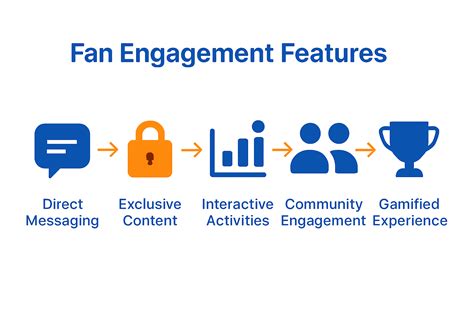
One of the most immediate and profound effects of these titles has been on the club's fanbase. Real Madrid's fan community, known as Madridistas, has grown exponentially with each European triumph. While the club has always enjoyed a loyal local following rooted in its Spanish origins, the 14 titles have fostered a sense of global belonging. This is particularly evident in how the club has managed to penetrate markets far beyond Europe. For instance, the 2002 Champions League victory, capped by Zinedine Zidane's iconic volley, introduced a new generation of fans to the club. Similarly, the "Galácticos" era of the early 2000s, which included players like Ronaldo, Beckham, and Figo, not only brought sporting success but also marketed the club as a glamorous, aspirational entity. This era coincided with the rise of digital media, allowing fans from Asia, Africa, and the Americas to engage with the club in real-time through streaming, social media, and fan forums. The 14 titles have thus acted as a unifying thread for a fanbase that is as diverse as it is vast.
The global brand of Real Madrid has been indelibly shaped by these victories. In the modern era of sports, success on the field directly correlates with commercial success off it. Each Champions League title has provided Real Madrid with a platform to negotiate more lucrative sponsorship deals, expand merchandise sales, and secure high-profile partnerships. For example, the club's association with Adidas and Emirates is not merely a business transaction but a reflection of its stature as a perennial winner. The 14 titles have also allowed Real Madrid to position itself as a "superbrand" in the sporting world, comparable to entities like the New York Yankees or Manchester United in their respective domains. This branding power is amplified by the club's ability to consistently attract top-tier talent. Players are drawn not just by the financial incentives but by the allure of adding their name to the legacy of a 14-time European champion. This creates a self-reinforcing cycle: titles attract star players, star players enhance the team's performance, and enhanced performance leads to more titles.
Beyond the commercial realm, the cultural significance of Real Madrid's 14 titles is rooted in the way they have shaped the club's identity as a symbol of excellence and perseverance. The club's motto, "Hala Madrid y nada más" (Go Madrid and nothing more), embodies this ethos. Each title has contributed to a narrative of resilience, particularly in moments of adversity. For instance, the 1998 title, which ended a 32-year drought in European competition, was not just a sporting achievement but a cathartic moment for fans who had endured decades of near-misses. Similarly, the back-to-back titles in 2016, 2017, and 2018 under Zidane showcased the club's ability to sustain excellence in an era of intense competition. These moments have elevated Real Madrid from being just a football club to a cultural institution that represents ideals of persistence, ambition, and grandeur.
The titles have also played a role in cross-cultural exchange. Real Madrid’s success has made it a cultural ambassador for Spain and, by extension, for European football. When the club travels for matches or embarks on pre-season tours, it carries with it not just its sporting legacy but also the cultural identity of its home country. This is evident in how Real Madrid's matches are often accompanied by festivals of Spanish culture, from food to music, in host cities. Moreover, the club's global fanbase has created a unique phenomenon where local traditions intersect with the universal appeal of football. In countries like India, China, and Brazil, Real Madrid fan clubs often blend their support for the team with local customs, creating a hybrid cultural experience that enriches both the club and its supporters.
Another dimension of the cultural impact lies in the narrative of rivalry. Real Madrid's 14 titles have intensified its historic rivalry with Barcelona, a dynamic that has deep cultural and political undertones in Spain. Each title won by Real Madrid is not just a victory for the club but a statement in the broader context of this rivalry. This has further energized the fanbase, as every triumph is seen as a way to assert dominance in this enduring contest. The cultural weight of this rivalry has also spilled over into global football discourse, where debates about which club is "greater" often revolve around Real Madrid's European success versus Barcelona's domestic and stylistic achievements.
The titles have also influenced the media landscape surrounding football. Real Madrid’s Champions League victories have been some of the most-watched sporting events in history, drawing audiences in the hundreds of millions. This has not only boosted the club's visibility but has also elevated the status of the Champions League itself. The repeated success of Real Madrid has made the tournament synonymous with high-stakes drama and elite competition, ensuring that it remains the pinnacle of club football. This media attention has also given the club a platform to tell its story, from the "La Decima" quest (the pursuit of the 10th title) to the recent pursuit of a 15th title. Each campaign is framed not just as a quest for a trophy but as a chapter in an ongoing epic.
The youth engagement spurred by these titles is another critical aspect of their impact. For young fans, Real Madrid’s repeated European success serves as an introduction to the sport and its possibilities. The club’s academy, known as La Fábrica, has also benefited indirectly from the prestige of the senior team’s achievements. Aspiring players see Real Madrid as the ultimate destination, inspired by the idea of emulating legends like Cristiano Ronaldo, Sergio Ramos, and Alfredo Di Stéfano. This aspirational pull has ensured a steady pipeline of talent, further solidifying the club’s dominance.
Finally, the legacy of the 14 titles extends to how Real Madrid is perceived in moments of failure. Even during seasons where the club has not won the Champions League, the legacy of past successes provides a buffer against criticism. Fans and pundits alike often reference the 14 titles as a reminder of what the club stands for, creating a sense of patience and long-term perspective. This cultural capital allows Real Madrid to weather short-term setbacks without losing its aura of invincibility.
In summary, Real Madrid's 14 Champions League titles are more than trophies in a cabinet; they are the foundation of a global phenomenon. They have expanded the club's fanbase into a worldwide community, transformed its brand into a symbol of excellence, and embedded its identity into the cultural fabric of football. These titles are not just a measure of sporting success but a testament to how football can transcend its boundaries to shape identities, fuel rivalries, and inspire generations.
Comparison with Rivals
Real Madrid's 14 UEFA Champions League titles stand as a towering achievement in the history of club football, unmatched by any other team. To truly appreciate the scale of this accomplishment, it is essential to compare their record with the achievements of other major clubs. This comparison not only highlights Real Madrid's dominance but also underscores the unique factors that have enabled them to maintain such a level of success over decades.
Let us begin with their most consistent European rival in recent years, **FC Barcelona**. While Barcelona has won the Champions League five times, their victories are concentrated in a relatively shorter span, with their first title coming in 1992 and their most recent in 2015. This indicates that Barcelona's European success, though impressive, is not as sustained or prolific as Real Madrid's. Furthermore, Barcelona's golden era, spearheaded by Lionel Messi, was largely confined to the 2000s and early 2010s. In contrast, Real Madrid's 14 titles span a much broader timeline, beginning with their inaugural win in 1956 and extending to their most recent triumph in 2022. This demonstrates a consistency across generations that few clubs can rival.

Another key rival in European competition is **AC Milan**, which has won the Champions League seven times. While Milan's record is the second-highest in the competition's history, their most recent victory came in 2007. This gap of over 15 years since their last title win highlights a stark difference in the ability to sustain European dominance. Milan's golden era was heavily concentrated in the late 1980s and early 2000s, with their success often attributed to iconic figures like Paolo Maldini and managers such as Arrigo Sacchi and Carlo Ancelotti. However, unlike Real Madrid, Milan has struggled to rebuild and replicate their past glories in the modern era. This inability to adapt and maintain a winning culture over time sets Real Madrid apart; they have not only won titles across eras but have also reinvented themselves when needed, such as during the Galácticos period and the Zidane-led era of the 2010s.
Moving to the **Premier League**, clubs like **Liverpool** and **Manchester United** are often seen as Real Madrid's closest competitors in terms of European pedigree. Liverpool has six Champions League titles, with their most recent win in 2019. While Liverpool has experienced a resurgence under Jürgen Klopp, their European success is still notably behind Real Madrid's. The Reds' golden era in the late 1970s and early 1980s saw them win four of their six titles, but they endured a 21-year drought before their 2005 victory. This illustrates how even clubs with rich histories can experience prolonged periods of European irrelevance. Real Madrid, by comparison, has never gone more than 12 years without a Champions League title since the competition's inception, showcasing an unparalleled ability to remain competitive at the highest level.
Manchester United, with three titles, represents another interesting case. Their victories in 1968, 1999, and 2008 are iconic moments in football history, but the gaps between these wins are significant. United's European success has often been tied to specific managerial eras, particularly under Sir Matt Busby and Sir Alex Ferguson. In contrast, Real Madrid has demonstrated the ability to win titles under a variety of managers, from Miguel Muñoz in the 1950s to Zinedine Zidane in the 2010s. This manager-agnostic success speaks to a deeper institutional strength at Real Madrid, where the club's culture and infrastructure play as much of a role as individual brilliance or tactical genius.
When looking at **Bayern Munich**, another European heavyweight with six titles, the comparison becomes even more intriguing. Bayern's most recent win in 2020 places them among the elite, but their victories are also clustered in specific periods—1974-1976, 2001, 2013, and 2020. Bayern's domestic dominance in Germany often provides them with a smoother path to European contention, yet they have not been able to achieve the same frequency of success as Real Madrid in the Champions League. Real Madrid's ability to compete and win against teams from stronger leagues like the Premier League and Serie A further underscores their unique ability to thrive in diverse competitive environments.
One cannot overlook **Ajax** and their four titles, particularly their dominance in the early 1970s under Johan Cruyff. However, Ajax's European success is largely historical, with their last win coming in 1995. This points to a broader trend where clubs outside the traditional "big five" leagues (Spain, England, Italy, Germany, and France) struggle to sustain European dominance due to financial and structural disparities. Real Madrid's ability to remain at the top despite the increasing competitiveness of the modern game is a testament to their adaptability and resourcefulness.
A deeper analysis also reveals the **psychological edge** Real Madrid holds over rivals. Their reputation as "Kings of Europe" often creates a psychological burden for opponents, particularly in knockout stages. This intangible factor is rarely quantified but is evident in the way Real Madrid has overturned deficits and triumphed in high-pressure situations, such as their comebacks against Manchester City and Paris Saint-Germain in recent campaigns. No other club has consistently demonstrated such resilience and belief in the face of adversity.
Another layer to this comparison is the **role of institutional strategy**. Real Madrid's success is not merely a product of star players or tactical brilliance; it is deeply rooted in their ability to blend tradition with modernization. The club's focus on signing world-class talent, coupled with a strong youth academy (La Fabrica), ensures a steady pipeline of talent. This is in stark contrast to clubs like Paris Saint-Germain or Manchester City, which have invested heavily in recent years but have yet to win a Champions League title. Real Madrid's balanced approach—combining big-name signings with a focus on team cohesion—has proven more effective than the "money-first" strategies of some rivals.
Finally, it is worth considering the **historical context** of Real Madrid's 14 titles. Their early dominance in the 1950s, when they won the first five European Cups, set the stage for their legacy. This era, dominated by legends like Alfredo Di Stéfano and Ferenc Puskás, laid the foundation for what would become a culture of excellence. Other clubs, such as Inter Milan or Juventus, have had periods of European success but lack the same historical weight and continuity. Real Madrid's ability to not only win but also repeatedly redefine what it means to be a top club in Europe is what truly sets them apart.
In conclusion, while other clubs like Barcelona, Bayern Munich, and Liverpool have had their moments of glory, none can match the breadth, consistency, and historical significance of Real Madrid's 14 Champions League titles. Their ability to adapt across eras, overcome challenges, and maintain a winning culture makes their record not just a statistic but a symbol of footballing greatness. This comparison with rivals only reinforces the uniqueness of Real Madrid's European legacy, a legacy that continues to grow with each passing season.
Legacy and Future Implications
The 14 UEFA Champions League titles won by Real Madrid are not merely trophies; they are emblematic of a club culture steeped in excellence, resilience, and an unwavering pursuit of greatness. This section delves into how these titles have shaped Real Madrid's legacy and what they portend for the club's future ambitions in an ever-evolving football landscape.
To understand the weight of Real Madrid's 14 titles, one must first recognize their historical context. The club's first European Cup victory in 1956 marked the beginning of an era of dominance that would see them win the first five editions of the tournament. This initial streak was not just about skill on the pitch but also about the club's ability to embody a vision of football as a unifying spectacle. The early triumphs established Real Madrid as a symbol of post-war recovery and European integration, positioning the club as a beacon of hope and excellence in a continent rebuilding itself. This legacy of being pioneers has persisted, with each subsequent title adding layers to their narrative of supremacy.
The modern era of Real Madrid's Champions League success, particularly under the guidance of managers like Zinedine Zidane, has redefined what it means to sustain excellence in a highly competitive environment. Between 2016 and 2018, the club achieved an unprecedented three-peat in the Champions League, a feat that had not been accomplished in the modern format of the tournament. This run was not just about tactical brilliance or star-studded lineups but also about institutional stability and a knack for performing under pressure. These titles reinforced Real Madrid's identity as a club that thrives in high-stakes moments, often overturning the odds with late goals or improbable comebacks. For instance, the 2014 final's last-minute equalizer by Sergio Ramos against Atlético Madrid or the 2022 victory against Liverpool, where Thibaut Courtois's stellar performance underscored the team's ability to rely on both individual brilliance and collective effort, are testaments to this.
This legacy of 14 titles has profound implications for Real Madrid's brand and global appeal. The club has leveraged its European success to establish itself as a global powerhouse in sports and entertainment. The "Galácticos" era of the early 2000s, where the club signed superstars like Zidane, Ronaldo, and David Beckham, was partly fueled by the allure of their European dominance. This strategy of combining on-field success with off-field marketability has allowed Real Madrid to maintain its position as one of the most valuable sports franchises in the world. Each title adds to the club's mystique, attracting sponsors, fans, and players who want to be part of a winning tradition. For instance, the signing of players like Jude Bellingham in 2023 reflects how the club continues to use its legacy as a recruitment tool, appealing to talents who aspire to etch their names in the annals of football history.
However, the implications of these titles extend beyond branding and marketability—they shape the club's internal ethos and future strategy. Real Madrid's repeated success in Europe has created a culture of expectation among its fanbase and leadership. The pressure to not just compete but to dominate is now ingrained in the club's DNA. This can be both a blessing and a challenge. On one hand, it drives the club to constantly innovate, whether through scouting young talents, adopting advanced analytics, or investing in state-of-the-art training facilities. On the other hand, it creates an almost insurmountable standard where anything less than a deep run in the Champions League is viewed as a failure. This relentless pursuit of excellence has prompted the club to rethink its approach to squad building, particularly as financial fair play regulations and the rising costs of top-tier players challenge traditional models of team construction.
Looking forward, the 14 titles serve as both a foundation and a challenge for Real Madrid's future ambitions. One of the most critical aspects of their legacy is how it positions the club in the context of football's global evolution. The emergence of state-backed clubs like Manchester City and Paris Saint-Germain, as well as the growing influence of leagues outside Europe (such as the Saudi Pro League), presents new competitive dynamics. Real Madrid must now not only maintain its dominance in Europe but also navigate a landscape where financial resources and global reach are being redistributed. This is where the club's legacy of adaptability becomes crucial. For example, their early adoption of the European Super League concept (despite its controversial reception) indicates a willingness to explore new avenues for maintaining their elite status. Similarly, their investment in the redevelopment of the Santiago Bernabéu stadium, transforming it into a multi-functional venue capable of hosting esports and other events, demonstrates a forward-thinking approach to diversifying revenue streams.
Another dimension of Real Madrid's future is its youth development strategy. While the club has often relied on high-profile signings to bolster its squad, the success of homegrown talents like Vinícius Júnior and Rodrygo highlights a shift toward integrating academy products into the first team. The 14 titles serve as a reminder that while star power is important, the club's ability to nurture and elevate young talents will be key to sustaining its competitive edge in the decades to come. This approach also aligns with the broader trend in European football of balancing financial sustainability with on-field success.
The titles also carry symbolic weight in the context of football's global audience. Real Madrid's dominance in the Champions League has made them a standard-bearer for what many consider the pinnacle of club football. Their success has elevated the competition itself, making it a global spectacle that transcends national leagues. This has implications for how the club positions itself in the future. As football becomes increasingly globalized, Real Madrid must find ways to maintain its relevance not just in Europe but also in emerging markets like Asia, Africa, and the Americas. This could involve greater investment in digital engagement, international tours, and partnerships that extend the club's influence beyond the pitch.
Finally, the psychological impact of these titles on Real Madrid's rivals and the broader football community cannot be overlooked. Each title reinforces a narrative of invincibility that can demoralize opponents before a ball is even kicked. This "aura of invincibility" is a powerful intangible asset that Real Madrid can continue to exploit in high-pressure matches. However, it also means that rivals are increasingly motivated to dethrone them, making every campaign a battle not just for trophies but for the preservation of their legacy.
In conclusion, Real Madrid's 14 Champions League titles are more than a numerical achievement; they are a narrative of resilience, innovation, and ambition. They have cemented the club's place in history while simultaneously raising the bar for what it means to be a football institution. For Real Madrid, the future is not just about adding to this tally but about redefining what it means to lead in an increasingly complex and competitive global football ecosystem. The legacy of these titles is not static; it is a living challenge to remain at the forefront of football's evolution, ensuring that the club's name remains synonymous with excellence for generations to come.
Conclusion
The 14 UEFA Champions League titles won by Real Madrid are not merely a statistic; they represent a legacy that has shaped the very fabric of football history. This unparalleled achievement stands as a testament to the club's enduring excellence, strategic brilliance, and cultural significance within the sport. To understand the true weight of Real Madrid's 14 titles, one must delve deeper into the historical, competitive, and symbolic dimensions of this accomplishment.
First and foremost, Real Madrid's dominance in the UEFA Champions League is a reflection of their pioneering role in European football. The club was among the founding members of the European Cup in 1955, the precursor to the modern Champions League. Their early success in this competition—winning the first five editions from 1956 to 1960—set a precedent for what it meant to be a giant of European football. This period, often referred to as the "Golden Age" of Real Madrid, featured players like Alfredo Di Stefano and Ferenc Puskas, whose artistry on the pitch was as much about technical brilliance as it was about redefining what a football team could achieve. These victories were not just about winning; they were about establishing Real Madrid as the archetype of European club excellence. This legacy has endured, and the club’s subsequent titles have only reinforced this narrative.
The significance of Real Madrid's 14 titles also lies in their ability to transcend eras. Unlike many clubs whose periods of dominance are confined to a specific decade or generation of players, Real Madrid has demonstrated an uncanny ability to reinvent itself. From the "Galacticos" era of the early 2000s, spearheaded by Zinedine Zidane, Ronaldo Nazario, and David Beckham, to the more recent "BBC" trio of Gareth Bale, Karim Benzema, and Cristiano Ronaldo, the club has consistently adapted its approach to remain competitive. This adaptability underscores a deep institutional understanding of what it takes to win at the highest level. It is not merely about assembling star players but about creating systems and cultures that sustain success. For instance, the back-to-back titles in 2016, 2017, and 2018 under Zidane as manager showcased not just individual brilliance but a cohesive team ethos, tactical flexibility, and mental resilience.
Another unique insight into Real Madrid's 14 titles is the psychological edge they have cultivated in the competition. There is a phenomenon often discussed among football analysts and fans—the "aura" of Real Madrid in the Champions League. This intangible quality has seen the club pull off improbable comebacks and triumphs in moments where logic suggested defeat. Examples include their 2014 victory against Atletico Madrid, secured in extra time after being on the brink of losing, or their stunning 2022 campaign where they overcame Manchester City and Paris Saint-Germain in dramatic fashion. These moments are not mere luck; they are a product of a club culture that breeds belief and an expectation of success. This "winning mentality" is a self-perpetuating cycle—players join Real Madrid with the knowledge that they are part of a tradition of champions, and this belief often translates into on-field success.
Real Madrid's 14 titles also highlight the club's role as a unifying force in European football history. The Champions League is not just a competition; it is a stage where the world's best teams and players showcase their talents. By winning this tournament so many times, Real Madrid has acted as a global ambassador for the sport. Their victories have drawn attention to the beauty of European club football, expanding its reach and popularity. For instance, their 1998 title—ending a 32-year drought in the competition—was not just a win for the club but a moment that reignited the passion of a new generation of fans. Similarly, their recent successes have inspired a global fanbase, with millions tuning in to watch their matches, further cementing their place as a symbol of football's universal appeal.
It is also worth considering the economic and infrastructural impact of Real Madrid's dominance. Winning 14 titles has allowed the club to maintain its position as one of the wealthiest and most influential entities in football. Success in the Champions League brings not only prestige but also financial rewards, enabling the club to reinvest in facilities, youth development, and marquee signings. This virtuous cycle has ensured that Real Madrid remains at the forefront of innovation in player recruitment, stadium development, and commercial strategies. For example, the revenue generated from their Champions League triumphs has funded projects like the renovation of the Santiago Bernabeu stadium, which is not just a venue but a symbol of the club's ambition to remain ahead of the curve in the modern football landscape.
However, the significance of Real Madrid's 14 titles must also be viewed in the context of their rivals and the broader competitive landscape. While other clubs like FC Barcelona, Bayern Munich, and Liverpool have had their moments of glory, none have been able to match Real Madrid's consistency in this competition. This disparity is not just about the number of titles but about the narrative Real Madrid has built around their participation in the Champions League. They are not just participants; they are protagonists. Their ability to perform under pressure, year after year, has often left their rivals in awe and their fans in a state of perpetual expectation. This dynamic has created a unique psychological space in football where Real Madrid is seen as the benchmark for success.
From a historical perspective, Real Madrid's 14 titles also serve as a bridge between different eras of the sport. They connect the romanticism of the mid-20th century, when the European Cup was a novel concept, to the hyper-commercialized, globalized football of today. In doing so, they have become more than a club—they are a living archive of football's evolution. Each title represents not just a win but a chapter in the story of how football has grown, adapted, and captivated audiences worldwide. Their 14th title in 2022, for instance, was a blend of tradition and modernity, showcasing a team that could balance the nostalgia of its past with the demands of contemporary football.
Finally, the cultural impact of Real Madrid's 14 titles cannot be overstated. In a sport where identity and community are deeply intertwined, Real Madrid’s success has become a source of pride for its supporters and a point of reference for neutrals. Their victories are celebrated not just in Spain but across the world, from the bustling streets of Madrid to far-flung corners of the globe where fans wear the famous white jersey with reverence. This cultural resonance is a reminder that football is more than a game—it is a shared experience that unites people across borders, languages, and ideologies.
In conclusion, Real Madrid's 14 Champions League titles are a milestone that goes beyond the realm of sports. They are a symbol of excellence, a chronicle of football's evolution, and a beacon of inspiration for clubs and players worldwide. Their place in football history is not just about numbers but about the stories, emotions, and legacies they have created. Real Madrid’s journey to 14 titles is a masterclass in how a football club can transcend its primary purpose and become a living legend, etching its name into the annals of the sport with indelible ink.