Introduction to Safe Standing
The concept of **safe standing** has become a significant topic of discussion in modern football, particularly in the context of iconic venues like **Anfield**, home to Liverpool Football Club. Safe standing refers to designated areas within a stadium where spectators are permitted to stand during matches, provided the infrastructure is designed to ensure their safety. This approach contrasts with the traditional all-seater stadium model that has dominated English football since the 1990s. The introduction of safe standing is not merely a logistical change but a cultural and historical shift tied to the evolution of fan experience, stadium safety, and the broader identity of football as a sport.
To understand the relevance of safe standing at Anfield and similar venues, it is essential to delve into its **history**. The roots of standing at football matches trace back to the sport's early days when terraces were the norm. Fans would pack into open-air, standing-only sections, creating a vibrant and often raucous atmosphere. These terraces were integral to the identity of clubs and their supporters, fostering a sense of community and passion. However, this era was also marred by tragedies, most notably the **Hillsborough disaster** in 1989, where 96 Liverpool fans lost their lives due to overcrowding in a standing area. This event, along with other safety concerns of the time, led to the **Taylor Report** in 1990, which recommended the conversion of major football stadiums in the UK to all-seater venues. This shift was seen as a necessary measure to improve safety and prevent similar disasters, effectively ending the widespread use of standing areas in top-tier English football.
Despite the move to all-seater stadiums, the demand for standing areas never fully dissipated. Many fans viewed standing as a more **authentic and engaging way to experience football**, particularly in stadiums like Anfield, where the atmosphere is a vital part of the matchday experience. The chants, songs, and collective energy of the **Kop**—Anfield's famous standing terrace before its conversion to seating—are legendary. The desire to recapture this dynamic atmosphere while maintaining modern safety standards has driven the renewed interest in safe standing.
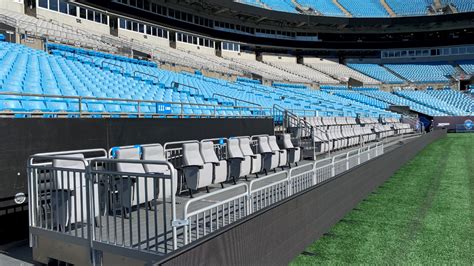
The concept of **safe standing** as it exists today emerged in response to these tensions. Unlike the open terraces of the past, safe standing areas are equipped with **rail seating** or similar infrastructure. Each row of spectators has a rail in front of them to prevent surging or overcrowding, while also providing a fold-down seat for occasions when standing is not permitted (such as European competitions that mandate all-seater arrangements). This design ensures that fans can stand safely without compromising the structural integrity or crowd control of the stadium. Countries like **Germany** have been pioneers in this area, with clubs such as borussia dortmund implementing safe standing to great success. The **Yellow Wall** at Dortmund's Signal Iduna Park is a prime example of how safe standing can enhance atmosphere while adhering to safety protocols.
The **relevance of safe standing to modern football stadiums** lies in its ability to balance two seemingly opposing forces: **safety and atmosphere**. In the case of Anfield, where the club's identity is deeply rooted in its passionate fanbase, safe standing offers an opportunity to reignite the energy of the terraces without reverting to the unsafe conditions of the past. For instance, the **rail seating trials** approved by the UK government in recent years have allowed clubs like Liverpool to explore safe standing in controlled environments. Anfield's potential adoption of safe standing is not just about nostalgia but also about meeting the expectations of a new generation of fans who value both safety and engagement. Younger audiences, influenced by global football cultures and the rise of ultra-groups in other leagues, often see standing as a way to feel more connected to the game.
Another critical aspect of safe standing's modern relevance is its **economic and logistical implications**. All-seater stadiums, while safer, often limit the number of spectators a venue can accommodate. Safe standing areas can increase capacity without expanding the physical footprint of the stadium. For a club like Liverpool, where demand for tickets often outstrips supply, this could mean accommodating more fans while also diversifying revenue streams. Moreover, safe standing can help address the issue of **ticket affordability**. Standing areas are typically cheaper than seated sections, making matches more accessible to a broader demographic of fans. This aligns with the ethos of football as "the people's game," a principle that many supporters feel has been eroded by the commercialization of the sport.
It is also worth considering the **psychological and social dynamics** of safe standing. Football is as much about the collective experience as it is about the game itself. Standing fosters a sense of **unity and camaraderie** among fans, who are physically closer to one another and more actively involved in the ebb and flow of the match. This is particularly important at Anfield, where the **"You'll Never Walk Alone"** ethos epitomizes the communal spirit of the club. Safe standing could further amplify this sense of togetherness, creating an even more electric atmosphere during high-stakes games.
However, the implementation of safe standing is not without its **challenges**. Critics argue that it could inadvertently lead to a return of some of the issues associated with the terraces of old, such as **persistent standing in seated areas**, which can obstruct views and create tension between fans. There are also concerns about how safe standing would be **policed and managed**, particularly in high-profile or emotionally charged fixtures. These challenges highlight the need for a **nuanced approach** that involves not just infrastructure changes but also clear policies, fan education, and robust stewarding practices.
From a **regulatory perspective**, the introduction of safe standing at Anfield and other stadiums in England is part of a broader shift in how authorities view crowd management. The pilot programs and trials underway are evidence of a growing recognition that the all-seater mandate, while well-intentioned, may no longer fully align with the desires of modern fanbases. This evolution is not just about Anfield but reflects a wider trend across European football, where clubs are rethinking how to create inclusive, dynamic, and safe environments for their supporters.
In conclusion, **safe standing at Anfield** represents more than a practical change to stadium design; it is a symbol of how football is adapting to the needs and expectations of its fans in the 21st century. It bridges the gap between the sport's historical roots and its modern realities, offering a way to enhance atmosphere, increase accessibility, and honor the lessons of the past. As Anfield and other stadiums explore this option, the focus must remain on ensuring that the transition is handled with care, respecting both the safety of fans and the unique identity of the clubs they support. Safe standing is not just about standing—it is about standing together, safely and passionately, in the spirit of the game.
- Safe standing combines safety with the vibrant atmosphere of traditional terraces.
- Infrastructure like rail seating ensures crowd safety while preserving dynamic fan engagement.
- Economic benefits include increased capacity and more affordable ticket options.
- The approach requires careful management to address potential challenges, such as crowd control and view obstruction.
The introduction of safe standing at Anfield could serve as a model for other clubs, demonstrating how tradition and innovation can coexist to enhance the football experience.
The Case for Safe Standing at Anfield
The concept of safe standing at Anfield has emerged as a significant topic of discussion among Liverpool FC supporters, club officials, and even regulatory bodies. This is not merely a nostalgic nod to the terraces of old but a carefully considered move rooted in modern fan culture, safety innovation, and the evolving expectations of matchday experiences. To understand why safe standing is being considered for Anfield, it is essential to explore the interplay of fan demand, atmosphere enhancement, and the broader context of stadium safety and inclusivity.
One of the primary drivers behind the push for safe standing is fan demand. Liverpool FC boasts one of the most passionate and vocal fan bases in world football. The Kop, in particular, is legendary for its atmosphere, yet many fans feel that the current all-seater setup restricts their ability to fully express their support. Surveys and petitions from supporter groups, such as the Spirit of Shankly, have repeatedly reflected an appetite for safe standing areas. Fans argue that standing not only allows for greater freedom of movement and expression but also fosters a sense of community among those in the stand. This is particularly relevant in areas like the Kop, where the collective energy of standing fans has historically contributed to the stadium's iconic status. While the Taylor Report mandated all-seater stadiums in the wake of the Hillsborough disaster, advances in stadium design and safety technology now allow for standing options that do not compromise on security—something many fans believe is long overdue.
A second key consideration is the potential for matchday atmosphere improvements. Atmosphere is a critical component of the Anfield experience, often cited as a "twelfth man" for the team. Standing areas, such as those implemented in Germany’s Bundesliga or more recently in the Premier League at clubs like Tottenham and Manchester United, have been shown to amplify noise levels and create a more dynamic environment. Safe standing areas use rail seating, which provides each fan with a designated space while allowing them to stand during the match. This setup ensures that fans are not crowded into unsafe or unregulated areas, as was the case in the past. At Anfield, where the songs, chants, and roars of the crowd are integral to the club's identity, safe standing could reinvigorate sections of the ground that have become more subdued due to the constraints of seated arrangements. For instance, areas like the lower tier of the Anfield Road End, which has faced criticism for a lack of vocal support compared to the Kop, could benefit significantly from the introduction of safe standing. The physical act of standing often encourages greater participation in chants and songs, creating a ripple effect that spreads enthusiasm throughout the stadium.
It is also worth noting that safe standing aligns with the club’s ethos of inclusivity and fan engagement. Liverpool FC has always prided itself on being a club of the people, and safe standing offers a way to cater to a broader spectrum of supporters. For younger fans or those who prefer a more active matchday experience, standing areas provide an alternative to the often static nature of seated sections. Moreover, safe standing can help address the issue of ticket affordability. Standing areas typically allow for a higher density of fans, which could theoretically lead to lower ticket prices in those sections. This would make Anfield more accessible to fans who might otherwise be priced out of attending games, reinforcing the club’s commitment to its community roots. While this economic argument is not the primary driver, it is a practical benefit that complements the cultural and emotional reasons for considering safe standing.
From a safety and regulatory perspective, the conversation around safe standing has shifted dramatically in recent years. The Hillsborough tragedy looms large in the minds of Liverpool supporters, and any discussion of standing areas must be handled with sensitivity and respect for the families of the 96 victims. However, the introduction of rail seating—a key feature of safe standing—has been rigorously tested and proven to meet modern safety standards. Clubs like Celtic in Scotland have successfully implemented safe standing areas without incident, demonstrating that it is possible to balance tradition and safety. The rail seating design ensures that each fan has a secure place to lean or hold, reducing the risk of falls or surges in crowded areas. Additionally, this system provides flexibility; seats can be locked in place for domestic matches (where standing is permitted under new regulations) and then deployed for European games, where all-seater requirements still apply. This dual-purpose functionality makes safe standing a practical solution for Anfield, where the club must navigate both Premier League and UEFA regulations.
Another aspect to consider is the competitive landscape. Rivals in the Premier League, such as Manchester City, Tottenham, and Wolves, have already introduced safe standing areas or are in the process of doing so. This creates a scenario where Liverpool risks falling behind in terms of fan experience and stadium modernity. Anfield is revered as one of the most iconic stadiums in football, but its reputation is not solely built on history—it must also adapt to contemporary expectations. Implementing safe standing would allow Liverpool to remain at the forefront of stadium innovation while honoring its unique traditions. The club has always been a pioneer in fan engagement, from the establishment of supporter liaison roles to its work on accessibility initiatives. Safe standing represents another opportunity to lead rather than follow.
Critics of safe standing often cite concerns about crowd management and safety risks, but these fears are largely addressable through proper design and enforcement. The rail seating model ensures that each fan has an allocated space, eliminating the chaotic "open terraces" of the past. Moreover, the club has a track record of effective stewarding and crowd control, which would be further enhanced by the structured nature of safe standing areas. Education campaigns for fans about the proper use of these spaces would also play a role in ensuring a smooth transition.
In summary, the case for safe standing at Anfield is multifaceted. It is driven by fan demand for greater freedom and expression, the potential to enhance the matchday atmosphere, and the opportunity to modernize the stadium while maintaining its storied identity. The shift toward safe standing is not about erasing the lessons of the past but about leveraging modern innovations to create a safer, more inclusive, and more vibrant environment for supporters. As the debate continues, it is clear that Anfield has the potential to set a benchmark for how safe standing can be implemented in a way that respects history, prioritizes safety, and elevates the fan experience to new heights.
Regulatory Landscape in the UK
The regulatory landscape in the UK regarding safe standing in football stadiums is a complex and evolving area shaped by historical events, public opinion, and legislative frameworks. Understanding the current state of regulations requires delving into the historical context, the specific policies in place, and the recent shifts that have enabled the reintroduction of standing areas in certain stadiums, including Anfield.
Historically, the UK implemented strict all-seater stadium policies following the Hillsborough Disaster of 1989, where 97 Liverpool fans lost their lives due to overcrowding in penned standing areas. This tragedy led to the Taylor Report of 1990, which recommended the removal of standing terraces in top-tier football grounds to improve safety. By 1994, all Premier League and Championship clubs were required to have all-seater stadiums. This policy was seen as a direct response to the disaster, with the intention of preventing similar incidents by eliminating perceived risks associated with standing.
For over two decades, the all-seater mandate was rigidly enforced, and any discussion of reintroducing standing areas was met with significant resistance. Critics of standing argued that it could compromise safety, while advocates pointed to successful implementations of safe standing in other European countries, such as Germany, where rail seating had proven effective. Rail seating, which allows seats to be locked in an upright position to create a standing space, is often cited as a solution that maintains safety while offering fans the choice to stand.
The turning point in the UK came in the early 2010s when a growing body of evidence and shifting public sentiment began to challenge the all-seater status quo. Surveys conducted among football fans consistently showed strong support for safe standing, with many arguing that standing was already happening informally in seated areas, often leading to safety concerns as fans stood in spaces not designed for it. This informal standing created uneven sightlines and potential hazards, particularly in moments of high excitement or celebration.
In 2018, the UK government commissioned a review of safe standing led by the Sports Grounds Safety Authority (SGSA). This review examined evidence from clubs that had trialed safe standing areas, including Celtic in Scotland, where rail seating had been introduced in 2016. The trial demonstrated that rail seating could be implemented safely, with no reported increase in crowd-related incidents. The SGSA's findings provided a foundation for legislative change, suggesting that safe standing could be managed effectively without compromising spectator safety.
In 2022, the UK government officially approved safe standing trials in English football for the first time since the all-seater rule was introduced. This decision allowed clubs in the Premier League and Championship to apply for licenses to install rail seating in designated areas. The trials were framed as a cautious, evidence-based approach to test the feasibility of safe standing in a modern stadium environment. Clubs like Manchester United, Tottenham Hotspur, Chelsea, and Manchester City were among the first to participate, with Anfield also expressing interest given Liverpool's unique relationship to the standing debate due to the Hillsborough legacy.
The regulations governing safe standing in the UK today are rooted in the Sports Grounds Safety Authority's Green Guide, a comprehensive document that provides guidance on the design and management of sports venues. Under the current framework, safe standing areas must meet several strict criteria:
- Rail seating installation: Each standing space must be equipped with a rail to prevent surging or overcrowding. This design ensures that each spectator has a defined space, reducing the risk of compression injuries.
- Capacity limits: The number of spectators in safe standing areas is strictly controlled to avoid overloading any section of the stadium.
- Stewarding and monitoring: Clubs are required to deploy trained stewards to monitor safe standing areas actively. This ensures compliance with safety protocols and allows for quick intervention if issues arise.
- Designated zones: Safe standing is restricted to specific areas of the stadium, often in the lower tiers behind goals, where enthusiastic supporters are typically located. This zoning helps maintain a balance between atmosphere and safety.
At Anfield, the introduction of safe standing is particularly significant given Liverpool FC's history. The club has been at the forefront of advocating for fan safety and has worked closely with supporter groups to ensure that any changes align with the values of the Hillsborough families and survivors. Liverpool's approach to safe standing is not just about enhancing the matchday experience but also about honoring the memory of those lost by demonstrating how safety can be prioritized in modern stadium design.

A key aspect of the UK's current regulations is the emphasis on gradual implementation and monitoring. The safe standing trials are not a blanket approval for all clubs to reintroduce standing areas. Instead, they are part of a phased approach where clubs must submit detailed proposals, undergo inspections, and demonstrate their ability to comply with safety standards. This cautious approach allows authorities to collect data on how safe standing impacts crowd dynamics, fan behavior, and overall safety.
Another critical component of the regulatory landscape is the role of local authorities. Even with national-level approval for safe standing, individual local councils have the final say in granting licenses to clubs within their jurisdictions. This means that while the central government may support safe standing in principle, the practical rollout can vary depending on local attitudes and resources. For example, some councils may require additional safety measures or impose stricter conditions on the use of standing areas.
There is also a financial dimension to the regulations. Installing rail seating and adapting stadiums for safe standing requires significant investment. Clubs must weigh the costs of retrofitting existing infrastructure against the potential benefits, such as increased ticket sales and improved fan satisfaction. For a club like Liverpool, with a global fanbase and a reputation for atmospheric matches, the investment in safe standing can be justified as part of a broader strategy to enhance the Anfield experience.
The regulatory framework also acknowledges the cultural shift in how football is consumed. Modern fans, particularly younger generations, view standing as part of the authentic matchday experience. This cultural demand has put pressure on policymakers to find a middle ground between tradition and safety. The UK's current approach reflects an attempt to balance these competing interests by allowing standing in controlled environments while maintaining the overarching goal of spectator safety.
In summary, the UK's regulatory landscape for safe standing is a product of historical caution, evidence-based policy evolution, and a desire to meet the expectations of modern football fans. The phased introduction of safe standing, guided by stringent safety criteria and monitored through trials, represents a pragmatic approach to a once-controversial issue. For Anfield and other stadiums, this represents not just a return to standing but a carefully managed evolution of stadium design that prioritizes both safety and the unique atmosphere of live football.
Safety and Infrastructure Considerations
The implementation of safe standing at Anfield involves a comprehensive evaluation of both safety measures and infrastructure changes to ensure the well-being of fans while maintaining the integrity of the stadium's design and atmosphere. This requires a nuanced approach that balances the historical and emotional significance of Anfield with modern safety standards.
One of the primary safety measures to consider is the design and installation of **rail seating** systems. Rail seating, widely adopted in stadiums across Europe, provides a structured environment where each standing space is accompanied by a protective rail. These rails serve a dual purpose: they act as a physical barrier to prevent forward surges or crowd collapses and offer a stable handhold for fans during moments of high excitement or movement. At Anfield, the rail seating must be tailored to the specific dimensions of the Kop and other designated areas. This involves not only meeting the specifications of the Sports Grounds Safety Authority (SGSA) but also factoring in the steep inclines of Anfield's stands, which can amplify crowd dynamics during matches.
Another critical consideration is **capacity management**. Safe standing does not equate to increasing the overall capacity of the stadium; instead, it reconfigures existing seating to allow fans to stand in designated areas without compromising safety. Anfield's current capacity of around 53,000 would need a detailed analysis of how many rail seats can be installed without exceeding safe density levels. This would require recalibrating the stadium's ingress and egress points to ensure that even in a standing configuration, fans can evacuate swiftly in case of emergencies. The SGSA recommends a specific ratio of standing spaces to exit capacity, which must be strictly adhered to. Anfield's unique architecture, with its tightly packed stands and limited concourse space, may necessitate additional structural adjustments, such as widening walkways or adding supplementary exit routes, particularly in high-density areas like the Kop.
The **impact of crowd behavior** on safety is another area of focus. Safe standing inherently changes the way fans interact with the space around them. Unlike seated fans, standing supporters are more likely to move laterally or shift positions during a match, particularly during high-intensity moments. This requires the implementation of **dynamic crowd monitoring systems**. Anfield could benefit from technologies such as real-time video analytics, which can detect crowd bottlenecks, unusual movement patterns, or unsafe density levels. These systems would feed data to stadium operations teams, enabling them to make proactive decisions to prevent incidents. Additionally, stewards would need specialized training to manage standing crowds, as their behavior differs significantly from seated spectators. For instance, stewards would need to be positioned strategically to address localized surges or conflicts without impeding the overall flow of the crowd.
Infrastructure changes extend beyond seating and crowd monitoring. Anfield’s **existing structural elements** would need reinforcement to support the additional load associated with standing fans. While rail seating is lighter than traditional seating, the cumulative weight of fans standing in close proximity can place stress on the stand's foundation and support beams. Structural engineers would need to conduct detailed load-bearing analyses, potentially recommending reinforcements to key structural components. This might include upgrades to the steel framework or even modifications to the concrete base of the stands. Such changes are not merely cosmetic but are essential to ensuring that Anfield can safely accommodate a mix of seated and standing spectators over the long term.
The **environmental factors** of safe standing must also be addressed. Standing fans generate more movement and, consequently, more wear and tear on the stadium's surfaces. Anfield would need to invest in **high-durability flooring materials** in standing areas to withstand the increased foot traffic. Moreover, drainage systems in these areas might need enhancements to handle spillages or adverse weather conditions, as standing fans are more exposed to such elements compared to seated ones. Proper ventilation is another consideration, as standing areas can become more congested and warmer than seated sections, potentially affecting fan comfort and safety during summer matches or high-attendance fixtures.
A unique challenge at Anfield is the **preservation of its atmosphere** while implementing safe standing. The Kop is renowned for its vocal and passionate support, and any changes to its layout must not dilute this. Infrastructure changes should aim to enhance rather than disrupt the communal experience. For instance, the design of rail seating could include features that allow for easy transition between standing and sitting, enabling fans to choose their preferred mode based on the match's context. This flexibility can also help during European competitions, where UEFA regulations currently mandate all-seater stadiums. Anfield’s safe standing infrastructure should be adaptable to switch between configurations depending on the competition or event type.
From a **legal and regulatory perspective**, Anfield must comply with both national and local safety standards. The UK government's approval of safe standing trials in 2022 marked a significant step forward, but each stadium must submit detailed proposals outlining how they will meet safety criteria. Anfield’s proposal would need to include not only the physical infrastructure changes but also an operational plan for managing safe standing areas. This plan would cover everything from ticketing (e.g., ensuring that only fans with standing tickets are in those areas) to emergency protocols specific to standing configurations. Collaboration with local authorities, fire services, and fan groups would be essential to ensure that all stakeholders are aligned on the safety measures being implemented.
Furthermore, **accessibility considerations** must not be overlooked. Safe standing areas should be designed to accommodate fans with disabilities who wish to participate in the standing experience. This could involve creating designated zones within safe standing areas that include rail seating with sufficient space for wheelchair users or those with mobility challenges. Such inclusivity not only adheres to equality legislation but also reinforces Liverpool FC’s commitment to being a club for all fans.
Finally, the **long-term maintenance and monitoring** of safe standing infrastructure is a critical aspect. Unlike static seating, standing areas are subject to more dynamic stresses, requiring regular inspections and upkeep. Anfield’s maintenance teams would need to establish a robust schedule for checking rail integrity, flooring wear, and crowd flow patterns. This ongoing investment in infrastructure health is not just a safety measure but also a way to future-proof the stadium for evolving fan expectations and safety standards.
In summary, the implementation of safe standing at Anfield is not merely a matter of installing rail seats. It requires a holistic approach that considers crowd behavior, structural integrity, environmental factors, accessibility, and regulatory compliance. By addressing these areas with precision and care, Anfield can set a benchmark for how safe standing is integrated into historic stadiums, ensuring that the safety and experience of fans are prioritized without compromising the iconic atmosphere that defines this legendary venue.
Comparison with Other Stadiums
The adoption of safe standing at Anfield is part of a broader trend across European football, where clubs are reevaluating their stadium designs to balance safety, atmosphere, and fan engagement. When comparing Anfield’s potential safe standing setup to other stadiums in the Premier League and Europe, several unique factors emerge that highlight both similarities and differences in approach, implementation, and impact. These comparisons offer valuable insights into how Anfield might position itself within this evolving landscape.
In the Premier League, clubs like Manchester United, Tottenham Hotspur, and Chelsea have either implemented or explored safe standing options. Tottenham’s new stadium, opened in 2019, is often cited as a model for safe standing in England. The stadium features rail seating across both the South Stand and parts of the North Stand, accommodating around 10,000 supporters in a safe standing configuration. This design was integrated into the stadium’s initial plans, which gave Tottenham a significant advantage in terms of infrastructure readiness. The rail seats at Tottenham are robust and designed to lock into place when standing is permitted, ensuring safety while allowing flexibility for seated-only events. This contrasts with Anfield, where retrofitting safe standing into an older, iconic stadium presents unique challenges. Anfield’s tight, historic design—particularly in the Kop end—means that space optimization and crowd flow will need to be prioritized to ensure the safe standing areas do not compromise the stadium’s character or safety standards.
Manchester United’s Old Trafford, on the other hand, has lagged behind in safe standing adoption due to its older infrastructure and the club’s cautious approach to fan dynamics. While United has trialed safe standing in small sections, their implementation has been more tentative compared to Tottenham. This hesitance illustrates how clubs with similarly historic venues, like Anfield, face not just technical hurdles but also cultural and administrative resistance. For Anfield, the challenge will be to strike a balance between preserving the stadium’s storied atmosphere—particularly in the Kop—while meeting modern safety requirements. Unlike Tottenham, where safe standing was part of a new build, Anfield may need to adopt a phased approach to ensure minimal disruption to matchday experiences.
In Europe, German stadiums provide some of the most well-established examples of safe standing. The Bundesliga has long embraced the concept, with clubs like Borussia Dortmund’s Signal Iduna Park and Bayern Munich’s Allianz Arena leading the way. Dortmund’s "Yellow Wall," a terrace that accommodates over 25,000 standing fans, is often held up as the gold standard for safe standing. This setup prioritizes both volume and visibility, creating an intense atmosphere that many argue enhances the matchday experience. However, the scale of Dortmund’s safe standing area far exceeds what Anfield is likely to implement, given its smaller capacity and the space constraints of its existing stands. Anfield could learn from Dortmund’s focus on communal atmosphere, but the practical application would need to account for the physical limitations of a stadium with a more compact design. Additionally, the German model benefits from a regulatory environment that has long supported standing sections, whereas the UK has only recently relaxed its all-seater stadium policies, making Anfield’s adaptation more of a pioneering effort within the Premier League context.
Clubs in other European leagues, such as Celtic in Scotland and Ajax in the Netherlands, also provide instructive examples. Celtic Park introduced safe standing in 2016 with a rail seating system in its Lisbon Lions Stand, accommodating around 2,600 fans. The phased implementation at Celtic was successful in part because of the club’s close collaboration with fan groups, something Anfield could replicate to ensure supporter buy-in. Ajax’s Johan Cruyff Arena similarly features rail seating, but its usage is more limited compared to German stadiums. These examples demonstrate that even smaller-scale implementations can have a significant impact on atmosphere without requiring the extensive infrastructure changes seen in Dortmund. For Anfield, this suggests that starting with a limited section—such as part of the Kop or the Lower Anfield Road Stand—could serve as a proof of concept before broader adoption.
One of the key differentiators for Anfield compared to these examples is the cultural significance of its fanbase. Anfield’s atmosphere, particularly in the Kop, is legendary and deeply tied to Liverpool’s identity as a club. Safe standing at Anfield is not merely a logistical upgrade but a potential enhancement of this cultural phenomenon. Unlike many stadiums where safe standing is introduced primarily for practical reasons, Anfield’s setup must consider how it complements the existing energy of the crowd. For instance, the Kop’s reputation for coordinated singing and synchronized movements could be amplified by a well-designed safe standing area, but this also means that any missteps in design could disrupt a carefully cultivated tradition. This cultural dimension sets Anfield apart from many other clubs where safe standing is seen more as a functional addition rather than a core part of the club’s identity.
Another area of comparison is the regulatory and safety framework. In Germany, safe standing is supported by clear regulations and a long-standing culture of standing terraces, which has contributed to its seamless integration. In contrast, the UK’s transition back to standing has been more cautious, influenced by the legacy of the Hillsborough disaster. Anfield, as a Liverpool venue, carries additional emotional weight in this context. The club’s approach to safe standing must not only meet modern safety standards but also address the sensitivities associated with its history. This is a factor that distinguishes Anfield from most other European stadiums, where standing has not been as politically or emotionally charged.
From a technological perspective, Anfield can also draw lessons from newer stadiums like Atletico Madrid’s Wanda Metropolitano, which incorporates rail seating as part of its design. The Wanda Metropolitano’s approach emphasizes modularity, allowing sections to switch between seated and standing configurations depending on the event. This flexibility could be a valuable model for Anfield if the club wishes to use safe standing for domestic matches while reverting to all-seater setups for European competitions, where regulations may differ. However, the cost and complexity of such systems might pose challenges for Anfield’s older infrastructure, particularly if the club aims to avoid significant construction work.
Finally, the economic implications of safe standing are worth considering. Many clubs, such as those in Germany and Scotland, have reported increased ticket sales and improved fan satisfaction with the introduction of standing areas. For Anfield, this could translate into higher revenues from matchday attendance, particularly if safe standing allows for slightly higher density in certain sections without compromising safety. However, Anfield must also weigh this against potential resistance from season ticket holders who may be accustomed to seated arrangements. Unlike some newer stadiums where safe standing was part of the initial fan expectation, Anfield’s transition involves renegotiating the expectations of an established fanbase.
In summary, while Anfield shares commonalities with other stadiums in its pursuit of safe standing—such as the desire to enhance atmosphere and comply with modern safety standards—its unique challenges stem from its historic infrastructure, cultural significance, and the UK’s regulatory landscape. By studying both successful and cautious implementations across the Premier League and Europe, Anfield can craft a safe standing solution that respects its legacy while embracing innovation. This careful balancing act will be key to ensuring that safe standing at Anfield is not just a functional addition but a meaningful enhancement of one of football’s most iconic venues.
Fan Perspectives and Surveys
The introduction of safe standing at Anfield has sparked significant interest among Liverpool FC supporters, as well as the wider football community. To understand the depth of fan sentiment and the practical implications of this change, various surveys and opinion-gathering initiatives have been conducted. These efforts reveal a nuanced picture of how fans perceive safe standing, its potential benefits, and the concerns it raises.
One of the most comprehensive surveys on this topic was conducted by the Spirit of Shankly (SOS) supporters' union. This organization, known for its active engagement with fan issues, sought to gauge the appetite for safe standing among Liverpool supporters. The survey attracted responses from over 15,000 fans, making it one of the largest fan-driven data sets on the subject. A striking 88% of respondents expressed support for the implementation of safe standing areas at Anfield. This overwhelming majority suggests that the majority of fans view safe standing not only as a nod to tradition but also as a way to enhance the matchday experience.
However, delving deeper into the survey results reveals that support is not uniform across all demographics. Younger fans, particularly those in the 18-30 age bracket, were the most enthusiastic about safe standing, with 94% indicating they would prefer to stand during matches if given the option. This demographic often associates standing with a more vibrant and energetic atmosphere, reminiscent of the "Kop" culture that has defined Anfield for decades. In contrast, older fans—particularly those aged 50 and above—were slightly more divided. While a majority still supported safe standing (68% in favor), some expressed reservations about the physical demands of standing for 90 minutes and concerns about crowd safety, particularly for those with mobility issues.
Another critical insight from the SOS survey was the emphasis on safety as a primary consideration. When asked about the most important factor in implementing safe standing, 72% of respondents identified "robust safety measures" as their top priority. This included features such as well-designed rail seating, clear segregation between standing and seated areas, and strict enforcement of capacity limits within standing zones. Fans were keen to ensure that safe standing did not compromise the security of matchdays, particularly given the historical context of tragedies like Hillsborough, which looms large in the collective memory of Liverpool supporters.
In addition to the SOS survey, independent fan forums and social media platforms have provided a space for more organic, unstructured feedback. A recurring theme in these discussions is the belief that safe standing can restore a sense of unity and camaraderie among fans. Many supporters argue that the shift to all-seater stadiums in the 1990s, while necessary for safety reasons at the time, inadvertently diminished the communal atmosphere that had been a hallmark of Anfield. As one fan noted on a popular Liverpool forum, "Standing isn’t just about being on your feet; it’s about being part of something bigger, something that feels alive." This sentiment underscores the emotional connection many fans feel toward the idea of safe standing as a way to recapture the essence of earlier eras.
However, not all fan opinions are uniformly positive. A smaller but vocal minority has raised concerns about the potential for safe standing to exacerbate existing issues, such as overcrowding or aggressive behavior in tightly packed areas. These fans often cite examples from other stadiums where standing sections have occasionally led to disputes over space or visibility. To address these concerns, Liverpool FC has engaged in pilot programs and consultations, using data from venues like Celtic Park in Scotland—where safe standing has been successfully implemented—to allay fears. Surveys from these pilot initiatives reveal that 85% of participants felt their matchday experience improved when given the option to stand in designated areas, while only 5% reported negative experiences, primarily related to overcrowding during high-demand fixtures.
Fan surveys also shed light on the perceived benefits of safe standing beyond the matchday atmosphere. For instance, a significant proportion of respondents noted that safe standing could offer a more affordable ticketing option. Standing areas typically allow for higher density, which could translate to lower ticket prices for those willing to stand. This is particularly appealing to younger fans or those on tighter budgets, who often find it difficult to afford seats in prime locations. According to a poll by the Liverpool Echo, 63% of fans believed safe standing could help make Anfield more accessible to a broader range of supporters, fostering greater inclusivity in the stadium.
Interestingly, the surveys also highlighted a generational divide in how fans view the "standing culture" at Anfield. Older supporters often associate standing with the pre-all-seater era, when terraces were a chaotic but cherished part of the football experience. For them, safe standing represents a controlled and modernized version of this tradition. On the other hand, younger fans, many of whom have only experienced all-seater stadiums, see safe standing as a completely new innovation that aligns with contemporary trends in stadium design and fan engagement. This divergence in perspective suggests that safe standing is not merely a return to the past but a bridge between generations of supporters, each bringing their own expectations and memories to the discussion.
Another layer of insight comes from comparative data with other clubs. Surveys conducted at clubs like Tottenham Hotspur and Manchester City—both of which have experimented with rail seating—show that Liverpool fans are not alone in their enthusiasm for safe standing. However, Anfield's unique history and fan culture add a distinct flavor to the debate. For instance, while Tottenham fans expressed a strong preference for standing during high-energy matches, their feedback often centered on practicalities like ease of access and comfort. In contrast, Liverpool fans frequently emphasized the symbolic importance of safe standing as a way to honor the club's identity and the unwavering support of the Kop.
A recurring concern among some fans is the potential for safe standing to create a hierarchy within the stadium, where certain areas become associated with "better" or more authentic support. This worry is rooted in the fear that seated areas might be perceived as less passionate or committed compared to standing zones. To counter this, Liverpool FC has emphasized that safe standing is not about segregating fans but about offering choice. Surveys indicate that 70% of fans agree that the option to stand or sit should remain personal, without judgment or stigma attached to either choice.
Finally, the role of fan education cannot be overlooked. Many respondents to the SOS survey admitted they were unaware of the specifics of rail seating or how safe standing areas are designed to prioritize safety. This highlights the need for clear communication from the club to ensure that fans understand the mechanics of safe standing and how it differs from the terraces of old. Educational campaigns, such as those run by Celtic and other clubs, have proven effective in dispelling myths and building trust among supporters.
In summary, fan surveys and opinions on safe standing at Anfield reveal a complex but largely positive outlook. While there is broad support for the concept, particularly among younger fans, there are also valid concerns about safety, inclusivity, and the preservation of Anfield's unique atmosphere. These insights underscore the importance of a carefully managed rollout, with fan input at the forefront of decision-making. By addressing these perspectives thoughtfully, Liverpool FC can ensure that safe standing enhances rather than disrupts the matchday experience at one of football's most iconic venues.
Economic and Commercial Implications
The introduction of safe standing at Anfield has the potential to bring about significant economic and commercial implications for Liverpool Football Club. These changes can be analyzed through three primary lenses: **ticket pricing**, **stadium capacity**, and **revenue streams**. Each of these areas is interconnected, and the adoption of safe standing could reshape how the club balances fan experience with financial optimization.
One of the most immediate effects of safe standing is its potential impact on **ticket pricing**. Traditionally, seated tickets in high-demand stadiums like Anfield command premium prices due to the comfort and exclusivity they offer. However, safe standing areas, often associated with a more dynamic and energetic atmosphere, could allow the club to offer tickets at a slightly reduced price point while maintaining or even increasing overall attendance revenue. This is because safe standing areas typically accommodate more supporters per square meter compared to seated sections. For instance, if Anfield introduces safe standing in areas like the Kop or the Anfield Road End, the club could price these tickets at a mid-tier level—affordable enough to attract younger or less affluent fans while still generating significant volume-based revenue. This approach not only diversifies the fan base but also addresses concerns about ticket affordability, which has been a growing point of contention among supporters.
However, there is a counterargument to consider. If safe standing areas are perceived as more "desirable" due to the enhanced matchday atmosphere they promise, the club might be tempted to price these tickets higher than standard seats in less atmospheric parts of the stadium. This dynamic could create a tiered system where safe standing becomes a premium offering rather than a cost-saving measure. Such a scenario would require careful market testing to avoid alienating core supporters while still capitalizing on the commercial appeal of these areas. Additionally, the club must navigate regulatory constraints and ensure that pricing strategies align with broader fan sentiment to avoid backlash.
The second area of focus is **stadium capacity**. Safe standing has the potential to increase Anfield's overall capacity without requiring significant structural expansion. Current regulations in seated-only stadiums limit the number of fans based on strict safety and comfort standards. By converting some seated areas to safe standing, Anfield could accommodate more supporters within the same physical footprint. For example, a section that currently holds 1,000 seated fans might accommodate 1,300-1,500 standing supporters, depending on the design of the rail seating system. This increase in capacity could be a game-changer for Liverpool, particularly given the high demand for tickets and the club's global fan base. A higher capacity not only allows more fans to experience live matches but also directly contributes to increased gate receipts.
That said, the economic benefits of increased capacity must be weighed against the logistical challenges. Safe standing areas require robust infrastructure to ensure safety and compliance with sports ground regulations. Installation costs for rail seating, additional stewarding, and crowd management systems could offset some of the short-term revenue gains. However, these are likely to be one-time or phased costs, and the long-term revenue potential of a higher-capacity Anfield would likely outweigh these investments. Furthermore, the club could explore dynamic pricing models for standing areas during high-profile matches or European nights, where demand often outstrips supply.
The third dimension to consider is **Anfield's revenue streams**, which extend beyond ticket sales. Safe standing could indirectly boost other commercial avenues, such as **merchandise sales**, **hospitality packages**, and **sponsorship opportunities**. A more vibrant and energetic atmosphere in safe standing sections is likely to enhance the overall matchday experience, encouraging fans to spend more on club-branded merchandise or food and beverage offerings. Moreover, safe standing areas could become a focal point for experiential marketing campaigns by sponsors eager to associate their brands with the energy and passion of these zones. For example, a sponsor might partner with the club to "sponsor the standing section," creating branded content and exclusive fan engagement opportunities tied to these areas.
Additionally, the enhanced atmosphere could make Anfield an even more attractive venue for televised matches. Broadcasters often prioritize stadiums with lively crowds, as they contribute to higher viewer engagement. This could lead to increased broadcast fees or bonuses for Liverpool, particularly in the context of the Premier League's lucrative TV deals. Anfield's reputation as a fortress with a legendary atmosphere would only be bolstered by the introduction of safe standing, further cementing its status as a must-visit stadium for fans and media alike.
Another potential revenue stream is the **expansion of membership and season ticket offerings**. With safe standing areas likely to attract a younger, more dynamic crowd, the club could introduce new membership tiers specifically tailored to this demographic. For instance, affordable season tickets for safe standing areas could appeal to students or young professionals, creating a pipeline of loyal supporters who might eventually transition to higher-priced seating options as their disposable income grows. This long-term strategy could secure a sustainable fan base while diversifying revenue sources.
However, there are risks to consider. The introduction of safe standing might inadvertently create a perception of inequality among fans. Seated ticket holders might feel that their experience is being devalued if standing areas are marketed as more "authentic" or "passionate." To mitigate this, Liverpool must emphasize inclusivity in its communication strategy, framing safe standing as an addition rather than a replacement for traditional seating. Transparent engagement with supporter groups and clear messaging about the benefits for all fans will be critical in maintaining harmony within the Anfield community.
From a broader commercial perspective, the adoption of safe standing could position Anfield as a pioneer among Premier League stadiums. While other clubs, such as Tottenham Hotspur and Manchester United, have explored or implemented similar initiatives, Liverpool's storied history and passionate fan base give it a unique opportunity to set a benchmark. This could attract international tourists and corporate clients who are drawn to the idea of experiencing football in a stadium that blends tradition with modern innovation. The commercial spin-offs from this enhanced reputation could include higher-value sponsorship deals, increased merchandise exports, and even a rise in demand for Anfield stadium tours, which already generate significant income.
In summary, the economic and commercial implications of safe standing at Anfield are multifaceted. While there are clear opportunities to increase **ticket revenue** through higher capacity and diversified pricing models, the club must also invest in infrastructure and manage fan expectations to ensure a smooth transition. The potential for growth in **ancillary revenue streams**—such as merchandise, hospitality, and sponsorship—further underscores the viability of this move. However, success will depend on Liverpool's ability to balance commercial ambitions with the cultural and emotional significance of Anfield as a venue. If executed thoughtfully, safe standing could not only enhance the matchday experience but also position Anfield as a model for how modern football stadiums can evolve while staying true to their roots.
Challenges and Opposition
The introduction of safe standing at Anfield, or any football stadium, is not without its challenges and opposition. While the concept has gained traction as a way to enhance fan experience and restore a sense of tradition, it also brings with it a range of concerns that must be carefully addressed. These challenges span safety, resistance from specific groups, and logistical complexities, each of which requires nuanced consideration to ensure the initiative is both effective and widely accepted.
One of the most significant challenges is safety concerns. The ghost of past tragedies, particularly the Hillsborough disaster of 1989, looms large over discussions of standing areas in football stadiums. This tragedy, which claimed 97 lives, has ingrained a deep-seated fear of standing sections among many fans, families of victims, and safety campaigners. The argument is often made that reintroducing standing could increase the risk of crowd surges, crush injuries, or difficulties in evacuating the stadium in an emergency. While modern safe standing designs, such as rail seating, are engineered to mitigate these risks—providing a physical barrier for each row and limiting the number of fans per space—there remains skepticism. Opponents argue that even with these safeguards, the dynamic nature of football crowds can lead to unexpected behaviors, particularly during high-stakes matches or moments of intense emotion. To address this, Liverpool FC and other advocates must not only emphasize the safety features of rail seating but also conduct thorough risk assessments, potentially including pilot programs monitored by independent safety experts. Transparency in sharing these results with the public would be critical to alleviating fears rooted in historical trauma.
Another area of concern is resistance from certain groups, which can be broadly categorized into fans, local authorities, and safety organizations. Among fans, there is a divide. While many supporters, particularly younger ones or those who have experienced standing in other European stadiums, are enthusiastic about the prospect of safe standing, some older fans or those with mobility issues may view it as a step backward. They might argue that standing areas could exclude them or make matches less accessible. Additionally, families with young children might feel that standing sections are less suitable for their needs. This resistance can be mitigated by ensuring that safe standing areas are optional and supplemented by adequate seating options elsewhere in the stadium. Local authorities and safety organizations, such as the Sports Grounds Safety Authority (SGSA), may also express hesitation. These groups are tasked with upholding stringent safety standards, and any perceived relaxation of rules around standing could be met with pushback. Engaging these stakeholders early in the process, providing detailed evidence of how safe standing has been successfully implemented in other venues (such as Celtic Park or Bundesliga stadiums), and involving them in the design and approval stages can help ease their concerns.
Logistical hurdles present another layer of complexity. Implementing safe standing is not merely a matter of installing rail seats; it requires rethinking how space within the stadium is allocated and managed. Anfield, as one of the most iconic and historic stadiums in world football, has a fixed capacity and layout that must be carefully adapted. For instance, converting existing seating areas to safe standing could reduce the overall capacity in those sections, as rail seating typically accommodates fewer fans per square meter than traditional seating. This could lead to disputes over ticket allocation, especially if season ticket holders in affected areas are displaced or asked to pay different pricing tiers for standing versus seated tickets. Moreover, the installation of safe standing infrastructure involves significant investment. Retrofitting existing stands or designing new ones to accommodate rail seating is costly and time-intensive. Clubs must weigh these financial implications against potential benefits, such as increased attendance or enhanced matchday atmosphere. There is also the question of how safe standing would interact with existing stadium regulations, such as those governing disabled access, sightlines, and emergency egress routes. Comprehensive feasibility studies, including input from architects and stadium engineers, would be essential to navigate these challenges effectively.
A less visible but equally important challenge is the cultural shift required to normalize safe standing in a stadium like Anfield. For decades, British football has operated under an all-seater mandate, a policy introduced following the Taylor Report in the wake of Hillsborough. This has created a generation of fans accustomed to seated matches as the norm. Reintroducing standing, even in a safe form, could be met with resistance simply because it feels unfamiliar or disruptive to the established matchday experience. Some may worry that standing areas could lead to a more raucous or aggressive atmosphere, potentially alienating families or more reserved fans. To counter this, Liverpool FC could emphasize the controlled and regulated nature of safe standing, highlighting how it differs from the unregulated terraces of the past. Education campaigns, perhaps in collaboration with fan groups, could help shift perceptions and demonstrate that safe standing is not a return to the chaotic terraces of old but a modern, safety-focused evolution of the matchday experience.
There is also the question of regulatory and political opposition. While the UK government has shown a willingness to trial safe standing in recent years, any misstep—such as an incident in a safe standing area—could prompt a swift backlash and calls to reverse the policy. This places immense pressure on clubs like Liverpool to ensure that their implementation is flawless. Additionally, local politicians or community groups might raise concerns about the broader implications of safe standing, such as its potential impact on public order outside the stadium or its compatibility with the city’s image. These concerns can be addressed through clear communication strategies, emphasizing how safe standing is part of a broader effort to enhance fan engagement while maintaining public safety.
Another logistical challenge lies in managing fan behavior and expectations. Safe standing areas are likely to attract more vocal and active supporters, which could lead to a different dynamic within the stadium. While this can enhance the atmosphere, it could also create friction between standing and seated sections if noise levels or behaviors are perceived as disruptive. Clubs would need to carefully zone standing areas to minimize such conflicts and establish clear codes of conduct for fans in these sections. Moreover, the enforcement of these rules—ensuring that fans use rail seating as intended and do not overcrowd spaces—would require additional stewarding resources, adding to operational costs.
Finally, there is the potential for unequal access to safe standing areas. If these sections become highly sought after, there is a risk that they could be dominated by certain demographics, such as younger, more able-bodied fans, potentially marginalizing others. To address this, Liverpool FC could consider implementing a fair allocation system, perhaps prioritizing long-standing supporters or offering a mix of seated and standing options within the same price band. Transparent communication about how these decisions are made would be vital to maintaining trust among the fanbase.
In conclusion, while the concept of safe standing at Anfield holds promise for revitalizing the matchday experience, it is not without its hurdles. Addressing safety concerns rooted in historical tragedies, navigating resistance from various stakeholders, and overcoming logistical and cultural barriers will require a thoughtful, multi-faceted approach. By engaging in open dialogue, conducting thorough safety assessments, and ensuring inclusivity in design and implementation, Liverpool FC can position itself as a pioneer in reintroducing standing areas in a way that respects both tradition and modern safety standards.
Implementation Roadmap
The introduction of safe standing at Anfield is a significant undertaking that requires careful planning, stakeholder alignment, and phased implementation to ensure safety, compliance, and fan satisfaction. A well-structured roadmap is essential to navigate the complexities of such a project, taking into account regulatory requirements, infrastructure changes, and community engagement. Below is a detailed proposed roadmap for implementing safe standing at Anfield, broken into distinct phases with timelines and stakeholder involvement.
The first phase of the roadmap involves feasibility assessment and stakeholder consultations. This phase would typically span 3-6 months and is critical for laying the groundwork. It begins with a thorough evaluation of Anfield’s current infrastructure to determine which areas of the stadium are most suitable for safe standing. This involves analyzing the existing seating arrangements, sightlines, and structural integrity of the stands. External consultants with expertise in stadium design and crowd dynamics should be engaged to provide an objective assessment. Simultaneously, stakeholder consultations must take place. This includes engaging with Liverpool FC’s management, local authorities, the Sports Grounds Safety Authority (SGSA), and most importantly, fan groups. Fan consultations are particularly important as they will be the primary users of the safe standing areas. Surveys, focus groups, and open forums can help gauge fan sentiment and gather input on preferences for standing locations, such as the Kop or other high-energy sections of the stadium.
The second phase, regulatory approval and design development, is expected to take another 6-9 months. Once the feasibility study is complete and initial feedback from stakeholders has been incorporated, the next step is to secure regulatory approval. This involves submitting detailed proposals to the SGSA and local council for review. The SGSA’s guidelines for safe standing, which emphasize rail seating and maintaining one spectator per space, must be strictly adhered to. During this phase, design development also begins. Architects and engineers will work on detailed plans for retrofitting or modifying the chosen stands to incorporate rail seating. These designs must prioritize safety features such as robust barriers, clear evacuation routes, and optimized crowd flow. Anfield’s unique characteristics, including its historical significance and existing architecture, must be respected in the design process. For instance, the Kop, as a symbol of Liverpool’s identity, may require a design that blends modern safety features with the stand’s iconic atmosphere. Throughout this phase, regular updates should be shared with stakeholders to maintain transparency and address any concerns that arise.
The third phase, pilot testing and iterative refinement, could extend over 12 months. Rather than implementing safe standing across the entire stadium at once, a pilot program in a single stand or section is recommended. This allows for a controlled environment to test the practicalities of safe standing, including fan behavior, operational logistics, and safety measures. For instance, the Lower Kenny Dalglish Stand or a small section of the Kop could be chosen for the pilot. During this period, Liverpool FC would monitor key metrics such as fan satisfaction, incident reports, and crowd movement patterns. Feedback from fans and staff would be collected and analyzed to identify any issues that need addressing. For example, if crowd congestion or queuing problems arise, adjustments to entry and exit points or steward deployment can be made. This iterative approach ensures that the system is refined before a full-scale rollout.
The fourth phase, full-scale implementation, would take place over 18-24 months following the successful pilot. This involves retrofitting additional stands or sections of Anfield with safe standing infrastructure. The timeline for this phase depends on the scale of the project—whether it targets specific high-demand areas or aims for complete stadium integration. During this phase, it is essential to maintain close collaboration with contractors, ensuring that construction schedules align with the football calendar to minimize disruption to matchdays. Simultaneously, training programs for stadium staff and stewards should be implemented to prepare them for the operational changes associated with safe standing. This includes understanding how to manage crowds in standing areas, enforce safety rules, and respond to emergencies. Public awareness campaigns can also be launched to educate fans about how to use the new facilities responsibly.
The final phase, evaluation and continuous improvement, is an ongoing process that begins after the full implementation and continues indefinitely. This phase involves collecting post-implementation data to assess the success of the safe standing initiative. Metrics such as attendance trends, fan satisfaction surveys, safety incident reports, and matchday operational efficiency should be tracked. Feedback loops should be established to allow for continuous improvement. For example, if certain sections experience higher rates of fan dissatisfaction or safety concerns, adjustments can be made, such as reconfiguring rail seating or enhancing steward presence. Additionally, Anfield can serve as a case study for other clubs considering safe standing, sharing insights and best practices to contribute to the broader adoption of this model across the UK and beyond.
Throughout all phases, stakeholder involvement is a recurring theme. Key stakeholders include Liverpool FC executives, fan representatives, local authorities, safety experts, and even players and coaches, as their perspectives on how safe standing impacts the matchday experience can provide valuable context. Regular communication channels, such as advisory committees or working groups, should be established to ensure that all voices are heard and that decisions are made collaboratively. Transparency is also critical—publishing progress reports, holding public briefings, and maintaining open lines of communication with fans will help build trust and support for the project.
A hypothetical timeline for this roadmap could look like this:
- Months 1-6: Feasibility assessment and stakeholder consultations.
- Months 7-15: Regulatory approval and design development.
- Months 16-27: Pilot testing and iterative refinement.
- Months 28-46: Full-scale implementation.
- Ongoing: Evaluation and continuous improvement.
This timeline is flexible and may need adjustments based on unforeseen challenges, such as delays in regulatory approvals or construction setbacks.
One unique insight in this roadmap is the emphasis on fan-centric design. While safety is the primary concern, the success of safe standing at Anfield will largely depend on how well it enhances the matchday experience for fans. For instance, the design could incorporate features like improved acoustics to amplify the crowd’s energy or dedicated spaces for flags and banners, which are integral to Liverpool’s supporter culture. Moreover, the phased approach allows for a more measured rollout, reducing the risk of large-scale failures and enabling lessons learned in one phase to inform subsequent stages.
In conclusion, the implementation of safe standing at Anfield is a complex but achievable goal with a well-defined roadmap. By prioritizing safety, engaging stakeholders at every step, and adopting a phased approach, Liverpool FC can set a benchmark for how safe standing is introduced in modern stadiums while preserving the club’s rich traditions and vibrant atmosphere.
Conclusion and Future Outlook
The introduction of safe standing at Anfield marks a significant milestone in the evolution of stadium design and fan engagement in football. This development is not merely about providing a new way for supporters to experience matches; it represents a broader shift in how clubs, governing bodies, and communities approach safety, tradition, and modernity in the sport. As we conclude this exploration of safe standing at Anfield, it is essential to distill the key takeaways and consider the potential implications for the future of football both at Anfield and across the wider footballing landscape.
One of the most critical takeaways from the implementation of safe standing is the emphasis on **balancing safety with the emotional needs of fans**. For decades, the specter of tragedies like Hillsborough loomed large over discussions of standing areas in stadiums. These events shaped policies that prioritized seated accommodations as the gold standard for safety. However, the success of safe standing trials demonstrates that it is possible to create environments where fans can stand safely without compromising the integrity of crowd management. This is a testament to advancements in stadium engineering, such as rail seating, which combines the flexibility of standing with the security of individual barriers. At Anfield, this has allowed the club to honor its passionate fan culture while adhering to modern safety standards. The takeaway here is clear: **innovation in infrastructure can reconcile seemingly opposing priorities**, provided there is a commitment to thorough research, consultation, and iterative testing.
Another key insight is the role of **fan advocacy and cultural identity** in driving change. Safe standing at Anfield was not merely a top-down decision by the club or authorities; it was a response to years of persistent campaigning by supporter groups who argued that standing was an integral part of their matchday experience. This underscores the growing influence of fan movements in shaping the direction of football. Clubs are increasingly aware that ignoring the desires of their most ardent supporters can lead to disengagement or even conflict. At Anfield, the club’s decision to pilot safe standing can be seen as a strategic move to align with the values of its community while also enhancing the stadium's atmosphere. This dynamic suggests that the future of football will likely see **greater collaboration between clubs and fans on issues of stadium design and matchday experience**, with safe standing serving as a case study in how mutual understanding can lead to positive outcomes.
From a **regulatory perspective**, the implementation of safe standing at Anfield also highlights the evolving stance of governing bodies like the Premier League and UEFA. Historically, these organizations have been cautious—even resistant—to the idea of reintroducing standing sections due to safety concerns. However, the success of safe standing initiatives at Anfield and other stadiums has prompted a reevaluation of these policies. This shift is indicative of a broader trend in football governance: a move toward **flexibility and evidence-based decision-making**. If safe standing continues to prove its worth in terms of safety and fan satisfaction, it could pave the way for more widespread adoption across leagues and competitions. This could even extend to international tournaments, where the atmosphere in stadiums is a critical component of the event's success. The future may see **safe standing becoming a standard feature in new stadium designs**, particularly for clubs with vocal and active supporter bases.
Looking ahead, the **economic implications of safe standing** cannot be ignored. Standing areas typically allow for higher density seating compared to traditional all-seater setups, which can increase revenue for clubs by accommodating more fans without expanding the physical footprint of the stadium. At Anfield, this could mean not only enhanced matchday revenues but also the potential for more affordable ticket options in standing areas, making the experience more accessible to a broader demographic of fans. However, this must be approached with caution. There is a risk that safe standing could be exploited as a cost-cutting measure, potentially leading to overcrowding or reduced focus on comfort and amenities. The challenge for Anfield and other clubs will be to **strike a balance between maximizing capacity and maintaining quality** in the fan experience. Future iterations of safe standing may need to incorporate features like improved sightlines, dedicated amenities for standing areas, and clear guidelines to prevent misuse or overuse of these spaces.
The **technological dimension** of safe standing also warrants attention. Innovations such as **smart ticketing systems**, which can dynamically allocate standing or seated tickets based on demand, could further enhance the viability of safe standing. Additionally, **data analytics** could play a role in monitoring crowd behavior in real time to ensure safety and optimize the layout of standing sections. Anfield, as one of the pioneers of safe standing in the Premier League, has the opportunity to lead in this area by experimenting with such technologies and sharing best practices with other clubs. This could position Liverpool FC not only as a leader in fan engagement but also as a hub for **stadium innovation** that influences the global football community.
Speculating on the **future of safe standing at Anfield**, it is reasonable to expect that the club will expand its safe standing areas if the pilot is deemed successful. This could involve retrofitting additional sections of the stadium or even reimagining the design of future renovations. However, the expansion of safe standing is unlikely to occur in isolation. It will be part of a larger trend toward **personalized and immersive fan experiences**, where standing areas are complemented by other innovations such as augmented reality features, interactive fan zones, and enhanced connectivity within the stadium. Anfield’s safe standing initiative could serve as a springboard for exploring how **physical and digital elements of the matchday experience can coexist and enhance one another**.
On a broader scale, the success of safe standing at Anfield could influence **policy discussions beyond football**. Other sports and entertainment venues may look to football as a model for how to reintroduce standing areas safely and effectively. This could lead to a renaissance of standing options in arenas and stadiums worldwide, driven by the same combination of fan demand, safety innovation, and economic opportunity. Anfield’s experience will likely be cited as a case study in how to navigate the complexities of such transitions.
In conclusion, the implementation of safe standing at Anfield is more than a localized experiment; it is a harbinger of change in how football engages with its most passionate supporters. The key takeaways—balancing safety and tradition, leveraging fan advocacy, adapting regulations, and exploring economic and technological opportunities—highlight the multidimensional nature of this development. Looking to the future, safe standing at Anfield could become a cornerstone of a new era in stadium design, one that prioritizes **dynamic, inclusive, and forward-thinking approaches** to the matchday experience. While challenges remain, the groundwork laid at Anfield suggests that safe standing is not just a return to the past but a bold step into the future of football.


