Introduction to Safe Standing
The concept of **safe standing** has become a focal point in modern football, particularly in discussions around enhancing matchday atmospheres while maintaining safety standards. At its core, safe standing refers to designated areas within a stadium where supporters can stand during a match, typically using rail seating or other infrastructure designed to ensure safety. This approach contrasts with the all-seater stadiums that became standard in many football leagues following tragedies like the Hillsborough disaster in 1989. However, the roots of safe standing extend far deeper into football culture, intertwined with the traditions of fan engagement and the evolution of stadium design.
To understand safe standing, it is essential to explore its **origins in football culture**. Standing at football matches has been a staple of the sport since its earliest days. In the late 19th and early 20th centuries, football was predominantly a working-class sport, and stadiums were built to accommodate large crowds with minimal infrastructure. Terraces—open, sloped areas where fans could stand—were the norm. These terraces were not only cost-effective for clubs but also fostered a sense of community and collective energy among supporters. The atmosphere on these terraces was electric, with chants, songs, and spontaneous reactions creating an environment that felt distinctly communal and visceral.
This culture of standing was not merely a practical arrangement but a **symbol of identity** for fans. Standing areas often became associated with specific groups of supporters, such as the "Kop" at Liverpool's Anfield or the Stretford End at Manchester United's Old Trafford. These areas were more than just physical spaces; they were emotional and psychological hubs where fans expressed loyalty, passion, and solidarity. The act of standing itself was seen as a way to physically embody support for the team, with the ebb and flow of the crowd mirroring the dynamics of the game.
However, as football grew in popularity and commercial value, the **focus on safety began to shift**. The 1980s saw a series of stadium-related tragedies, including Heysel and Hillsborough, which brought the issue of crowd management and infrastructure into sharp focus. The Taylor Report, published in 1990 following the Hillsborough disaster, recommended the introduction of all-seater stadiums in the top two divisions of English football. This move was aimed at improving safety by reducing overcrowding and ensuring better control over spectator behavior. While the transition to all-seater stadiums undoubtedly improved safety, it also came at the cost of the vibrant, standing-based atmospheres that had defined football for decades.
Despite the all-seater mandate, the **desire for standing never truly disappeared**. Many fans lamented the loss of the communal spirit that terraces provided. Over time, this sentiment grew into a broader movement advocating for the reintroduction of standing areas, but with modern safety measures in place. This is where the concept of **safe standing** emerged. Unlike the open terraces of the past, safe standing incorporates design features such as **rail seating**—where each row of standing spaces is separated by a waist-high rail—to prevent surging and overcrowding. These systems are engineered to allow fans to stand during the match while providing a failsafe mechanism to ensure their safety in case of sudden movement or crowd dynamics.
The rekindling of interest in safe standing has been driven by several factors. First, there is a **cultural nostalgia** among older fans who remember the energy of standing terraces. For them, safe standing represents a way to recapture some of the magic of earlier eras without compromising on safety. Second, there is a growing recognition of the **economic and experiential benefits** of standing areas. Standing tickets are often cheaper than seated ones, making them more accessible to younger or less affluent fans. This can help clubs like Manchester United maintain a diverse and inclusive supporter base. Additionally, the enhanced atmosphere generated by standing fans can contribute to a more engaging and intimidating environment for visiting teams—a factor that many traditionalists argue is integral to the home advantage.
Internationally, the success of safe standing in other football cultures has provided a **blueprint for its potential adoption**. Germany's Bundesliga, for instance, has long embraced safe standing areas, with clubs like borussia dortmund showcasing how rail seating can coexist with high safety standards and vibrant atmospheres. The "Yellow Wall" at Dortmund's Signal Iduna Park is often cited as a prime example of how standing areas can enhance the matchday experience without compromising safety. This has fueled arguments among Manchester United supporters and other clubs that similar systems could work effectively in the Premier League.
At **Manchester United**, the discussion around safe standing is particularly poignant given the club's rich history and the vocal nature of its fanbase. Old Trafford has long been associated with passionate support, and while the transition to all-seater seating post-Taylor Report was necessary, it also left a void for many fans who yearned for the communal energy of standing. The club's involvement in pilot programs and discussions around safe standing demonstrates a willingness to explore how modern infrastructure can bridge the gap between tradition and safety. For Manchester United, safe standing is not just about revisiting the past but about **evolving with the needs of a new generation of fans** who value both safety and the opportunity to experience football in a more dynamic way.
It is also worth noting that the push for safe standing is part of a **broader trend in sports infrastructure**. Modern stadiums are increasingly designed with flexibility in mind, incorporating features that cater to diverse fan preferences. Safe standing fits into this paradigm by offering a middle ground—an area where fans who prefer to stand can do so without disrupting those who prefer to sit. This adaptability reflects a more **nuanced understanding of fan behavior** and stadium dynamics, moving away from a one-size-fits-all approach to stadium design.
In summary, the concept of safe standing represents a **fusion of tradition and innovation**. It acknowledges the historical significance of standing in football culture while addressing the legitimate safety concerns that led to the all-seater mandate. For clubs like Manchester United, safe standing is not just a logistical consideration but a cultural statement—a way to honor the past while embracing the future. As football continues to evolve, safe standing stands as a testament to the sport's ability to adapt while staying true to its roots.
- Safe standing combines historical fan practices with modern safety infrastructure.
- It addresses both the emotional and practical needs of diverse fan groups.
- Lessons from international examples, such as Germany, provide a strong case for its feasibility.
By exploring the origins and cultural significance of safe standing, it becomes clear that this is not merely a technical upgrade to stadium design but a **meaningful evolution of football's relationship with its supporters**.
Historical Context of Standing at Football Matches
The history of standing areas in UK football is deeply intertwined with the sport's evolution as a mass spectator event. Standing has been a hallmark of football culture since its earliest days, particularly in the late 19th and early 20th centuries when the game transitioned from a pastime of the elite to a working-class phenomenon. Grounds were often rudimentary, with little infrastructure to accommodate large crowds. Fans would gather in open spaces around the pitch, standing shoulder to shoulder in what were essentially makeshift terraces. These terraces became symbolic of the communal and egalitarian nature of football fandom.
By the mid-20th century, standing areas had become a staple of British football grounds. The famous "Kop" at Liverpool's Anfield and the Stretford End at Manchester United's Old Trafford were terraces where thousands of fans would congregate, creating an atmosphere that was as much a part of the match as the action on the pitch. These terraces were often packed beyond capacity, especially during high-profile games, reflecting both the passion of the fans and the lack of formal crowd control measures. However, this unregulated environment also led to safety concerns, which would eventually shape the future of standing in football.
The turning point for standing in UK football came in the 1980s, a decade marred by several high-profile stadium disasters. The most notable of these were the tragedies at Bradford City in 1985, where a fire killed 56 people, and the Hillsborough disaster in 1989, where 97 Liverpool fans lost their lives due to overcrowding in a standing area. These events led to a wholesale reassessment of stadium safety in the UK. The Taylor Report, published in 1990 following the Hillsborough inquiry, recommended the conversion of all major football grounds to all-seater stadiums. This marked the beginning of the end for traditional standing terraces in top-tier English football, as clubs were required to prioritize spectator safety over the traditional matchday experience.
Manchester United, like many other clubs, complied with this mandate. Old Trafford underwent significant redevelopment in the 1990s to meet the new all-seater requirements. The Stretford End, once a bastion of standing supporters, was converted into a seated section. While this move was driven by safety imperatives, it also symbolized a shift in how football clubs and authorities viewed the role of fans. The focus shifted from fostering a raucous, collective atmosphere to ensuring a more controlled, "family-friendly" environment. This transition was not without its critics, particularly among long-standing supporters who felt that the soul of football fandom was being eroded.
Manchester United's stance on standing has evolved over the years in response to changing fan demands and broader societal attitudes. While the club initially embraced the all-seater model as a necessary adaptation to post-Taylor Report regulations, there has been a growing recognition of the desire among fans to reintroduce standing in a safe and regulated manner. This shift is part of a broader trend across European football, where "safe standing" areas—designed with rail seating or other safety measures—have been successfully implemented in countries like Germany. Clubs such as Borussia Dortmund have demonstrated that standing areas can coexist with modern safety standards, offering an enhanced matchday experience without compromising security.
In recent years, Manchester United has been at the forefront of the safe standing movement in the UK. The club has worked closely with supporter groups and safety authorities to explore the feasibility of reintroducing standing areas at Old Trafford. This is not merely a nod to nostalgia but a pragmatic response to the reality that many fans prefer to stand during matches, even in seated sections. The persistence of "persistent standing" in all-seater stadiums has highlighted the disconnect between regulatory intentions and fan behavior. By advocating for safe standing, Manchester United is not only acknowledging this reality but also taking a proactive role in shaping the future of stadium design.
The club's approach has been informed by both historical context and contemporary evidence. Standing was not inherently unsafe in the past; rather, it was the lack of adequate infrastructure and crowd management that contributed to the tragedies of the 1980s. Modern safe standing designs address these shortcomings by incorporating features such as rail seating, which provides a physical barrier between rows and prevents overcrowding. This innovation allows for the reintroduction of standing in a way that mitigates the risks associated with older terraces.
Manchester United's exploration of safe standing also reflects a broader cultural shift within football. The sport is no longer just a business but a community asset, and clubs are increasingly aware of the need to balance commercial interests with fan engagement. Standing areas are seen as a way to reconnect with the grassroots ethos of the game, offering a more vibrant and inclusive atmosphere. For a club with the global reach of Manchester United, this is not just about appeasing local supporters but also about setting an example for other clubs and leagues around the world.
The club's journey toward safe standing is also influenced by its unique history. The Stretford End, in particular, holds a special place in the lore of Manchester United. It was here that some of the most iconic moments of fan passion were witnessed, from the thunderous roars of the 1970s and 1980s to the songs and chants that defined the club's identity. Reintroducing standing in this area, or elsewhere in the stadium, would be a symbolic gesture that honors the club's roots while embracing modern safety standards.
However, the road to safe standing has not been without challenges. Regulatory hurdles, concerns from safety authorities, and the need for significant investment in infrastructure have all posed obstacles. Additionally, not all fans are in favor of standing areas, with some preferring the comfort and accessibility of seated sections. This has required Manchester United to engage in extensive consultation with its diverse fan base, ensuring that any changes are inclusive and representative of the wider supporter community.
In summary, the history of standing at football matches in the UK is a story of evolution, from the unregulated terraces of the early 20th century to the all-seater stadiums of the post-Taylor Report era and now to the resurgence of interest in safe standing. Manchester United's stance on this issue has mirrored these broader trends, moving from compliance with safety regulations to active advocacy for a modernized approach. By considering the historical significance of standing areas and the lessons of past tragedies, the club is not only preserving its heritage but also contributing to a safer, more dynamic future for football fandom.
- Standing areas were a foundational part of early football culture, rooted in the working-class ethos of the game.
- The Taylor Report and subsequent all-seater mandates reshaped the landscape of UK football stadiums, prioritizing safety over tradition.
- Manchester United has adapted to these changes while remaining attuned to fan desires for a return to standing in a safe format.
- Modern safe standing solutions, such as rail seating, offer a way to reconcile tradition with contemporary safety needs.
This historical perspective underscores the nuanced relationship between tradition, safety, and innovation in football, with Manchester United playing a pivotal role in navigating these dynamics.
The Case for Safe Standing at Old Trafford
The concept of safe standing has become a significant topic of discussion in modern football, particularly for clubs with storied histories like Manchester United. At Old Trafford, the Theatre of Dreams, the club is considering the implementation of safe standing areas as part of a broader effort to enhance the matchday experience for fans while addressing concerns around safety, inclusivity, and the evolving expectations of spectators. This move is not merely a nostalgic nod to the terraces of old but a calculated response to shifting dynamics in stadium design, fan culture, and regulatory frameworks.
The Historical Context and Fan Demand Safe standing is not a new idea in football. Before the Taylor Report following the Hillsborough disaster in 1989, standing was a common feature in English football grounds. However, the transition to all-seater stadiums was mandated for safety reasons, effectively erasing the traditional terraces. Despite this, the demand for standing areas has persisted among fans, particularly those who feel that seated arrangements can dilute the atmosphere and sense of community that standing fosters. Manchester United’s consideration of safe standing is partly driven by this vocal fan base, which has long advocated for a return to a more dynamic and engaging matchday environment. Surveys and fan forums have repeatedly shown that many supporters, especially younger ones and those in active supporter groups, feel that standing areas can rekindle the passion and energy that defined earlier eras of football fandom.
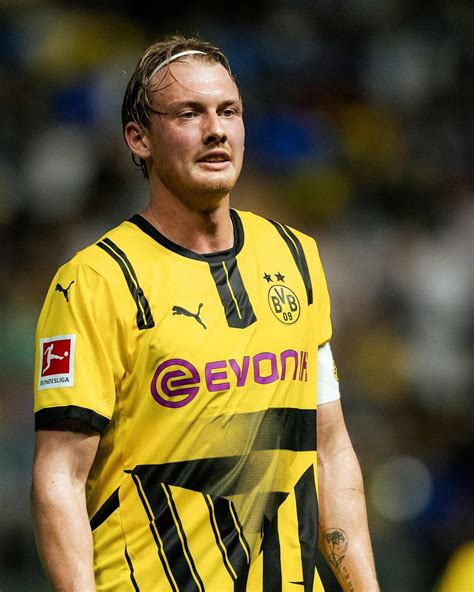
At Old Trafford, the Stretford End and other sections of the ground are synonymous with vocal support. Safe standing could amplify this by allowing fans to stand in designated, structurally secure areas without contravening safety regulations. The club is keenly aware that modern fans, particularly those accustomed to the vibrant atmospheres of Bundesliga stadiums or even certain sections of Celtic Park, expect more than just a seat; they want an experience that makes them feel part of the action.
The Safety and Design Innovations One of the primary concerns with standing in football stadiums has historically been safety. The Hillsborough tragedy looms large in this debate, but advancements in stadium design have made safe standing a viable and secure option. Rail seating, a system widely used in Germany and trialed in some UK grounds, provides individual spaces for fans to stand while incorporating a protective rail in front of each row. This design mitigates the risk of crowd surges and ensures that each spectator has a defined, secure space. For Manchester United, adopting such a system at Old Trafford would not only address safety concerns but also demonstrate the club’s commitment to innovation and fan welfare.
Additionally, safe standing areas can be designed to comply with all relevant safety standards, including those set by the Sports Grounds Safety Authority (SGSA). This means that Manchester United can offer standing options without compromising on the high safety benchmarks expected of a world-class venue like Old Trafford. The implementation of safe standing could also provide the club with an opportunity to modernize certain sections of the stadium, potentially increasing its capacity while maintaining or even improving safety standards.
The Atmospheric and Commercial Benefits From an atmospheric perspective, safe standing has the potential to transform the matchday experience at Old Trafford. Standing fans tend to generate more noise and energy than seated ones, as the physical act of standing often correlates with greater engagement and vocal participation. This is particularly relevant for Manchester United, a club that prides itself on its global fan base and the electric atmosphere of its home games. Sections like the Stretford End could become even more intimidating for visiting teams if populated by standing fans who are physically and emotionally closer to the action.
There are also commercial benefits to consider. Safe standing areas could allow the club to accommodate more fans in the same footprint, as rail seating typically takes up less space than traditional seats. This could lead to increased ticket sales in these areas, boosting revenue without the need for costly expansions. Moreover, the enhanced atmosphere could make Old Trafford an even more attractive venue for televised matches, further solidifying Manchester United’s brand as a leader in fan engagement and stadium experience.
Addressing Inclusivity and Accessibility Another often-overlooked aspect of safe standing is its potential to foster greater inclusivity among fans. Standing areas can be more affordable than seated sections, making them accessible to a broader demographic of supporters. This aligns with Manchester United’s stated goal of maintaining a diverse and inclusive fan base. By offering safe standing options, the club can cater to fans who may have been priced out of traditional seating areas while still providing a high-quality matchday experience.
Furthermore, safe standing could help bridge generational divides within the fan base. Older supporters who remember the terraces may feel a sense of nostalgia and connection to the club’s roots, while younger fans, many of whom have only experienced all-seater stadiums, can discover a new way to engage with the game. This blend of tradition and modernity could strengthen the sense of community and belonging that is so integral to football culture.
Regulatory and Political Considerations Manchester United’s exploration of safe standing is also framed within the context of changing regulations in the UK. In recent years, there has been a gradual shift in attitudes among policymakers, with safe standing trials approved at several clubs, including Tottenham Hotspur and Manchester City. These trials have provided evidence that rail seating can be implemented safely and effectively, paving the way for broader adoption across the Premier League. Manchester United’s consideration of safe standing is therefore not occurring in isolation but as part of a wider movement within English football to reevaluate stadium design and fan accommodation.
The club’s leadership is likely also mindful of the political and public relations implications of this decision. Supporting safe standing can be seen as a progressive step that aligns with fan desires and contemporary trends in stadium management. It also positions Manchester United as a forward-thinking institution that is unafraid to embrace change while respecting its history.
Potential Challenges and Criticisms Despite its potential benefits, safe standing is not without its challenges. Some critics argue that it could lead to a resurgence of the hooliganism that plagued football in earlier decades, although evidence from safe standing trials suggests this is unlikely when proper infrastructure and management are in place. There are also logistical considerations, such as how to allocate standing tickets fairly and how to ensure that seated fans in nearby areas are not adversely affected. Manchester United will need to address these concerns transparently and collaboratively with fan groups to ensure a smooth transition.
Additionally, there is the question of how safe standing would impact the stadium’s existing layout and heritage. Old Trafford is one of the most iconic football grounds in the world, and any changes must be handled with care to preserve its character. This is a delicate balancing act that the club must navigate to avoid alienating traditionalists while appealing to modern fans.
Conclusion The case for safe standing at Old Trafford is a multifaceted one, rooted in fan demand, safety innovations, atmospheric enhancement, and commercial opportunity. Manchester United has the chance to lead the way in redefining the matchday experience for its supporters while respecting the lessons of the past. By carefully considering the design, implementation, and management of safe standing areas, the club can create a more vibrant, inclusive, and dynamic environment at the Theatre of Dreams—one that honors its legacy while embracing the future of football fandom.
Regulatory Framework and Safety Standards
The implementation of safe standing in football stadiums, particularly for a club as prominent as Manchester United, involves navigating a comprehensive regulatory framework and safety standards set by UK authorities. These regulations aim to balance the desire for enhanced matchday atmosphere with the non-negotiable priority of spectator safety. To fully understand the landscape, it is essential to explore the governing bodies, key legislation, and technical requirements that underpin safe standing in the UK.
The Sports Grounds Safety Authority (SGSA) is the primary body responsible for overseeing the safety of sports venues in the UK. Established under the Sports Grounds Safety Authority Act 2011, the SGSA provides guidance and enforces safety measures through its Green Guide, a detailed manual that sets out best practices for the design and management of sports grounds. The introduction of safe standing areas must adhere to the principles outlined in this guide, which has been updated to include considerations for modern standing solutions such as rail seating.
One of the critical regulatory milestones for safe standing was the 2022 introduction of licensed standing areas in the Premier League and Championship. This followed pilot programs that tested the viability of rail seating in select stadiums, including those of Tottenham Hotspur, Chelsea, and Manchester United. The pilot demonstrated that rail seating could improve safety by preventing persistent standing in all-seater areas, a longstanding issue in English football. Persistent standing in seats not designed for it has historically posed risks, such as crowd surges and obstructed views, which the new measures aim to mitigate.
The Licensing of Standing Areas is governed by strict criteria that venues must meet to be approved. These include:
- Seating and barrier design: Each standing space must be equipped with a rail or barrier at appropriate heights (typically between 900mm and 1100mm) to prevent falls while allowing unobstructed views. This is a marked departure from traditional terraces, where safety barriers were spaced much farther apart.
- Capacity limits: Standing areas are subject to density restrictions to ensure that crowd flow and egress can be managed safely. The SGSA mandates that no more than one person per 0.8m² of available space is permitted, a measure intended to avoid overcrowding and maintain individual movement.
- Dedicated stewarding: Venues must deploy additional stewards trained specifically for standing areas. These stewards are tasked with monitoring crowd behavior, ensuring compliance with safety protocols, and facilitating swift evacuation in case of emergencies.
- Surveillance and monitoring: Stadiums must have advanced CCTV systems that provide comprehensive coverage of standing areas. This allows for real-time observation of crowd dynamics and enables rapid response to any incidents.
In addition to physical infrastructure, the regulatory framework emphasizes operational protocols. For instance, clubs must submit detailed risk assessments and safety certificates that address how standing areas will be managed during high-profile matches, where crowd intensity is often heightened. Manchester United, as a club with one of the largest average attendances in the Premier League, must demonstrate how its standing areas can accommodate diverse fan groups without compromising safety. This includes plans for segregating rival fans and managing the movement of large crowds in and out of standing zones.
Another critical aspect of the regulatory framework is the collaboration between clubs, local authorities, and emergency services. Before safe standing can be implemented, clubs must engage in extensive consultations to ensure that local fire services, police, and ambulance teams are satisfied with the safety measures in place. This involves conducting evacuation drills and scenario planning to test the resilience of the standing areas under stress conditions. For Manchester United, this process is particularly complex given the scale of Old Trafford and its significance as a venue for both domestic and international fixtures.
The historical context of safe standing in the UK also plays a role in shaping current regulations. The Hillsborough disaster of 1989, where 97 fans lost their lives due to overcrowding in standing areas, led to the Taylor Report and the subsequent introduction of all-seater stadiums in the top two tiers of English football. For decades, this policy was seen as a necessary response to prevent similar tragedies. However, advances in stadium design and a growing body of evidence from countries like Germany—where safe standing has been successfully implemented for years—have shifted the narrative. The UK government’s decision to allow licensed standing areas reflects a recognition that modern safety technologies, such as rail seating, can provide a safer alternative to traditional terraces while preserving the vibrant atmosphere associated with standing.
The technical specifications for rail seating also demonstrate how far safety standards have evolved. Unlike old-style terraces, rail seating incorporates individual spaces with fold-down seats that can be locked upright during standing events. This dual-purpose design ensures that the area can transition between seated and standing configurations while maintaining safety. Furthermore, the materials used in rail seating are subject to rigorous testing for durability, fire resistance, and impact absorption, ensuring they meet the highest safety benchmarks.
From a legal perspective, clubs like Manchester United must also comply with broader health and safety legislation, such as the Health and Safety at Work Act 1974 and related regulations. These laws require clubs to take “reasonably practicable” steps to ensure the safety of all spectators. This includes not only the physical safety of those in standing areas but also considerations such as crowd psychology, the impact of alcohol consumption, and the potential for antisocial behavior. Clubs are expected to implement measures such as public awareness campaigns to educate fans about safe standing etiquette and the importance of self-regulation within these spaces.
A unique challenge for Manchester United lies in the integration of safe standing with its existing infrastructure. Old Trafford, as one of the oldest and most iconic stadiums in the UK, presents logistical hurdles. For example, the installation of rail seating in certain areas might require reconfiguring existing sightlines, seating arrangements, and access routes. This process must be carefully managed to avoid reducing overall stadium capacity or disrupting fan experience. Additionally, the club must consider how standing areas will interact with other stadium features, such as disabled access points and family zones, to ensure inclusivity and compliance with equality legislation.
Finally, the fan engagement component of the regulatory framework cannot be overlooked. Safe standing is not merely a technical or safety issue; it is also a cultural shift that requires buy-in from supporters. The UK government and the SGSA have emphasized the need for clubs to work closely with fan groups to design standing areas that reflect their preferences while adhering to safety standards. Manchester United has a particularly vocal and diverse fan base, and their input can shape how safe standing is perceived and implemented at Old Trafford.
In summary, the regulatory framework and safety standards for safe standing in the UK are a blend of historical lessons, modern innovations, and collaborative oversight. For Manchester United, meeting these standards involves not only technical compliance but also a commitment to fostering a safe and inclusive matchday environment. This multi-faceted approach ensures that the return of standing areas is not just a nostalgic nod to the past but a forward-looking enhancement of the spectator experience, grounded in safety and sustainability.
Fan Perspectives and Demand
The concept of safe standing at football matches has been a topic of heated discussion among fans of Manchester United and across the broader football community. This section delves into the perspectives and demand from fans, drawing on surveys, anecdotal evidence, and the underlying reasons for their support or opposition to this initiative. Understanding fan sentiment is critical to gauging the feasibility and potential impact of safe standing areas at Old Trafford.
One of the most striking aspects of fan opinion is the historical connection to standing culture. For many long-time supporters, standing was an integral part of the matchday experience before the introduction of all-seater stadiums in the wake of the Taylor Report following the Hillsborough disaster in 1989. Older fans often reminisce about the electric atmosphere in terraces like the Stretford End, where the physical act of standing contributed to a sense of unity and collective energy. Surveys conducted by fan groups such as the Manchester United Supporters' Trust (MUST) reveal that a significant proportion of fans feel that standing areas could help recapture some of that lost atmosphere, particularly in sections where vocal support is most concentrated.
However, it is important to note that the demand for safe standing is not purely nostalgic. Modern fans, particularly younger demographics, see safe standing as a way to enhance their matchday experience in a new context. Surveys from 2022 and 2023 indicate that approximately 70-80% of fans aged 18-35 are in favor of safe standing areas. These fans often cite the following reasons: improved atmosphere, a sense of freedom to express support more dynamically, and the perception that standing can foster a more engaged and passionate crowd. This demographic also points out that safe standing could help address the issue of fans who already stand in seated areas, which can lead to discomfort for those around them and occasional safety concerns when seats are not designed for this purpose.
The demand for safe standing is also rooted in comparative analysis with other clubs and leagues. Fans point to the success of safe standing implementations in Germany’s Bundesliga, where "rail seating" has been used effectively to balance safety and atmosphere. They argue that Manchester United, as one of the world’s most iconic clubs, should be at the forefront of adopting progressive measures that enhance fan experience while maintaining safety standards. Some fans have expressed frustration that the club has been slower than others, such as Tottenham Hotspur or Celtic, to explore safe standing options despite clear fan interest. This perceived lag has fueled a sense of urgency among supporters who feel the club risks falling behind in providing a modern, fan-friendly environment.
Another dimension of fan opinion is the economic argument. Many supporters believe that safe standing areas could make match attendance more accessible. Standing tickets are often cheaper than seated ones, and this could help address the growing concern about the affordability of football. Anecdotal evidence from fan forums suggests that some younger fans and those from lower-income backgrounds feel priced out of attending matches regularly. Safe standing could provide a more cost-effective option, potentially broadening the demographic of match attendees and fostering a more inclusive fan base. This perspective is particularly relevant given the ongoing debates about the commercialization of football and the perceived disconnect between clubs and their traditional fan bases.
Despite the enthusiasm, there are also voices of caution and opposition within the fan base. Some supporters, particularly those with mobility issues or families with young children, express concern that safe standing could create an environment less inclusive for certain groups. Surveys and focus groups have highlighted that while these fans are not necessarily opposed to safe standing in principle, they want assurances that their needs will be accommodated. For instance, they emphasize the importance of designated areas for seated supporters to remain unaffected by the introduction of standing zones. This underscores the need for a carefully planned implementation that considers the diverse needs of the fan base.
The club itself has conducted internal surveys and consultations to assess the demand for safe standing. While Manchester United has not publicly released detailed results of these surveys, leaks and statements from club representatives suggest that there is a clear majority in favor of exploring safe standing options. However, the club has been cautious in its approach, citing the need to navigate regulatory hurdles and ensure compliance with safety standards. This cautious stance has led to some frustration among fans who feel the club is not moving quickly enough to act on what they perceive as overwhelming support for the idea.
Fan-led initiatives have also played a role in amplifying the demand for safe standing. Groups like MUST and other independent supporter organizations have organized petitions, social media campaigns, and even demonstrations to highlight the strength of feeling on this issue. These efforts often include testimonials from fans who describe how standing areas could enhance their emotional connection to the game. For instance, one fan survey respondent noted, “Standing isn’t just about watching the game; it’s about feeling part of something bigger, something that seated areas can’t always replicate.” Such statements illustrate how safe standing is seen not just as a practical measure but as a symbolic gesture toward fan-centric values.
The role of social media in shaping and reflecting fan opinions cannot be overlooked. Platforms like Twitter and Reddit are rife with discussions about safe standing, with hashtags like #SafeStanding and #StandUnited frequently trending during matches or when the topic is in the news. These online spaces provide a real-time barometer of fan sentiment, often showcasing a mix of nostalgia, practical suggestions, and frustration with perceived inaction by the club or governing bodies. The virality of these discussions indicates that the demand for safe standing is not a fringe issue but a widely shared aspiration among the fan base.
Interestingly, the demand for safe standing also intersects with broader debates about fan identity and ownership. Many supporters see the push for safe standing as part of a larger movement to reclaim a sense of agency in how football is experienced. This ties into frustrations over rising ticket prices, commercialization, and the perception that clubs prioritize revenue over fan experience. Safe standing is viewed by some as a tangible way for Manchester United to demonstrate that it values its supporters' voices and is willing to innovate in ways that enhance rather than commodify the matchday experience.
In summary, the demand for safe standing at Manchester United matches is both deep-rooted and multifaceted. It is driven by a blend of nostalgia, practical benefits, economic considerations, and a desire for a more dynamic and inclusive atmosphere. While there are valid concerns that must be addressed, the overwhelming evidence from surveys, fan groups, and social media suggests that the appetite for safe standing is not only present but growing. For Manchester United, the challenge lies in balancing this demand with the need for safety, inclusivity, and regulatory compliance—a task that will require careful planning and genuine engagement with the fan base.
Comparison with Other Clubs and Leagues
Manchester United's approach to safe standing represents a significant evolution in the club's stance on supporter experience and safety. To fully understand how this initiative stands out, it is essential to compare it with the practices of other clubs in the Premier League and across European leagues. This comparison not only highlights the unique aspects of Manchester United's implementation but also sheds light on broader trends and challenges in the adoption of safe standing.
In the Premier League, safe standing has seen a resurgence in recent years, driven by both fan demand and a shift in regulatory attitudes. Clubs like Tottenham Hotspur and Chelsea have been at the forefront of this movement, installing rail seating in specific sections of their stadiums. Tottenham's new stadium, for instance, was designed with safe standing in mind, featuring over 17,000 rail seats across its South Stand. This proactive approach allowed Tottenham to seamlessly transition when the UK government approved safe standing trials in 2022. Similarly, Chelsea has retrofitted parts of Stamford Bridge with rail seating, aligning with the growing recognition of the benefits of safe standing in enhancing atmosphere and safety.
However, Manchester United's implementation differs in its scope and integration. While Tottenham and Chelsea focused primarily on newly built or retrofitted areas, Manchester United has taken a more comprehensive approach by testing safe standing across larger sections of Old Trafford, including the Stretford End and parts of the East Stand. This reflects the club's acknowledgment of the historical significance of these areas as hubs of vocal support. The Stretford End, in particular, has long been associated with some of the club's most passionate fans, and the decision to prioritize safe standing here demonstrates a clear effort to preserve and enhance this tradition. This approach suggests that Manchester United is not merely following a trend but actively shaping its safe standing strategy around its unique fan culture and stadium dynamics.
In contrast, some Premier League clubs have been more cautious. Liverpool, for example, has been slower to adopt safe standing due to the club's sensitivity around the Hillsborough disaster. The tragedy, which claimed 97 lives in 1989, has made discussions around standing at football matches particularly complex for Liverpool. While the club has not outright opposed safe standing, its approach has been more measured, emphasizing consultation with supporter groups and ensuring that any changes align with safety and emotional considerations. This cautious stance underscores how club-specific histories and sensitivities influence the pace and nature of safe standing adoption, setting Manchester United's broader and more assertive strategy apart.
Moving beyond the Premier League, European leagues provide a richer tapestry of safe standing practices, offering both inspiration and contrast. In Germany, the Bundesliga has long been a pioneer in safe standing, with clubs like Borussia Dortmund and Bayern Munich offering vast terraced areas for supporters. Dortmund's "Yellow Wall" at Signal Iduna Park, with a capacity of around 25,000 standing fans, is often cited as a gold standard for how standing can enhance atmosphere while maintaining safety. The German model relies on a well-established culture of supporter behavior and strict regulations, which have allowed standing sections to coexist with high safety standards for decades. Manchester United's approach, while ambitious, does not yet match the scale of these German terraces, but it does borrow from the principle of integrating standing areas into the fabric of fan identity.
In Spain, the situation is more mixed. While standing was traditionally a feature of La Liga matches, the transition to all-seater stadiums in the 1990s following the Taylor Report in the UK and similar safety concerns in Europe largely eliminated standing areas. However, recent developments, such as the reintroduction of safe standing at Barcelona's Camp Nou, suggest a gradual shift. Barcelona's approach is still in its infancy compared to Manchester United's more extensive trials, reflecting a cautious re-entry into standing culture rather than a full embrace. This contrast highlights how Manchester United is positioning itself as a leader in safe standing within a European context, where many clubs are still exploring or hesitant about reintroducing standing.
In Italy, safe standing has faced more resistance due to the country's history of crowd violence and stricter stadium regulations. Clubs like Juventus and Inter Milan have largely adhered to all-seater policies, with limited experimentation in safe standing. This cautiousness is partly due to the legacy of incidents such as the Heysel disaster in 1985, which involved Juventus fans and has left a lasting impact on how standing is perceived in Italian football. Manchester United's willingness to adopt safe standing on a larger scale demonstrates a stark difference in how clubs in different cultural and historical contexts approach the issue. While Juventus might view safe standing as a potential risk, Manchester United sees it as an opportunity to enhance fan engagement and atmosphere without compromising safety.
Another point of comparison lies in the regulatory environment. The UK's approach to safe standing has been heavily influenced by the 1989 Taylor Report, which mandated all-seater stadiums for top-tier clubs following Hillsborough. This has created a unique set of challenges and opportunities for Premier League clubs compared to their European counterparts. While German clubs have operated standing areas for years under a different legal framework, Premier League clubs like Manchester United must navigate a more recent and cautious regulatory landscape. This makes Manchester United's trials not just a matter of fan experience but also a test case for how English football can adapt to changing safety standards while respecting its history.
One unique aspect of Manchester United's approach is its emphasis on data and fan feedback. The club has actively engaged with supporter groups to gather input on the design and implementation of safe standing areas. This collaborative approach is not universally adopted across other clubs. For instance, while Tottenham and Chelsea have introduced safe standing, their focus has been more on compliance with regulations and less on deep fan engagement during the planning stages. Manchester United's willingness to involve fans in the process not only strengthens the club's relationship with its supporters but also ensures that the safe standing areas are tailored to their needs and preferences. This participatory model could serve as a benchmark for other clubs considering similar initiatives.
Additionally, Manchester United's trials are part of a broader strategic vision to modernize Old Trafford while respecting its heritage. The club's investment in safe standing is closely tied to its plans for stadium redevelopment, signaling a long-term commitment to enhancing the matchday experience. This contrasts with some clubs in lower-profile leagues or those with older stadiums, where safe standing is often a piecemeal effort rather than part of a cohesive strategy. For example, clubs in the Eredivisie (Dutch league) have experimented with safe standing but often lack the financial and infrastructural resources to implement it on the scale seen at Old Trafford.
In summary, Manchester United's approach to safe standing is both innovative and contextually aware. Compared to Premier League peers like Tottenham and Chelsea, the club has taken a more expansive and fan-focused approach, prioritizing areas with historical significance. In the European context, while German clubs set the benchmark for large-scale standing areas, Manchester United is carving out a middle ground that balances tradition, safety, and modernity. This nuanced strategy not only distinguishes the club within the Premier League but also positions it as a thought leader in the broader conversation about the future of safe standing in football.
Economic and Operational Implications
The introduction of safe standing at Old Trafford is not merely a matter of fan experience or tradition; it carries significant economic and operational implications that must be carefully assessed. This section delves into the cost structures, logistical hurdles, and potential revenue impacts associated with implementing safe standing areas in one of the world’s most iconic football stadiums.
From a cost perspective, the transition to safe standing involves more than simply removing seats and installing rail seating. It requires a comprehensive overhaul of existing infrastructure to meet stringent safety standards. For instance, rail seating systems must be designed to comply with the UK's Sports Grounds Safety Authority (SGSA) guidelines, which mandate features like robust barriers, adequate spacing between rows, and clear sightlines for all spectators. These modifications necessitate significant capital expenditure. Estimates for retrofitting a stadium of Old Trafford's size could range between £5 million and £10 million, depending on the scale of the project and the areas targeted for conversion. While this figure may seem manageable for a club of Manchester United's financial stature, it is important to consider the opportunity cost of such spending. Funds allocated to safe standing might otherwise be directed toward player acquisitions, facility upgrades, or digital fan engagement initiatives—areas that could yield more immediate returns on investment.
However, the logistical challenges of implementing safe standing are arguably more complex than the financial outlay. Old Trafford’s current layout is optimized for an all-seater configuration, a design that has been in place since the early 1990s following the Taylor Report. Reconfiguring sections of the stadium to accommodate safe standing would require not only physical changes but also adjustments to crowd management protocols. For example, stewards would need specialized training to monitor these areas effectively, as the dynamic nature of standing spectators can lead to increased movement and potential crowd surges. Additionally, the introduction of safe standing could necessitate changes to ticketing systems. Season ticket holders in affected areas might need to be relocated or given the option to switch to standing tickets, which could provoke resistance if not handled diplomatically. The club would also need to address accessibility concerns for disabled fans, ensuring that safe standing zones do not inadvertently restrict movement or visibility for those with mobility challenges.
On the revenue side, the impact of safe standing is multifaceted. On one hand, safe standing could increase stadium capacity. Rail seating typically allows for a higher density of spectators compared to traditional seating arrangements. For example, if a section of Old Trafford currently accommodates 1,000 seated fans, the same space might accommodate 1,200 to 1,400 standing fans. This increase in capacity could generate additional ticket revenue, particularly for high-demand matches where ticket scarcity is a common issue. However, the revenue uplift from increased capacity might be partially offset by lower per-ticket pricing for standing areas. Historically, standing tickets have been priced lower than seated ones, reflecting both the physical experience and the perception of value. Manchester United would need to carefully model these pricing dynamics to ensure that the net revenue impact is positive.
Another revenue consideration is the potential for enhanced fan engagement and loyalty. Safe standing areas are often associated with a more vibrant, energetic atmosphere, which can improve the matchday experience for fans. A more electric atmosphere at Old Trafford could indirectly boost revenue by encouraging higher attendance, greater merchandise sales, and increased consumption of food and beverages within the stadium. Moreover, the club could position itself as a pioneer in modernizing fan experience within the Premier League, attracting new demographics of supporters who value the authenticity and communal spirit of standing areas. This reputational boost could also extend to sponsorship opportunities. Brands might be willing to pay a premium to associate with a forward-thinking initiative that aligns with themes of inclusivity and tradition, particularly if Manchester United can market safe standing as part of a broader narrative of fan-centric innovation.
However, there are risks to consider. The introduction of safe standing could alienate certain segments of the fan base, particularly older supporters or families who prefer the comfort and perceived safety of seated areas. If these groups reduce their attendance or spending, the club might face a revenue dip in other areas, such as hospitality packages or long-term season ticket renewals. Additionally, there is the question of how safe standing would influence the club’s global brand. While it might appeal to younger, more vocal supporters, it could be viewed negatively by international audiences or corporate stakeholders who associate standing areas with the hooliganism problems of the past. Manchester United would need to manage this perception carefully through transparent communication and a well-executed rollout strategy.
From an operational efficiency standpoint, the club must also evaluate how safe standing impacts matchday operations. For instance, the conversion of certain sections to standing areas might alter crowd flow patterns, potentially leading to bottlenecks at entry and exit points. This could increase the time required for stadium evacuation in emergencies, a critical factor in safety planning. Furthermore, the club would need to invest in additional infrastructure, such as more robust turnstile systems or digital ticketing solutions, to ensure smooth access for standing ticket holders. These operational costs, while not always apparent in initial project estimates, could add to the overall financial burden of the initiative.
It is also worth considering the long-term maintenance implications of safe standing infrastructure. Unlike static seating, rail seating systems may require more frequent inspections and repairs to ensure continued compliance with safety standards. This ongoing cost could strain operational budgets, particularly if the club underestimates the wear and tear associated with high-density use. Additionally, any safety incidents linked to the standing areas—however minor—could result in reputational damage, legal liabilities, and increased insurance premiums, further complicating the economic case for implementation.
Despite these challenges, there are compelling arguments for proceeding with safe standing, particularly when viewed through the lens of fan demand and competitive positioning. Surveys of Manchester United supporters have shown strong support for safe standing, with many fans citing it as a way to reconnect with the club’s historical identity and enhance the matchday atmosphere. From a strategic perspective, embracing safe standing could also help Manchester United differentiate itself from rivals in the Premier League, many of whom are still evaluating the feasibility of similar initiatives. By taking a leadership role in this area, the club could position itself as a thought leader in stadium innovation, potentially influencing broader industry trends.
In conclusion, the economic and operational implications of introducing safe standing at Old Trafford are complex and multi-faceted. While the project offers opportunities to increase capacity, enhance fan engagement, and generate new revenue streams, it also presents significant costs, logistical challenges, and potential risks. A successful implementation would require meticulous planning, transparent communication with stakeholders, and a clear understanding of both the short-term financial trade-offs and the long-term strategic benefits. For Manchester United, the decision is not just about meeting fan expectations—it is about balancing tradition, innovation, and the club’s broader commercial objectives in a way that preserves its status as a global football institution.
Safety and Fan Behavior Concerns
The introduction of safe standing at football stadiums, including at iconic venues like Manchester United's Old Trafford, has sparked significant debate. While the concept aims to enhance the matchday experience for fans, it also raises valid concerns about crowd control, safety risks, and the potential for increased incidents of unruly behavior. Addressing these concerns requires a detailed examination of the mechanisms of safe standing, its implementation, and how it can mitigate rather than exacerbate such issues.
One of the primary concerns associated with safe standing is the perceived risk of crowd surges during high-intensity moments in a match, such as a goal celebration or a contentious refereeing decision. Historically, standing areas in stadiums have been linked to tragedies like the Hillsborough disaster in 1989, where poor crowd management and unsafe standing conditions led to 97 fatalities. This legacy has understandably made many stakeholders wary of reintroducing standing sections. However, it is crucial to differentiate between the unregulated terraces of the past and the modern, regulated safe standing systems being proposed today. Safe standing is not a return to open terraces but a structured approach that incorporates design features specifically intended to enhance safety.
Safe standing areas are equipped with rail seating, a system where each row of seats is separated by a fixed rail that provides stability and delineates individual spaces for fans. This design ensures that fans have a designated spot to stand without encroaching on others' space, reducing the likelihood of overcrowding or physical jostling. The rails also act as a barrier to prevent forward surges, a key factor in mitigating the risks of crowd collapse or uncontrolled movement. Studies from leagues where safe standing has been successfully implemented, such as the German Bundesliga, show that rail seating not only provides a safer environment but also improves fan satisfaction by offering a more communal and engaged atmosphere.
Another concern often raised is the potential for increased incidents of hooliganism or aggressive fan behavior in standing areas. Critics argue that standing fosters a more volatile environment compared to seated sections, where fans are physically restrained by their seats. However, evidence from leagues that have reintroduced safe standing suggests otherwise. For instance, in the Bundesliga, safe standing areas are often associated with higher levels of positive engagement among fans. The communal nature of standing fosters a sense of unity and shared passion, which can actually reduce confrontational behavior when managed well. Moreover, the presence of stewards and CCTV in these areas ensures that any instances of misconduct are quickly identified and addressed.
It is also worth noting that fan behavior is influenced by broader factors beyond the physical setup of the stadium. Education campaigns, clear communication of rules, and proactive engagement with supporter groups play a critical role in shaping how fans behave in standing areas. Manchester United, as a club with a global fanbase and a strong emphasis on community, has the opportunity to lead in this area by implementing targeted initiatives. For example, they could collaborate with fan organizations to establish codes of conduct specific to safe standing zones and provide training for stewards to understand the unique dynamics of these spaces. This proactive approach can help address behavioral concerns before they arise.
A related issue is the perception of safe standing as a potential barrier to effective crowd control during emergencies. In seated areas, fans are more easily directed to evacuate in an orderly fashion because each person has a clearly assigned seat. Critics worry that standing areas could complicate evacuation procedures, particularly in high-stress situations like a fire or a security threat. However, this concern can be alleviated through careful design and planning. Safe standing areas are typically subject to strict capacity limits, ensuring that the density of fans does not exceed safe levels. Additionally, the use of staggered entry and exit points, combined with clear signage and well-trained staff, can ensure that fans in standing areas can be evacuated as efficiently as those in seated sections. The key lies in testing and refining these systems during non-critical events to identify and address any potential bottlenecks.
Another dimension of safety concerns is the impact of weather and environmental factors on fans in standing areas. Unlike seated fans, those in standing zones are more exposed to the elements, particularly in outdoor stadiums like Old Trafford. This could lead to discomfort or even health risks in extreme weather conditions. To address this, clubs implementing safe standing should consider supplementary infrastructure such as partial roofing, heating elements for cold weather, and designated rest areas for fans who may need a break from standing. These measures not only enhance safety but also demonstrate a commitment to fan well-being, which can further build trust in the concept of safe standing.
It is also important to consider how safe standing can indirectly improve fan behavior by fostering a more inclusive and diverse atmosphere. Standing areas tend to attract younger, more energetic supporters who may feel alienated in traditional seated sections. By providing a space tailored to their preferences, clubs can channel this energy in a positive direction. For instance, Manchester United could designate certain safe standing zones as "family-friendly" or "youth supporter" areas, where behavior expectations are clearly communicated and monitored. This segmentation can help balance the atmosphere, ensuring that the vibrancy of standing areas does not come at the expense of safety or inclusivity.
A final point to consider is the role of technology in enhancing safety in safe standing areas. Modern stadiums are increasingly equipped with advanced surveillance systems, crowd analytics software, and real-time communication tools. These technologies can be leveraged to monitor fan behavior in standing areas, identify potential flashpoints, and deploy resources proactively. For example, if a section of the crowd becomes overly agitated, stewards can be alerted immediately to de-escalate the situation. This integration of technology not only enhances safety but also provides valuable data that can inform future improvements to the safe standing model.
In conclusion, while concerns around crowd control, safety risks, and fan behavior are valid, they are not insurmountable. The design and implementation of safe standing systems, when paired with robust policies, education, and technology, can effectively address these issues. Manchester United, as a club with a storied history and a forward-thinking approach, has the opportunity to set a benchmark for how safe standing can be introduced in a way that prioritizes both safety and the fan experience. By learning from successful examples in other leagues and engaging with their supporter base, the club can ensure that safe standing is not only a nostalgic nod to football's past but also a progressive step toward a safer, more inclusive future for the sport.
Implementation Roadmap and Pilot Programs
The implementation of safe standing at Manchester United is a significant step in modernizing matchday experiences while ensuring fan safety and compliance with evolving stadium regulations. This section explores the proposed roadmap and pilot programs that Manchester United could adopt to integrate safe standing effectively into Old Trafford, leveraging best practices from other clubs and taking into account unique challenges specific to one of the world's most iconic football venues.
The first step in the roadmap involves **stakeholder engagement and feasibility studies**. Before any physical implementation, Manchester United must engage with key stakeholders, including local authorities, fan groups, safety advisory groups, and the Sports Grounds Safety Authority (SGSA). These consultations are critical to understanding the regulatory landscape and aligning proposed changes with safety standards. A feasibility study would assess the structural integrity of existing seating areas, particularly in high-demand sections such as the Stretford End and the Sir Alex Ferguson Stand, where vocal support is concentrated. This step is expected to take 3-6 months and would include surveys, engineering assessments, and cost-benefit analyses to determine the financial and logistical viability of safe standing zones.
Once feasibility is confirmed, the next phase is **design and prototyping**. Manchester United could adopt a tiered approach to design, starting with a limited prototype in one or two sections of the stadium. This would allow the club to test the functionality of rail seating—a widely accepted safe standing solution—without committing to full-scale deployment immediately. Rail seating, which features a fold-down seat integrated into a sturdy rail, has been successfully implemented at clubs like Celtic and Tottenham Hotspur. Manchester United could customize this design to reflect the club's identity, perhaps incorporating red and black color schemes or club crests into the railings. The design phase should also consider accessibility for disabled fans, ensuring that safe standing zones do not inadvertently exclude any supporter groups. This phase could take 6-9 months, depending on the complexity of the designs and the need for iterative feedback from fans and safety experts.
The **pilot program implementation** is the most visible and critical stage. A proposed timeline suggests that Manchester United could initiate a pilot program in the 2025/2026 season, starting with **500-1,000 seats in a designated area** such as the lower tier of the Stretford End. This area is historically associated with some of the club’s most passionate supporters, making it an ideal testbed for safe standing. The pilot would run for one full season, during which data would be collected on fan behavior, crowd dynamics, and safety incidents. Monitoring tools such as CCTV, heat mapping, and post-match surveys could provide insights into how fans interact with the new setup. Importantly, this pilot would not only test the physical infrastructure but also evaluate how safe standing impacts the overall atmosphere of Old Trafford. For instance, would it enhance the "12th man" effect that fans often cite as a key part of home advantage?
To ensure the success of the pilot, Manchester United must establish **clear operational protocols**. These include training stewards to manage safe standing areas, setting rules for fan behavior (e.g., no persistent standing in non-designated areas), and creating communication campaigns to educate fans about the purpose and rules of safe standing. A dedicated app or section of the club website could serve as a hub for FAQs, guidelines, and real-time updates about the pilot program. This education effort is particularly important given the diversity of Old Trafford’s fan base, which includes both local supporters and international tourists unfamiliar with the concept of safe standing.
During the pilot phase, **data collection and analysis** will be paramount. Manchester United could partner with academic institutions or safety organizations to analyze the pilot’s outcomes. Key metrics to track include injury rates, fan satisfaction surveys, noise levels (to assess atmosphere enhancement), and compliance with standing rules. Comparative analysis with other clubs running similar programs, such as Borussia Dortmund or Liverpool, would provide additional context. For example, if noise levels in the Stretford End increase by 10-15% during the pilot, this could be seen as a tangible benefit to the club’s home advantage. Conversely, any safety concerns or operational challenges would need to be addressed before scaling up.
Following the pilot, a **comprehensive review and expansion plan** would be undertaken. This review, expected to occur in mid-2026, would involve analyzing the collected data and consulting with stakeholders to decide whether to expand safe standing to other parts of the stadium. If the pilot is successful, Manchester United could propose expanding safe standing to additional high-demand areas, such as parts of the Sir Alex Ferguson Stand or even sections of the away supporter zone, provided there is mutual agreement with visiting clubs. This phased expansion would allow the club to scale up safely while maintaining flexibility to address any unforeseen issues identified during the pilot.
The final step in the roadmap is **full-scale deployment and long-term monitoring**. Assuming the pilot and subsequent expansions are deemed successful, Manchester United could aim for full implementation across designated areas of Old Trafford by the 2027/2028 season. This would involve retrofitting thousands of seats with rail seating and potentially reconfiguring certain sections of the stadium to optimize sightlines and crowd flow. Long-term monitoring would ensure that safe standing continues to meet safety standards and fan expectations. Regular audits, perhaps annually or bi-annually, would assess whether the infrastructure remains fit for purpose and whether fan behavior aligns with the intended goals of safe standing.
One unique insight into Manchester United’s situation is the **historical and emotional significance of Old Trafford**. Unlike newer stadiums designed with safe standing in mind, Old Trafford is a historic venue with a layout that has evolved over decades. This poses challenges in integrating safe standing without disrupting the stadium’s character or fan traditions. For instance, the Stretford End is not just a physical space but a symbol of the club’s identity. Any changes must respect this heritage while modernizing the matchday experience. Additionally, Manchester United’s global fan base means that safe standing must be marketed as an inclusive feature, not just a local enhancement. International fans who visit Old Trafford should feel that safe standing enriches their experience, rather than alienating them from a tradition they may not fully understand.
Another consideration is **financial sustainability**. Safe standing zones could offer Manchester United an opportunity to increase stadium capacity slightly, as rail seating typically allows for higher densities than traditional seating. This could translate into modest revenue increases from ticket sales, particularly if safe standing is priced attractively for younger or more vocal supporters. However, these financial gains must be balanced against the costs of implementation, which could run into millions of pounds for design, installation, and safety compliance.
In summary, the roadmap for safe standing at Manchester United is a multi-phase process involving stakeholder engagement, design, pilot testing, data-driven evaluation, and phased expansion. By taking a methodical approach and learning from both domestic and international examples, the club can position itself as a leader in adopting safe standing while preserving the unique atmosphere and traditions of Old Trafford. This careful, fan-focused implementation ensures that safe standing is not just a compliance measure but a meaningful enhancement to one of football’s most storied venues.
Conclusion and Future Outlook
The introduction of safe standing at Manchester United's Old Trafford represents more than just a structural change to the stadium; it symbolizes a shift in how football clubs and their supporters interact with the game. This conclusion and future outlook explores the potential impact of safe standing on Manchester United as an institution, its supporters, and the broader football culture in England and beyond.
Safe standing has the potential to reinvigorate the matchday experience for Manchester United fans. For decades, the club's supporters have yearned for an atmosphere that harkens back to the days of terraces, where the collective energy of the crowd could drive the team forward. Standing areas, when implemented safely, allow for a more dynamic and engaged fanbase. Unlike seated sections, where movement and interaction are often limited, standing areas encourage fans to move, chant, and celebrate in unison. This could restore some of the raw, communal energy that has been diluted in modern, all-seater stadiums. For Manchester United, a club with a global fanbase and immense commercial appeal, this could mean not only a more electric atmosphere at Old Trafford but also a stronger emotional connection between the club and its supporters.
From a commercial perspective, safe standing could have significant implications for ticket sales and revenue. Standing areas typically allow for higher density seating compared to traditional seats, meaning more fans can be accommodated in the same space. For a club like Manchester United, which consistently operates at or near full capacity, this could translate to increased ticket sales without the need for costly stadium expansions. Furthermore, the enhanced atmosphere could attract younger fans and those seeking a more vibrant experience, potentially reducing the risk of "sterile" atmospheres that have been critiqued in modern football. This dynamic could also play into Manchester United's branding strategy, as the club markets itself as a destination for high-energy, passionate football.
The implementation of safe standing also ties into regulatory and safety advancements in football. For years, the specter of the Hillsborough disaster has loomed over discussions of standing in English football. The tragedy, which claimed 97 lives in 1989, led to the widespread adoption of all-seater stadiums as a safety measure. However, the success of safe standing trials in other countries, such as Germany, and the careful implementation of rail seating in some UK stadiums, have shown that it is possible to create safe environments for standing fans. Manchester United’s adoption of safe standing could serve as a proof of concept for other Premier League clubs, demonstrating that safety and atmosphere are not mutually exclusive. This could lead to a broader cultural acceptance of standing areas across the league, normalizing them as part of the modern football experience rather than a relic of the past.
Broader implications for football culture are also worth considering. Safe standing could contribute to a more inclusive and diverse matchday atmosphere. Standing areas are often associated with affordability, as they can provide a lower-cost alternative to premium seating. This could help Manchester United address concerns about the rising cost of attending matches, making the experience more accessible to a wider demographic of fans. Additionally, the communal nature of standing areas fosters a sense of solidarity among fans, which can counteract the sometimes isolating effects of modern stadium design. For a club with such a storied history and diverse supporter base, this could help preserve and enhance the sense of identity and belonging that is so central to football fandom.
However, the future outlook is not without challenges. One potential concern is the balance between tradition and modernity. While safe standing taps into the nostalgia of terraces, it must also align with the expectations of a modern, globalized football audience. Manchester United will need to ensure that the standing areas are not only safe but also inclusive and well-managed. This includes addressing logistical issues such as crowd flow, accessibility for disabled supporters, and the potential for overzealous behavior in standing sections. The club will also need to navigate the optics of introducing standing areas in a league that has, for decades, prioritized safety and order over the visceral energy of the terraces.
Another consideration is the impact on away supporters. Safe standing could create a more equitable experience for visiting fans, who often feel marginalized in all-seater stadiums. By providing standing areas for away supporters, Manchester United could set a precedent for better treatment of rival fans, potentially improving relations between clubs and their supporter bases. However, this would require careful coordination with other clubs and governing bodies to ensure consistency across the league.
From a regulatory standpoint, the success of safe standing at Manchester United could influence future policy decisions in English football. The UK government’s recent approval of safe standing trials indicates a willingness to revisit long-standing regulations. If Manchester United can demonstrate that safe standing enhances both safety and the matchday experience, it could encourage policymakers to expand these measures across the league. This would represent a significant shift in the governance of football stadiums, moving away from the restrictive all-seater mandate toward a more flexible approach that prioritizes both safety and fan engagement.
Looking ahead, the global implications of safe standing at Manchester United should not be overlooked. As one of the most recognizable clubs in the world, Manchester United’s adoption of safe standing could set a precedent for other leagues and clubs worldwide. In countries where standing is already common, such as Germany, the move might be seen as a natural evolution. However, in nations where all-seater stadiums remain the norm, Manchester United’s experiment could serve as a catalyst for change. This global ripple effect could reshape how football is experienced in stadiums around the world, emphasizing the balance between safety, atmosphere, and inclusivity.
Finally, the long-term cultural significance of safe standing should be acknowledged. Football is not just a sport; it is a cultural phenomenon that reflects societal values and collective identity. The reintroduction of standing areas at a club of Manchester United’s stature could symbolize a broader cultural shift toward valuing tradition and community in an increasingly commercialized sport. It suggests that even in the era of billion-dollar broadcasting deals and global fanbases, the essence of football—its passion, its energy, and its sense of belonging—can still be preserved and celebrated. For Manchester United, this is an opportunity to lead by example, showing that innovation and tradition can coexist in ways that enrich the sport for everyone involved.
In summary, the potential impact of safe standing on Manchester United is profound. It promises to enhance the matchday experience, bolster the club’s commercial and cultural appeal, and influence the future of football stadiums across England and beyond. While challenges remain, the move represents a bold step forward in reconciling the past and future of the beautiful game. Safe standing is not just about seats or rails; it is about reimagining how football connects with its fans, ensuring that the heart of the sport continues to beat strongly in the stands of Old Trafford and beyond.