Introduction to Safe Standing
Safe standing is a concept that has gained significant traction in modern football, particularly in the context of fan experience, stadium design, and safety regulations. At its core, safe standing refers to designated areas within a stadium where supporters can stand during a match while being accommodated in a way that ensures their safety and complies with legal and structural requirements. Unlike the terraces of old, which were often criticized for their lack of crowd control mechanisms and potential for overcrowding, safe standing incorporates modern engineering and safety measures to create a controlled yet dynamic environment for fans.
The relevance of safe standing to modern football stadiums like St James’ Park lies in its ability to address a complex set of challenges faced by clubs, fans, and regulatory bodies. On one hand, it acknowledges the cultural significance of standing during football matches—a tradition deeply embedded in the history of the sport, particularly in the UK. On the other hand, it seeks to balance this tradition with the safety imperatives that have shaped stadium design since the 1980s and 1990s, following high-profile disasters such as Hillsborough. These events led to the widespread introduction of all-seater stadiums across top-tier football leagues, driven by recommendations from the Taylor Report and subsequent legislation.
However, in recent years, there has been a noticeable shift in attitudes toward safe standing. This shift is driven by several factors. First, there is a growing recognition that sitting for the entirety of a match is not always conducive to the atmosphere and energy that fans bring to football. Standing areas can enhance the matchday experience by allowing fans to move, chant, and engage more freely with the game. This is particularly true for younger or more vocal supporter groups who view standing as an integral part of their identity as fans. Safe standing areas are designed to cater to this demand without compromising safety, which is a critical concern for clubs and governing bodies.
From a technical perspective, safe standing involves the use of rail seating—a system where each row of spectators has a fixed seat that can be flipped up, with a rail running along the back of the row to prevent falls or surges. This design ensures that even in a standing position, fans are afforded a level of protection that was absent in traditional terraces. Rail seating also allows stadiums to convert these areas into all-seater configurations for matches or events where standing is not permitted, offering flexibility in stadium usage. This dual-purpose functionality is one of the reasons why safe standing has become an attractive proposition for clubs like Newcastle United, which must balance fan expectations with compliance to league and safety standards.
Another key aspect of safe standing's relevance is its potential to improve stadium capacity and revenue. By incorporating safe standing areas, clubs can often accommodate more supporters in the same physical space compared to traditional seating arrangements. This is because the space required per standing fan is less than that for a seated fan. For a club like Newcastle United, which has a passionate and large fanbase, this could mean increased attendance figures and ticket sales in specific sections of St James’ Park. Enhanced matchday revenue is a tangible benefit, but it also comes with the intangible advantage of fostering a more vibrant and engaged atmosphere, which can positively influence player performance and home-field advantage.
The concept of safe standing also intersects with broader discussions about inclusivity and accessibility in football. Traditionally, standing was associated with cheaper tickets and a more egalitarian atmosphere, where fans from diverse socioeconomic backgrounds could gather and support their team. In modern football, where ticket prices have risen significantly, safe standing areas can serve as a way to reintroduce affordability into the matchday experience. For St James’ Park, this could mean creating spaces that are not only safer but also more accessible to a wider demographic of fans, reinforcing the club’s connection to its community.
There are also lessons to be learned from the implementation of safe standing in other countries. Germany’s Bundesliga, for instance, has long embraced safe standing areas, with clubs like borussia dortmund showcasing how these sections can coexist with high safety standards and vibrant atmospheres. The success of such models provides a blueprint for how safe standing could be adapted to the Premier League context. However, it is important to note that the UK’s regulatory environment is different, and any introduction of safe standing must navigate a complex web of legal, cultural, and infrastructural considerations. For instance, the Sports Grounds Safety Authority (SGSA) in the UK has specific guidelines for pilot programs and trials of safe standing, which Newcastle United and similar clubs must adhere to if they wish to implement such areas.
From a fan perspective, the demand for safe standing is often framed as a desire to reclaim a sense of authenticity in the football experience. Many supporters argue that the transition to all-seater stadiums in the 1990s inadvertently diminished some of the communal and emotional aspects of attending matches. Safe standing offers a middle ground—a way to honor the sport’s traditions while adhering to modern safety expectations. This perspective is particularly relevant at St James’ Park, a stadium known for its passionate supporters and intense matchday atmosphere. Introducing safe standing could enhance this reputation while also addressing the practical concerns of overcrowding or unsafe behavior in seated areas where fans might stand informally.
It is also worth considering the role of technology and innovation in the development of safe standing solutions. Modern stadiums are equipped with advanced surveillance systems, crowd monitoring tools, and real-time communication networks that can help ensure the safety of standing areas. These technologies can provide stewards and security personnel with better oversight of fan behavior, enabling swift responses to any potential issues. For St James’ Park, integrating such technologies into safe standing areas could serve as a model for how traditional football venues can evolve without losing their essence.
In summary, safe standing represents a thoughtful evolution in stadium design and fan engagement. It is not merely about reintroducing standing but about doing so in a way that prioritizes safety, inclusivity, and the unique dynamics of modern football culture. For St James’ Park, the introduction of safe standing could be a transformative step—one that respects the club’s heritage, meets the expectations of its diverse fanbase, and aligns with the broader trends shaping the future of football stadiums. This is not just about seats or rails; it is about creating an environment where the passion of the game and the well-being of its participants are held in equal measure.
- Safe standing combines tradition with modern safety measures, using rail seating to protect fans.
- It offers potential for increased stadium capacity and revenue, alongside a more dynamic atmosphere.
- Lessons from successful implementations, like in Germany, provide a road map for UK adoption.
- The concept supports inclusivity by potentially offering more affordable matchday options.
- Advanced technologies can enhance safety and oversight in standing areas.
By exploring these dimensions, it becomes clear that safe standing is not just a nostalgic nod to the past but a forward-looking solution that can enrich the football experience at St James’ Park and beyond.
Historical Context of St James' Park
St James' Park, the iconic home of Newcastle United Football Club, holds a storied place in the annals of English football history. Its evolution from a rudimentary sporting ground to one of the most recognizable stadiums in the Premier League is a narrative steeped in tradition, adaptation, and the ever-changing demands of spectatorship. To understand the context of 'safe standing' at St James' Park, we must first delve into the historical roots of the stadium and its seating arrangements, which have undergone significant transformation over the decades.
The origins of St James' Park date back to the mid-19th century, when it was initially used as a site for a variety of sports, including rugby and athletics. Football began to take precedence in the late 1800s, and by 1892, Newcastle East End (the precursor to Newcastle United) had taken up residence at the ground. At this time, the concept of seating as we understand it today was virtually non-existent. Spectators were accommodated on open terraces, often exposed to the elements, and the focus was on maximizing capacity rather than comfort or safety. These terraces were typically constructed with earth banking and wooden planks, providing a basic yet functional space for fans to gather and support their team.
The early 20th century saw the first significant developments in stadium infrastructure at St James' Park. As football grew in popularity, the demand for larger crowds prompted the club to expand its facilities. However, the design ethos remained rooted in the era's practicality: vast open terraces dominated the landscape. Notable among these was the Gallowgate End, a symbol of the working-class support that defined Newcastle United's fanbase. These terraces were not only a place to watch the match but also a communal space where camaraderie and passion for the game flourished. Safety, however, was a secondary concern, and incidents of overcrowding and structural instability were not uncommon in football grounds across the country during this period.
The post-World War II era brought about a new wave of changes. The 1950s and 1960s marked a time of reconstruction and modernization for St James' Park. The introduction of concrete terracing replaced some of the older, less stable wooden structures. This period also saw the first attempts to improve spectator comfort, though seating was still a luxury afforded to only a small section of the crowd. The focus remained on terracing because it allowed for higher attendance figures, a critical revenue source for clubs at the time. The Leazes End and the Milburn Stand were among the key developments of this era, each contributing to the stadium's growing reputation as a fortress of football fervor.
It was in the 1980s and 1990s that the landscape of stadium design began to shift dramatically, influenced by two major factors: the Taylor Report following the Hillsborough disaster in 1989 and the increasing commercialization of football. The Taylor Report, commissioned to investigate the causes of the tragedy, recommended the phasing out of standing areas in favor of all-seater stadiums. This had a profound impact on St James' Park and football grounds across the UK. In response, Newcastle United undertook significant redevelopment projects to comply with the new regulations. The transformation of the stadium into an all-seater venue in the 1990s marked the end of an era for the traditional standing terraces that had been synonymous with the matchday experience for generations of fans.
The shift to all-seater arrangements was not without its challenges and controversies. Many fans lamented the loss of the communal atmosphere that standing areas provided. The Leazes End and Gallowgate End, once bastions of vocal support, were reimagined as seated sections, altering the acoustics and dynamics of the crowd. However, the move was widely seen as necessary to improve safety and prevent further tragedies. This period also coincided with the club's ascent in the Premier League, bringing increased scrutiny and expectations regarding infrastructure and spectator experience.
In the 21st century, St James' Park has continued to evolve, balancing its rich history with the needs of modern football. The stadium's capacity has grown to over 52,000, making it one of the largest in the league. However, the debate around reintroducing standing areas—under the banner of 'safe standing'—has gained momentum in recent years. This is not merely a nostalgic call to return to the terraces of old but a considered response to advancements in stadium design and safety technology. Safe standing areas, such as those implemented in some European stadiums and trialed in the UK, use rail seating to provide a secure and structured environment for fans who prefer to stand during matches. This approach combines the energy and passion of standing with modern safety standards, addressing concerns that were central to the all-seater mandate of the 1990s.
The historical context of seating at St James' Park reveals a fascinating duality. On one hand, the stadium has always been a reflection of its time, adapting to the social, economic, and regulatory pressures of each era. On the other hand, it has retained a sense of identity tied to its working-class roots and the passionate support of its fans. This identity is evident in the ongoing discussions about safe standing, which seek to honor the traditions of the past while embracing the possibilities of the future.
- The early terraces of St James' Park were a product of necessity, designed to accommodate large crowds with minimal investment.
- The post-war period saw incremental improvements in infrastructure, though standing areas remained the norm.
- The Taylor Report catalyzed a seismic shift in stadium design, prioritizing safety over tradition.
- The modern debate around safe standing represents a convergence of past and present, with technology offering a middle ground.
The history of St James' Park's seating arrangements is not merely a technical progression but a social and cultural journey. It tells the story of how a community's relationship with its football club has been shaped by the spaces in which they gather. From the open terraces of the Victorian era to the all-seater mandates of the 1990s and the potential reintroduction of safe standing today, each phase reflects broader societal shifts. As Newcastle United and its supporters look to the future, the lessons of the past serve as both a guide and a reminder of the enduring importance of balancing tradition, safety, and the unyielding passion of the fans who make St James' Park a fortress of football.
The Case for Safe Standing
The concept of safe standing has been a topic of considerable debate in modern football, particularly in the context of enhancing fan experience and optimizing stadium utilization. For a venue as iconic as St James' Park, home to Newcastle United, the introduction of safe standing could represent a significant evolution in how fans interact with the game while addressing practical concerns around capacity and atmosphere. This section delves into the tangible advantages of implementing safe standing, focusing on its impact on fan experience and the potential for increased capacity.
One of the most compelling arguments for safe standing is its ability to reinvigorate the fan experience. Standing has long been associated with a more dynamic and engaged atmosphere in football stadiums. Traditional seating arrangements, while necessary for safety reasons in many contexts, can sometimes inhibit the organic energy that standing fans bring to a match. Safe standing areas, designed with modern safety measures such as rail seating, allow fans to stand during games without compromising their security. This setup fosters a sense of collective enthusiasm, as standing fans are more likely to chant, sing, and participate in the communal rituals that define football culture. At St James' Park, where the supporters are known for their passionate backing of the team, safe standing could amplify this energy, making the matchday experience more immersive and memorable for attendees.
The psychological aspect of standing cannot be overlooked. Fans who stand often feel a greater sense of physical involvement in the game. This is particularly true during high-stakes moments—goals, near misses, or defensive clearances—where the instinct to rise from one’s seat is universal. Safe standing formalizes this behavior, enabling fans to express their emotions freely while remaining within a regulated and secure framework. For St James' Park, where the roar of the crowd is a defining feature of home matches, this could enhance the stadium's reputation as one of the most intimidating venues for visiting teams. The atmosphere generated in safe standing sections could also serve as a draw for younger or more active supporters who might find traditional seating less engaging.
From a practical standpoint, safe standing offers a clear advantage in terms of increased capacity. Rail seating systems, which are commonly used in safe standing areas, allow stadiums to accommodate more supporters within the same physical footprint compared to traditional seats. Each "seat" in a rail seating configuration includes a fold-down chair that can be locked upright when the area is used for standing, effectively increasing the density of spectators without compromising safety. For St James' Park, which has a current capacity of around 52,000, even a modest increase in seating density through safe standing could add several thousand additional spots. This is particularly relevant for high-demand fixtures, where ticket scarcity often leaves many fans unable to attend. By introducing safe standing, the club could cater to a larger audience, potentially boosting matchday revenue and strengthening the bond between the club and its supporter base.
Another advantage lies in the economic implications of increased capacity. More spectators mean higher ticket sales, concessions, and merchandising opportunities. For a club like Newcastle United, which has a loyal and expansive fan base, safe standing could translate into a new revenue stream. Moreover, the ability to accommodate more fans might allow the club to offer more affordable ticket options in these areas, making match attendance accessible to a broader demographic. This is especially important in an era where the rising cost of football tickets has been a point of contention among fans. Safe standing could thus serve as a mechanism to balance profitability with inclusivity, ensuring that St James' Park remains a venue for all types of supporters.
There is also a cultural argument to be made for safe standing. Football has deep historical roots in standing terraces, particularly in the United Kingdom. The move to all-seater stadiums in the 1990s, driven by safety concerns following tragedies like Hillsborough, marked a necessary but somber shift in stadium design. However, the evolution of rail seating technology now allows clubs to revisit the standing tradition in a way that prioritizes safety. For St James' Park, implementing safe standing could be seen as a nod to the club's heritage while embracing modern innovations. This duality—honoring the past while moving forward—could resonate deeply with fans who view football as more than just a sport but as a cultural institution.
The competitive edge that safe standing could provide should also be considered. Many European clubs, particularly in Germany, have successfully integrated safe standing into their stadiums, creating vibrant and atmospheric sections that enhance home advantage. Bundesliga venues, for instance, are often cited as examples of how safe standing can contribute to a stadium's aura. If St James' Park were to adopt similar measures, it could position itself as a leader in the Premier League in terms of fan engagement and matchday experience. This could also have a ripple effect on player performance; numerous athletes have noted how a raucous crowd can inspire better on-field results. By fostering an environment where fans feel more connected to the action, safe standing could indirectly contribute to the team's success.
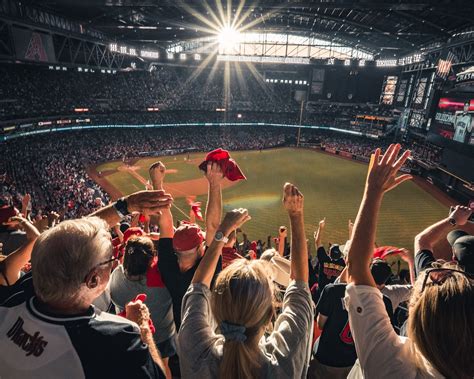
Additionally, the flexibility of rail seating is worth highlighting. Safe standing areas can be converted to seated sections for fixtures or events where standing is not appropriate, such as certain cup matches or non-football events hosted at the stadium. This adaptability ensures that the investment in safe standing infrastructure is not limited to football alone but can serve broader purposes, increasing the venue's utility and revenue potential. For St James' Park, which occasionally hosts concerts and other large-scale events, this versatility could make safe standing an even more attractive proposition.
It is also worth noting the regulatory landscape surrounding safe standing. In recent years, there has been a gradual shift in policy, with the UK government and football authorities showing a willingness to pilot safe standing initiatives. This shift reflects a growing recognition of the safety and viability of modern standing solutions. For St James' Park, aligning with this trend could position the club as a forward-thinking institution, ready to embrace changes that enhance both fan satisfaction and operational efficiency.
In summary, the case for safe standing at St James' Park is rooted in a combination of enhanced fan experience, increased capacity, economic benefits, and cultural resonance. By implementing safe standing, the club could create a more electric atmosphere, accommodate more supporters, and remain competitive in an evolving football landscape. These advantages are not merely theoretical but are supported by successful examples from other European leagues. For a stadium as storied and beloved as St James' Park, safe standing represents an opportunity to honor tradition while embracing progress—a win for both the club and its passionate fan base.
Safety Considerations and Regulations
The concept of 'safe standing' at football stadiums like St James' Park is rooted in a broader effort to balance the passionate atmosphere of football with the imperative of ensuring fan safety. In the UK, this subject is governed by a combination of safety standards, legal frameworks, and historical context that must be carefully navigated to implement safe standing effectively. Understanding these considerations involves delving into the regulatory landscape, the evolution of stadium safety, and the specific measures that ensure compliance with modern safety expectations.
The UK's approach to safe standing is heavily influenced by lessons learned from past tragedies, particularly the Hillsborough disaster of 1989, where 97 fans lost their lives in a crush during an FA Cup semi-final. This event led to the Taylor Report, a comprehensive review of stadium safety that recommended the phasing out of standing areas in favor of all-seater stadiums for top-tier football grounds. For decades, this recommendation was interpreted as a blanket prohibition on standing, but recent shifts in policy and public opinion have opened the door to safe standing as a viable alternative.
The Sports Grounds Safety Authority (SGSA) is the primary body responsible for overseeing stadium safety in the UK. In 2022, the SGSA introduced Guidance for Safety at Sports Grounds (Green Guide), which provides detailed specifications for the design and operation of safe standing areas. This document emphasizes that safe standing must not compromise the ability to evacuate a stadium quickly and safely in an emergency. It sets out specific requirements for the design of rail seating—a system where each row of seats is equipped with a sturdy rail to prevent falls or surges—and mandates that each space must be assigned to an individual ticket holder, preventing over-occupancy.
One of the critical safety standards outlined in the Green Guide is the need for clear sightlines. Safe standing areas must ensure that all spectators, whether standing or seated, have an unobstructed view of the pitch. This requirement not only enhances the fan experience but also minimizes the risk of crowding as fans jostle for better views. Furthermore, the design must account for egress routes, ensuring that pathways leading to and from standing areas are wide enough to accommodate the expected flow of people without bottlenecks. These pathways are subject to rigorous testing under simulated emergency conditions to verify their adequacy.
In addition to the Green Guide, safe standing at St James' Park or any other stadium in the UK must comply with local authority regulations and the Fire Safety and Planning Acts. Local councils play a pivotal role in granting licenses for safe standing areas, often requiring clubs to submit detailed risk assessments and safety management plans. These plans must address potential hazards such as overcrowding, crowd behavior, and the impact of adverse weather conditions on fan movement. For instance, Newcastle United would need to demonstrate how they intend to manage the ingress and egress of fans in standing areas during high-profile matches with larger crowds.
The introduction of safe standing also involves adherence to the Football Spectators Act 1989, which gives authorities the power to enforce safety measures at football grounds. While this act was initially focused on crowd control in response to hooliganism, its provisions have been adapted to include the oversight of modern safety innovations. Clubs must prove that their standing areas meet the criteria for "managed standing," where crowd density is carefully monitored, and stewards are trained to intervene in case of disturbances. This legal requirement underscores the need for robust stewarding and crowd management strategies tailored to the unique dynamics of standing spectators.
Another layer of regulation comes from the Accessibility Requirements outlined in the Equality Act 2010. Safe standing areas must be designed to accommodate disabled fans, ensuring that they have equal access to the matchday experience. This might involve creating designated spaces within standing zones for wheelchair users or providing alternative viewing options for fans who cannot stand for extended periods. St James' Park, as a venue that prides itself on inclusivity, would need to integrate these considerations into its safe standing plans to avoid legal challenges or reputational damage.
From a practical perspective, the concept of safe standing also intersects with dynamic crowd behavior analysis. Modern stadiums are increasingly using technology to monitor crowd movement in real time. For example, CCTV systems equipped with AI can detect signs of overcrowding or unusual behavior in standing areas, allowing stadium staff to take proactive measures. This kind of surveillance is not only a regulatory expectation but also a practical tool for maintaining safety. Clubs must invest in such systems as part of their commitment to meeting safety standards, and this is particularly relevant for a high-capacity venue like St James' Park, where crowd sizes can exceed 50,000.
The legal frameworks governing safe standing are also influenced by European safety standards, particularly those outlined by UEFA. While UEFA competitions currently require all-seater stadiums, there is growing recognition of safe standing as a legitimate option for domestic leagues. This duality means that clubs like Newcastle United must design safe standing areas that can be temporarily converted to all-seater configurations for European fixtures. Such flexibility adds another layer of complexity to the design and regulation of these spaces.
A unique insight into the UK's approach to safe standing is the emphasis on pilot programs as a testing ground for new regulations. Clubs participating in pilot schemes, such as those at Tottenham Hotspur Stadium and Manchester United's Old Trafford, are required to collect and share data on fan behavior, crowd density, and incident reports. This data-driven approach allows regulators to refine safety standards based on real-world evidence rather than theoretical models. For St James' Park, participation in such a pilot could provide valuable insights into how safe standing might be tailored to the specific layout and fan culture of the stadium.
It is also worth noting that fan advocacy groups have played a significant role in shaping the legal and regulatory landscape around safe standing. Organizations like the Football Supporters' Federation have campaigned for the reintroduction of standing areas, arguing that they enhance atmosphere and provide a more affordable option for fans. Their input has influenced policymakers to view safe standing not just as a safety issue but as a matter of fan engagement and inclusivity. This advocacy has led to a more collaborative approach between clubs, regulators, and fans in developing safe standing policies.
In conclusion, the safety considerations and legal frameworks for safe standing at St James' Park are multifaceted and deeply rooted in historical, technical, and social contexts. From the detailed specifications of the Green Guide to the oversight of local authorities and the integration of modern technology, every aspect of safe standing is governed by a robust set of standards designed to prioritize fan safety without stifling the vibrancy of the matchday experience. For Newcastle United and similar clubs, the challenge lies in navigating these frameworks while maintaining the unique identity and atmosphere of their stadium.
Global Examples of Safe Standing
The concept of safe standing has gained significant traction in modern football, as clubs and governing bodies seek to balance the desire for an enhanced matchday atmosphere with the imperative of spectator safety. While the debate around safe standing continues in various leagues, several football stadiums worldwide have successfully implemented this feature, demonstrating its feasibility and benefits. Examining these global examples provides valuable insights into how safe standing can be integrated into stadiums like St James' Park while addressing concerns about safety, accessibility, and fan experience.
One of the most prominent examples of safe standing is found in **Germany**, where the **Bundesliga** has long embraced the practice. Stadiums such as **Signal Iduna Park**, home to Borussia Dortmund, are celebrated for their **Südtribüne**, also known as the "Yellow Wall." This standing area accommodates over 25,000 fans, creating one of the most electrifying atmospheres in world football. The success of safe standing in Germany lies in its structured approach. Standing areas are equipped with **rail seats**—a design that allows seats to be locked upright during standing events and folded down for matches where seating is required. This dual-purpose functionality ensures compliance with safety regulations and offers flexibility for different types of events. The German model also underscores the importance of **fan education**; supporters are well-informed about how to use the areas responsibly, and stewards are trained to manage these sections effectively. This combination of infrastructure and community engagement has made safe standing a hallmark of German football culture, with no major safety incidents reported in decades of implementation.
In **Scotland**, **Celtic Park** serves as another compelling case study. In 2016, Celtic became the first British club to reintroduce safe standing after years of all-seater policies following the **Hillsborough disaster**. The club installed a **rail seating area** for 2,900 fans in the Lisbon Lions Stand. This initiative was driven by fan demand and supported by rigorous safety assessments. The results have been overwhelmingly positive, with reports of improved atmosphere and fan satisfaction. Importantly, Celtic's approach demonstrates that safe standing can be introduced even within the constraints of a league that has historically been cautious about such measures. The Scottish example highlights the role of **pilot programs** in testing and refining safe standing concepts before broader adoption. This incremental approach can be a model for clubs like Newcastle United, where phased implementation might address potential resistance or logistical challenges.
Moving to **Sweden**, **Malmö FF's Eleda Stadium** offers a slightly different perspective. The stadium features a standing section that prioritizes **accessibility and inclusivity**. Unlike some other implementations, Malmö's standing area is designed to ensure that fans with limited mobility or those who prefer not to stand for extended periods can still feel included. This is achieved through a mix of seating and standing options within the same zone, supported by clear signage and designated pathways. The Swedish model emphasizes the idea that safe standing is not solely about creating a raucous atmosphere but also about **enhancing the matchday experience for diverse fan groups**. This focus on inclusivity could be particularly relevant for St James' Park, where accommodating a wide range of supporters is a key consideration.
In **Japan**, safe standing has been implemented in **J-League stadiums** such as **Saitama Stadium 2002**, which hosted matches during the 2002 FIFA World Cup. The Japanese approach is notable for its emphasis on **technological integration**. Standing areas are equipped with **smart monitoring systems** that track crowd density and movement in real time. This allows stadium operators to proactively address potential safety concerns, such as overcrowding or bottlenecks. Additionally, Japan's focus on **cultural norms**—such as fans self-regulating their behavior—demonstrates how societal expectations can complement infrastructure to maintain safety. For St James' Park, adopting similar monitoring technologies could enhance both safety and operational efficiency, particularly during high-attendance matches.
The **United States** provides an interesting contrast, as safe standing has been introduced in **Major League Soccer (MLS)** venues like **LAFC's Banc of California Stadium** and **Minnesota United's Allianz Field**. These implementations are influenced by the **North American sports culture**, where standing areas are often integrated into **supporter sections** that emphasize community and active participation. These areas are characterized by **steeply raked seating** that allows fans to stand while maintaining clear sightlines. The MLS experience shows that safe standing can thrive in a league without the historical baggage of European football's safety debates, offering a fresh perspective on how modern stadiums can prioritize fan energy without compromising safety standards. For St James' Park, this example suggests that safe standing could be marketed not just as a nostalgic return to terraces but as a forward-looking enhancement of the matchday experience.
In **the Netherlands**, **Ajax's Johan Cruyff Arena** has also experimented with safe standing, particularly for European matches where UEFA regulations previously required all-seater stadiums. The Dutch approach often involves **temporary conversions** of seated areas into standing zones for domestic games, showcasing the adaptability of rail seating systems. This flexibility is particularly appealing for clubs that host both domestic and international fixtures with differing safety requirements. For St James' Park, this model could offer a practical solution for complying with UEFA standards while still providing standing options for Premier League matches.
A less conventional but equally instructive example comes from **Norway**, where clubs like **Rosenborg BK** have introduced safe standing in smaller, community-focused stadiums. These implementations are often driven by **grassroots movements** rather than top-down directives, demonstrating how fan advocacy can shape stadium design. Rosenborg's approach highlights the role of **local context** in determining the success of safe standing. For Newcastle, engaging with local supporters' trusts and understanding the unique dynamics of the Geordie fanbase could ensure that any safe standing initiative resonates with the community.
Across these examples, several common themes emerge. First, **rail seating** is the most widely adopted technology for safe standing, as it provides a balance between flexibility, safety, and spectator comfort. Second, successful implementations are often supported by **robust safety protocols**, including steward training, clear demarcation of standing areas, and crowd management strategies. Third, fan engagement is critical; clubs that involve their supporters in the planning and rollout of safe standing areas tend to see higher levels of acceptance and enthusiasm. Finally, the diversity of global examples shows that safe standing is not a one-size-fits-all solution—it must be tailored to the specific needs, culture, and infrastructure of each stadium.
For St James' Park, these global examples offer a roadmap for implementing safe standing in a way that respects both tradition and innovation. Whether drawing on the atmospheric intensity of Dortmund's Yellow Wall, the inclusivity of Malmö's design, or the technological sophistication of Japanese stadiums, Newcastle United has a wealth of models to inspire a safe standing solution that enhances both safety and the matchday experience for its passionate fanbase.
Challenges and Opposition
The introduction of safe standing at St. James' Park, like any significant change in a football stadium, brings with it a range of challenges and opposition that must be carefully considered. While the concept has gained traction in modern football as a means to enhance atmosphere and provide fans with more choice, the path to implementation is fraught with complexities. These include potential fan dissent, cost implications, and lingering safety concerns that could hinder its adoption.
One of the most immediate challenges is fan dissent. While many supporters advocate for safe standing as a way to recreate the vibrant atmospheres of the past, others are resistant to the idea. Some fans, particularly those who have grown accustomed to seated areas, may view standing as a regression rather than a progression. This resistance can stem from concerns about comfort—older or less physically able supporters might find standing for extended periods challenging. Additionally, families with young children or those who prefer the security of a seat might feel alienated by the shift. Clubs like Newcastle United must navigate this divide carefully, as alienating even a small segment of their loyal fanbase could lead to reputational damage or reduced attendance in certain sections of the stadium.
Another dimension of fan dissent is the perception of inequality. Safe standing areas are often introduced in specific sections of the stadium, typically where the most vocal supporters congregate. This can create a sense of division between those who are part of the standing culture and those who are not. For instance, fans in seated areas adjacent to safe standing zones might feel their matchday experience is disrupted by the noise, movement, or even the physical design of the standing area. Addressing these concerns requires clear communication from the club about the purpose and scope of safe standing, as well as potential compromises, such as offering flexible seating options or designated family-friendly zones.
The second major challenge lies in cost implications. Implementing safe standing is not merely about removing seats and installing rail seats or other standing infrastructure. It involves a comprehensive overhaul of existing stadium layouts, which can be expensive. At St. James' Park, the retrofitting process would need to adhere to strict safety standards set by the Sports Grounds Safety Authority (SGSA) in the UK. This includes ensuring that the standing areas are equipped with proper barriers, adequate space per person (typically one space per person measured at 0.8m x 0.8m), and mechanisms to convert back to seating if necessary. These modifications require not only initial capital expenditure but also ongoing maintenance costs to ensure the infrastructure remains safe and compliant over time.
Costs are further compounded by the need for feasibility studies, fan consultations, and potential redesigns of ticketing systems to accommodate standing areas. For a club like Newcastle United, which operates within the financial pressures of the Premier League, such investments must be weighed against other priorities, such as player acquisitions, training facilities, or general stadium upgrades. There is also the risk of the initiative not delivering a clear return on investment. While safe standing can theoretically increase capacity and ticket revenue in certain sections, this is not guaranteed. If the uptake of standing tickets is lower than expected—perhaps due to lingering safety fears or fan dissatisfaction—the financial justification for the project could be called into question.
This leads to the third and perhaps most contentious issue: safety concerns. Despite the term "safe standing," there remains a historical shadow over the concept due to tragedies like the Hillsborough disaster in 1989, where standing areas were implicated in the loss of 97 lives. Although modern safe standing is designed to be fundamentally different from the terraces of the past—incorporating rail seating and strict capacity controls—some critics and safety advocates remain unconvinced. They argue that any form of standing introduces risks, particularly in moments of high emotion, such as goal celebrations or confrontations between rival fans. These concerns are amplified in a stadium as large and atmospheric as St. James' Park, where crowd dynamics can be unpredictable.
Safety concerns are not limited to physical risks. There are also operational challenges in managing standing areas during high-stakes matches or derbies, where tensions are heightened. Stewards would need additional training to monitor and control these areas effectively, particularly to prevent overcrowding or unsafe behavior. Furthermore, the introduction of standing areas might inadvertently encourage fans in seated sections to stand, leading to a ripple effect that compromises the safety of those who wish to remain seated. This could result in friction between fans and stewards, undermining the intended benefits of safe standing.
Another safety-related challenge is the potential impact on emergency evacuation procedures. St. James' Park, like all modern stadiums, is designed with seated spectators in mind for efficient egress in case of emergencies. The introduction of standing areas could complicate these procedures, as movement through standing zones is inherently slower and more chaotic than through seated ones. This concern would need to be addressed through detailed simulations and risk assessments, potentially adding further time and cost to the implementation process.
Beyond these primary challenges, there are also regulatory and political hurdles to consider. While safe standing has been trialed successfully at other UK stadiums, such as those of Tottenham Hotspur and Manchester United, each club's circumstances are unique. Local authorities, emergency services, and even national governing bodies might have differing views on whether St. James' Park is an appropriate venue for such a change. Engaging with these stakeholders requires not only a robust safety case but also political acumen to navigate potential opposition from policymakers or community groups who might view the move as controversial.
Additionally, there is the question of how safe standing aligns with the club's broader brand and ethos. Newcastle United has a diverse fanbase, and any initiative that appears to prioritize one group over another—such as younger, more vocal fans over older or more reserved ones—could be seen as divisive. The club would need to frame safe standing not as a favor to one subset of supporters but as a holistic improvement that enhances the matchday experience for everyone, even if indirectly.
To address these challenges, Newcastle United could adopt a phased approach. For instance, they might begin with a pilot program in a limited section of the stadium, allowing for real-world testing of safety measures, fan feedback, and operational logistics. This would provide an opportunity to refine the concept before a full-scale rollout. Transparent communication with fans, including detailed explanations of the safety measures and cost breakdowns, would also be critical in building trust and mitigating dissent.
In summary, while safe standing at St. James' Park offers the promise of a more dynamic and engaging matchday atmosphere, it is not without its obstacles. Fan dissent must be managed through inclusivity and clear communication. Cost implications require careful financial planning to ensure the investment is justified. And safety concerns, both real and perceived, demand rigorous testing, stakeholder engagement, and a commitment to learning from past mistakes. Only by addressing these challenges head-on can the club hope to implement safe standing in a way that is both sustainable and widely accepted.
Stakeholder Perspectives
The introduction of safe standing at St. James' Park is a topic that has sparked significant debate among various stakeholders. Each group brings a unique perspective, shaped by their interests, responsibilities, and experiences. To fully understand the dynamics of this issue, it is essential to analyze the viewpoints of the key players: **fans**, **club management**, and **local authorities**.
**Fans** are perhaps the most vocal and emotionally invested group in this discussion. For many supporters, the concept of safe standing is deeply tied to their identity as matchgoers. Standing areas were a traditional feature of football grounds before the introduction of all-seater stadiums following the Taylor Report in the wake of the Hillsborough disaster. For older fans, safe standing represents a nostalgic return to the atmosphere of the terraces, where the physical act of standing was intertwined with collective energy and passion. Younger fans, who have grown up in all-seater environments, often see safe standing as an opportunity to enhance their matchday experience. They argue that standing fosters a more vibrant and engaged atmosphere, which can improve the overall spectacle of the game. Surveys and fan forums frequently reveal overwhelming support for safe standing among supporters, with many citing the success of similar initiatives in Bundesliga stadiums and Celtic Park as evidence of its feasibility and popularity.
However, fans are not a monolithic group. Some have expressed concerns about the practical implementation of safe standing. Issues such as accessibility for disabled fans, potential overcrowding, and the risk of creating divisions between those who prefer to sit and those who want to stand are frequently raised. These concerns highlight the need for a carefully designed system that prioritizes inclusivity and safety while preserving the communal spirit of the terraces. Fans also emphasize that safe standing should not lead to increased ticket prices, as this could alienate lower-income supporters who are often the lifeblood of the club's support base.
From the perspective of **club management**, the introduction of safe standing presents both opportunities and challenges. On one hand, club executives recognize the potential for safe standing to boost revenue and enhance the fan experience. A more energetic and engaged crowd can create a better atmosphere, which in turn can improve player performance and make St. James' Park an even more intimidating venue for visiting teams. This enhanced atmosphere could also increase ticket sales and merchandise revenue, as fans are more likely to attend matches where the environment is electric. Furthermore, safe standing could allow the club to increase capacity within existing infrastructure by converting some seating areas into rail seating, which accommodates more fans in the same space compared to traditional seating.
On the other hand, club management must navigate a complex web of regulatory compliance, financial investment, and reputational risk. Implementing safe standing requires significant upfront costs to retrofit sections of the stadium with rail seating or other approved systems. There is also the challenge of ensuring that the standing areas comply with the Sports Grounds Safety Authority (SGSA) guidelines, which mandate strict safety standards. Any failure to meet these standards could result in legal liabilities or, worse, incidents that harm the club's reputation. Additionally, management must consider how safe standing might affect the club's broader fan base. For instance, if safe standing areas are introduced in sections traditionally occupied by season ticket holders who prefer to sit, this could lead to dissatisfaction or even boycotts among those fans. Balancing the desires of different fan demographics is a delicate task that requires clear communication and stakeholder engagement.
**Local authorities**, including the council and safety advisory groups, play a critical role in the approval and oversight of safe standing initiatives. Their primary concern is public safety. The shadow of Hillsborough looms large in these discussions, and local authorities are acutely aware of their duty to prevent any scenario where crowd management issues could lead to tragedy. Authorities are likely to scrutinize proposals for safe standing with a high level of rigor, focusing on factors such as crowd dynamics, emergency evacuation procedures, and the design of rail seating systems. They will also consider how safe standing aligns with broader urban planning and public order objectives. For example, if safe standing leads to larger crowds or more boisterous behavior, there could be spillover effects on local transport networks, policing resources, and community relations.
Local authorities may also view safe standing through the lens of **economic impact**. While the club itself stands to benefit financially, there are potential knock-on effects for the city. A more vibrant matchday experience could attract more visitors to Newcastle, boosting local businesses such as pubs, restaurants, and hotels. However, authorities must weigh this against the potential for increased strain on public services. For instance, heightened crowd activity might require additional policing or traffic management, which could strain already limited municipal budgets. Authorities are also likely to be influenced by public opinion and political pressure. If safe standing is perceived as a step backward in terms of safety, they may face criticism from campaign groups or constituents who oppose the change.
Another layer of complexity arises from the interplay between national and local policies. While the UK government has recently permitted safe standing trials in certain stadiums, the onus is still on local authorities to assess whether a specific proposal is appropriate for their area. This can create tension between the club, which may push for rapid implementation to remain competitive with other teams, and local officials, who may take a more cautious approach to ensure public confidence.
A unique insight into this dynamic is the potential for **collaborative innovation** between these stakeholders. For example, fan groups could work with the club to pilot small-scale safe standing areas as a proof of concept, allowing local authorities to observe real-world outcomes before committing to larger-scale changes. Such an approach would not only build trust but also provide valuable data on how safe standing impacts crowd behavior, safety, and the overall matchday experience. Additionally, the club could position itself as a leader in this space by engaging with academic institutions or safety experts to study the long-term effects of safe standing, thereby setting a precedent for other clubs to follow.
There is also the question of equity and inclusivity, which cuts across all stakeholder groups. For instance, while fans advocate for the return of standing areas, local authorities must ensure that these areas do not inadvertently exclude certain groups, such as older fans or those with mobility issues. Clubs could address this by reserving some safe standing spaces for accessible seating or by implementing flexible designs that allow for both standing and seated options within the same area. This kind of inclusive design would not only meet regulatory requirements but also demonstrate a commitment to serving the entire fan community.
In summary, the perspectives of fans, club management, and local authorities on safe standing at St. James' Park are shaped by a mix of nostalgia, pragmatism, and caution. Fans see it as a way to reclaim a cherished tradition and enhance their experience. Club management views it as an opportunity to improve the stadium's atmosphere and financial viability, albeit with significant logistical and reputational risks. Local authorities, meanwhile, prioritize safety and public order while also considering the broader economic and social implications. A successful implementation of safe standing will require these groups to engage in open dialogue, prioritize safety, and adopt a phased, evidence-based approach that balances tradition with modernity.
Economic and Cultural Impact
The introduction of safe standing at St. James' Park could have a profound **economic and cultural impact** on Newcastle United and its surrounding community. This change is not merely about accommodating more fans or modernizing the matchday experience; it represents a shift in how the club interacts with its supporters, generates revenue, and reinforces its identity as a bastion of passionate football culture. By examining the potential ripple effects of safe standing, we can see how this initiative might shape the club's financial health, deepen fan engagement, and solidify its place in the cultural fabric of the city.
From an **economic perspective**, safe standing offers a dual opportunity to increase matchday revenue while optimizing stadium capacity. St. James' Park, with its current all-seater setup, has a fixed number of seats that limits the club's ability to expand attendance without significant infrastructural investment. Safe standing areas, however, can accommodate more supporters in the same physical space compared to traditional seating. For instance, studies from clubs like Celtic and Borussia Dortmund—early adopters of safe standing—have shown that these areas can increase capacity by up to 30% in designated sections. For Newcastle United, this means the potential to welcome several thousand additional fans per game without the need for costly stadium expansion projects.
This increased capacity directly translates to higher **ticket revenue**. Safe standing tickets are often priced lower than seated tickets, making them more accessible to a broader demographic of fans. This affordability can attract younger supporters, students, and those who might otherwise be priced out of attending matches. While individual ticket prices might be lower, the sheer volume of additional attendees can offset this and contribute to a net gain in matchday income. Furthermore, safe standing areas tend to foster a more vibrant atmosphere, which can enhance the appeal of season tickets in these sections. Season ticket holders in safe standing zones are likely to feel they are part of an exclusive, energetic community, driving long-term loyalty and consistent revenue streams for the club.
Beyond ticket sales, safe standing can also boost **secondary revenue streams**. A more engaged and larger crowd often leads to higher spending on concessions, merchandise, and hospitality packages. Fans standing together in a lively, communal atmosphere are more likely to purchase food, drinks, and club-branded items as part of the heightened matchday experience. Additionally, the improved atmosphere could make St. James' Park a more attractive venue for corporate sponsorships and partnerships. Brands are drawn to environments where fan passion is palpable, and safe standing areas—often characterized by chanting, flags, and unrelenting energy—can serve as a compelling backdrop for sponsors seeking high-visibility opportunities.
From a **fan engagement standpoint**, safe standing has the potential to rekindle the emotional connection between Newcastle United and its supporters. The club has a storied history of passionate support, epitomized by the "Toon Army," whose unwavering loyalty is a defining feature of the club's identity. However, the transition to all-seater stadiums in the 1990s—while necessary for safety—has been criticized for diluting the communal, raucous energy that once defined football grounds. Safe standing offers a chance to restore this energy in a controlled, regulated manner. Standing areas are synonymous with active participation; fans in these zones are more likely to chant, wave flags, and engage in collective rituals that amplify the sense of belonging and camaraderie.
This enhanced atmosphere can have a **psychological impact on players** as well. Numerous studies and anecdotal evidence suggest that players perform better in atmospheres where crowd support is vocal and unified. Safe standing areas, by their nature, concentrate the most ardent supporters in specific zones, creating a "wall of sound" that can inspire the team on the pitch. For Newcastle United, a club often described as being fueled by its fans, this could translate to better home form and a stronger sense of unity between the team and its supporters.
The cultural implications of safe standing are equally significant. Newcastle United is more than a football club; it is a symbol of the city's identity, resilience, and community spirit. The introduction of safe standing could be seen as a nod to the club's **historical roots**, harkening back to a time when standing was the norm and football was a working-class sport. This move would resonate deeply with older generations of fans who remember the terraces and with younger fans eager to experience a more authentic, energetic matchday atmosphere. In this way, safe standing is not just a practical measure—it is a symbolic gesture that aligns the club with its heritage while embracing modernity.
Moreover, safe standing could position Newcastle United as a **leader in fan-centric innovation** within the Premier League. While some clubs have been hesitant to adopt safe standing due to logistical or regulatory concerns, Newcastle's proactive approach could set a precedent. This leadership role would enhance the club's reputation as one that listens to its supporters and prioritizes their experience. Such a reputation can be a powerful tool in attracting new fans, particularly in a globalized football landscape where clubs compete not just for local loyalty but for international audiences as well. A club seen as forward-thinking and inclusive is more likely to capture the attention of fans beyond the immediate region, further expanding its commercial reach.
However, it is essential to consider the **potential challenges** of safe standing in this context. For instance, the club must ensure that the introduction of standing areas does not alienate fans who prefer seated accommodations. A careful balance must be struck to avoid creating a divide between different fan groups. Additionally, the club will need to invest in robust safety measures and clear communication to address any concerns about crowd management and security. Transparent engagement with supporters' groups and local authorities will be critical to ensuring the success of this initiative.
In terms of **Newcastle United's identity**, safe standing represents an opportunity to reaffirm the club's status as a people's team. The city of Newcastle is known for its working-class ethos and collective pride, qualities that are deeply embedded in the club's DNA. Safe standing areas can serve as a physical manifestation of these values, emphasizing accessibility, inclusivity, and the raw passion that defines football at its best. For a club that has recently undergone significant transformation under new ownership, this move could symbolize a commitment to preserving the essence of what makes Newcastle United unique while modernizing its operations to compete at the highest level.
In summary, the economic and cultural impact of safe standing at St. James' Park extends far beyond the physical act of standing during a match. It is a strategic decision that can enhance revenue, deepen fan engagement, and reinforce the club's identity as a community-driven institution. By embracing this change thoughtfully and inclusively, Newcastle United has the opportunity to set a benchmark for how football clubs can evolve while staying true to their roots.
Implementation Feasibility at St James' Park
The introduction of safe standing areas at St James' Park is a topic of significant interest for Newcastle United and its fanbase, particularly as it aligns with the broader movement across English football to enhance matchday atmospheres while maintaining safety standards. However, assessing the **practicality of implementing safe standing areas** within the current stadium infrastructure requires an in-depth examination of several critical factors, including the physical layout of the stadium, regulatory compliance, cost implications, and fan engagement.
St James' Park, with its capacity of over 52,000, is one of the largest and most iconic stadiums in the Premier League. Its existing **seating configuration** is largely traditional, with fixed seats across all four stands. This presents both opportunities and challenges for retrofitting safe standing areas. The most feasible locations for such areas would likely be in the **Gallowgate End** and the **Leazes End**, where the most vocal and passionate supporters are typically located. These sections are already known for their high-energy atmospheres, making them natural candidates for safe standing. However, this would require a detailed **structural assessment** of these areas to ensure that the existing terraces can support the installation of rail seats or other safe standing mechanisms without compromising the overall stability of the stadium.
One of the first practical considerations is the **compatibility of rail seating systems** with the existing infrastructure. Rail seating, which is widely used in stadiums across Europe, allows for seats to be locked in an upright position during standing events, providing a safe barrier between rows. This system is designed to prevent overcrowding and ensure that each fan has a designated space, even in a standing configuration. However, the **retrofitting process** at St James' Park could be complex. The sloped design of the stands and the current fixed seating arrangements may necessitate modifications to the concrete terraces or the installation of new platforms. This is not merely a matter of swapping seats for rail systems; it involves significant **engineering work** to ensure the stands can bear the dynamic load of standing fans, particularly during high-intensity matches.
Another critical aspect is **regulatory compliance**. The UK government has recently permitted trials of safe standing in designated areas of certain stadiums, following years of strict all-seater policies introduced after the Hillsborough disaster. These trials are governed by strict safety guidelines, including requirements for one seat or rail space per person, adequate aisle widths, and clear sightlines. St James' Park would need to meet these standards, which could involve not only physical changes to the stands but also updates to the stadium's **safety certification**. This would likely require close collaboration with local authorities, the Sports Grounds Safety Authority (SGSA), and other regulatory bodies to ensure that any proposed changes adhere to the letter of the law.
The **cost implications** of introducing safe standing are also a significant factor. While rail seating systems are generally less expensive than traditional seating in terms of materials, the overall cost of implementation at St James' Park could be substantial due to the scale of the project. This would include not only the cost of purchasing and installing rail seats but also the **associated labor costs** for structural modifications, safety upgrades, and compliance inspections. Furthermore, there is the question of **return on investment**. Safe standing areas could potentially allow for higher density seating (or standing), increasing the stadium's effective capacity slightly. However, this must be weighed against the potential loss of premium seating revenue if higher-priced seats in these areas are converted to standing spaces.
From a **fan engagement perspective**, safe standing has the potential to significantly enhance the matchday experience for many supporters. The **atmosphere in the Gallowgate and Leazes Ends** is already electric, and safe standing could amplify this further by allowing fans to express their support in a more dynamic and communal way. However, it is important to consider how this change might affect different segments of the fanbase. For instance, some season ticket holders in these areas may prefer the comfort and security of seated arrangements, particularly older fans or those with mobility concerns. A phased approach to implementation, perhaps starting with a **pilot area** in one stand, could help gauge fan reaction and address any concerns before a full-scale rollout.
Additionally, there is the **logistical challenge** of managing the transition. Introducing safe standing would require clear communication with fans about how the new system works, including ticketing, entry procedures, and behavioral expectations. For example, fans in safe standing areas would need to understand that while standing is permitted, they must still respect the space of others and avoid behaviors that could compromise safety, such as excessive surging or overcrowding. This would likely involve **steward training** and the introduction of new matchday protocols to ensure a smooth transition.
Another unique consideration for St James' Park is its **urban location**. The stadium is situated in a densely populated area of Newcastle, with residential properties and public transport hubs in close proximity. The introduction of safe standing could potentially impact crowd management outside the stadium, particularly in terms of **queuing, dispersal patterns**, and the overall flow of fans. Local transport infrastructure would need to be assessed to ensure it can handle any increase in foot traffic or changes in crowd behavior associated with standing areas. This might require coordination with local authorities to adjust public transport schedules or implement new crowd control measures around the stadium on matchdays.
It is also worth noting that the **long-term vision for St James' Park** could influence the feasibility of safe standing. If the club has plans for significant redevelopment or expansion of the stadium in the future, this could either facilitate or complicate the introduction of safe standing areas. For example, if a redevelopment plan includes the construction of new stands or the reconfiguration of existing ones, it might be more practical to integrate safe standing from the outset rather than retrofitting existing structures. Conversely, if no major renovations are planned, the club would need to carefully evaluate whether the benefits of safe standing outweigh the costs and effort required for implementation in the current setup.
Finally, there is the question of **fan demand and cultural readiness**. Newcastle United has a passionate and vocal supporter base, many of whom have expressed enthusiasm for safe standing. However, it is essential to conduct **fan surveys and consultations** to ensure that this enthusiasm is widespread and not limited to a vocal minority. Gathering data on fan preferences, concerns, and expectations would provide valuable insights into whether safe standing is truly a priority for the majority of supporters and help the club tailor its approach to meet fan needs.
- A **structural assessment** of the Gallowgate and Leazes Ends is essential to determine whether the stands can support safe standing systems.
- The club must ensure **regulatory compliance** with SGSA guidelines and local safety standards.
- The **cost of retrofitting** must be weighed against potential benefits, including increased capacity and enhanced atmosphere.
- A **phased implementation** starting with a pilot area could mitigate risks and address fan concerns.
- Coordination with **local authorities** is necessary to manage external impacts on transport and crowd management.
In conclusion, while the introduction of safe standing at St James' Park is feasible, it is not without its challenges. A thorough evaluation of the stadium's infrastructure, regulatory requirements, cost implications, and fan feedback is necessary to ensure that any implementation is both practical and beneficial. With careful planning and stakeholder engagement, St James' Park could become a model for how safe standing can be successfully integrated into a historic and beloved football venue.
Conclusion and Future Outlook
The discussion around implementing safe standing at St James' Park has highlighted a range of opportunities, challenges, and considerations that must be addressed to move forward effectively. This section will summarize the key insights gleaned from the analysis of safe standing's potential benefits, risks, and stakeholder perspectives, before proposing concrete next steps that Newcastle United and its stakeholders can take to bring this initiative to fruition.
One of the most significant insights from the exploration of safe standing is its potential to enhance the matchday experience for fans. Surveys and anecdotal evidence suggest that many supporters view standing areas as a way to rekindle the vibrant, communal atmosphere that characterized football in earlier eras. For St James' Park, a stadium known for its passionate fanbase, safe standing could amplify this energy while also addressing the reality that many fans already stand in seated areas during matches. By formalizing safe standing zones, the club could provide a safer, regulated environment that aligns with modern safety standards while preserving the emotional connection fans feel to their club.
Another critical insight is the financial and logistical feasibility of implementing safe standing. The success of safe standing trials at other Premier League stadiums, such as Tottenham Hotspur Stadium and Manchester City's Etihad Stadium, demonstrates that the concept is not only viable but also adaptable to large, modern venues. These installations use rail seating systems that can switch between seated and standing configurations, offering flexibility for different types of events. For St James' Park, this adaptability would allow the club to maintain compliance with UEFA regulations for European fixtures while still catering to domestic league matches where standing is permissible. Moreover, the relatively low cost of retrofitting existing seating areas with rail seating compared to other stadium upgrades makes this a cost-effective way to improve fan satisfaction without significant financial strain.
However, the introduction of safe standing is not without its challenges and risks. One concern is the potential for increased crowd management issues. While safe standing is designed to mitigate risks associated with persistent standing in seated areas, it requires robust stewarding and clear communication to fans about its purpose and rules. Mismanagement or a lack of buy-in from supporters could lead to incidents that undermine the initiative's safety goals. Additionally, there is a need to consider how safe standing areas might affect the stadium's overall capacity and ticket pricing structure. If standing areas are priced lower than seated ones, there could be a shift in attendance dynamics that impacts revenue streams. These factors underline the need for a carefully planned rollout, with pilot programs and extensive fan consultation to address concerns proactively.
From a regulatory perspective, the UK government's approval of safe standing in designated areas marks a significant shift in policy that paves the way for broader adoption. However, each stadium must still meet specific safety criteria, including adequate space per person, clear sightlines, and emergency evacuation protocols. For St James' Park, this means engaging closely with local authorities, safety advisory groups, and the Sports Grounds Safety Authority (SGSA) to ensure compliance. This collaborative approach not only ensures legal adherence but also demonstrates the club's commitment to fan safety, which can help build trust among stakeholders.
Another key consideration is the role of fan advocacy in driving this change. Supporter groups have been instrumental in pushing for safe standing, framing it as a way to honor the traditions of football while embracing modern safety innovations. Their enthusiasm can be harnessed as a resource for education and promotion. For instance, fan ambassadors could be trained to explain the benefits of safe standing and address misconceptions. This grassroots involvement not only fosters a sense of ownership among fans but also ensures that the initiative is seen as a collective effort rather than a top-down mandate.
Looking ahead, there are several actionable next steps that Newcastle United can take to move safe standing from concept to reality:
- Conduct a feasibility study: The club should commission a detailed study to assess the specific areas of St James' Park where safe standing could be implemented. This study should evaluate factors such as existing infrastructure, fan density in key sections, and the potential impact on revenue and crowd flow. The findings can serve as a blueprint for phased implementation.
- Pilot a small-scale safe standing zone: Rather than a full-scale rollout, the club could designate one or two sections of the stadium as trial areas for safe standing. This approach would allow Newcastle to test the concept in a controlled environment, gather feedback from fans, and make adjustments before expanding. A successful pilot would also build momentum and demonstrate the club's ability to manage the transition effectively.
- Engage in transparent fan consultation: A structured consultation process, involving surveys, focus groups, and open forums, can help the club understand fan preferences and address concerns. Transparency about the goals, risks, and benefits of safe standing will be crucial in securing widespread support. This engagement should also include input from groups representing disabled fans to ensure inclusivity in the design of safe standing areas.
- Develop a comprehensive safety plan: Working with the SGSA and local authorities, the club should create a detailed safety plan that addresses crowd management, stewarding requirements, and emergency procedures specific to safe standing zones. This plan should also include training for staff and clear communication strategies to educate fans about how to use the areas responsibly.
- Leverage partnerships and sponsorships: Safe standing initiatives can be positioned as part of a broader effort to modernize the matchday experience. Partnering with safety equipment manufacturers or sponsors interested in associating with innovative fan initiatives could help offset costs and build positive PR for the club.
- Monitor and evaluate outcomes: Once safe standing is implemented, even in a limited capacity, the club must commit to ongoing evaluation. Metrics such as fan satisfaction, incident reports, and attendance patterns in standing areas should be tracked to assess the initiative's success and identify areas for improvement. Regular reviews can ensure that safe standing evolves in response to fan needs and broader trends in stadium management.
In addition to these practical steps, there is an opportunity for Newcastle United to position itself as a leader in progressive stadium management. By embracing safe standing, the club can align itself with a growing movement toward fan-centric innovations in football. This not only enhances the club's reputation but also sets a precedent for other clubs considering similar changes. Moreover, as safe standing becomes more widespread, it could open doors for collaboration with other clubs, sharing best practices and even exploring joint initiatives to advocate for further regulatory changes that benefit fans.
In conclusion, the introduction of safe standing at St James' Park represents more than just a logistical upgrade—it is an opportunity to reimagine the relationship between the club and its supporters. By prioritizing fan safety, fostering inclusivity, and maintaining the stadium's unique atmosphere, Newcastle United can set a standard for how modern football venues balance tradition with innovation. The path forward requires careful planning, stakeholder collaboration, and a willingness to learn from both successes and challenges. If these steps are taken with diligence and transparency, safe standing at St James' Park could become a defining feature of the club's identity, reinforcing its status as a forward-thinking institution in the world of football.